The 11 organ systems and their general functions
 Call Kai
 Learn
Learn Practice Test
 Spaced Repetition
 Match
Match Flashcards
 Knowt Play
1/10

There's no tags or description
Looks like no tags are added yet.
Name | Mastery | Learn | Test | Matching | Spaced | Call with Kai |
|---|
No analytics yet
Send a link to your students to track their progress
11 Terms
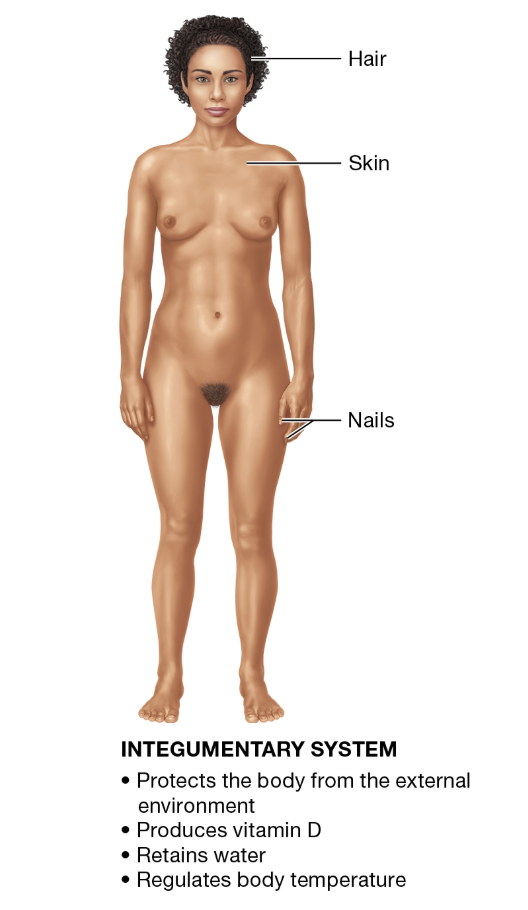
INTEGUMENTARY SYSTEM
Protects the body from the external environment
Produces vitamin D
Retains water
Regulates body temperature
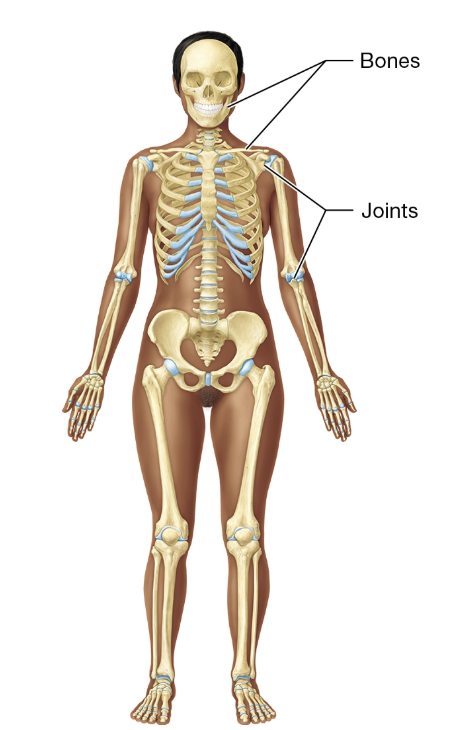
SKELETAL SYSTEM
Supports the body
Protects internal organs
Provides leverage for movement
Produces blood cells
Stores calcium salts
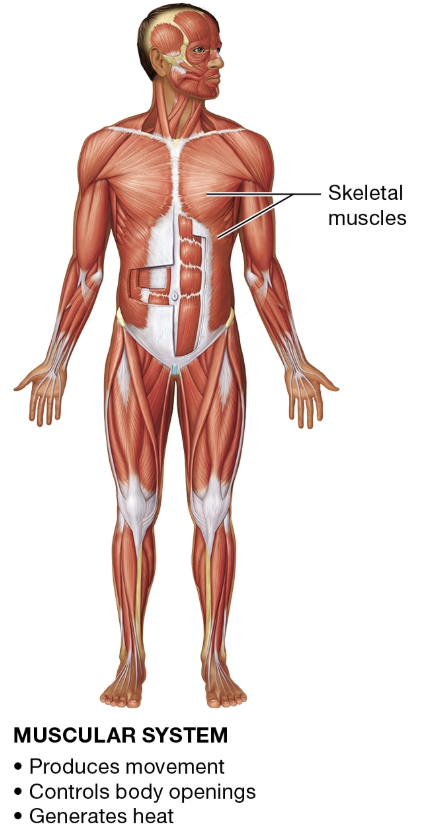
MUSCULAR SYSTEM
Produces movement
Controls body openings
Generates heat
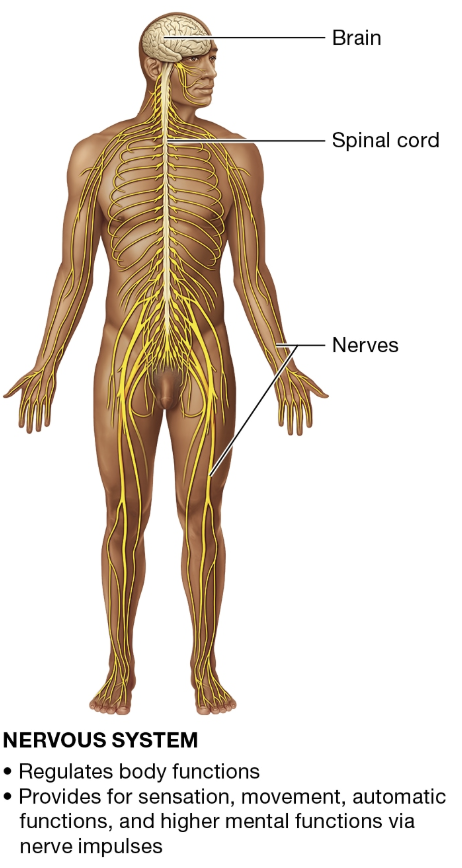
NERVOUS SYSTEM
Regulates body functions
Provides for sensation, movement, automatic functions, and higher mental functions via nerve impulses
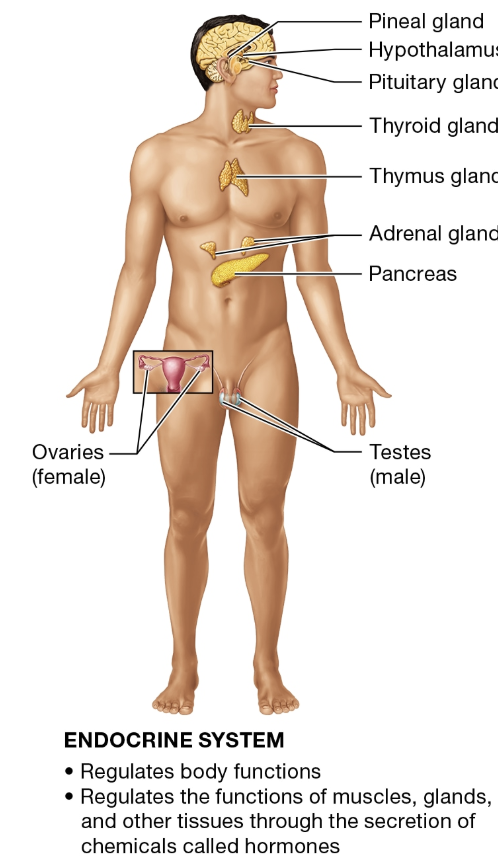
ENDOCRINE SYSTEM
Regulates body functions
Regulates the functions of muscles, glands, and other tissues through the secretion of chemicals called hormones
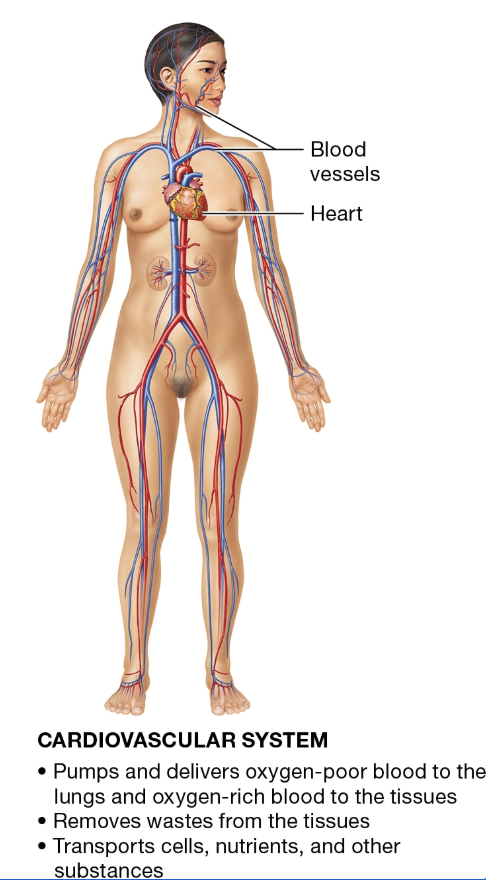
CARDIOVASCULAR SYSTEM
Pumps and delivers oxygen-poor blood to the lungs and oxygen-rich blood to the tissues
Removes wastes from the tissues
Transports cells, nutrients, and other substances
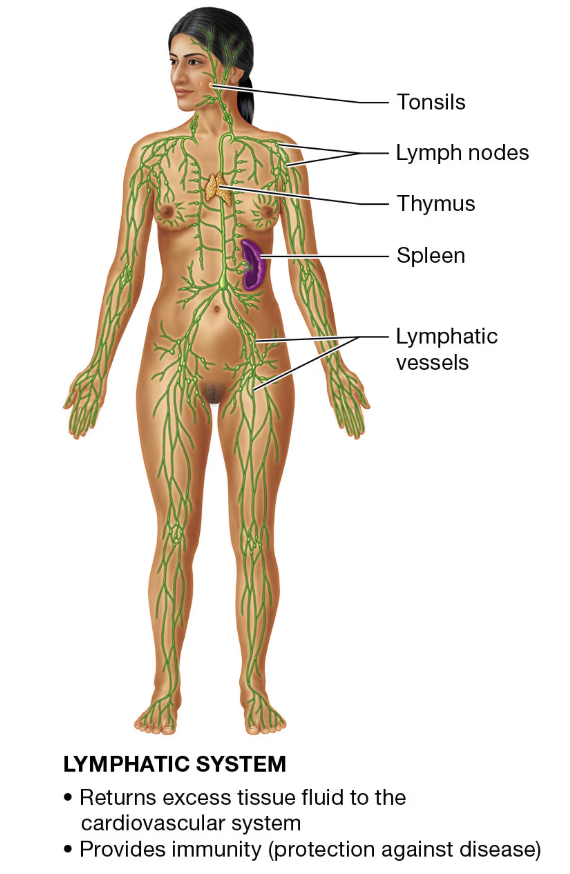
LYMPHATIC SYSTEM
Returns excess tissue fluid to the cardiovascular system
Provides immunity (protection against disease)
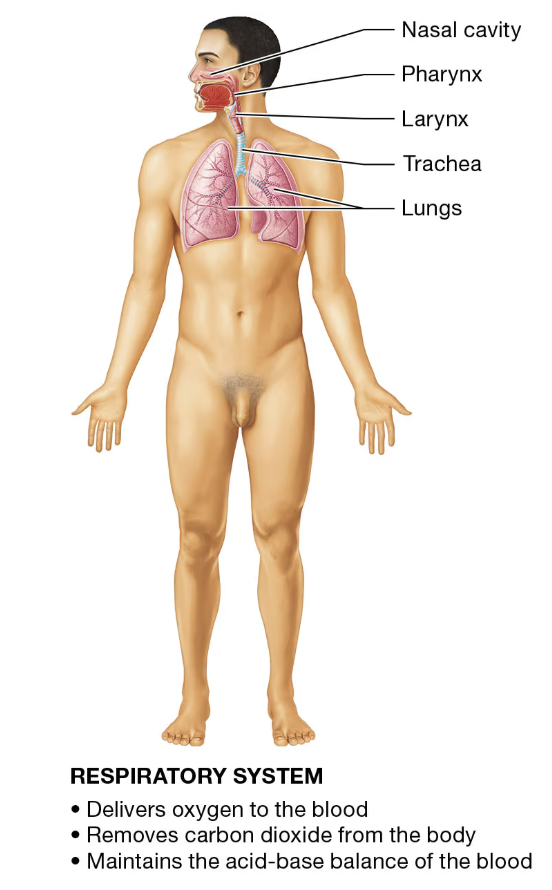
RESPIRATORY SYSTEM
Delivers oxygen to the blood
Removes carbon dioxide from the body
Maintains the acid-base balance of the blood
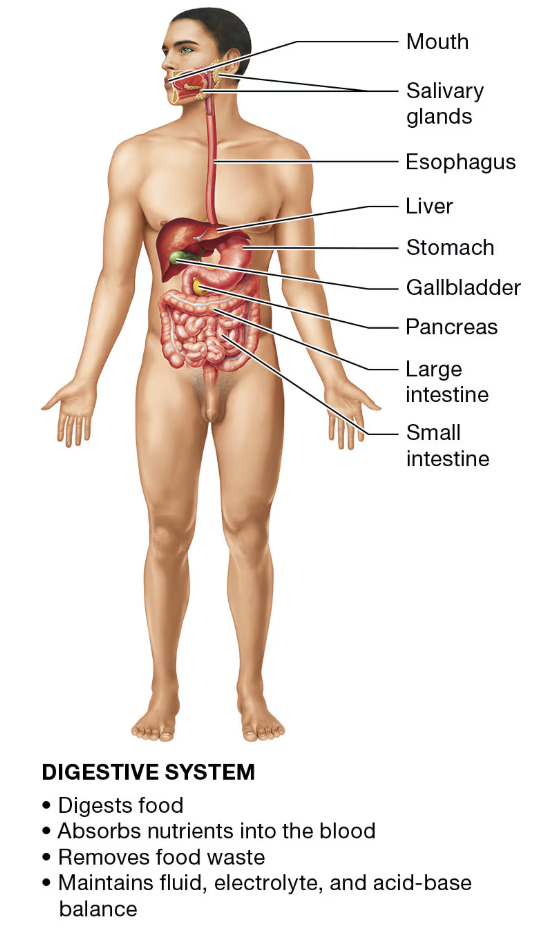
DIGESTIVE SYSTEM
Digests food
Absorbs nutrients into the blood
Removes food waste
Maintains fluid, electrolyte, and acid-base balance
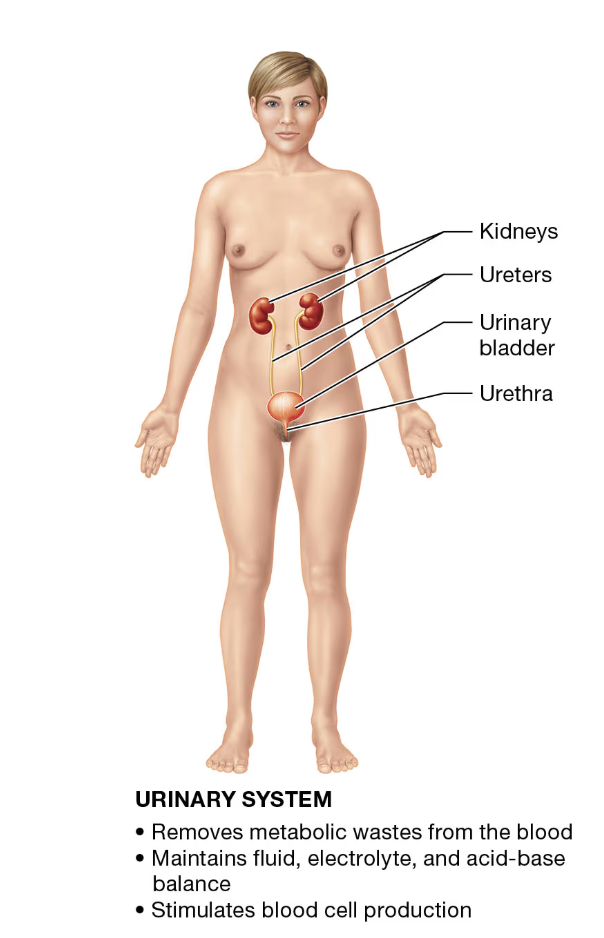
URINARY SYSTEM
Removes metabolic wastes from the blood
Maintains fluid, electrolyte, and acid-base balance
Stimulates blood cell production
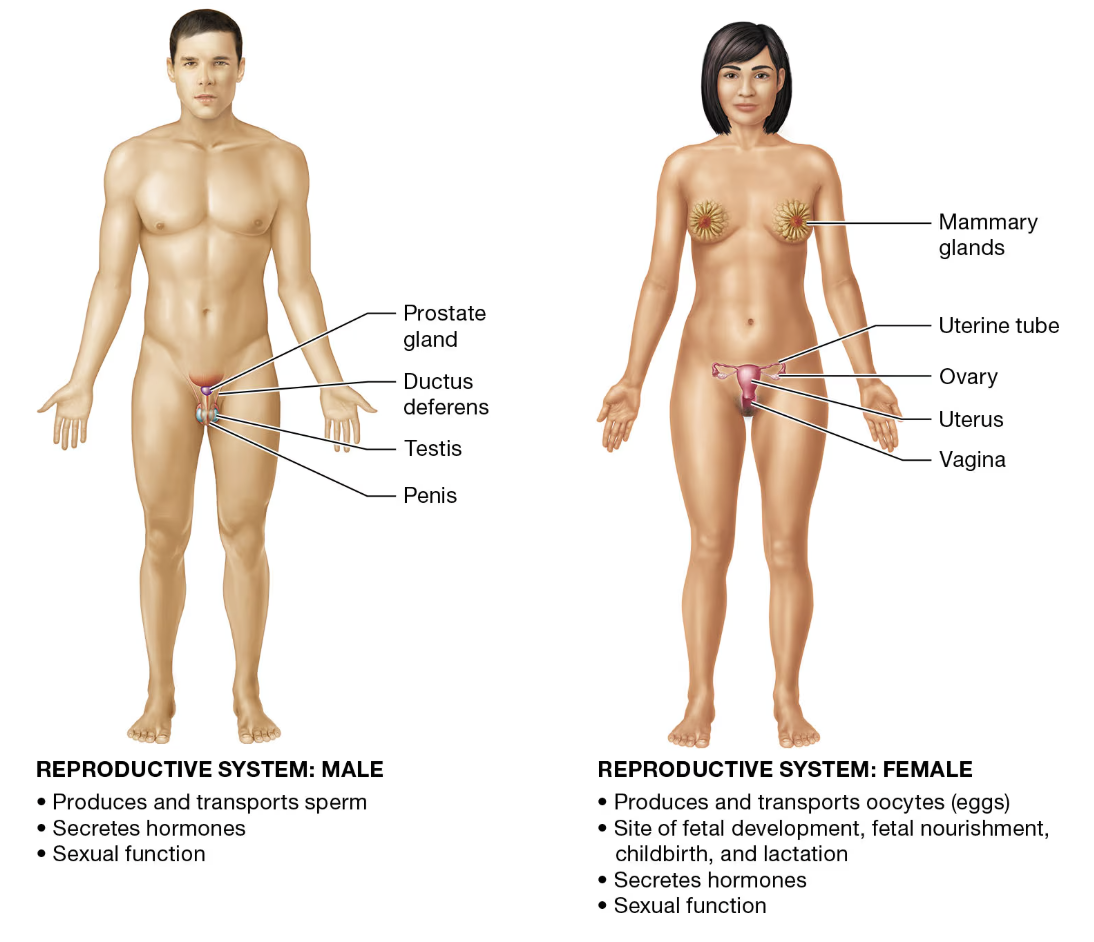
REPRODUCTIVE SYSTEM
REPRODUCTIVE SYSTEM: MALE
Produces and transports sperm
Secretes hormones
Sexual function
REPRODUCTIVE SYSTEM: FEMALE
Produces and transports oocytes (eggs)
Site of fetal development, fetal nourishment, childbirth, and lactation
Secretes hormones
Sexual function