D2 Regulation of Cellular Processes
 Call Kai
 Learn
 Practice Test
 Spaced Repetition
 Match
 Flashcards
 Knowt Play
1/44

45 Terms
cell proliferation
process by which a cell grows and divides to produce two daughter cells
examples: embryological development, plant meristems, tissue replacement and healing
cell cycle
cells proliferate throughout the cell cycle, which includes:
interphase
G1 phase: cell grows, protein synthesis occurs
S phase: DNA replication occurs to produce chromosomes
G2 phase: cell prepares for mitosis by growing and replicating organelles
mitosis
cytokinesis
cyclin
proteins that regulate the cell cycle through the binding to a cyclin-dependent kinase
starts a reaction cascade, targeting proteins to drive the cell from one phase to the next
cyclin-dependent kinase
type of enzyme that cyclins bind to to start a reaction cascade to regulate the cell cycle
tumor initation
when a cell loses control of its cell cycle, through mutagens or random/inherited mutations
tumor suppressor gene
genes that make the cell cycle stop
proto-oncogenes
genes that make the cell cycle go (ex. cyclins)
mutations to this can make it become an oncogene
oncogenes
mutated gene that causes continuous and uncontrolled cell division (can lead to cancer)
tumor
caused by abnormal cell growth, due to mutation of tumor suppressor genes and proto-oncogenes
two types:
benign - non cancerous, grow slowly, do not undergo metastasis
malignant - cancerous, grow quickly, undergo metastasis
cancer
disease caused by a malignant tumor, where cancerous cells spread via metastasis
mitotic index
= mitotic cells/total ceels
cancerous tissue will have higher MI than that without
will always be a decimal between 0 and 1
gene expression
mechanism by which genetic information in a gene is expressed as a protein
steps:
transcription of gene to produce mRNA
translation of mRNA by ribosomes to produce a protein
genotype
combination of alleles inherited by an organism
phenotype
observable traits of the organism (affected by genotype and environment)
RNA polymerase
enzyme that transcribes a gene into mRNA
promoter
DNA region where transcription begins by binding of RNA polymerase and transcription factors
enhancer
sequence of DNA that enhances transcription by binding activators
the DNA loops to bring it close to the promoter
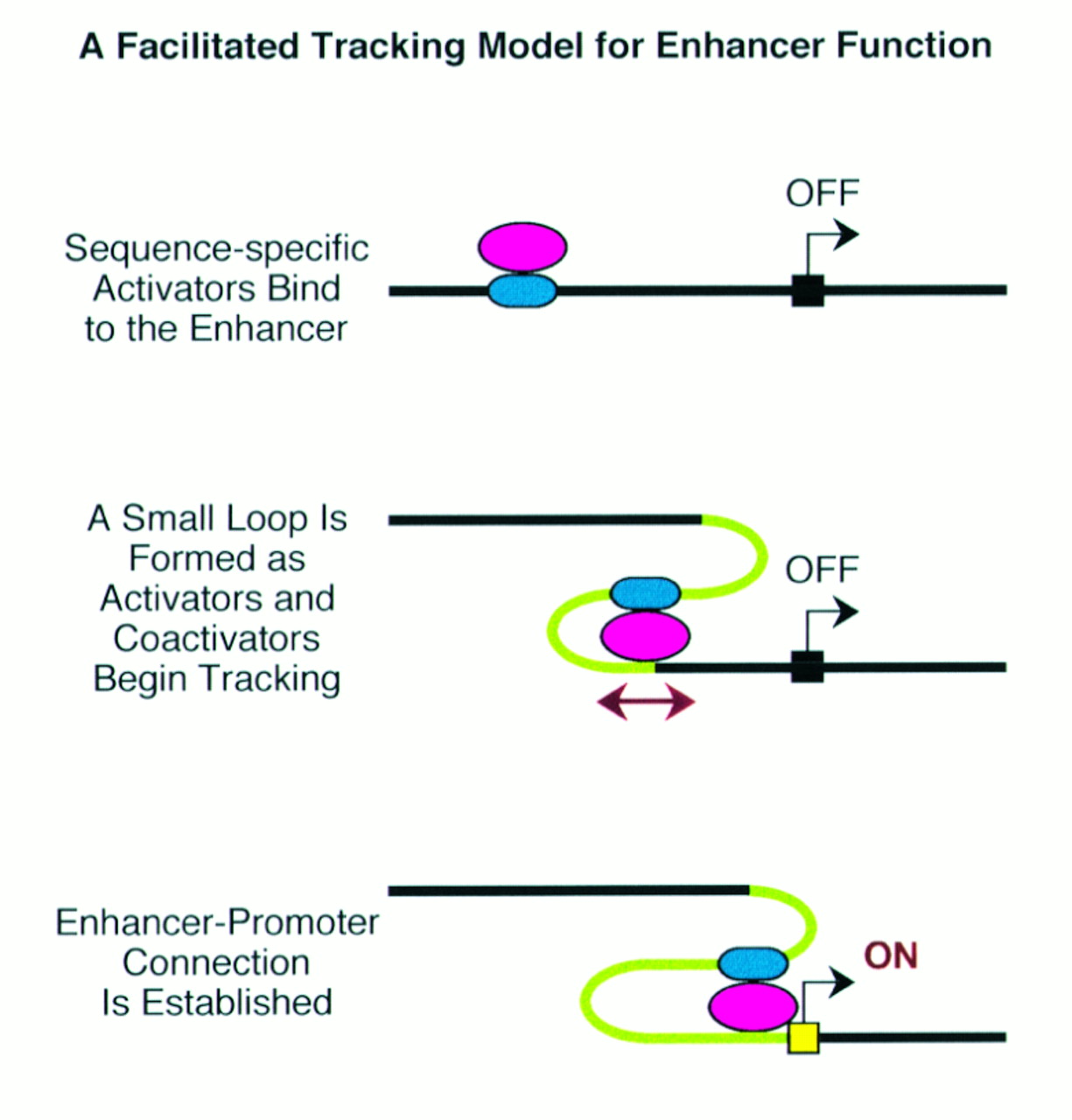
activator
transcription factor regulatory protein that increases transcription
silencer
transcription factor regulatory protein that inhibits transcription
transcription factor
proteins that bind to enhancer and promoter regions to regulate transcription.
silencers and activators
nuclease
enzyme that breaks down/degrades mRNA
post transcriptional modifications to mRNA
addition of a 5’ cap
addition of a 3’ poly-A tail
splicing (removal of introns and joining of exons)
these are done for efficiency in translation and to protect mRNA from nucleases during export out of nucleus
(mRNA with shorter poly-A tails are less likely to be translated bc they are more susceptible to nuclease degradation)

intron
non coding sequence of RNA
removed after transcription to create mature mRNA, not expressed in final RNA product
in = interfering, needs to be removed
exon
coding sequence of RNA
joined together after transcription to create mature mRNA, remains after splicing
ex = expressed

epigenesis
idea that all cells share the same genome - differentiation into specific cells happens when some genes are activated (turned on) or silenced (turned off).
epigenetics
study of changes in organisms caused by modifications of gene expression by epigenetic tags rather than changes in genetic code
(phenotype is changed, not genotype)
epigenetic tags
chemical markers/modifications that attach to DNA and histones and influence transcription by activating or silencing genes
genome
all of genetic information (base sequences) in a cell
transcriptome
all of the mRNA sequences in a cell
proteome
all of the proteins produced in a cell
methylation
methyl groups (-cH3) act as epigenetic tags by attaching to promoter region on DNA and histones
on promoter: represses promoter activity, preventing gene from being transcribed
on histones: winds DNA tightly, preventing transcription, or can do the opposite and unwind as well
epigenome
all epigenetic tags on DNA and histones
affected by environmental factors like diet, smoking/pollution, exercise
epigenetic inheritance
epigenome (epigenetic tags) often remain during mitosis/meiosis, daughter cells inherit it along with genome of parent cells
most, but not all, epigenetic tags are erased at fertilization (reprogramming) and unable to be passed on
previous hypothesis was that epigenetic tags were cleared during meiosis
genomic imprinting
when epigenetic tags remain on DNA during gamete formation and passed onto offspring
tigons and ligers - ligers are large because the growth promoting genes in male lions, tigers have no growth repressing genes like female lions do
monozygotic twins
identical twins resulting from fertilization of one egg, with the same genome, and initially similar epigenomes
lac operon
e coli bacteria’s lac operon controls when it makes enzymes to digest lactose
when lactose is absent
repressor protein binds to operator, physically blocking RNA polymerase from moving along the DNA
no mRNA, and hence enzymes, can be made
when lactose is present
lactose binds to the repressor protein, changing its shape so it detaches from the operator
RNA polymerase can now transcribe the three genes into mRNA, creating enzymes that digest the lactose

lac operon structure
promoter: region where RNA polymerase attaches to start transcription
operator: on/off swtich where a repressor protein can bind to stop transcription
three genes: code for enzymes needed to break down lactose
testosterone’s affect on gene expression
steps:
testosterone diffuses thru membrane of the cell, where it binds to a testosterone receptor
the hormone receptor complex moves to the nucleus, where it interacts with specific DNA sequences (androgen response elements)
the complex may enhance or repress transcription of target genes
water potential
potential energy of water per unit volume, relative to pure water
measured in kPa, pure water at 20C is 0 kPa
determines how freely water particles can move in a solution
what is water potential affected by?
two things:
pressure: increase in pressure = increase in water potential (positive relationship)
solute concentration: increase in conc = decrease in water potential (inverse relationship)
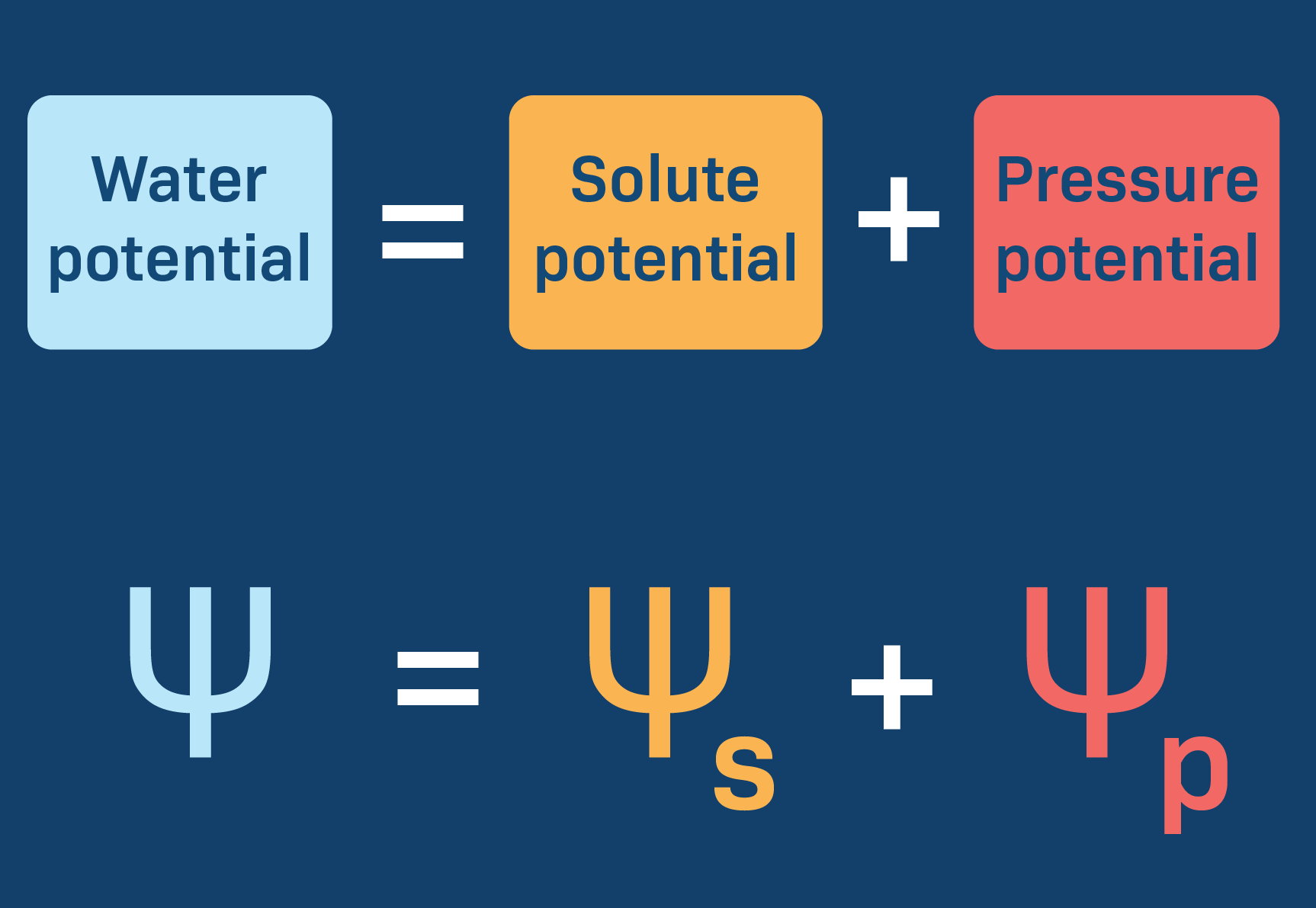
water potential formula
solute potential + pressure potential
Solute potential: adding solutes decreases water's ability to move freely. always negative
High solute concentration = Low (more negative) solute potential.
Pressure potential: pressure exerted on the water. usually positive inside a turgid plant cell, though it can be negative like in xylem vessels under tension.
effect of pressure on cells
Positive pressure potential causes a cell to swell (become turgid)
Negative pressure causes it to shrivel (plasmolyze).

hypertonic
solute concentration outside is higher than inside
water goes out of the cell
cell shrivels

hypotonic
solute concentration is higher inside than outside
water rushes into the cell
cell swells like a big fat hippo (only animal cells burst, plant cells have cell walls to prevent this)
movement of water
directions of flow:
high water potential → low water potential
low solute concentration → high solute concentration
high pressure → low pressure