Employment Law: Discrimination, Rights, and Legal Protections
 Call Kai
 Learn
Learn Practice Test
 Spaced Repetition
 Match
Match Flashcards
 Knowt Play
1/50

There's no tags or description
Looks like no tags are added yet.
Name | Mastery | Learn | Test | Matching | Spaced | Call with Kai |
|---|
No analytics yet
Send a link to your students to track their progress
51 Terms
What is employment at will?
Employment at will is a legal doctrine that allows an employer to terminate an employee at any time without cause, as long as the termination does not violate any laws or contracts.
What are the exceptions to employment at will?
Exceptions to employment at will include wrongful termination, discrimination, retaliation for whistleblowing, and violations of public policy.
What was the ruling in Haynes v. Zoological Society of Cincinnati?
The ruling was that the Zoo retaliated against Haynes for reporting safety concerns, as her conduct was protected under Ohio's whistle-blower statute.
What is the Fair Labor Standards Act (FLSA)?
The FLSA is a federal law that establishes minimum wage, overtime pay, and child labor standards for employees engaged in interstate commerce.
What are the child labor provisions under the FLSA?
Under the FLSA, children under 14 cannot work, ages 14-15 may work limited hours in nonhazardous jobs, and ages 16-17 may work unlimited hours in nonhazardous jobs.
What is the minimum wage requirement under the FLSA?
The FLSA requires that nonexempt hourly employees be paid at least the federal minimum wage, and overtime pay at 1.5 times their regular rate for hours worked over 40 in a week.
Who is exempt from overtime pay under the FLSA?
Exemptions from overtime pay include executives, certain salaried employees, learned professionals, outside salespeople, computer employees, and highly compensated individuals earning over approximately $107,500 per year.
What does the Family and Medical Leave Act (FMLA) provide?
The FMLA provides eligible employees with up to 12 weeks of unpaid leave for certain family and medical reasons, with the right to return to their job.
What is the Occupational Safety and Health Administration (OSHA)?
OSHA is a federal agency responsible for ensuring safe and healthy working conditions by setting and enforcing standards.
What is workers' compensation?
Workers' compensation is a form of insurance providing wage replacement and medical benefits to employees injured in the course of employment.
What is the process for filing a workers' compensation claim?
An injured worker files a claim with a state agency, which determines the legitimacy of the claim, and if approved, the worker receives compensation.
What is the Employee Retirement Income Security Act (ERISA)?
ERISA sets minimum standards for pension plans in private industry, including record-keeping and disclosure requirements.
What is the Consolidated Omnibus Budget Reconciliation Act (COBRA)?
COBRA allows employees and their beneficiaries to continue group health insurance coverage after employment termination, usually at their own expense.
What is the Electronic Communications Privacy Act (ECPA)?
The ECPA is a federal law that governs the interception and disclosure of electronic communications.
What is the significance of social media in employment law?
Social media can be used in litigation discovery, impacting liability and damage awards, and may be subject to employer policies.
What is the maximum number of hours an employee can work without overtime pay?
The maximum number of hours an employee can work without overtime pay is 40 hours per week.
What must an employer do under the FMLA when an employee requests leave?
The employer must grant the leave if the employee qualifies under the FMLA for a qualifying event.
Can private employers drug test employees?
Yes, private employers are permitted to drug test employees, subject to applicable laws and regulations.
What is the role of the U.S. Department of Labor in employment law?
The U.S. Department of Labor administers most employment-related laws, including wage and hour laws, workplace safety, and labor relations.
What is the purpose of the Fair Labor Standards Act (FLSA) regarding child labor?
The FLSA aims to protect children from exploitation in the workforce by regulating the types of work and hours they can work.
What are the requirements for an employee to be eligible for FMLA leave?
To be eligible for FMLA leave, an employee must have worked for the employer for at least 12 months and have at least 1,250 hours of service in the past 12 months.
What is the significance of the reasonable expectation of privacy in privacy lawsuits?
For a successful invasion of privacy lawsuit, the plaintiff must demonstrate that they had a reasonable expectation of privacy in the situation.
What is the impact of social media on employer liability?
Social media can provide damaging information in litigation, potentially impacting employer liability and reducing damage awards.
What is the key employee exception in FMLA?
The key employee exception allows employers to deny reinstatement to certain highly compensated employees if their absence would cause substantial harm to the business.
What is the significance of the Family and Medical Leave Act (FMLA) for employees?
The FMLA provides job protection for employees taking leave for family or medical reasons, ensuring they can return to their positions.
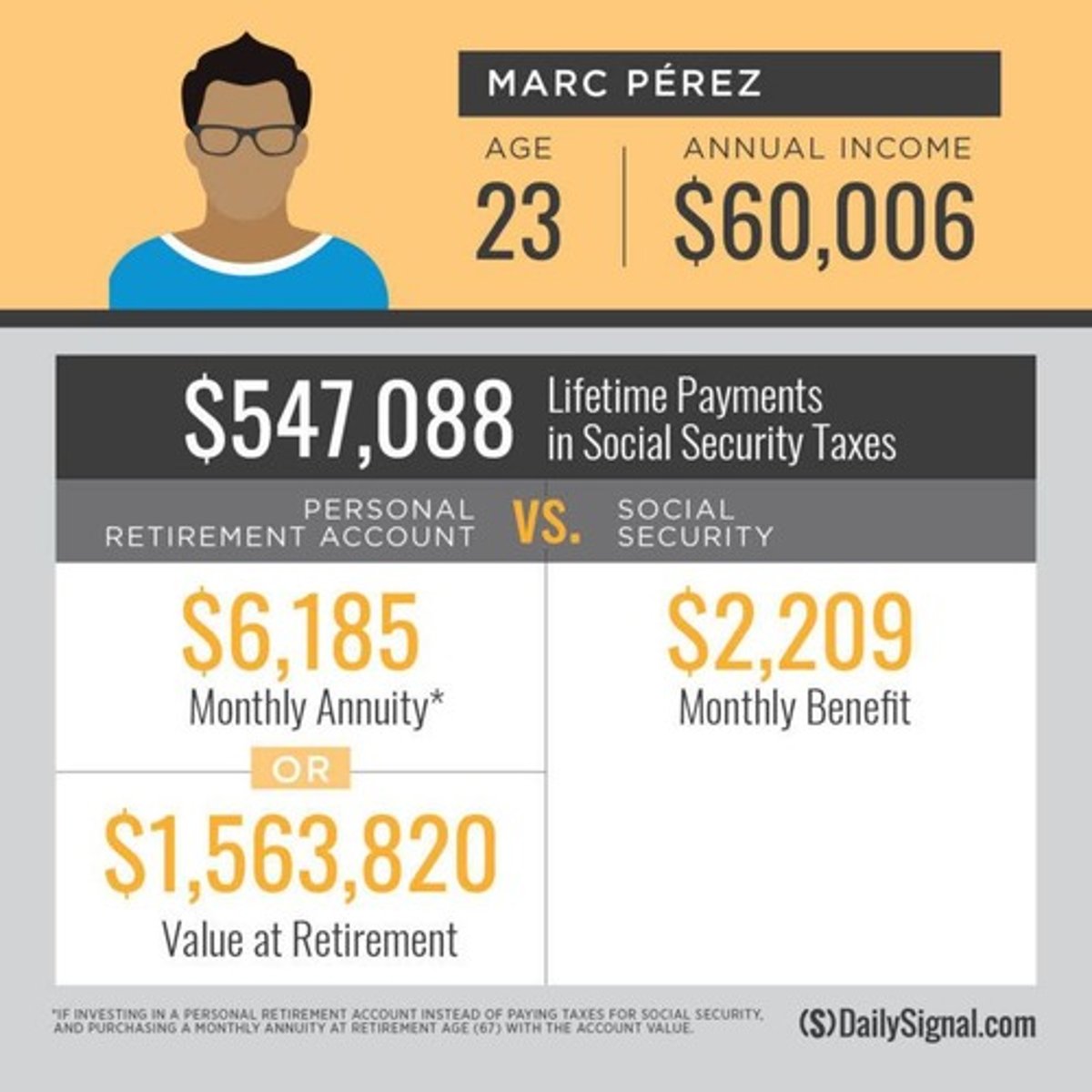
What is the purpose of the Social Security program?
Social Security is an intergenerational transfer program designed to provide financial support to retirees and disabled individuals, funded through payroll taxes.
What does the term 'whistle-blower' refer to in employment law?
A whistle-blower is an employee who reports illegal or unethical practices within their organization, often protected from retaliation by law.
What is the Equal Employment Opportunity Act?
A federal law that prohibits employment discrimination and created the Equal Employment Opportunity Commission (EEOC) to enforce anti-discrimination laws.
What is the purpose of the EEOC?
The EEOC is responsible for enforcing federal anti-discrimination laws and investigating charges of discrimination based on race, color, national origin, gender, religion, age, disability, and genetic information.
What constitutes discrimination in employment?
Discrimination in employment can involve unfair treatment based on protected characteristics such as race, gender, age, or disability.
What is Title VII of the Civil Rights Act of 1964?
Title VII prohibits employment discrimination based on race, color, religion, sex, or national origin.
What is disparate treatment discrimination?
Disparate treatment discrimination occurs when an individual is treated differently based on a protected characteristic, and it requires proof of intent to discriminate.
What are protected classes under Title VII?
Protected classes include race, color, national origin, gender, religion, age, disability, and genetic information.
What is the Equal Pay Act of 1963?
The Equal Pay Act prohibits pay discrimination based on sex for jobs requiring equal skill, effort, responsibility, or similar working conditions.
What are legitimate defenses to pay inequality under the Equal Pay Act?
Legitimate defenses include seniority, merit, quantity or quality of production, or any factor other than sex.
What is the Age Discrimination in Employment Act?
This act protects individuals aged 40 and older from employment discrimination based on age.
What is the Americans with Disabilities Act (ADA)?
The ADA prohibits discrimination against individuals with disabilities and requires employers to provide reasonable accommodations.
What is a bona fide occupational qualification?
A bona fide occupational qualification is a legitimate reason for an employer to hire based on a protected characteristic, such as gender or national origin, when it is essential for the job.
What is sexual harassment in the workplace?
Sexual harassment is unwelcome behavior of a sexual nature that creates a hostile work environment or involves quid pro quo situations.
What are the employer's responsibilities regarding sexual harassment?
Employers must exercise reasonable care to prevent and promptly correct any sexual harassment and have an anti-harassment policy in place.
What is affirmative action?
Affirmative action refers to policies that aim to improve opportunities for historically marginalized groups in employment and education.
What is the difference between disparate treatment and disparate impact?
Disparate treatment involves intentional discrimination against individuals, while disparate impact refers to policies that disproportionately affect a protected group, regardless of intent.
What must an employee do if they believe they are being discriminated against?
The employee should report the discrimination to their employer or file a complaint with the EEOC.
What is a prima facie case of discrimination?
A prima facie case of discrimination is established when an individual shows they are part of a protected class and were treated unfavorably compared to others.
What is a legitimate reason for not hiring someone?
A legitimate reason could be that the job requires specific qualifications or characteristics essential for the role, such as gender in certain contexts.
What are reasonable accommodations for employees with disabilities?
Reasonable accommodations may include flexible working hours, modified job duties, or providing assistive technology.
What is the burden of proof in discrimination cases?
The burden of proof typically lies with the complainant to establish that discrimination occurred, while the employer has the burden to prove any defenses.
What is the significance of the Fair Employment Practices Act?
The Fair Employment Practices Act complements Title VII by providing additional protections against employment discrimination.
What does it mean for an employer to be strictly liable for harassment?
An employer is strictly liable for harassment if a supervisor takes tangible employment action against the victim, such as firing or demoting them.
What is the role of the employer in preventing discrimination?
Employers must implement policies, provide training, and create a workplace culture that discourages discrimination and harassment.
What is the impact of the Equal Pay Act on wage disparities?
The Equal Pay Act aims to eliminate wage disparities based on sex by ensuring equal pay for equal work.