Praxis Exam Study Guide: Ceramics, Fiber art, Sculpture, Jewelry
 Call Kai
 Learn
Learn Practice Test
 Spaced Repetition
 Match
Match Flashcards
 Knowt Play
1/83

There's no tags or description
Looks like no tags are added yet.
Name | Mastery | Learn | Test | Matching | Spaced | Call with Kai |
|---|
No analytics yet
Send a link to your students to track their progress
84 Terms
Ceramics
items produced from clay, including fine artwork, sculptures, figurines, and functional items such as tiles, dishes, urns, and vases.
Sculptures
can be small figures, larger freestanding works, or reliefs attached to walls.
The first known prehistoric sculptures are from the stone age, 230,000 BC and made from basalt and quartz.
relief sculpture
the sculptural elements are attached to a solid background. For the sculpture to appear raised from the background, the background elements are cut away, leaving the subject raised.
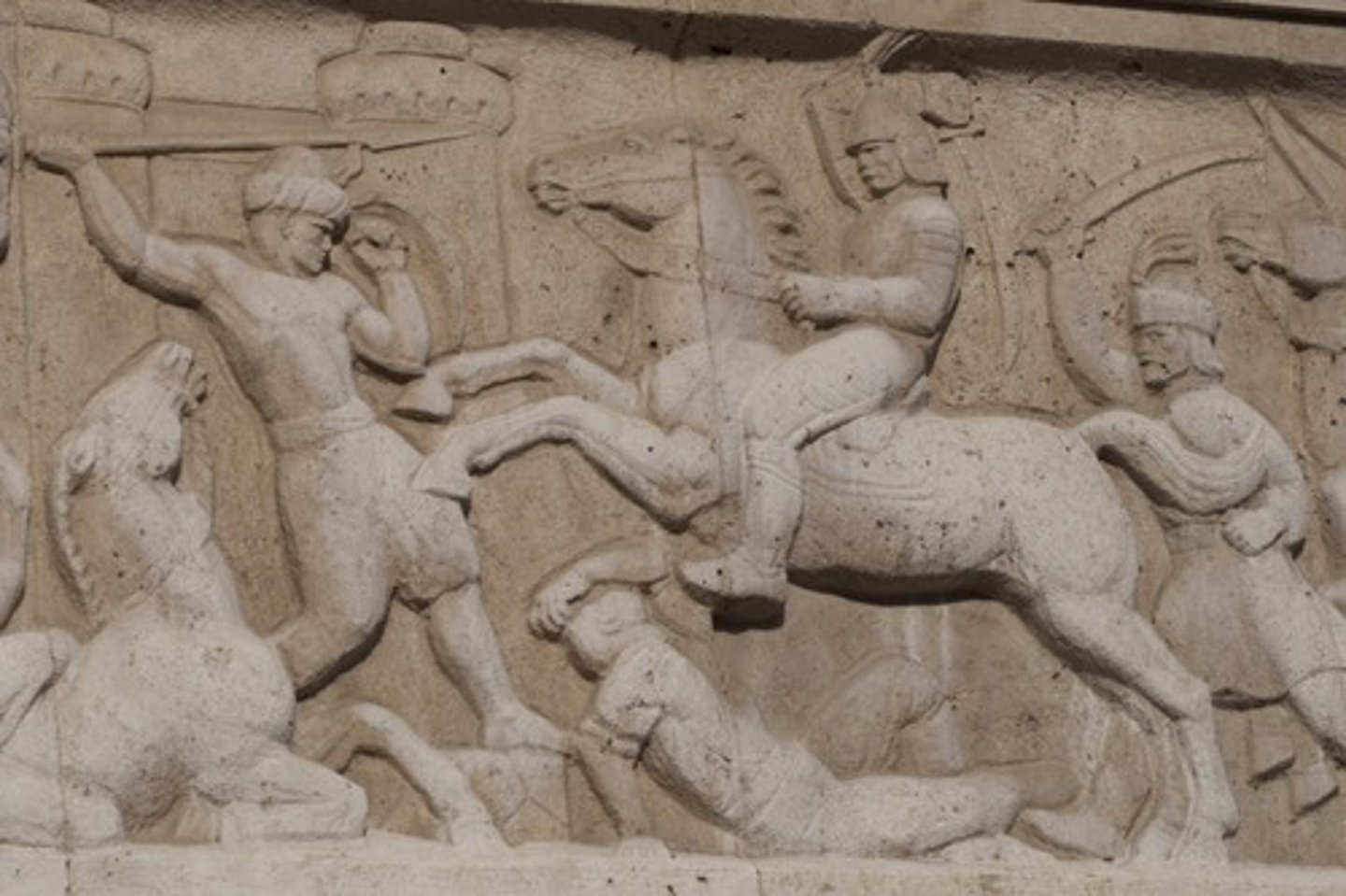
bas-relief sculpture
also called a low relief, the final sculpture has a shallow depth and is not raised far from the background. Coins are a good example of this.
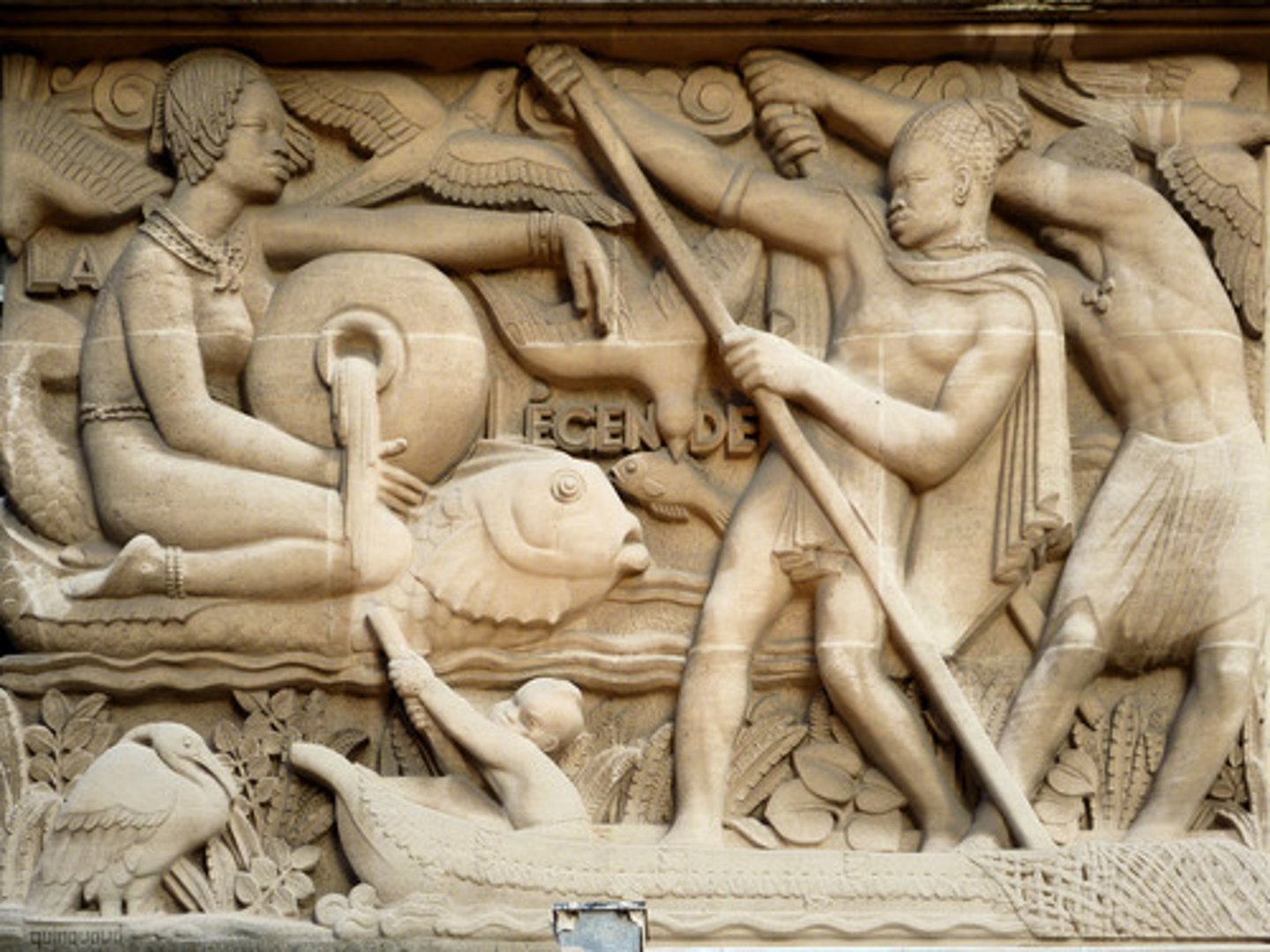
haut-relief
also called high relief, this is when more than half of the sculptural form is projecting from the background. Heads and limbs might be completely detached from the background in this form of relief. Many Greek relief sculptures used this technique.
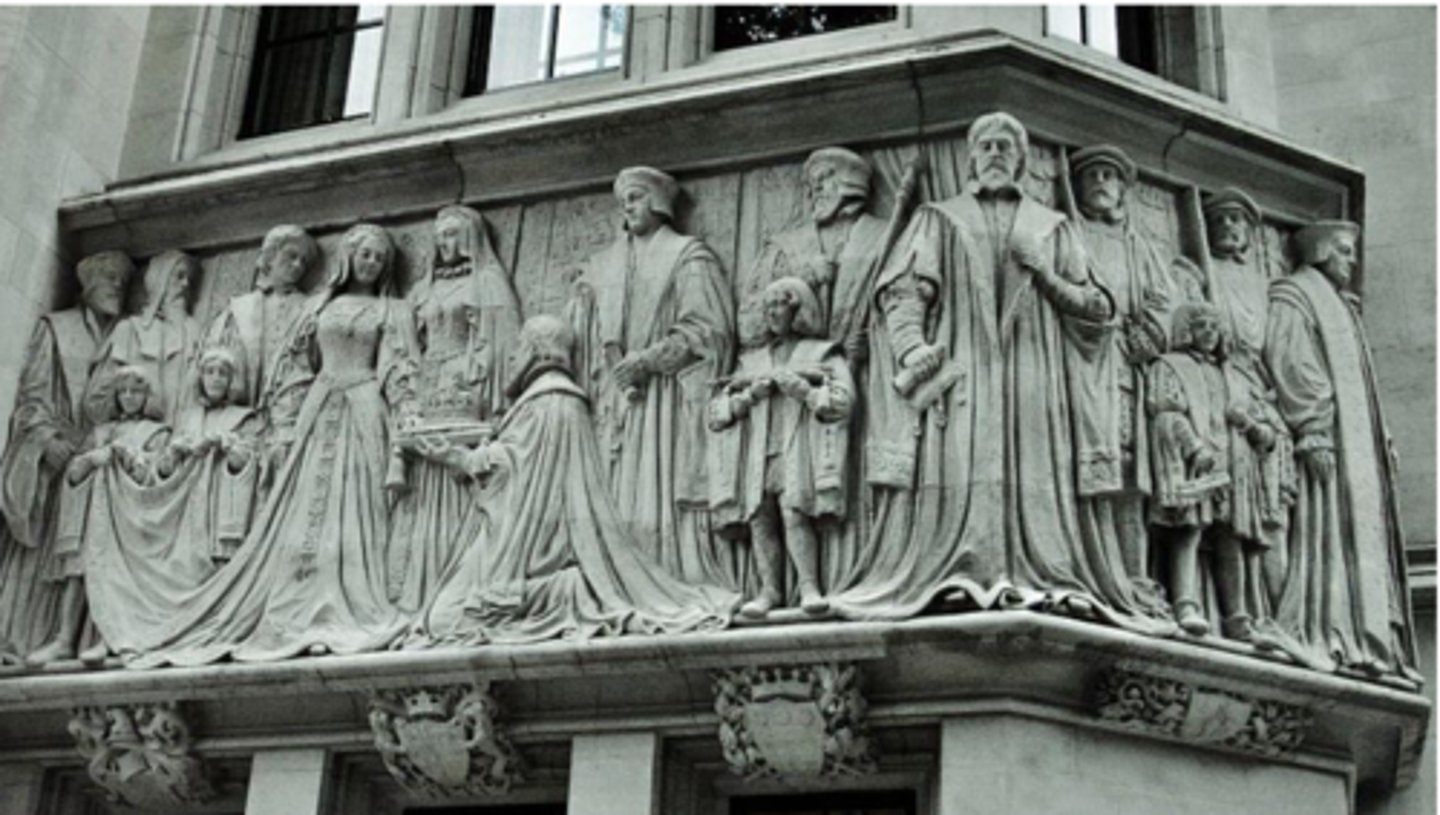
Types of clay
earthenware, stoneware, porcelain
Earthenware
the earliest clay used, and it is fired to a temperature of less than 1,200 C. It is more porus than the other clays and is less durable. It is brown, orange, or red in its raw and fired state.
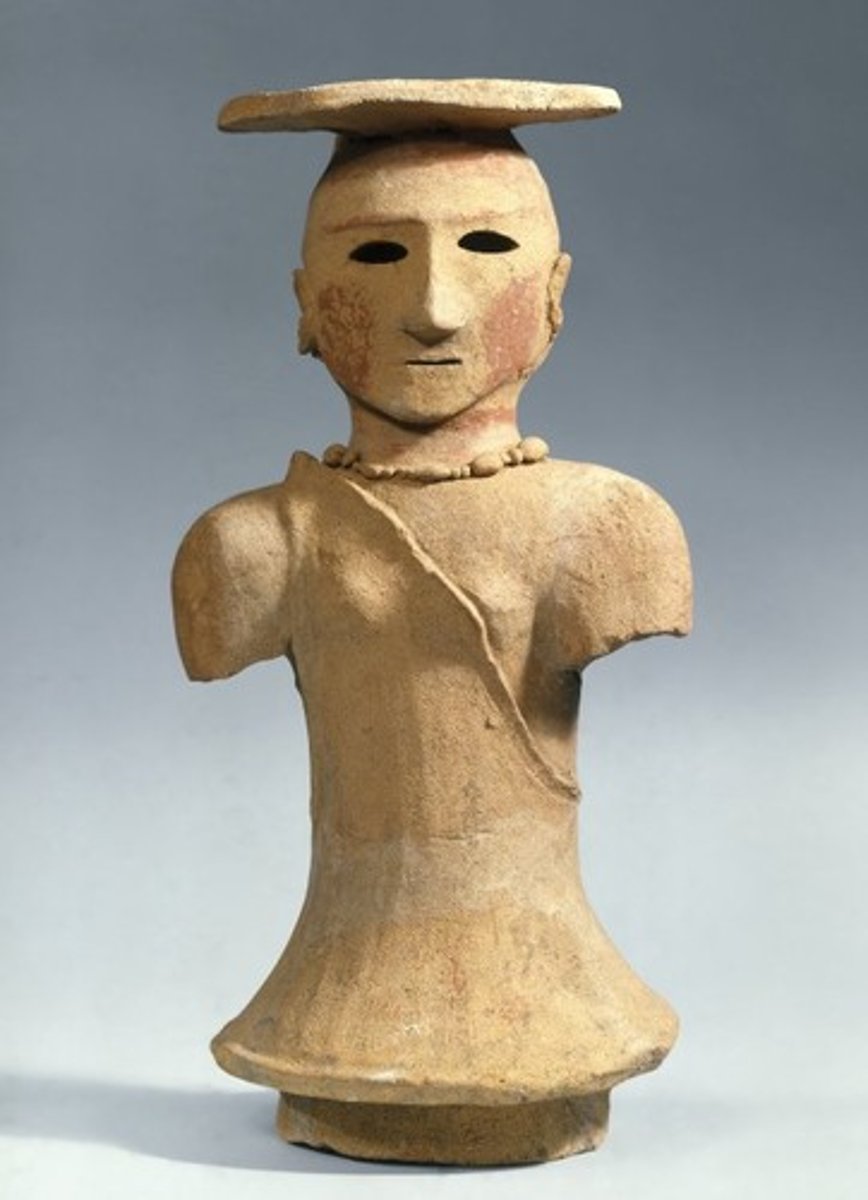
Terra cotta
a type of earthenware that is reddish brown in color.
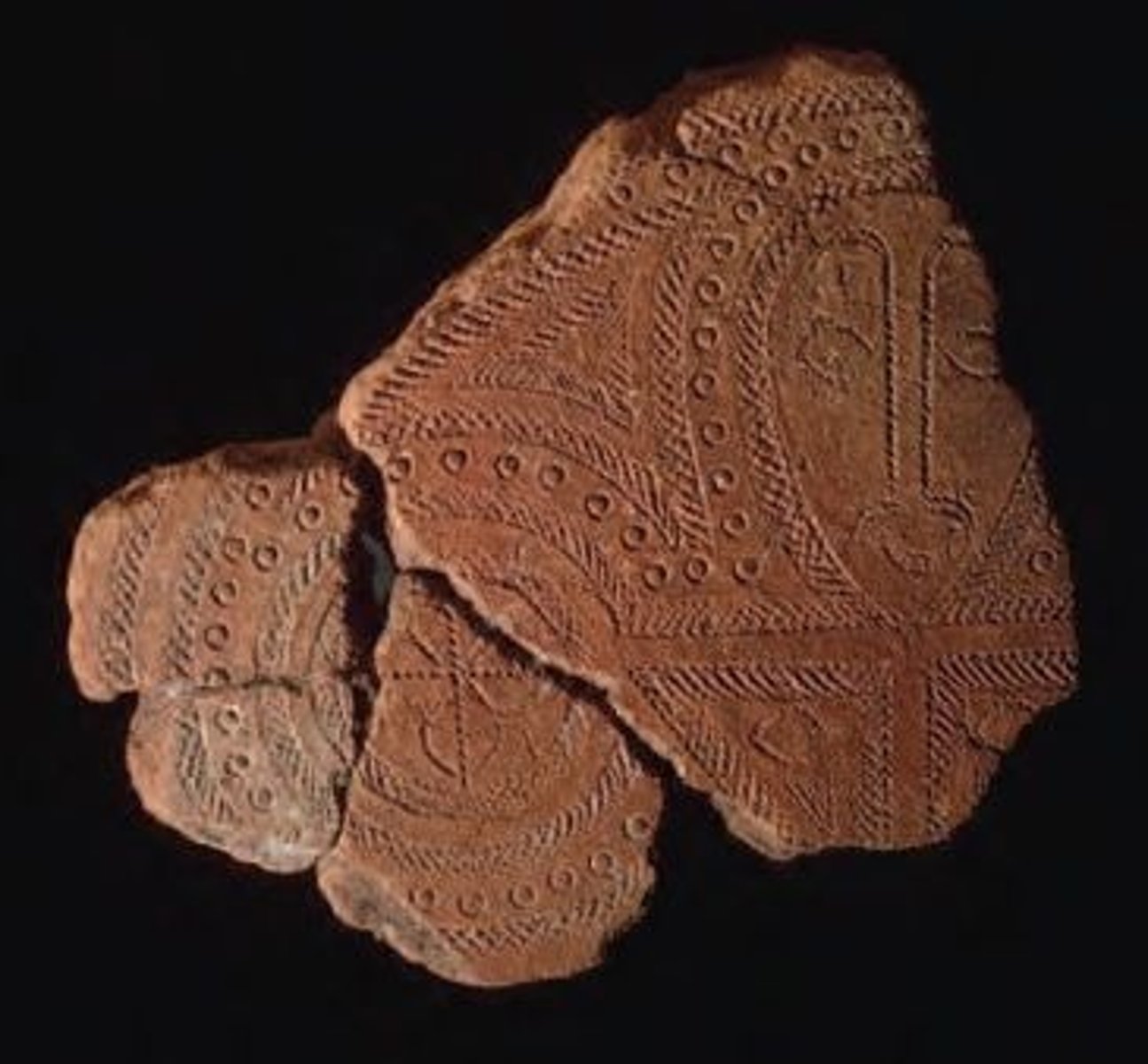
Stoneware
is a mid to high fire clay that ranges from light gray to brown when fired. It is non porus, and it differs from porcelain in that it is more opaque.
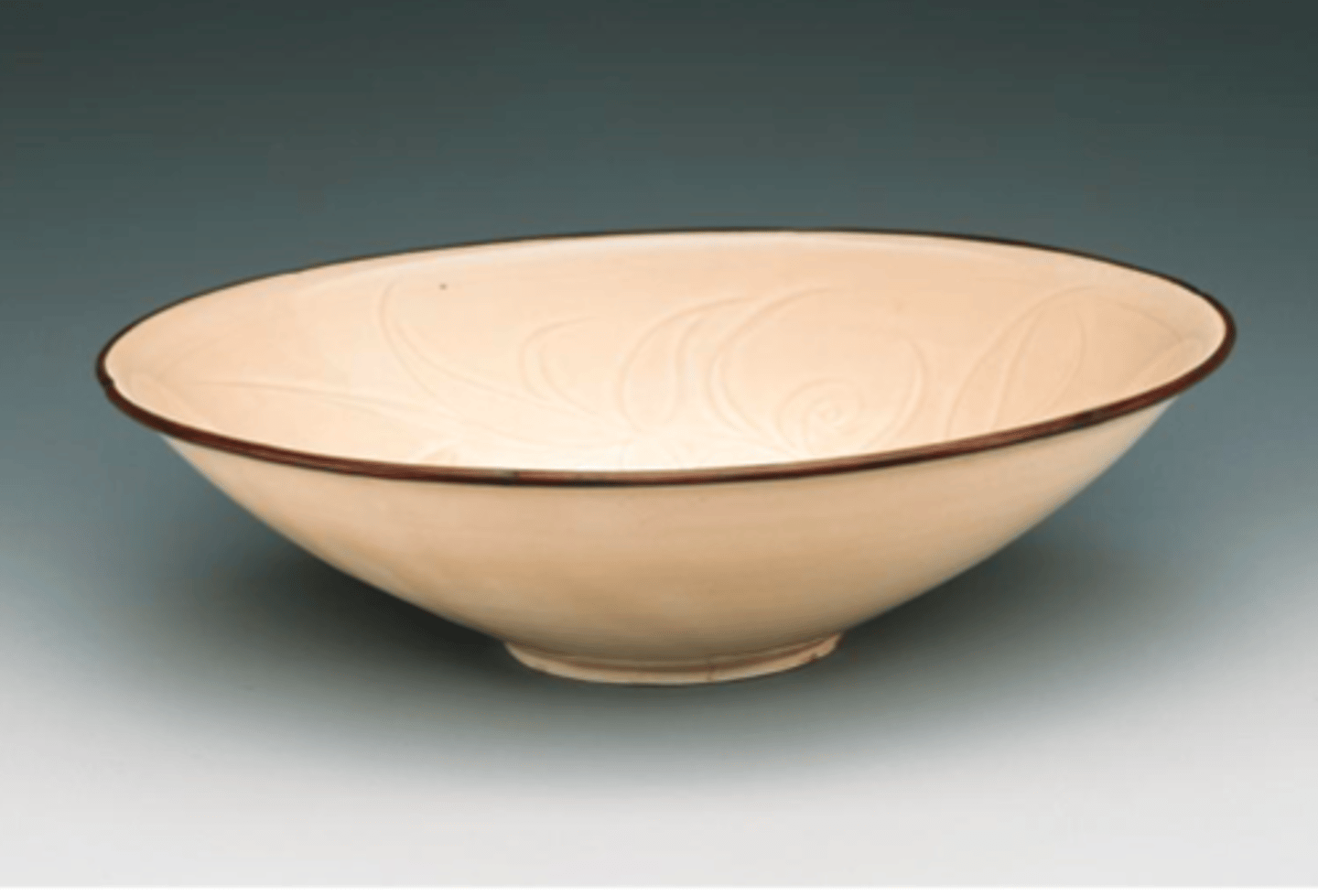
Porcelain
has a rich history in china, and items made with porcelain are often called china or fine china in some English speaking countries.
Porcelain is a high-fire clay that is made with kaolin, which makes the finished product pure white.
Porcelain is fired to 1,800 C and when it is fired, it is hard, non porous, and translucent.
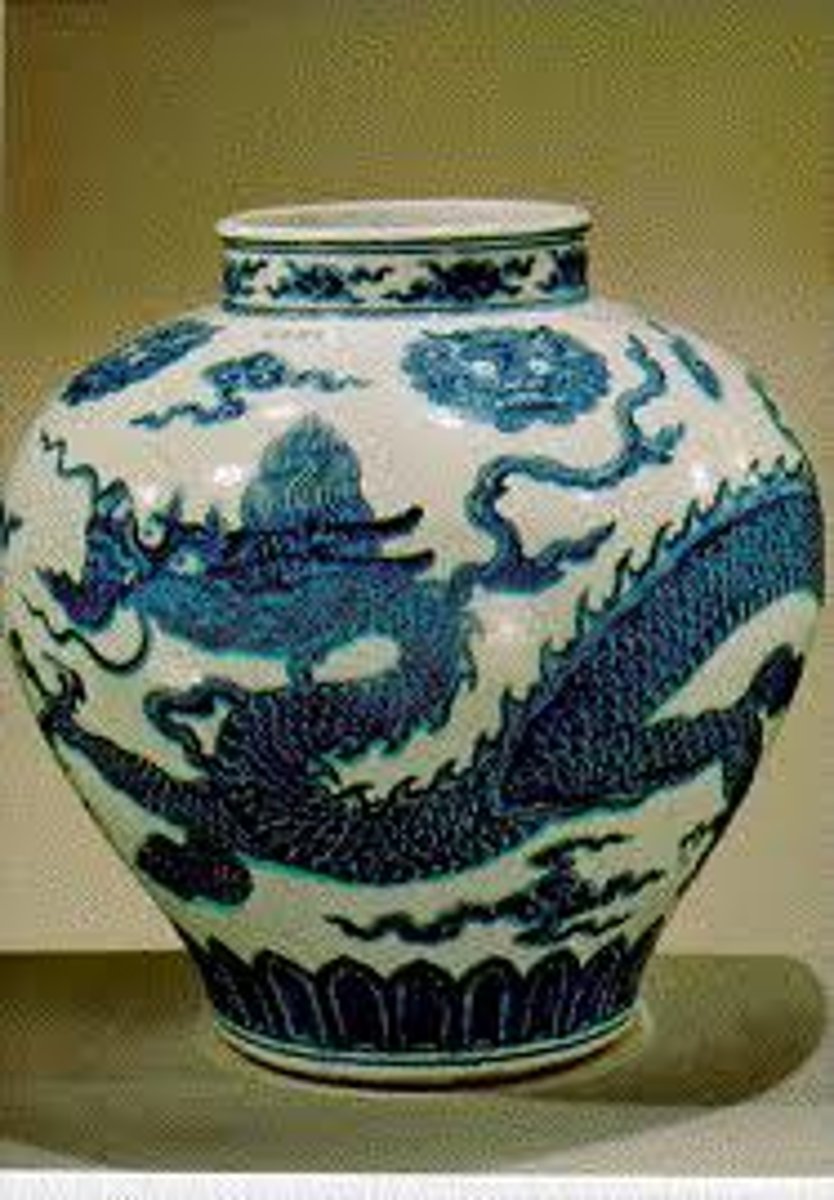
When was the first functional pottery and brick made
9,000 or 10,000 BC
Who discovered glazes for clay
Egypt
Materials used for Sculpture
Marble, granite, limestone, sandstone, and alabaster
Wood was used historically for carving many important sculptures in which countries
Africa
China
Japan
Who discovered Glass
Egypt, 8000 BC
Chisel
a piece of steel that is pointed at one end and flat on the other end.
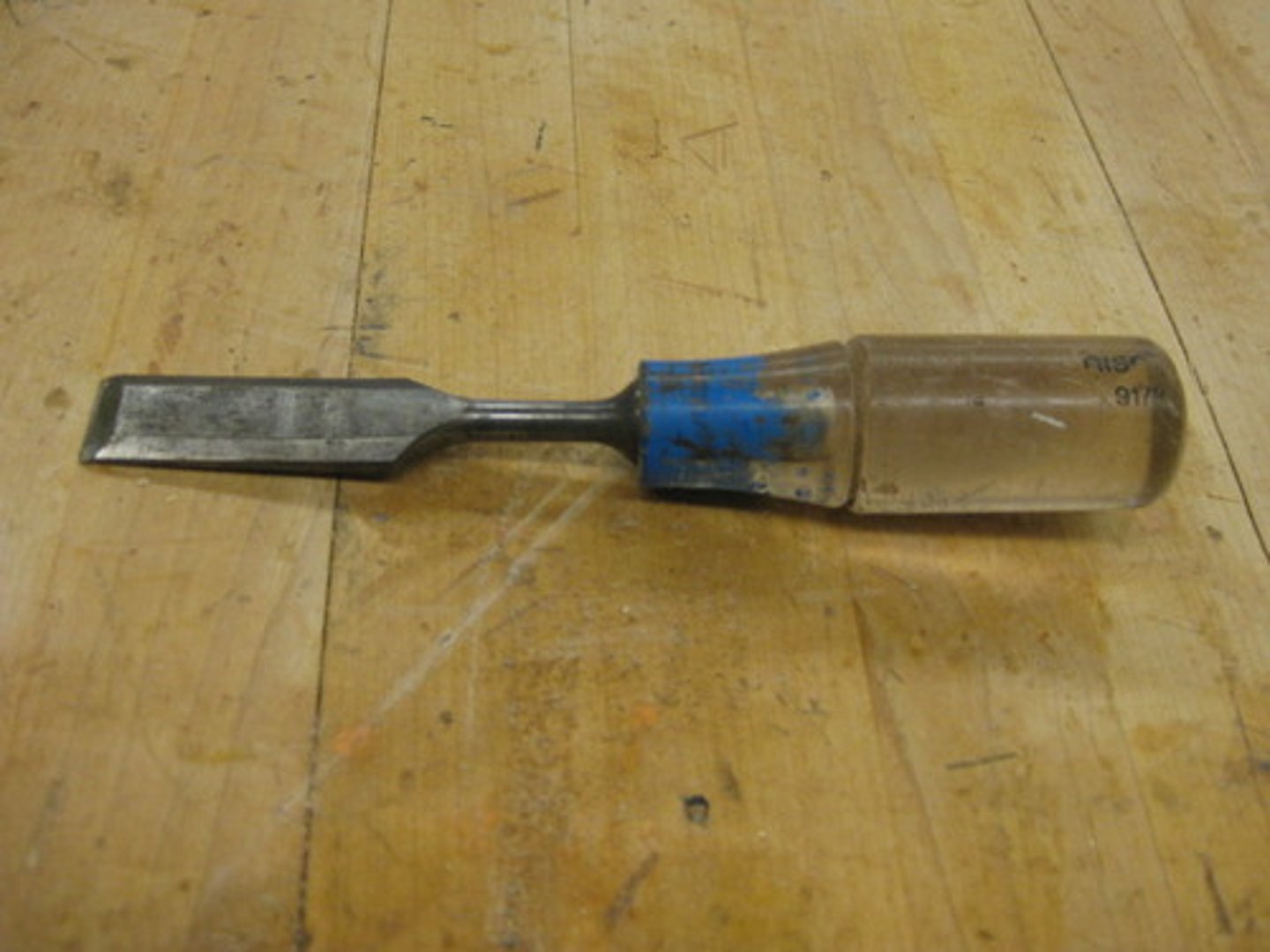
Tools used to sculpt stone
chisels, pitching tools, rasps, mallets, and rifflers
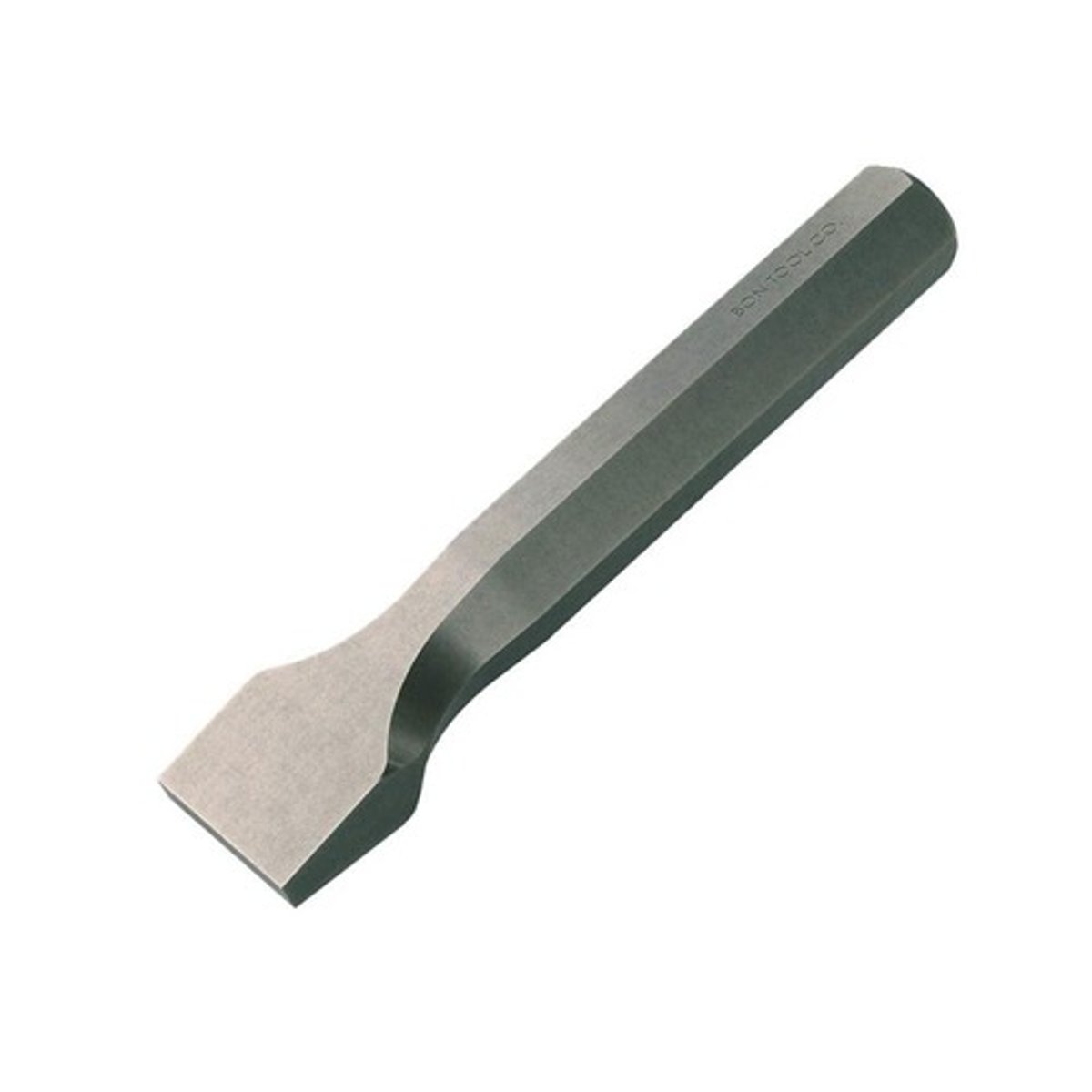
Pitching tool
wedge shaped chisel. This tool can be positioned on the stone and hit on the flat end with a mallet to break away unwanted stone.
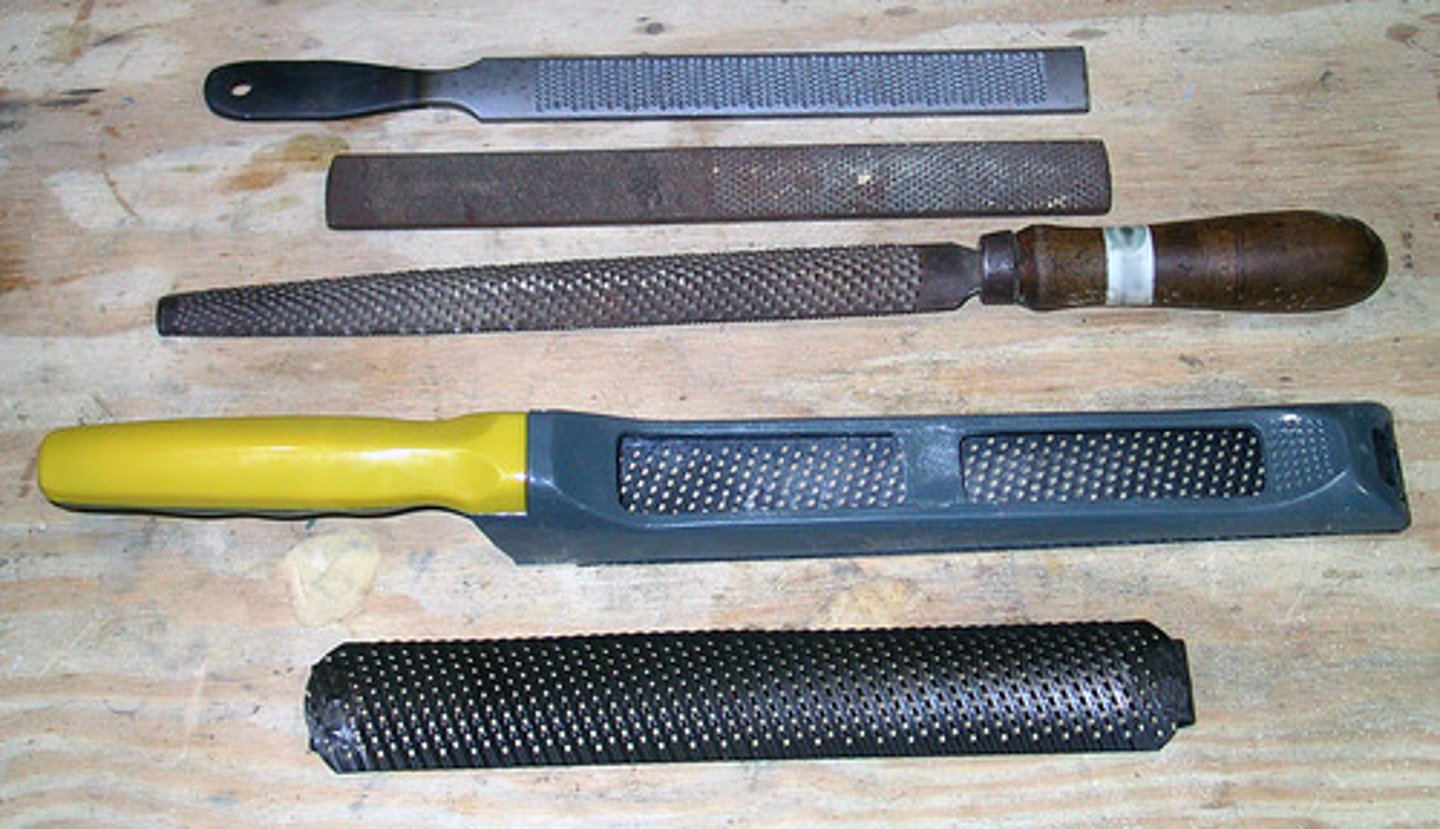
Rasps
flat steel tools with a rough surface, which can be used to wear away excess stone.
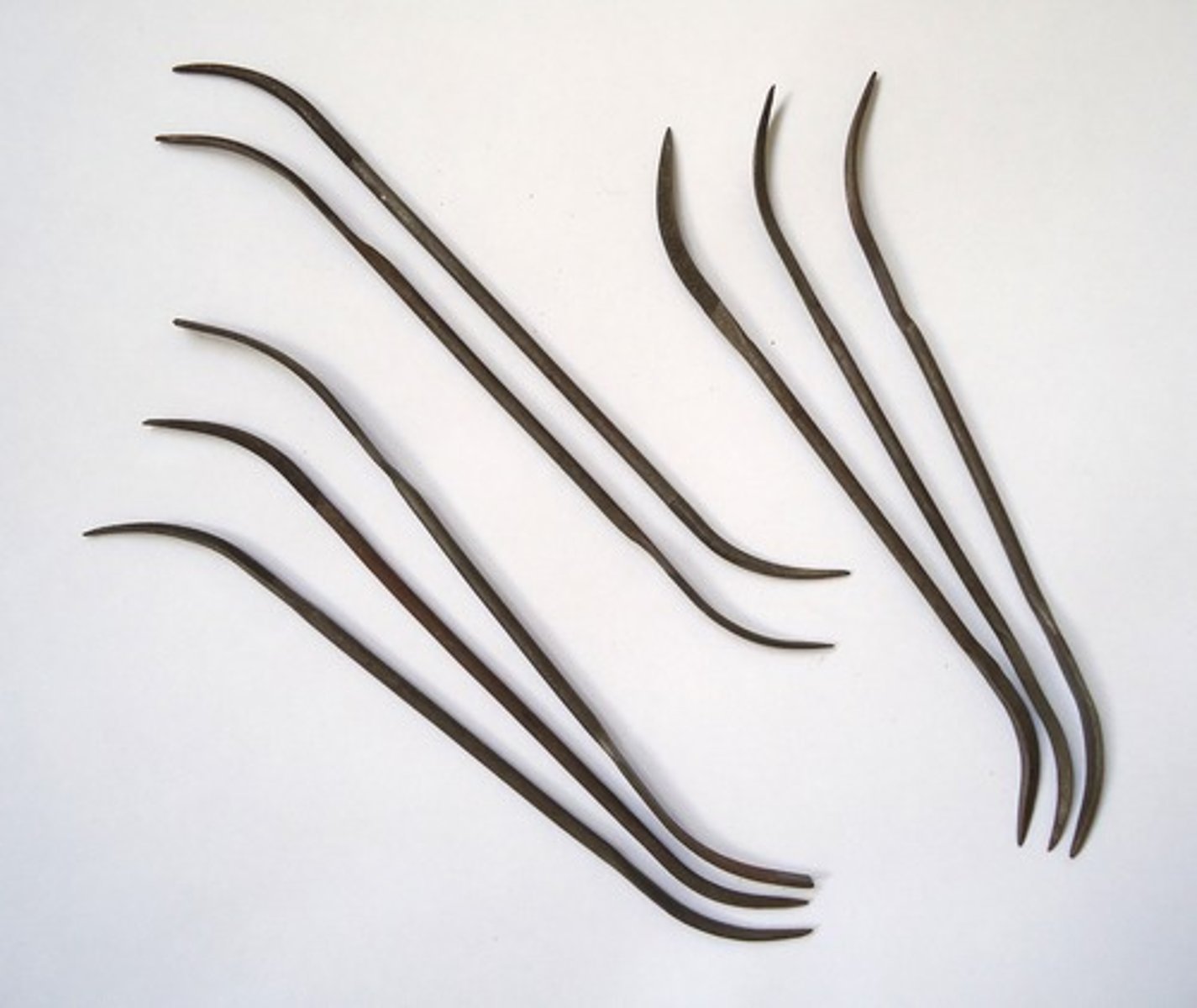
Riffler
A smaller rasp used for details.
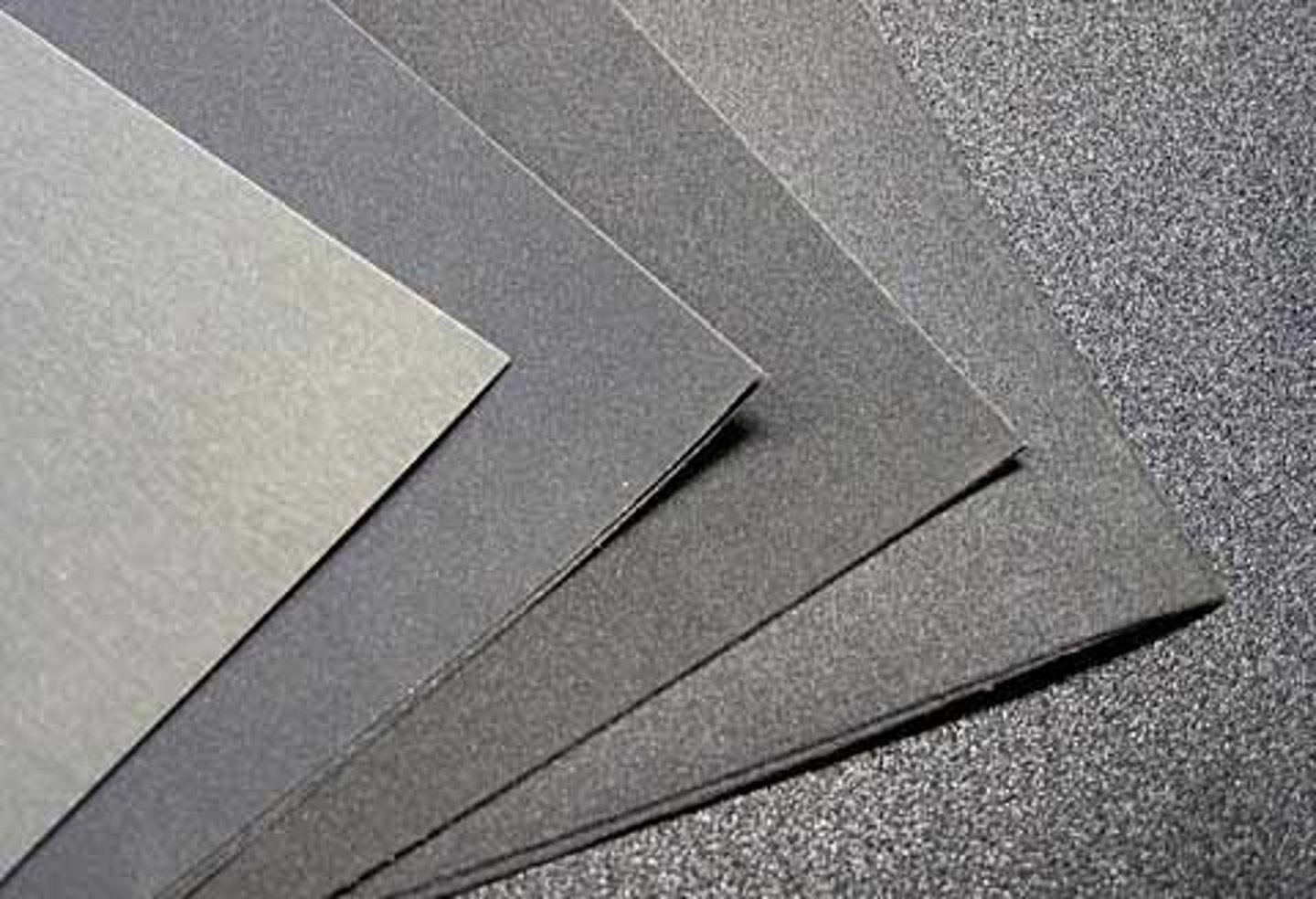
Sandpaper and Emery
type of stone that can be used to polish a stone sculpture.
What tools are used for hand building
cutters and rolling pins
Ribbon or Loop tools
A tool made out of flattened metal ribbons with sharpened edges. They are used mainly to trim the bases of thrown pots, but also to hollow out handmade shapes or use in subtractive embellishment.
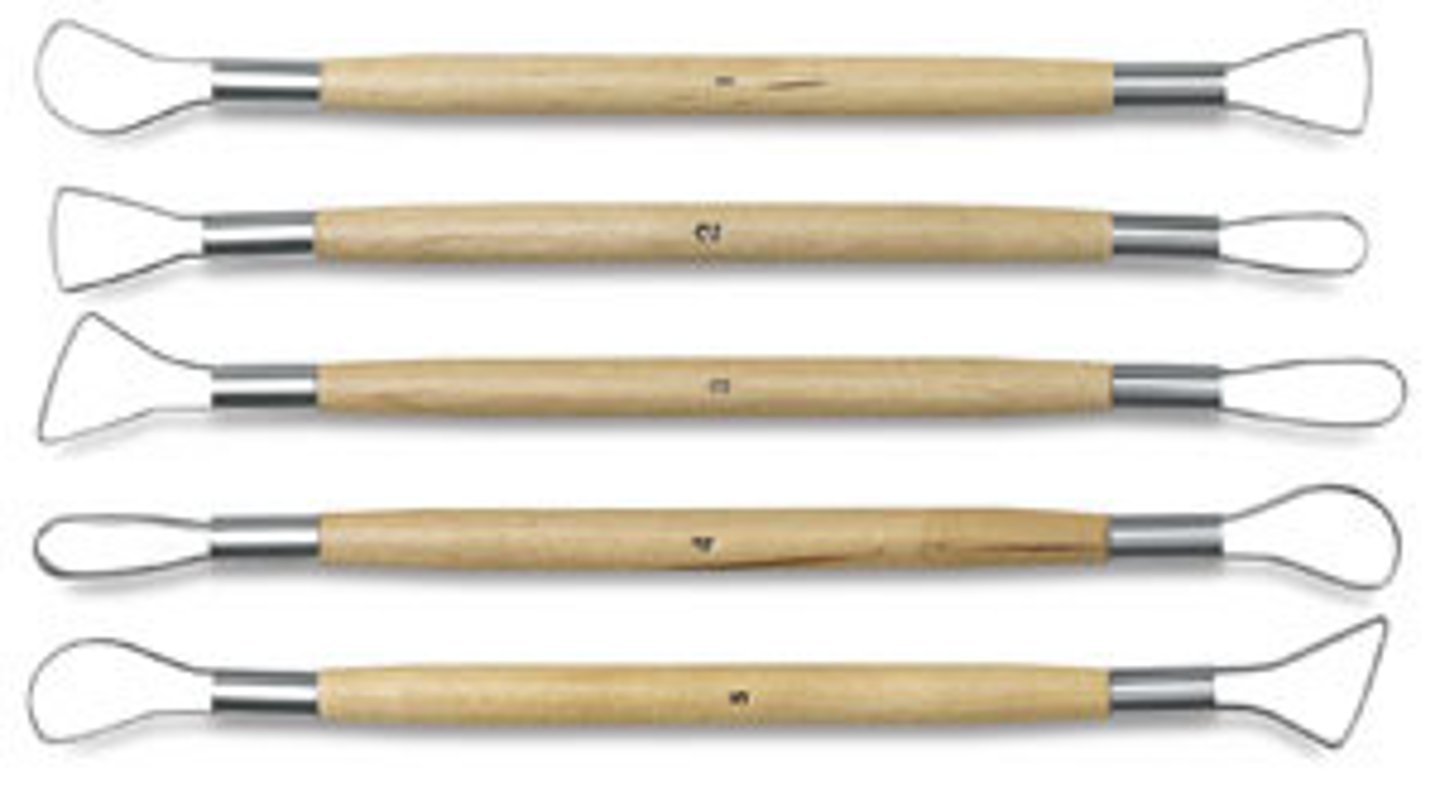
Wire cutter
used to remove a pot from a potter's wheel
Caliper
an adjustable tool used to measure for making lids
Subtractive Sculpture
the oldest form of sculpture. This consists of removing material from a larger piece, such as marble, wood, or another material. Michael Angelo was the master of this technique, also known as carving.
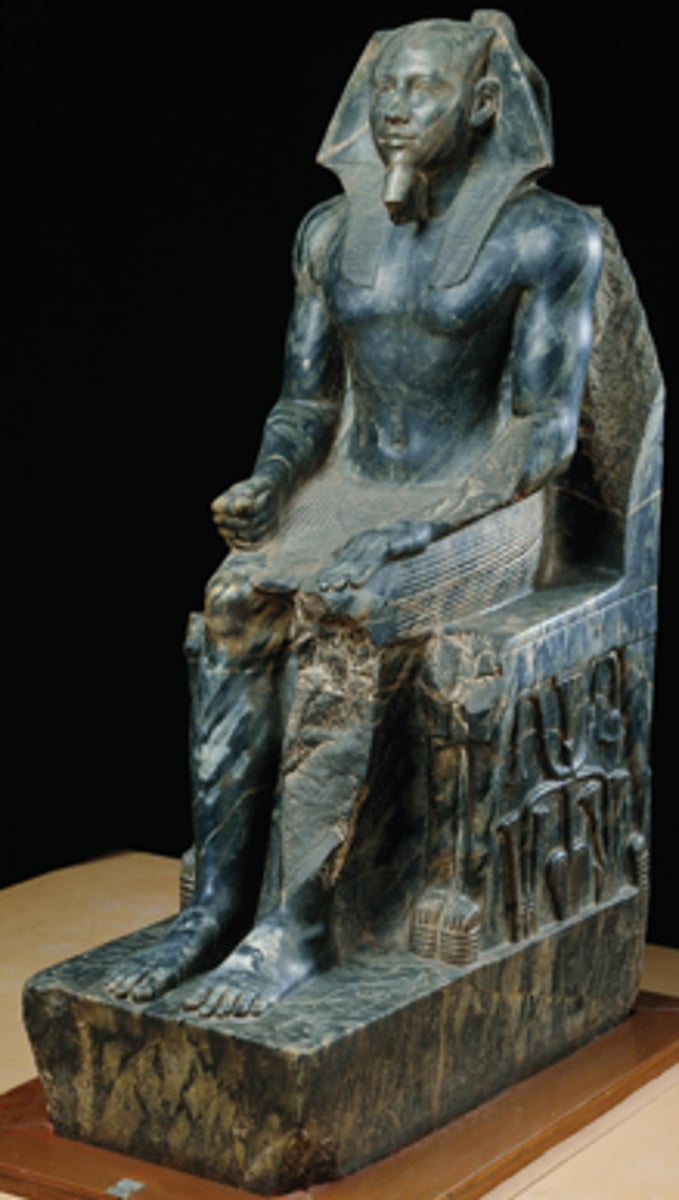
Additive Technique
consists of adding material to create an artwork. A soft material, such as clay or plaster strips, is built up over an armature until the final form is achieved. This is also called modeling. With this technique, the sculpture can start small and be built larger.
Armature
a framework or skeleton used to support a sculpture
Assembling
this technique became popular in the 1950s and 60s. The artist creates a 3-dimensional collage by gluing, welding, nailing, and otherwise joining objects--usually found objects.
Hand Building
working with clay without a pottery wheel.
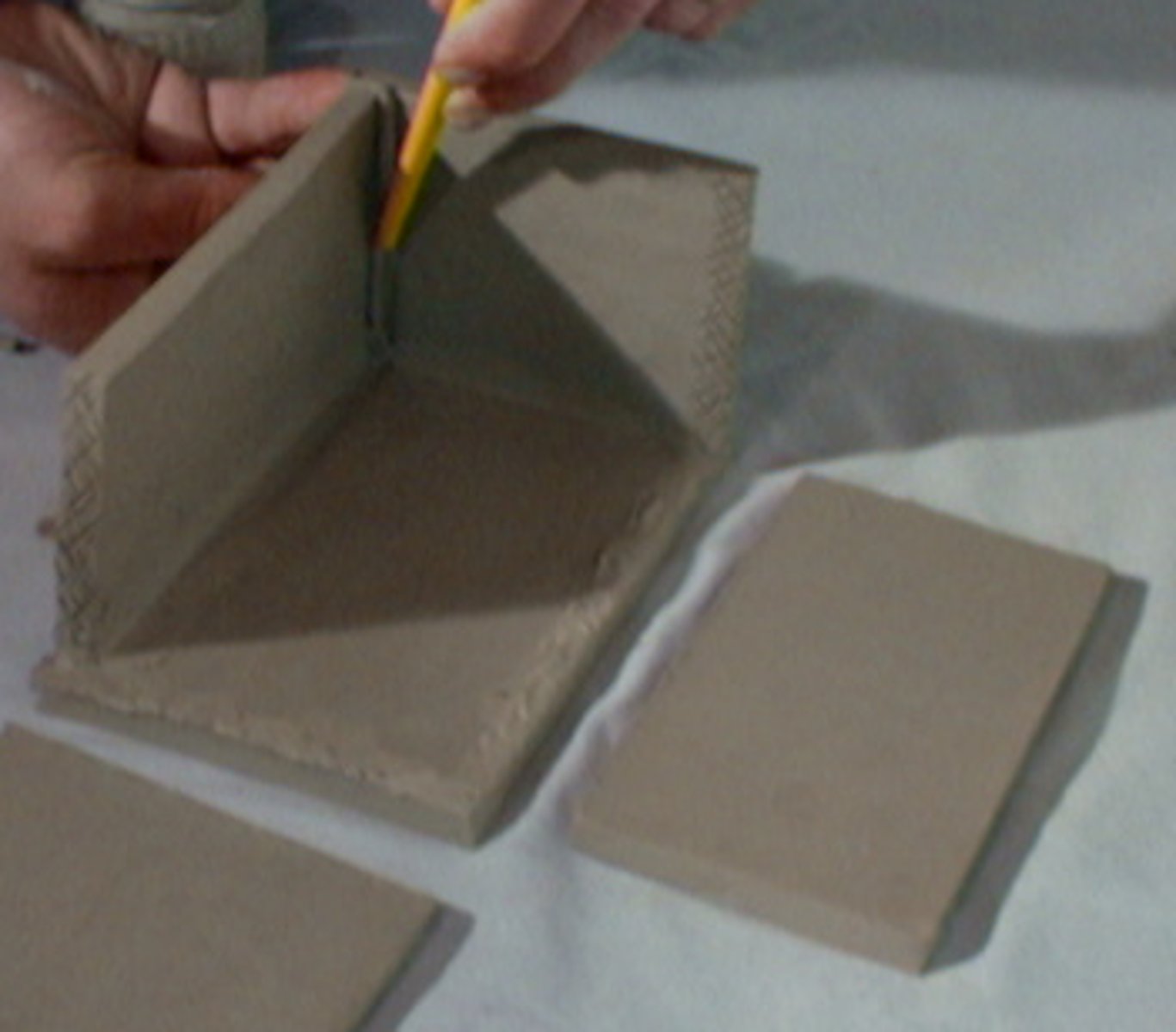
Three methods of hand building
slab building
pinch pot
and coil method
Slab building
Clay is rolled into sheets and cut into shapes. The shapes are cut out and joined together
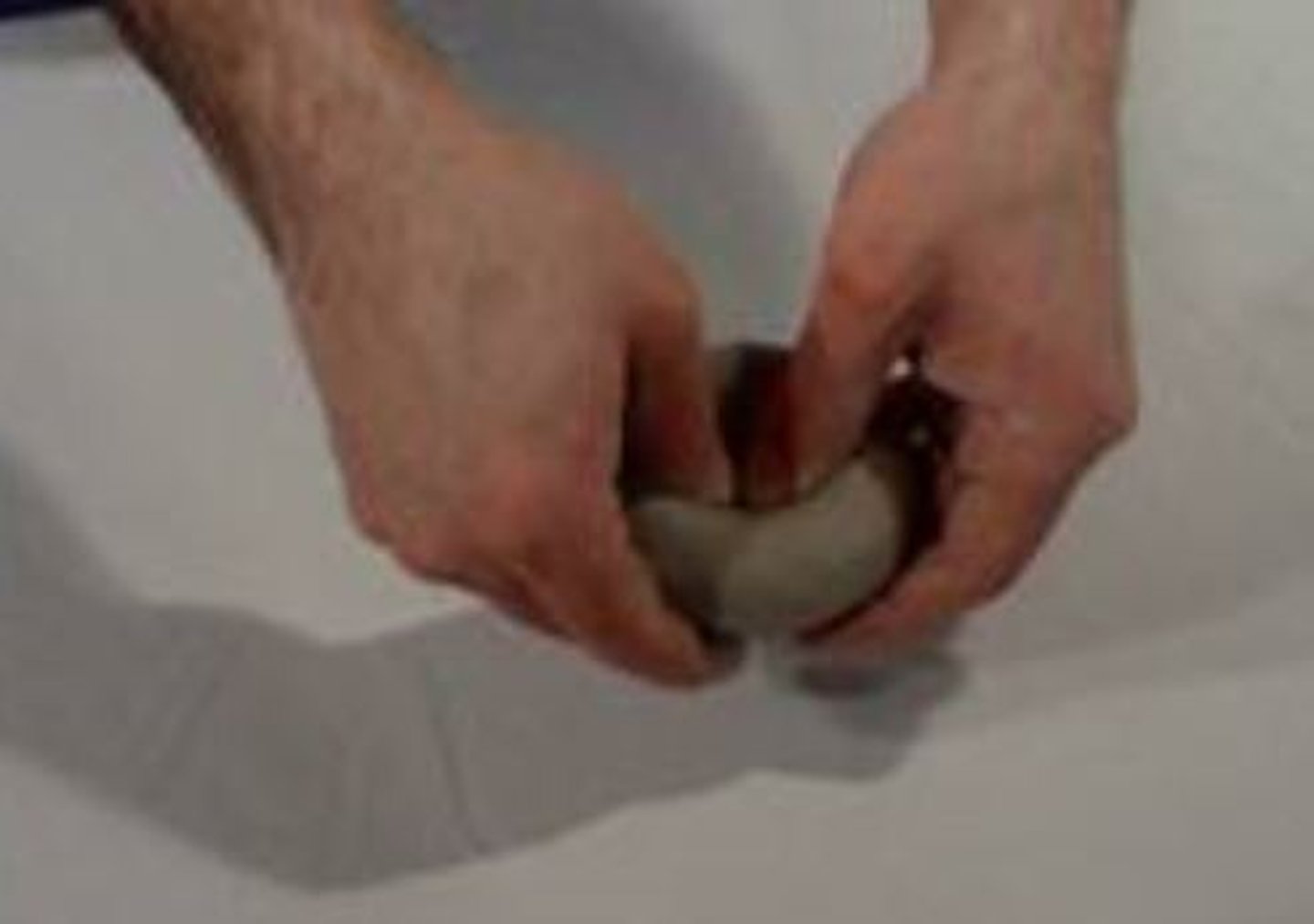
Pinch Pot
created by rolling a ball of clay and then inserting a thumb into the ball.
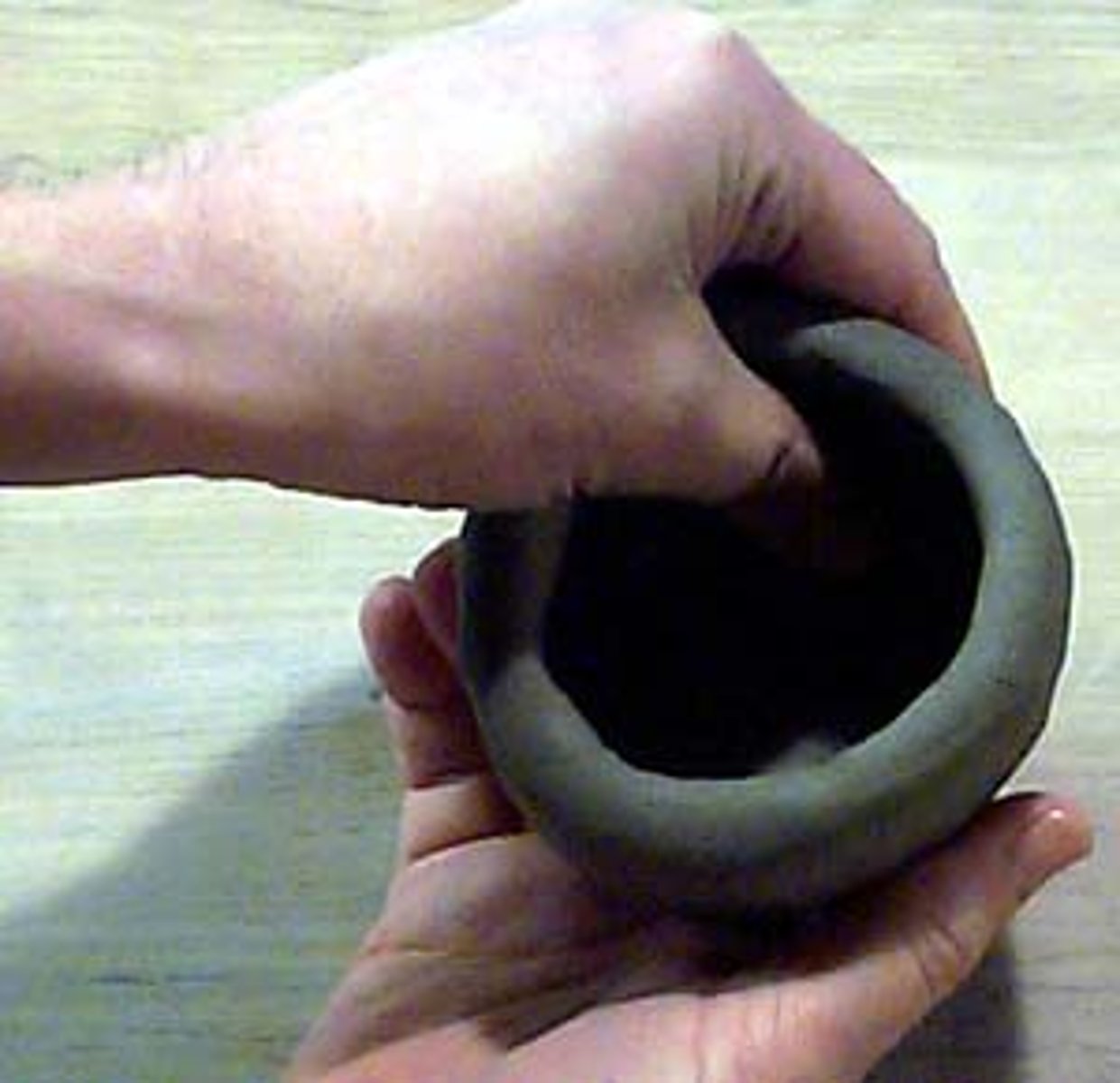
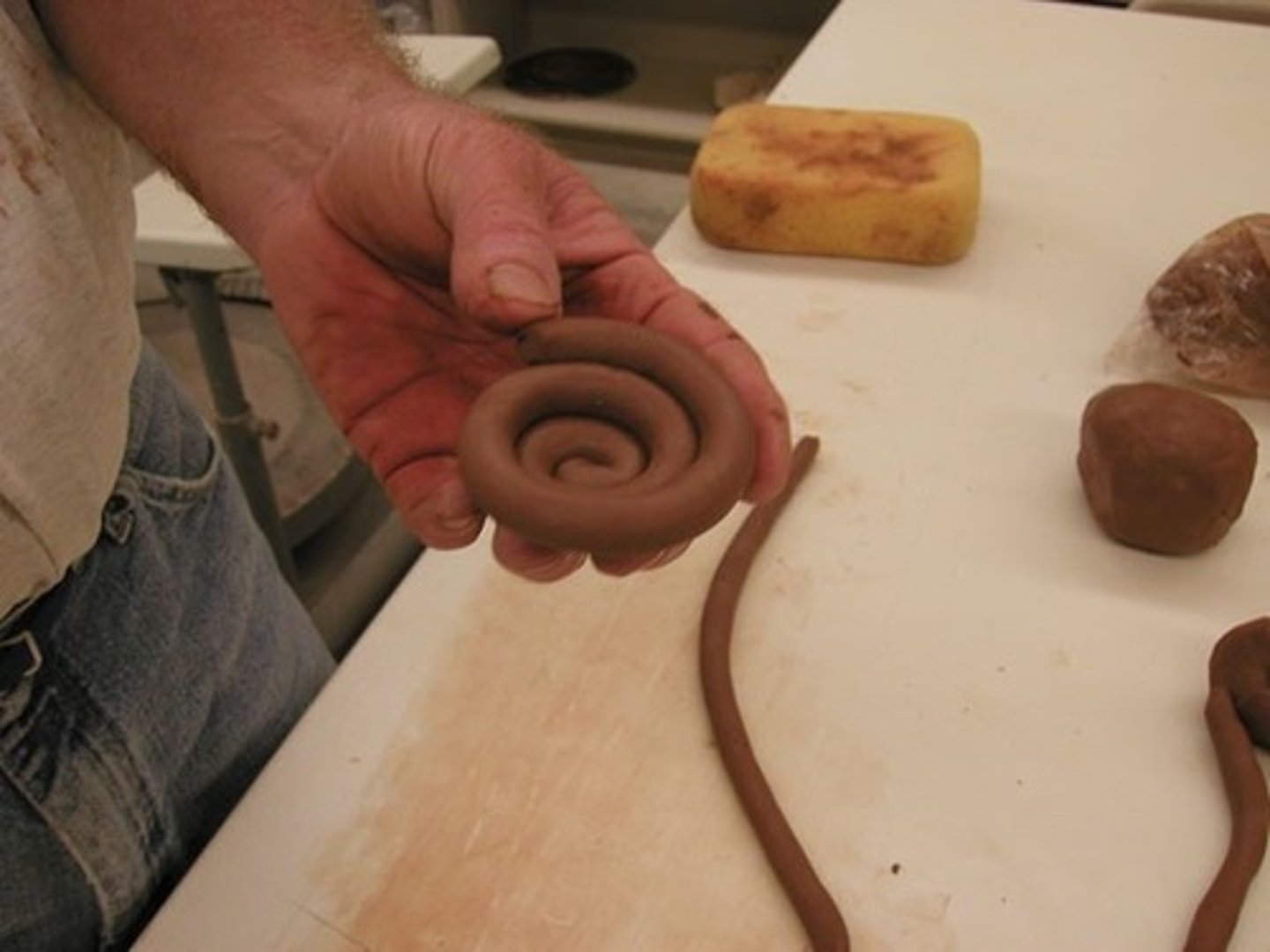
Coil Method
method of pottery building using long snake like pieces of clay. Then coiled on top of one another scoring and using slip in-between
Wheel throwing
the process of shaping clay on the potter's wheel
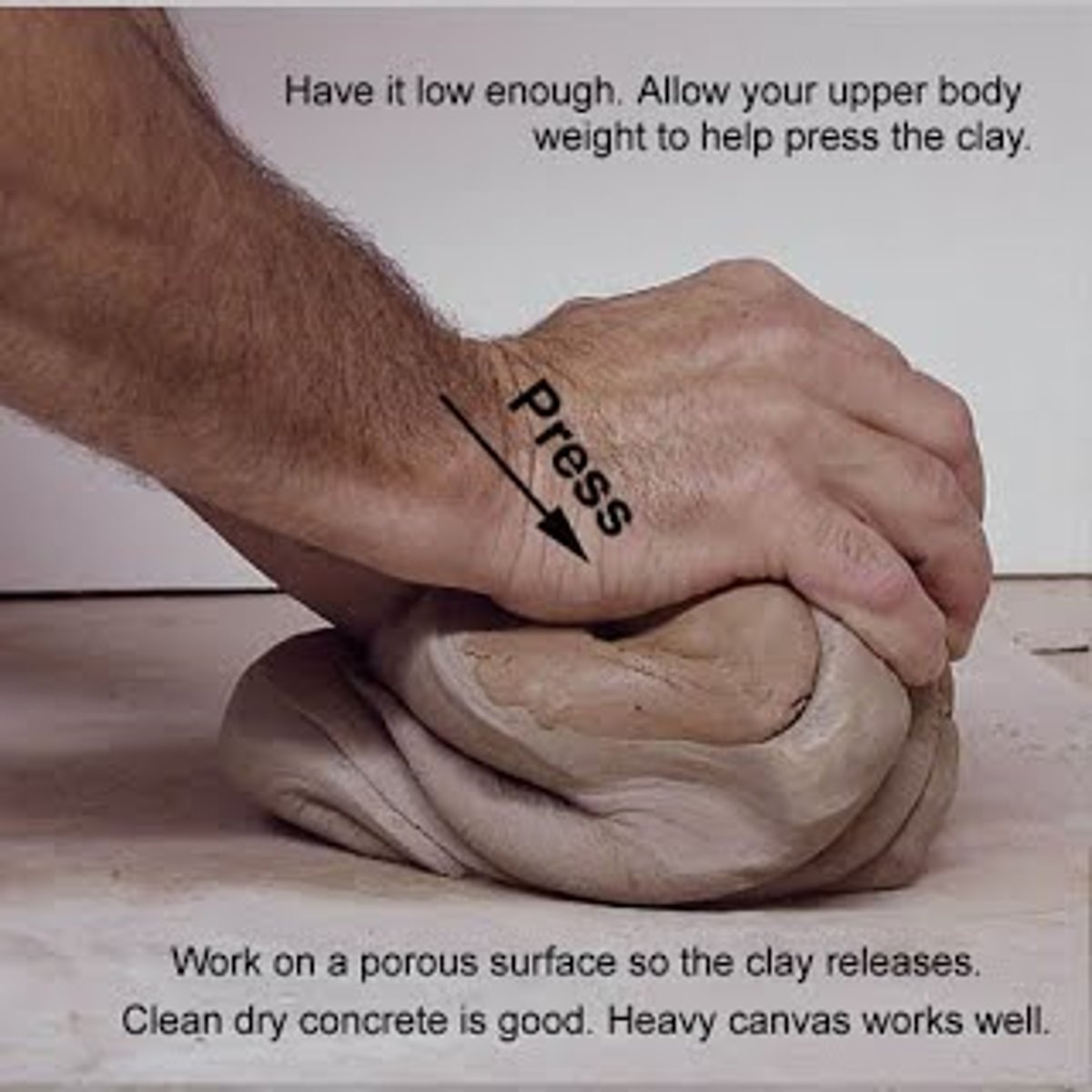
Wedging (kneading)
the process of mixing and turning clay to remove air pockets and create uniform consistency in the clay.
Traditional sculpture materials
stone
wood
clay
metal
Modern sculpture materials
assembling and found objects
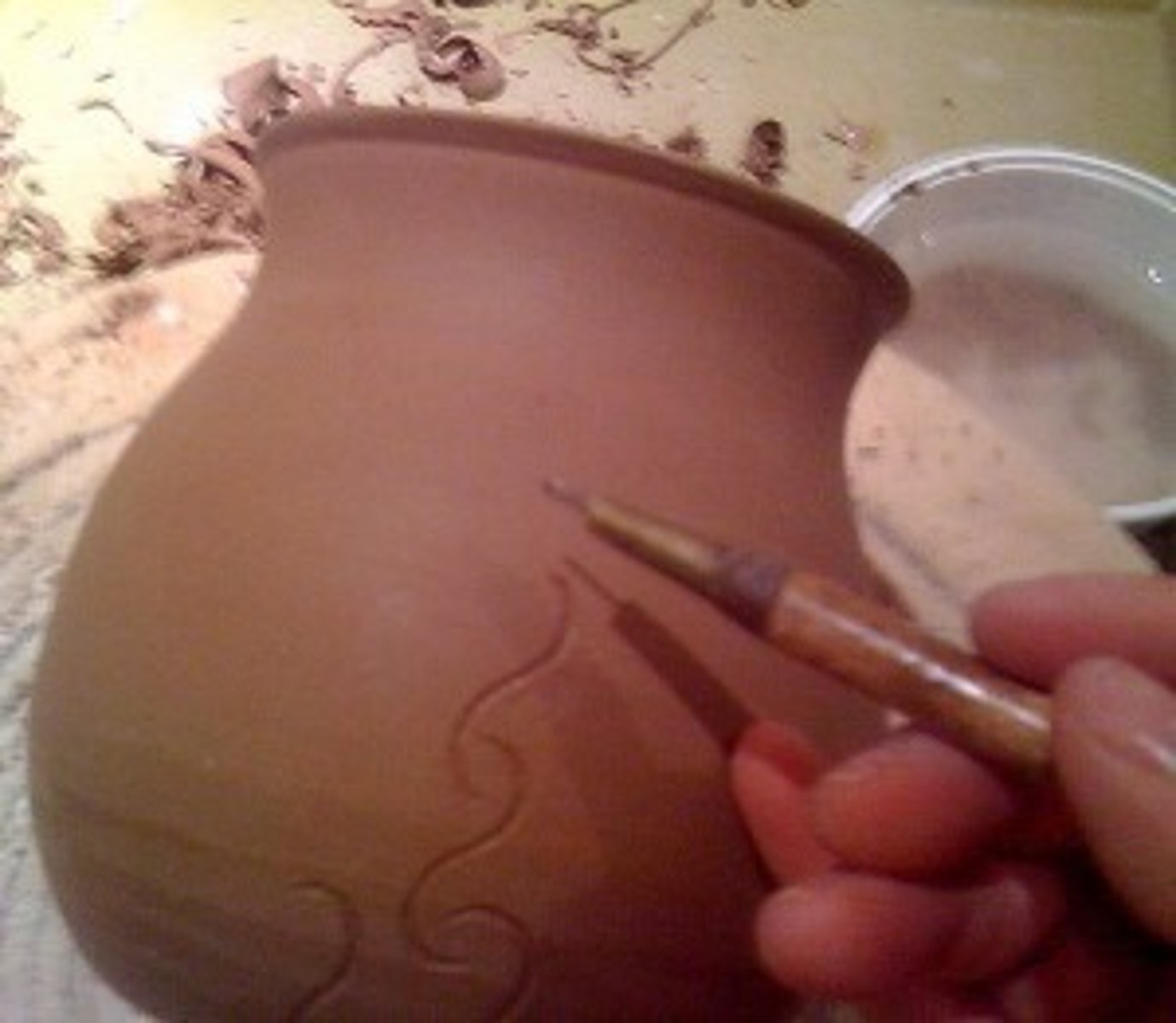
Leather Hard
clay that has partially dried but is not completely dry
the artist can carve the piece or add decorative slip in this stage.
Bone Dry
Clay in which all the moisture has dried out. The clay is a lighter color and the piece is very fragile, no attaching or carving can be done in this stage.
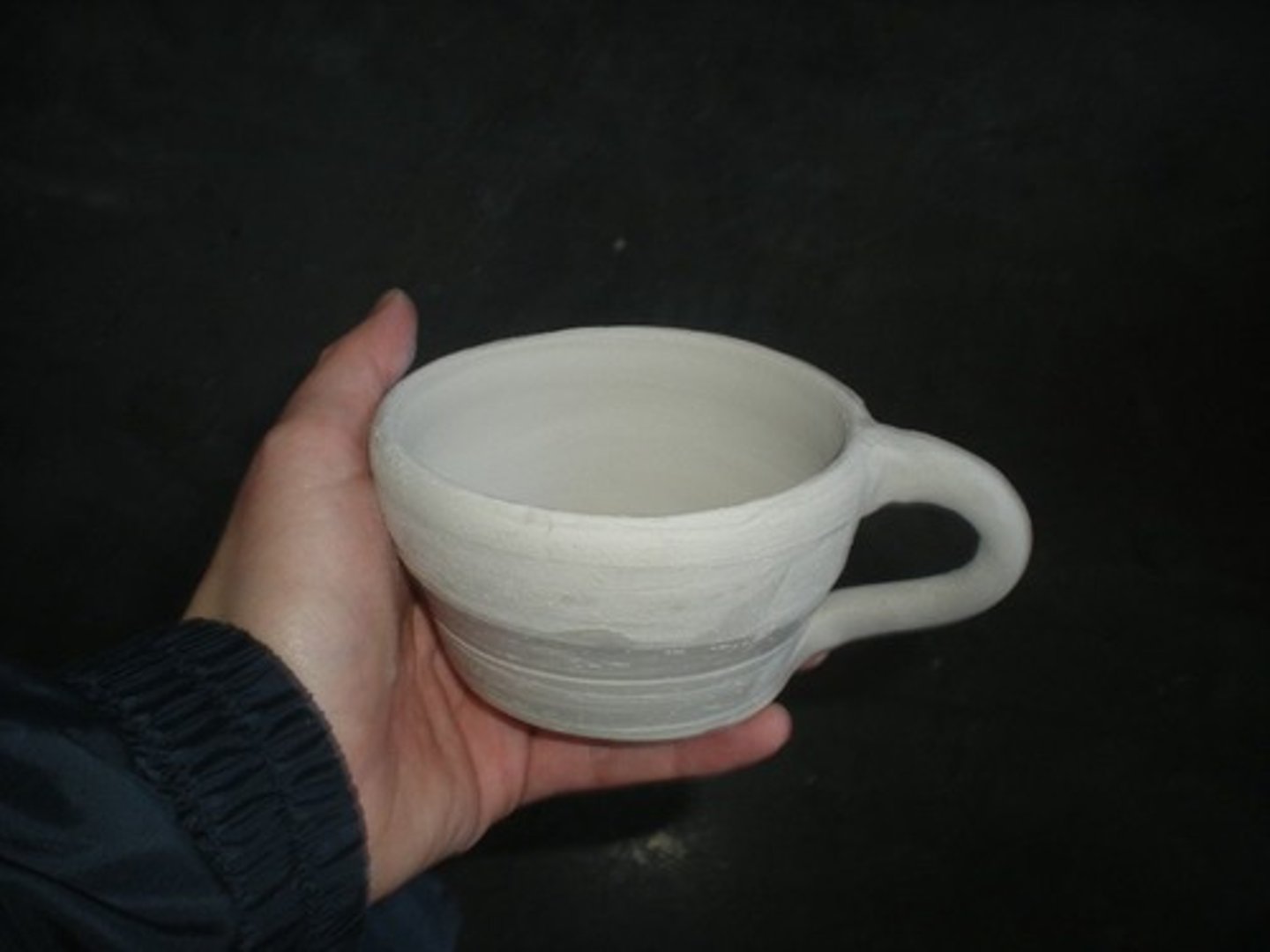
Bisque
when a piece has been fired once in a kiln. Bisqueware can be glazed and fired again. At this stage, prior to being glazed, the clay is still porus. Prior to being fired, all unfired clay pieces are referred to as greenware.
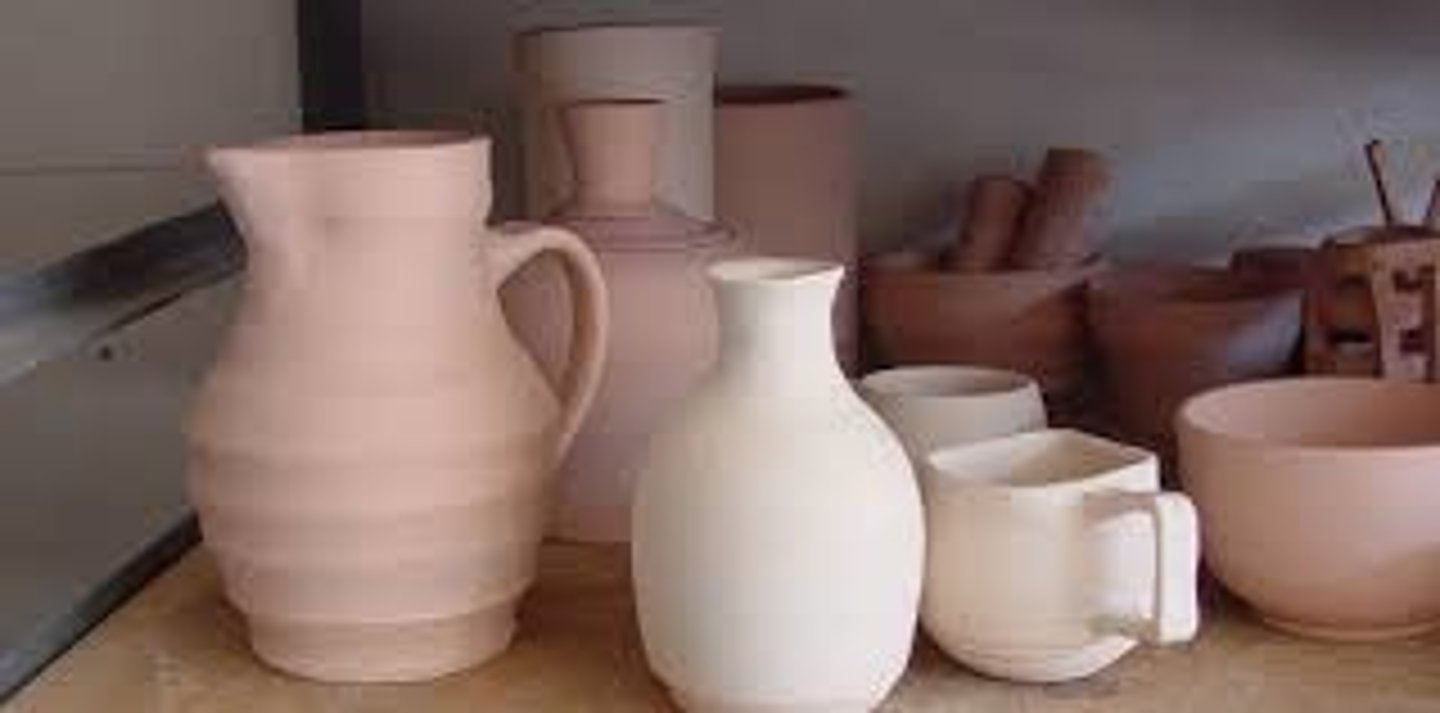
Greenware
Unfired pottery
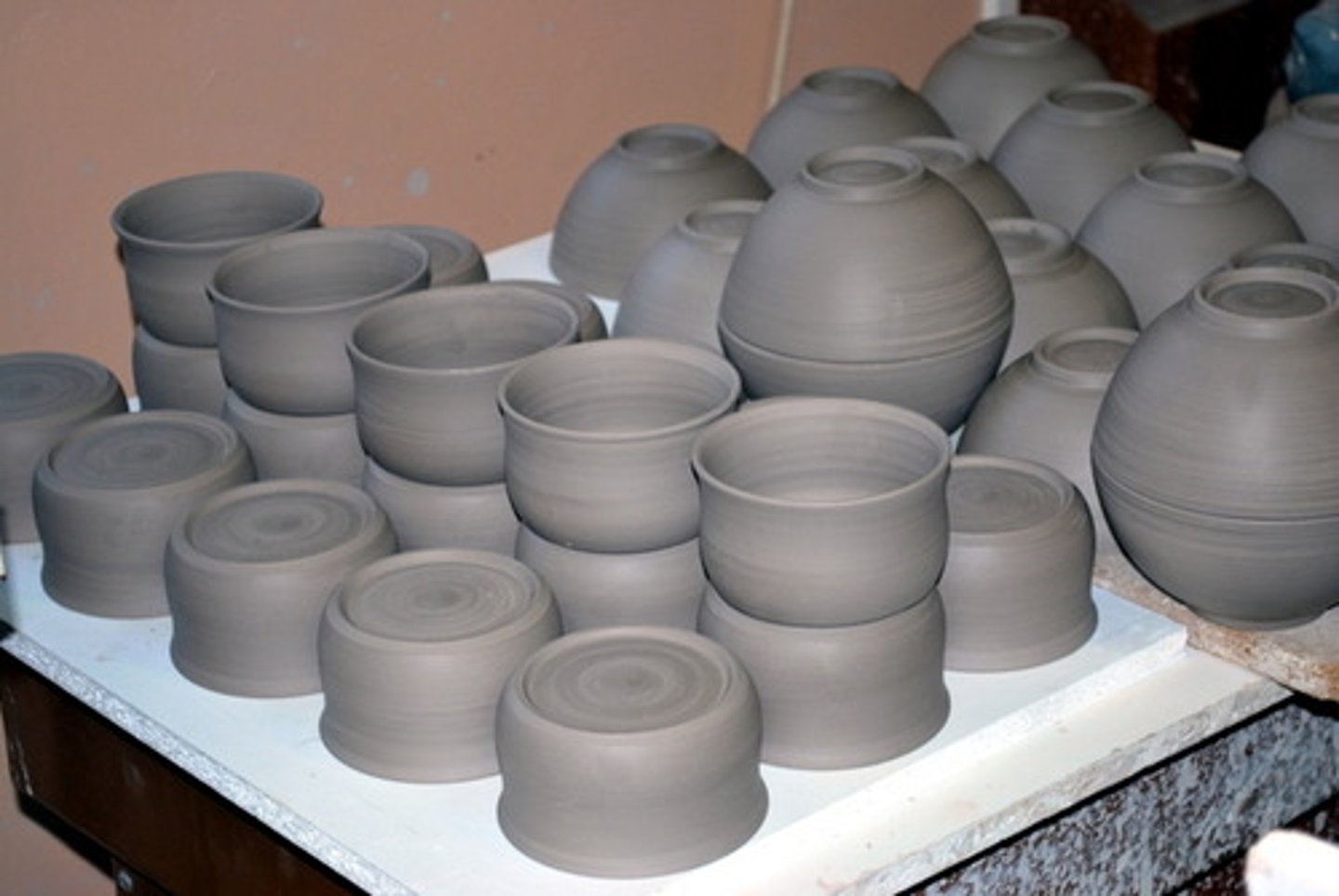
Slip
liquid clay that is used to join clay pieces together. Slip is a mix of clay and water, and it has a runny consistency.
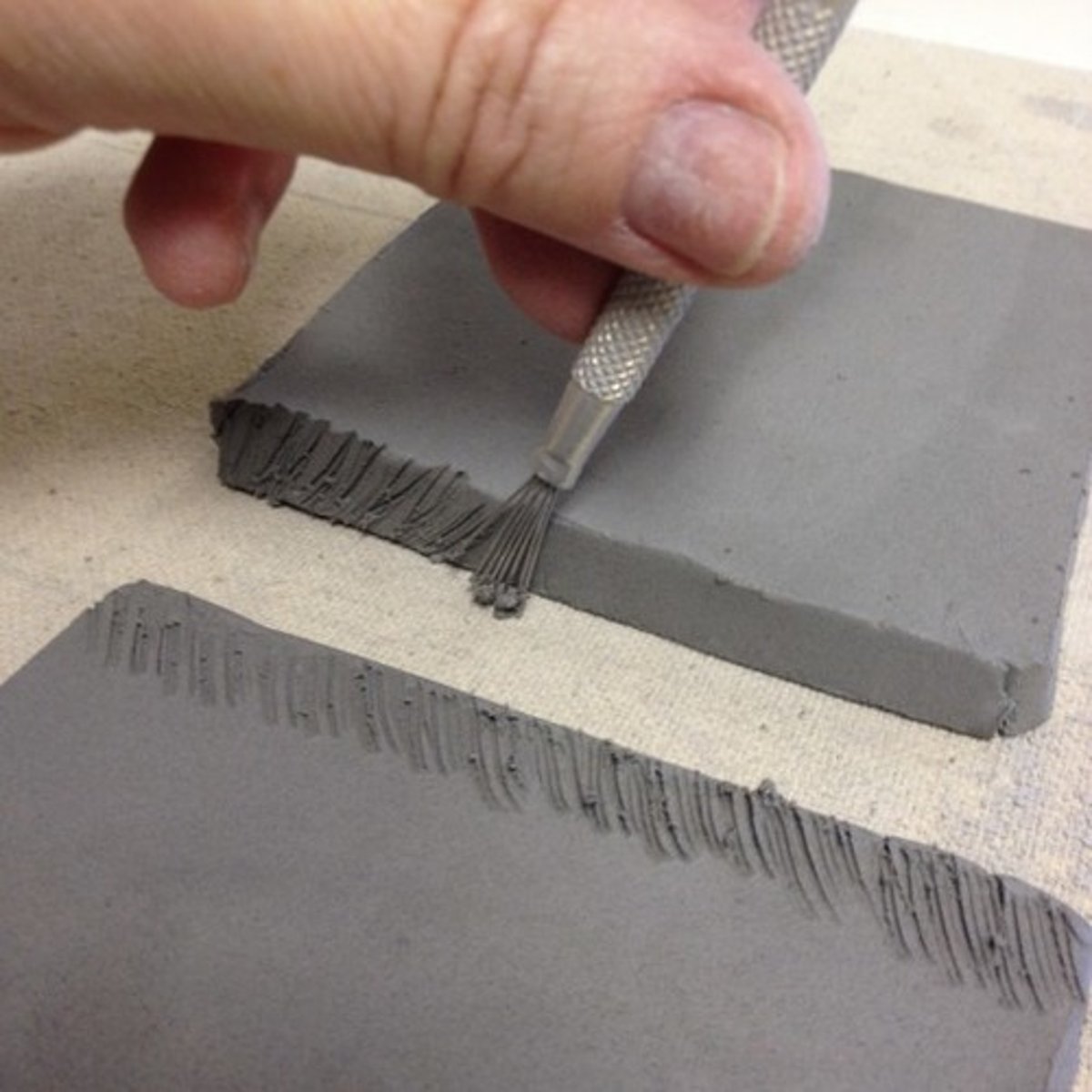
Scoring Clay
making marks on the edges of two pieces of clay before joining with a slip
Pottery was first made in china during the ____________ era
Paleolithic
Sculpture in ancient greece often depicted what
battles, mythology, and their rulers
The classical period of Greek sculpture focused on
depicting human anatomy and natural poses. The sculptures were life-sized and realistic. Most bronze Greek Sculptures have only survived as Roman copies. The Greeks used the lost wax technique to create their metal sculptures.
Lost wax technique
A bronze-casting process in which an initial mold is made from a model (usually clay) and filled with molten wax. A second, fire-resistant mold is made from the wax, and molten bronze is cast in it.
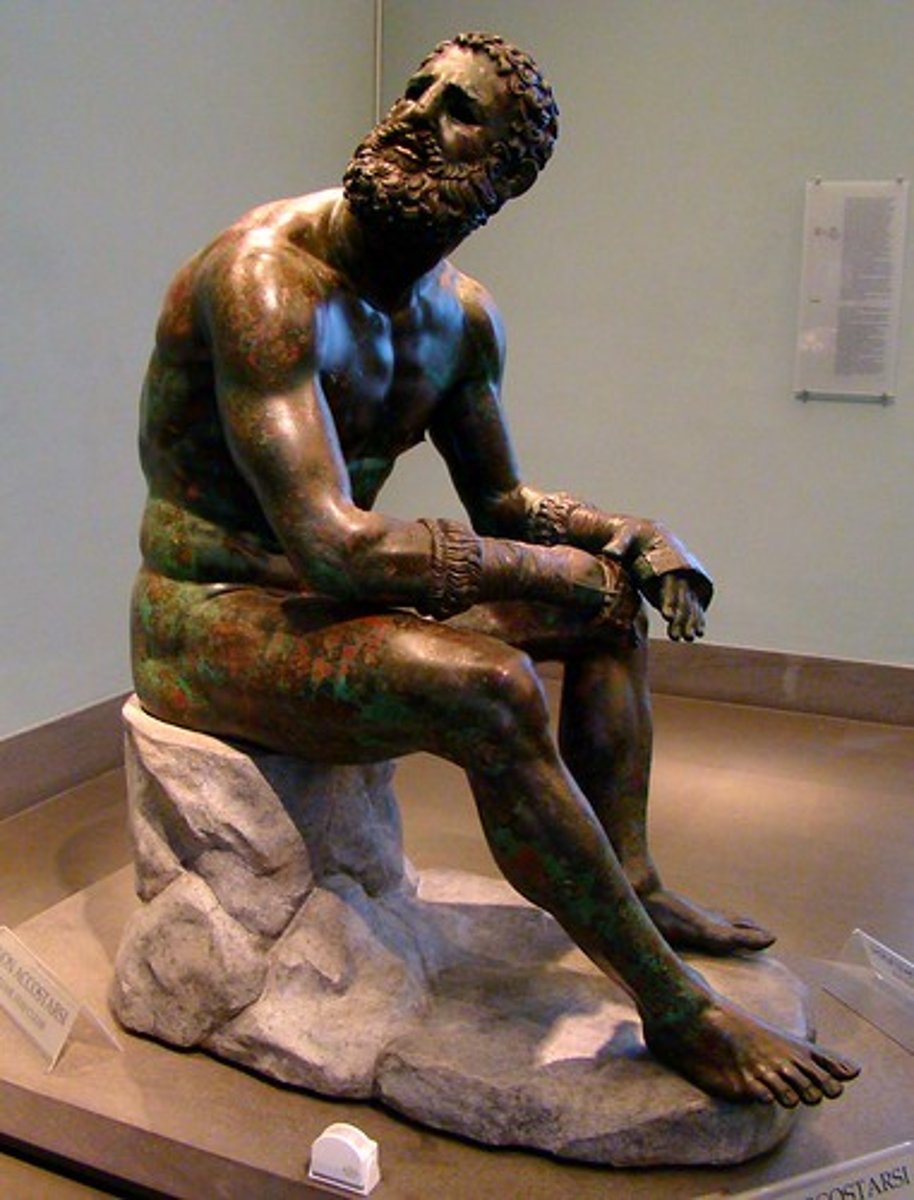
Sculptures in ancient Rome focused more on
Portrait and less on the idealized human body. They were rigid and less natural than the Greek sculptures. Romans sought to immortalize and capture a likeliness of a person, whereas Greeks sought to idealize them.
Fiber Art
was first used by curators after World War II. It described works relating to fabrics. Fiber arts take into the consideration the artists skill and labor to create the work, as well as the materials used, and it focuses more on aesthetic than usefulness.
Fiber
a threadlike piece or material created from threadlike pieces. this includes materials such as fabric, yarn, and embroidery thread. Fibers can be made of natural materials such as cotton, wool from sheep, or silk from a silkworm.
Knitting
consists of creating a series of interlocking loops using straight knitting needles that are pointed on one end.
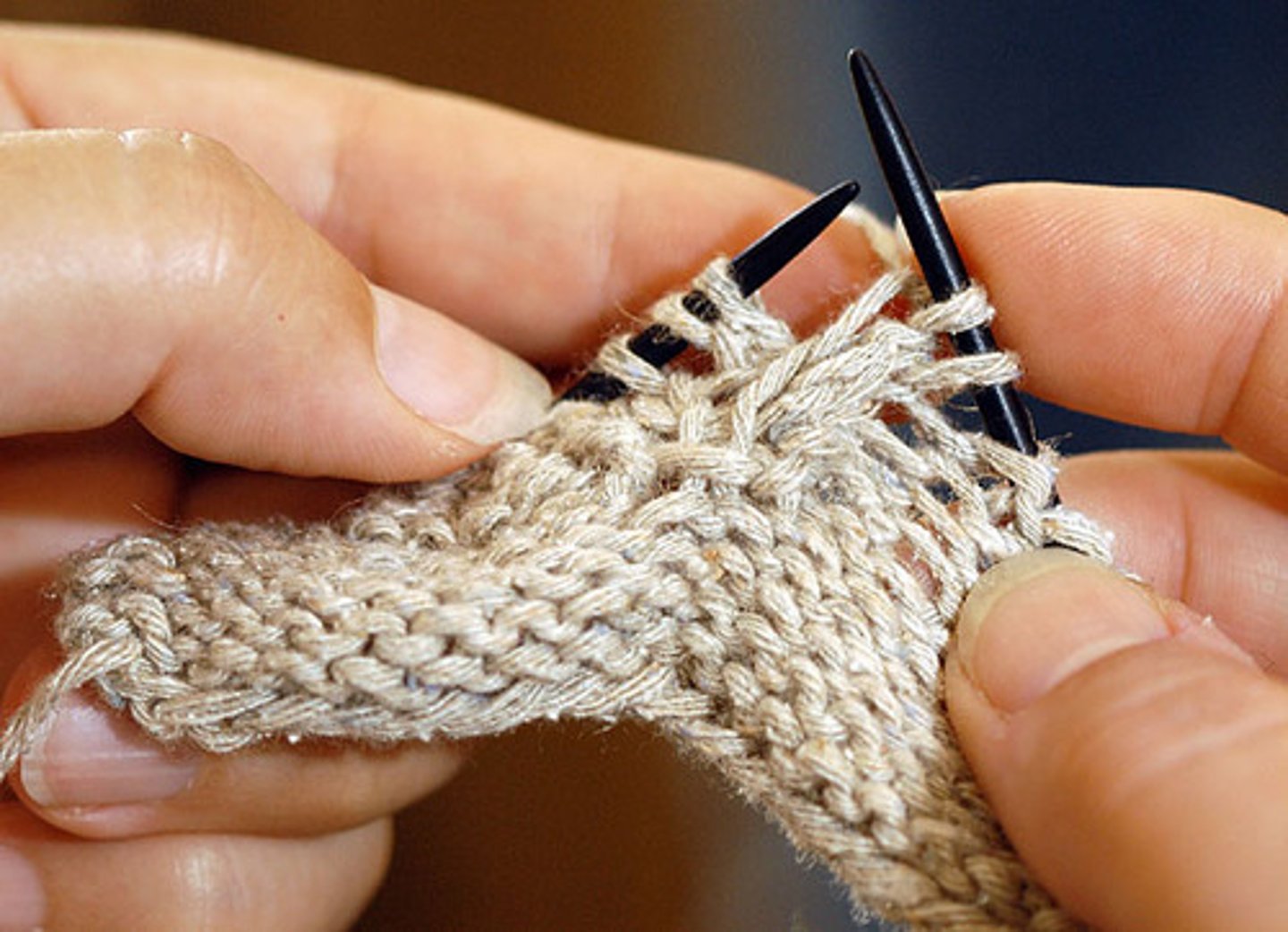
Main stitches used in knitting
knit and purl
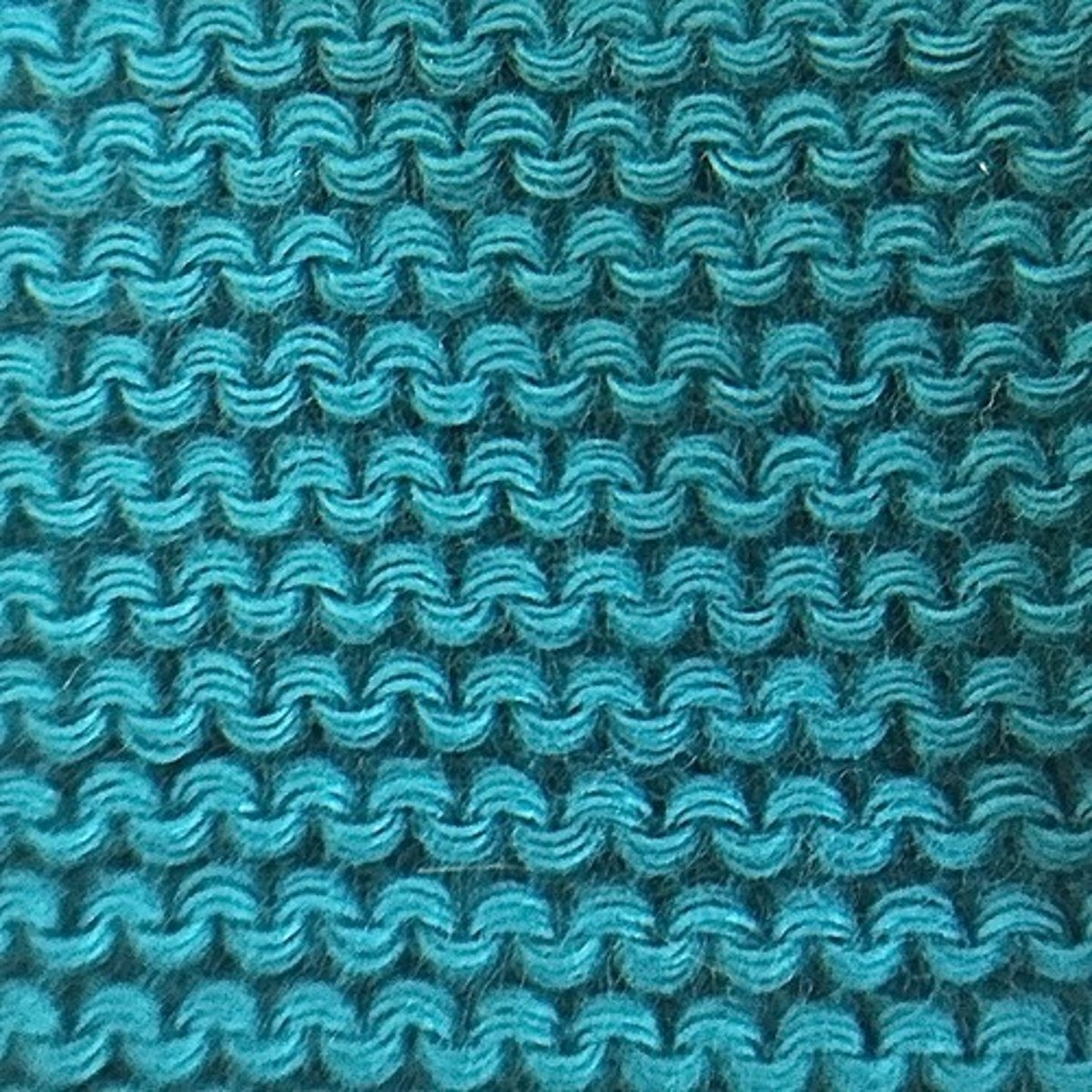
the basic knitted pattern is called a _____ or ______ patterns
stocking or stockinette pattern, and the right side looks like a pattern of V shapes
Weaving
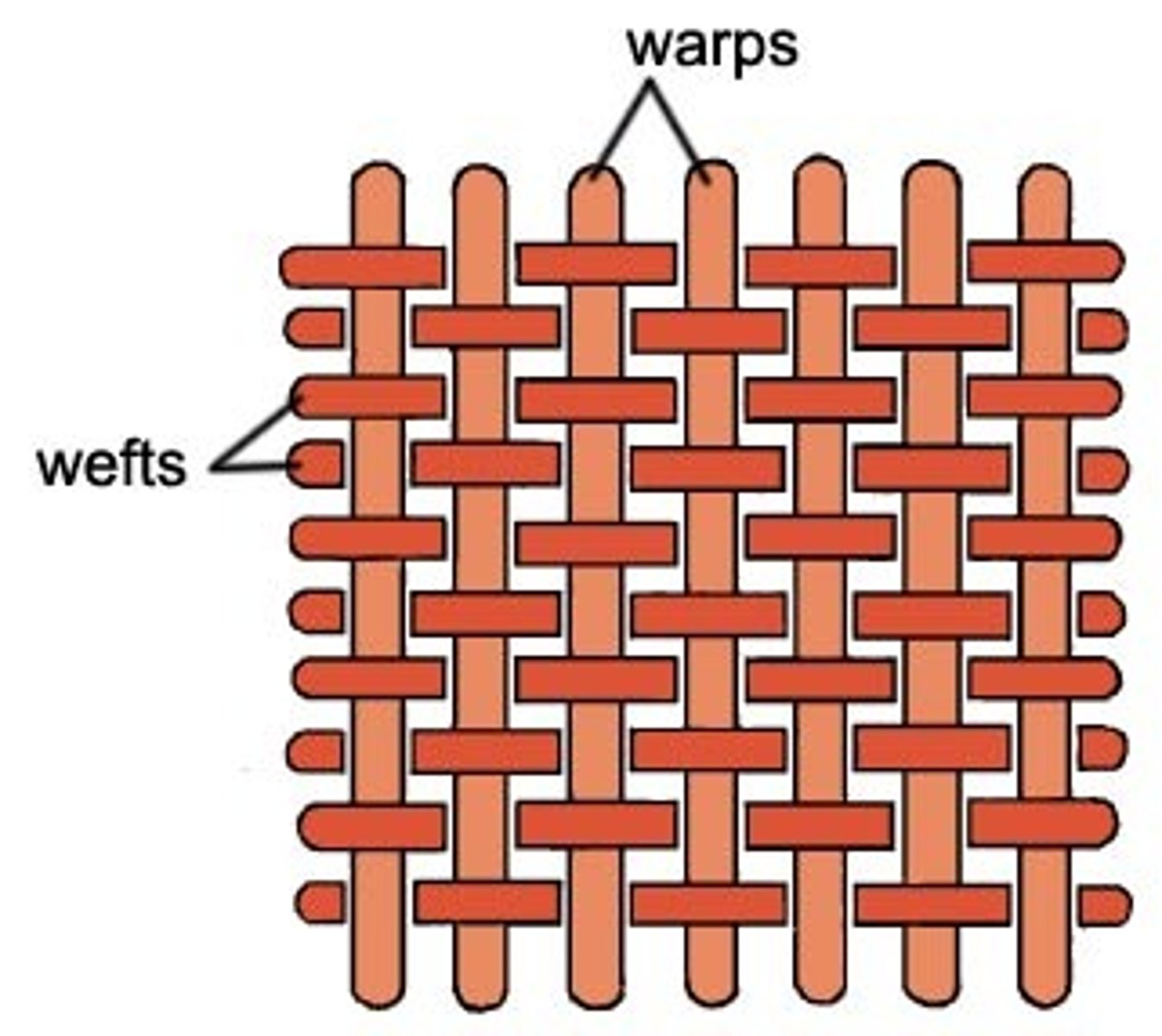
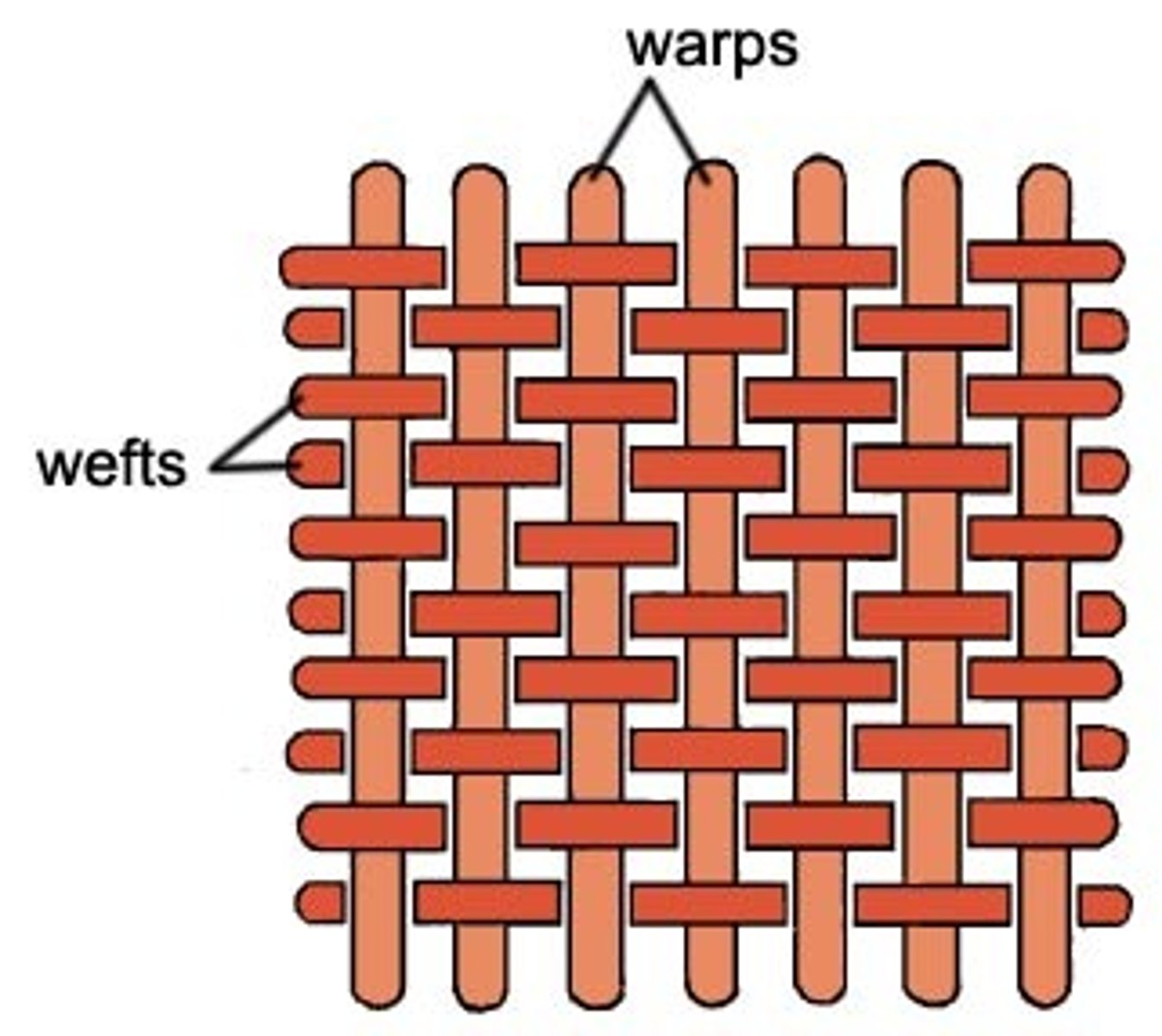
two sets of threads are interlocked in a perpendicular pattern. This can be done by hand or by machine. The length-wise threads are called the warp and are held stationary on a loom while the other thread (weft) is passed back and forth between them.
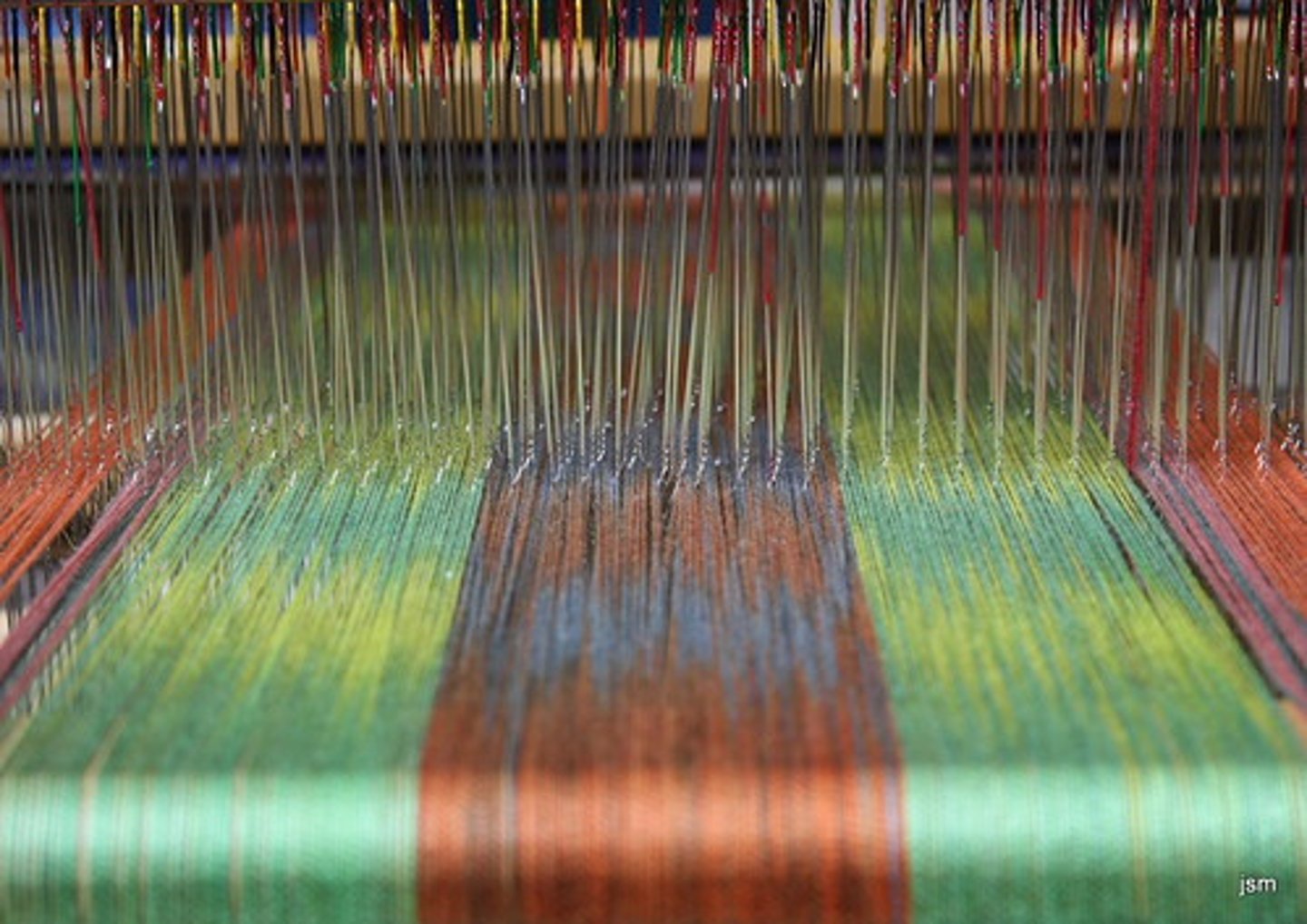
Weft
the horizontal threads interlaced through the warp in a woven fabric
Warp
a lengthwise yarn or thread in a weave
Crocheting
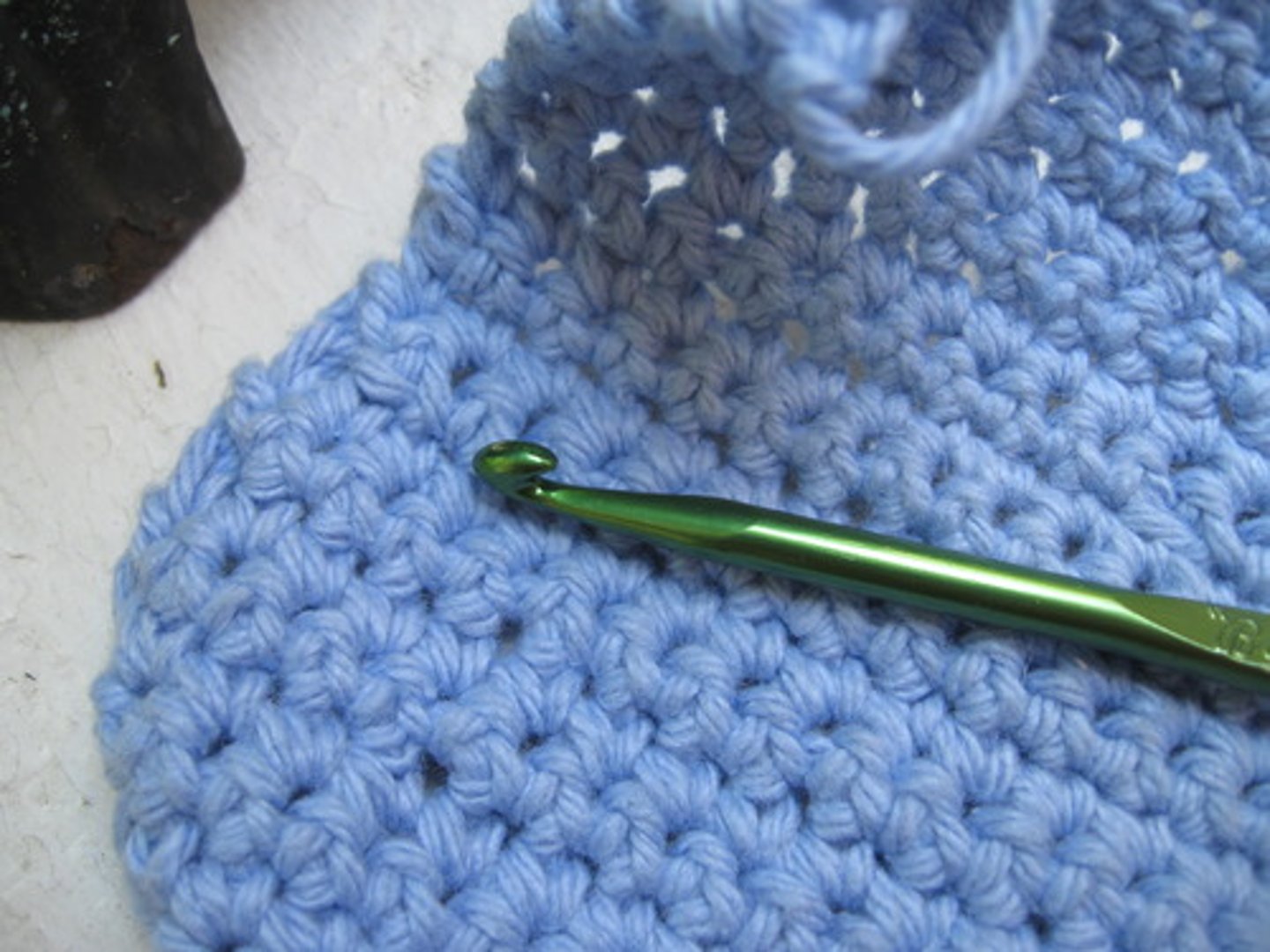
involves using a stick with a hook at the end, called a crochet hook, and creating stitches to interlock the yarn into a fabric or pattern. With crochet, each stitch is finished before starting the next, whereas in knitting, many stitches are kept open at the same time.
Loom
a device used for weaving cloth
Shuttle
a spindle-shaped device used to carry the crosswise threads (weft) through the lengthwise threads (warp)
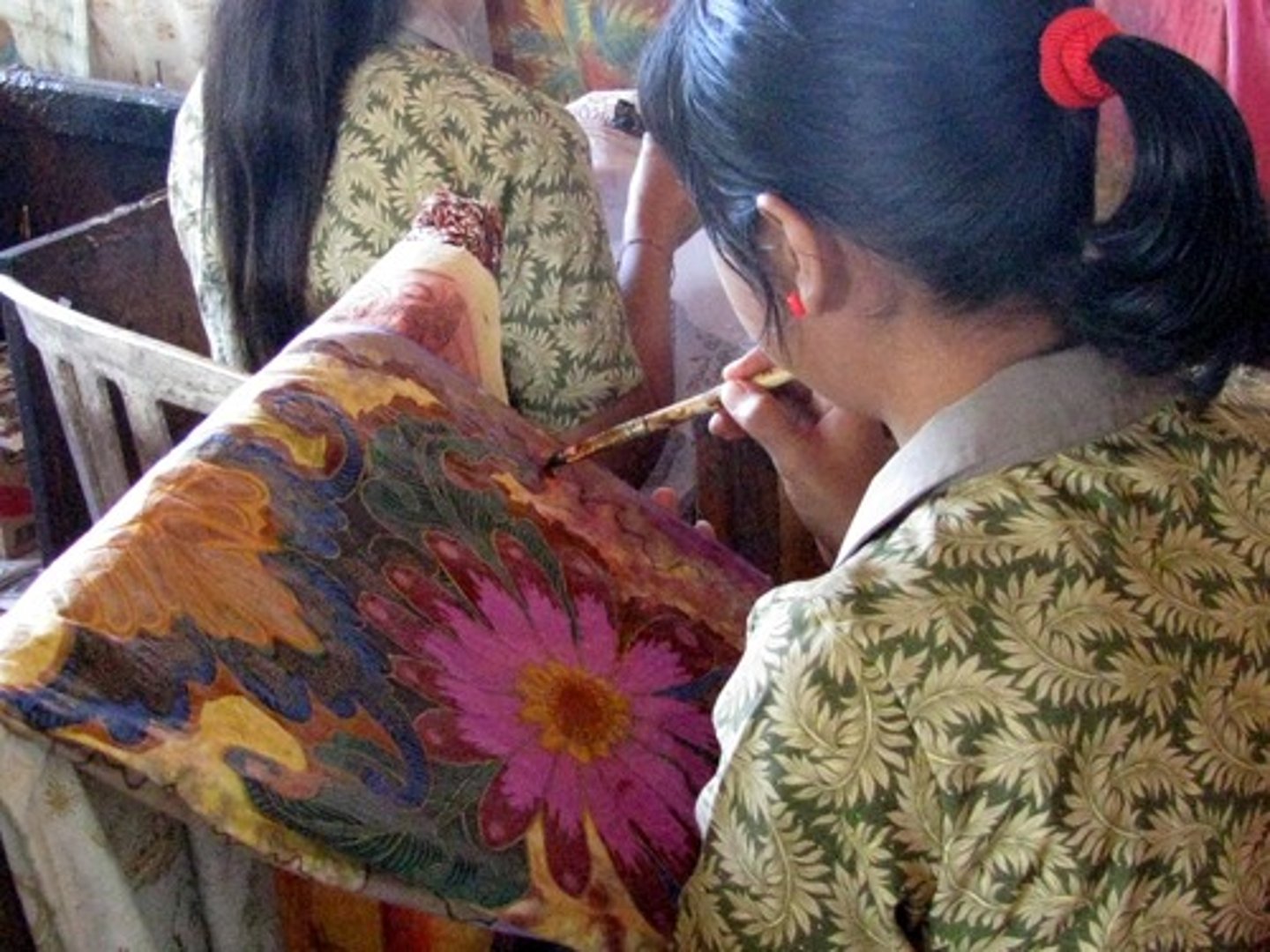
Tjanting needle
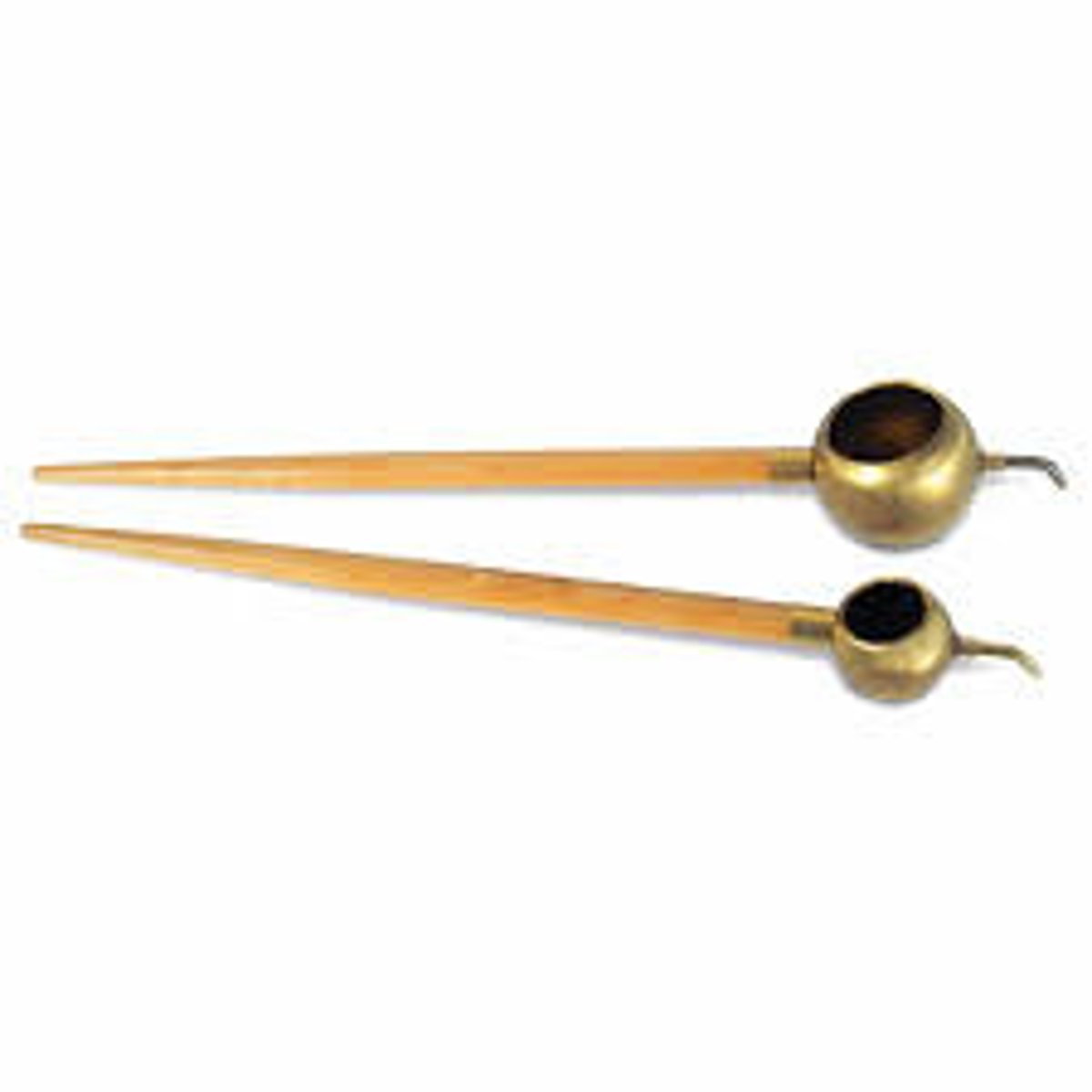
A pen-shaped tool used to draw a design with melted wax on cloth; for batik, or wax-resist dyeing.
Batik
A fabric-dyeing method which uses wax to coat areas that don't need to be dyed
Embroidery
a woven product in which the design is stitched into a premade fabric
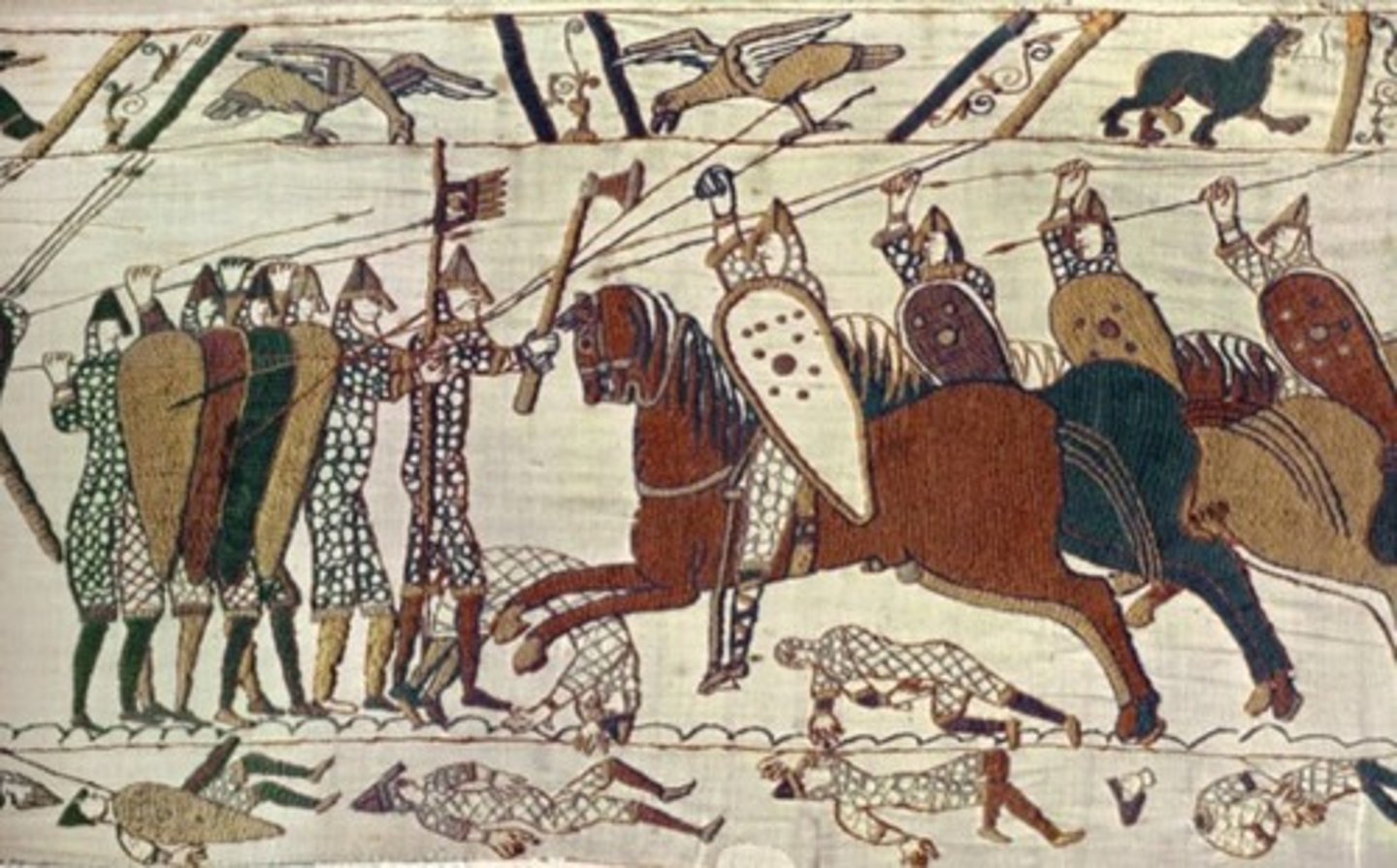
Tapestry
1. a picture or pattern that is made by weaving colored wool onto heavy cloth; the art of doing this
2. a complex combination of events, people, or things
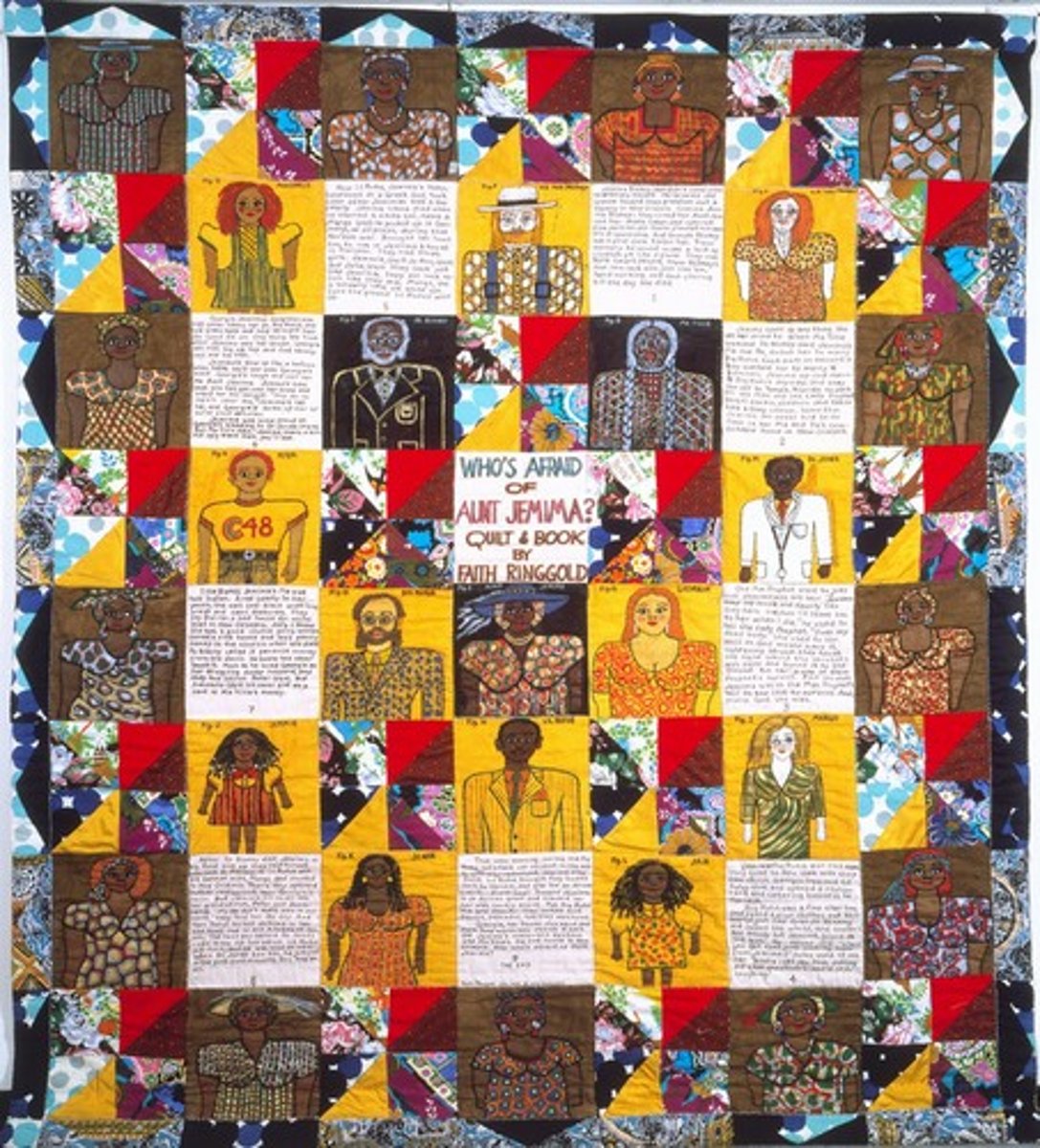
Quilt
a decorative cover for a bed, made of two layers with soft material between them
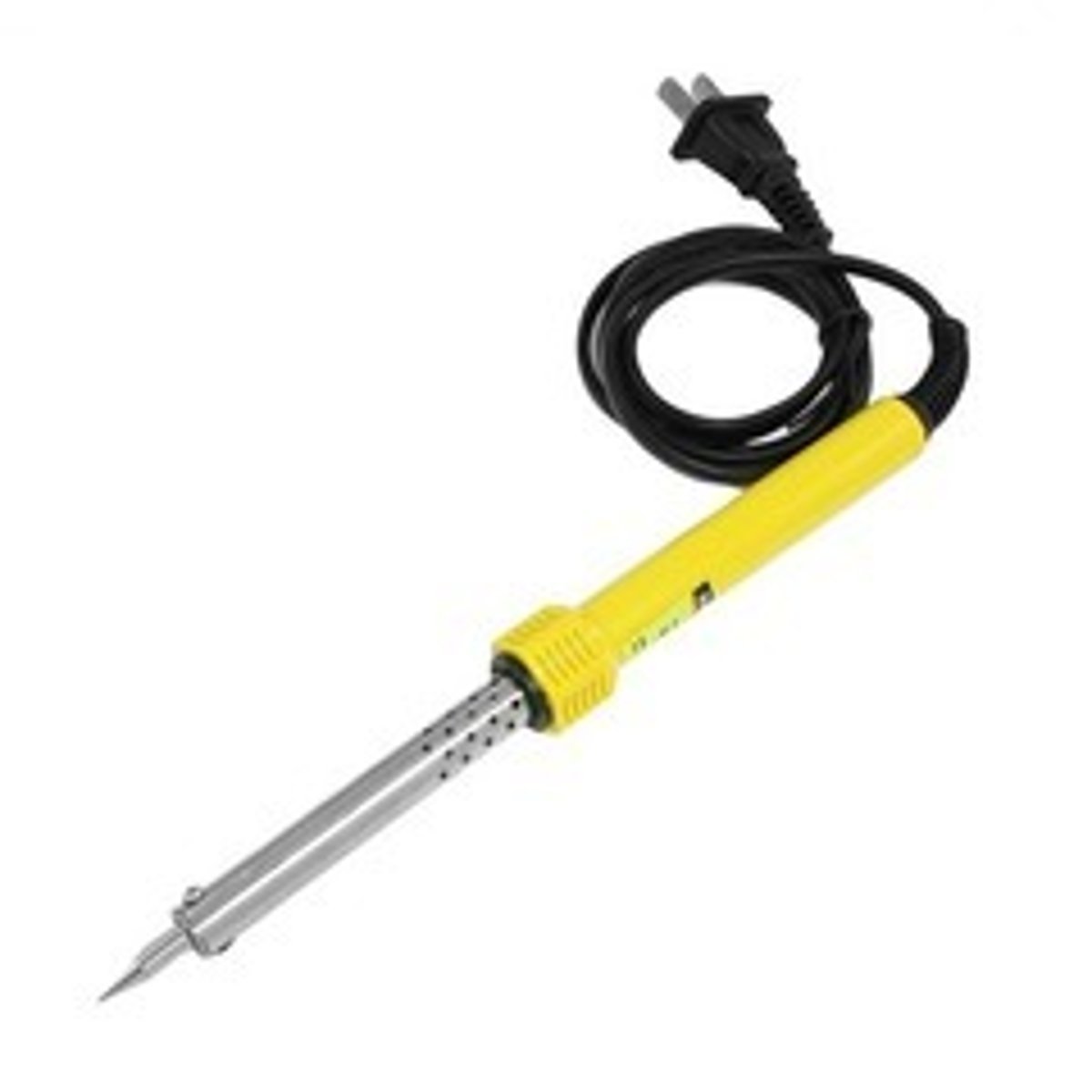
Soldering Iron
used for joining metal parts together
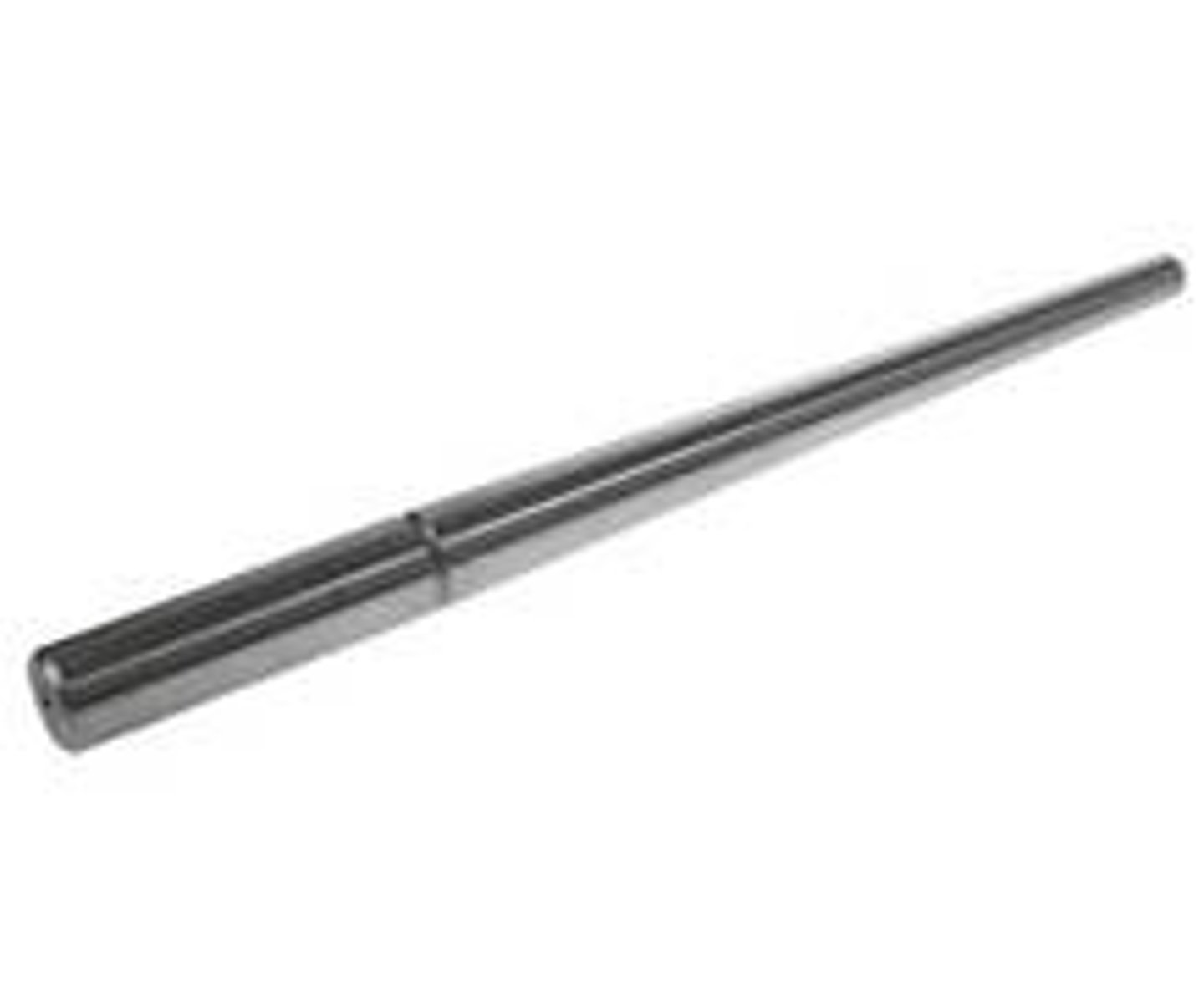
Mandrel
used to size and shape a ring, it is a tapered piece of metal that the ring fits onto.
Clamps
hold the piece steady for the artist to work on it
Calipers
used to measure the gauge (thickness) of materials
Enameling
involves fusing powdered glass to a surface by heating it to between 750 C and 850 C. When fired, the glass powder melts and turns into a smooth shiny coating.
It can be applied to gold, copper, silver, and aluminum.
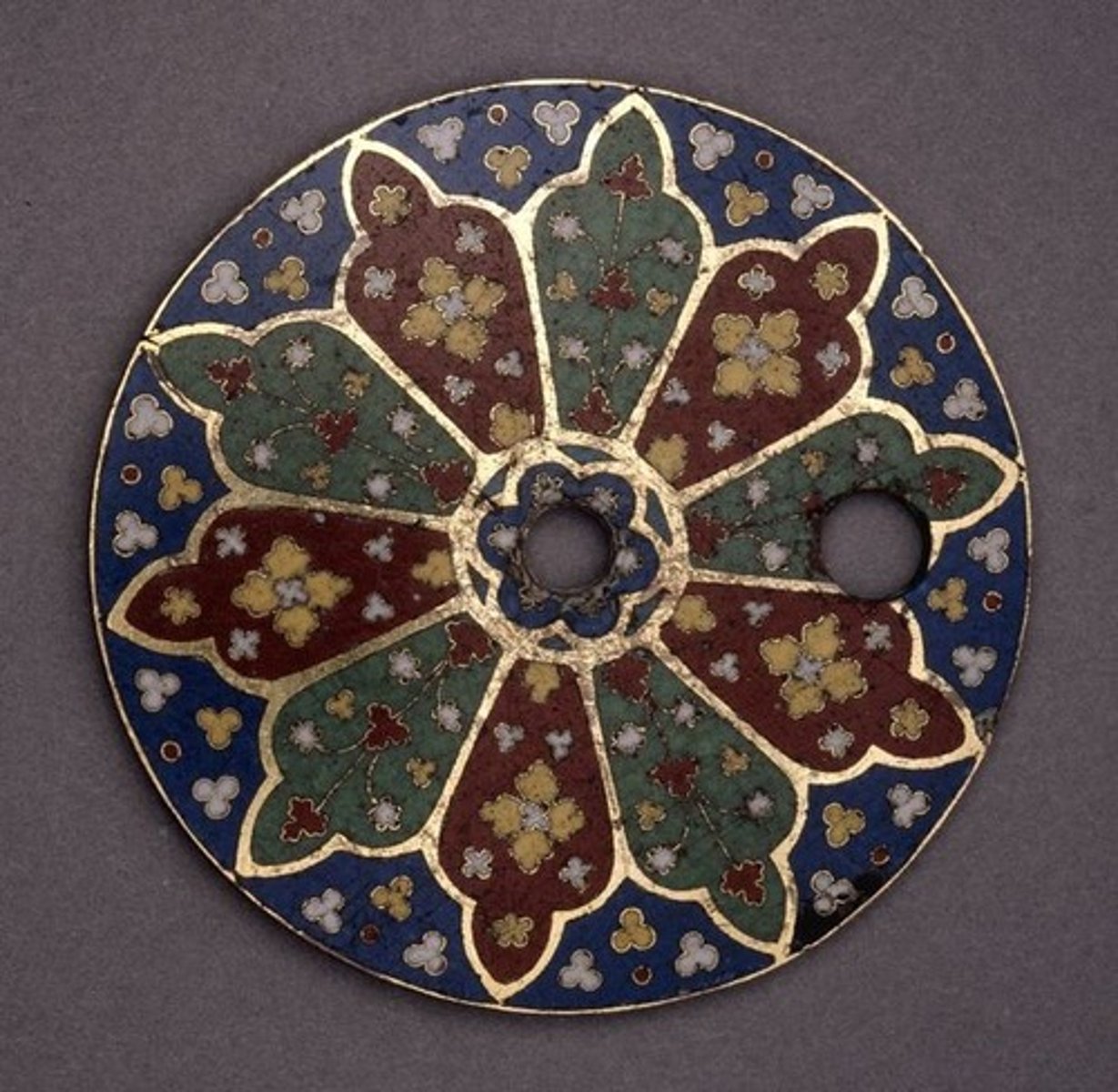
Enameling was used in
Ancient Egypt
ancient greece
ancient rome
and china
Soldering
Process of joining two metallic surfaces to make electrical contact by melting solder (usually tin and lead) across them.
can be done on a clean ceramic tile or file brick.
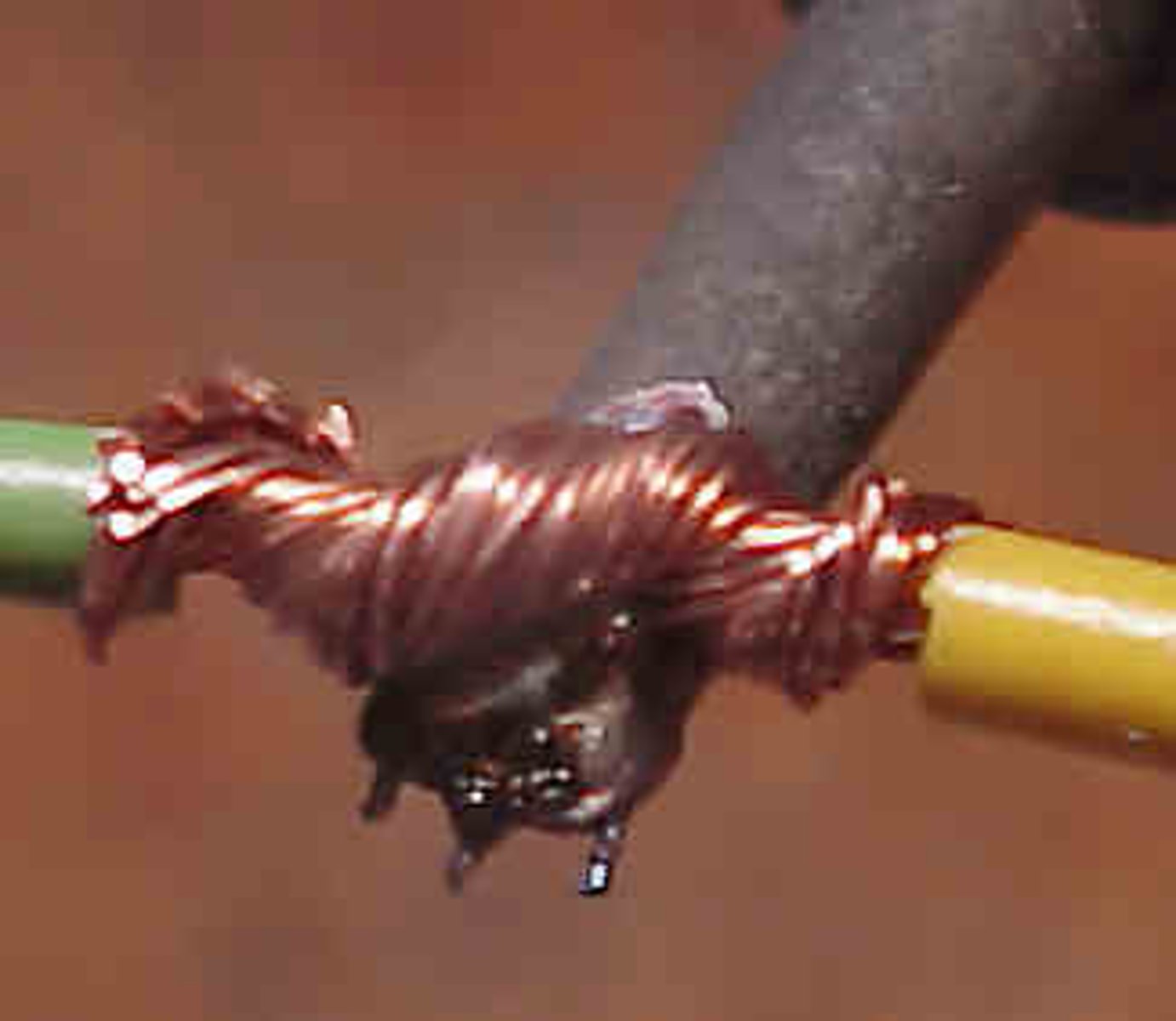
Flux
a chemical used to promote soldering
Filigree
A technique of forming metal threads to resemble a lace pattern.
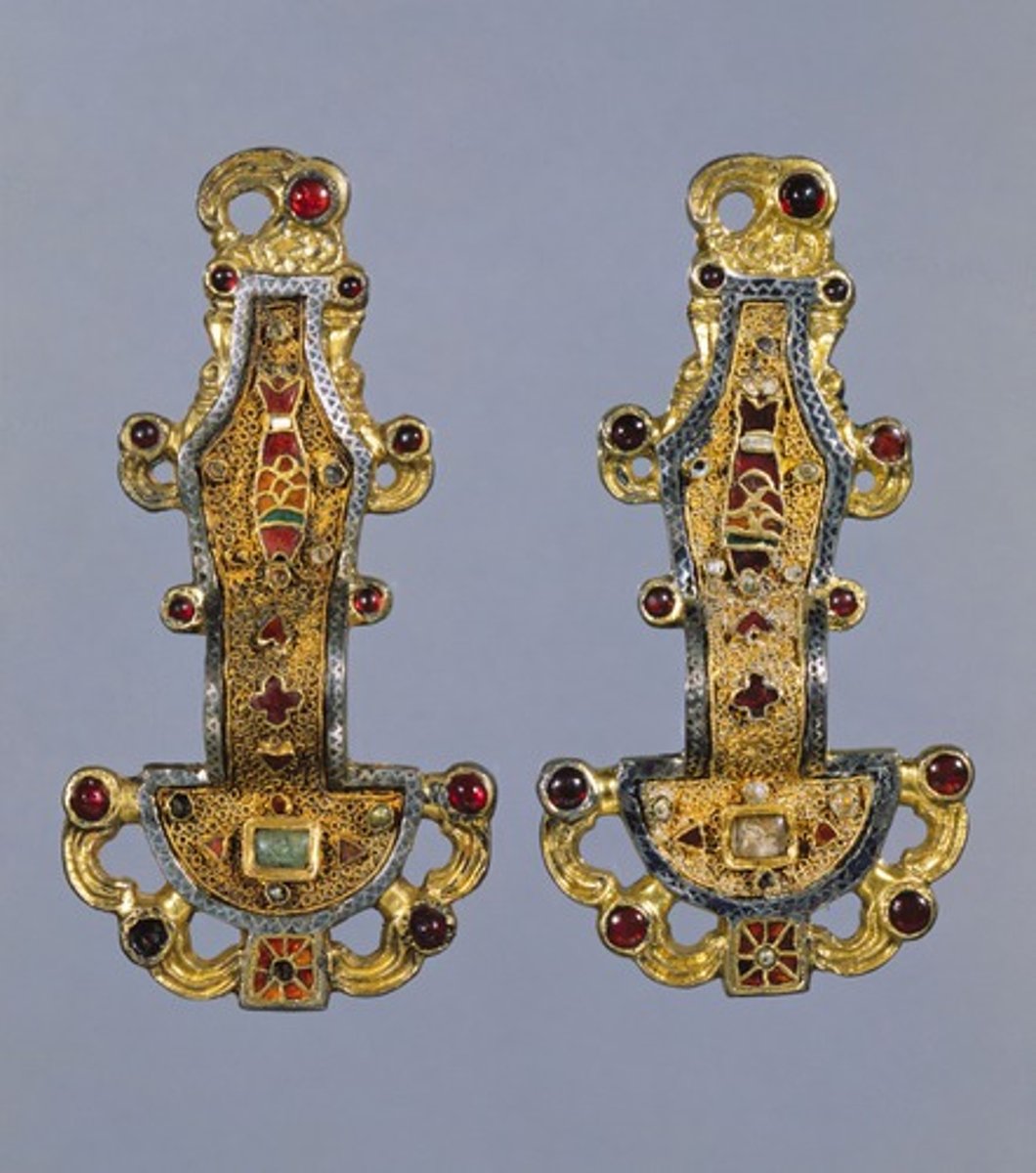
Is jewelry seen as an art or craft?
both
Annealing
A heat treatment process used on metal or glass that changes the physical and sometimes also the chemical properties of a material to increase ductility and reduce the hardness to make it more workable.
Riveting
a semi-permanent and non-thermal joining method that involves using a mechanical fastener to join sheet metal parts.
Welding
Fusing two pieces of material using a heat process; most commonly used with metal and plastics
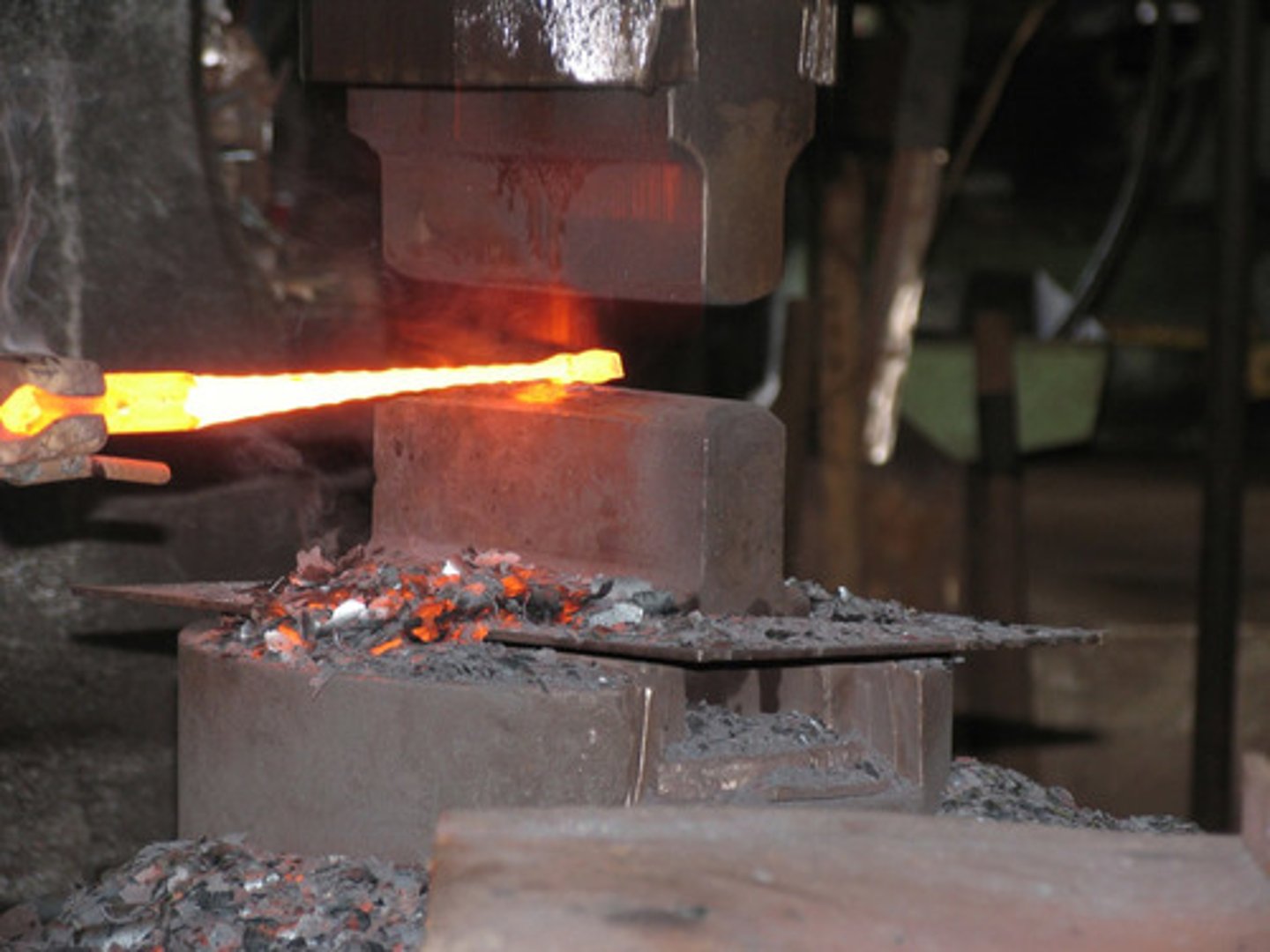
Forging
the shaping of metal, usually done by hammering
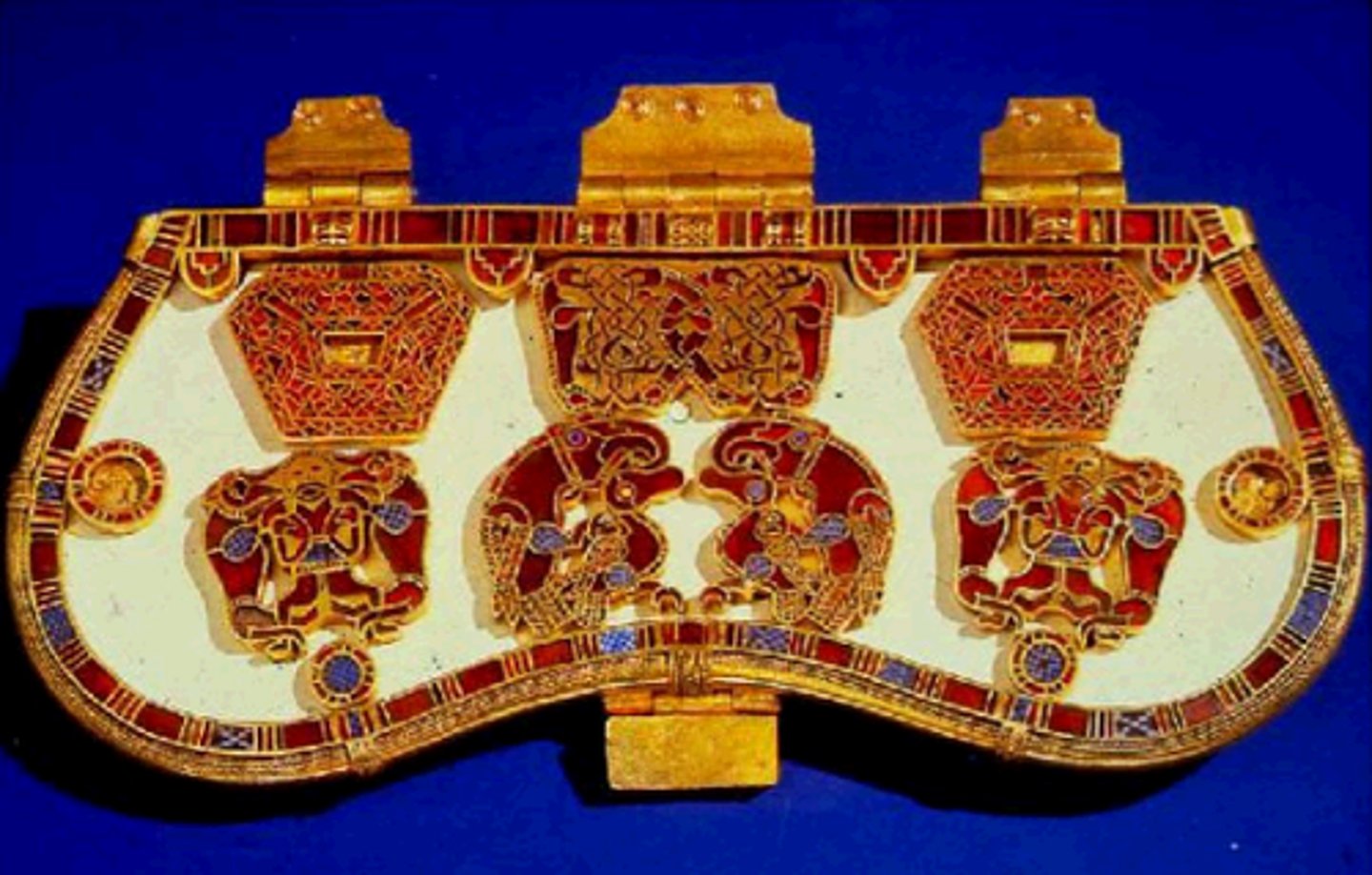
Cloisonné
A decorative metalwork technique employing cloisons; also, decorative brickwork in later Byzantine architecture.
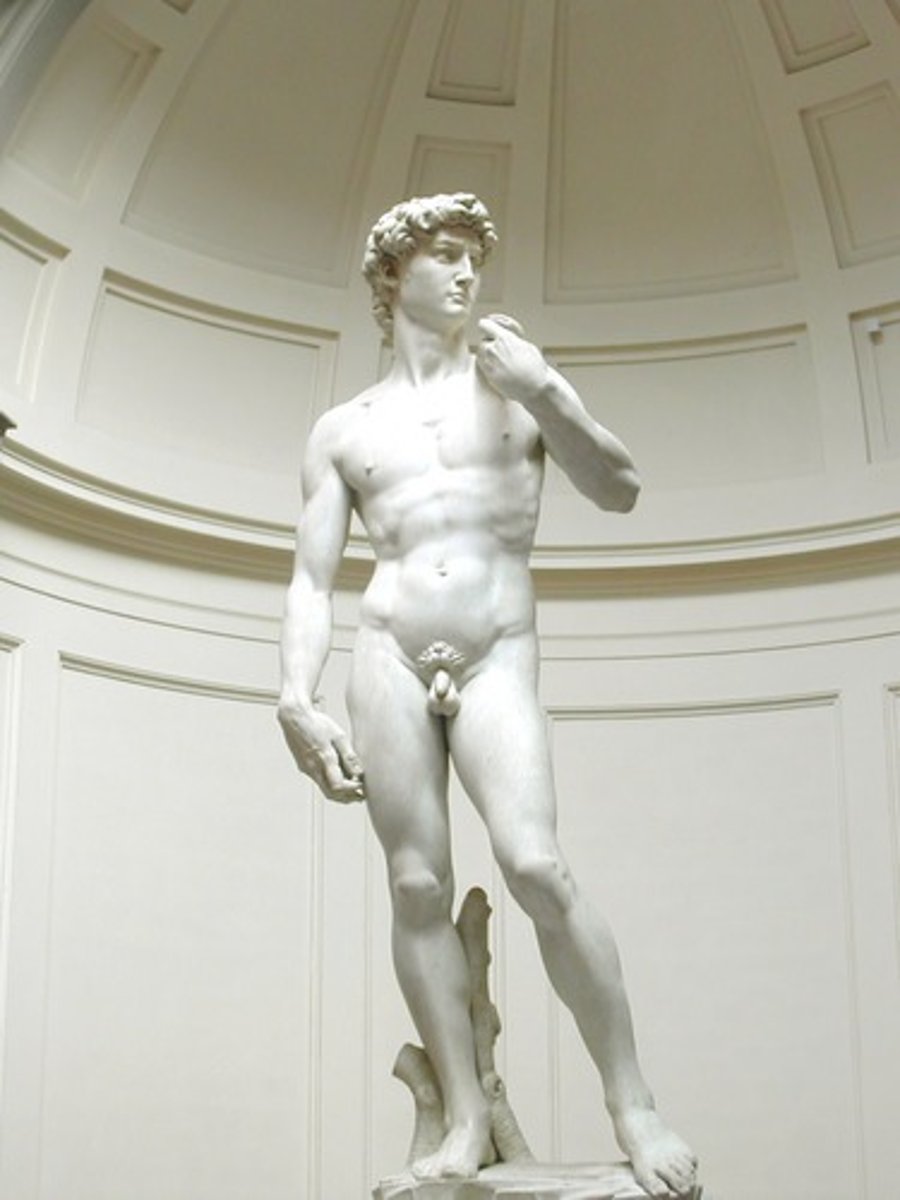
Contrapposto
A style of Greek sculpture where people are depicted standing and leaning so that the person's weight is being put on one side. People are depicted with their bodies curved like an "S"
paper mache
a french term that means "chewed paper." A technique that involves saturating paper with an adhesive binder and forming in onto an object.
Kinetic
art from any medium that contains movement perceivable by the viewer or that depends on motion for its effect
Maquette
a small-scale model for a sculpture