Physics IGCSE - Waves and Reflections
 Call Kai
 Learn
Learn Practice Test
 Spaced Repetition
 Match
Match Flashcards
 Knowt Play
1/31

There's no tags or description
Looks like no tags are added yet.
Name | Mastery | Learn | Test | Matching | Spaced | Call with Kai |
|---|
No analytics yet
Send a link to your students to track their progress
32 Terms
Do waves transfer matter?
Waves transfer energy without transferring matter
Transverse
vibrates at right angles to the direction of travel
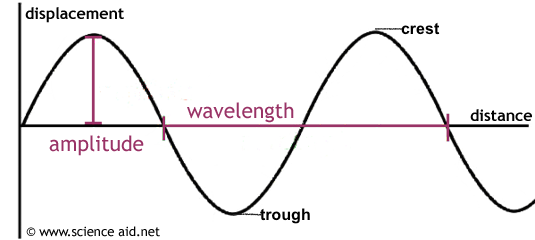
Examples of transverse waves
electromagnetic radiation, water waves and seismic S - waves (secondary)
Longitudinal
vibrates parallel to the direction of travel
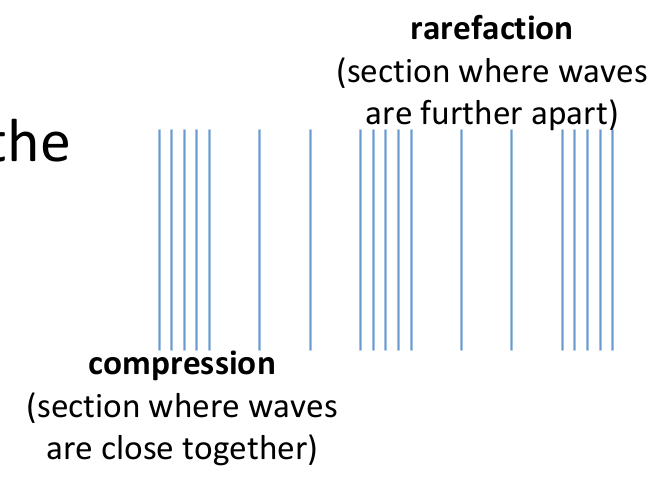
Examples of longitudinal waves
Sound waves and seismic P - waves (primary)
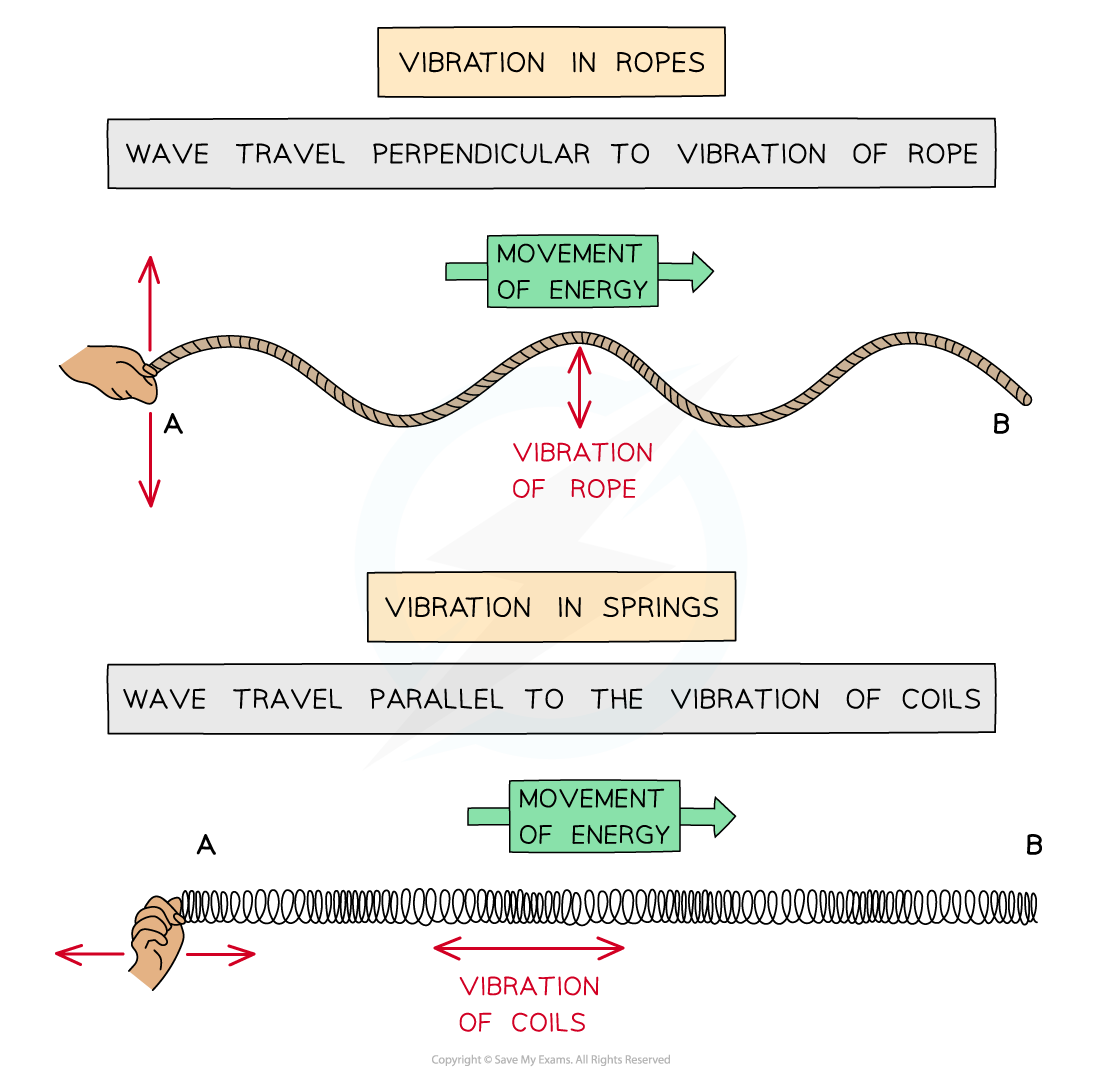
Describe what is meant by wave motion as illustrated by vibration (oscillation) in ropes and springs and by experiments using water waves
Wave motion → the transfer of energy from 1 point to another
Rope → when the rope vibrates, particles stay in fixed position → energy transferred from 1 end to the other
Frequency (f)
the number of wavelengths produced per second
UOM: hertz (Hz)
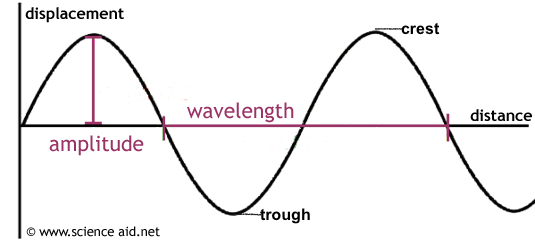
Wavelength (λ)
the distance between a point on a wave and the same point on the next wave
UOM: metres (m)
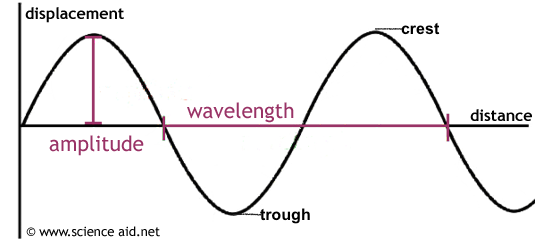
Crest
Highest point → crest
Lowest point → trough
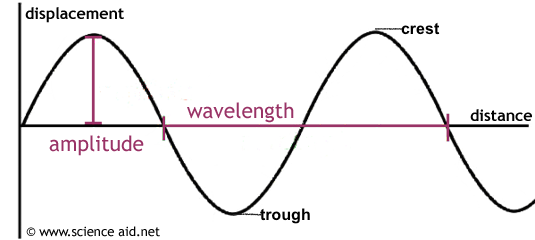
Amplitude
Maximum displacement (distance) of the crest from the equilibrium point
Wave speed (v)
how fast the wave is moving
UOM: metres per second (m/s)
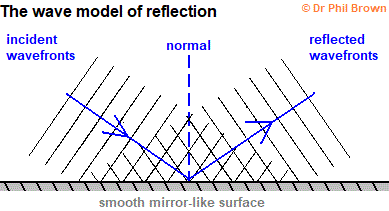
Describe how waves can undergo reflection at a plane surface
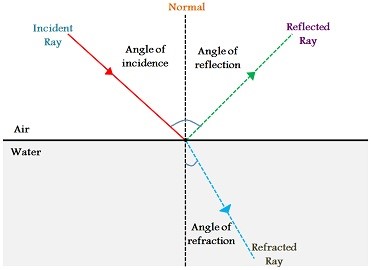
when wave hits smooth surface → reflected so that its angle of incidence equals angle of reflection
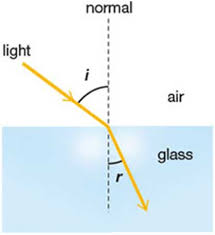
Describe how waves can undergo refraction due to a change of speed
medium its travelling through has a different density → makes the speed change → the wavelength and direction changes → wave refracts
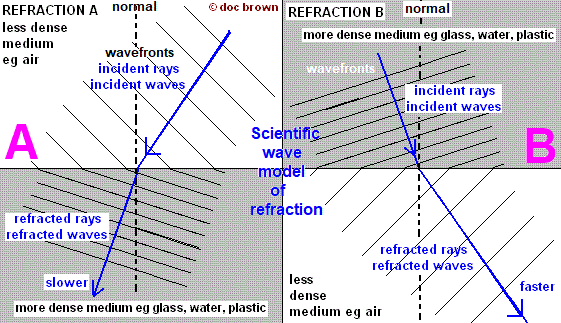
What happens when a wave enters a more dense medium
wavelength becomes shorter and the wave speed decreases → bends toward the normal
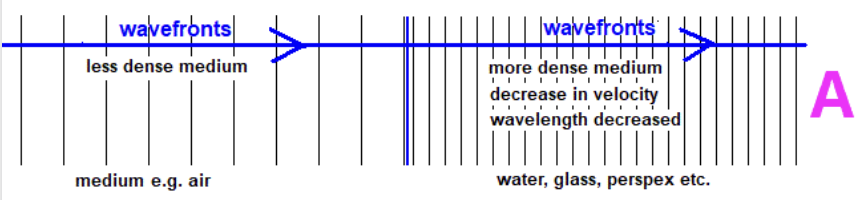
What happens when a wave enters a less dense medium?
light wave speeds and bends away from the normal
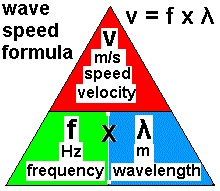
Equation for wave speed
v = f λ
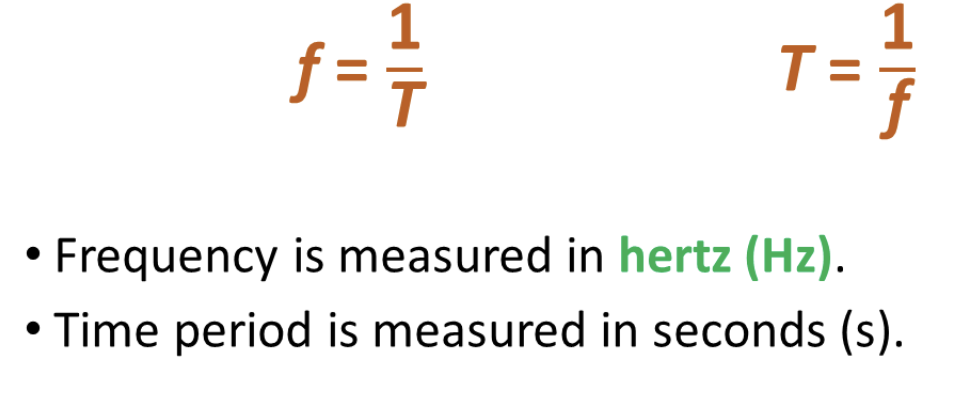
Frequency and period are inverse of each other
Reflection
change in the direction of a wave when it travels back from a barrier or the boundary between 2 different media
Refraction
change in direction of wave at boundary between 2 mediums due to a difference in wave speed between medias
Diffraction
the bending of a wave when it encounters an obstacle or a slit
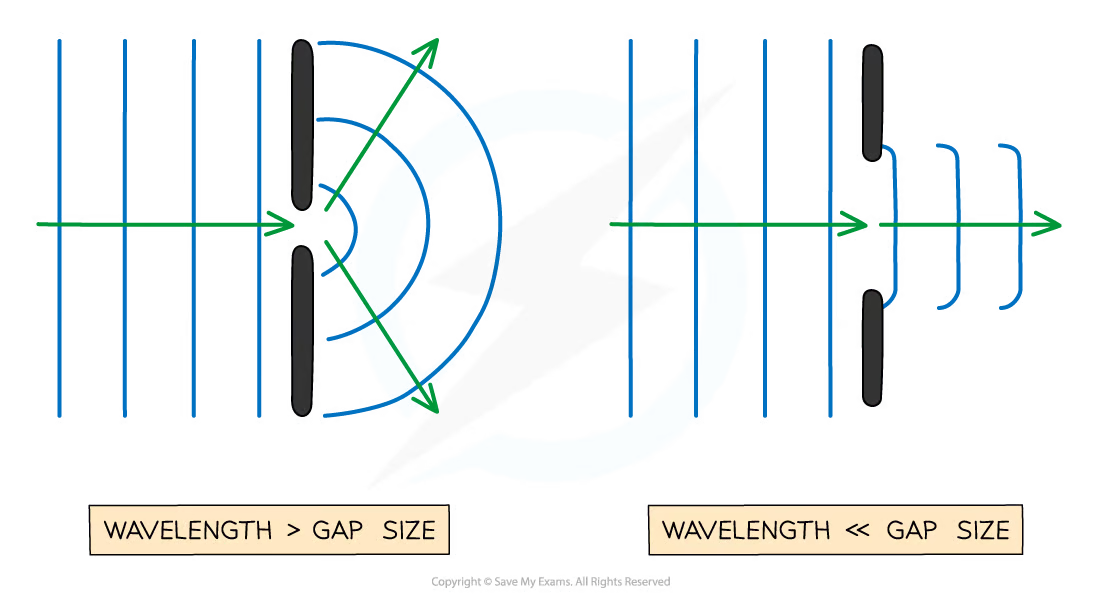
Describe how waves undergo diffraction through a narrow gap
narrower gap → more diffraction occurs → waves spread out greatly → wavefronts are almost semicircular
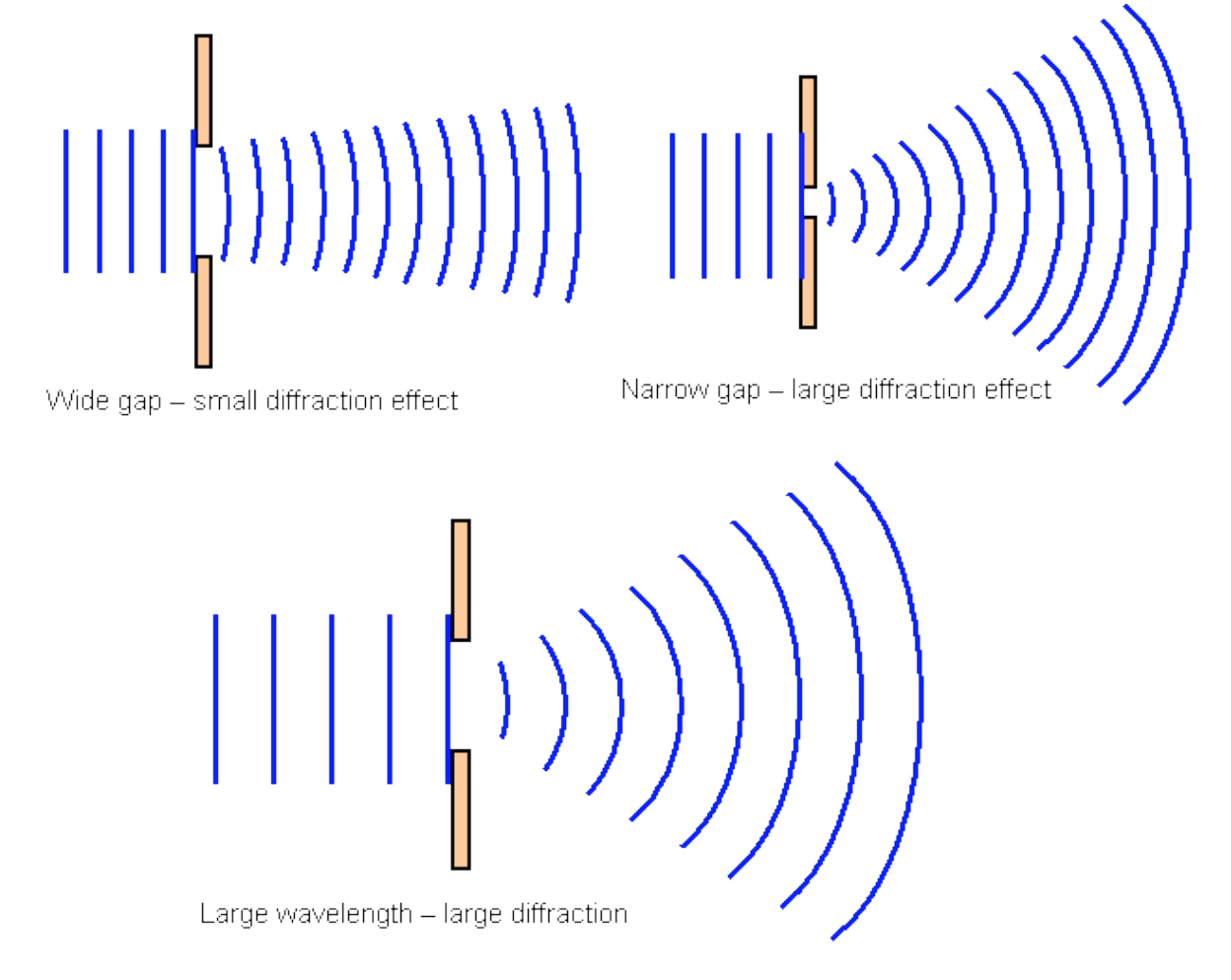
Describe how wavelength and gap size affects diffraction through a gap
gap width similar to the wavelength of the waves passing (narrower) → more curved → less distance
gap width larger than wavelength of waves → less curved → more distance
Ray diagrams
How to compare characteristics with object in ray diagram
its orientation → inverted/upright image
if its a real or virtual image → real/virtual
the size compared to the object → diminished/larger/equal
normal
the line runs perpendicular to the mirror between 2 rays
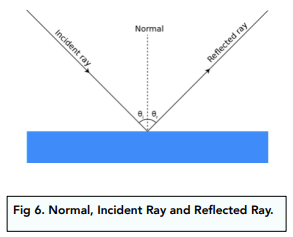
Angle of incident
The angle of the wave approaching the boundary
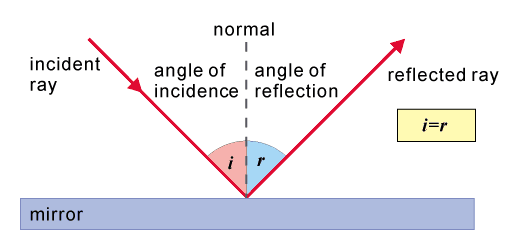
Angle of reflection
The angle of the wave leaving the boundary
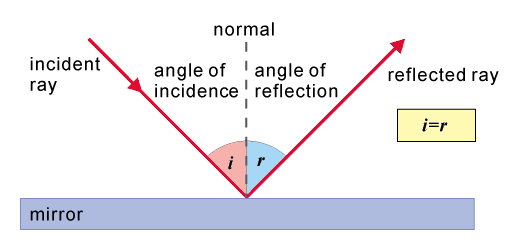
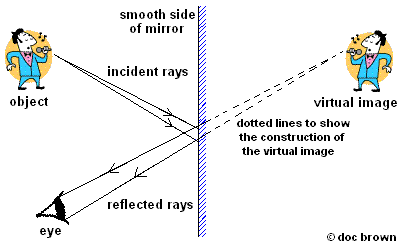
Diagram of an optical image by a vertical plane mirror
Law of reflection

Virtual image
cannot be projected onto a screen → appears to come from behind the lens → only be seen by looking through lens.
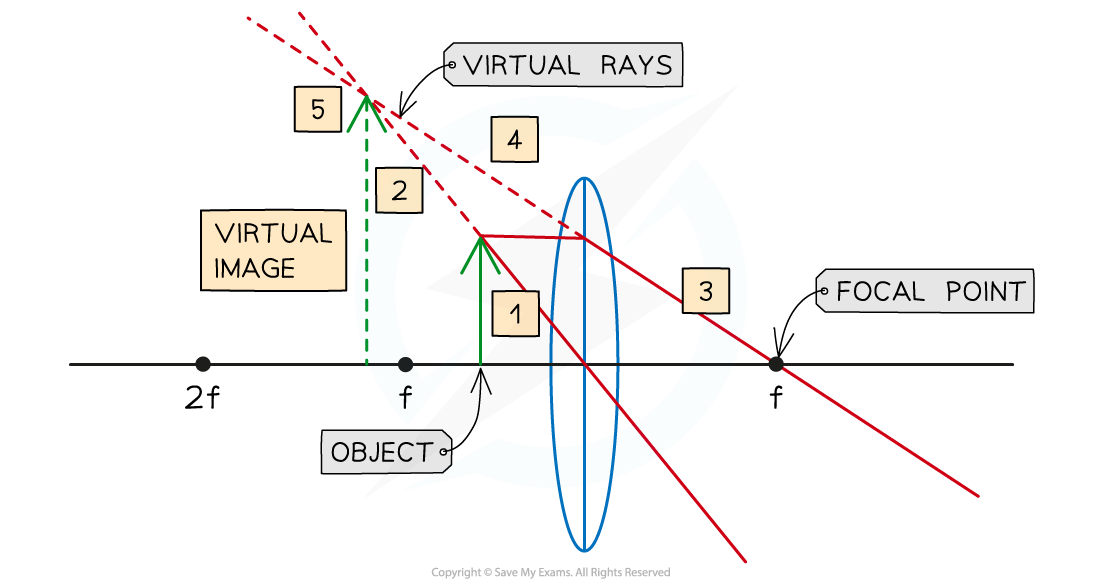
Real image
an image that can be projected onto a screen → rays of light actually pass through the image.
Describe the formation of an optical image by a plane mirror and explain why it is virtual
angle of incidence equals angle of reflection → light rays diverge as if they're coming from an identical but reversed object behind mirror