Cultural Responsiveness
 Call Kai
 Learn
Learn Practice Test
 Spaced Repetition
 Match
Match Flashcards
 Knowt Play
1/17

There's no tags or description
Looks like no tags are added yet.
Name | Mastery | Learn | Test | Matching | Spaced | Call with Kai |
|---|
No analytics yet
Send a link to your students to track their progress
18 Terms
Cultural Responsiveness Continuum
Cultural Destructiveness → Forced assimilation, subjugation, rights + privileges for dominant group only
Cultural Incapacity → Racism, maintaining stereotypes, unfair hiring practices
Cultural Blindness → Differences ignored, ‘treat everyone the same’, only meet needs of dominant group
Cultural Pre-Competence → Explore cultural issues, are committed, assess needs of organization + individuals
Cultural Competence → Recognize individual + cultural difference, seek advice from diverse groups, hire culturally unbiased staff
Cultural Proficiency → Implement changes to improve services based upon cultural needs of organizations + individuals
Cultural Sustaining → Centers on sustaining + explicitly supporting cultural ways of being of marginalized groups, rather than eradicating them
Social Model versus Medical Model
Social Model
Disability is caused by the way society is organized, rather than by a person’s impairment or difference
It looks at the ways of removing barriers that restricts lifes choices for disabled people. When barriers are removed, people with disabilities can be independent + equal in society, with choice + control over their own lives
Society creates barriers for people with disabilities
Solution = Fix society
Medical Model
The medical model of disability views ‘impairments’ + differences as things that should be fixed/modified by medial treatments and interventions
The study of disease + what is ‘wrong’
Impairment is within a person + is the barrier against full participation
Solution = Fix the person
Ableism
A system of exploitation, oppression + exclusion aimed at other people with disabilities
Types of Ableism: Institutional, Interpersonal, + Internalized
Institutional Ableism: refers to the implicit or explicit rules + regulations within an organization that discriminates against a group of people
Examples: physical access, pay disparity, hiring practices, healthcare priority
Interpersonal Ableism: occurs in everyday social interactions + relationships due to harmful messaging + misinformation about disabled people + disabilities
Examples: parents/ caregivers, appearance, consideration of facilities when making social plans
Internalized Ableism: when a person consciously or subconsciously believes the biased, negative, + harmful messages from other sources
Examples: Imposter syndrome, burden/shame, concealing/masking
Privilege
The rights, benefits, + opportunities that are awarded to an individual or individuals that creates advantages relative to (often at the expense of) other individuals
Assimilation
The process by which a minoritized group integrates socially, culturally, +/or politically into a larger, dominant culture + society
Intersectionality
SDOH
SDOL
Cultural Tree (what does each layer represent?)
Types of implicit bias and examples
Confirmation Bias
The tendency to interpret new evidence as confirmation of one’s existing beliefs or theories
Example: Misdiagnosing a client by deciding too early on their diagnosis
Contrast Effect Bias
The tendency to judge two things together rather than separately when they are presented closely in time
Examples: Determining severity of needs, Supervision: feedback may be impacted if a previous student was strong or weak
Affinity Bias
Gravitate toward people who are like us. Possibly reject or hold at a distance those who are different from us.
Example: ethnic bias assessment/ treatment, judgement of family practices, supervisory relationships
Halo/Horns Effect
Focus on one positive or negative component over the whole picture, oftentimes extending that perception (positive or negative) to other areas
Examples: Might over or underestimate your clients’ real abilities based on specific personal traits
Linguistic Bias (Linguicism)
Discrimination based on the language a person or a group of people speak
Examples: Hierarchies of langauge variations of English, accents/dialects across the world, SLP Testing Bias (in materials + preparation)
Be able to describe shifitng US demographics vs ASHA demographics
Healthy Equity Elements and Solutions
Microagressions
Microaggression → Occurs when it is between individuals
e.g, a harmful comment made by a colleague
Macroaggression → Refers to larger systems, social structures and policies
e.g., gender pay gap, lack of paid family leave, racially-based rhetoric during pandemic
Stereotypes
-
Implicit Bias
-
Overt Racism
-
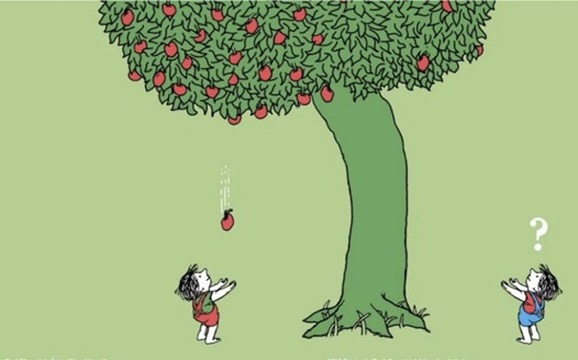
Inequality
Unequal access to opportunities
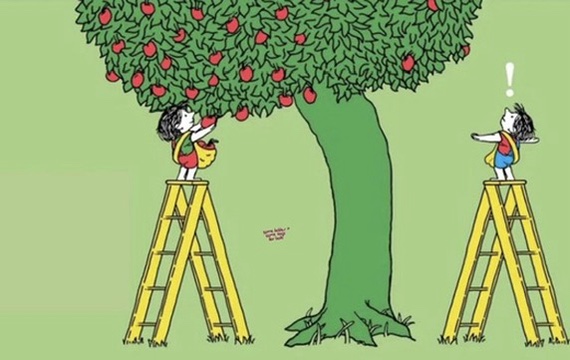
Equality
Evenly distributed tools + assistance
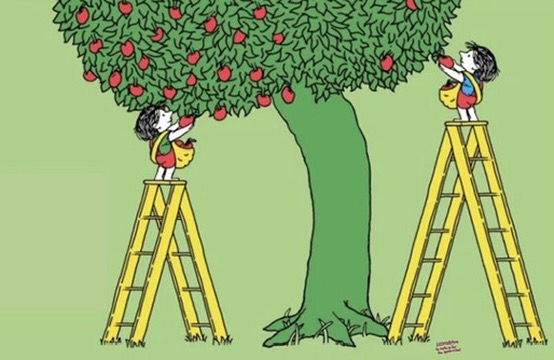
Equity
Custom tools that identify + address inequality
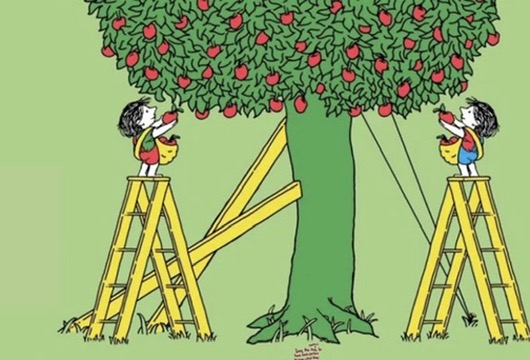
Justice
Fixing the system to offer equal access to both tools + opportunities