Organisms and Ecosystems 1
 Call Kai
 Learn
Learn Practice Test
 Spaced Repetition
 Match
Match Flashcards
 Knowt Play
1/163

There's no tags or description
Looks like no tags are added yet.
Name | Mastery | Learn | Test | Matching | Spaced | Call with Kai |
|---|
No analytics yet
Send a link to your students to track their progress
164 Terms
species
a group of organisms with the same traits that can successfully breed and produce fertile offspring
variation
there is always some of this within a species
monozygotic twins
identical twins
variation
even monozygotic twins have this within their genes
distinct
when two species are able to create a hybrid, it suggests that the species are not
genus and species
what scientific name is made up of
binomial nomenclature
two name naming system creating the scientific name of a species that involves the genus and species of an organism
uppercase
in binomial nomenclature, is genus uppercase or lowercase
lowercase
in binomial nomenclature, is species uppercase or lowercase
domain kingdom phylum class order family genus species
taxonomic hierarchy
population
a group of organisms of the same species living in the same area
interbreed
what populations are unlikely to do if they live in different areas
divergence
can happen to species that no longer interbreed
speciation
the creation of a new species
gradual
pace of speciation
mitosis
how asexually reproducing organism create offspring
clones
how similar offspring of asexually reproducing organisms are to their parents
asexual reproduction means the clones cannot interbreed with each other, horizontal gene transfer
difficulty with biological species concept
genome sequencing
has revealed that separation between species is not always complete
conjugation
a temporary union of two bacteria for the purpose of DNA transfer
horizontal gene transfer
when genes are transferred between species
diploid
polyploidy of most animals
diploid
an organism that has two sets of chromosomes
chromosome number
what about chromosomes is unique to species
karyogram
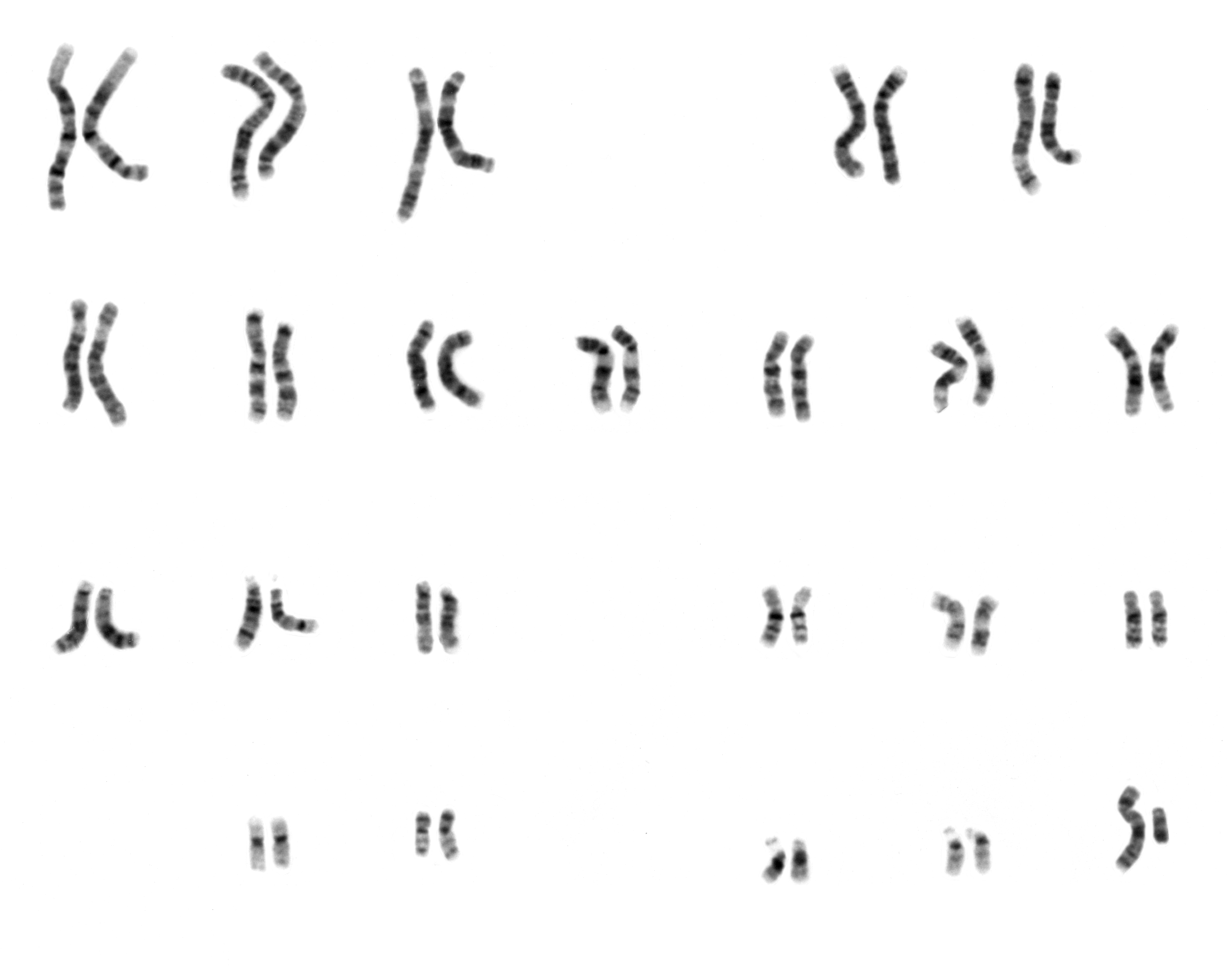
karyotype
the number, size and shape of chromosomes in an organism
karyogram
an image showing the chromosomes of an organism
46
human number of single chromosomes
23
human number of paired chromosomes
48
chimpanzee number of single chromosomes
24
chimpanzee number of paired chromosomes
chromosomes 2A and 2B in chimpanzees joined together
how chromosome 2 in humans evolved
remnants of second centromere on human chromosome 2
proof of theory of how chromosome 2 in humans
chromosome
the entire base sequence of each of the DNA molecules
single-nucleotide polymorphism (SNP)
when a single nucleotide is replaced with another
SNP
much of what makes variations in a species
very diverse
genome size in eukaryotic organisms
similar
the closer related species are, the more their base sequences are
genome sequencing
offer insights into an organism's health, ancestry, and potential future medications
investigation of evolutionary relationships, re-classification of species
uses of genome sequencing
controlling/ preventing bacteria through there genome sequence, creating personalized medical treatments
potential uses of genome sequencing
dichotomous key
used to identify individual species of organisms using characteristics
DNA barcoding
a method of environmental sampling where a sample is taken from nature (such as soil) and put through a computer to identify what DNA is present in the soil and therefore what species are present there
organizing species better, gives a common language scientists can identify species by, allows us to quickly categorize organisms, allows us to see evolutionary relationships
need for classification of organisms
taxon
a classification group
taxa
plural of taxon
homologies
physical structures
physical structures
what organisms were originally group on
arbitrary
specificity of where to put organisms in taxa
species were originally classified by physical structures, arbitrary rules
challenges of hierarchy of taxa
genetic analysis
species are now classified using
uses genetic analysis, reflects on evolutionary relationships, can be used to make predictions about characteristics of organisms, helps us understand the diversity of life on Earth
advantages of current system of classification
clade
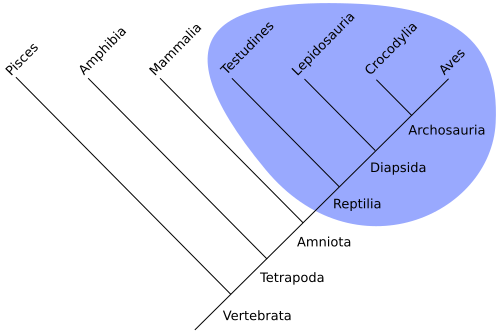
clade
a group of organisms that share traits and a common ancestor
DNA base sequence analysis or amino acid sequence analysis
best evidence to group species
morphological traits
physical characteristics of an organism
accumulation of sequence differences
estimation of when clades diverged from a common ancestor
mutations
what differences base sequences in amino acids and DNA come from
population size and intensity of selective pressure
why mutation rate can vary
molecular clock
differences in DNA and amino acid base sequences accumulate over time
mutation occurs at a constant rate
the assumption regarding the rate of mutation
can only give an estimate
how accurately the comparison of base sequences can give the time since 2 species diverged from a common ancestor
parsimony
the most likely explanation is usually the simplest one
the most likely one
the least complicated cladogram is usually
morphology only
if extinct species are featured in a cladogram, information must be given regarding whether the cladogram is
distant their relationship
the more nodes between species, the more
figwort
family reclassified with the arrival of genetic sequencing that caused five species to be relocated
bacteria, archaea, and eukaryotes
three domains
rRNA analysis
how two different domains consisting of bacteria and archaea were created
evolution
the passing on of heritable traits within a species in an attempt to evade natural selection over time
heritable
characteristics of an individual may change over time but this does not make the changes
yes
do populations evolve
no
do individuals evolve
natural selction
evolutionary force that acts on individuals
passed on
traits that are more favorable are
changes in the sequence of genes, the more closely related species are the more traits they share, homologous structures, analogous structures, selective breeding
evidence for evolution
HOX gene family
gene family that occurs in a wide variety of animal genomes
homologous structures
when organisms have body parts different in function but similar in structure
divergent evolution
what kind of evolution homologous structures are an example of
analogous structures
when organisms have body parts that are similar in function but different in structure
convergent evolution
what kind of evolution analogous structures are an example of
selective breeding
when humans mate individuals with desirable characteristics in order to produce more favorable selection
artificial selection
what selective breeding is an example of
they will evolve different ways
if two populations become separated so they cannot interbreed and natural selection acts differently on both of them, then
reproductive isolation
not being able to interbreed with members of a different species
differential selection
evolution acting differently on two different species
allopatric speciation
the formation of new species in populations that are geographically isolated from one another
sympatric speciation
the formation of new species in populations that live in the same geographic area
temporal isolation
reproductive isolation due to breeding at different times
behavioral isolation
reproductive isolation due to different styles of courting and mating
geographical isolation
reproductive isolation caused by species being separated by a geographical feature
temporal, behavioral, and geographical isolation
isolating mechanisms that lead to reproductive isolation
bonobo and chimpanzee speciation
famous example of allopatric speciation where a species was separated by the Congo river and neither side could cross the river to mate with the other species
adaptive radiation
an evolutionary pattern in which many species evolve from a single ancestral species in order to minimizes species competition so they can coexist
islands
where adaptive radiation usually occurs
hybridization
combining two different species to create a new one that is reproductively isolated from the parent species
prezygotic
before conception
postzygotic
after conception
behavioral isolation
prezygotic prevention of hybridization
reduce viability of the zygote, reduce viability of the young to live to adulthood, decrease fertility of the hybrid
postzygotic prevention of hybridization