ES 212 - Quiz 2
 Call Kai
 Learn
Learn Practice Test
 Spaced Repetition
 Match
Match Flashcards
 Knowt Play
1/52

Earn XP
Description and Tags
Prof Tim Webb Umich WN26
Name | Mastery | Learn | Test | Matching | Spaced | Call with Kai |
|---|
No analytics yet
Send a link to your students to track their progress
53 Terms
In the IDEO model innovation best occurs
in between Viability, Feasibility, Desirability, and sustainability
What makes sense to people and for people?
Desirability
What is technically possible within the foreseeable future?
Feasibility
Viability
What is likely to become part of a sustainable business model?
Is it ethical and does it avoid unintended harm?
Sustainability
What is the categories of innovation(matrix)
Architectural , Radical, Incremental, Disruptive
Innovation that builds on an established knowledge base and improves an existing product/service.
Incremental
Innovation that new technologies are created to serve an existing market.(ex:uber, Netflix)
Disruptive
Innovation that is a new product reconfigured old architecture of a old product(smart watches)
Architectural
Innovation that draws on novel methods or materials and is derived wither from an entirely different knowledge base or from a recombination of existing knowledge bases with a new stream of knowledge(introduction to airplanes, Chat GPT)(usually faces alot of resistance at first because it is so new)
Radical
What are the ten types of innovation
Configuration: Profit model,Network, Structure, Process
Offering: Product Performance, Product System
Experience: Service, Channel, Brand,Customer Engagement
Profit Model
The way in which you make money
Network
Connections with others to create value
Structure
Alignment of your talent and assets
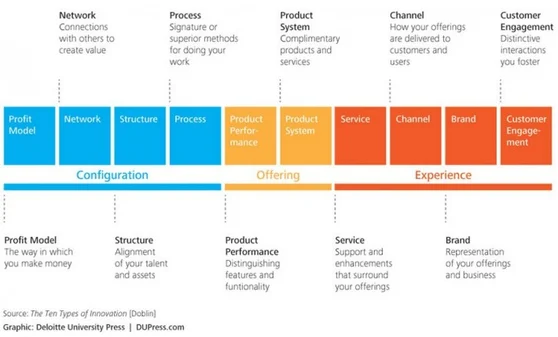
Process
Signature ot superior methods for doing your work
Product Performance
Distinguishing features and functionality
Product System
Complimentary products and services
Service
Support and enhancements that surround your offerings
Channel
How your offerings are delivered to customers and users
Brand
representation of your offerings and business
Customer Engagement
Distinctive interactions you foster
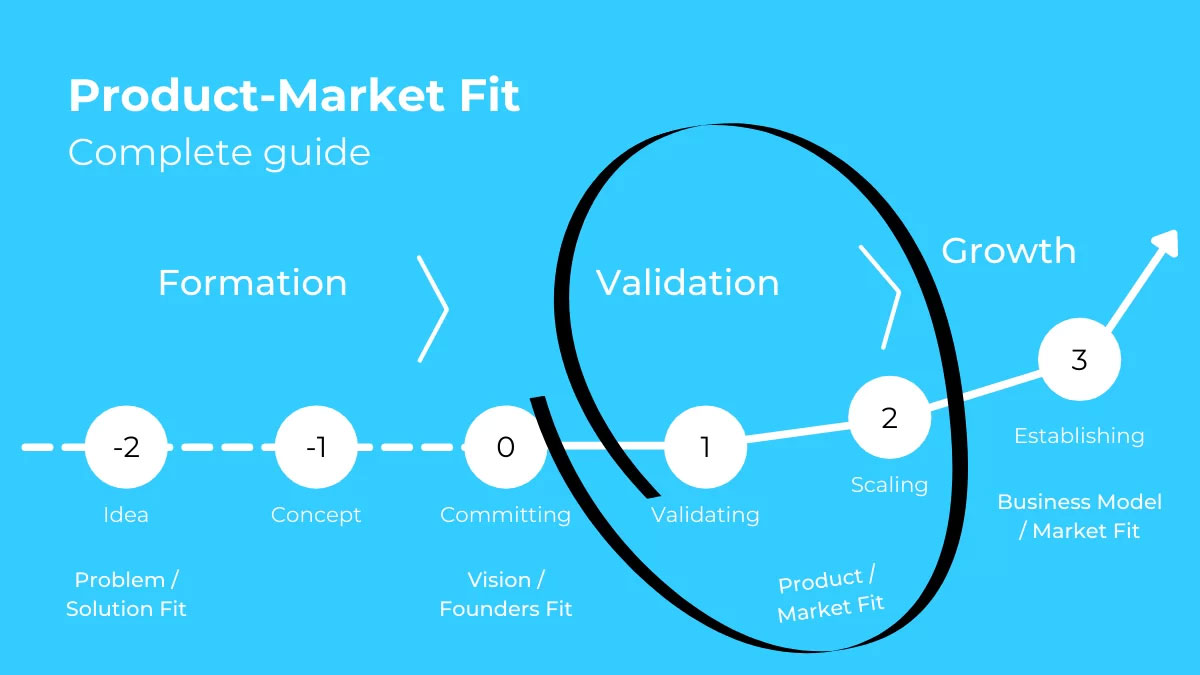
What are the steps of the Product-market fit guide
Formation: Idea, Concept
Validation: Committing, Validating, Scaling
Growth: Establishing
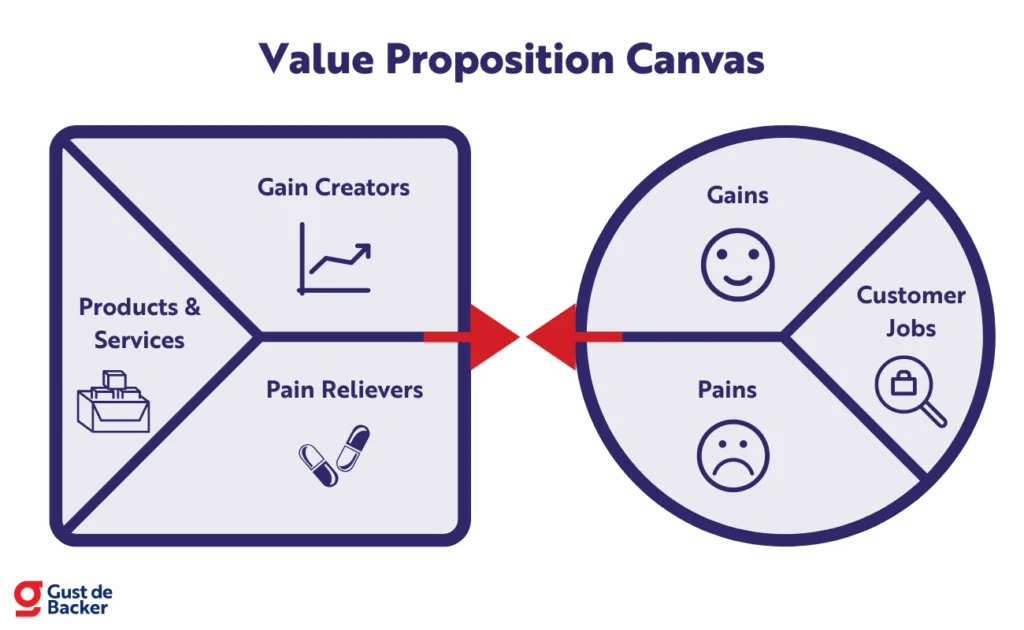
Value Proposition
Market Sizing(Top-Down)
Starts with the industry and drills down to the niche.
TAM,SAM,SOM
TAM(Total Addressable Market)
The largest possible market opportunity
SOM(Serviceable Obtainable Market)
The portion of the market that best fits your company
SAM(Serviceable Addressable Market)
The Portion of the market you can realistically reach
Market sizing (Bottom-Up) explanation
Preferred by investors because it begins with current customer base and estimates revenue generation per customer
Market sizing (Bottom-Up) formula
market size = # of customers * Avg revenure per customer per year
2×2 matrix
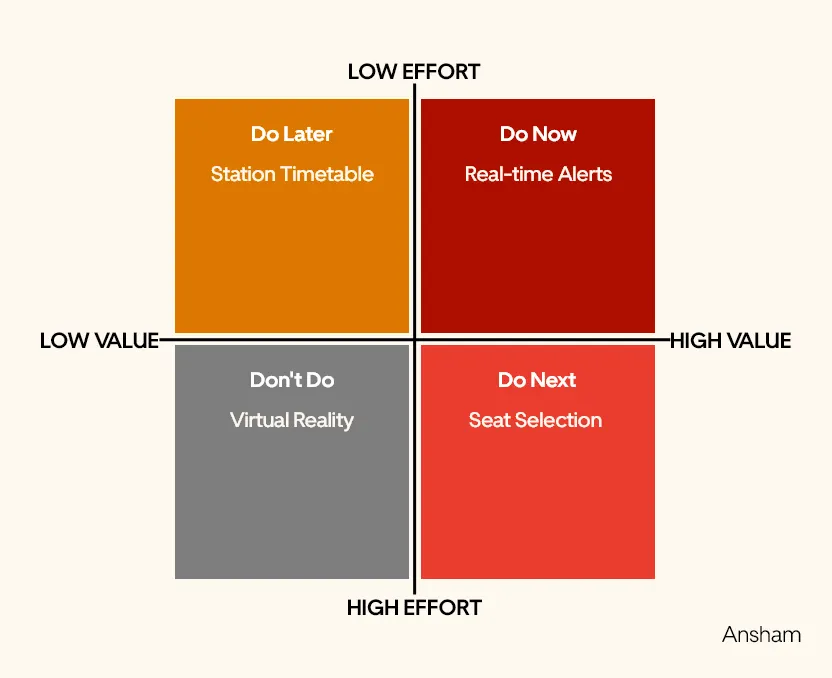
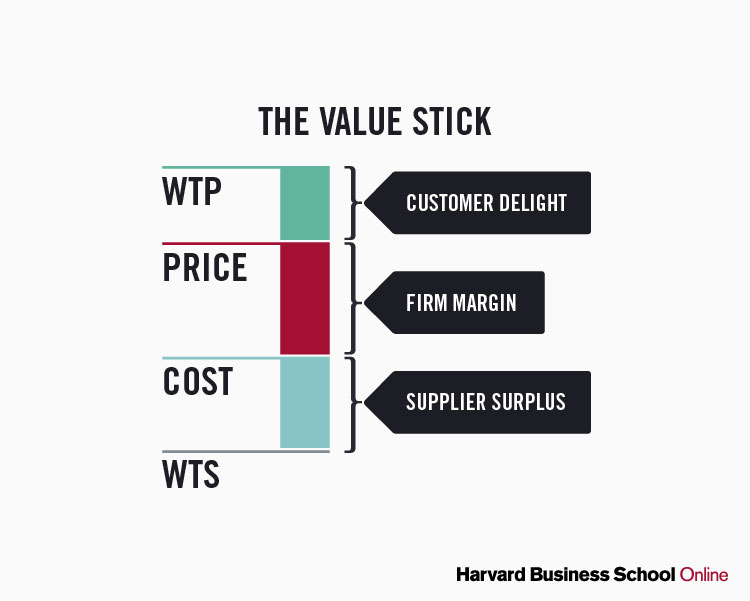
Value Stick
STP Model
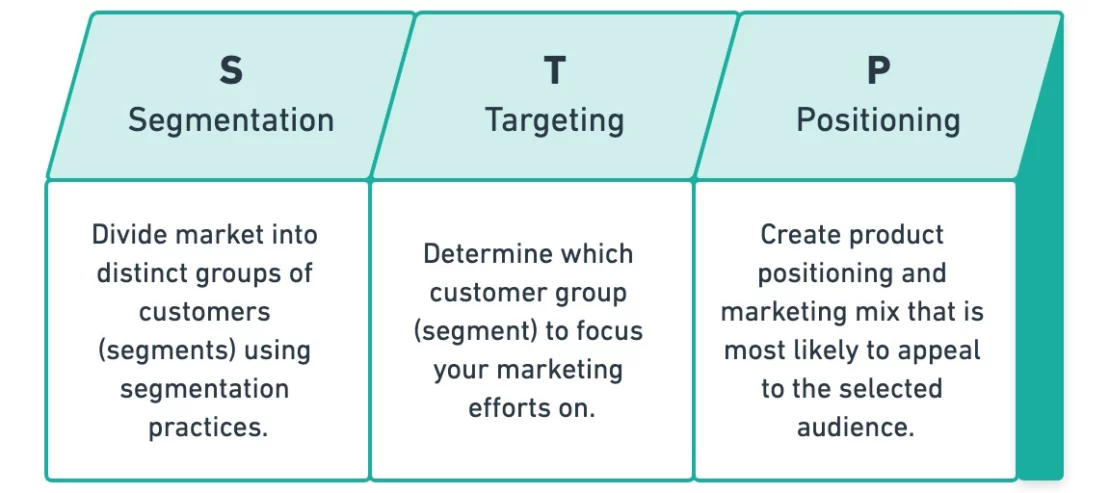
S in STP model
Segmentation: Divide market into distinct groups of customers(segments) using fragmentation practices
T in STP model
Targeting: Determine which customer group(segment) to focus your marketing efforts on
P in STP
Positioning: Create product positioning and marketing mix that is likely to appeal to the selected audience
Price elasticity of demand(formula)
change in quantity demanded divided by the percentage change in price.(delta q/delta p_
>1 elastic
<1 inelastic
assets formula
Assets = Liability + Equity
Gross Profit Margin
GPM = (Gross Profit/Revenue) * 100
Net Profit Margin
NPM = (Net Income/ Revenue) * 100
Return of Asset
ROA = (Net Income/ Avg total Assets
Current Ratio
CR = Current Assets/Current Liabilities
sub 1 = too much short term debt
Debt to equity Ratio
DER = Total liabilities / Shareholders equity
Accounts Receivable Turnover
ART = Net Credit sales/ Avg Accounts Receivable
Lifetime value
LTV - ARPUX Gross Margin/ Churn Rate
Customer Acquisition Cost
CAC = total segment marketing spend / # of new customer in segment
IPO
Initial Public Offering (IPO) is the process where a private company raises capital by selling shares to the public for the first time, transitioning into a publicly traded entity.
When does a company have to go public
when it exceeds 500 non-accredited investors (or 2,000 total investors) and has over
million in assets, triggering mandatory registration with the SEC.
Post-money Valuation
=Pre-money Valuation + Investment
% Ownership
= Investment / Post - Money Valuation
Post-money valuation
= pre money + investment
% Ownership
= Investment / Post-money Valuation.
Growth Flywheel
Attract, Engage, delight
Value Creation vs. Value Capture:
Creation involves understanding needs and innovating; Capture involves setting price levels and executing sales based on value.