Introduction to Molecular and Cellular Biology: Cell Types, Structure, and Origin
 Call Kai
 Learn
Learn Practice Test
 Spaced Repetition
 Match
Match Flashcards
 Knowt Play
1/66

There's no tags or description
Looks like no tags are added yet.
Name | Mastery | Learn | Test | Matching | Spaced | Call with Kai |
|---|
No analytics yet
Send a link to your students to track their progress
67 Terms
What are the fundamental units of life?
Cells
What are the two main types of cells?
Prokaryotic and Eukaryotic cells
What is the hereditary material found in all cells?
DNA
What is the role of RNA in cells?
Provides the information necessary to build various proteins
Which type of cell lacks a nucleus and therefore has no DNA?
Red blood cells
What is the consequence of red blood cells lacking a nucleus?
They cannot divide and have limited repair capabilities
What is enucleation?
The mechanism by which maturing red blood cells eject their nucleus
What process do most cells undergo during development to become specialized?
Differentiation
What are the three main building blocks of life mentioned?
Lipids, nucleic acids, and amino acids
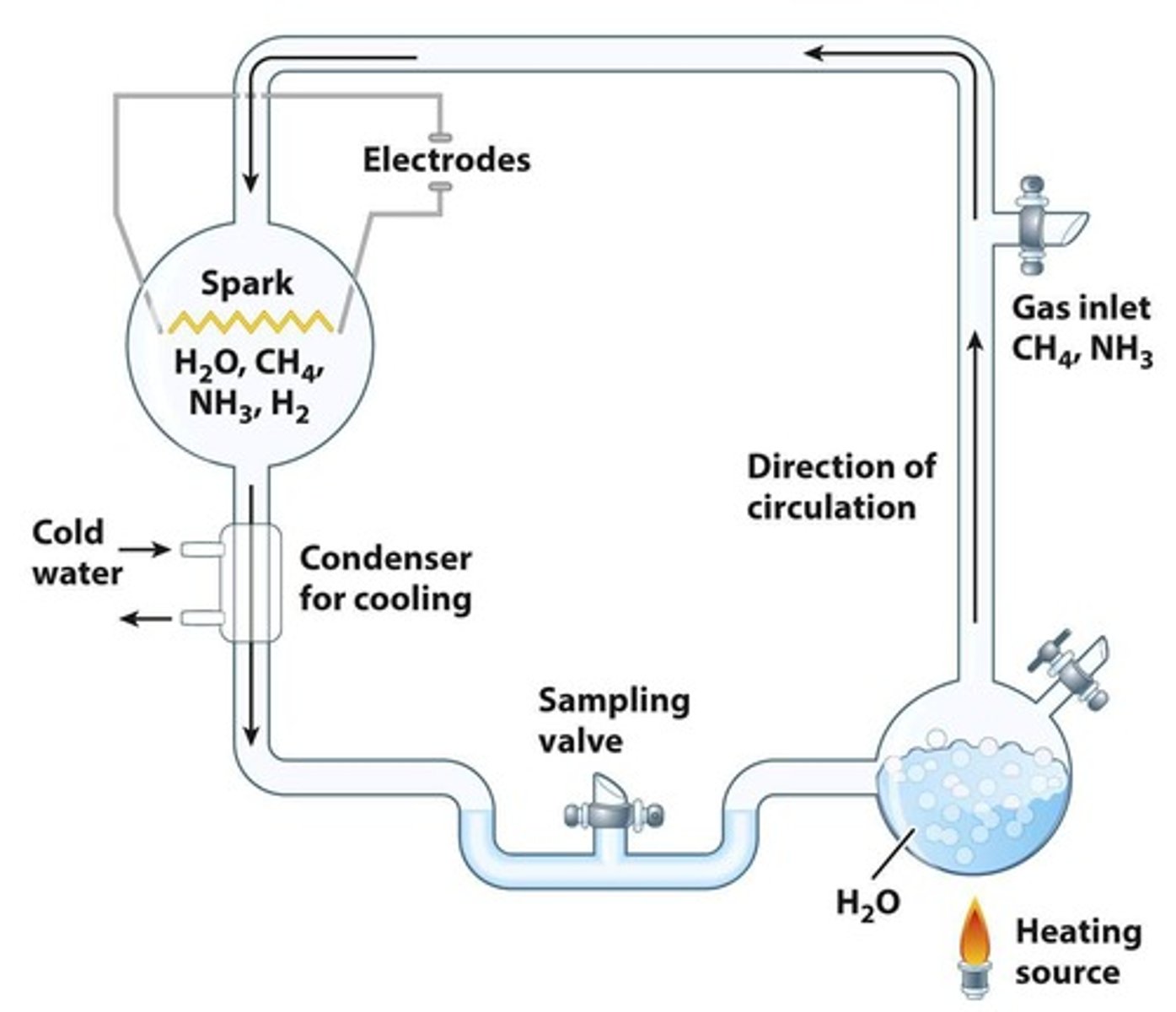
What experiment simulated early Earth conditions to test the chemical origin of life?
Miller-Urey Experiment (1952)
What hypothesis suggested that primitive Earth conditions favored the synthesis of complex organic compounds?
Oparin's and Haldane's primordial soup hypothesis
What is the term for the chemical origin of life?
Abiogenesis
What were the first group of intermediate products formed in the Miller-Urey Experiment?
Formaldehyde and hydrogen cyanide
What were the second group of intermediate products formed in the Miller-Urey Experiment?
Urea, formic acid, and amino acids
What conclusion was drawn from the Miller-Urey Experiment?
Amino acids can be generated in conditions that mimic those of early Earth
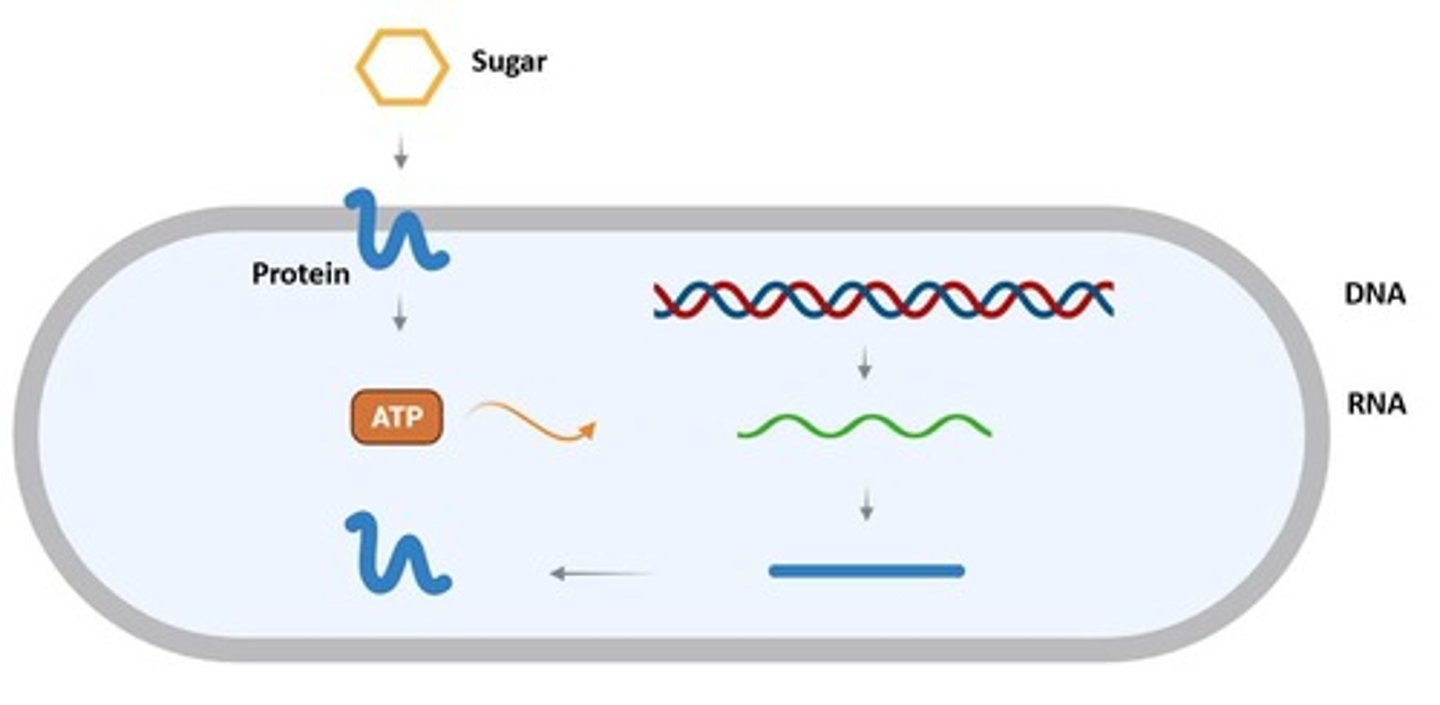
What defines cellular compartments?
Usually defined by a single or double lipid layer membrane
Name examples of cellular compartments.
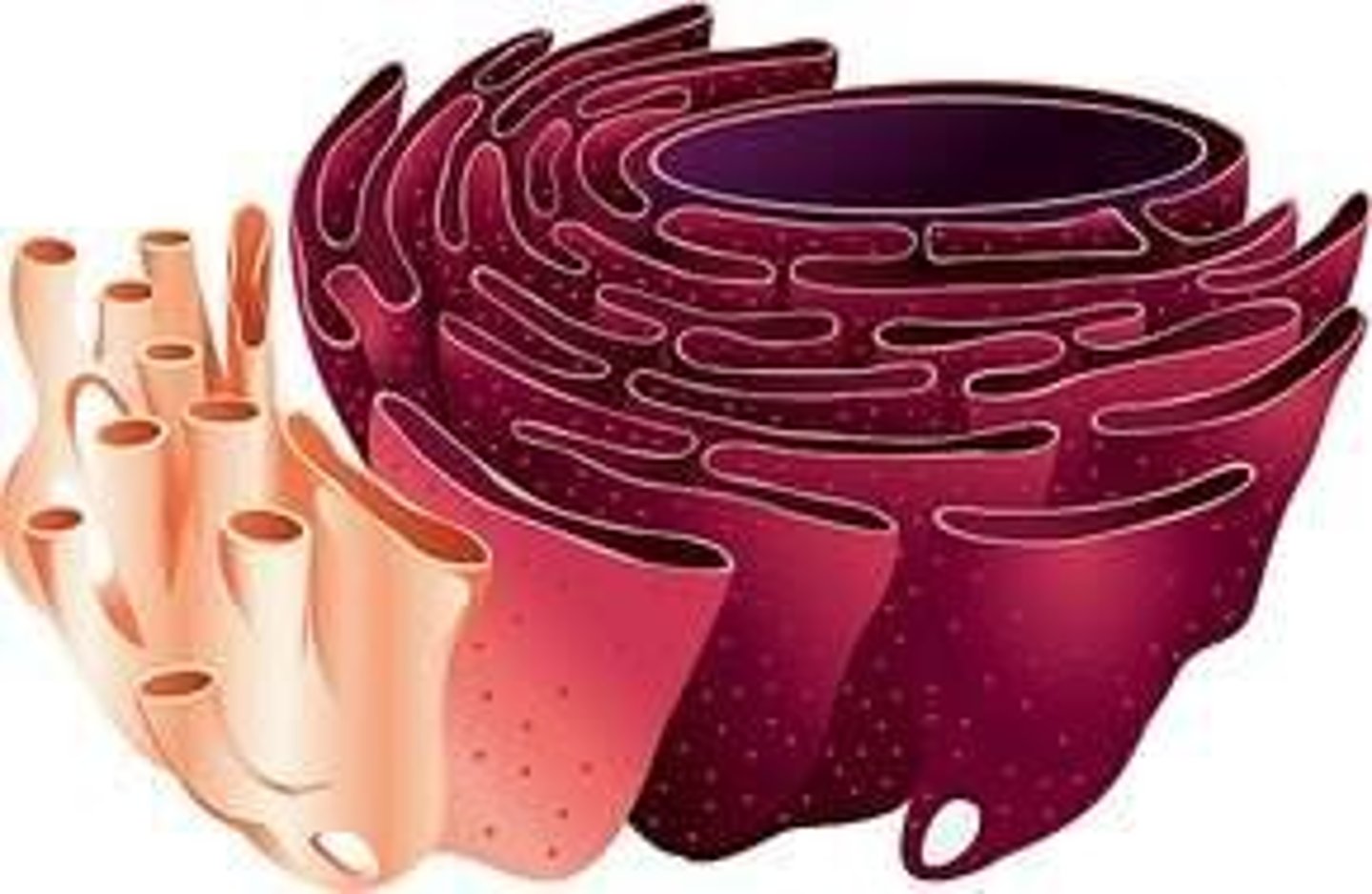
Mitochondria, chloroplasts, cell nucleus, vesicles, endoplasmic reticulum
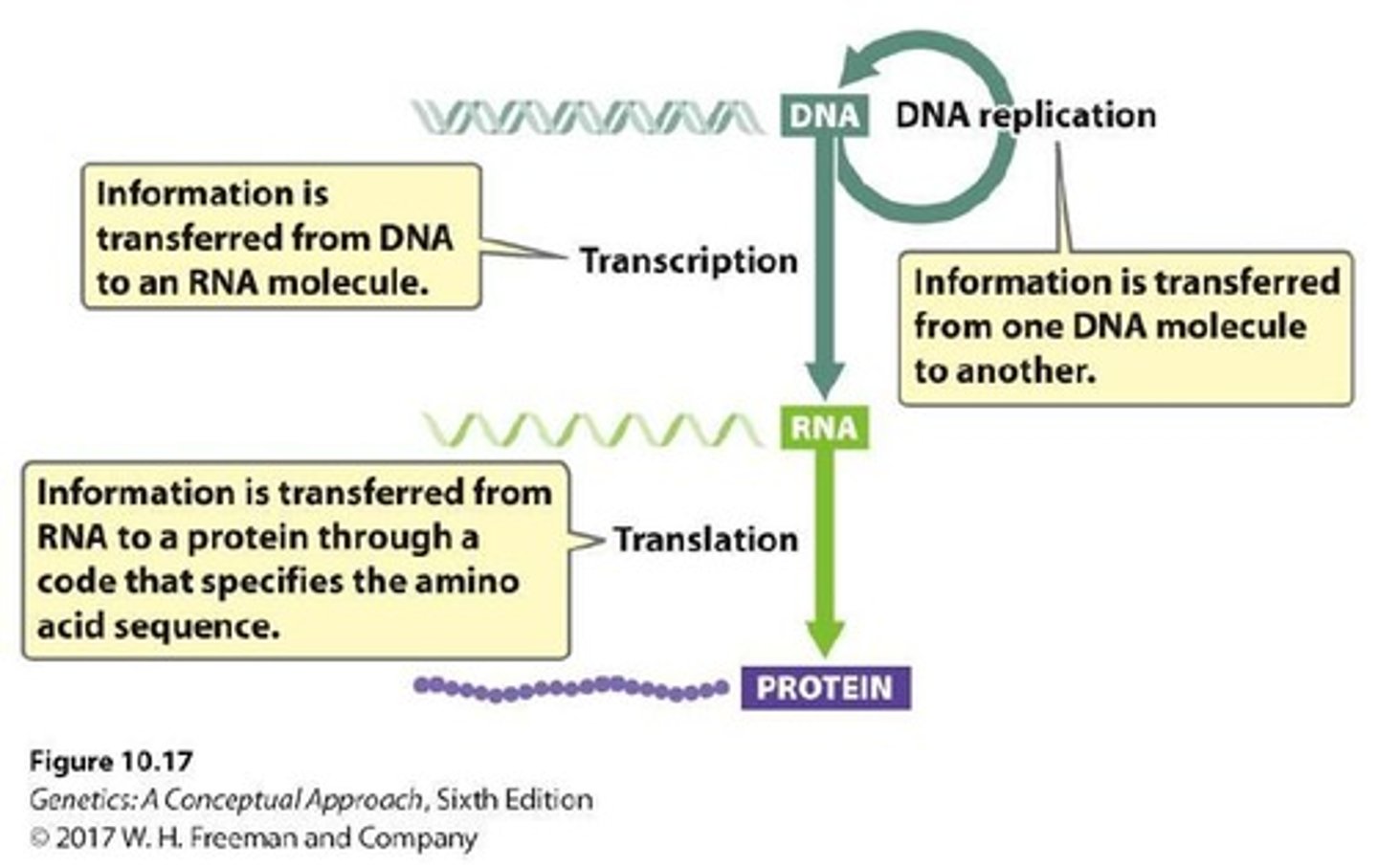
What is the significance of the central dogma of molecular biology?
It describes the flow of genetic information from DNA to RNA to proteins
What is the primary machinery of the cell?
Proteins, including enzymes, channels, and receptors
What is the role of enzymes in the cell?
They catalyze biochemical reactions
What is the function of kinases in the cell?
They are enzymes that add phosphate groups to other molecules
What is the importance of sugar in cellular processes?
It is a source of energy and a building block for other macromolecules
What is the role of proteins in the cell?
They perform a vast array of functions including structural support, transport, and catalysis
What is the first requirement to make a cell?
Information is needed for the differentiation and specialization of cells.
What are the building blocks of life mentioned in the chemistry of cells?
Lipids, nucleic acids, and amino acids.
What experiment simulated early Earth conditions to test the origin of life?
The Miller-Urey Experiment (1952).
What hypothesis suggests that primitive Earth conditions favored the synthesis of organic compounds?
Oparin's and Haldane's primordial soup hypothesis.
What is the chemical origin of life called?
Abiogenesis.
What were the first group of intermediate products generated in the Miller-Urey Experiment?
Formaldehyde and hydrogen cyanide.
What were the second group of intermediate products generated in the Miller-Urey Experiment?
Urea, formic acid, and amino acids.
What role do cellular compartments play?
They establish physical boundaries for metabolic activities and regulate biological processes.
Who is credited with the discovery of cells?
Robert Hooke.
What term did Robert Hooke coin for the structures he observed?
Cell, from the Latin 'cella' meaning 'small room'.
Who developed the Cell Theory?
Matthias Jakob Schleiden and Theodor Schwann.
What are the first two tenets of the Cell Theory?
1. All living organisms are composed of one or more cells. 2. The cell is the most basic unit of life.
What is the third tenet added to the Cell Theory by Rudolf Virchow?
Omnis cellula e cellula, meaning all cells arise only from pre-existing cells.
What are some basic properties of cells?
1. Highly complex and organized. 2. Activity controlled by a genetic program. 3. Can reproduce. 4. Assimilate and utilize energy.
What is one of the mechanical activities cells can engage in?
Cells can carry out many chemical reactions, often facilitated by enzymes.
How do cells respond to stimuli?
Cells can respond to external signals, such as neurotransmitter release in neurons.
What does self-regulation in cells refer to?
The ability of cells to maintain internal balance and homeostasis.
What is the distinction between prokaryotic and eukaryotic cells?
Prokaryotes lack a defined nucleus, while eukaryotes have a defined nucleus.
What type of cells were the only form of life on Earth for millions of years?
Prokaryotic cells.
What are slime molds classified as?
Originally part of the Fungi branch, now grouped with the kingdom Protista.
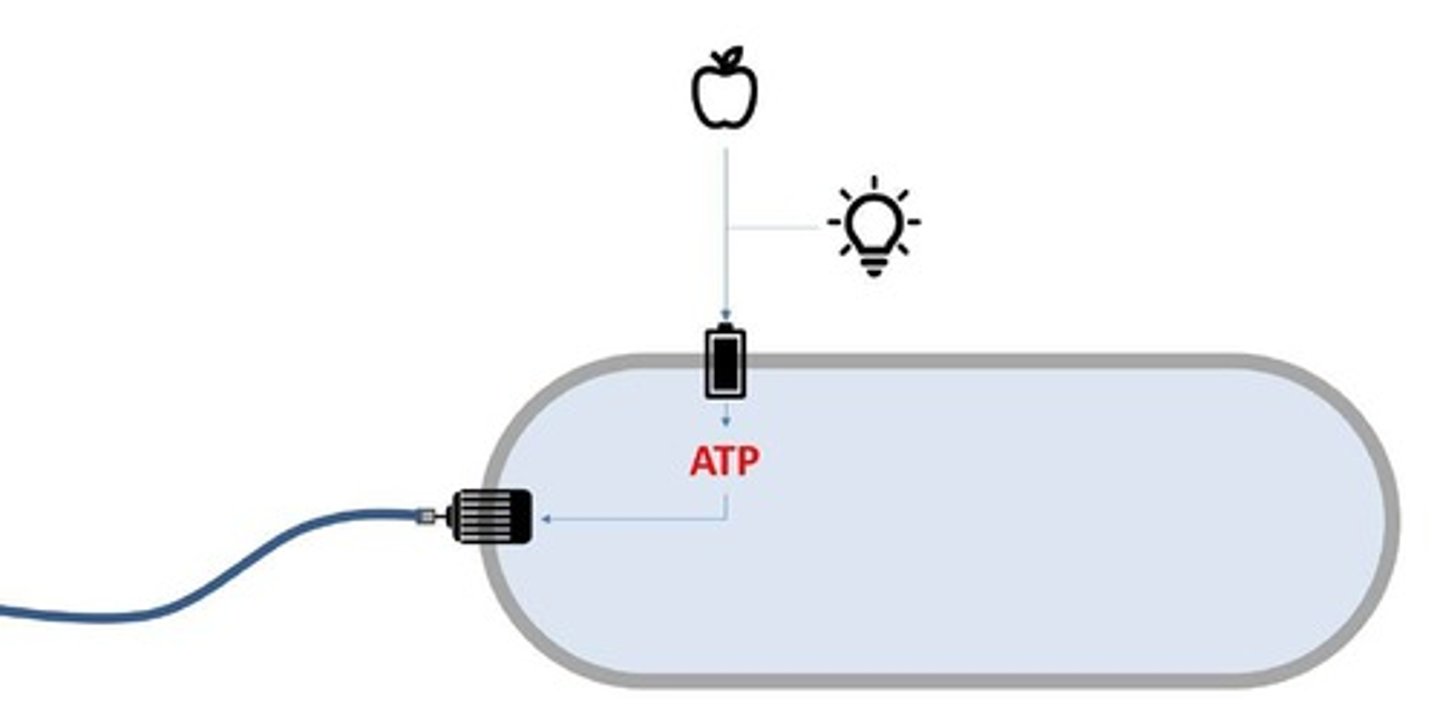
What is the significance of ATP in cellular processes?
ATP is the primary energy carrier in cells.
What is the role of amino acids in cells?
Amino acids are the building blocks of proteins.
What is the function of enzymes in cells?
Enzymes catalyze chemical reactions within the cell.
What is the importance of sugar in cellular metabolism?
Sugar provides energy and is a key component in cellular respiration.
What defines prokaryotic cells?
Prokaryotic cells lack a defined nucleus and organelles.
What are the typical features of a prokaryotic cell?
Single-cell organism, size 1-10 µm, no nucleus or organelles, small ribosomes, asexual reproduction, genetic material in nucleoid (circular DNA).
What type of organisms are classified as eukaryotic?
Eukaryotic organisms include protozoa, fungi, plants, and animals.
What are the typical features of a eukaryotic cell?
Found in multicellular organisms (but can be unicellular), size typically 10-100 µm, has a nucleus and organelles, large ribosomes, genetic material arranged as chromosomes.
What is the size range of prokaryotic cells?
Prokaryotic cells typically range from 1 to 10 µm.
What is a unique characteristic of slime molds?
Slime molds are eukaryotic single-celled organisms that can move and respond to their environment.
How do slime molds reproduce?
They use a primitive form of sexual reproduction involving spores.
What distinguishes animal cells from plant cells?
Animal cells have lysosomes, while plant cells have cell walls, vacuoles, and chloroplasts.
What is the role of ribosomes in cells?
Ribosomes are responsible for protein synthesis.
What is the significance of the genome in cells?
The genome is a dynamic information system that guides cell function.
What is the primary structural unit of all living organisms?
The cell.
What is the process by which cells arise?
Cells arise from cell division or pre-existing cells.
What are the two main classes of cells on Earth?
Eukaryotic cells (complex) and prokaryotic cells (simpler).
What is the size range of eukaryotic cells?
Eukaryotic cells typically range from 10 to 100 µm.
What is the function of the plasma membrane?
The plasma membrane regulates the movement of substances in and out of the cell.
What is the role of mitochondria in cells?
Mitochondria are the powerhouses of the cell, producing energy through respiration.
What are plasmodesmata?
Plasmodesmata are channels between plant cell walls that allow for communication and transport.
What is the function of vacuoles in plant cells?
Vacuoles store nutrients and waste products and help maintain turgor pressure.
What is the significance of chemical reactions in cells?
Cell function is dependent on chemical reactions occurring in compartments.
What is the relationship between amino acids and early Earth conditions?
Amino acids can be synthesized in the lab under conditions mimicking early Earth (anaerobic).