Middle Childhood Development: Physical Growth, Brain, ADHD, and Motor Skills
 Call Kai
 Learn
Learn Practice Test
 Spaced Repetition
 Match
Match Flashcards
 Knowt Play
1/20

There's no tags or description
Looks like no tags are added yet.
Name | Mastery | Learn | Test | Matching | Spaced | Call with Kai |
|---|
No analytics yet
Send a link to your students to track their progress
21 Terms
Factors influencing growth in middle childhood
Genetic background, race, nutrition, and disease affect growth during middle childhood.
Secular trend in physical growth
Each successive generation over the past 150 years in industrialized countries is taller than the previous one, likely due to improved health and nutrition.
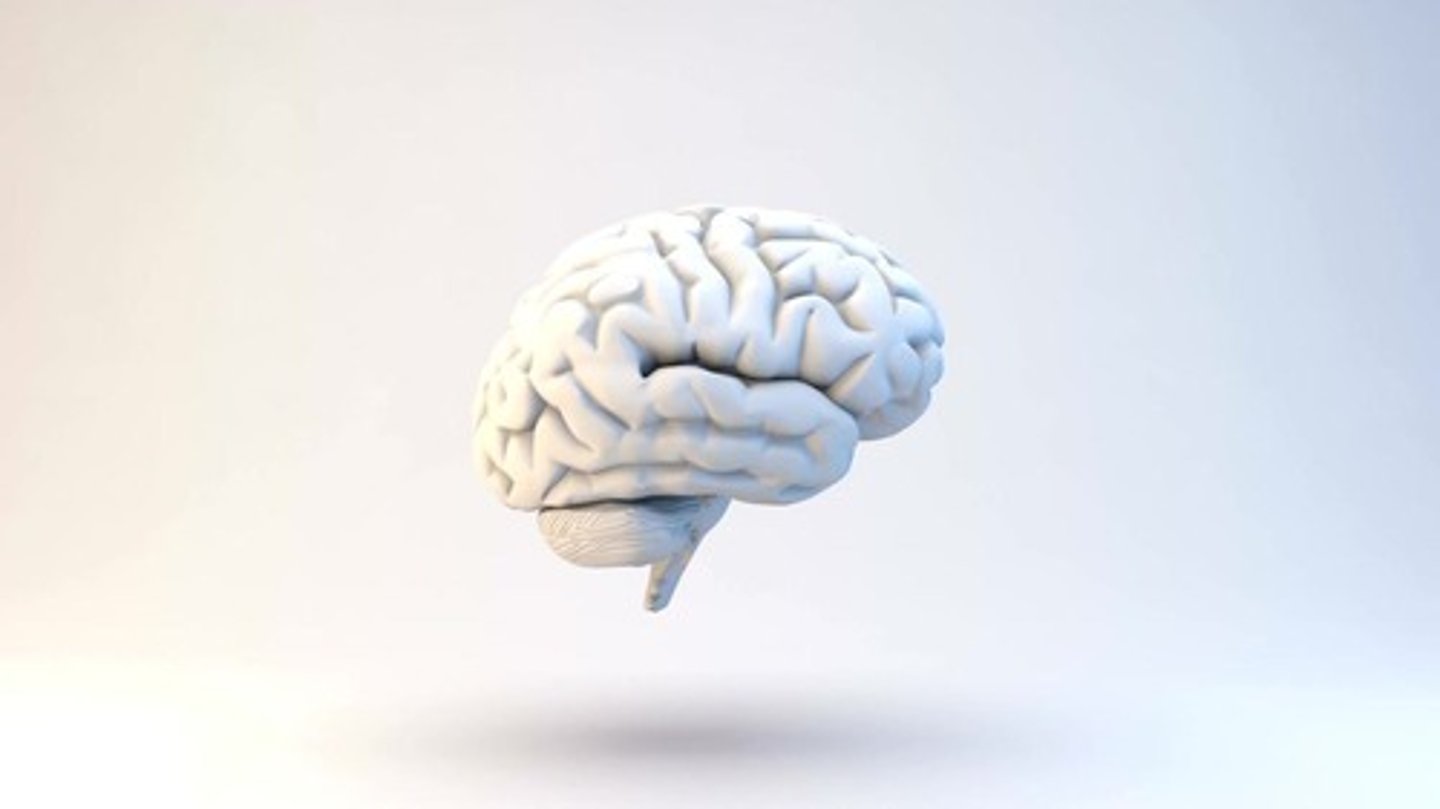
Brain maturation in middle childhood
The cortex matures in a back-to-front progression, with the parietal and occipital lobes being largest in childhood and declining in size in late childhood.
ADHD dimensions
Attention-deficit hyperactivity disorder (ADHD) consists of two dimensions: inattention and hyperactivity-impulsivity.
Interventions for ADHD
Medication can reduce hyperactivity and impulsivity, while psychotherapy and behavior management help minimize problem behavior and improve executive functioning.
Dynamic systems theory
This theory emphasizes changes in movement capacities of the body, brain maturation, motivation, and opportunities to practice in motor skill development.
Importance of physical activity
Physical activity is significant for health and development during middle childhood, influencing motor skills and overall well-being.
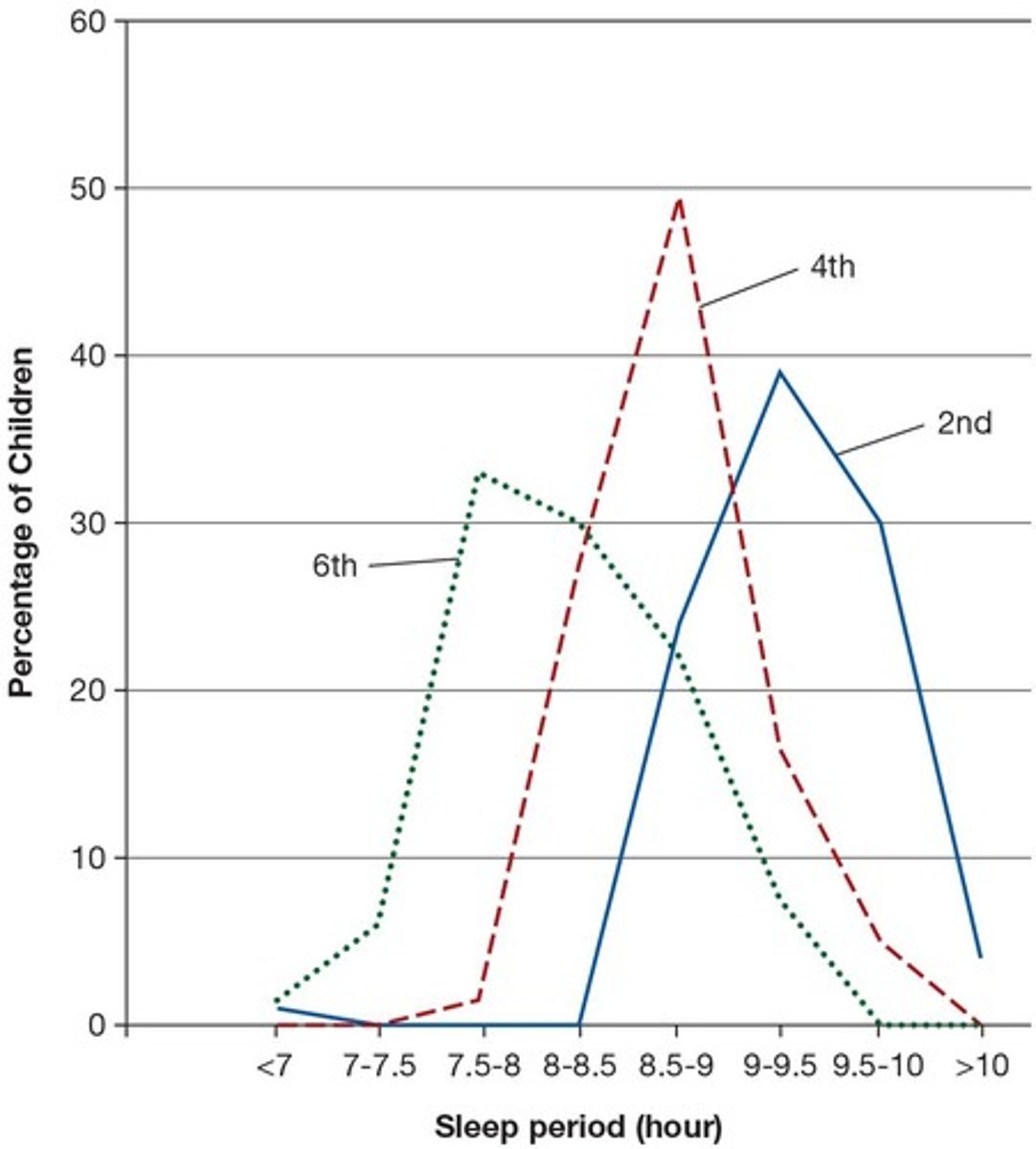
Recommended sleep for children
Children aged 3rd to 5th grade should get about 9 to 11 hours of sleep per night, but often average less than 7.5 hours.
Effects of poor-quality sleep
Poor-quality sleep can lead to poor cognition, behavioral difficulties, and is influenced by environmental factors such as family stress and screen time.
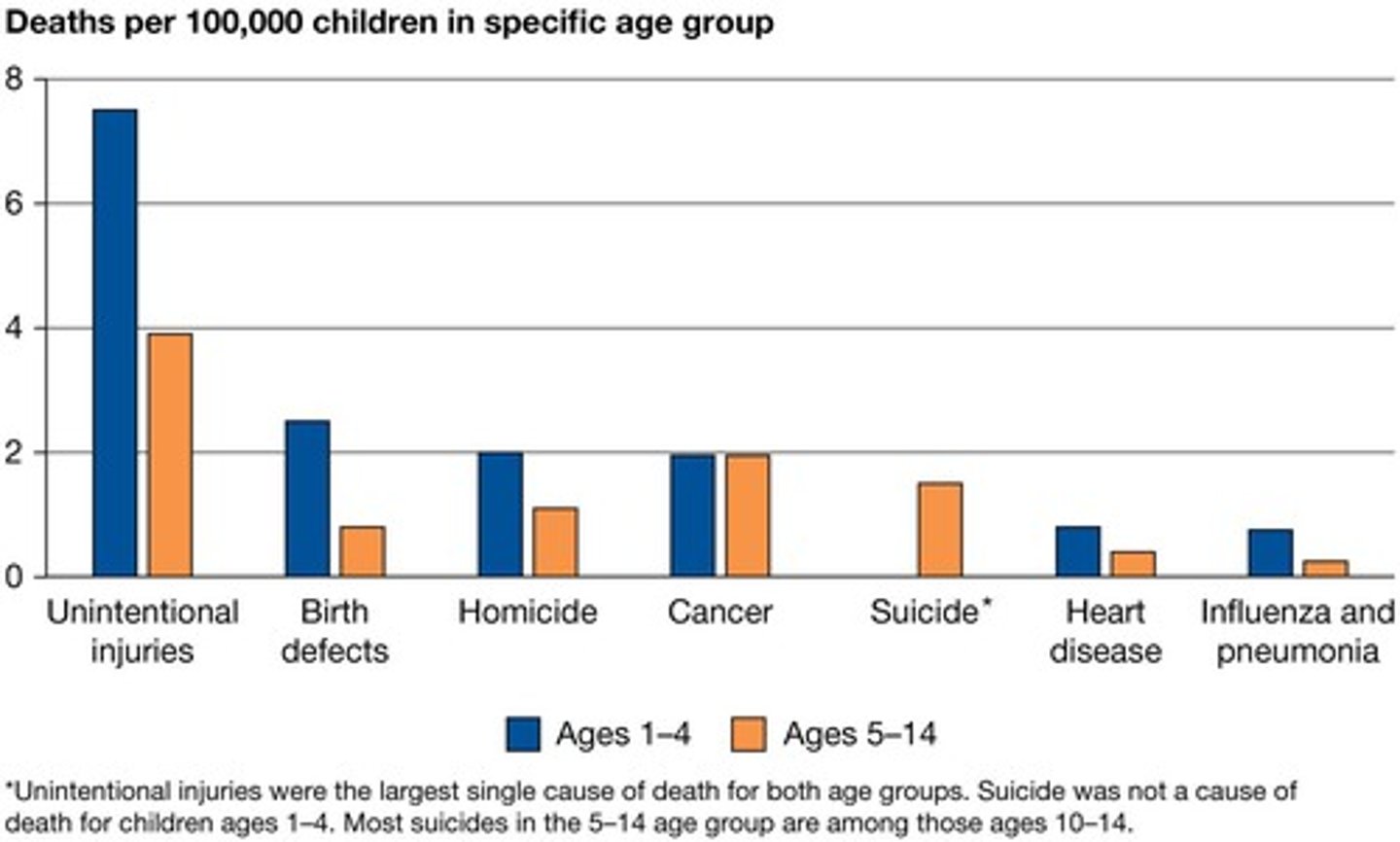
Leading causes of accidents in children
Unintentional injuries are the leading cause of death for children ages 1 to 4 and individuals ages 5 to 14, commonly due to falls, being struck, environmental factors, and motor vehicle accidents.
Yanis's sleep issues
Yanis, who does not sleep well, is likely to show less sustained attention and more behavior problems.
Katsuo's learning pace in soccer
Katsuo's slowed learning pace in soccer skills illustrates the power law of practice, which states that improvement requires more hours of practice.
Susan's motor skill development
Susan's ability to execute various types of kicks with greater success illustrates that change occurs simultaneously in several components of developmental systems theory.
Delay aversion in ADHD
Delay aversion refers to the difficulty in waiting to make a response or delaying gratification, often seen in children with ADHD.
Environmental impacts on sleep
Family stress and screen time are environmental factors that can negatively impact children's sleep quality.
Accident causes in children aged 5 to 14
The most common injuries for children aged 5 to 14 are due to falls, being struck, environmental factors, and motor vehicle accidents.
Cortex maturation
The cortex matures in a back-to-front progression, with different lobes maturing at different rates.
Hippocampus development
The hippocampus continues to increase in size into adolescence, playing a crucial role in memory and learning.
Physical changes in middle childhood
Children experience slow and steady growth influenced by genetic, nutritional, and health factors.
Motor skill development factors
Factors influencing motor skill development include movement capacities, gender differences, brain maturation, motivation, and practice opportunities.
Physical activity significance
Physical activity is crucial for children's health, development, and social skills during middle childhood.