A&P Chapter 11: Muscular System Test Review
 Call Kai
 Learn
Learn Practice Test
 Spaced Repetition
 Match
Match Flashcards
 Knowt Play
1/52

There's no tags or description
Looks like no tags are added yet.
Name | Mastery | Learn | Test | Matching | Spaced | Call with Kai |
|---|
No analytics yet
Send a link to your students to track their progress
53 Terms
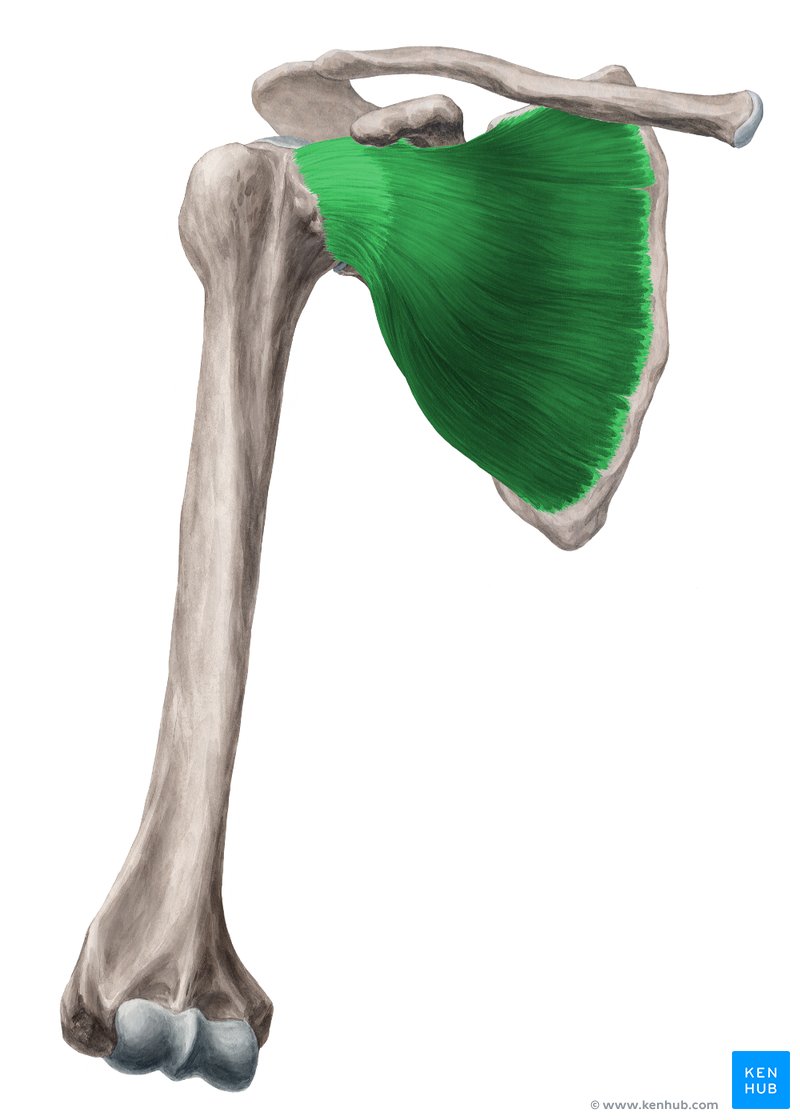
Subscapularis
Muscle on the inside of the scapula (anterior); it does medial rotation
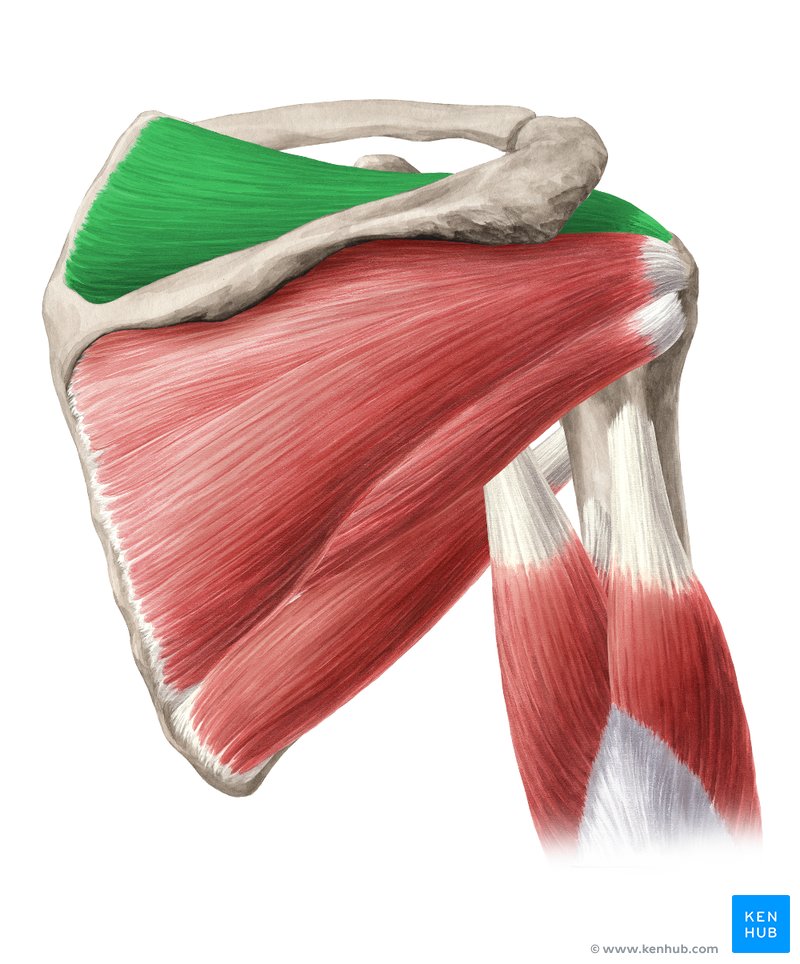
Supraspinatus
Muscle that is on top of the scapula; it does abduction (empty can test to test the muscle strength)
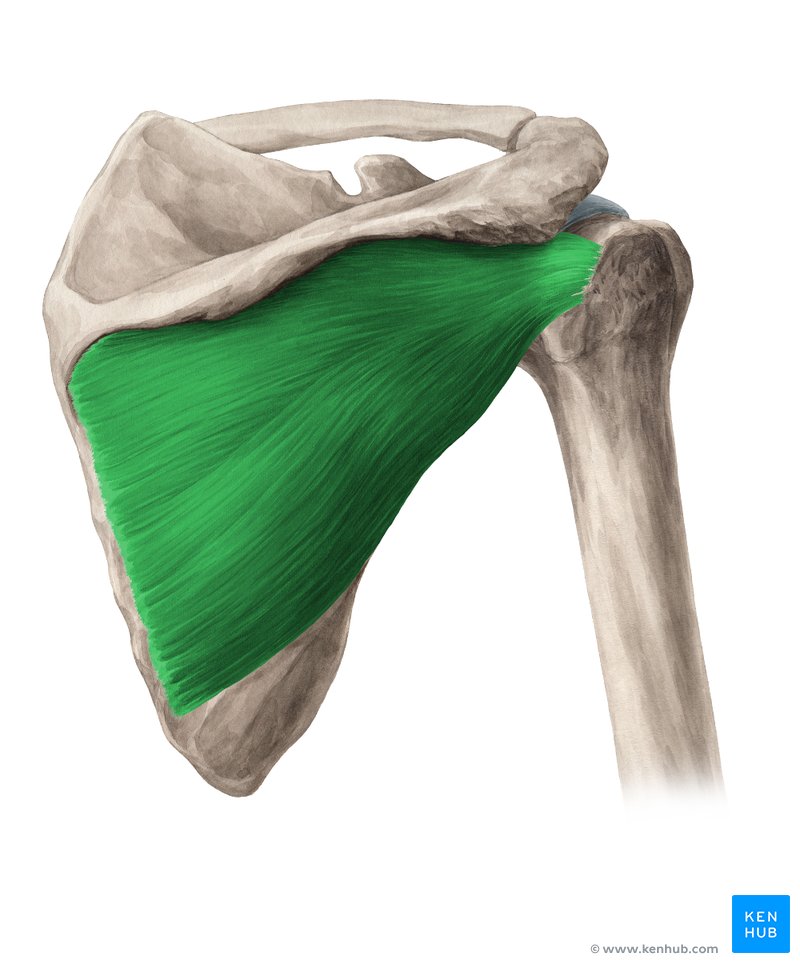
Infraspinatus
Muscle that is on the infraspinous fossa of the scapula (posterior); it does extension and adduction
Teres Minor
Muscle that is on the lateral side of the scapula (on the posterior); it does extension and adduction
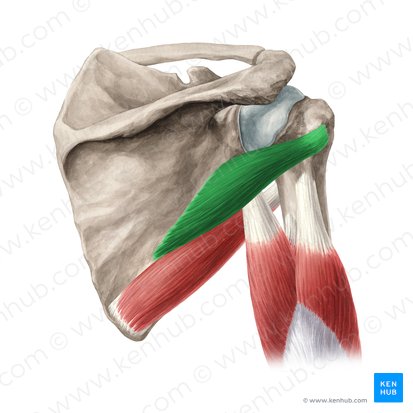
Iliopsoas
The psoas major muscle and the iliacus joint together to create the iliopsoas; it does flexion and lateral rotation
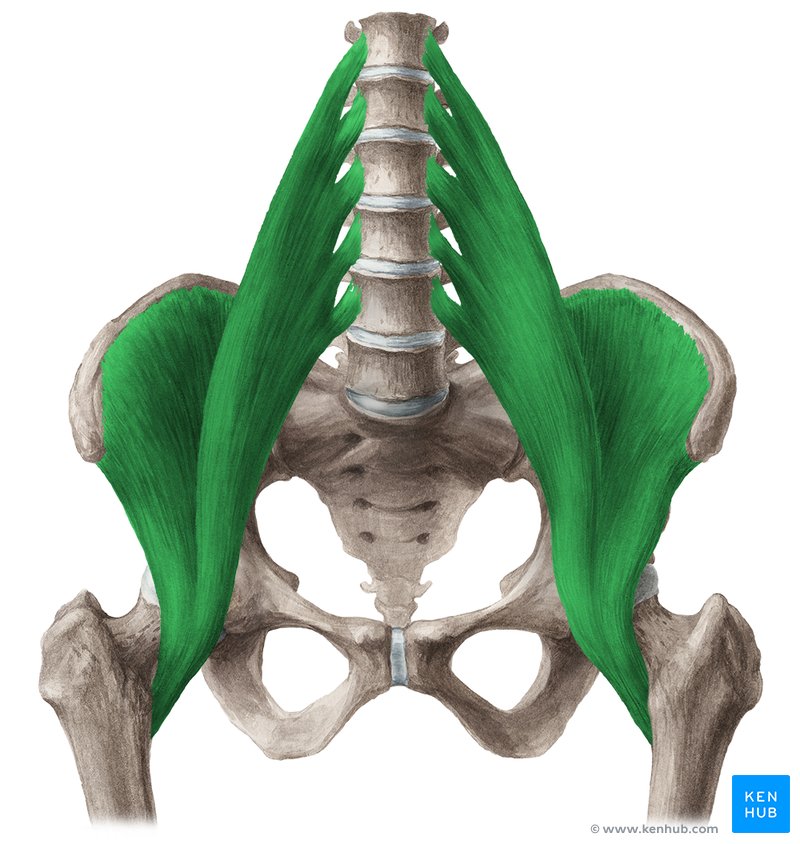
Gluteus Maximus
Extension across the posterior pelvis
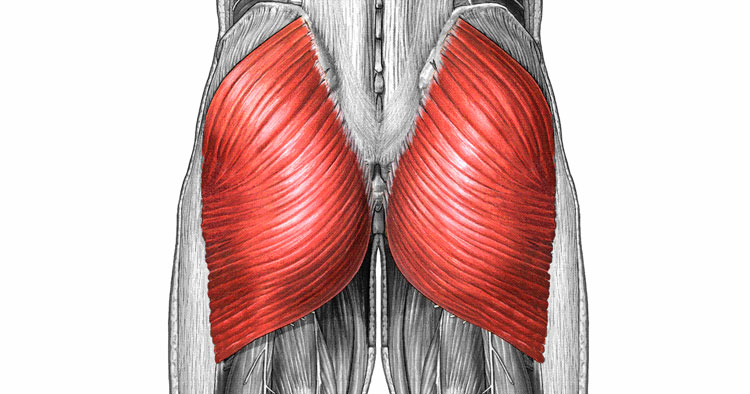
Gluteus Medius
Abduction across the lateral side of the ilium
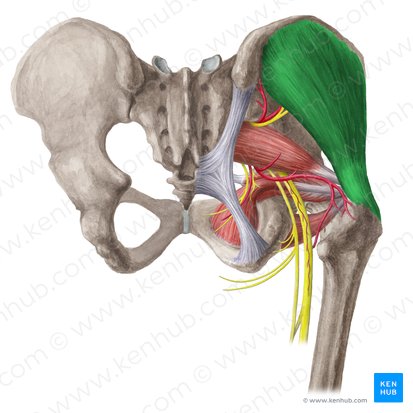
Gluteus Minimus
Abduction across the external surface of the ilium
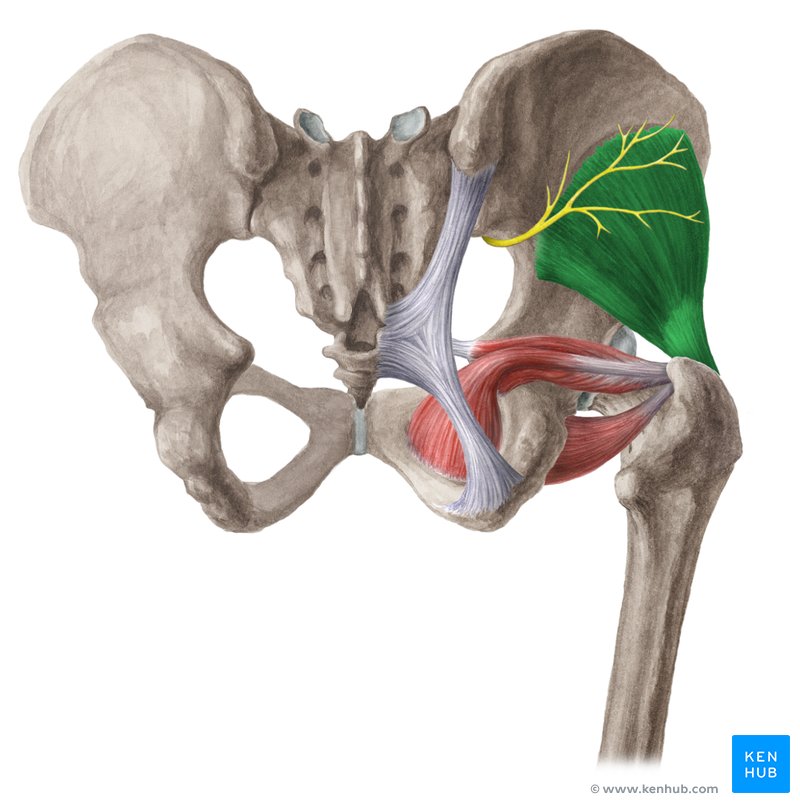
Tensor Fascia Lata
Flexion and abduction on the anterior portion of the iliac crest
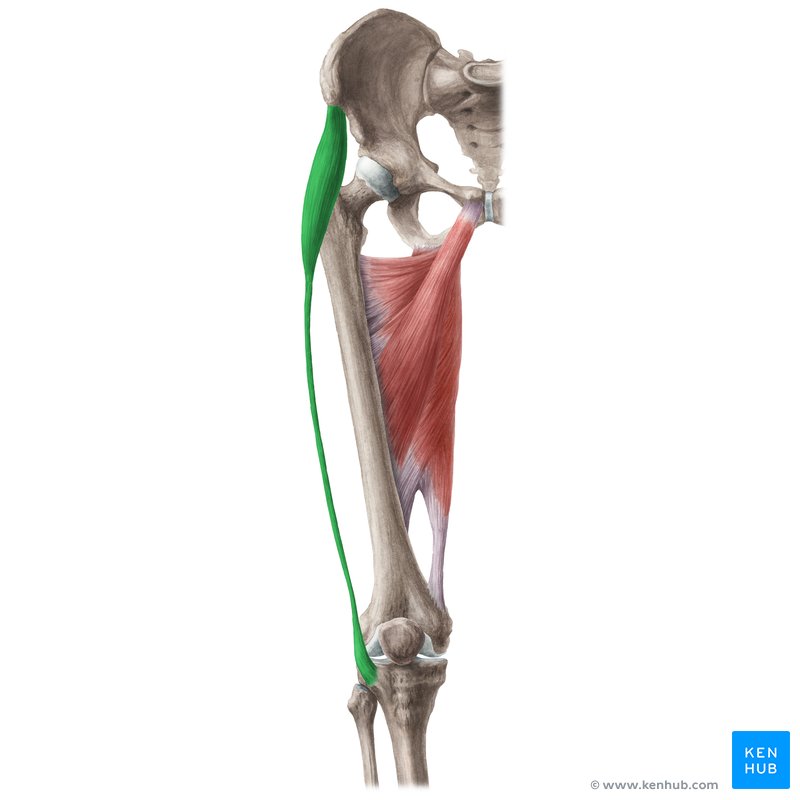
Iliotibial Band
Long muscle that starts at the pelvis and ends at the knee; it does abduction, flexion, extension, lateral and external rotation
Breathing muscles
Diaphragm, intercostal muscles (external and internal)
Rotator cuff muscles
Supraspinatus, infraspinatus, teres minor, subscapularis
Gracilis
Flexes the thigh and extends the tibia and fibula
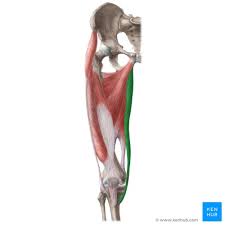
Rectus Femoris
Extends the tibia and fibula and flexes the thigh
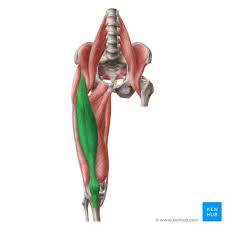
Vastus Lateralis
Extension
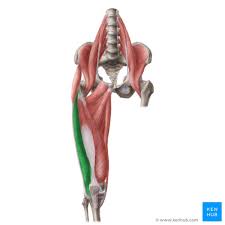
Vastus Intermedius
Extension
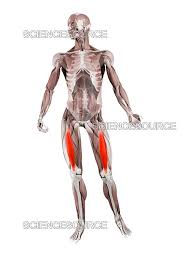
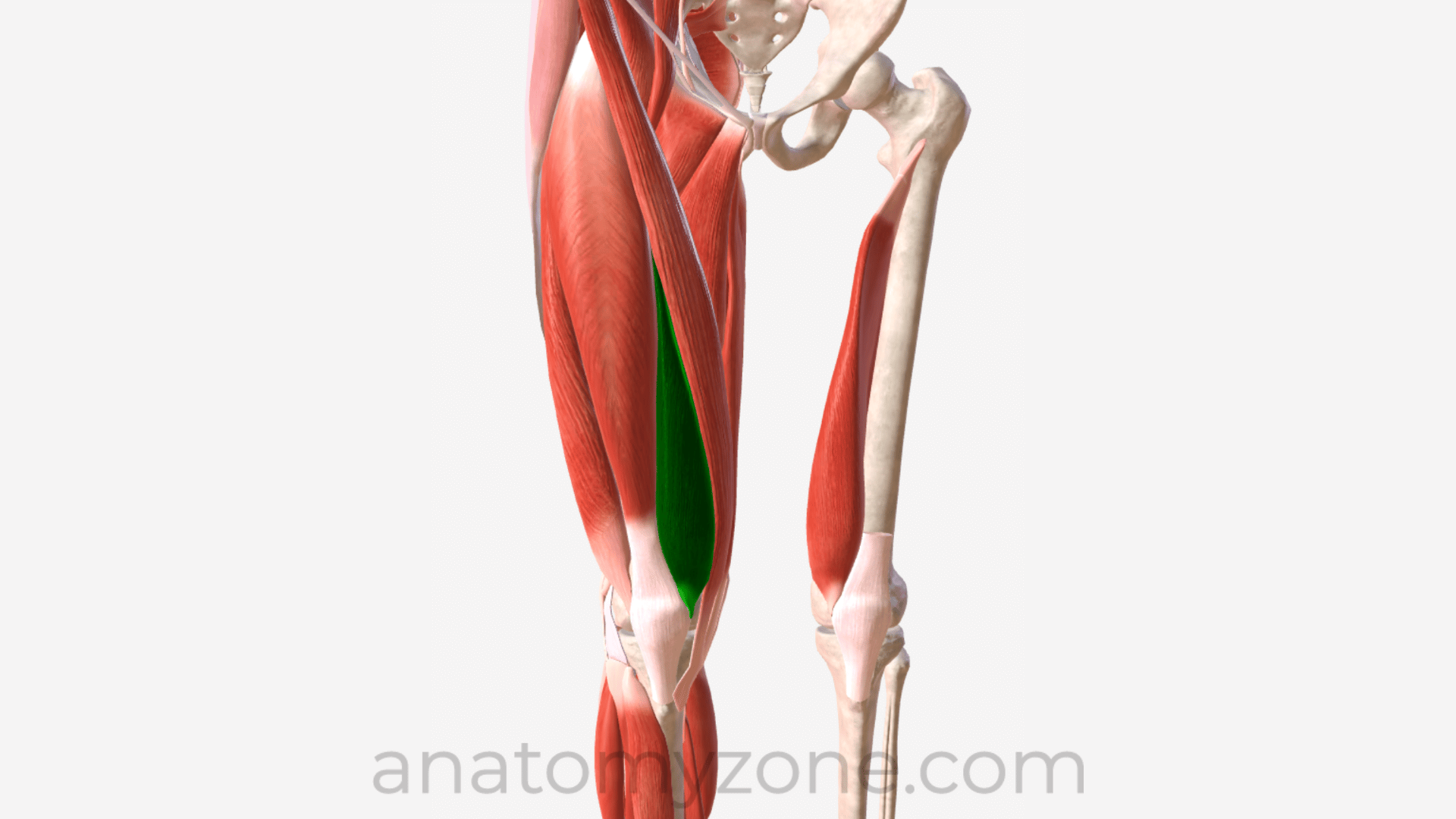
Vastus Medialis
Extension
Sartorius
Flexes, abducts, and laterally rotates the thigh
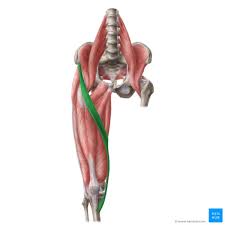
Biceps Femoris
Extends and laterally rotates the thigh
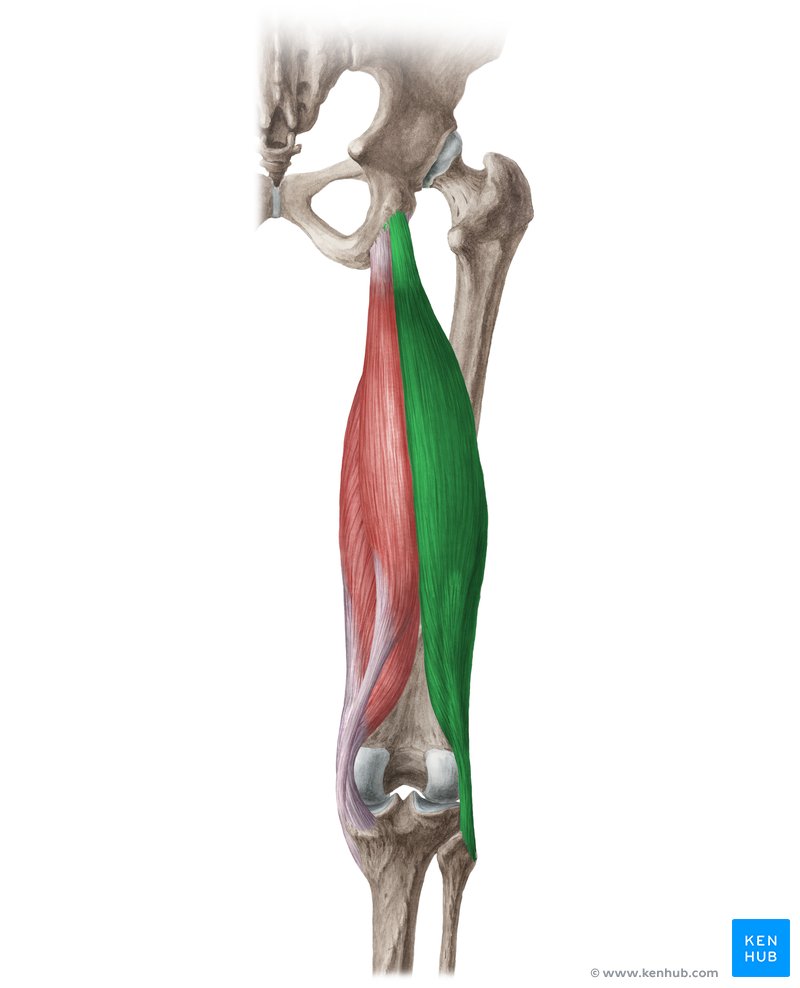
Semitendinosus
Extends and medially rotates the thigh
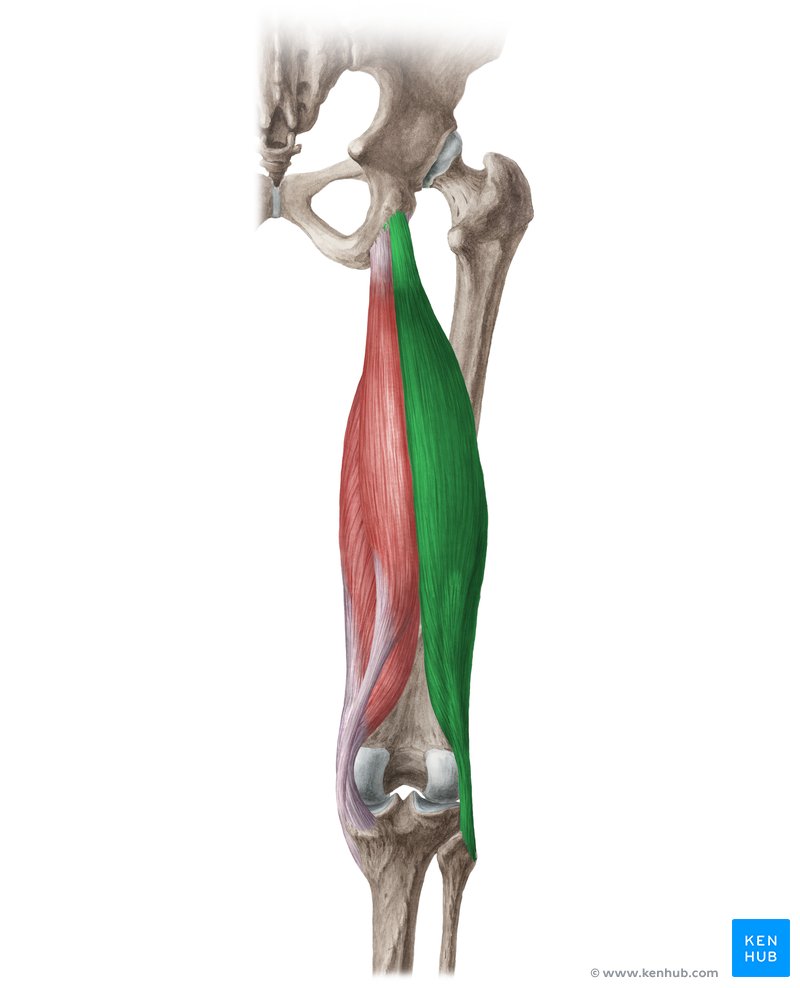
Semimembranosus
Extends and medially rotates the thigh
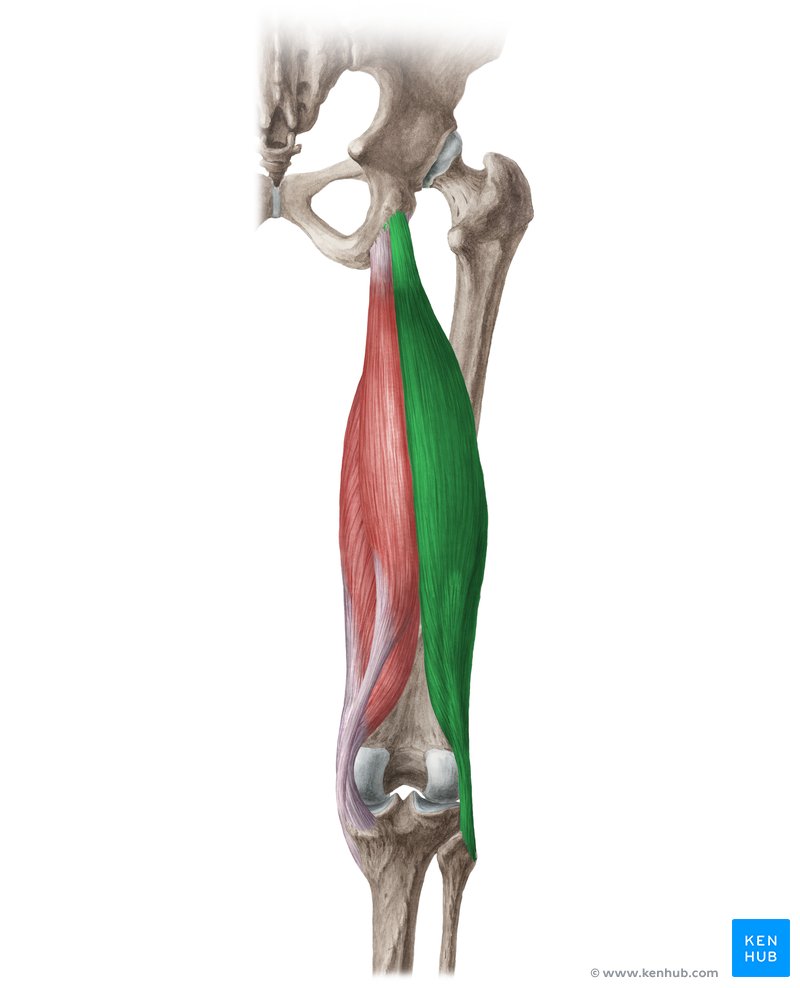
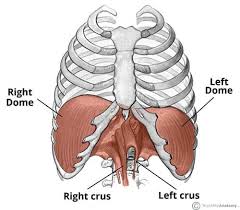
Diaphragm
Tented muscle
When it contracts, it makes the muscle flatten, which increases the volume of the thoracic cavity. This makes the lungs expand because they are under less pressure. The pressure outside is still the same, which makes air rush in; this is called inspiration
It also changes the pressure in the lower abdominal cavity by pushing it down. It is used for urinating, disposing of fecal matter, and for childbirth
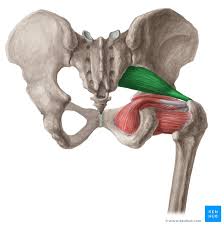
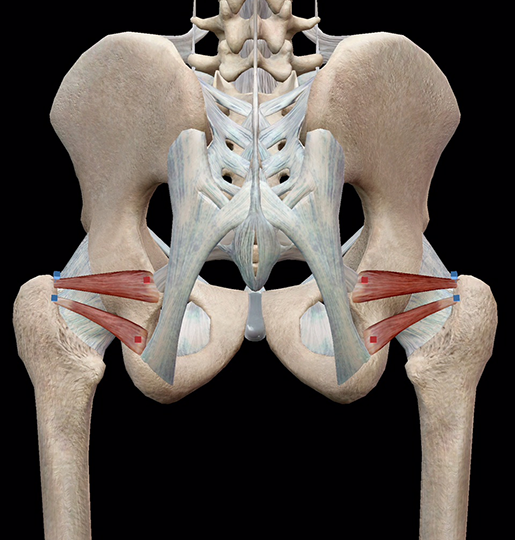
Piriformis (lateral rotator)
Runs from the sacrum to the femur
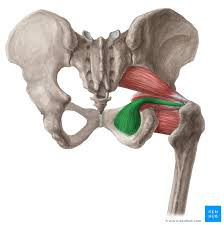
Obturator Internus (lateral rotator)
Runs from the obturator foramen to the femur
Obturator Externus (lateral rotator)
Runs from the obturator foramen to the femur
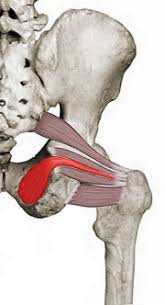
Superior and Inferior Gemellus (lateral rotators)
“Twin muscles” but attachment points are slightly different; one sits higher on the ischium while the other sits lower
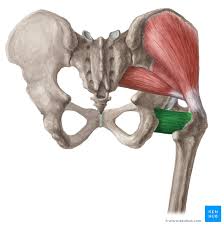
Quadratus Femoris
Runs from the ischial tuberosity to the femur
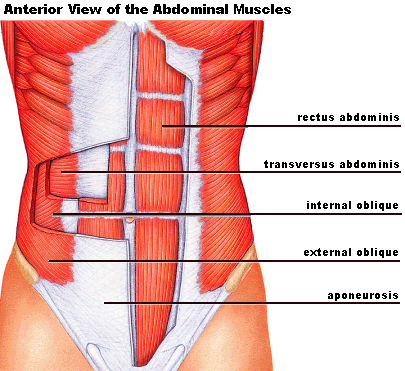
Abdominal Muscles
External Obliques: lateral flexion and supination
Internal Obliques: lateral flexion and supination
Transverse Abdominis: flexion
Quadratus Lumborum: lateral flexion
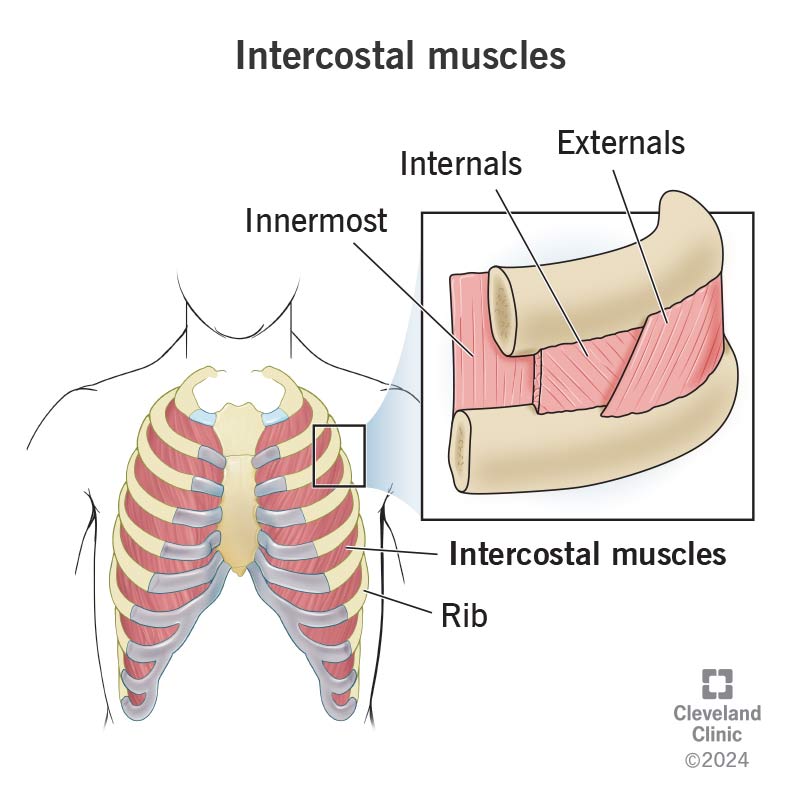
Intercostal Muscles
They assist in breathing by changing the dimensions of the rib cage
The superficial muscles raise the rib cage to expand it during inspiration
The internal muscles are used for expiration because they draw the ribs together
The innermost muscles are synergists to the internal intercostal muscles
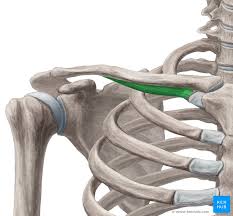
Subclavius
Stabilizes clavicle during movement by depressing it
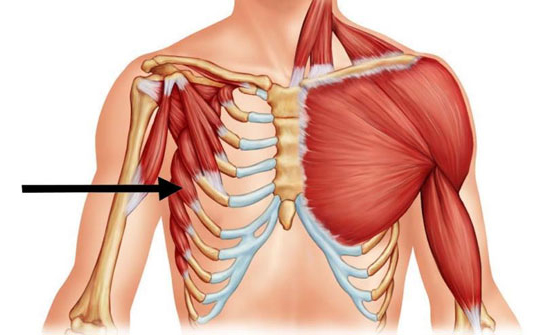
Pectoralis Minor
Rotates shoulder anteriorly (throwing) and assists with inhalation
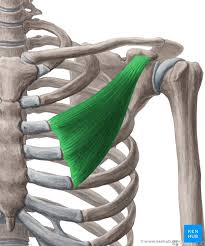
Serratus Anterior
Moves arm from side of body to front of body and assists with inhalation
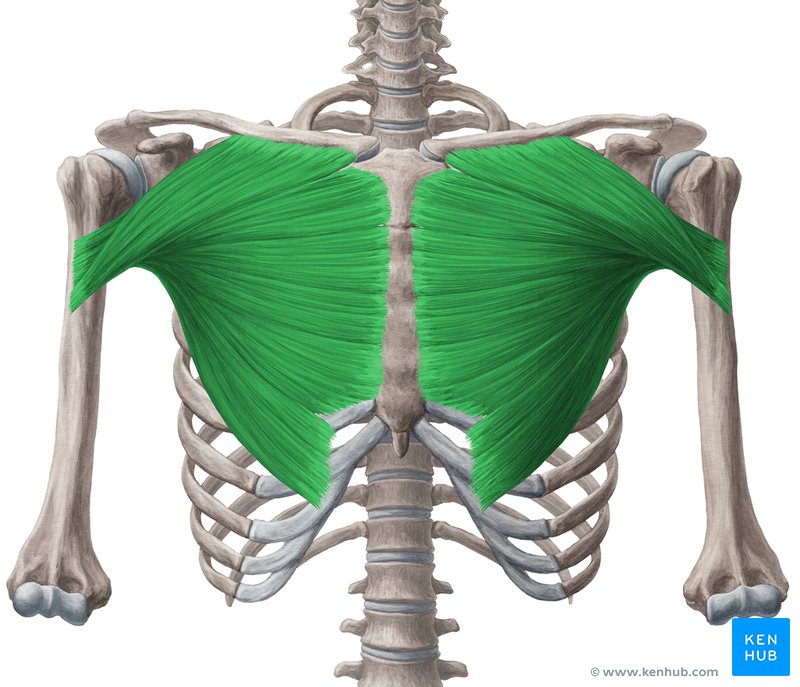
Pectoralis Major
Flexion, adduction and medial rotation
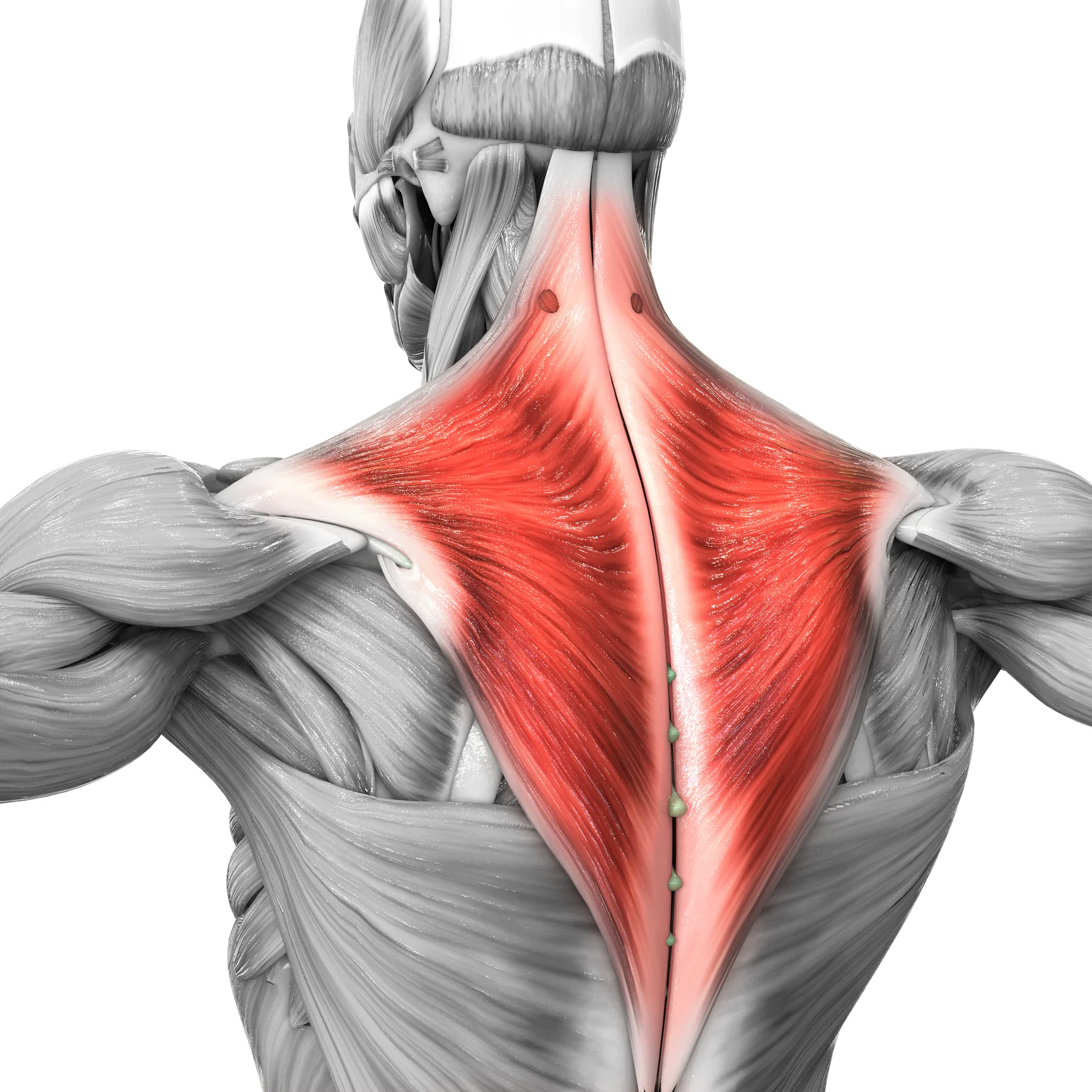
Trapezius
Elevates shoulders (shrugging), pulls shoulder blades together, tilts head backwards
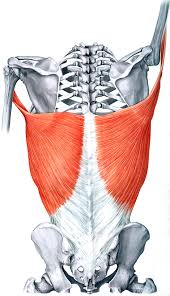
Latissimus Dorsi
Extension, adduction and medial rotation of the humerus; depression of the scapula
Erector Spinae group
Iliocostalis, longissimus, spinalis
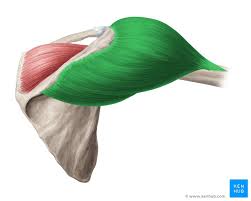
Deltoid
Abduction, flexion, extension, medial and lateral rotation
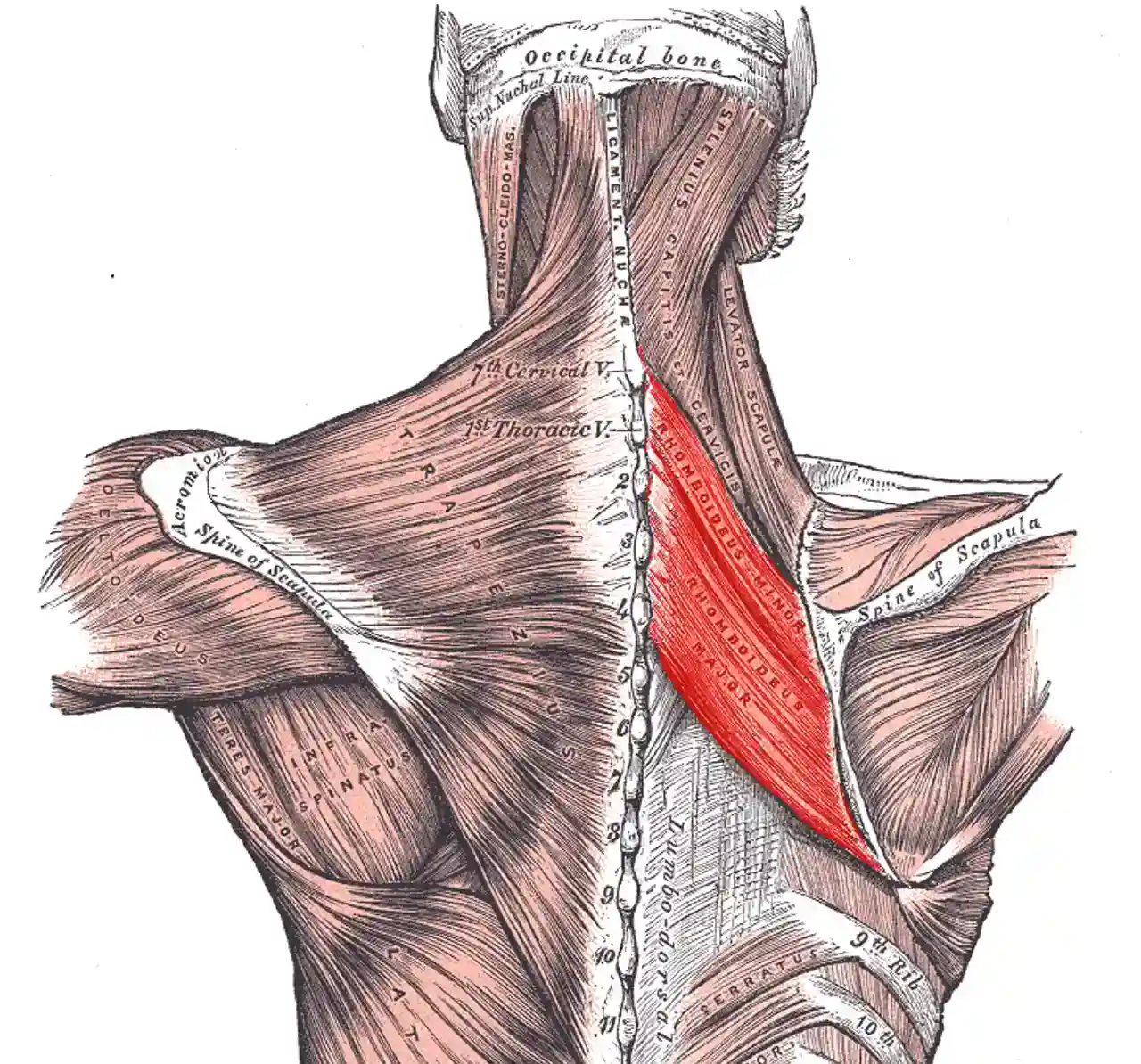
Rhomboid Major and Minor
Pull the shoulder blades together and rotate the scapula
Teres Major
Extension and abduction; located on the posterior side of the scapula
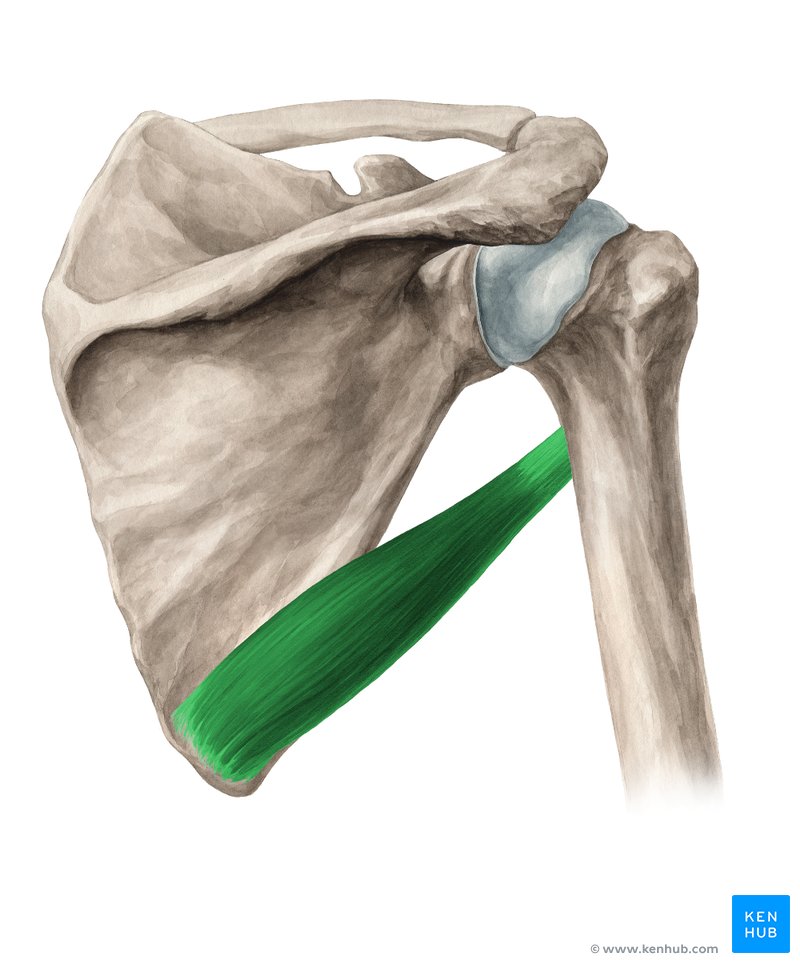
Coracobrachialis
Flexion and adduction; located on the coracoid process of the scapula
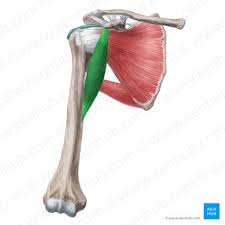
Biceps Brachii
Flexion and supination
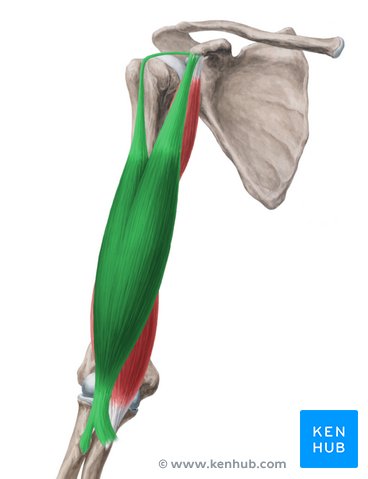
Brachialis
Flexion
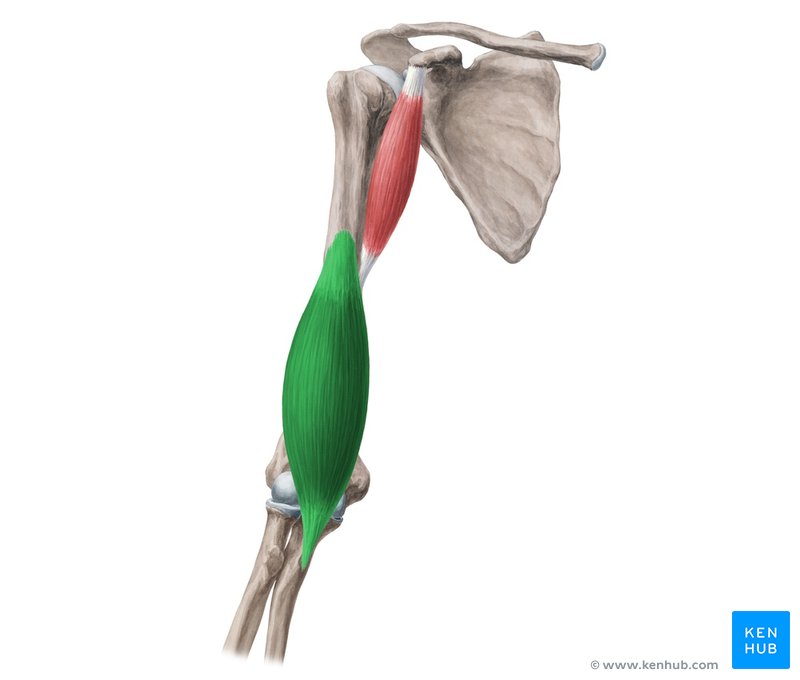
Brachioradialis
Flexion
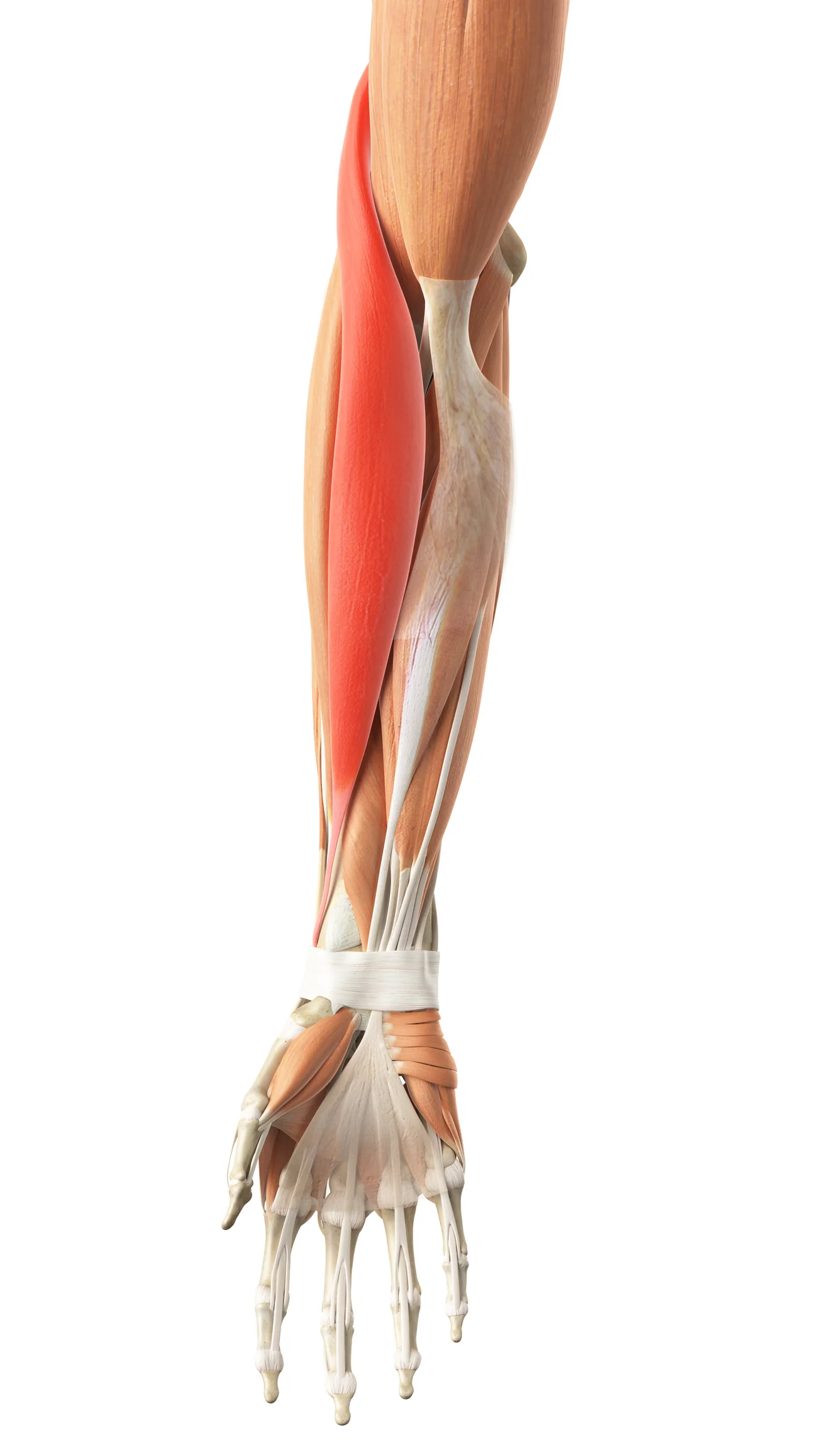
Triceps Brachii
Extension
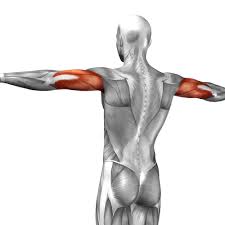
Aconeus
Extension and abduction
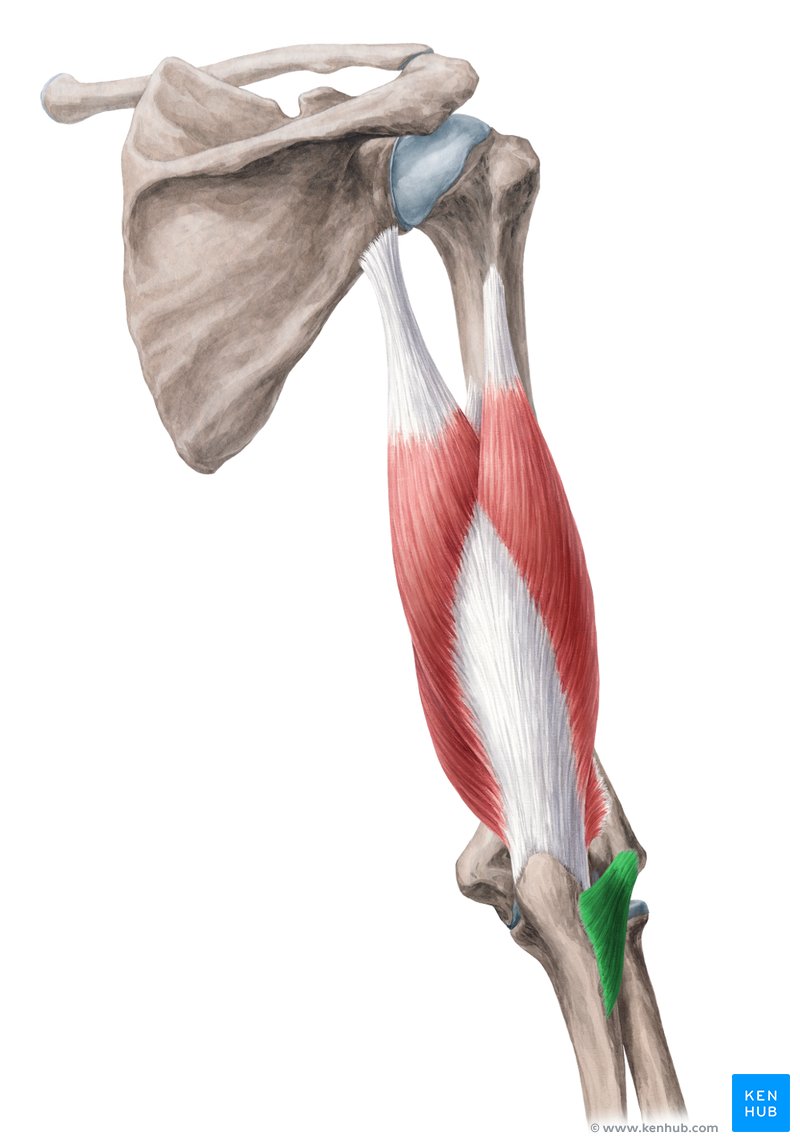
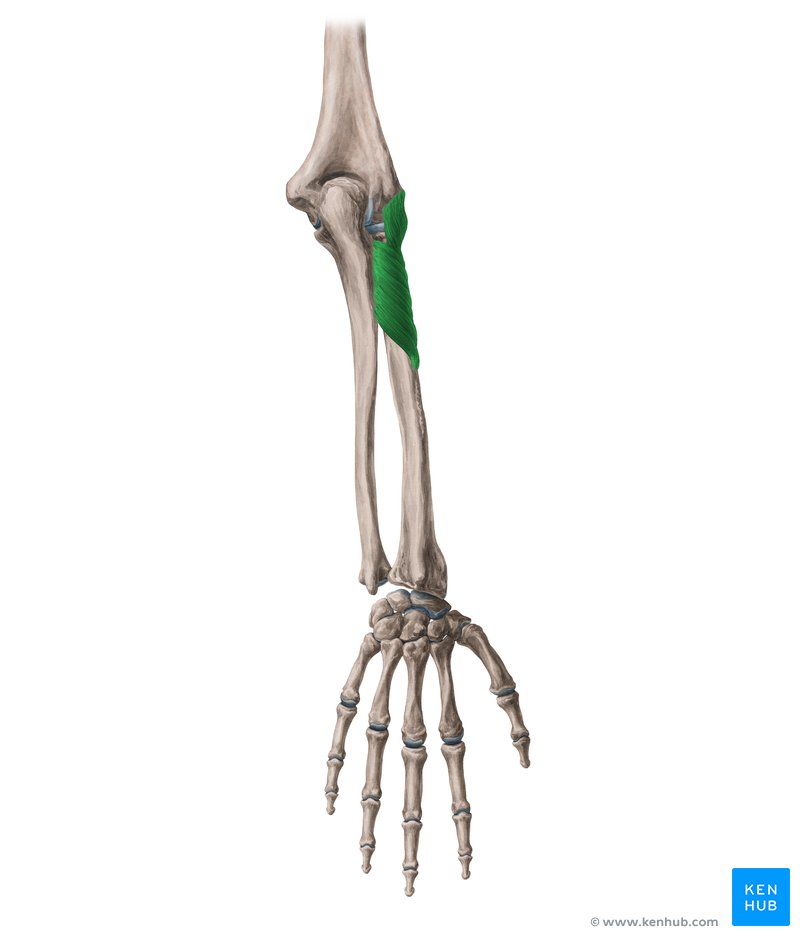
Pronator Teres
Pronation
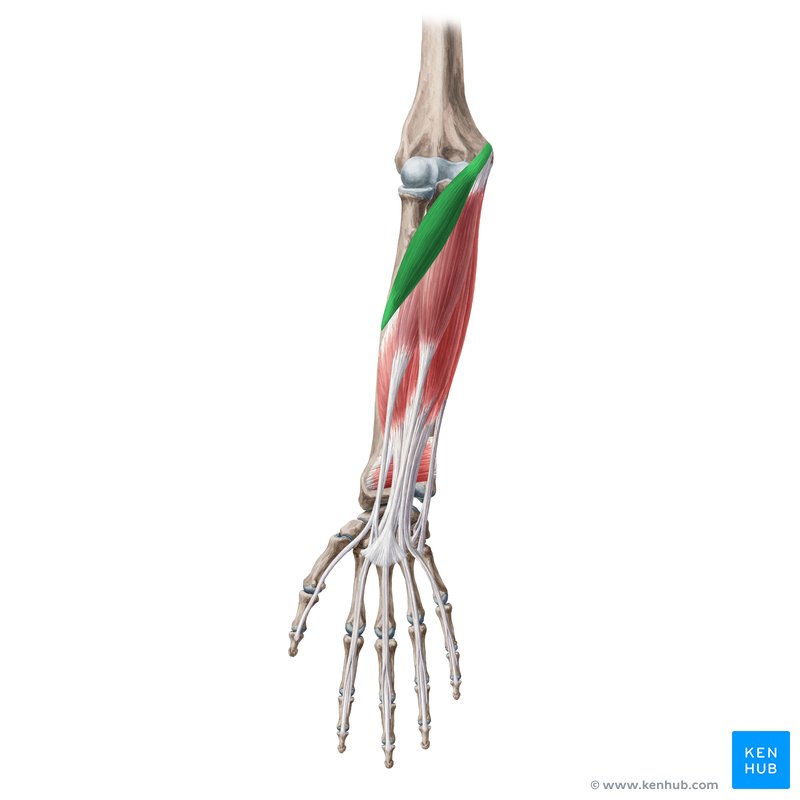
Pronator Quadratus
Pronation
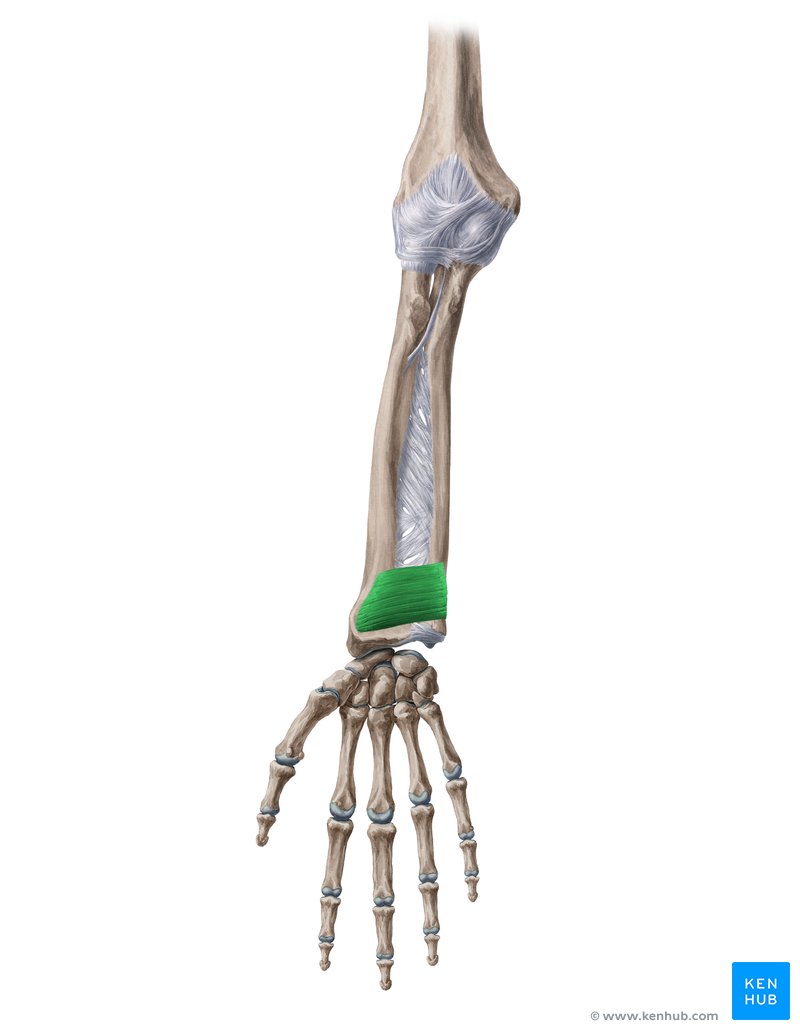
Supinator
Supination
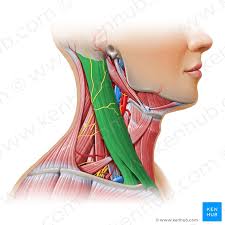
Sternocleidomastoid (SCM)
This muscle runs from the mastoid process all the way to the sternum and clavicle
This muscle individually rotates head to opposite side, but bilaterally it causes flexion
Injured area on the elbow
Tennis elbow: lateral epicondylitis; caused by forearm extensors
Golfer’s elbow: medial epicondylitis; caused by forearm flexors and pronators
Muscles on the back
Transversospinales
Intertransversarii
Interspinales
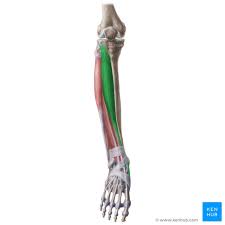
Tibialis Anterior
Muscle that causes shin splints; it does dorsiflexion and inversion
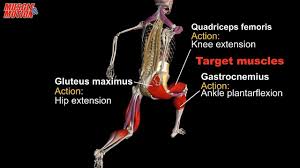
Jumping
Gluteal muscles
Hamstrings
Gastrocnemius and Soleus
Quadriceps