James IS test
 Call Kai
 Learn
Learn Practice Test
 Spaced Repetition
 Match
Match Flashcards
 Knowt Play
1/27

There's no tags or description
Looks like no tags are added yet.
Name | Mastery | Learn | Test | Matching | Spaced | Call with Kai |
|---|
No analytics yet
Send a link to your students to track their progress
28 Terms
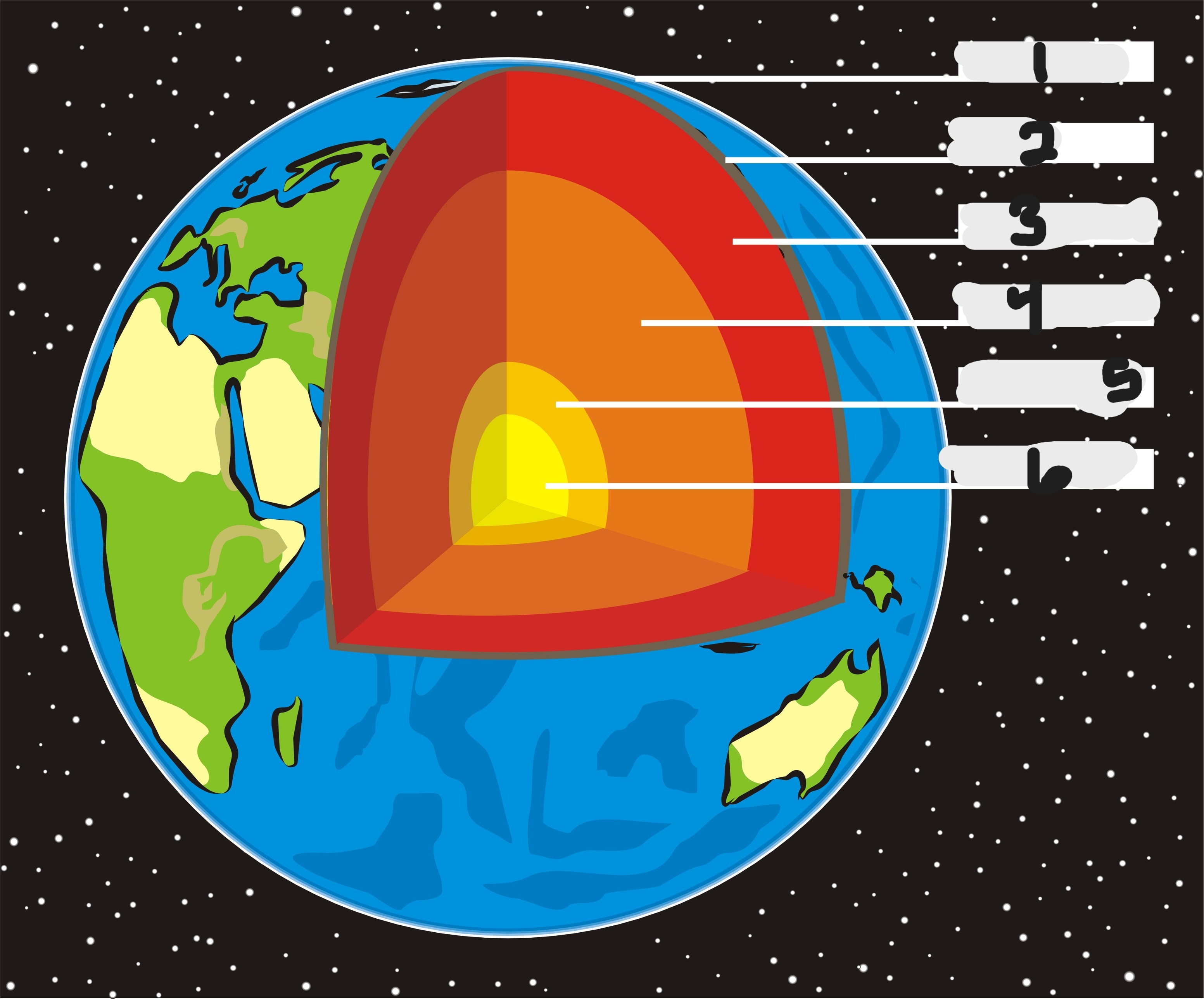
identify the layers of the geosphere
Atmosphere
crust
upper mantle
lower mantle
outer core
inner core
composition of layers of the geosphere
Inner Core- solid iron and nickel
outer core-liquid iron and nickel
mantle- iron and magnesium rich rock
crust- rocks and minerals
the state of the atmosphere with respect to heat or cold, wetness or dryness, calm or storm, clearness or cloudiness
weather
the average course or condition of the weather at a place usually over a period of years as exhibited by temperature, wind velocity, and precipitation
climate
a moderate degree of wetness especially of the atmosphere
humidity
scientific tool used to measure air pressure
barometer
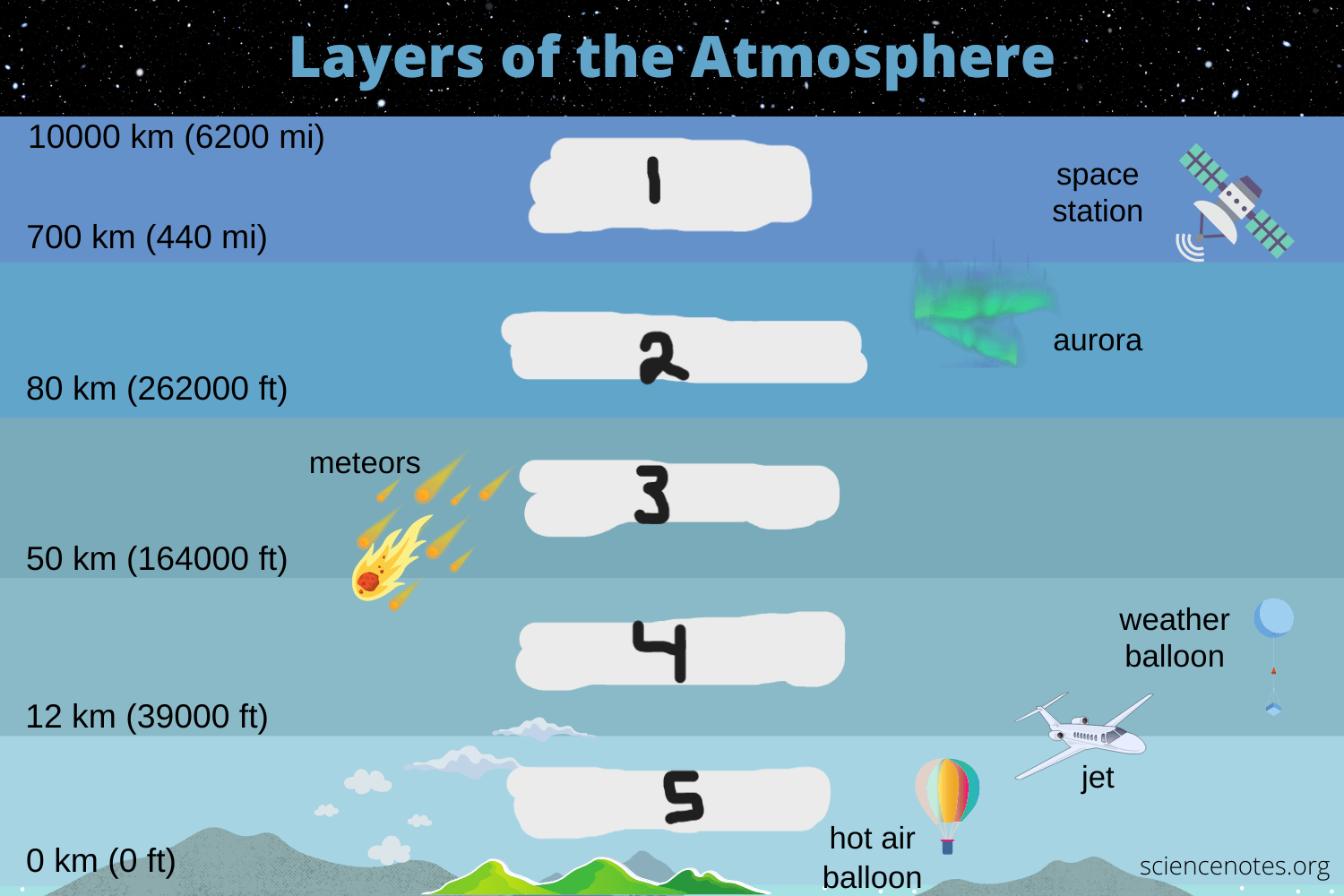
layers of the atmosphere
exosphere
thermosphere
mesosphere
stratosphere
troposphere
in which layer of the atmosphere would smog be found?
the troposphere
What layer contains the ozone layer?
The stratosphere
What is the purpose of the ozone layer?
To absorb harmful UV radiation
Gasses found in the atmosphere
Nitrogen- 78%
Oxygen-21%
Other Gasses-1%
Causes of temperature increase in the atmosphere
Greenhouse gas emissions, deforestation, the albedo effect
How is sunlight reflected and absorbed?
71% of sunlight is absorbed, causing the molecules of the object or surface it strikes to vibrate faster, increasing its temperature. This energy is then re-radiated by the Earth as longwave, infrared radiation, also known as heat.
29% of sunlight is reflected, meaning incoming solar radiation bounces back from an object or surface that it strikes in the atmosphere and is not transformed into heat
how does temperature change with height?
temperature decreases as height increases
what are the two types of earthquake waves?
body waves (primary and secondary) and surface waves (love and Rayleigh)
vibrations produced by earthquakes, explosions, or other high-energy sources that travel within the Earth or along its surface
Seismic waves
Which seismic wave cannot move through liquid?
secondary waves
the point within the Earth where the seismic activity originates
Focus of an earthquake
the point on the Earth's surface directly above the focus
Epicenter of an earthquake
instrument that records earthquakes
Seismograph
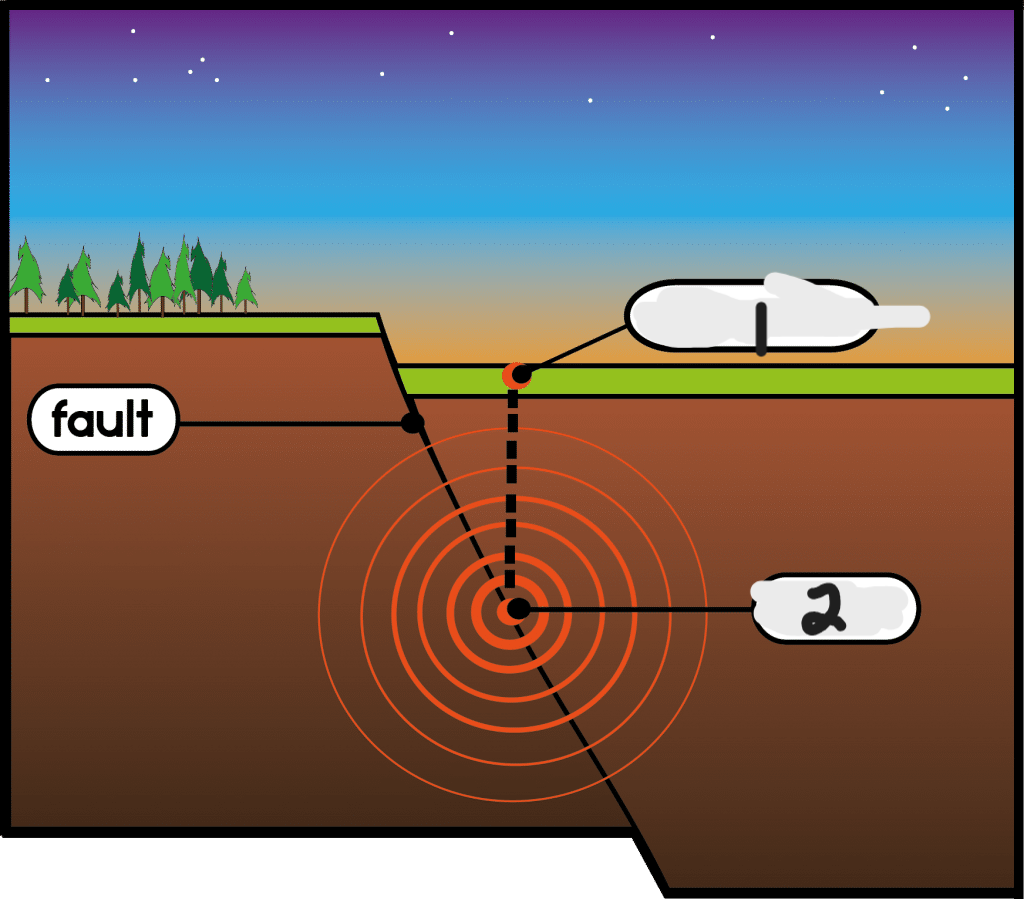
Identify the epicenter and focus of an earthquake
epicenter
focus
what is the break in rock formatin caused by stress?
fracture
what is the landmass that existed 250 million years ago?
Pangea
What evidence convinced scientists that the crust of the Earth is moving?
Seafloor spreading and magnetic striping in the ocean floor
Where is the lithosphere found?
The crust and part of the upper mantle
how do the plates of the lithosphere move?
a combination of Earth's internal heat and gravity
where is the asthenosphere?
The mantle, found right below the lithosphere