ACCOUNTING (copy)
 Call Kai
 Learn
Learn Practice Test
 Spaced Repetition
 Match
Match Flashcards
 Knowt Play
1/83

There's no tags or description
Looks like no tags are added yet.
Name | Mastery | Learn | Test | Matching | Spaced | Call with Kai |
|---|
No analytics yet
Send a link to your students to track their progress
84 Terms
capital
The financial resources available to a company for investment and business operations.
loan
A sum of money borrowed to be paid back with interest, used for various purposes such as business investments or personal expenses.
issuing shares
Selling ownership in a company to raise capital through stock.
shareholders
Individuals or entities that own shares in a company.
share capital
Funds raised by issuing shares (Selling ownership in a company to raise capital through stock) in a company.
investors
Individuals or entities that provide capital to a company in exchange for financial returns
bonds
loans that pay interest and are repaid at a fixed future date
revenue
money received over a period of time, especially for selling goods and services
expenses
the money that individuals or entities spend on something
profit
the money you earn after paying expenses
earnings
the money you get from working or selling something
net income
= profit = earnings - revenue minus the operating costs, taxes and cost of sales - čistý príjem
dividend
the money a company shares with its owners
tax
the money you pay to the government
to retain some earnings
to keep, preserve
break-even point
the point at which profits are equal to costs, verb: to break even
to make a loss
to spend more money than you earn
consumer spending
the money people (consumers) spend on goods and services
to draw up a budget
to plan your money
to budget for (the costs)
to plan money for something you will need to pay
an actual expenditure
the real money spent
to go over budget
to spend more money than planned
to be under budget
to spend less money than planned
overspending
spending too much money
Management accounting
it involves the use of accounting data by managers in order to develop strategy, make plans and decisions
Financial accounting
it includes bookkeeping and preparing financial records for shareholders and creditors
Accounting
it involves recording, keeping and checking the financial records of an organization
financial statements
the reports that show a company’s money situation / documents showing the financial position of a company, usually a balance sheet and a profit and loss account (визначення людки)
the balance sheet
shows the company’s assets, its liabilities and its capital = suvaha
assets
the things that company owns
liabilities
the money that company owes
the profit and loss account
shows the company’s revenues and expenses during a particular period, such as three months or a year
accountants
people who keep track of money
accountancy
the work or profession of keeping and managing financial records
creative accounting
using of loopholes in a financial regulation in order to present figures in a misleadingly favorable light (OR it is when companies use clever or tricky methods to make their finances look better than they really are) = window dressing
window dressing
making financial statements look good just for a short time (like for reports or investors) = creative accounting
bookkeeping
deals with the day-to-day recording of transactions / recording daily credits and debits (vedenie účtovníctva)
bookkeepers
work under accountants / an accounts clerk
auditing
involves an official examination of financial records to see that they are true and correct
fraud
monkey business
internal audit
when a company checks its own money and processes to make sure everything is correct
controllers
people who check and manage a company’s financial records
internal auditors
people who check a company’s work to make sure everything is correct and honest
external audit
when outside experts check a company’s finances
independent auditors
the outside experts who check a company’s finances and are not part of the company
to give a true and fair view
to show the real financial situation honestly and correctly
cost cutting
reducing expenses (to save money)
tax accounting
dealing with how taxes are calculated and paid correctly
to plough back profits
to put company profits back into the business instead of taking them out (to reinvest profits)
to put up funds
to provide money / finance something
to wind up
to close down a company or business (to officially end a business) / force a company to stop trading (людка)
to wipe out
to completely destroy or remove (to make something disappear or be fully lost (money, debt, business))
to write off
to cancel a debt or loss in accounting (to accept that money cannot be recovered) / abandon debts as irrevocable - not able to be reversed (odpísať)
to go under
to go bankrupt / fail
to build up
accumulate (e.g. capital, reserves, energy)
to bring about
to cause something to happen
loss-leader
a product sold at a loss to attract customers
money-spinner, a cash cow
something very profitable
to work out
to calculate
current assets
assets that can be easily turned into cash (e.g. goods in shops or in warehouses, finished products, stocks/inventory, receivables (pohľadávky = accounts receivable) , raw-materials....)
intangible assets
it is difficult to turn these assets into cash and they are difficult to value , e.g. goodwill, trademarks , patents, copyrights
net assets
(owner's equity,or shareholders equity - vlastné imanie) = ASSETS MINUS LIABILITIES, = basic accounting equation. Net assets include: share capital (money from the issue of shares), share premium (money from selling shares above their nominal value), company reserves (retained profit)
overheads
(not related to particular products or services), e.g. rent, heating, lighting, electricity, gas, petrol, phone bills, etc.
funds flow statement
shows flow of cash in and out between balance sheet dates sources of funds: (money into a company) e.g. sales of assets, borrowings, trading profits, issuing of shares application of funds: (what you spend money on) e.g. purchasing of assets, payment of dividends, loans repayment
double-entry bookkeeping
all transactions are entered as a credit in one account and as a debit in another journals (- books of prime/first entr, day books= účtovné denníky)
ledgers
a book of final entry vouchers (hlavna kniha) - receipts - any documents proving that your accounts are correct trial balance - skúška podvojnostia way of checking that a set of accounts is correct, accurate
remuneration
journals
books of of prime/first entr, day books= účtovné denníky
day-to-day recording of transactions
equities
Ownership shares in a company, representing a claim on assets and earnings.
embezzlement
deceitful behavior in order to have some personal gains
tangible assets / tangibles
assets in a material, physical form and that can be turned into cash and easily valued : cash, cheques, securities..
debtors
accounts receivable
creditors
accounts payable
receivables
money that your clients / customers owe to you, they have to repay to you for the goods or services that have not been paid yet
payables
money that a business/company owes/has to pay
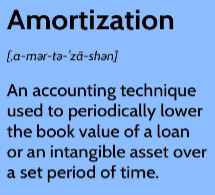
depreciation
amortization
overheads
operating costs, ongoing expenses on operating a business
stock
= inventory (US English) = finished products, value of raw materials, work in progress
debits
payments made are entered on the left hand side (debtors)
credits
payments received are entered on the right hand side (creditors)
trial balance
testing if both the sides (debit, credit) of an account book match
a voucher
evidence on financial transaction
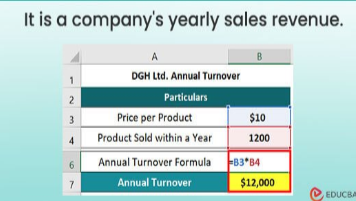
annual turnover