20th century
 Call Kai
 Learn
Learn Practice Test
 Spaced Repetition
 Match
Match Flashcards
 Knowt Play
1/63

There's no tags or description
Looks like no tags are added yet.
Name | Mastery | Learn | Test | Matching | Spaced | Call with Kai |
|---|
No analytics yet
Send a link to your students to track their progress
64 Terms
Belle Époque (1890–1914)
A period of peace in Europe when culture, art, fashion, and music flourished, centered in Paris
Paris Fashion Leadership (1900s)
Paris designers led global fashion, including Paul Poiret, Jeanne Paquin, Callot Soeurs, and Maison Worth/Lacroix
Edwardian Era
Early 20th-century period following the death of Queen Victoria
Technological Advancements (Early 1900s)
Telephones, cable cars, and trolleys increased communication and travel
Economic Shift (Early 1900s)
Transition from agrarian society to manufacturing, retailing, and commerce
American Consumerism
Rise of a consumer-driven economy in the United States
Changing Roles of Women (Early 1900s)
Increased workforce participation and access to higher education
Ready-to-Wear (RTW) Industry
Mass production of clothing making fashion more accessible
Department Stores
Influential retail spaces that transformed shopping experiences
Shirtwaist
A popular women’s blouse symbolizing working women and early reform
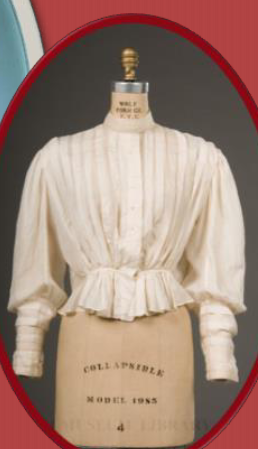
Triangle Shirtwaist Fire (1911)
Factory fire that led to major labor and safety reforms
Titanic Era (1910–1912)
Soft, feminine fashion with ruffles and S-shaped silhouette
Paul Poiret (1879–1944)
Parisian designer who revolutionized women’s fashion
Paul Poiret Early Career
Worked for Jacques Doucet and sold 400 copies of a red cap design
Poiret Fashion House (1903)
Opened his own house after being considered too modern
Poiret’s Key Innovation
Eliminated the corset from women’s fashion
Dropped Waistline
Lowered the waist to the hips
Natural Bustline
Restored the bust to its natural position
Tunic Popularization
Introduced tunics into mainstream fashion
Turbans Trend
Popularized headwraps as a defining accessory
Harem Pants
Modified skirts narrowed at the ankle
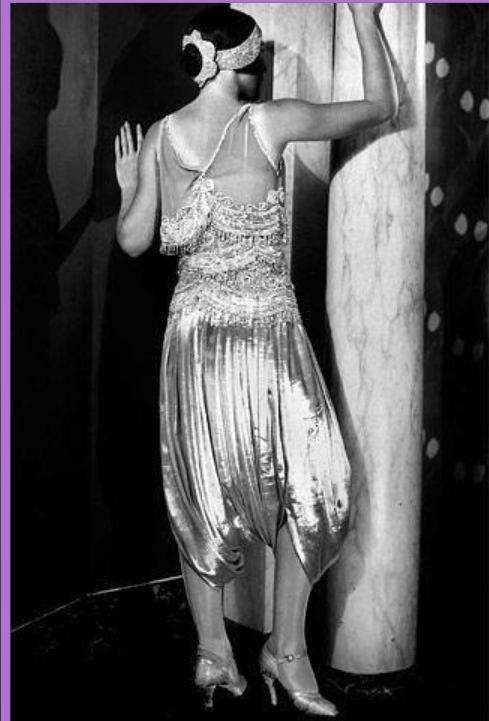
Poiret Fabrics & Colors
Used chiffon, velvet, gauze, crepe, and bold colors
Kimono-Inspired Coats
Designs influenced by Asian garments
“1002 Arabian Nights” Party
Lavish themed event influencing fashion and culture
Les Parfums de Rosine
First couturier perfume line named after his daughter
École Martine
Poiret’s interior design school
1920s Post-WWI Era
Period of prosperity and major social change
Fashion Trends (1920s)
Rapid changes for women; stability for men
Technology (1920s)
Rise of automobiles and motion pictures
Textile Production Evolution
Shift to ready-to-wear and mail-order systems
Cross-Cultural Influences
Increased global inspiration in fashion
Freud’s Influence
Greater openness about sexuality and psychology
Women’s Social Changes (1920s)
Women smoked, drank, and socialized freely
F. Scott Fitzgerald Era
Represented romanticism and cynicism of the 1920s
Hemline Changes (1920s)
Postwar ankle length to mid-calf by late 1920s
Flappers
Young women embracing rebellious behavior and modern fashion
Flapper Style
Knee-length skirts, bobbed hair, heavy makeup
Flapper Behavior
Drinking, smoking, driving, and casual attitudes toward sex
Flappers’ Cultural Role
Icons of modern femininity and social change
Men’s Fashion (1900–1919)
Shift from frock coats to modern suits
Ditto Suit
Three-piece suit symbolizing business professionalism
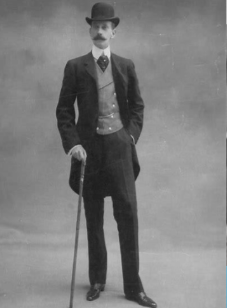
Detachable Collars
Starched white collars worn separately from shirts
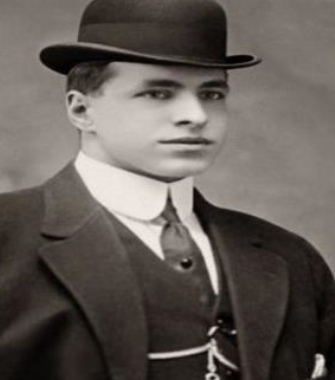
Simplification of Men’s Style
Lighter fabrics and simpler suit separates
Single-Breasted Jacket
Narrow lapels, high buttons, paired with straight trousers
Men’s Shirts (Early 1900s)
Pastel or striped shirts with club collars and ties
1920s Men’s Fashion Shift
Jazz Age introduced bolder styles and patterns
Jazz Age Influence
Postwar optimism reflected in fashion and lifestyle
Knits (1920s)
Colorful sweaters, vests, and socks
Bow Ties (1920s)
Popular men’s accessory
Attached Collars (Mid-1920s)
Softer shirts replaced detachable collars
Color Expansion (1920s)
Brighter colors replaced traditional white shirts
Men’s Hats (1920s)
Panama, boater hats, and felt fedoras
Automobile Influence (1920s)
Cars increased popularity of driving caps
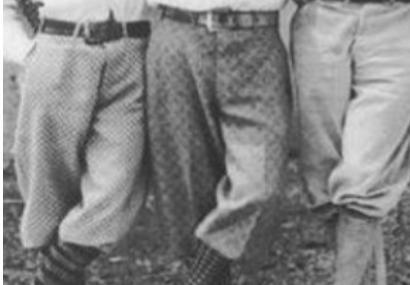
Knickerbockers
Knee-length casual trousers
1950s Postwar Conformity
Conservative dress reflecting corporate culture
Man in the Gray Flannel Suit
Symbol of 1950s business conformity
1950s Business Style
Slimmer ties, smaller collars, fewer double-breasted suits
Head of Household Ideology
Men as primary breadwinners and authority figures
Greasers
Working-class rebellious youth subculture
Greaser Style
Greased-back hair and tough appearance
Greaser Influences
Popularized by Elvis Presley, Marlon Brando, James Dean
1960s Men’s Fashion
More expressive and androgynous styles
1960s Style Elements
Longer hair, bright colors, paisley, velvet, puffy sleeves
Men’s Accessories (1960s)
Silk scarves and jewelry became fashionable