Earth and Space Test 3 (2/2)
 Call Kai
 Learn
Learn Practice Test
 Spaced Repetition
 Match
Match Flashcards
 Knowt Play
1/36

Earn XP
Description and Tags
27 Maret 2026
Name | Mastery | Learn | Test | Matching | Spaced | Call with Kai |
|---|
No analytics yet
Send a link to your students to track their progress
37 Terms
Fluctuations of climate are normal
Ice ages and warm period have occurred before
Current temperatures are slightly … than ever observed
Higher
Good points are made throughout the chapter, but interpretation of data is shaped by ..
Worldview
Climate data is often misconstructed to …
Push agendas, climate activism is not the answer
…% of the earth is covered by water
70%
Continental shelf
A general (gradual) sloping of the ocean bottom from the shore
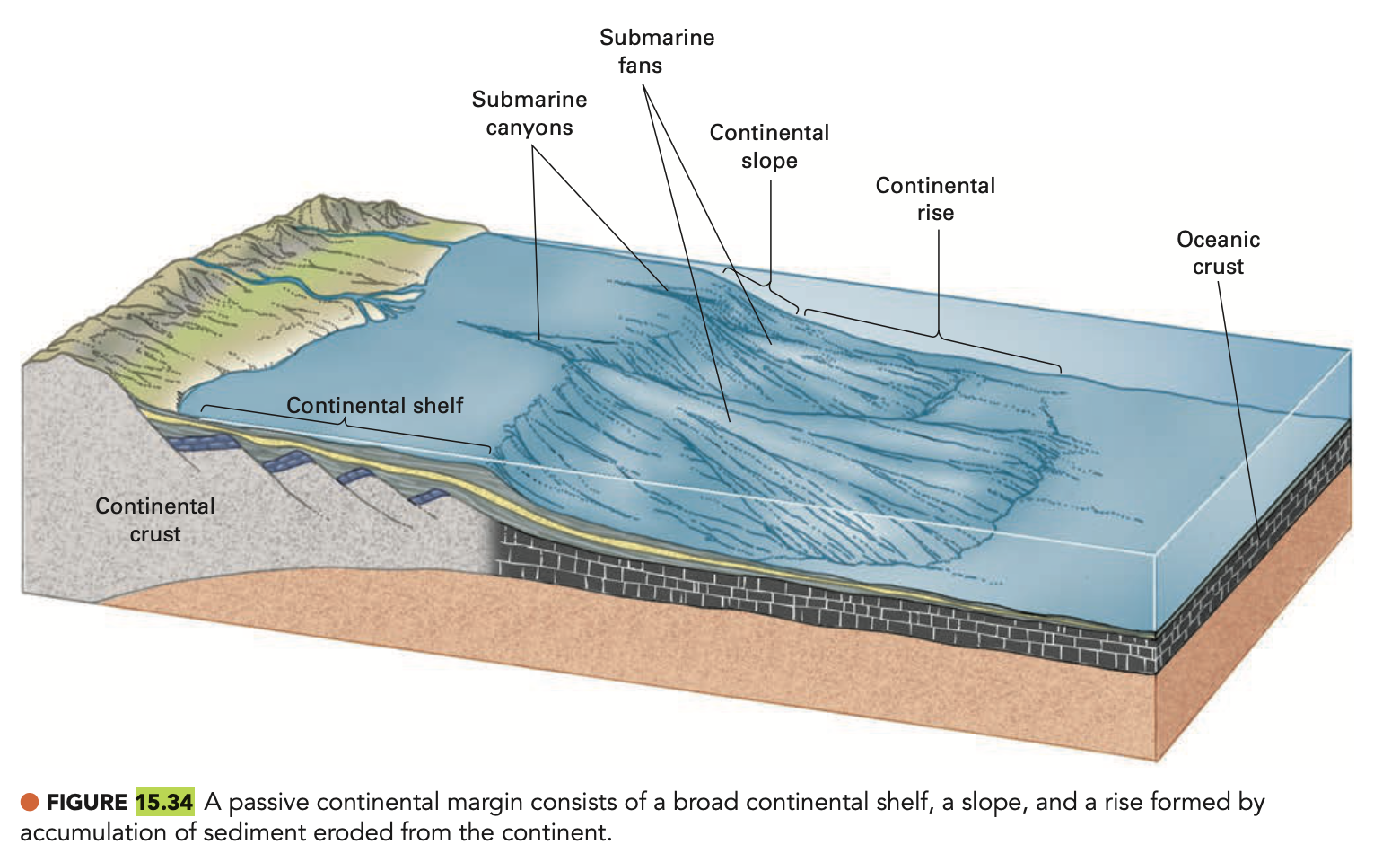
Continental slope
A steel from off from the continental shelf around 2 km offshore
Continental rise
An accumulation of debris at the end of the slope
Abyssal plain
The flat ocean floor
The abyssal plain averages … deep
3.7 km (2 miles)
Found in abyssal plain
Ocean ridges (underwater mountain)
Trenches
Cast amounts of earth’s water is…
Seawater
Most freshwater is in the form of …
Glaciers
Tsunamis
Massive ocean waves created by earthquakes displacing water
Wave shoaling
wave heights increases as the wave’s energy is compressed into a vertical space
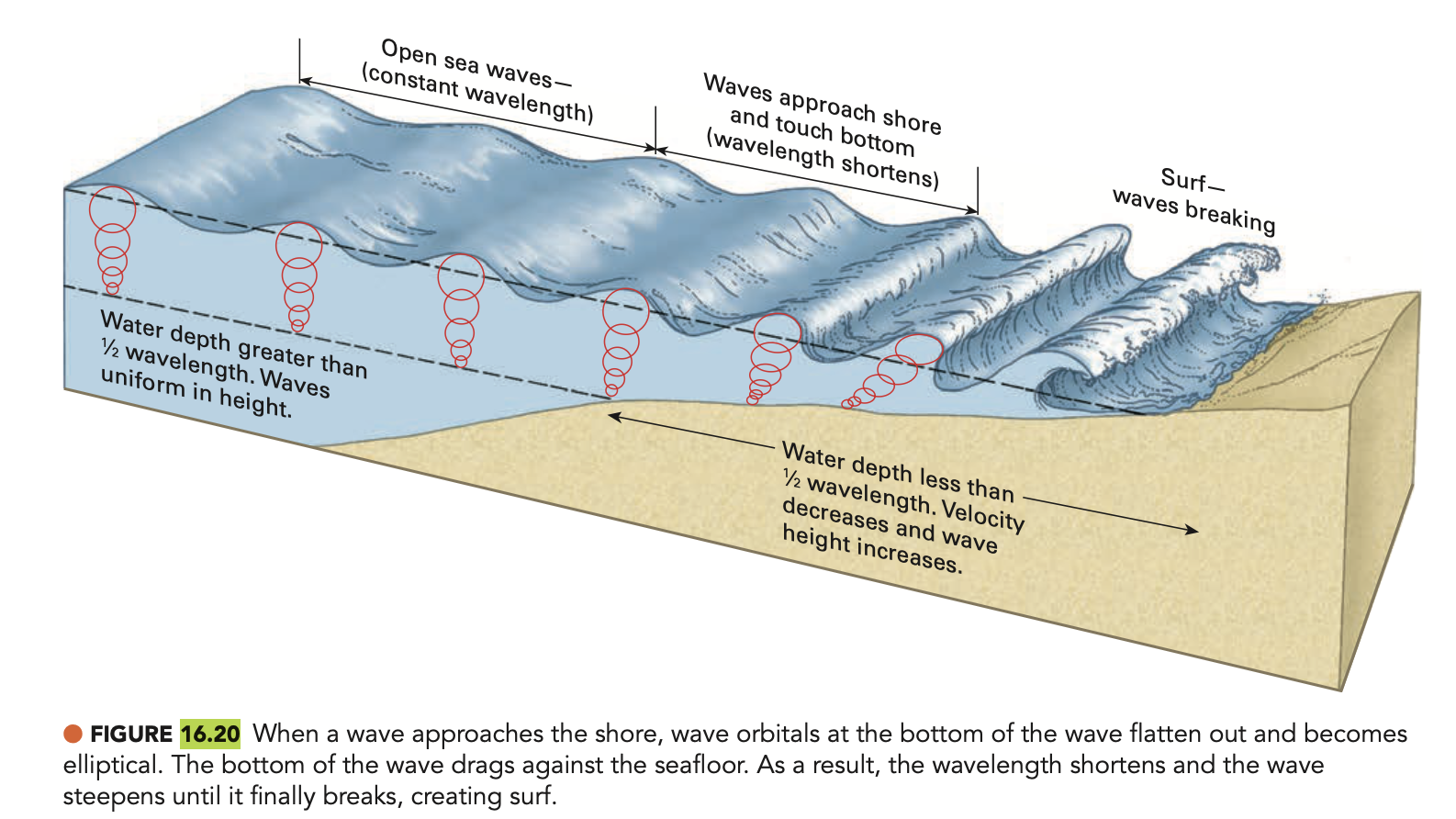
Waves
Rhythmic motions that transfer energy
Breaks
Wave collapses forward
Surf
Foaming eater left from a wave breaking along a shore
Ocean currents
movement of the water
2 types of ocean currents
Surface currents
Deep-sea Currents
Surface currents are driven by …
The wind
Example of a surface current
Rip current
Rip current (surface currents)
A narrow, fast current of water that moves directly away from the beach
Deep-sea currents are driven by
Thermohaline circulation
Upwelling
Thermohaline circulation (deep-sea currents)
salty water = dense = sink
cold water= not much energy = molecules close together = sink
Upwelling (deep-sea currents)
The upward flow of water
Tides
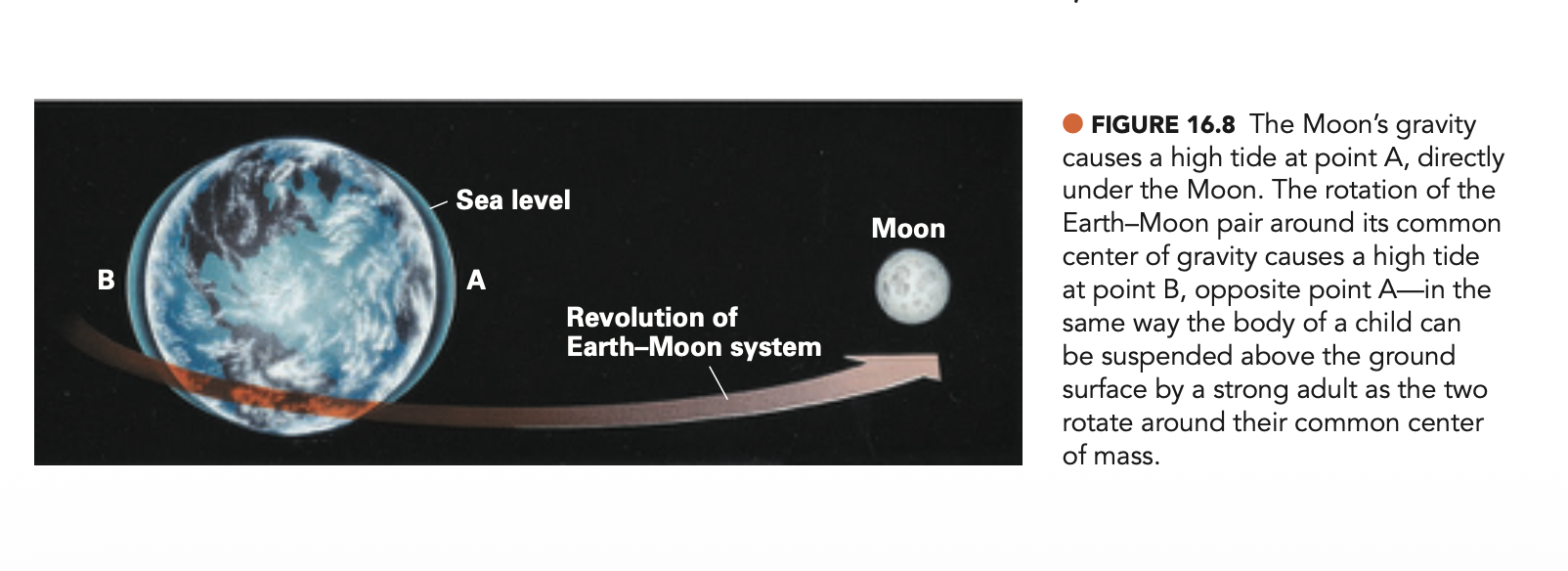
The periodic rise and fall of ocean waters produced by gravitational attraction
Primary cause of tides
The moon
2.5 times stronger where the moon is
wherever the moon is, the high tide will be there and also the direct opposite side of the earth
2 types of tides
Spring tide
Neap tide
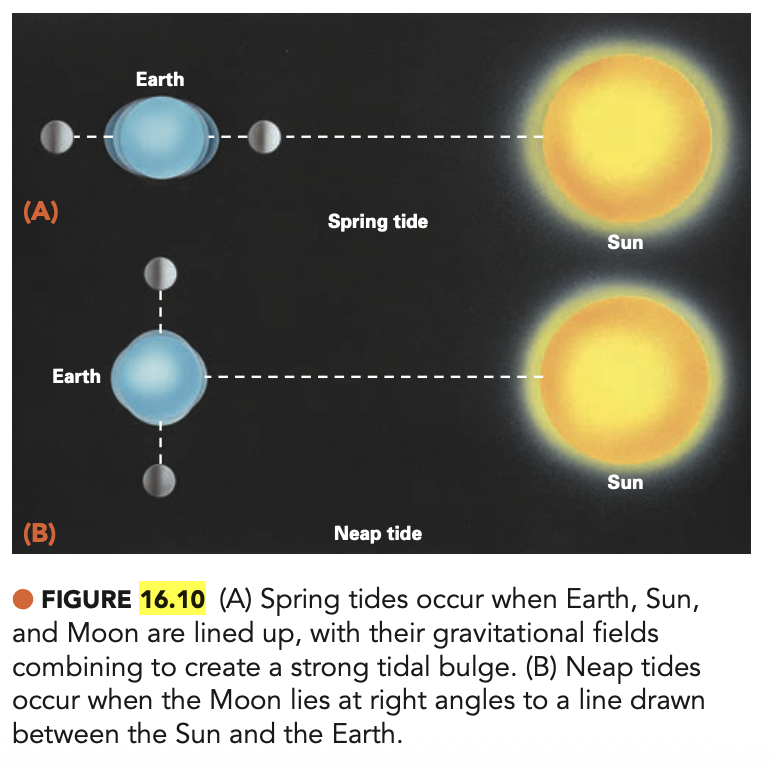
Spring tides
More pronounced tides (high highs and low lows)
full moon
Neap tides
Less pronounced tides
half moon
Equatorial current
Water driven by the trade winds near the equator
Gyres
Massive whirlpools flowing in each of the oceans (circular current)
Father of ocean currents
Maury
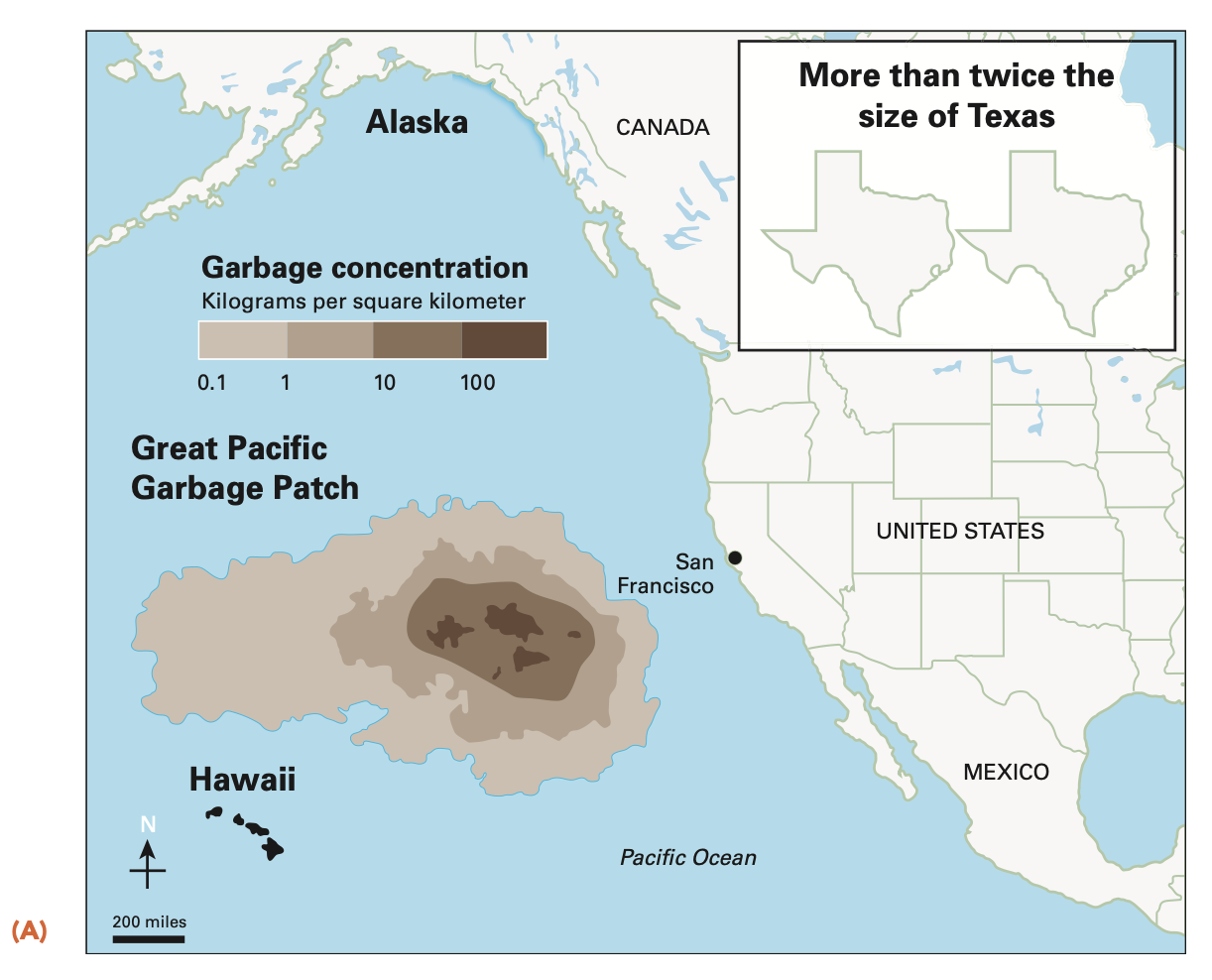
Garbage pactches
Garbage that collects in the center of the gyres
Gulf stream
Part of the North Atlantic gyre that keeps the eastern shore and the British Isles warmer
California currents
Cold current from the Pacific gyre