African American art exam
 Call Kai
 Learn
Learn Practice Test
 Spaced Repetition
 Match
Match Flashcards
 Knowt Play
1/33

There's no tags or description
Looks like no tags are added yet.
Name | Mastery | Learn | Test | Matching | Spaced | Call with Kai |
|---|
No analytics yet
Send a link to your students to track their progress
34 Terms
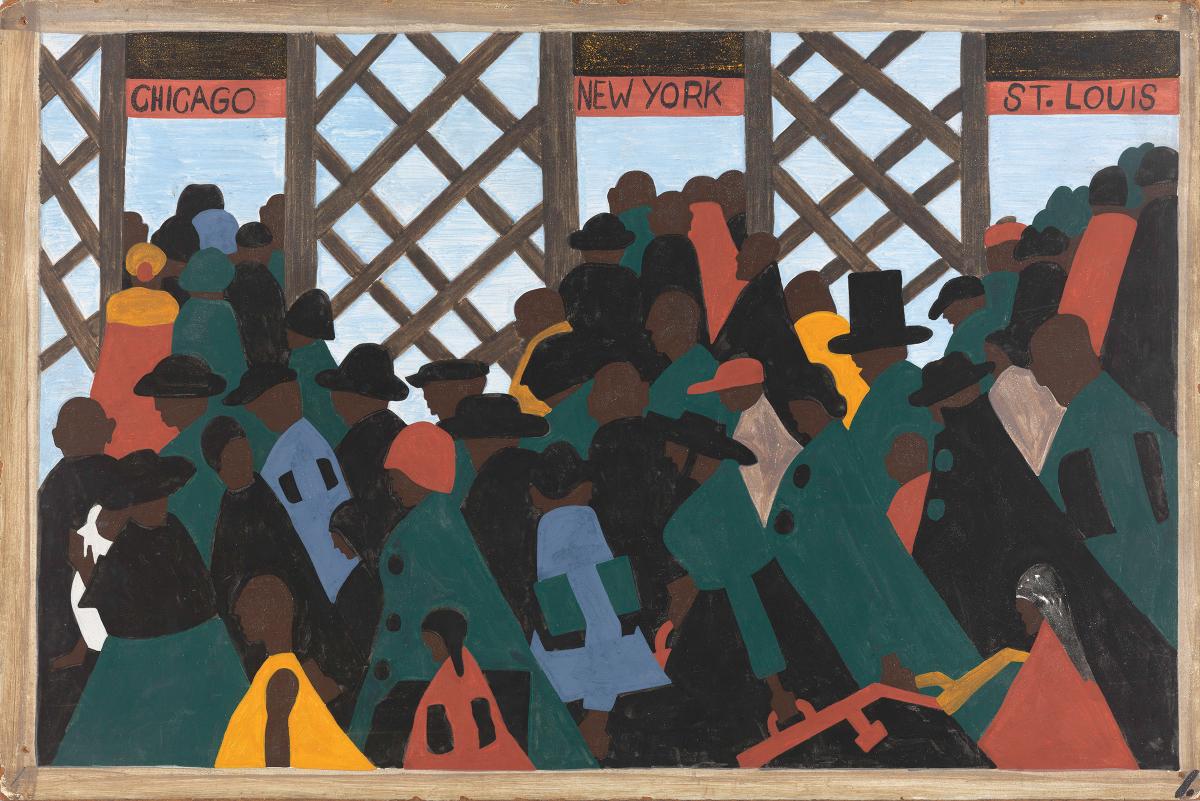
title, artist, and date?
“During Wold War I, there was a great migration north by southern African Americans” (The Migration Series) Jacob Lawrence, 1940-41(60 works in the complete series)
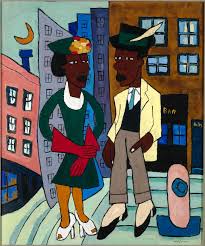
title, artist, and date?
Street Life, William H. Johnson, 1939-1940
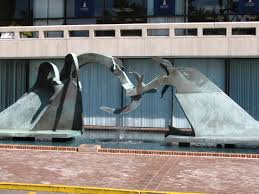
title, artist, and date?
A Bridge Across and Beyond, Richard Hunt, 1978
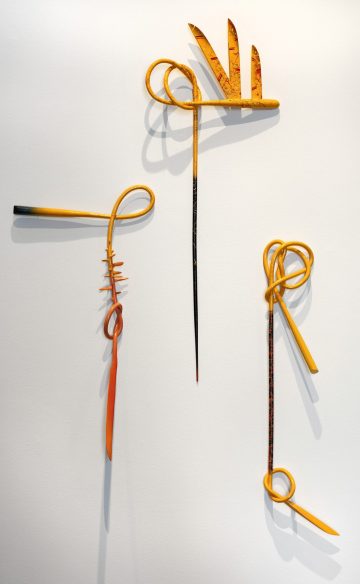
title, artist, and date?
Butterfly Pin-up, John Scott, 1978
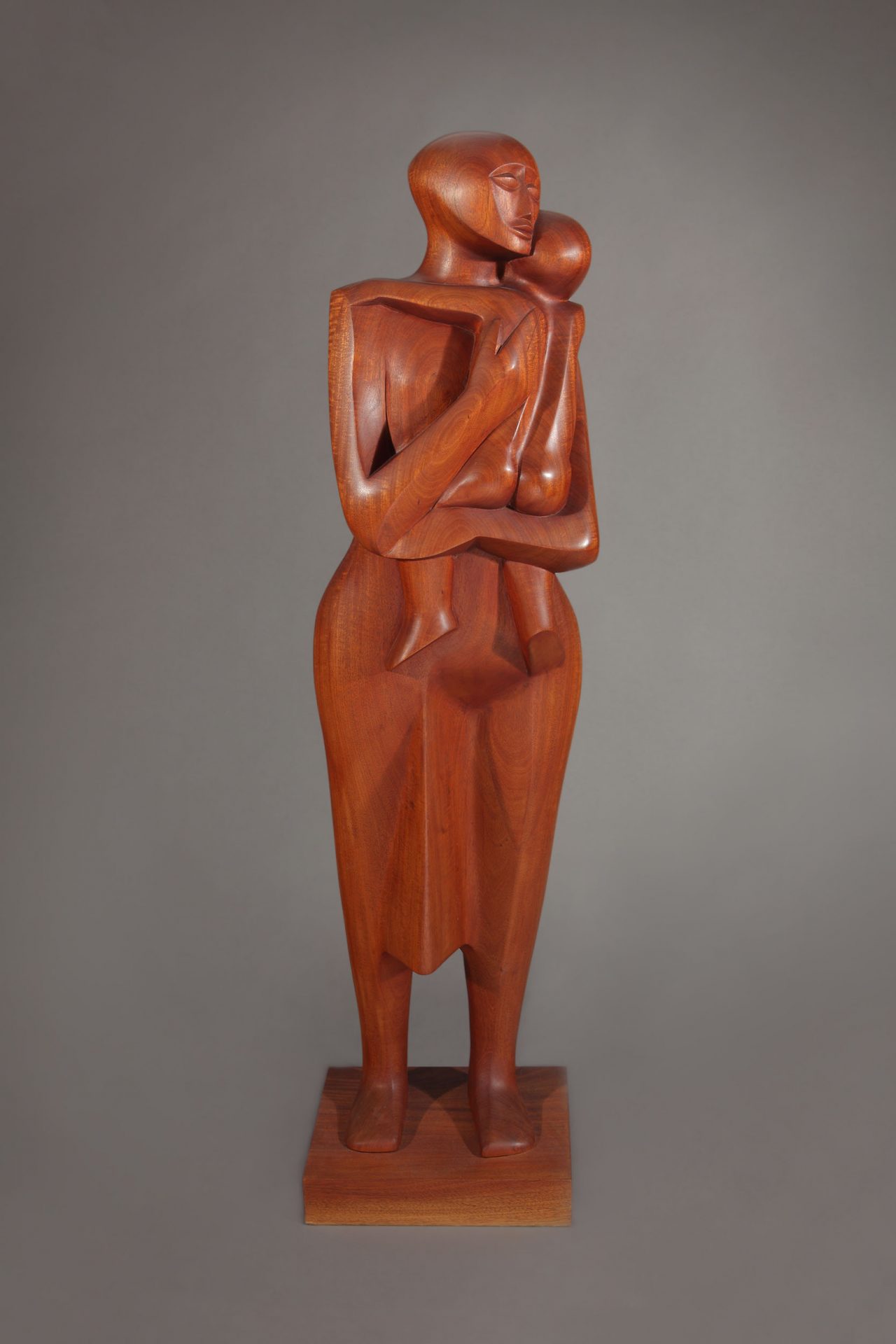
title, artist, and date?
Mother and Child, Elizabeth Catlett, 1993
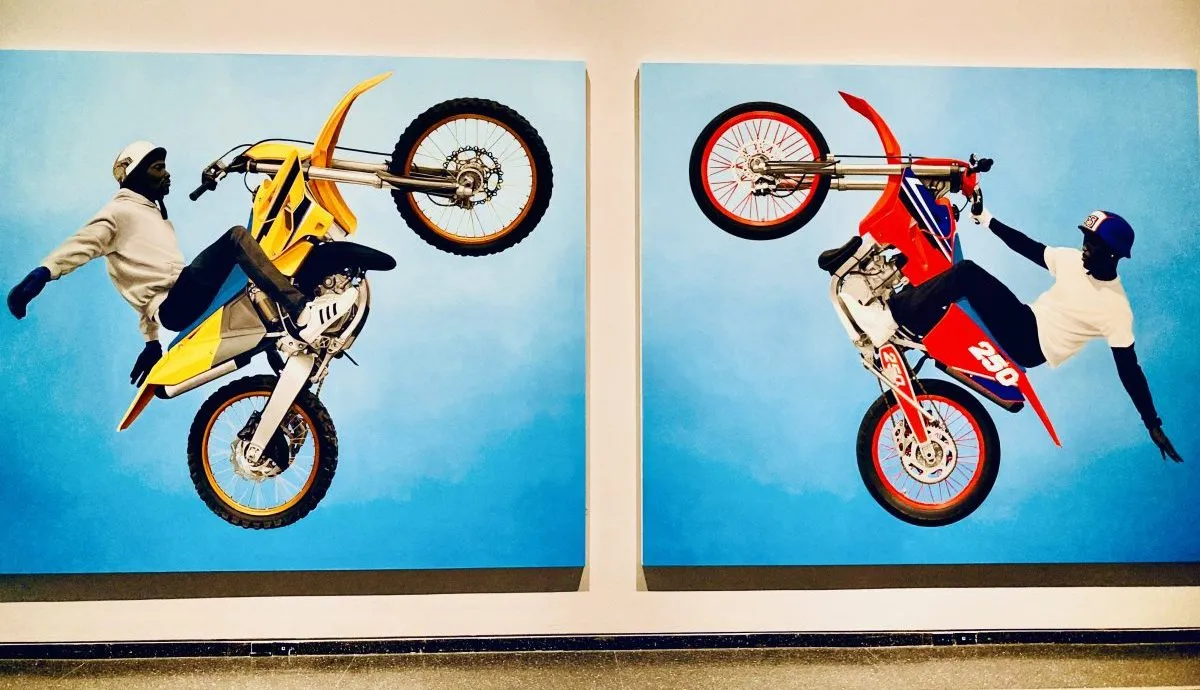
title, artist, and date?
Deliverance, Amy Sherald, 2022
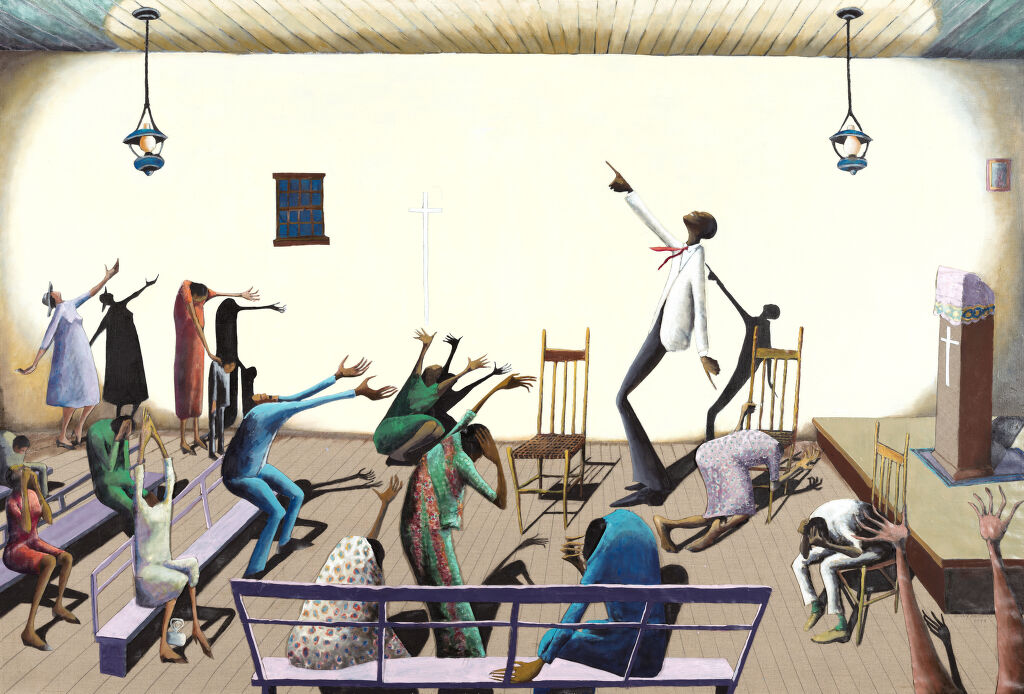
title, artist, and date?
Revival, Benny Andrews, 1994
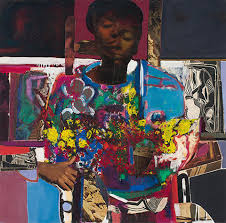
title, artist, and date?
Woman with the Flowers, David Driskell, 1972
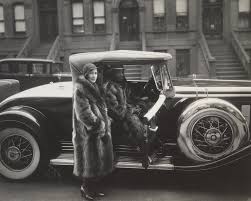
title, artist, and date?
Couple with the Raccoon Coats, James Van der Zee, 1932
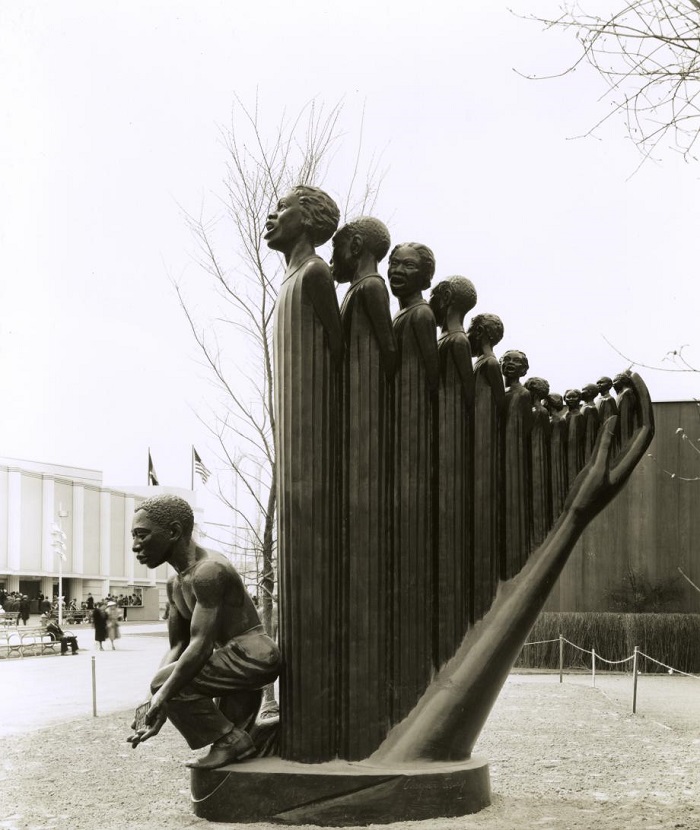
title, artist, and date?
The Harp, Augusta Savage, 1939 (Commissioned for the World’s Fair)
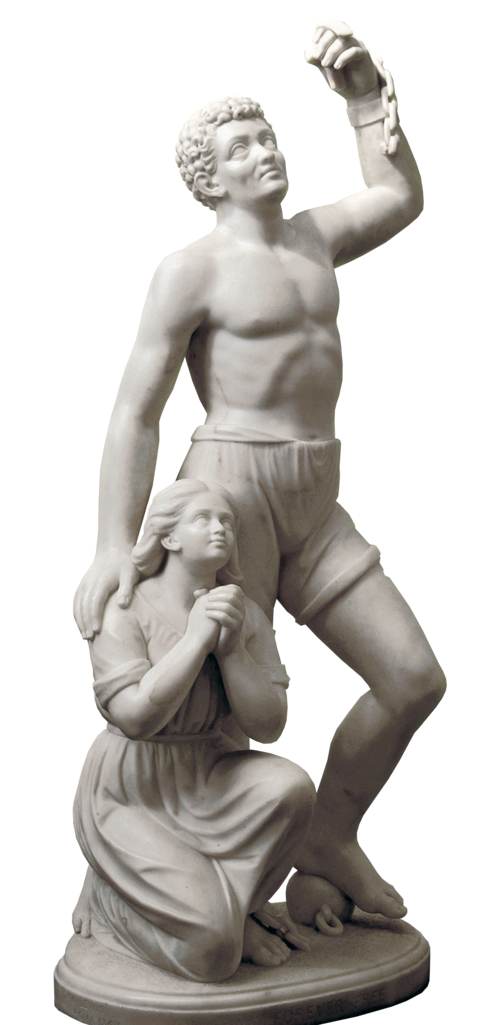
title, artist, and date?
Forever Free, Edmonia Lewis, 1867
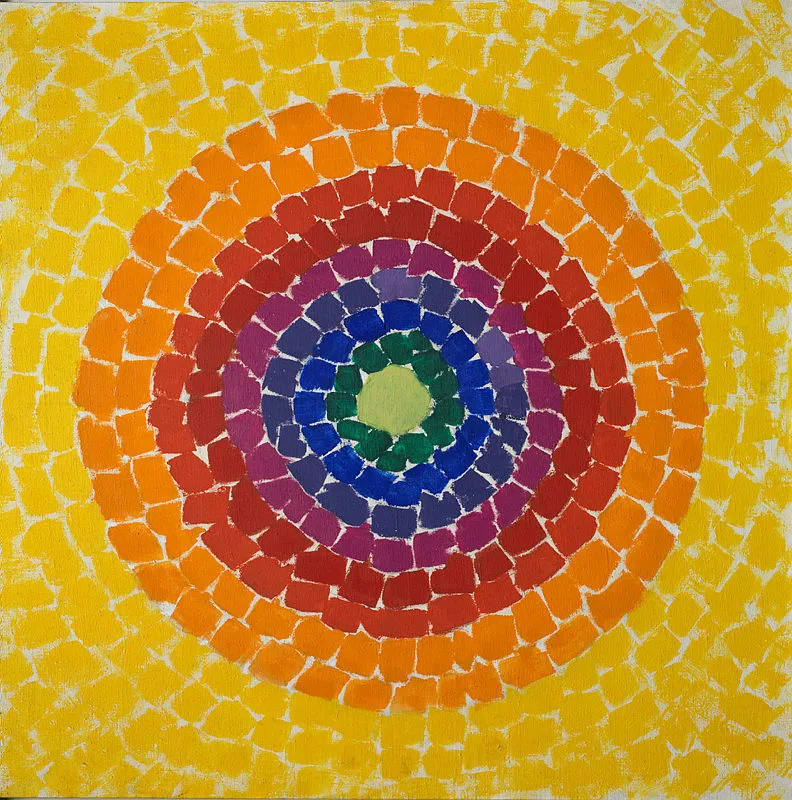
title, artist, and date?
Resurrection, Alma Thomas, 1966
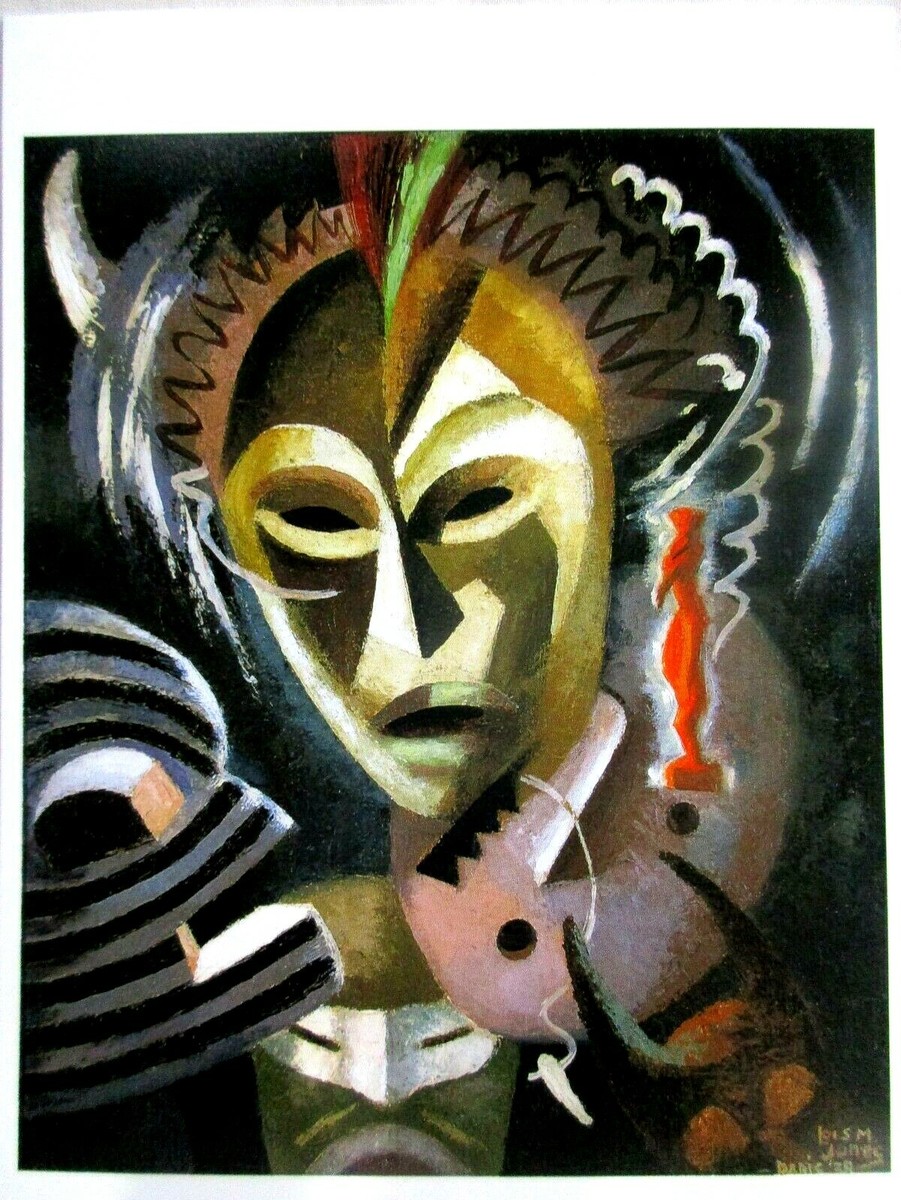
title, artist, and date?
Les Fétiches, Loïs Mailou Jones, 1938
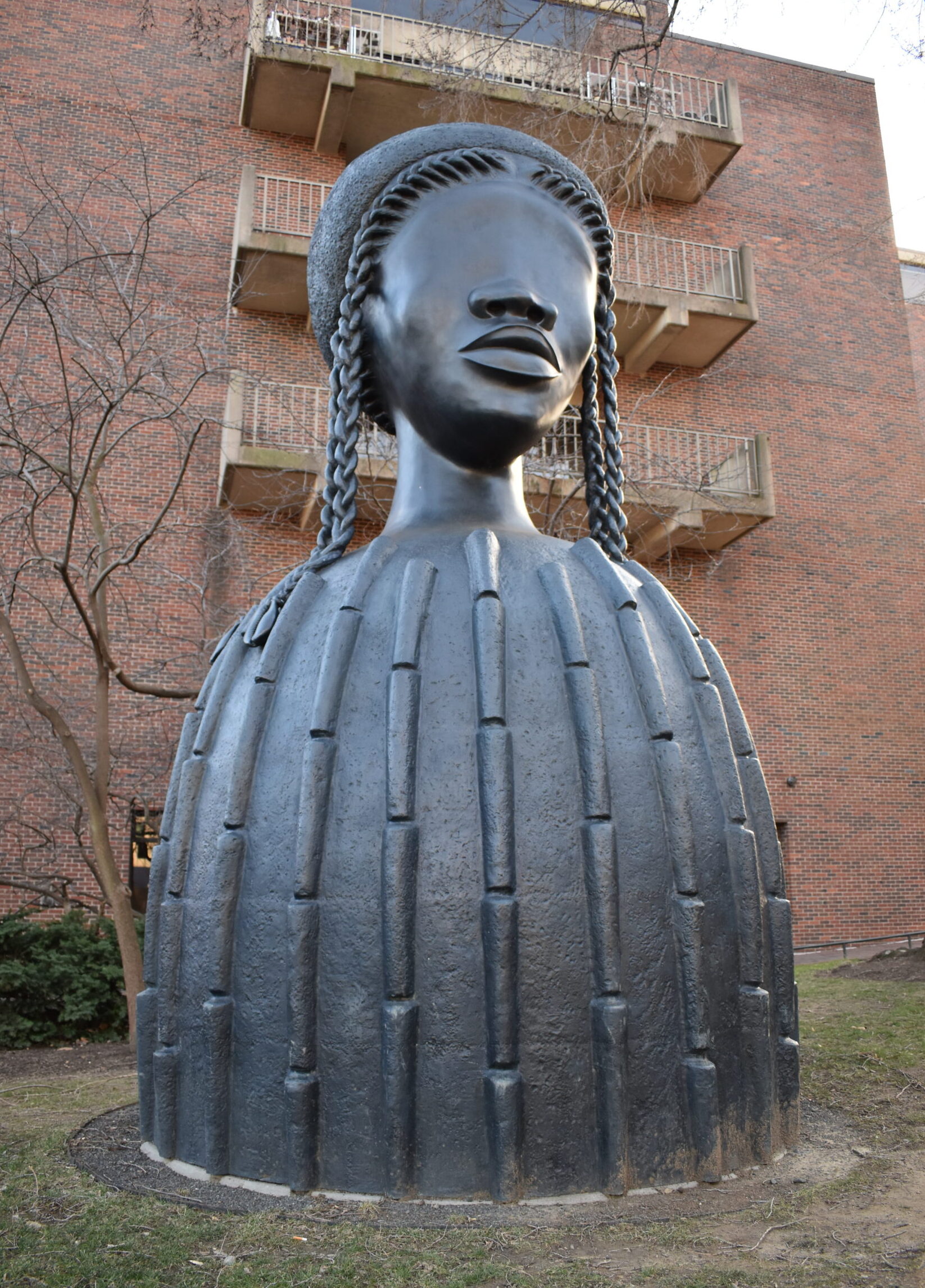
title, artist, and date?
Brickhouse, Simone Leigh, 2019
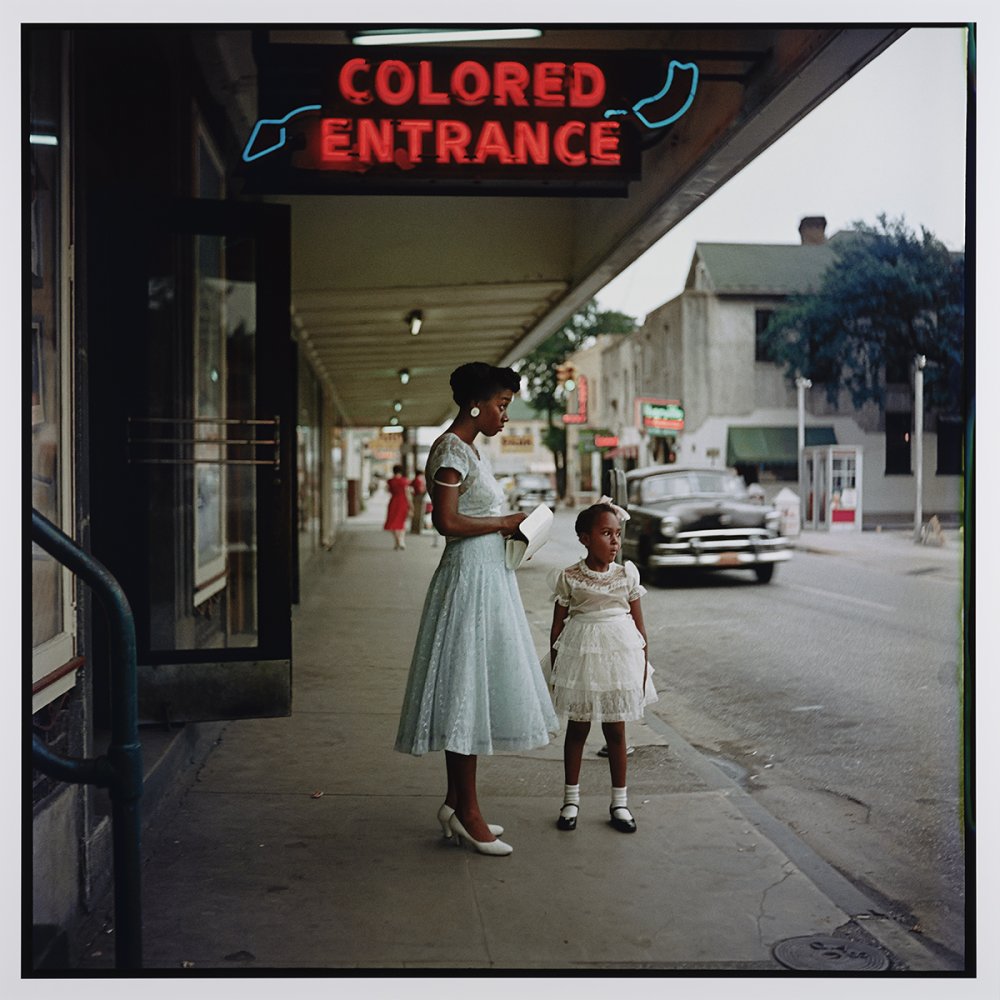
title, artist, and date?
Segregation Story, Department Store, Mobile, Alabama, Gordon Parks, 1956
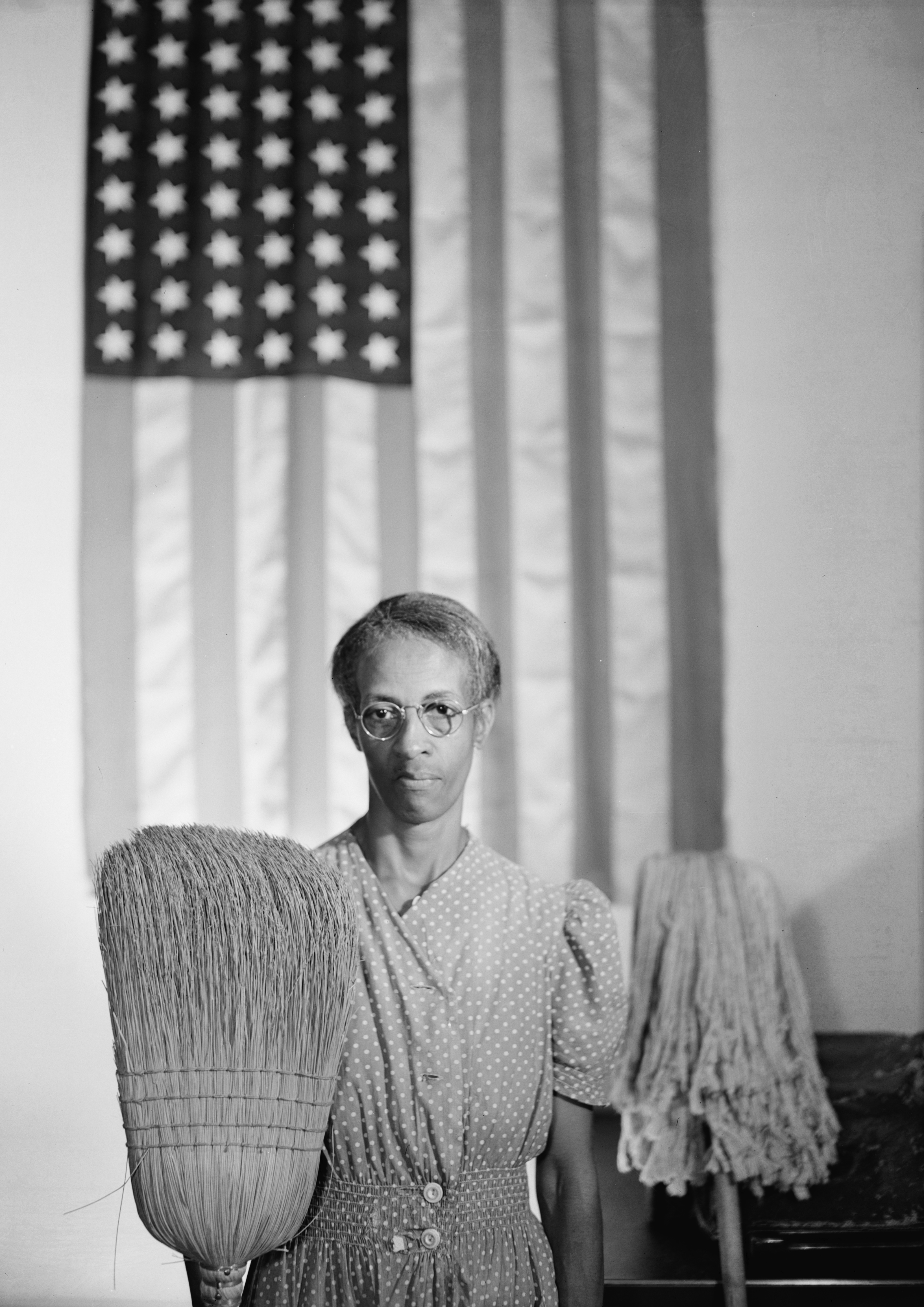
title, artist, and date?
American Gothic, Gordon Parks, 1942
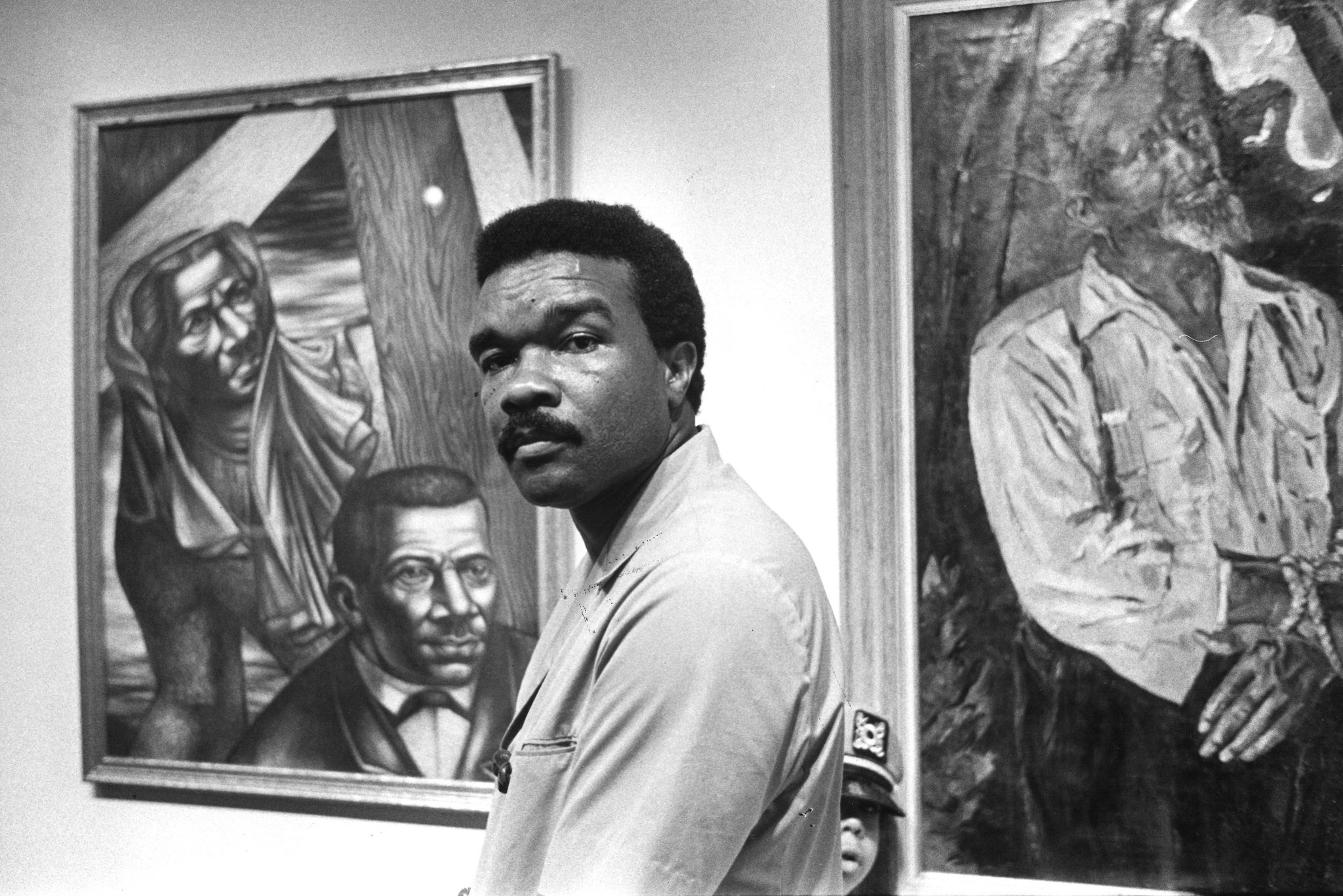
who is this artist? what did he curate and when? Why is this significant?
David Driskell, Curator of “Two Centuries of Black American Art,” 1976
This is significant because this is the first national exhibition of black American art presented by a black American curator.
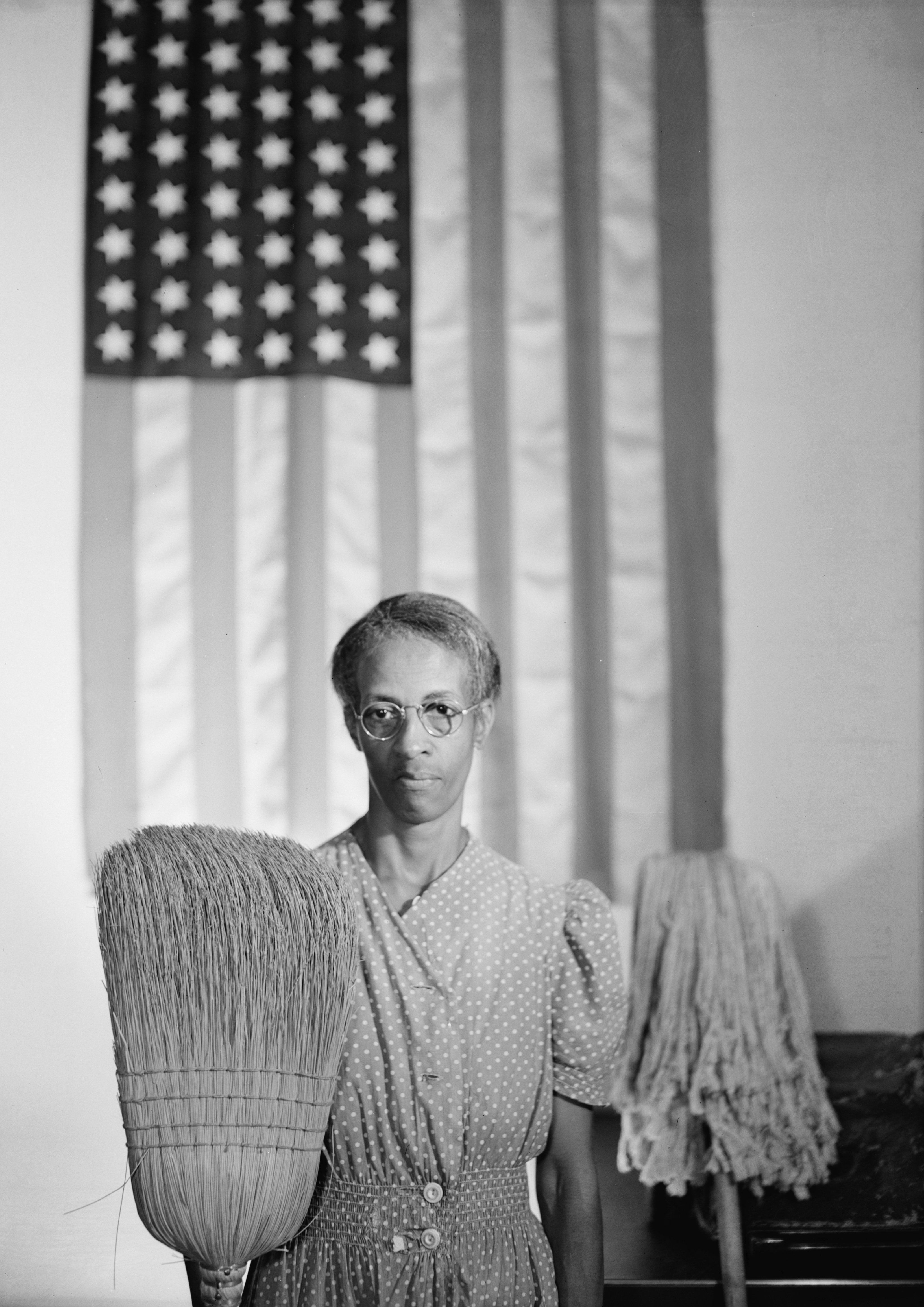
American Gothic, Gordon Parks, 1942 notes and analysis
A photograph of a Black woman holding a mop and broom in front of an American flag, referencing American Gothic. Parks critiques American ideals by contrasting patriotism with the lived reality of Black domestic workers. The work exposes racial inequality and challenges who is included in the “American” identity.
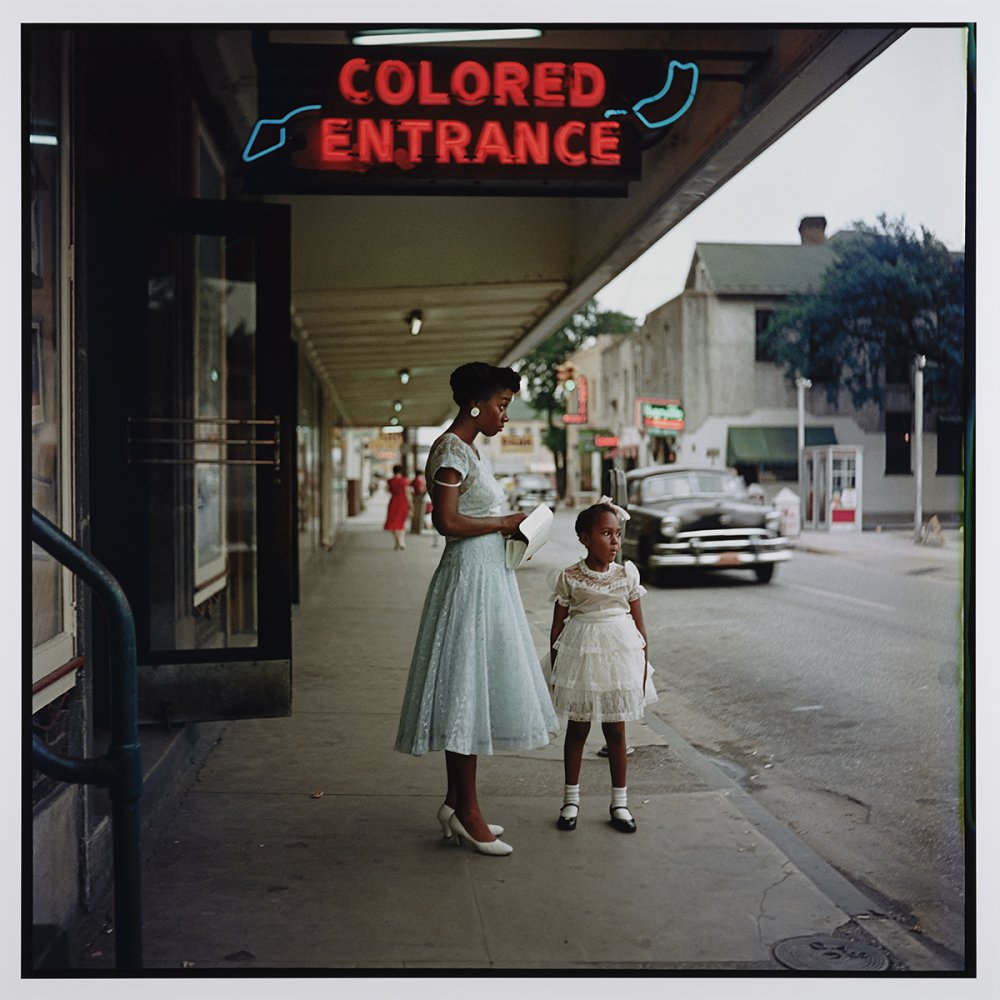
Segregation Story, Department Store, Mobile, Alabama, Gordon Parks, 1956 notes and analysis
The image highlights the everyday realities of Jim Crow laws, showing how racism structured public spaces. It emphasizes the normalization of inequality and the effects of segregation on Black families.
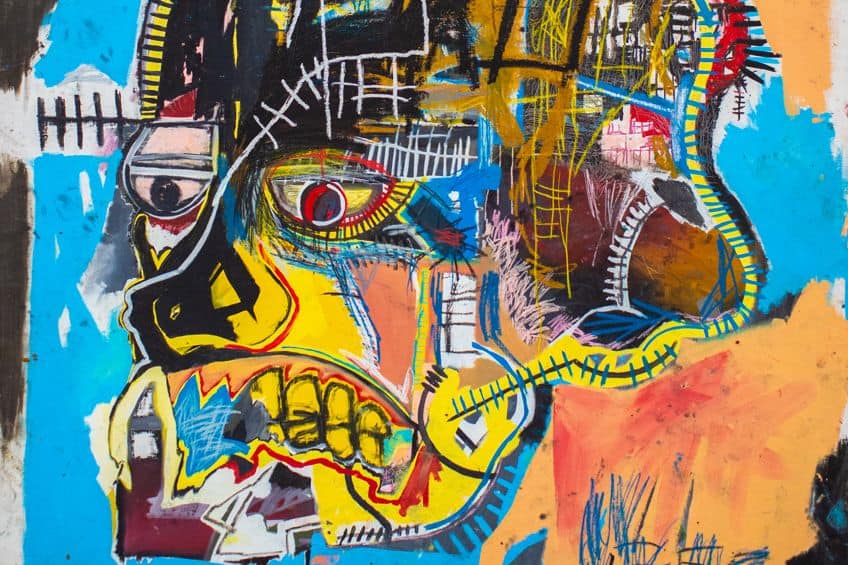
Untitled, Jean Michel Basquiat, 1981
notes and analysis
in this skull depiction Basquiat brings vitality to death and explores themes of identity and mortality The raw, expressive style reflects both personal and collective trauma, while also referencing African masks and anatomy, merging cultural memory with contemporary Black identity.
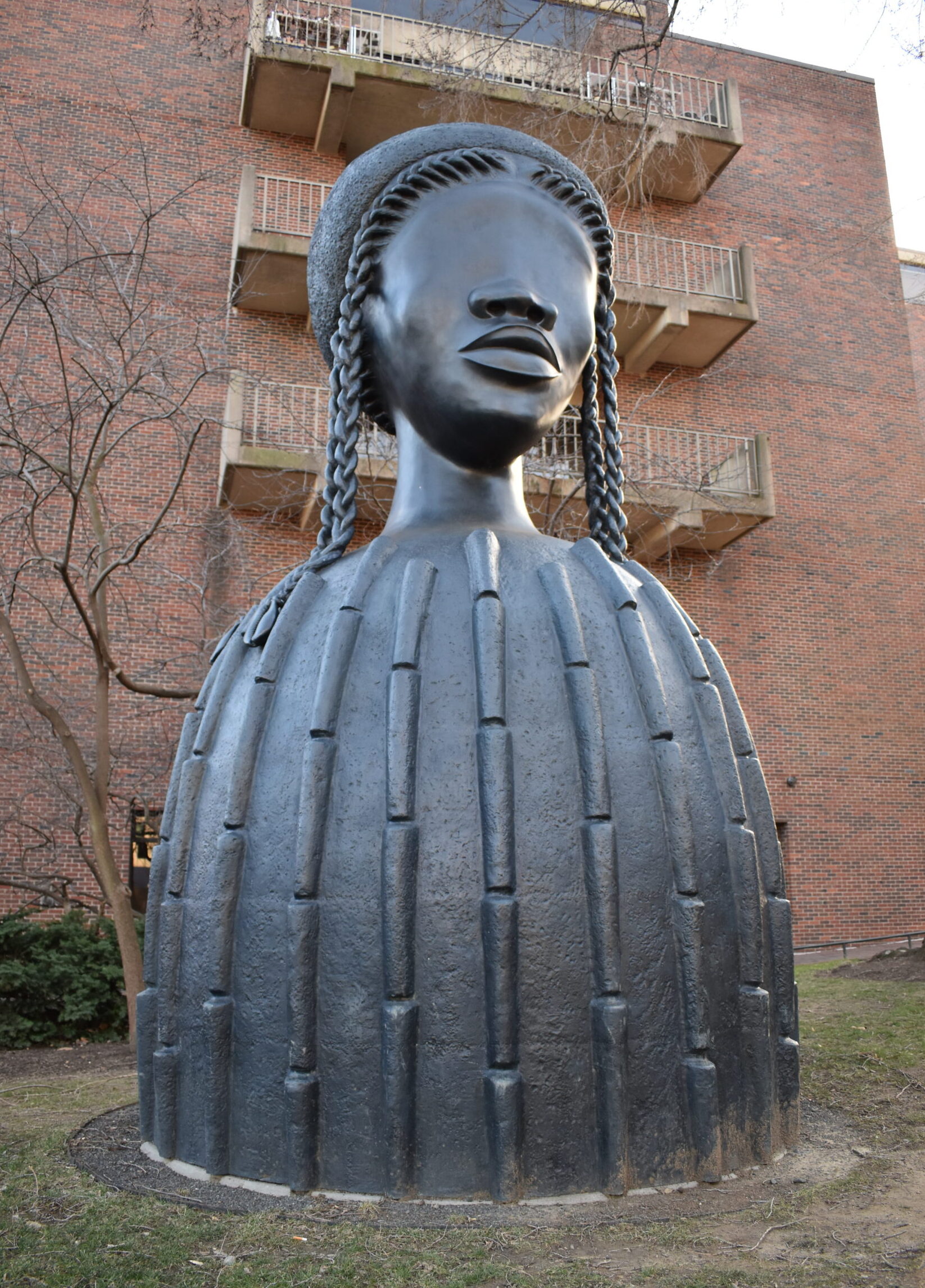
Brickhouse, Simone Leigh, 2019 notes and analysis
A monumental bronze and ceramic sculpture grounded in forms inspired by African architecture and sculpture. Leigh challenges the historical invisibility of Black women in public monuments by centering them in a powerful, and enduring form. By removing facial features Leigh shifts the focus to presence and structure.
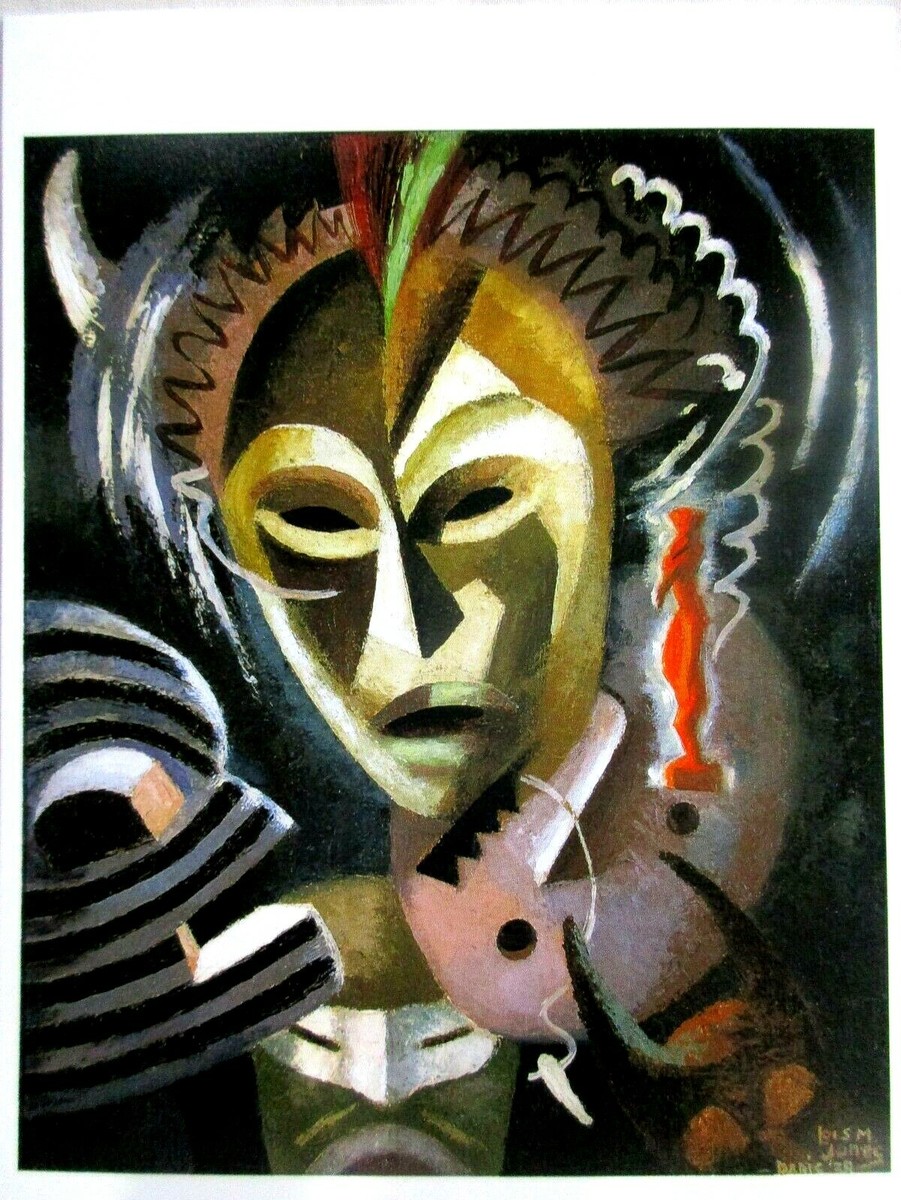
Les Fétiches, Loïs Mailou Jones, 1938 notes and analysis
presents five boldly colored, and simplified African mask forms arranged against a dark background. It challenges Western ideas that labeled African art as “primitive” by presenting it as sophisticated and modern. The work reclaims African aesthetics as a source of innovation and spiritual depth and artistic influence.
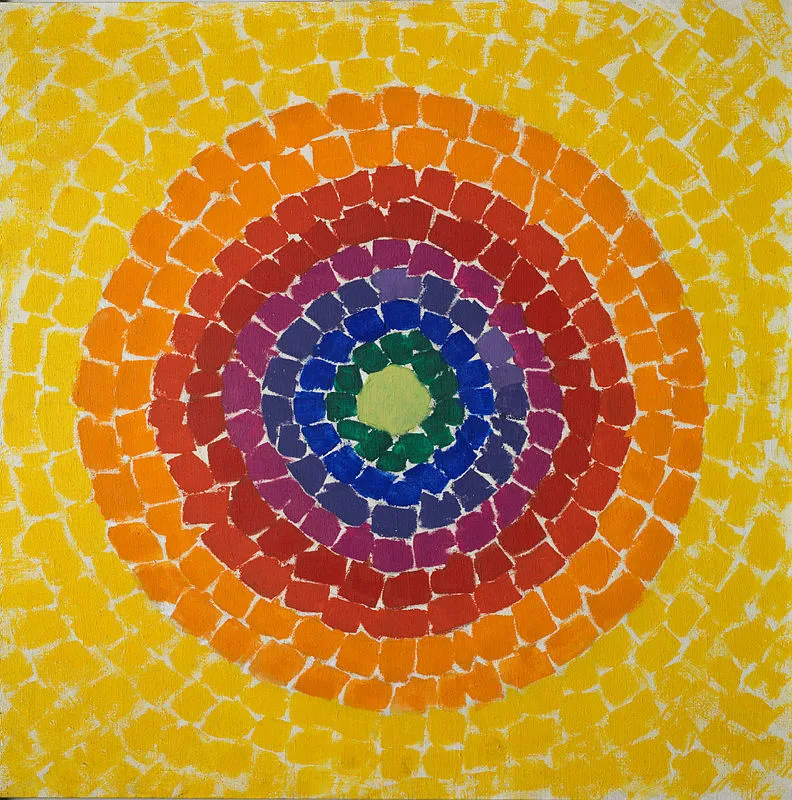
Resurrection, Alma Thomas, 1966 notes and analysis
An abstract painting composed of vibrant, repeated brushstrokes in bands of bright color , created during the Civil Rights Movement. The title and color suggest renewal and transformation, reflecting hopes for racial progress and social and spiritual rebirths during a time of political struggle.
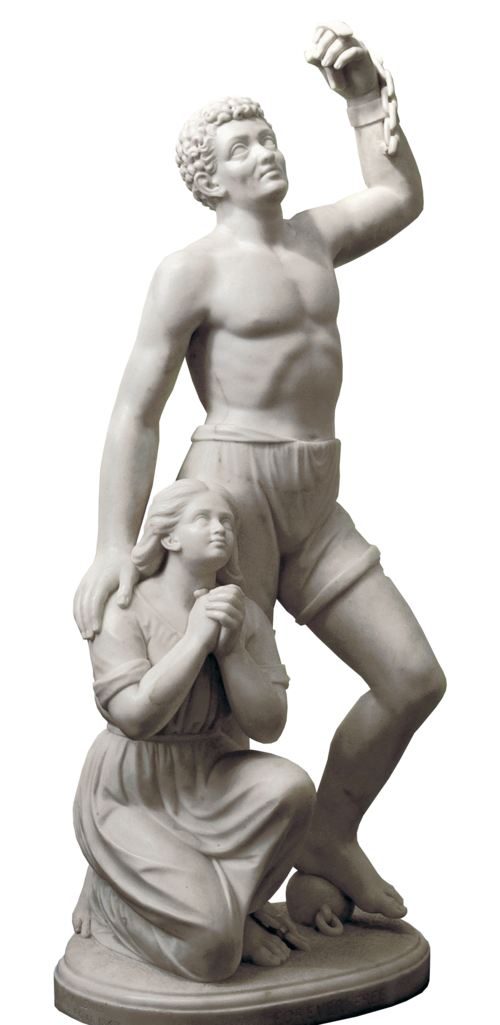
Forever Free, Edmonia Lewis, 1867 notes and analysis
A marble sculpture depicting newly emancipated Black figures, It celebrates freedom while also revealing its limitations, as the figures still appear physically and symbolically constrained. The work reflects early efforts by Black artists to represent liberation on their own terms.
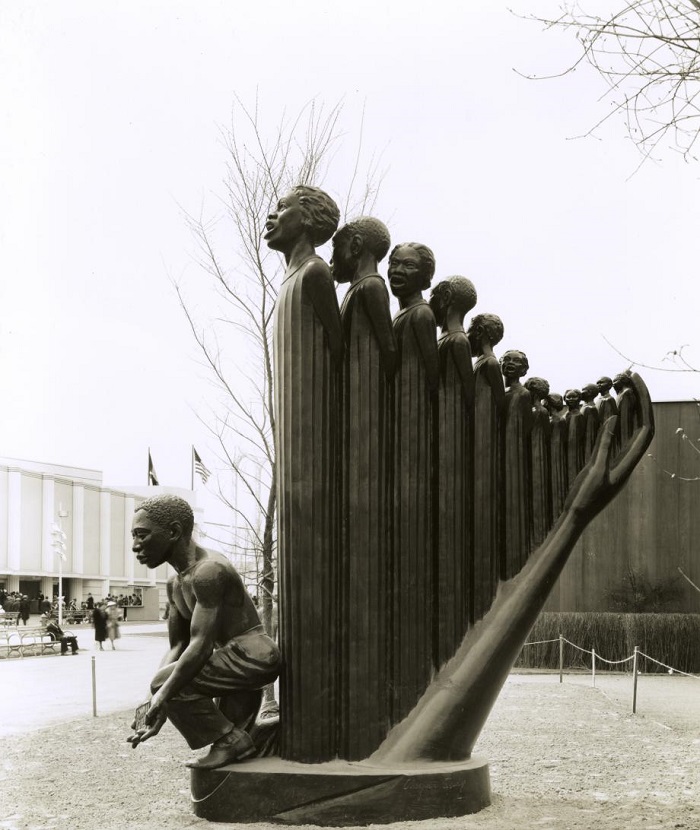
The Harp, Augusta Savage, 1939 notes and analysis
Commissioned for the New York World's Fair, this sculpture visualizes the Black national anthem. The harp is formed by Black figures, symbolizing unity, resilience, and cultural expression. .
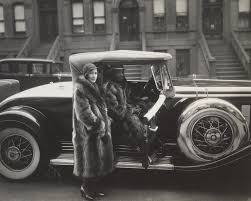
Couple with the Raccoon Coats, James Van der Zee, 1932 notes and analysis
A staged photograph from the Harlem Renaissance portraying a stylish Black couple in luxurious clothing. It challenges stereotypes by presenting Black wealth, dignity, and modernity. The image constructs an aspirational vision of Black life during a time when mainstream media often portrayed it negatively
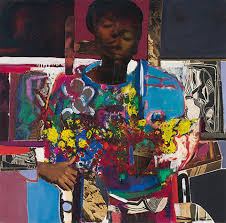
Woman with the Flowers, David Driskell, 1972 notes and analysis
Driskell’s collage blends abstraction with figurative elements. It emphasizes beauty and inner life rather than struggle, expanding representations of Black womanhood.
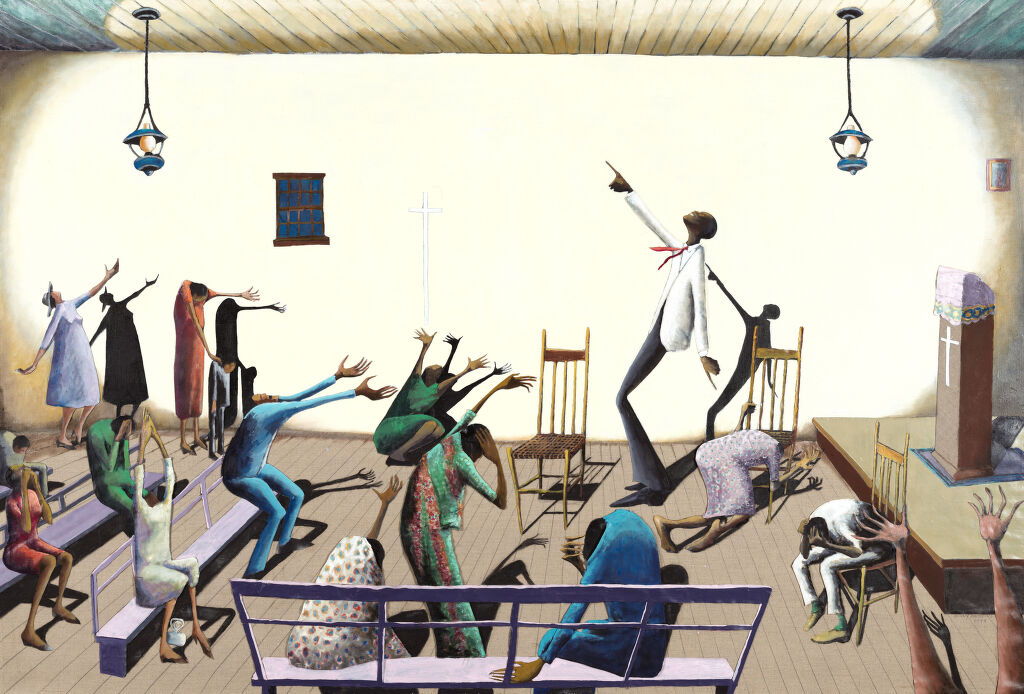
Revival, Benny Andrews, 1994 notes and analysis
Combines painting with collage elements to depict a religious gathering. With bold colors, dramatic lighting, and theatrical gestures, the work reflects themes of faith, and community healing in the black community
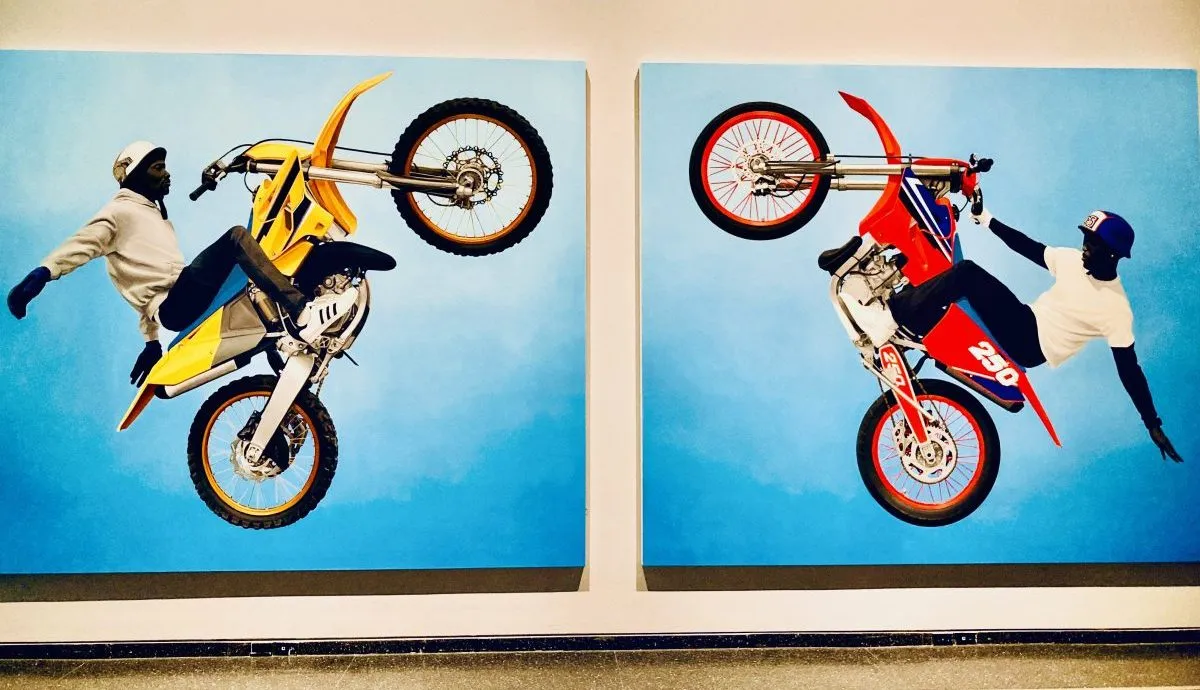
Deliverance, Amy Sherald, 2022 notes and analysis
A diptych depicting two Black figures riding dirt bikes, emphasizing freedom, youth, and leisure. Sherald challenges dominant narratives that center Black trauma and instead focusing on joy and everyday experience.
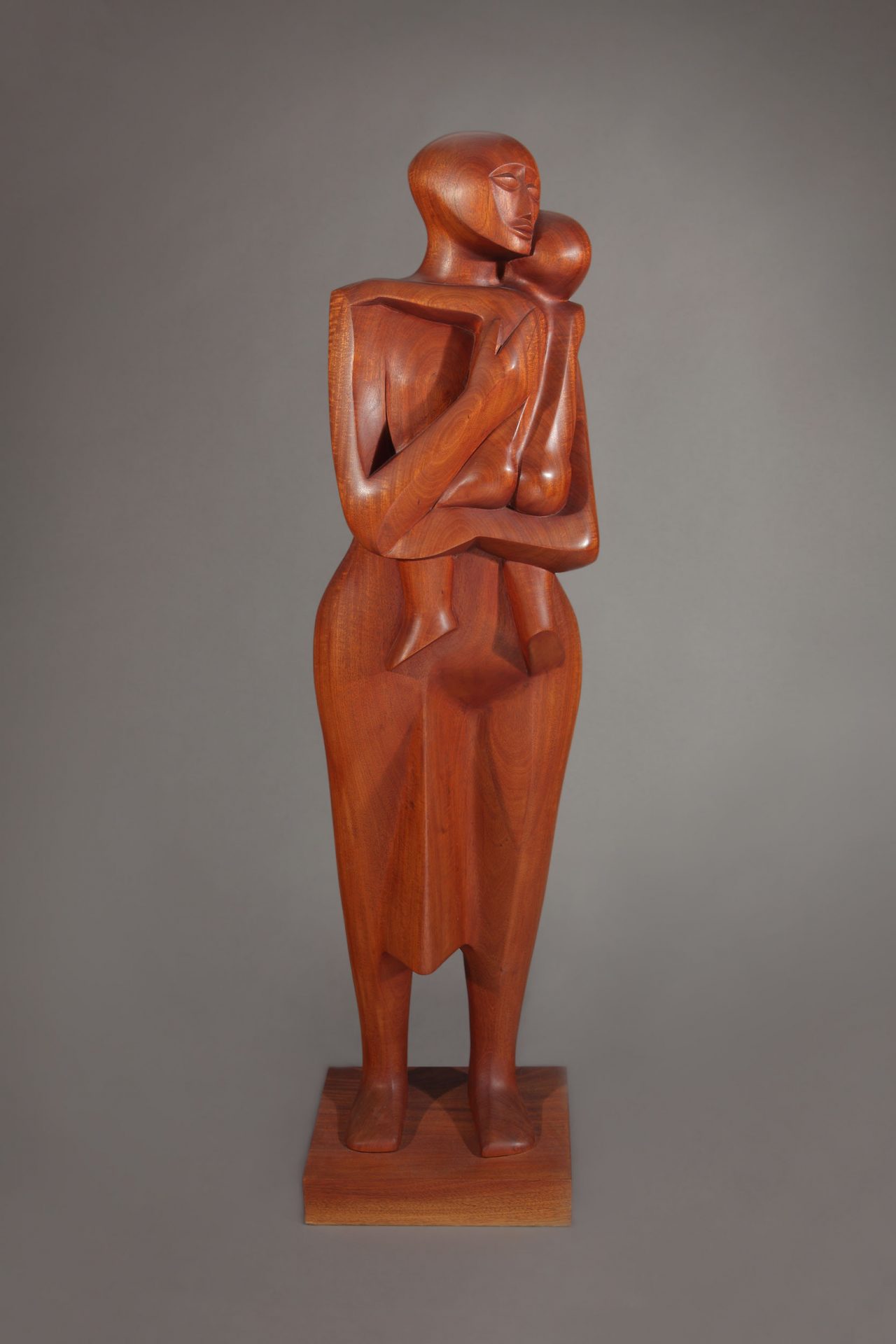
Mother and Child, Elizabeth Catlett, 1993 notes and analysis
uses simplified forms to convey, intimacy, protection and maternal strength , and the wood represents intergenerational bonds that sustain communities and the resilience of women in the face of social adversity
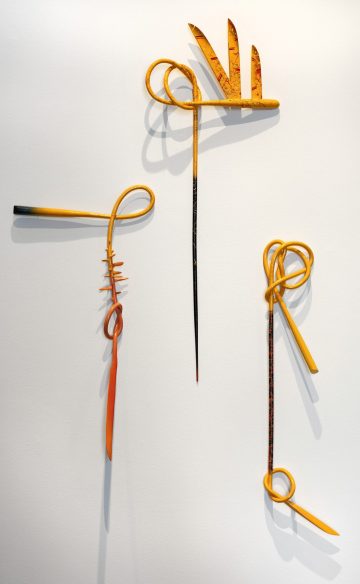
Butterfly Pin-up, John Scott, 1978
A painted wood construction s with kinetic movement assembled from found objects. Inspired by African diasporic history and the rhythm of New Orleans, the motion acts as a metaphor for culture, transformation, and cycle continuity
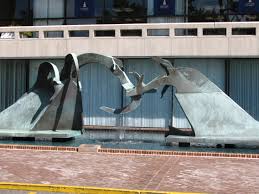
A Bridge Across and Beyond, Richard Hunt, 1978 notes and analysis
An abstract piece made of welded steel which challenges the idea abstract art is detached from social context, hunt represents separate forms as connected, linking contrasting concept such as future and the past.
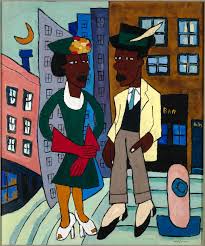
Street Life, William H. Johnson, 1939-1940 notes and analysis
Depicts everyday Black life using simplified forms and bold colors and flattened space. Johnson centers ordinary people, movement and community in the great migration era rather than individual detail. He counters negative stereotypes by emphasizing Black presence, pride in culture, and everyday humanity
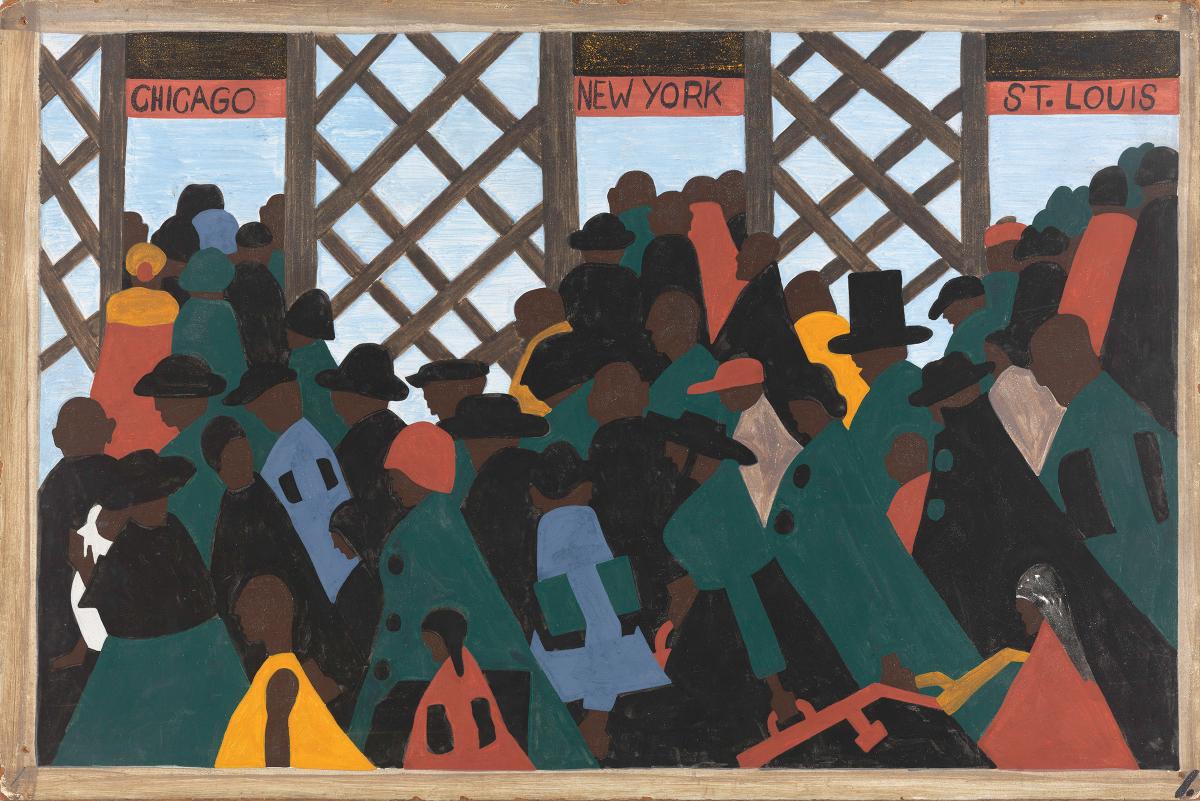
“During Wold War I, there was a great migration north by southern African Americans” (The Migration Series) Jacob Lawrence, 1940-41
depicts the Great Migration, when many Black Americans moved from the South to Northern cities in search for opportunities. Simplified, faceless, overlapping figures emphasize collective movement, unity, and progress, while muted earthy tones, often associated with African art, connect the scene to African heritage while also suggesting the difficulty of the journey and Black resilience.