Woooo Pilates (THE BIG ONEEE)E))E)
 View linked note
 Call Kai
 Learn
Learn Practice Test
 Spaced Repetition
 Match
Match Flashcards
 Knowt Play
1/127

There's no tags or description
Looks like no tags are added yet.
Name | Mastery | Learn | Test | Matching | Spaced | Call with Kai | Chat |
|---|
No analytics yet
Send a link to your students to track their progress
128 Terms
the erect position of the body with the face directed forward, the arms at the side, and the palms of the hands facing forward, used as a reference in describing the relation of body parts to one another.
Anatomical Position
the action of the condition of being bent, especially the bending of a limb or joint; movement in an anterior direction in the upper extremities and posterior direction in the lower extremities.
Flexion
a movement that increases the angle between two body parts.
Extension
moves the limb laterally away from the midline of the body.
Abduction
brings the limb toward the body or across the midline.
Adduction
front side or in front of.
Anterior
back side or in the back of.
Posterior
turning the anterior surface outward.
External rotation
turning the anterior surface inward.
Internal rotation
nearer to the center and/or trunk of the body; or nearer to the point of attachment to the body (root of the limb).
Proximal
further from the root of the limb or the center of the body.
Distal
combination of flexion, abduction, extension, and adduction.
Circumduction
excessive movement or positioning in the direction of an extension.
Hyperextension
twisting movement produced by the summation of small rotational movements, taking place in the transverse plane around the longitudinal axis.
Rotation
the upward movement of the scapula and shoulder; lifting the shoulder blades up towards the ear.
Elevation
downward movement of the scapula and shoulder; lowering the shoulder blades towards the waist.
Depression
consists of movement of the scapula as the arms are lowered, and the superior border of the scapula moves away from the midline (spine).
Downward Rotation
above/towards the head.
Superior
below/towards the feet.
Inferior
lifting the heel of the foot from the ground; pointing the toes downward.
Plantar-flexion
lifting the front of the foot, so that the top of the foot moves toward the anterior leg.
Dorsiflexion
vertical plane dividing the body into right and left portions.
Sagittal plane
vertical plane dividing the body into equal right and left portions; called also median plane.
Median/midsagittal plane
vertical plane dividing the body into front and back portions.
Coronal/frontal plane
horizontal plane dividing the body into upper and lower portions.
Transverse plane
lying on the back of the body with the face upward.
Supine
lying on the front of the body with the face downward.
Prone
to the side of, or away from the midline of the body.
Lateral
closer to the median plane, to the midline.
Medial
side bending of the trunk to the right or the left.
Lateral Flexion
rotation of the forearm and hands so that the palm faces downwards or backwards.
Pronation
rotation of the forearm and hands so that the palm faces upwards or forwards.
Supination
diaphragm lowers during contraction enlarging the thoracic cavity.
Inhalation
diaphragm relaxes causing a decrease in the volume of the thoracic cavity.
Exhalation
mode of breathing to facilitate and maintain abdominal contractions while performing exercise.
Intercostal/Lateral Breathing
regulation of the execution of a given action.
Control
ability to perform with less energy or effort.
Efficiency
uninterrupted continuity of movement.
Flow
The accuracy in which movement is executed.
Precision
The “body-mind-spirit connection.” Agreement in feeling/accord; congruity of parts to a whole.
Harmony
ability to be conscious of sensory patterns.
Awareness
state of bodily equilibrium satisfying proportion of parts.
Balance
fuel of powerhouse.
Breath
direction of attention to mastery of Pilates.
Concentration
muscles of core/powerhouse.
Center
MAME of Side Bend
(1)internal obliques (2) lateral flexion.
MAME of Rolling Like A Ball
(1)rectus abdominus (2)spinal flexion.
MAME of Leg Pull Front
(1)Hamstrings (2)Hip Extension.
MAME of Pelvic Curl
(1)Gluteus Maximus (2)Hip Extension.
MAME of Push Ups
(1)Biceps Brachii (2)Elbow Flexion.
MAME of Supine Spine Twist
(1)Internal Oblique (2)Spinal Rotation
MAME of Saw
(1)External Oblique (2)Spinal Flexion
MAME of Side Kick
(1)Gluteus Maximus (2)Hip Abduction
MAME of Single Leg Kick
(1)Hamstring (2)Knee flexion
What is the order of the Spinal Column?
Cervical, Thoracic, Lumbar, Sacrum, Coccyx
How many Vertabrae is in the Cervical?
7
How many Vertabrae is in the Thoracic?
12
How many Vertabrae is in the Lumbar?
5
How many Vertabrae is in the Sacrum?
5
How many Vertabrae is in the Coccyx?
4
Where is Joseph Pilates’ studio
NYC
Where was the camp Joseph Pilates was put into?
England
When and were was Joseph Pilates born?
1883 in Dusseldorf Germany
What was Pilates originally called?
Contrology
When did Joseph Pilates die?
1967
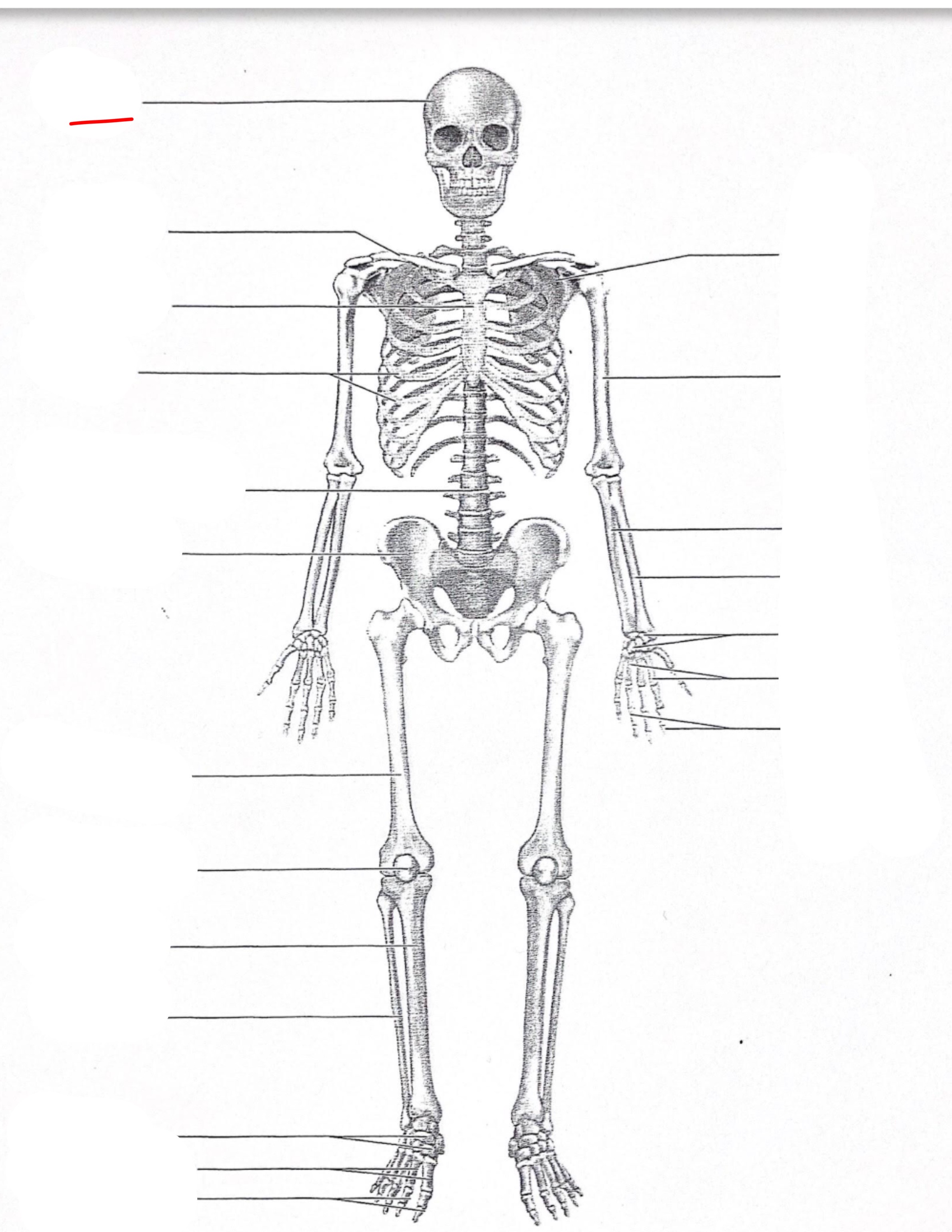
Skull
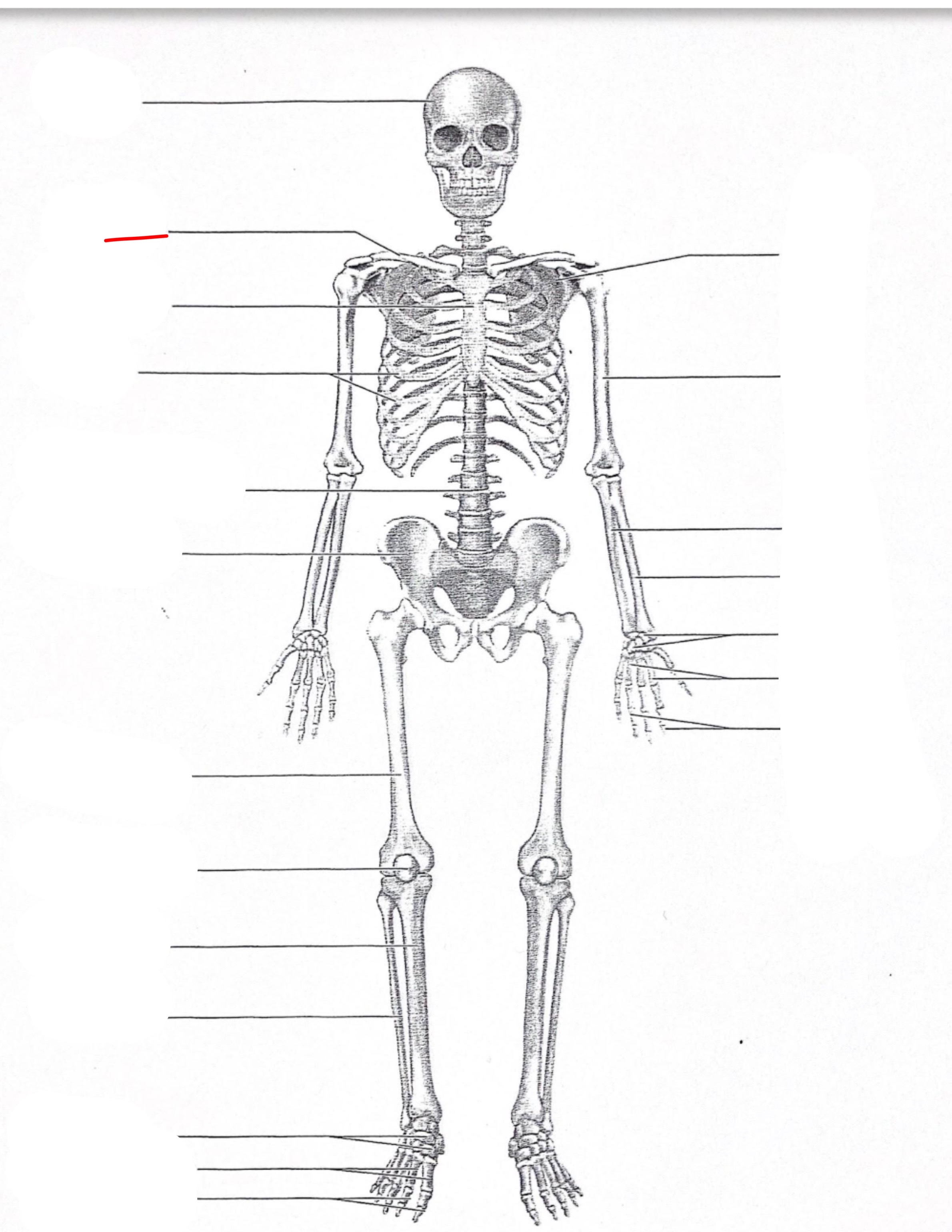
Clavicle (Collar Bone)
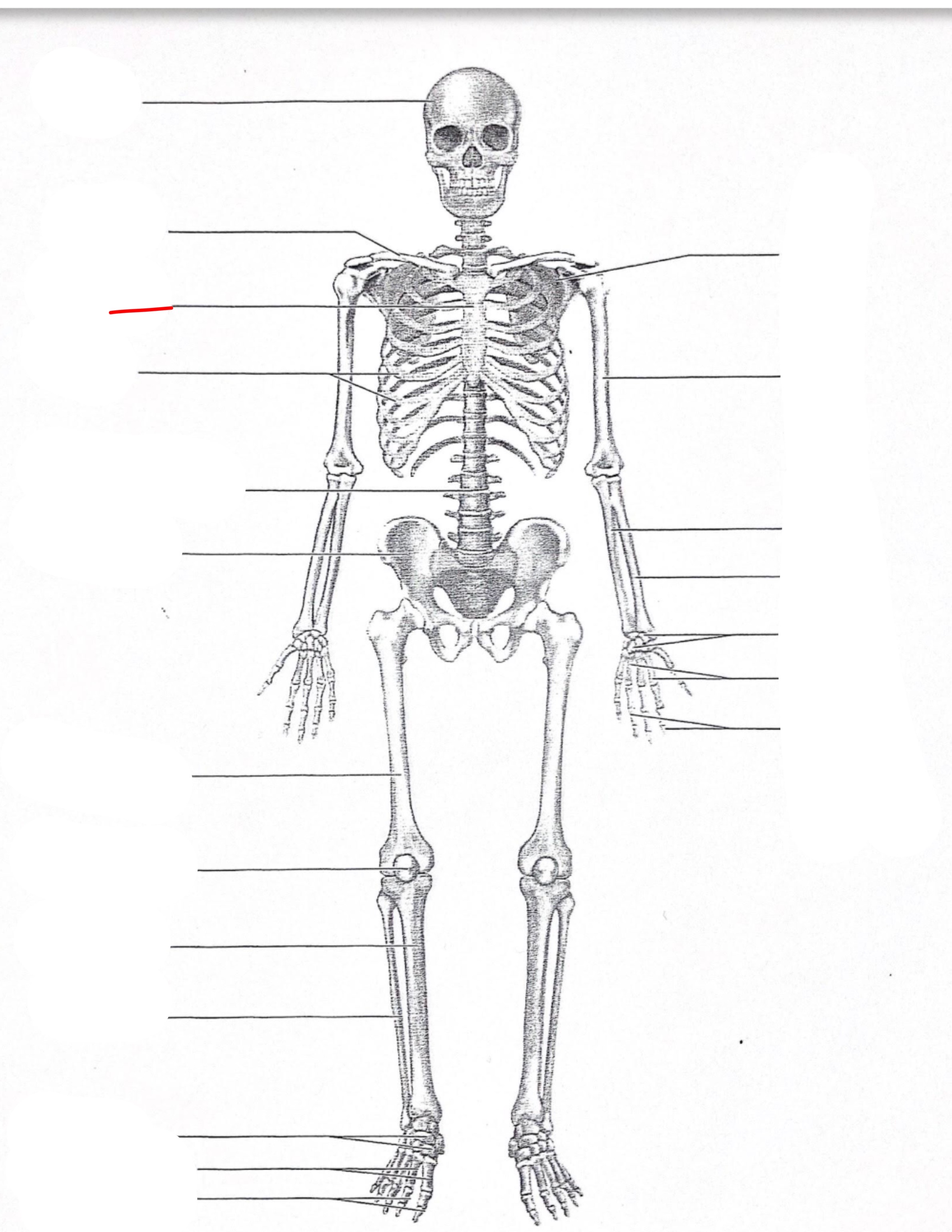
Sternum
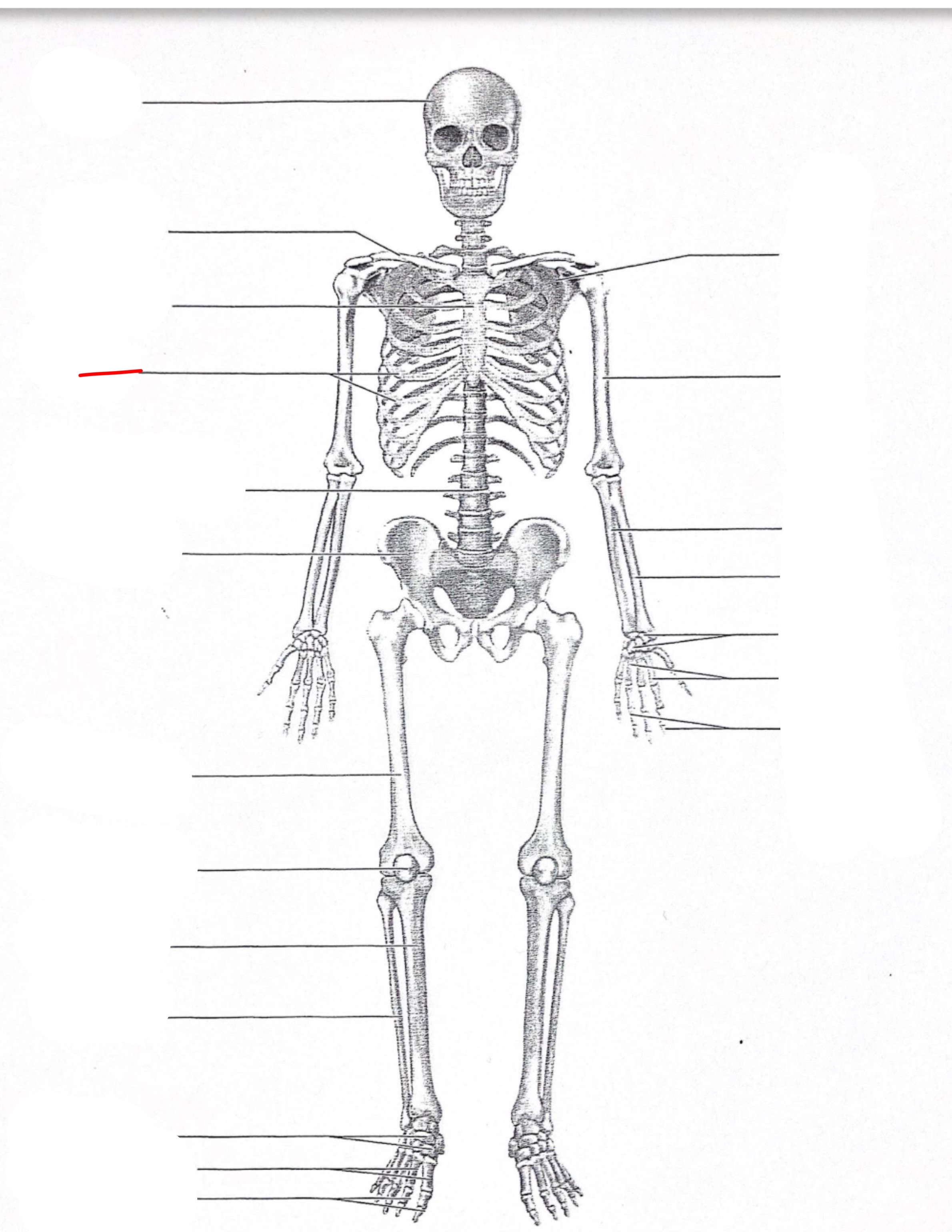
Ribs
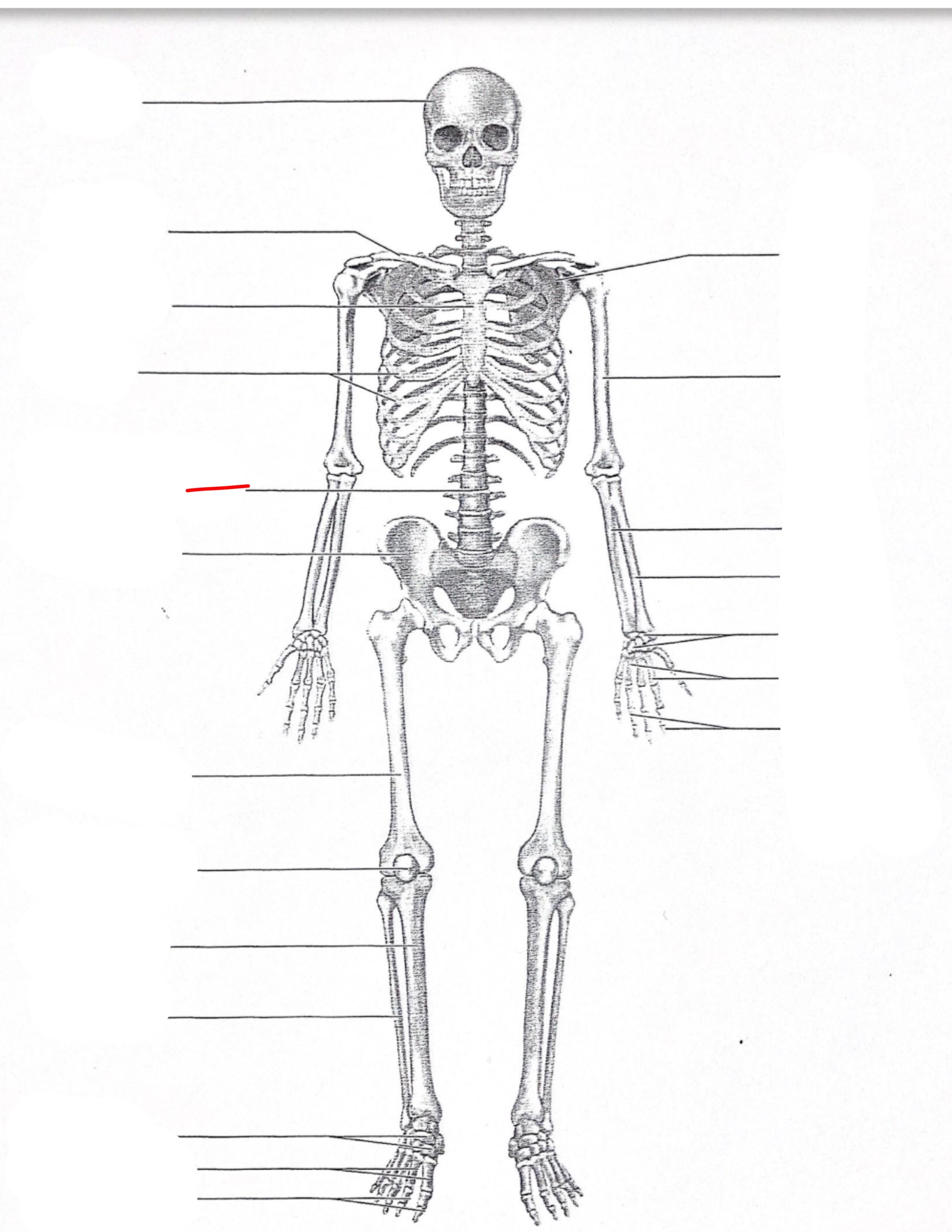
Vertebral Column
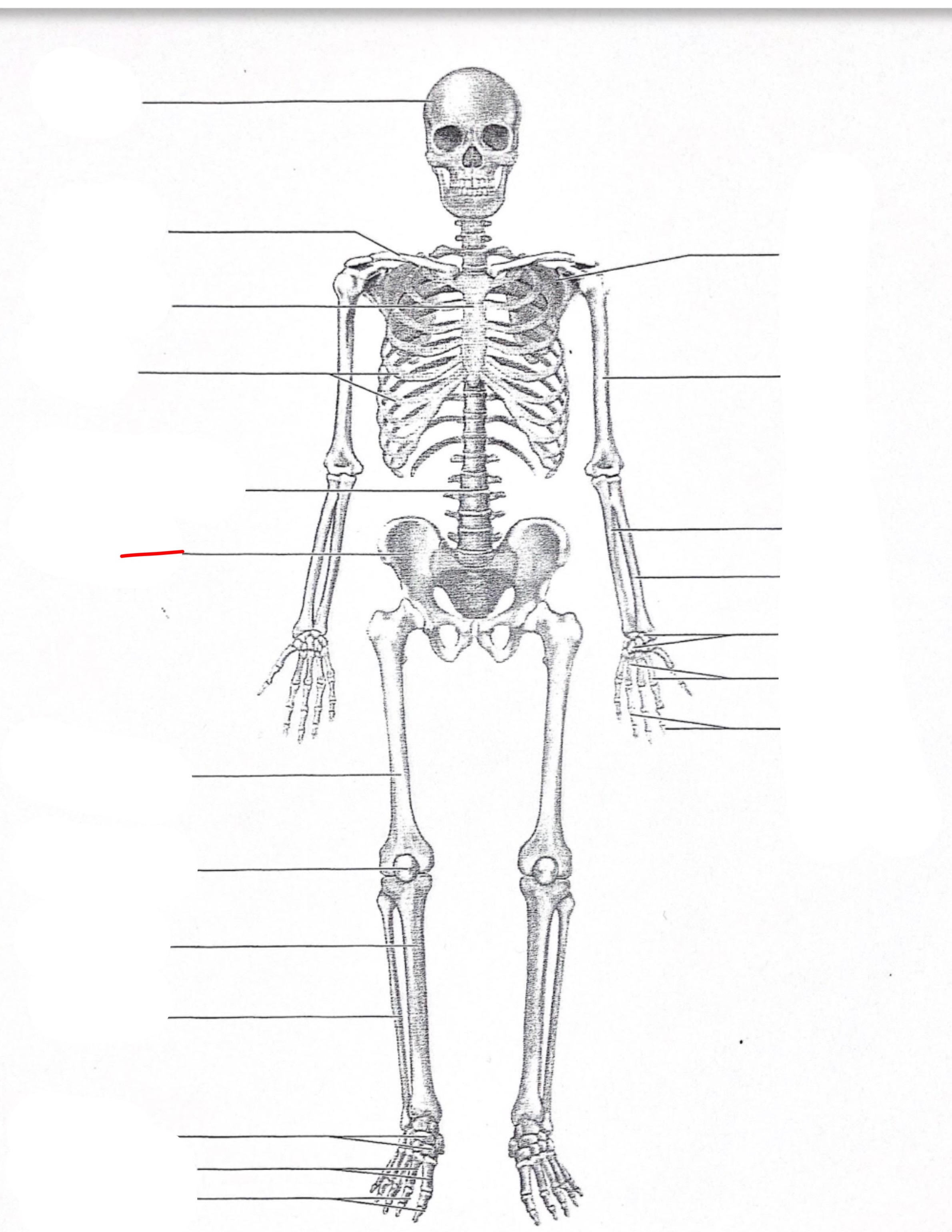
Os Coxae
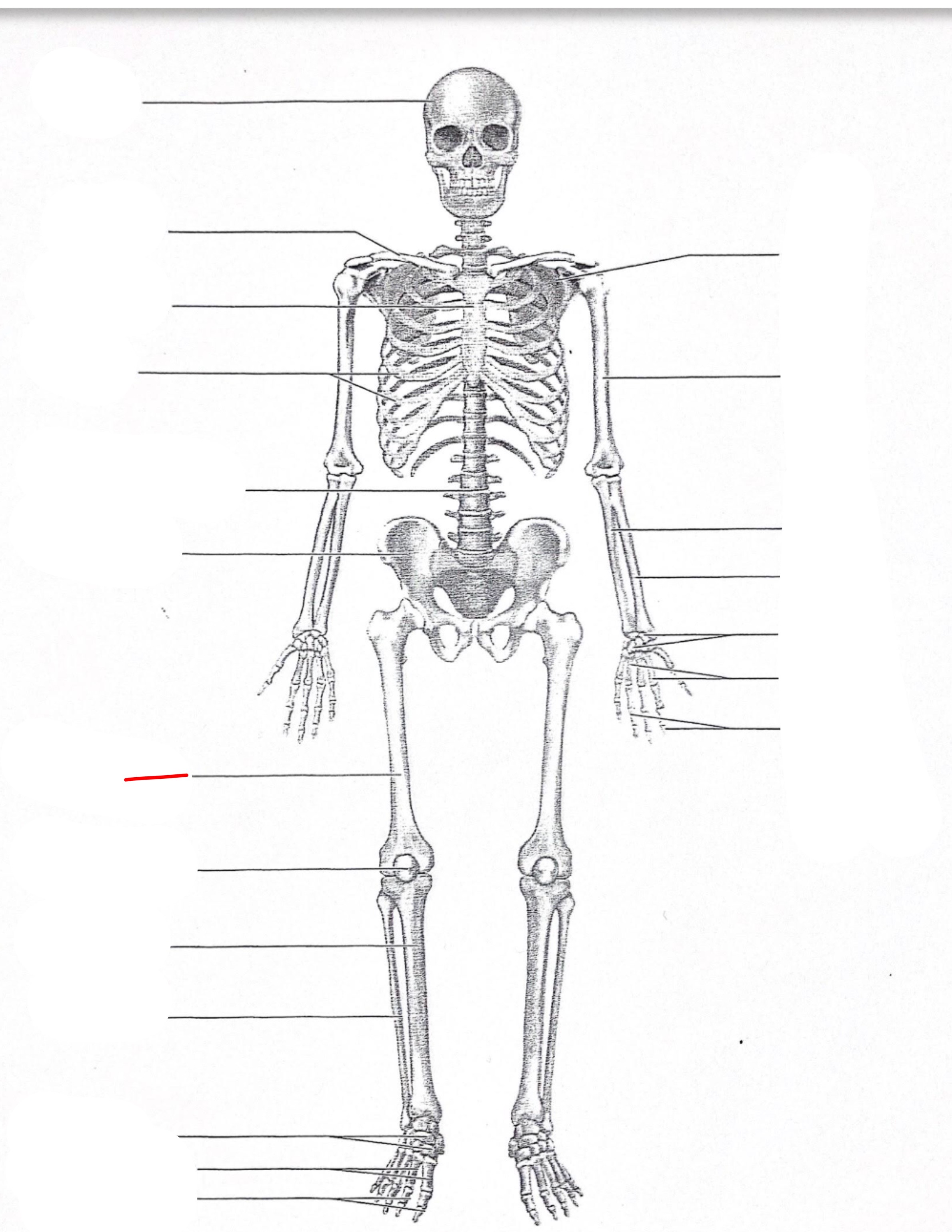
Femur
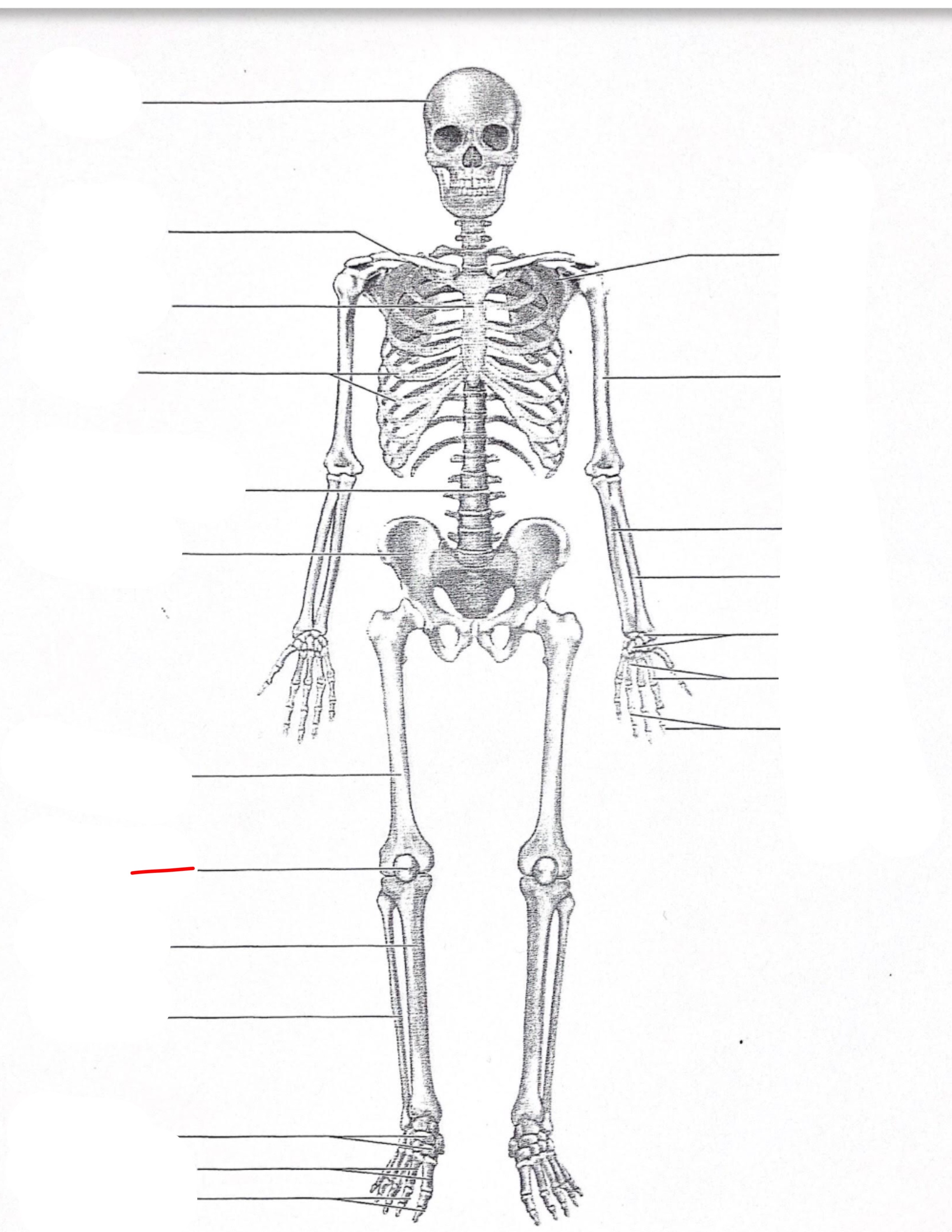
Patella
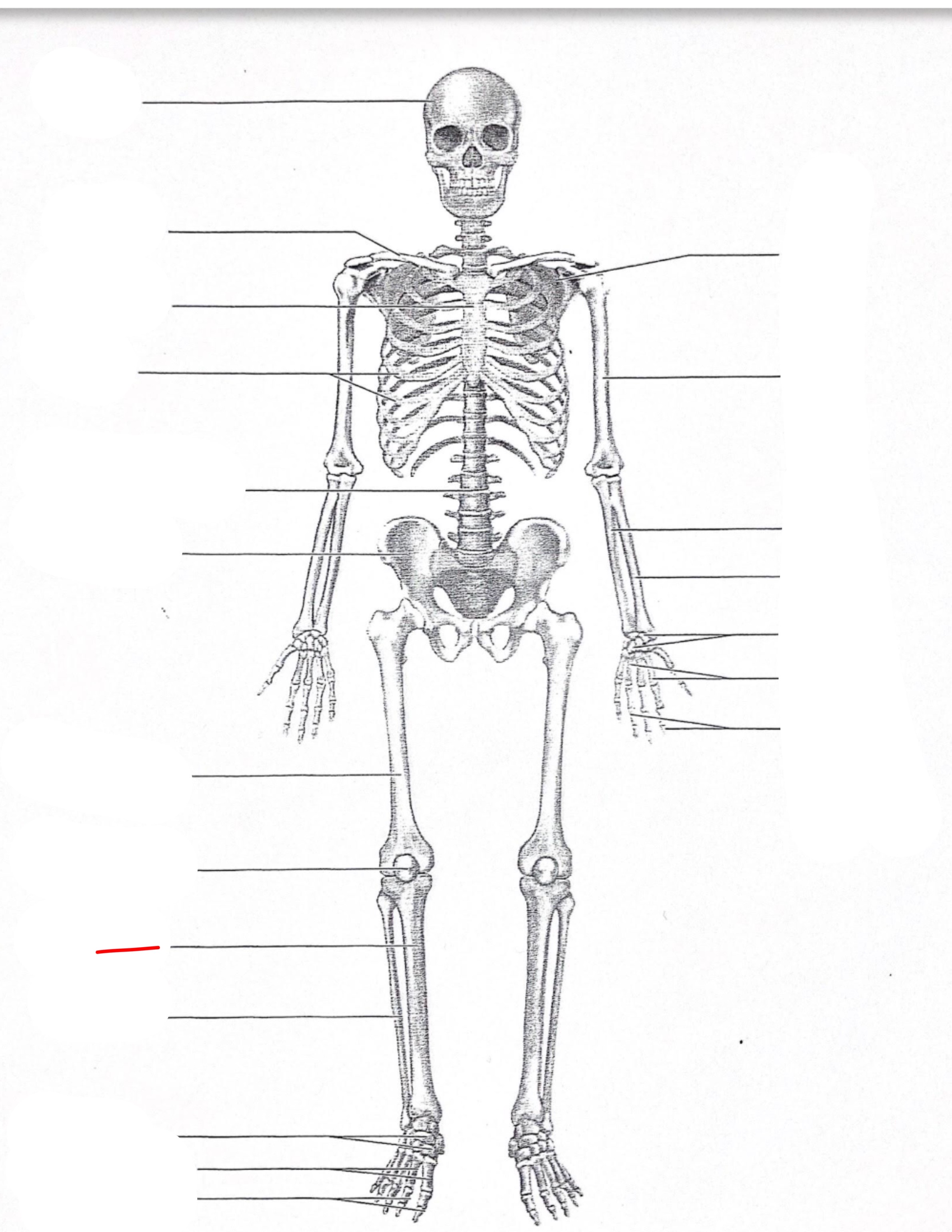
Tibia
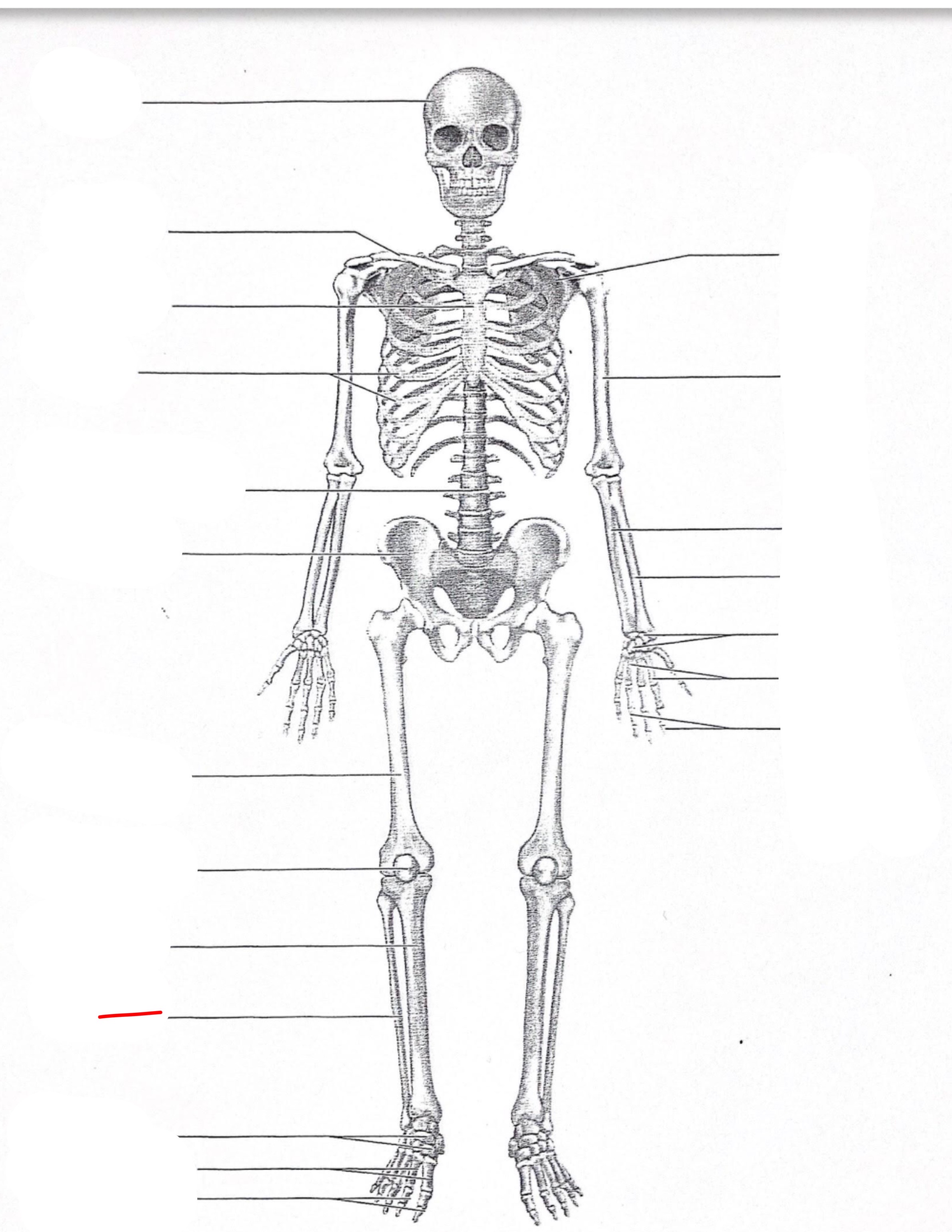
Fibula
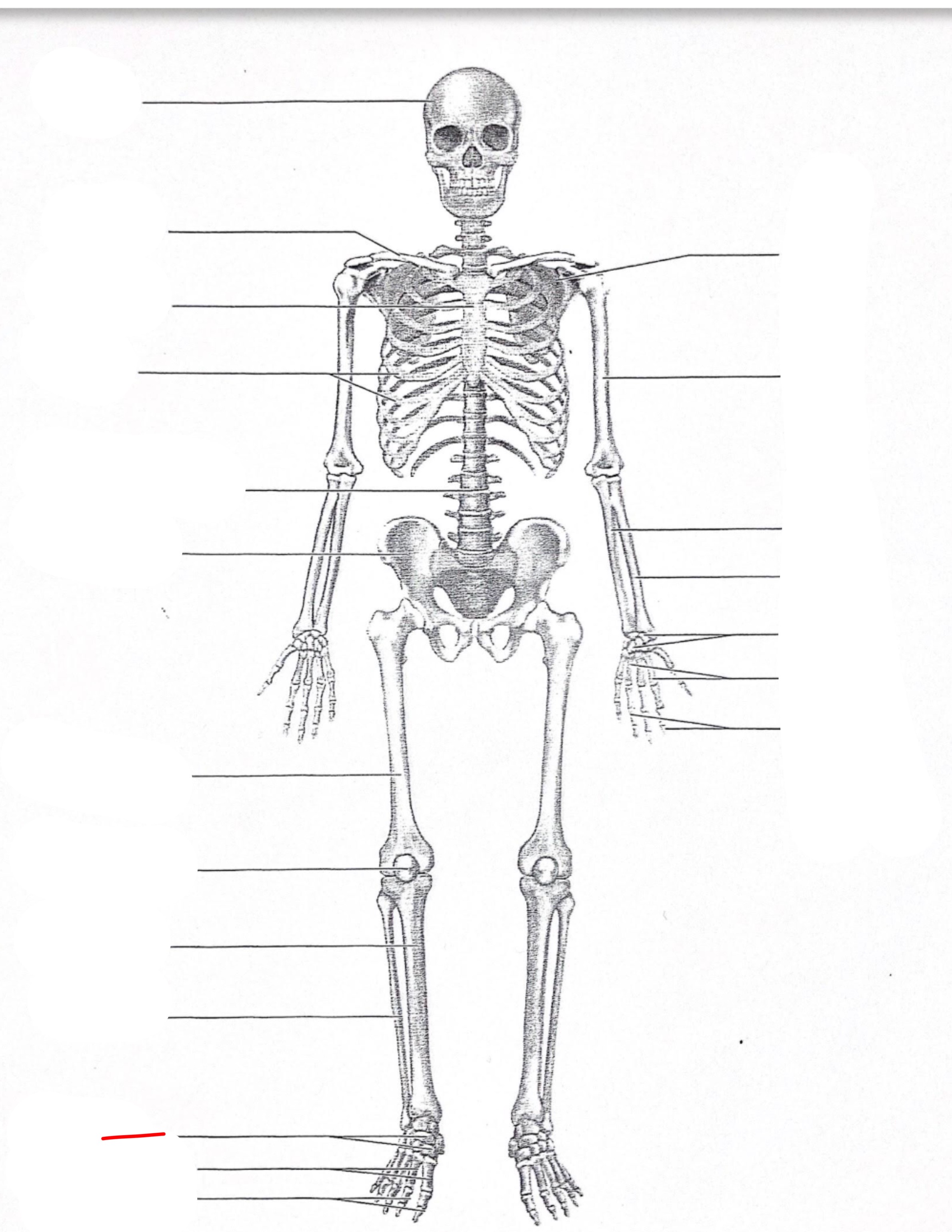
Tarsals
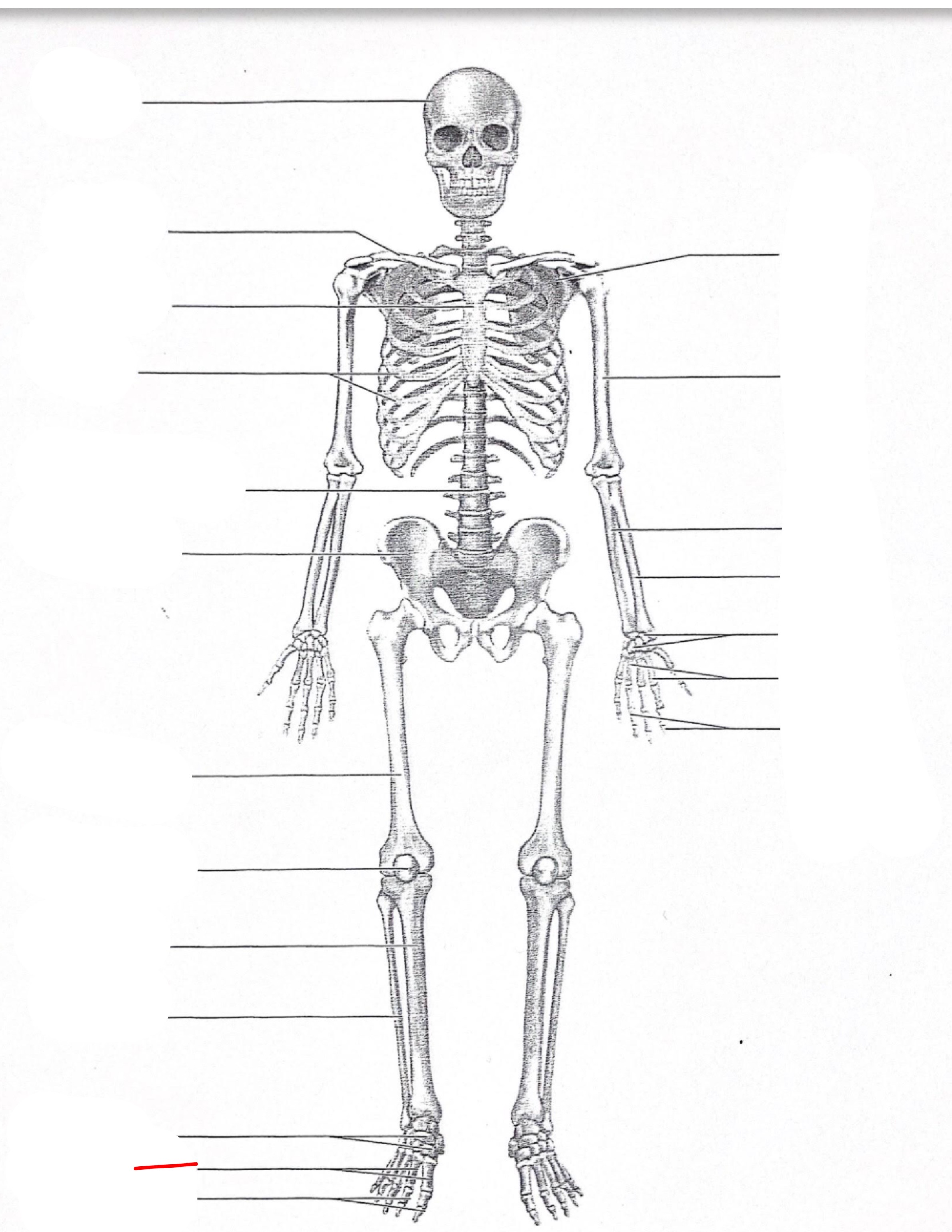
Metatarsals
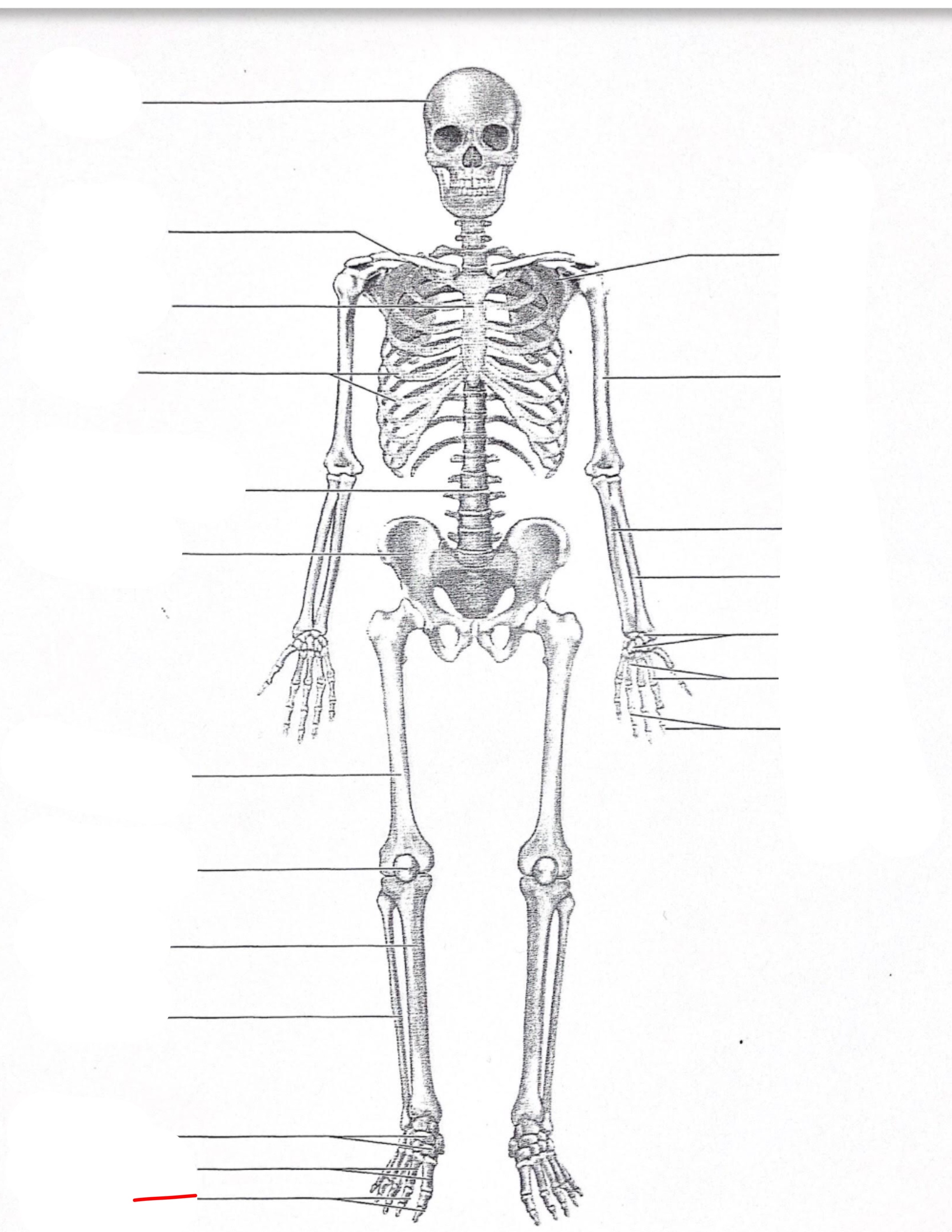
Phalanges
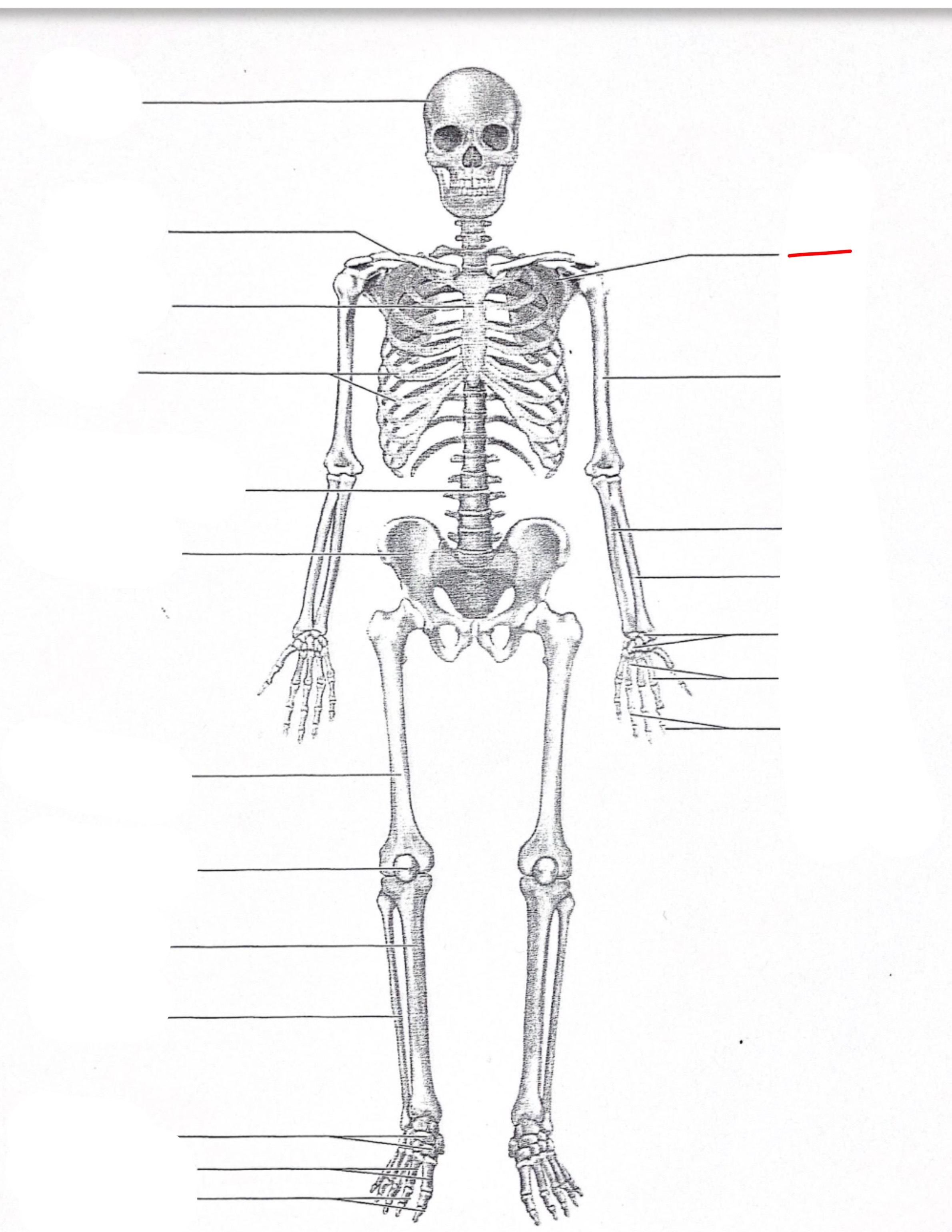
Scapula
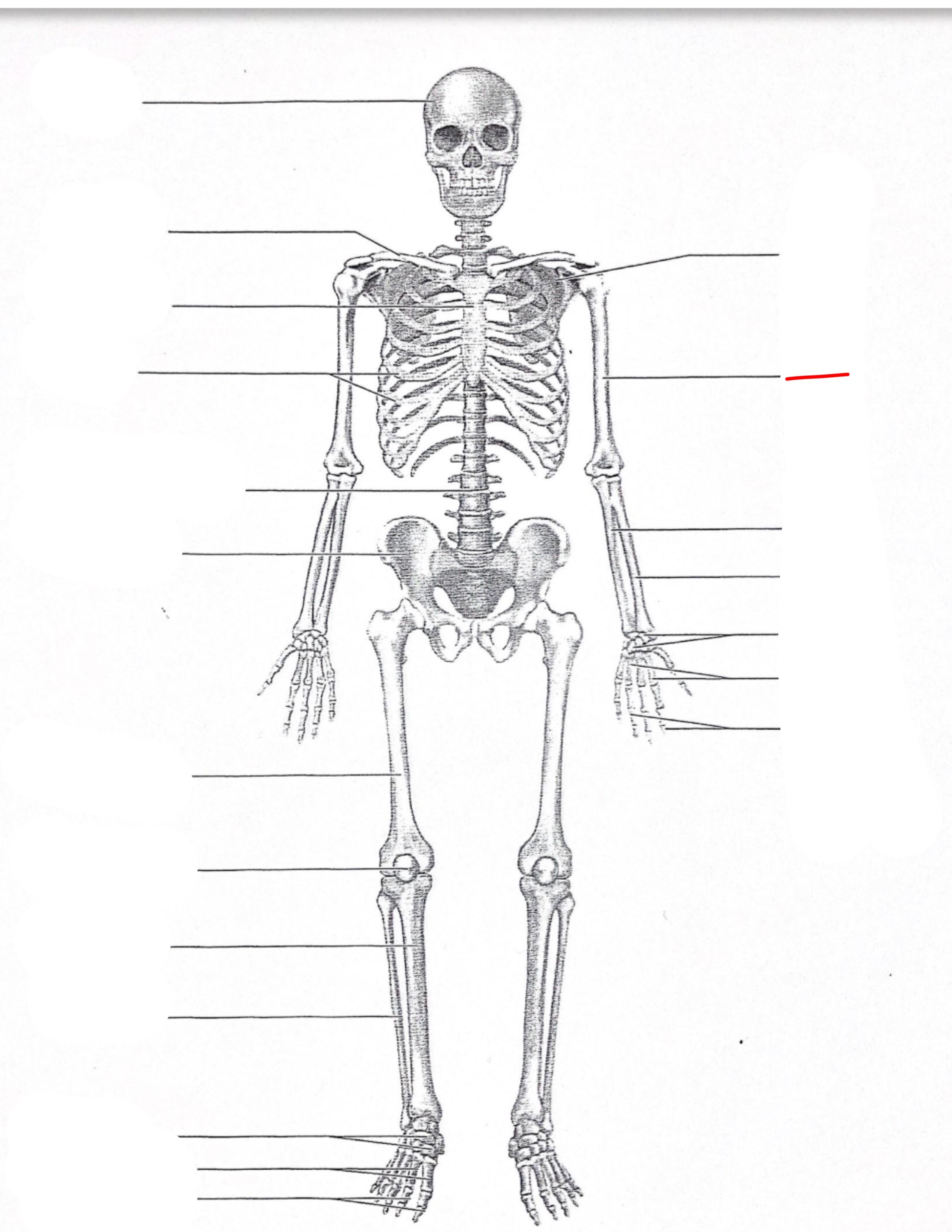
Humerus
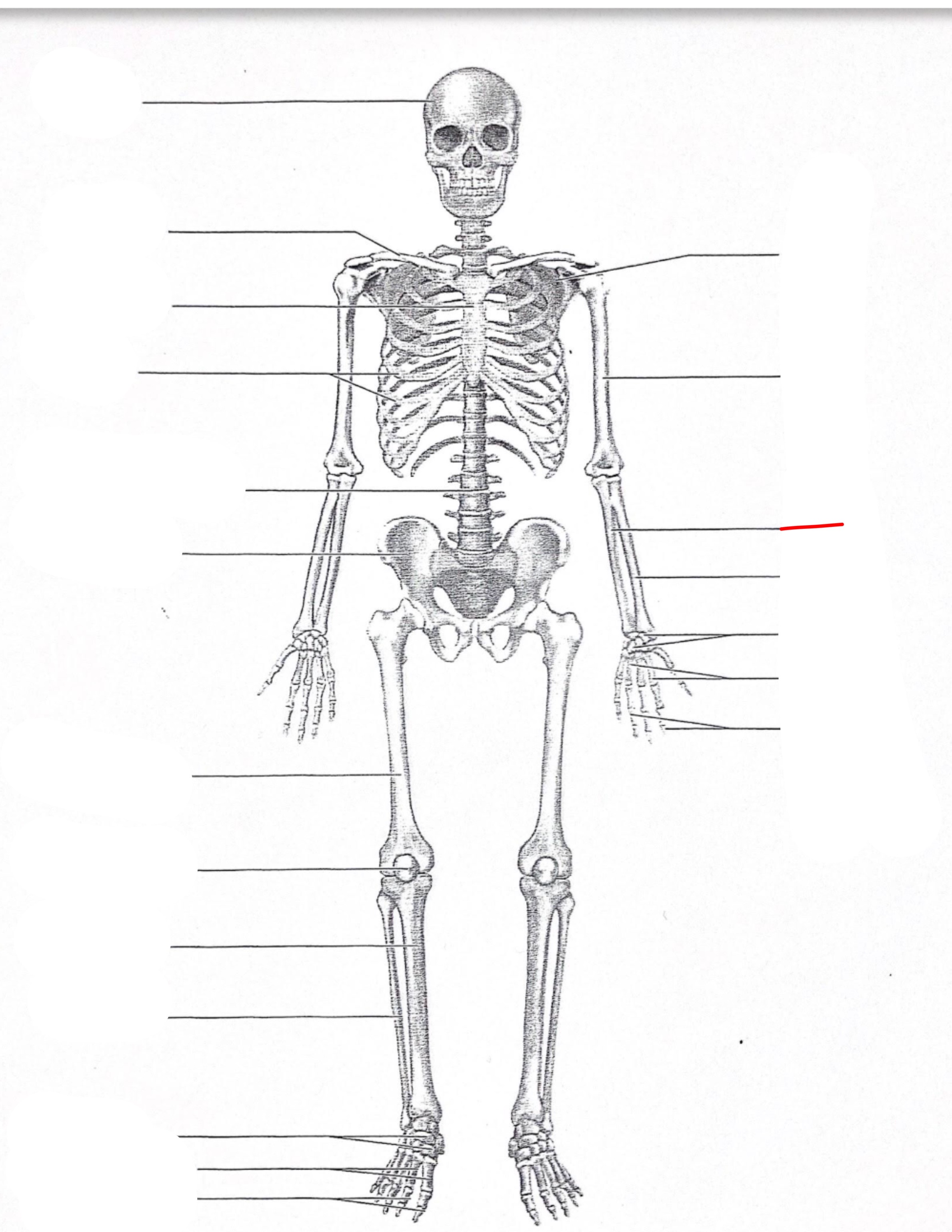
Ulna
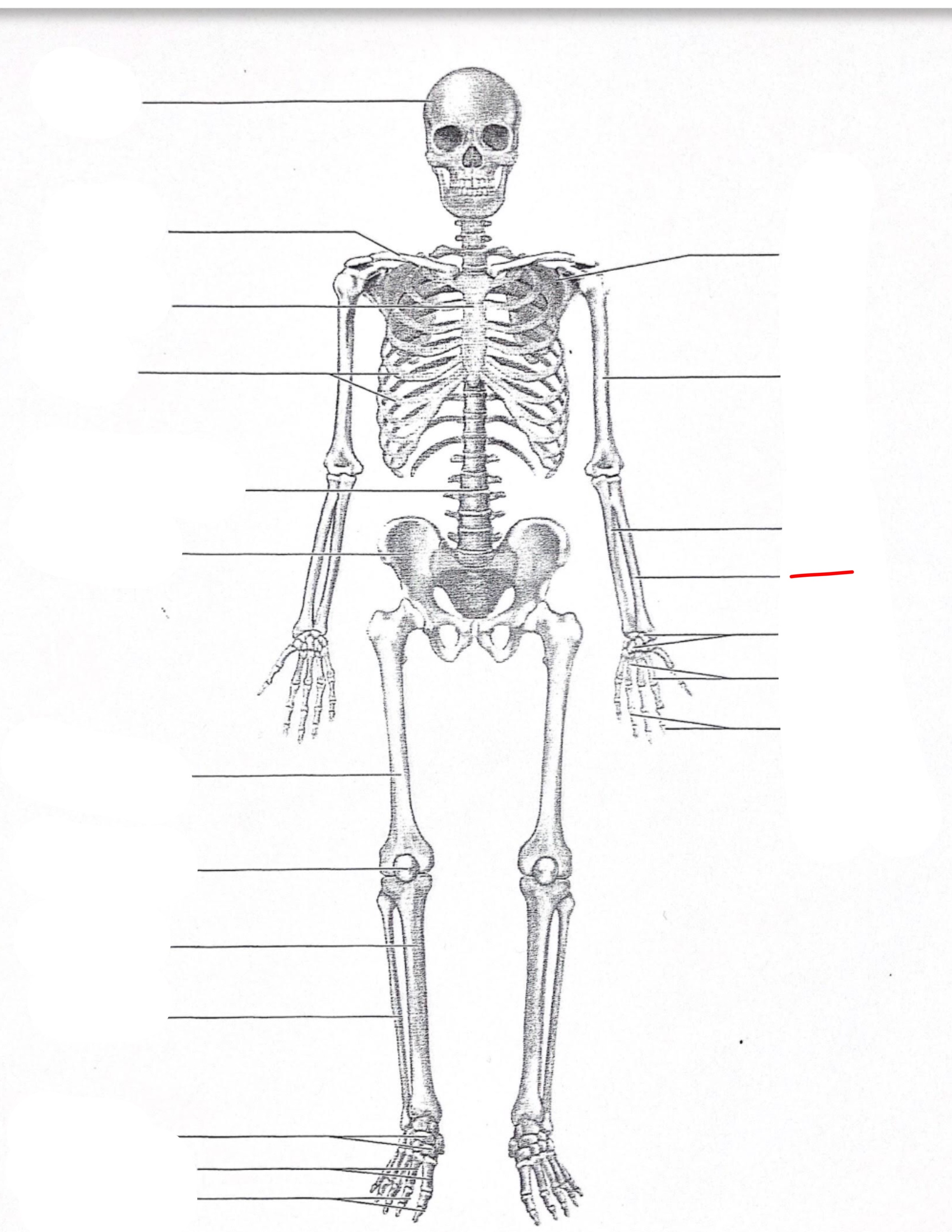
Radius
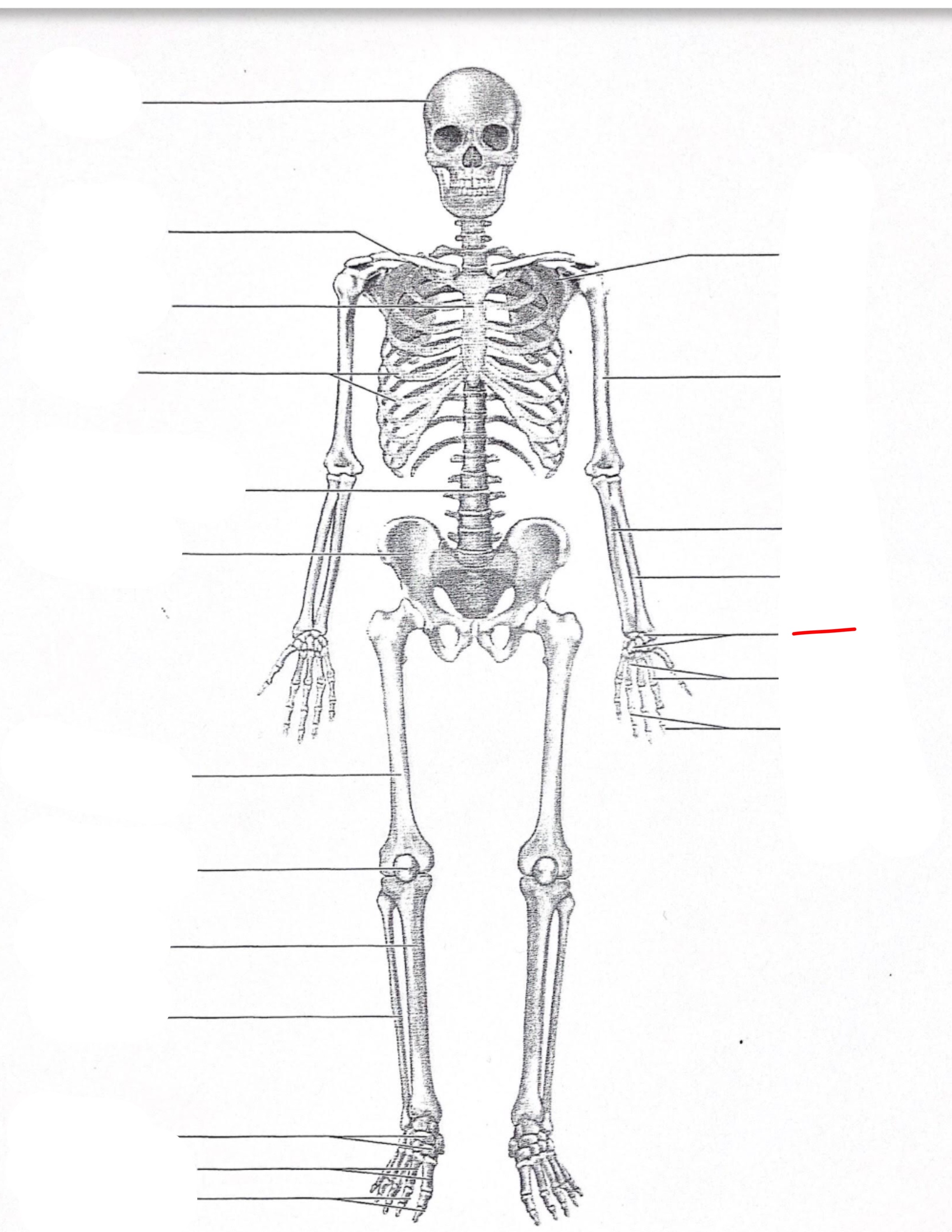
Carpals
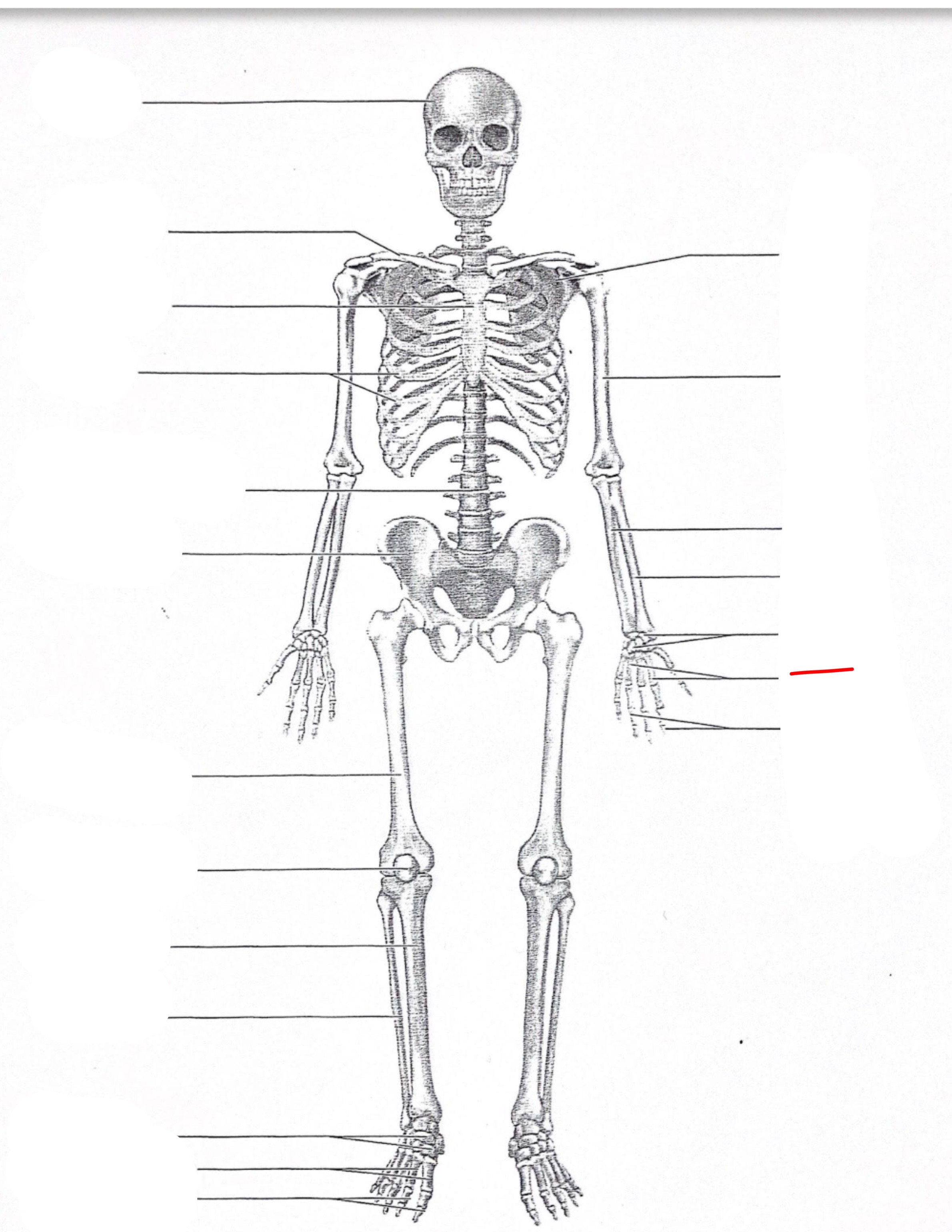
Metacarpals
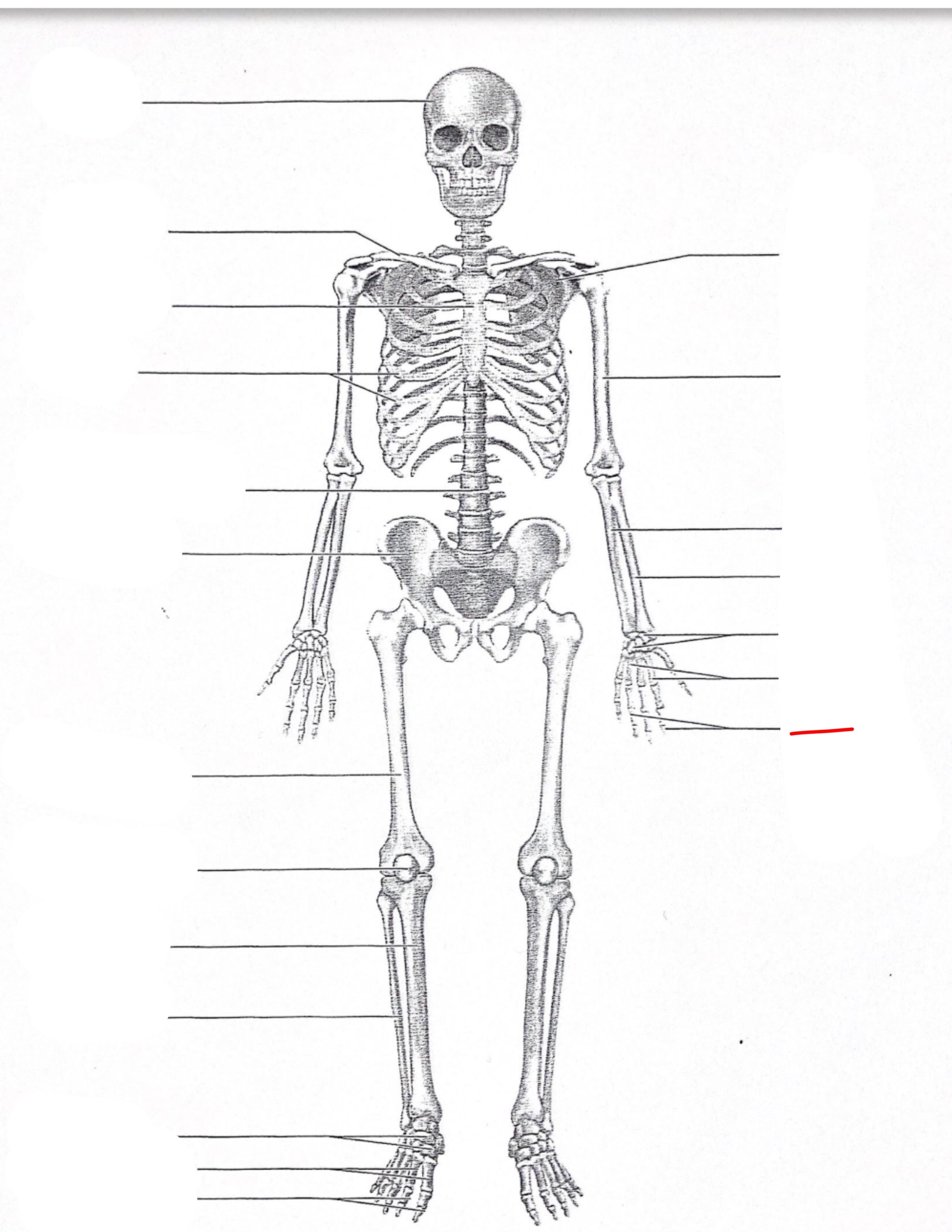
Phalanges
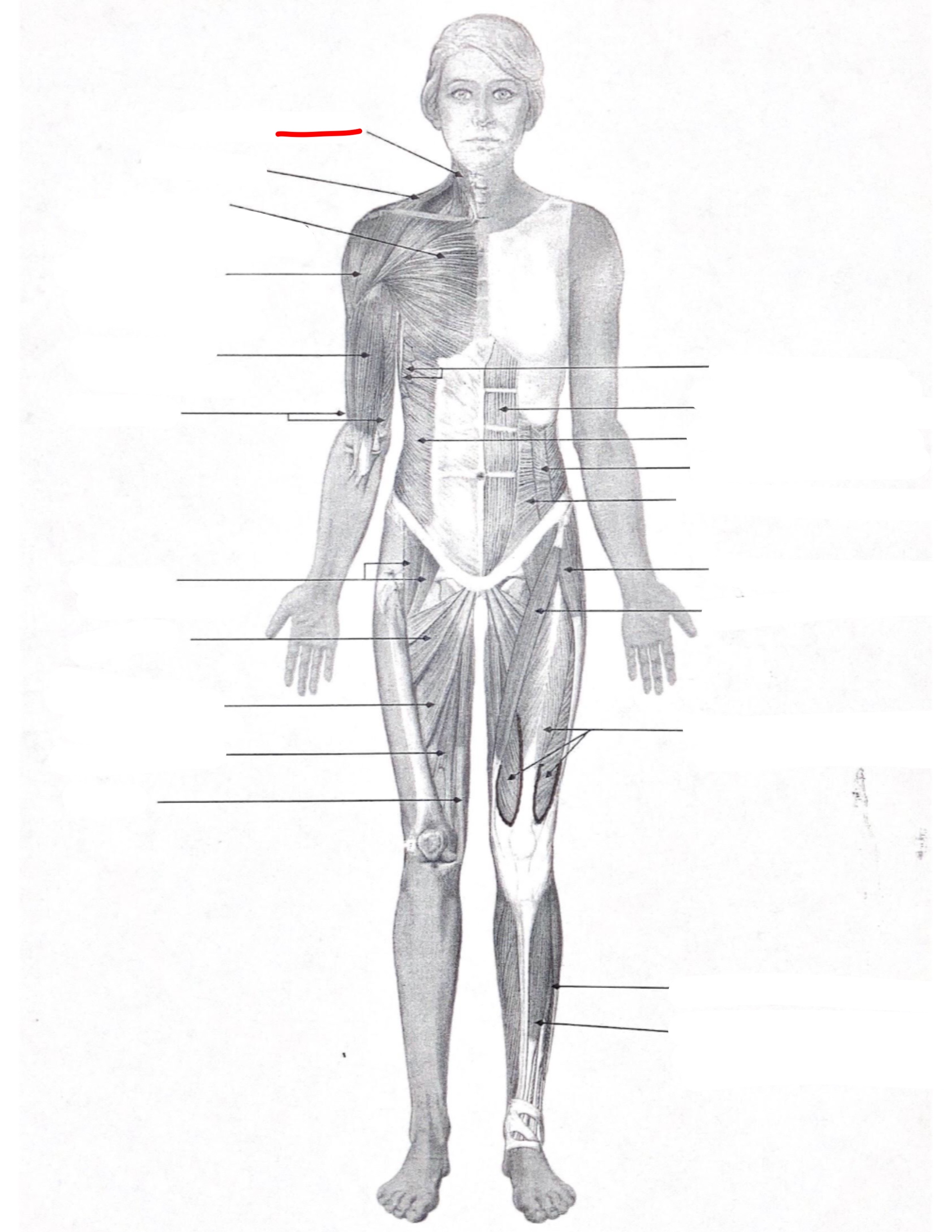
Sternocleidomastoid
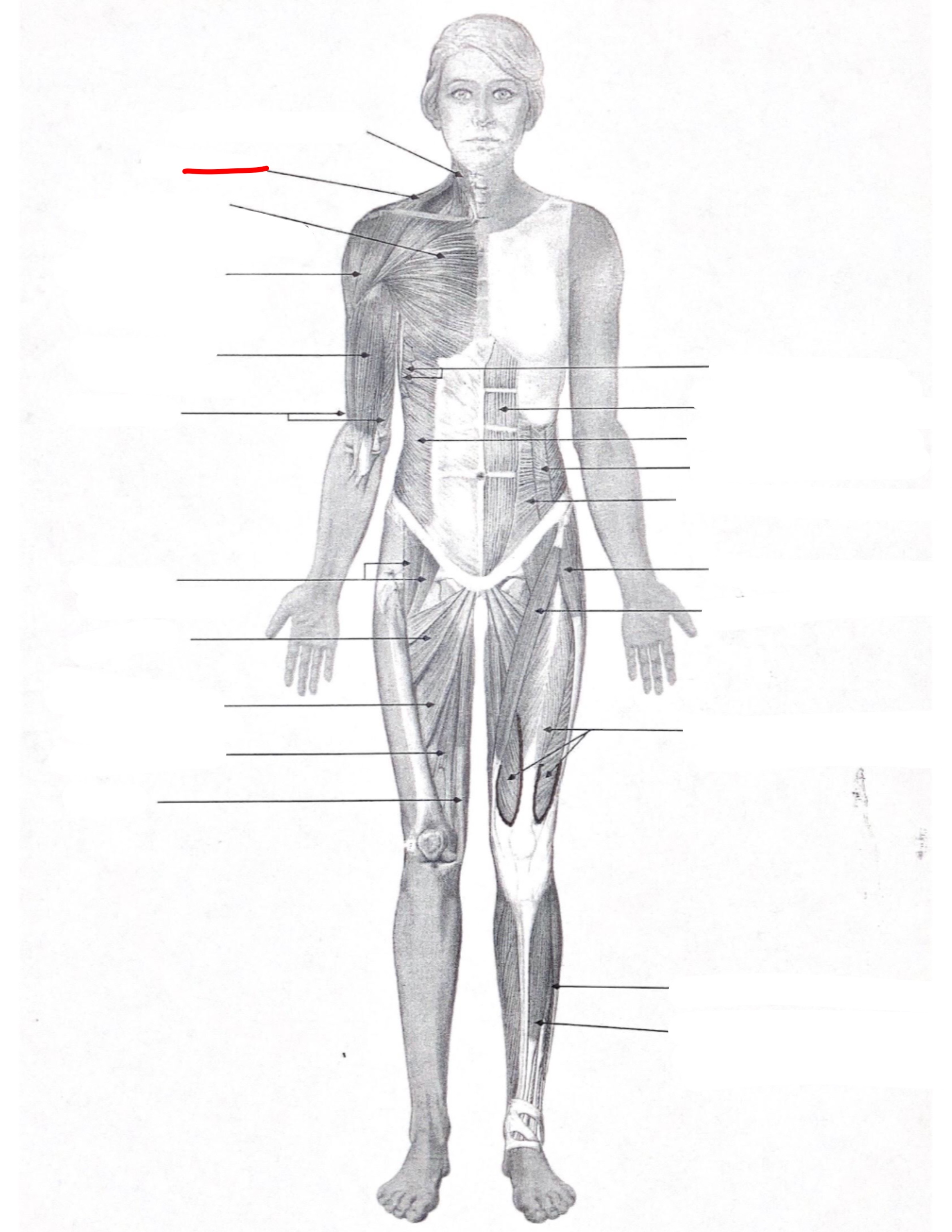
Trapezius
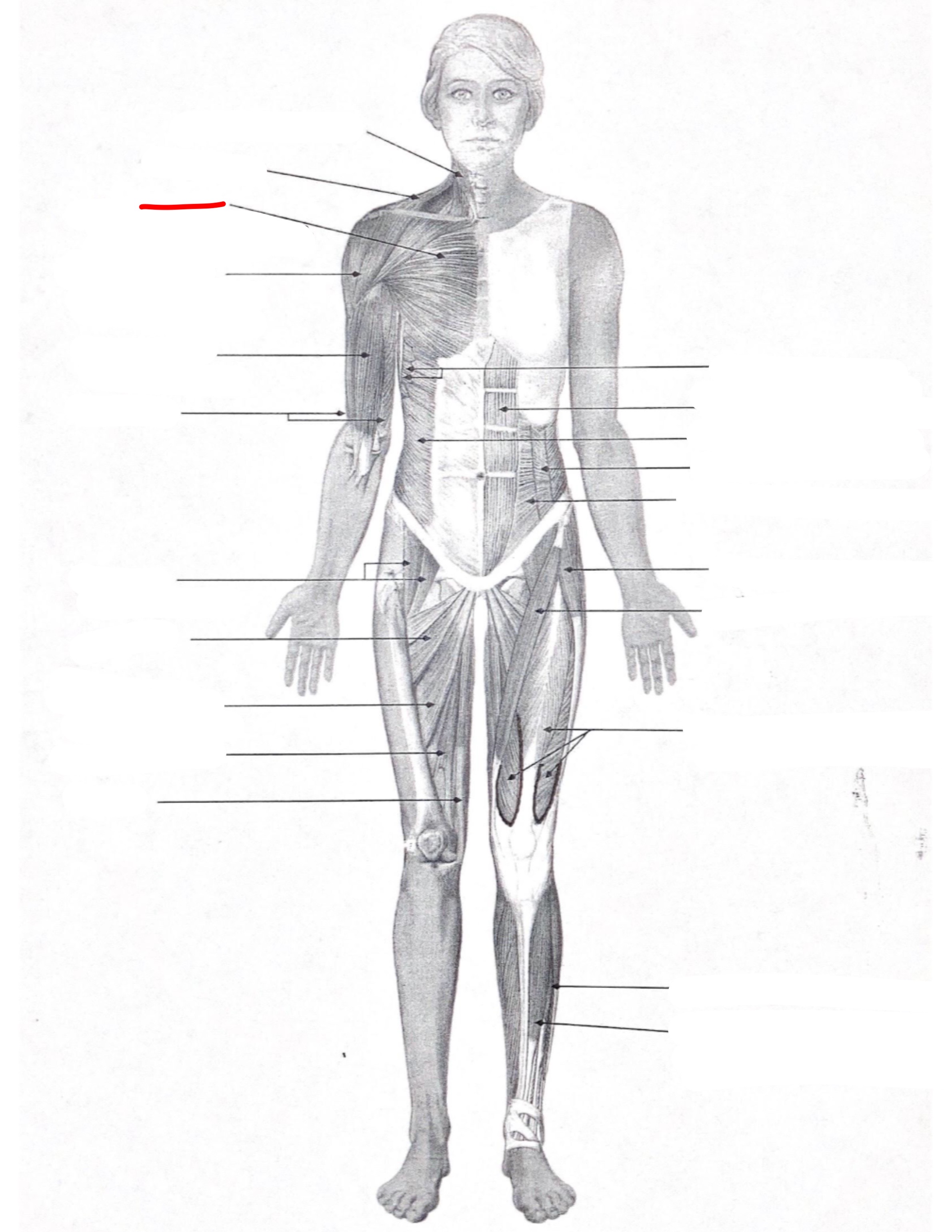
Pectoralis Major
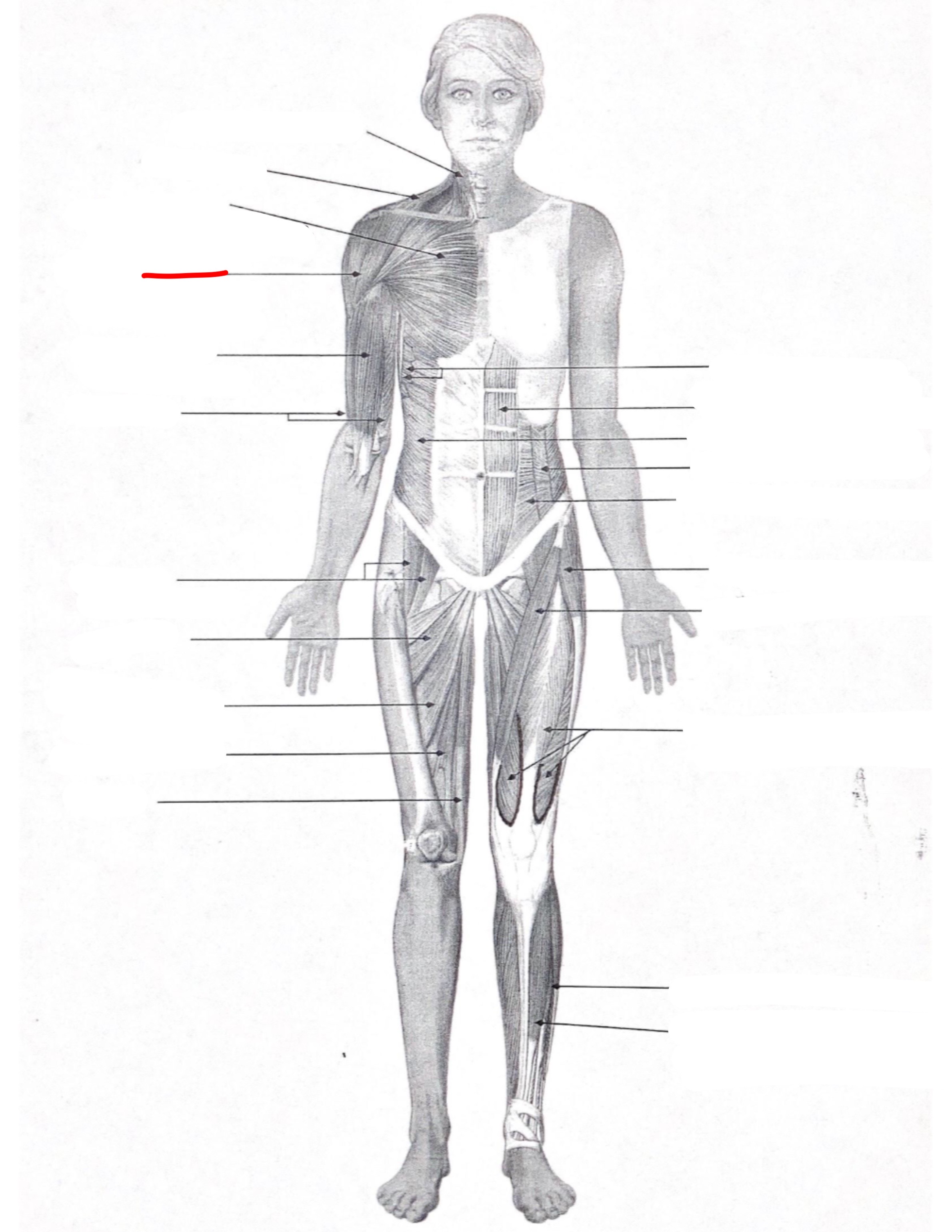
Anterior Deltoid
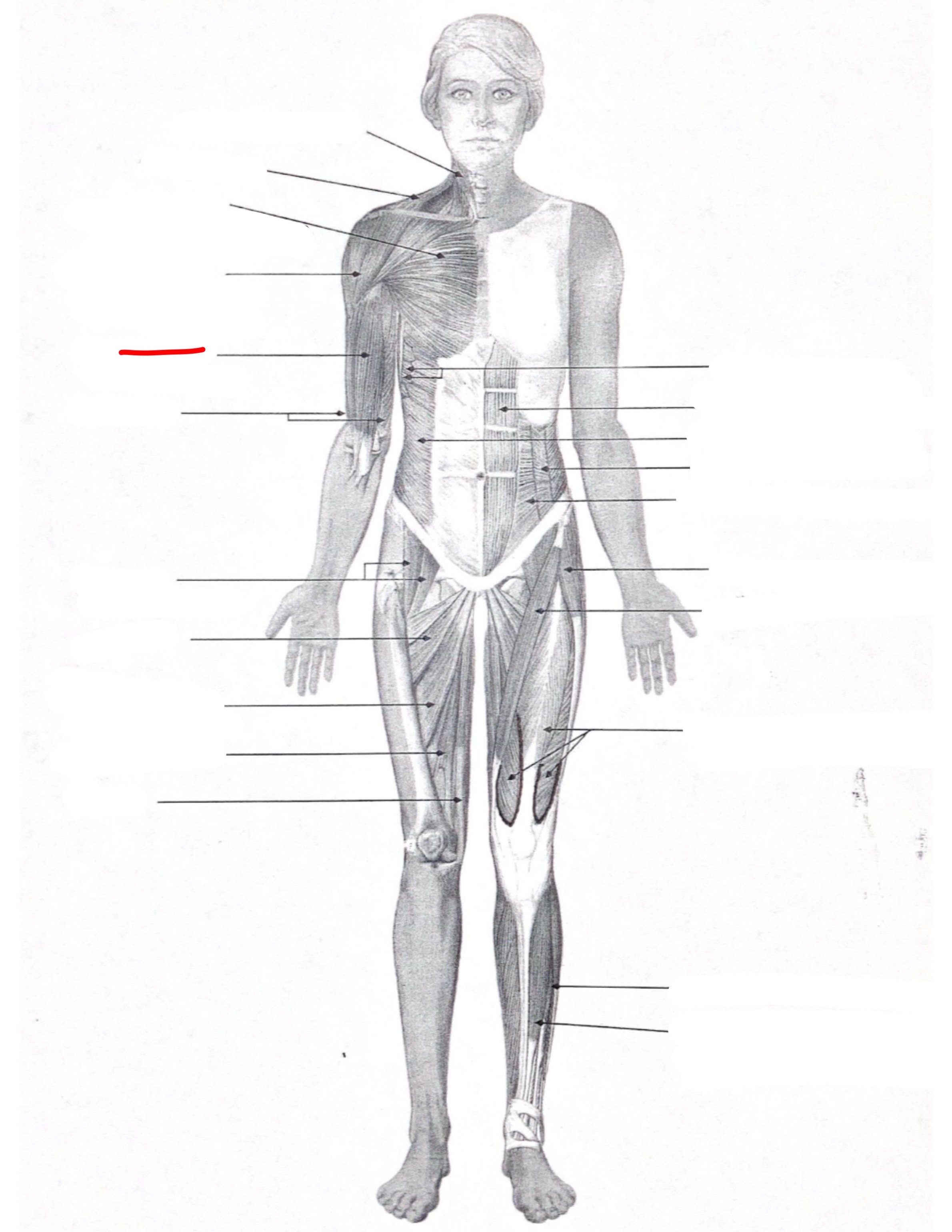
Biceps Brachii
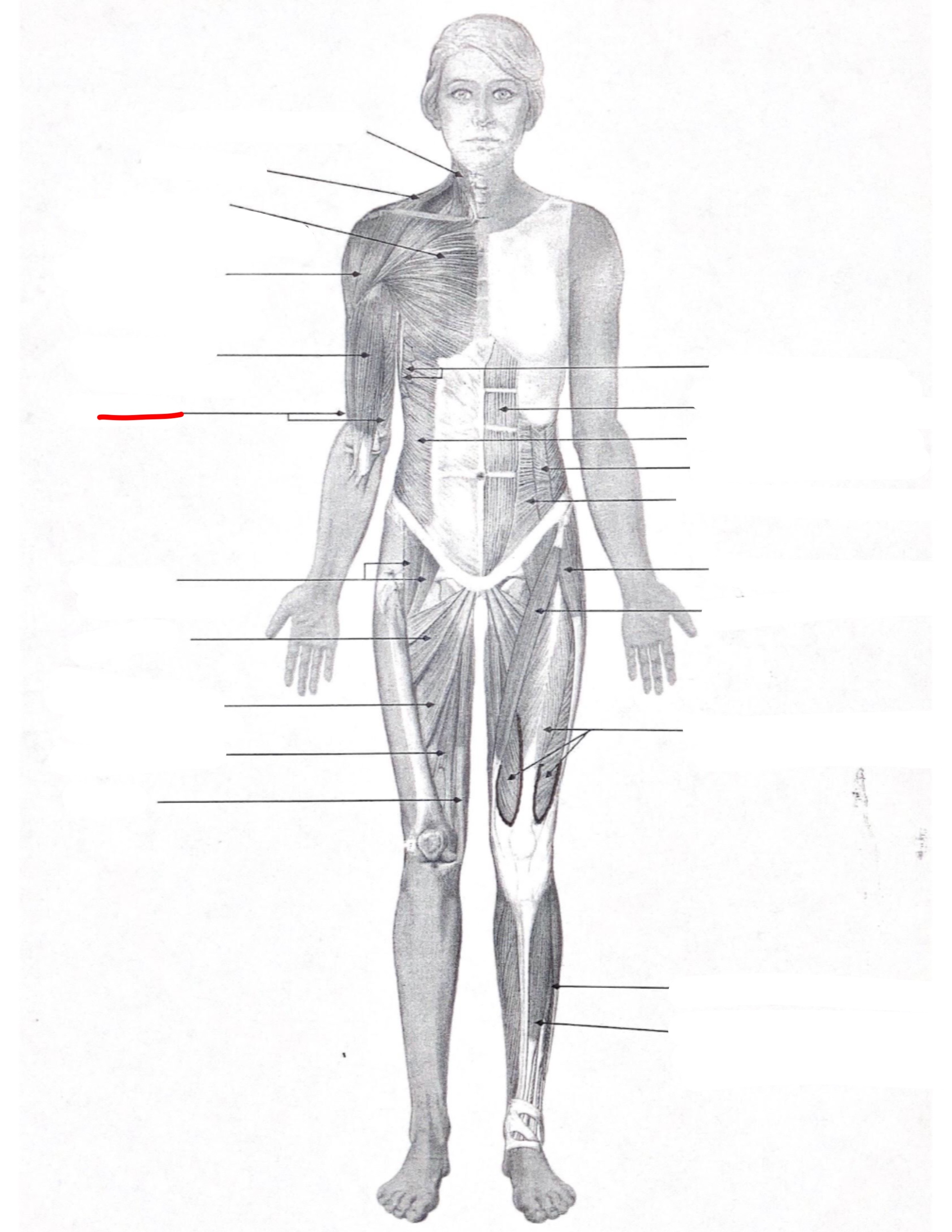
Brachialis
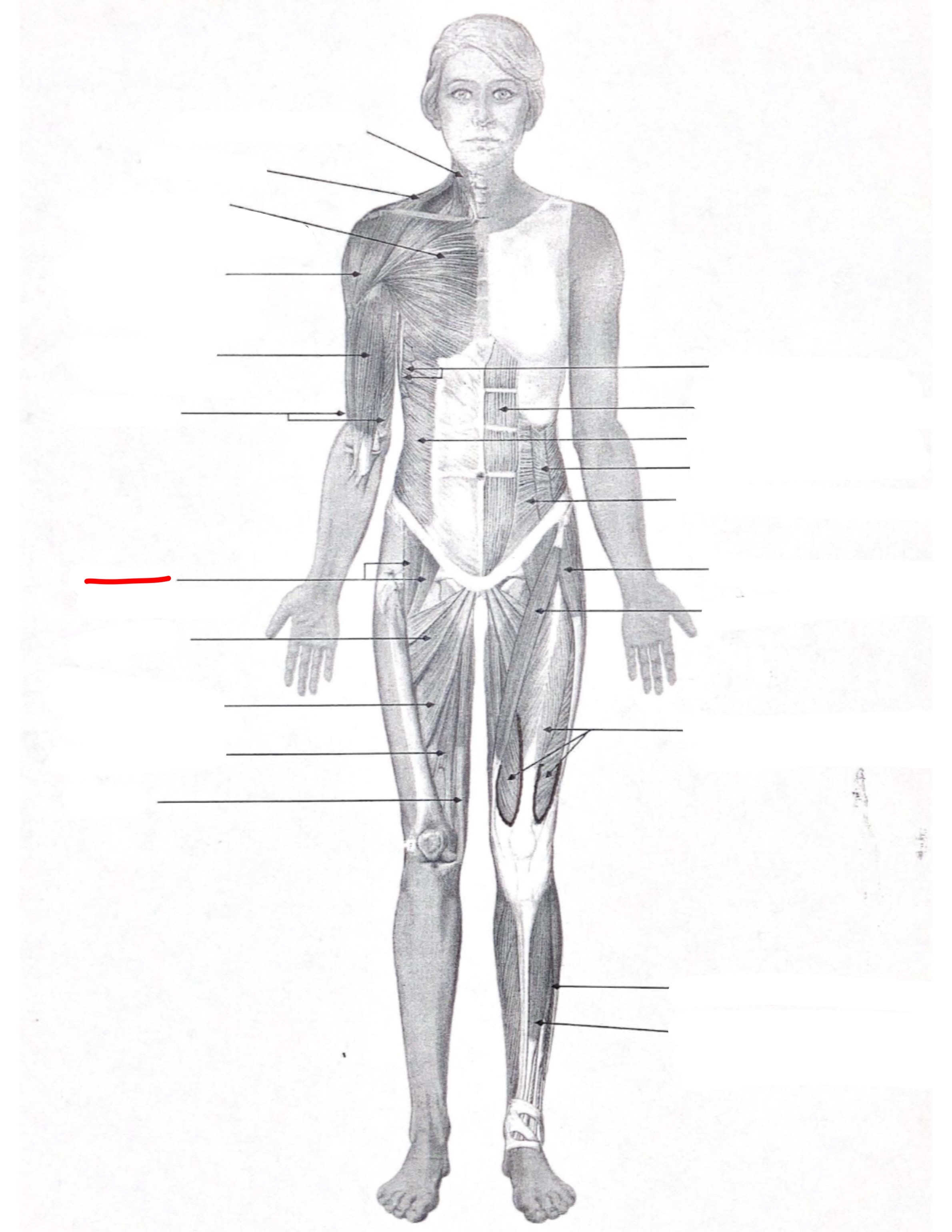
Lliopsoas
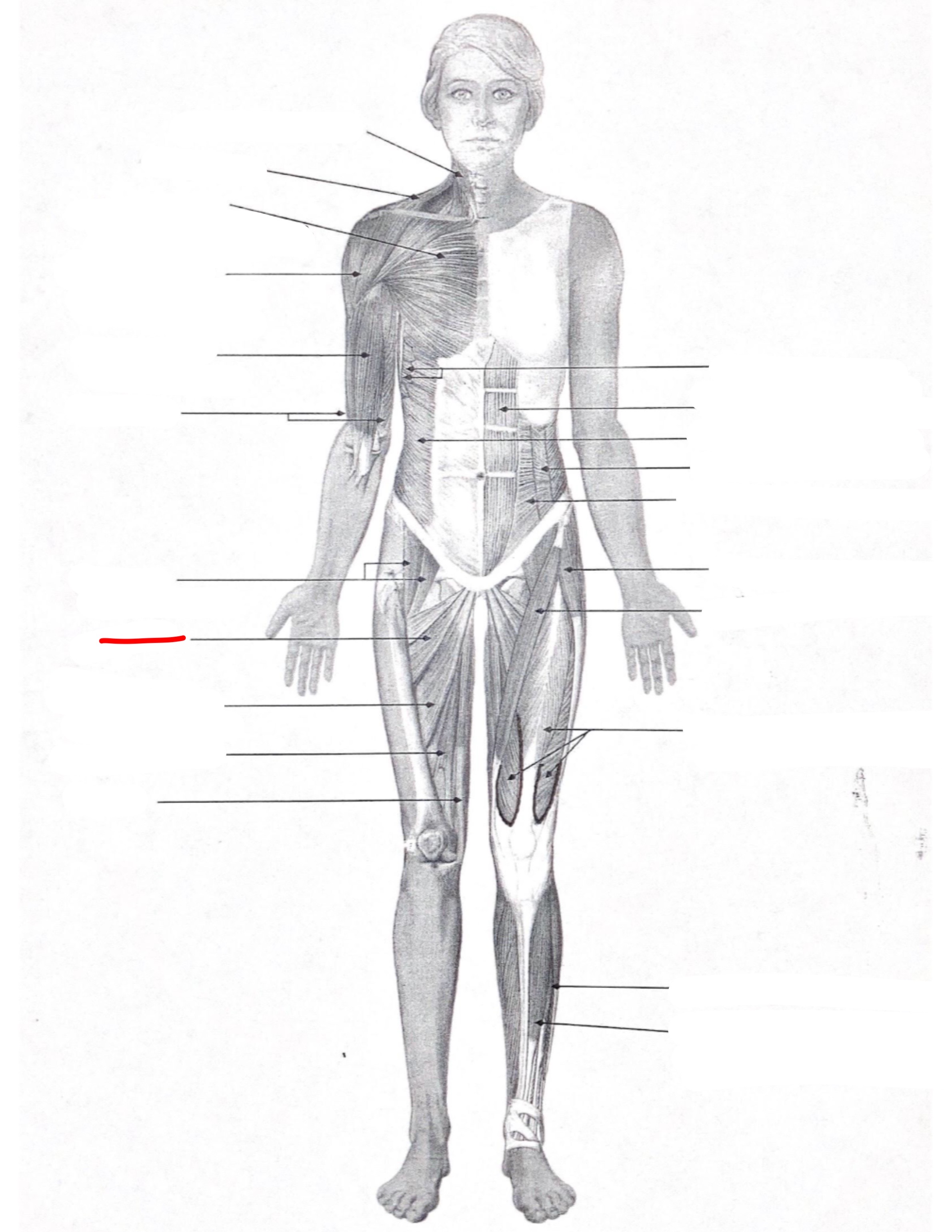
Pectineus
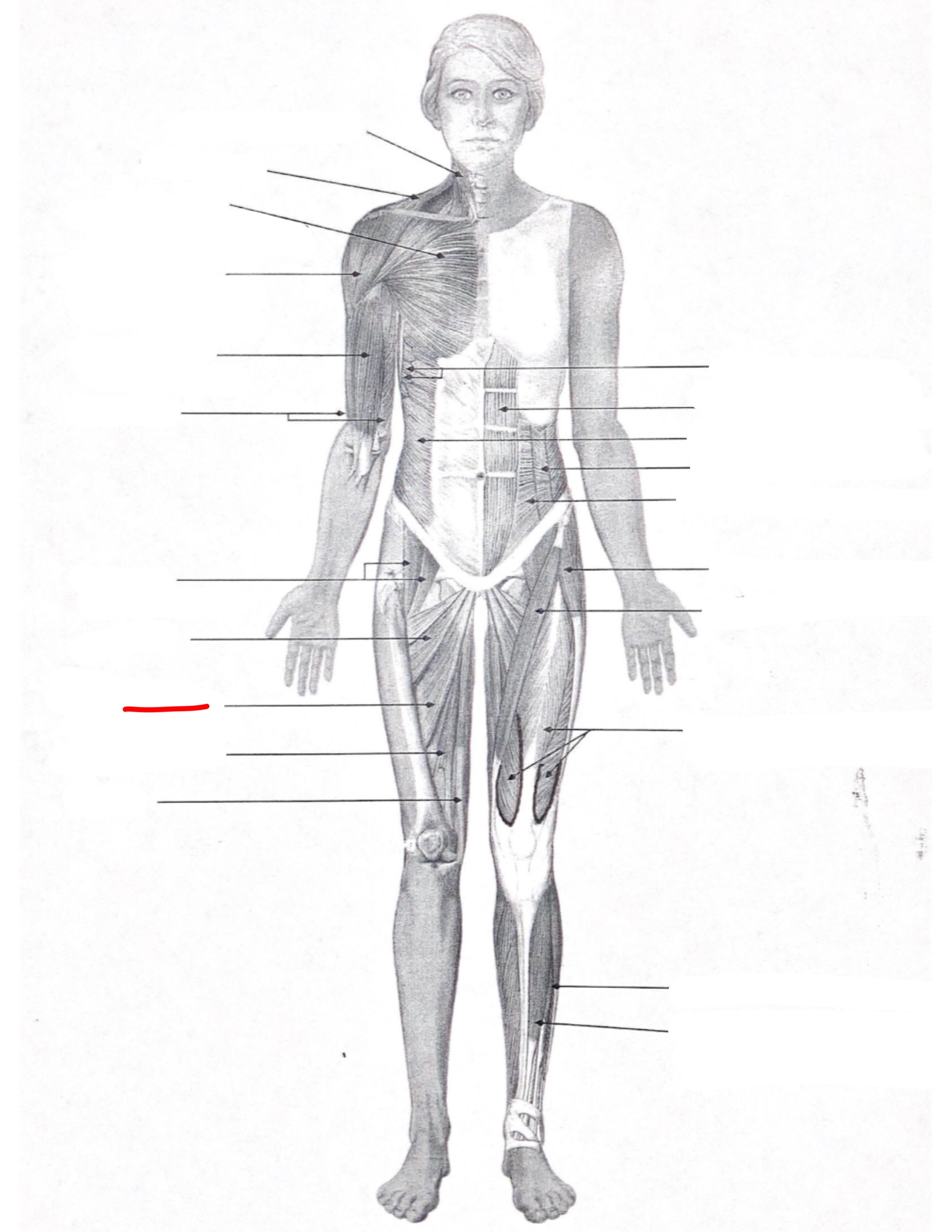
Adductor Longus
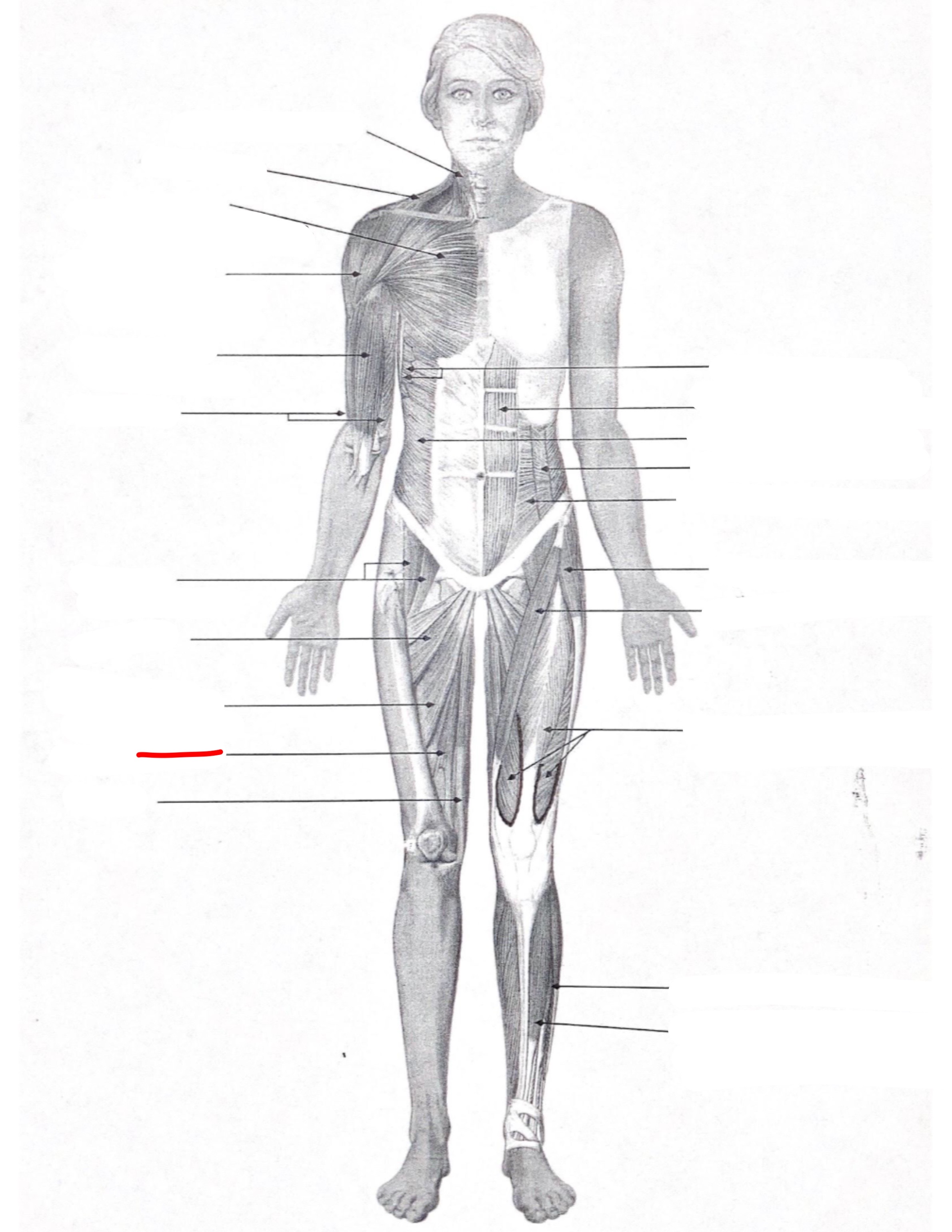
Adductor Magnus
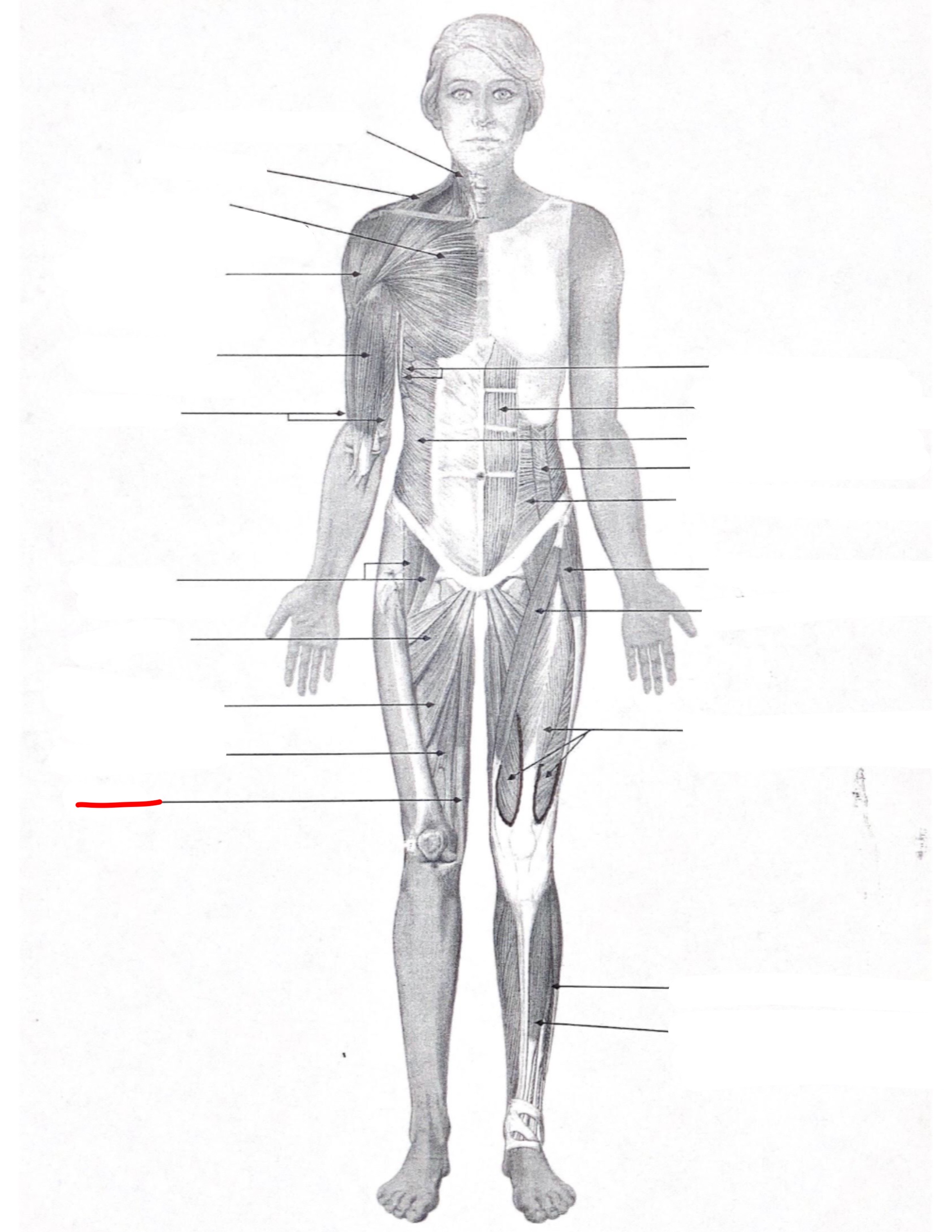
Gracilis
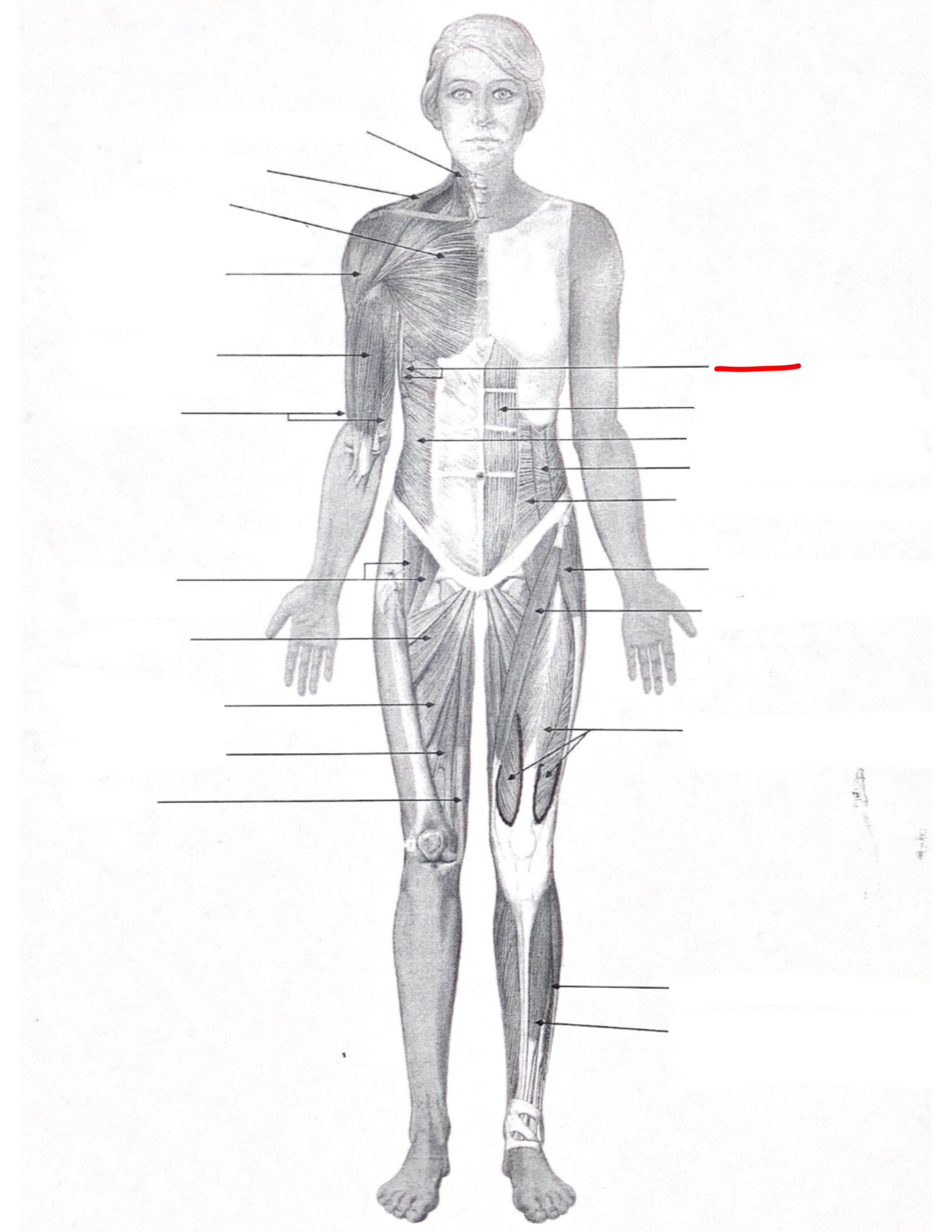
Serratus Anterior
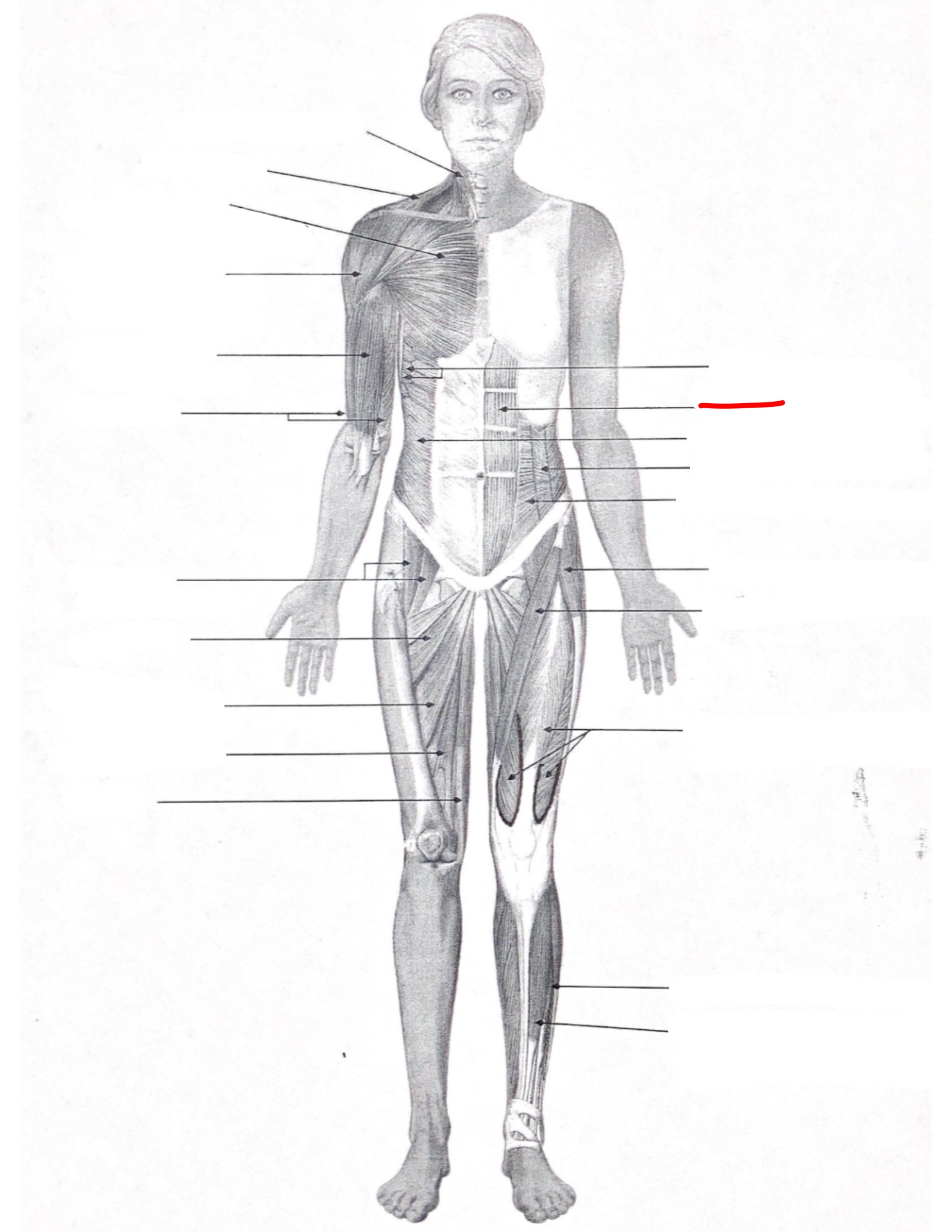
Rectus Abdominis
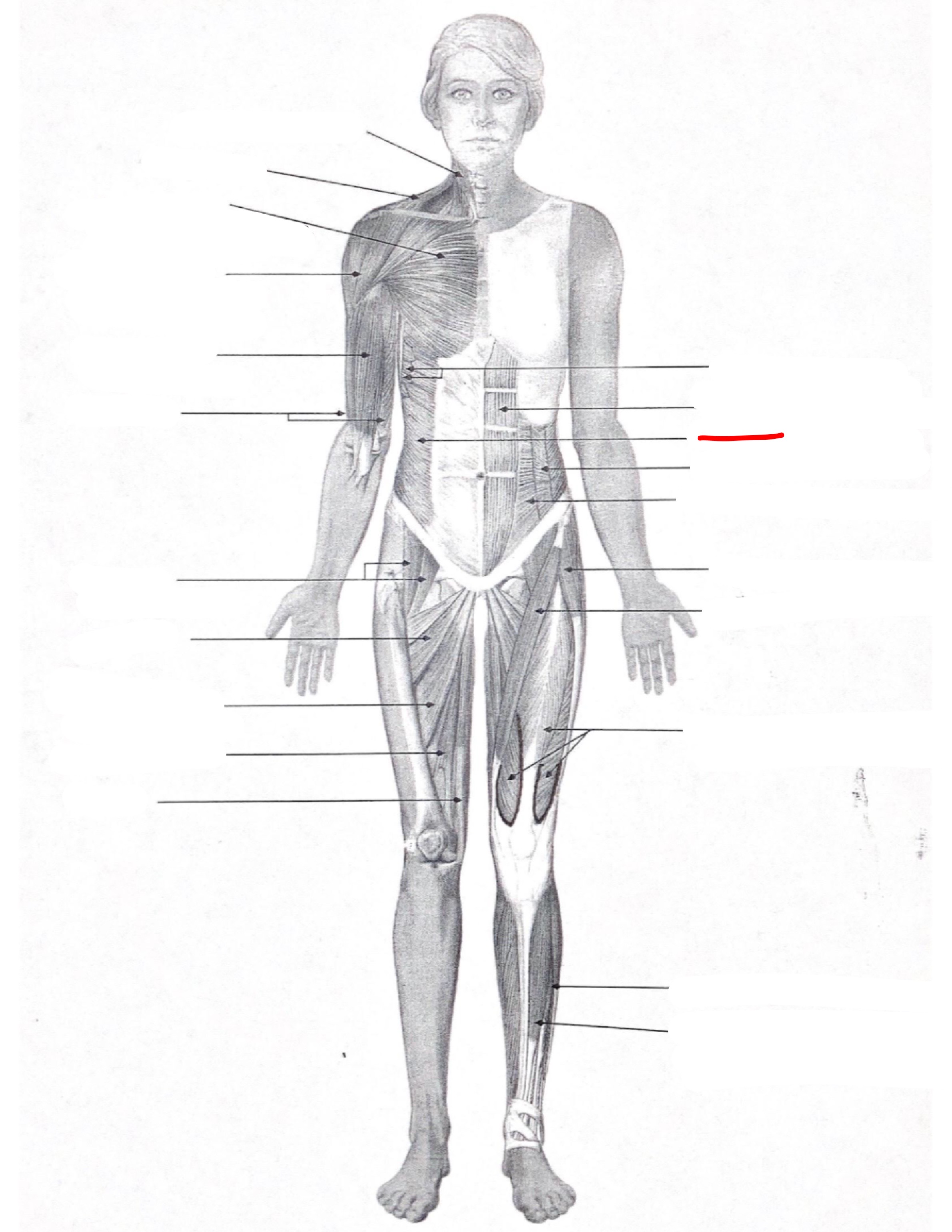
External Oblique
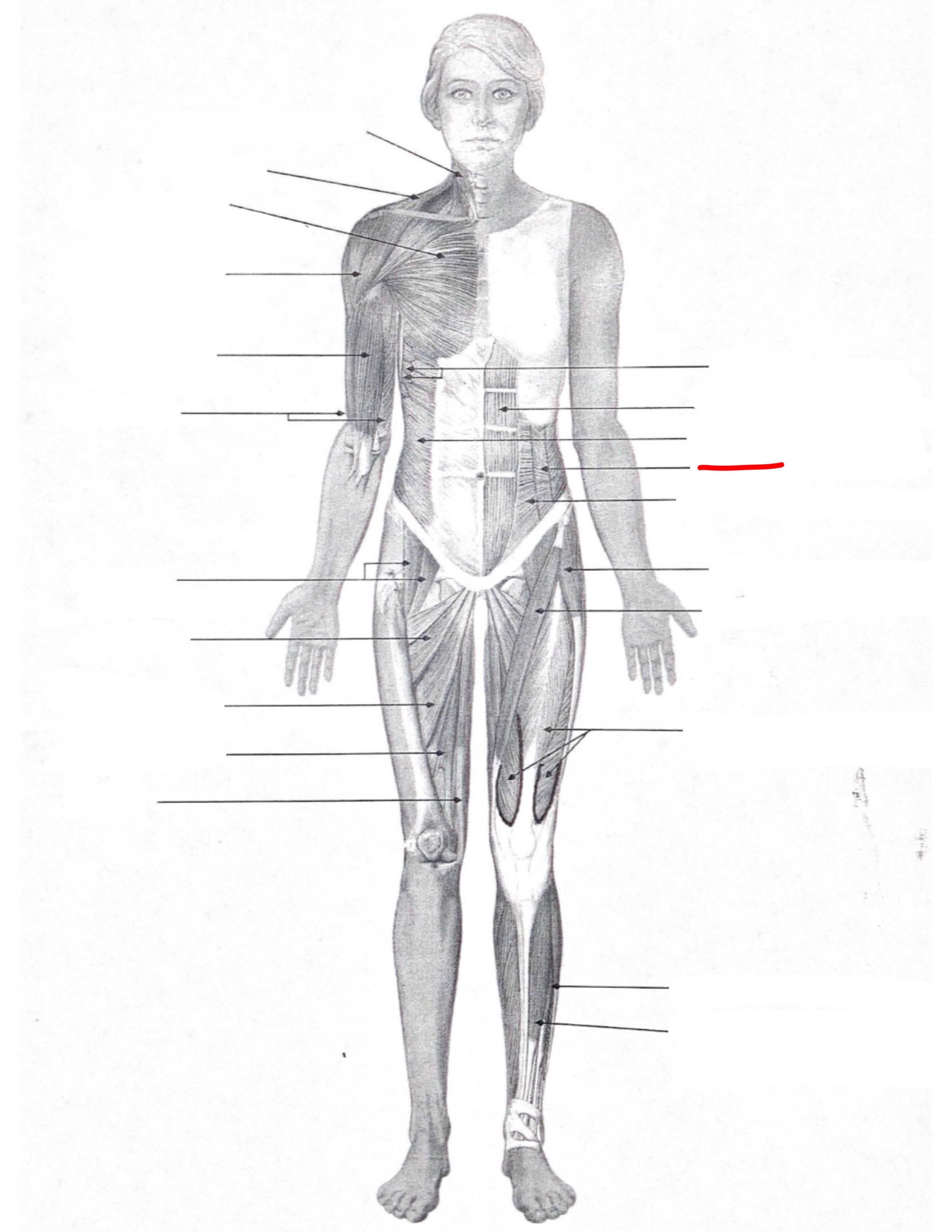
Internal Oblique