6.1. Physiology: Fundamentals of Physiology
 Call Kai
 Learn
Learn Practice Test
 Spaced Repetition
 Match
Match Flashcards
 Knowt Play
1/29

There's no tags or description
Looks like no tags are added yet.
Name | Mastery | Learn | Test | Matching | Spaced | Call with Kai |
|---|
No analytics yet
Send a link to your students to track their progress
30 Terms
1. Chloride is the most common anion in the extracellular space and has important functions.
Which statement regarding chloride is correct?
A. Chloride channel–coupled receptors usually act excitatory in α-motoneurons of healthy adults.
B. Chloride channels can depolarize cells when the membrane potential is more negative than the equilibrium potential (reversal potential) for chloride.
C. The efflux of chloride from the cell is the main mechanism for regulatory cell volume increase after osmotic shrinkage.
D. The transport of chloride typically occurs in a symport that includes one chloride ion and one bicarbonate ion in total.
E. The depolarization of skeletal muscle fibers is typically triggered by the influx of chloride.
B. Chloride channels can depolarize cells when the membrane potential is more negative than the equilibrium potential (reversal potential) for chloride.
2. Defects of platelet surface receptors can cause hemostatic disorders.
Through which of the following surface receptors does the initial adhesion of platelets occur after endothelial injury?
A. ATP-binding purinergic receptors
B. Glycoprotein Ib/IX (or Glycoprotein Ib/IX/V) complex
C. Glycoprotein IIb/IIIa complex
D. Prostacyclin receptors
E. Thromboxane receptors
B. Glycoprotein Ib/IX (or Glycoprotein Ib/IX/V) complex
3. Platelet activation or aggregation is
A. Promoted by ADP
B. Promoted by prostacyclin (PGI₂)
C. Inhibited by serotonin
D. Promoted by nitric oxide (NO)
E. Inhibited by thrombin
A. Promoted by ADP
4. Which cell primarily produces reactive oxygen species after activation?
A. B lymphocyte
B. Basophilic granulocyte
C. Neutrophilic granulocyte
D. T helper cell type 1 (TH1 lymphocyte)
E. T helper cell type 2 (TH2 lymphocyte)
C. Neutrophilic granulocyte
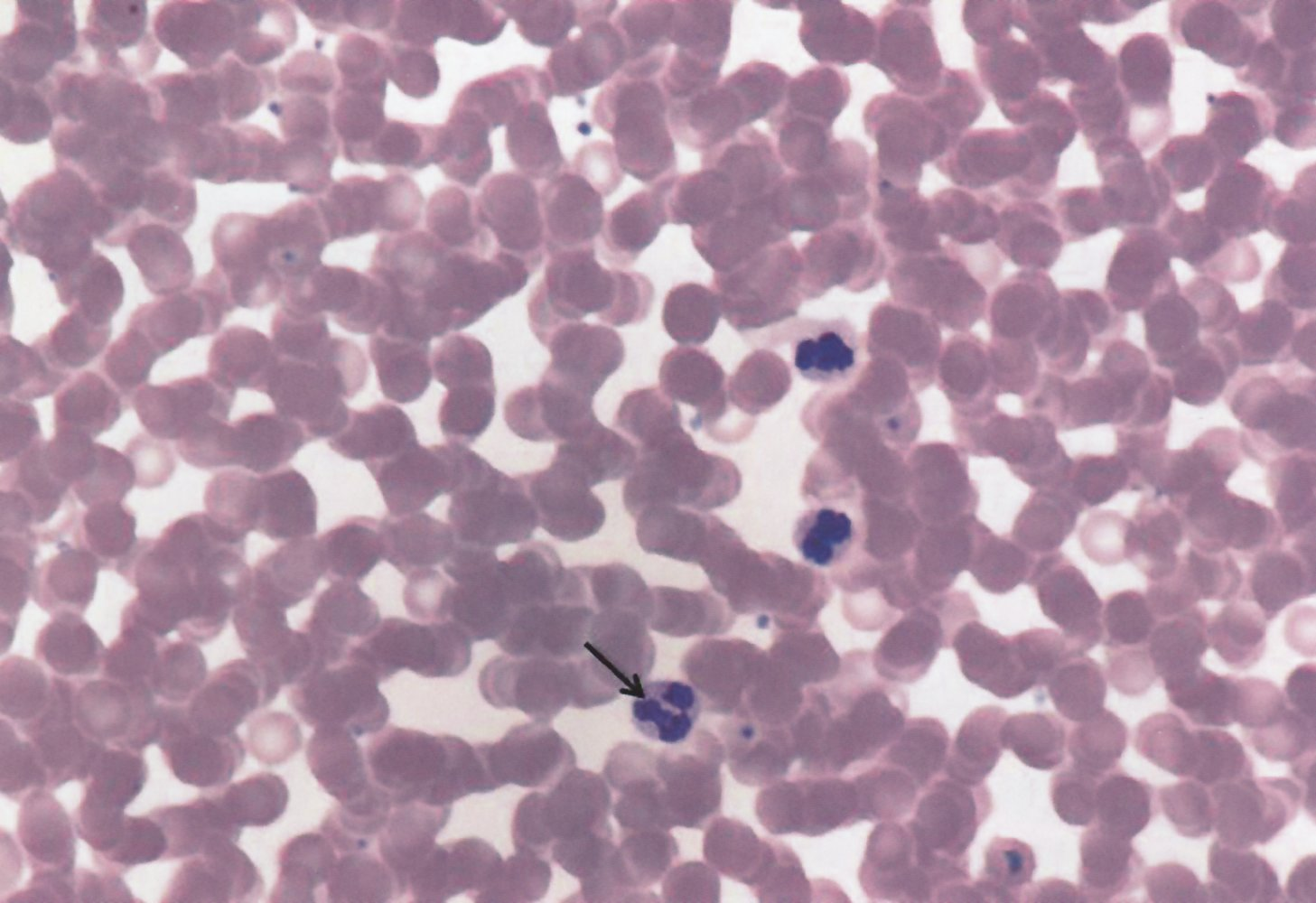
5. Which of the following antibodies is primarily involved in stimulating histamine release?
A. IgA
B. IgD
C. IgE
D. IgG
E. IgM
C. IgE
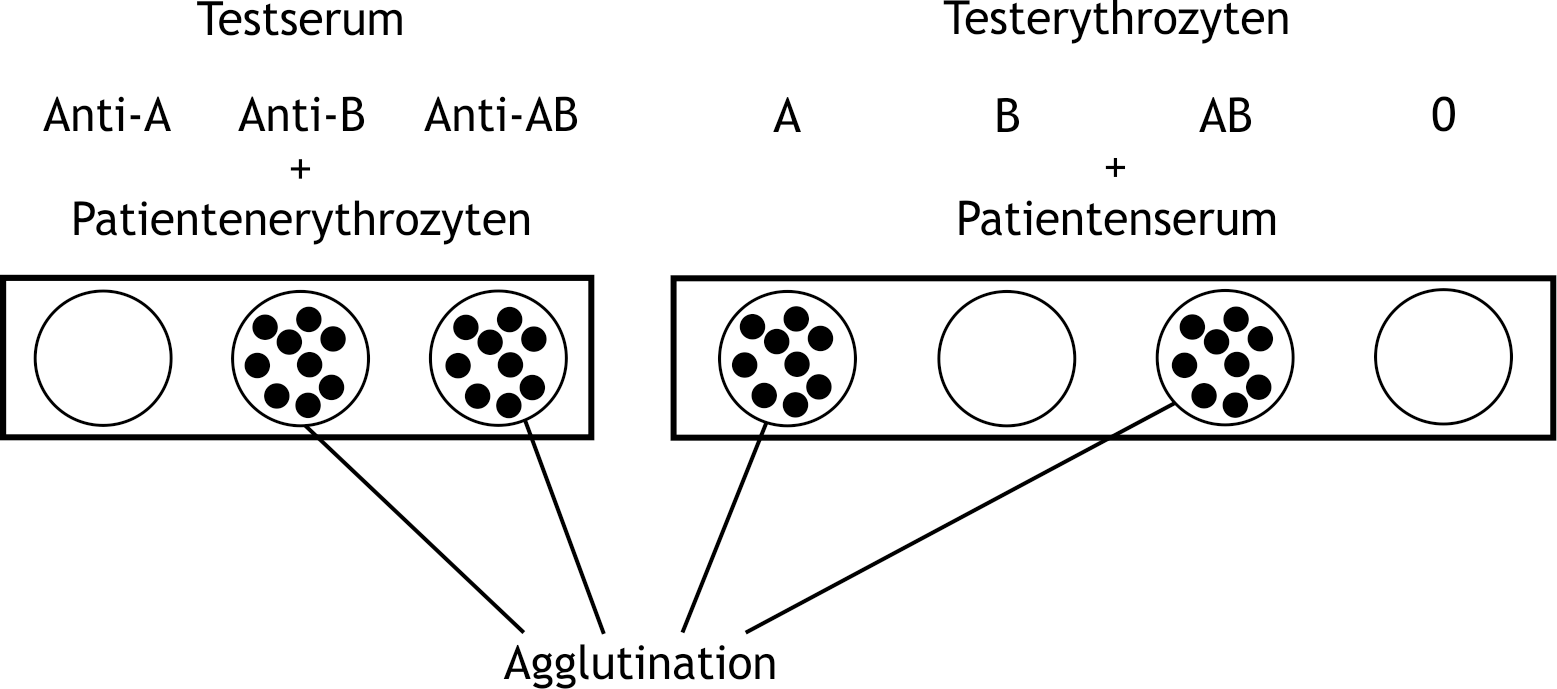
6. The blood group determination of a patient with respect to the ABO system shows the following findings:
Which conclusion from this test result is correct?
A. The patient has blood group O.
B. The patient has blood group A.
C. The patient has blood group AB.
D. The patient has blood group B.
E. The findings of the blood group determination are contradictory.
D. The patient has blood group B.
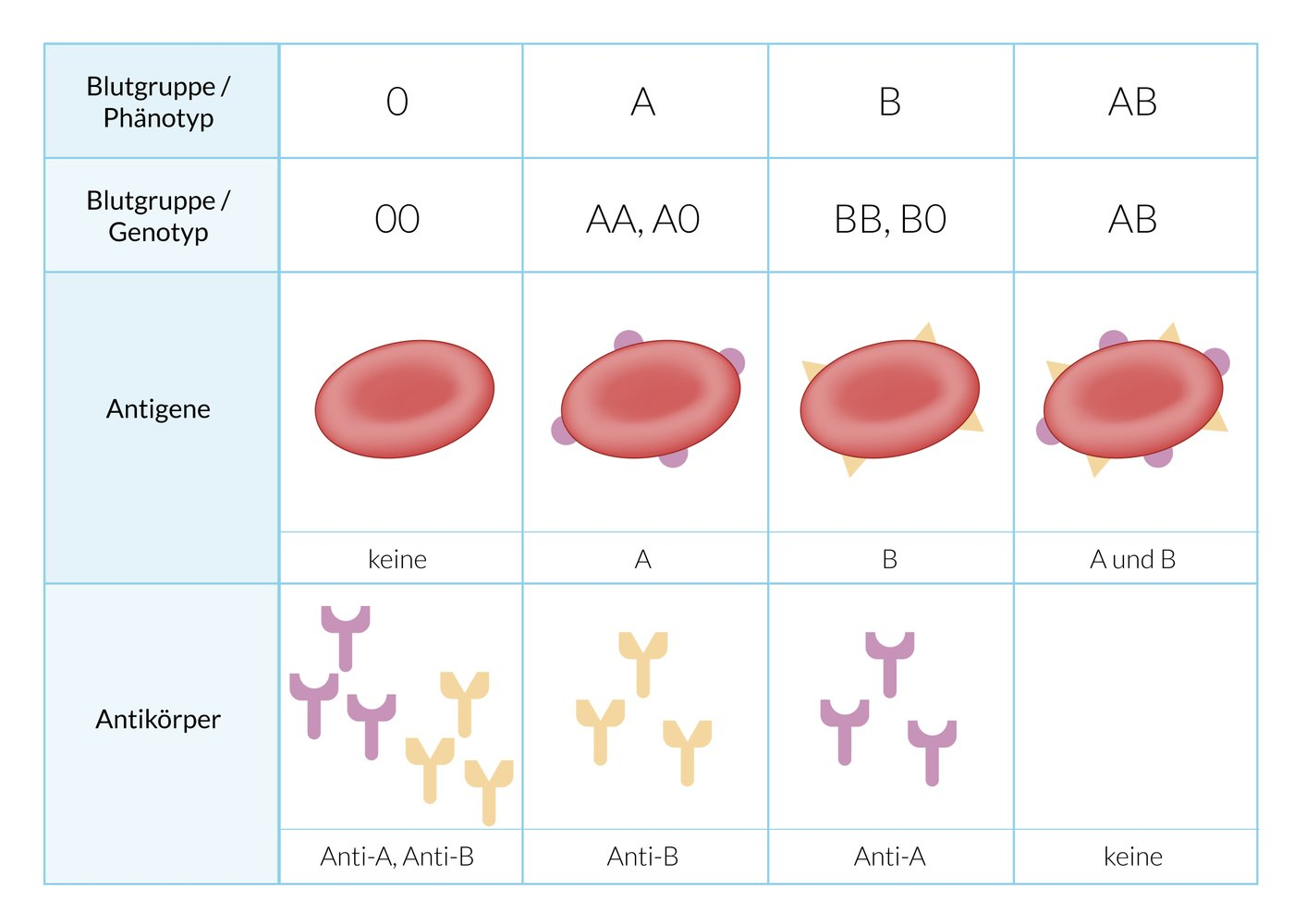
7. A man complains of shortness of breath on exertion and constant fatigue. You find tachycardia at rest and pale mucous membranes. Laboratory results from peripheral blood show: hemoglobin concentration 110 g/L, mean corpuscular volume (MCV) 95 fL, mean corpuscular hemoglobin (MCH) 30 pg, reticulocyte fraction (relative to the sum of reticulocytes and mature erythrocytes) < 0.1%.
Which of the following statements best explains these findings?
A. The patient had a complete removal of the ileum several years ago.
B. The patient suffers from dialysis-dependent renal insufficiency with impaired endocrine kidney function.
C. The patient suffers from iron deficiency due to a chronically bleeding duodenal ulcer.
D. The patient suffers from chronic gastritis with mucosal atrophy.
E. The otherwise healthy patient lost 1 L of blood in an accident three weeks ago.
B. The patient suffers from dialysis-dependent renal insufficiency with impaired endocrine kidney function.
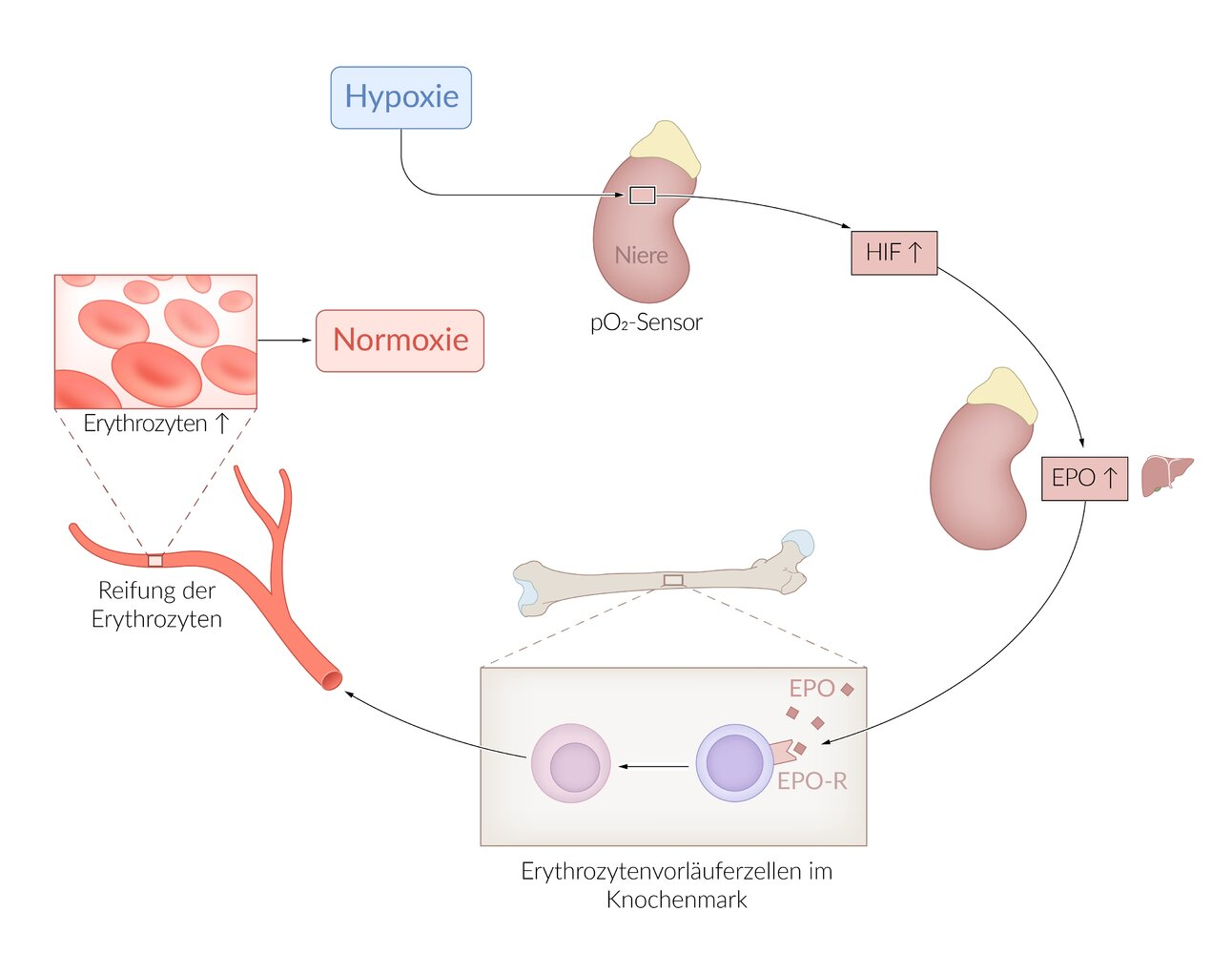
8. Atropine is a naturally occurring toxin that can be lethal at an appropriate dose.
Primarily, in what way does atropine act as a poison?
A. It activates muscarinic acetylcholine receptors.
B. It binds to muscarinic acetylcholine receptors.
C. It competes with acetylcholine for binding to nicotinic acetylcholine receptors.
D. It competes with norepinephrine for binding to β-receptors.
E. It blocks the transmission of action potentials between preganglionic and postganglionic neurons in the autonomic nervous system.
B. It binds to muscarinic acetylcholine receptors.
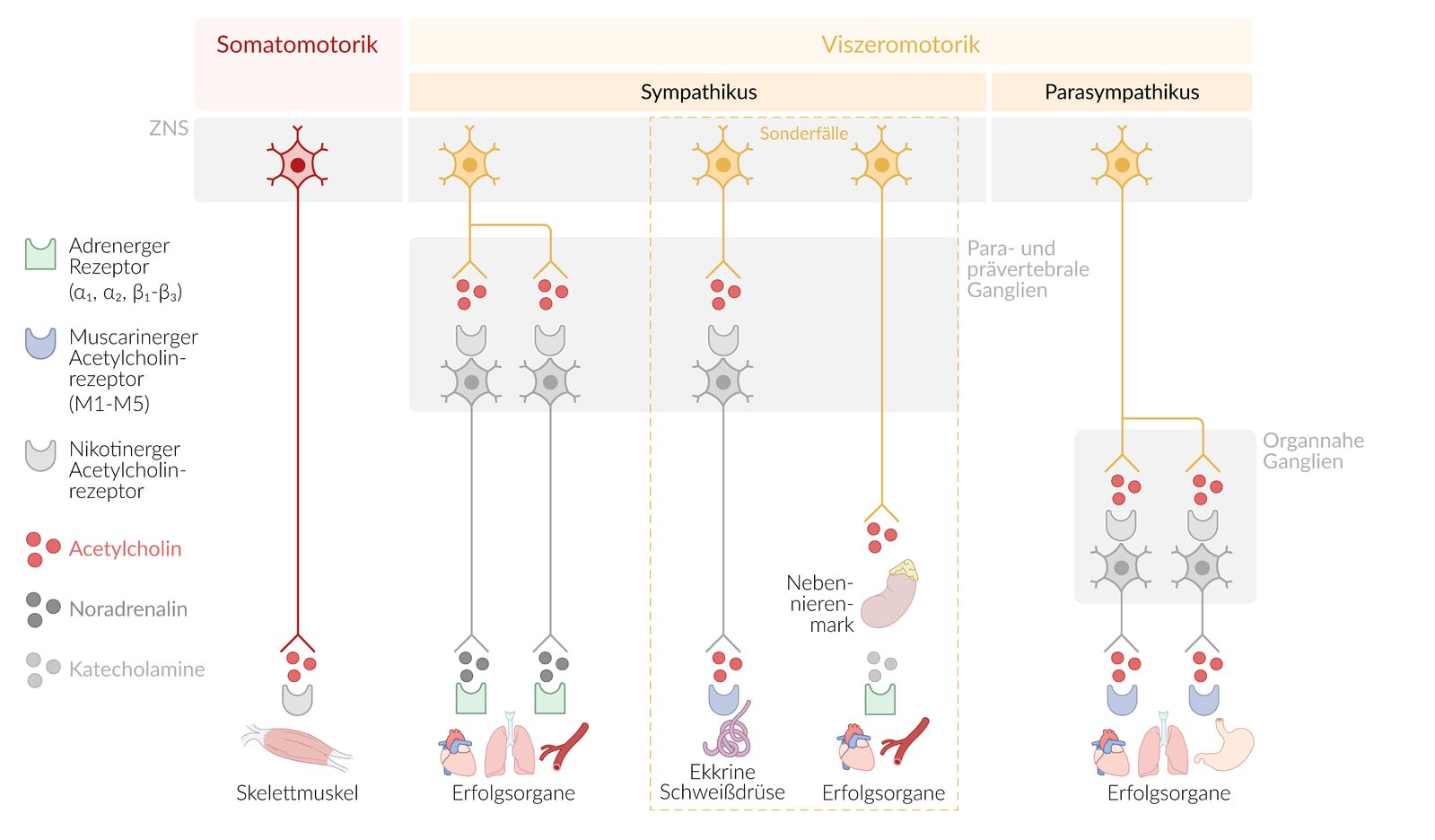
9. Which statement about the pyramidal tract is correct?
A. The nerve fibers that terminate monosynaptically on α-motoneurons are mostly thinly myelinated (up to 5 μm in diameter).
B. About 98% of the axons terminate directly on α-motoneurons in the spinal cord.
C. Its neurons are predominantly dopaminergic.
D. Signals of the tract reach the cerebellum via axon collaterals after synaptic relay.
E. Transcortical stretch reflexes (long-loop reflexes) conducted through this tract typically have a reflex time of less than 10 ms.
D. Signals of the tract reach the cerebellum via axon collaterals after synaptic relay.
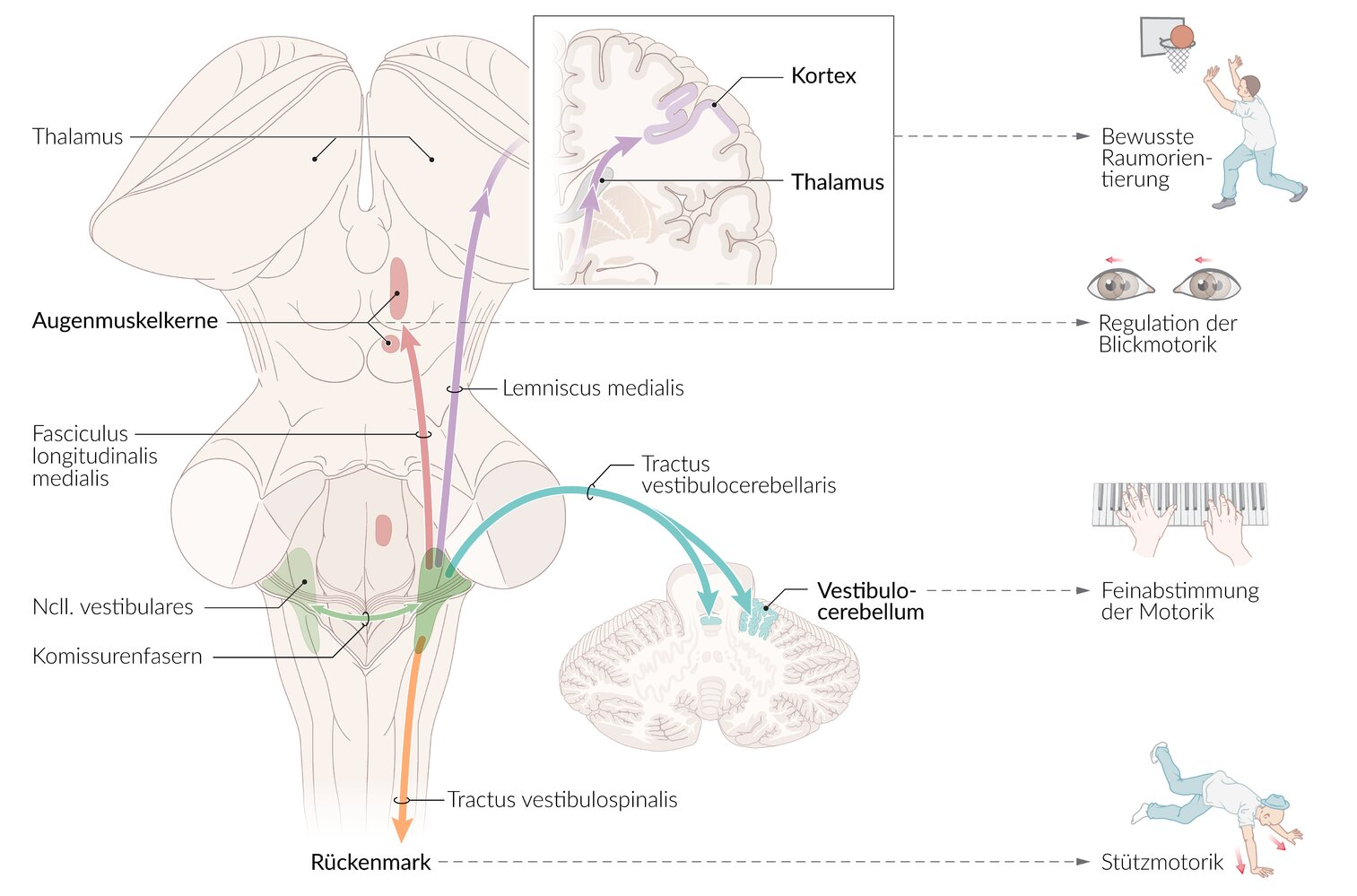
10. For which of the following neuron groups is it most likely that they increase the tone of muscles—primarily of the limb extensors—through direct action on spinal cord neurons?
A. Cortex of the precentral gyrus
B. Nucleus dentatus
C. Nucleus ruber
D. Nucleus vestibularis lateralis
E. Putamen
D. Nucleus vestibularis lateralis
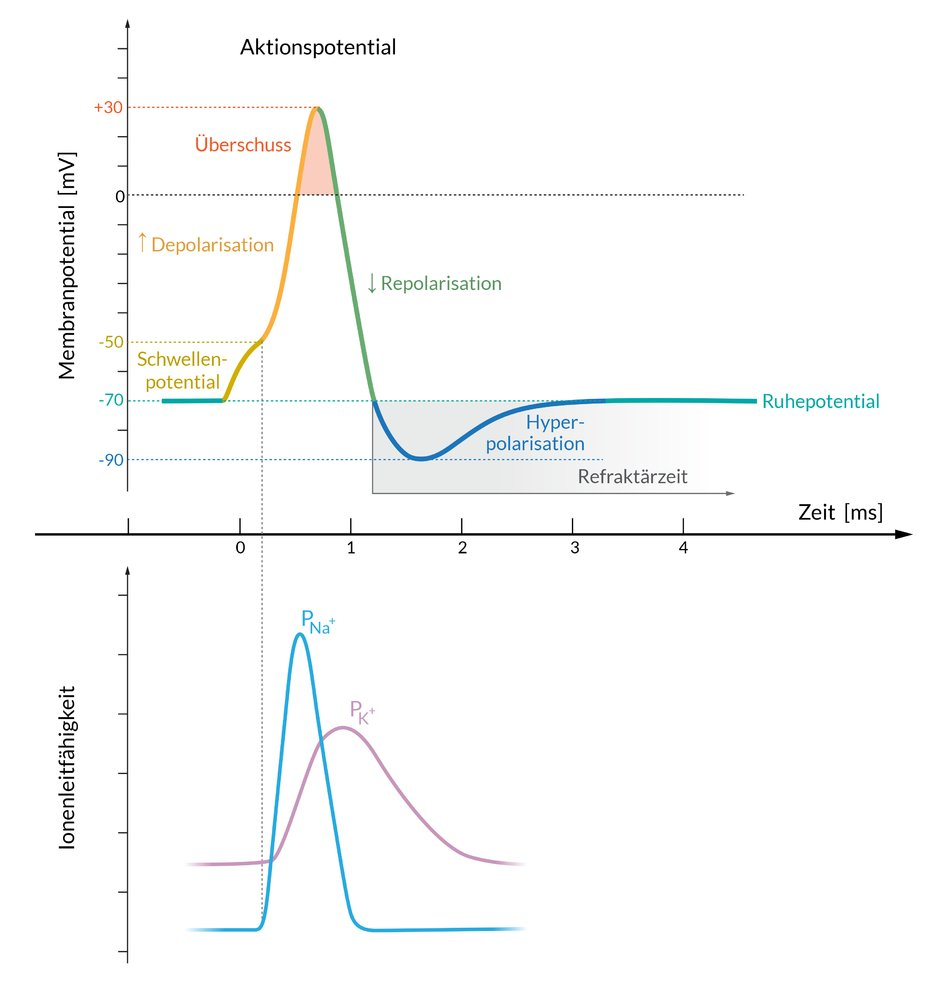
11. Which statement about sensory potentials (receptor potentials) of sensory cells is correct?
A. Their formation is called transformation, and their transmission to the CNS is called transduction.
B. They are generated by the opening of fast voltage-gated Na⁺ channels.
C. They are generated by the opening of voltage-gated K⁺ channels.
D. They are responses whose amplitude depends on the stimulus intensity.
E. They are suppressed by (+)-tubocurarine (d-tubocurarine).
D. They are responses whose amplitude depends on the stimulus intensity.
12. A receptive field is best defined as
A. All cortical neurons that can be excited by a single sensory point on the skin
B. All thalamic regions that can be excited by the spinothalamic tract
C. The part of the visual field corresponding to the fovea centralis
D. An area in the periphery from which the activity of a sensory neuron can be influenced
E. A skin area that is efferently supplied by a neuron
D. An area in the periphery from which the activity of a sensory neuron can be influenced
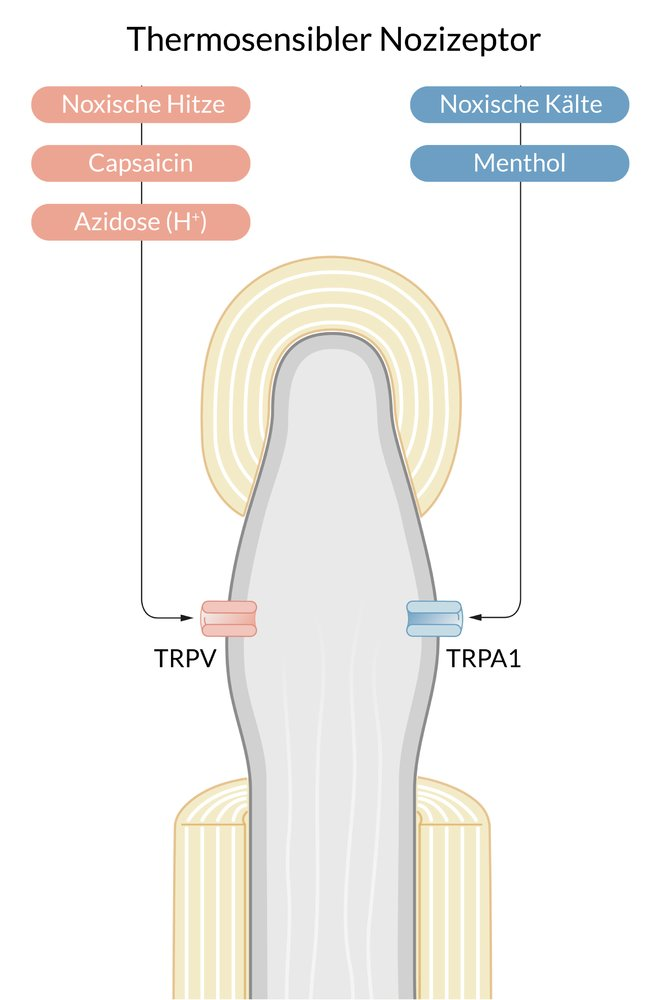
13. At approximately what temperature in non-inflamed tissue does a physiologically significant ion current first occur through TRPV1 (Transient Receptor Potential Vanilloid Type 1) receptors?
A. 13 °C
B. 23 °C
C. 33 °C
D. 43 °C
E. 53 °C
D. 43 °C
14. Which molecules or ions stimulate taste receptor cells by entering these cells themselves?
A. Quinine
B. Glucose
C. Glutamine
D. Sodium ions
E. Saccharin
D. Sodium ions
15. Which of the following statements about the sound signal and its amplification in the inner ear is correct?
A. Loss of the active (prestin-mediated) motility of the outer hair cells can lead to an increase in the hearing threshold (decrease in hearing ability) by 50 dB.
B. Active sound amplification becomes effective only at sound pressure levels above 70 dB.
C. The amplitude of the traveling wave along the cochlear structures is increased by activation of olivocochlear efferents.
D. A hearing loss of 30 dB can be completely compensated by a tenfold increase in the amplitude of sound pressure.
E. A negative Rinne test result indicates loss of the outer hair cells.
A. Loss of the active (prestin-mediated) motility of the outer hair cells can lead to an increase in the hearing threshold (decrease in hearing ability) by 50 dB.
16. Neurons of the spiral ganglion of the cochlea can transmit information about sound intensity to the brain.
How does such a neuron convey this information to the brain?
A. Through the amplitude of the action potentials
B. Through the type of neurotransmitter used
C. Through the frequency of the action potentials
D. Through the location of the neuron’s synapses
E. Through the phase shift relative to the action potentials of other neurons
C. Through the frequency of the action potentials
17. Which statement about the vestibular organ is typically correct?
A. The semicircular canal organs primarily detect linear accelerations (translational accelerations).
B. Stimulation of the hair cells in the semicircular canals is the main trigger of an optokinetic nystagmus.
C. The vestibular hair cells mainly release acetylcholine as a transmitter.
D. When lying still with the head at rest, action potentials in the vestibular nerve are triggered by activity of the hair cells in the semicircular canals.
E. When lying still with the head at rest, the hair cells of the macula utriculi and macula sacculi release no transmitter.
D. When lying still with the head at rest, action potentials in the vestibular nerve are triggered by activity of the hair cells in the semicircular canals.
18. An emmetropic (normal-sighted) young man undergoes an eye examination.
At which of the following distances can the man see objects most sharply if the refractive power of his eye lenses has increased by 5 diopters due to near accommodation after previously being accommodated for distance vision (more than 100 m away)?
A. 5 cm
B. 20 cm
C. 50 cm
D. 2 m
E. 5 m
B. 20 cm
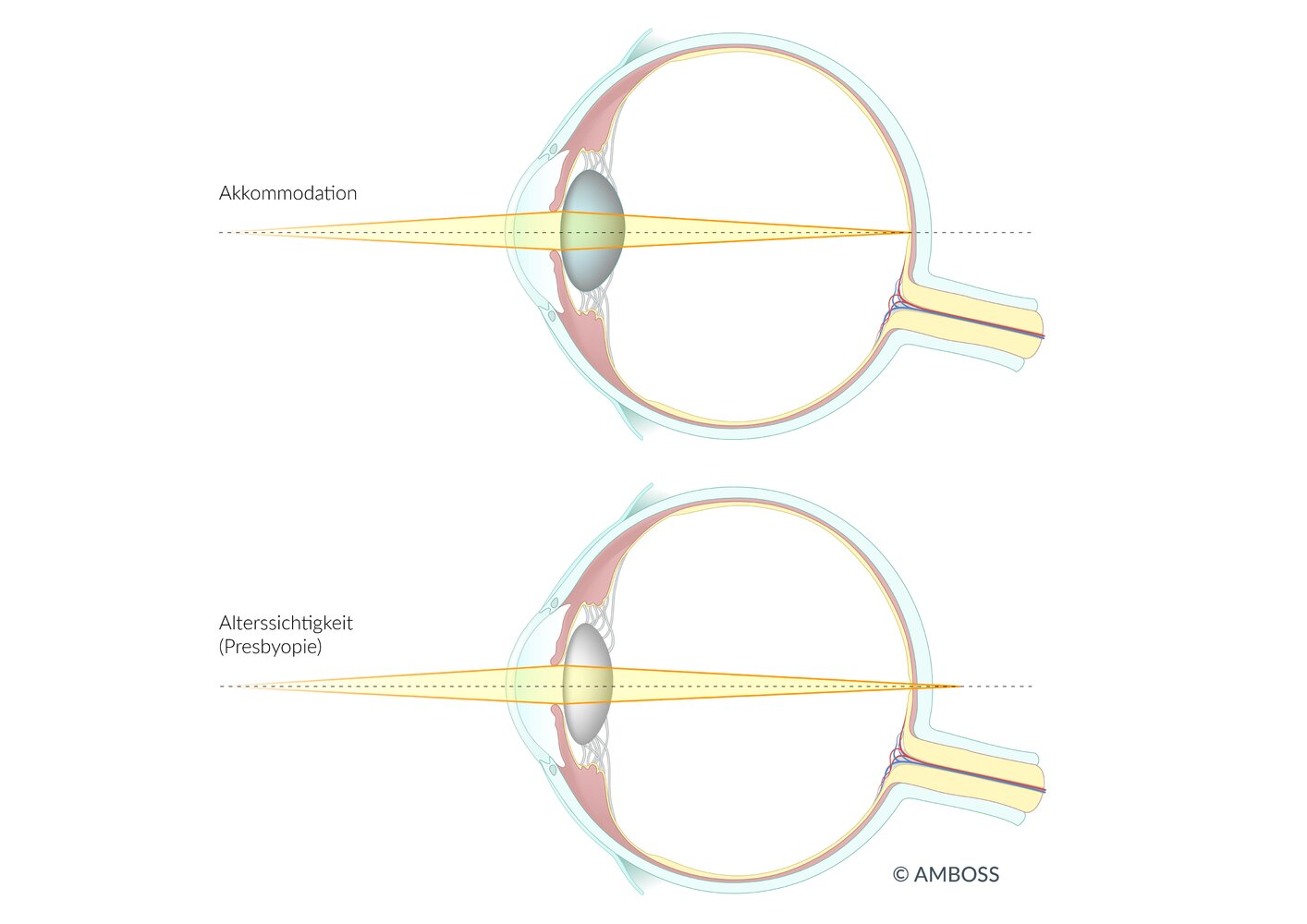
19. Which statement about signal transmission in the retina is typically correct?
A. Photoreceptor-mediated excitation triggers high-frequency action potentials in bipolar cells.
B. Signal transmission from photoreceptors to OFF-bipolar cells is mediated via metabotropic glutamate receptors.
C. Peripheral illumination of the receptive field of a ganglion cell reduces neurotransmitter release by horizontal cells at inhibitory synapses.
D. Peripheral illumination of the receptive field of OFF-bipolar cells promotes hyperpolarization in these cells.
E. Central illumination of the receptive field of ON-bipolar cells activates ionotropic glutamate receptors in these cells.
C. Peripheral illumination of the receptive field of a ganglion cell reduces neurotransmitter release by horizontal cells at inhibitory synapses.
20. The visual system of a subject is analyzed first under starlight (scotopic vision) and then under daylight (photopic vision).
Which change is most likely to occur during the transition from scotopic to photopic vision?
A. Decrease in lateral inhibition of retinal ganglion cells
B. Decrease in maximum visual acuity
C. Mydriasis (pupil dilation)
D. Shift of the optimum of spectral sensitivity toward shorter wavelengths
E. Increase in flicker fusion frequency
E. Increase in flicker fusion frequency
21. Which light-sensitive cells contribute most strongly to the modulation of the circadian rhythm in the suprachiasmatic nucleus of the hypothalamus?
A. Melanopsin-containing photosensitive ganglion cells of the retina
B. Rods of the retina
C. Cones with optimal sensitivity to short-wavelength light (“blue”)
D. Cones with optimal sensitivity to long-wavelength light (“red”)
E. Cones with optimal sensitivity to medium-wavelength light (“green”)
A. Melanopsin-containing photosensitive ganglion cells of the retina
22. HCN channels enable rhythmic action potential generation.
In which brain region are rhythmic series of action potentials generated via HCN channels during deep sleep?
A. Frontal cortex
B. Brainstem (truncus encephali)
C. Hypothalamus
D. Parietal cortex
E. Thalamus
E. Thalamus
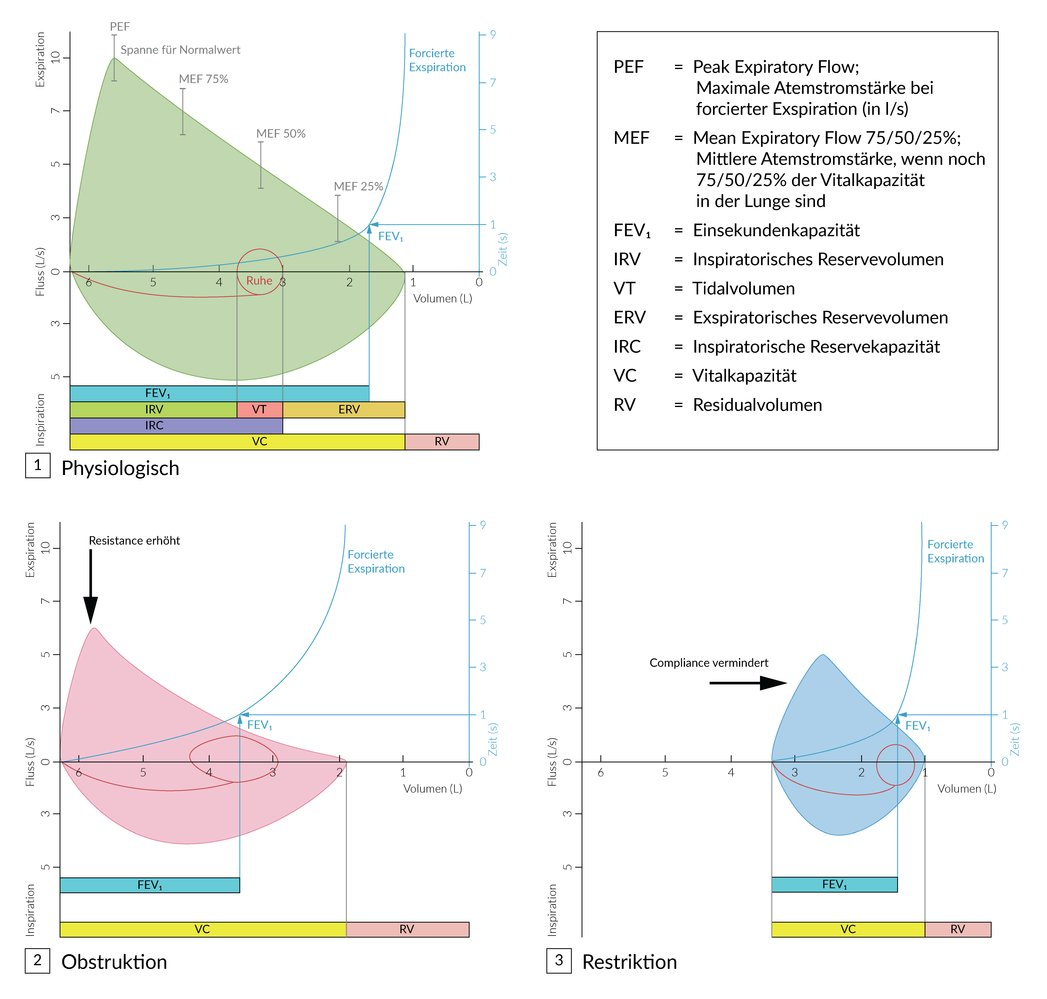
23. A lung function test shows the following measurements:
Vital capacity: 6.0 L
Tidal volume: 0.5 L
Inspiratory reserve volume: 2.5 L
Functional residual capacity: 4.0 L
Which statement about this person’s residual volume is correct?
A. The residual volume is about 0.5 L.
B. The residual volume is about 1.0 L.
C. The residual volume is about 1.5 L.
D. The residual volume is about 2.0 L.
E. The residual volume cannot be determined from these data.
B. The residual volume is about 1.0 L.
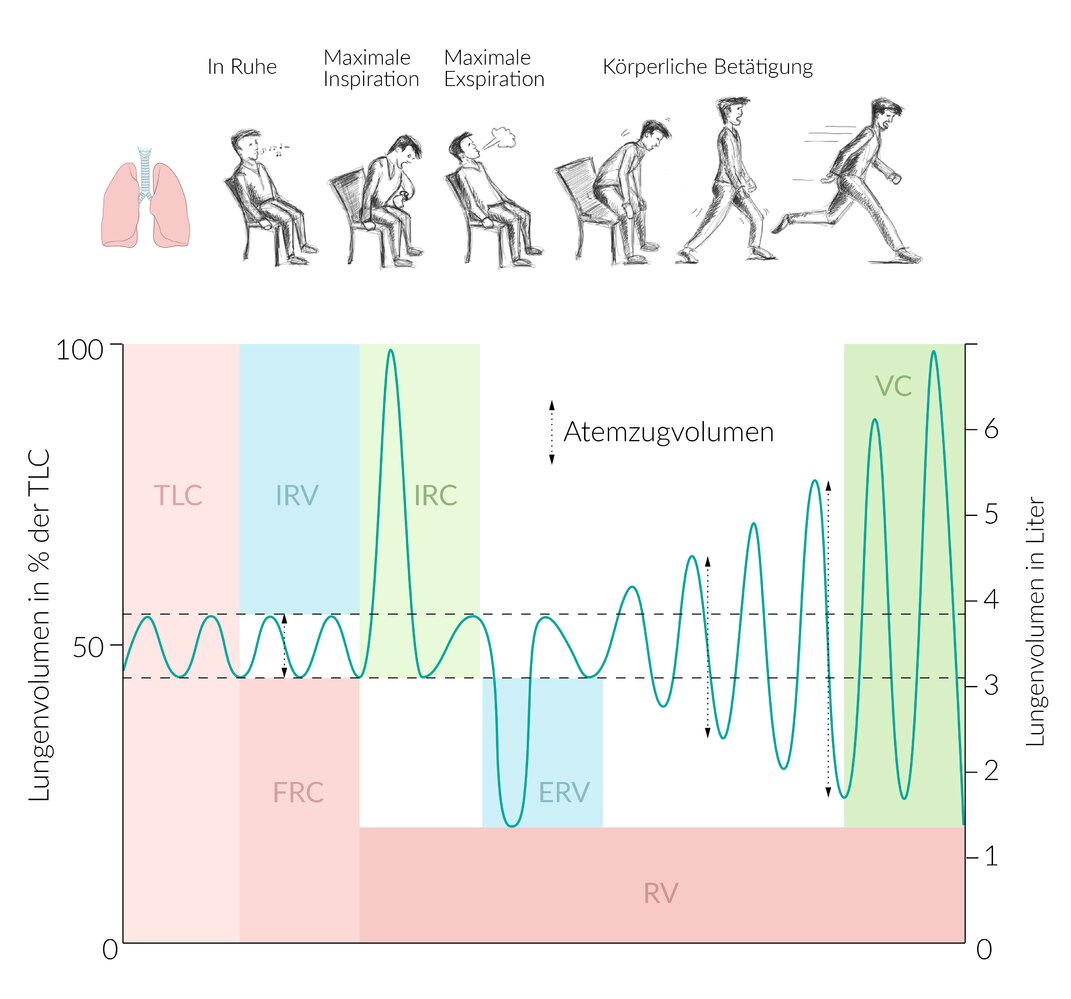
24. Diseases of the airways and lungs can lead to ventilation disorders.
Which statement about ventilation disorders is typically correct?
A. Limited mobility of the costovertebral joints typically leads to an obstructive ventilation disorder.
B. An obstructive ventilation disorder is characterized by a reduced residual volume.
C. An obstructive ventilation disorder is characterized by increased airflow resistance in the airways.
D. An obstructive ventilation disorder can be alleviated by activation of parasympathetic efferents to the bronchi and bronchioles.
E. A restrictive ventilation disorder is characterized by increased compliance of the respiratory system.
C. An obstructive ventilation disorder is characterized by increased airflow resistance in the airways.
25. Which statement about the pulmonary circulation in a healthy person at physical rest is correct?
A. The cardiac output in the pulmonary circulation is on average 50% of the corresponding value in the systemic circulation.
B. The perfusion resistance of the lungs is lower in the resting breathing position than at the end of maximal expiration.
C. The perfusion resistance in the pulmonary circulation is on average 50% of the corresponding value in the systemic circulation.
D. The perfusion resistance in the pulmonary circulation increases linearly with increasing perfusion pressure.
E. The mean arteriovenous blood pressure difference in the pulmonary circulation is 20–30 mmHg.
B. The perfusion resistance of the lungs is lower in the resting breathing position than at the end of maximal expiration.
26. In some lung diseases, diffusion disorders can impair gas exchange in the lungs and adequate oxygen loading of the blood. Diffusion can be described by Fick’s law of diffusion.
For gas exchange in the lungs, which statement is correct?
A. CO₂ diffuses faster than O₂ at the same partial pressure difference.
B. Net transport by diffusion is proportional to the reciprocal of the exchange surface area.
C. Net transport by diffusion increases with increasing diffusion distance.
D. Net transport by diffusion decreases with increasing gas partial pressure difference.
E. Diffusion occurs only from the alveolus into the capillary.
A. CO₂ diffuses faster than O₂ at the same partial pressure difference.
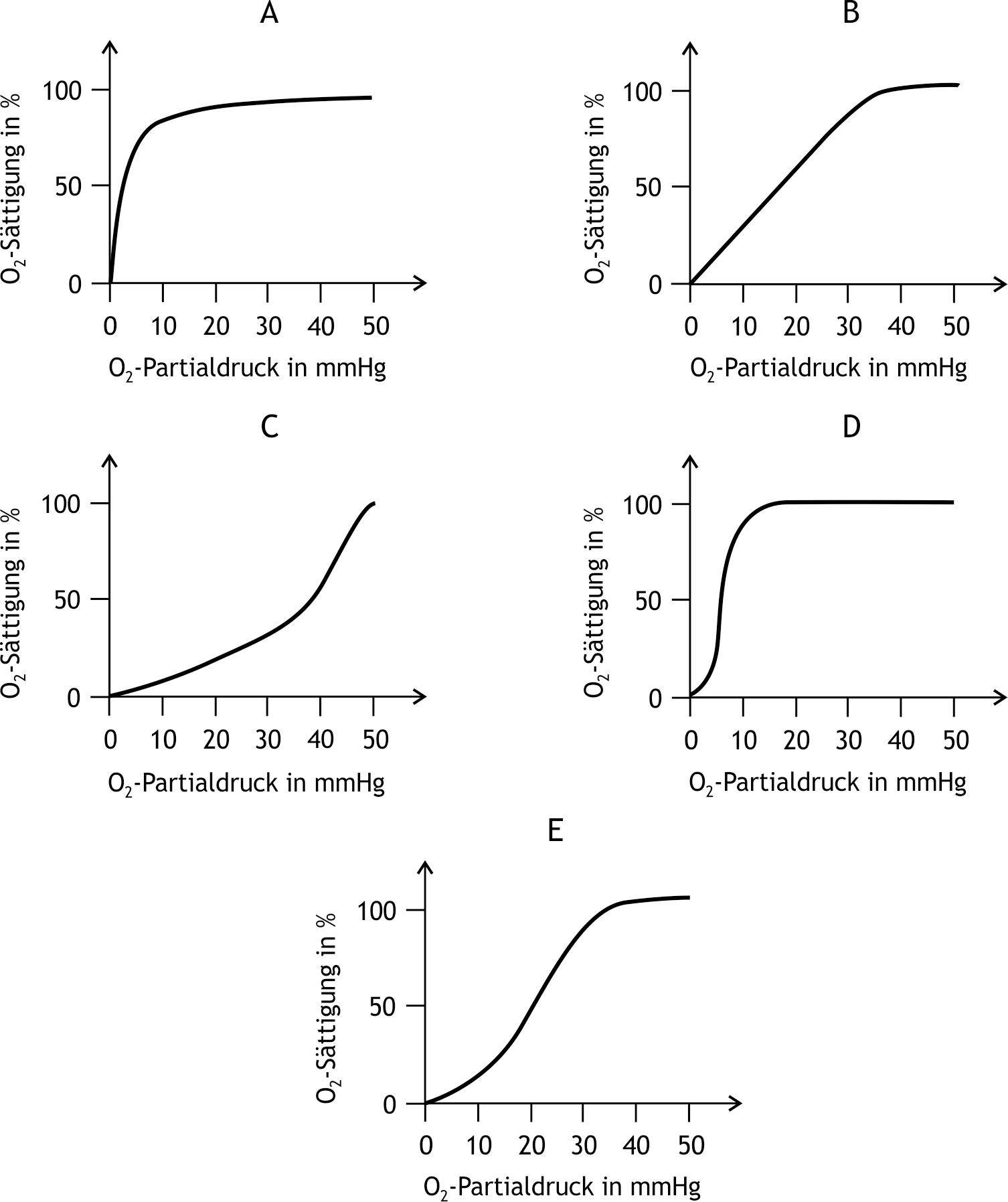
27. Which of the following graphs A to E best represents the oxygen-binding curve of myoglobin?
A. (A)
B. (B)
C. (C)
D. (D)
E. (E)
A. (A)
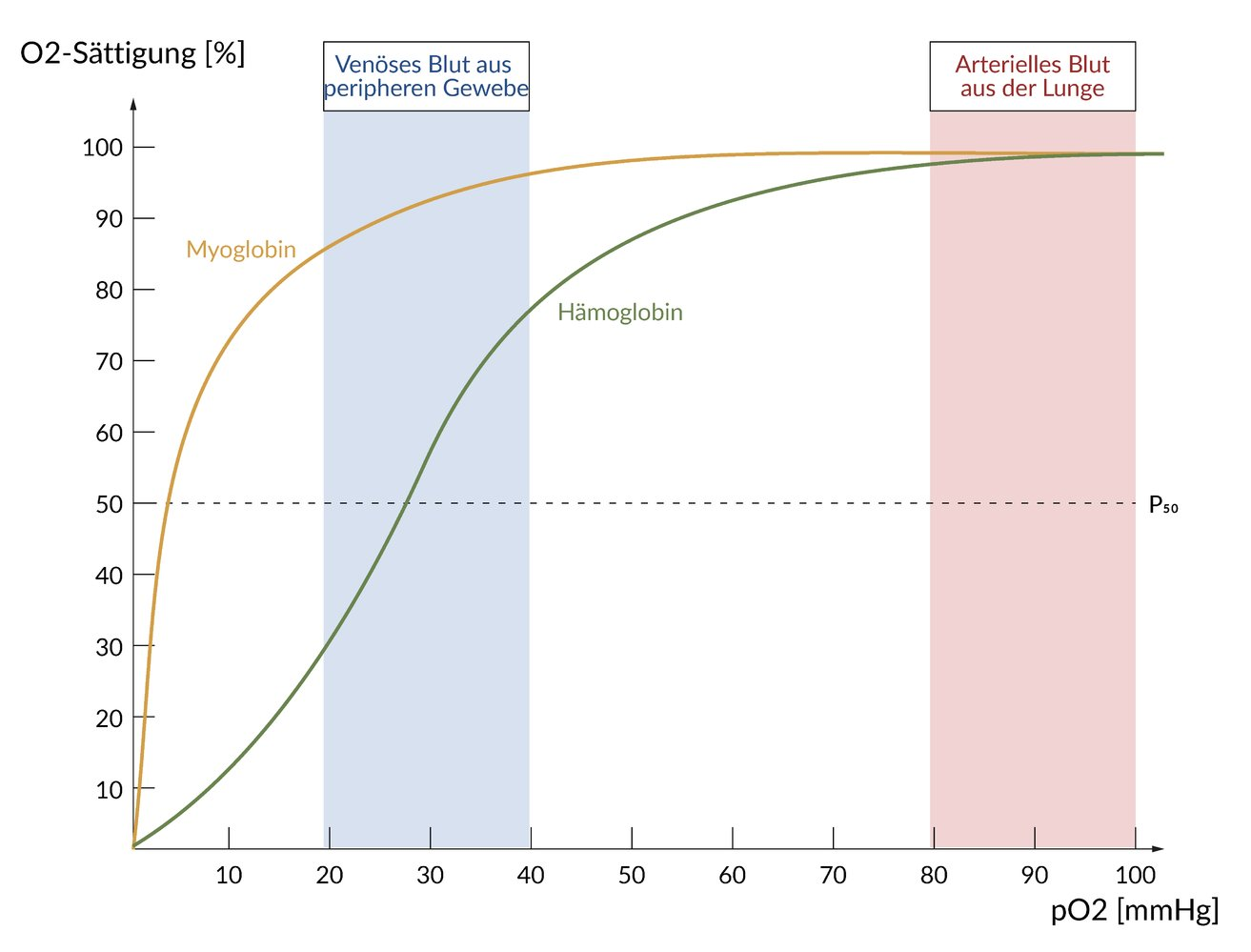
28. In a patient, a primary disturbance of acid-base balance has caused the blood plasma pH to move outside the normal range. Through endogenous compensatory mechanisms, the deviation of the pH from the normal range has been reduced. The patient’s base excess (BE) after this (partial) compensation is −8 mmol/L.
Which of the following statements is most likely correct? The primary disturbance is:
A. Exclusively a respiratory acidosis
B. Both a non-respiratory and a respiratory acidosis
C. Both a non-respiratory acidosis and a respiratory alkalosis
D. Both a respiratory and a non-respiratory alkalosis
E. Both a respiratory acidosis and a non-respiratory alkalosis
C. Both a non-respiratory acidosis and a respiratory alkalosis
29. A 5-year-old girl is admitted to the children’s hospital. Her blood glucose level is 540 mg/dL (30 mmol/L). Her breath smells of acetone, and Kussmaul respiration is observed. The diagnosis is type 1 diabetes mellitus.
What is the typical effect of the girl’s Kussmaul respiration?
A. (Partial) compensation of metabolic alkalosis by increased exhalation of CO₂
B. (Partial) compensation of metabolic alkalosis by increased exhalation of O₂
C. (Partial) compensation of metabolic acidosis by increased exhalation of CO
D. (Partial) compensation of metabolic acidosis by increased exhalation of CO₂
E. (Partial) compensation of metabolic acidosis by increased exhalation of O₂
D. (Partial) compensation of metabolic acidosis by increased exhalation of CO₂
30. Which statement about smooth muscle is correct?
A. Ca²⁺–calmodulin inhibits contraction.
B. The resting membrane potential of vascular smooth muscle is mainly determined by voltage-gated Cl⁻ channels.
C. Metabolic activation of an ATP-sensitive Kir channel (KATP channel) promotes contraction.
D. Receptor-mediated activation of protein kinase A (PKA) leads to Ca²⁺ desensitization via activation of myosin light-chain phosphatase.
E. Mechanical stretch leads to relaxation through direct activation of mechanosensitive Piezo channels.
D. Receptor-mediated activation of protein kinase A (PKA) leads to Ca²⁺ desensitization via activation of myosin light-chain phosphatase.