bio missed q's
 Call Kai
 Learn
Learn Practice Test
 Spaced Repetition
 Match
Match Flashcards
 Knowt Play
1/66

There's no tags or description
Looks like no tags are added yet.
Name | Mastery | Learn | Test | Matching | Spaced | Call with Kai |
|---|
No analytics yet
Send a link to your students to track their progress
67 Terms
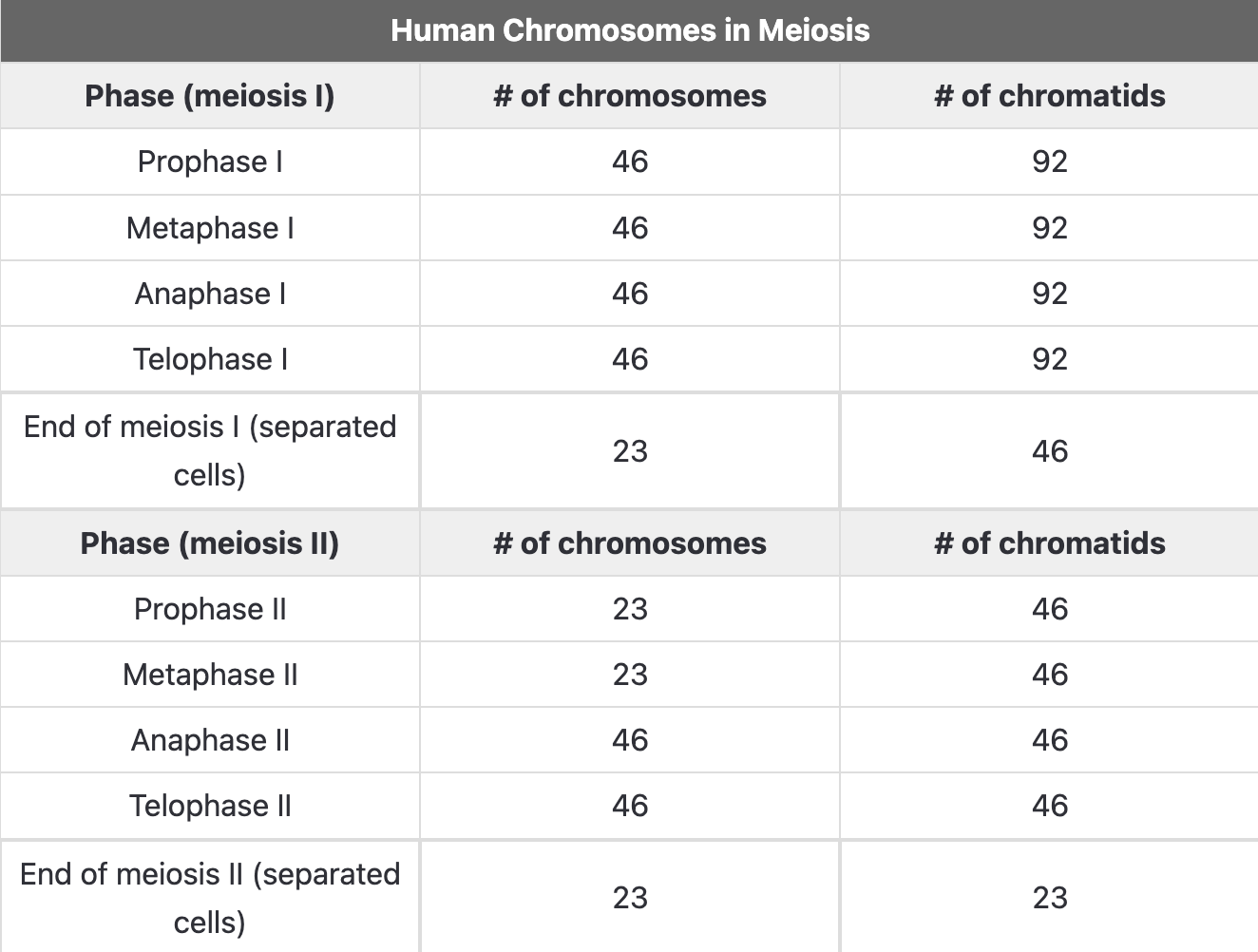
cell div: In humans, how many chromatids are present during metaphase I
92; homologous pairs line up at plate
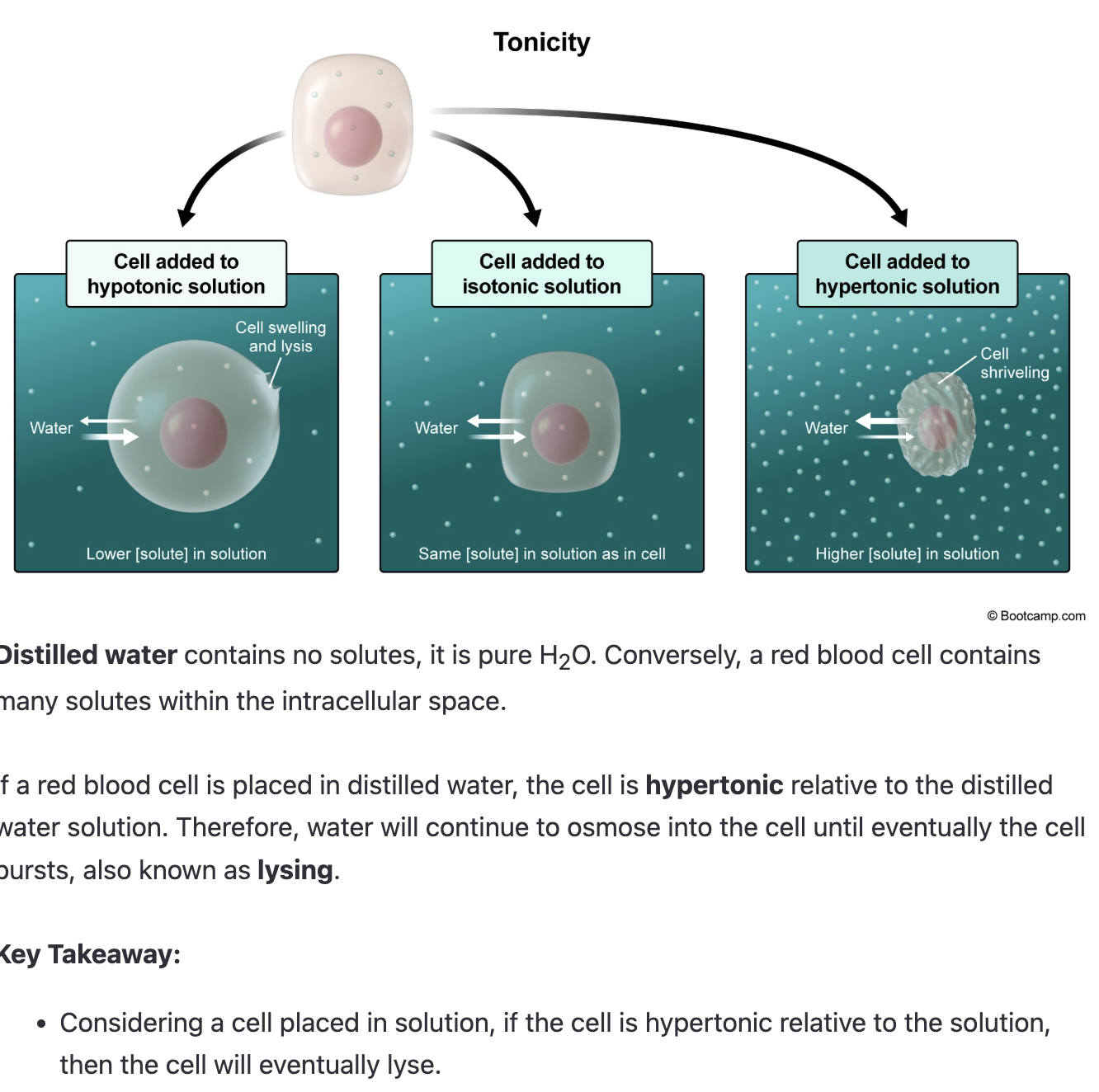
Cells & Organelles: What will occur if RBC placed in distilled water?
burst
shrivel
slightly swell
no change
Burst
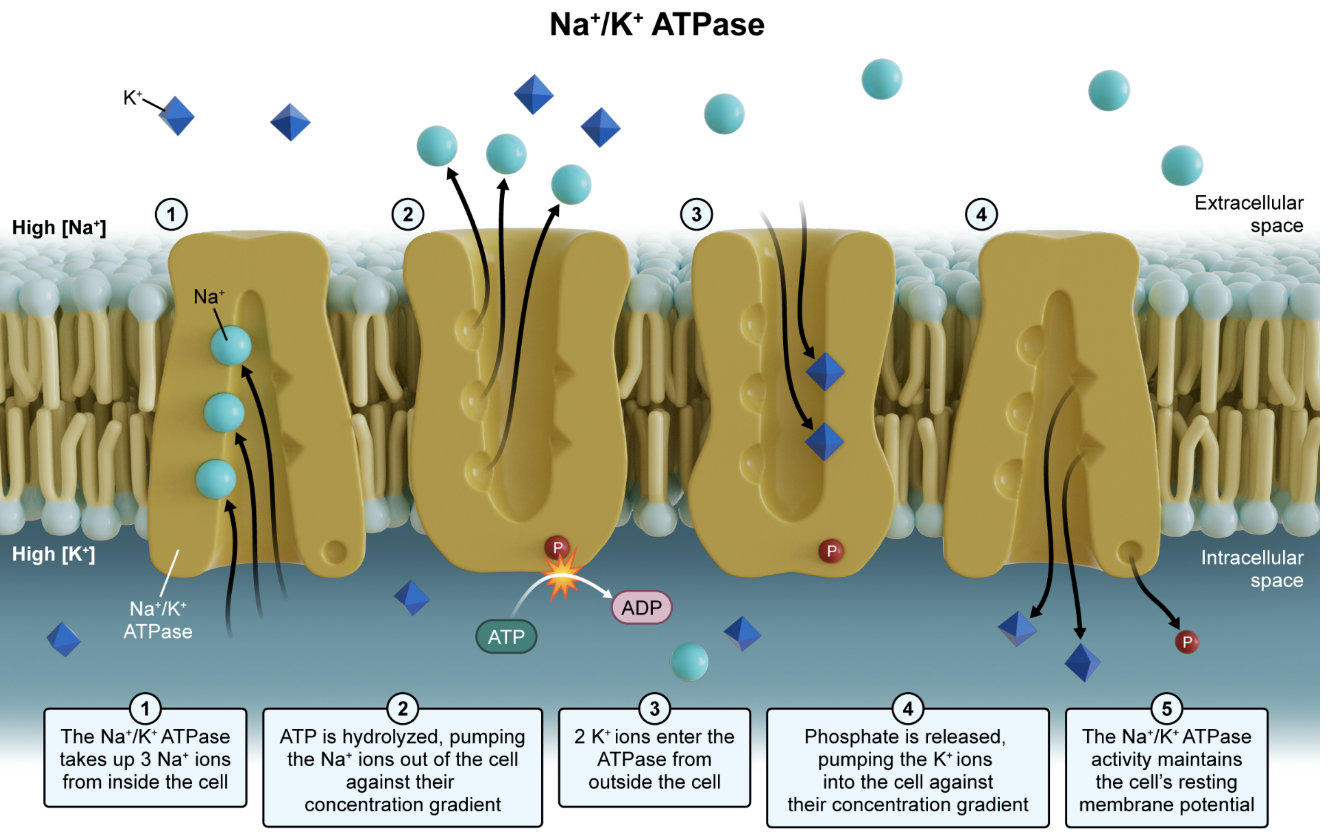
Cells and Organelles: If the Na⁺/K⁺ ATPase were inactivated, which of the following cellular changes would be expected to occur?
dec in extracellular K concen
dec in intracellular Na
inc in extracellular K
inc in extracellular Na
inc in extracellular K concentration
Mnemonic: Salty banana
High Na+ concentration outside the cell.
High K+ concentration inside the cell.
When the pump is inactivated, ATP-dependent ion transport stops. Ions can no longer be actively transported against their gradients and instead move passively through ion channels down their electrochemical gradients. Because K+ is normally more concentrated inside the cell, it diffuses out over time, increasing extracellular K+ concentration.
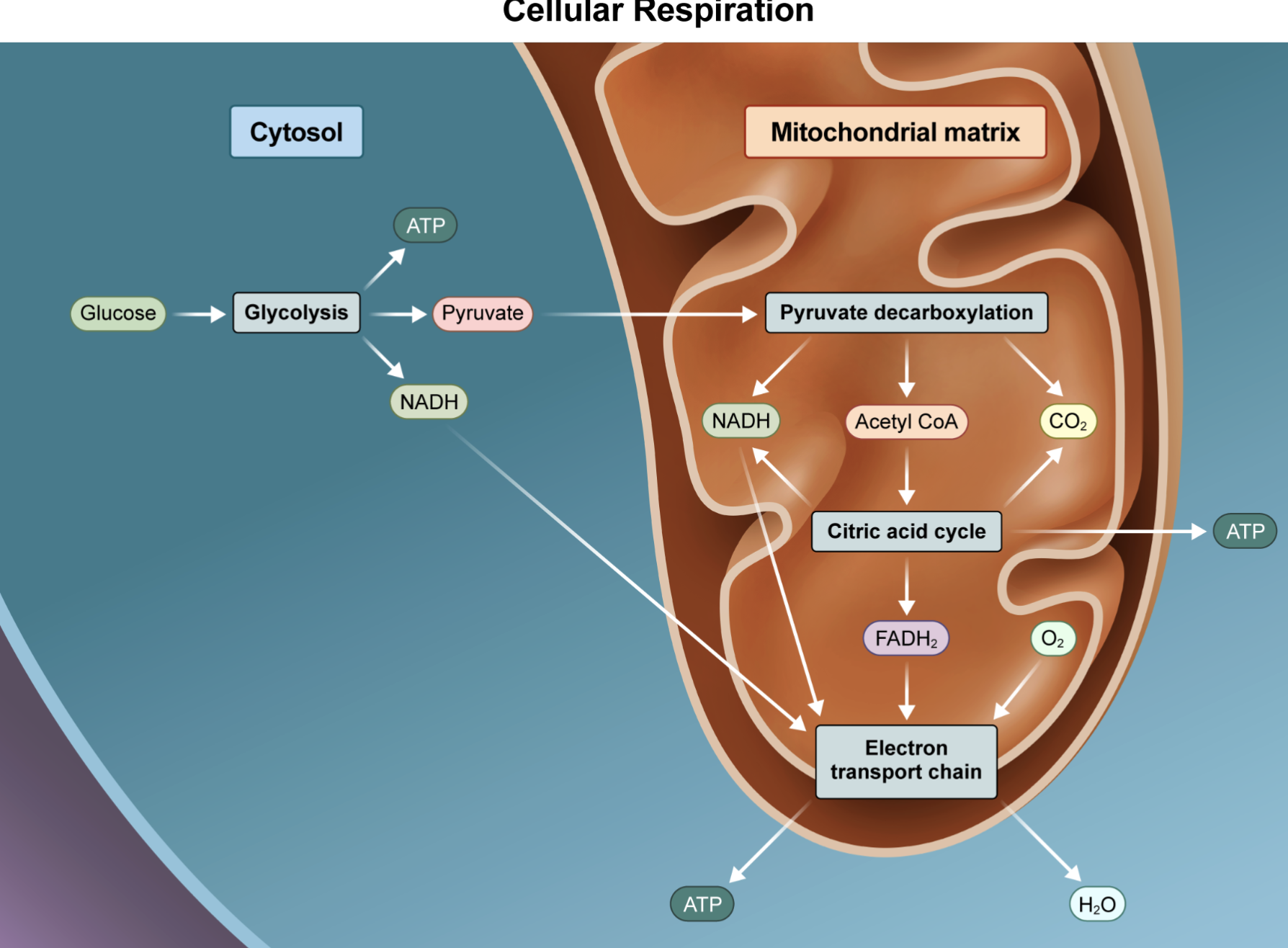
Cellular Energy: In eukaryotes, where does the Krebs cycle take place?
mitochondrial matrix
A. Inner mitochondrial membrane
E. Mitochondrial intermembrane space
The inner mitochondrial membrane and intermembrane space are the sites of oxidative phosphorylation. The oxidative phosphorylation process includes the electron transport chain and ATP synthesis via chemiosmosis.
B. Cytoplasm
In eukaryotes, the only step of cellular respiration that occurs in the cytosol is glycolysis.
D. Plasma membrane
In eukaryotes, the plasma membrane is not involved in any stage of cellular respiration. In prokaryotes, however, the plasma membrane is the site of oxidative phosphorylation. This is because prokaryotes lack membrane-bound organelles, such as mitochondria.
Key Takeaway:
During eukaryotic cellular respiration, glycolysis is the only step that occurs in the cytosol.
The Krebs cycle takes place in the mitochondrial matrix.
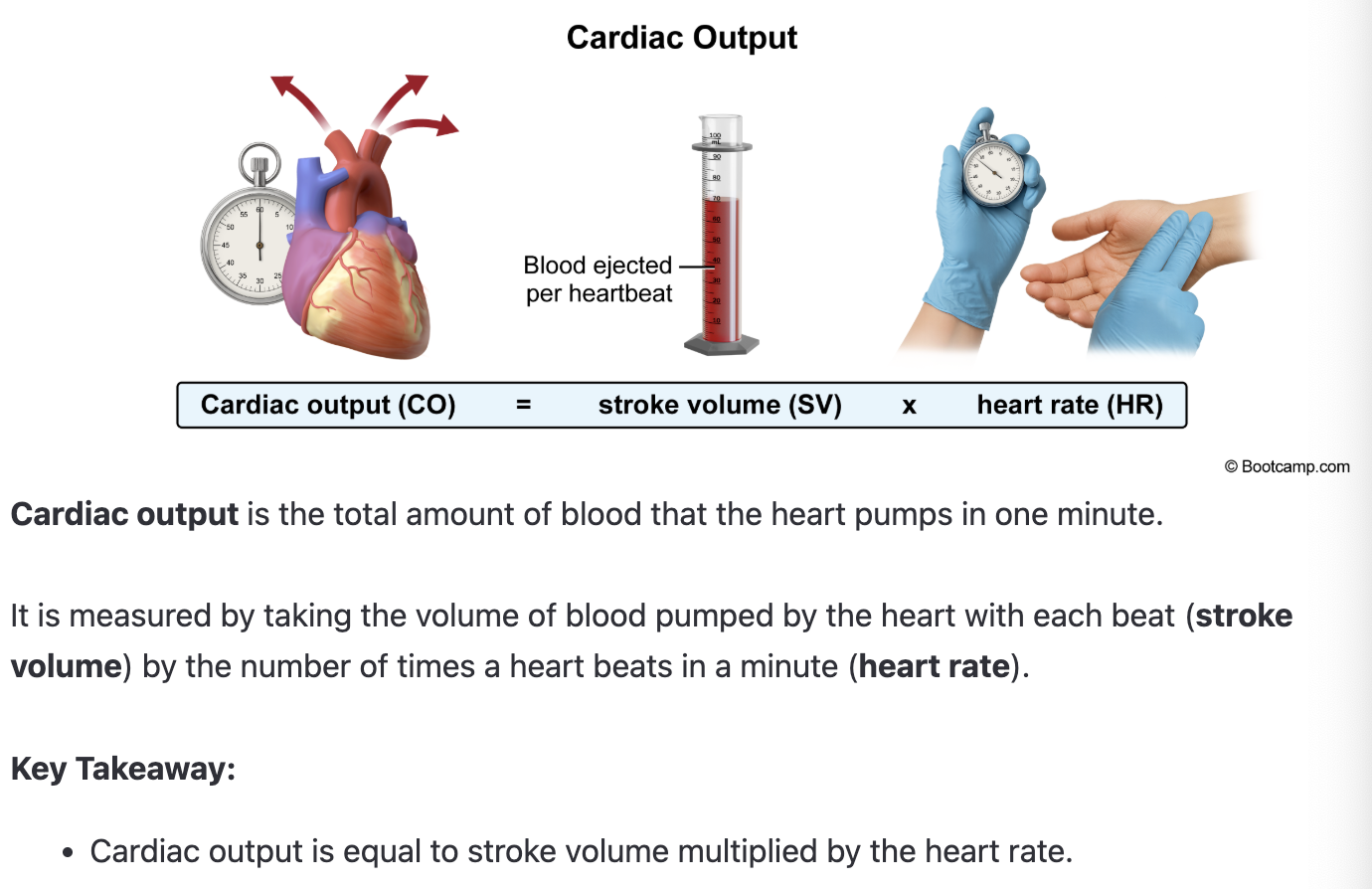
Circulatory System: Which of the following expressions represents cardiac output?
stroke volume x HR
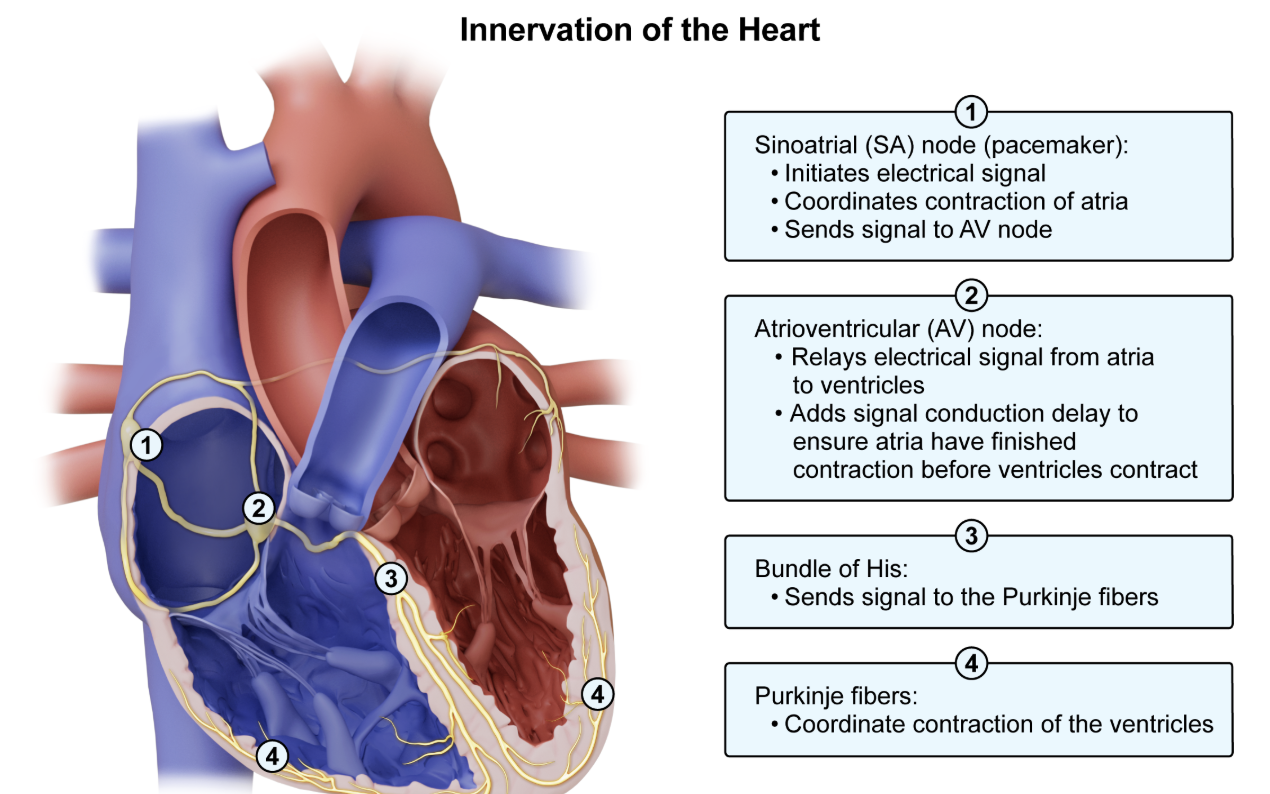
Circ Sys: Where does the AV node relay electrical signal to and from?
relay elec signal from atria → ventricles
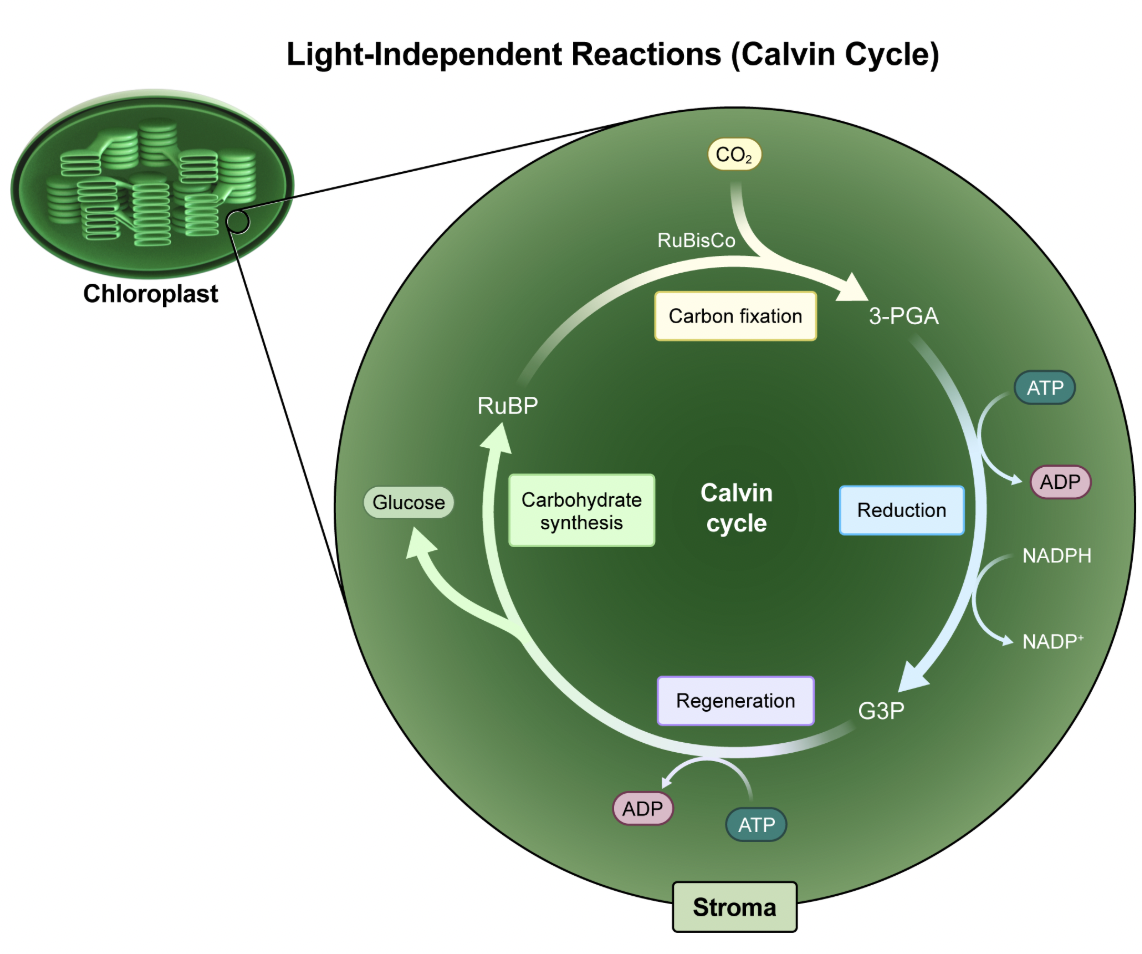
photosynthesis: Which of the following occurs during the light-independent reactions of photosynthesis?
ATP is synthesized from ADP and phosphate
CO2 is fixed into organic cmpds
Glucose is converted to glucose-6-phosphate
oxaloacetate is transformed into citrate
Water is split to release electrons
CO2 is fixed into organic cmpds
The Calvin cycle is a series of reactions that are also known as the light-independent reactions because they are powered by ATP and NADPH, not sunlight.
The Calvin cycle occurs in the chloroplast stroma and uses ATP and NADPH to fix carbon dioxide into glucose molecules. Carbon fixation describes the process where inorganic carbon (in the form of CO2) is fixed into organic molecules (in the form of glucose).
A. ATP is synthesized from ADP and phosphate
E. Water is split to release electrons
ATP synthesis and the splitting of water occur during the light-dependent reactions of photosynthesis. The electrons released from splitting water are excited by light energy. Then the electrons participate in a series of redox reactions to pump protons from the stroma into the thylakoid lumen. These protons then flow back into the stroma through ATP synthase, generating ATP.
The ATP produced during the light-dependent reactions is exclusively used to power the Calvin cycle to generate glucose. The glucose produced in the Calvin cycle is then sent to the mitochondria to generate ATP for the cell.
C. Glucose is converted to glucose-6-phosphate
The conversion of glucose to glucose-6-phosphate is the first step of glycolysis. Glycolysis is a step of cellular respiration, not photosynthesis.
D. Oxaloacetate is transformed into citrate
Acetyl-CoA combines with oxaloacetate to form citrate during the Krebs cycle (also known as the citric acid cycle or the tricarboxylic acid cycle). This occurs during cellular respiration, not photosynthesis.
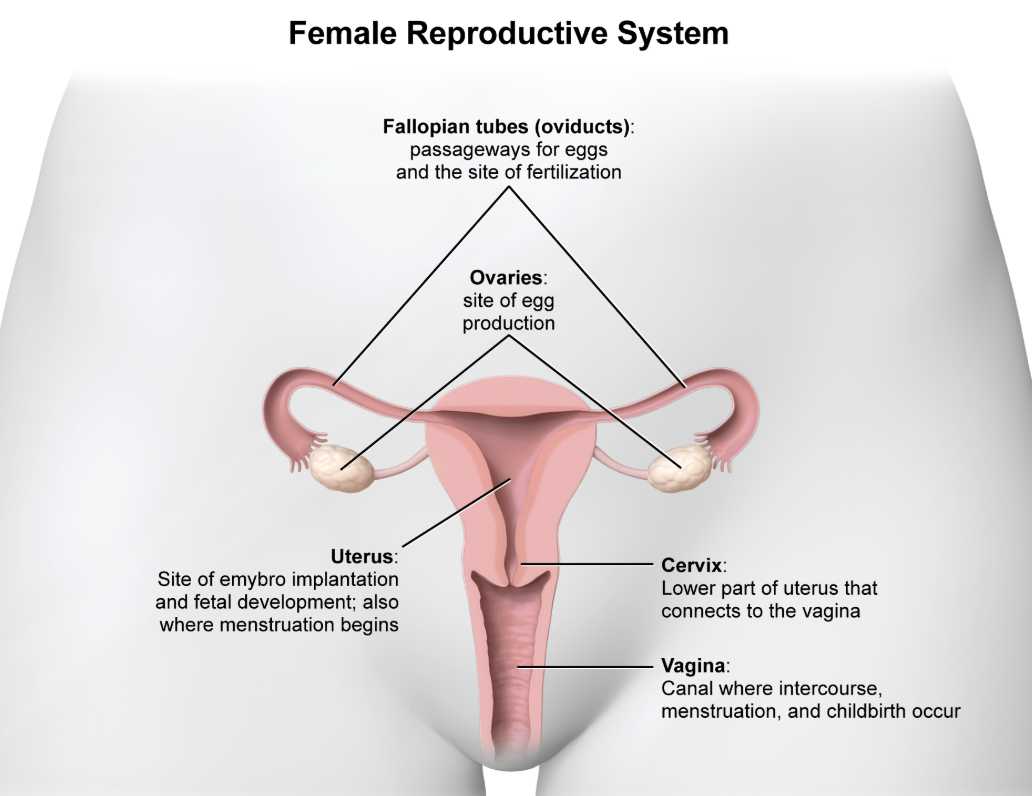
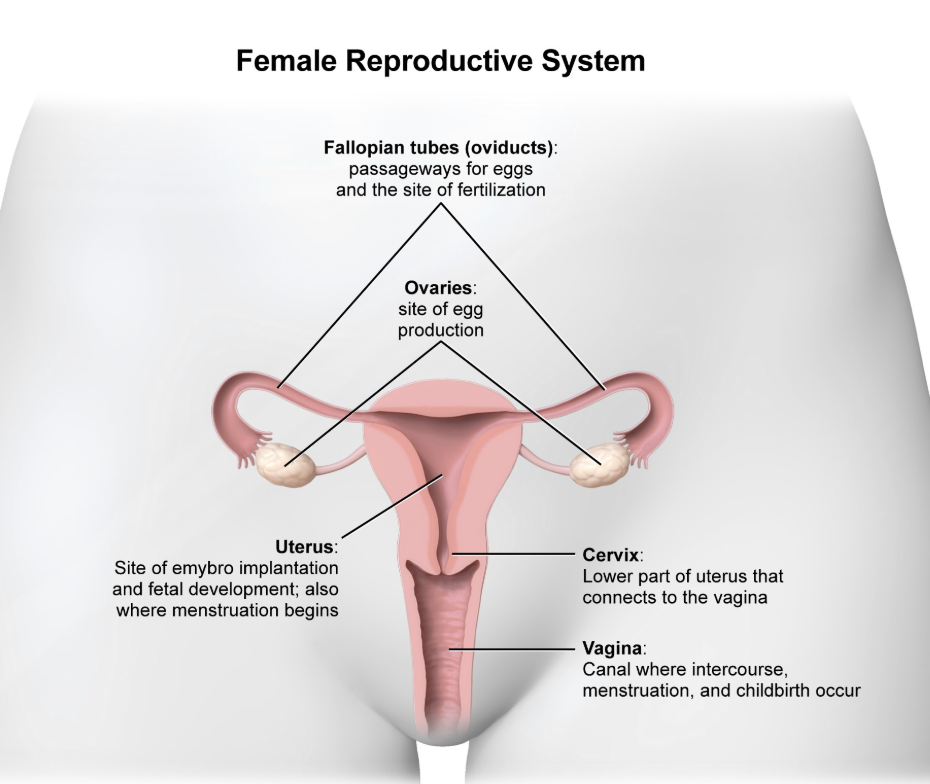
reprodcution and developmental biology: Where does fertilization occur in the human reproductive system?
ovary
uterus
seminiferioous tububules
fallopian tube
cervix
Upon ovulation, a secondary oocyte is released from the ovary and travels down the fallopian tube (also known as the oviduct).
Fertilization occurs here, where the sperm meets and fuses with the secondary oocyte to form a zygote.
A. Ovary
The ovary is responsible for the production of eggs. Upon ovulation, eggs are released from the ovary and travel through the fallopian tube to the uterus.
C. Uterus
The uterus is a muscular organ in which a fertilized egg implants, grows, and develops into an embryo.
D. Seminiferous tubules
Seminiferous tubules are coiled structures within the testes where spermatogenesis occurs. Fertilization takes place within the female reproductive system, not the male reproductive system.
E. Cervix
The cervix is a narrow opening that connects the vagina to the uterus. It serves as a passageway for sperm to enter the uterus.
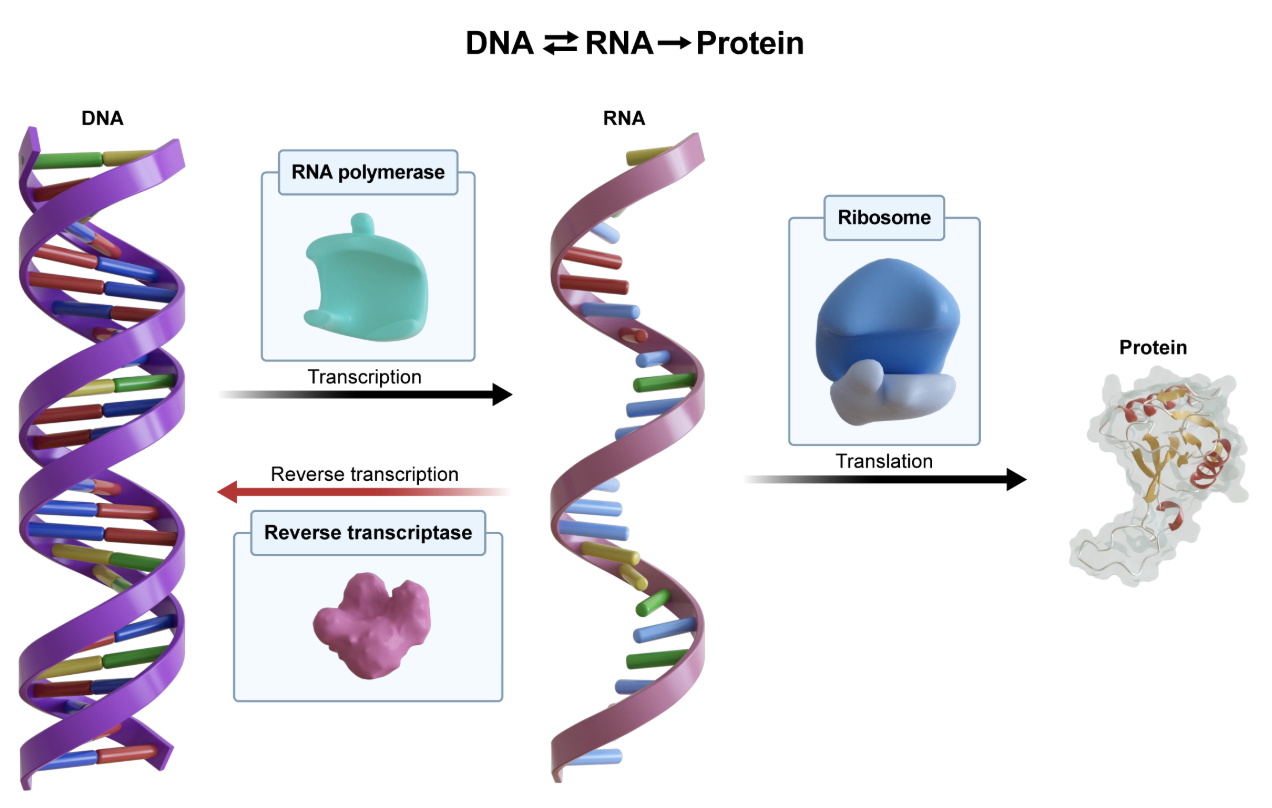
Molecular genetics: Which enzyme do some RNA viruses use to convert their genome into DNA?
rna polymerase
dna polymerase
reverse transcriptase
helicase
primase
C
A. RNA polymerase
RNA polymerase is an enzyme responsible for synthesizing RNA from a DNA template during the process of transcription. It unwinds the DNA helix, reads the nucleotide sequence, and assembles a complementary strand of RNA.
B. DNA polymerase
DNA polymerase is an enzyme that synthesizes new DNA strands by adding nucleotides to a pre-existing template or primer during DNA replication. It also possesses proofreading capabilities to ensure the accuracy of DNA synthesis.
D. Helicase
Helicase unwinds DNA during DNA replication.
E. Primase
Primase is an enzyme that synthesizes short RNA primers during DNA replication, providing the necessary 3' hydroxyl group to which DNA polymerase can add DNA nucleotides.
Key Takeaway:
Retroviruses are a type of RNA virus that converts its genome from RNA to DNA with the use of reverse transcriptase.
What is the first event of meiosis?
chromatin condenses to form chromosomes
During prophase I, the first stage of meiosis, chromatin condenses into chromosomes. As prophase I progresses, the nucleolus and nuclear envelope disappear, homologous chromosomes pair up, and crossing over occurs
Endocrine sys: Hormones synthesized by the adrenal cortex bind to _____ receptors and act as _____ _____
intracellular; transcription factors
hormones prod by adrenal cortex are steroid hormones and are lipophilic and freely cross membrane to bind to intracellular receptors. This forms hormone-receptor complexes that enter nucleus to act as transcription factors
B. bind to extracellular membrane receptors to initiate a second messenger cascade.
Steroid hormones are lipophilic and readily diffuse across the plasma membrane. Binding to cell-surface receptors is a mechanism utilized by protein hormones, not steroid hormones. Second messenger cascades, such as those involving cAMP or IP₃, are characteristic of these protein hormone pathways.
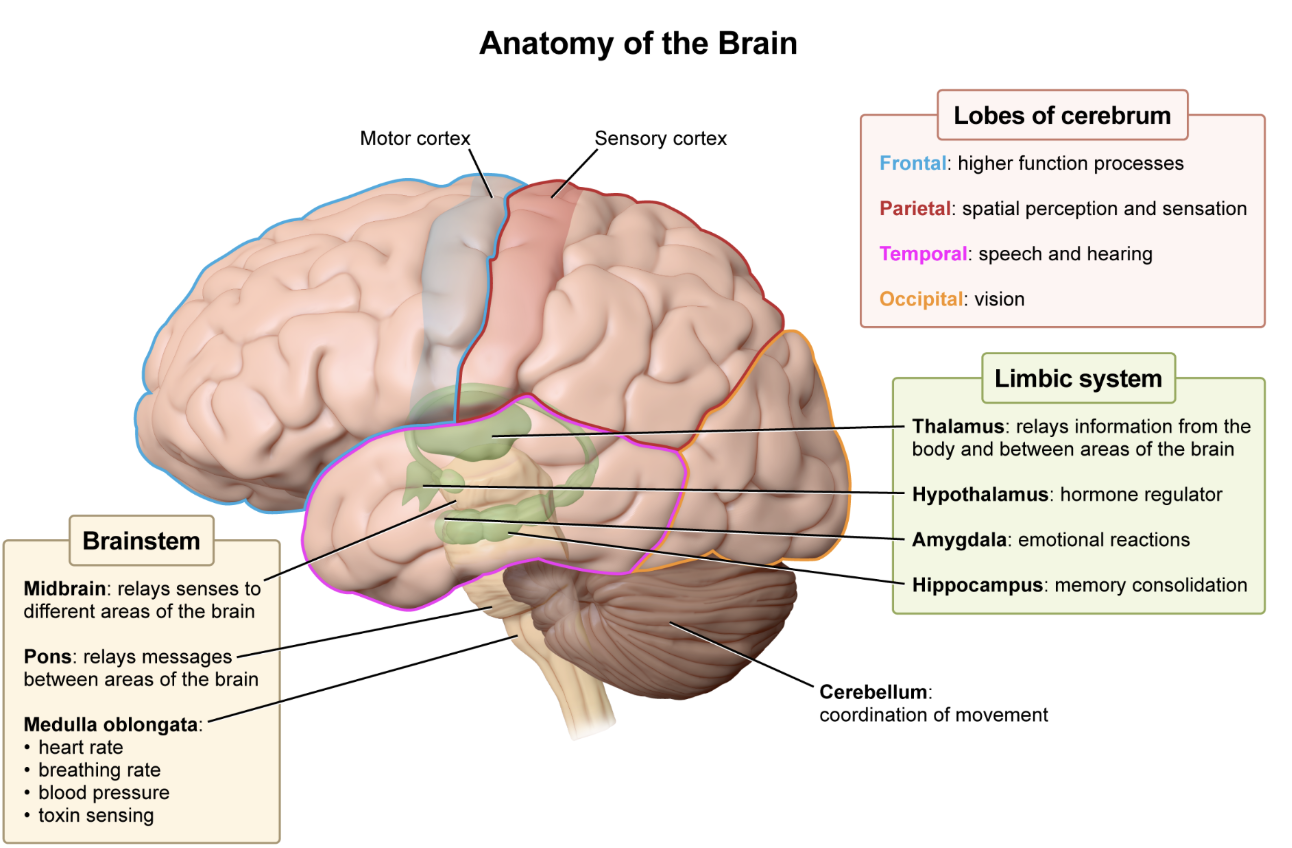
Nervous sys: Which brain region is responsibile for processing speech and hearing?
temporal lobe
A. Amygdala
The amygdala is primarily involved in emotional processing and emotional memory formation.
D. Medulla oblongata
The medulla oblongata controls autonomic functions such as respiration and heart rate.
E. Thalamus
The thalamus acts as a relay center for sensory and motor signals, directing input to appropriate areas of the cerebral cortex.
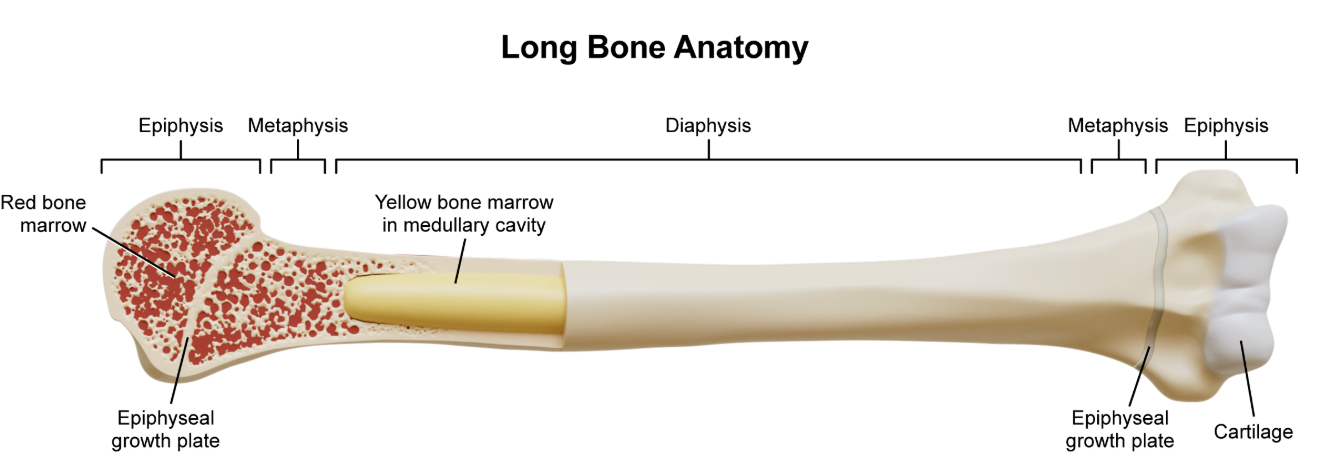
Skeletal Sys: Which of the following structures is primarily responsible for the longitudinal growth of long bones?
osteoblasts in the medullary cavity
cartilage in epiphyseal plate
compact bones in periosteum
Long bone growth occurs at the epiphyseal plate, where cartilage is replaced by bone through endochondral ossification.
muscular sys: Which molecule rapidly increases in the cytosol of the post-synaptic skeletal muscle cell to initiate muscle contraction?
acetylcholine
calcium
magnesium
sodium
troponin
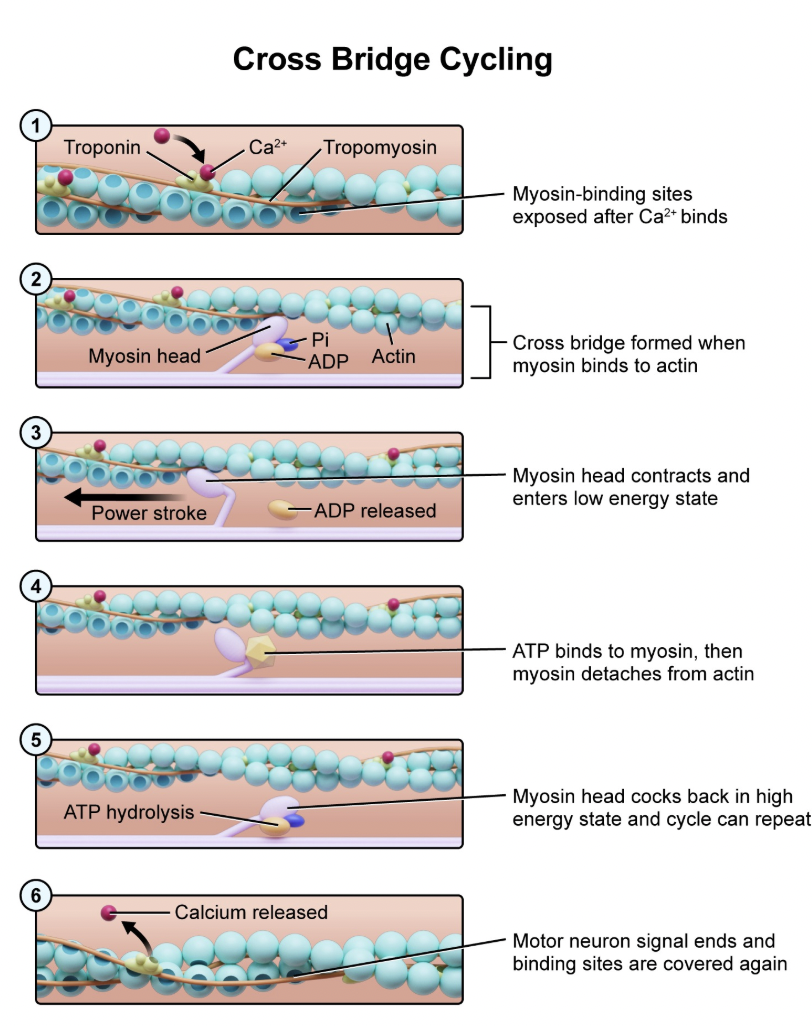
Calcium released from the sarcoplasmic reticulum into the cytosol initiates skeletal muscle contraction by binding to troponin.
A. Acetylcholine
Acetylcholine is a neurotransmitter released at the neuromuscular junction. It binds to ligand-gated sodium channels on the sarcolemma. In addition, acetylcholine acts extracellularly to trigger depolarization, and it does not accumulate in the cytosol.
C. Magnesium
Magnesium does not play a major role in initiating muscle contraction.
D. Sodium
Sodium ions enter the muscle cell through ligand-gated channels during depolarization, helping to initiate the action potential. They are involved in membrane excitation but not directly involved in contraction.
E. Troponin
Troponin is a regulatory protein on actin filaments. It binds to calcium during contraction. Its concentration in the cytosol remains constant.
Which of the following features is unique to eukaryotic transcription when compared to prokaryotic transcription?
add of poly A tail
presence of promoter regions
simultaneous transcription and translation
use of rna polymerase
mRNA contains uracil
Polyadenylation, addition of a 5' cap, and intron splicing are distinctive features of eukaryotic transcription.
B. Presence of promoter regions
D. Use of RNA polymerase
Both eukaryotes and prokaryotes use RNA polymerase for transcription. RNA polymerase binds to DNA promoter regions to initiate transcription in both eukaryotes and prokaryotes.
C. Simultaneous transcription and translation
In prokaryotes, DNA is located in a nucleoid region rather than a nucleus. Prokaryotic transcription and translation can thus occur simultaneously due to the absence of a nucleus separating these processes.
Eukaryotes, on the other hand, have a nucleus, and transcription and translation occur as separate stages. After transcription and mRNA processing, the mature mRNA is exported from the nucleus to the cytoplasm, where it is translated into a polypeptide.
E. mRNA contains uracil
RNA in both prokaryotes and eukaryotes incorporates uracil instead of thymine.
reproduction and dev bio: Which of the following occurs as a consequence of gastrulation?
cells become less differentiated
embryo rapidly divides without inc in size
germ layers begin interacting to coordinate development
sperm nucleus fuses with egg nucleus
embryo implants into uterus
Gastrulation results in the formation of the three embryonic germ layers: the endoderm, the mesoderm, and the ectoderm. Interactions between the three germ layers are vital to normal embryonic development.
A. Cells become less differentiated
This does not apply to gastrulation. In fact, gastrulation marks the beginning of major cellular differentiation.
B. Embryo rapidly divides without increasing in size
This describes cleavage, which is an early stage of embryonic development. At this stage, the zygote undergoes rapid mitotic divisions. Cleavage occurs before gastrulation.
D. Sperm nucleus fuses with egg nucleus
Fusion of sperm and egg nuclei occurs during fertilization and results in the formation of a diploid zygote. This event happens at the very beginning of development before cleavage, implantation, and gastrulation.
E. Embryo implants into the uterus
The embryo implants into the uterus as the blastocyst; gastrulation occurs after implantation.
C. Germ layers begin interacting to coordinate development
While this answer choice may sound vague, it points to the defining feature of gastrulation: the three germ layers. Once established, the endoderm, mesoderm, and ectoderm interact with each other through complex signaling patterns. The layers influence and organize the development patterns of neighboring tissues.
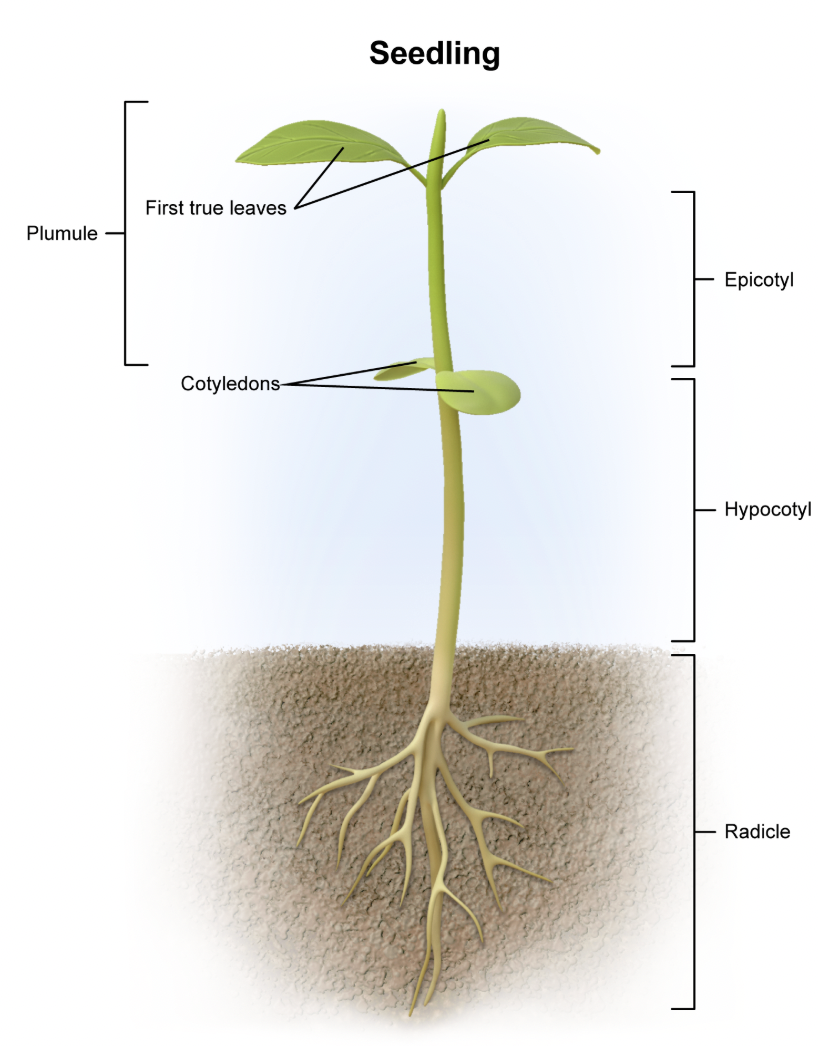
plants: Which part of a plant embryo develops into the roots?
epicotyl
plumule
radicle
hypocotyl
endosperm
Mnemonic: Radicle → root (both start with "r")'
A. Epicotyl
The epicotyl is the part of the plant embryo above the cotyledons. It develops into the upper stem and shoot tip.
B. Plumule
The plumule is the part of the plant embryo that develops into the first true leaves.
D. Hypocotyl
The hypocotyl is the lower stem-like region of the plant embryo. It is located below the cotyledons and above the radicle.
E. Endosperm
The endosperm is not part of the plant embryo. It is nutritive tissue within the seed that supports the developing embryo.
repro and dev bio: Which of the following occurs during the luteal phase of the ovarian cycle?
follicle develops into corphs letueum
ovary release secondary ooocyte
FSH peaks
lutenzing hormone peaks
primary follicles develop
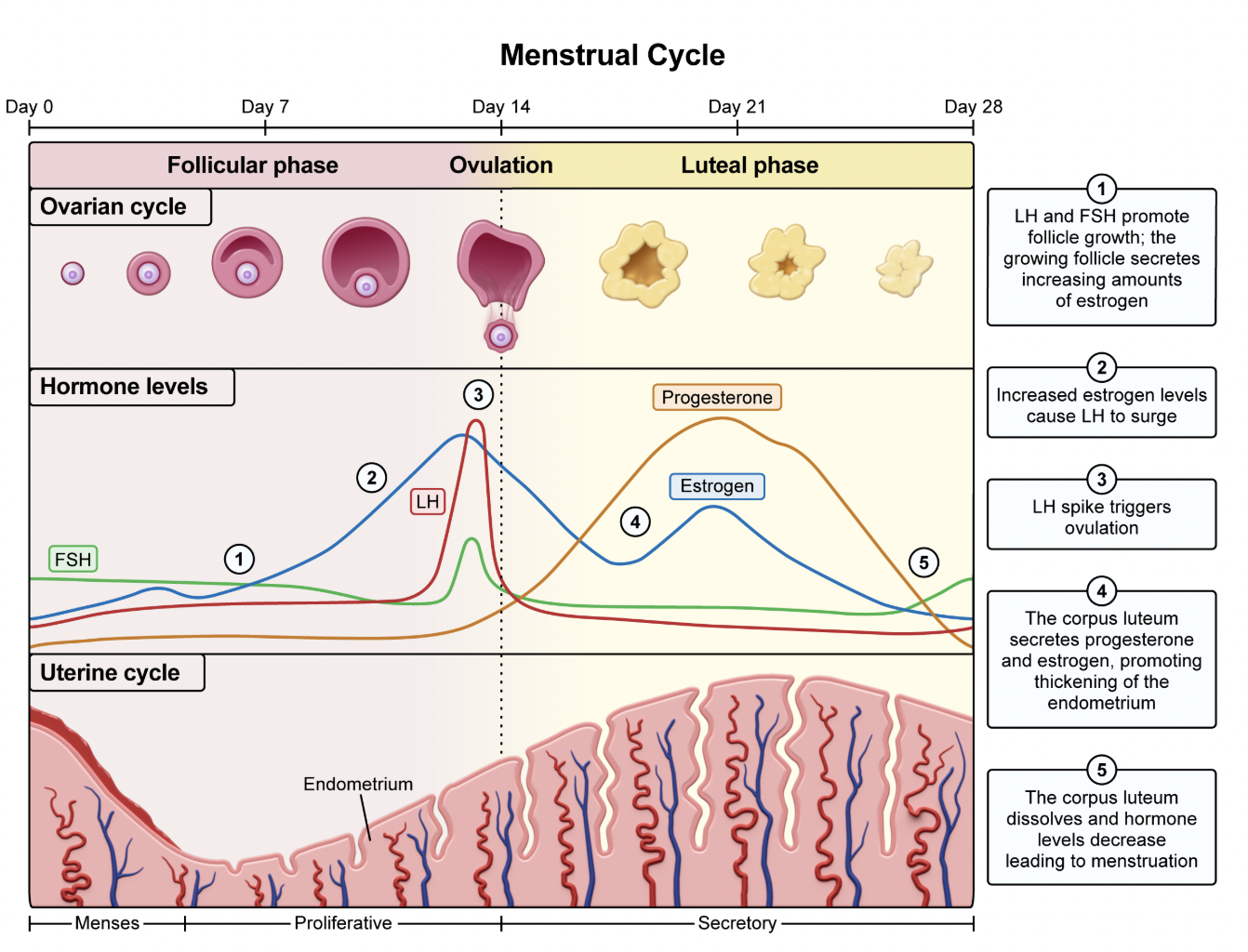
luteal phase is characterized by the development of the corpus luteum and its secretion of estrogen and progesterone, which act to thicken the endometrium of the uterus
The ovarian cycle consists of three phases:
Follicular phase: Follicle develops and secretes increasing estrogen. Increasing estrogen causes a surge of luteinizing hormone (LH).
Ovulation: The egg is released into the oviduct (fallopian tube).
Luteal phase: The corpus luteum secretes estrogen and progesterone to thicken the endometrium of the uterus.
B. Ovary releases a secondary oocyte
The secondary oocyte is released during ovulation, not the luteal phase. This occurs as the mature follicle in the ovary ruptures, releasing the secondary oocyte into the fallopian tube. If sperm is present in the fallopian tube, fertilization of the secondary oocyte can occur.
C. Follicle-stimulating hormone peaks
D. Luteinizing hormone peaks
Follicle-stimulating hormone (FSH) and LH peak during the follicular phase, not the luteal phase.
E. Primary follicles develop
During the follicular phase, FSH stimulates the maturation of primary follicles into estrogen-secreting secondary follicles.
molecules and fundamentals of bio: A cell is grown in the presence of radioactive sulfur. Which of the following cellular components will be radioactively labeled?
dna, mrna, protein, lipid, polysacc
proteins
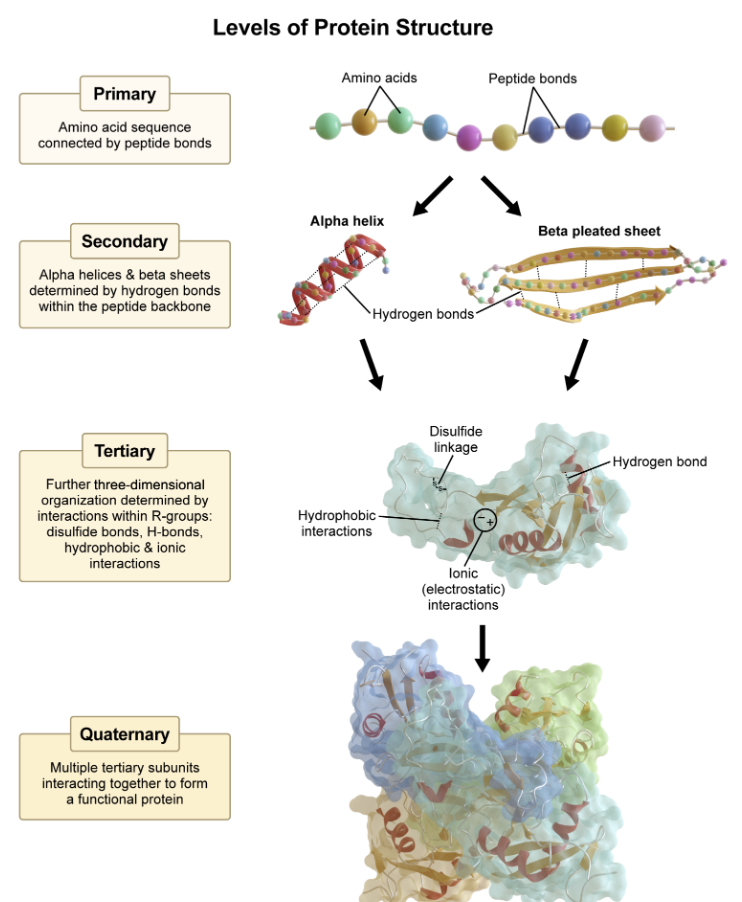
sulfur atoms can form disulfide bonds within proteins, contributing to the proteins' tertiary structures. Because proteins contain sulfur, they will be radioactively labeled within the cell.
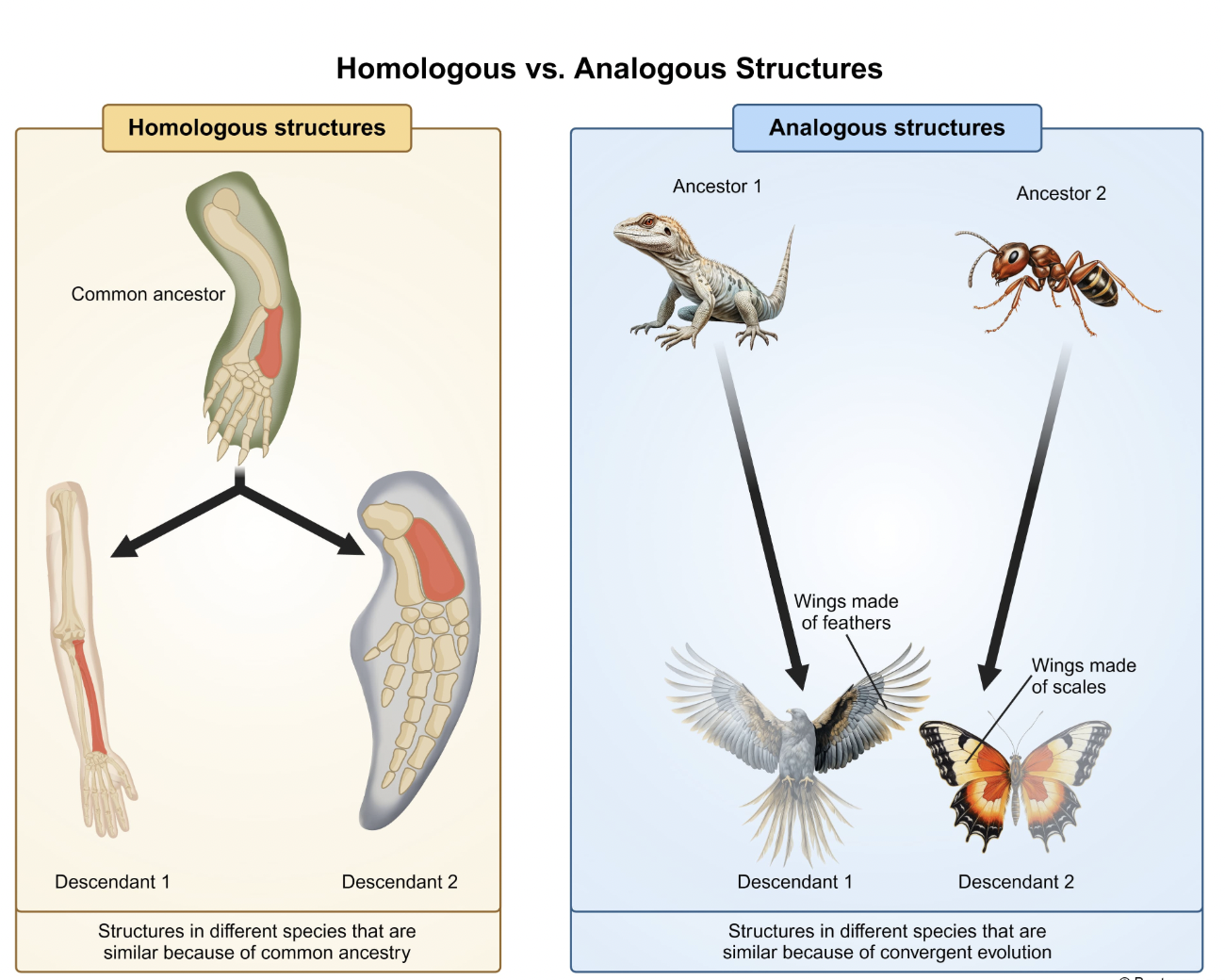
Which of the following structures is analogous to the wing of a bird?
human forearm
butterfly wing
whale flipper
bird wings and butterfly wings are both used for flight. However, they evolved independently, giving them similar functions but different origins. Analogous structures arise through convergent evolution(in which unrelated species develop similar adaptations because they experience similar environmental pressures.)
A. Human forearm
C. Whale flipper
The human forearm and whale flipper are homologous structures, not analogous. Homologous structures originate from a common ancestor but can diverge in function. The forearm, flipper, and wing all originated from the same kind of limb in ancient animals but have each evolved for different functions: arm movement, swimming, and flight, respectively.
Which of the following hormones is produced by the thyroid gland?
insulin
parathyroid hormone
thyroxine
cortisol
ADH
The thyroid produces triiodothyronine (T3), thyroxine (T4), and calcitonin.
A. Insulin
Insulin is a peptide hormone that decreases blood glucose levels. It is produced by the pancreas.
B. Parathyroid hormone
As the name suggests, parathyroid hormone (PTH) is produced by the parathyroid gland. PTH has the opposite function of calcitonin; it increases blood calcium levels by stimulating osteoclasts.
D. Cortisol
Cortisol is a steroid hormone released by the adrenal cortex in response to stress and low blood glucose. It increases blood sugar, suppresses the immune system, and aids in the metabolism of fat, protein, and carbohydrates.
E. Antidiuretic hormone
Antidiuretic hormone (ADH), also called vasopressin, is released by the posterior pituitary gland. It acts on the kidneys to promote water reabsorption. This helps concentrate urine and maintain blood pressure and fluid balance.
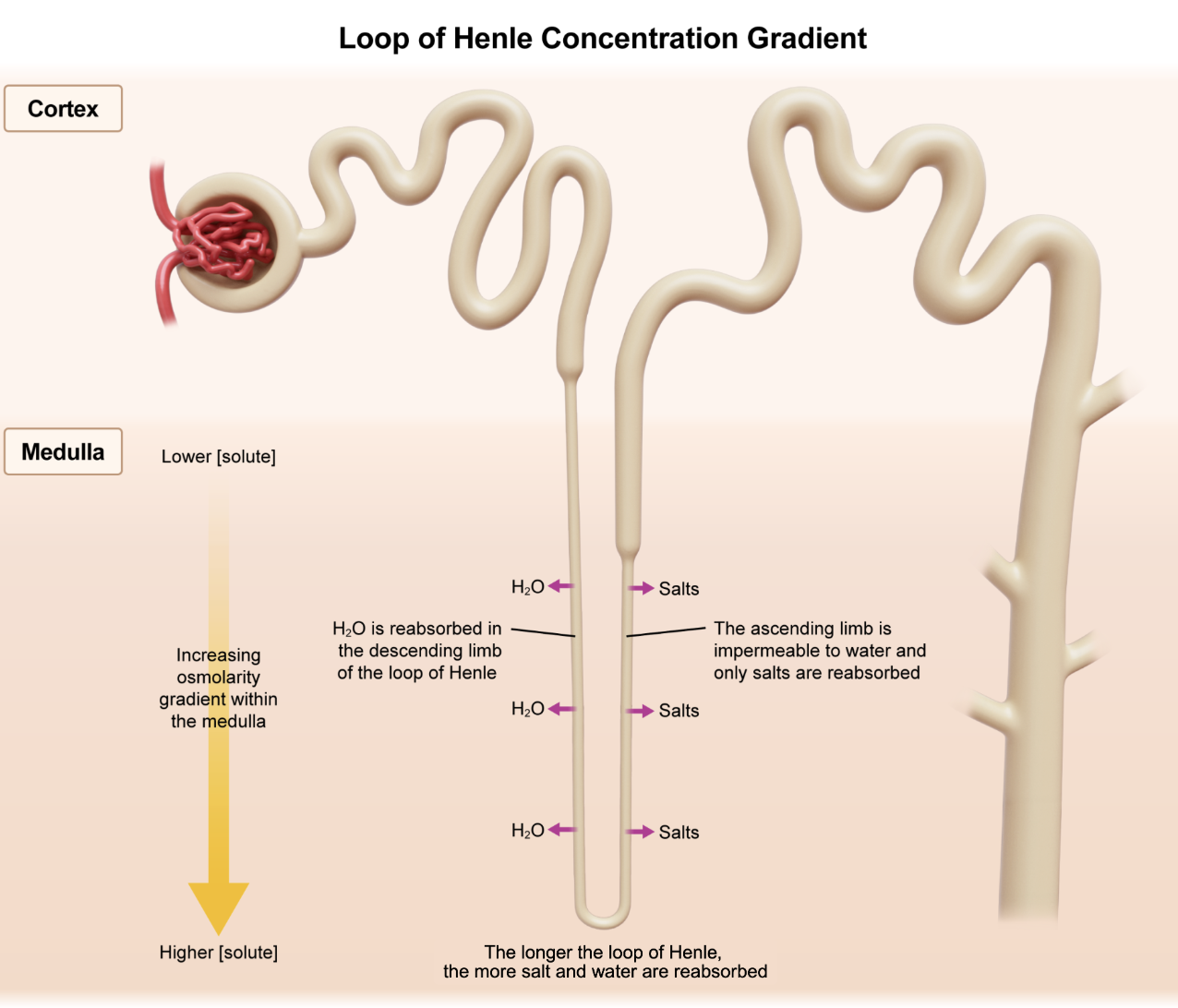
Kangaroo rats are known to produce hyper-concentrated urine. Which type of renal adaptation is most likely to be observed in this organism?
increased glomerular filtration
shorter loop of Henle
Longer loop of Henle
shorter proximal convoluted tubule
longer proximal convoluted tubule
loop of Henle starts by flowing downward from the renal cortex to the renal medulla. Filtrate becomes more concentrated as it flows down the loop of Henle because H2O passively flows out of the tube. Flowing back up, salts transported out of tube into interstitial fluids in medulla. Longer loop = more salt secreted into surrounding tissues.
A. Increased glomerular filtration
An increase in glomerular filtration rate (GFR) would affect the amount of material moving through the kidney, but it would not necessarily affect concentration via reabsorption and secretion.
B. Shorter loop of Henle
A shorter loop of Henle would have the opposite effect of a longer loop. Namely, it would facilitate a smaller concentration gradient that allows less water absorption and therefore less concentrated urine.
D. Shorter proximal convoluted tubule
E. Longer proximal convoluted tubule
Although a lot of reabsorption occurs at the proximal convoluted tubule, it absorbs both solutes and water concurrently. Altering its length would likely not have a regulatory effect on filtrate concentration, especially since unlike the loop of Henle the entire tubule remains in the cortex of the kidney. Therefore, it wouldn’t affect the osmolarity gradient of the medulla.
Which of the following is common to all organisms?
glycolysis
nucleus
photosynthesis
ribosomes
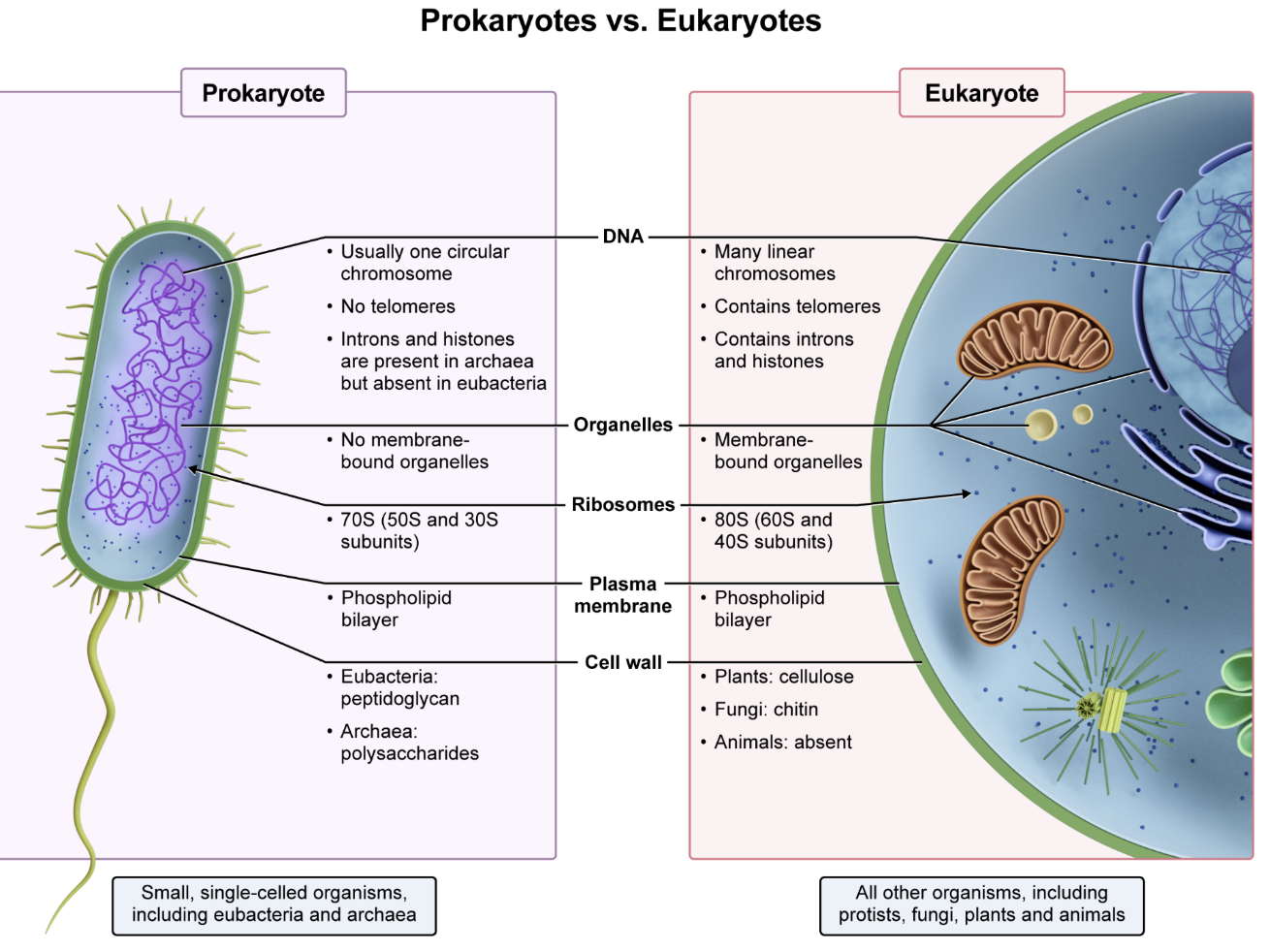
Ribosomes are responsible for translating proteins in both eukaryotes and prokaryotes. Proteins are essential to all forms of life, thus ribosomes are present in all organisms. Ribosomes can be free-floating in the cytosol or embedded in the rough ER.
B. Glycolysis
Nearly all living organisms perform glycolysis, but there are a few exceptions. DAT Pro-Tip: For test day, remember that glycolysis is nearly universal among all organisms, but not entirely, as there are some exceptions.
C. Nucleus
The nucleus houses and protects the DNA in eukaryotes, but it is not present in prokaryotes.
D. Photosynthesis
Photosynthesis is performed in autotrophic organisms, including photosynthetic bacteria, most plants, and some protists. Heterotrophic organisms, such as animals, do not perform photosynthesis.
A scientist subjects five different samples to a gel electrophoresis test. Which of the following samples would move the fastest through the gel?
small, neg charged sample
Smaller fragments travel faster and further in the gel because the pores of the gel obstruct the movement of larger fragments.
Negatively charged molecules (such as DNA) will travel faster and further in the gel because they are attracted to the positive terminal at the end of the gel.
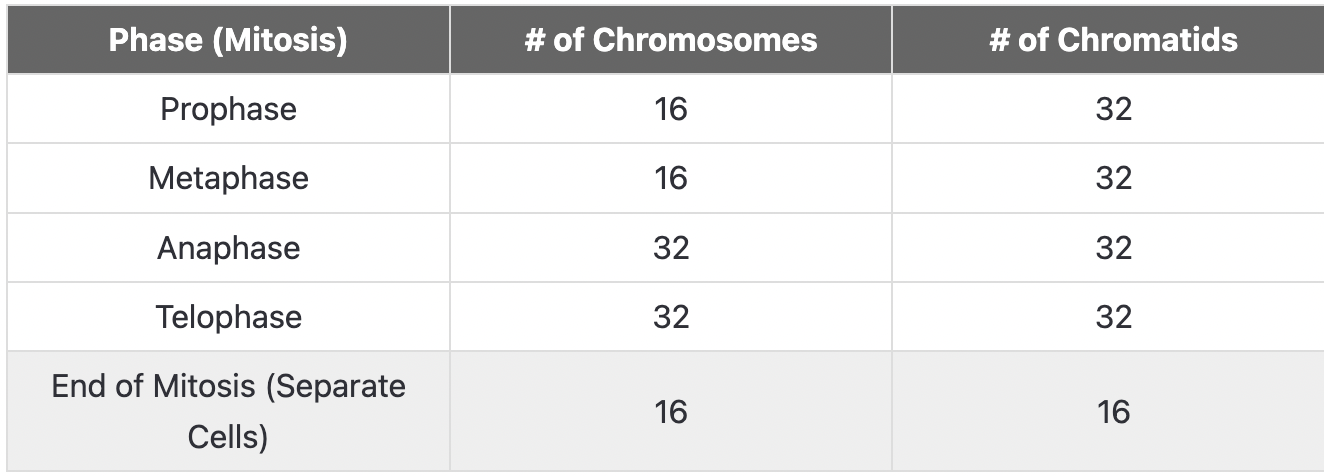
A cell has 2n = 16. During mitosis, how many chromatids are present during metaphase?
32
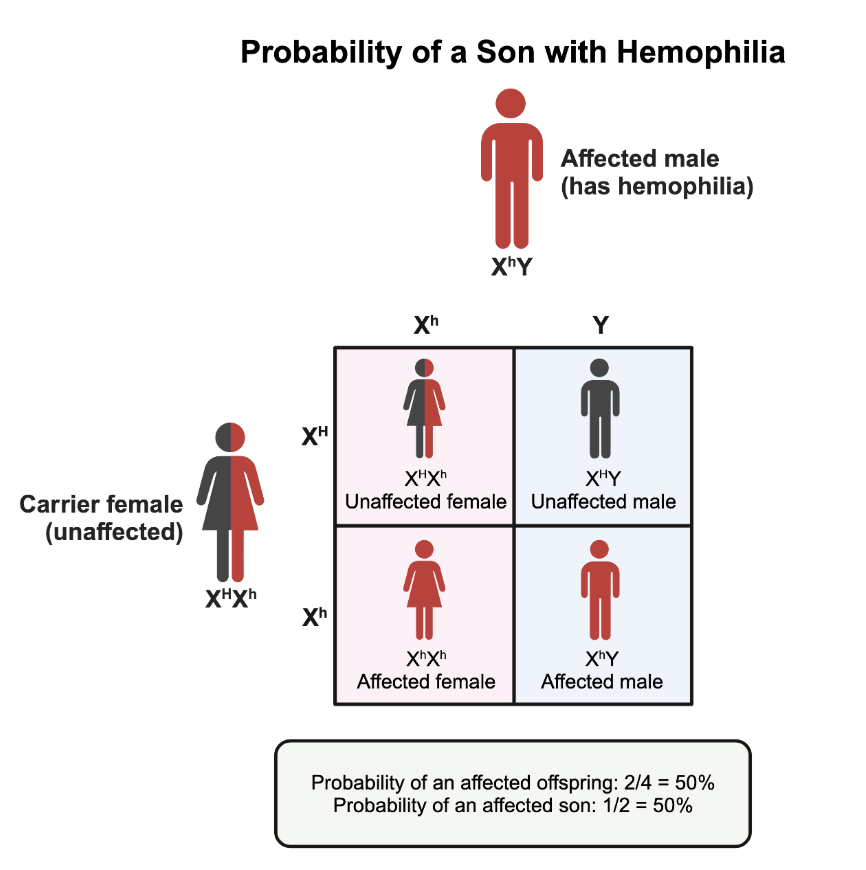
A hemophiliac father and a carrier mother have a son who is a hemophiliac. If hemophilia is a sex-linked condition, what is the probability that their second son will be a hemophiliac?
50%
The fact that the first son was a hemophiliac does not influence the outcome of the second son.
It is given that hemophilia is an X-linked trait, and the carrier mother confirms that the trait is recessive; dominant alleles cannot produce carriers of the trait.
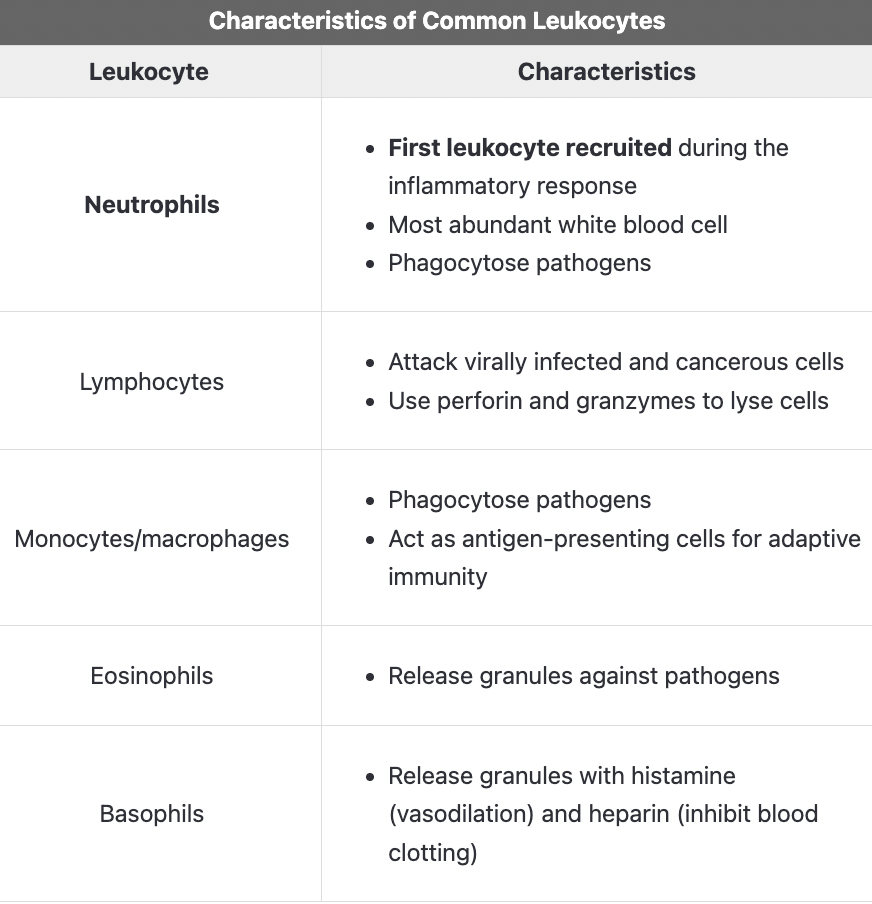
Which of the following is one of the first white blood cells recruited to the site of an inflammatory response?
t cells
thrombocytes
neutrophils
macrophages
plasma cells
A. T cells
T cells are part of the adaptive immune response, which targets specific antigens. The adaptive immune response occurs after the innate immune response, so T cells would not be the first white blood cells recruited to the site of inflammation.
B. Thrombocytes
Thrombocytes, also known as platelets, play a role in activating macrophages, neutrophils, and dendritic cells and help form blood clots. Thrombocytes are not a type of white blood cell.
D. Macrophages
Macrophages are phagocytes that function as antigen-presenting cells. They act as messengers between innate and adaptive immunity and are recruited after neutrophils to the site of an inflammatory response.
E. Plasma cells
Plasma cells are a type of B cell that secrete antibodies to fight infection. They are a part of the adaptive immune response and come later in the immune response.
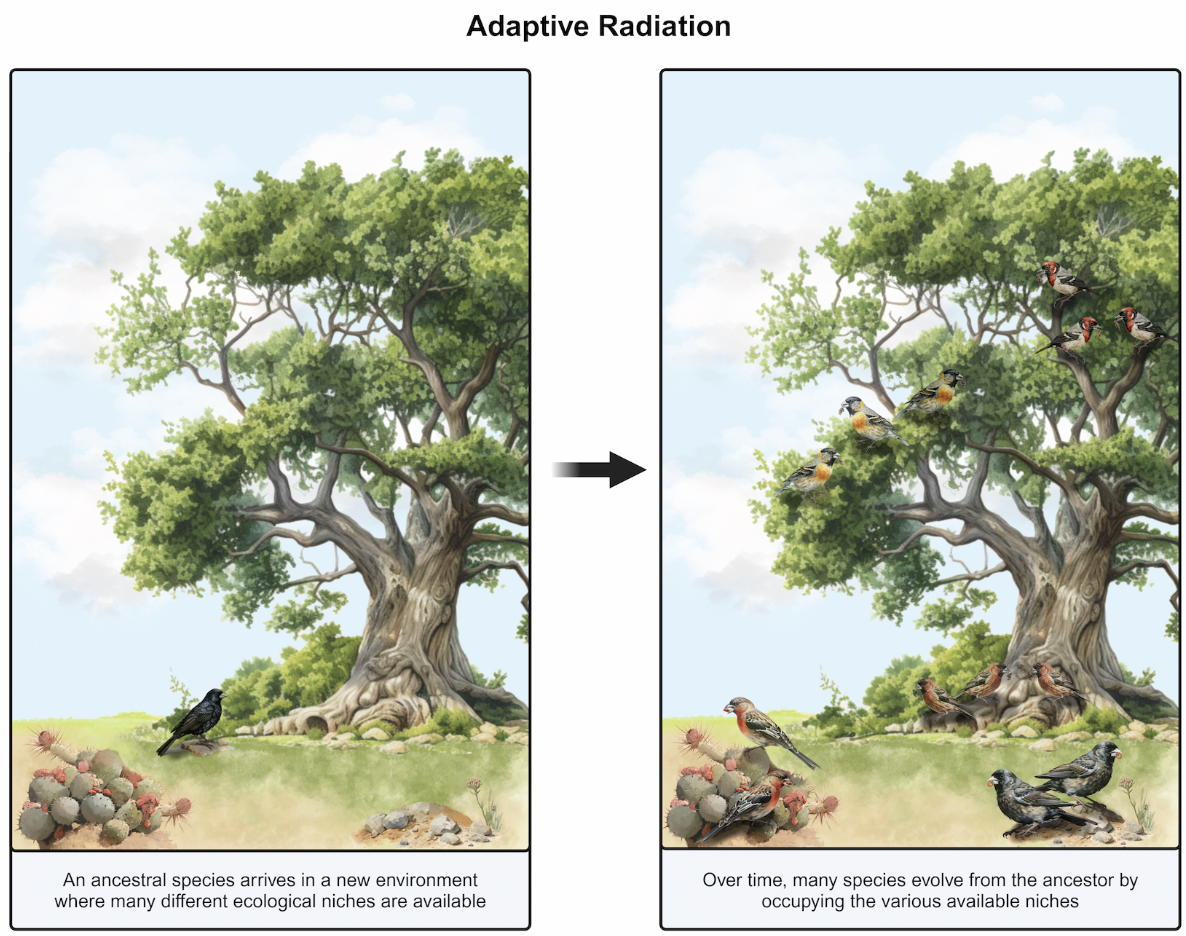
Adaptive radiation is best characterized by which of the following?
A. Spread of a species into different habitats leading to rapid population growth
B. Two unrelated species evolve to become more similar
C. Evolution of multiple distinct lineages from a single ancestral species
D. Formation of a new species through the hybridization of closely related species
E. Passing learned behaviors and skills from one generation to the next
C
A. Spread of a species into different habitats leading to rapid population growth
Population dispersal refers to the movement of individuals into new environments, leading to an increase in geographic range and sometimes population size. However, this process does not involve major genetic changes, so the population remains the same species.
Example: Humans have dispersed globally and occupy diverse environments, yet they remain a single species.
B. Two unrelated species evolve to become more similar
Convergent evolution occurs when unrelated species independently develop similar characteristics in response to similar environmental pressures.
Example: Although bats and birds do not share a common ancestor, they both developed wings due to similar environmental pressures.
D. Formation of a new species through the hybridization of closely related species
Hybridization occurs when two closely related species interbreed, which can sometimes give rise to a new lineage with a unique genetic combination.
Example: The red wolf is thought to have originated through hybridization between gray wolves and coyotes, forming a distinct lineage.
E. Passing learned behaviors and skills from one generation to the next
Lamarck's theory of use and disuse incorrectly proposed that traits acquired during an organism’s life can be passed to its offspring.
Example: An animal that develops stronger muscles through frequent use would supposedly produce offspring with stronger muscles. However, learned behaviors and acquired traits cannot be inherited from one generation to the next.
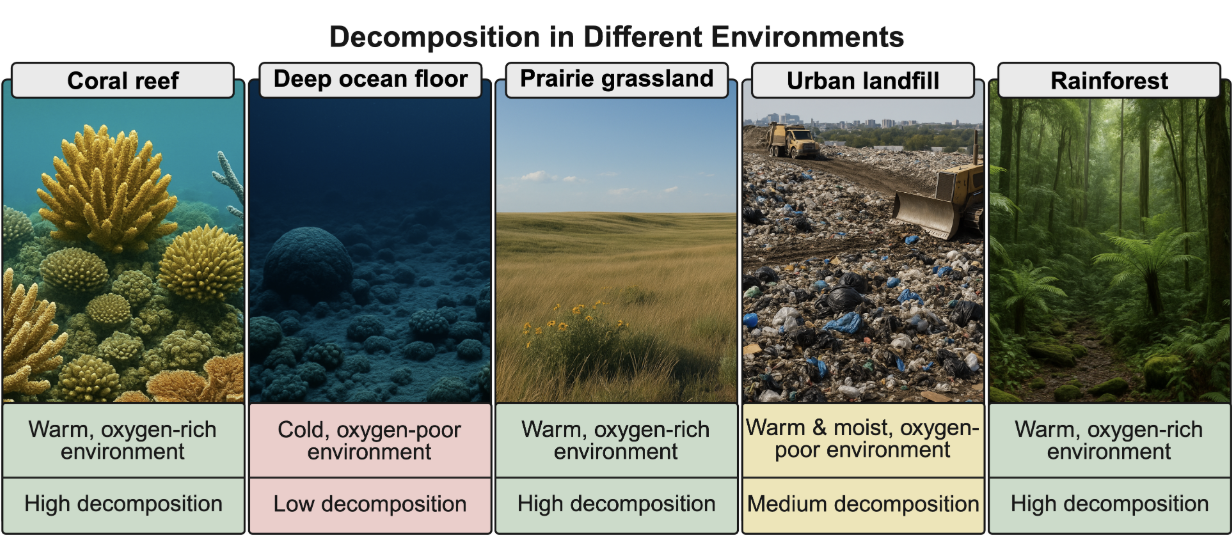
In which of the following environments does decomposition occur at the slowest rate?
coral reef
deep ocean floor
prairie grassland
urban landfill
tropical rainforest
B
decomp occurs most efficiently in warm, moist, and oxygen-rich environments where microbial activity is high.
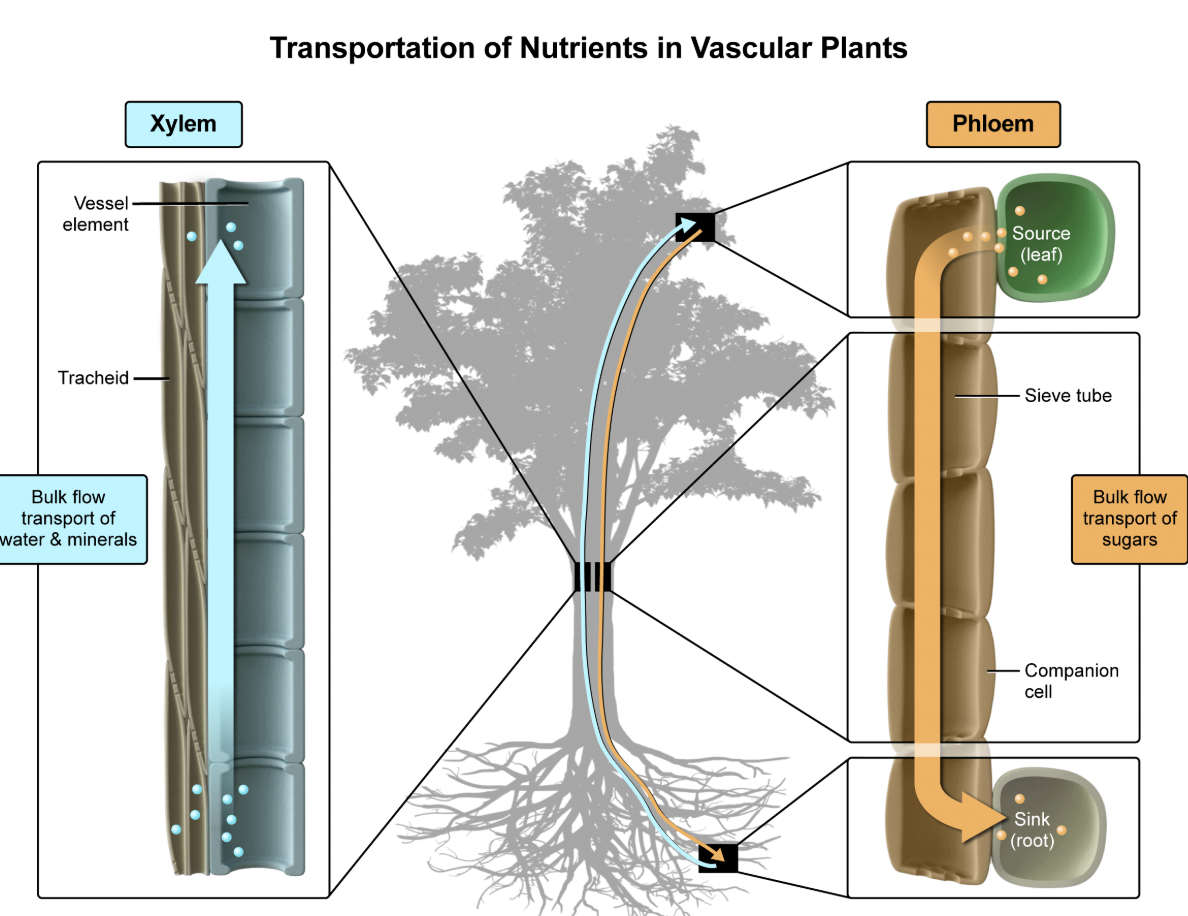
Which of the following describes the primary function of tracheids in vascular plants?
light capture
gas exchange
sugar movement
nutrient storage
water movement
E
2 kinds of vascular tissues in plants are xylem and phloem:
Xylem is composed of tracheids and vessel elements; it transports water and minerals.
Phloem is composed of sieve cells and companion cells; it transports sugars.
A. Light capture
Light capture in plants occurs in chloroplasts. Chloroplasts are organelles containing chlorophyll pigments that absorb light energy for photosynthesis.
B. Gas exchange
Gas exchange in plants occurs through stomata. Stomata are pores on the leaves that open and close via guard cells to allow gases to move between the plant and the environment.
C. Sugar movement
Sugar movement in plants occurs through vascular tissue known as phloem, which is composed of sieve cells and companion cells.
D. Nutrient storage
Nutrient storage in plants occurs within organelles called vacuoles, which store water, ions, and nutrients.
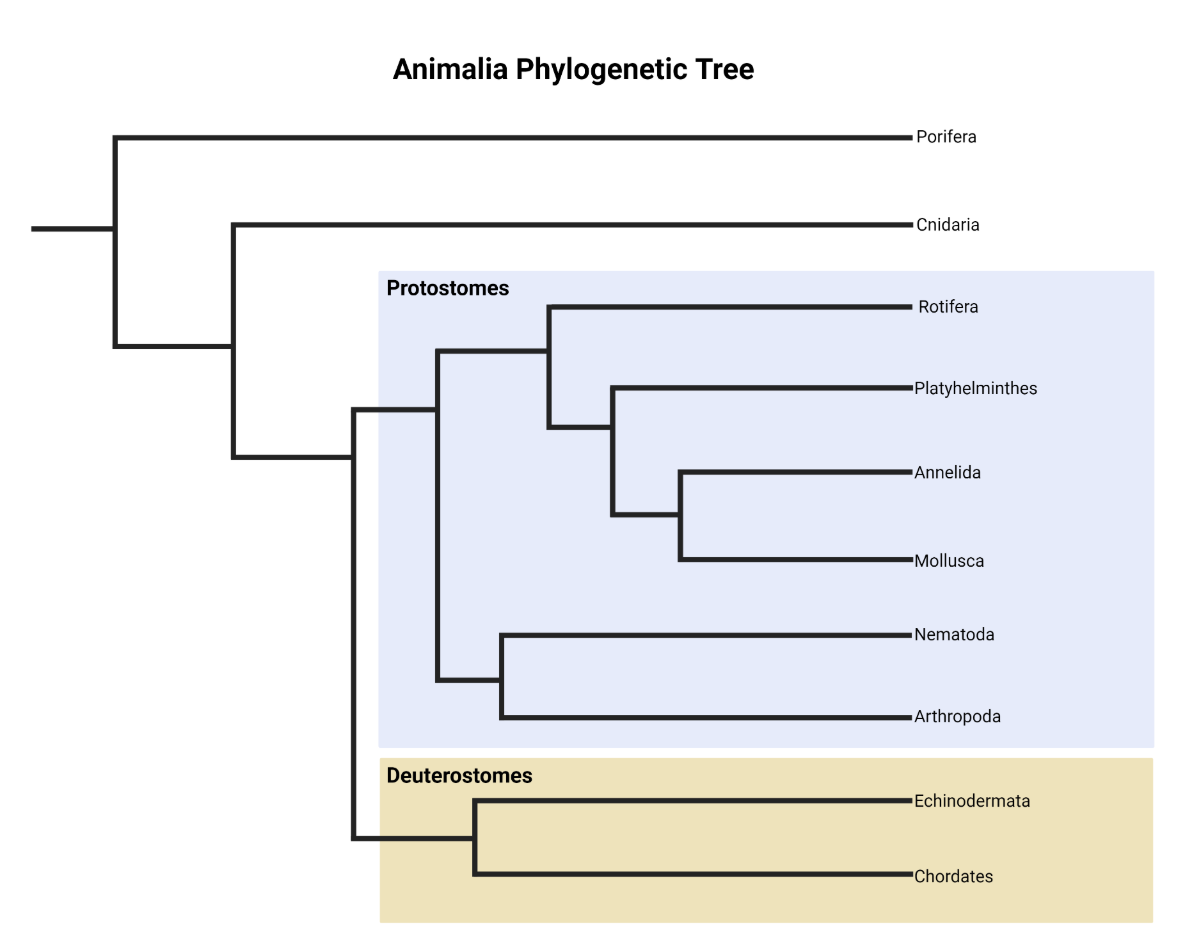
Which of the following is a deuterostome?
nematoda
arthropoda
echinodermata
mollusca
annelida
Echinodermata
Mnemonic: Remember the animal phyla with the following phrase (the final two, Echinodermata and Chordata, are the deuterostomes):
Privileged Children Play Nicely Rapidly And Maturely, Arthur Ensures Cooperation
Porifera Cnidaria Platyhelminthes Nematoda Rotifera Annelida Mollusca Arthropoda Echinodermata Chordata
Platyhelminthes, Nematoda, Rotifera, Annelida, Mollusca, and Arthropoda are protostomes.
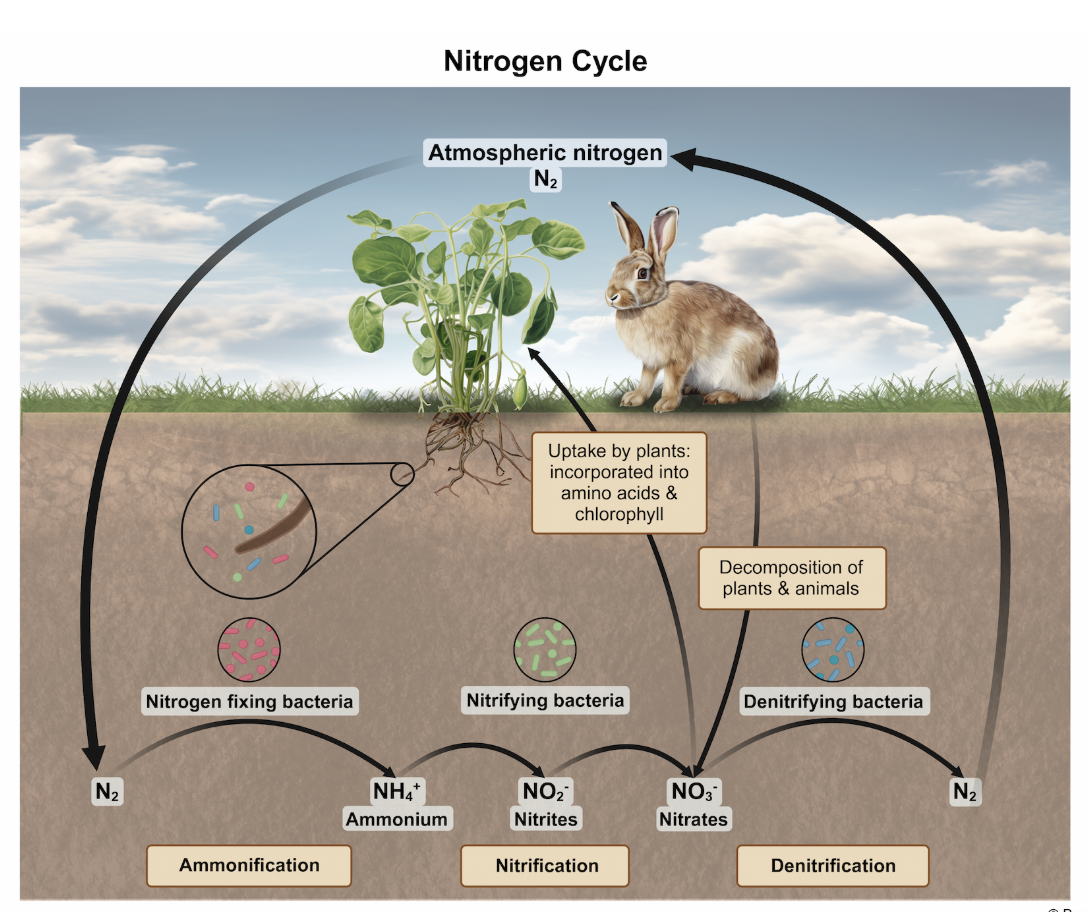
Which process converts nitrogen gas (N2) from the atmosphere into usable forms like ammonia (NH3) and ammonium (NH4+)?
decomposition
denitirfication
eutrophication
nitrification
nitrogen fixation
E
A. Decomposition
Decomposition is the breakdown of organic matter into simpler compounds. While it releases nitrogen from dead organisms, it does not convert atmospheric nitrogen into biologically usable forms.
B. Denitrification
Denitrification reduces oxidized forms of nitrogen like NO3- and NO2- to N2 gas. This process removes bioavailable nitrogen from soils and waters, rather than generating NH3 or NH4+.
C. Eutrophication
Eutrophication is the nutrient enrichment of aquatic ecosystems, often caused by human activity (e.g., farming). This process can lead to harmful algal blooms and oxygen depletion.
D. Nitrification
Nitrification is the oxidation of NH4+ to NO2- and then to NO3- by bacteria. This process transforms previously fixed nitrogen but does not convert N2 gas.
Which of the following can be used to separate DNA fragments produced by restriction enzymes?
gel electrophoresis
enzyme0linked imminosorbent assay
polymerase chain reaction
dna microarray
centrifugtion
A- Gel electrophoresis separates DNA fragments by their charge and size.
B. Enzyme-linked immunosorbent assay
Enzyme-linked immunosorbent assay (ELISA) is used to determine if a specific antigen exists in a sample. Antibodies are placed into a microtiter plate. If they bind to the specific antigen for which the test is being done, a color change will indicate the presence of the antigen.
C. Polymerase chain reaction
Polymerase chain reaction (PCR) is used to amplify the amount of a DNA sample.
D. DNA microarray
A DNA microarray uses fluorescent probes to identify which genes are being expressed in an organism.
E. Centrifugation
Centrifugation describes the process of spinning a sample in order to separate its contents by mass, density, and/or shape. It is not precise enough to separate DNA fragments of different lengths.
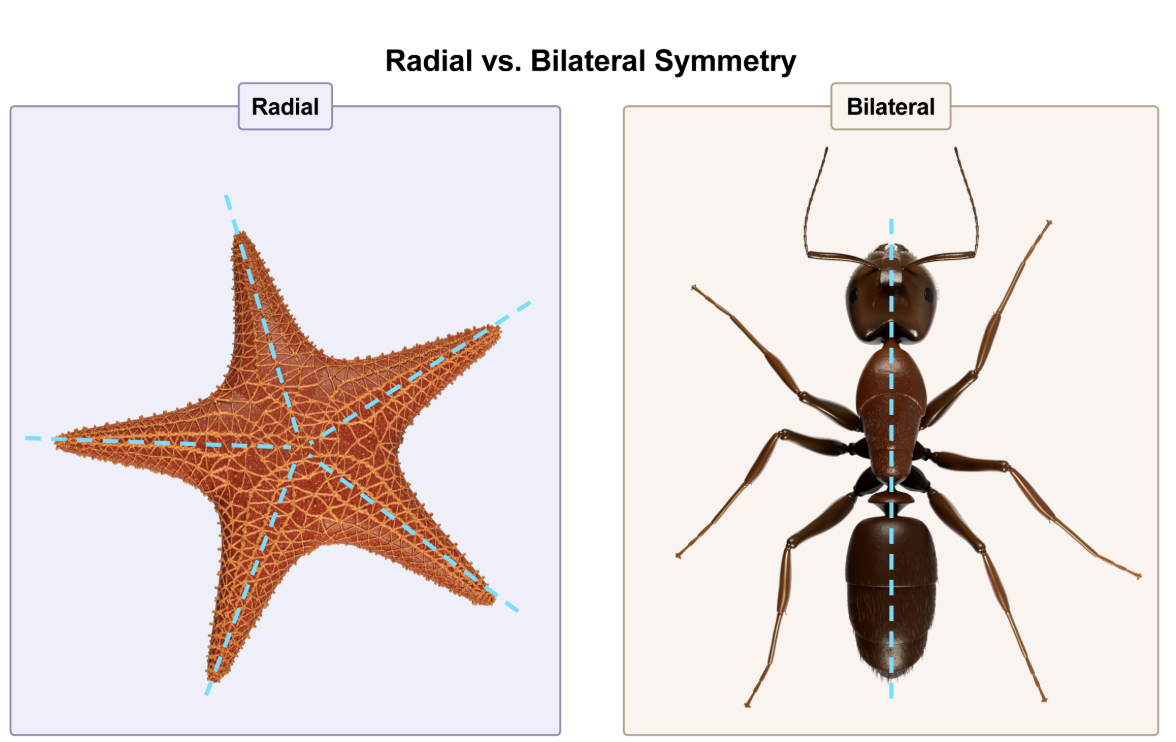
Which of the following organisms has radial symmetry?
annelida
chordata
echinodermata
platyhelminthes
rotifera
C; Radial symmetry is only found in cnidarians and echinoderms.
A. Annelida- earthworm, leech
B. Chordata- weird embryo looking thing
D. Platyhelminthes- flatworm, tapeworm
E. Rotifera- rotifers
Annelida, Chordata, Platyhelminthes, and Rotifera are animal phyla that exhibit bilateral symmetry.
DAT Pro-Tip: Porifera (also known as the sponges) is the most primitive phylum of the animal kingdom and does not exhibit symmetry.
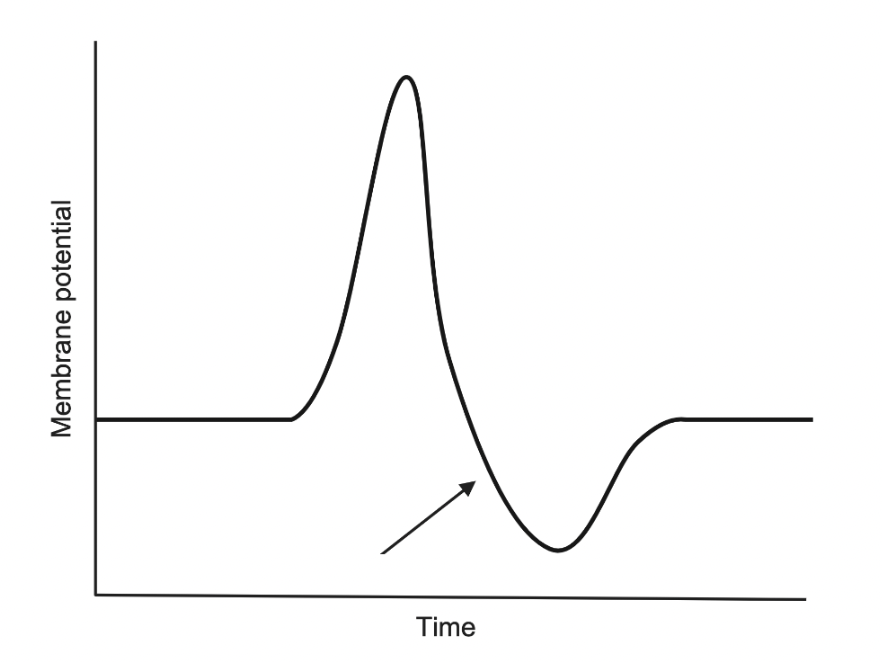
Which of the following occurs at the neuronal membrane during the stage of an action potential indicated by the arrow?
A. Calcium ion influx leading to repolarization
B. Chloride channel blocking leading to hyperpolarization
C. Glycine release leading to repolarization
D. Potassium ion efflux leading to hyperpolarization
E. Sodium ion influx leading to depolarization.
D. potassium ion efflux leading to hyperpolarization
A. Calcium ion influx leading to repolarization
Calcium influx is involved in neurotransmitter release at synaptic terminals, not in action potential repolarization.
B. Chloride channel blocking leading to hyperpolarization
Potassium channels, not chloride channels, are responsible for hyperpolarization of the membrane.
C. Glycine release leading to repolarization
Glycine is an inhibitory neurotransmitter that opens chloride channels on postsynaptic membranes.
E. Sodium ion influx leading to depolarization
Sodium influx occurs at the beginning of the action potential to cause depolarization. Sodium ion influx cannot lead to hyperpolarization because it makes the membrane potential more positive, not negative.
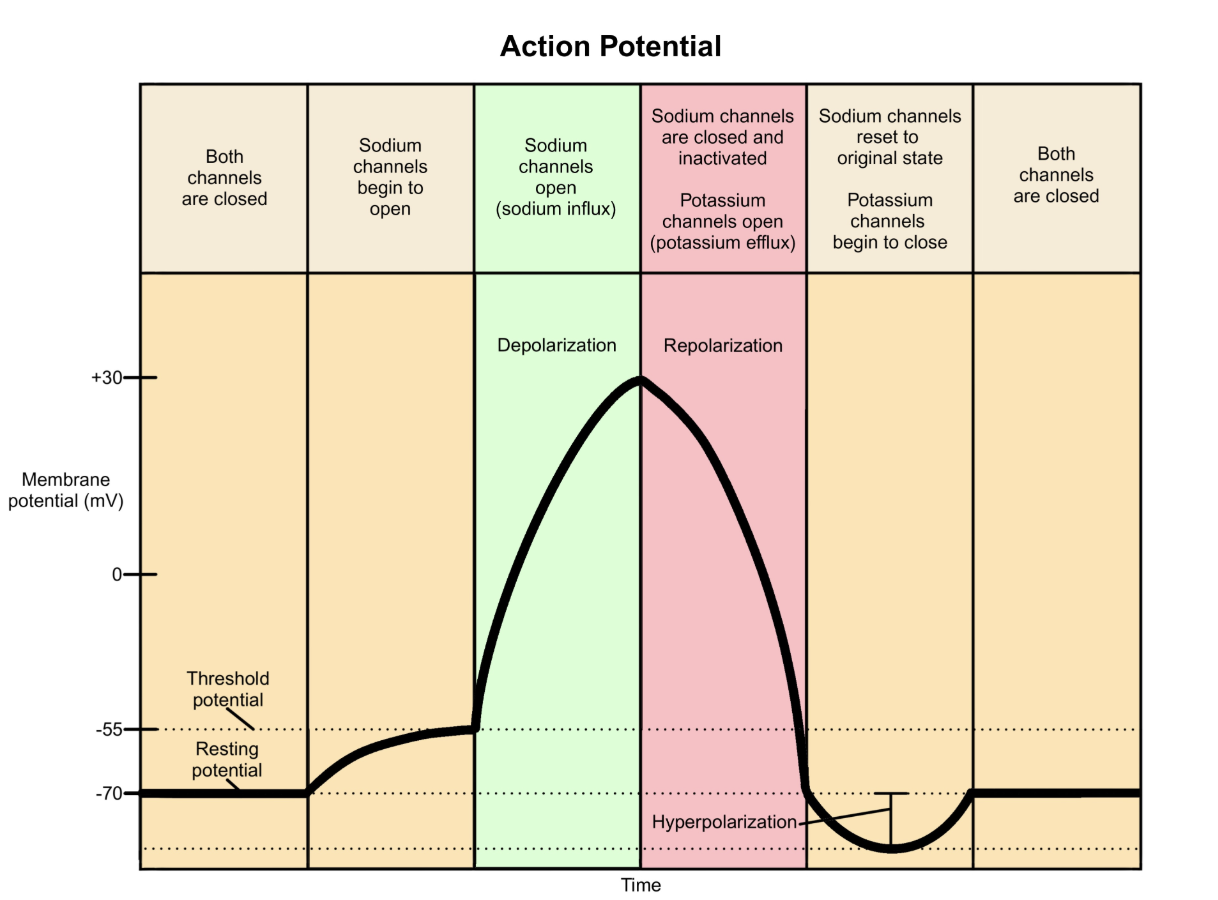
Which of the following is produced in the smooth endoplasmic reticulum?
protein
hydrolytic enzymes
lipids
vacuoles
rRNA
C
A. Proteins
Proteins are produced by ribosomes, which can be either free-floating in the cytoplasm or attached to the rough endoplasmic reticulum (RER).
B. Hydrolytic enzymes
Hydrolytic enzymes are located within lysosomes.
D. Vacuoles
Vacuoles are cell structures that store various substances like water, ions, and waste.
E. rRNA
In eukaryotes, ribosomal RNA (rRNA) is produced in the nucleolus.
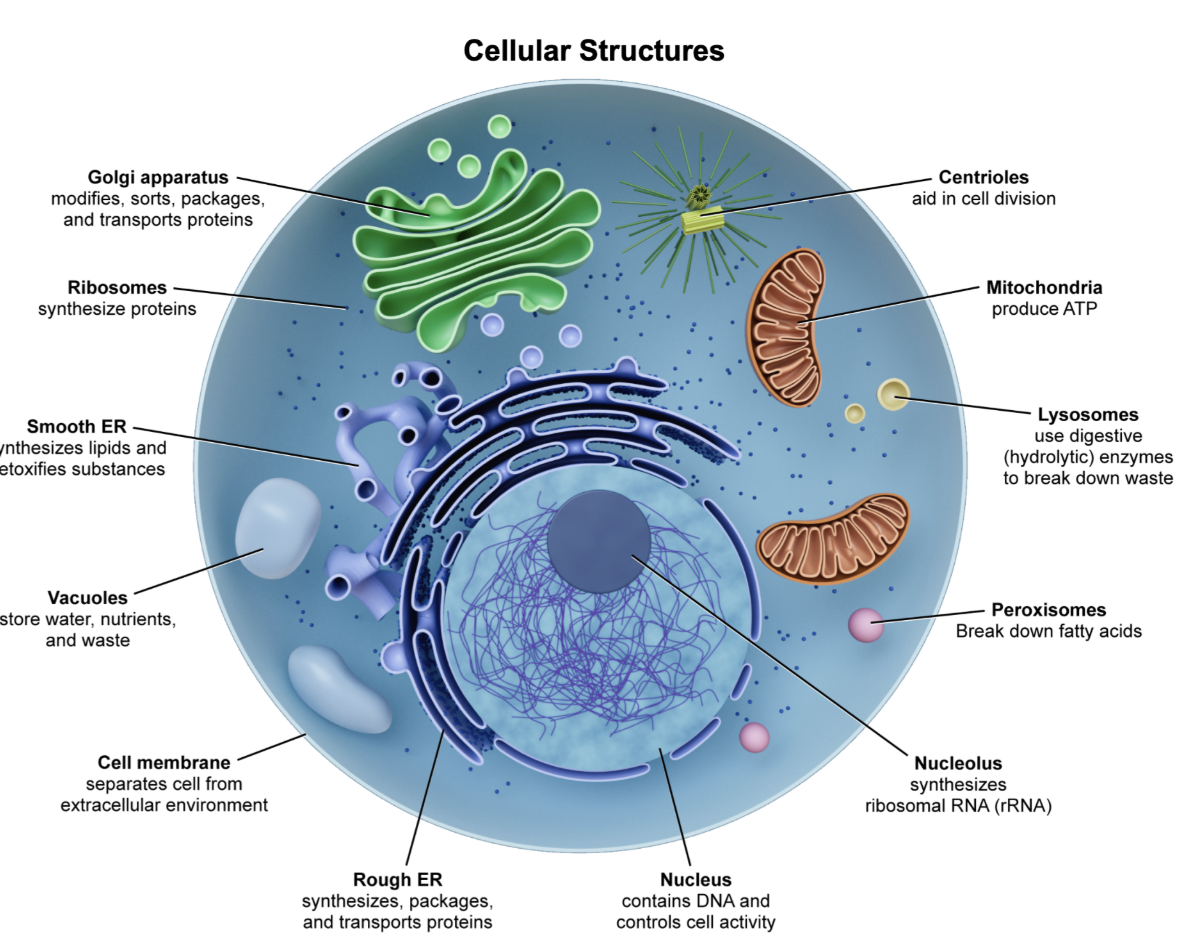
How does blood pressure change in response to vasoconstriction?
bp inc
bp dec
bp stay same
A
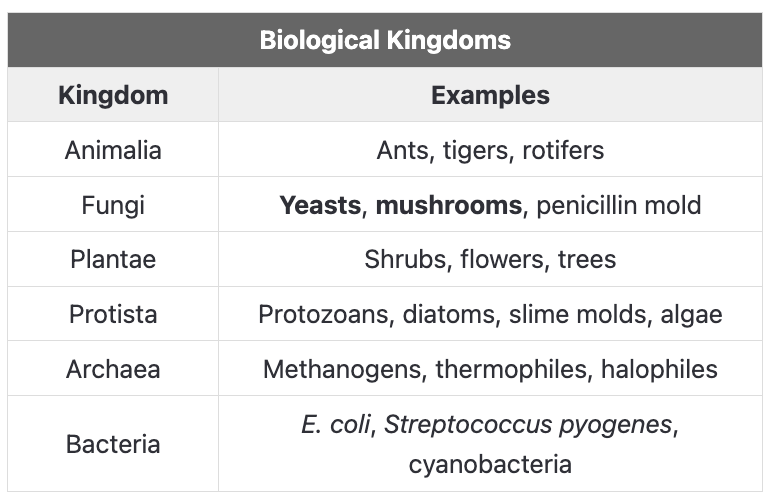
Which of the following organisms has the most similar taxonomic classification to yeast?
alage
dinoflagaellates
amoebas
mushrooms
slime molds
Yeasts and mushrooms belong to the kingdom Fungi.
A. Blue-green algae
Blue-green algae, also called cyanobacteria, are a group of photosynthetic bacteria that live in water. They can grow quickly, forming large blooms that release toxins into the water.
B. Dinoflagellates
Dinoflagellates are single-celled protists that live in aquatic environments.
C. Amoebas
Amoebas are single-celled protists that move and feed using flexible extensions called pseudopodia.
E. Slime molds
Slime molds are protists that live in moist environments and can move like amoebas
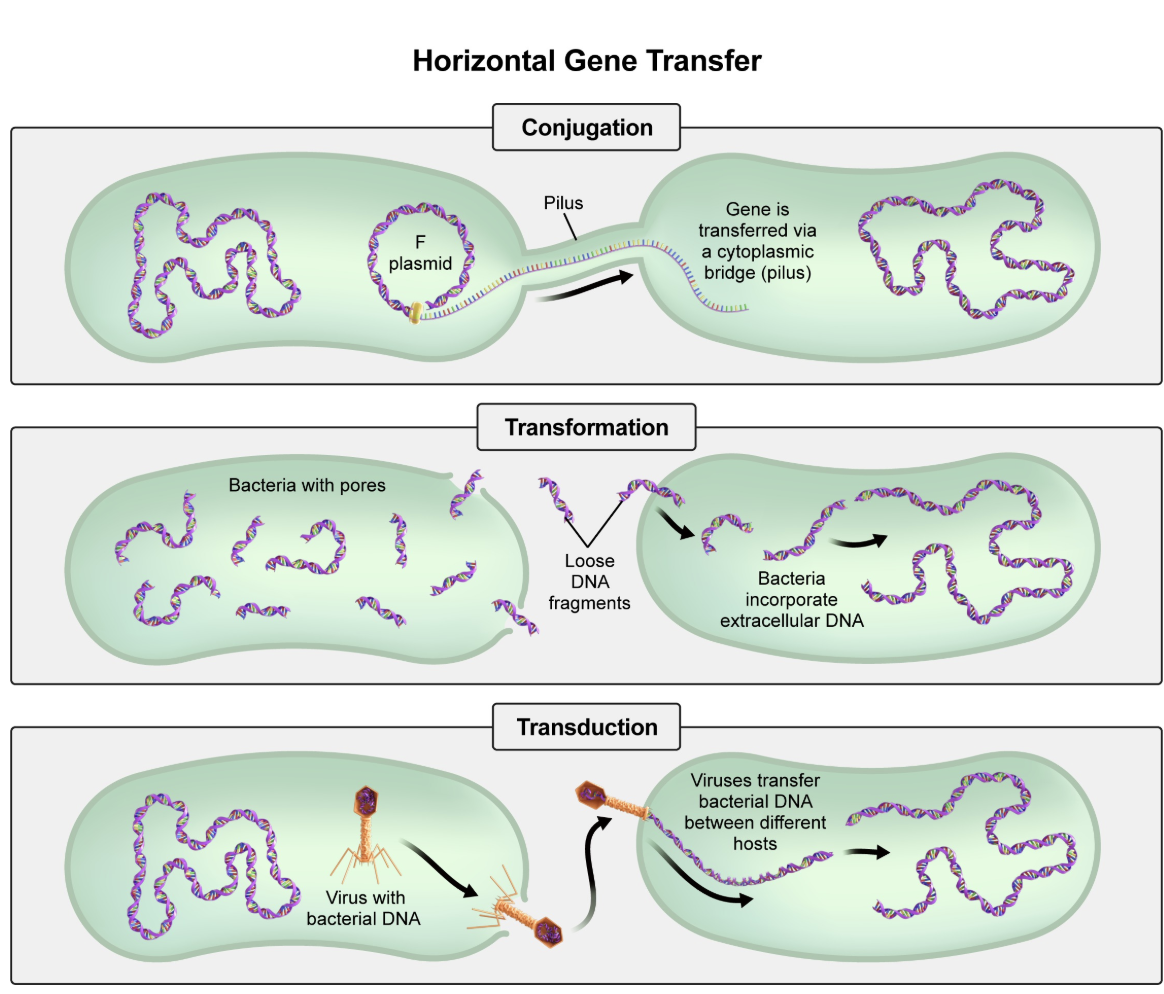
Antibiotic-resistant E. coli bacteria are left to sit on an agar plate. After some time, the E. coli are removed and antibiotic-susceptible Salmonella bacteria are added to the plate. The Salmonella gain antibiotic resistance while sitting on the plate. What phenomenon best describes what has occurred?
transduction
conjugation
transformation
mutation
translation
C
A. Transduction
Transduction is a form of horizontal gene transfer that occurs when viral intermediates called bacteriophages transfer DNA between bacteria. The given scenario does not mention the involvement of viruses.
B. Conjugation
Conjugation occurs when bacteria transfer DNA between each other directly via cytoplasmic bridges called pili. The antibiotic-resistant E. coli and antibiotic-susceptible Salmonella are not present at the same time. Therefore, the physical contact necessary for conjugation could not have occurred.
D. Mutation
A mutation is a permanent, heritable change in the nucleotide sequence of DNA. Mutations can occasionally give rise to antibiotic resistance. However, the given scenario points to the transfer of antibiotic resistance between different bacterial species, rather than a spontaneous genetic change within Salmonella.
E. Translation
Translation is the process of converting mRNA into a protein. Although it is essential for gene expression, translation does not involve the transfer of genetic material between bacteria.
Which of the following structures develops from the mesoderm?
notochord
retina
nervous sys
liver
adrenal medulla
A
B. Retina
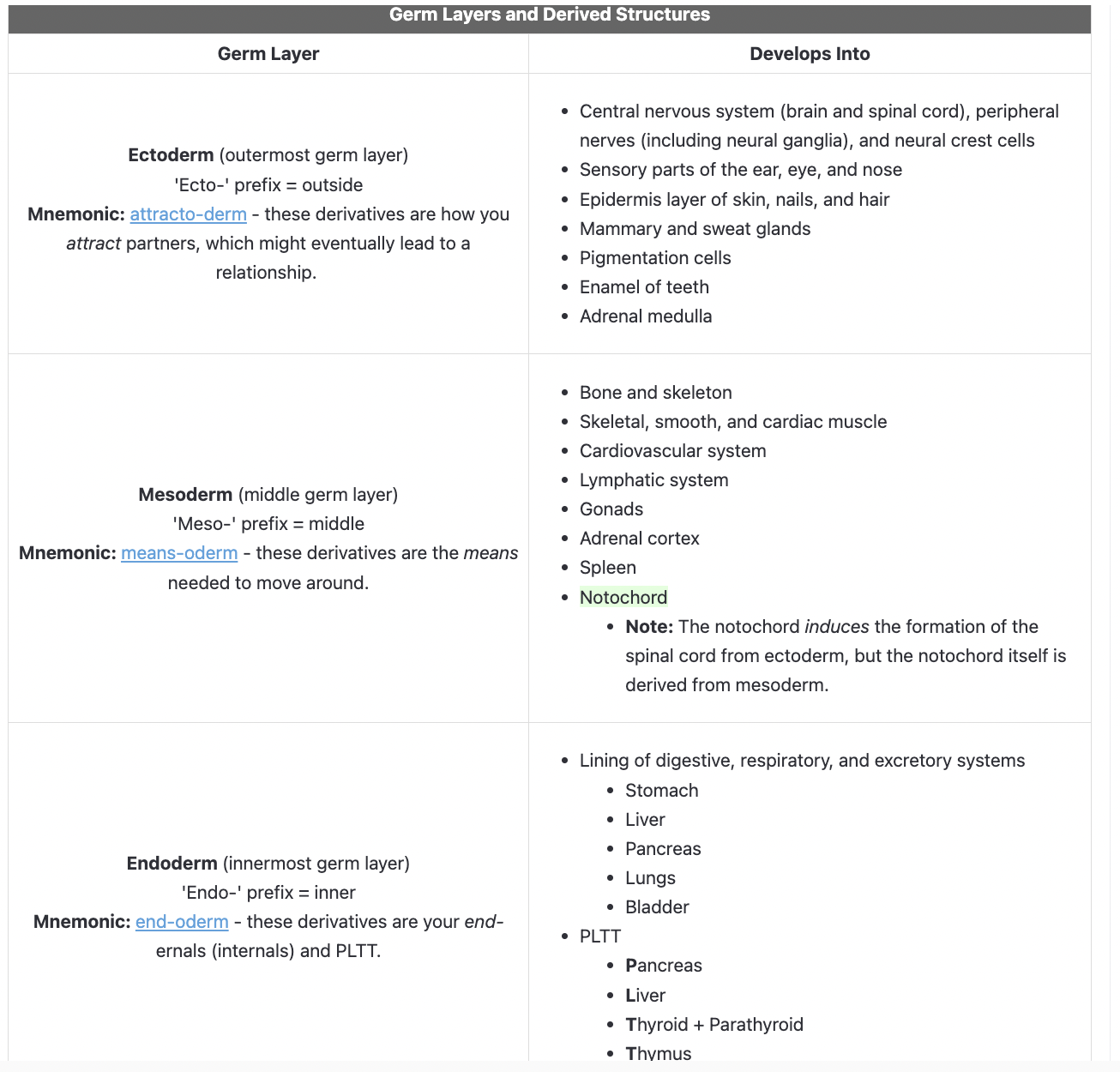
The retina forms from the neural ectoderm as an extension of the forebrain, which gives rise to the central nervous system.
C. Nervous system
E. Adrenal medulla
The central and peripheral nervous systems are produced from ectodermal tissue, as is the adrenal medulla. There is one tricky point to note, however.
The notochord results from mesodermal tissue, and it induces the formation of the spinal cord. The spinal cord is a part of the central nervous system, which consists of ectodermal tissue.
D. Liver
The endoderm develops the lining of the digestive, respiratory, and excretory systems. With both digestive and excretory functions, the liver results from endoderm.
In which structure do viruses store their genetic material?
capsid
nucleoid
nucleolous
vacuole
A
B. Nucleoid
The nucleoid is the region of a prokaryotic cell within which genetic material can be found. Viruses do not have a nucleoid.
C. Nucleolus
D. Nucleus
The nucleolus is a dense region found within the nucleus of eukaryotic cells. Viruses do not possess a nucleus or any membrane-bound organelles.
E. Vacuole
Vacuoles are membrane-bound organelles found in eukaryotic cells. Viruses do not contain membrane-bound organelles.
Which of the following animals are amniotes?
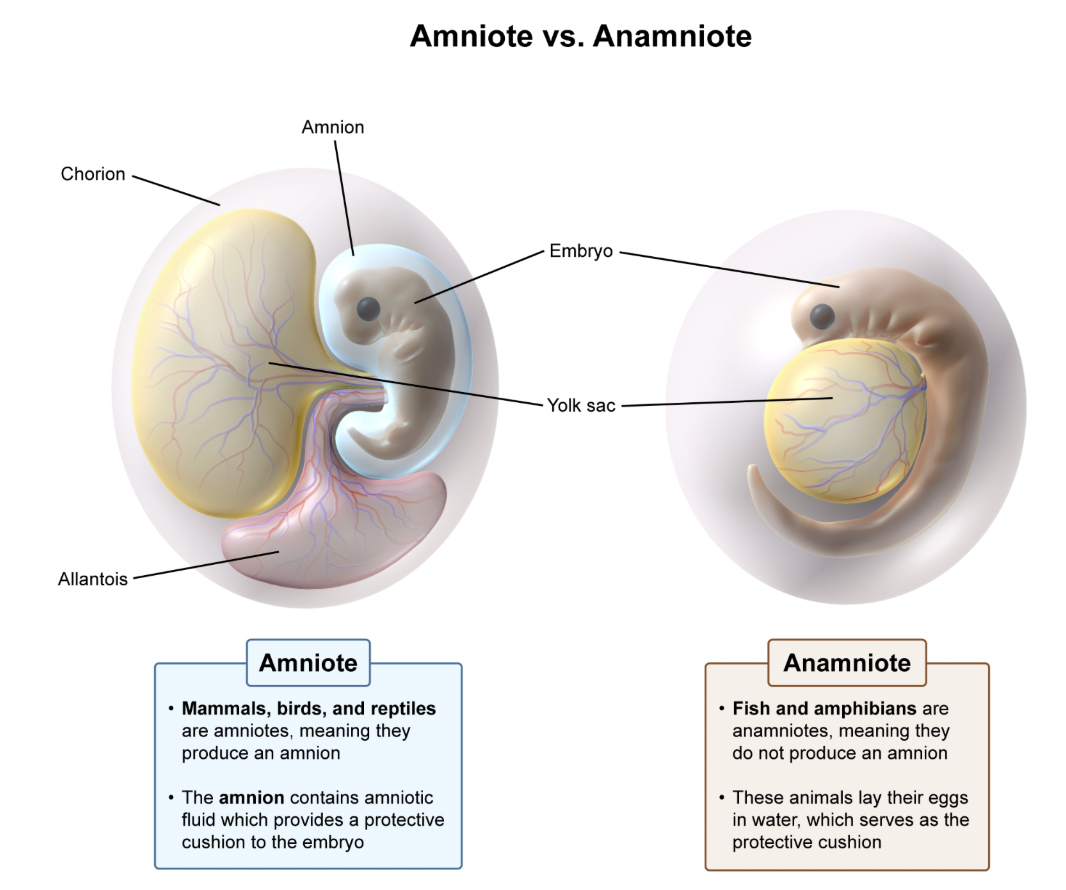
Reptiles, birds, and mammals are amniotes, which means that they each produce an amnion.
A. Fish, amphibia, and reptiles
B. Fish and amphibia
C. Reptiles and amphibia
D. Mammals, fish, and reptiles
Anamniotes include amphibians (such as frogs) and fish. Anamniotes lack an amnion. This makes sense, as amphibians (frogs) and fish lay eggs in water, which serves as the cushion.
Key Takeaway:
The amnion provides a water cushion and protects the embryo from damage.
Animals that do not have an amnion (such as amphibians and fish) are called anamniotes.
Where does endometrial thickening occur during the menstrual cycle?
uterus - During the menstrual cycle, endometrial thickening occurs in the uterus to prepare for blastocyst implantation.
A. Ovary
The ovary is a paired gland that produces hormones and functions as the site of ovulation.
B. Oviduct
The oviduct, or fallopian tube, is the structure through which eggs travel from the ovary to the uterus. It is also the site where fertilization typically occurs.
C. Urethra
The urethra is the tube responsible for carrying urine from the bladder to the outside of the body.
E. Vagina
The vagina is a muscular canal that extends from the cervix to the outside of the body. It serves as a passageway for sperm, menstruation, and childbirth.
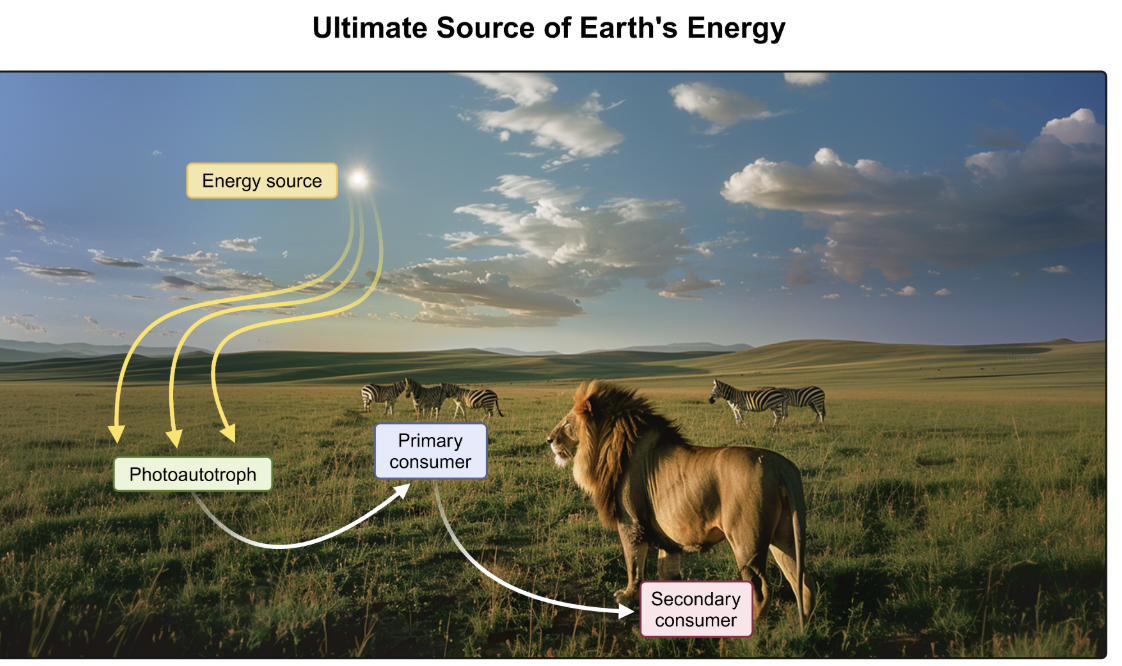
What is the ultimate source of energy for all living organisms?
light energy from sun
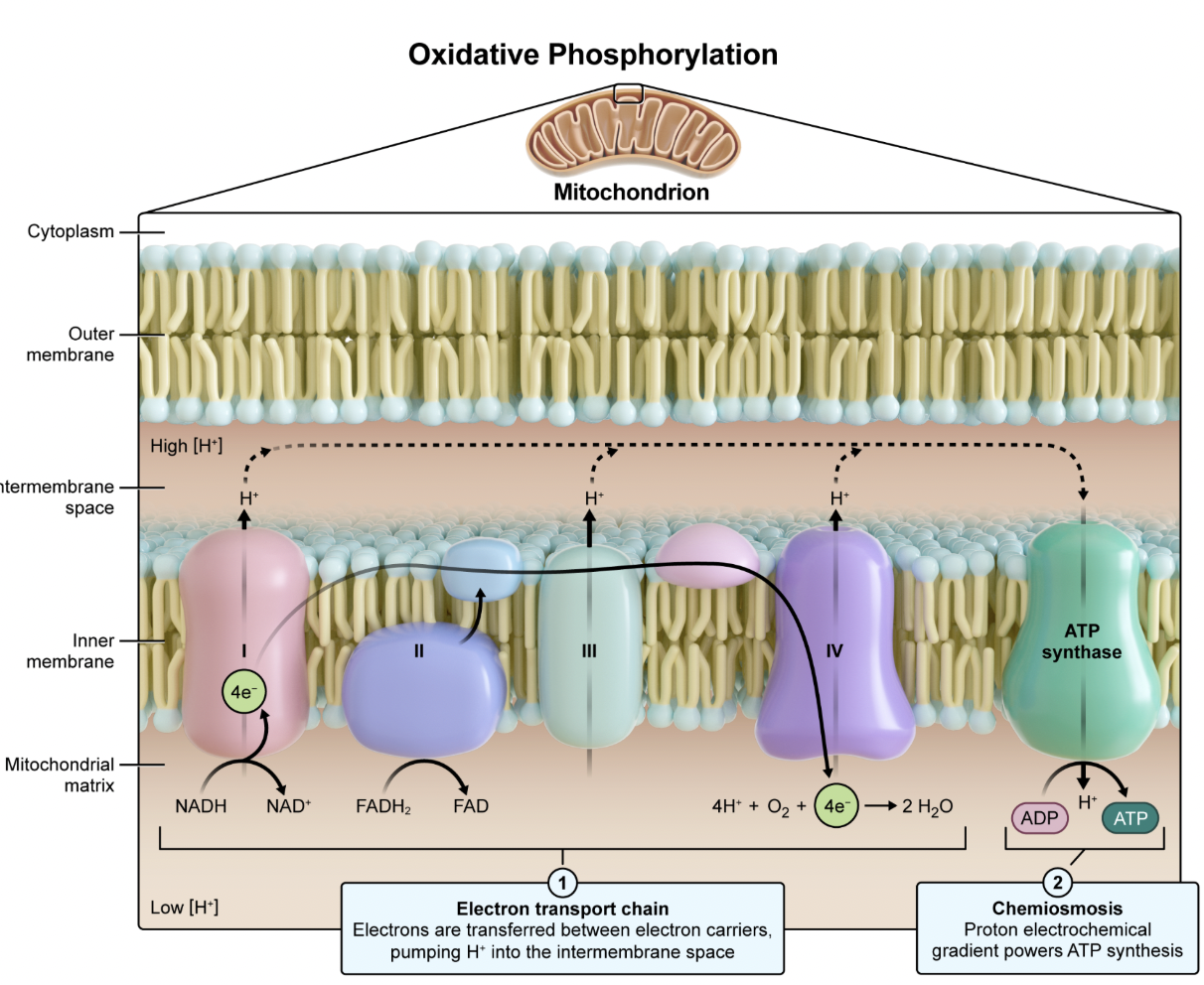
Where is the electron transport chain found in eukaryotic cells?
inner mitochondrial membrane
In eukaryotes, the electron transport chain is found in the inner mitochondrial membrane.
In prokaryotes, the electron transport chain is found in the plasma membrane.
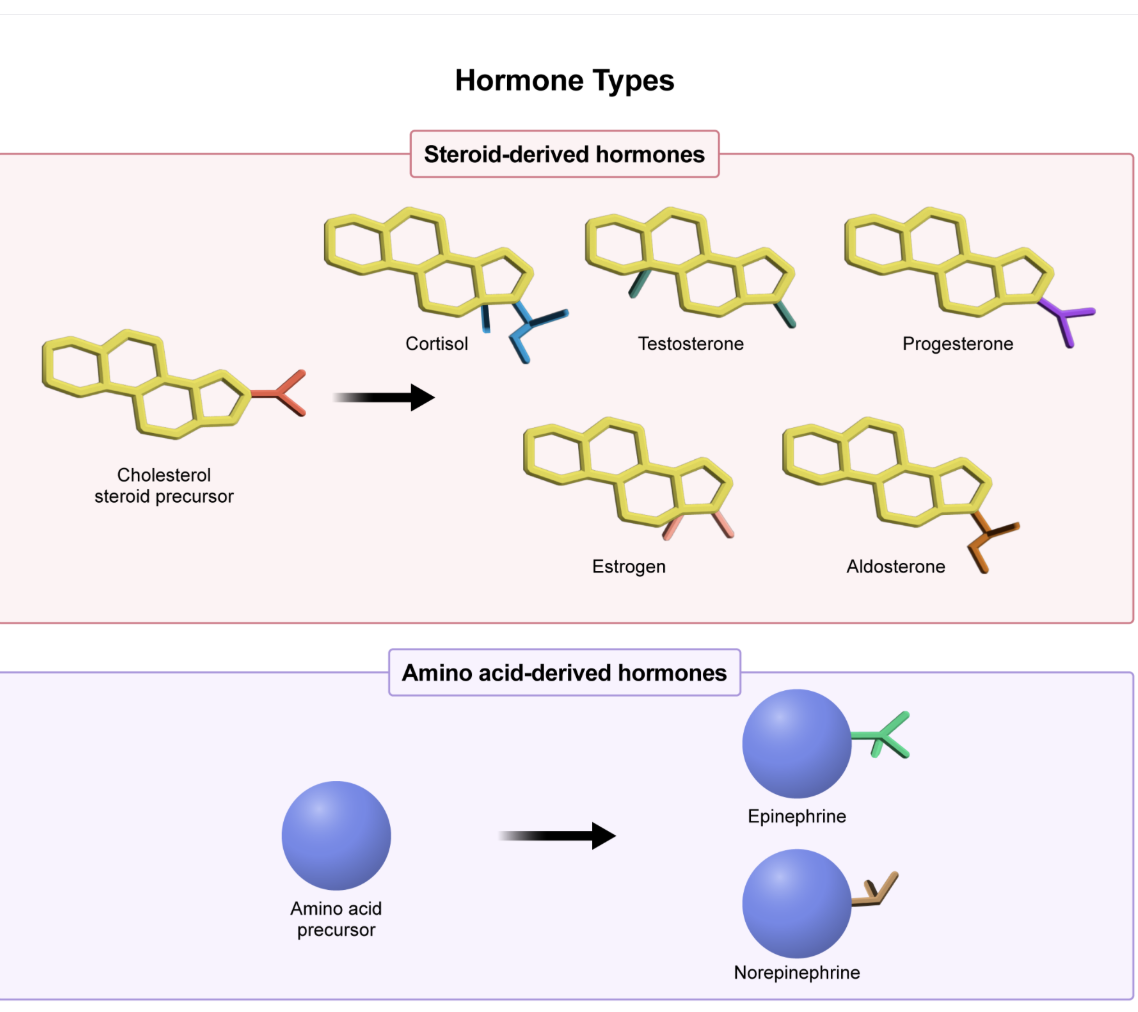
Androgens, estrogen, and progesterone are hormones that regulate sexual development. Which of the following is the precursor of these hormones?
cholestrol
DAT Pro-Tip: Steroid hormones can freely pass through the plasma membrane because their four-ring structure makes them hydrophobic. Their receptors are found in the nucleus or the cytoplasm.
A. Polypeptide
Polypeptides are chains of amino acids that form proteins or peptide hormones like insulin. Protein hormones bind to receptors on the plasma membrane.
C. Tyrosine
Tyrosine is an amino acid that serves as a precursor of neurotransmitters like dopamine, norepinephrine, and epinephrine. It does not play a direct role in the synthesis of steroid hormones.
D. Triglycerides
Lipids within the body are often transported or stored as triglycerides, which are composed of a glycerol backbone and three fatty acid chains. Triglycerides are not precursors of steroid hormones.
E. Ribose
Ribose is a five-carbon sugar that forms part of the backbone of nucleotides. It is used in DNA, RNA, ATP, and other important molecules to help store and transfer genetic information and energy in cells.
What is the main factor that limits the size of bacterial cells?
surface area to volume ratio limits nutrient exchange
As cells increase in size, their volumes increase faster than their surface area.
An inadequate surface-to-volume ratio is incapable of supporting life, and will trigger the cell to divide or die.
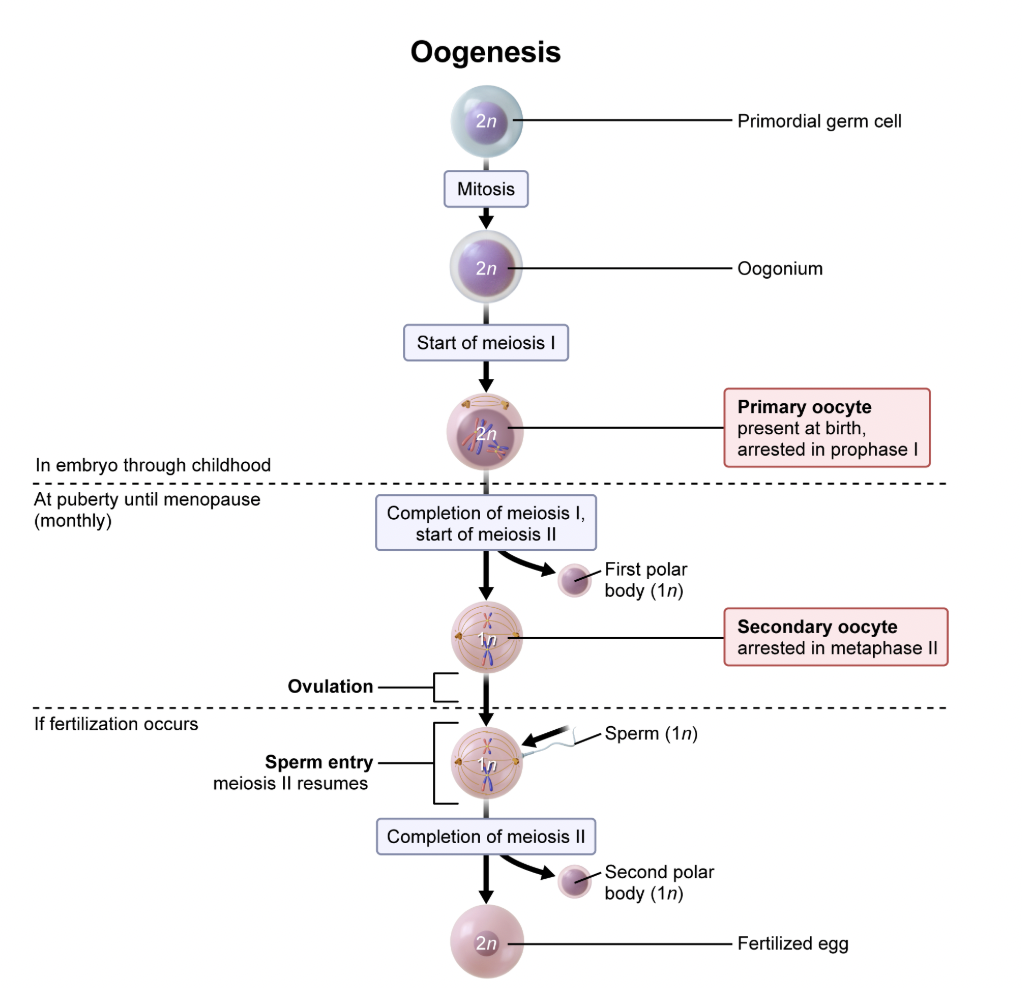
Before puberty, the oocytes of a female are arrested in which of the following stages?
Prophase I
Primary oocytes are arrested in prophase I until puberty.
Secondary oocytes are arrested in metaphase II until fertilization.
Which of the following is an expected response to low blood sugar?
inc in cortisol, epinephrine, or glucagon
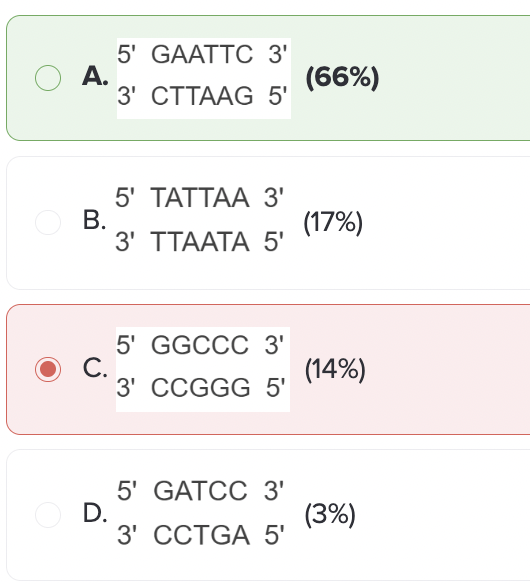
To insert a foreign gene into a plasmid, scientists must target a palindromic sequence. Which of the following sequences can be used for this purpose?
A palindrome is a sequence that reads the same forward and backward, such as the word "racecar."
What would be expected if the male parent contributed more energy to the reproductive process compared to the female parent?
males seek more mates
males mate more regulary
males place more emphasis on offspring quality
males exhibit greater sexual dimorphism
C; The sex that invests more energy into reproduction tends to prioritize offspring quality.
D. Males would exhibit greater sexual dimorphism
Sexual dimorphism refers to the differences in appearance between males and females of the same species, often driven by sexual selection. The sex that competes more strongly for mates typically evolves more exaggerated traits, while the higher-investing sex is more selective. If males contributed more energy to reproduction, strong dimorphism would not be expected in males. Instead, females would likely evolve more pronounced traits as they compete for access to the more selective males.
Which of the following functions prevents polyspermy?
cortical granule release
sperm hyperactivation
formation of three germ layers
hyperpolarization
secretion of hydrolytic enzymes
A; Polyspermy occurs when more than one sperm enters the egg. This leads to polyploidy (more than two sets of chromosomes), which results in a nonviable embryo. To prevent polyspermy, the egg uses two mechanisms: the fast block and the slow block.
The fast block to polyspermy occurs when sodium ion influx depolarizes the egg membrane to prevent immediate sperm entry.
The slow block to polyspermy occurs when calcium ions trigger cortical granule release, which hardens the zona pellucida and modifies sperm receptors to prevent additional sperm entry.
B. Sperm hyperactivation
Sperm hyperactivation occurs during capacitation, a sperm maturation process in the female reproductive tract. It increases sperm motility but is not part of the polyspermy block.
C. Formation of three germ layers
Germ layer formation occurs during gastrulation.
D. Hyperpolarization
The fast block of polyspermy involves depolarization, not hyperpolarization. Sodium ions (Na+) flow into the egg, changing the membrane potential. The change in membrane potential temporarily prevents other sperm from fusing with the plasma membrane.
E. Secretion of hydrolytic enzymes
This describes the acrosome reaction, which helps the sperm penetrate the zona pellucida. It occurs before fertilization and does not prevent polyspermy.
If a woman has circulating antibodies to A, B, and Rh antigens, what is her blood type?
AB-
AB+
O-
O+
C; A person will produce antibodies to non-self antigens.
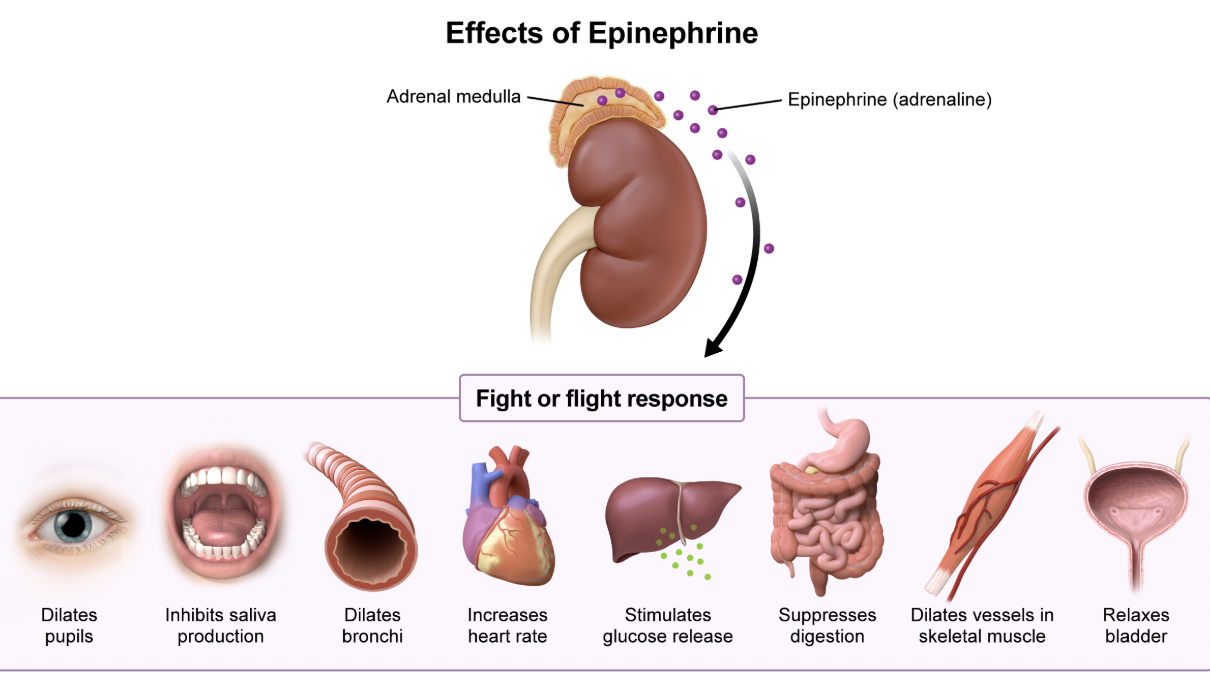
A gazelle sees a lion and immediately shows an elevated heart rate, dilated pupils, and bronchodilation as part of the fight-or-flight response. Which structure produces the hormone responsible for these changes?
anterior pituitary
adrenal cortex
adrenal medulla
hypothalamus
adrenal medulla
A. Anterior pituitary
The anterior pituitary releases tropic hormones that stimulate other endocrine glands (i.e., ACTH, TSH, LH, and FSH), as well as the nontropic hormones that stimulate their target organ directly (i.e., growth hormone and prolactin). The anterior pituitary is regulated by the hypothalamus.
B. Adrenal cortex
The adrenal cortex produces corticosteroids, including glucocorticoids (e.g., cortisol), mineralocorticoids (e.g., aldosterone), and low levels of androgens (male sex hormones).
D. Hypothalamus
The hypothalamus works closely with the pituitary gland and is responsible for the maintenance of homeostasis in the body. It produces and releases both direct and tropic hormones with a variety of effects on the body.
E. Thyroid gland
The thyroid is a large organ that produces T3 and T4, which increase overall metabolism levels in the body.
A scientist discovers an organism that has chitin in its cell wall. This organism is most likely..
bacterium
fungus
plant
archaea
fungus; Chitin is a key component of fungal cell walls, contributing to their strength and durability.
B. a bacterium.
Bacteria have cell walls made of peptidoglycan.
D. a plant.
Plants have cell walls made of cellulose.
E. an archaea.
Archaea have cell walls made of simple polysaccharides that lack peptidoglycan.
Which of the following is true of the alternation of generations in plants?
A. Both gametophytes and sporophytes are diploid
B. Both gametophytes and sporophytes produce gametes by meiosis
C. The gametophyte stage is multicellular and haploid
D. Spores are formed through fertilization
E. Spores are multicellular and diploid
C
A. Both gametophytes and sporophytes are diploid
Gametophytes are haploid (n), while sporophytes are diploid (2n).
B. Both gametophytes and sporophytes produce gametes by meiosis
Gametophytes produce gametes via mitosis, not meiosis. Sporophytes produce spores, not gametes, via meiosis.
D. Spores are formed through fertilization
Fertilization refers to the fusion of gametes to produce a zygote. Spores are formed via meiosis.
E. Spores are multicellular and diploid
Spores are unicellular, haploid cells. They give rise to the haploid gametophyte.
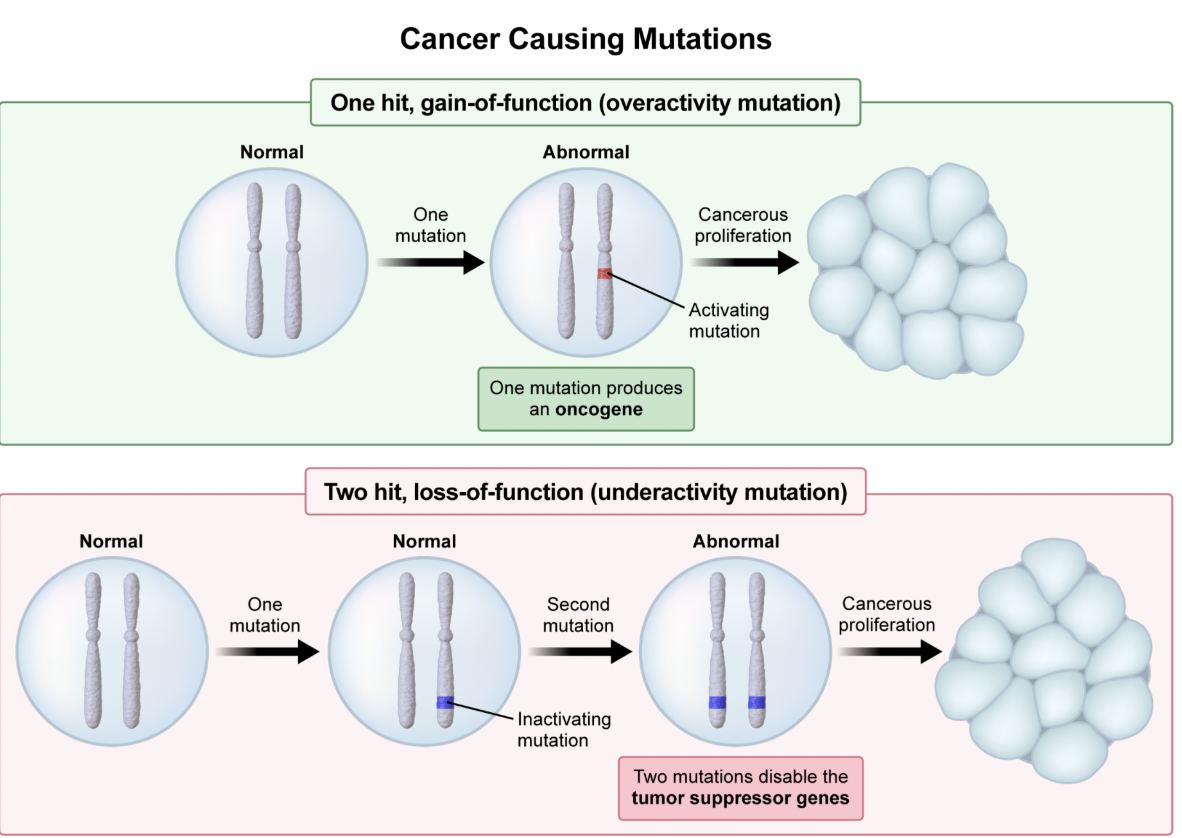
Which of the following types of mutations is required for a proto-oncogene to become cancerous?
A. One-hit, loss-of-function mutation
B. Two-hit, loss-of-function mutation
C. One-hit, gain-of-function mutation
D. Two-hit, gain-of-function mutation
C; Proto-oncogenes are genes responsible for generating proteins that regulate the cell cycle. They can become oncogenes (i.e., cancer-causing genes) due to gain-of-function mutations.
Proto-oncogenes become cancerous via a one-hit, gain-of-function mutation.
Tumor-suppressor genes become cancerous via a two-hit, loss-of-function mutation.
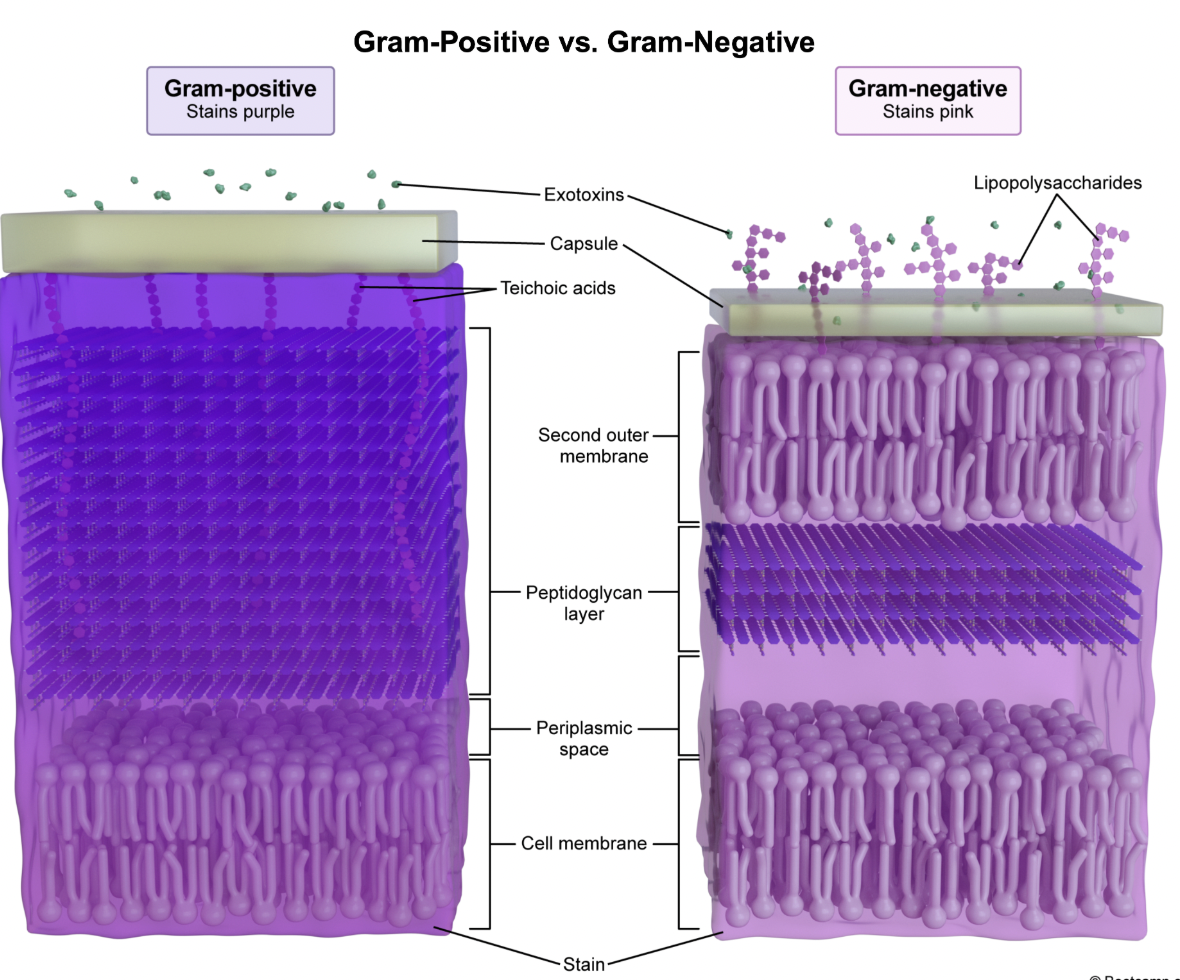
A researcher is studying bacteria that contain lipopolysaccharides. What other finding would be expected in this bacteria?
contain teichoic acids
stain pink
thick peptidoglycan layer
does not secrete endotoxins
no capsule
B; Lipopolysaccharides (LPS) are unique to gram-negative bacteria and are responsible for the pink color resulting from gram staining.
In contrast, gram-positive bacteria stain purple due to the abundance of peptidoglycan and associated teichoic acids found in their cell membrane.
If the sodium-potassium-chloride cotransporters in the nephron were inactivated, what changes in urine volume and mineral excretion would most likely occur?
A. Decreased urine volume, decreased mineral excretion
B. Decreased urine volume, increased mineral excretion
C. Increased urine volume, decreased mineral excretion
D. Increased urine volume, increased mineral excretion
D; The function of the nephron in the kidney is to filter the blood, conserving substances the body needs and eliminating waste.
Under normal conditions, Na+, K+, and Cl− are reabsorbed in the nephron to conserve these minerals and regulate water balance.
Decreased ion reabsorption results in increased urine volume and increased mineral excretion.
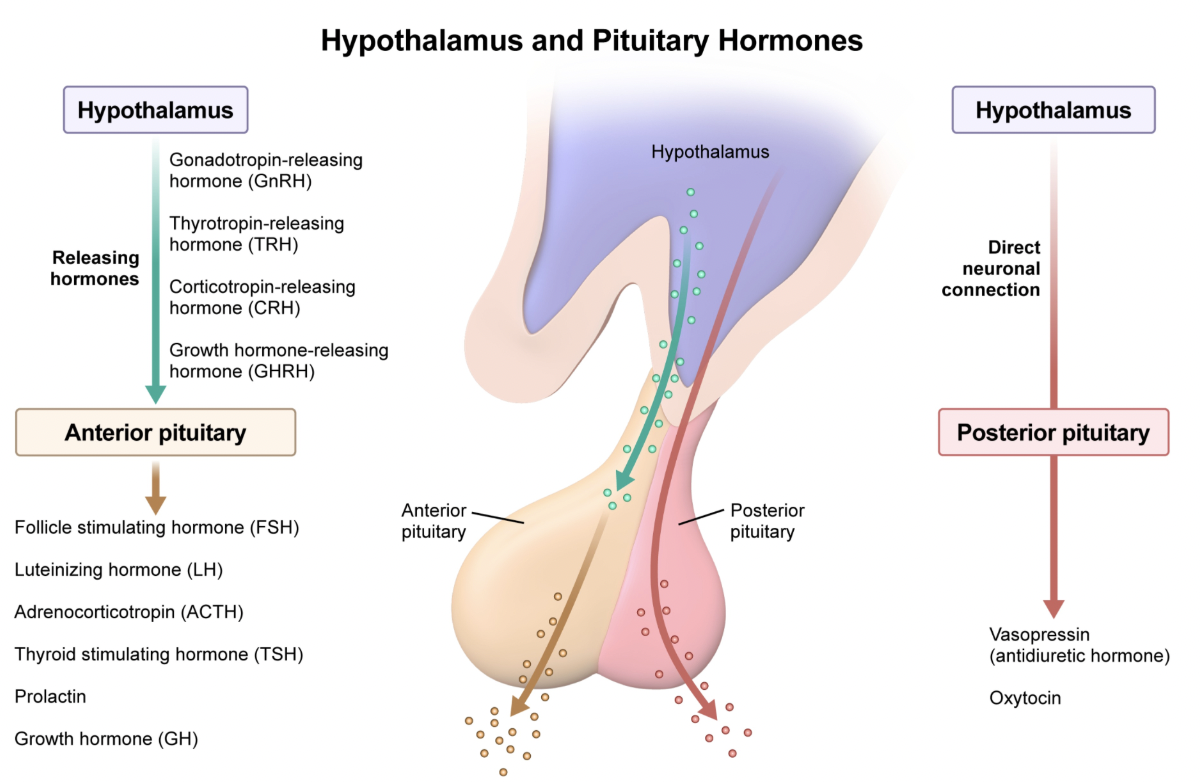
Which of the following correctly distinguishes the anterior pituitary from the posterior pituitary?
A. The anterior pituitary is connected to the hypothalamus via blood vessels, while the posterior pituitary is connected via neurons
B. The anterior pituitary secretes fewer types of hormones than the posterior pituitary
C. The anterior pituitary releases hormones produced by the hypothalamus, while the posterior pituitary produces its own hormones
D. The anterior pituitary releases only direct hormones, while the posterior pituitary releases only tropic hormones
E. The anterior pituitary releases peptide hormones, while the posterior pituitary releases steroid hormones
A; The anterior pituitary is connected to the hypothalamus via a network of blood vessels that transport hormones from the hypothalamus to the anterior pituitary.
In contrast, the posterior pituitary is connected to the hypothalamus via neurons. It stores and releases hormones synthesized in the hypothalamus.
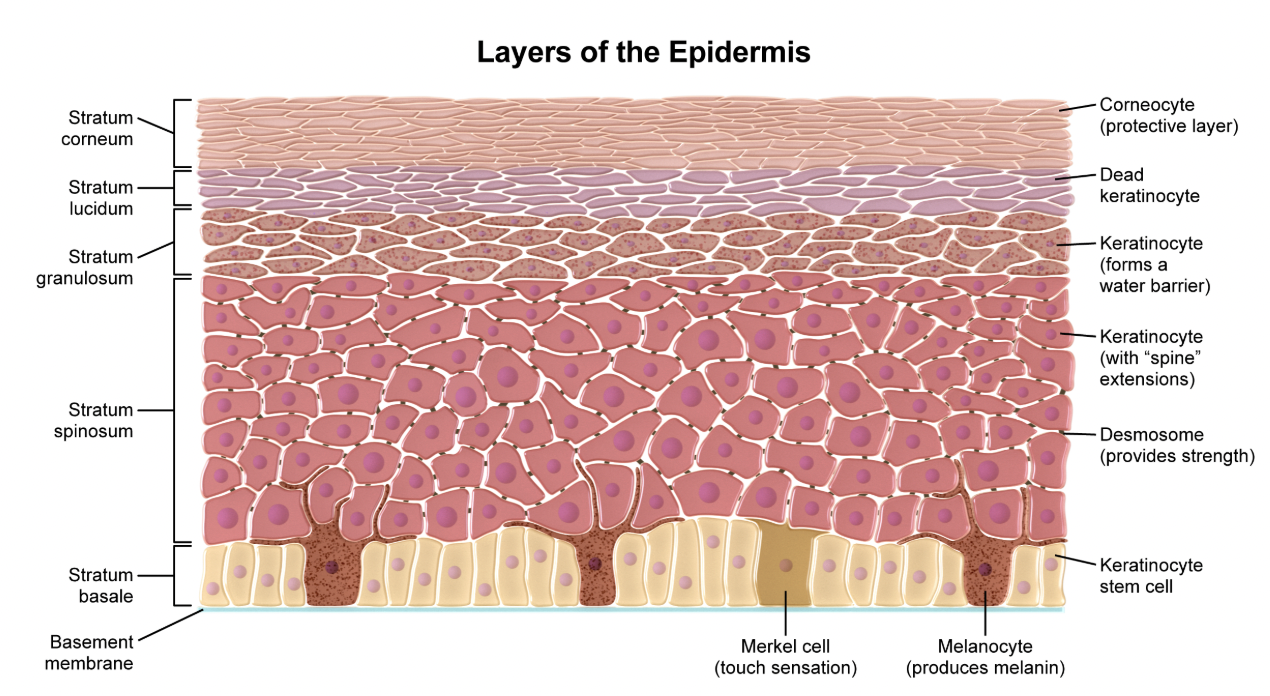
In which layer of the epidermis does the production of new skin cells occur?
A. Stratum germinativum
B. Stratum corneum
C. Stratum granulosum
D. Stratum lucidum
E. Stratum spinosum
stratum germinativum ; Keratinocytes (i.e., skin cells) proliferate in the stratum basale, also known as the stratum germinativum (germinate from the base)
What is the name of the dual-layered membrane that covers the lungs?
The pleura is a fluid-filled, dual-layered membrane that covers the lungs to reduce friction during respiration.
A. Alveoli
Alveoli are tiny air sacs in the lungs where gas exchange occurs. Oxygen diffuses into the blood, and carbon dioxide diffuses out to be exhaled.
B. Pericardium
The pericardium is a dual-layered membrane that surrounds and protects the heart.
C. Peritoneum
The peritoneum is a dual-layered membrane that lines the abdominal cavity and covers abdominal organs.
E. Synovial membrane
The synovial membrane lines joint cavities and produces synovial fluid to lubricate joints. It is found in structures such as the knee and elbow.
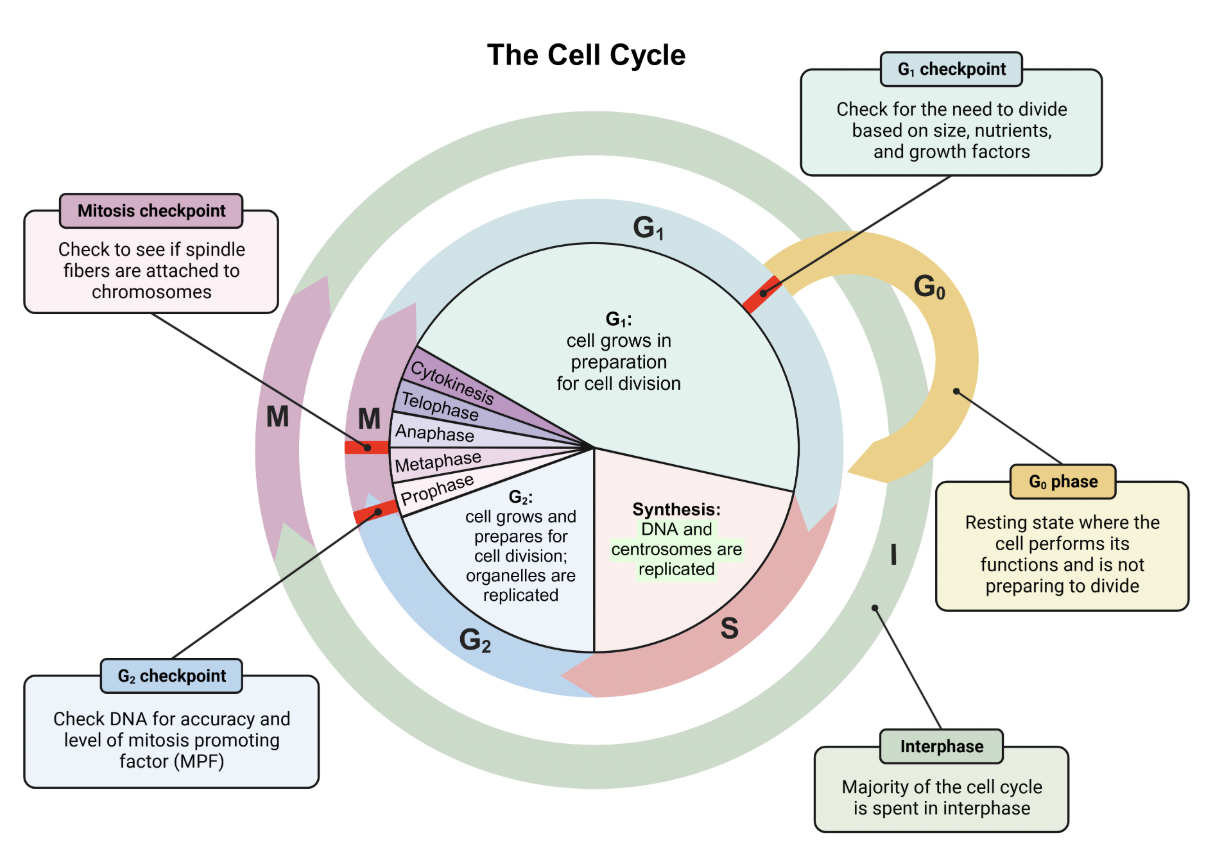
Which phase does the cell rapidly grow?
G2
G0, G1, S, and G2 are part of interphase
M represents mitosis
The S phase is the stage of interphase where DNA synthesis (or replication) occurs. Centrosomes are also replicated during the S phase.
A. G0 phase
The G0 phase is the stage where cells halt in the cell cycle if they are not ready to divide. Cells that will not divide are permanently in this phase.
B. G1 phase
The G1 phase is the stage where the cell increases in size. It also serves as a checkpoint to ensure everything is ready for DNA synthesis before it lets the cell proceed to the next phase.
C. G2 phase
The G2 phase is the stage where the cell rapidly grows, prepares for cellular division, and replicates its organelles.
E. M phase
Mitosis (M phase) is where cell division takes place. This is the stage where the already replicated DNA is now separated into two cells. Cytokinesis is the final phase of mitosis where the cytoplasm divides and two separate cells are formed.
A scientist is trying to distinguish a protist from a bacterium. The presence of which of the following would indicate that the cell is a protist?
A. Ribosome
B. Plasma membrane
C. Circular chromosome
D. Nucleus
E. Peptidoglycan cell wall
A protist is a unicellular eukaryote and therefore possesses a nucleus. Bacteria, on the other hand, are prokaryotes, meaning a bacterium does not have a nucleus.
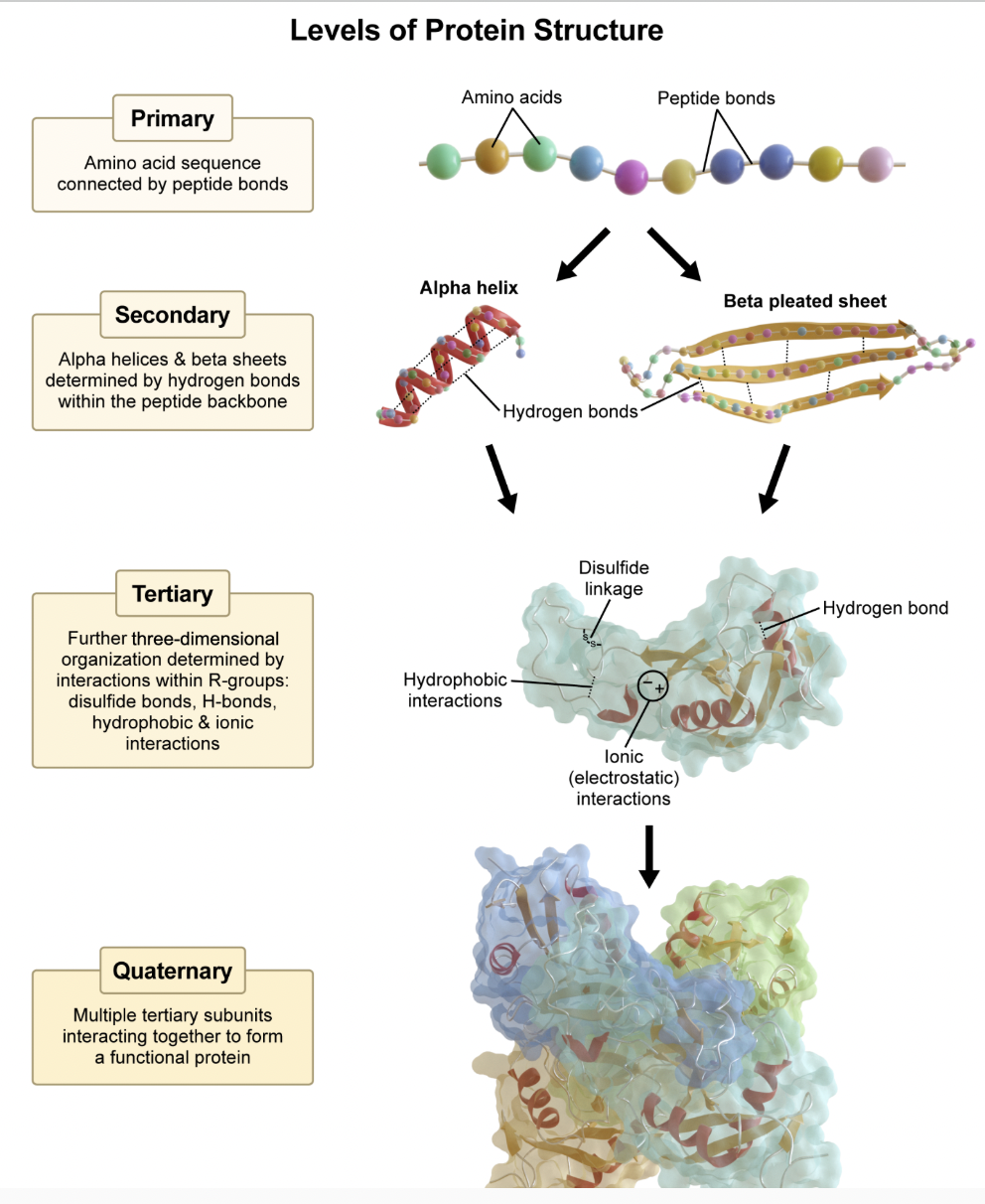
Alpha helices and beta-pleated sheets are produced and stabilized by which of the following?
Hydrogenbonding