Energy revision
 Call Kai
 Learn
Learn Practice Test
 Spaced Repetition
 Match
Match Flashcards
 Knowt Play
1/46

There's no tags or description
Looks like no tags are added yet.
Name | Mastery | Learn | Test | Matching | Spaced | Call with Kai |
|---|
No analytics yet
Send a link to your students to track their progress
47 Terms
kinetic energy
Any form of energy in which matter is moving
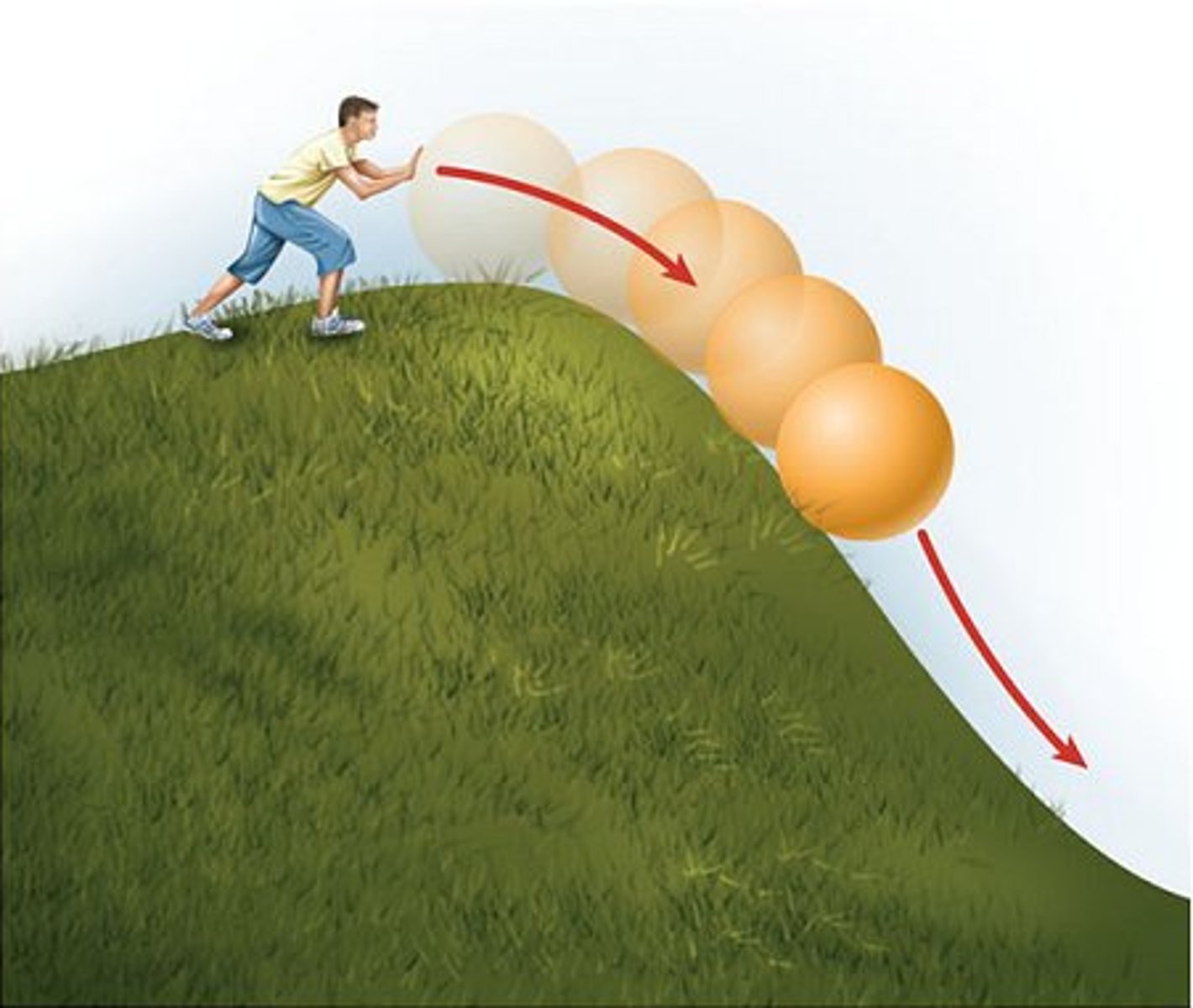
mechanical energy
The energy of a moving object
potential energy
stored energy

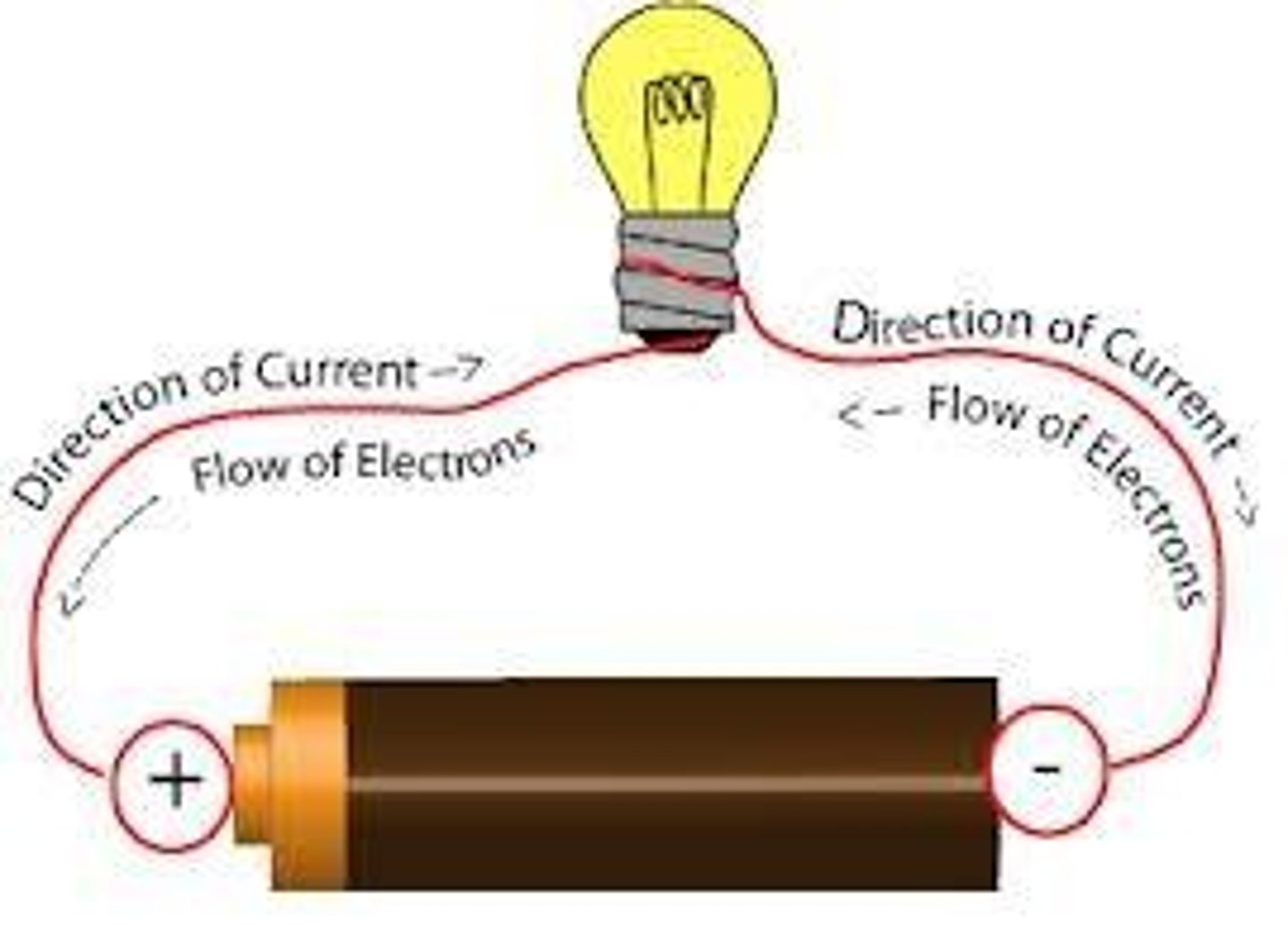
electrical energy
Electrons flowing through a circuit or through the air
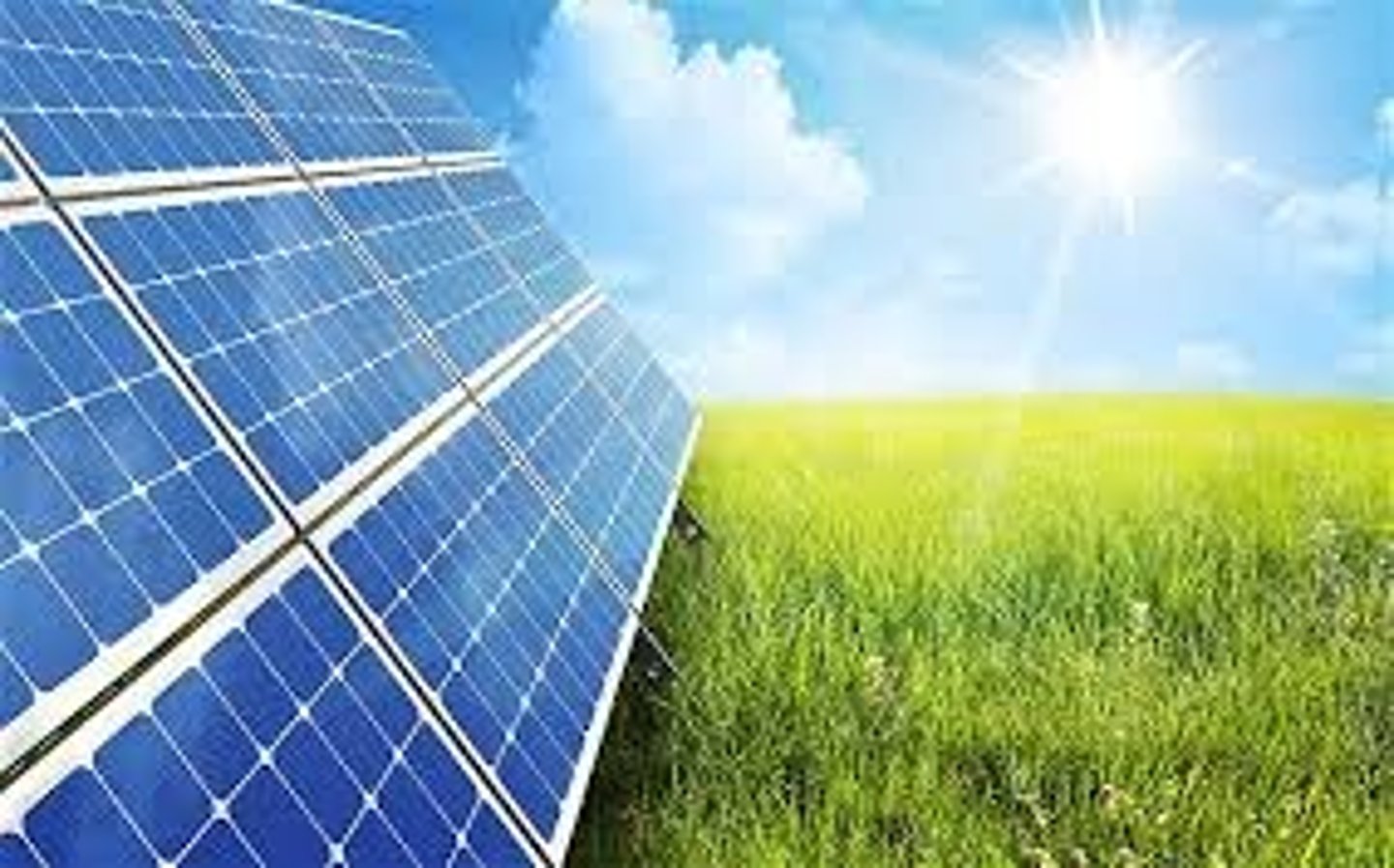
light energy
An electromagnetic wave that exists in many forms, one of which allows us to see
sound energy
Energy where the vibration of particles travels through solids, liquids, and gases.

thermal energy
Energy that speeds up the particles of matter and is measured with a thermometer
chemical energy
Energy stored in the bonds between atoms and molecules; breaking the bonds releases the energy
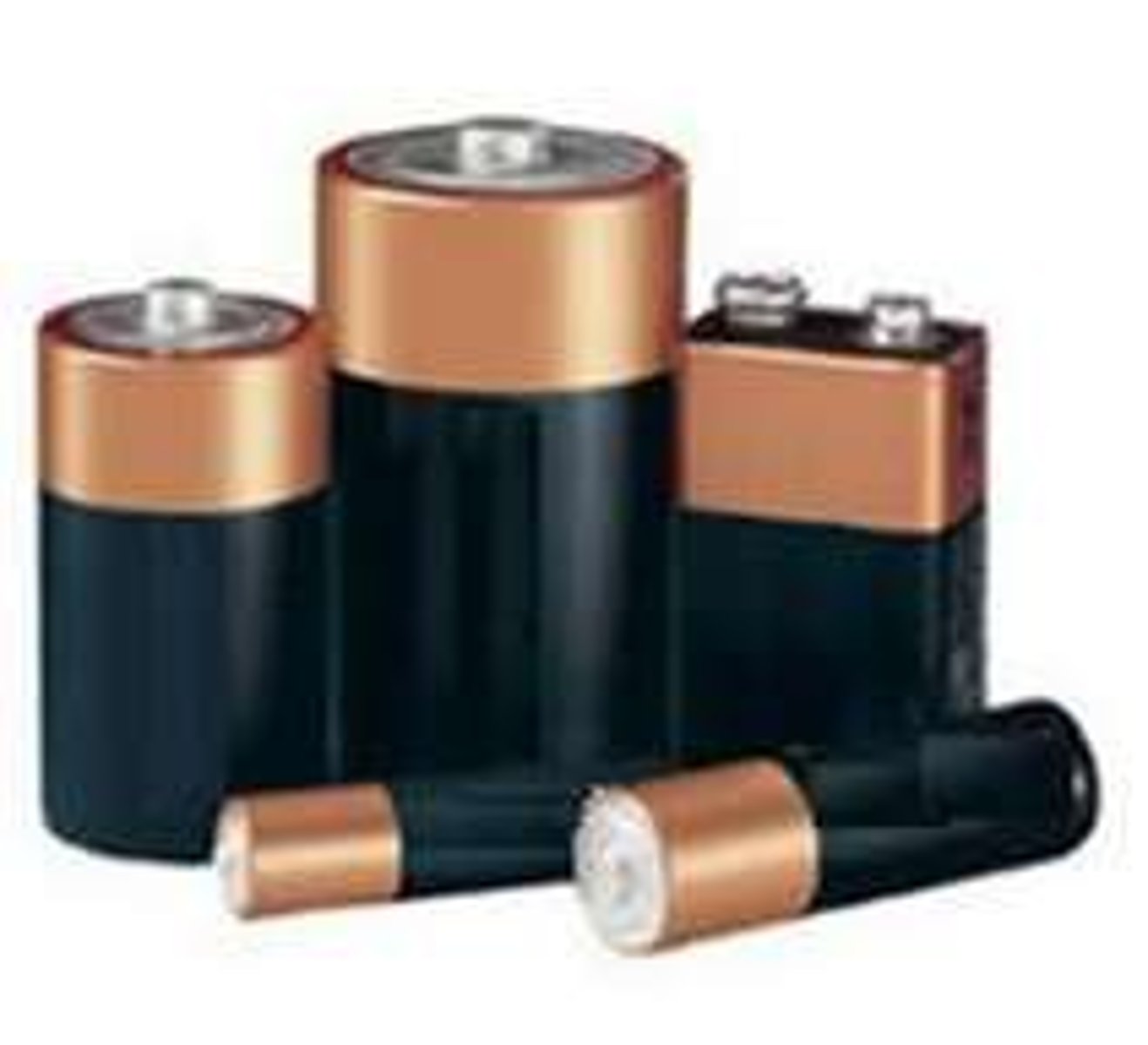
elastic energy
Energy stored in an object as it is stretched or compressed

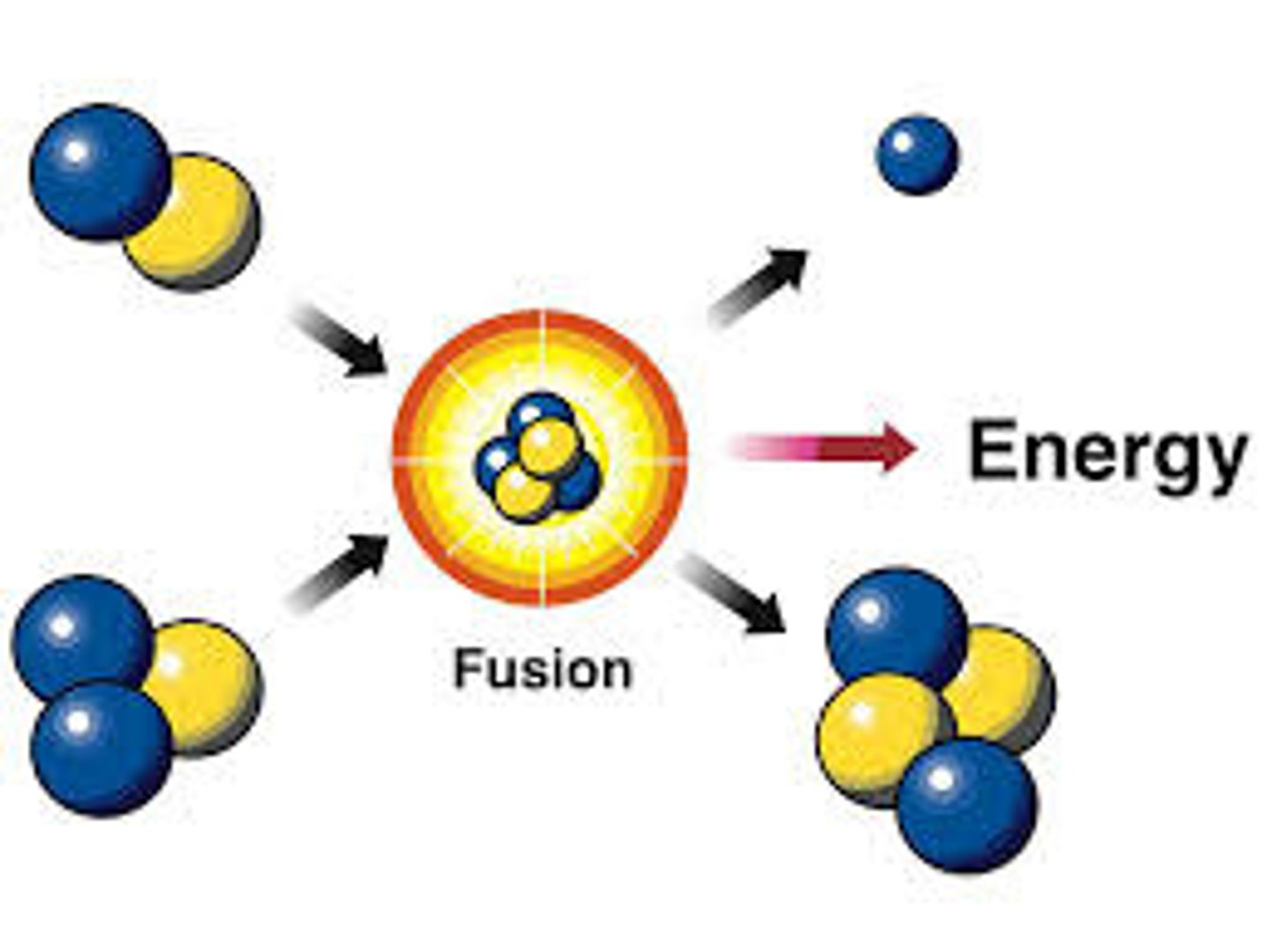
nuclear energy
The potential energy stored in the nucleus of an atom
gravitational POTENTIAL energy
Potential energy that depends on the height of an object
gravitational KINETIC energy
the energy an object has when it is falling
Law of Conservation of Energy
Energy cannot be created or destroyed
absolute zero
The coldest temperature, 0 Kelvin, that can be reached. It is the hypothetical temperature at which all molecule motion stops.
energy transfer
Movement of energy from one place or object to another
energy transformation
A change from one form of energy to another
potential energy
stored energy that results from the position or shape of an object
kinetic energy
the energy an object has due to its motion
elastic potential energy
the energy of stretched or compressed objects
chemical potential energy
energy that is due to bonds in atoms and molecules
nuclear potential energy
energy stored in the center of atoms
gravitational potential energy
energy stored by objects due to their position above Earth's surface.
What two factors affect GRAVITATIONAL potential energy?
mass and height
Joule (J)
unit of energy
If you increase the mass of an object, its POTENTIAL energy (increases or decreases)
increases
If you decrease the height an object is dropped, its POTENTIAL energy (increases or decreases)
decreases
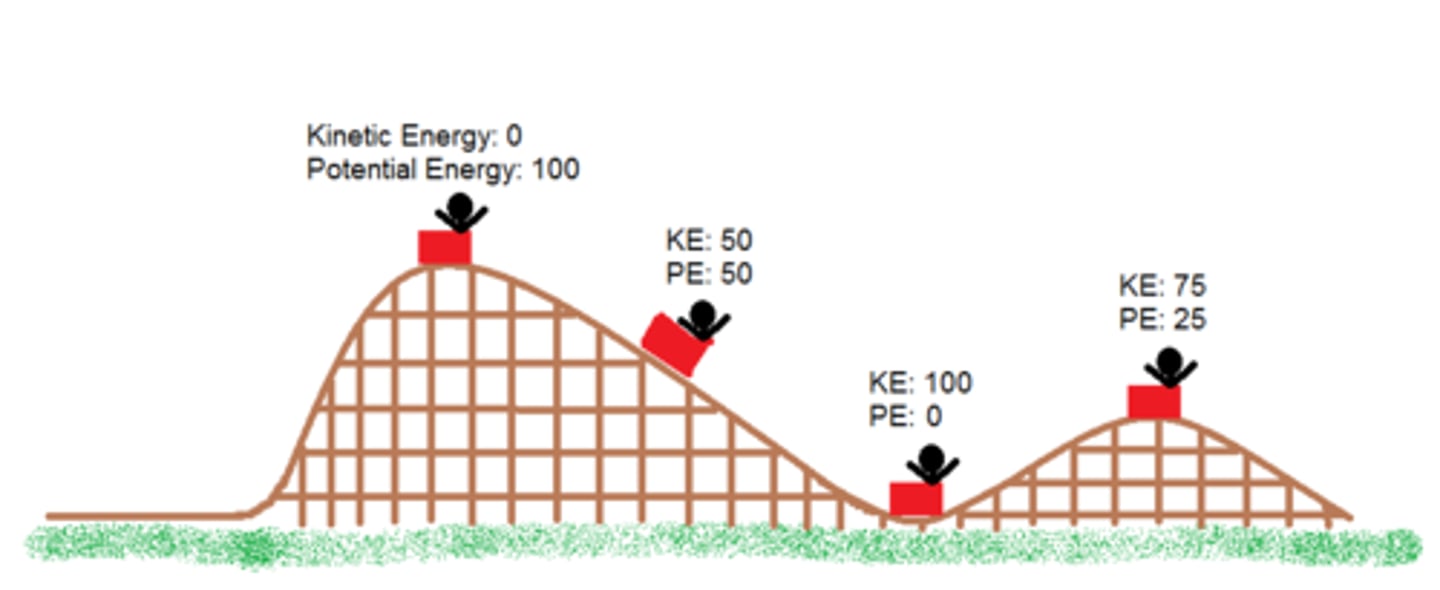
At the lowest point of the roller coaster
Where is kinetic energy the greatest?
0
If the amount of energy available is 100 and the PE is 100, then the KE must be ______
30
If the amount of energy available is 100 and the PE is 70, then the KE must be ______
100
If the amount of energy available is 100 and the KE is 0, then the PE must be ______
If you increase the height of the roller coaster, the POTENTIAL energy (gets bigger or smaller).
bigger
If you decrease the mass of the roller coaster, the POTENTIAL energy )gets bigger or smaller).
smaller
examples of elastic potential energy
stretched rubber band, bow and arrow, spring
example of nuclear potential energy
fission or fusion
examples of chemical potential energy
glow sticks, fire work, digesting food
examples of gravitational potential energy
rock on a mountain, raindrop in a cloud or high diver on a cliff
baseball
Which would have more kinetic energy, a baseball coming at you are 5 mph or a tennis ball coming at you at 5 mph?
50
Which would have more kinetic energy, a soccer ball coming at you at 30 mph or 50 mph?
mass and velocity(speed)
What two factors affect kinetic energy?
hydroelectric power
Power generated from moving water.
wind turbine
a machine that converts the kinetic energy in wind into mechanical energy.
geothermal energy
the energy produced by heat within the earth
biofuel
a fuel derived directly from living matter.
solar energy
energy from the sun that is converted into thermal or electrical energy
natural resources
materials found in nature that are used by living things
renewable resource
A natural resource that can be replaced at the same rate at which the resource is consumed
nonrenewable resource
a resource that cannot be replaced within a short period of time or at all