Not done Lecture 11: Contraception, family planning, and abortion
 Call Kai
 Learn
Learn Practice Test
 Spaced Repetition
 Match
Match Flashcards
 Knowt Play
1/23

There's no tags or description
Looks like no tags are added yet.
Name | Mastery | Learn | Test | Matching | Spaced | Call with Kai |
|---|
No analytics yet
Send a link to your students to track their progress
24 Terms
Contraception
Methods that prevent the sperm and egg from meeting
Coitus interruptus
withdrawal method
How many days a month does a woman ovulate?
One
How long does an egg live after ovulation?
12-24 hours
How long does sperm live in good mucus?
3-5 days
The hormones ___ and ___ stimulate ovulation
FSH and LH
Calendar Rhythm Method
A woman records the number of days in each menstrual cycle for at least 6 months. The first day of monthly bleeding is always counted as Day 1.
The woman subtracts 18 from the length of her shortest cycle, and 11 days from her longest recorded cycle.
She updates these calculations each month, always using the 6 most recent months.
EXAMPLE:
Shortest cycle: 27 days. 27-18=9.
Longest cycle: 31 days. 31-11=20
If avoiding pregnancy, she should abstain from intercourse from days 9-20
Standard days method — cycle beads
tracks fertility in cycles 26–32 days. Days 8–19 are fertile (white beads); brown beads = safe days. Move one bead daily to track cycle
Basal body temperature (BBT)
Lowest body temperature in a 24-hour period
How to use BBT
Use a basal thermometer at the same time each morning before getting out of bed
Pre-ovulation BBT
~97.2–97.7°F
Post-ovulation BBT
Rises ~0.4–1.0°F and stays elevated until menses
BBT limitation
Retrospective—confirms ovulation after it occurs and requires multiple cycles to identify patterns
Hormonal effects on BBT
Estrogen
Progesterone
Estrogen → lowers BBT (follicular phase)
Progesterone → raises BBT (luteal phase)
BBT if not pregnant
Drops → signals upcoming menses
Cervical mucus method: Not ovulating
dry or sticky — low fertility

Cervical mucus method: ovulation may be coming
creamy

Cervical mucus method: ovulation is very close
Slippery, wet, lubricative, thin, clear mucus
associated with fertility!
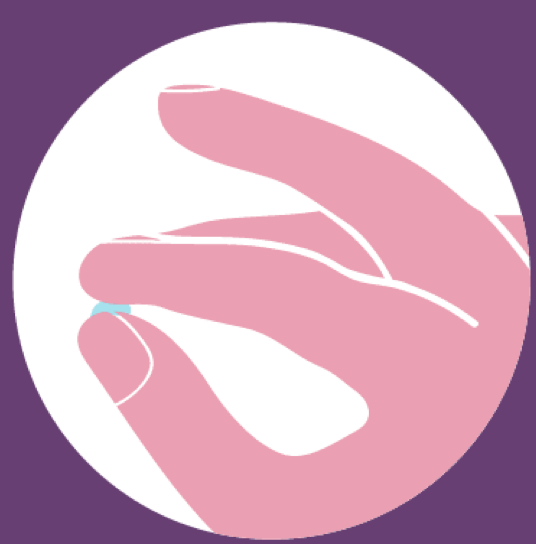
Cervical mucus method: ovulation
very wet, stretchy, and resembles a raw egg white
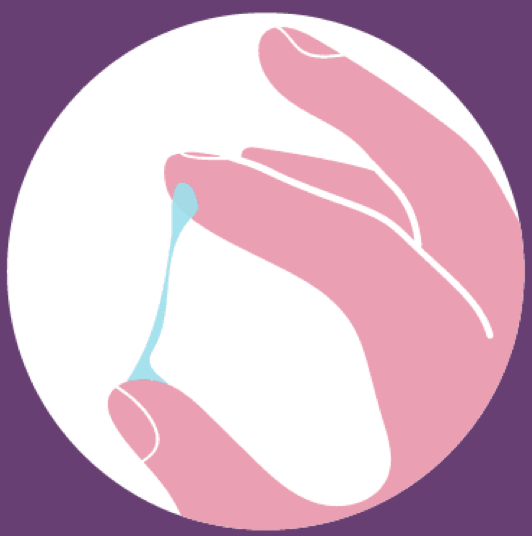
Ovulation method
Daily observation and charting of cervical mucus to identify fertility
Peak day and ovulation
last day of the slippery sensation at the vulva that is closely r/t the time of ovulation
egg released on peak day or 1-2 days after peak
Two day method
Fertility awareness method based on cervical secretions from today and yesterday
2 consecutive days without secretions = pregnancy is unlikely to occur
Notices secretions today OR yesterday = pregnant is likely and she must avoid intercourse
Symptothermal method