Poetry - Literature Terms
 Call Kai
 Learn
Learn Practice Test
 Spaced Repetition
 Match
Match Flashcards
 Knowt Play
1/41

There's no tags or description
Looks like no tags are added yet.
Name | Mastery | Learn | Test | Matching | Spaced | Call with Kai |
|---|
No analytics yet
Send a link to your students to track their progress
42 Terms
alliteration
the repetition of consonant sounds at the BEGINNING of words (for example: slippery slope)
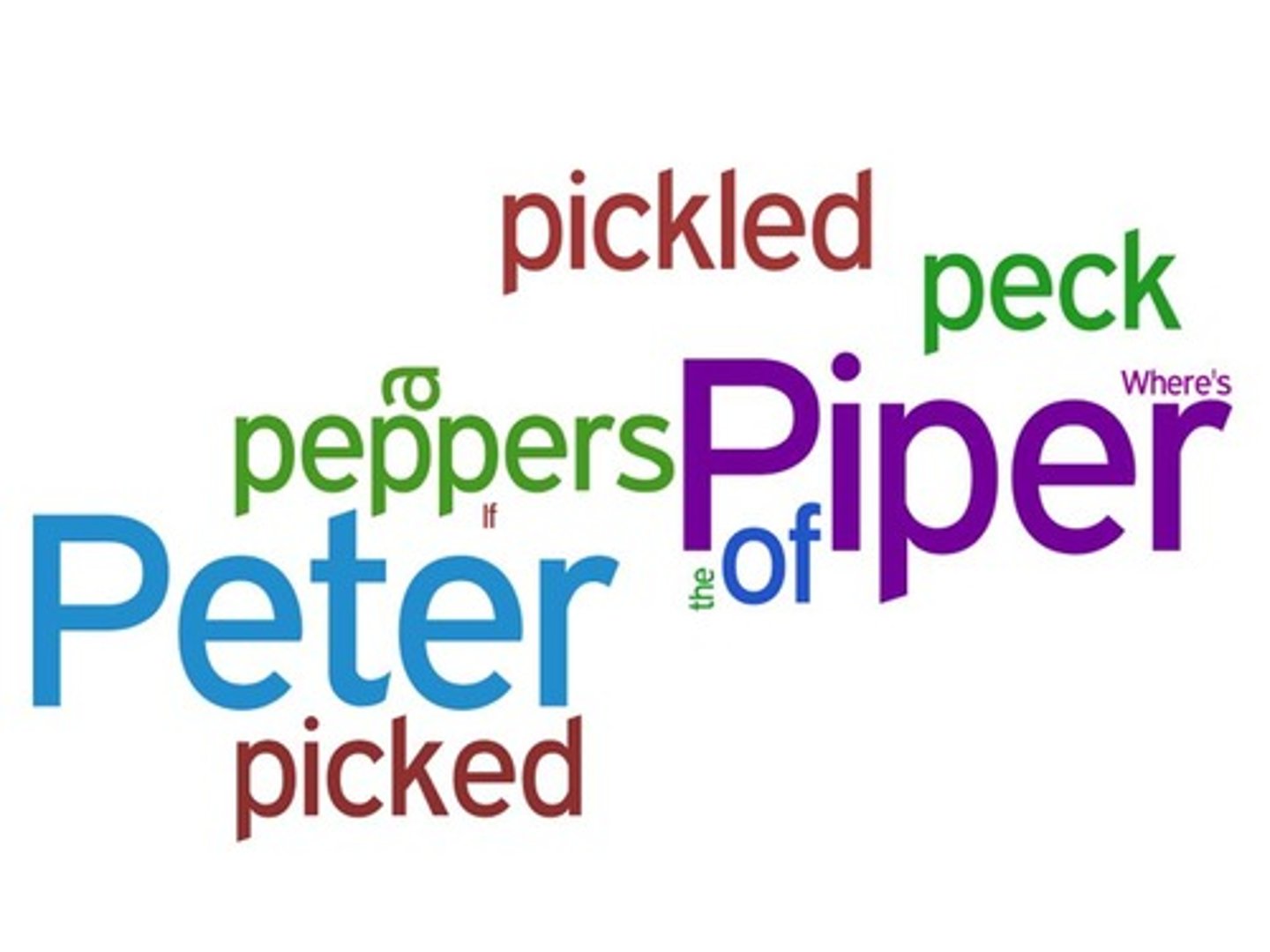
figurative language
writing or speech not meant to be taken literally
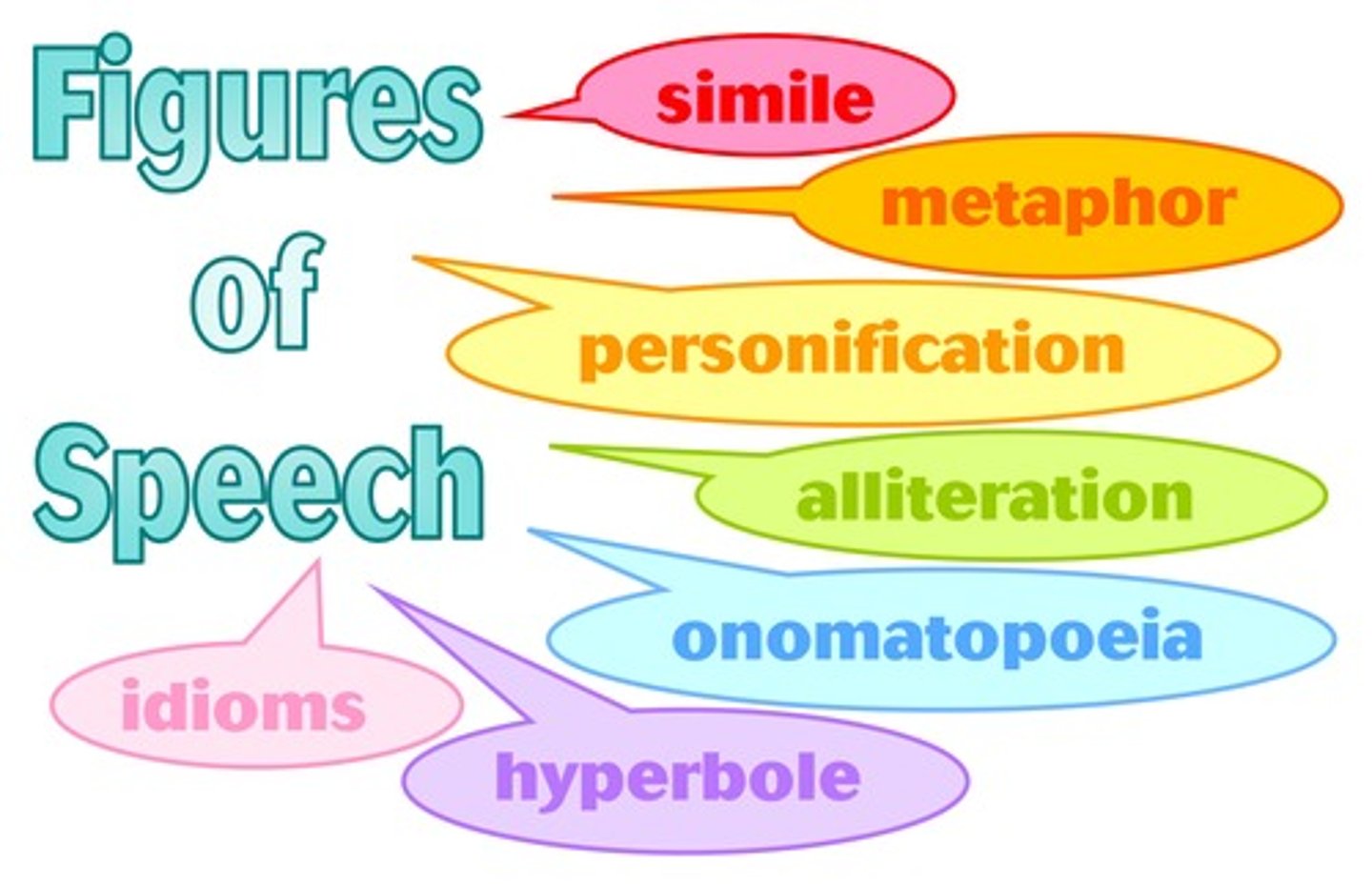
simile
A comparison of two unlike things using the words "like" or "as"
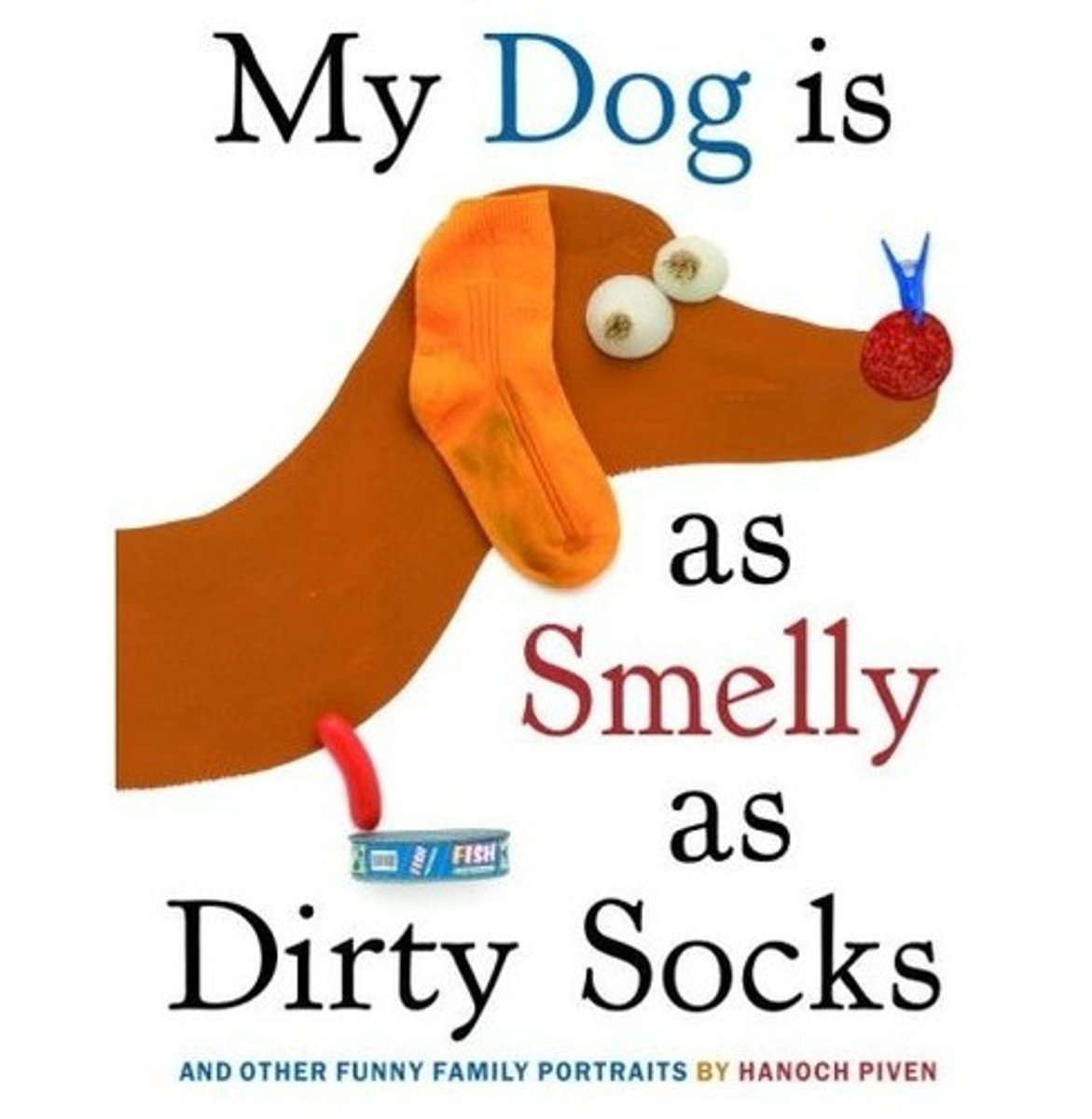
metaphor
A figure of speech in which something is described as though it were something else.
personification
A type of figurative language in which a nonhuman subject is given human feelings, thoughts, or attitudes
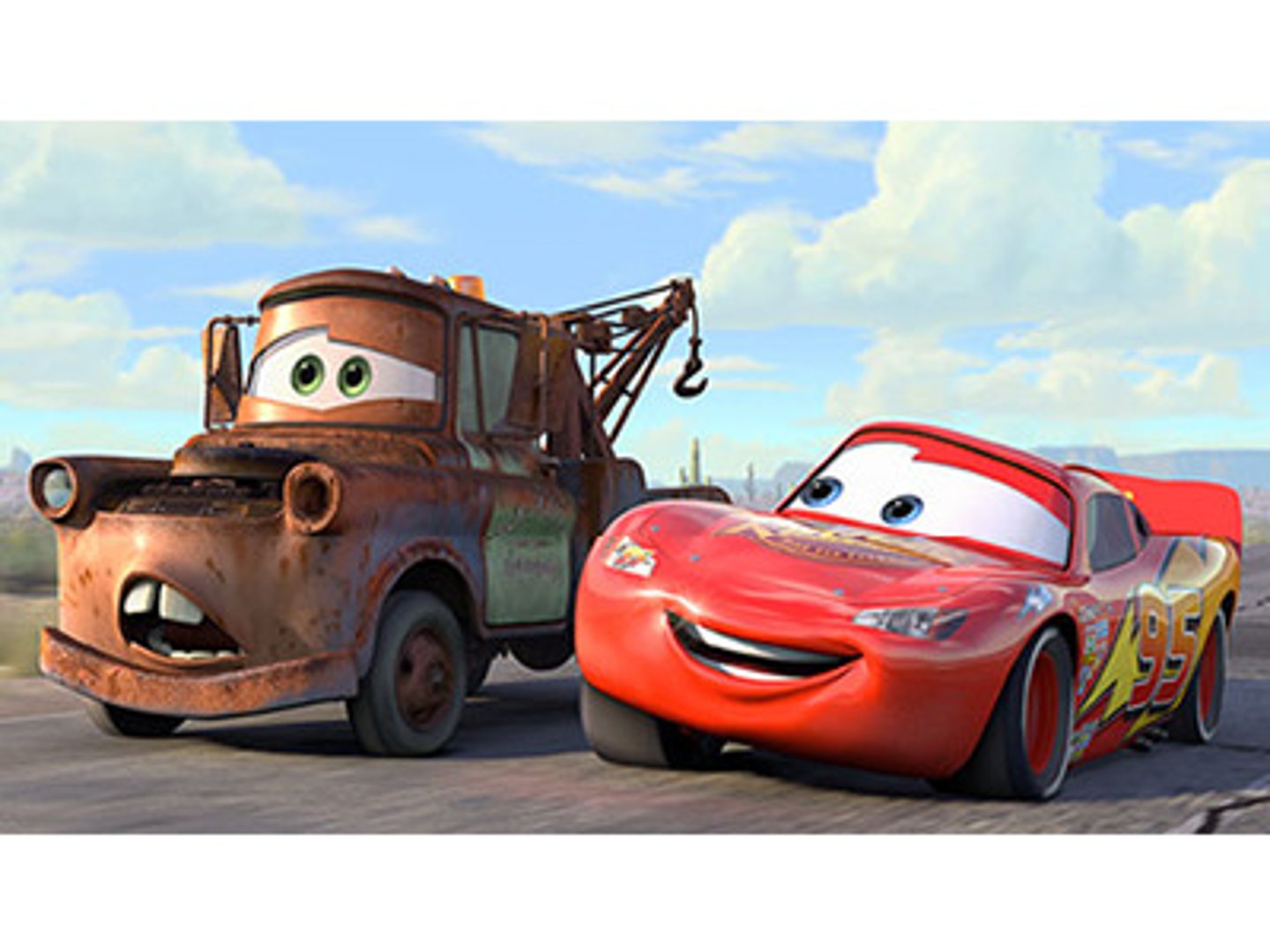
hyperbole
A figure of speech that uses EXAGGERATION to express strong emotion, make a point, or evoke humor
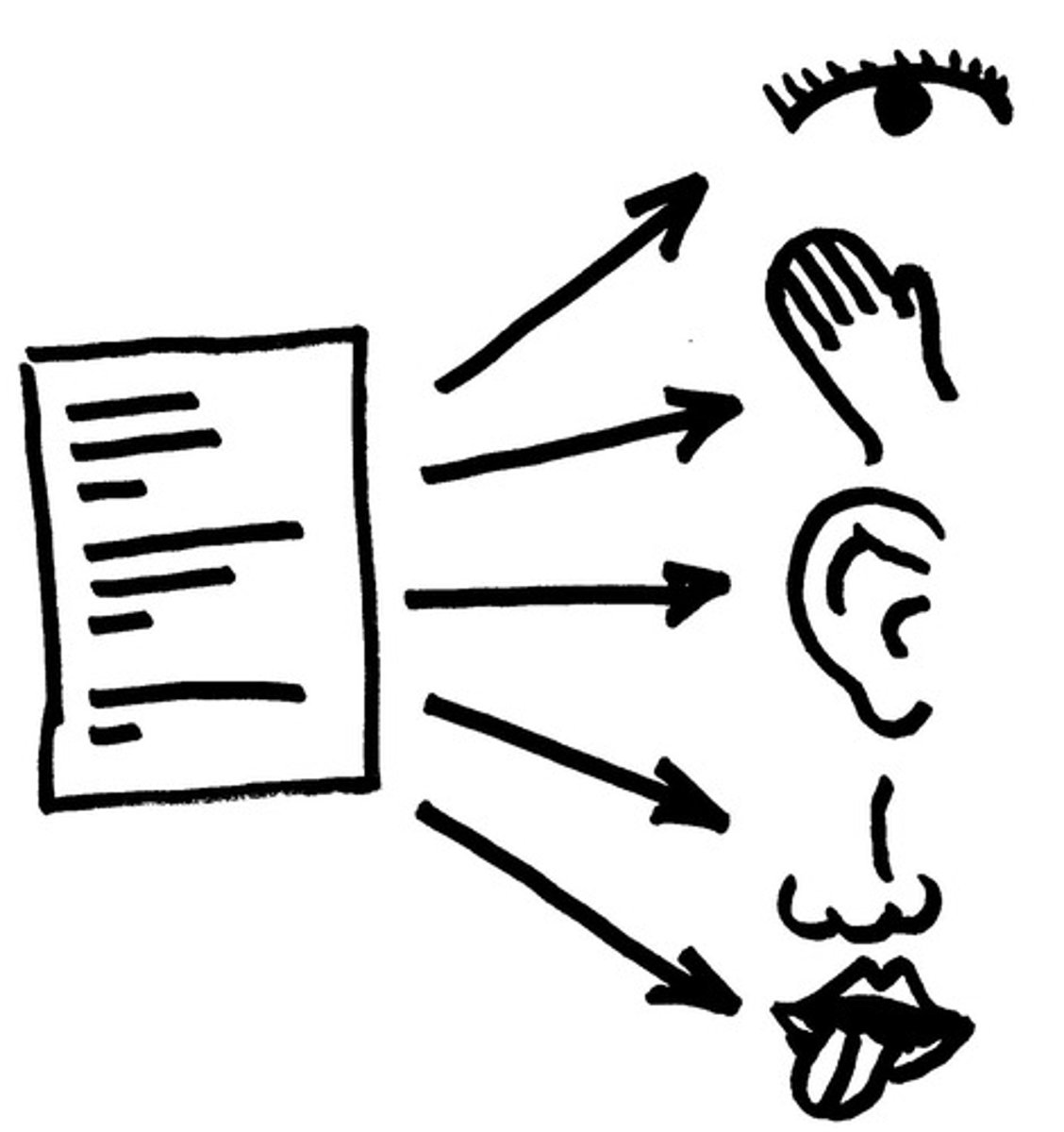
imagery
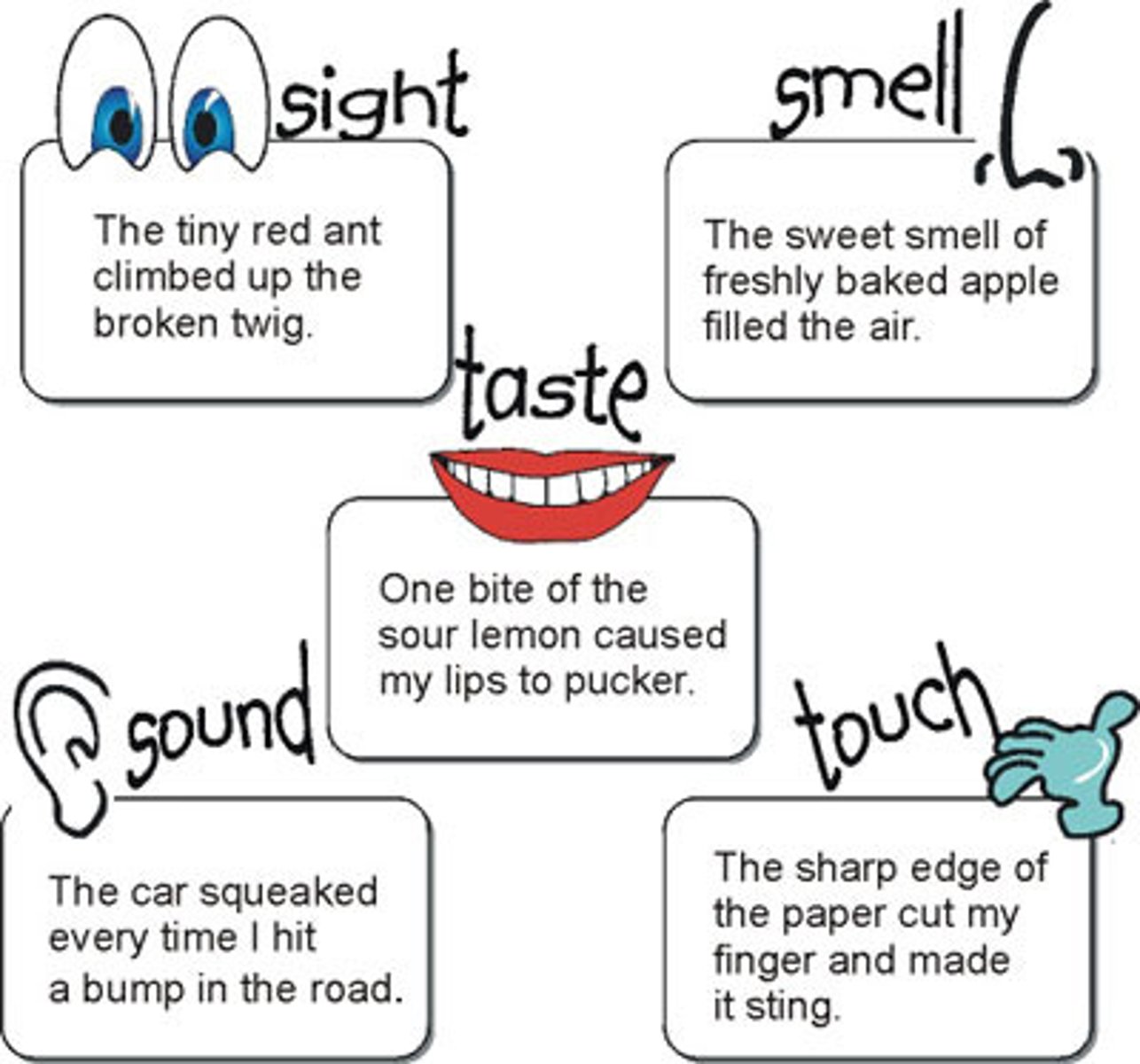
Language that appeals to the five senses (used to describe how something or someone looks, sounds, feels, tastes, or smells
rhyme
Repetition of sounds at the END of words.
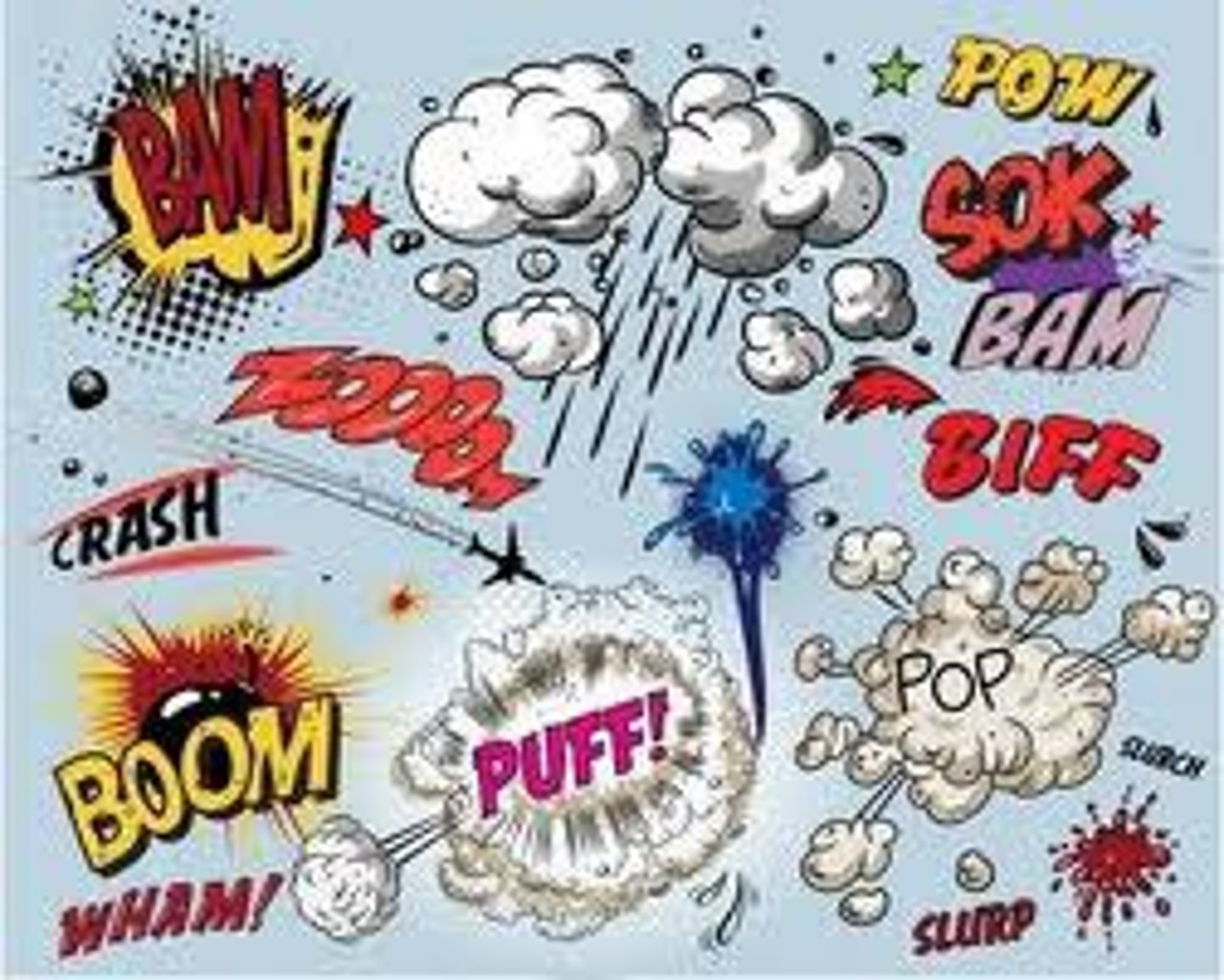
onomatopoeia
A word that IMITATES THE SOUND it represents ("bang," "kerplunk," etc.)
meter
A regular pattern of stressed and unstressed syllables in a line of poetry
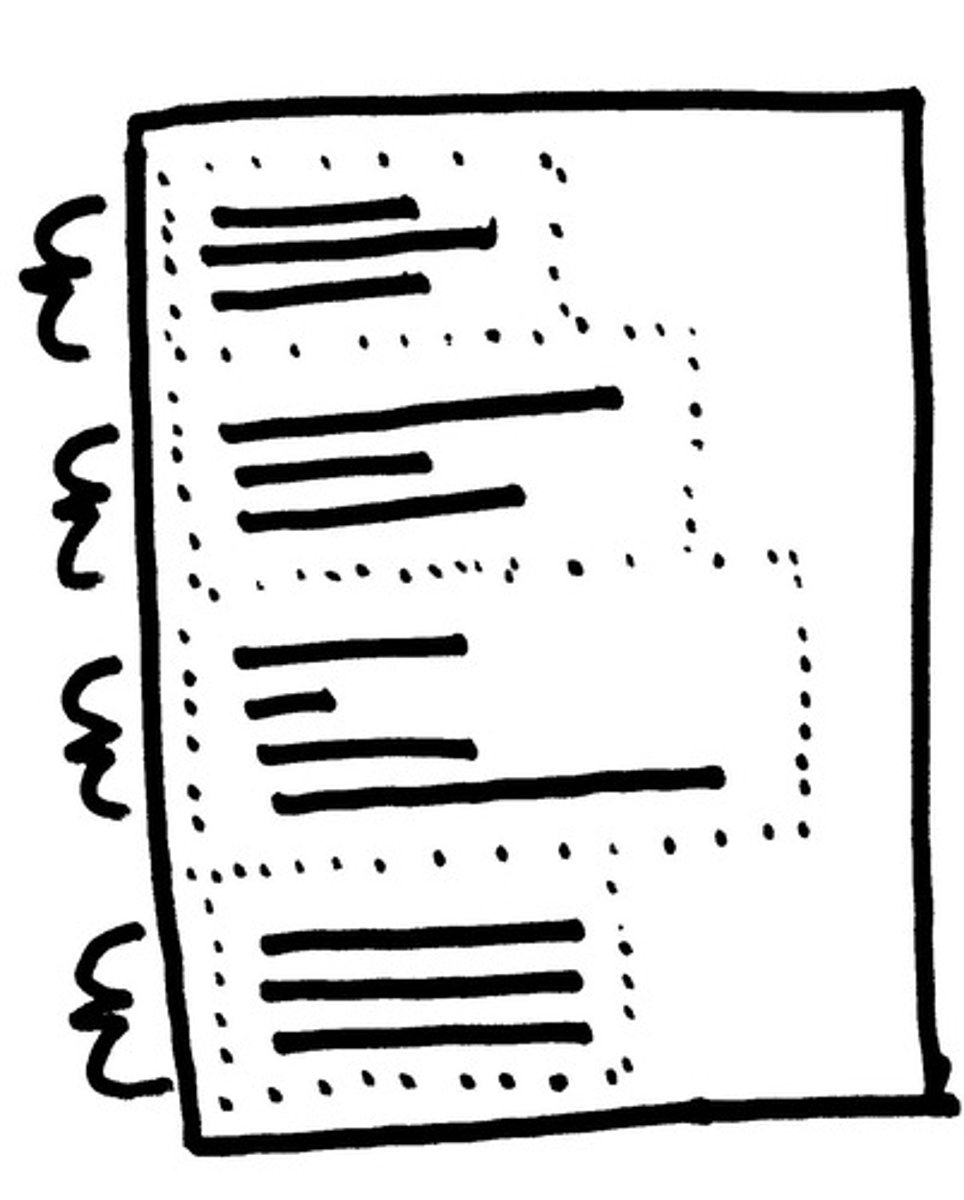
stanza
A group of lines in a poem separated from other groups of lines by spaces (like a paragraph)
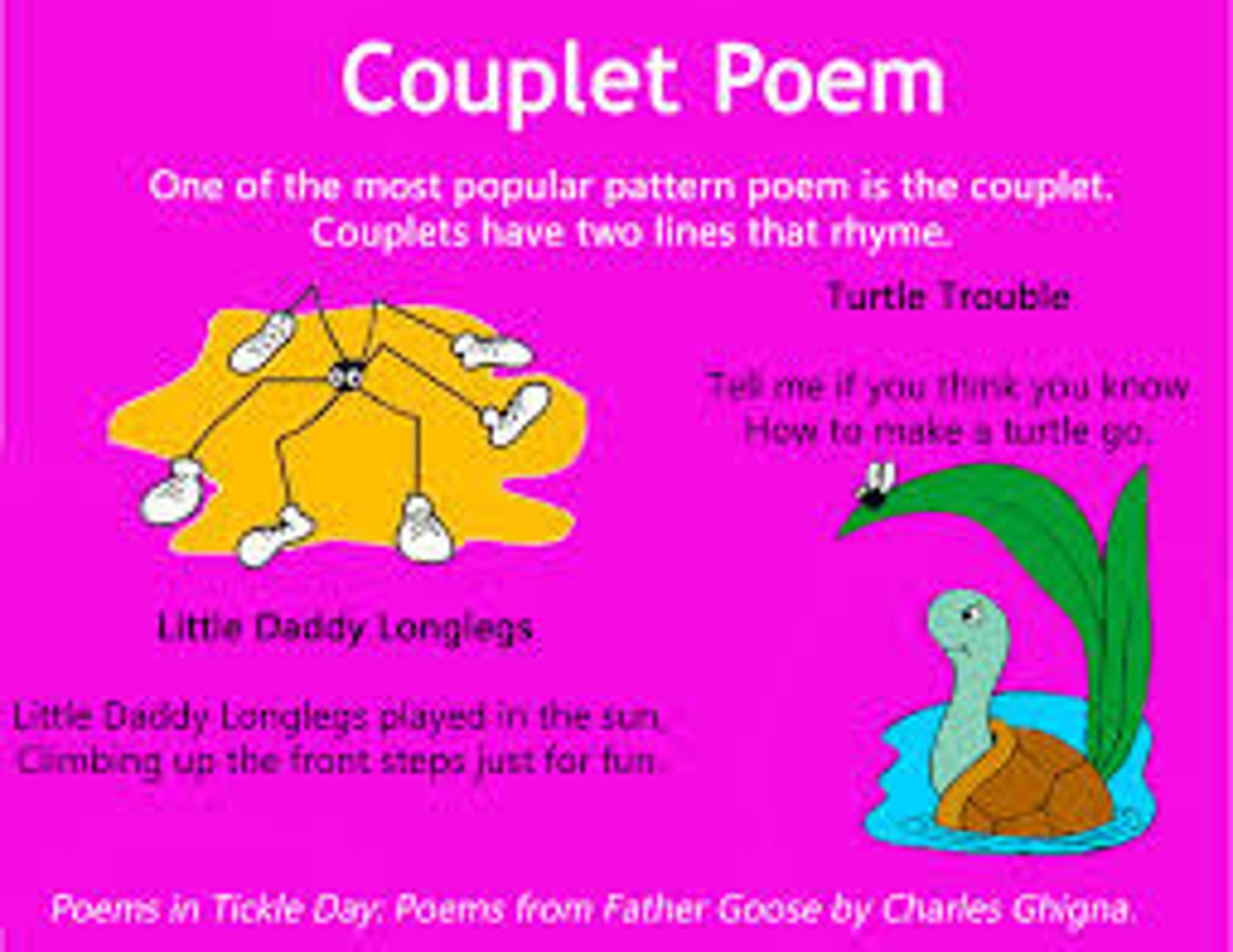
rhyming couplet
A pair (TWO) of rhymed lines, usually of the same meter and length
free verse
Poetry that DOES NOT HAVE a regular meter, rhyme, fixed line length, or specific stanza pattern
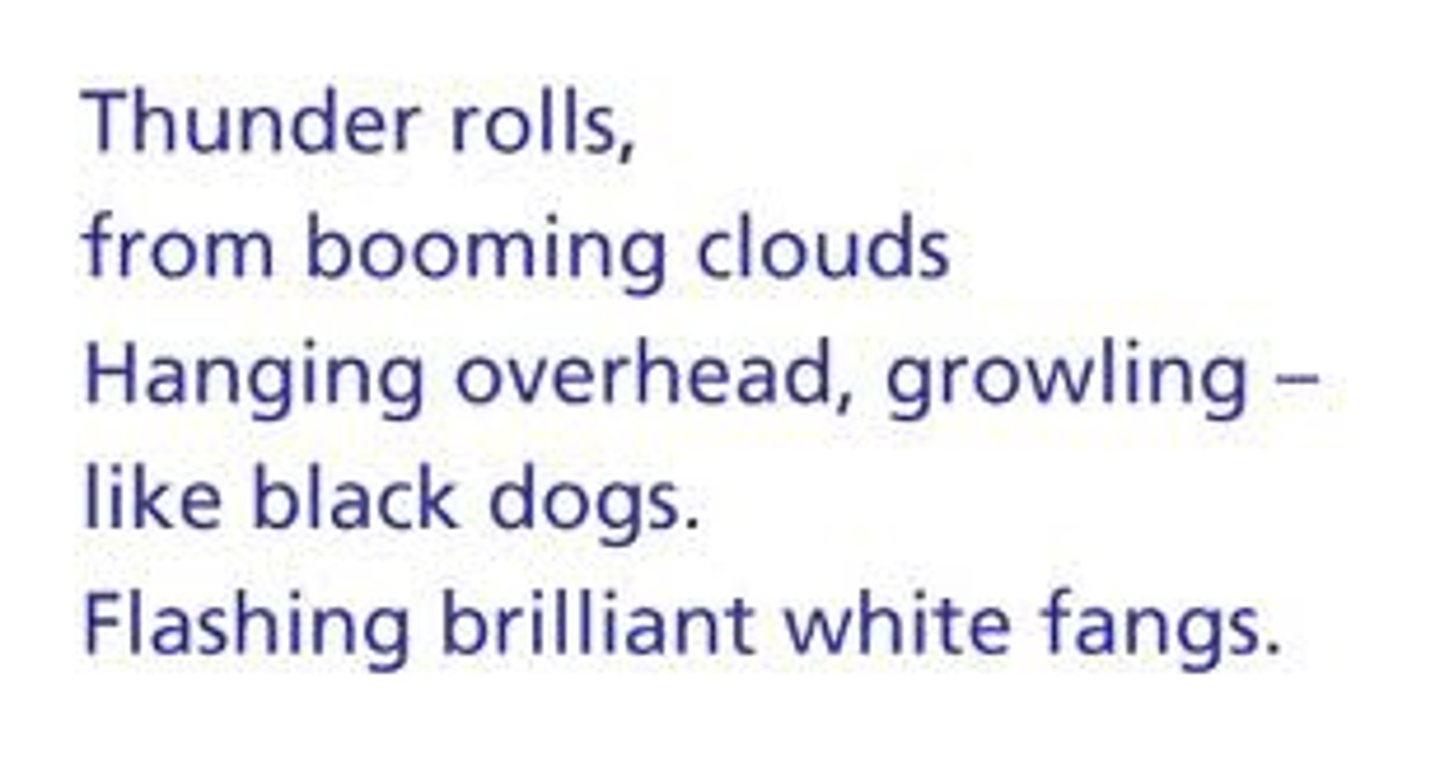
lyric poem
a poem that expresses thoughts and feelings of a single speaker, often in highly musical verse
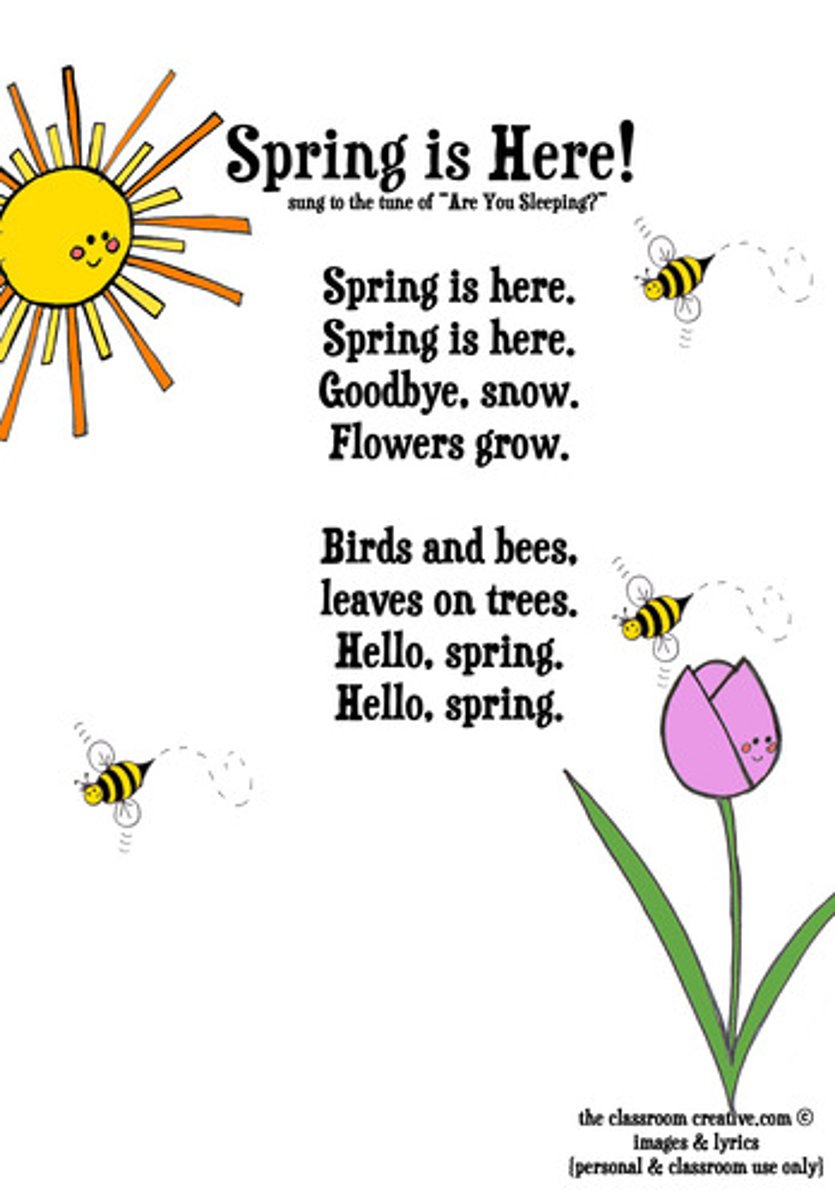
narrative poem
A poem that TELLS A STORY and often includes a plot and characters
ballad
A SONGLIKE poem that tells a story, often dealing with ADVENTURE OR ROMANCE.
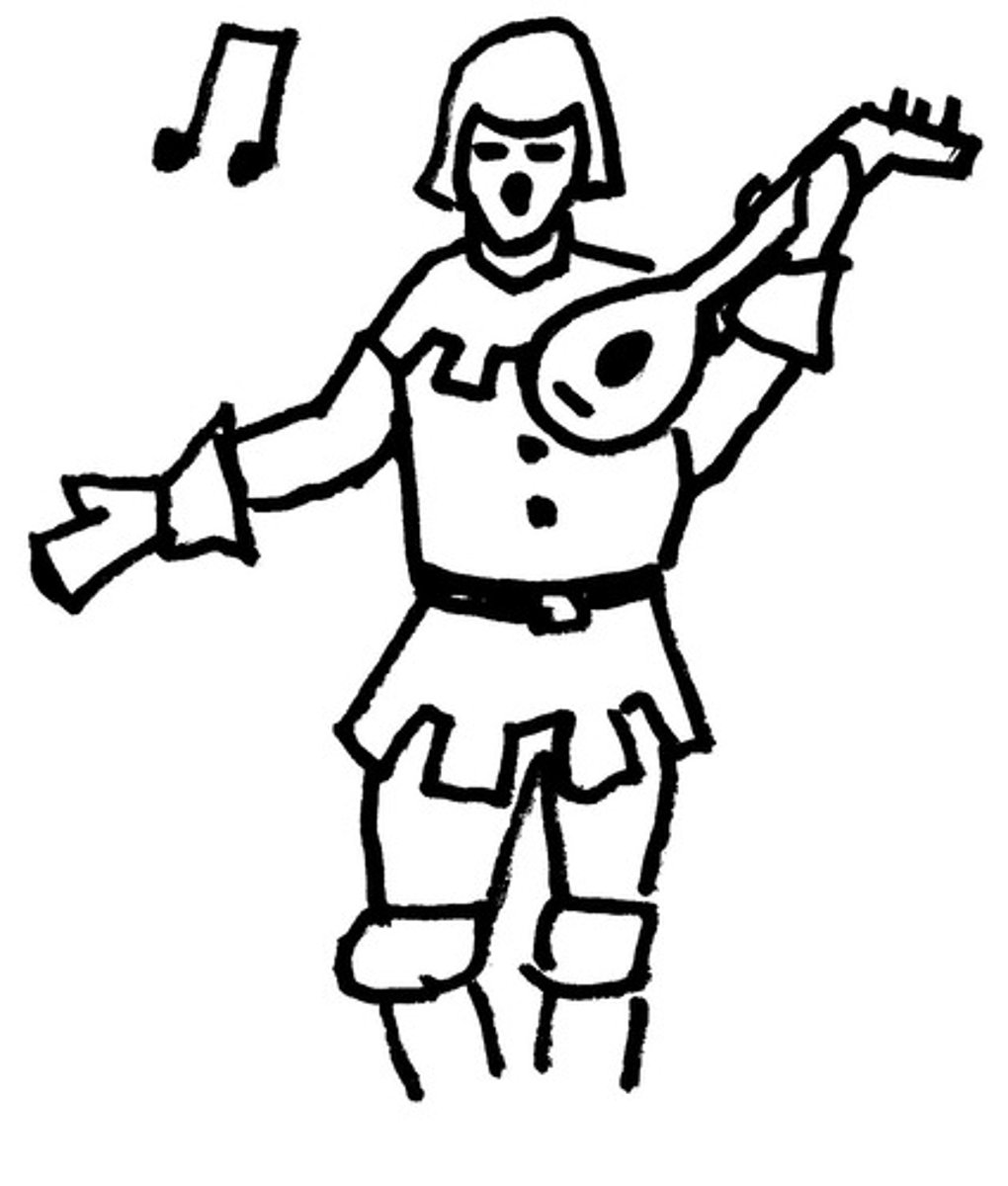
haiku
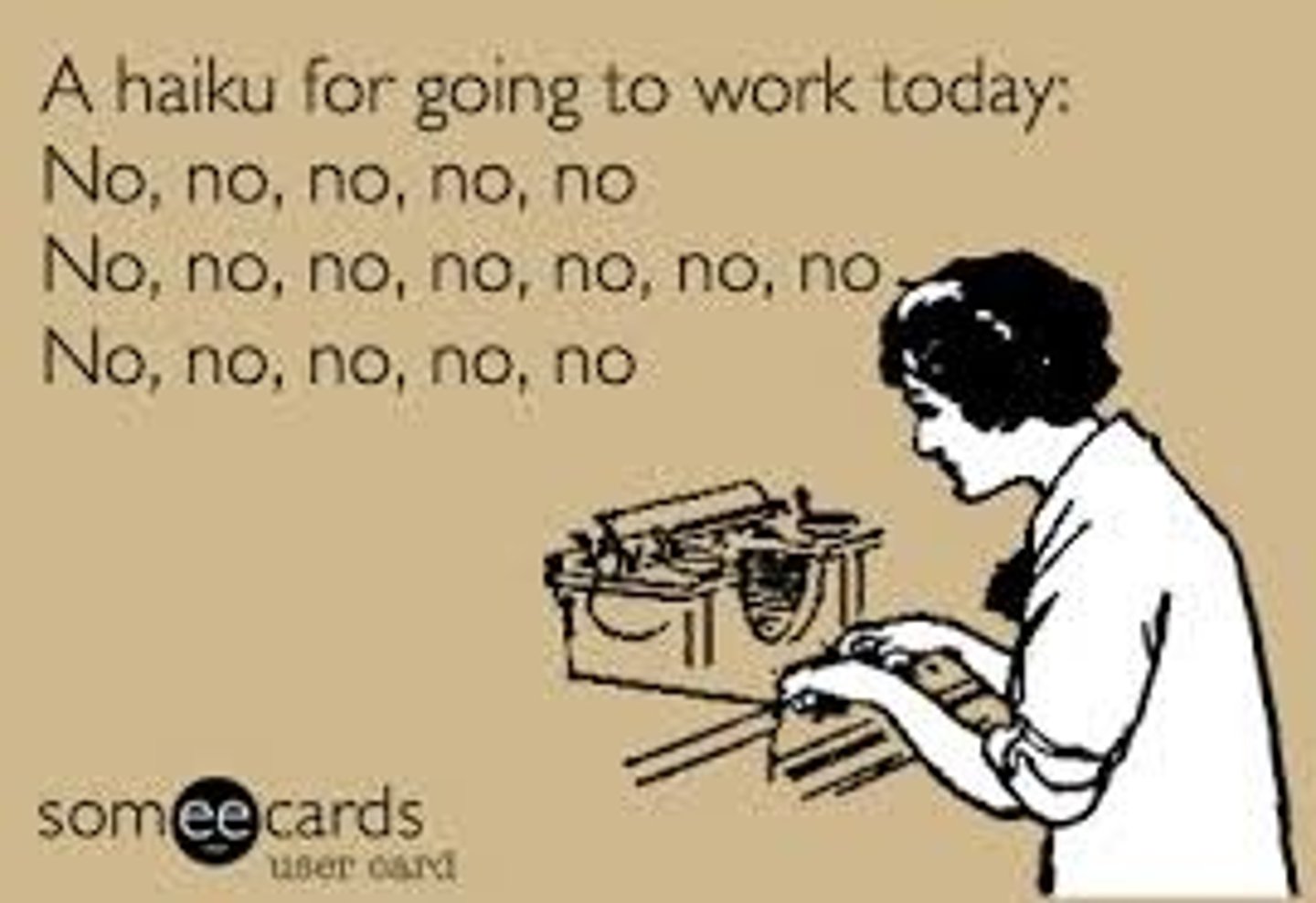
a 3 LINE Japanese verse form. The 1st and 3rd lines each have 5 syllables and the second line has 7 syllables.
limerick
a HUMOROUS, rhyming, 5-line poem with a specific rhythm pattern and rhyme scheme
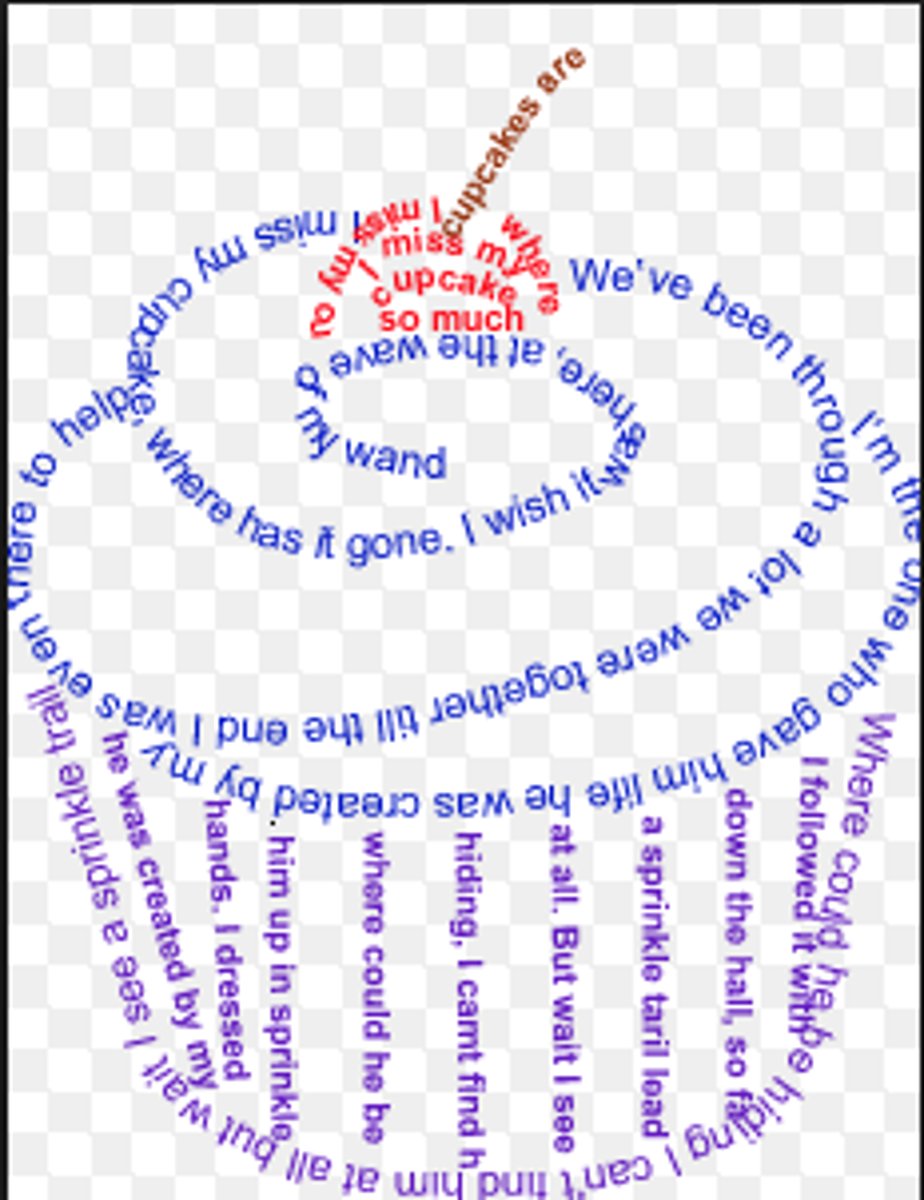
concrete poem
a poem ARRANGED IN THE SHAPE of its subject
symbol
anything that REPRESENTS SOMETHING ELSE (example: a dove is a symbol for peace)

sensory details
details that appeal to the 5 SENSES (sight, sound, hearing, taste, touch)
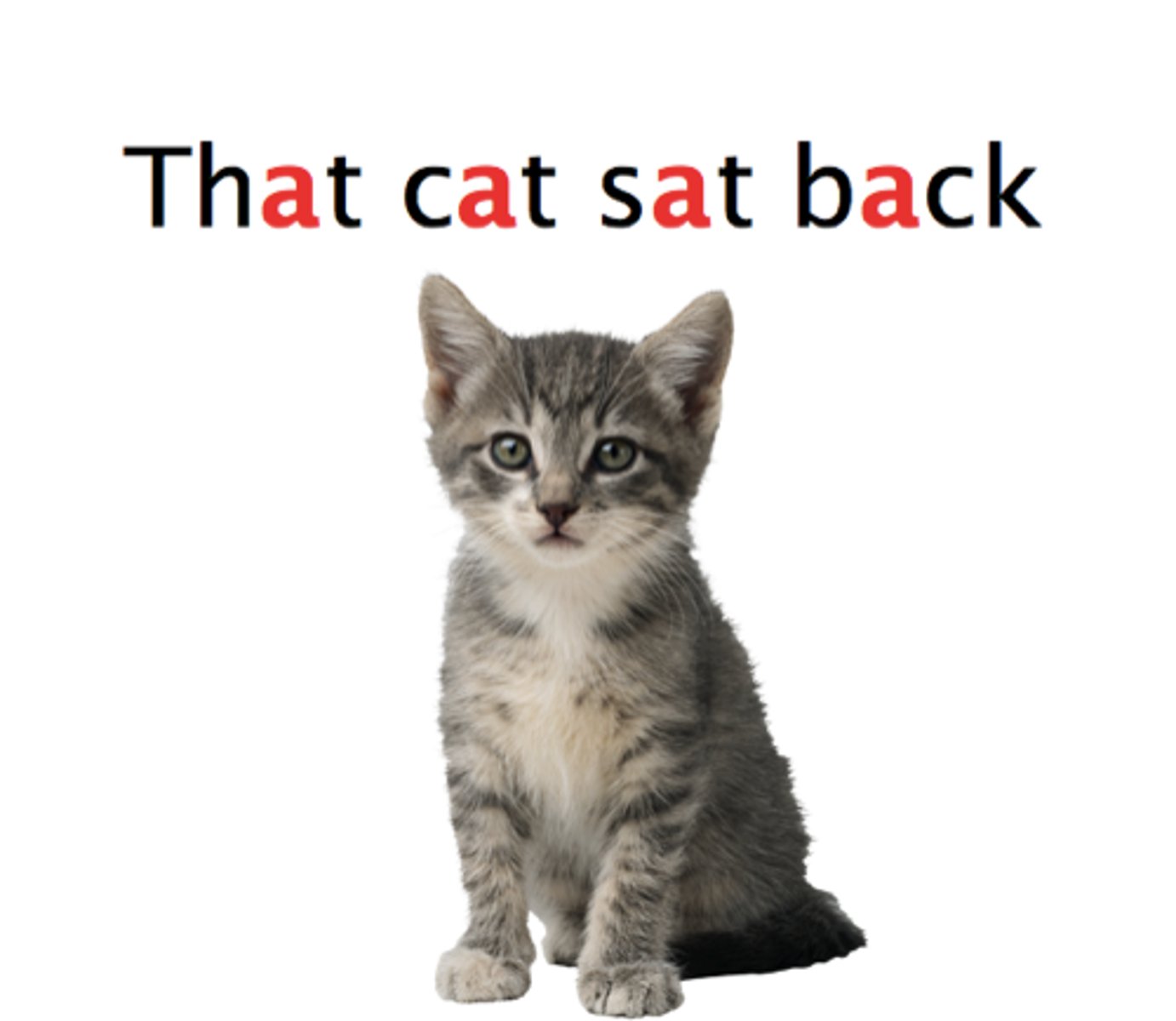
assonance
the REPETITION OF VOWEL sounds followed by different consonants in stressed syllables (for example: blade and maze)
repetition
the use of a sound, word, phrase, clause, or sentence MORE THAN ONCE
consonance
the repetition of similar CONSONANT SOUNDS at the END of accented syllables (for example: wind and sand)
rhythm
the pattern of stressed and unstressed syllables
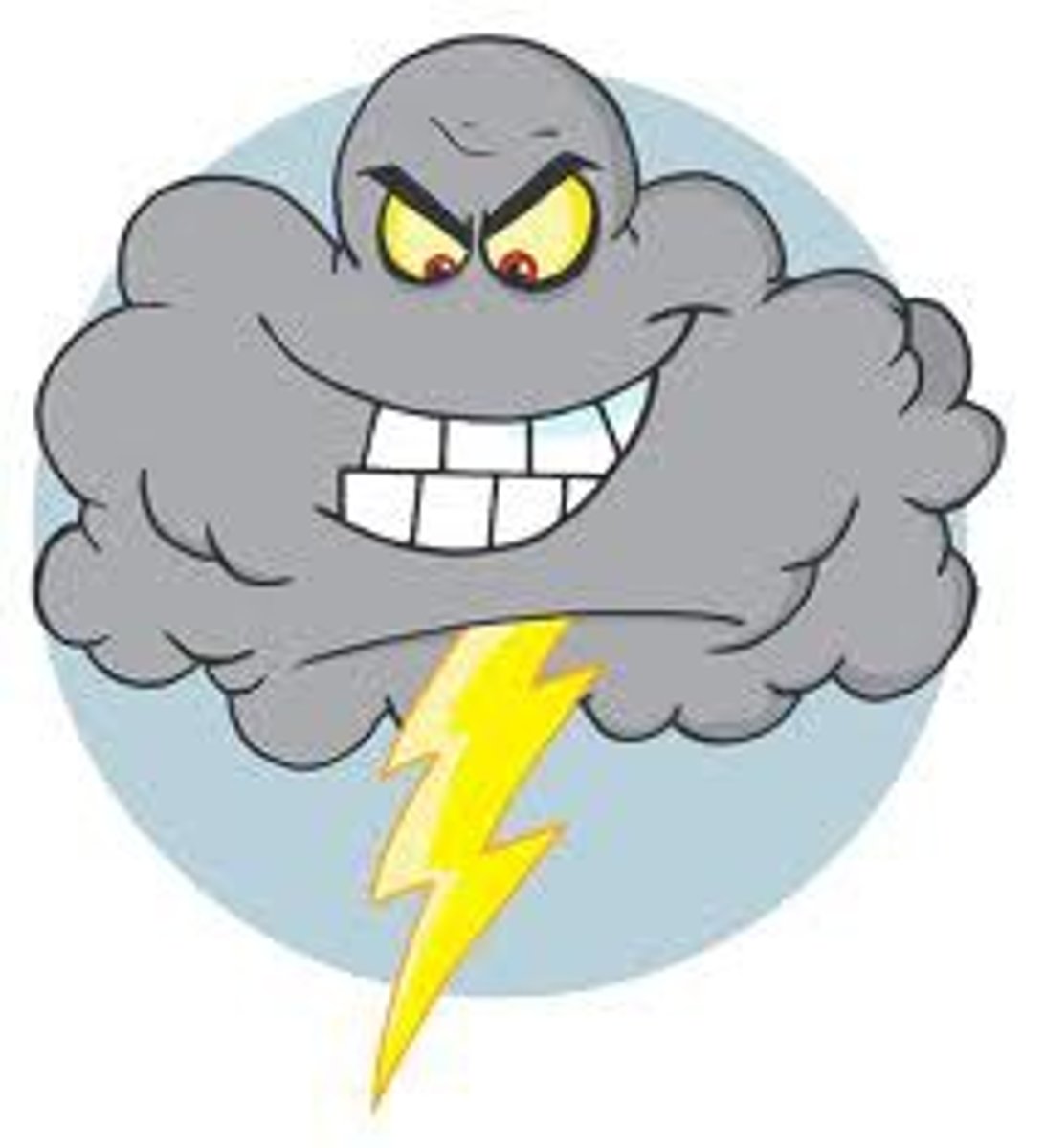
pathetic fallacy
The attribution of human emotions or characteristics to inanimate objects or to nature; for example angry clouds; a cruel wind. Like personification, but with emotions.
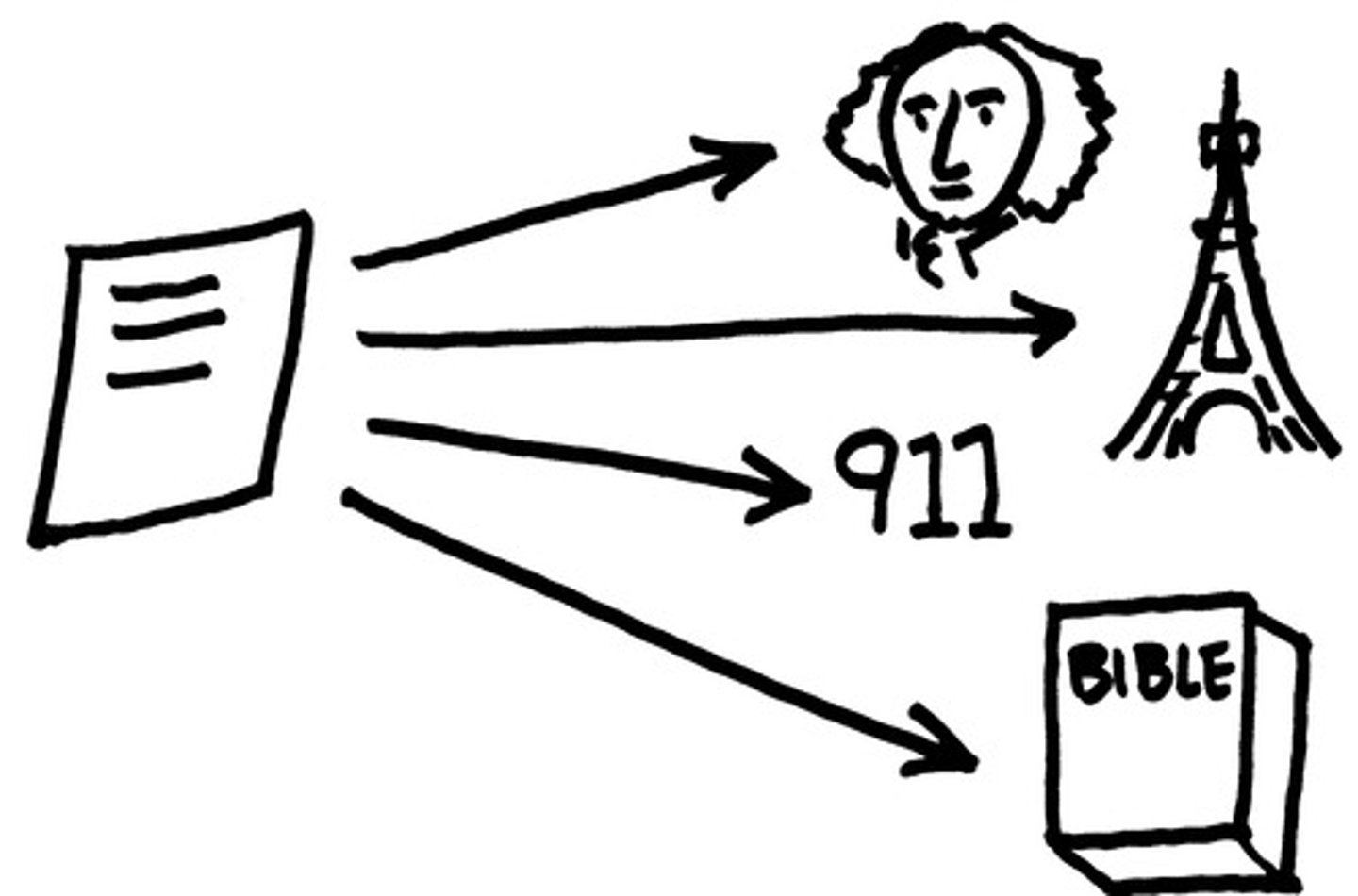
allusion
reference to art, literature, history, sports that the author expects the audience to recognize
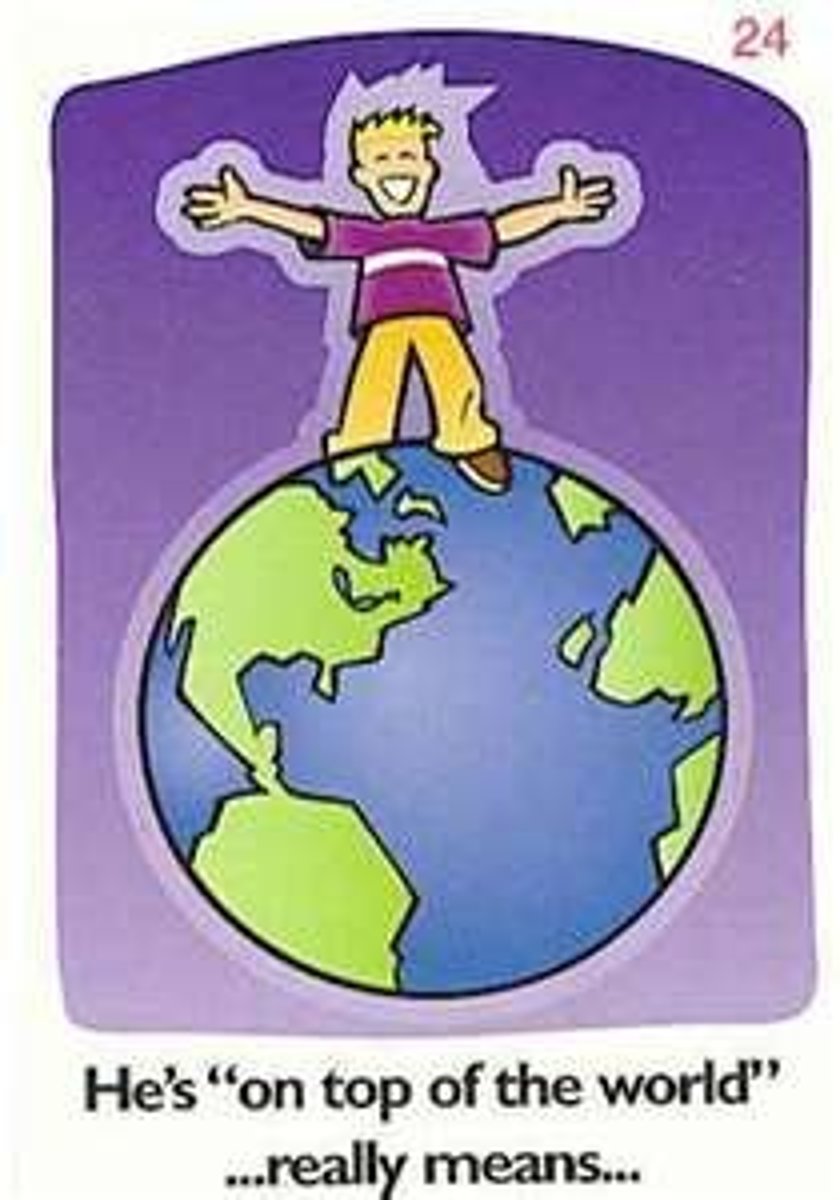
idiom
An expression that cannot be understood if taken literally (ex- "Get your head out of the clouds").
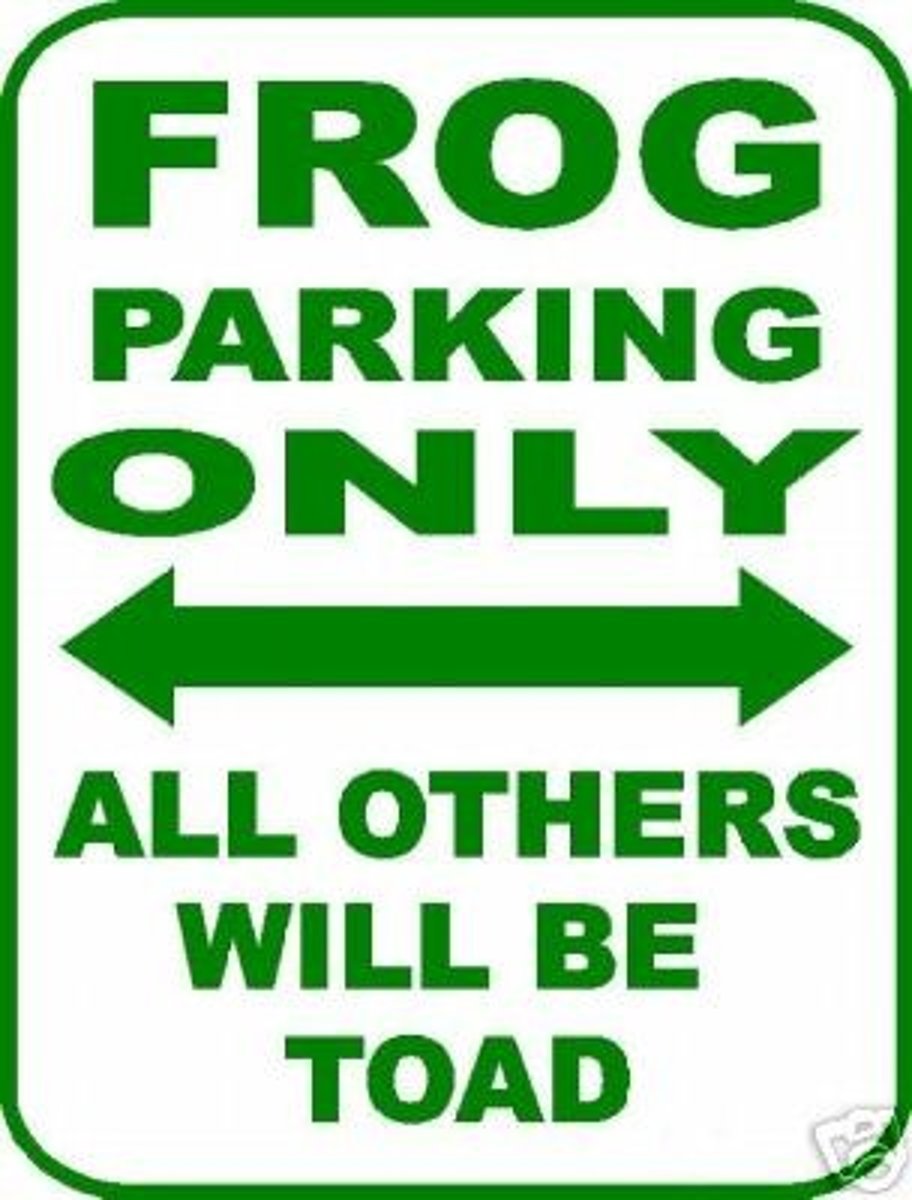
pun
Using words that sound alike (homonyms) as synonyms. They're like bad jokes.
"Energizer Bunny arrested -- charged with battery."
"It's OK to watch an elephant bathe as they usually have their trunks on."
extended metaphor
A metaphor that is extended or developed, over several lines of writing or throughout an entire poem
analogy
Comparing something complex with something simple to make it easier to understand - "comparing the economy to a basketball game"
oxymoron
A figure of speech consisting of two apparently contradictory terms
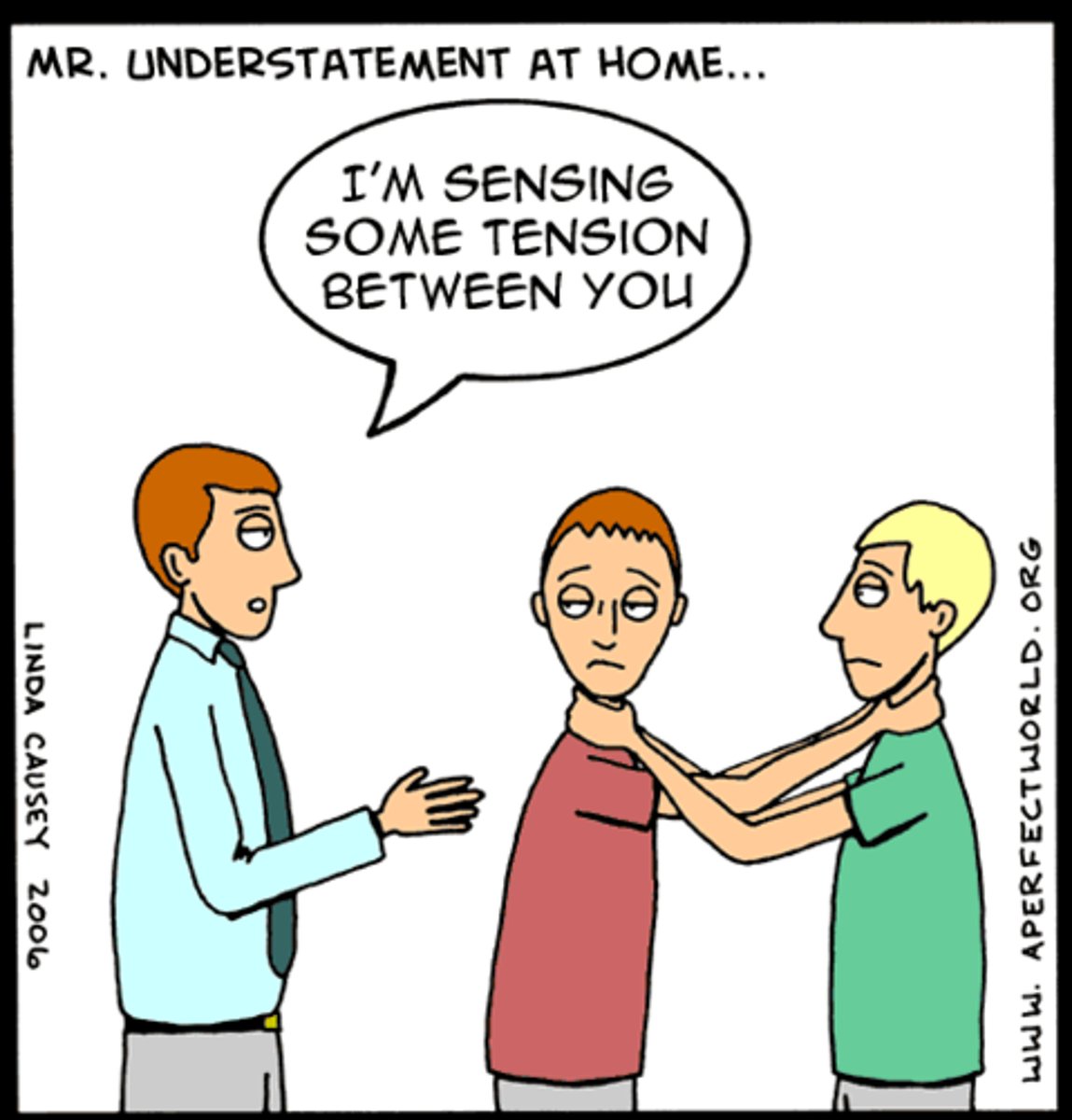
understatement
A figure of speech in which a writer or speaker says less than what he or she means; the opposite of exaggeration. Slightly sarcastic. Slightly ironic.
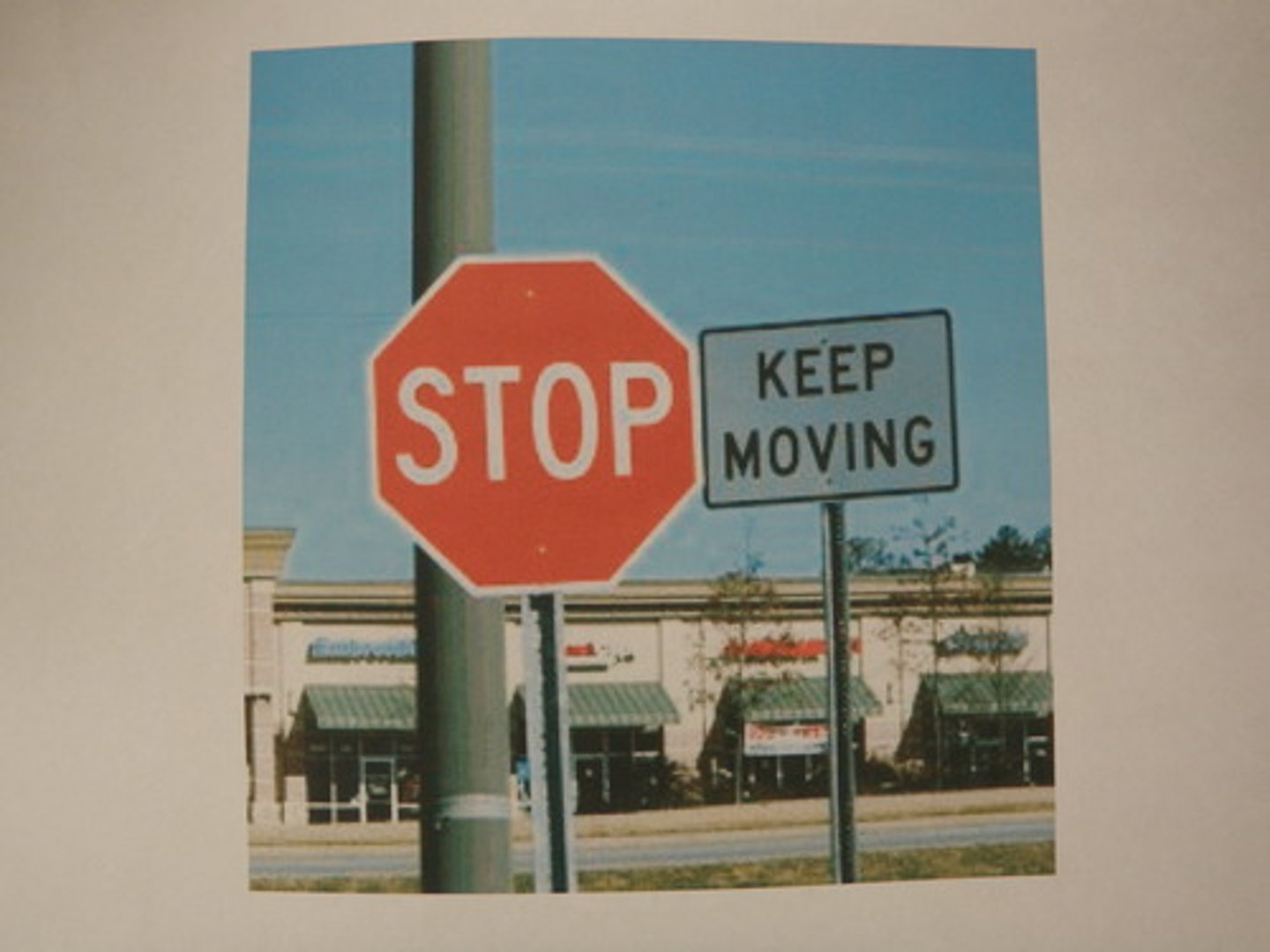
irony
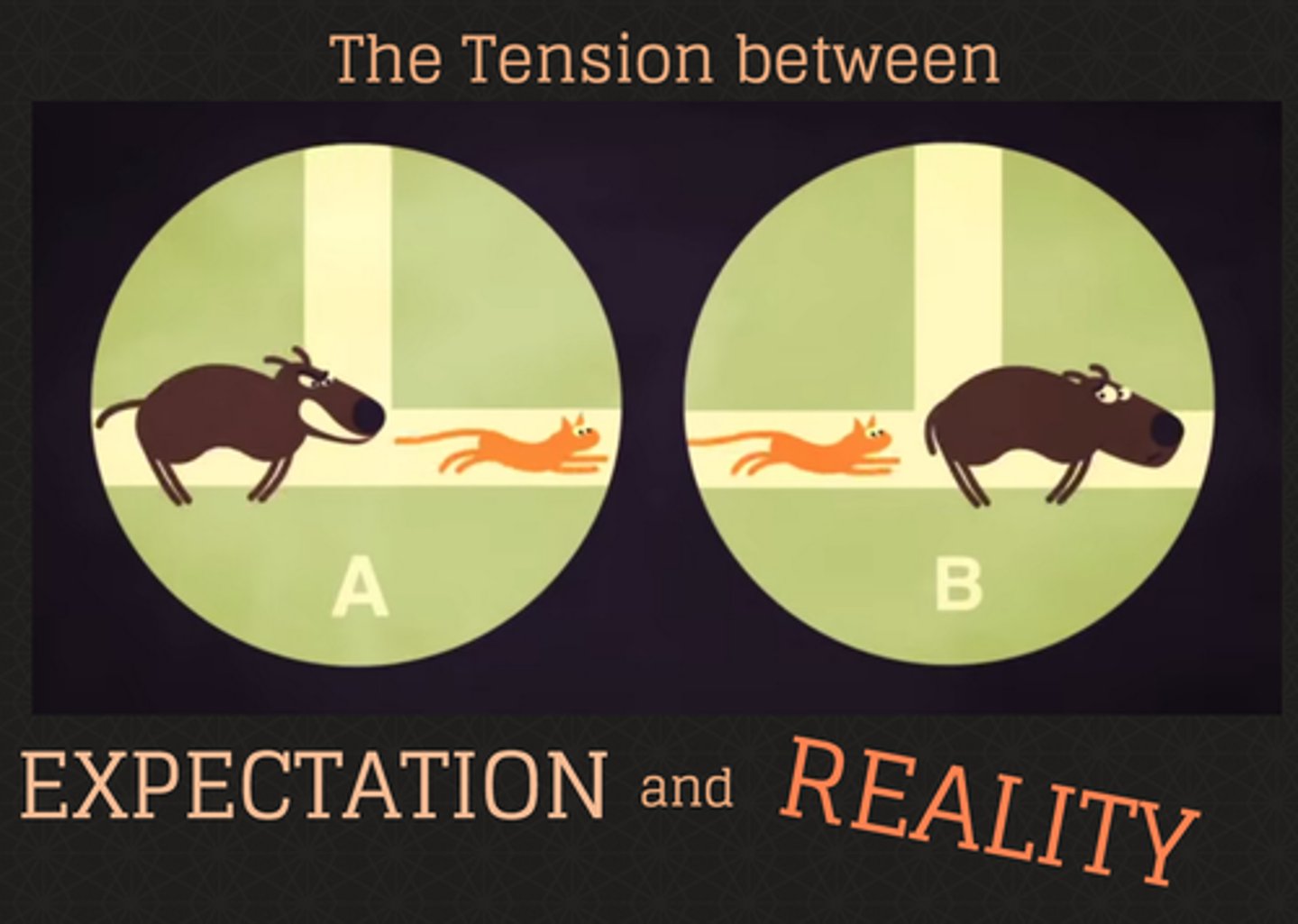
A statement that is the opposite of what it is expected to happen. "A man who is a traffic cop gets his license suspended for unpaid parking tickets."
sonnet
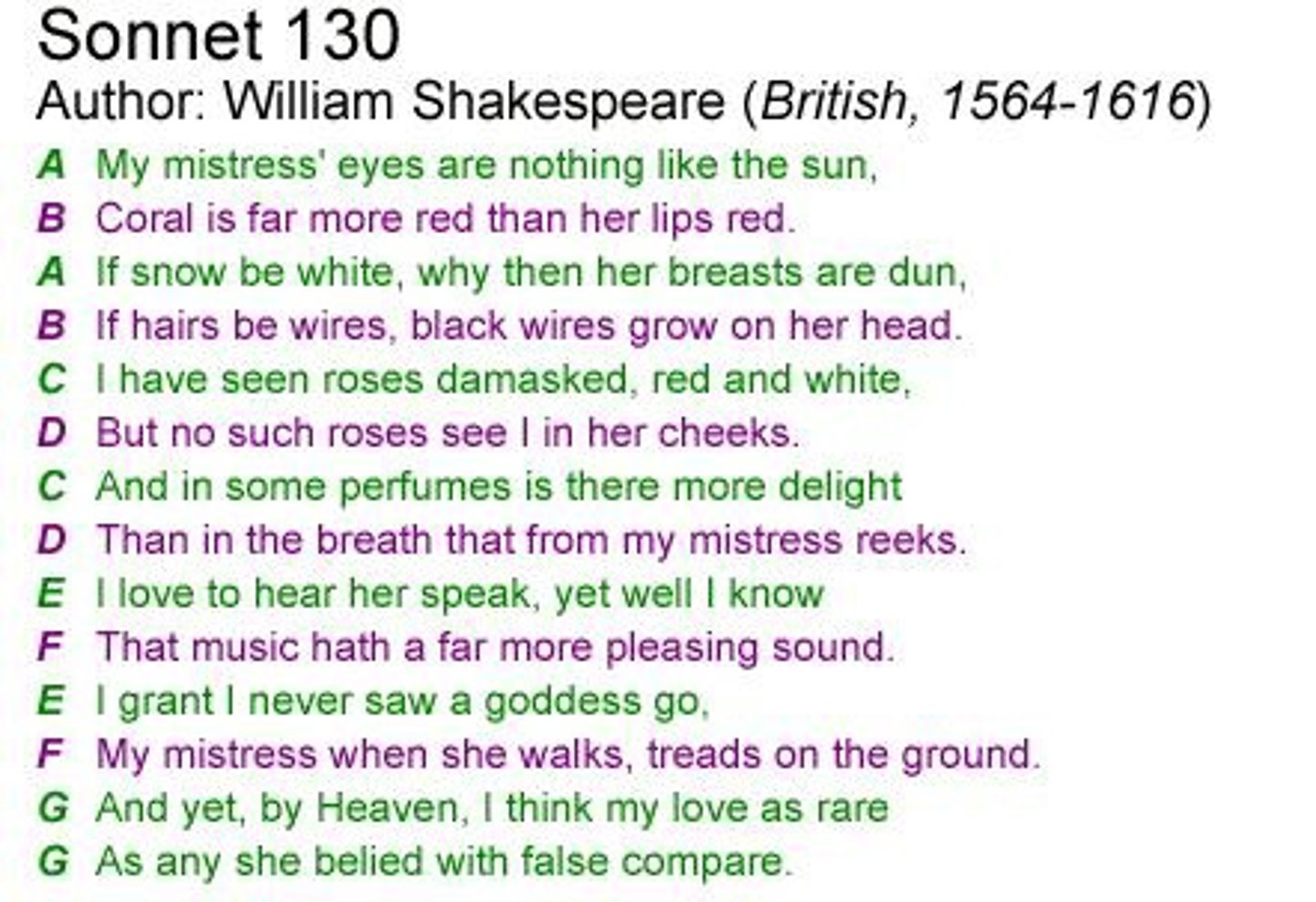
A lyric poem of fourteen lines, usually in iambic pentameter, with rhymes scheme of ABAB CDCD EFEF GG. It usually expresses a single, complete idea or thought with a reversal, twist, or change of direction in the concluding lines.
elegy
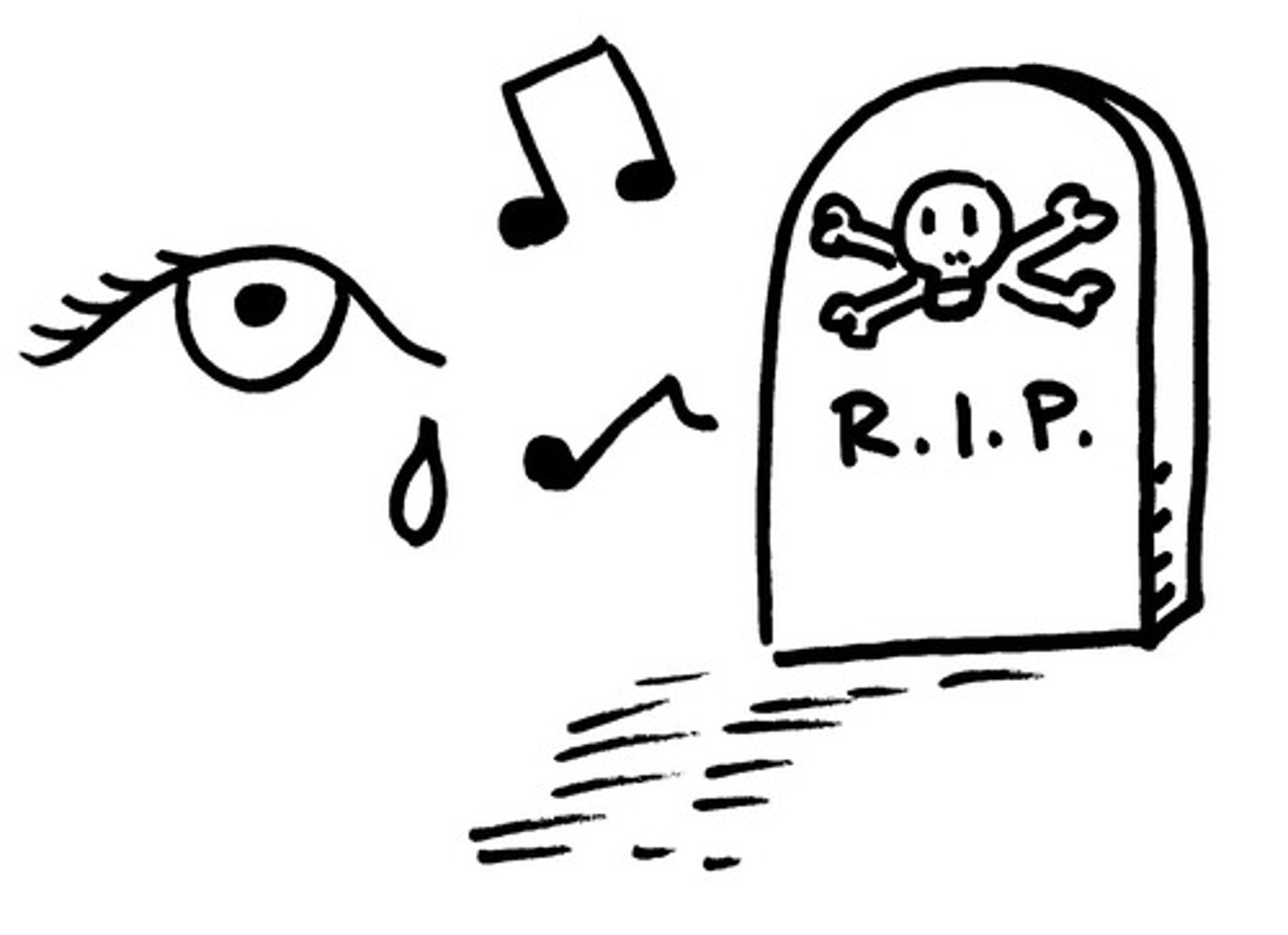
A lyric poem that laments (mourns) the dead. A type of ode.
Archetype
A character, situation, or symbol that is familiar to people from all cultures because it occurs frequently in literature, myth, religion, or folklore.

Paradox
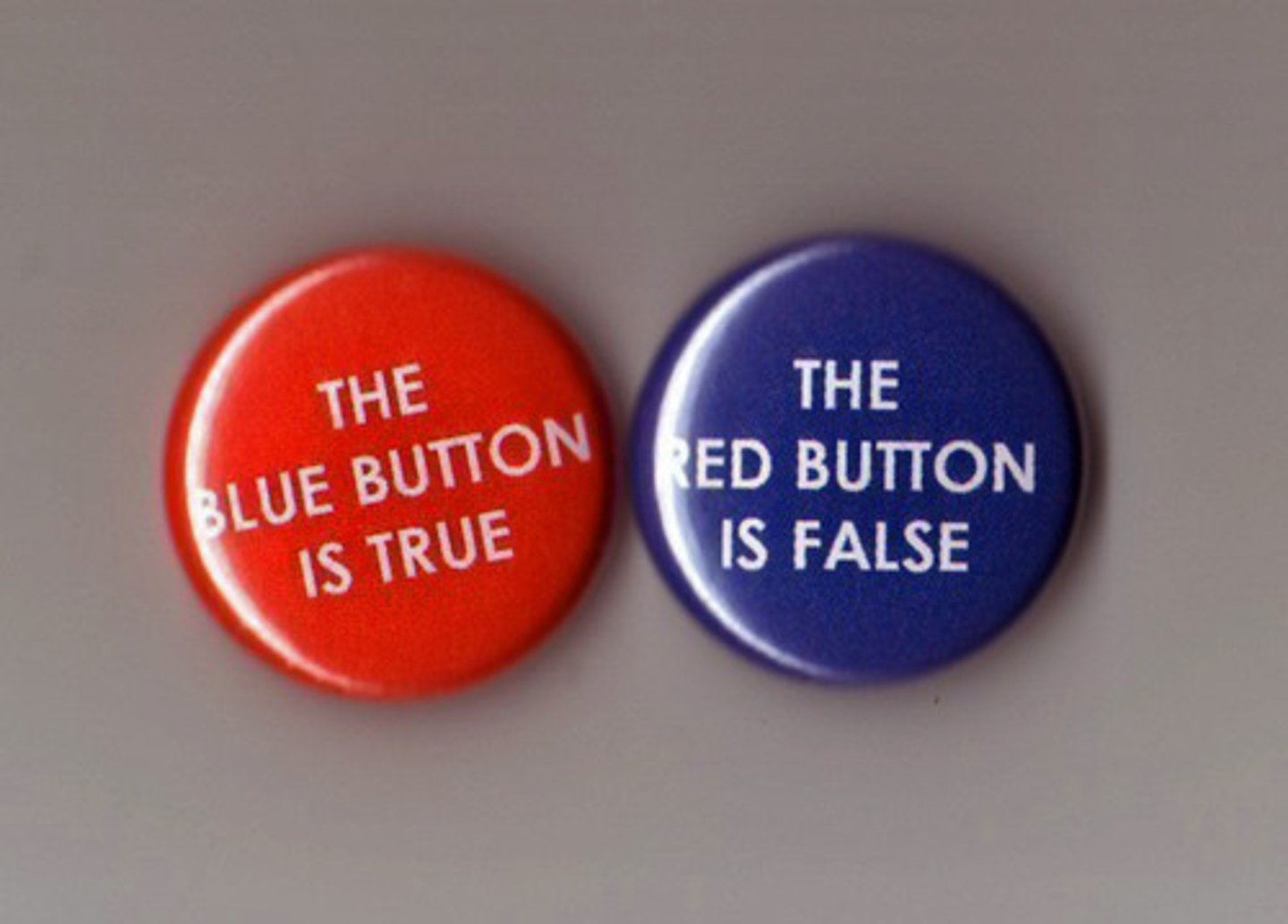
A statement that appears self-contradictory, but that reveals a kind of truth. i.e. Something that sounds like it shouldn't be able to happen actually can.
speaker
the narrator of a poem; not to be confused with the poet who wrote the poem.
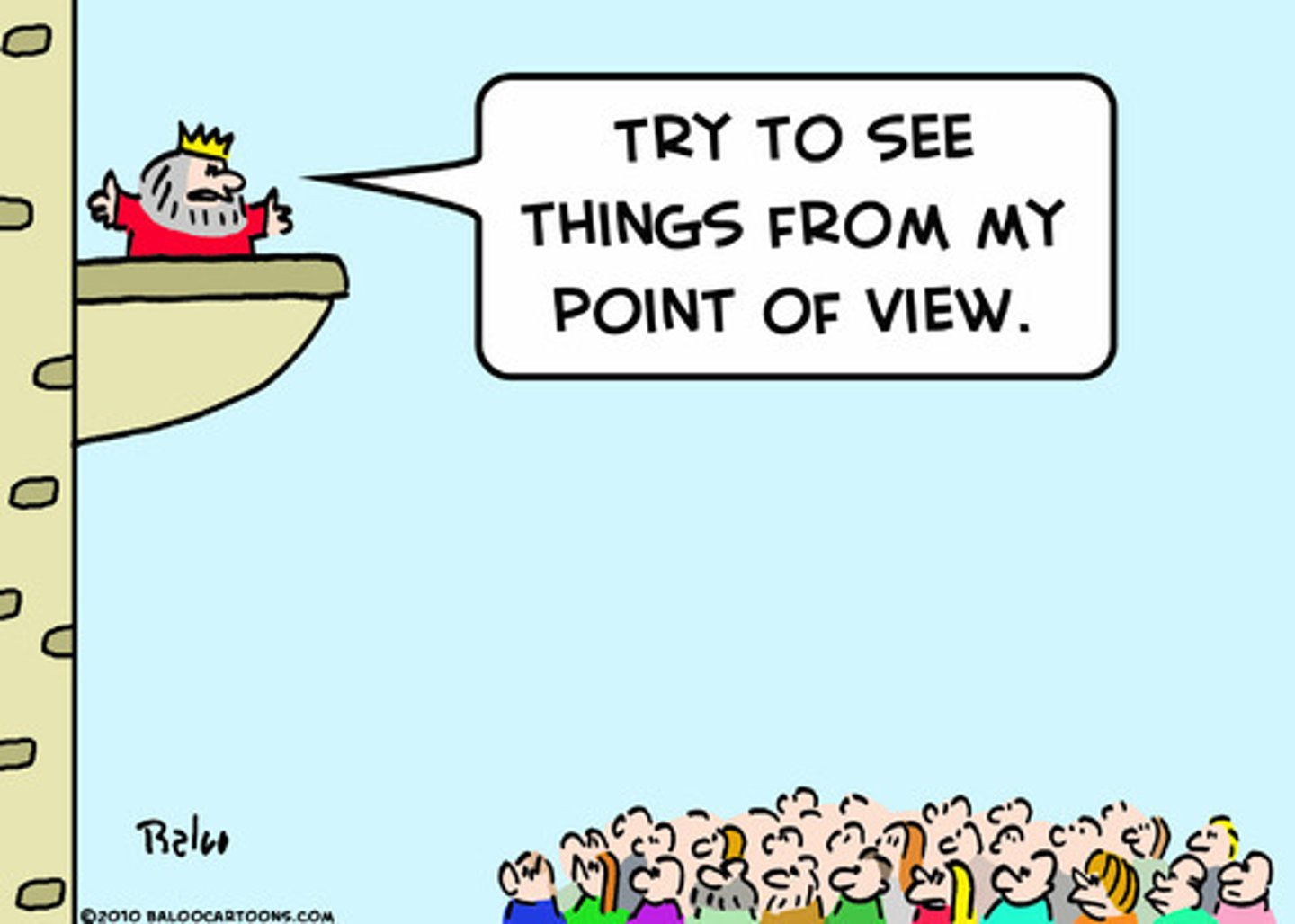
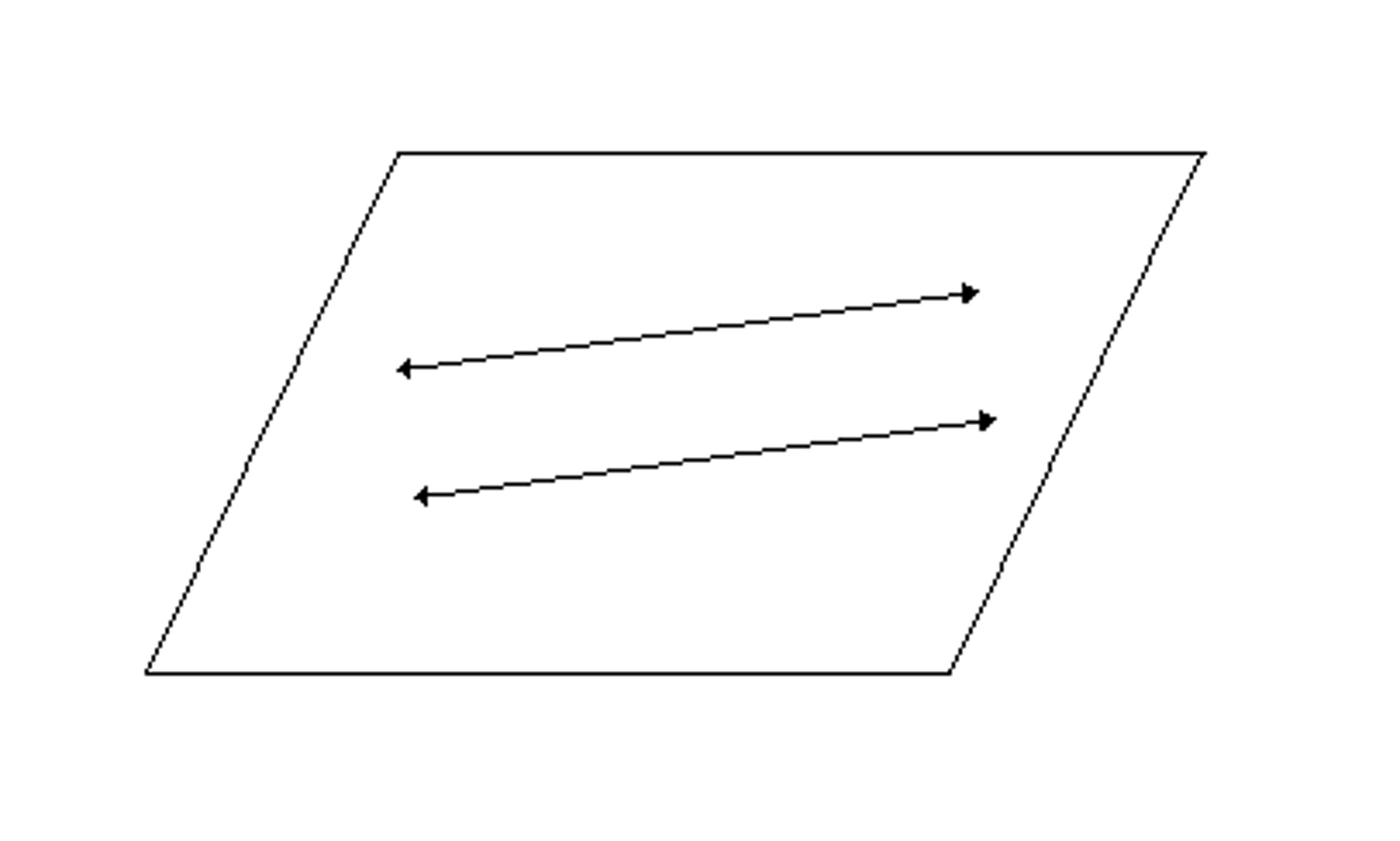
Parallelism
repeated use of phrases, clauses or sentences that are similar in meaning/structure. Used to emphasize important ideas create rhythm, make their writing direct/forceful.
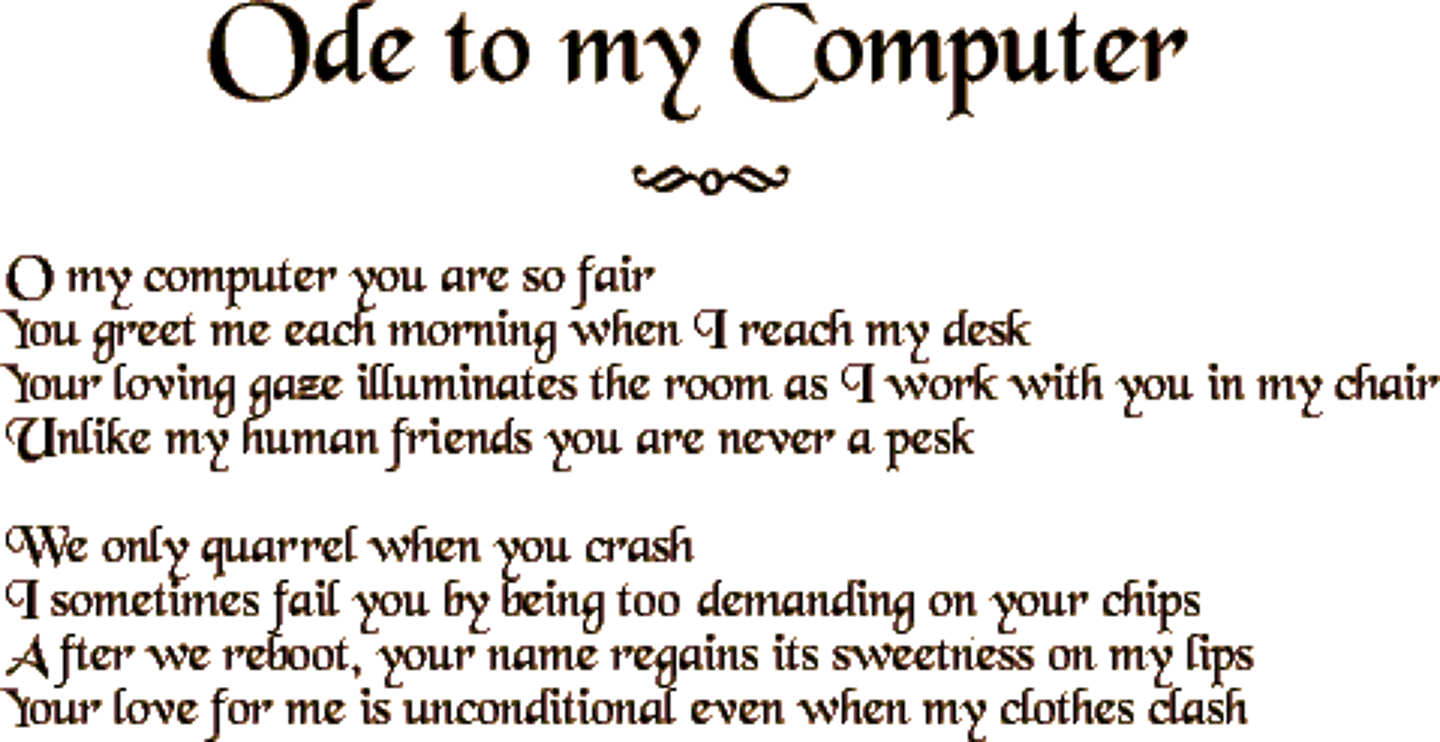
Ode
A lyric poem usually marked by serious, respectful, and exalted feelings toward the subject.
iambic pentameter
a line of verse with five metrical feet, each consisting of one short (or unstressed) syllable followed by one long (or stressed) syllable; often found in Shakespearean sonnets.