Enzymes, Kinetics, and Glycemic Index: A Comprehensive Biology Review
 Call Kai
 Learn
Learn Practice Test
 Spaced Repetition
 Match
Match Flashcards
 Knowt Play
1/26

There's no tags or description
Looks like no tags are added yet.
Name | Mastery | Learn | Test | Matching | Spaced | Call with Kai |
|---|
No analytics yet
Send a link to your students to track their progress
27 Terms
What are enzymes?
Biological catalysts that speed up chemical reactions in living cells.
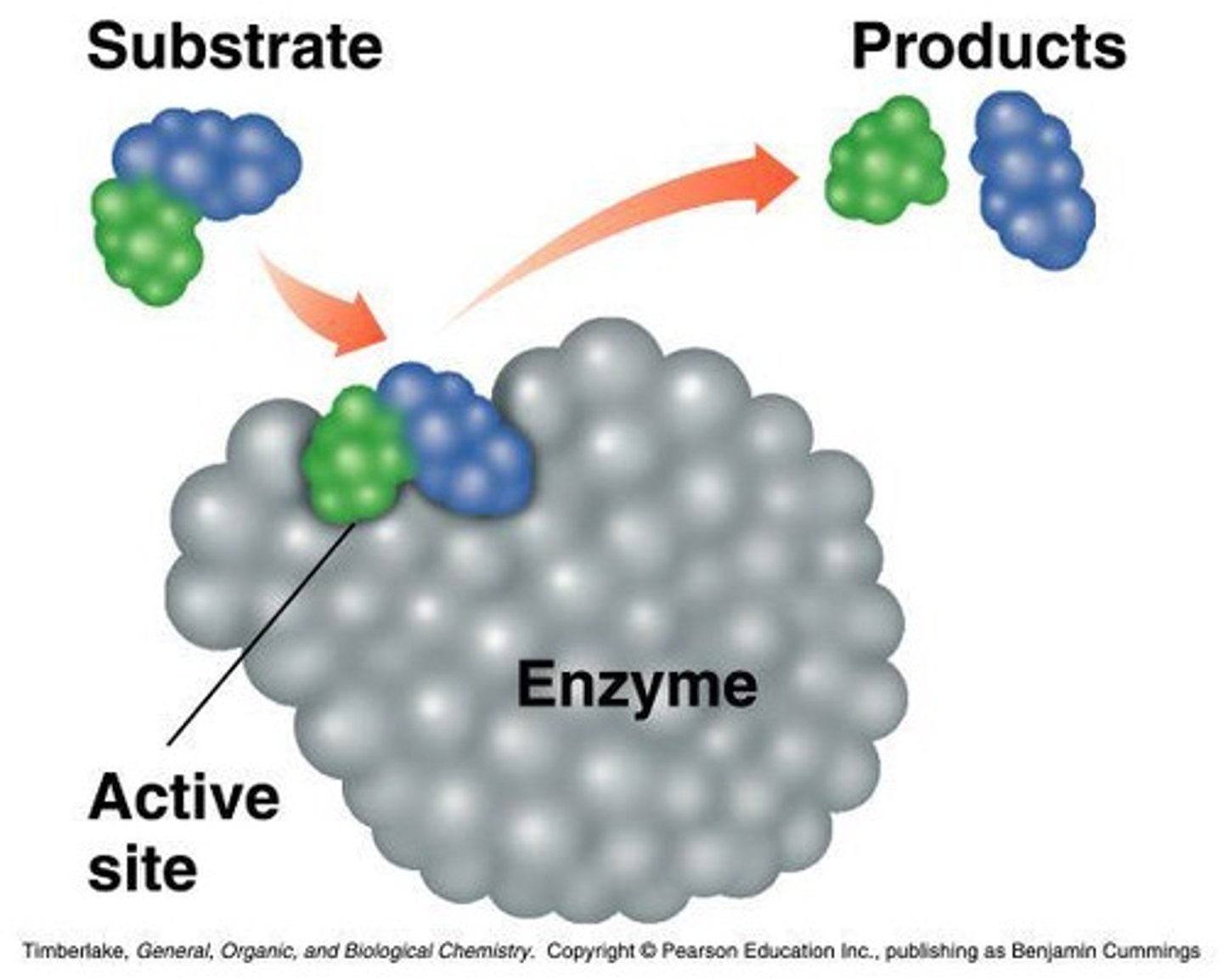
What is the structure of enzymes?
Enzymes are proteins with a globular shape and a complex 3-D structure.
What is activation energy?
The energy required for a reaction to begin, which enzymes lower.
What is a substrate in the context of enzymes?
The reactants that are activated by the enzyme, such as starch or sugar.
What determines enzyme specificity?
The active site of the enzyme, which fits the shape of substrate molecules.
What is the Lock and Key Hypothesis?
A model explaining enzyme specificity where the enzyme (key) fits precisely into the substrate (lock).
What happens to products after an enzyme-catalyzed reaction?
Products are released as they no longer fit well in the active site.
What factors affect enzyme activity?
Substrate concentration, pH, temperature, and inhibitors.
What is Vmax in enzyme kinetics?
The maximum rate of reaction when the enzyme is saturated with substrate.
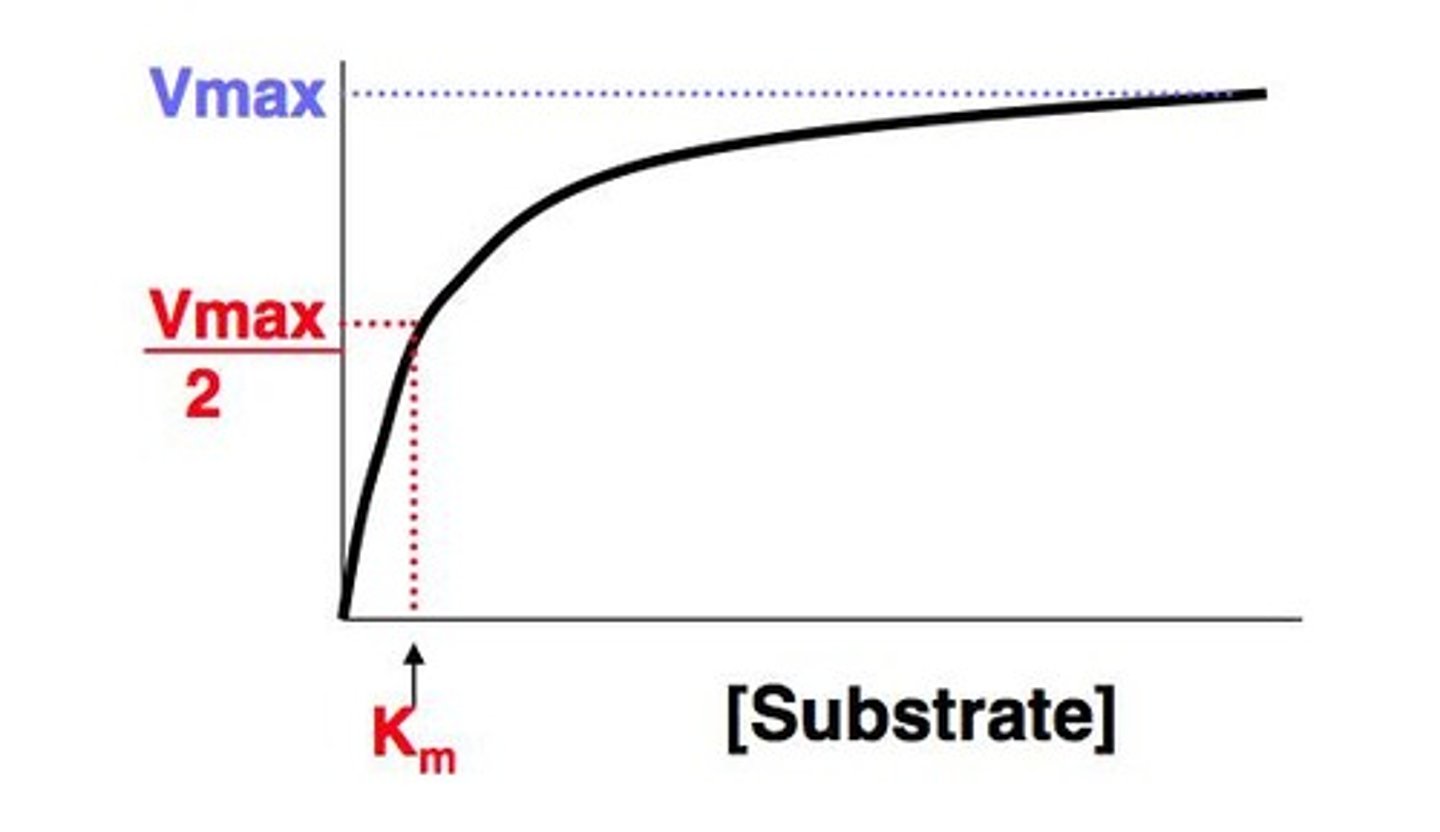
What does Km represent in enzyme kinetics?
The substrate concentration at which the reaction rate is half of Vmax.
What does a low Km value indicate?
The enzyme binds to its substrate tightly.
What is the glycemic index (GI)?
A scale that ranks carbohydrates based on how much they raise blood glucose levels compared to a reference food.
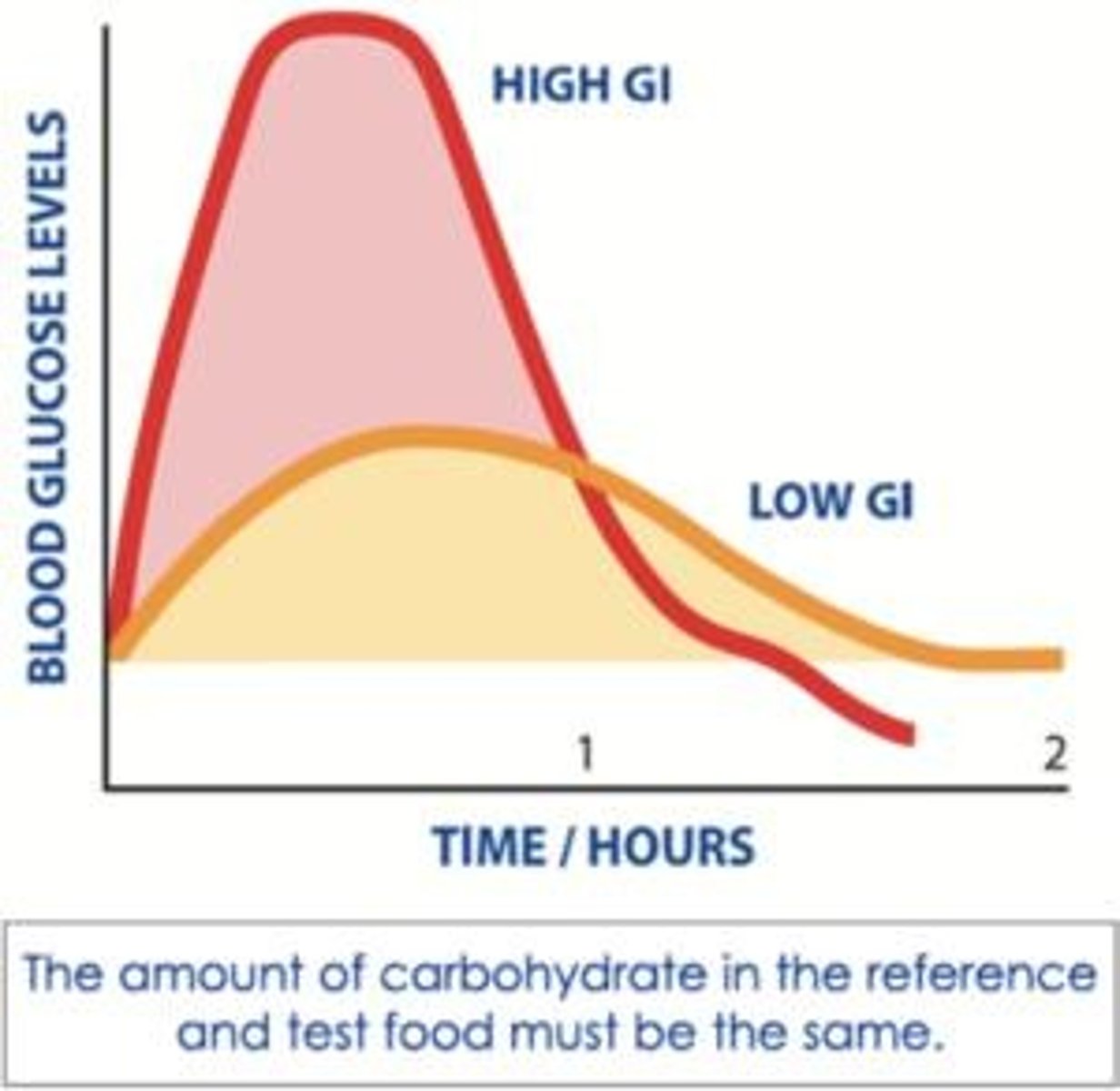
What is the range for low GI foods?
0 - 55, indicating slower digestion and a gradual rise in blood glucose levels.
What is the significance of insulin in blood glucose regulation?
Insulin is responsible for the uptake and utilization of blood glucose.
What is the effect of soluble fiber on blood glucose levels?
It slows down enzymatic activity on starch, leading to a more gradual release of glucose into the bloodstream.
What is the purpose of the glycemic index experiment?
To observe the digestion process by measuring the glycemic index of various foods.
What are the three types of diabetes mentioned?
Type I, Type II, and postprandial hyperglycemia.
What is the achromatic point in enzyme reactions?
The point at which starch no longer gives a positive result in the iodine test.
What is the role of temperature in enzyme activity?
Enzymes have an optimal temperature (e.g., 37.5°C) for maximum activity.
How does food processing affect the glycemic index?
Highly processed foods generally have a higher glycemic index due to less digestive processing.
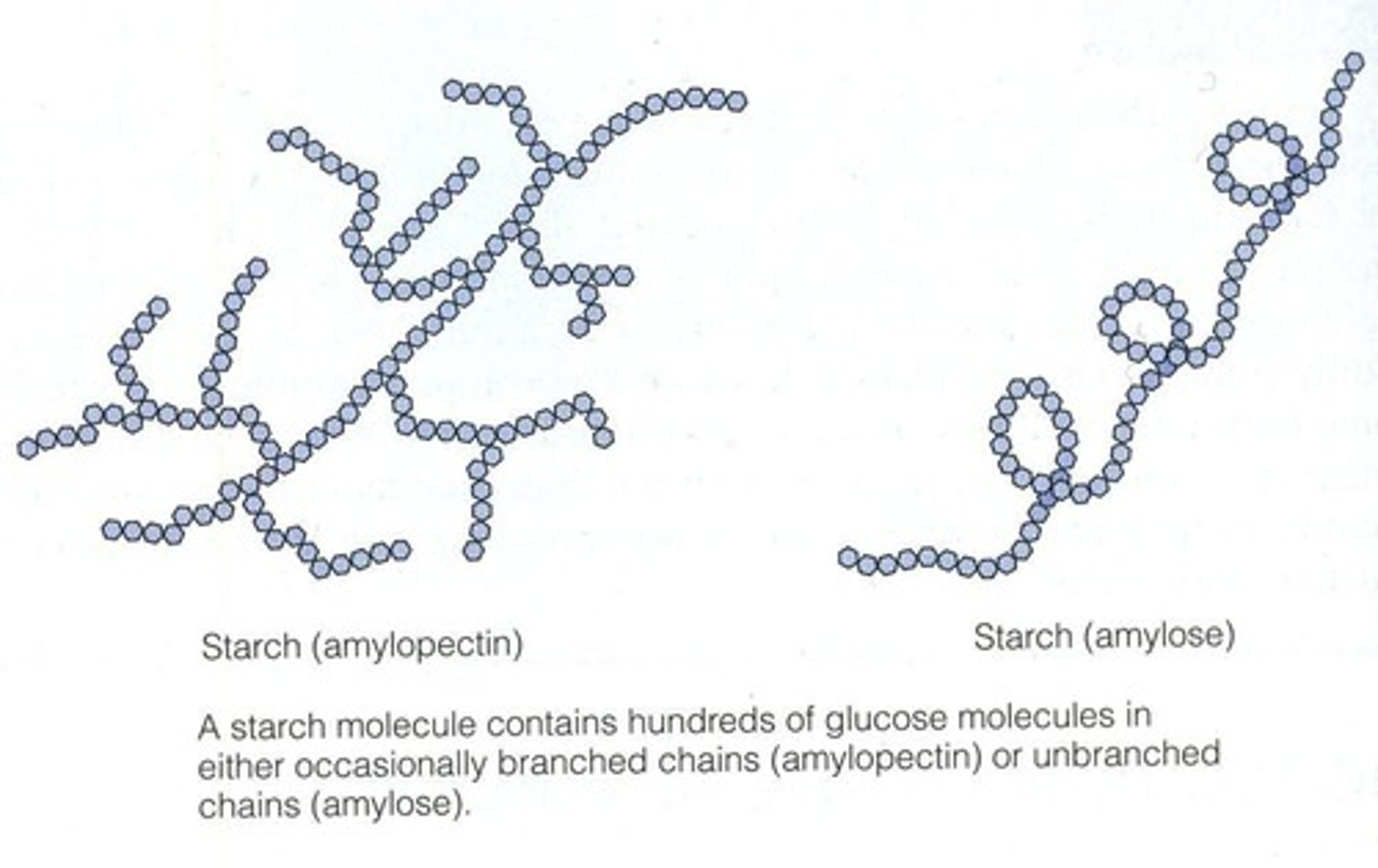
What is the relationship between starch type and glycemic index?
Amylose has a low GI due to slow digestion, while amylopectin has a high GI due to faster digestion.
What is the effect of protein and fat on glycemic index?
They slow down gastric emptying, thus slowing down the digestion of starch.
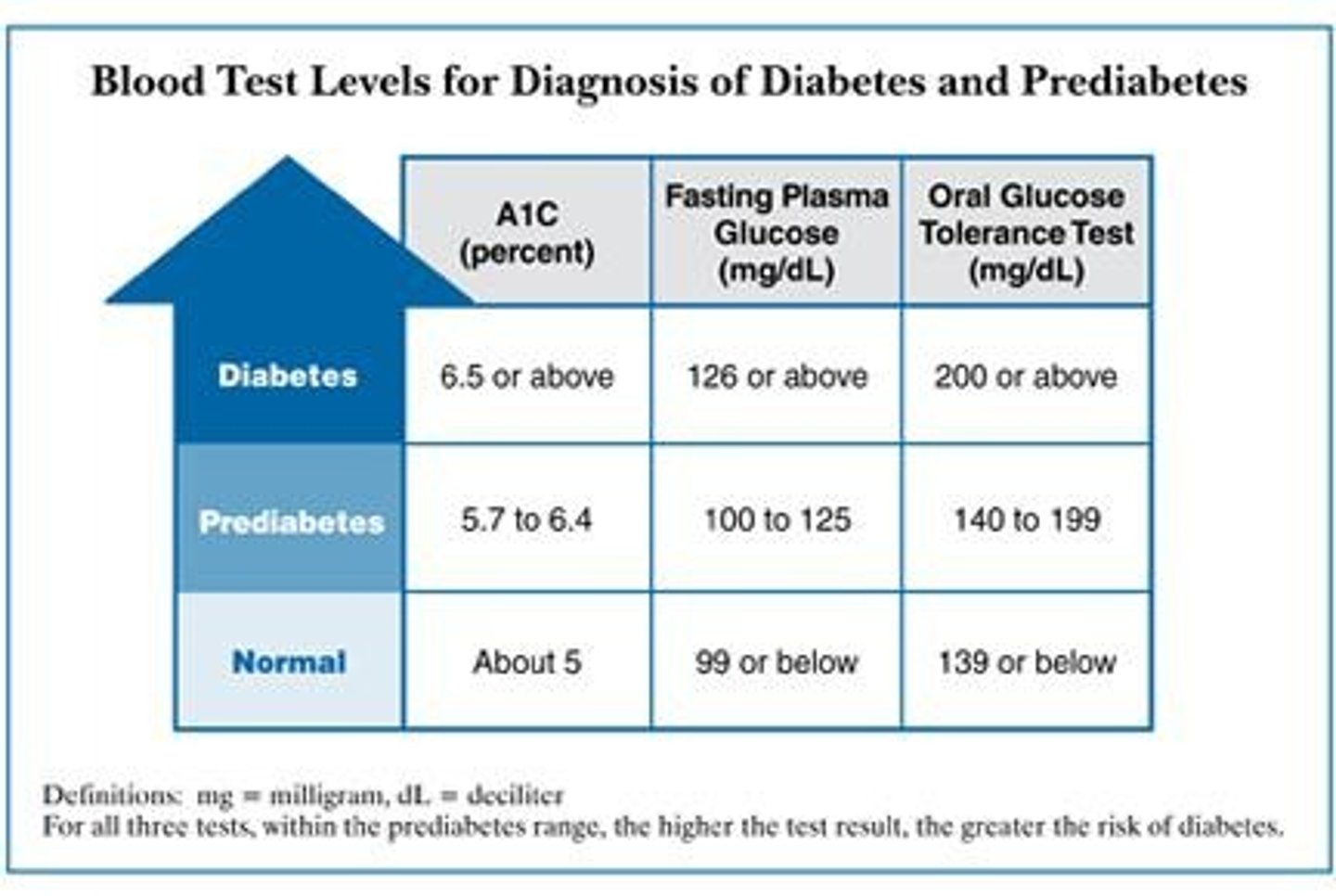
What is the significance of blood glucose tests?
They help in diagnosing diabetes and assessing glucose tolerance.
What is the expected color change when starch is hydrolyzed by amylase?
From dark blue (starch present) to yellow-brown (starch hydrolyzed).
What is the purpose of measuring blood glucose levels after consuming carbohydrates?
To determine the glycemic response and the effect on blood glucose levels.
What happens to enzyme activity when all enzyme molecules are occupied?
The reaction reaches a saturation point, and increasing substrate concentration will not increase the reaction rate.
What is the effect of pH on enzyme activity?
Different enzymes have optimal pH levels; for example, pepsinogen works best in acidic media.