NUT Exam 3 part 1
 Call Kai
 Learn
Learn Practice Test
 Spaced Repetition
 Match
Match Flashcards
 Knowt Play
1/40

Earn XP
Description and Tags
Chapter 6 (lipids)
Name | Mastery | Learn | Test | Matching | Spaced | Call with Kai |
|---|
No analytics yet
Send a link to your students to track their progress
41 Terms
Triglycerides
main form of lipids in food and body (storage)
functions of lipids
provide energy
Efficient storage of energy
Insulation and protection
Lubricant
Regulatory processes
Cell structure, synthesis and repair
Absorption and transport of fat-soluble vitamins
Satiety
Esterification
the process of attaching fatty acids to glycerol; in the process releasing one water molecule
Properties of lipids
Do NOT dissolve in water (not water soluble)
Fats are solid at room temperature
Oils are liquid at room temperature
Energy dense (9 kcal / gm)
Provide satiety, flavor, mouthfeel
Cholesterol is a…
precursor for estrogen and bile
Saturated Fatty acid
filled to capacity (solid fats)
coconut oils, palm oils
unsaturated fatty acids
H missing (oils)
double bonds instead
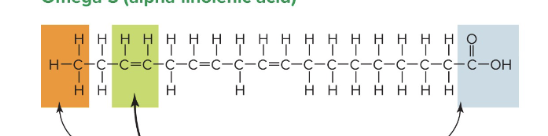
Omega-3 (alpha linoleic acid)
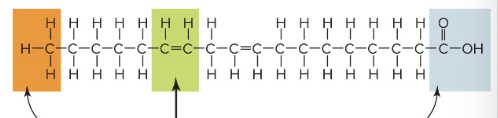
Omega-6 (linoleic acid)
omega-3
first double bond is after the 3rd carbon from the omega end
fatty fish, walnuts, oils from canola, soy and flax seeds
Omega-6
first double bond is located after the 6th carbon from the omega end
most plant oils (safflower, sunflower, corn and cottonseed)
Sterols Functions
cellular structure
myelin
bile acid precursors
vitamin D
Sterols Structure
Carbon and hydrogen RINGS
cholesterol sterols
steroid hormones (ex. estrogen and testosterone)
adrenal hormones (ex. corticosteroids)
cell membranes
NOT essential in the diet
Cholesterol
found only in animal foods, not plants (vegetarian diets have none)
exists in diets in milligram quantities
does NOT yield energy
may increase CVD risk in excess
liver makes cholesterol
not essential in human diets
phospholipids
lipids with a phosphate group, making one end attract to water, while the rest still attracts to liquid
ex: lecithin
Phospholipids Functions
cell membranes
lubricants: joints and GIT
Emulsifiers
bile acids
micelles
NOT essential in diet
RDA Lipids
No RDA (Daily value= 65g)
US dietary guidelines: 20-35%
Lipid Digestion
mouth - lingual lipase digested
stomach - gastric lipase digested
liver - bile emulsifies fat
pancreas - secretes pancreatic lipase, etc
small intestine - bile is reabsorbed in the ileum, etc
large intestine - less than 5%
lipoproteins
protein-containing lipid transporters in blood
Types of Lipoproteins
chylomicrons
VLDL
LDL
HDL
HDL
High density lipoprotien
“good”
removes lipids from body cells
LDL
“bad”
transport lipids to body cells on regular basis
chylomicrons
1st pass after absorption
VLDL
2nd pass after absorption
HDLs role in removing Blood LDL
highest proportien of protein
produced by the liver and intestine
roams the bloodstream, picking up cholesterol from dying cells
donates cholesterol to other lipoproteins for transport back to liver for excretion
helps to block the oxidation of LDL
slows development of CVS
Cardiovascular Disease (CVD)
Leading cause of death in the USA
1 million deaths a year
13 million people have some form of CVD symptom
about 50% of Americans have elevated total cholesterol levels
CVD Risk Testing
Physiological tests
triglyceride levels
total cholesterol
LDL cholesterol
HDL cholesterol (want it to be high)!!!
blood pressure (hypertension)
blood glucose (diabetes)
Blood clotting status
Controllable CVD risk factors
smoking
excess body fat
sedentary lifestyle
diet high in fat, trans fat, sat.fat, cholesterol, sodium
diet low in fobers, potassium, some B-vitamins and antioxidants
non-controllable CVD risk factors
family history
genetics
age
Saturation
amount of H on C of the fatty acid chain
Hydrogenation
turns liquid oils into solid fats
essential fatty acids
alpha-linoleic acid and linoleic acid
phospholipids consist of…
glycerol, 2 fatty acids and phosphate
enzymes
control oxidation-reduction reactions in the body
what turns rancid the fastest
polyunsaturated fats
soybean oil
Omega-3 fatty acids
alpha-linoleic acids
Eicosapentaenoic acids (EPA)
Docosahexaenoic acid (DHA)
Omega-6 fatty acids
Linoleic acids
Dihomo-gamma-linoleic acid
arachidonic acid
Eicosanoids
substances that produce diverse hormonr-like effects on the body
Hydrogenation
converts unsaturated fats into more saturated solid ones.
ergosterol
type of sterol found in plants
not in animal foods