Criminal Law
 Call Kai
 Learn
Learn Practice Test
 Spaced Repetition
 Match
Match Flashcards
 Knowt Play
1/131

There's no tags or description
Looks like no tags are added yet.
Name | Mastery | Learn | Test | Matching | Spaced | Call with Kai |
|---|
No analytics yet
Send a link to your students to track their progress
132 Terms
Fagan v MPC (1968)
Chapter: Contemporaneity and Assault & Battery (Battery)
Facts: Fagan accidentally reversed car onto officer's foot but then refused to move and turned off the car until pleaded to repeatedly.
Principle: An act that begins accidentally but continues can become criminal once accompanied by the required MR (continuing act doctrine)
AND
Chapter: Omissions (The Continuing Act Doctrine)
AND
Chapter: Non-Fatal Offences Against the Person (Battery)
Principle: Some intentional act must have been performed, a mere omission will not suffice for assault or battery

R v Thabo Meli (1954)
Chapter: Contemporaneity and Assault & Battery (Battery)
Facts: Ds planned on getting man drunk, killing him, and rolling his body off a cliff to make it look accidental. However, the man was only knocked unconscious and later died from exposure after the fall.
Principle: A series of acts can be treated as one single transaction, so it doesn’t matter exactly when the mens rea and actus reus coincide (single transaction principle)

R v Miller (1982)
Chapter: Contemporaneity and Assault & Battery (Battery)
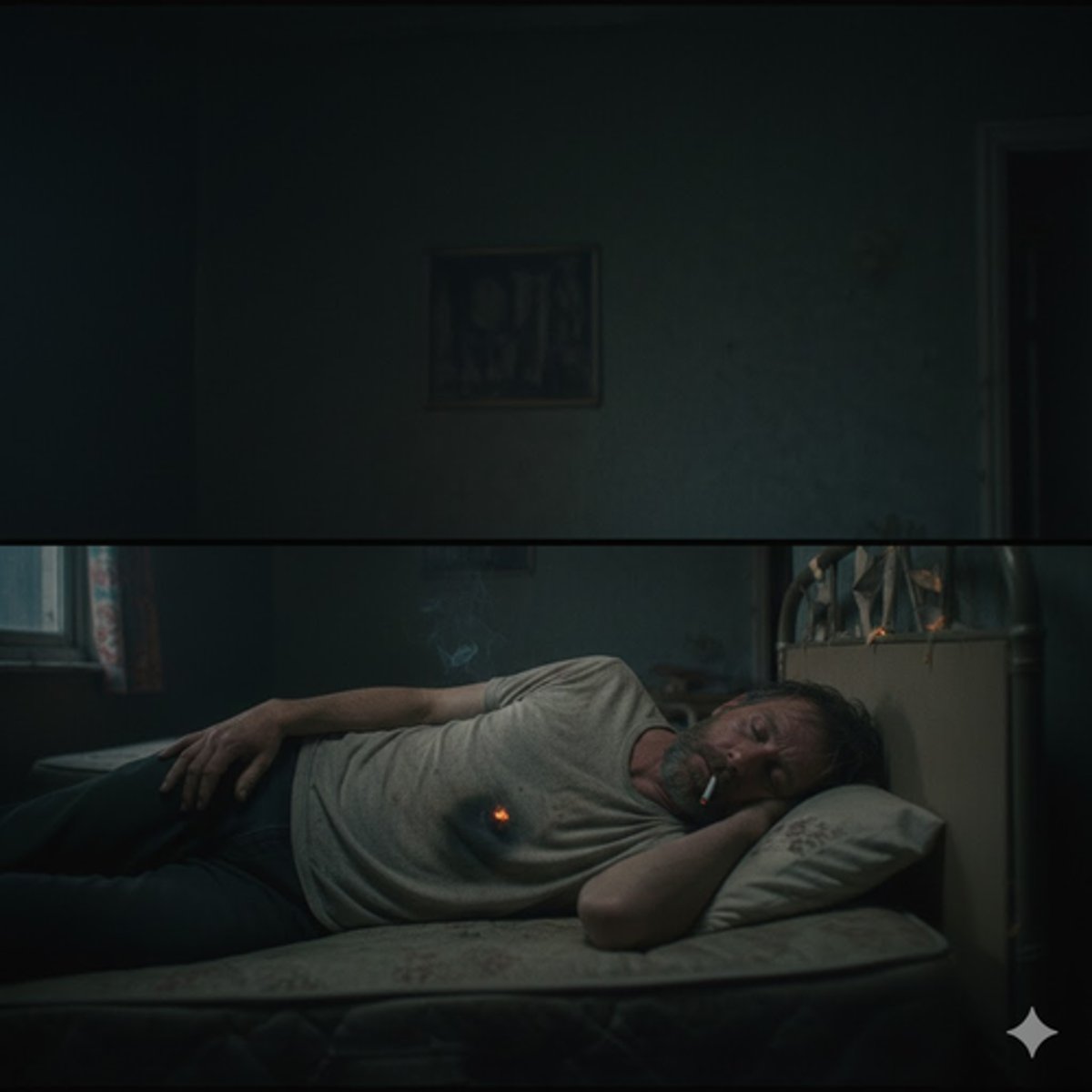
Facts: D accidentally lit a mattress on fire after falling asleep on it with a lit cigarette. Noticed when he woke up but did not call help and instead went to the next room and slept. Woke up to building on fire (arson damage)
Principle: If a person creates a dangerous situation but only later becomes aware of it, they are under a legal duty to take reasonable steps to prevent or limit further harm.
Same principle: R v Santana-Bermudez (2003)
AND
Chapter: Omissions (Duties Imposed on Persons with Special Relationship to the Harm)
Similar Principle: R v Evans (2009)
R v Brown (1994)
Chapter: Contemporaneity and Assault & Battery (Assault)
Facts: Group of sadomasochistic men agreed to sexual acts causing ABH.
Principle: Consent not a defense to ABH or GBH (only minor injuries)
AND
Chapter: The Moral Limits of Criminalisation (Legal Moralism)
Principle: Judge argued not convicting may encourage the seduction and corruption of young men.

R v White (1910)
Chapter: Actus Reus - Causation (But-For Causation)
Facts: D intended on killing mother by poisoning her wine but she died of a heart attack before the poison took effect.
Principle: 'But-for' test can determine factual causation for result crimes.

R v Dalloway (1847)
Chapter: Actus Reus - Causation (Legal Causation)
Facts: D drove a carriage with the reins loose and a child runs into the street who is struck and killed (D could not have stopped in time)
Principle: Even if the defendant was negligent or acting unlawfully, he is not guilty unless that negligence actually caused the victim's death or injury.

R v Williams (2010)
Chapter: Actus Reus - Causation (Legal Causation)
Facts: D drove car carefully without license and V died crossing in front of the car.
Principle: D does not need significant bearing on V's death, merely more than de minimis (disapplies Dalloway)

R v Hughes (2013)
Chapter: Actus Reus - Causation (Legal Causation)
Facts: D drove without license but carefully, whereas V drove under the influence on the wrong lane, colliding with D, killing V.
Principle: 'But-for' test not enough for legal causation, D needs a significant bearing on V's death (reaffirms Dalloway)

R v Pagett (1983)
Chapter: Actus Reus - Causation (Intervening Acts and Events)
Facts: D forcibly takes V(partner) from her home, assaults parents, and uses V as a human shield when firing at police. Police fire back, killing V.
Principle: Where the third-party's act is performing a reasonable act of self-defense in response to D or a reasonable act in the execution of a duty to prevent crime, the causal chain will remain unbroken.

R v Kennedy no. 2 (2007)
Chapter: Actus Reus - Causation (Intervening Acts and Events)
Facts: D prepared heroin syringe after V asked for it. V voluntarily self-injected and died of OD.
Principle: The supplier of a drug cannot be held liable for the death of another in the case of an adult voluntarily using and OD'ing.

Environmental Agency v Empress Car Co (1998)
Chapter: Actus Reus - Causation (Intervening Acts and Events)
Facts: D kept a diesel tank next to a river, surrounded by a bund to collect spills but used an extraction pipe to bypass bund for easy access. Trespasser came onto premises, opened tank, and released diesel into river.
Principle: Trespasser's act was foreseeable given the circumstances; only an extraordinary/unforeseeable act can break the causal chain.

R v Wallace (2018)
Chapter: Actus Reus - Causation (Intervening Acts and Events)
Facts: D threw acid V's face, causing permanent disfigurement and paralysis, and V went to Belgium to seek out euthanasia which was legal sanctioned.
Principle: D's actions must be a significant/operative cause of V's death.

R v Field (2021)
Chapter: Actus Reus - Causation (Intervening Acts and Events)
Facts: D pretended to enter relationship with vulnerable older man and persuaded V to enter him into his will. D encouraged V to drink 60% proof whiskey, knowing of his possible negative reaction, leading to his death.
Principle: Deception/manipulation can vitiate voluntariness and upholds causal chain.

R v Jordan (1956)
Chapter: Actus Reus - Causation (Intervening Acts and Events)
Facts: D stabbed V in the stomach, V admitted to hospital where he improved after surgery. Medical staff later gave V large amounts of antibiotics despite knowing of his allergy, killing him.
Principle: The original harm inflicted by D must no longer be contributing to the eventual result.
Same principle: R v Kirikiri (1982)

R v Blaue (1975)
Chapter: Actus Reus - Causation (Omissions)
Facts: D stabs V who rejects blood transfusion due to religion and dies.
Principle: D must take V as he finds him (physical, psychological, religious characteristics)

R v Morby (1882)
Chapter: Omissions (Why Omissions are Special)
Facts: Father did not summon doctor to treat son due to religious reasons and son died of smallpox.
Principle: There must be a certainty that acting would have saved V for D to be convicted.
Same principle: R v Broughton (2020)

Stone v Dobinson (1977)
Chapter: Omissions (Duties Imposed on Persons with a Special Relationship to the Victim)
Facts: Ds were a couple of limited intellect that took in V (one of the D's sister). V died of anorexia and incompetent neglect (not gross neglect however).
Principle: Duty of care was owed by the Ds as V was related and a lodger.
Same principle: Rex v Russel (1933)
ALSO
Chapter: (Involuntary Manslaughter: Gross Negligence Manslaughter - "Gross" Negligence)
Principle: "Gross" negligence not found where D's are mentally unfit and did initially try to help V

R v Pittwood (1902)
Chapter: Omissions (Duties Imposed on Parties Assuming a Particular Responsibility)
Facts: D, a track operator, failed to shut train gate killing man on track.
Principle: D can be responsible for the consequences of an omission when they have a duty of responsibility to prevent these consequences from occurring.
ALSO
Chapter: Manslaughter (Involuntary Manslaughter: Gross Negligence Manslaughter - Duty of Care)
Principle: Omission of contractual duty warrants a breach of duty of care

R v Evans (2009)
Chapter: Omissions (Duties Imposed on Parties with a Special Relationship to the Harm)
Facts: D, V's half-sister , supplied V with heroin, resulting in her getting ill. D did not seek medical attention and V died.
Principle: The duty is to take measure that lie within one's power to counteract a danger that one has arrested.
ALSO
Chapter: Manslaughter (Involuntary Manslaughter: Gross Negligence Manslaughter - Duty of Care)
Principle: Duty of care exists when D supplies drugs known to be life threatening to V omits to calling help

Airedale NHS Trust v Bland (1993)
Chapter: Omissions (Distinguishing Acts from Omissions)
Facts: D injured in Hillsborough disaster and was in a vegetative state with no sign of recovery. Parents gave permission for doctors to remove the feeding tube, allowing D to die.
Principle: Doctors have a duty to act in the best interests of their patients, but are not necessarily required to prolong their life.
AND
Chapter: Homicide (Homicide Defined: Death)
Principle: A person in a persistent vegetative state or permanent coma is alive so long as the brain stem is still functioning

R v Larsonneur (1933)
Chapter: Omissions (Crimes with No Explicit Behavior Element)
Facts: D illegally entered UK then deported to Ireland where she was then deported back to UK and arrested.
Principle: D is guilty as her circumstances were perfectly immaterial.

Finau v Department of Labour (1984)
Chapter: Omissions (Crimes with No Explicit Behavior Element)
Facts: D prosecuted for remaining in New Zealand after the expiry of her visitor's permit, despite no airline allowing her due to her pregnancy.
Principle: D not guilty if the defense of impossibility is available. (impossible for D to comply with the law)

Shaw v DPP (1962)
Chapter: The Moral Limits of Criminalisation (Legal Moralism)
Facts: D created magazines that contained public adverts for prostitutes.
Principle: D can be convicted of conspiracy to corrupt public morals.

Sweet v Parsley (1970)
Chapter: Mens Rea (Strict Liability Offences)
Facts: D lent out a cabin to tenants who were a group of hippie students. Students smoked pot and were arrested under statute along with D.
Principle: A mental element is an essential ingredient unless Parliament has indicated contrary intention either expressly or by necessary implication.

Gammon Ltd v AG of Hong Kong (1985)
Chapter: Mens Rea (Strict Liability Offences)
Facts: D charged under HK building ordinance after temporary lateral support system collapsed.
Principle: Presumption of MR could be displaced under certain circumstances (Gammon Principles):
i - The presumption applies to statutory offences and can be displaced only if this is clearly or by necessary implication the effect of the statute. (parliamentary intention)
ii - The presumption is particularly strong where the offence is 'truly criminal' in character (stigma)
iii - The only situation in which the presumption can be displaced is where the statute is concerned with an issue of social concern and public safety (social concern)
iv - Even where a statute is concerned with such an issue, the presumption of MR stands unless it can be also shown that the creation of strict liability will be effective to promote the objects of the statute by encouraging greater vigilance to prevent the commission of the prohibited act (effectiveness of strict liability)

PSGB v Storkwain Ltd (1986)
Chapter: Mens Rea (Strict Liability Offences)
Facts: D found guilty of selling medicine based off forged prescriptions despite not knowing they were fake.
Principle: Court examined other parts of the Act and saw that some sections did mention mens rea, while others did not. Because s.58 did not include any reference to mens rea, the court decided this must have been intentional.

Re A (Children) (2001)
Chapter: Mens Rea (Intention)
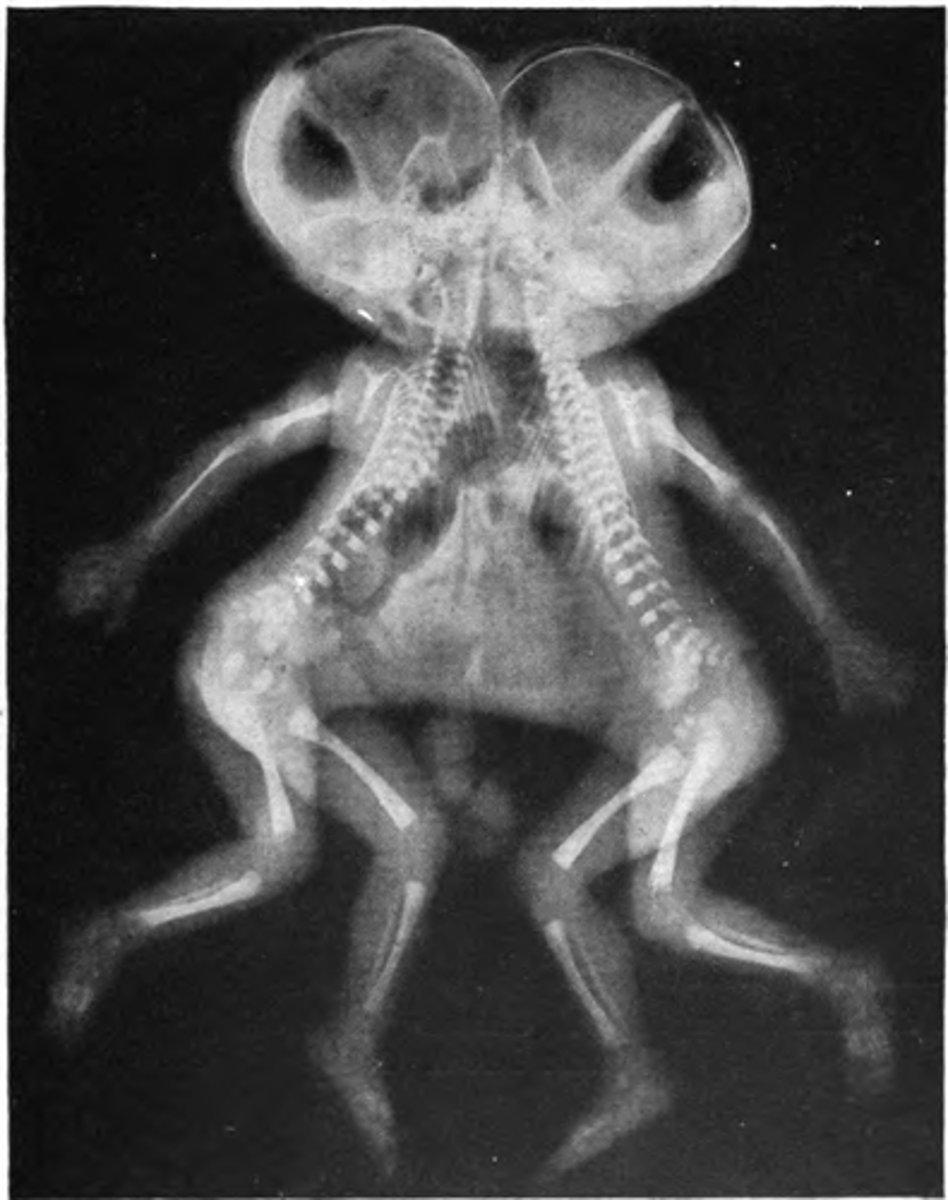
Facts: Conjoined twin J was stronger and kept M alive, but if they stayed together they would both die. Separation would only kill M and keep J alive.
Principle: Necessity defense - it is not D's aim to kill M but to save J, even if it is inevitable that M will die.
R v Cunningham (1957)
Chapter: Mens Rea (Recklessness)
Facts: D rips out gas meter from the wall of an unoccupied house to steal coins and gas leaks into occupied house next door.
Principle: Subjective test - recklessness is one being advert to a risk and willingly taking it.

R v Caldwell (1982)
Chapter: Mens Rea (Recklessness)
Facts: D walks into hotel, gets drink, and burns it down.
Principle: Objective test - recklessness exists where there is an obvious and serious risk that the reasonable person would have seen, and the D either failed to give the risk any thought or recognized it and took it anyway.

R v G&R (2003)
Chapter: Mens Rea (Recklessness)
Facts: Ds (young boys) throw matches in a dumpster for fun, causing a fire resulting in damages.
Principle: Current test - A person acts recklessly with respect to a circumstance when he is aware of a risk that exists or will exist and it is, in the circumstances known to him, unreasonable to take that risk. (argued against unfairness of Caldwell)
ALSO
Chapter: Criminal Damage (MR: Recklessness)
Principle: A person is reckless under CDA with respect to: (i) a circumstance when they are aware of a risk that it exists or will exist, (ii) a result when they are aware of some risk that it will occur, and (iii) it is, in the circumstances known to them, unreasonable to take the risk.

R v Sheehan and Moore (1975)
Chapter: Mens Rea (Intoxication: Voluntary vs Involuntary Intoxication)
Facts: Ds, in a drunken state, poured petrol over a man and set him alight, killing him.
Principle: In cases of drunkenness and its possible effect on the D's MR, a drunken intent is nevertheless an intent.

R v Kingston (1994)
Chapter: Mens Rea (Intoxication: Voluntary vs Involuntary Intoxication)
Facts: D was involuntarily drugged by a friend who set him up to perform sexual acts on a 15 y/o boy. He set this up as he know of D's sexual fantasies and used the recorded footage as blackmail. D reported this to the police.
Principle: Conviction holds where D is still aware of his wrongful actions while intoxicated (intentionally or unintentionally). and while he lacks MR initially, he formed it later.

R v Taj (2018)
Chapter: Mens Rea (Intoxication: Voluntary vs Involuntary Intoxication)
Facts: D suffering drug-induced psychosis, wrongly believed a stranded motorist was a terrorist and attacked him with a tyre lever after police had confirmed there was no threat.
Principle: D's previous state of intoxication leading to psychosis is capable of being caught within the intoxication rules (guilty).

R v Allen (1988)
Chapter: Mens Rea (Intoxication: Voluntary vs Involuntary Intoxication)
Facts: D made homemade wine that he did not expect to be so strong and argued he was involuntarily intoxicated after SA'ing the V.
Principle: It is sufficient if D knew he was drinking alcohol to be voluntarily intoxicated, even if he was unaware of/underestimated the amount of effect.

DPP v Majewski (1978)
Chapter: Mens Rea (Intoxication: Basic vs Specific Intent Crime)
Facts: D, under the influence of drugs and alcohol in a pub, assaulted the officers that tried to arrest him arguing he was in an 'automotive state'
Principle: Drew distinction between basic and specific intent crimes. In case of basic intent crimes, voluntary intoxication cannot form the basis of a defence, even if the intoxication produces a risk of automation.

R v RIchardson (1998)
Chapter: Mens Rea (Intoxication: Basic vs Specific Intent Crime)
Facts: Students get drunk at residence and dangle V off the balcony but accidentally dropped him causing GBH.
Principle: To be guilty with the crime with the MR of recklessness while intoxicated. The risk of harm must be foreseeable to the D when sober, and not just foreseeable to a reasonable person when sober.

AG for Norther Ireland v Gallagher (1963)
Chapter: Mens Rea (Intoxication: Basic vs Specific Intent Crime)
Facts: D drank a lot of whiskey, intending to kill his wife while drunk.
Principle: "Dutch courage" - intoxicated intention is still intention as both AR and MR are present at the earlier point in time when D became intoxicated.

R v Bailey (1983)
Chapter: Mens Rea (Intoxication: Dangerous vs Non-Dangerous Drugs)
Facts: D (diabetic) took insulin but did not follow the prescribed diet and inflicted GBH on V.
Principle: Not common knowledge that a man may do aggressive or unpredictable things after taking a non-dangerous drug (insulin not considered dangerous/Majewski not applied)
Same Principle: R v Hardie (1985)

R v Moloney (1985)
Chapter: Murder and Intention (Intention)
Facts: D and stepfather in loving relationship; D shot stepfather during drunken game.
Principle: "Golden Rule" - Foresight of consequences is not the same as intention. Jurors may consider foresight only as evidence from which intention may be inferred.

R v Woolin (1999)
Chapter: Murder and Intention (Intention)
Facts: D frustrated with baby's crying, throwing it to the ground and killing it.
Principle: "Virtual Certainty Test" - If death of GBH is a virtual certainty as a result of D's actions and D appreciated that this was the case.

Hyam v DPP (1975)
Chapter: Murder and Intention (Intention)
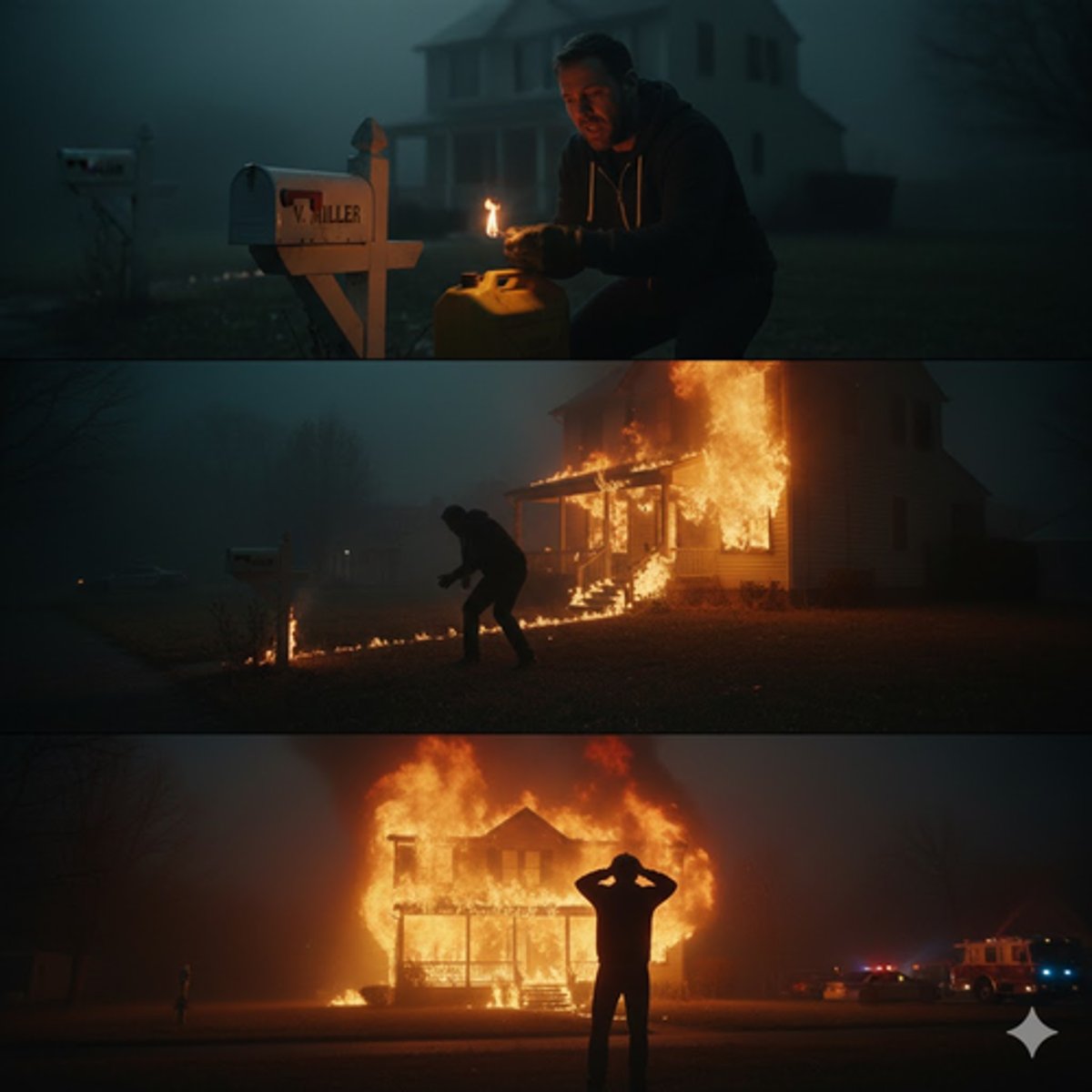
Facts: D lit V's mailbox on fire to frighten her to leave the area but accidentally set fire to the house and killed V's children.
Principle: Where the "Test of failure" does not apply, foresight of consequences can amount to intention.
ALSO
Chapter: Manslaughter (Involuntary Manslaughter: Constructive Manslaughter - no 'aimed at' requirement)
Principle: Act to be aimed at V is not a requirement
AG's Reference (No 3 of 1994) (1997)
Chapter: Homicide (Homicide Defined: Human Beings)
Facts: D stabbed V(pregnant) who prematurely gave birth to a baby who died soon after.
Principle: Post-natal deaths resulting from pre-natal injury fall within the domain of homicide.
ALSO
Chapter: Manslaughter (Involuntary Manslaughter: Constructive Manslaughter - a dangerous criminal act)
Principle: Dangerous act need not be aimed at V, but risk of harm must be to V

R v Adams (1957)
Chapter: Homicide (Homicide Defined: Causation)
Facts: D(doctor) administered lethal dose of painkillers to terminally ill patient.
Principle: A doctor seeking to relieve a patient's pain is not guilty of murder if, as a result of the treatment, the patient's life is inadvertently shortened.

R v Dahaliwal (2006)
Chapter: Homicide (Homicide Defined: Causation)
Facts: D psychologically and physically abused V(wife) who took her life.
Principle: To prove the harm required for manslaughter, the V must have suffered from a recognized psychiatric illness. (similar to novus actus in Wallace (2018))

Nicklinson v Ministry of Justice (2014)
Chapter: Homicide (Homicide Defined: Acts, Omissions and Homicide)
Principle: A doctor switching off a life support machine is an omission, while an interloper switching off a life support machine is an act.

R v Vickers (1957)
Chapter: Homicide (Murder)
Facts: D broke into V's home to steal but beat her to conceal his identity. V later died of her wounds.
Principle: The intention to cause GBH is sufficient to establish the MR if murder.

R v Kohn (1979)
Chapter: Theft (Property s4: Things in Action)
Facts: D stole money from employers using company cheques
Principle: A debt is a thing in action which cannot be physically handled but only secured by action (can be stolen)

Oxford v Moss (1979)
Chapter: Theft (Property s4: Confidential Information)
Facts: D, an Oxford student, copied the answers of the exam paper then returned it.
Principle: Theft of information is not theft, as there had been no appropriation of property.

R v Kelly & Lindsay (1998)
Chapter: Theft (Property s4: Body Parts)
Facts: Ds had access to Royal College of Surgeons to draw anatomical specimens but removed body parts to make metal casts out of.
Principle: Parts of a corpse are capable of being property if they acquire different attributes by application of skill (e.g. preservation, dissection, etc)

R v Smith (2011)
Chapter: Theft (Belonging to Another s5: Possession)
Facts: D took V's heroin by force, then argued that heroin could not be property belonging to another since its possession is already illegal
Principle: One can steal property from someone who possesses it unlawfully

R v Woodman (1974)
Chapter: Theft (Belonging to Another s5: Possession/Control Without Awareness)
Facts: D stole some scrap metal from a scrapyard, arguing that the owner was not aware of that particular piece of scrap
Principle: A person may have possession/control of property for someone to steal it and awareness of its existence need not exist, so long as intention to exercise control over the land it is on exists (e.g. barbed wire)
Same Principle: R v Rostron (2003)

R v Turner (No 2) (1971)
Chapter: Theft (Belonging to Another s5: Stealing One's Own Property)
Facts: D stole his own car from garage that had possession of it so as not to pay for repairs.
Principle: New offence under Theft Act of making off without payment.
ALSO
Chapter: Fraud (Making Off Without Payment: Thet Act (1978) s3)

R v Pitham & Hehl (1997)
Chapter: Theft (Appropriation s3)
Facts: D offers to sell furniture from V's house who was in jail.
Principle: An offer to sell property is an assumption of the right to dispose of the owner's interest, which constitutes appropriation

Lawrence v MPC (1971)
Chapter: Theft (Appropriation s3)
Facts: Italian student unable to speak English handed her wallet to her taxi driver who took excess money.
Principle: Consent is irrelevant to appropriation as Parliament deliberately omitted the phrase "without consent of the owner" in the Theft Act
R v Morris (1984)
Chapter: Theft (Appropriation s3)
Facts: Ds switched labels of goods in supermarkets, to pay a lesser price for a more expensive good
Principle: Appropriation involves 'an adverse interference with or usurpation' not expressly or impliedly authorised by the owner, and is satisfied by the assumption of any of the owner's rights. Not necessarily all of them.

R v Gomez (1993)
Chapter: Theft (Appropriation s3)
Facts: D, an assistant shop manager, knowingly helped two accomplices use stolen cheques by persuading the shop manager to accept them in payment for goods.
Principle: Defined appropriation as any assumption of any right of an owner, even if the property passes to the D with the owner's consent, overturning Morris and upholding Lawrence.

R v Hinks (2000)
Chapter: Theft (Appropriation s3)
Facts: D was a carer for a man of limited intelligence (V). D persuaded V to make a series of payments to her from his bank account which she contended were gifts.
Principle: Extends Lawrence and Gomez; a valid civil law gift can be an appropriation where the giftor acted dishonestly.

R v Holden (1991)
Chapter: Theft (Dishonesty s2)
Facts: D(tire fitter) took replaced tires home as many co-workers did the same despite rule that prohibited it.
Principle: Judged entirely subjectively; it is Ds belief alone that counts, not what he is actually permitted from doing.

R v Falconer-Atlee (1974)
Chapter: Theft (Dishonesty s2)
Facts: D(dog breeder) convicted of stealing dog (purchased dog A but took dog B unknowingly)
Principle: Trial judge wrongly stopped case instead of letting jury decide on direction of s2(1)(a) (Belief in right in law)

R v Barton and Booth (2020)
Chapter: Theft (Dishonesty s2)
Facts: D ran a luxury nursing home and befriended vulnerable wealthy senior citizens, manipulating them into extracting large sums of money via 'gifts', influencing their wills, and inflating fees.
Principle: Followed Ivey and rejected Ghosh test and references Hinks 'gift' defense

Ghosh (1982)
Chapter: Theft (MR: Dishonesty s2 - case law)
Facts: D (hospital consultant) claimed to have carried out NHS surgery to claim someone else's money
Principle: Ghosh test - (i) Objective limb: was the conduct dishonest by the standards of ordinary, honest people? (ii) Subjective limb: did the D realise the honest people would see it as dishonest?

Ivey v Genting Casinos (2017)
Chapter: Theft (MR: Dishonesty s2 - case law)
Facts: D (celebrity gambler) made requests at casino for dealer to play with one pack and use asymmetric cards. Won GBP 7.7 million over 2 days but casino refused to pay over allegations of 'edge sorting' (memorisation technique made illegal)
Principle: Disapplied Ghosh test; Ivey test - (i) Factual determination (subjective knowledge): determining what the D knew and what the circumstances were. (ii) Objective evaluation: given that knowledge, would an ordinary decent person say what was done was dishonest? (test now primarily objective)

Crump (1825)
Chapter: Theft (MR: Intention to Permanently Deprive s6)
Facts: D snuck onto farm, stole saddles, and rode off with V's horse, left it, and sold the saddles.
Principle: D guilty of theft of saddles but not of horse (temporary deprivation is not enough for theft)

Kempton Bunton (1961)
Chapter: Theft (MR: Intention to Permanently Deprive s6)
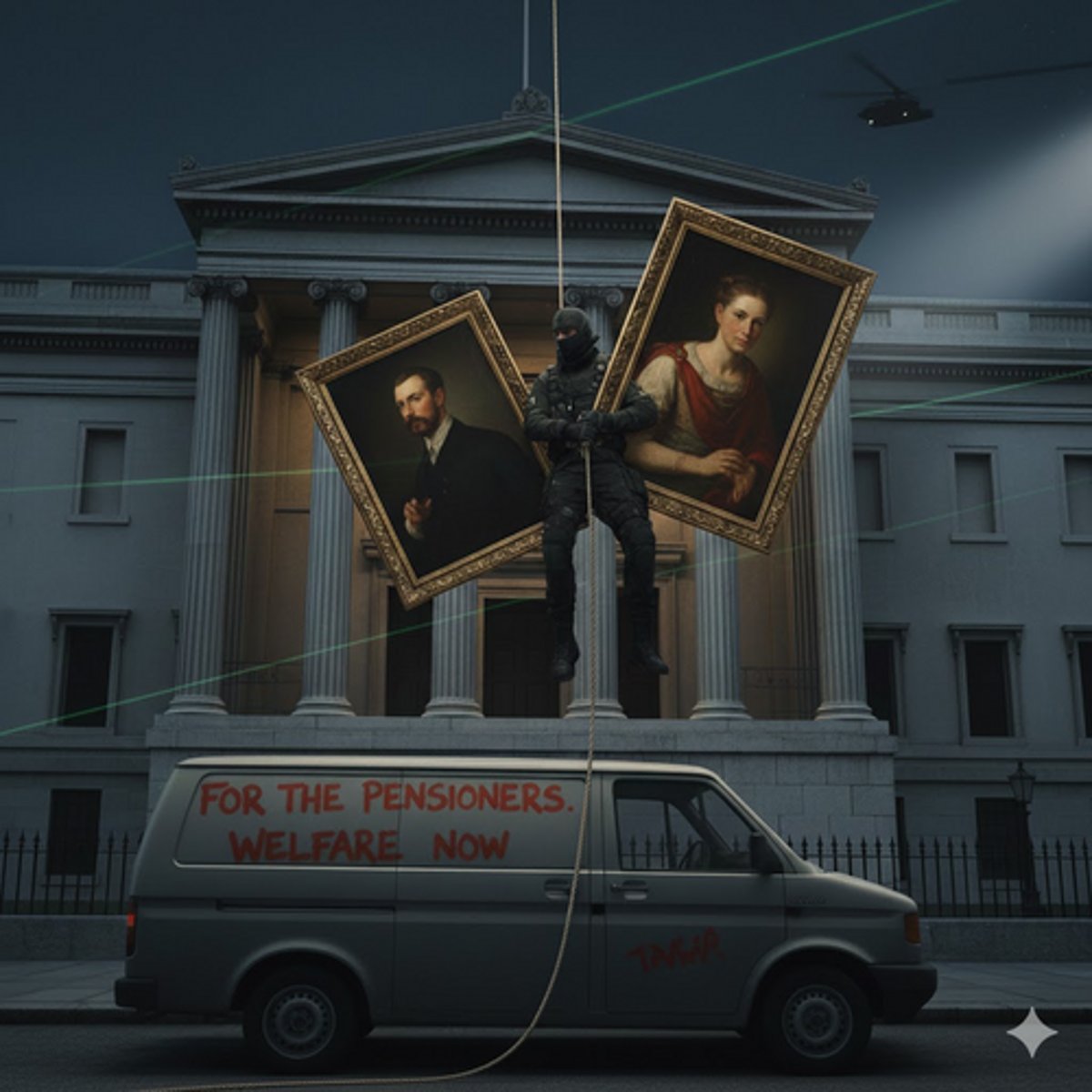
Facts: D stole Goya paintings from National Gallery and held them for random in exchange for greater welfare benefits for pensioners.
Principle: D can be guilty of theft if they temporarily deprive a public article.
Rafael (2008)
Chapter: Theft (MR: Intention to Permanently Deprive s6)
Facts: D took V's car and ransomed it back for GBP 500
Principle: D liable under s6(1) ('his intention is to treat the thing as his own to despense of regardless of the other's rights.')

Lloyd (1985)
Chapter: Theft (MR: Intention to Permanently Deprive s6)
Facts: D(projectionist) took and captured reels to pirate, returning the reels back to the cinema after.
Principle: Borrowing can only carry the intention to permanently deprive where the intention was to return it in a changed state.

Volumyl I (1989)
Chapter: Theft (MR: Intention to Permanently Deprive s6)
Facts: D took cash from company safe and returned it after the weekend
Principle: Notes taken can be non-fungible if exact notes are not returned

Mitchell (2008)
Chapter: Theft (MR: Intention to Permanently Deprive s6)
Principle: Where a car is used as a getaway vehicle then abandoned, there is no intention to permanently deprive unless returned in a different state.

Cox v Riley (1986)
Chapter: Criminal Damage (AR: Property)
Facts: D intentionally deleted a program that operated a compterised saw, rendering it inoperable.
Principle: Deletion of a program can be criminal damage

Roe v Kingerlee (1986)
Chapter: Criminal Damage (AR: Destroys or Damages)
Facts: D smeared mud on police cell wall that cost GBP 7 to clean
Principle: Damage required time, effort, and cost to remove and interfered with property's appearance and function

Whitely (1991)
Chapter: Criminal Damage (AR: Destroys or Damages)
Facts: D hacked system and altered info stored on discs, causing computers to fail
Principle: Affirmed that property being destroyed must be tangible

R v A (a juvenile) (1978)
Chapter: Criminal Damage (AR: Destroys or Damages)
Facts: D spit on policeman's uniform
Principle: Not damage if easy to remove/remedy the issue

Hardman v Chief Constable of Avon and Somerset Constabulary (1986)
Chapter: Criminal Damage (AR: Destroys or Damages)
Facts: D painted silhouettes on pavement with water-soluble paints that would wash away in a few days. Council paid for jet wash to remove it immediately.
Principle: Constitutes damage if V pays to remedy damage, even if they could have done nothing and it would have fixed itself.
Fiak (2005)
Chapter: Criminal Damage (AR: Destroys or Damages)
Facts: D blocked police cell toilet with blanket, flooding cells.
Principle: Damage exists where the property is rendered unusable, even temporarily.

Morphitis v Salmon (1990)
Chapter: Criminal Damage (AR: Destroys or Damages)
Facts: D scratched scaffolding on building
Principle: No damage where there is no impairment to the property's useability or value

R v Smith (David) (1979)
Chapter: Criminal Damage (MR: Recklessness)
Facts: To install wiring for his stereo system, D installed panels and flooring to cover wires with his landlord's permission. Under civil law, panelling and flooring are fixtures that belong to the landlord.
Principle: No criminal damage where D causes damage in an honest/mistaken belief that the property is his own.

Faraj (2007)
Chapter: Criminal Damage (Lawful Excuse: CJIA s76(2))
Facts: D forcibly detained V who was a gas repairman because D believed he was a burglar.
Principle: D charged with false imprisonment despite case of mistaken belief.

Denton (1981)
Chapter: Criminal Damage (Lawful Excuse: CDA s5(2)(a))
Facts: D set fire to employer's cotton mill after he said, "there is nothing like a good fire for
improving the financial circumstances of a business".
Principle: D innocent of criminal damage where he genuinely believed ha had consent from
someone entitled to give it.

AG’s Reference No.1 of 2023 (2024)
Chapter: Criminal Damage (Lawful Excuse: CDA s5(2)(a))
Facts: Just Stop Oil protest involved vandalism; they argued the company would have consented if they knew of the impacts of global warming.
Principle: D must genuinely believe the owner would have consented; not just that they may or should have (the damage cannot be an instrument of persuasion). Moreover, the circumstances must directly relate to the damage itself, not broader political/ethical motivations.

Jaggard v Dickinson (1980)
Chapter: Criminal Damage (Lawful Excuse: CDA s5(2)(a))
Facts: D gets intoxicated and gets consent to sleep at friend's house. Tries key but it does not work, so she breaks window to enter but it is the wrong house.
Principle: A belief in consent can be just as much honestly held if it is induced by intoxication (treated differently to the rest of the law)

Chamberlain v Lindon (1998)
Chapter: Criminal Damage (Lawful Excuse: CDA s5(2)(b))
Facts: Following a dispute about the extent of D's right of way over part of V's land, V built a wall restricting D's vehicular access which D then destroyed.
Principle: D innocent of criminal damage where he protects his property rights when acting under s5(2)(b) and does so reasonably.

Hunt (1977)
Chapter: Criminal Damage (Lawful Excuse: CDA s5(2)(b))
Facts: D set fire to bedding to draw attention to defective fire alarm
Principle: The act did not offer immediate protection of property, and the action taken could not objectively be seen as capable of protecting property even if D's motive was protection.

Hill and Hall (1988)
Chapter: Criminal Damage (Lawful Excuse: CDA s5(2)(b))
Facts: D caught with tools to break into naval base but claimed she intended to bring about its abandonment as, if a nuclear strike were to happen, the base would be a target, in which case nearby properties (including hers) would be destroyed.
Principle: Since the threat was not 'immediate' as outlined in s5(2)(b), D had not right to protect her property with similar 'immediate action'.

Ziegler v DPP (2021)
Chapter: Criminal Damage (The Reasonable Exercise of Convention Rights)
Facts: Demonstration blocking highway to protest arms trade
Principle: Proportional test to see if D has a lawful excuse to the underlying criminal act

Hutchinson v Newbury Magistrate’s Court (2000)
Chapter: Criminal Damage (The Reasonable Exercise of Convention Rights)
Facts: Anti-nuclear protestor broke open perimeter fence at Atomic Weapons Establishment.
Principle: Art 10 ECHR does not allow the protestor to express themselves in whatever mode they choose; it must be a proportionate response as there are other ways to show disapproval that causing a crime or nuisance.

Parker (1993)
Chapter: Criminal Damage (Aggravated Criminal Damage and Arson)
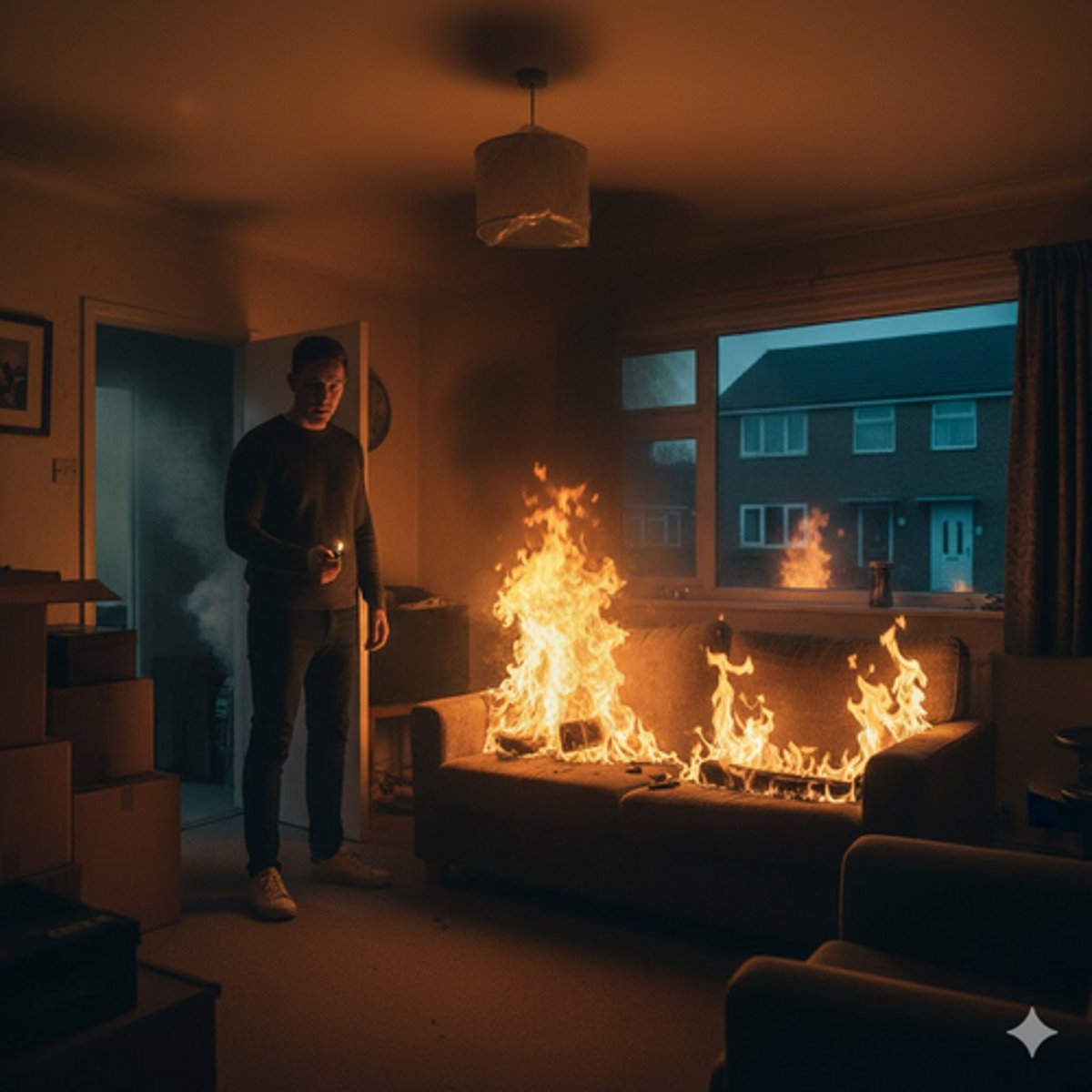
Facts: D deliberately set fire to a sofa in his council house to help his landlady get rehoused, causing smoke to spread into the neighbours' home, though he did not consider the risk to them and they were not present.
Principle: Arson conviction upheld as well as aggravated criminal damage as it is not necessary to prove life was actually in danger.
Steer (1988)
Chapter: Criminal Damage (Aggravated Criminal Damage and Arson)
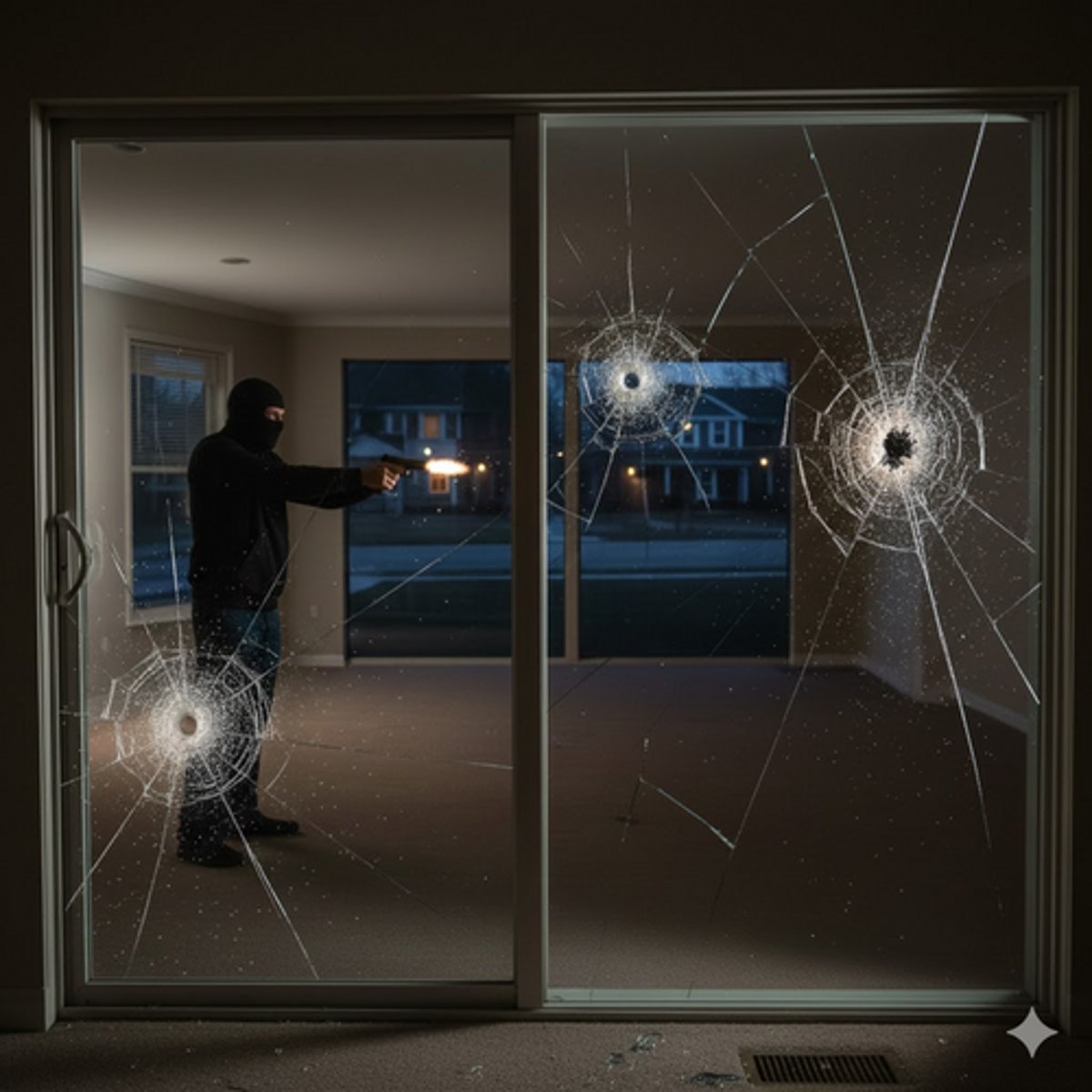
Facts: D fired bullets at V's windows, intending to cause damage and reckless as to V's life being endangered.
Principle: Damage must cause endangerment (broken glass did not endanger V, the bullets
did)
Gilbert (2012)
Chapter: Fraud (Common Elements of Fraud Offences)
Facts: D told lies to bank to persuade it to open an account which she planned on using to make deals to earn money.
Principle: Conviction of fraud quashed where gains too remote from initial fraud

Gilmartin (1983)
Chapter: Fraud (Fraud by False Misrepresentation s2)
Principle: In giving a cheque, the drawer impliedly represents that the state of facts existing at the date of delivery of the cheque will be met.
Rai (2000)
Chapter: Fraud (Fraud by False Misrepresentation s2)
Facts: D obtained grant from Council to install a bathroom for his aged and infirm mother, however she died before work commenced and D remained silent.
Principle: Allowing works to continue without explaining a change of circumstances amounts to fraud.
ALSO
Chapter: Fraud (Fraud by Failing to Disclose Information s3)
Principle: Possible overlap with false representation and failure to disclose information

Re Holmes (2004)
Chapter: Fraud (Fraud by False Misrepresentation s2)
Facts: D dishonestly secured a bank transfer using a wholly automated process.
Principle: A representation is made if submitted to any system designed to receive, convey, or respond to communications

Silverman (1988)
Chapter: Fraud (Fraud by Abuse of Position s4)
Facts: D grossly overcharged elderly spinsters for redecorating house
Principle: D could be guilty under s4 if in position of mutual trust which had built up over a number of years

Jheeta (2007)
Chapter: Fraud (Dishonestly Obtaining Services s11)
Facts: D persuaded his girlfriend with false information to continue having sex with him
Principle: D not convicted under s11 as sex is not a chargeable service in a relationship

R v D (2019)
Chapter: Fraud (Dishonestly Obtaining Services s11)
Principle: No legal duty for a resident to notify a local authority of their continued residence in a property for council tax purposes.
Allen (1985)
Chapter: Fraud (Making Off Without Payment: Thet Act (1978) s3)
Facts: D left hotel without paying but argued he intended to return to pay in a few days time
Principle: Intent required is to avoid payment permanently, not just at the time expected.

Troughton (1987)
Chapter: Fraud (Making Off Without Payment: Thet Act (1978) s3)
Facts: D(drunk) got into heated argument with taxi driver who stopped at police station, causing D to run off.
Principle: No conviction under Theft Act (1978) s3 where the service to be paid for had not been completed.

Vincent (1991)
Chapter: Fraud (Making Off Without Payment: Thet Act (1978) s3)
Facts: D stayed at two hotels, falsely claiming to have financial difficulties and made arrangements to pay at a later date.
Principle: Agreements to pay at a later date are valid even if procured dishonestly (can be convicted under Fraud Act s2)

Gurpinar (2015)
Chapter: Manslaughter (Voluntary Manslaughter)
Principle: Partial defence of loss of control under Coroners and Justice Act (2009) differs from old defence of provocation and consists of 3 components: (i) loss of control, (ii) a qualifying trigger, (iii) an objective element (how a reasonable person would have acted in D's circumstances)
Jewell (2014)
Chapter: Manslaughter (Voluntary Manslaughter: Loss of Self-Control)
Facts: D armed himself with makeshift weapons and gear 12 hours before killing V
Principle: 'Loss of self-control' defined as the 'loss of the ability to act in accordance with considered judgement or a loss of normal powers of reasoning'. The greater the level of deliberation, the less likely it will be that the killing followed a true loss of self-control (revenge exclusion)

Dawes (2013)
Chapter: Manslaughter (Voluntary Manslaughter: Loss of Self-Control)
Facts: Man caught wife cheating, attacked boyfriend with vodka bottle who then attacked back; D in turn grabbed a knife and killed him
Principle: For the individual with normal capacity of self-restraint and tolerance, unless the circumstances are extremely grave, normal irritation and even serious anger do not often cross the threshold into loss of control.
ALSO
Chapter: Manslaughter (Voluntary Manslaughter: Objectively Justifiable)
Principle: D ineligible for objective justification where he incited act to generate an excuse to use violence.