Oceanic Dolphins

0.0(0)
Studied by 0 people
call kaiCall Kai
learnLearn
examPractice Test
spaced repetitionSpaced Repetition
heart puzzleMatch
flashcardsFlashcards
GameKnowt Play
Card Sorting

1/7

flashcard set

Earn XP

Description and Tags

All species of dolphins ID with basic scientific information

Last updated 1:02 PM on 5/23/26
Name
Mastery
Learn
Test
Matching
Spaced
Call with Kai

No analytics yet

Send a link to your students to track their progress

8 Terms
1
New cards
term image

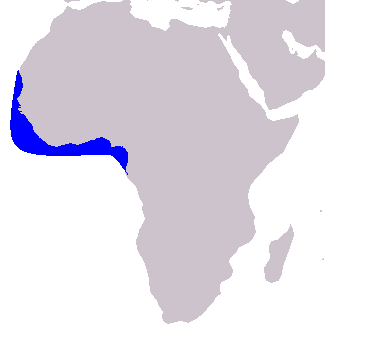
Atlantic humpback dolphin
(Sousa teuszii)
-Tropical to subtropical west coast of Africa in the southeastern Atlantic Ocean
-Shallow coastal and estuarine waters in the marine Neritic zone
-Up to 2.8 m long
-Grey or white coloration
-Distinct humps under their dorsal fins
<p><strong>Atlantic humpback dolphin</strong><br><span>(</span><strong><em>Sousa teuszii</em></strong><span>)</span><br>-<span>Tropical to subtropical west coast of Africa in the southeastern Atlantic Ocean</span><br>-<span>Shallow coastal and estuarine waters in the marine </span>Neritic zone<br><span>-Up to 2.8&nbsp;m long</span><br>-Grey or white coloration<br>-<span>Distinct humps under their dorsal fins</span></p>
2
New cards
<p></p>

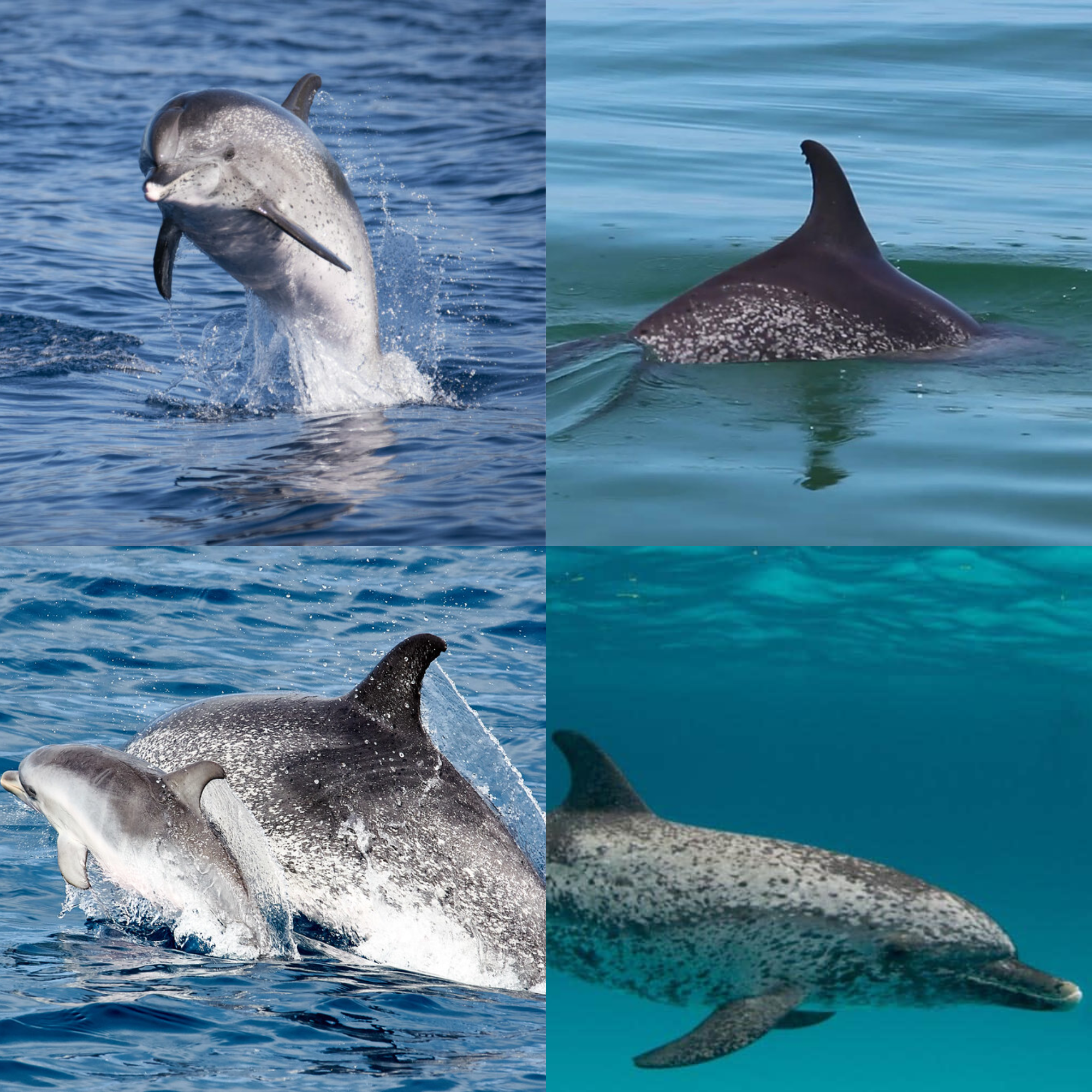
Atlantic spotted dolphin
(Stenella frontalis)
-Warm temperate and tropical waters of the Atlantic Ocean
-Young Atlantic spotted dolphins do not have spots
-Speckling occurs between 3 and 4 years
-Spots become denser and spread until the body appears black with white spots
-Curved, spotless, black dorsal fin on their mid-back
-2.26 m (M), 2.29 (F)
-Five-50 individuals but sometimes travel in groups of up to 200
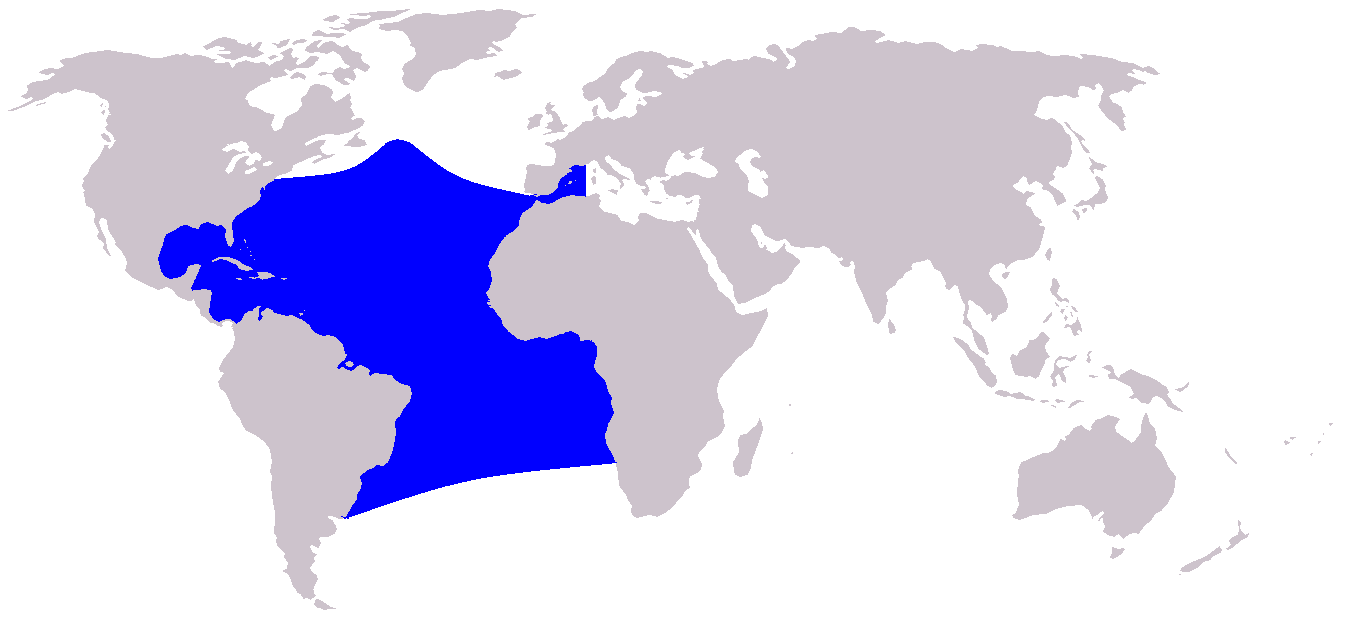
<p><strong>Atlantic spotted dolphin</strong><br><span>(</span><strong><em>Stenella frontalis</em></strong><span>)</span><br><span>-Warm temperate and tropical waters of the Atlantic Ocean</span><br><span>-Young Atlantic spotted dolphins do not have spots</span><br><span>-Speckling occurs between 3 and 4 years</span><br><span>-Spots become denser and spread until the body appears black with white spots</span><br><span>-Curved, spotless, black dorsal fin on their mid-back</span><br><span>-2.26&nbsp;m (M), 2.29 (F)</span><br><span>-Five-50 individuals but sometimes travel in groups of up to 200</span></p>
3
New cards
<p></p>

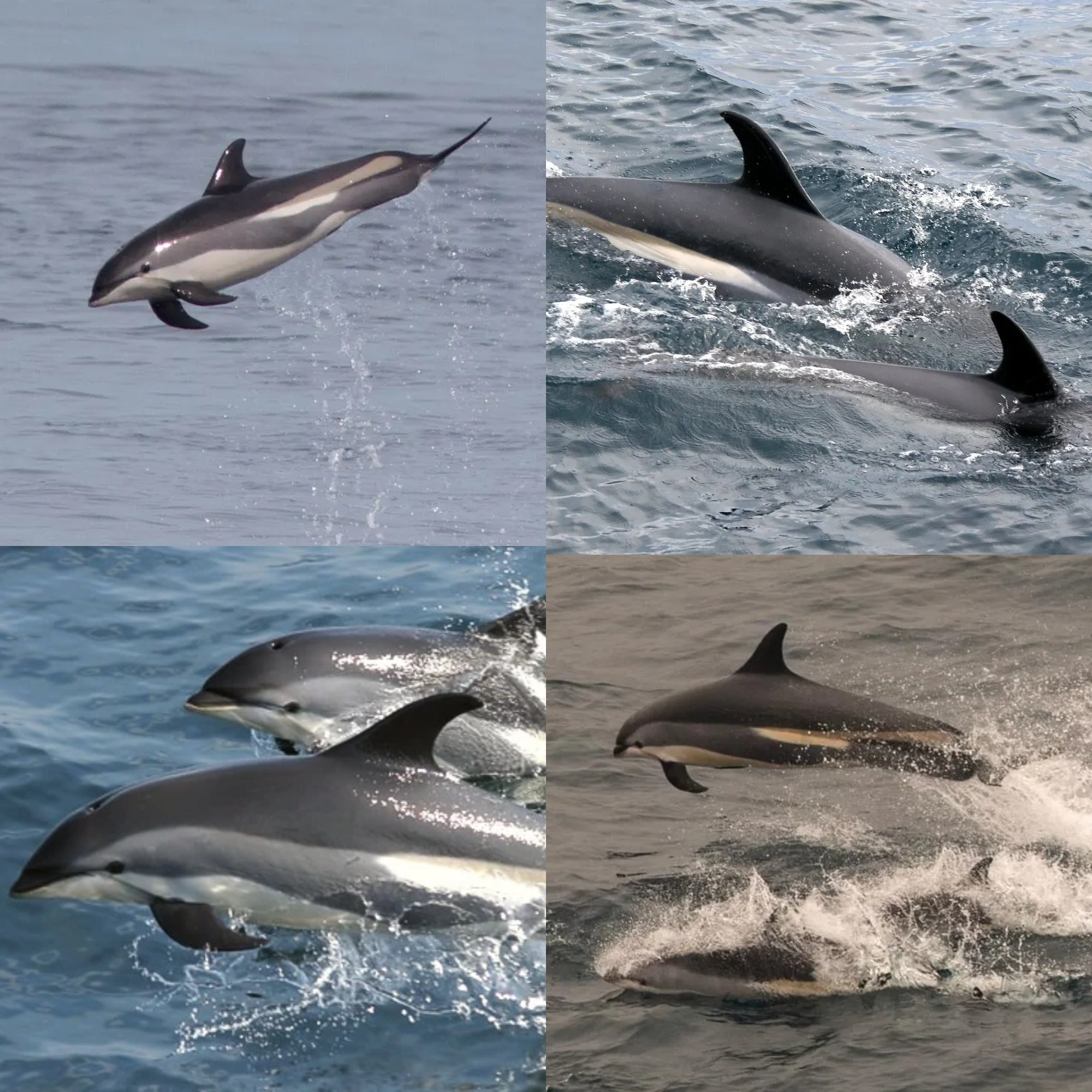
Atlantic white-sided dolphin
(Leucopleurus acutus)
-Cool to temperate waters of the North Atlantic Ocean.
-White to pale-yellow patch behind the dorsal fin on both sides of the body
-2.8 m (M), 2.5 m (F)
-Diet: Opportunistic carnivores, mainly herring, hake, and squid
-Pod size varies, with an average of 50
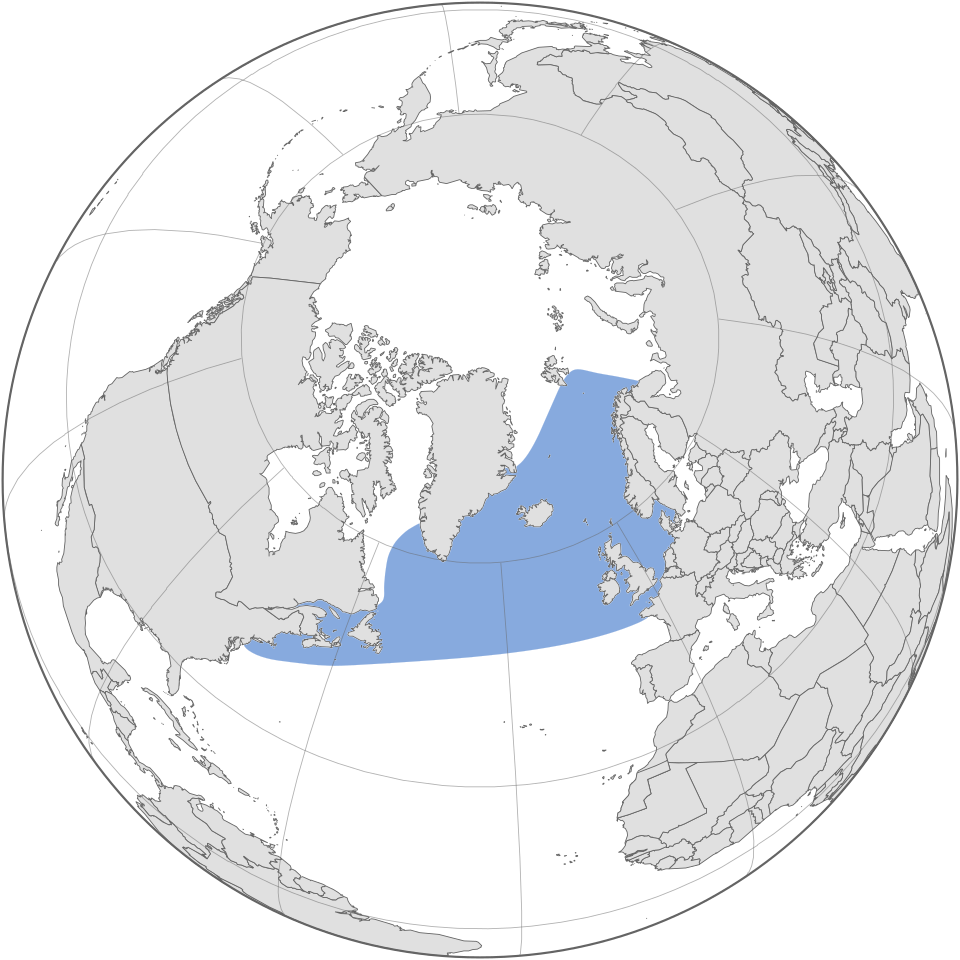
<p><strong>Atlantic white-sided dolphin</strong><br>(<strong><em>Leucopleurus acutus</em></strong>)<br>-Cool to temperate waters of the North Atlantic Ocean.<br>-<span>White to pale-yellow patch behind the dorsal fin on both sides of the body</span><br><span>-2.8&nbsp;m (M), 2.5&nbsp;m (F)</span><br><span>-Diet: Opportunistic carnivores, mainly herring, </span>hake,<span> and squid</span><br><span>-Pod size varies, with an average of 50</span></p>
4
New cards
term image

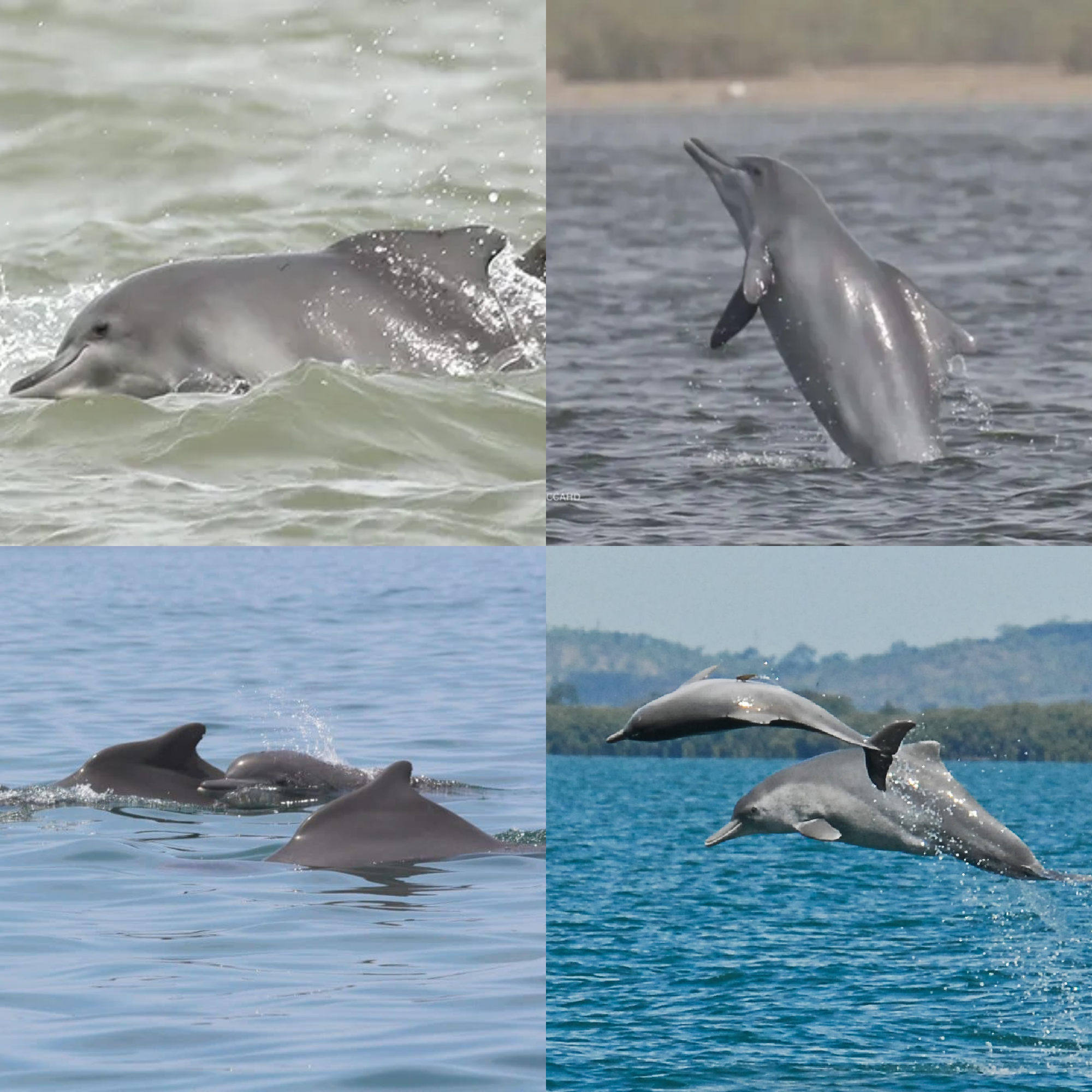
Australian humpback dolphin
(Sousa sahulensis)
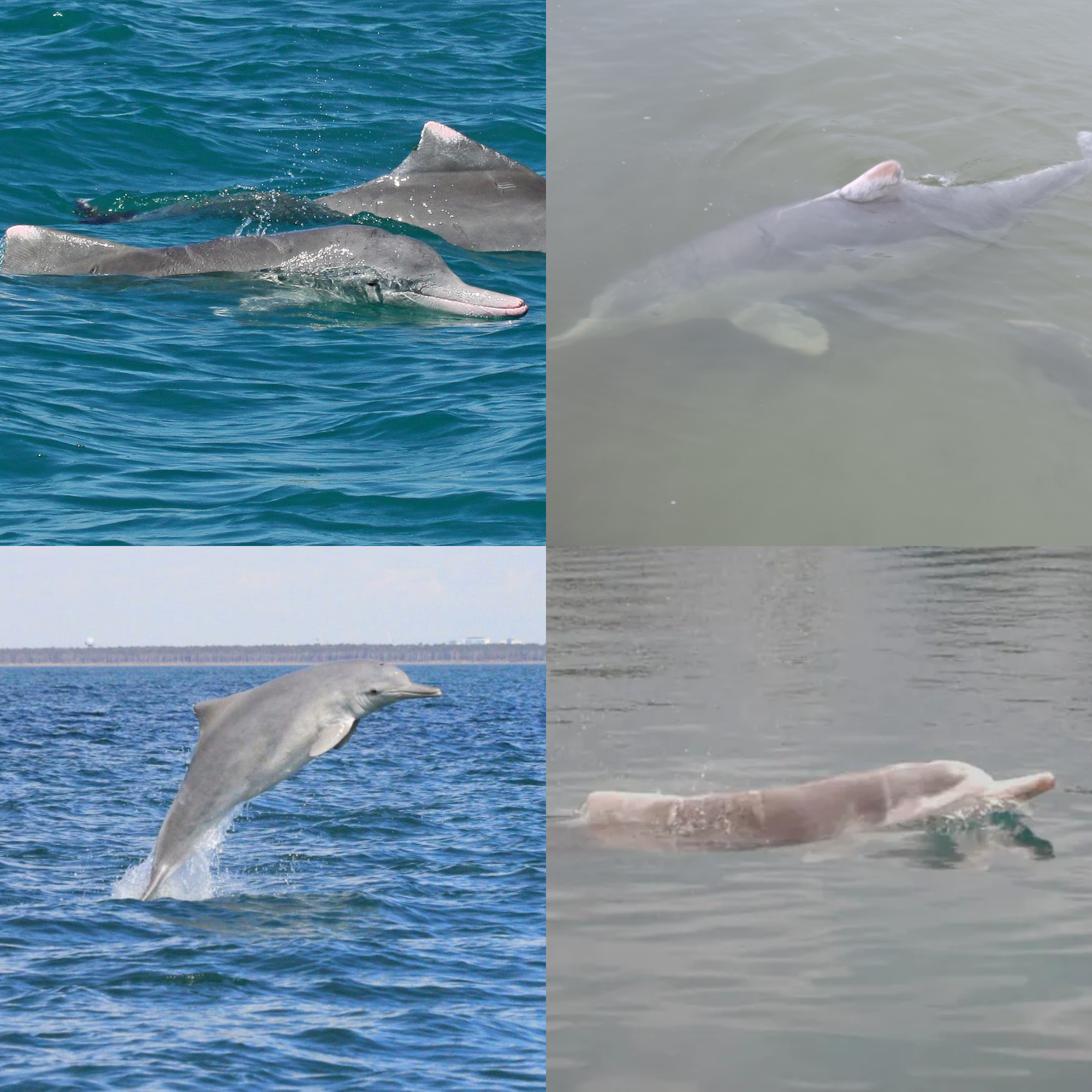
-Dorsal fin is short, triangular in shape
-Lacks the dorsal "hump" typical of humpback dolphins
-Dark gray in color, with flanks shading to the light gray
-White scarring and dark flecking are common in adults
-1-2.7m
-Diet: opportunistic, generalist feeders
-Chase fish into shallow water and beach themselves to catch their prey
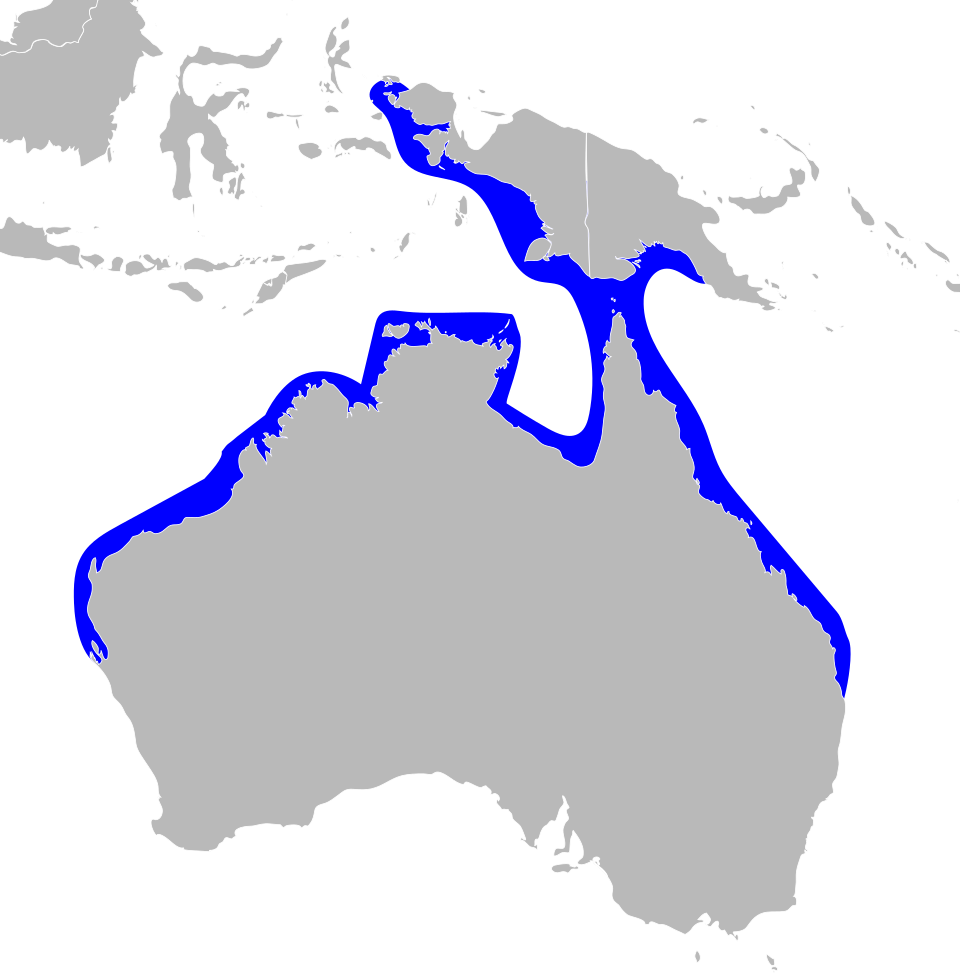
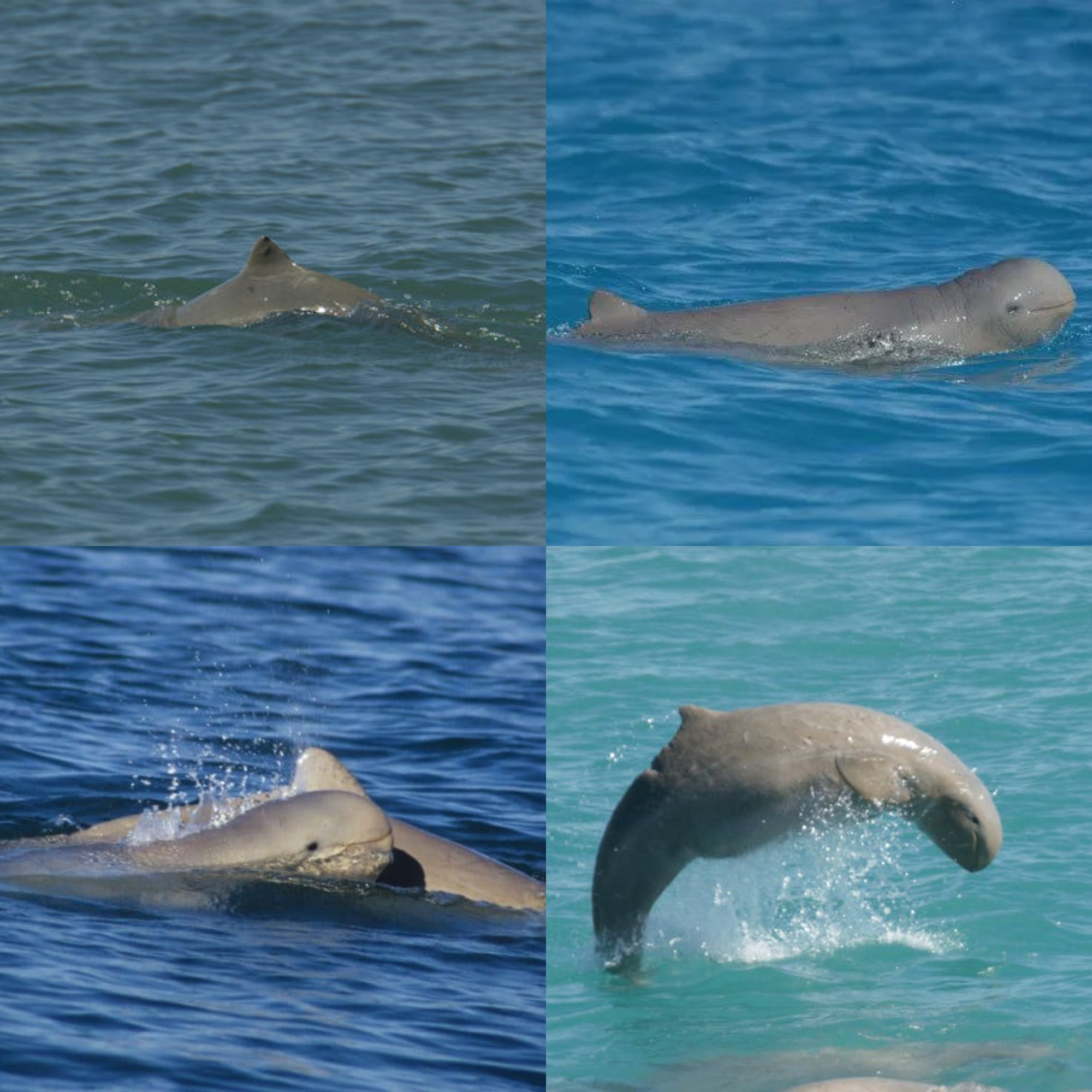
<p><strong>Australian humpback dolphin</strong><span> </span><br><span>(</span><strong><em>Sousa sahulensis</em></strong><span>)</span><br><span>-Dorsal fin is short, triangular in shape</span><br><span>-Lacks the dorsal "hump" typical of humpback dolphins</span><br><span>-Dark gray in color, with flanks shading to the light gray</span><br><span>-White scarring and dark flecking are common in adults</span><br>-<span>1-2.7m</span><br><span>-Diet: opportunistic, generalist feeders</span><br><span>-Chase fish into shallow water and beach themselves to catch their prey</span></p>
5
New cards
<p></p>

Australian snubfin dolphin
(Orcaella heinsohni)
-Brownish on the top, lighter brown along the sides, and a white belly
-Rounded forehead
-Very small, "snubby" dorsal fin
-2.3 m (F), 2,7m (M)
-Diet: fish, shrimp, and cephalopods
-Groups of 2–6, but larger groups (up to 14 individuals) have also been observed
-Populations are usually smaller than 150 individuals
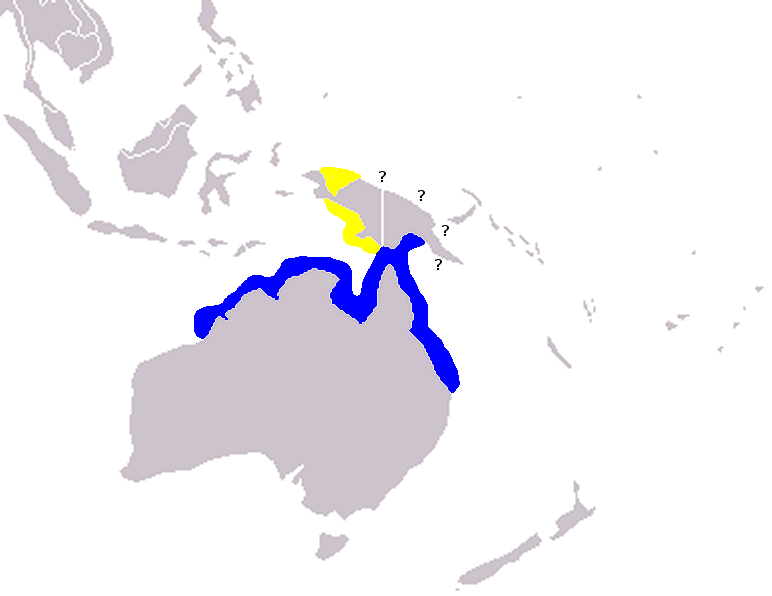
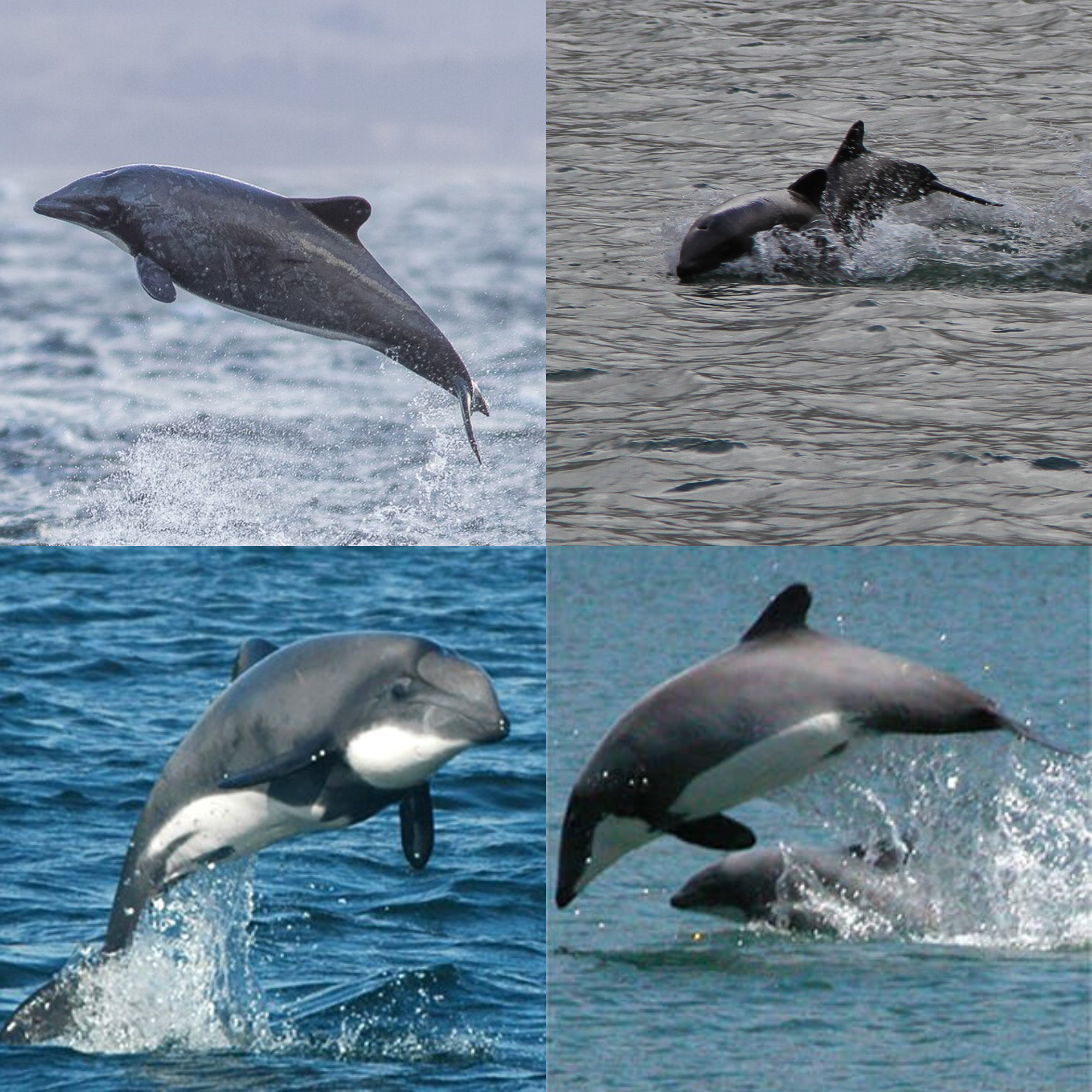
<p><strong>Australian snubfin dolphin</strong><br><span>(</span><strong><em>Orcaella heinsohni</em></strong><span>)</span><br><span>-Brownish on the top, lighter brown along the sides, and a white belly</span><br><span>-Rounded forehead</span><br><span>-Very small, "snubby" dorsal fin</span><br><span>-2.3&nbsp;m (F), 2,7m (M)</span><br><span>-Diet: fish, shrimp, and cephalopods</span><br>-Groups of <span>2–6, but larger groups (up to 14 individuals) have also been observed</span><br><span>-Populations are usually smaller than 150 individuals</span></p>
6
New cards
<p></p>

Chilean dolphin (Cephalorhynchus eutropia)
-Off the coast of Chile
-Dorsal fin and flippers are small in proportion to body size
-The throat, underside, and the closest part of the flippers to the body are white
-A black line connects their blowhole, eyes, and dorsal fin
-1.7 m
-Small groups of around two to ten individuals
-Larger gatherings of up to 50 individuals are occasionally sighted
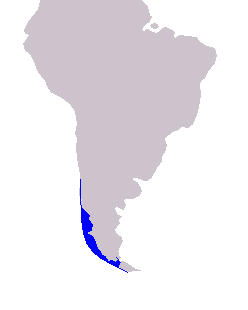
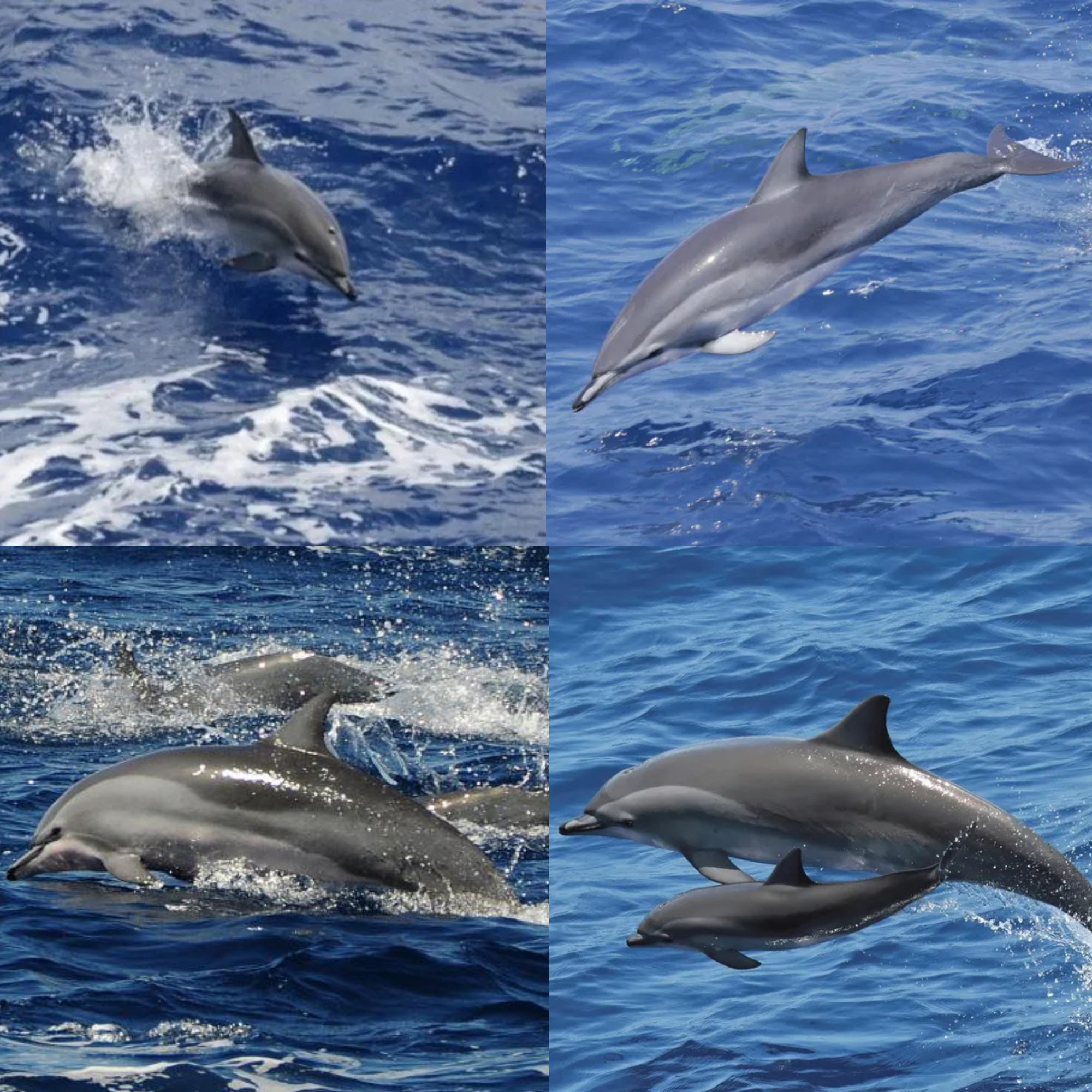
<p><strong>Chilean dolphin</strong> (<strong><em>Cephalorhynchus eutropia</em></strong>)<br>-Off the coast of Chile<br>-Dorsal fin and flippers are small in proportion to body size<br>-The throat, underside, and the closest part of the flippers to the body are white<br>-A black line connects their blowhole, eyes, and dorsal fin<br>-1.7 m<br>-<span>Small groups of around two to ten individuals</span><br><span>-Larger gatherings of up to 50 individuals are occasionally sighted</span></p>
7
New cards
term image

Clymene dolphin
(Stenella clymene)
-Atlantic Ocean
-hybrid speciation descending from the spinner dolphin and the striped dolphin
-2 Meters
-Dorsal fin is less erect and triangular
-Mostly in waters over 100 m in depth
-Diet: Squid and small schooling fish
-Very active dolphins
-Groups from four up to around 150 individuals, but forty seems typical
-Highly vocal
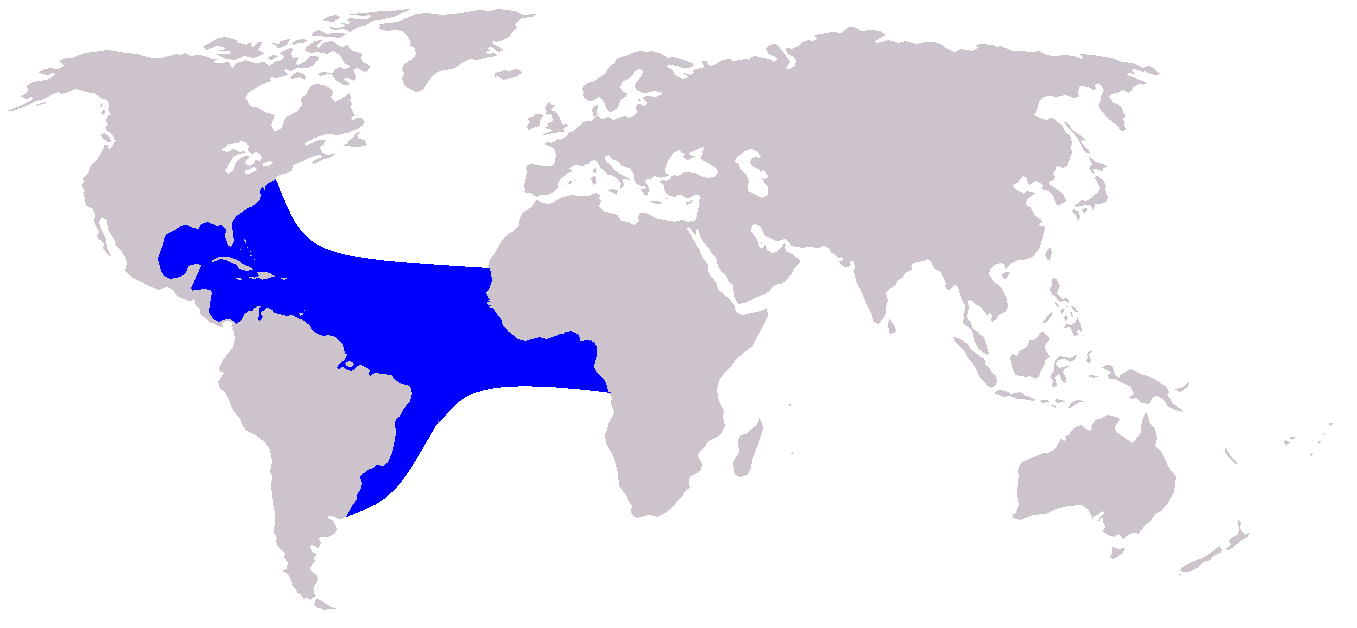
<p><strong>Clymene dolphin</strong><br>(<strong><em>Stenella clymene</em></strong>)<br>-Atlantic Ocean<br>-hybrid speciation descending from the spinner dolphin and the striped dolphin<br>-2 Meters<br>-Dorsal fin<span> is less erect and triangular</span><br><span>-Mostly in waters over 100&nbsp;m in depth</span><br><span>-Diet: Squid and small schooling fish</span><br><span>-Very active dolphins</span><br><span>-Groups from four up to around 150 individuals, but forty seems typical</span><br><span>-Highly vocal </span></p>
8
New cards

Commerson's dolphin
(Cephalorhynchus commersonii)