Math - Unit 1.2 (Making Sense of Algebra) - Vocabulary
 Call Kai
 Learn
Learn Practice Test
 Spaced Repetition
 Match
Match Flashcards
1/26

There's no tags or description
Looks like no tags are added yet.
Name | Mastery | Learn | Test | Matching | Spaced | Call with Kai |
|---|

27 Terms
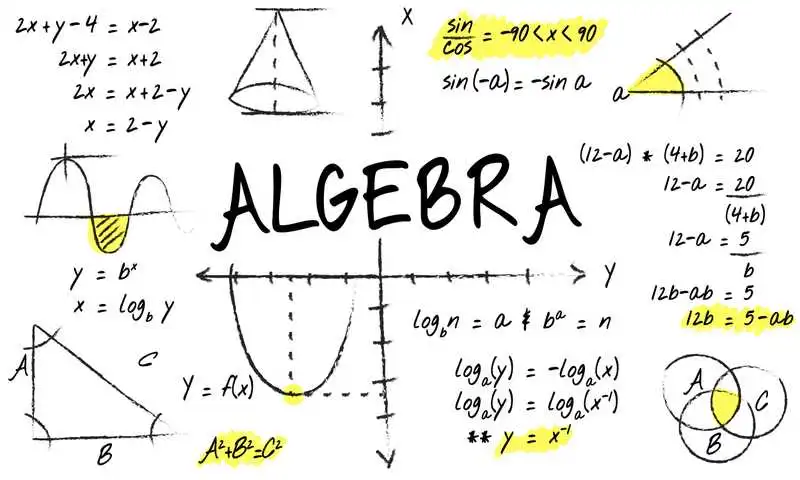
Algebra (noun)
Part of math where letters and numbers are used together to solve problems.
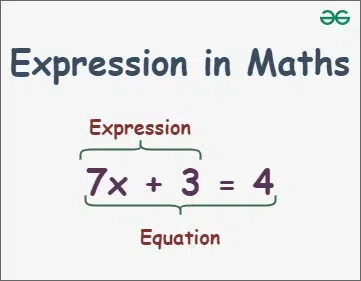
Expression (noun)
A group of numbers, letters, and symbols that show a mathematical idea but do not have an equal sign.
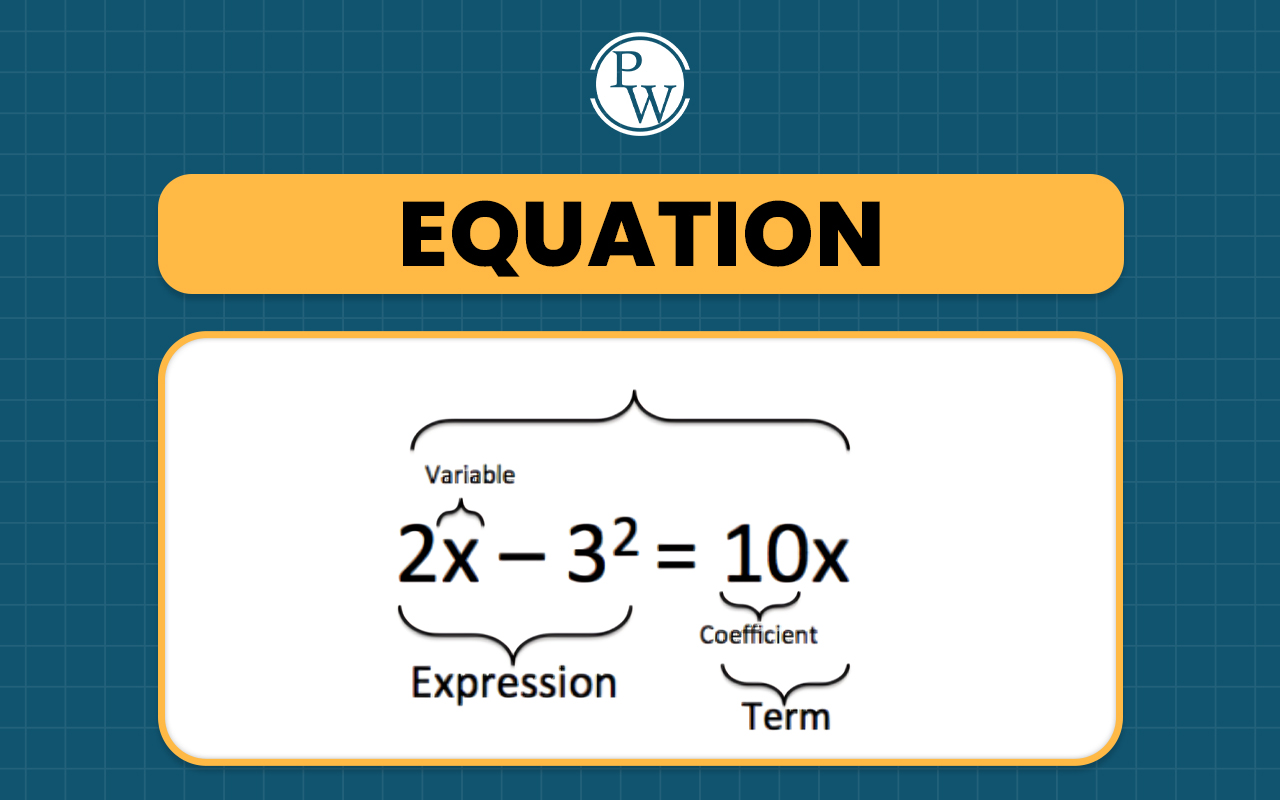
Equation (noun)
A mathematical sentence that shows two expressions are equal using an equal sign.
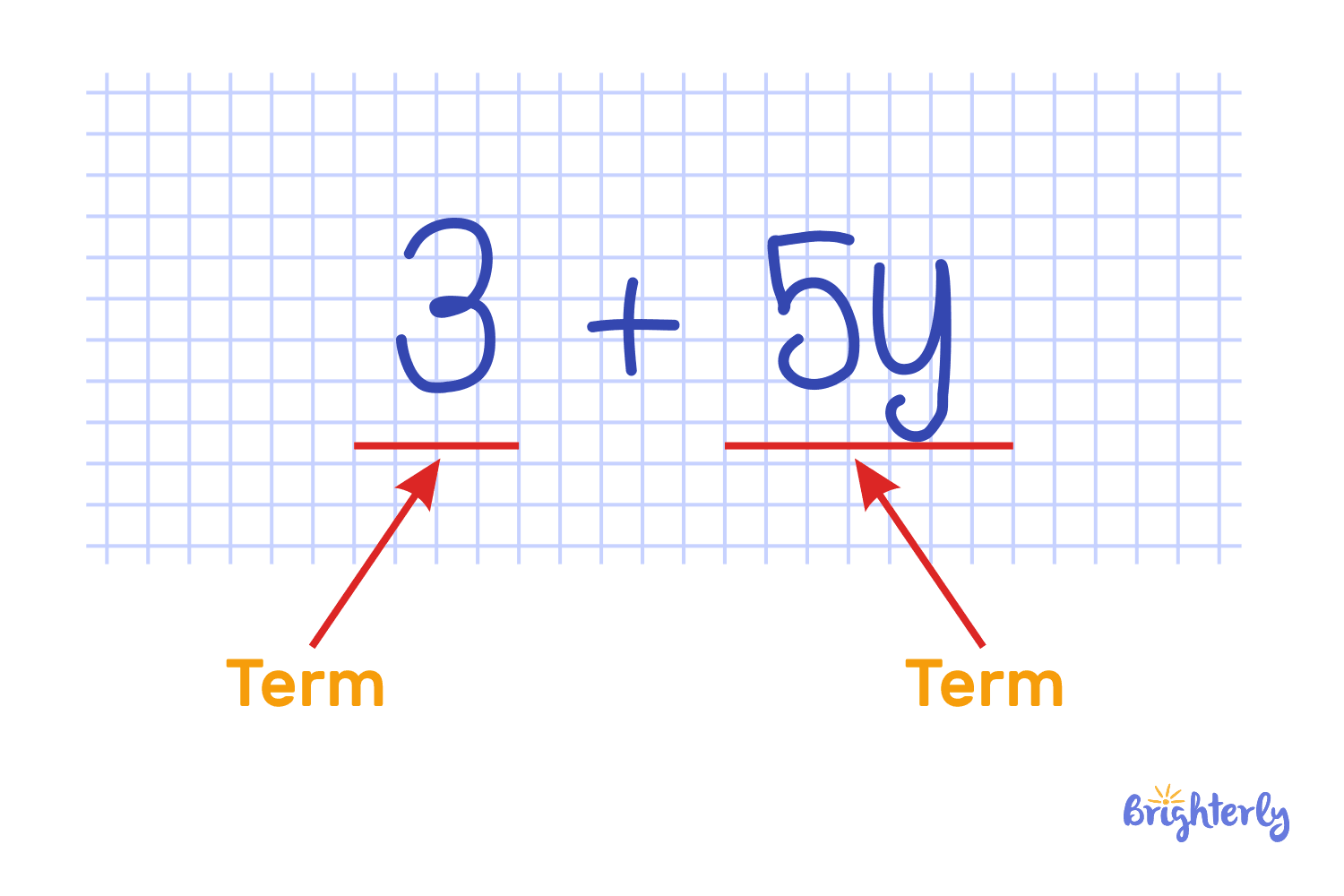
Term (noun)
A single part of an expression that can be a number, a letter, or both combined.
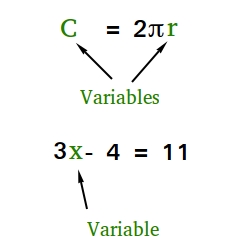
Variable (noun)
A letter used in mathematics to represent a value that can change or is not known yet.
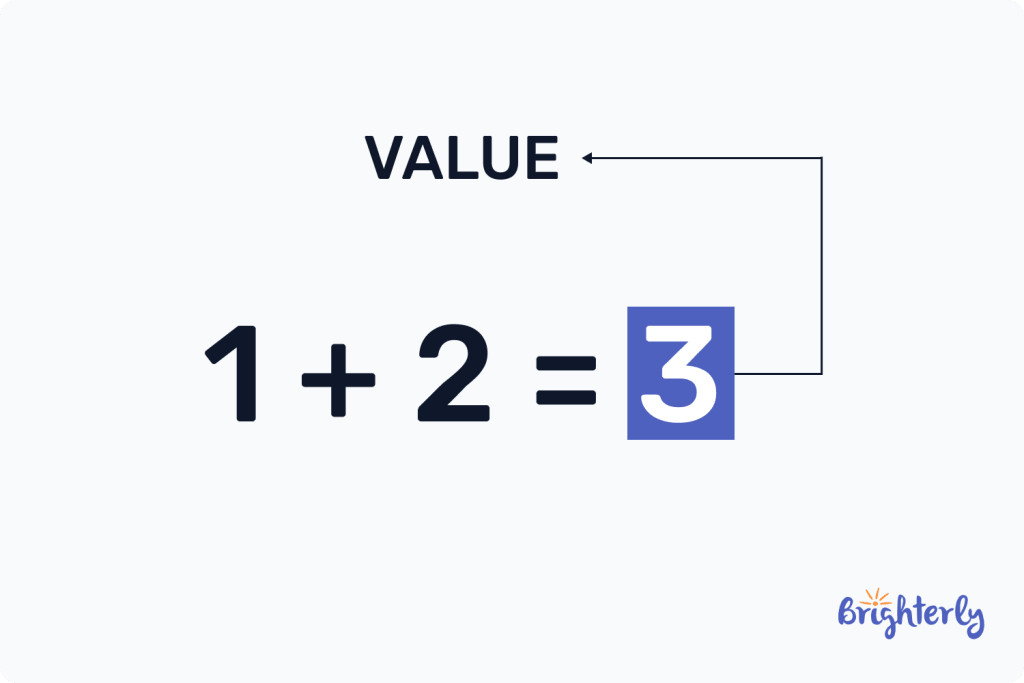
Value (noun)
The final number you get after solving or calculating something in mathematics.
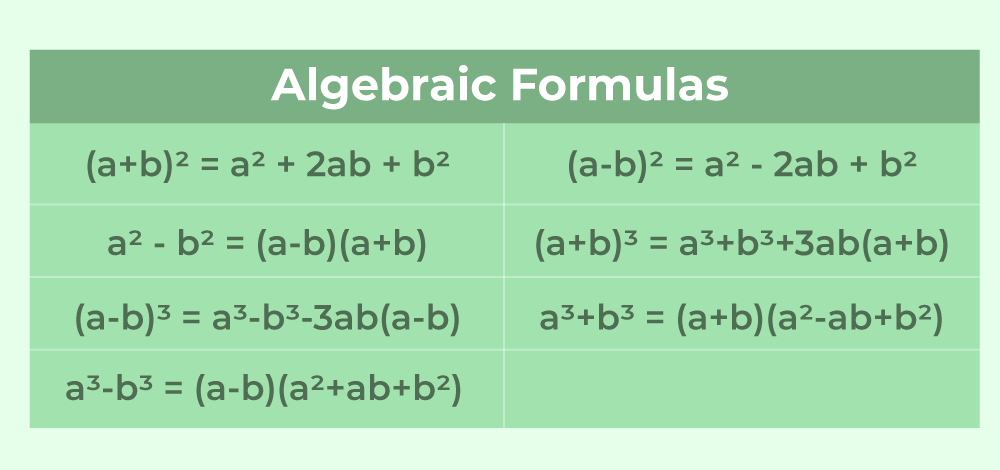
Formula (noun)
A fixed mathematical rule that shows how to calculate something using letters and numbers.
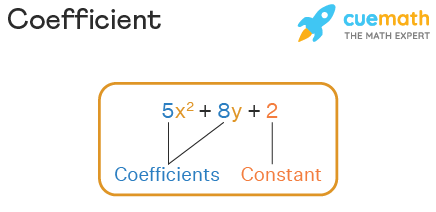
Coefficient (noun)
A number that is multiplied by a variable in a mathematical expression.
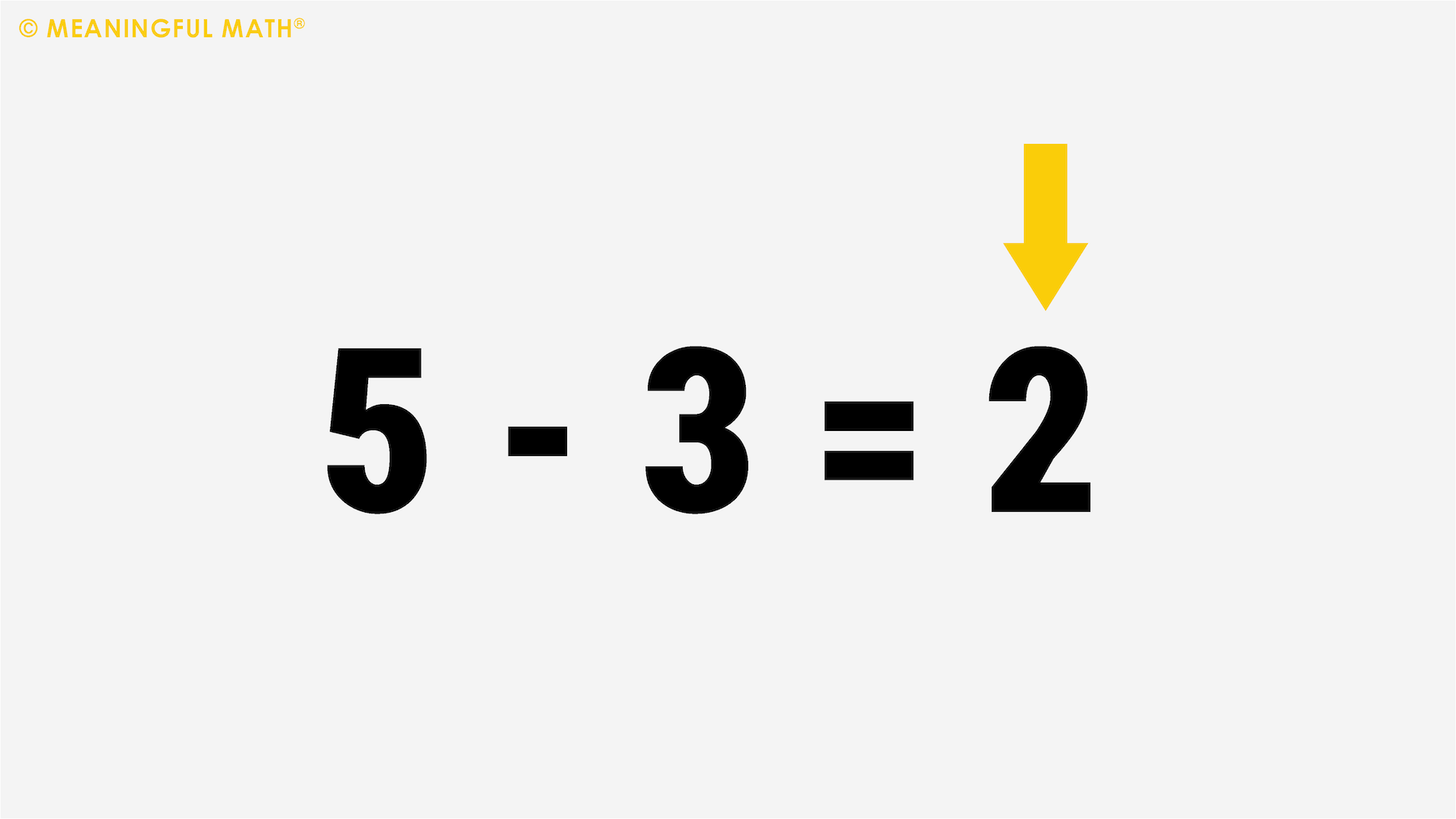
Difference (noun)
The result you get when you subtract one number from another.
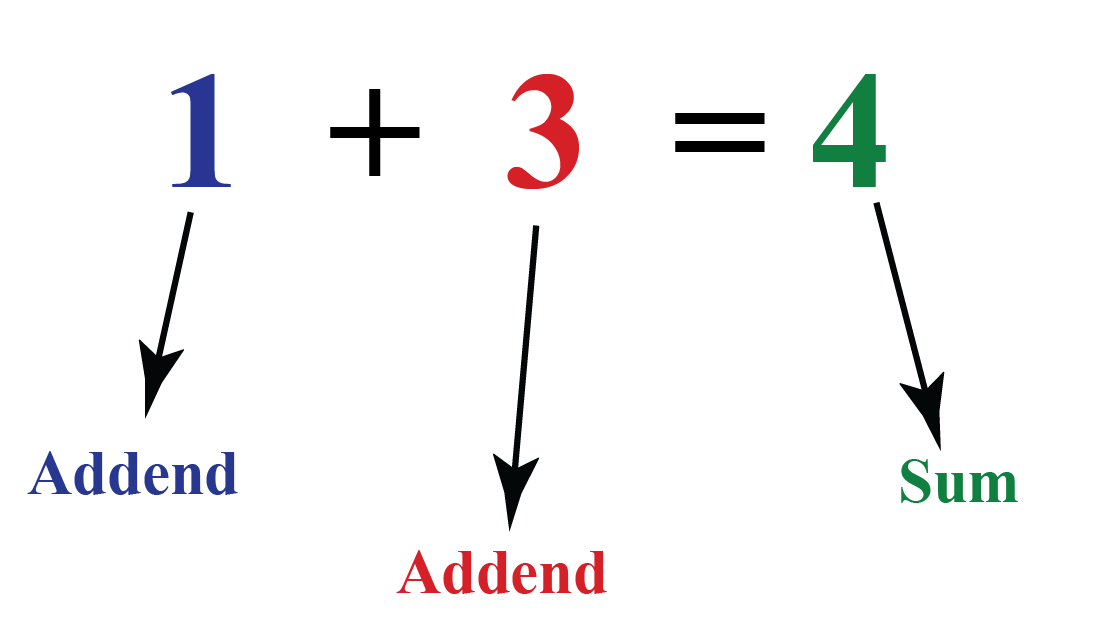
Sum (noun)
The answer you get when you add two or more numbers together.
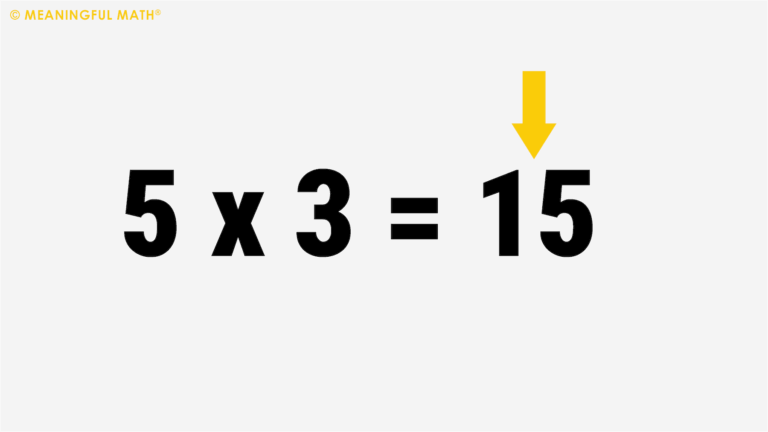
Product (noun)
The result you get when you multiply numbers together.
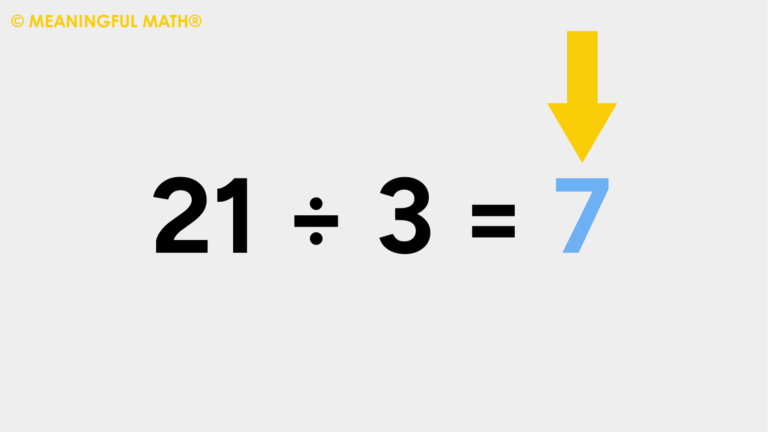
Quotient (noun)
The result you get when you divide one number by another.
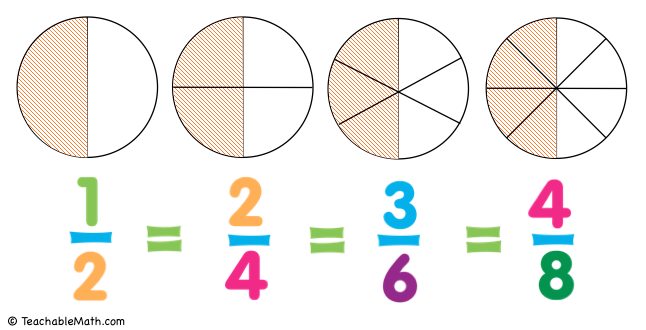
Fraction (noun)
A number that shows a part of a whole, written with a top and bottom number.
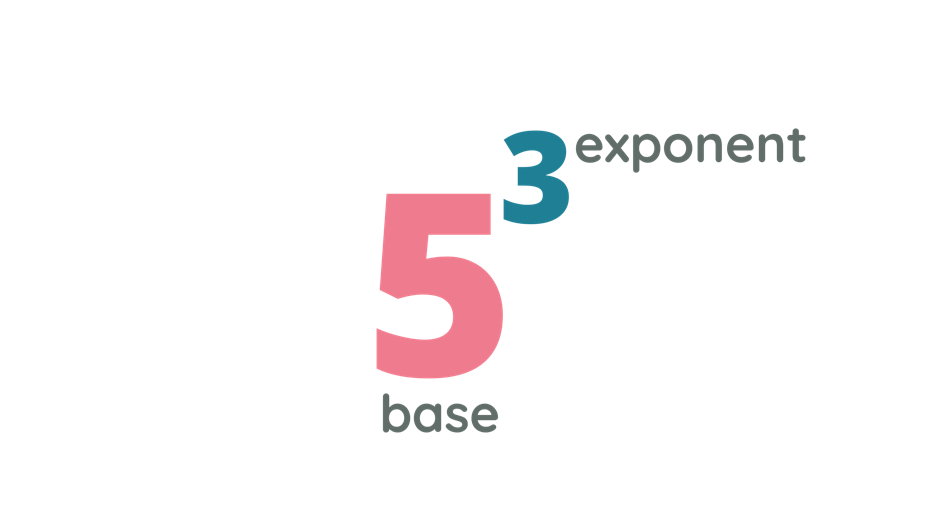
Base (noun)
The number that is being multiplied repeatedly in a power.
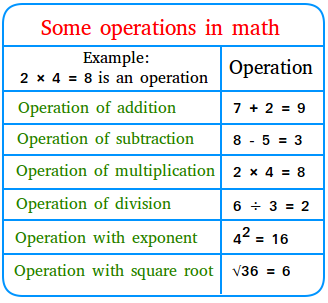
Operation (noun)
A mathematical action such as addition, subtraction, multiplication, or division.
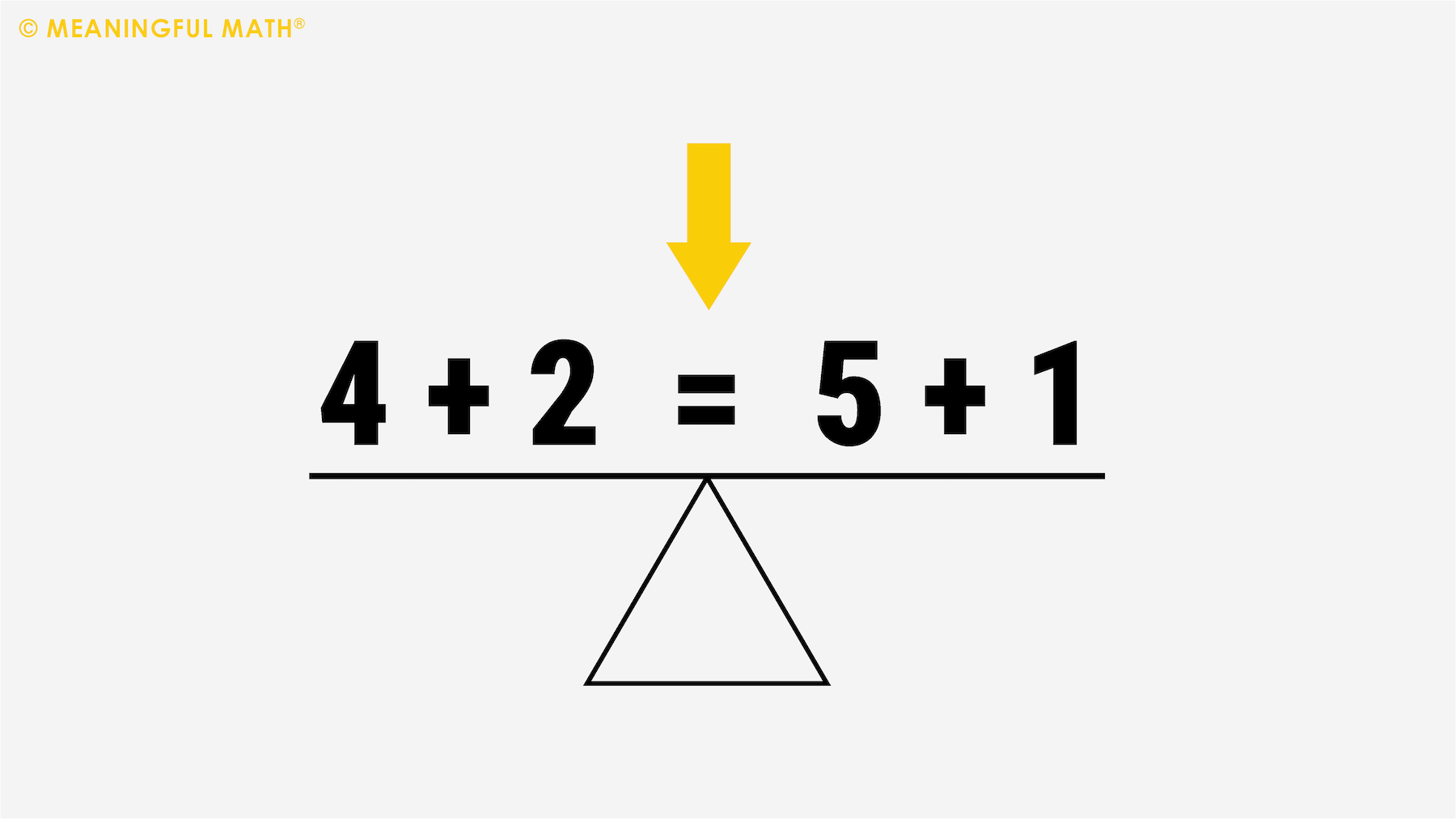
Equal (adjective)
Having the same value or amount on both sides of an equation.
General (adjective)
Not specific; applies to many situations.
Specific (adjective)
Clearly defined and not general.
Constant (adjective)
Staying the same and not changing.
Add (verb)
To join numbers together to find a total.
Subtract (verb)
To take one number away from another.
Represent (verb)
To use a symbol or letter to show a number or idea in mathematics.
Expand (verb)
To remove brackets by multiplying each part inside with the number outside.
Compare (verb)
To look at two things to see similarities or differences.
Collect (verb)
To bring together similar terms so they can be added or subtracted.
Substitute (verb)
To put a number in place of a letter to find the value of an expression.
Apply (verb)
To use a rule or formula correctly in solving a problem.