Ring porous hardwoods identification
 Call Kai
 Learn
Learn Practice Test
 Spaced Repetition
 Match
Match Flashcards
 Knowt Play
1/19

There's no tags or description
Looks like no tags are added yet.
Name | Mastery | Learn | Test | Matching | Spaced | Call with Kai | Chat |
|---|
No analytics yet
Send a link to your students to track their progress
20 Terms
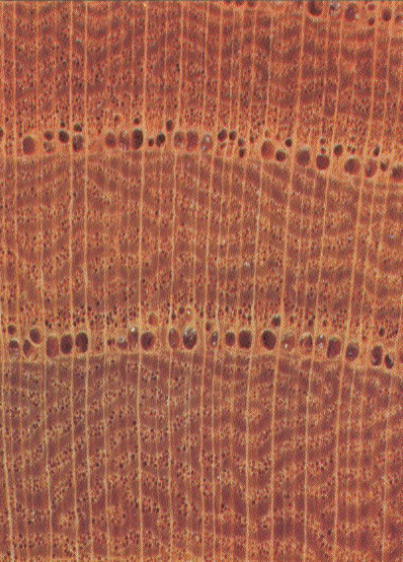
What species is this?
american elm
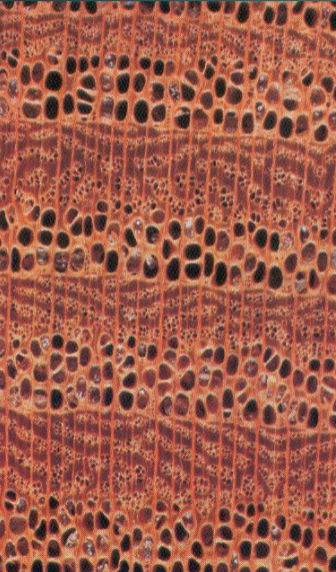
What species is this?
red elm
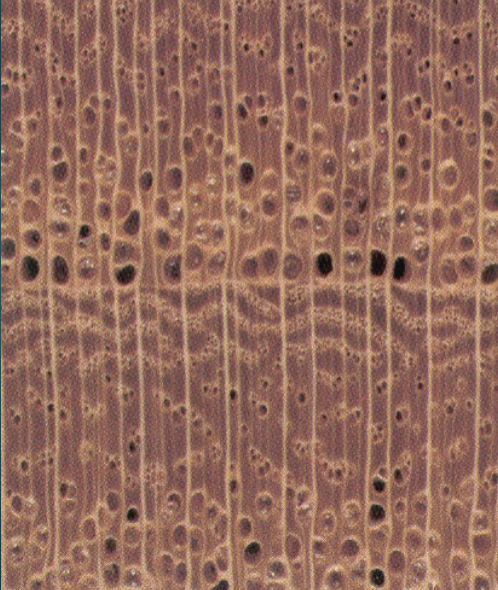
What species is this?
hackberry
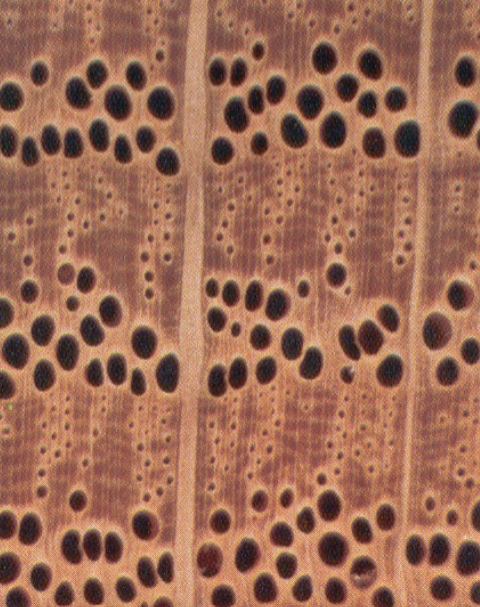
What species is this?
red oak
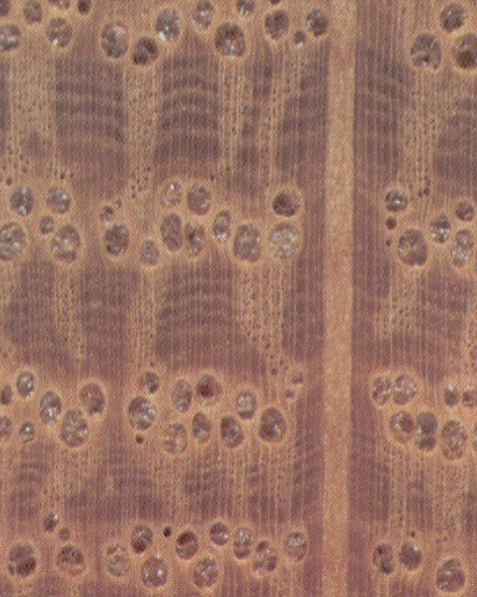
What species is this?
white oak
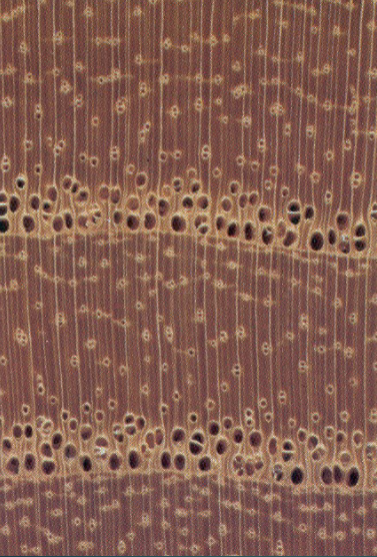
What species is this?
white ash
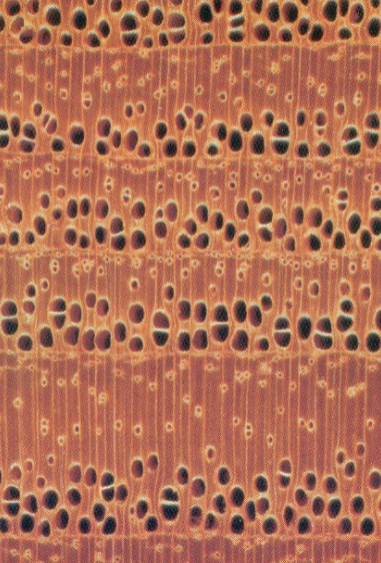
What species is this?
black ash
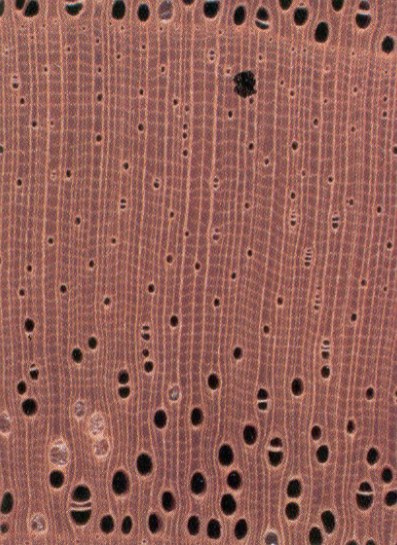
What species is this?
pecan hickory/false hickory
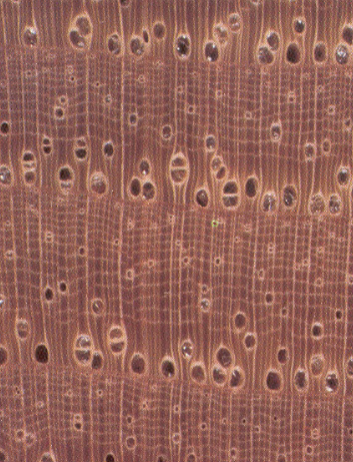
What species is this?
shagbark/true hickory
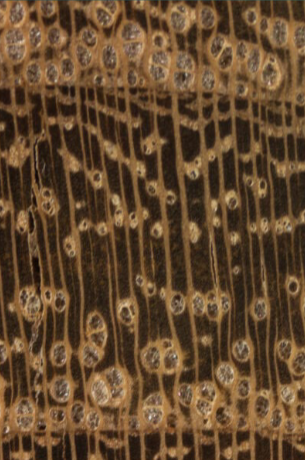
What species is this?
black locust
single row of EW pores
light brown heartwood
rays not distinct on cross-section (4-5 seriate)
American Elm
multiple rows of EW pores
darkish red-brown heartwood
rays relatively indistinct on cross-section with naked eye (4-5 seriate)
Red Elm
multiple rows of EW pores
light brown heartwood, often with yellowish cast
rays are distinct on the cross section with naked eye (typically 5-8, but to 13 seriate)
wavy pattern only at very LW
hackberry
round EW pores
tyloses absent or sparse
Ray ends are typically 3/8 to 5/8 inches high (rarely taller than 1 inch)
pink-red brown