Multiple Pregnancy
 Call Kai
 Learn
Learn Practice Test
 Spaced Repetition
 Match
Match Flashcards
 Knowt Play
1/21

There's no tags or description
Looks like no tags are added yet.
Name | Mastery | Learn | Test | Matching | Spaced | Call with Kai |
|---|
No analytics yet
Send a link to your students to track their progress
22 Terms
Definition
Presence of more than one fetus in the uterus
Simultaneous development of two or more fetuses
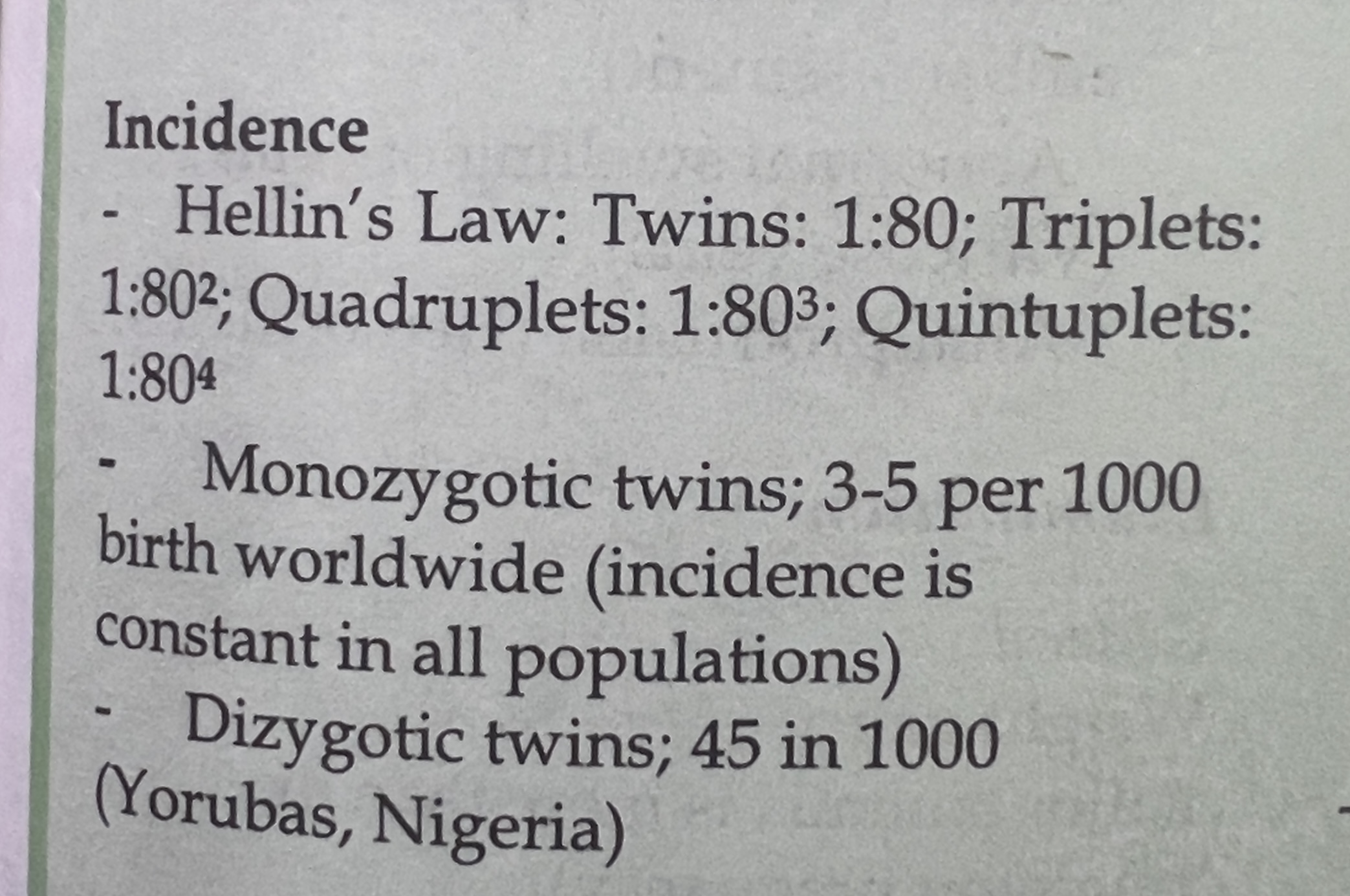
Incidence
Hellin’s law: “80 to the power of (n − 1)”
Where n is the number of fetuses:• Applies to dizygotic twinnning
4;1000- monozygotic
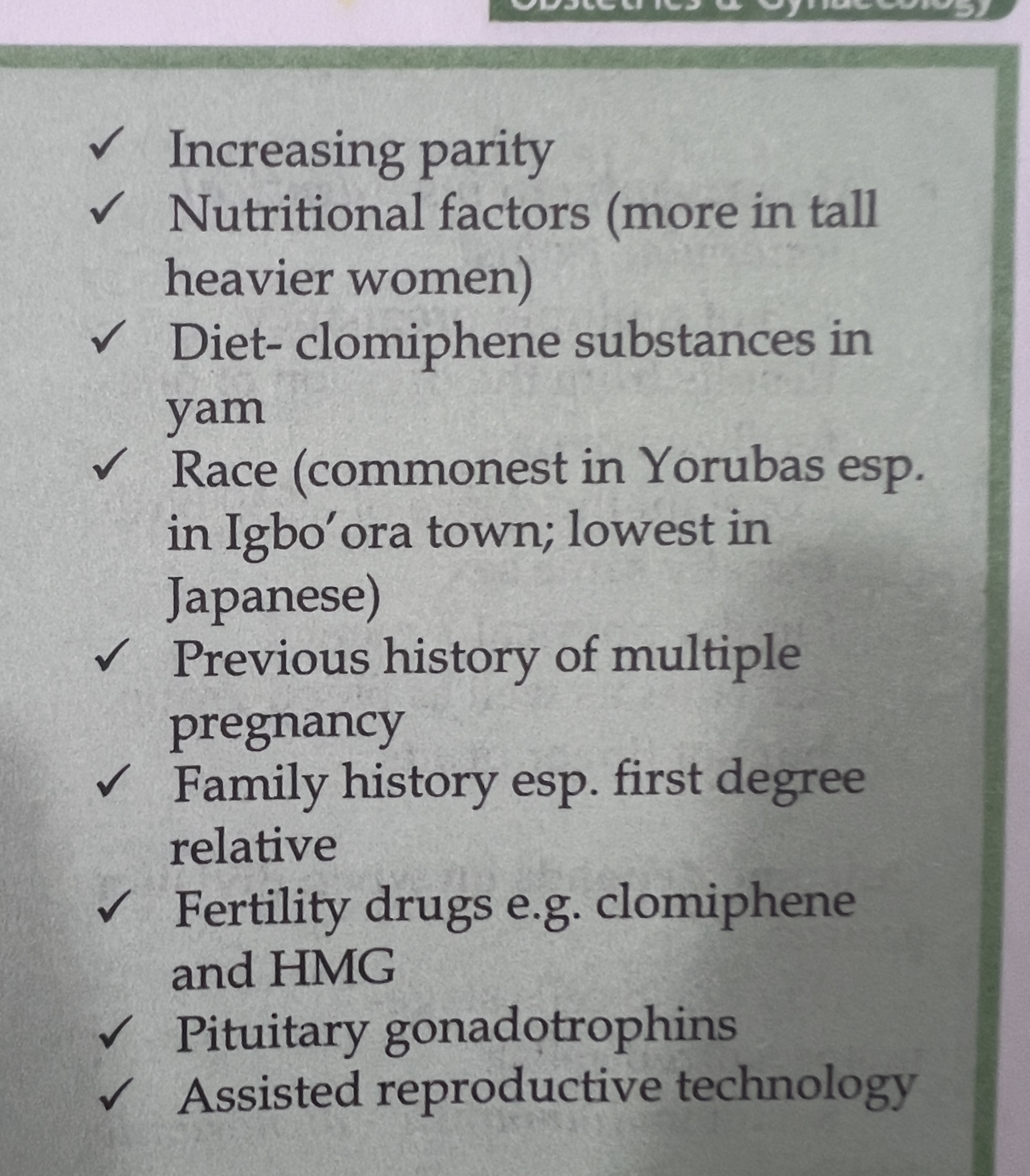
RFs
Increasing maternal age till about 40yrs, then decline, peak age is 35yrs
Maternal family hx
PARITY-typically above para 2
Types of twin pregnancy
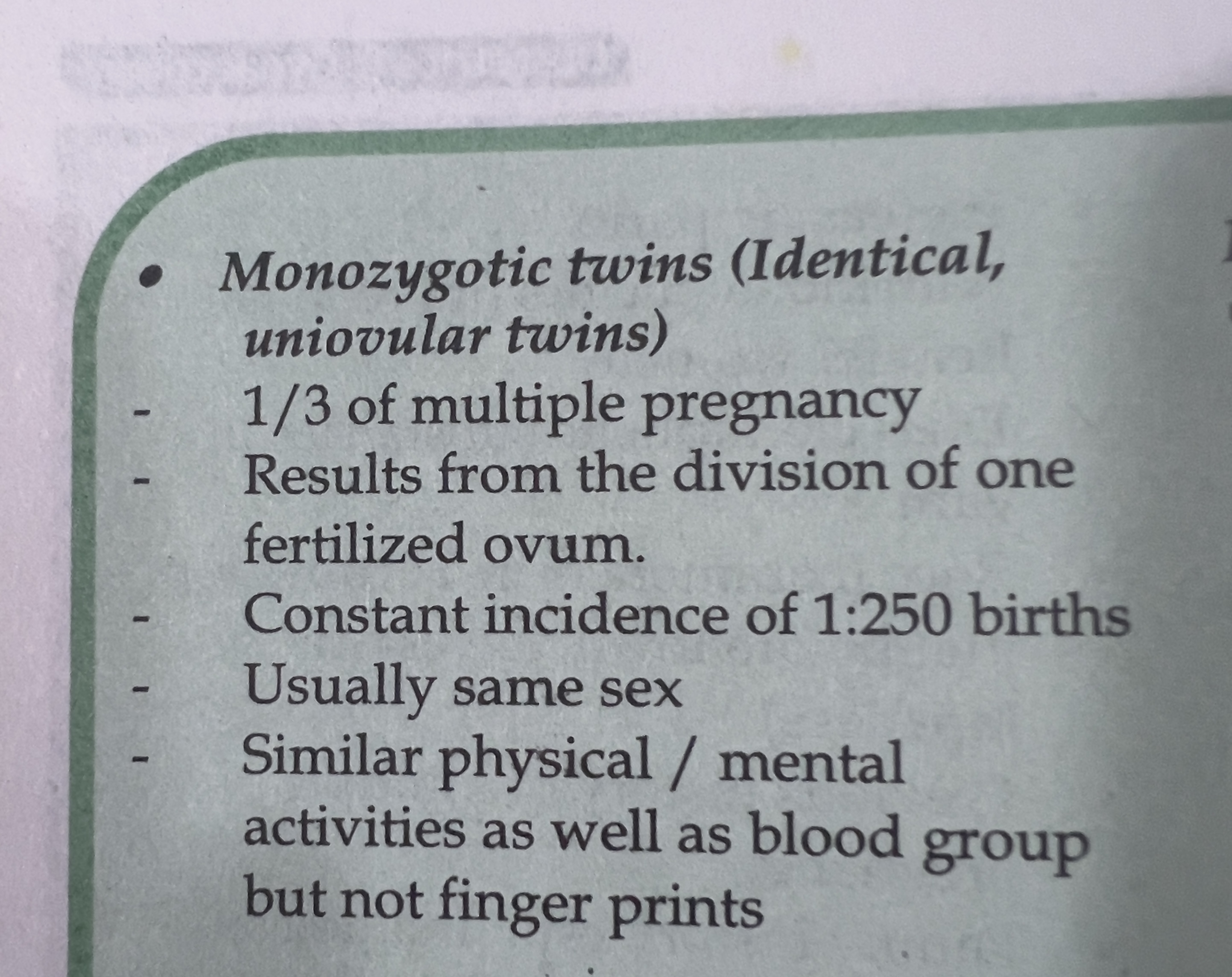
Monozygotic twins/identical/ uniovular twins
Dizygotic twins/ fraternal/ binovular twins
Features of identical twins
Features of fraternal twins
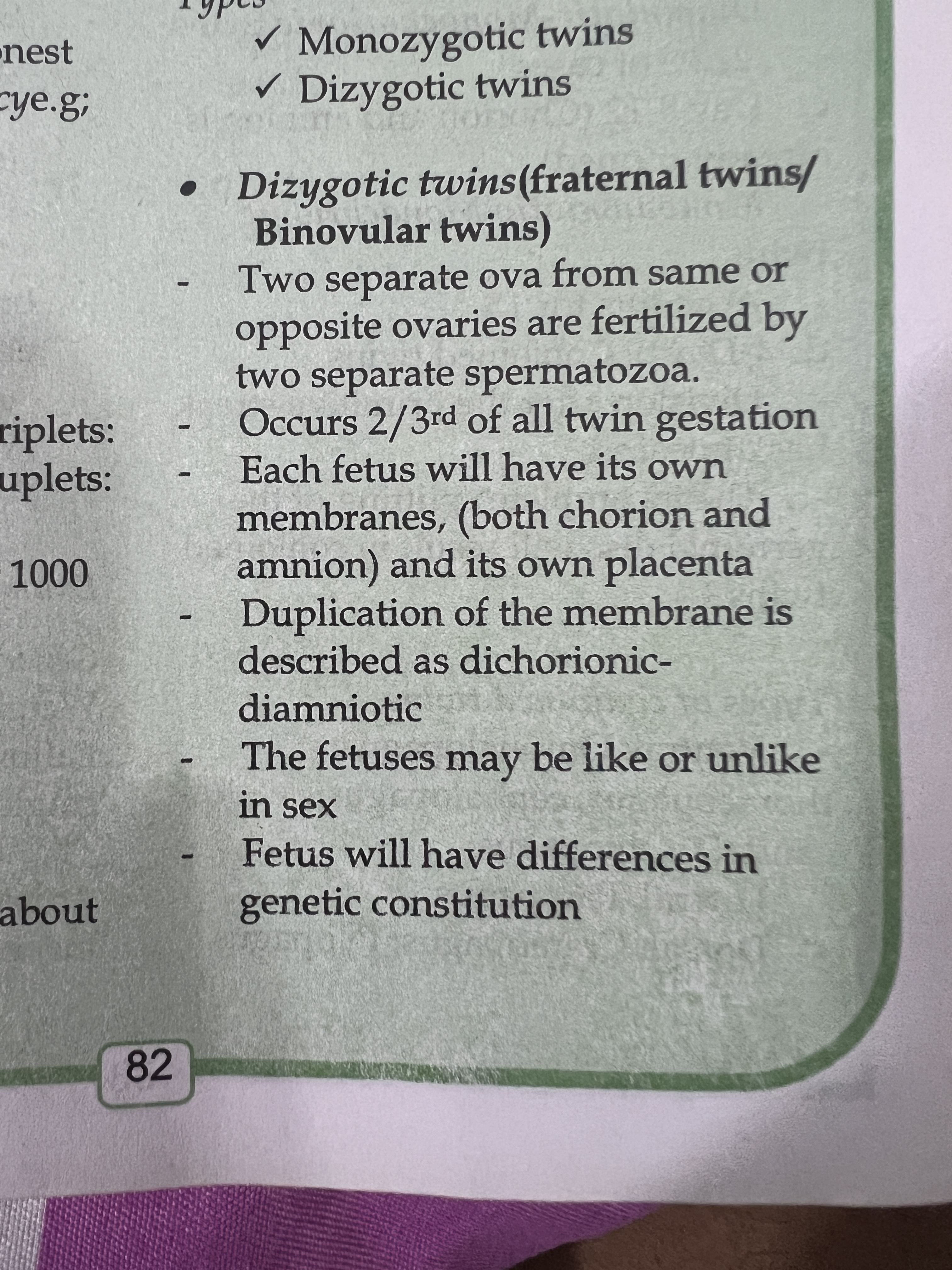
Outcome of monozygotic pregnancies depends on?
What are the various outcomes?
➢ TIMING OF DIVISION after fertilization
Day 1-3: Dichorionic, diamniotic
Day 4-8: Monochorionic, Diamniotic
Day 9-12: Monochorionic, monoamniotic
Day 13 up: conjoint twins (after primitive streak has appeared)
Types of conjoint twins
Ventral
Lateral
Dorsal
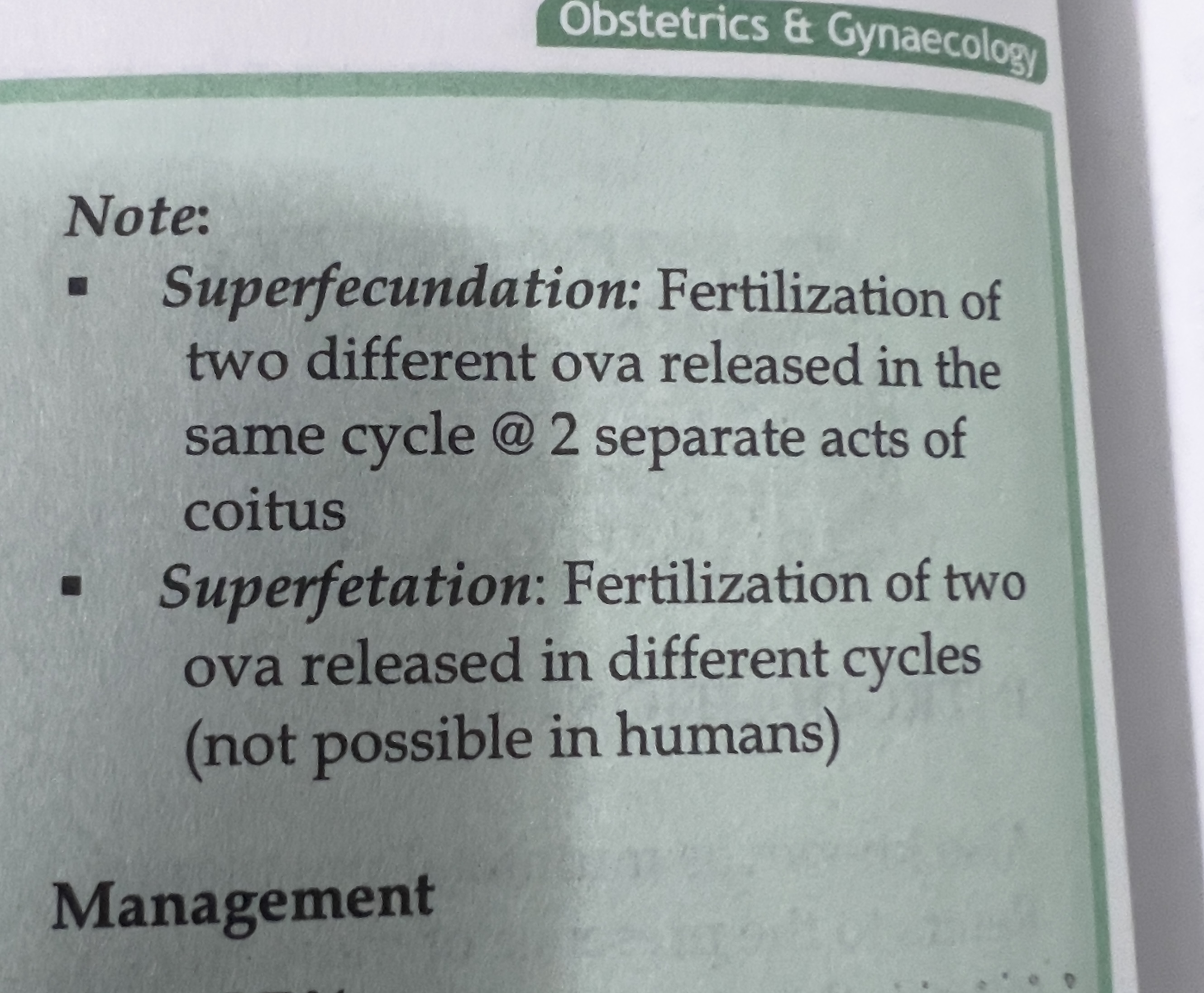
Define superfecundation and superfetation
Diagnosis
Hx
Exam
USS
Hx: excessive fetal movement, presence of RFs, maternal family hx
Exam:barrel shaped uterus, large for date, more than two fetal poles, palpation of multiple fetal
Parts , two diff heart sounds at seperate spots with silent area between them
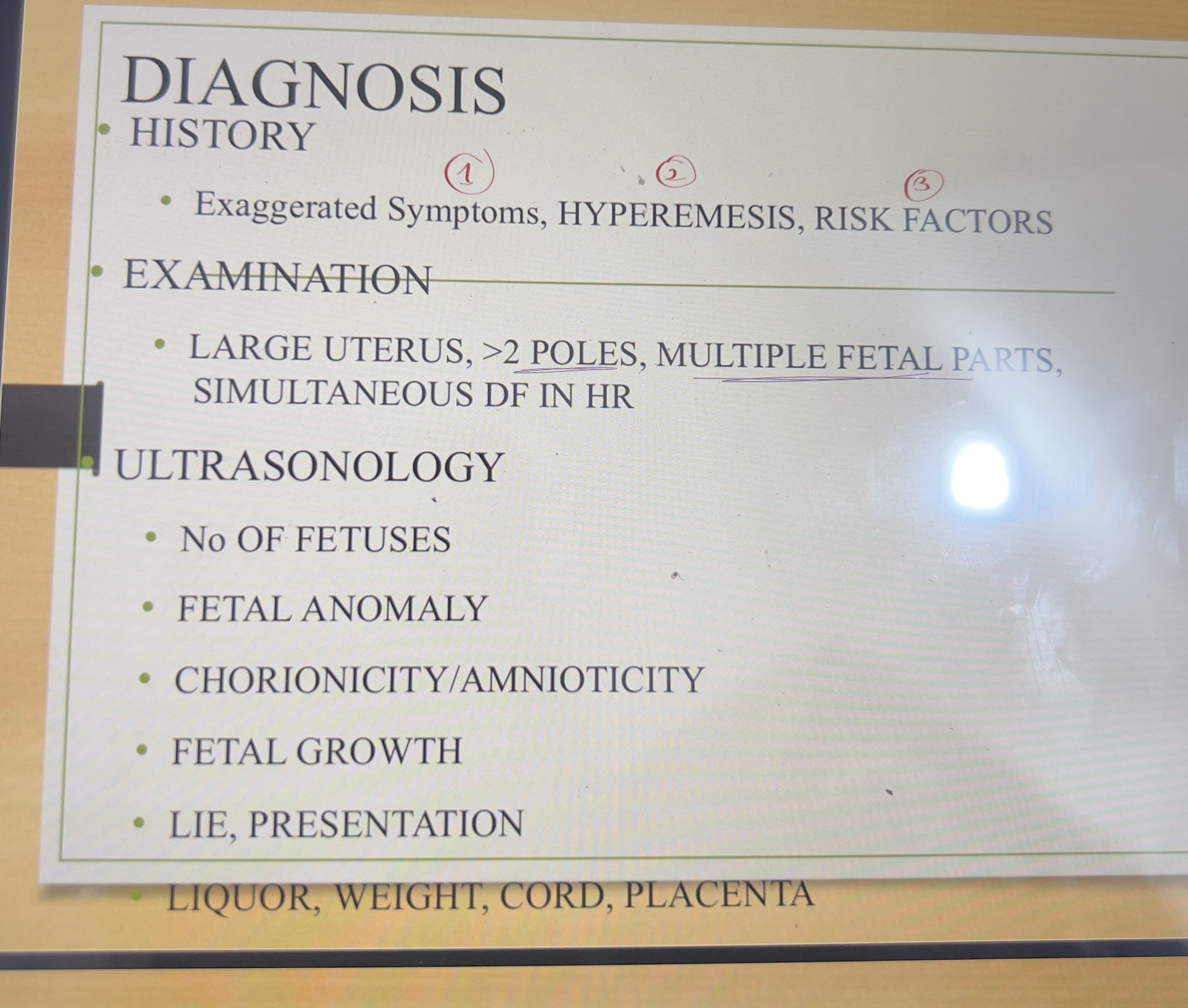
Findings on USS
USS
Viability of fetus
Chorionicity 6-9wks
Twin transfusion
Placental localization
Amniotic fluid volume
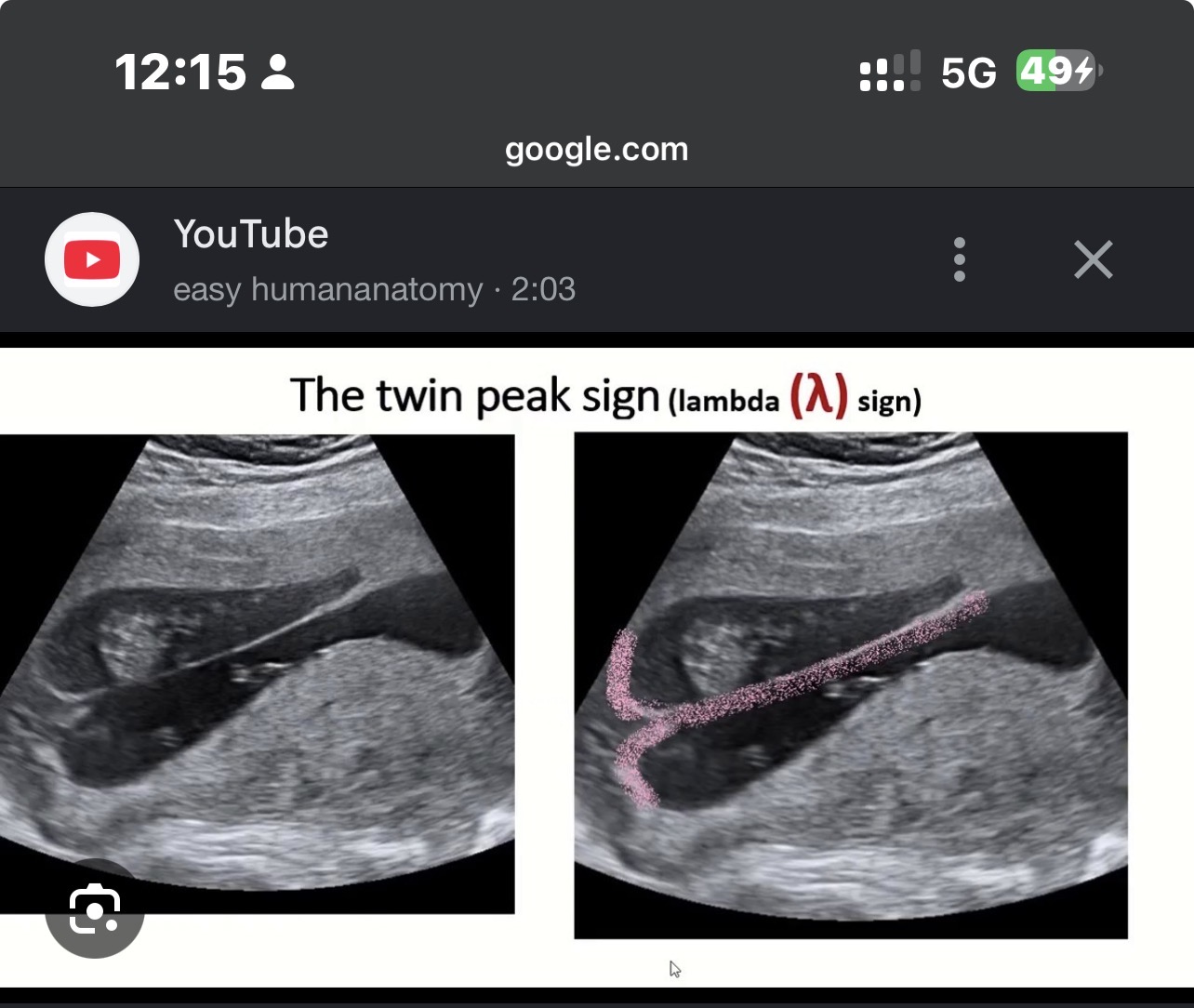
Twin peak sign is for?
Dichorionic gestation
T sign is for?
Monochorionic gestation

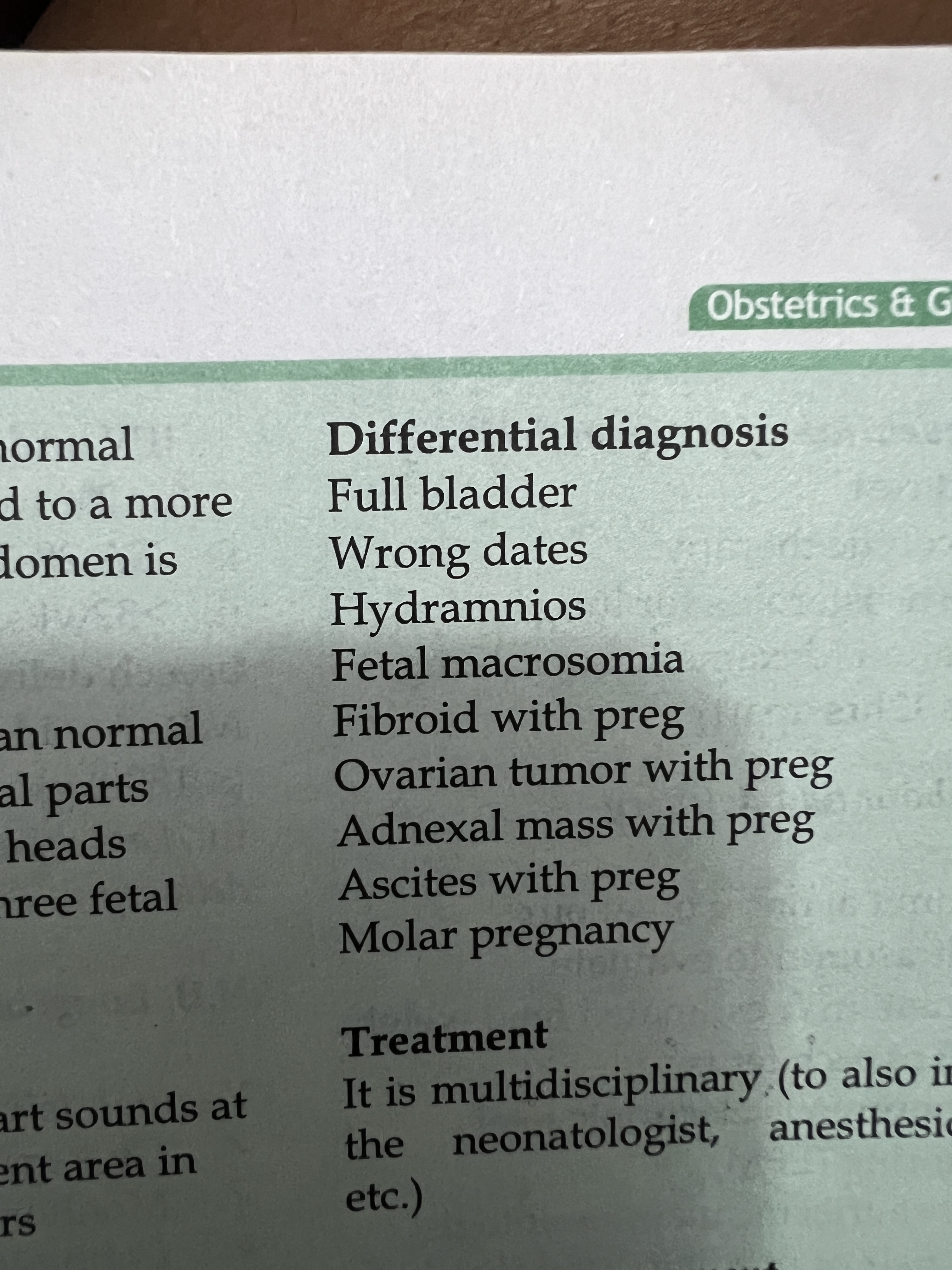
Differentials
Weekly antenatal starts from?
32wks
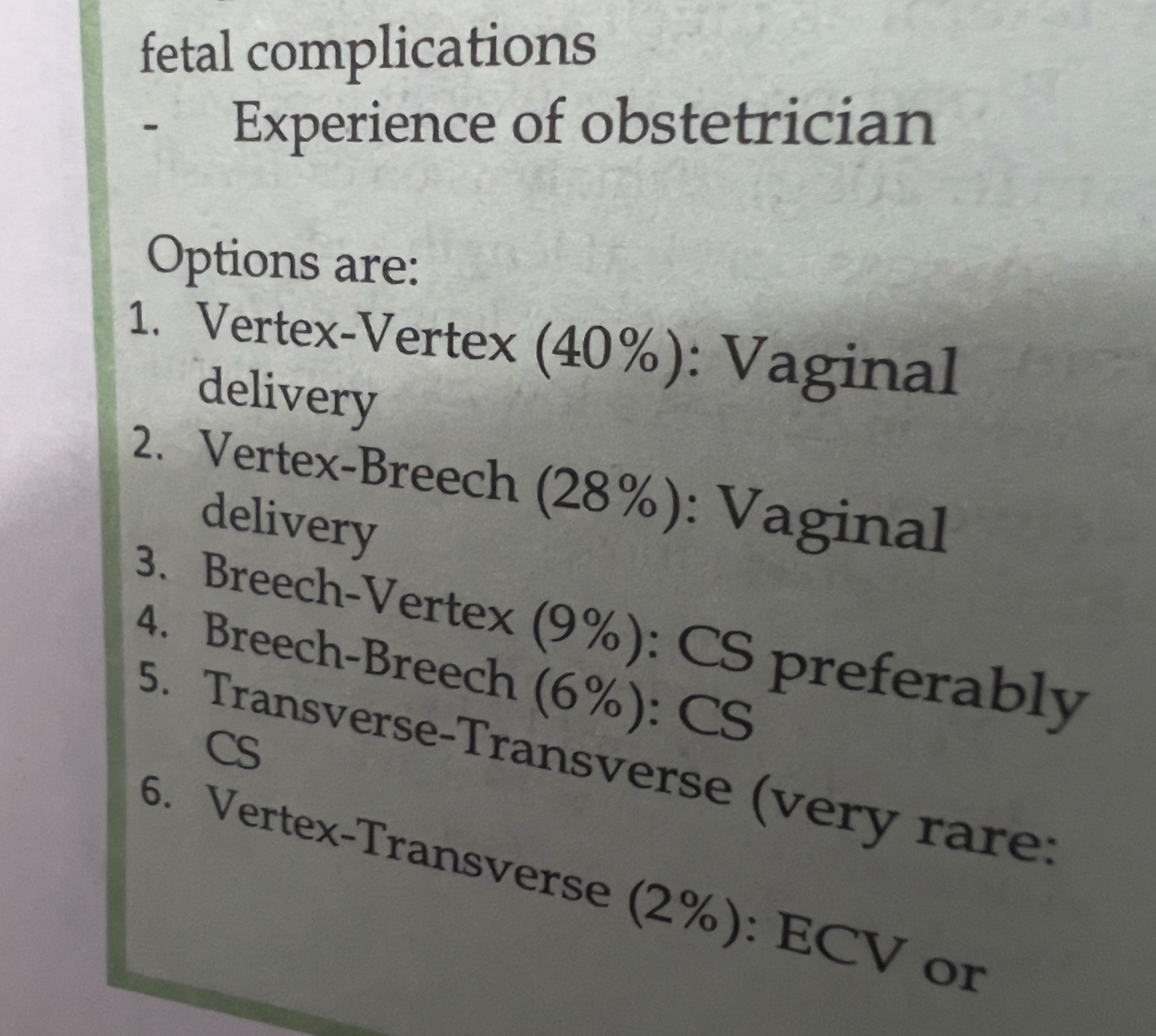
Modes of delivery
VT: ECV or IPV and breech extraction for the second twin
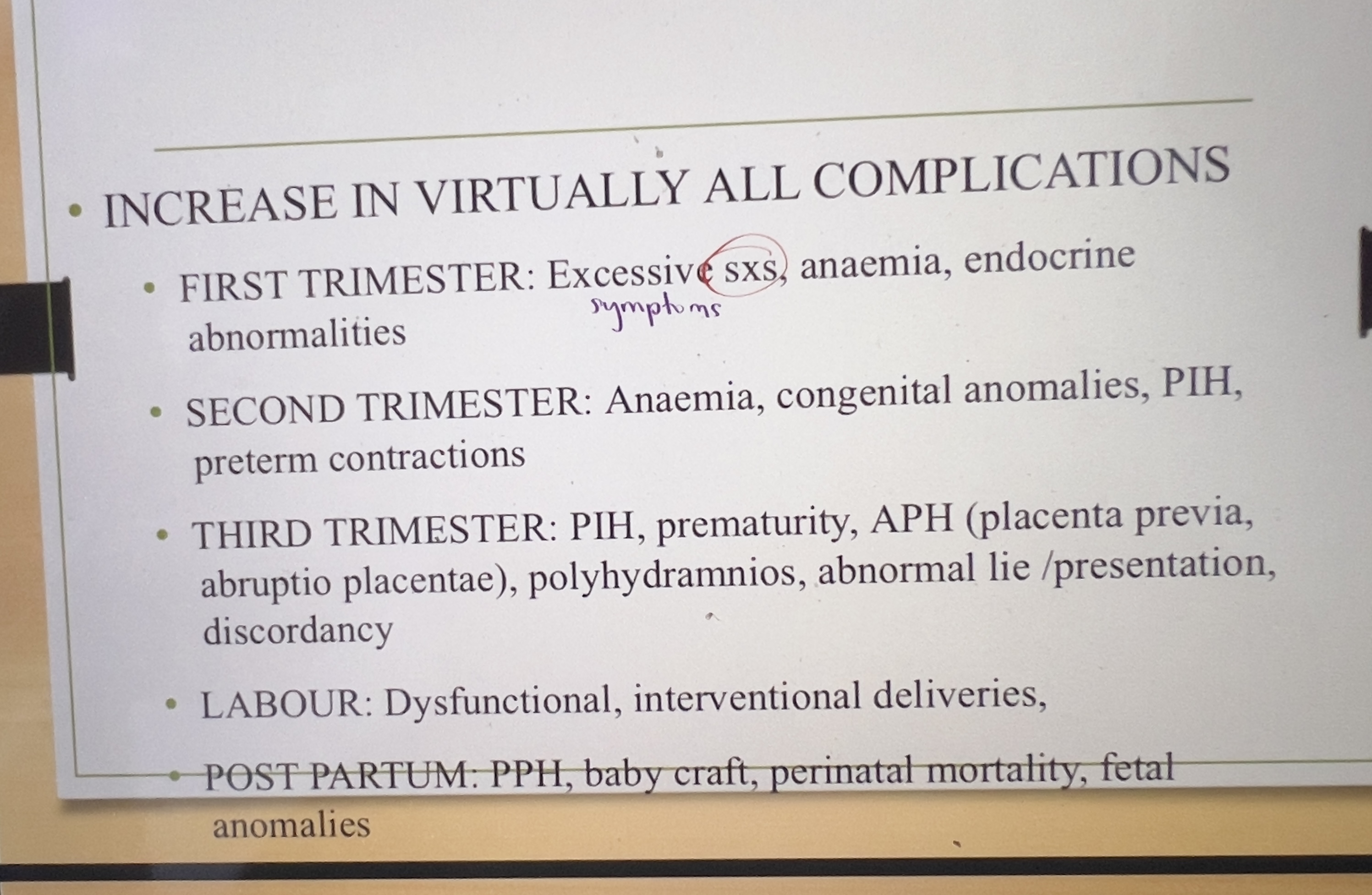
Complications of multifetal gestation
Fetal complications
Vanishing twin syndrome
Prematurity
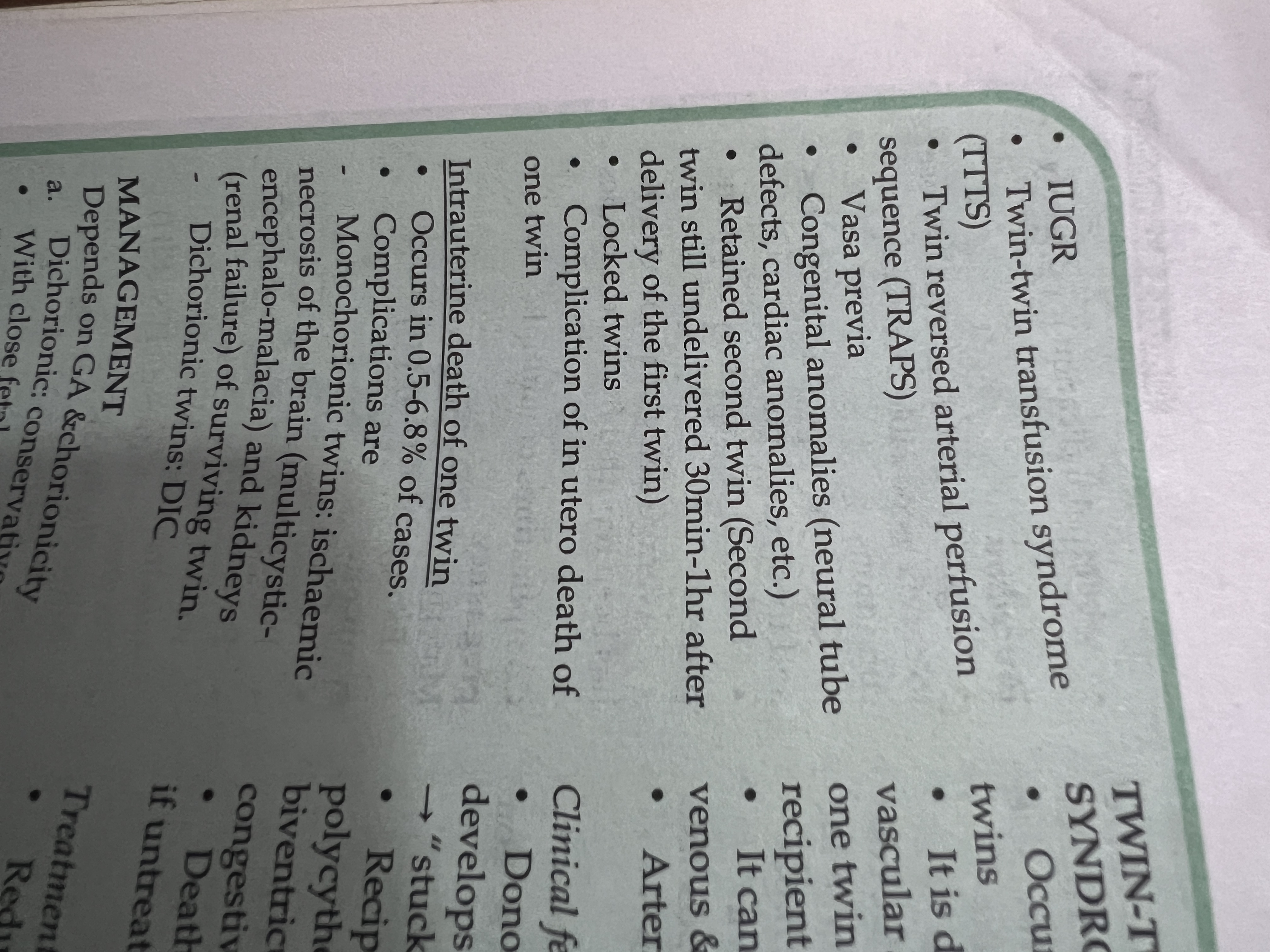
Twin to twin transfusion syndrome
Occurs in?
Causes
Types
Clinical features of donor and recipient
Monochorionic twin
Unbalanced placenta vascular anastomoses( ie.blood from one twin goes to another
Arterio-arterial, arterio-venous, veno-venous
Donor: anemic, oliguric, oligohydramnios, IUGR
Recipient: plethoric, polycythemic, bivent hypertrophy, CHF, death
Mgt of TTTS
Reductive amniocentesis
Septostomy
Fetoscope laser occlusion of chorangiopagus
Twin Reversed Arterial Perfusion Sequence
Occurs in?
Features
Who dies first and why?
Monochorionic monozygotic/ uniovular
Acardiac twin/ recipient/ parasitic twins: no heart, is perfused by donor twin, poorly developed head and upper limbs
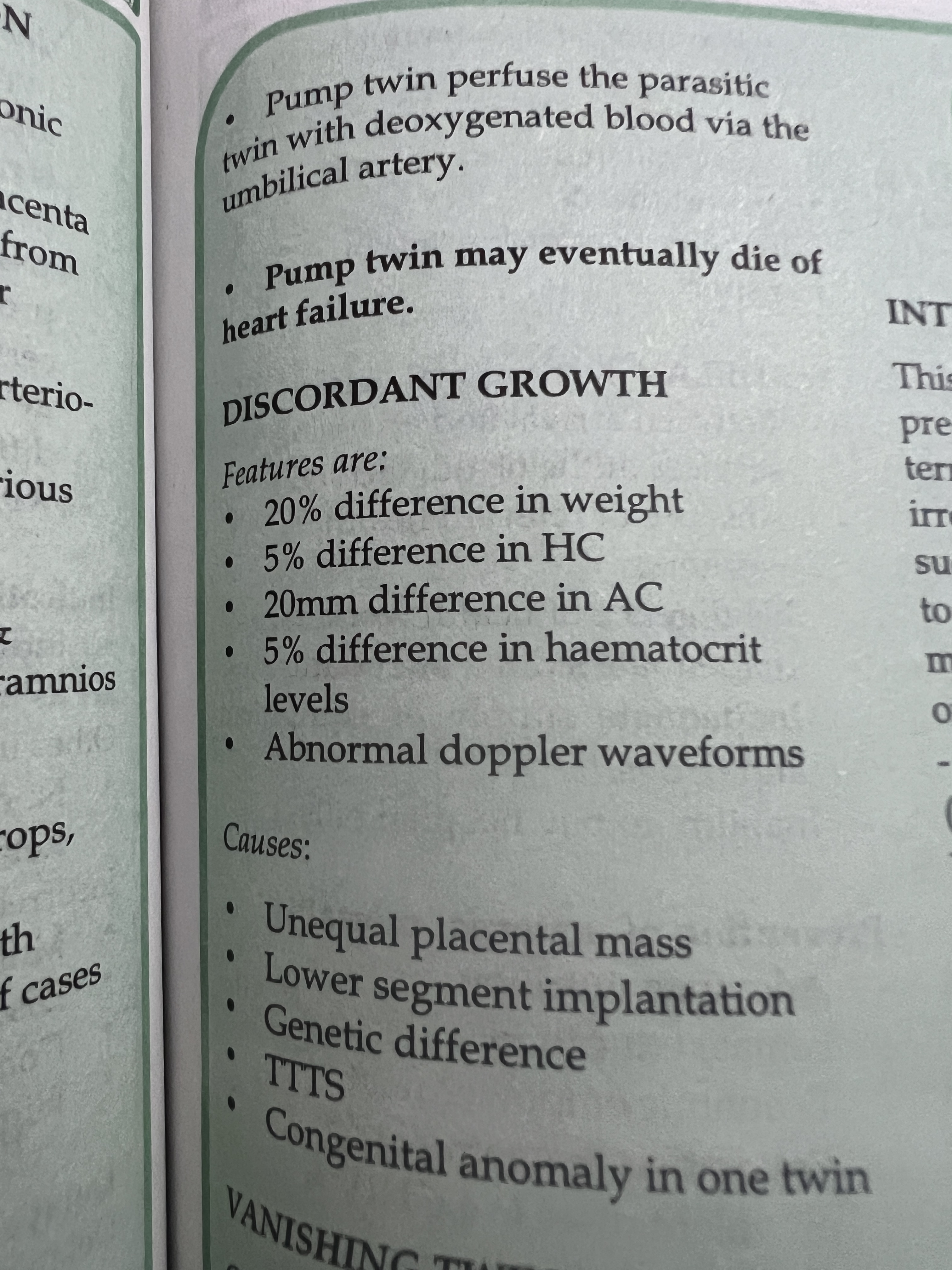
Donor twin/ pump twin: perfuse the other twin with deoxygenated blood via umbilical artery
pump twin, heart failure
Discordant growth in TRAPS
HC: head circumference
AC: abdominal circumference