Chapter 28 Cold War and a New Western World, 1945 - 1965
 Call Kai
 Learn
Learn Practice Test
 Spaced Repetition
 Match
Match Flashcards
 Knowt Play
1/22

There's no tags or description
Looks like no tags are added yet.
Name | Mastery | Learn | Test | Matching | Spaced | Call with Kai |
|---|
No analytics yet
Send a link to your students to track their progress
23 Terms
The Cold War
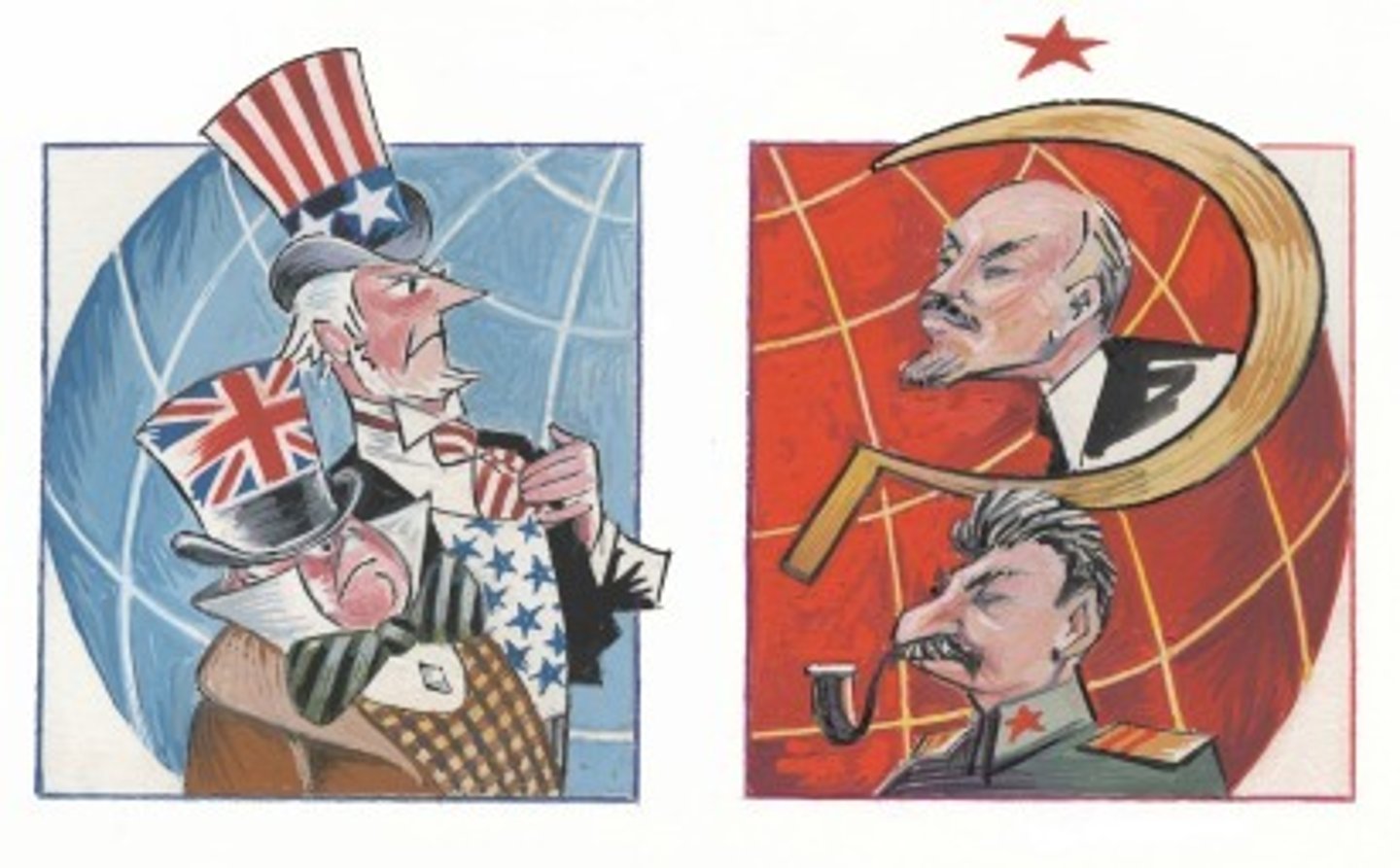
A term used to describe the tensions and competition for world power and influence between the West and the Soviet Union. The period would see much conflict but not open war due to the threat of Nuclear War and total world destruction.
Truman Doctrine
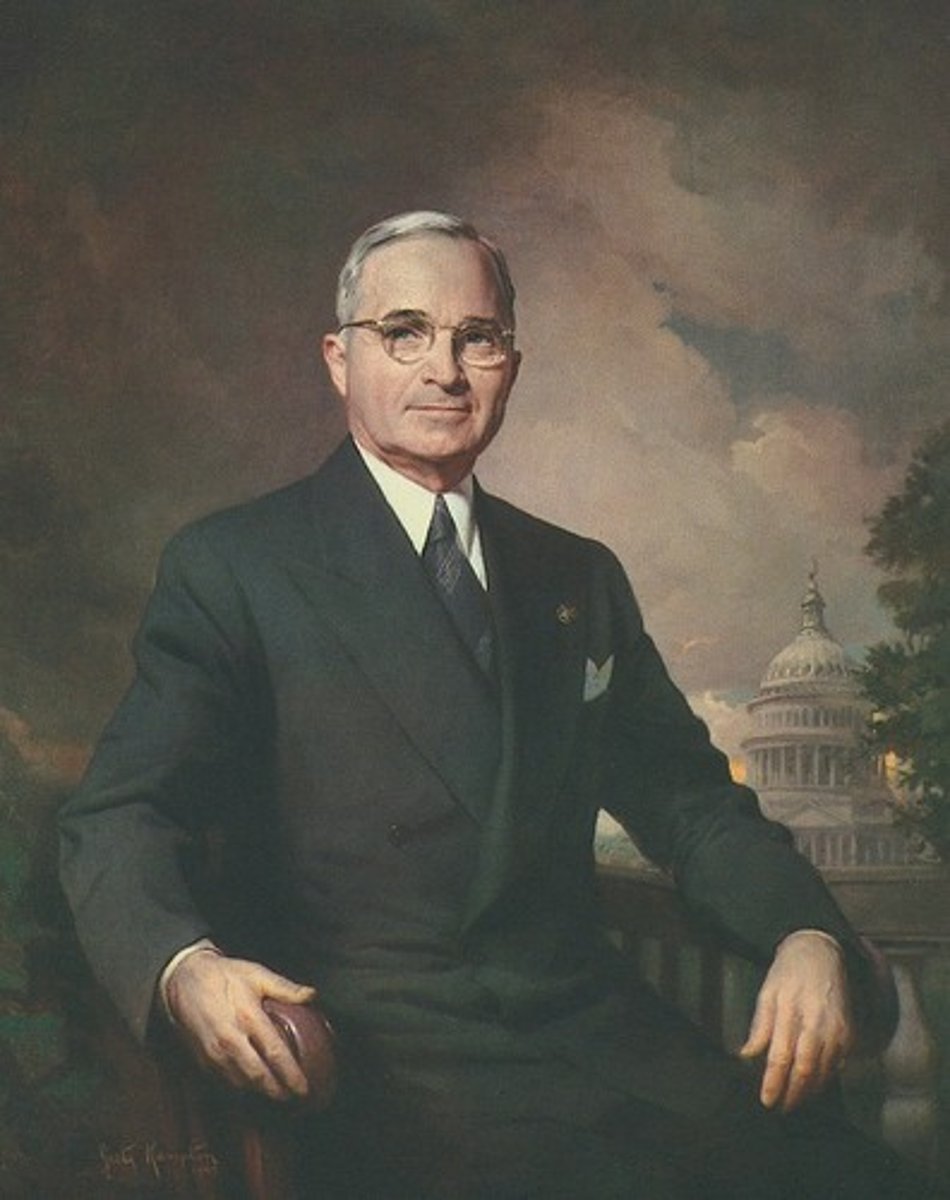
The doctrine enacted by the president in 1947 that stated the United States would provide economic aid to countries that said they were threatened by Communist expansion. It would first be used in Greece and Turkey after the war.
Marshall Plan
The economic plan designed to aid in the recovery and rebuilding of Europe after WWII funded and run by the United States. It would be successful in Western Europe but would not be used in Soviet controlled areas such as Eastern Europe.

Containment Policy
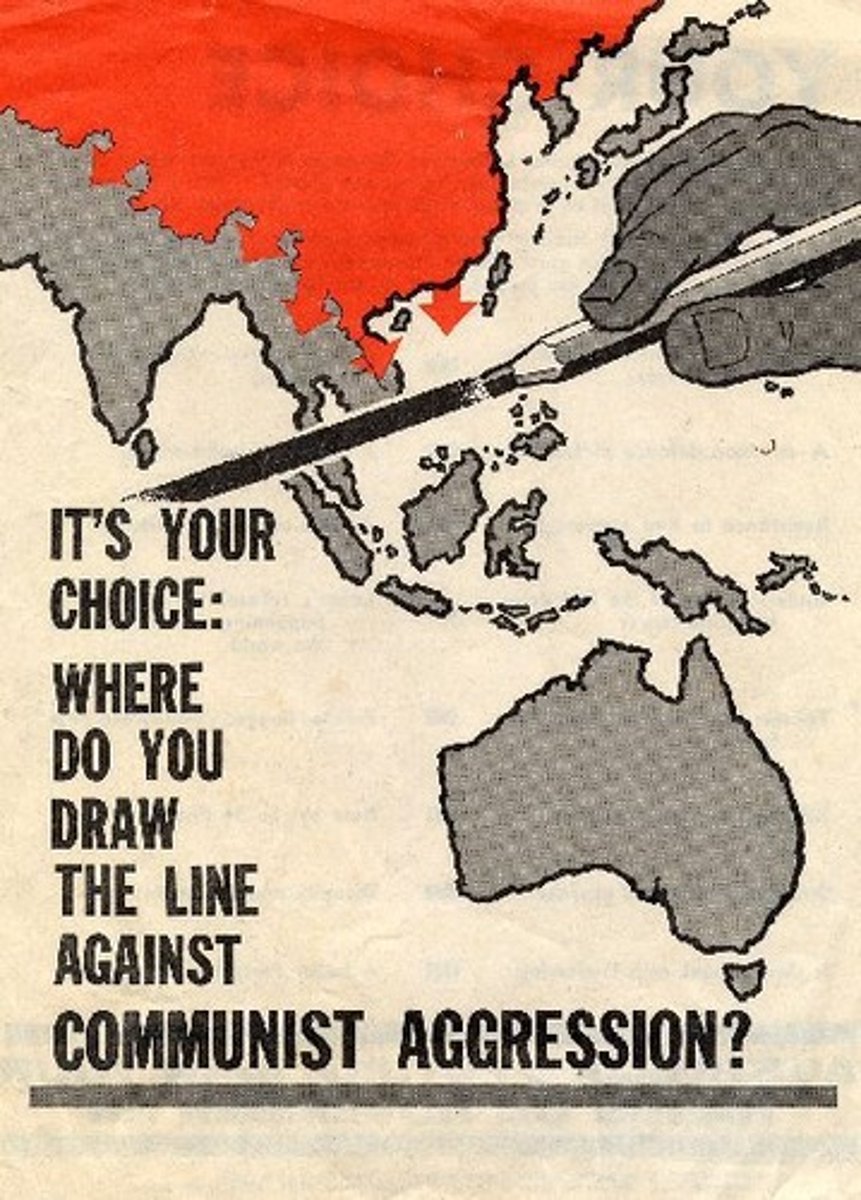
A policy developed by American diplomat George Kennan to respond to Soviet aggression and to help stop the spread of the communist threat and influence to the West and the rest of the world.
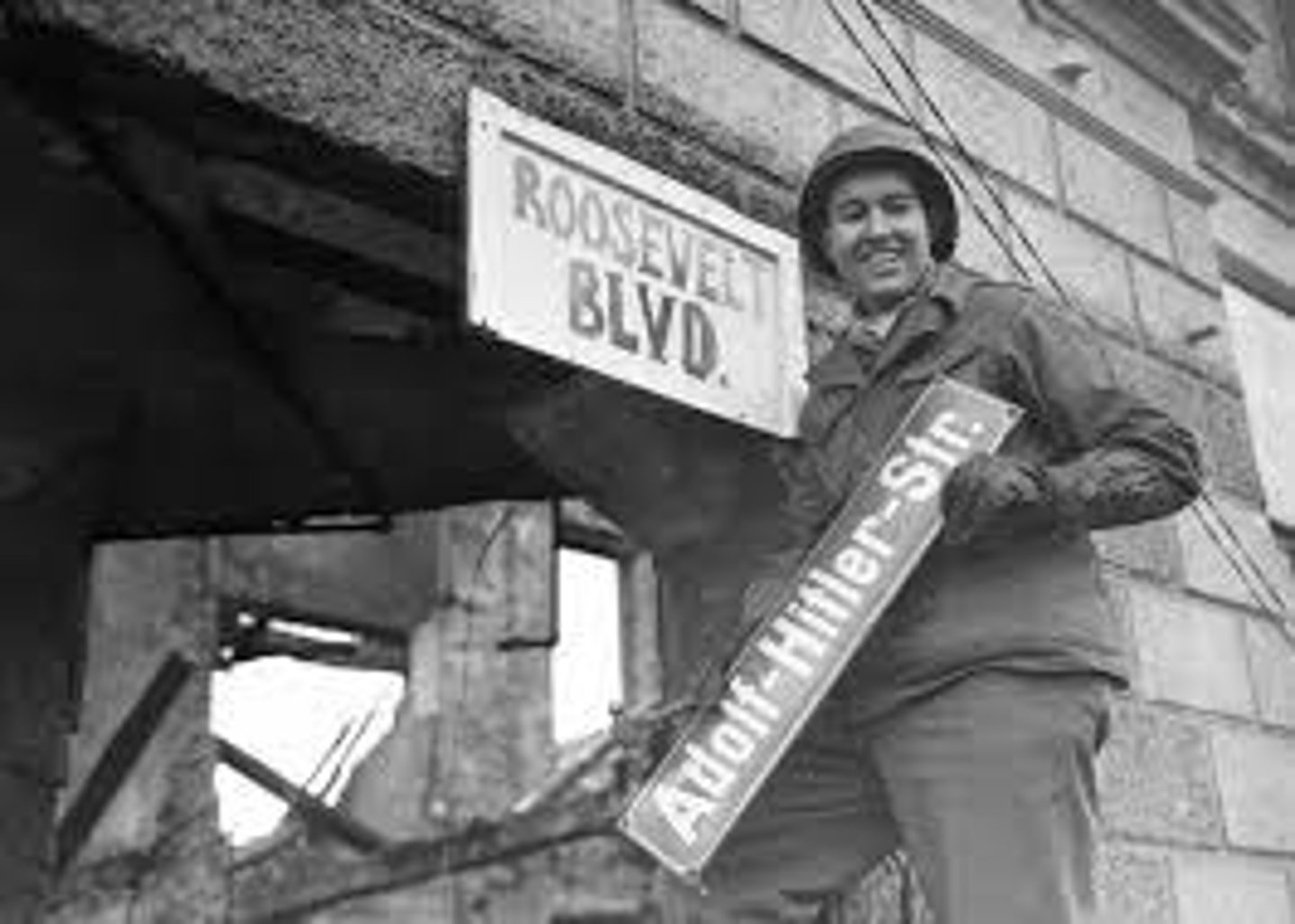
Denazification
The dismantling of the Nazi state by the allied powers at the end of WWII.
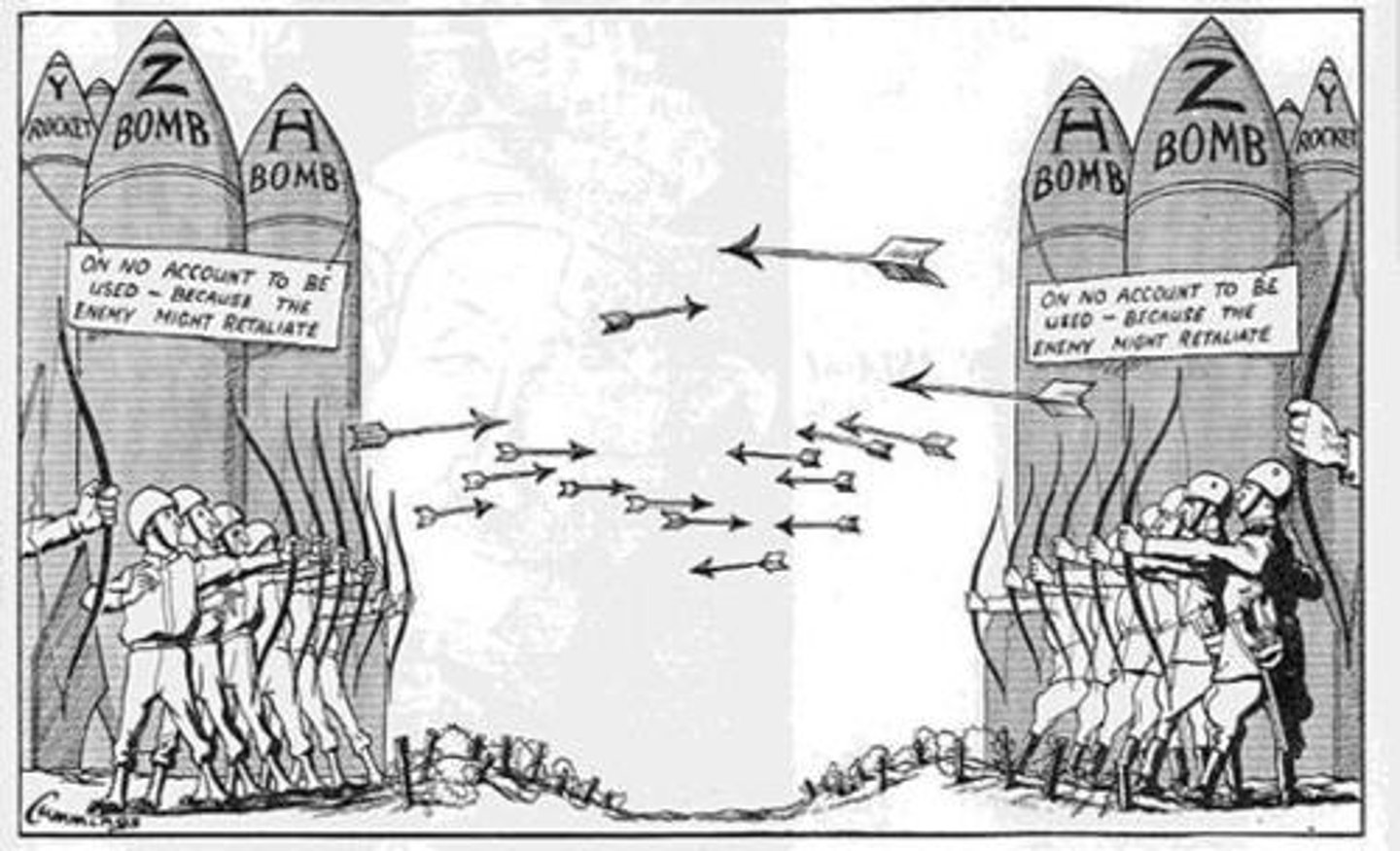
Mutual Deterrence
The policy and reality that no one side could win a Nuclear War. Both sides had the weapons and ability to destroy the other side if one side started a conflict.
NATO
North Atlantic Treaty Organization. A military alliance formed in 1949 which meant to check the power of the Soviet Union should they decide to invade Western Europe. It stated that if one member were attacked, then all would respond to help fight the attacker.
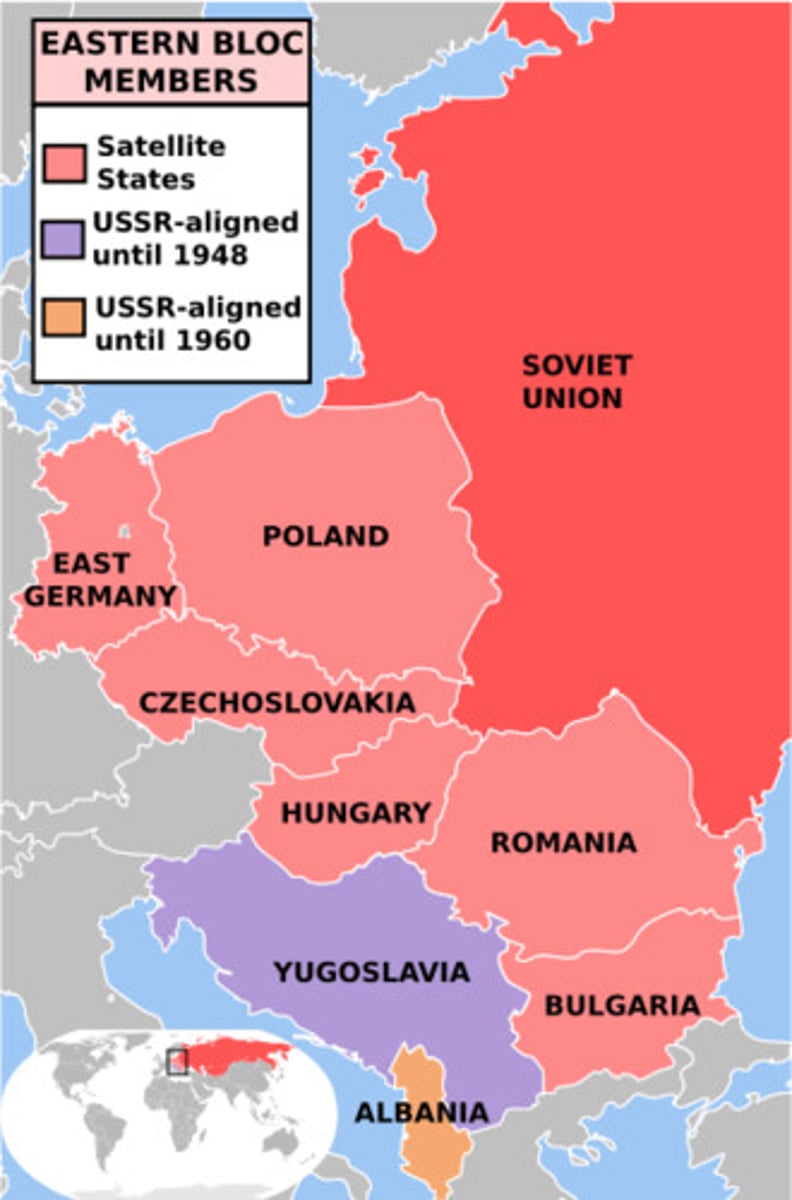
Warsaw Pact
A military alliance formed by and dominated by the Soviet Union in 1955 that included much of Eastern Europe designed to match the forces of NATO if they chose to attack the East.
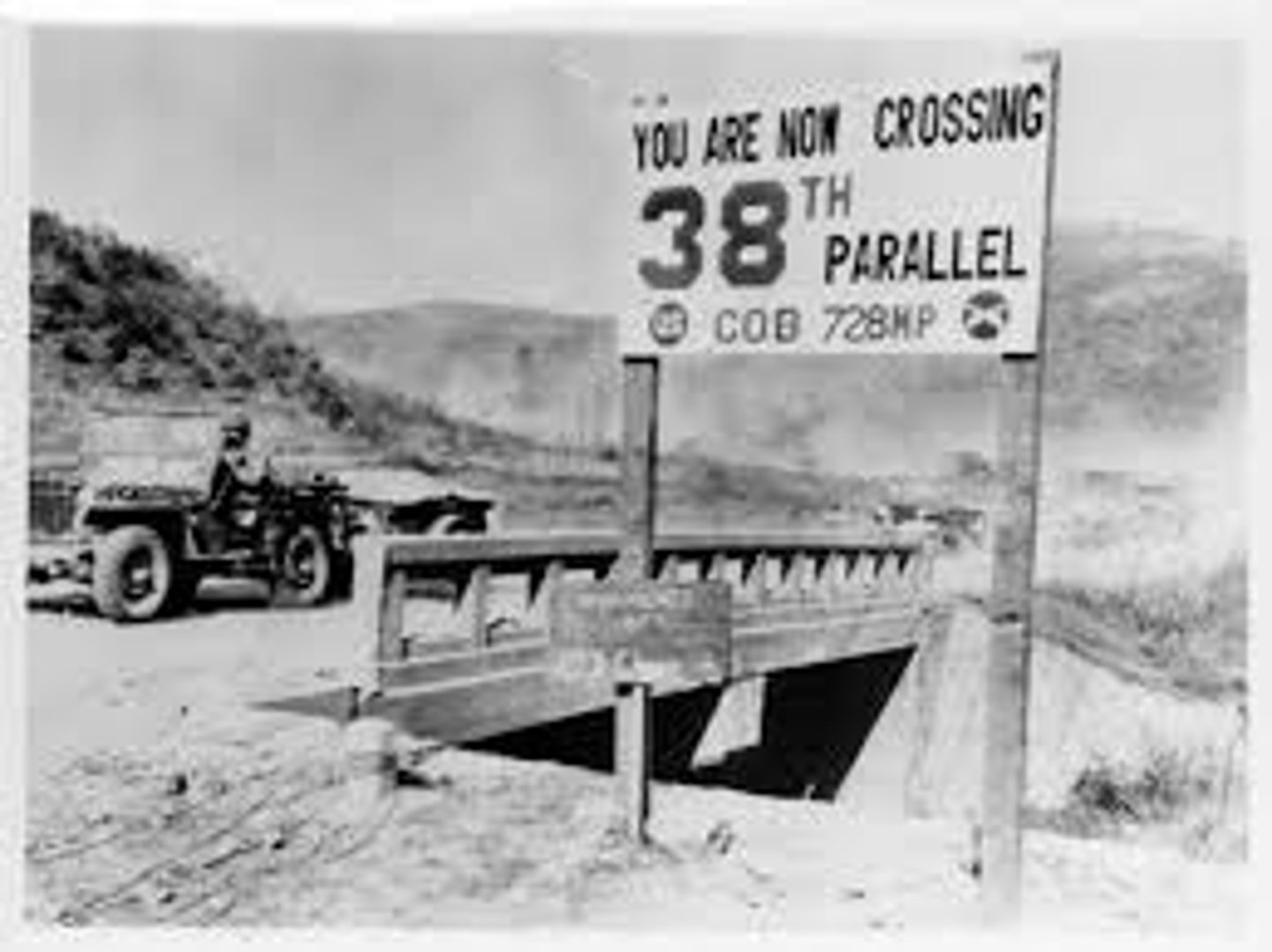
The Korean War
This conflict would see the United States enter a war to prevent the spread of Communism. When the North invaded the South, the American response was to send troops and fight to prevent the whole Asian nation from falling to Communist aggression.
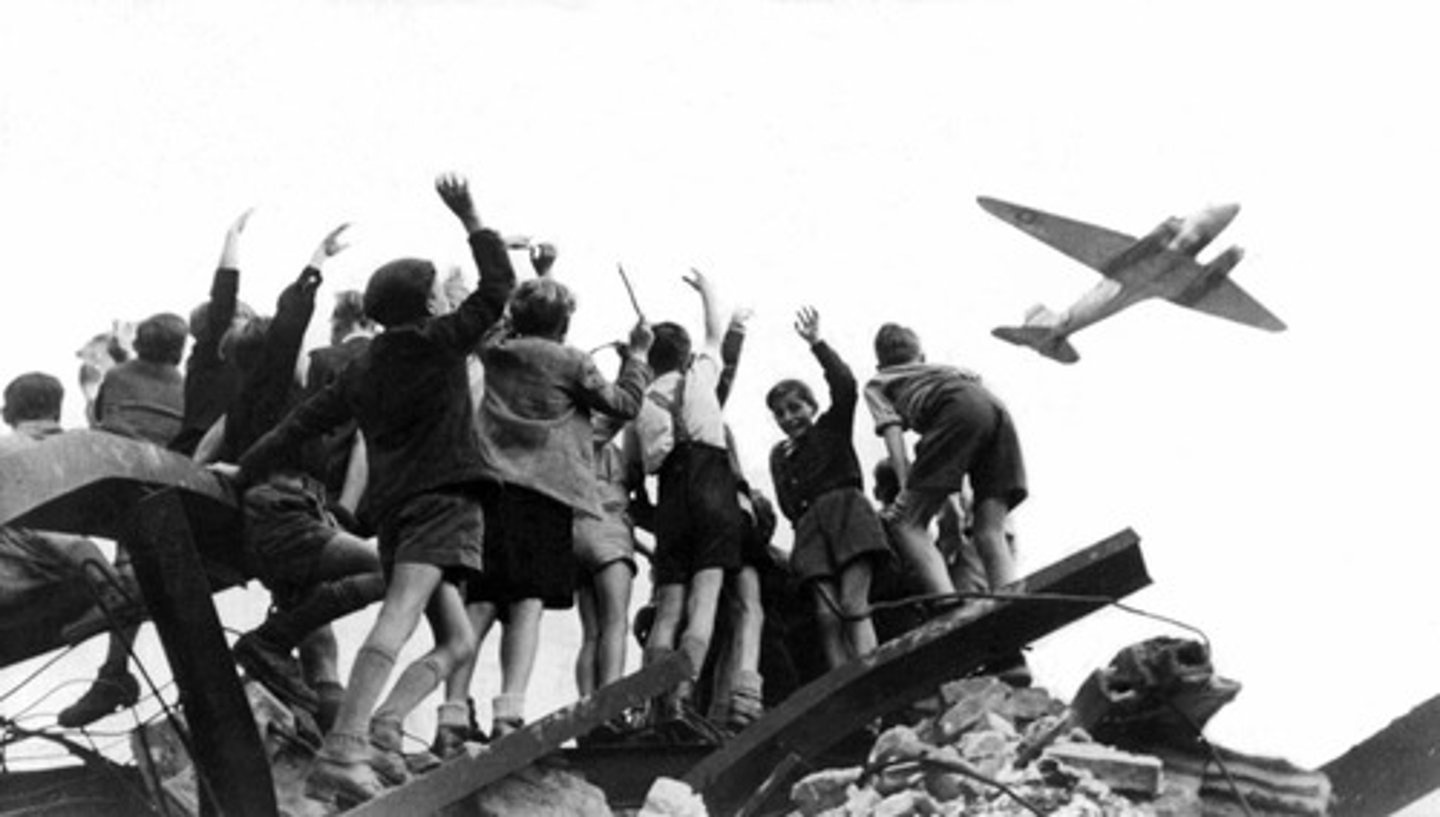
The Berlin Airlift
An American operation that would fly supplies to a cut off and surrounded city that the Soviet Union wanted to isolate and completely dominate. The plan worked and the blockade was lifted in 1949.
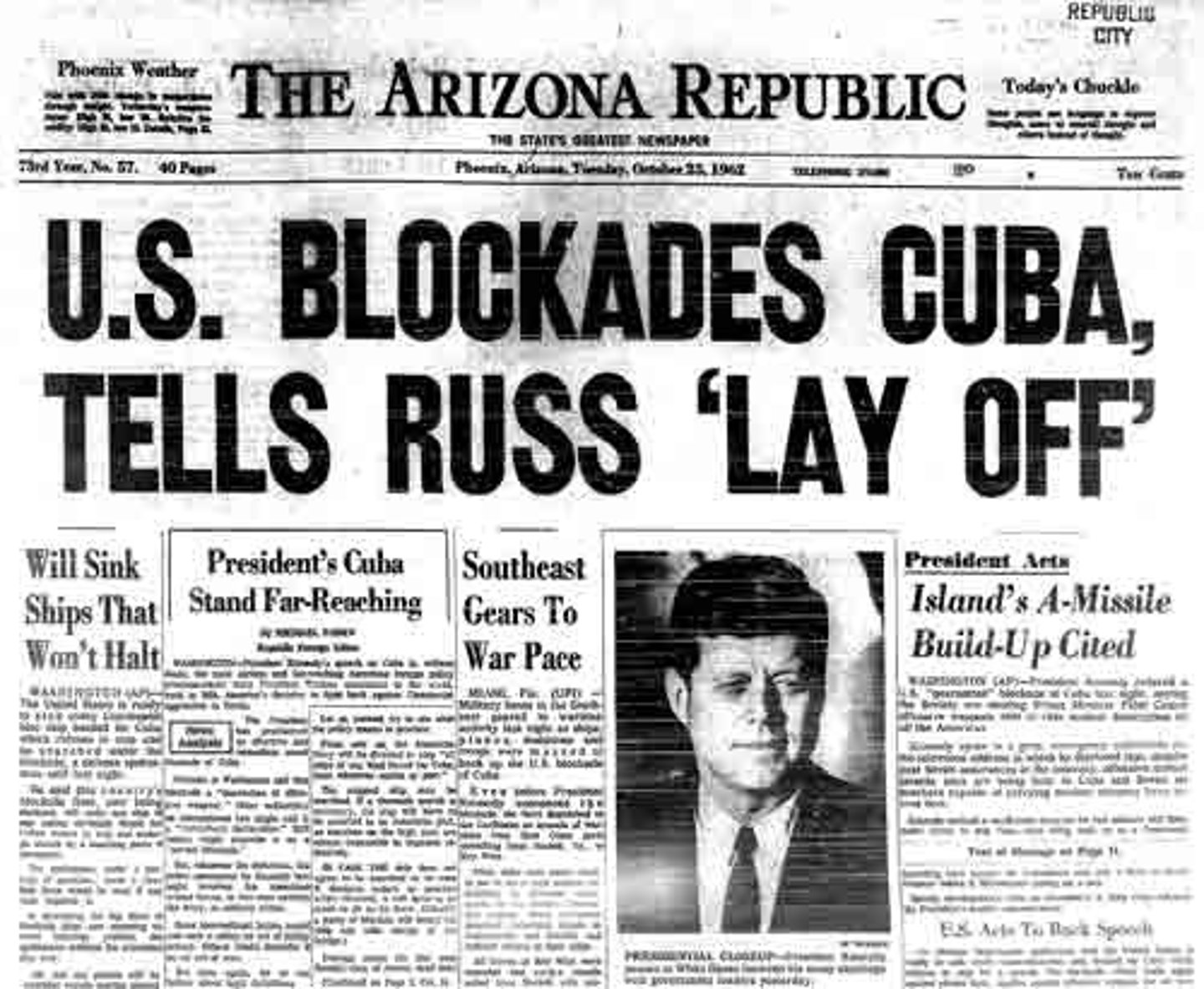
The Cuban Missile
A serious confrontation between the United States and the Soviet Union that began when the Soviets tried to put nuclear missiles in Cuba. The United States blockaded the island nation and the super powers were able to come to an understanding that could have resulted in nuclear war.
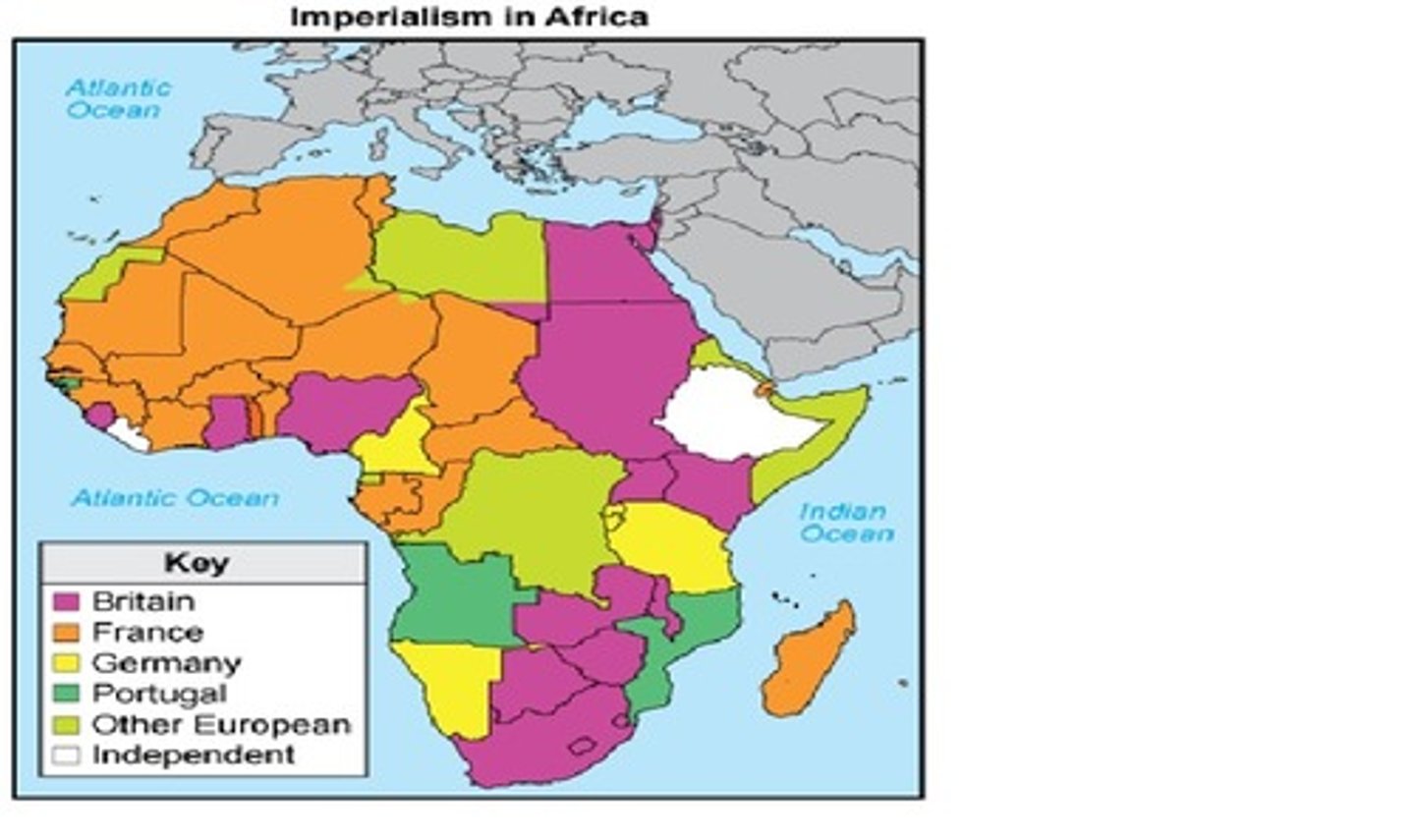
Decolonization
The process of becoming free of colonial rule and status by achieving statehood. This occurred over much, but not all, of the prior colonies around the globe between 1947 and 1962.
Apartheid
The system of racial segregation in South Africa.
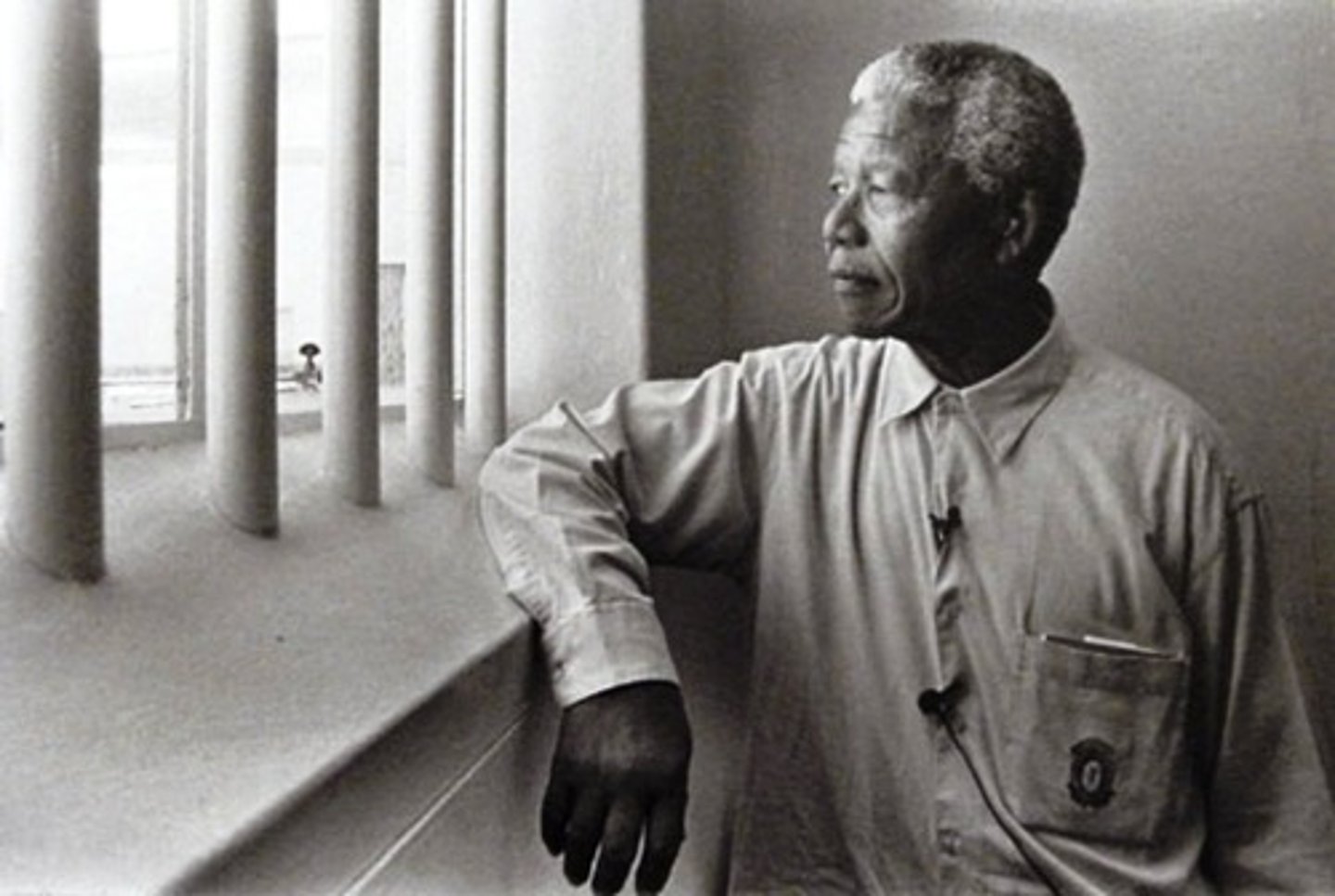
De-Stalinization
The process led by the new Soviet leader Khrushchev that reduced the power of the Secret Police and closed some of the Siberian prison camps. The goal was to make the Soviet Union not as oppressive as it was under Joseph Stalin.
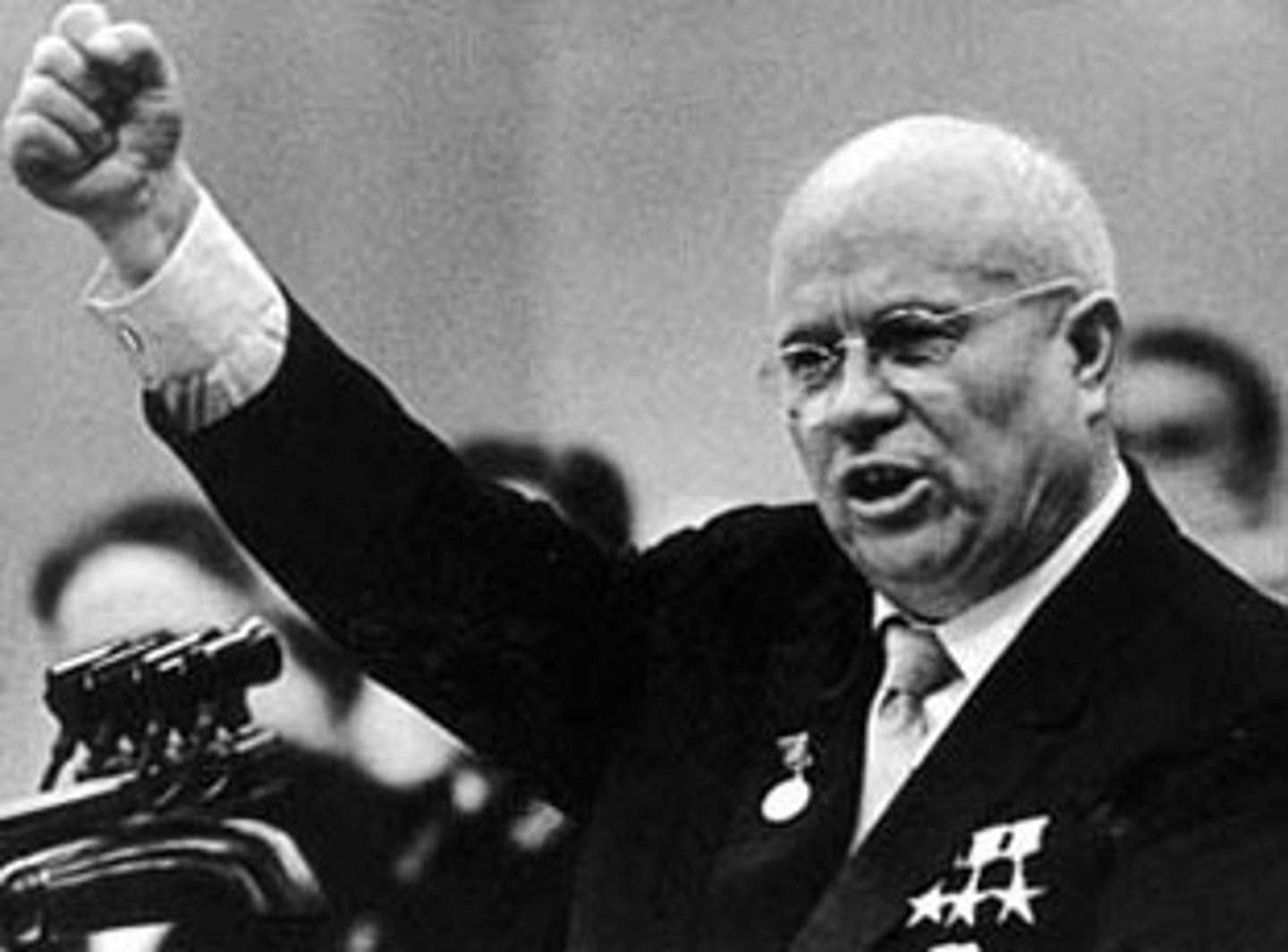
Stalinization
The name for the style of leadership and plans undertaken by the governments of Eastern European satellite states that attempted to institute Soviet style 5 year plans with a emphasis on heavy industry.
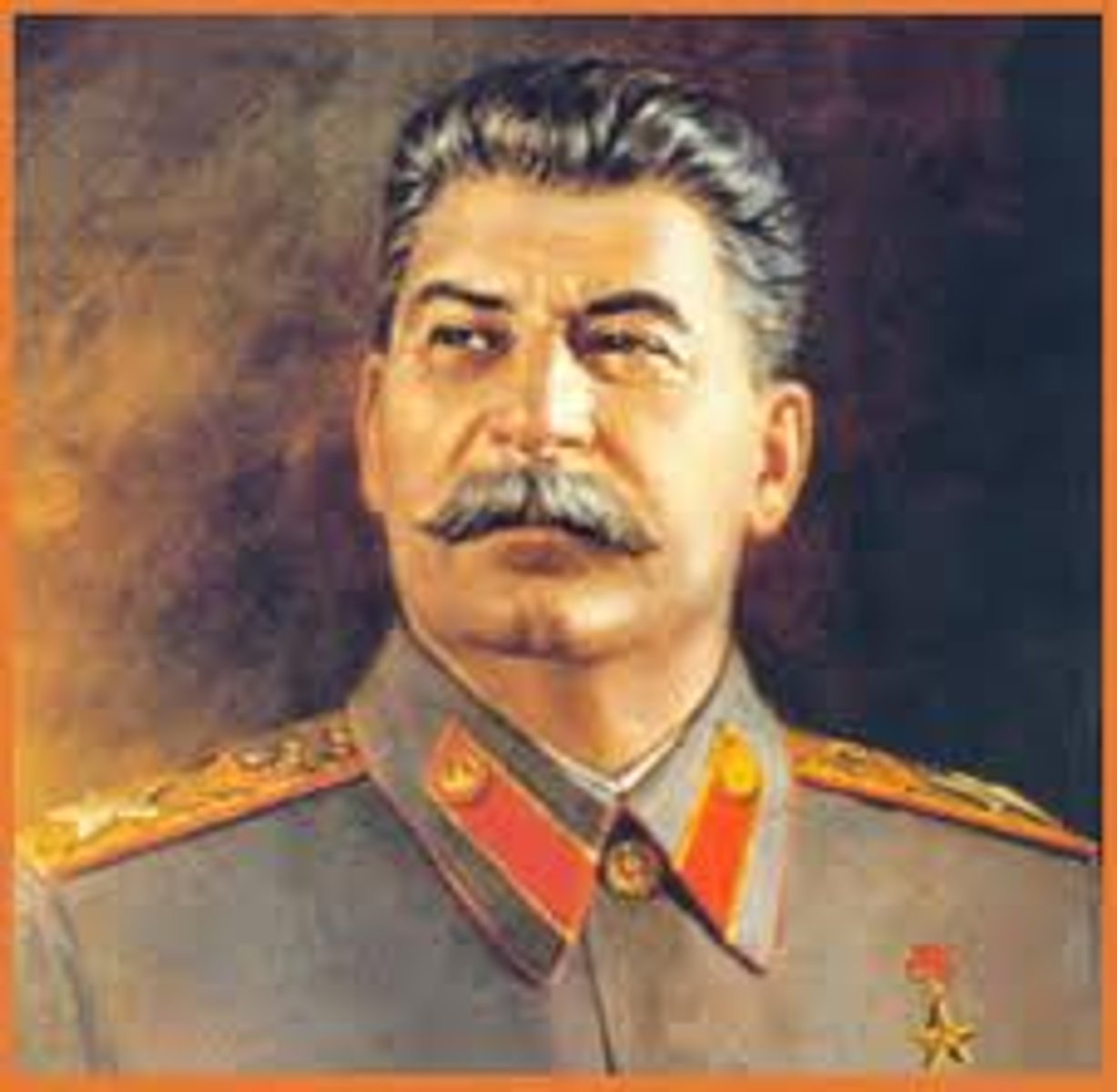
Nationalization
The term used to describe government ownership and control of traditional major industries such as coal, steel and railroads.
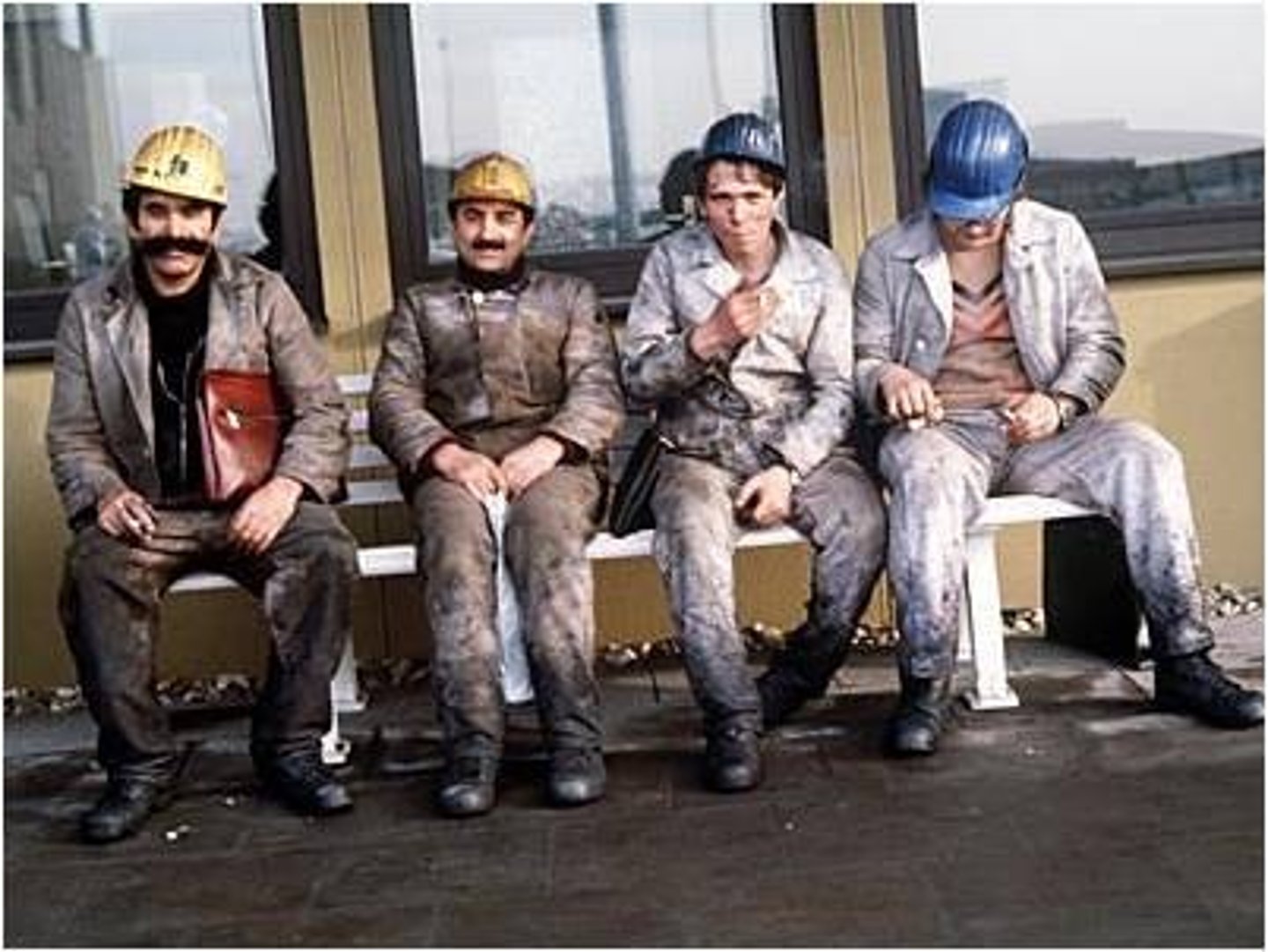
Guest Workers
Individuals mostly from Italy, Spain and other countries that were invited to work in West Germany during the 1950's and 1960's. This program aided German economic expansion.
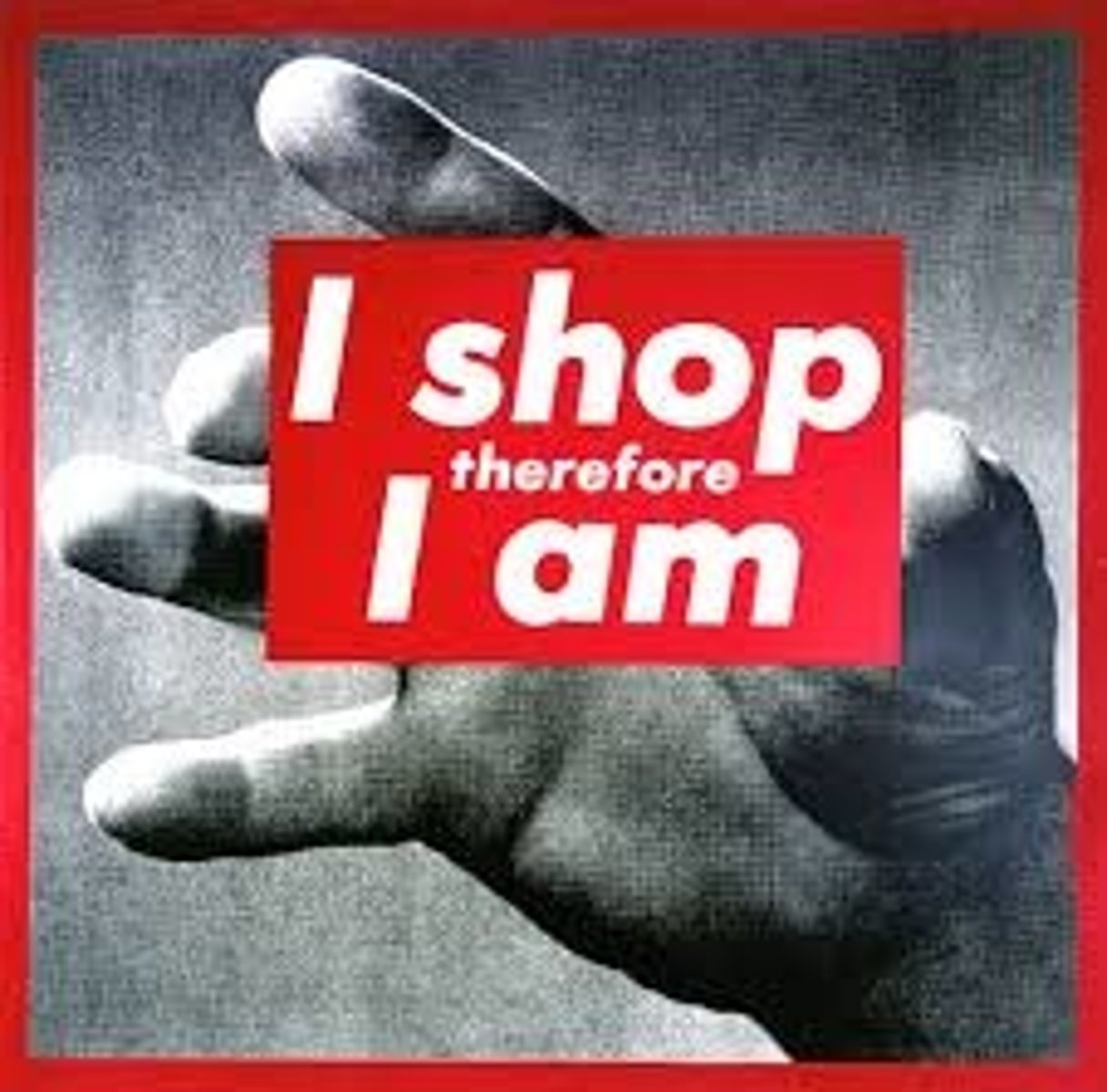
Consumer Society
A term used to describe Western society after WWII as the working classes adopted the consumption patterns of the middle classes by using installment plans, credit cards, and easy credit to purchase goods such as appliances and cars.
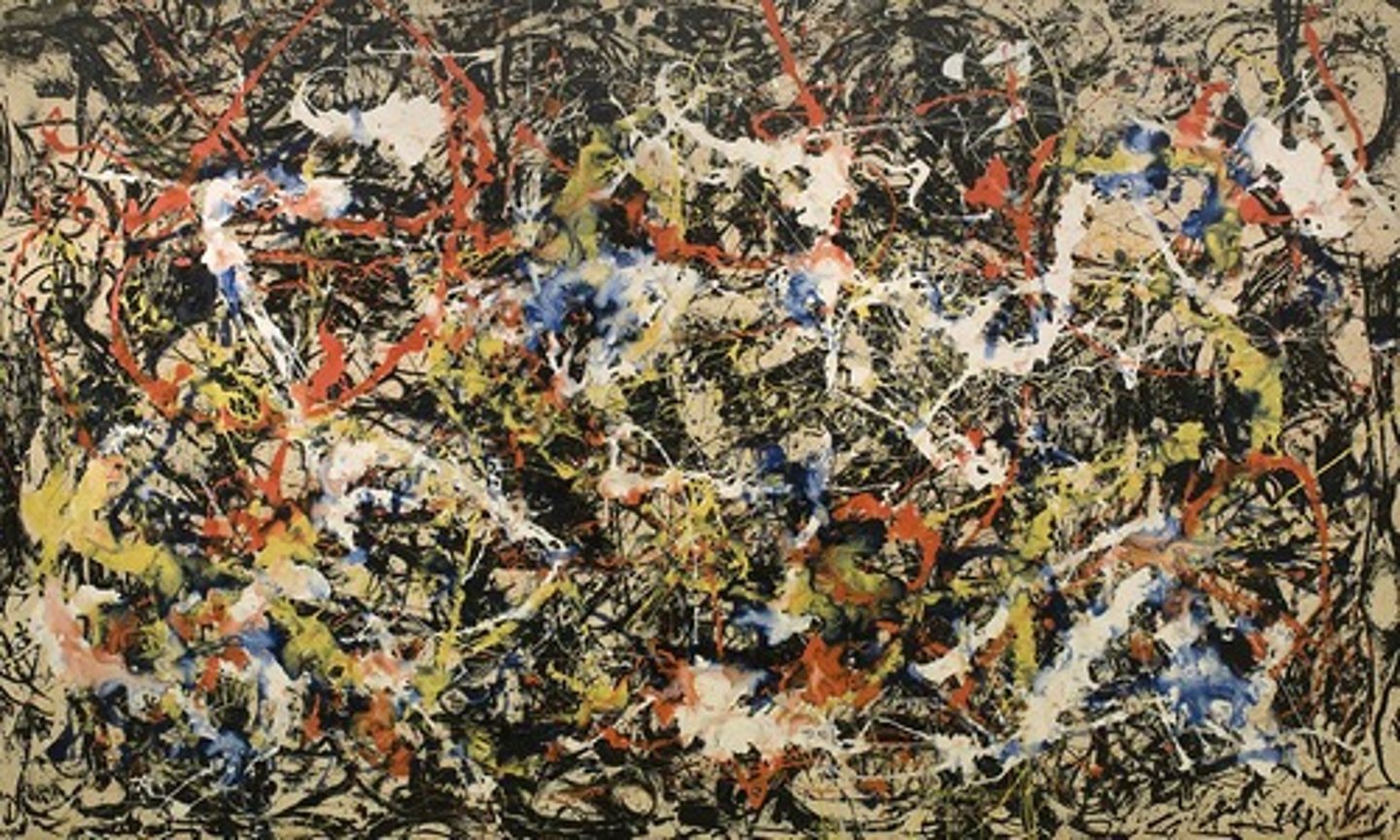
Abstract Expressionism
Energetic and spontaneous form of action painting that emerged in the mid-twentieth century. A prime example would be Jackson Pollock's work, Convergence, painted in 1952.
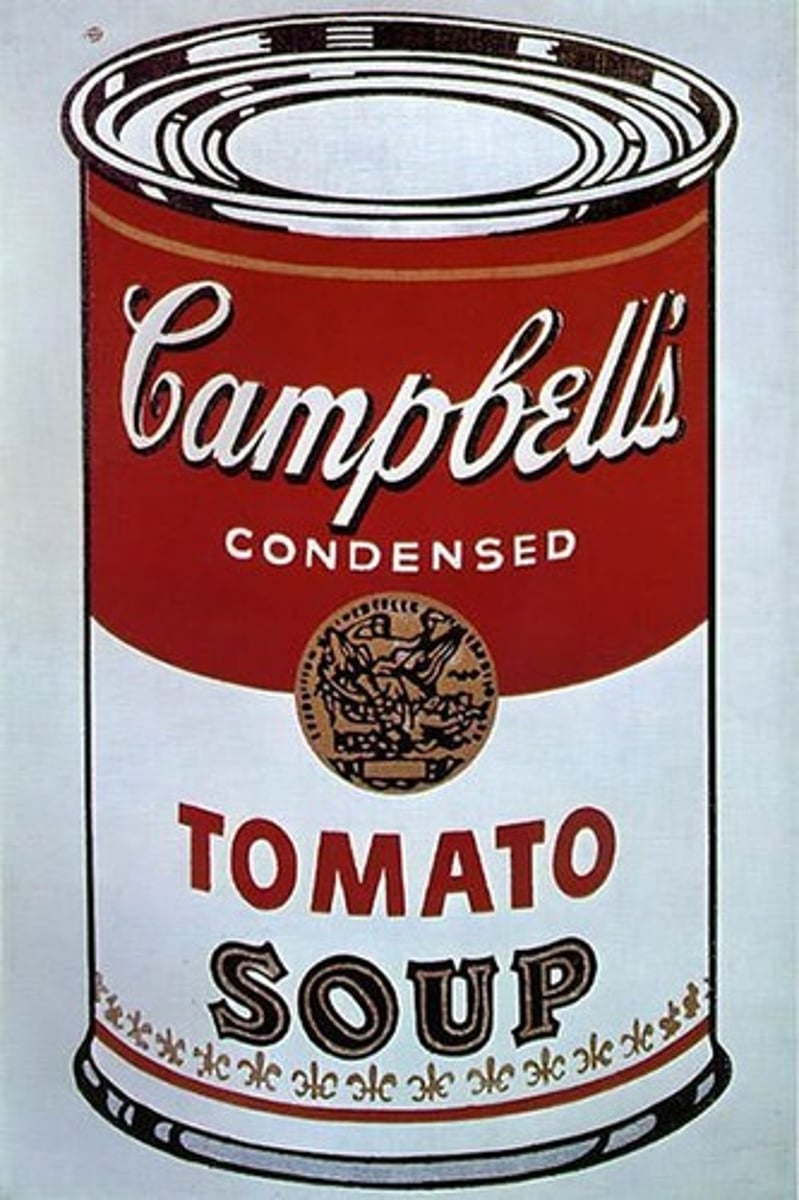
Pop Art
Art form that took media images of popular culture and transformed them into works of art. Andy Warhol is perhaps the most famous of these type of artists with his well known work using Campbell's soup cans.
Socialized Medicine
Control of medical and dental practices by the state. This model of medicine was and is practiced by a number of European states since the end of WWII.

Welfare State
A social/political system in which the government assumes the primary responsibility for the social welfare of its citizens by providing such things as social security, unemployment benefits, and health care.
Existentialism
A twentieth-century philosophy developed by Sartre and Camus; the world is devoid of meaning and humans must create their own meaning.