Minerals and Igneous Rocks
 View linked note
 Call Kai
 Learn
Learn Practice Test
 Spaced Repetition
 Match
Match Flashcards
 Knowt Play
1/38

Earn XP
Description and Tags
A comprehensive set of flashcards covering key concepts, minerals, and characteristics related to igneous rocks, derived from the lecture notes.
Name | Mastery | Learn | Test | Matching | Spaced | Call with Kai | Chat |
|---|
No analytics yet
Send a link to your students to track their progress
39 Terms
Muscovite mica
Thin clear sheets.
Biotite mica
Thin greenish/black sheets.
Plagioclase feldspar
Shiller (pearlescent luster) and straight laminae.
Pyrite
Brassy color with cubic crystals.
Orthoclase feldspar
Typically has a salmon color and wavy lamellae.
Amphibole (Hornblende)
Sheety, elongate, but NOT prismatic and appears fibrous.
Garnet
Dodecahedral crystals.
Graphite
Soft, gray streak with a metallic luster.
Gypsum
Fibrous texture, often clear or white, with three cleavage planes(one distinctive).
Halite
Salty taste, perfectly cubic crystals, and often rounded edges.
Calcite
Rhombohedral crystals with double refraction. Reacts to HCL
Copper
Metallic luster and tarnishes blue/green.
Galena
Metallic luster, cubic shape, and dense.
Talc
Pearly luster and very soft.
Hematite specular
Glittery metallic luster with a red streak.
Quartz
Hard, glassy, and can be used to make a tool.
Augite (Pyroxene)
Green tint with a 90-degree cleavage.
Felsic rocks
•Light colored
•Mostly composed of quartz and feldspars
•Most common mafic mineral in felsic rocks is biotite mica
Mafic rocks
Dark colored
Mostly composed of pyroxene
Ultramafic rocks have olivine
Rich in magnesium and iron
Intrusive rocks
Cool slowly at depth, allowing crystals to grow; typically exhibit phaneritic texture.
Extrusive rocks
Cool quickly at the surface; may exhibit glassy or vesicular texture.
Phaneritic texture
Characterized by visible crystals to the naked eye, matching intrusive rocks.
Porphyritic texture
Indicates a dual cooling history; primarily associated with extrusive rocks, exhibiting larger crystals in a finer matrix.
Glassy texture
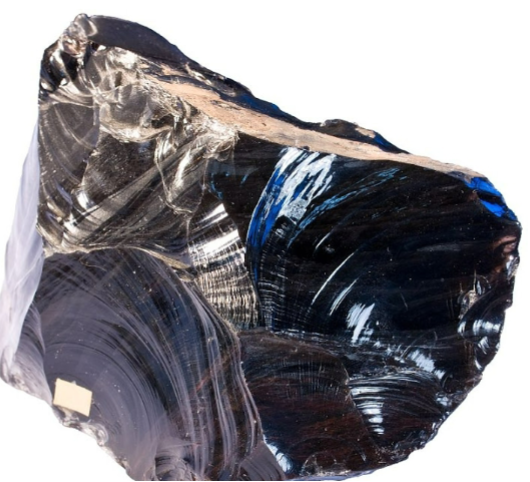
Lava cools so quickly that crystals can’t nucleate, typically found in extrusive rocks, characterized by conchoidal fracture.
Vesicular texture
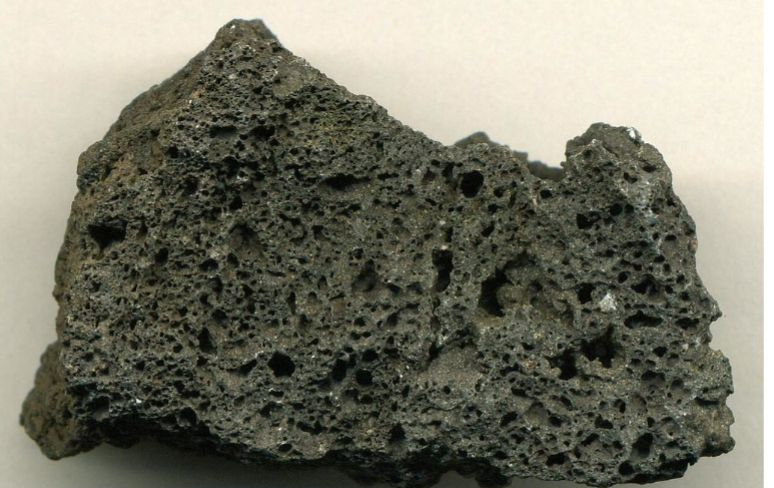
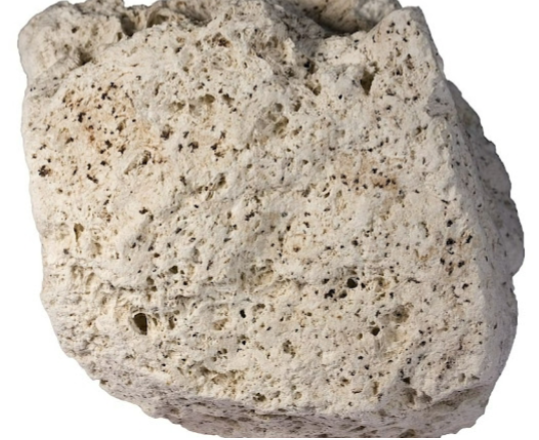
Significant number of holes left from escaping gases, typically associated with extrusive rocks.
Pegmatitic texture
Coarse-grained texture characterized by crystal size > 2.5 cm; commonly felsic.
Pyroclastic texture
Lavas produced by explosive volcanic eruptions; associated with extrusive rocks.
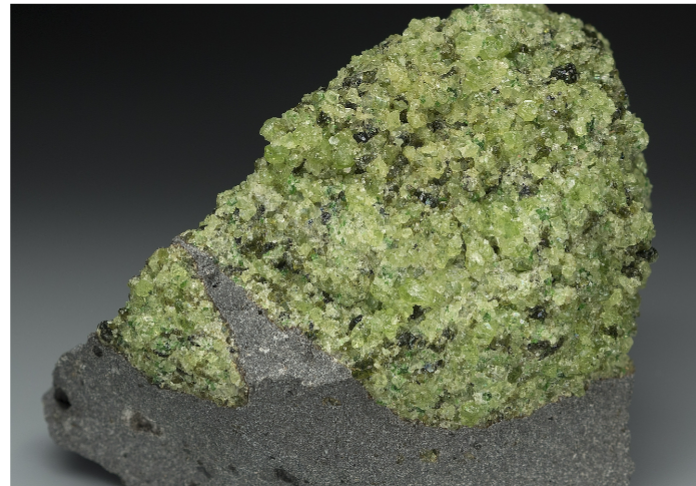
Olivine
Green, glassy, granular
Hematite oolitic
Reddish color
Red streak
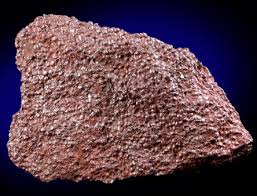
Aphanitic Texture
Crystals are not visible to the naked eye
May feel gritty to the touch
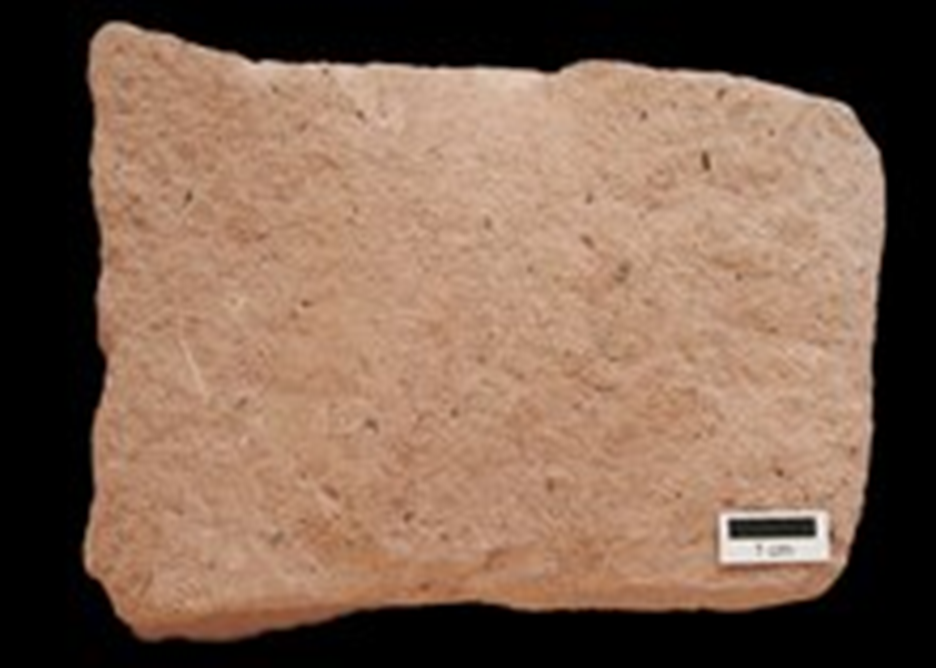
Gabbro
An intrusive, phaneritic, mafic igneous rock.
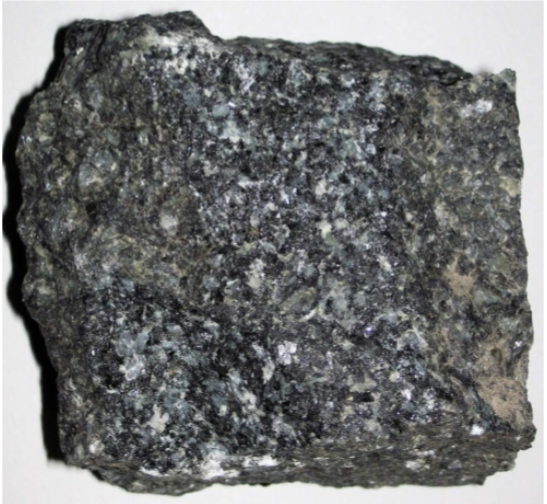
Diorite
An intrusive, phaneritic, intermediate igneous rock.
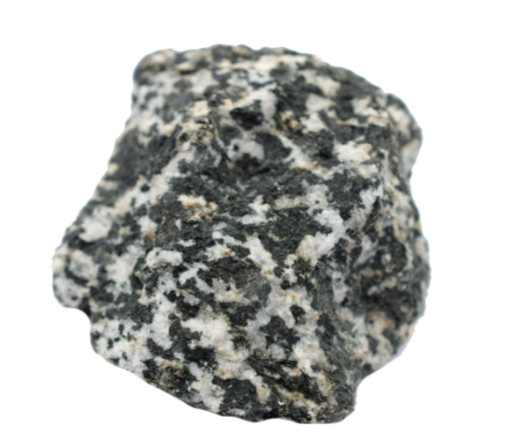
Granite
An intrusive, phaneritic, felsic igneous rock, typically pink or white.
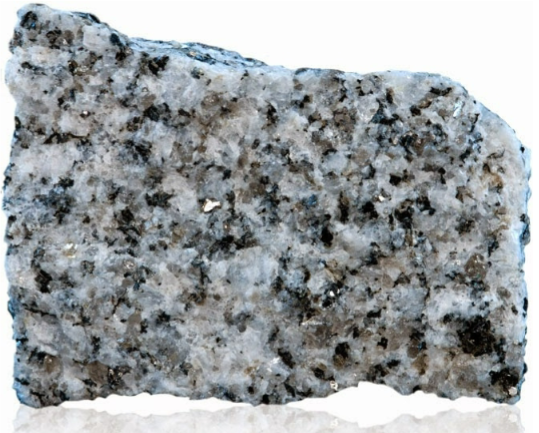
Basalt
An extrusive, aphanitic, mafic igneous rock.
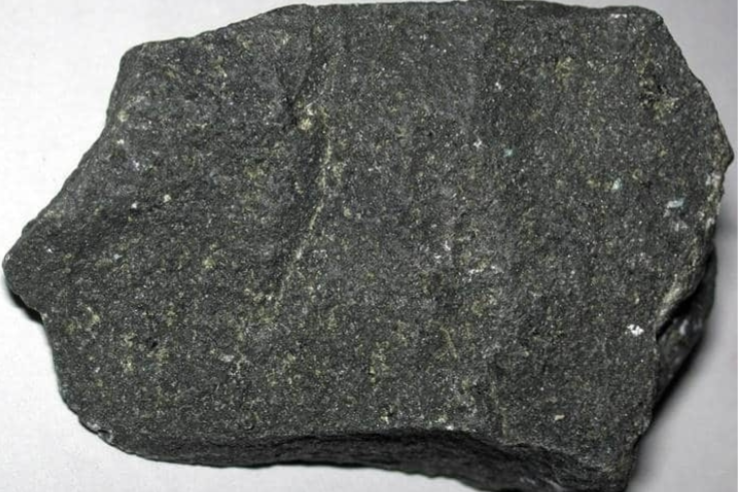
Rhyolite
An extrusive, aphanitic, felsic igneous rock.
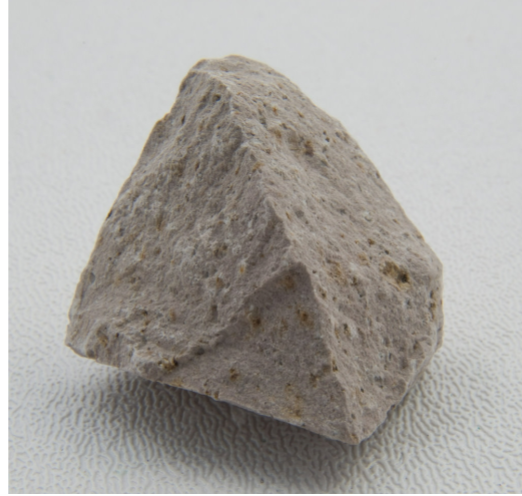
Obsidian
An extrusive, glassy igneous rock that cannot reveal composition from color.
Scoria
An extrusive, vesicular rock that is intermediate or mafic.
Pumice
An extrusive, vesicular, felsic rock.
Peridotite
An intrusive, phaneritic ultramafic rock, primarily composed of olivine.