L22 - Eukaryotic Cytoskeleton

0.0(0)
Studied by 0 people
call kaiCall Kai
learnLearn
examPractice Test
spaced repetitionSpaced Repetition
heart puzzleMatch
flashcardsFlashcards
GameKnowt Play
Card Sorting

1/10

encourage image

There's no tags or description

Looks like no tags are added yet.

Last updated 5:54 PM on 5/31/26
Name
Mastery
Learn
Test
Matching
Spaced
Call with Kai

No analytics yet

Send a link to your students to track their progress

11 Terms

1
New cards

overview

2
New cards

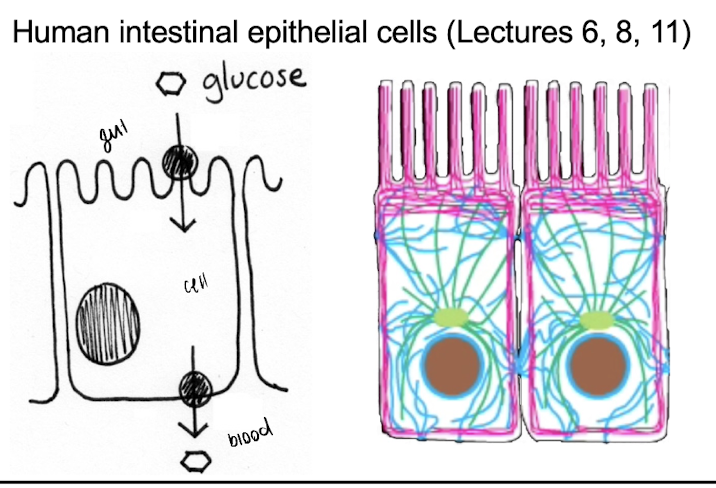
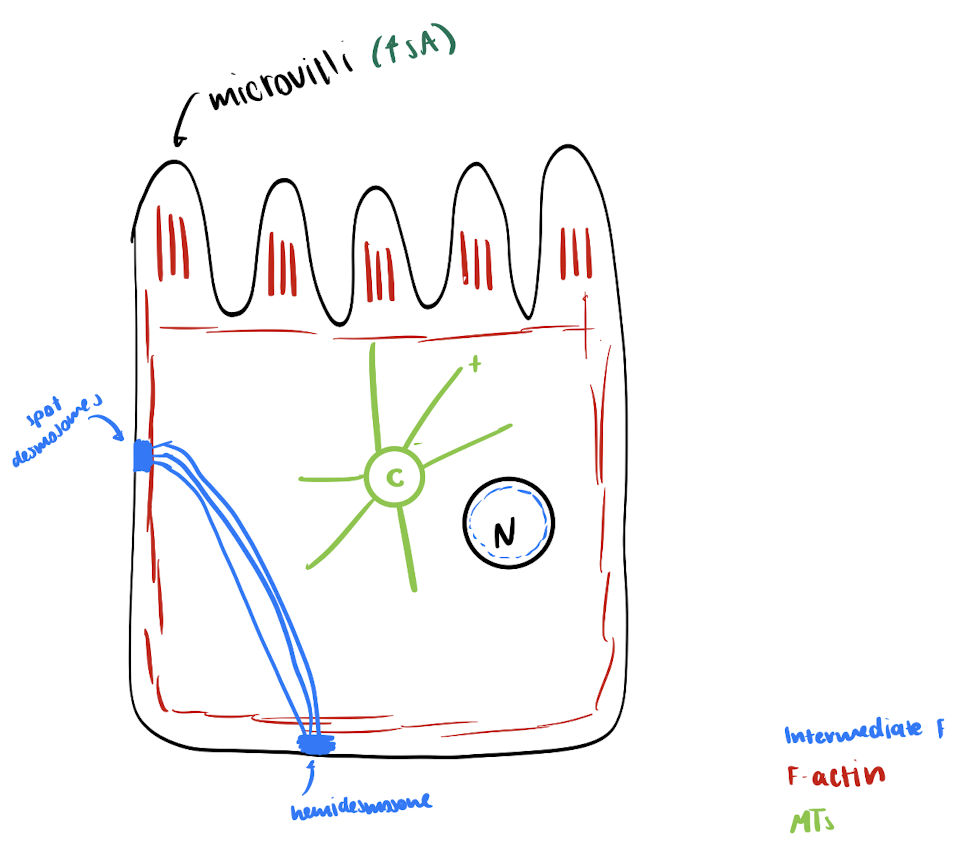
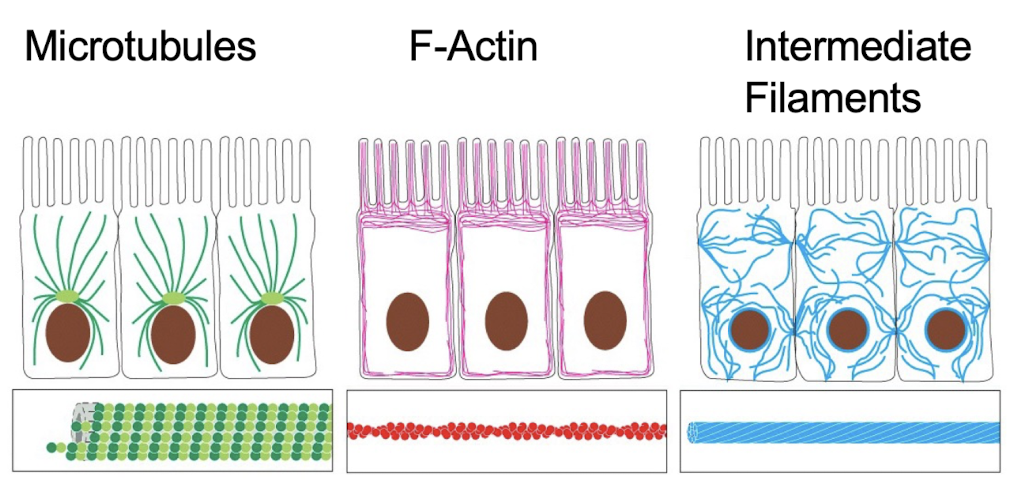
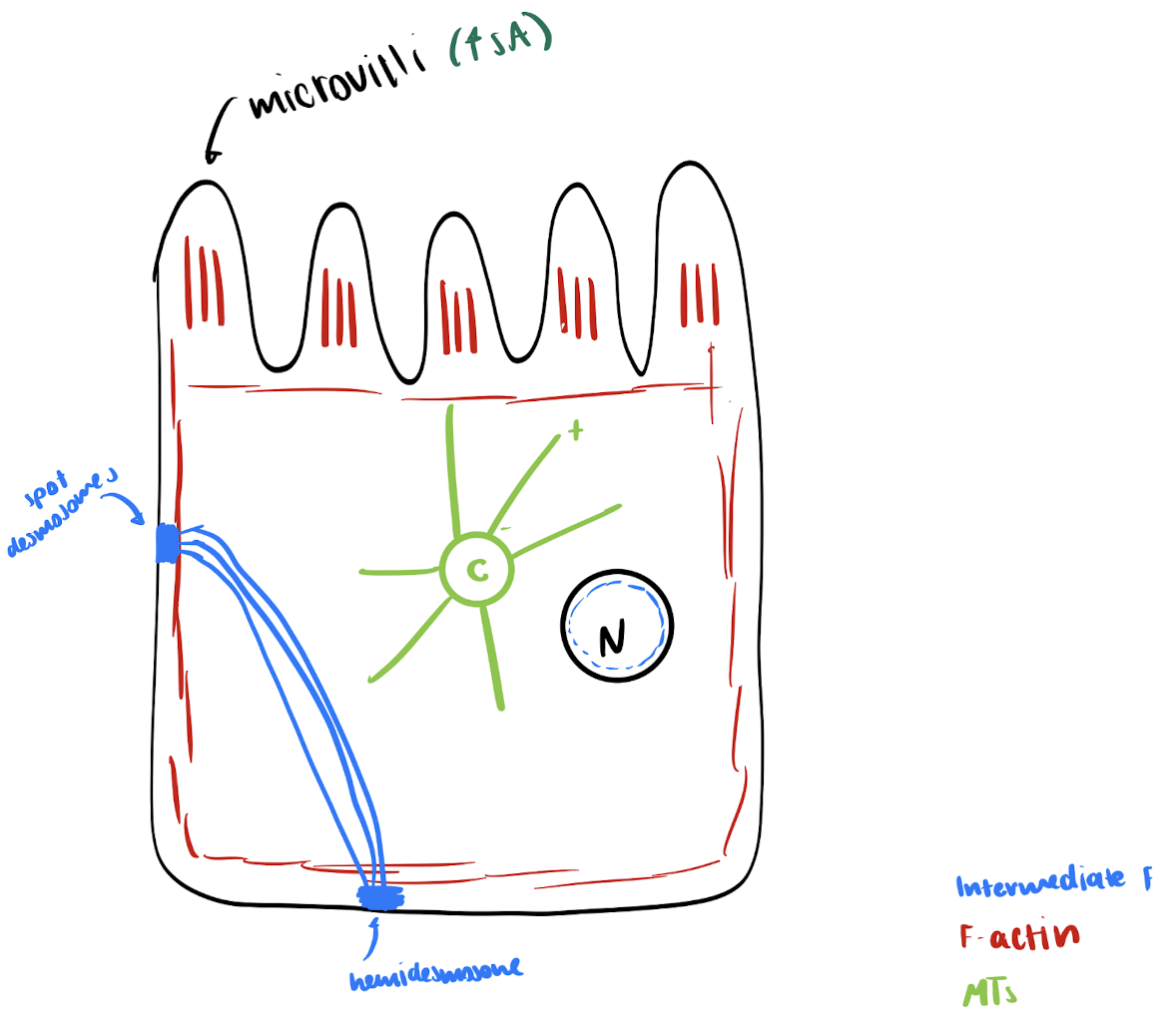
Cytoskeleton in Human gut cell

3
New cards

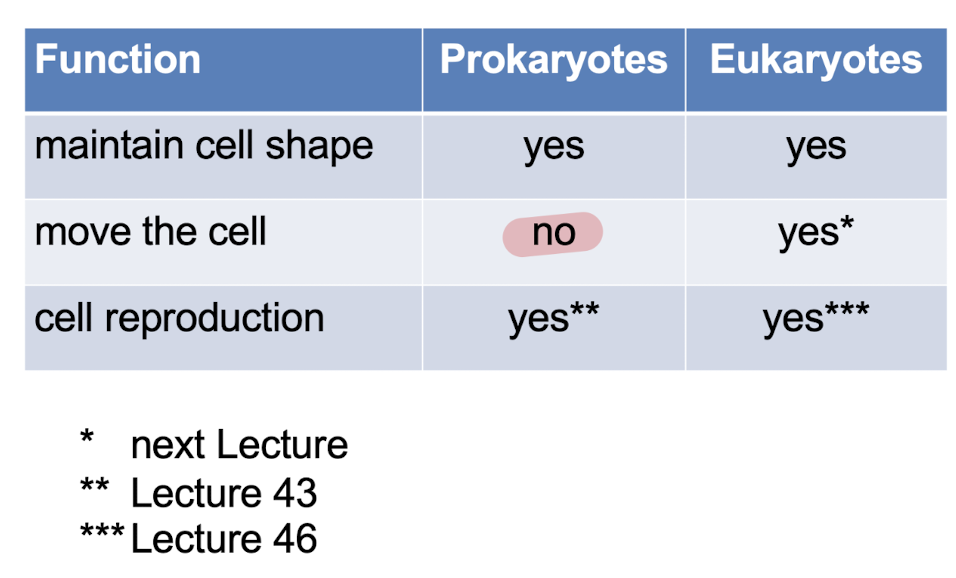
Eukaryotes vs. Prokaryotes Cytoskeleton

structure: both contain

  • chains of round proteins

or

  • bundles of thin proteins

Function of cytoskeleton:

Prokaryotes:

  • maintain cell shape & cell reproduction

Eukaryotes:

  • maintains cell shape, moves the cell, cell reproduction
<p><u>structure: both contain </u></p><ul><li><p>chains of round proteins </p></li></ul><p>or </p><ul><li><p>bundles of thin proteins</p></li></ul><p></p><p><u>Function of cytoskeleton:</u></p><p><strong>Prokaryotes</strong>: </p><ul><li><p>maintain cell shape &amp; cell reproduction</p></li></ul><p><strong>Eukaryotes</strong>:</p><ul><li><p>maintains cell shape, moves the cell, cell reproduction </p></li></ul><p></p>
4
New cards

Cytoskeleton components

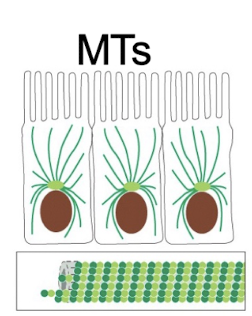
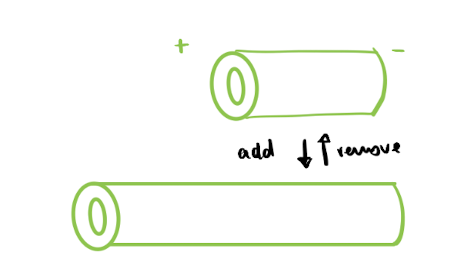
  1. microtubules = tubes of round tubules proteins

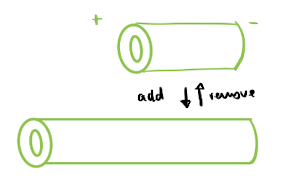
  • have polarity ( + & - end)

  • tubulin = heterodimer

  • nucleotide is used to regulate formation of MTs

→ tubulins are added/removed from plus (ACTIVE) end

→ in animals: grow from centrosome @ (-) end + attached via gamma-tubulin ring complexes
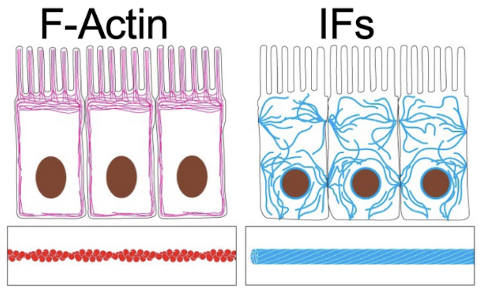
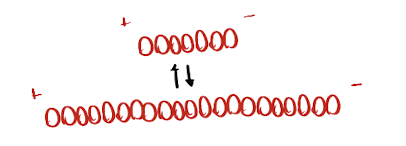
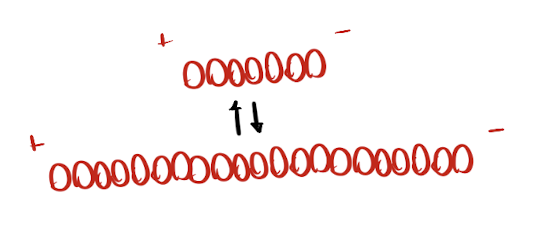
  1. F-actin = rods of round globular actin proteins

  • have polarity ( + & - end)

  • G-actin = monomer

→ G-actins are added/removed from BOTH ends (both active)

→ located in cell cortex & inside microvilli in gut cells
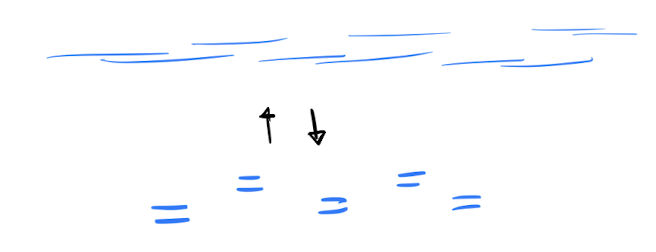
  1. Intermediate Filaments = ropes of thin keratin proteins

  • have identical ends

  • keratin = homodimer

→ keratins connect all at once

→ located in cytosol (connect desmosomes) + in nucleus (nuclear lamina)
→ name of keratin depends on location:

  • in cytosol (connecting desmosomes) = cytokeratins

  • in nucleus (nuclear lamina) = nuclear lamins
<ol><li><p><strong>microtubules</strong> = tubes of round tubules proteins</p></li></ol><ul><li><p>have polarity ( + &amp; - end)</p></li><li><p><em>tubulin = heterodimer</em></p></li><li><p><em>nucleotide is used to regulate formation of MTs</em></p></li></ul><p>→ tubulins are <span style="color: rgb(148, 221, 225);">added/removed from plus (ACTIVE) end</span></p><p>→ in animals: <span style="color: rgb(170, 229, 223);">grow from centrosome @ (-) end</span> + attached via gamma-tubulin ring complexes</p><img src="https://assets.knowt.com/user-attachments/2d5b1b19-d97d-4f2e-9c80-ad05def3dfd4.png" data-width="50%" data-align="center"><ol start="2"><li><p><strong>F-actin </strong>= rods of round globular actin proteins </p></li></ol><ul><li><p>have polarity ( + &amp; - end)</p></li><li><p><em>G-actin = monomer</em></p></li></ul><p>→ G-actins are <span style="color: rgb(176, 241, 243);">added/removed from BOTH ends</span> (both active)</p><p>→ located <span style="color: rgb(147, 224, 203);">in cell cortex &amp; inside microvilli </span>in gut cells</p><img src="https://assets.knowt.com/user-attachments/834bea78-3452-43dd-ade0-db488edcfa74.png" data-width="50%" data-align="center"><ol start="3"><li><p><strong>Intermediate Filaments</strong> = ropes of thin keratin proteins </p></li></ol><ul><li><p>have identical ends</p></li><li><p><em>keratin = homodimer</em></p></li></ul><p>→ keratins connect all at once</p><p>→ located in cytosol (connect desmosomes) + in nucleus (nuclear lamina)</p><img src="https://assets.knowt.com/user-attachments/f001b84e-1db2-4aaa-a984-b1aee212c150.png" data-width="50%" data-align="center"><p>→ name of keratin depends on location:</p><ul><li><p>in cytosol (connecting desmosomes) = cytokeratins </p></li><li><p>in nucleus (nuclear lamina) = nuclear lamins</p></li></ul><p></p>
5
New cards
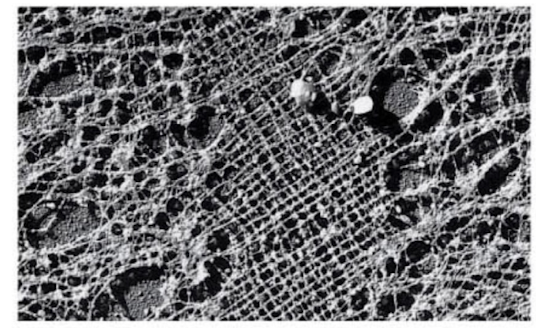
<p>what microscope was used to image this nuclear lamina?</p>

what microscope was used to image this nuclear lamina?

TEM

6
New cards

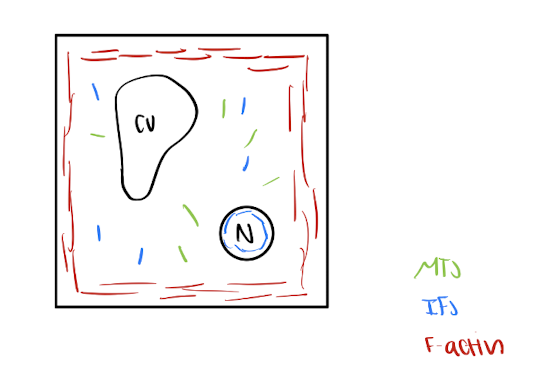
Animals cells: functions of cytoskeleton

contains:

  • MTs, F-actin, IFs

Functions:

  1. MTs → resist compression (squish cell)

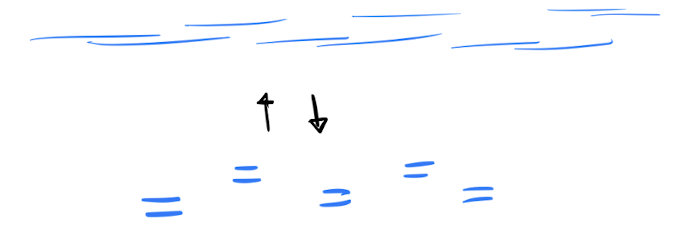
  2. actin & IFs → resist tension (pull apart cell)

<p><u>contains</u>:</p><ul><li><p>MTs, F-actin, IFs</p></li></ul><p></p><p><u>Functions</u>:</p><ol><li><p>MTs → <span style="color: rgb(172, 244, 242);">resist compression</span> (squish cell)</p><img src="https://assets.knowt.com/user-attachments/8715bca7-0526-4ecc-a581-c11dea7c5824.png" data-width="25%" data-align="center"></li><li><p>actin &amp; IFs → <span style="color: rgb(159, 243, 232);">resist tension</span> (pull apart cell)</p></li></ol><img src="https://assets.knowt.com/user-attachments/c378bbfe-c1dc-4dae-983b-d74479eda269.png" data-width="50%" data-align="center"><p></p>
7
New cards
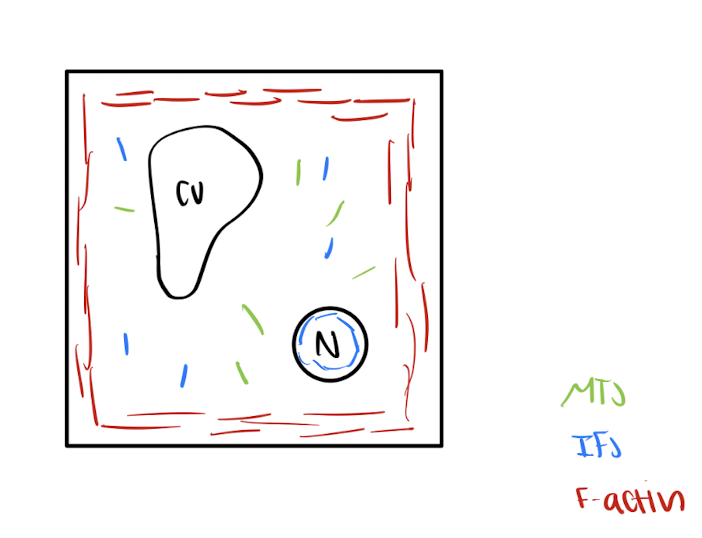
<p>Plant cells: functions of cytoskeleton</p>

Plant cells: functions of cytoskeleton

contains:

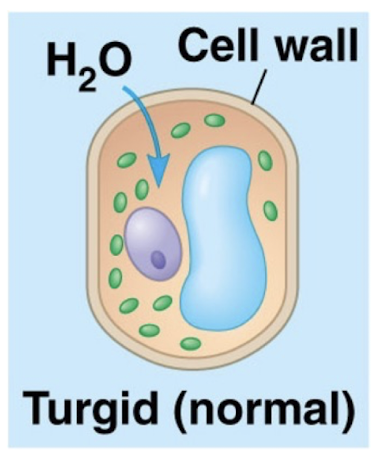
  • MTs - not as organized bc theres NO centrosomes, bc water in CV rests compression instead

  • F-actin & IF in nuclear lamina

  • IF in cytosol - simpler bc theres NO desmosome to be connected by IF

water in CV resists compression instead

8
New cards

Microtubules: Structure & function

structure: tubes of round tubulin proteins w (+/-) end

  • tubulin = heterodimer

→ tubulins are added/removed from plus (ACTIVE) end

→ in animals: grow from centrosome @ (-) end + attached via gamma-tubulin ring complexes

function:

  • plants: simple

  • animals: resist compression

<p><strong>structure</strong>: tubes of round tubulin proteins w (+/-) end</p><ul><li><p>tubulin = heterodimer</p></li></ul><p>→ tubulins are <span style="color: rgb(148, 221, 225);">added/removed from plus (ACTIVE) end</span></p><p>→ in animals: <span style="color: rgb(170, 229, 223);">grow from centrosome @ (-) end</span> + attached via gamma-tubulin ring complexes</p><p></p><p><strong>function</strong>:</p><ul><li><p>plants: simple</p></li><li><p>animals: resist compression</p></li></ul><p></p>
9
New cards

Actin filaments: Structure & function

structure: rods of round globular actin proteins

  • have polarity ( + & - end)

  • G-actin = monomer

→ G-actins are added/removed from BOTH ends (both active)

→ located in cell cortex & inside microvilli in gut cells

function:

  • animals/plants: resist tension w IFs

<p><strong>structure</strong>:  rods of round globular actin proteins</p><ul><li><p>have polarity ( + &amp; - end)</p></li><li><p><em>G-actin = monomer</em></p></li></ul><p>→ G-actins are <span style="color: rgb(176, 241, 243);">added/removed from BOTH ends</span> (both active)</p><p>→ located <span style="color: rgb(147, 224, 203);">in cell cortex &amp; inside microvilli </span>in gut cells</p><p></p><p>function: </p><ul><li><p>animals/plants: resist tension w IFs</p></li></ul><p></p>
10
New cards
<p>Intermediate filaments: Structure &amp; function</p>

Intermediate filaments: Structure & function

structure: ropes of thin keratin proteins

  • have identical ends

  • keratin = homodimer

→ keratins connect all at once

→ located in cytosol (connect desmosomes) + in nucleus (nuclear lamina)

→ name of keratin depends on location:

  • in cytosol (connecting desmosomes) = cytokeratins

  • in nucleus (nuclear lamina) = nuclear lamins
function:

  • animals: resist tension w F-actin

  • plants: resists tension in nucleus & cytosol (simpler bc no desmosomes to connect)
<p><strong>structure</strong>: ropes of thin keratin proteins</p><ul><li><p>have identical ends</p></li><li><p><em>keratin = homodimer</em></p></li></ul><p>→ keratins connect all at once</p><p>→ located in cytosol (connect desmosomes) + in nucleus (nuclear lamina)</p><p></p><p>→ name of keratin depends on location:</p><ul><li><p>in cytosol (connecting desmosomes) = cytokeratins</p></li><li><p>in nucleus (nuclear lamina) = nuclear lamins</p></li></ul><p></p><p><strong>function</strong>: </p><ul><li><p>animals: resist tension w F-actin</p></li><li><p>plants: resists tension in nucleus &amp; cytosol (simpler bc no desmosomes to connect)</p></li></ul><p></p>
11
New cards
<p>Examinable content </p>

Examinable content