BIOL 1202 Hrincevich Exam 4 (chapters 34, 40, 41, 50)
 Call Kai
 Learn
Learn Practice Test
 Spaced Repetition
 Match
Match Flashcards
 Knowt Play
1/163

There's no tags or description
Looks like no tags are added yet.
Name | Mastery | Learn | Test | Matching | Spaced | Call with Kai |
|---|
No analytics yet
Send a link to your students to track their progress
164 Terms
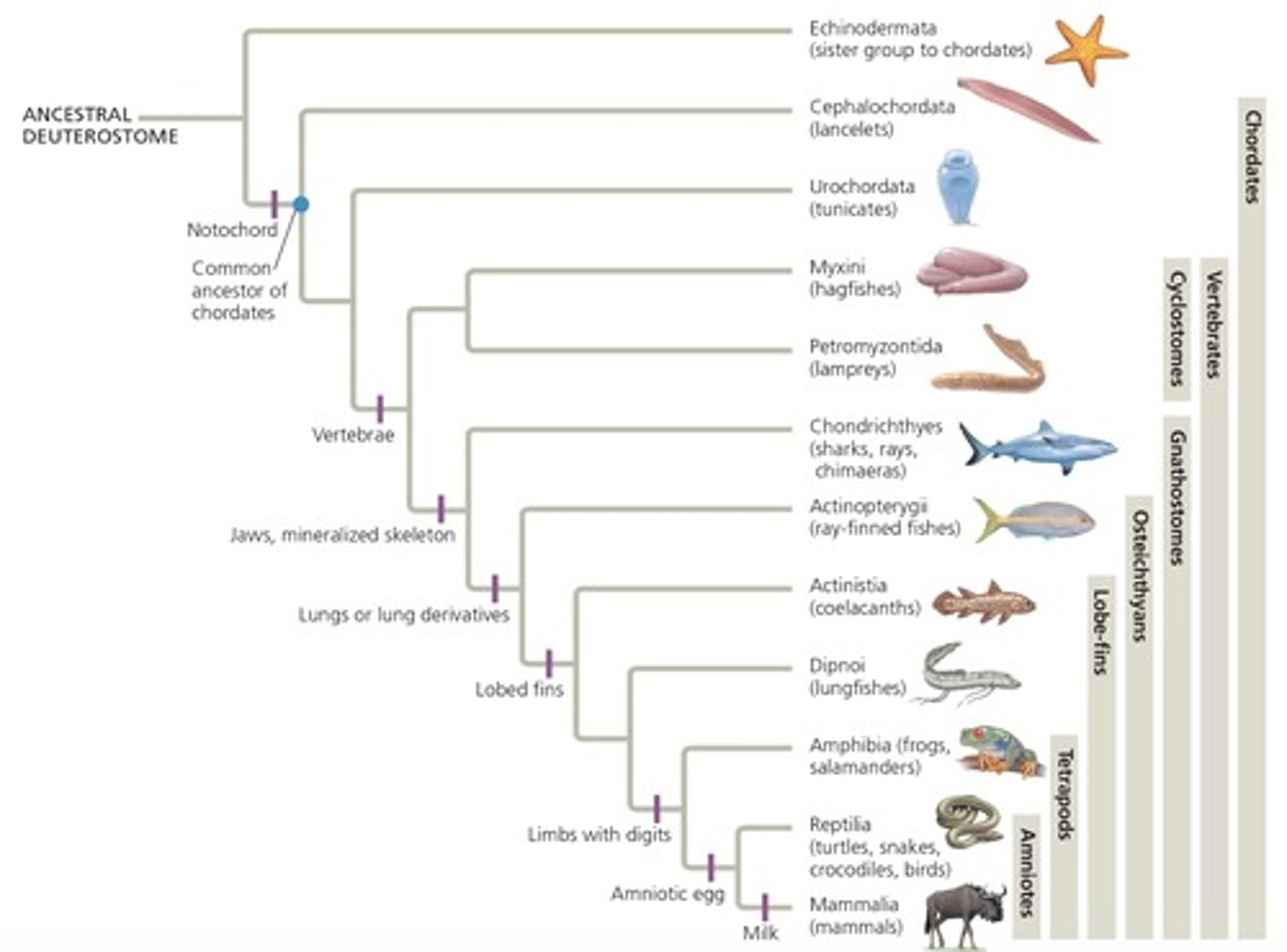
How is evolution different in vertebrates than in invertebrates?
vertebrates have a backbone and neural crest, invertebrates do not
vertebrates evolved from a common ancestor that lived half a billion years ago, invertebrates include an immense variety of dangerous and well-defended animals that lived in the ocean 530 MYA
vertebrates are members of the phylum chordata
Do all chordates have a backbone?
no, the cephalochordates and the urochordates are invertebrate deuterostomes
MEMORIZE THIS PICTURE
What are the 4 traits that all chordates have and what role do they play?
notochord - skeletal support
dorsal, hollow nerve cord - develops into central nervous system (brain and spinal cord)
pharyngeal slits/clefts - clefts develop into slits that open into pharynx, allows water into and out of body w/out going through entire digestive tract (gills or parts of ears/neck/head)
muscular, post-anal tail - propelling many aquatic species
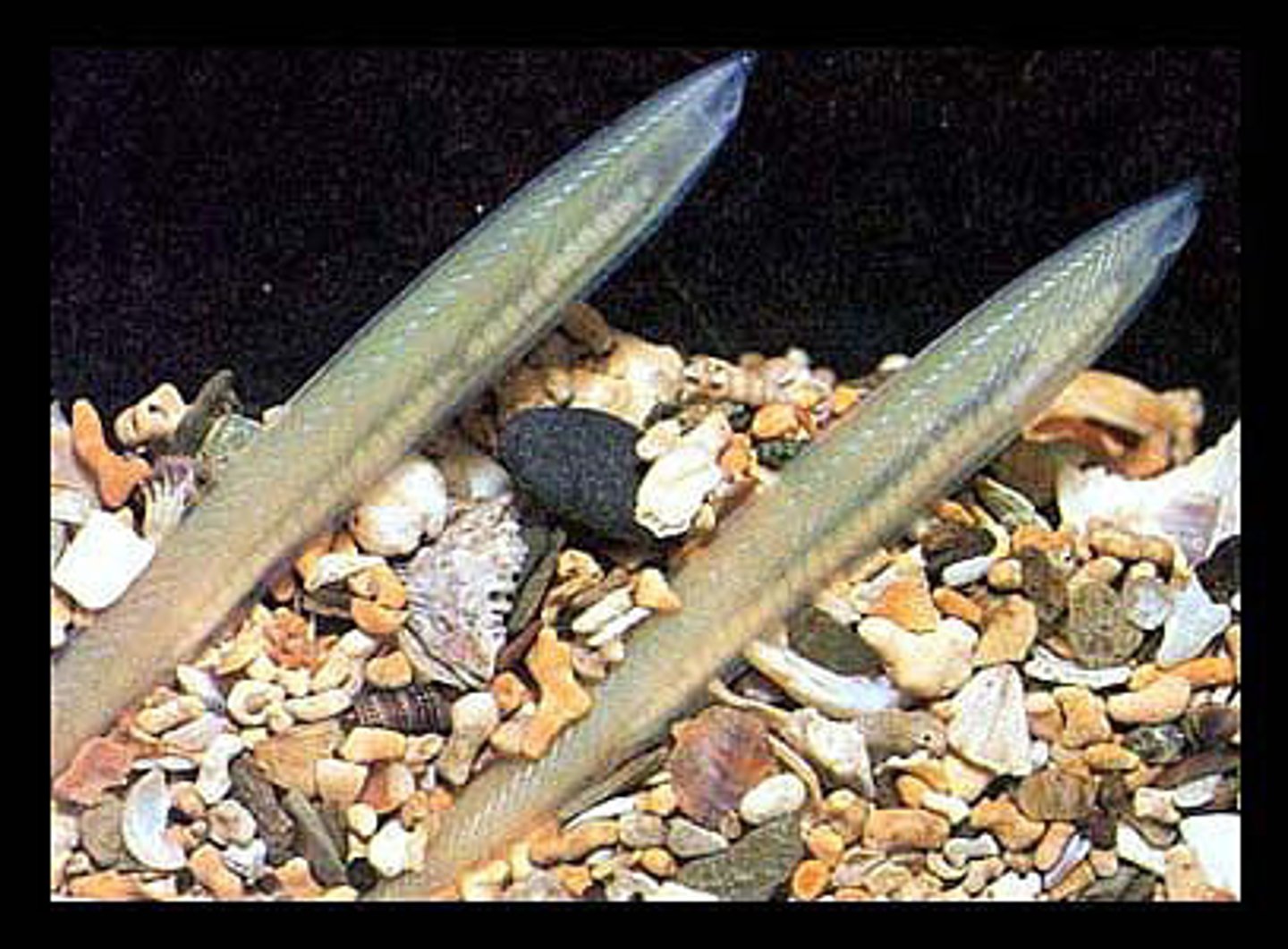
Cephalochordata
lancelets
blade-like shape, upward swimming and passive sinking
swims to sea floor and burrows self leaving anterior end exposed
muscles arranged like chevrons on sides (<<<<)
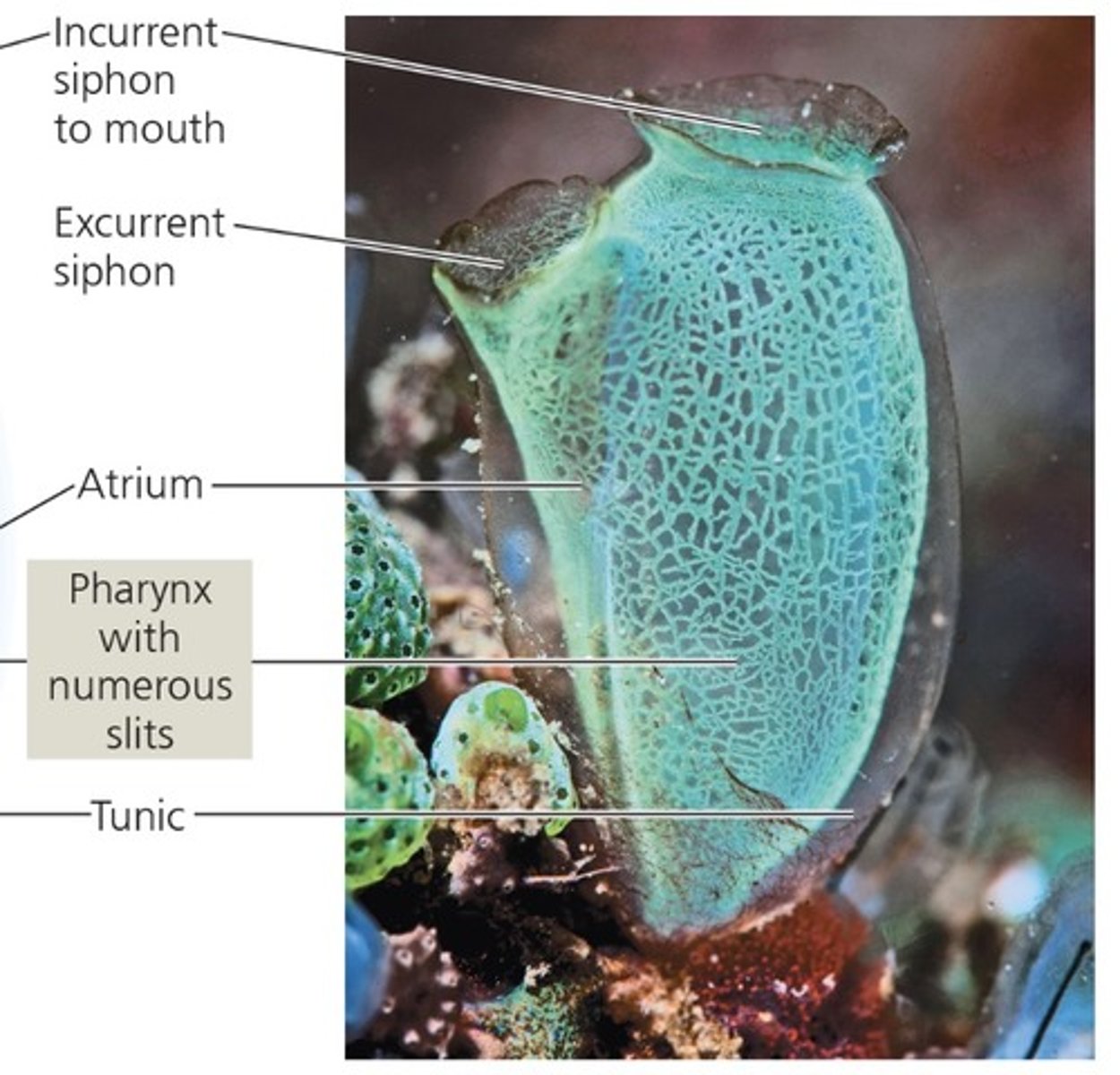
Urochordata
tunicates "sea squirts"
more closely related to other chordates than lancelets
larval stage is only a few minutes
once settles on substrate, goes through, metamorphosis and may of its chordate characters disappear
only have 9 Hox genes (all other chordates have 13)
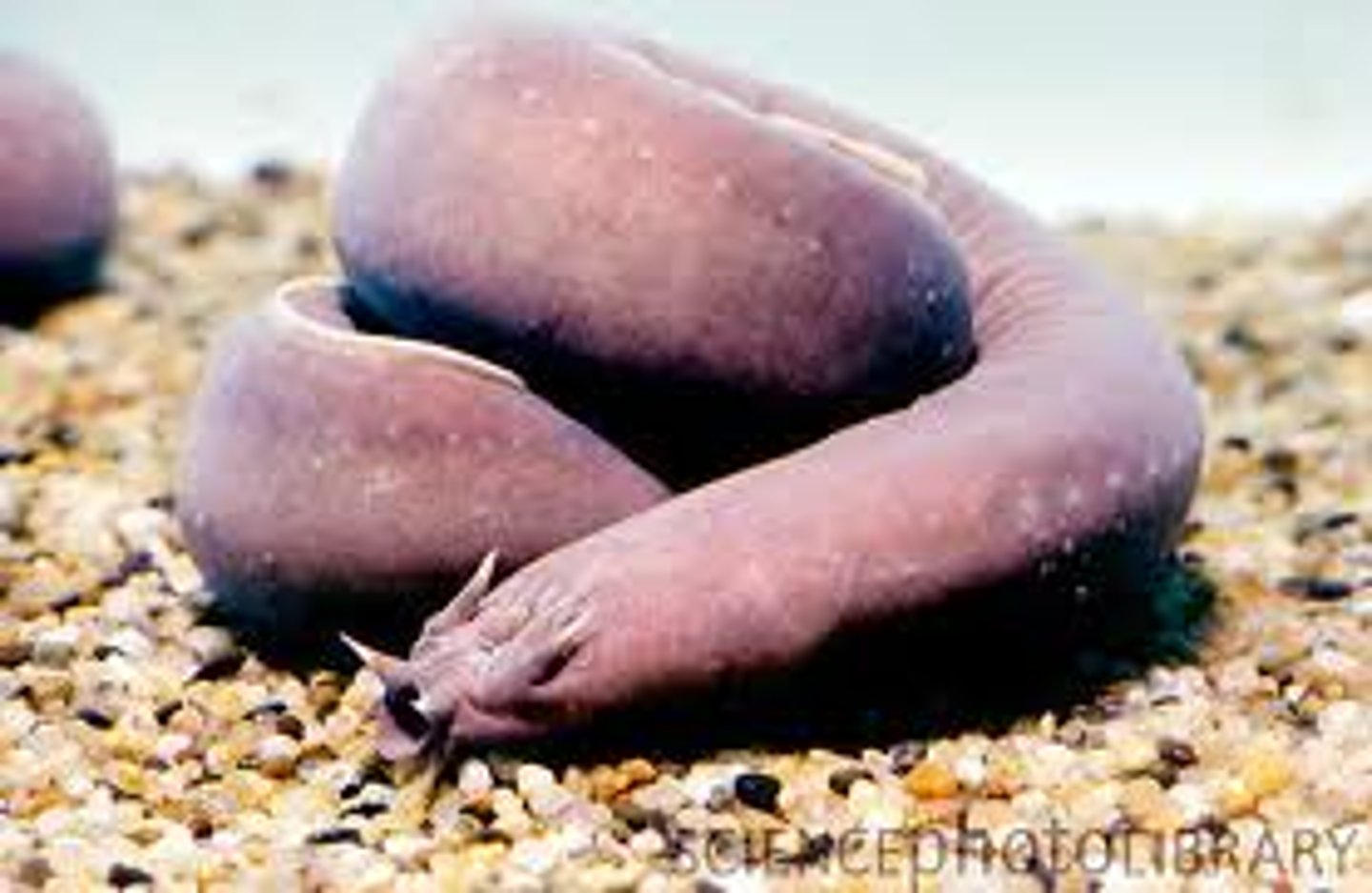
Myxini
hagfish
lack jaws and has rudimentary vertebrae
skull made of cartilage
slimey to repel other scavengers and coats gill of predators
have tongue-like structure called "rasping tongue"
cyclostomes + sister group to lampreys
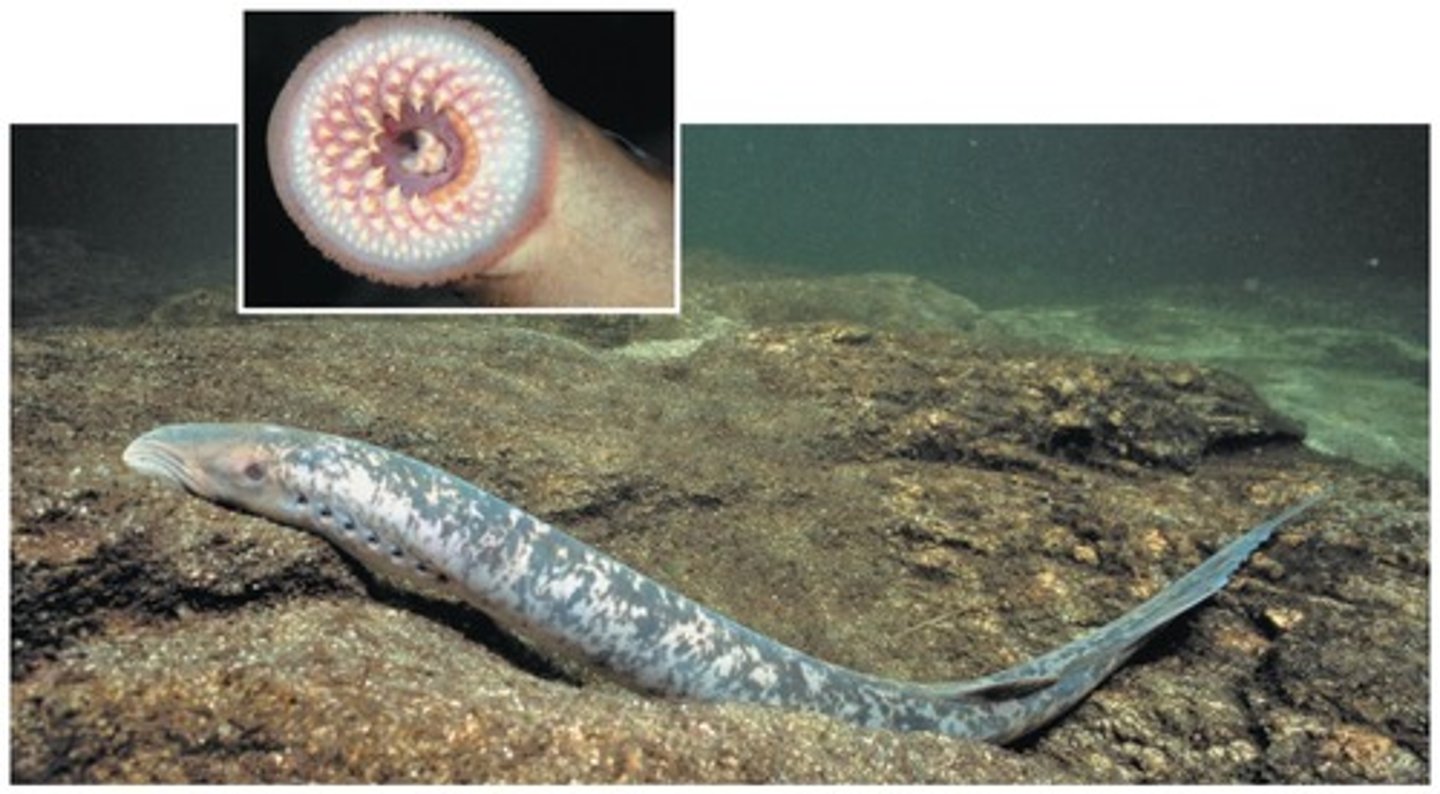
Petromyzontida
lampreys
lack jaws and has rudimentary vertebrae
38 species, 18 are parasites
fresh and saltwater
cartilage skeleton instead is stiff matrix of proteins
sucker-like mouth
cyclostomes + sister group to hagfish
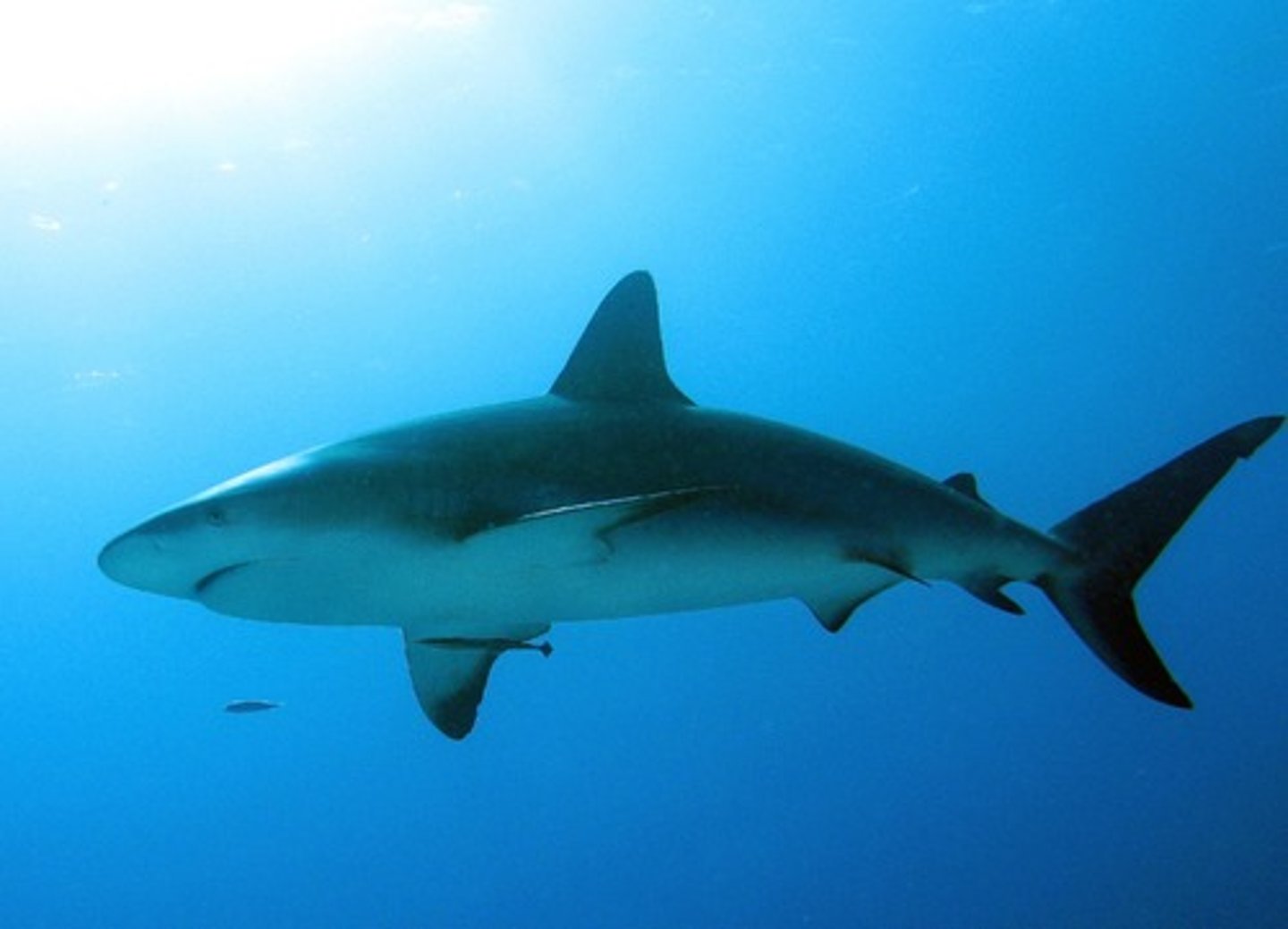
Chondrichthyans
sharks, rays, and their relatives
"cartilage fish" -> their skeletons are mostly made of cartilage
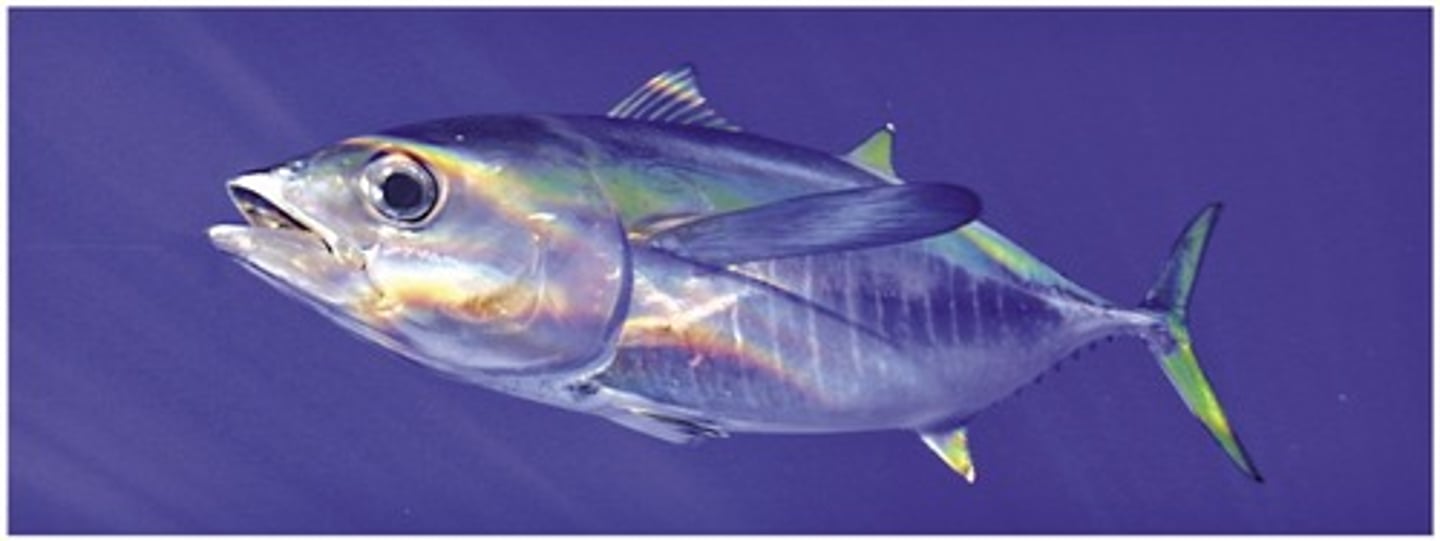
Actinopterygii
ray-finned fishes
bony rayes that support fins
major protein source for humans
osteichthyans
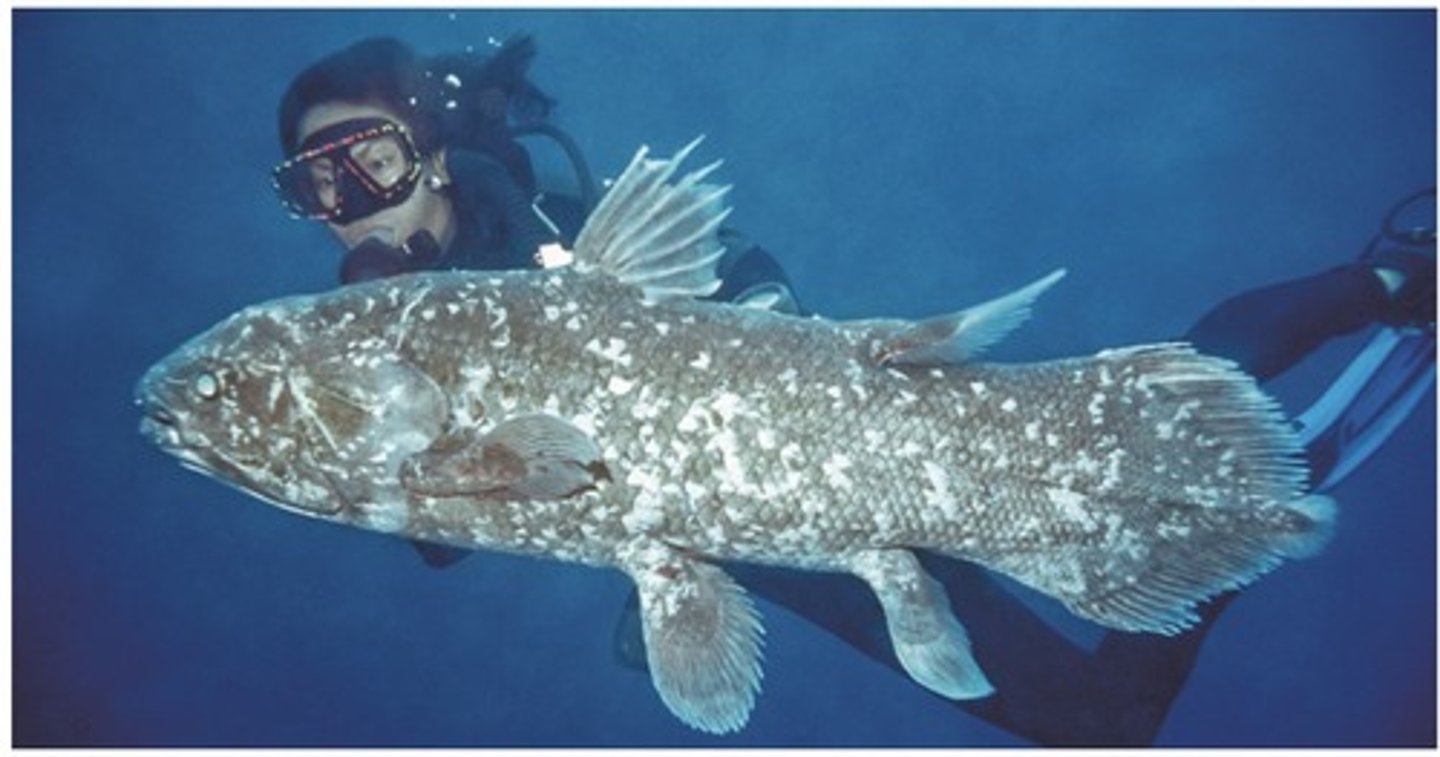
Actinistia
coelacanths
thought to have gone extinct 75 MYA, but found in 1938
rod-shaped bones surrounded by thick layer of muscle in pectoral + pelvic fins
osteichthyans
Dipnoi
lungfishes
only found in freshwater in southern hemisphere
adapted to life on land and gave rise to vertebrates w/ limbs and feet
osteichthyans
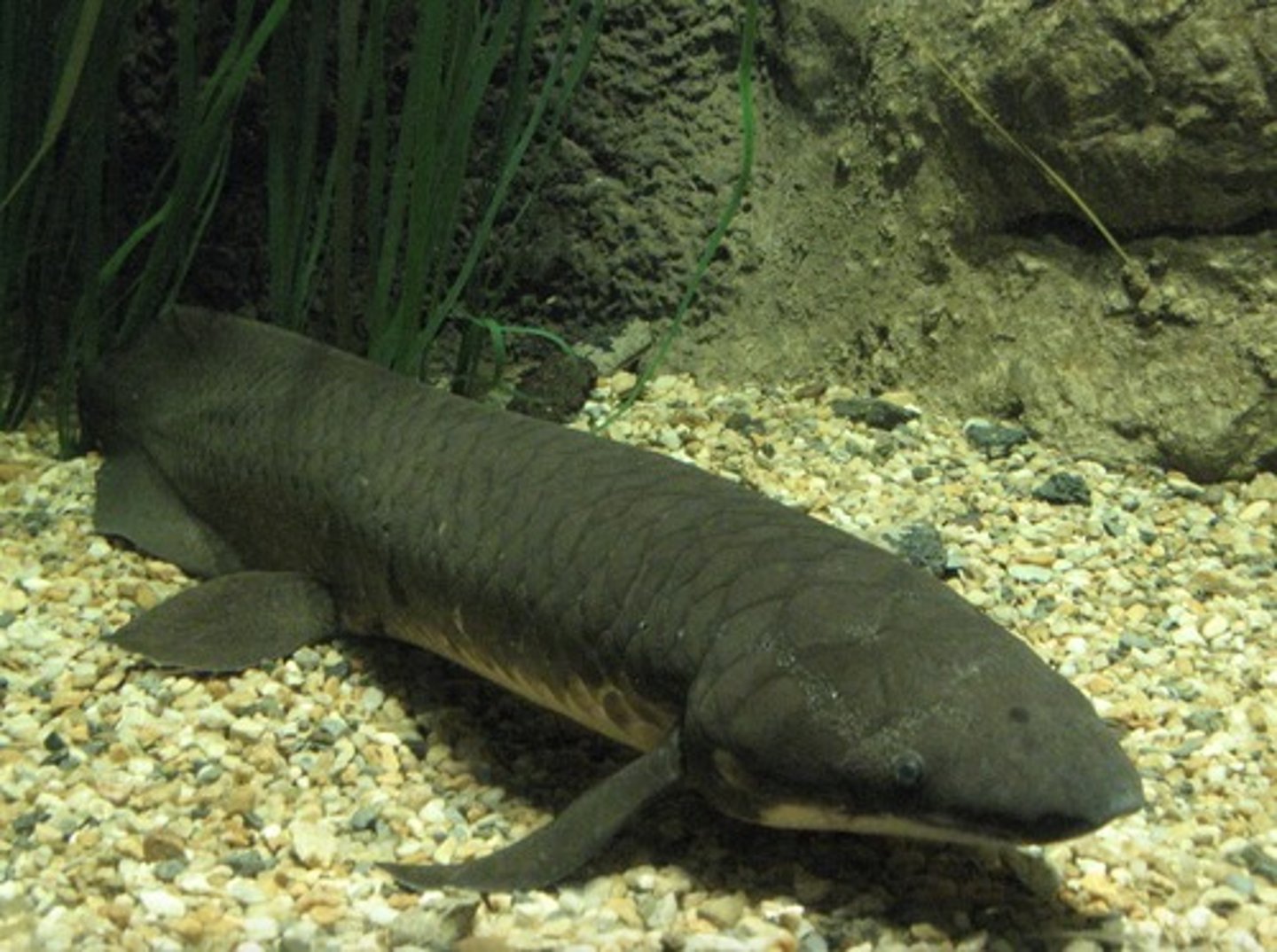
Amphibia
urodelia - salamanders "tailed ones"
anura - frogs "tailless ones"
apoda - caecilians "legless ones"
amphibious = "both ways of life" (ex. tadpoles -> frogs)
Reptilia
lepidosaurs - tuataras, lizards, snakes
archosaurs - crocodiles, dinosaurs, pterosaurs (winged reptile that lived in mesozoic era),
mammalia
monotremes - egg laying mammals (platypus), sucks milk from mother's fir
marsupials - mammals w/ puch (kangaroos), young is born very early and finishes embryonic development nursing in pouch
eutherians - placenta mammals (elephant)
What's the difference between a hagfish and a lamprey? Which one would you rather swim with and why?
lampreys rudimentary vertebrae is only cartilage, while hagfishes is cartilage and bone
lampreys have a sucker-like mouth, hagfishes have a "rasping tongue"
lampreys are parasites, hagfishes are scavengers
hagfish because the lampreys are parasites and their mouth is sucker-like
What is the lateral line in fish and what function does it have?
a mechanoreceptor system that detects water movements
What is the function of the spiral valve in sharks?
a corkscrew-shaped ridge that increases surface area & prolongs passage of food through digestive tract
What is the difference between oviparous, ovoviviparous, and viviparous?
oviparous - lays eggs that hatch outside mother's body
ovoviviparous - young hatch from eggs retained in mother's uterus
viviparous - young are born alive after being nourished in mother's uterus
What is the function of the swim bladder? Is it present in all fish?
its to maintain buoyancy equal to the surrounding water
no, its not present in some fish (ex. sharks lack one)
What fish was thought to be extinct but then "discovered" again in 1938?
coelacanth, a type of lobe-fin fish
What are the specific adaptations of the tetrapods?
a neck, pelvic girdle fused to backbone, and no gills
What is the difference between ectotherms and endotherms and examples of each?
ectotherms rely on external heat as main source of body heat (lizards)
endotherms can maintain their own body temperature through metabolic activity (humans)
What is the difference between a toxin and a poison?
a toxin is a chemical substance produced within living cells or organisms (viruses, proteins, or peptides), a poison is a substance that can cause illness or death when absorbed or ingested (mercury, puffer fish, fugu, ricin)
What are specific adaptations in birds?
feathers, flight, brain is proportionally larger than amphibians/reptiles, hollow bones
What are the 8 derived characteristics in mammals?
mammary glands, hair, kidneys, endothermic, efficients respiratory + circulatory systems, large brain-to-body ratio, extensive parental care, and differentiated teeth
What is the difference between anatomy and physiology and how are they related to each other?
anatomy is the biological structure, physiology is the biological function
the structure can give clues to the function
Why is the concept of surface area (2D): Volume (3D) ratio important?
plays a crucial role in the exchange of materials between cells and their environment
a high surface area-to-volume ratio provides larger surface for materials to pass through, a low surface area-to-volume ratio is the opposite
What physiological process is the surface area-to-volume ratio related to?
exchange of materials between cells and their environment, which is essential for proper functioning of animal bodies
What are the 4 types of animal tissues?
epithelial, connective, muscle, nervous
Epithelial tissue
covers outside of body and lines organs and cavities inside body
can be cuboidal (like dice), columnar (like bricks on ends), or squamous (like floor tiles)
can be simple (single layered), stratified (multiple tiers of cells), or pseudostratified (single layer w/ varying cell lengths)
Connective tissue
everywhere
extracellular matrix, which consists of fibers in a liquid, jelly-like, or solid foundation
3 groups: collangeous (for strength and flexibility), reticular (to join connective and adjacent tissues), and elastic
6 types: loose (holding organs in place), fibrous (tendons and ligaments), bone, adipose (fat), blood, and cartilage
Muscle tissue
skeletal muscle (striated + voluntary), smooth (involuntary), cardiac (heart, smooth + striated)
Nervous tissue
neurons/nerve cells (transport nerve impulses)
glial cells/glia (support cells)
How are the endocrine and nervous system related to eachother?
they work together to maintain homeostasis and regulate bodily functions
the nervous system is responsible for rapid, short-term responses to stimuli, the endocrine system is responsible for slower long-term responses
What is the difference between a regulator and a conformer?
regulator - uses internal mechanisms to control change in the face of external fluctuation
conformer - allows internal condition to change in accordance w/ external changes in the particular variable
What is the definition of homeostasis?
maintenance of internal balance
How does homeostasis work?
it requires a control system, sensors and receptors, effectors, and feedback mechanisms
ex. if thermostat is set at 20C and the room temp increases to 22C the air conditioning turns on to cool room down, and if room temp decreases to 18C then heating will turn on to warm up room
What are the mechanisms of homeostasis?
feedback mechanisms, regulation and conformation, thermoregulation, energy allocation and use, nutrition, circulation and gas mechanisms
What are the 2 types of feedback mechanisms and examples of each?
negative - "dampens" the stimulus, working out leads to the body sweating to try and cool down
positive - amplifies the stimulus, childbirth leads to the birth canal opens up more and more
What is circadian rhythm and an example?
a set of physiological changes that occur roughly every 24 hours, like a biological clock
humans undergo a cyclic rise and fall of more than 0.6C in every 24 hr period
What is acclimatization and an example?
an animal's physiological adjustment to changes in its external environment
an elk moves up in altitude causing the elk to breathe deeper and faster because of lower oxygen concentration. which results in more CO2 being lost and the elk's blood pH to be raised, but after a few days kidney functions are altered and urine becomes more alkaline and returns blood to a normal pH
What are the 3 types of thermoregulatory processes?
endothermy - generate heat internally
ectothermy - heat source is external
poikilothermy - variable body temp. fluctuates with environment
How can organisms exchange heat (4 processes)?
radiation, evaporation, convection, conduction
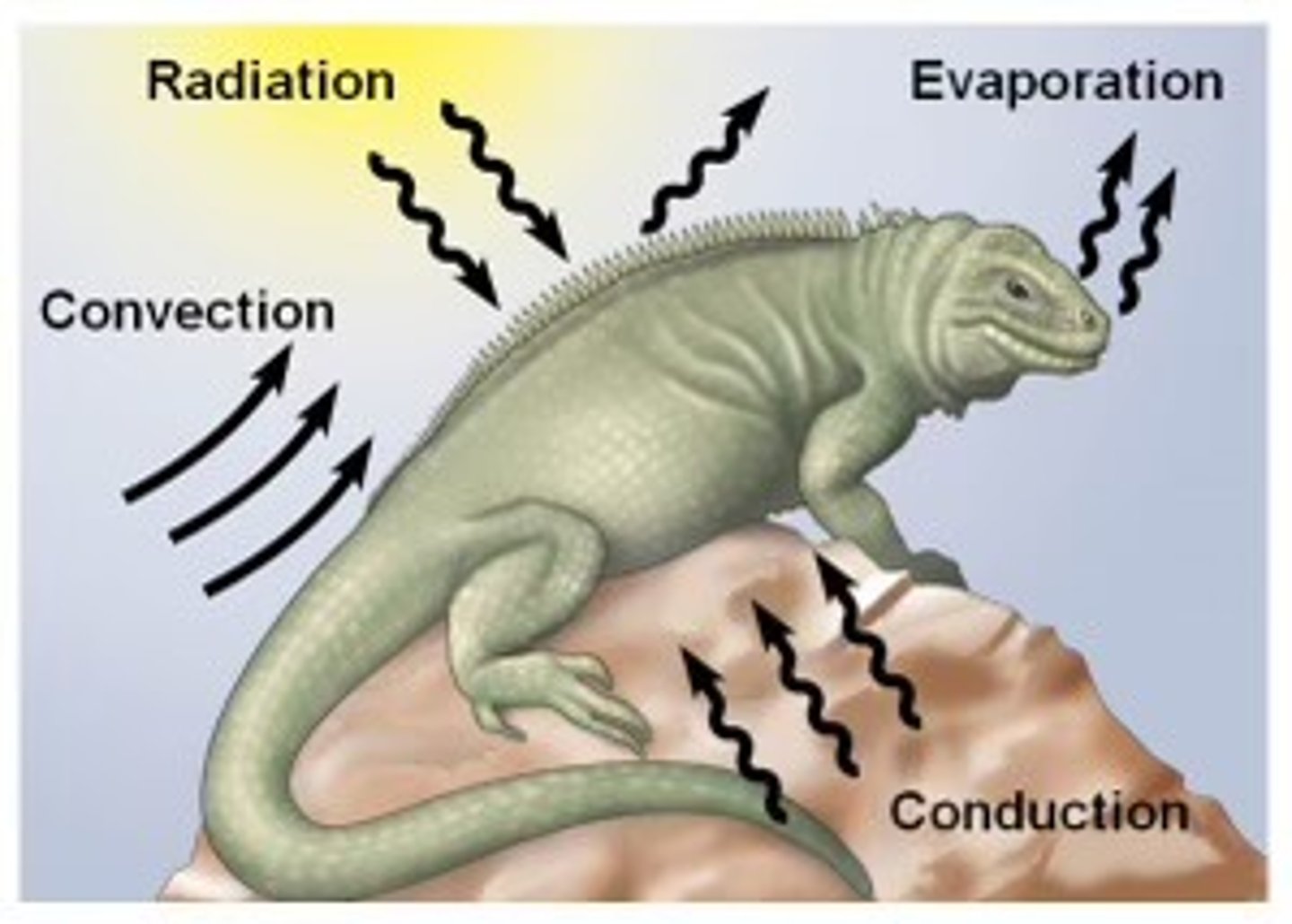
What are the 5 adaptations that help animals thermoregulate and examples of each?
insulation - hair and feathers, adipose tissue, blubber
circulatory adaptations - altering amount of blood flowing between body core and skin
cooling by evaporative heat loss - sweat glands, panting
behavioral responses - moving to warmer/cooler areas, dragonfly's "obelisk" posture to reduce surface area exposed to sunlight
adjusting metabolic heat production - shivering
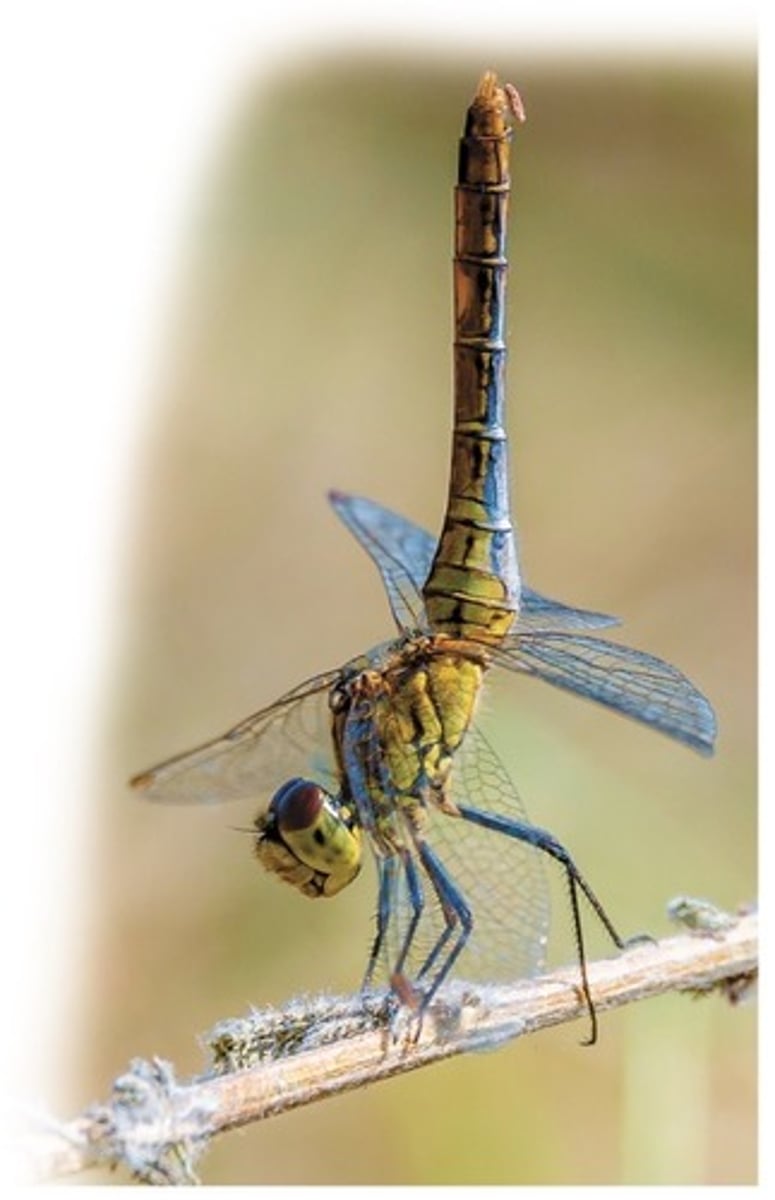
What region of the brain plays a role in thermoregulation?
the sensors responsible for thermoregulation are in the hypothalamus
the hypothalamus is located within the brain, it also controls circadian rhythm/biological clock
How does metabolism relate to thermoregulation?
metabolic rate is the amount of energy an animal needs to maintain its body temperature
Are there different ways to calculate metabolic rates in animals?
basal metabolic rate (BMR) - amt. of energy needed at rest in thermoneutral environment w/out digestion
standard metabolic rate (SMR) - amt. of energy needed at rest in thermoneutral environment w/out digestion but ectothermic animals
field metabolic rate (FMR) - amt. of energy needs to maintain body in natural environment including digestion and activity
How are size and metabolic rate related to each other?
the bigger the animal the larger the metabolic rate, but the larger the animal the smaller metabolic rate per kilogram
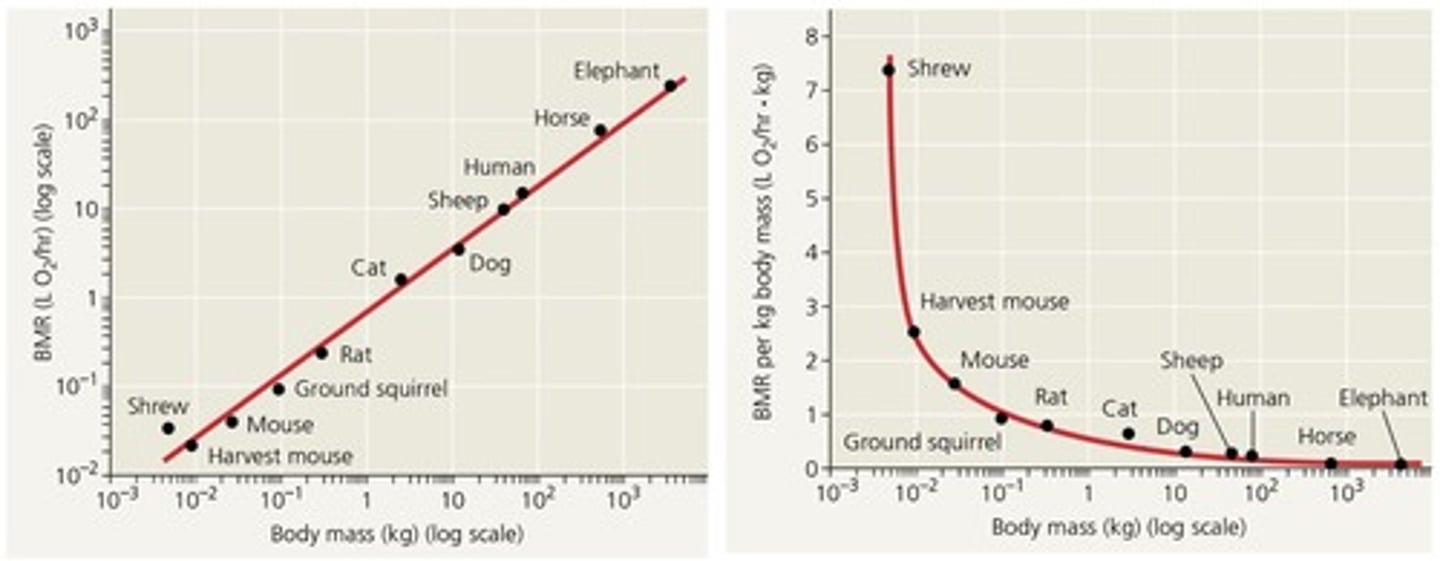
How do torpor, hibernation, and estivation differ?
topor - a physiological state in which activity is low and metabolism decreases
hibernation - a long-term physiological state in which metabolism decreases, the heart and respiratory system slow down, and body temperature is maintained at a lower level than normal
estivation - reduction of metabolic rate and conserve water to survive in harsh conditions
What do herbivores, omnivores, and carnivores eat?
herbivores eat plants or algae, omnivores eat plants and meat, & carnivores eat meat
What are the 4 classes of nutrients?
amino acids, fatty acids, minerals, and vitamins
What is an example of each of the 4 essential nutrients?
amino acids - humans require 8: isoleucine, leucine, lysine, methionine, phenylalanine, threonine, tryptophan, and valine
fatty acids - linoleic acid
vitamin - vitamin C (required for connective tissue)
mineral - iron, sulfur, potassium, chloride, sodium
Where can the 4 essential nutrients be found in different food items?
amino acids - meat, eggs, and cheese
fatty acids - seeds, grains, and vegetables
vitamins - vitamin C is found in citrus fruits, tomatoes, and broccoli
minerals - iron is found in meats, eggs, legumes, whole grains, and green leafy vegetables
How many amino acids are there?
20
How does an essential amino acid differ from a non-essential one?
essential amino acids are need to be obtained from food, non-essential are those that an animal can synthesize themselves (as long as their diet includes sulfur and organic nitrogen)
What is a complete protein and where do you find them?
provides all essential amino acids
meat, cheese, and eggs
What is the difference between a fat soluble and water soluble vitamin and what are examples of each one?
water soluble are easily absorbed in the small intestine and transported into bloodstream and any excess is excreted in the urine because they're not stored in the body (vitamin B and C)
fat soluble are stored in the body's fatty tissues and liver, they can become toxic if they're consumed in excess (vitamin K and D)
How do vitamins differ from minerals?
vitamins are organic compounds, minerals are inorganic compounds (do not contain carbon)
Which minerals do humans require and how much of each one?
200+ mg per day for calcium, phosphorus, sulfur, potassium, chlorine, sodium, and magnesium
iron, fluorine, and iodine are also required
What happens if you ingest too many minerals?
can cause health problems
ex. excess sodium can contribute to high blood pressure
What does a "food desert" refer to?
an urban area in which it is difficult to buy affordable or good fresh food
What does the term "undernourishment" refer to and what are some of the diseases/conditions associated with individuals who do not have a proper diet?
it is a type of malnourishment that occurs when the body doesn't receive enough chemical energy
use of stored fat and carbohydrates, own proteins are broken down, lose muscle mass, siffer protein deficiency in brain, die or suffer irreversible damage (kwashiorkor, scurvy, rickets, pellagra, menkes disease)
What are the 4 different types of feeders and how do they differ from each other?
filter - starin small organisms/food particles from surrounding medium (ex. baleen whales)
substrate - live in or on their food source (ex. caterpillars & maggots)
fluid - suck nutrient-rich fluid from a living host (ex. mosquitoes & aphids)
bulk - eat relatively large pieces of food (ex. snakes & rock pythons)
How do digestion, absorption, and elimination differ from each other?
digestion - breaking down of food into molecules small enough for the body to absorb
absorption - uptake of small nutrient molecules by an organism's body
elimination - passing of undigested material out of the body
How does intracellular digestion differ from extracellular digestion? Include examples of each.
intercellular - food particles are engulfed by phagocytosis and liquids by pinocytosis, ex. sponges
extracellular - breakdown of food particles outside of cells, in compartments that are continuous with the outside of the animal's body, ex. bird and grasshopper
What is phagocytosis? What is pinocytosis?
Phagocytosis is type of endocytosis, in which extensions of cytoplasm surround a particle and package it within a food vacuole- "eat" damaged cells.
Pinocytosis is another type of endocytosis, in which cells take up liquid from surrounding environment- form tiny pockets filled with liquid and pinch off to form vacuoles
What is a gastrovascular cavity?
a digestive compartment with only one opening
What is an alimentary canal?
a complete digestive tract
How is a gastrovascular cavity different from an alimentary canal?
a gastrovascular cavity has a single opening, while an alimentary canal has two openings + a mouth + an anus
a gastrovascular cavity is found in animals that lack a simple body plan, an alimentary canal is found in animals w/ complex body plans
a gastrovascular cavity functions as both digestion + distribution of substances, while an alimentary canal carries out stepwise digestion and nutrient absorption
only the alimentary canal allows animals to ingest food while earlier meals are still being digested
What are some examples of accessory glands in the human body, where are they located, and what do they secrete?
three pairs of salivary glands - secrete saliva, oral cavity + pharynx + esophagus
the pancreas - secrete pancreatic juice, under the liver
the liver - produces bile, upper-right hand position of abdominal cavity beneath diaphragm
the gallbladder - stores bile to be released in small intestine, right side of abdomen beneath liver
Describe the process of swallowing and the structures that play an important role
tongue manipulates saliva and food mixture into a ball called a bolus. the bolus is pushed by tongue into back of oral cavity & into pharynx, which leads to esophagus & trachea. the epiglottis (flap of tissue) prevents food from entering trachea, esophageal sphincter relaxes & bolus goes into esophagus. bolus is then pushed down by peristalsis into stomach.
What does peristalsis refer to?
alternating waves of smooth muscle contraction & relaxation (stomach)
What functions do sphincters play with respect to digestion? What happens if they do not function normally? Where are they found in the human body?
sphincter - a ring-like band of muscle fibers that controls the size of an opening in the body
regulation on ingested food, regulate passage into small intestine, control release of feces
can lead to inability to control bowel movements or constipation
sphincter into stomach, sphincter between stomach & small intestine, & two sphincters separating rectum & anus
What are the various enzymes involved with digestion, where are they produced, and what function do they play a role in?
proteases - break down proteins into smaller peptides & amino acids, pancreas, and small intestine
lipases - break down fats into fatty acids and glycerol, produced in pancreas and small intestine
amylases - break down carbohydrates into simple sugars, produced in salivary glands, pancreas, and small intestine
nucleases - break down nucleic acids into nucleotides, produced in pancreas and small intestine
How does the small and large intestine differ (other than length) and the roles each one plays?
small - responsible for most enzymatic hydrolysis of macromolecules from food & reabsorbs water
large - completes recovery of water & ferments ingested materials in animals that eat a lot of plant material
How is surface area related to digestion?
increased surface area of small intestine allows for more extensive processing & greater opportunity for absorption of nutrients
What is the bristol stool scale
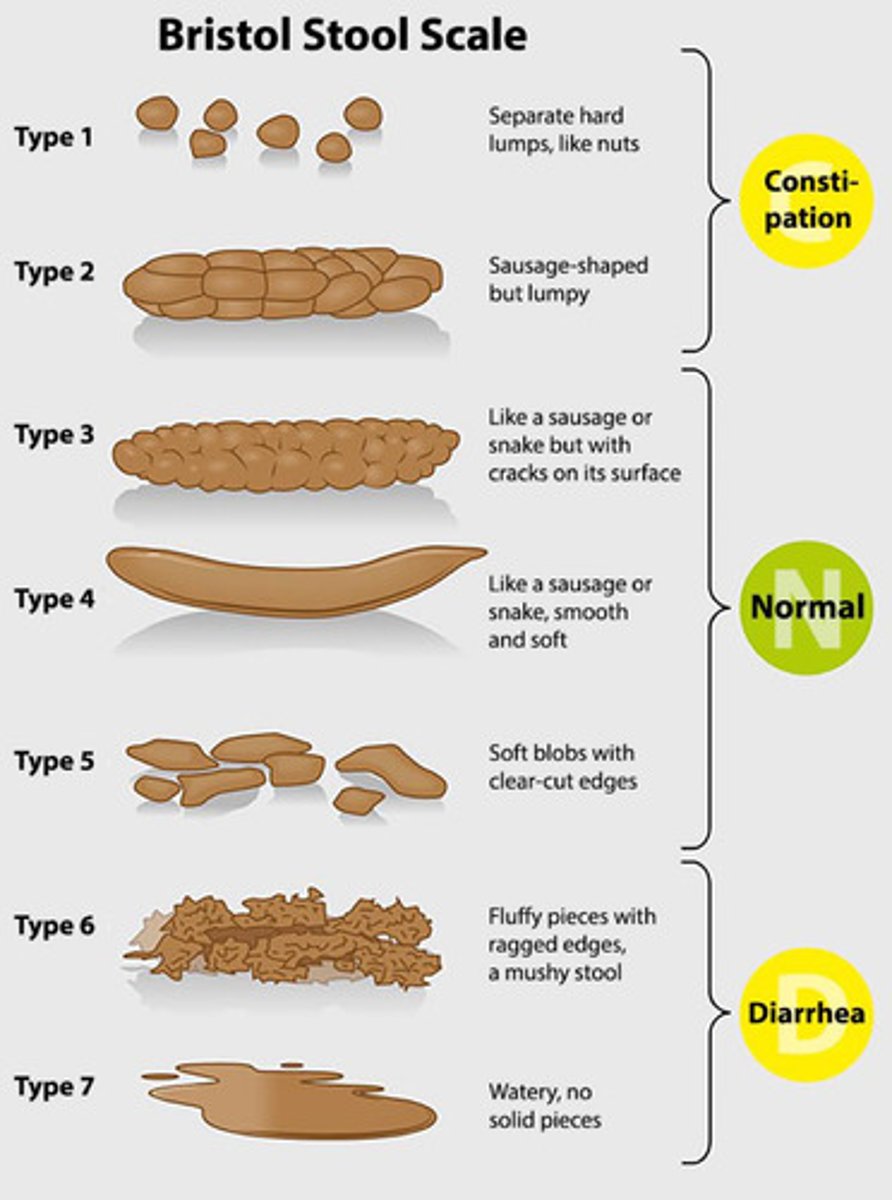
What does dentition refer to?
an animal's assortment of teeth
How does the jaw of a carnivore, herbivore, and omnivore differ?
carnivore - large pointed incisors and jagged premolars + molars
herbivore - premolars w/ broad, ridged surfaces & incisors + canines modified for biting off pieces of vegetation
omnivore - teeth for biting, tearing, grinding, and crushing
How many teeth do humans normally have?
32
What are some examples of mutualistic adaptations in humans?
some intestinal bacteria produce vitamin K, biotin, & folic acids which are absorbed into the blood supplementing dairy intake
intestinal bacteria also regulate development of intestinal epithelium & function of innate immune system
What is a microbiome and how might it change throughout the life of a human?
collection of microorganisms living in and on your body
factors like diet, disease, & age
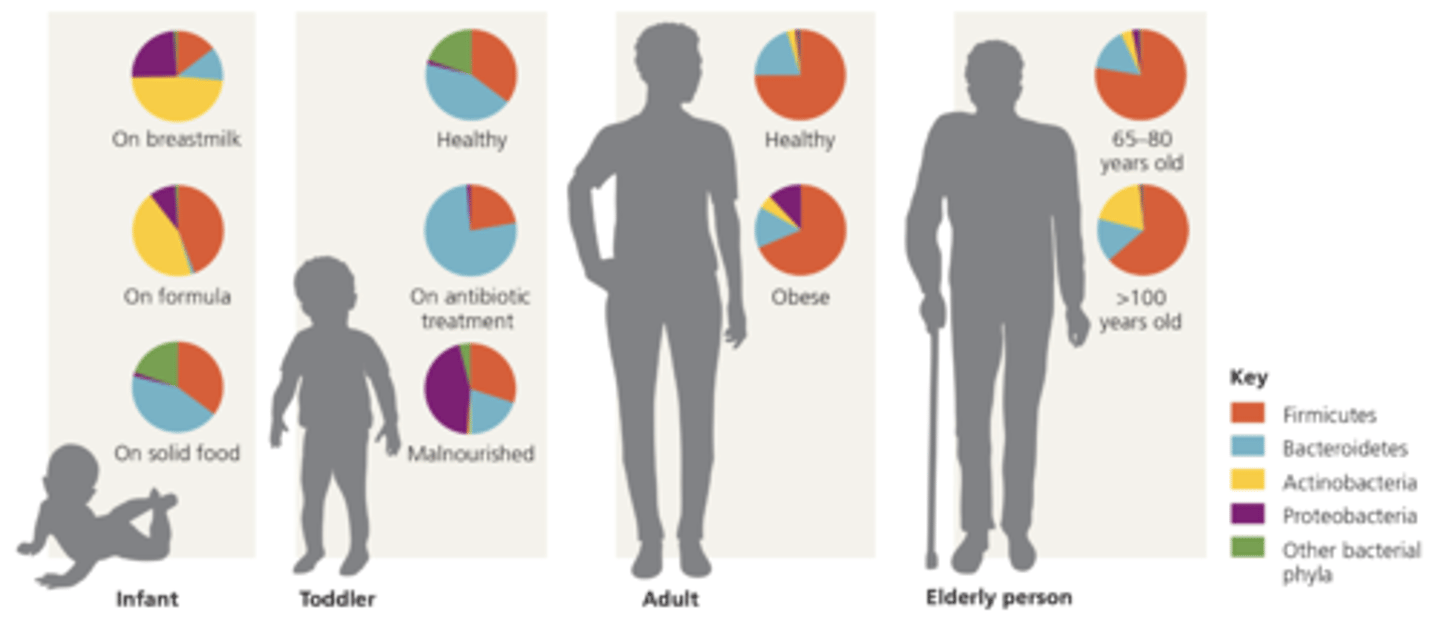
What are some examples of mutualistic adaptations in herbivores?
fermentation chambers (digest cellulose), food is passes through alimentary canal twice (rabbits and rodents), ruminant animals (cows)
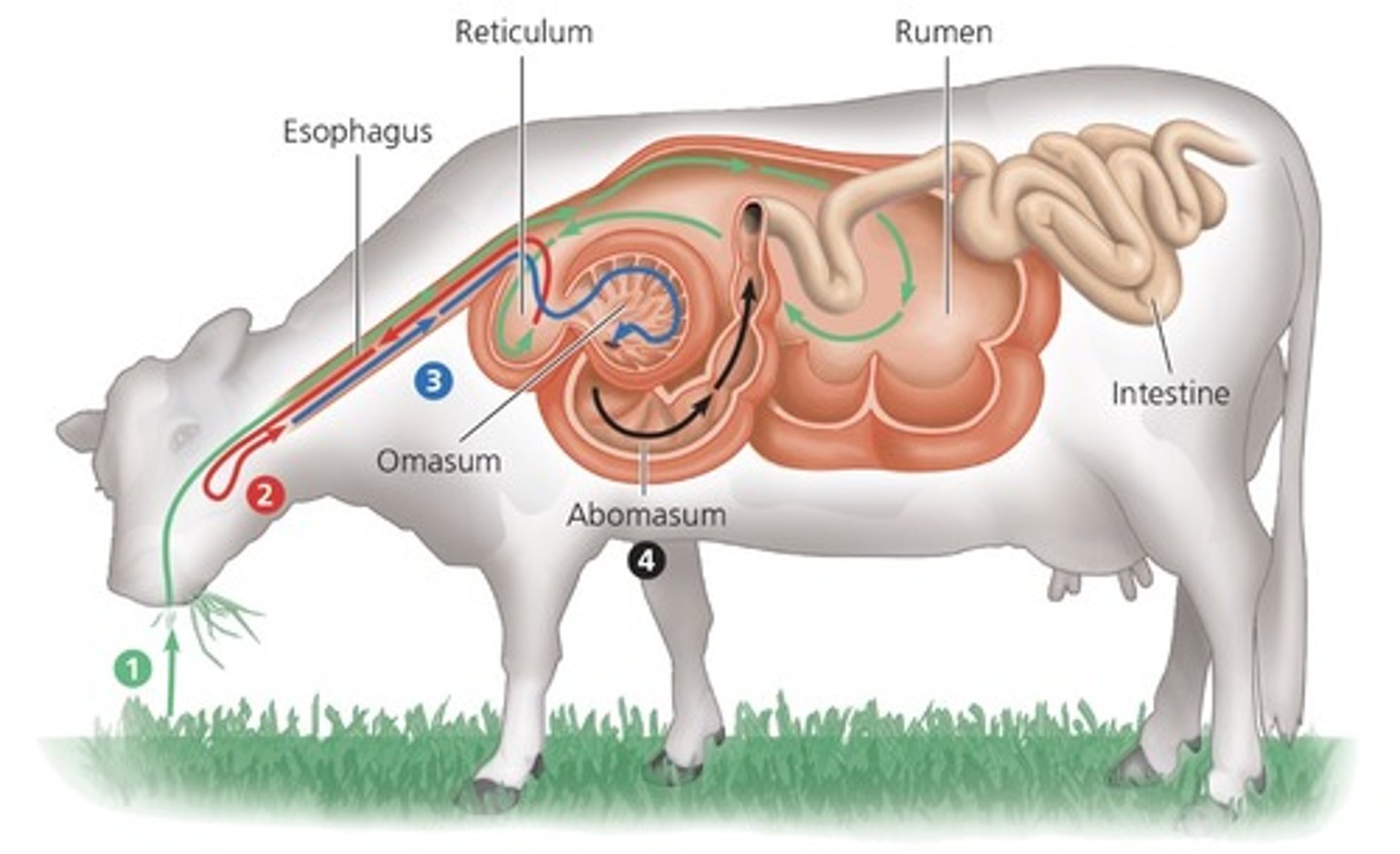
What does BMI stand for, how is it used, is it accurate, how would you calculate that?
Body Mass Index
it's used to determine if an individual in under-, over-, obese, or normal weight
they can be misleading (ex. bodybuilders according to BMI are obese)
to calculate you need to divide your weight in kilograms by your height in meters squared
What's the process of glucose homeostasis?
after eating blood glucose rises, signaling pancreas beta cells to secrete insulin (insulin enhances transport of glucose into body cells & stimulates liver to store glucose as glycogen) so blood glucose level falls back to normal level
after fasting blood glucose decreases, signaling pancreas alpha cells to secrete glucagon (glucagon promotes breakdown of glycogen in liver & release of glucose into blood) so blood glucose rises back to normal level
Is glucose homeostasis an example of positive or negative feedback mechanism?
negative
What hormones are involved in glucose homeostasis?
insulin and glucagon
What happens if the body is not able to regulate glucose levels?
diabetes mellitus - deficiency of insulin/decreases response to insulin to target issues
What happens in the condition called diabetes?
glucose level in blood may exceeds absorption capacity of kidneys & there is a presence of sugar in urine
Are there different types of diabetes?
type 1 - appears usually in childhood, autoimmune disorder where immune system destroys beta cells of pancreas
type 2 - "non-insulin-dependent" diabetes, failure of target cells to respond normally to insulin, blood glucose cells remain elevated, 40 years old usually appears but can appear in children if overweight and sedentary
What are some of the hormones that help to regulate satiety in humans?
satiety - feeling of fullness or satisfaction after eating
ghrelin (stomach wall, feeling of hunger), insulin (pancreas, suppresses hunger), PYY (small intestine, suppressant that counters ghrelin), & leptin (adipose tissue, suppresses hunger + appears to play major role in regulating body fat levels)
What are the 4 basic functions all sensory pathways have?
sensory reception, transduction, transmission, and perception
sensory reception
stimulus detection, sensory receptor such as photoreceptors (vision), mechanoreceptors (touch), & chemoreceptors (smell)
transduction
conversion of detected stimulus into electrical signals (nerve impulses), change membrane potential w/ ion channels opening or closing in response to the stimulus
transmission
relay of electrical signals from sensory receptors to central nervous system, sensory neurons carry electrical signals, the neurons have axons that transmit information over long distances
perception
interpretation of sensory system input by the brain, thalamus & cerebral cortex process and neural circuits & networks process incoming signals
What is the difference between amplification and adaptation?
amplification - strengthening of stimulus energy during transduction
adaptation - tendency of sensory neurons to become less sensitive when they are stimulated repeatedly
What are the 5 types of sensory receptors?
mechanoreceptors, chemoreceptors, electromagnetic receptors, thermoreceptors, & pain receptors
What do mechanoreceptors detect? Where are they located? How do they work?
sense pressure, tough, stress, motion, or sound
skin, muscles, & organs
ion channels linked to a hair-like extension (cilium) & also anchored to internal cell structures, when silium is bent tension is generated & changes shape of ion & closes or opens channel in turn alters membrane potential