Chapter 23: Amines—properties, preparation, and reactions.
 Call Kai
 Learn
Learn Practice Test
 Spaced Repetition
 Match
Match Flashcards
 Knowt Play
1/14

There's no tags or description
Looks like no tags are added yet.
Name | Mastery | Learn | Test | Matching | Spaced | Call with Kai |
|---|
No analytics yet
Send a link to your students to track their progress
15 Terms
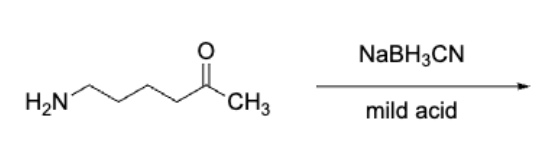
Reductive Amination
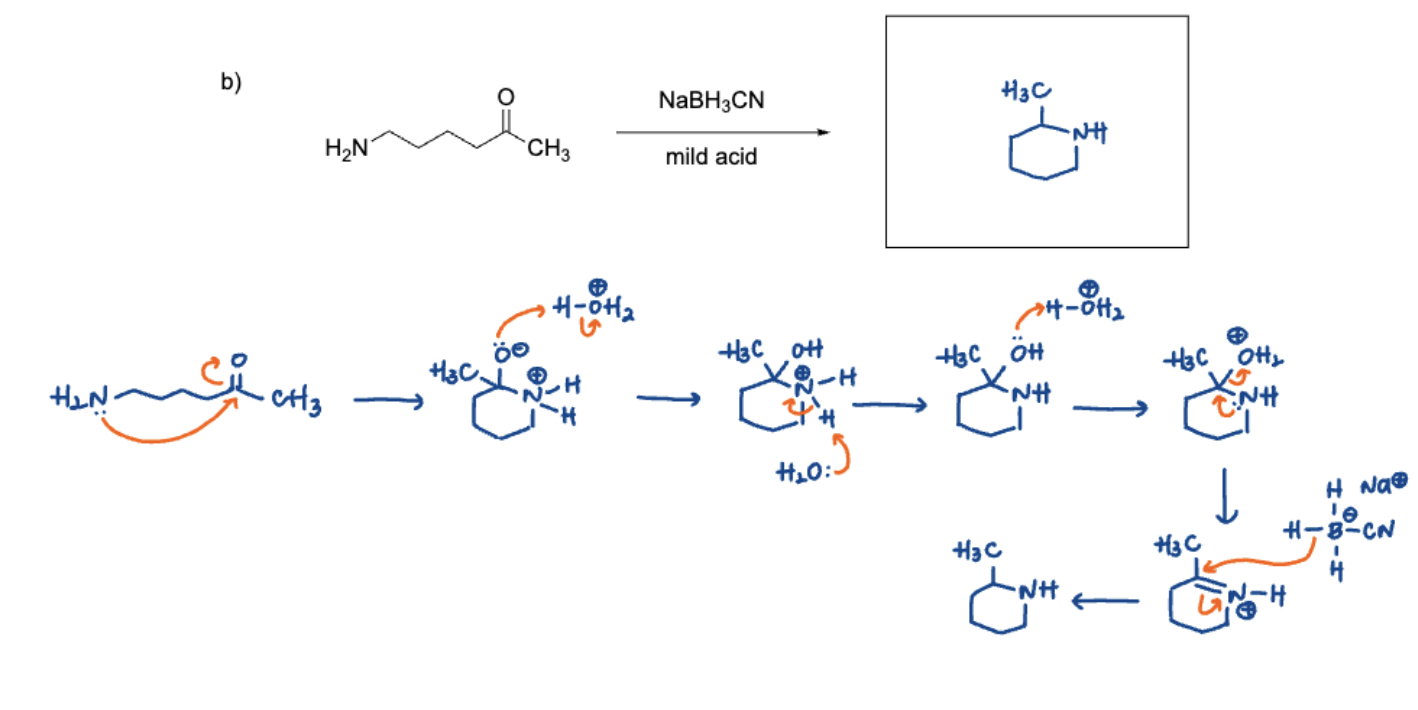
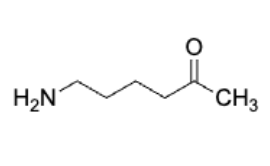
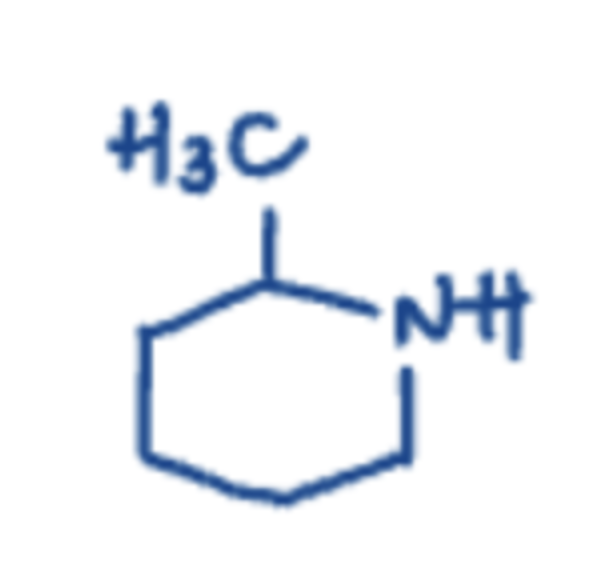
Reduction Methods
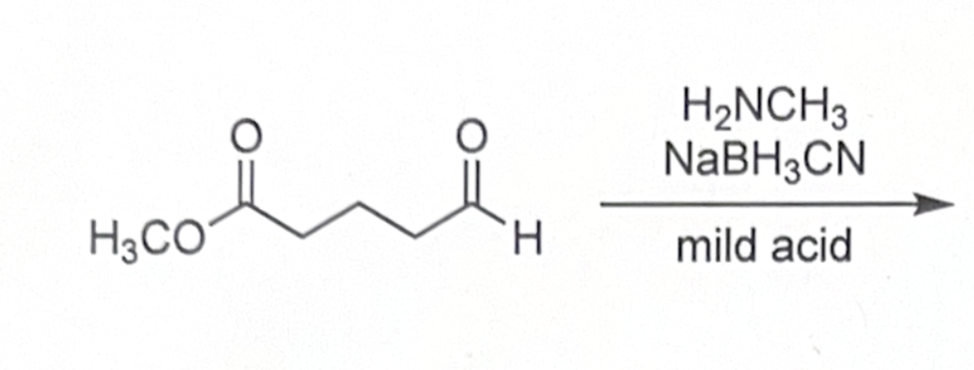
Reduction Methods
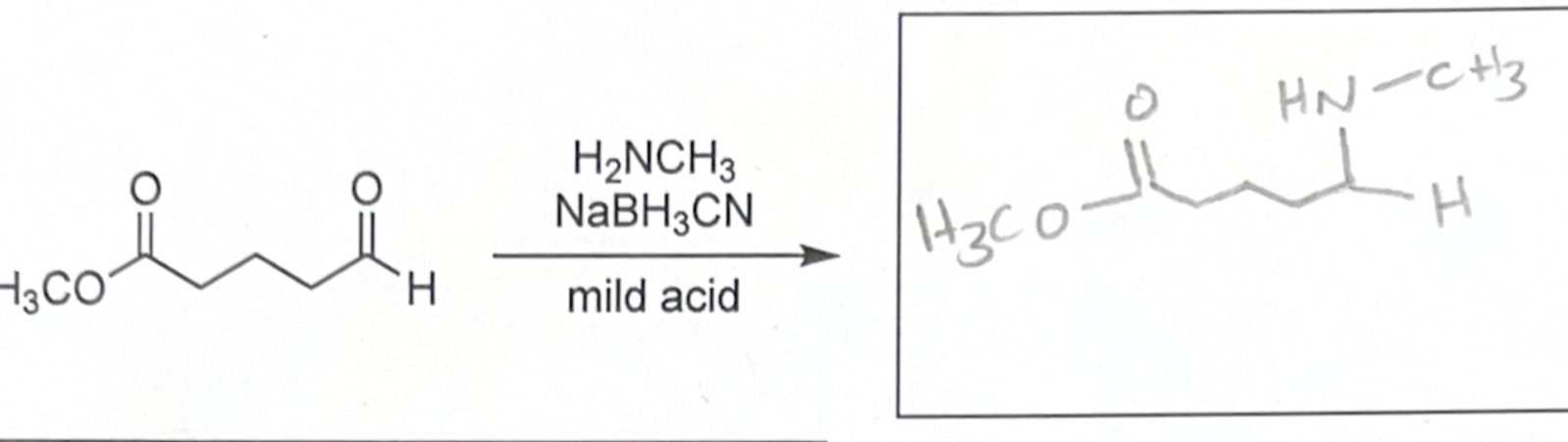
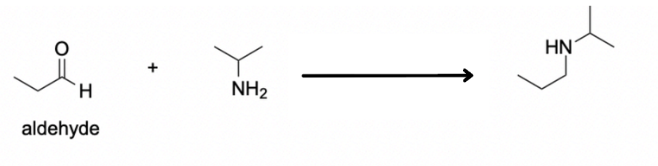
Reductive Amination
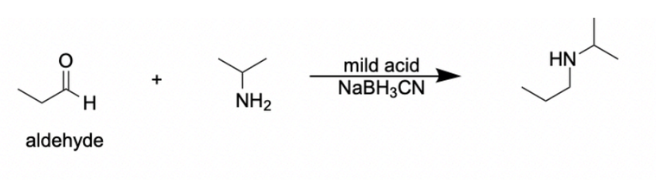
Used to turn aldehyde into amine.
Amine attacks aldehyde C=O, then imine/iminium forms.
NaBH3CN reduces iminium by adding H to carbon.
Neutral Amine (1° or 2°) + Aldehyde/Ketone + NaBH3CN + Mild Acid
reduces the iminium ion intermediate without reducing the starting carbonyl
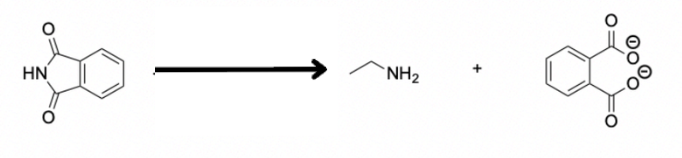
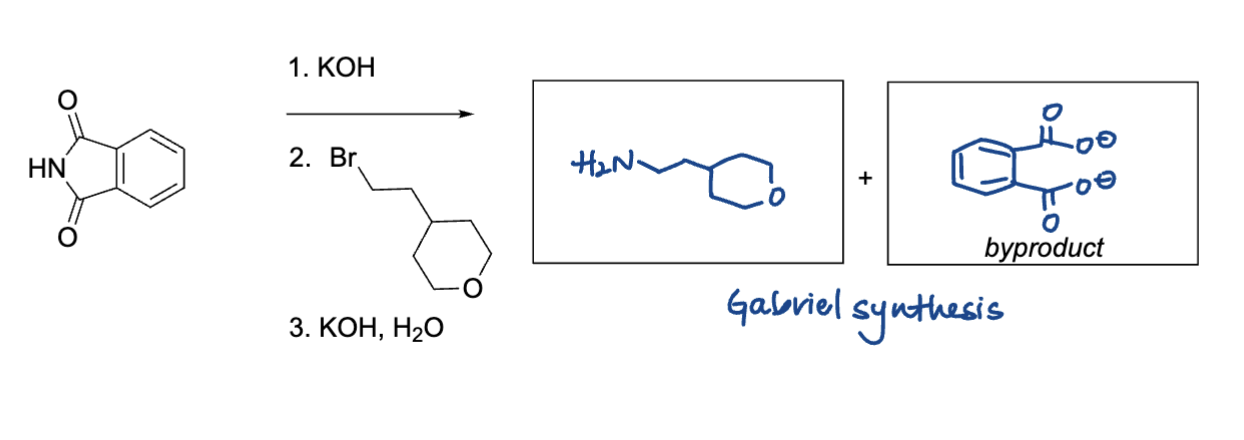
Gabriel synthesis
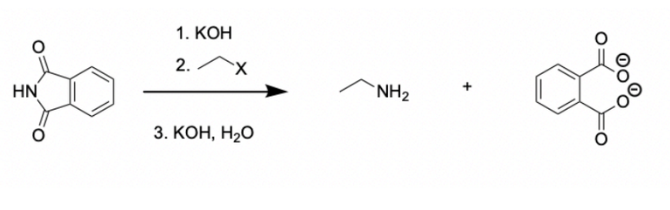
KOH deprotonates phthalimide N to make N nucleophile.
N attacks primary R-X by SN2.
Hydrolysis releases the amine.
Product = primary amine only, avoids over-alkylation.
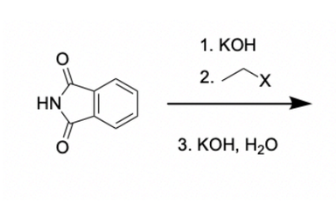
Gabriel synthesis
converts an alkyl halide into a primary amine without the risk of over-alkylation.
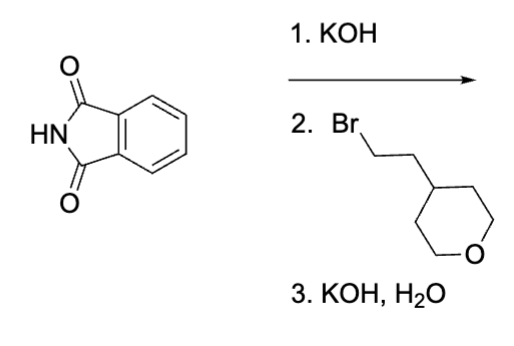
gabriel synthesis
Direct SN2

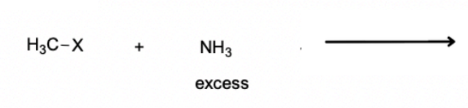
NH3 attacks the carbon attached to X by SN2.
C-X bond breaks, X leaves.
Product = primary amine, R-NH2.
Use excess NH3 to reduce over-alkylation.
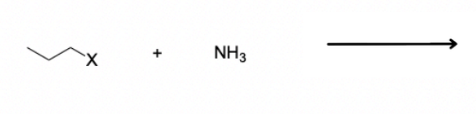
Direct SN2
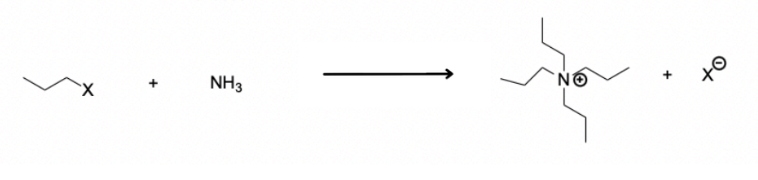
NH3 attacks R-X by SN2, but the amine product can keep attacking more R-X.
Each alkylation adds another R group to nitrogen.
Can form 2°, 3°, and finally quaternary ammonium salt.
Problem: hard to stop at only primary amine.
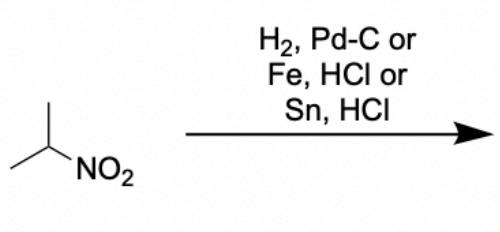
Reduction Methods
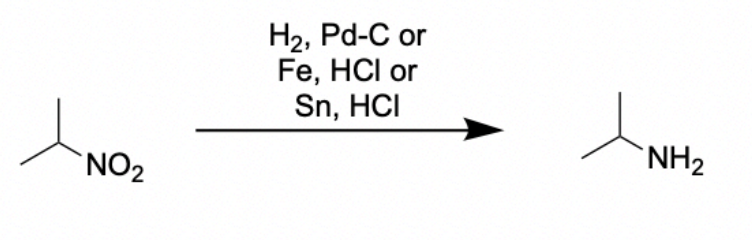
Used to turn nitro group into amine.
Reduction adds H’s to N and removes O’s.
Common for making amines from nitro compounds.
Memory: NO2 → NH2
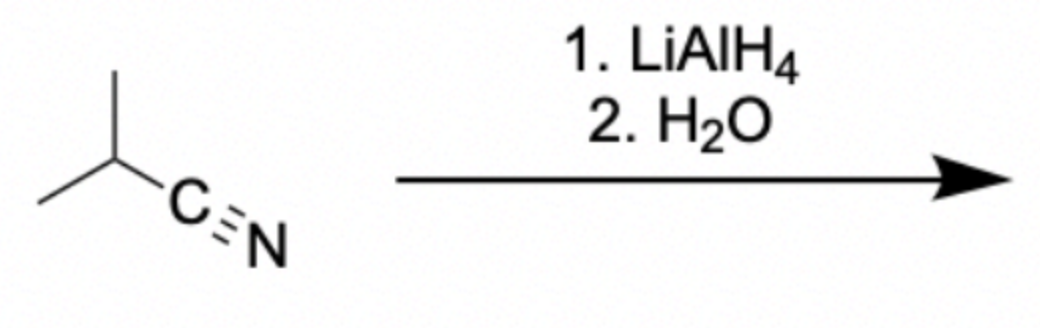
Reduction Methods
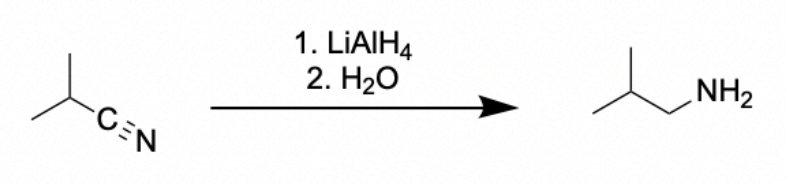
Used to turn nitrile into primary amine.
Hydride adds to nitrile carbon; C triple N pi electrons go to N.
Workup protonates N and removes Al complex.
Memory: CN carbon becomes CH2, N becomes NH2.
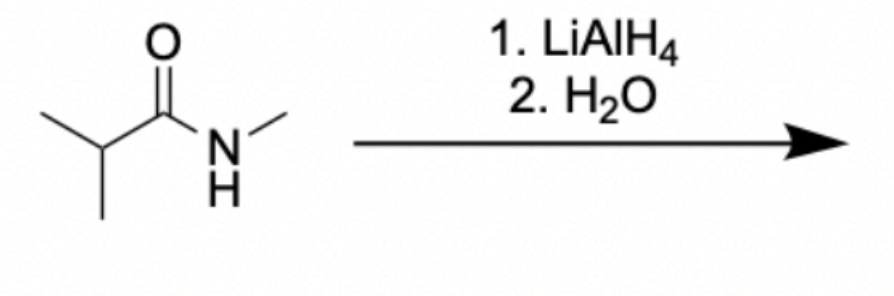
Reduction Methods
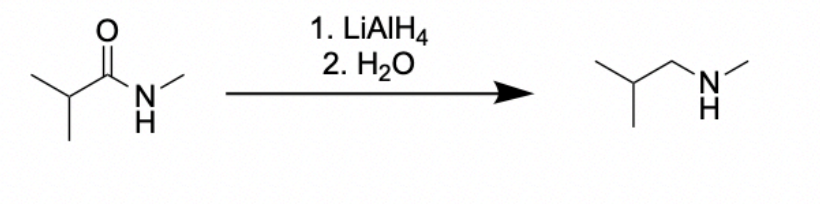
Used to turn amide into amine.
Product: C=O is removed.
Hydride attacks amide carbonyl carbon; oxygen eventually leaves as Al-O complex.
Workup gives the amine.
Memory: amide C=O disappears, N stays.
What does DCC do?
DCC is a coupling/dehydrating reagent.
It activates a carboxylic acid so an alcohol or amine can attack.
Used to make esters or amides from carboxylic acids.
Mechanism: carboxylic acid O attacks DCC, making a better leaving group.
Then alcohol/amine attacks the carbonyl, and DCC becomes DCU byproduct.
H2SO4 reagent
protonates the carboxylic acid carbonyl O
makes the carbonyl carbon more electrophilic
lets the alcohol attack
It can turn OH into OH2+ so water can leave, or activate a carbonyl so a nucleophile can attack
catalyst; not added into the final product