Theology Final Exam
 Call Kai
 Learn
Learn Practice Test
 Spaced Repetition
 Match
Match Flashcards
 Knowt Play
1/11

There's no tags or description
Looks like no tags are added yet.
Name | Mastery | Learn | Test | Matching | Spaced | Call with Kai |
|---|
No analytics yet
Send a link to your students to track their progress
12 Terms
The Cosmological Argument
Things just don’t pop into existance
For something to be made, it must have a maker
The universe has a beginning — Redshift shows the universe is expanding, meaning it began at a finite point in the past
Therefore, the universe has a cause
The universe must be made by someone outside of space, time, and matter
Fine-Tuning of The Universe (Design)
the universe is fine-tuned for life bc of design
Specifically designed that if it were moved by 1 in 10 parts it would be no life
Sun example
Designed on purpose
Designer must be outside of space time and matter

Moral Argument
no knowledge of good and evil if God does not exist
He set the standards and rules for what’s good and evil
Example of when God set the Ten Commandments
He wouldn’t do that if everyone knew it was bad
Therefore God is the objective moral law-giver giver
Why Is It Important That Christians Teach About A Personal God?
A non-personal being cannot make personal beings
Humans can think, feel, choose, and act
A non-personal God cannot make something personal if He is not personal Himself
The Bible says that we are made in His image; therefore, if God is non-personal, we would be non-personal
But since He is a personal God, we are personal as well
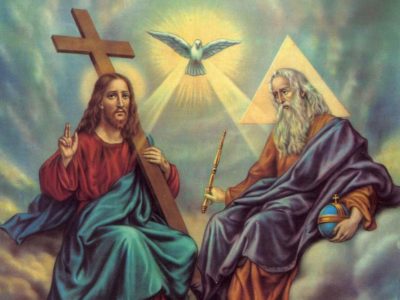
The Trinity — What Is It & Why Is It Important?
God is a Trinity, one divine nature in three Persons, bound together in love: Father, Son, and Holy Spirit
The doctrine of the Trinity means there is a relationship and community within the godhead
God exists as distinct persons who give themselves to one another in love
There cannot be love without two or more people; therefore, the Trinity is true
All are equally real, equally ultimate, and equally integral to God’s nature
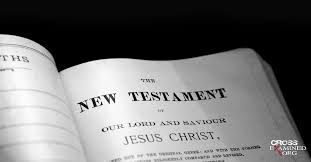
Is The New Testament Reliable?
We have more than 25,000 copies of the New Testament.
99% of the text is seen as accurate to its original writings.
The time gap from the original writings to the earliest copies is 35 years; there would be no time for myths or legends to develop.
There were only minor differences in each writing, like misspellings and typos.
None of the differences affects a single core doctrine of Christianity.
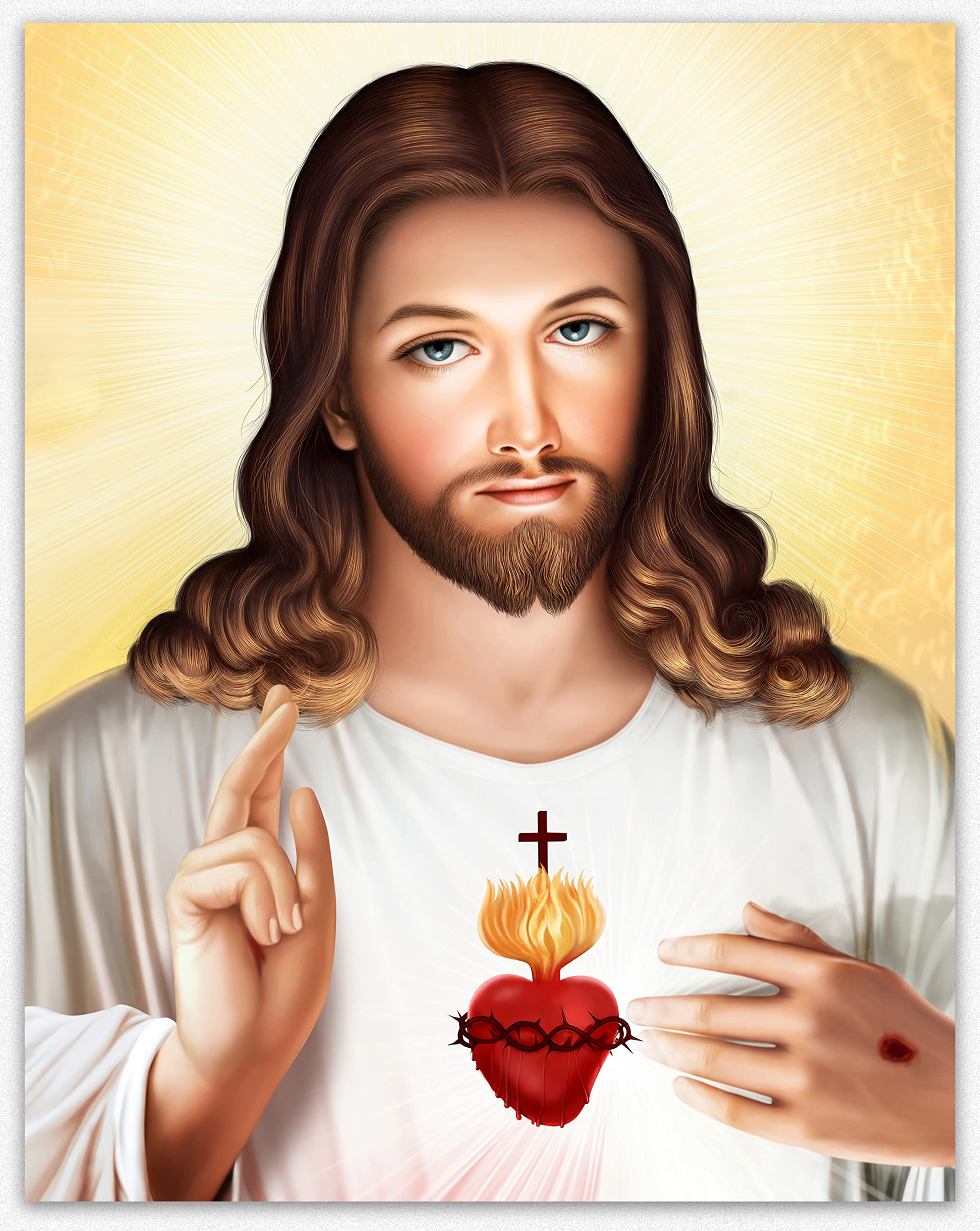
Who Was Jesus? How Did He Claim Divinity?
Jesus Christ is the Son of God, who came to sacrifice His life on a cross for everyone’s salvation.
Jesus Christ is also God, a part of the Holy Trinity.
Jesus claims to be God in many ways in the Bible without specifically saying it.
Example, He calls Himself ‘The way, the truth, and the life.”
Jesus explained how He can do things only God the Father can do, like forgiving sins, raising people from the dead, accepting worship, and judging the world.
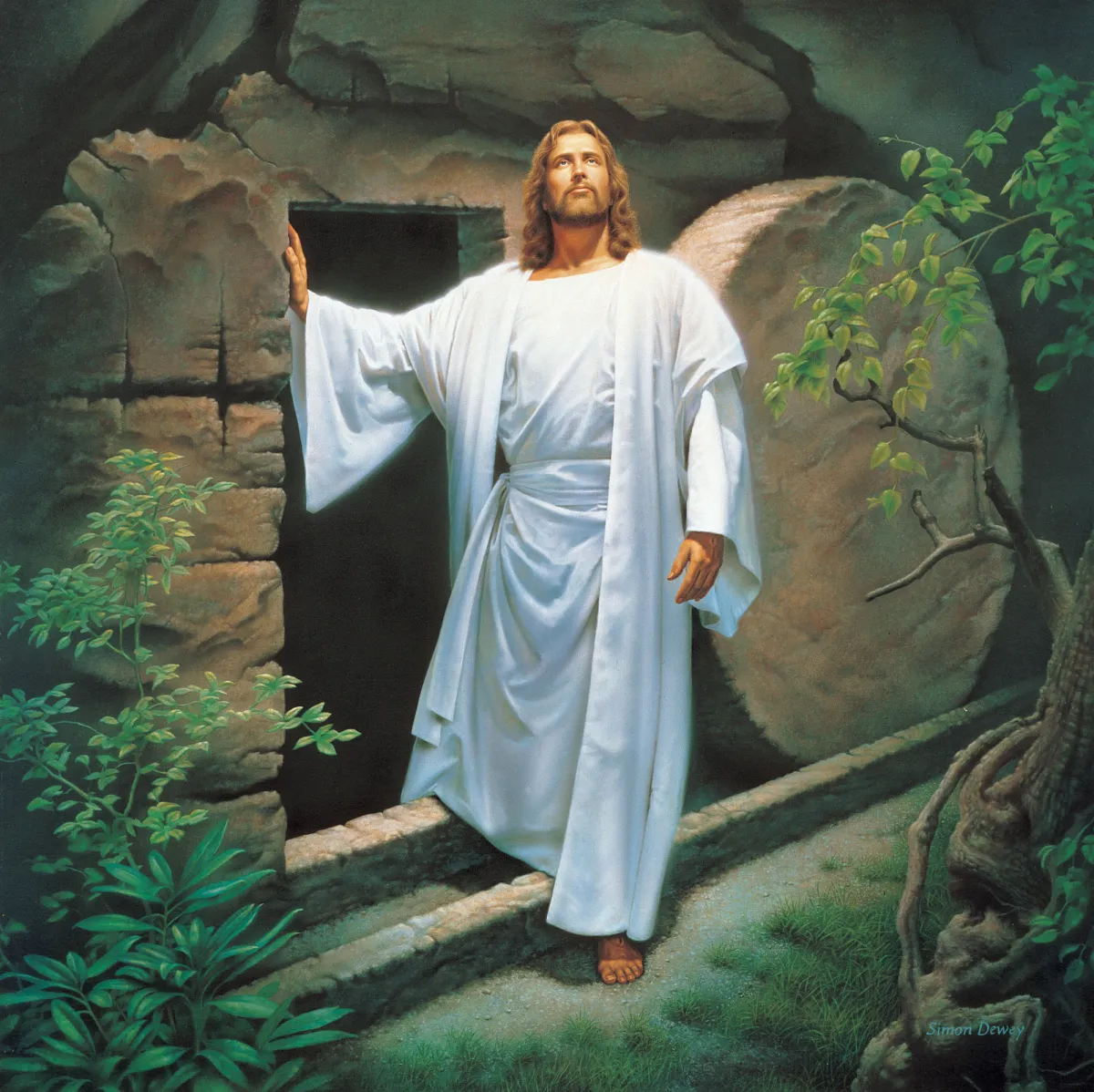
What Is The Evidence of the Resurrection?
3 Facts Athiests Acknowledge
The tomb was empty
Jesus appeared to different people at different times, even 500 people at once
The disciples belief in the ressurection
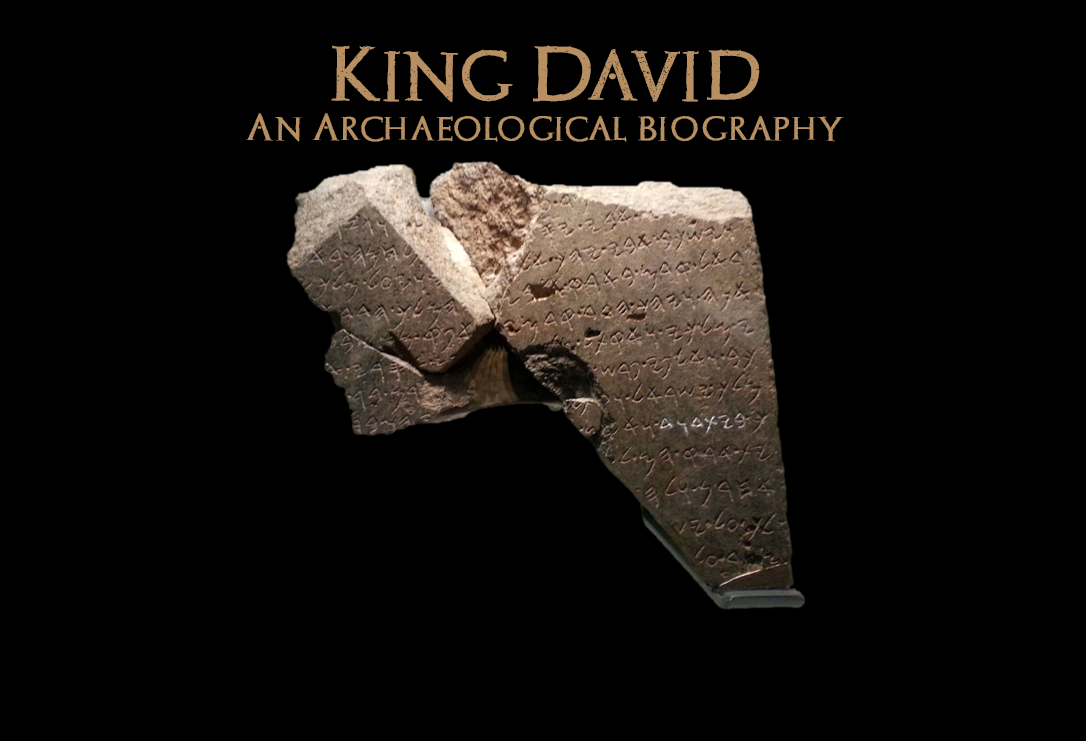
How Archaeology Supports The Bible
Critics say King David never existed, but an engraved writing has been found in a stone slab with the words: “House of David” and “King of Israel”.
This shows how the Bible is historically accurate.
The writing of Moses. Atheists say that Moses couldn’t have written the first five books of the Bible because writing didn’t exist back then.
But writing was already established 500 years before, in the days of Abraham.
The Megiddo mosaic: dedicated to our “God Jesus Christ.”
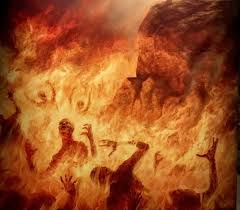
How Can Christains Defend The Doctorine of Hell?
God loves every single human on planet Earth.
He died for everyone to be saved. According to 1st Timothy, He wants all people to come to repentance.
God does not send people to Hell.
People prefer their own self-centered life to a God-centered life.
All people who are in, or going to, Hell choose to go to Hell.
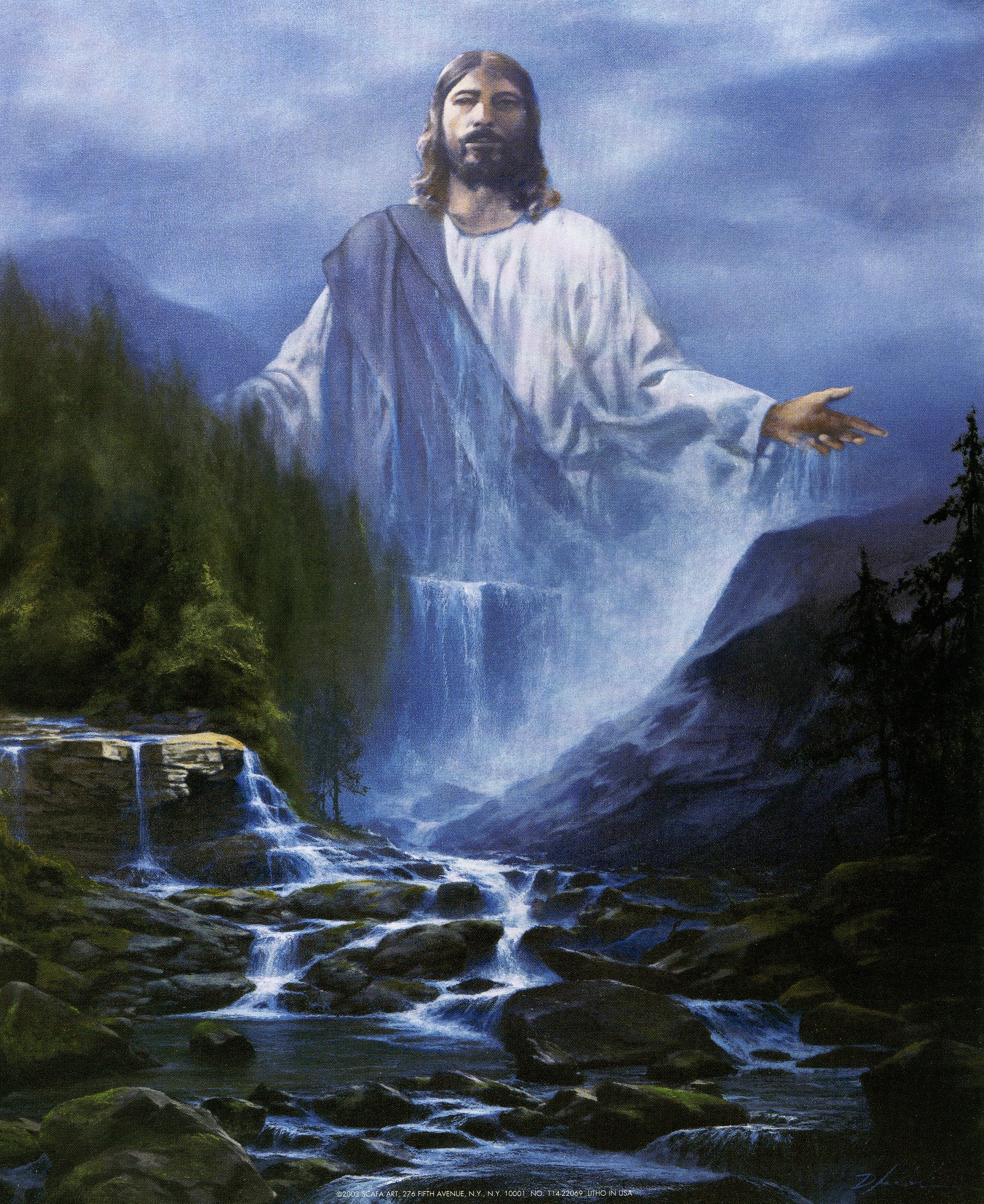
Does Science Make Miracles Impossible?
Miracles don’t break laws of nature — they add smth new to what’s already happening
After a miracle happens, everything still follows the natural laws
Example: Humans made computers.
Humans did not break any natural laws by making computers.
But it added to the miracle by using nature to create it.
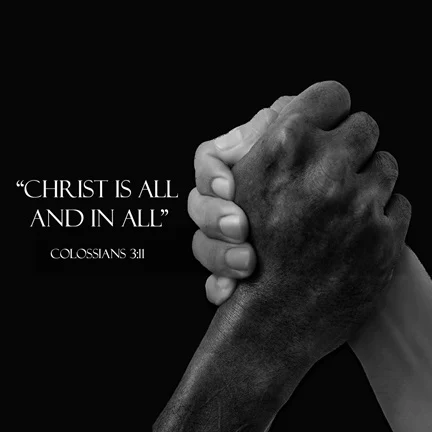
Is Christianity a White, Western Religion?
The Holy Spirit creates unity across boundaries of nationality, class, race and gender.
The New Testament mentions several people from Africa.
Examples are in the Bible, like Simon of Cyrene in Luke 23;26, Africans from Egypt and Lybia were present at the Pentecost in Acts 2:10, an Ethiopian Treasury secretary believes the gospel and is baptized in Acts 8;26-36.
Early Church fathers were from Africa like Tertulian, who was known as “the founder of Western Theology, or Origen of Alexandria in Egypt, who laid down the principles for Christian Theology.