A&P Final Exam: Collection of all questions
 Call Kai
 Learn
Learn Practice Test
 Spaced Repetition
 Match
Match Flashcards
 Knowt Play
1/353

There's no tags or description
Looks like no tags are added yet.
Name | Mastery | Learn | Test | Matching | Spaced | Call with Kai |
|---|
No analytics yet
Send a link to your students to track their progress
354 Terms
Anatomy and Physiology are difficult to separate because
physiological functions depend on anatomical structures.
The activities of an anatomist consist of _________, whereas those of a physiologist consist of _________.
observing body parts; studying functions of body parts
Which of the following lists best illustrates the idea of increasing levels of complexity?
Cells, tissues, organs, organ systems, organism
The removal of wastes produced by metabolic reactions is
excretion.
Homeostasis is the
the tendency of the body to maintain a stable internal environment.
In negative feedback mechanisms, changes away from the normal state (set point)
stimulate changes in the opposite direction.
Positive feedback mechanisms
move conditions away from the normal state (set point).
Which of the following organs is in the abdominopelvic cavity?
The liver
The membrane on the surface of a lung is called the
visceral pleura.
The thoracic cavity lies ______________ the abdominopelvic cavity.
superior to
Blood cells are produced in the organs of the _____________ system.
skeletal
A parietal layer of a serous membrane__________, whereas as visceral layer of a serous membrane_____________.
lines cavities; covers organs
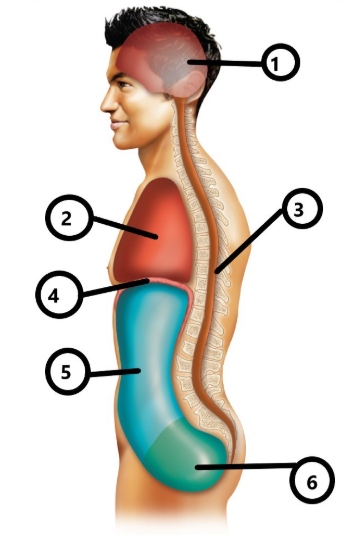
What is 1?
Cranial cavity
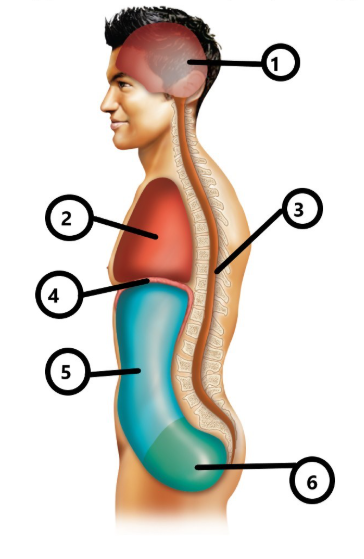
What is 2?
Thoracic Cavity
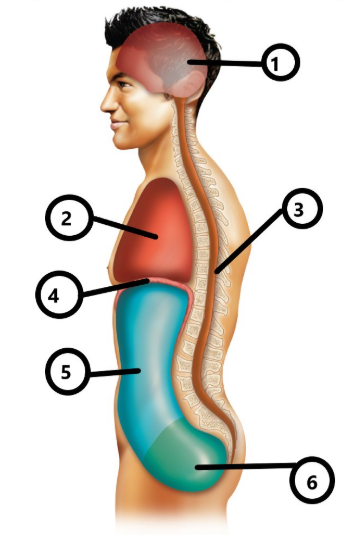
What is 3?
Vertebral cavity
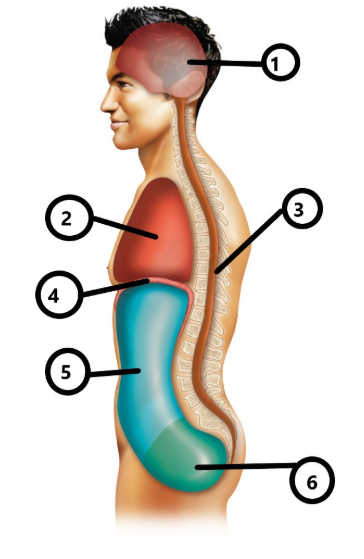
What is 4?
Diaphragm
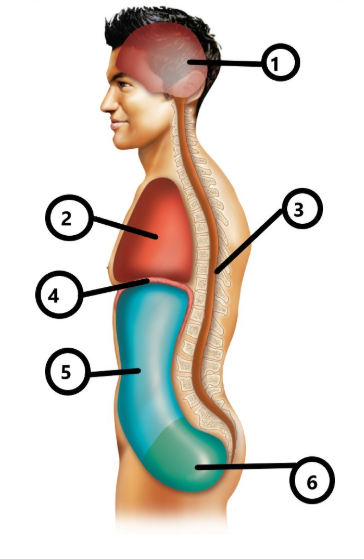
What is 5?
Abdominal cavity
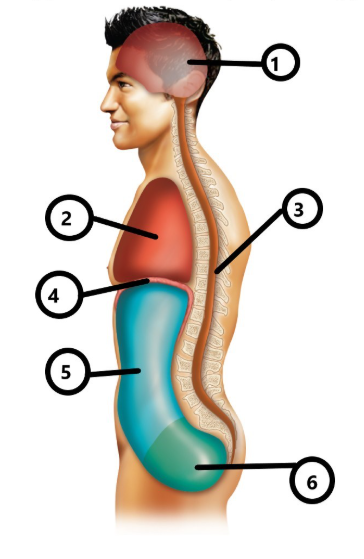
What is 6?
Pelvic cavity
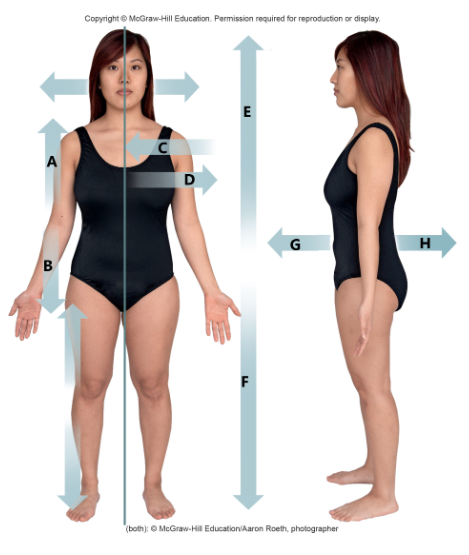
What is A?
Proximal
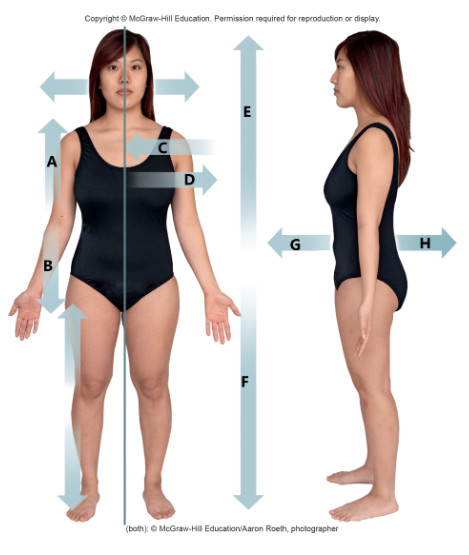
What is B?
Distal
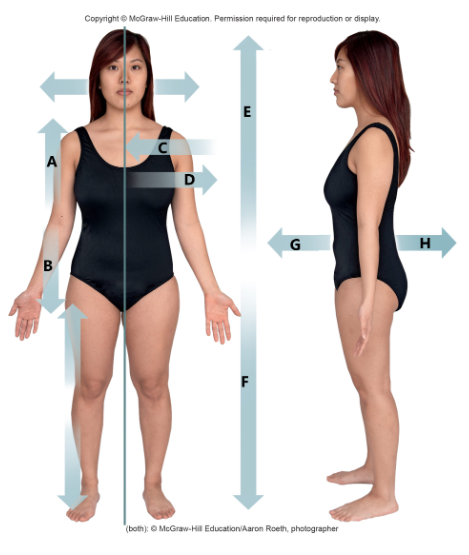
What is C?
Medial
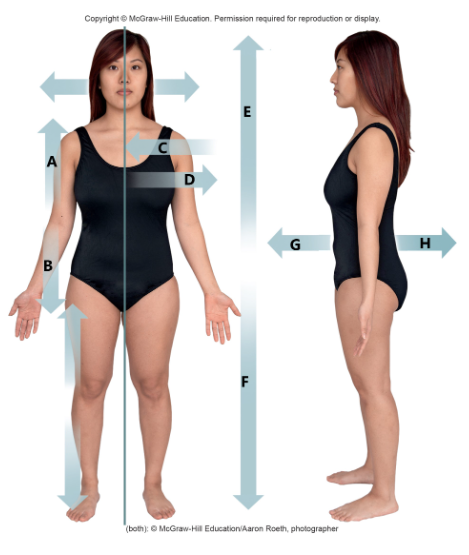
What is D?
Lateral
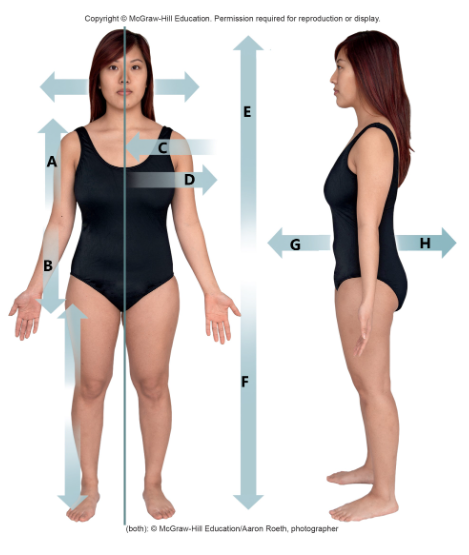
What is E?
Superior
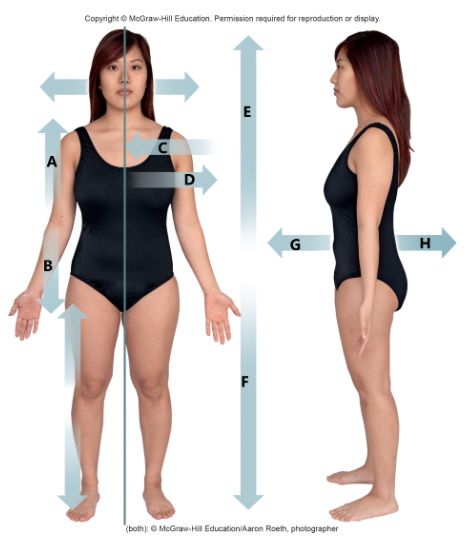
What is F?
Inferior
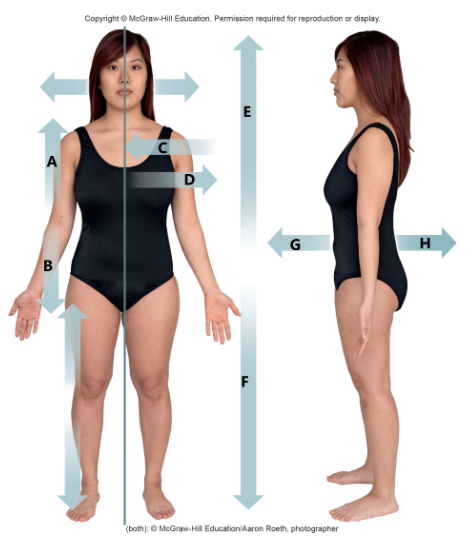
What is G?
Anterior
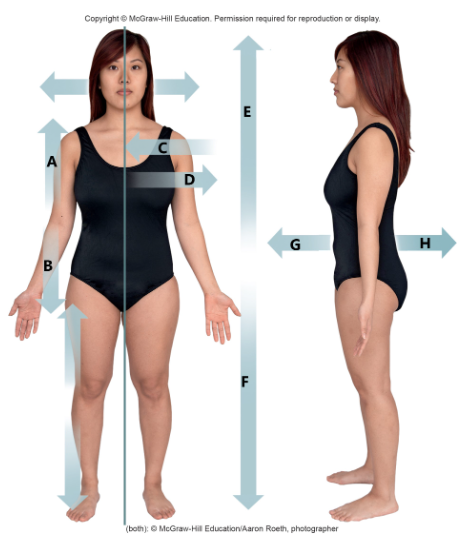
What is H?
Posterior
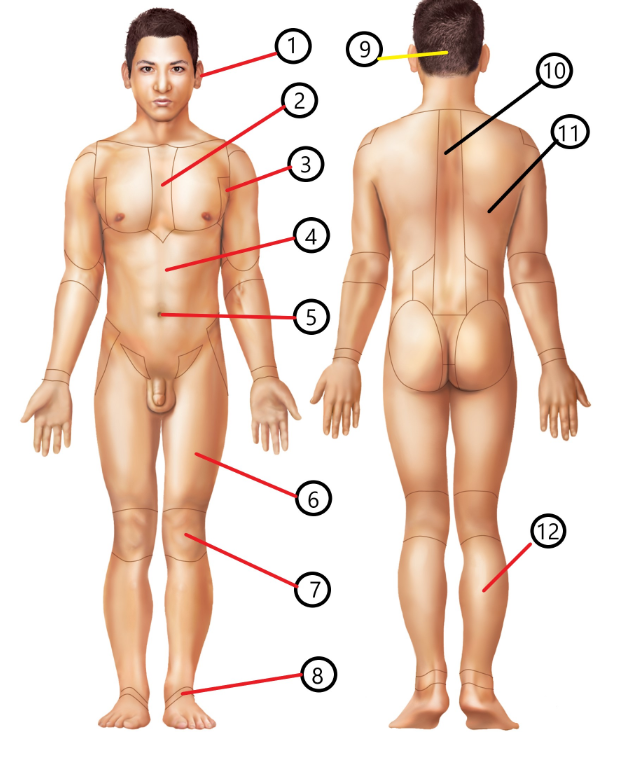
What is 1?
Otic
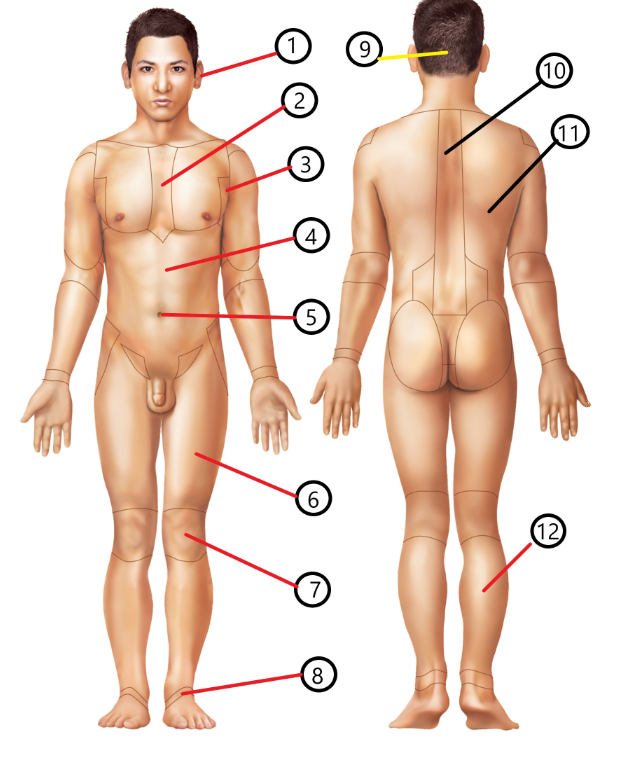
What is 2?
Sternal
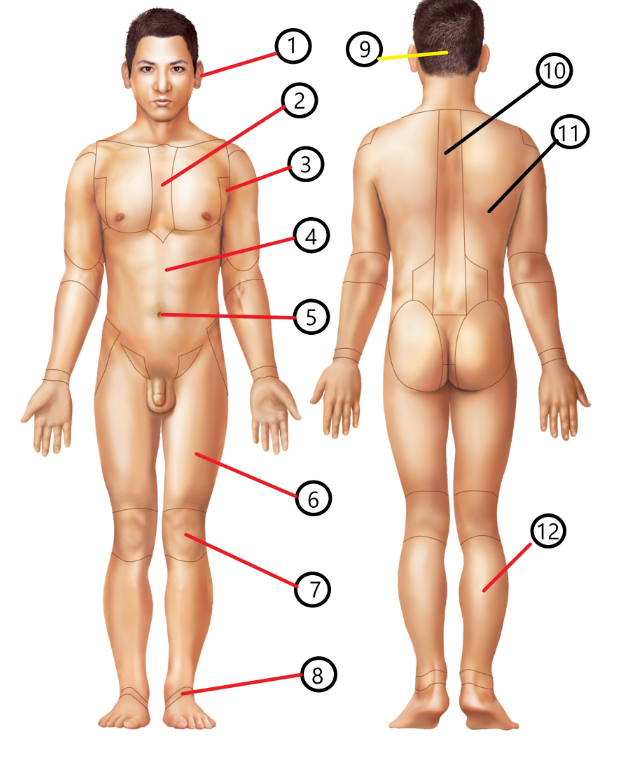
What is 3?
Axillary —-? Axe body spray, armpit area
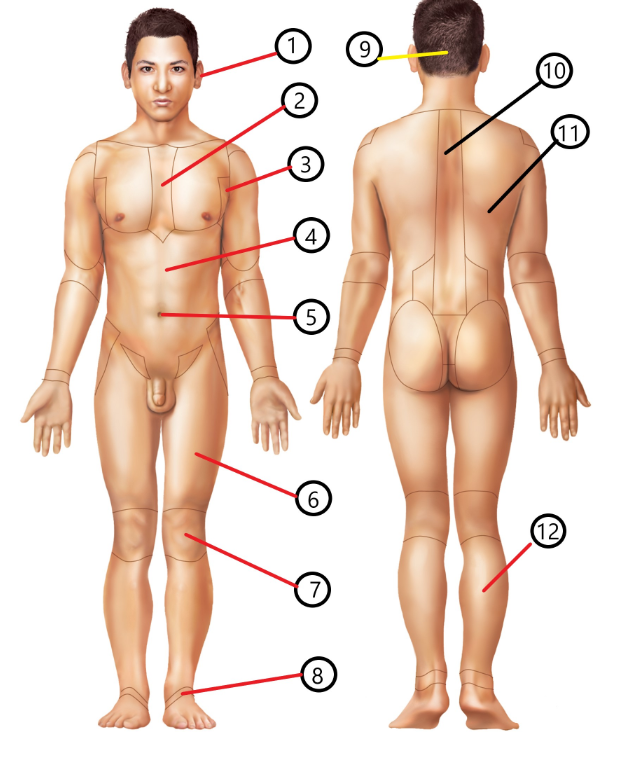
What is 4?
abdominal
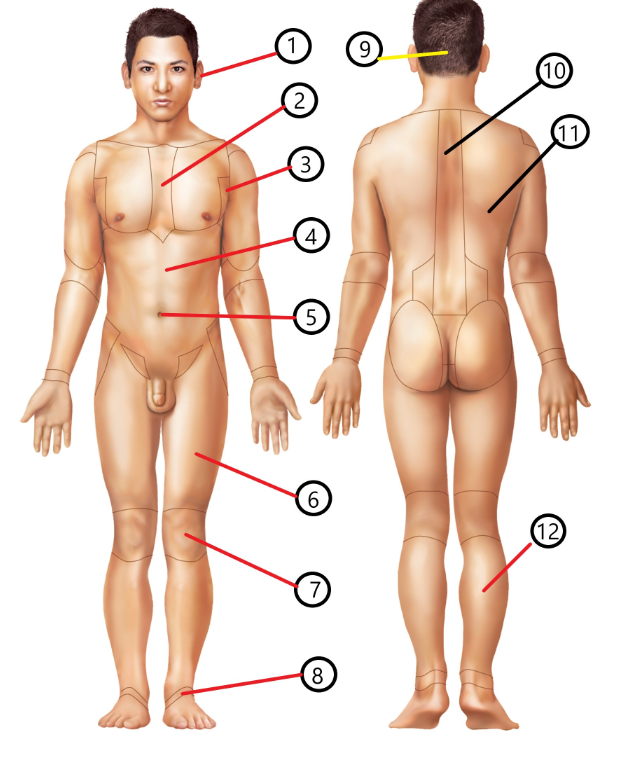
What is 5?
Umbillical
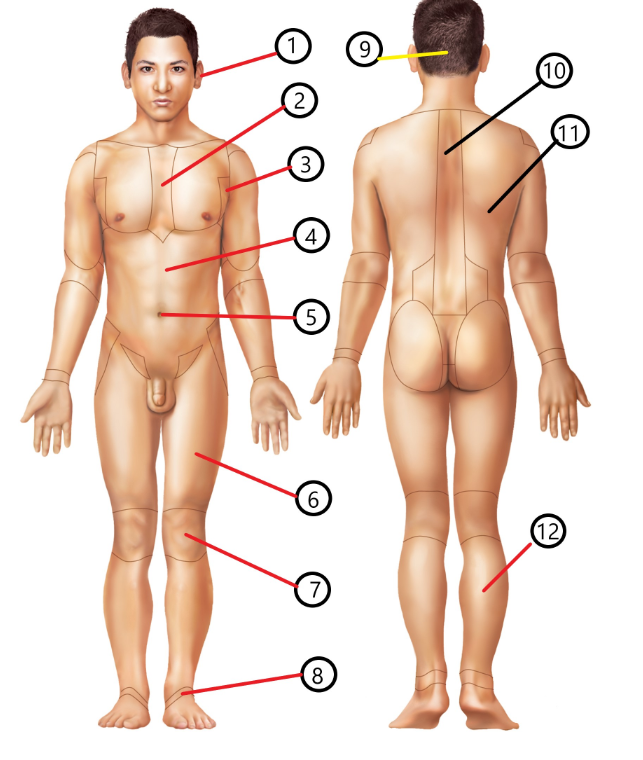
What is 6?
Femoral
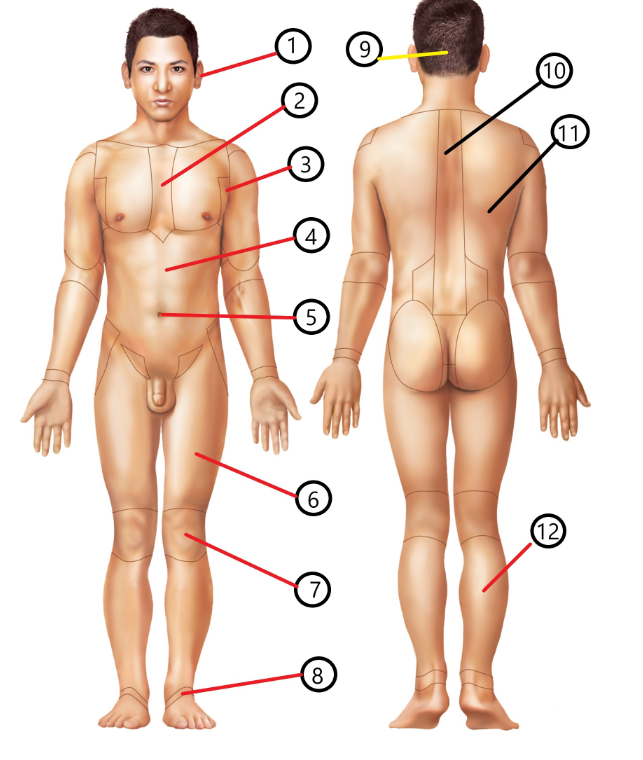
What is 7?
Patellar
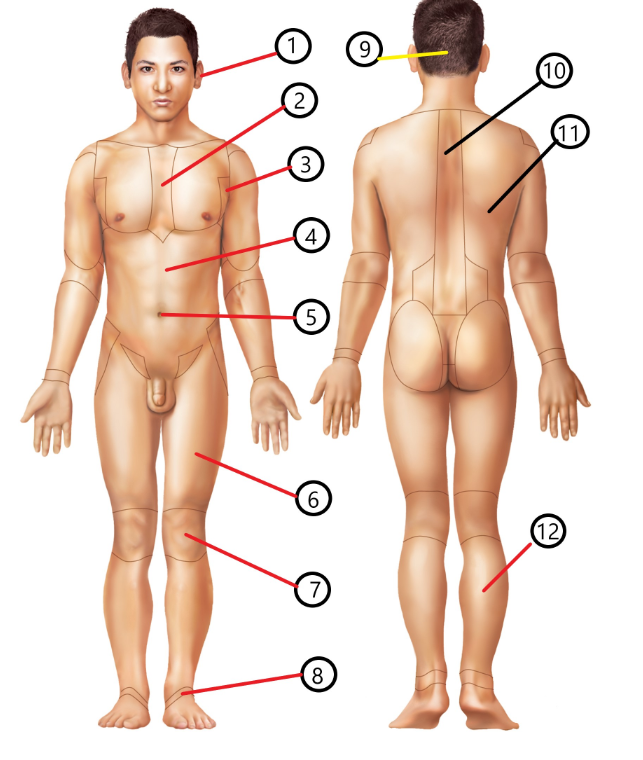
What is 8?
Tarsal
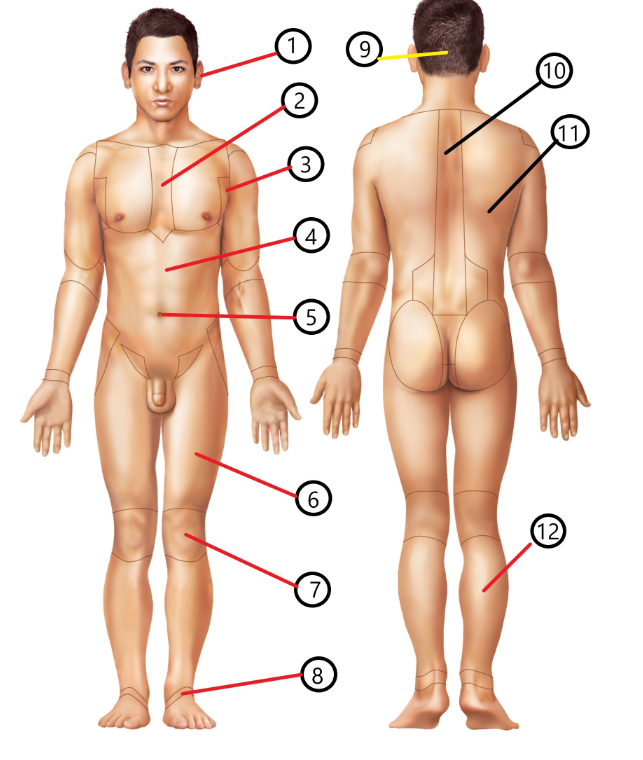
What is 9?
Occipital
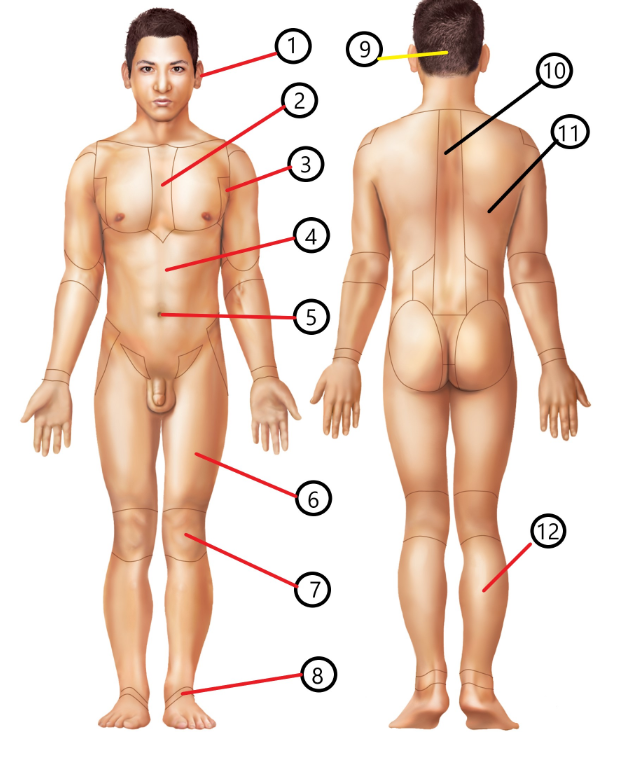
What is 10?
Vertebral
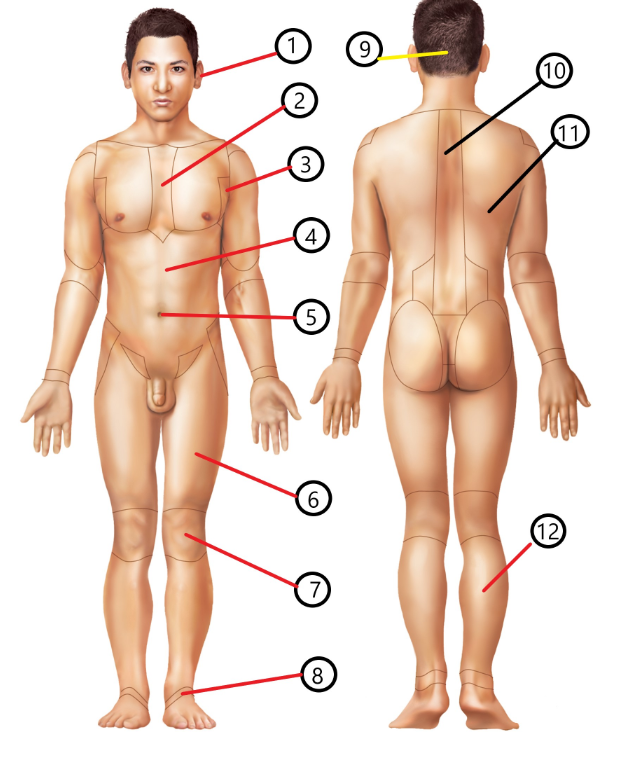
What is 11?
Dorsal
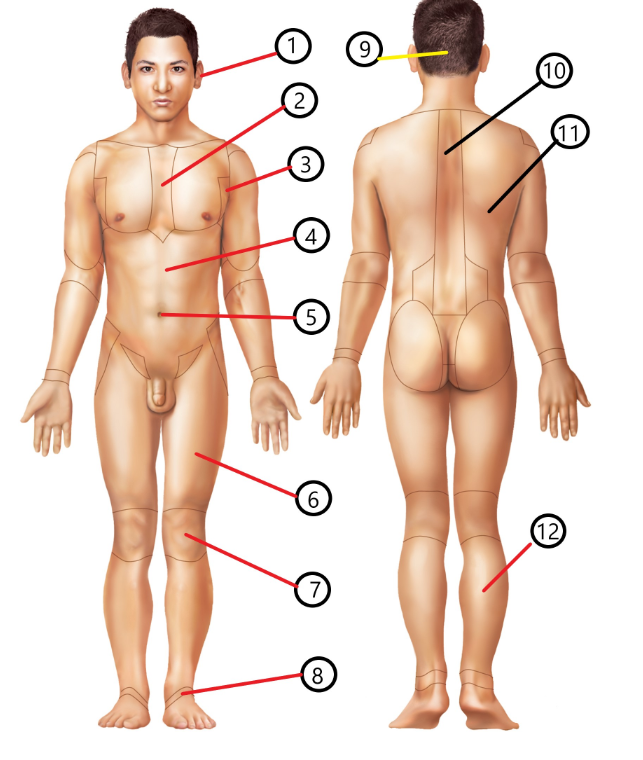
What is 12?
Sural
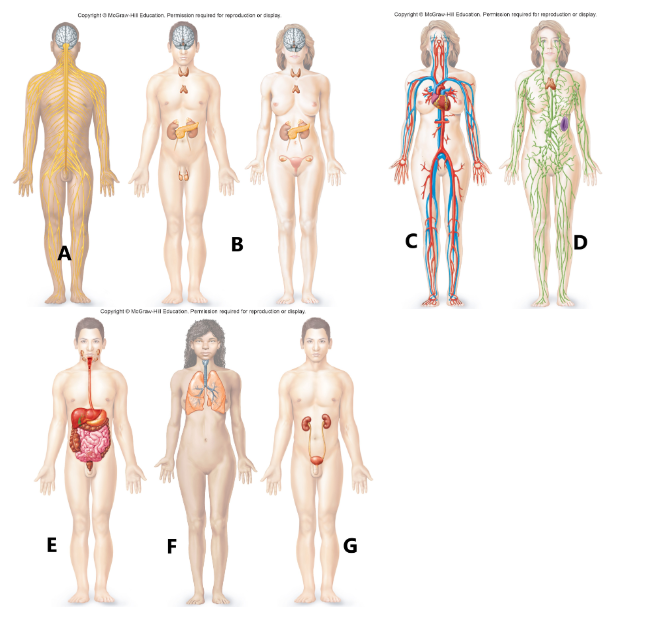
What system is A?
Nervous System
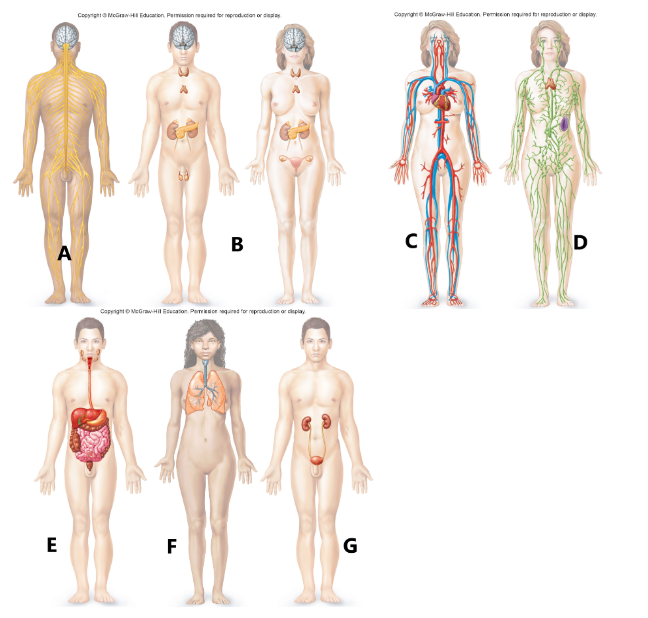
What system is B?
Endocrine system
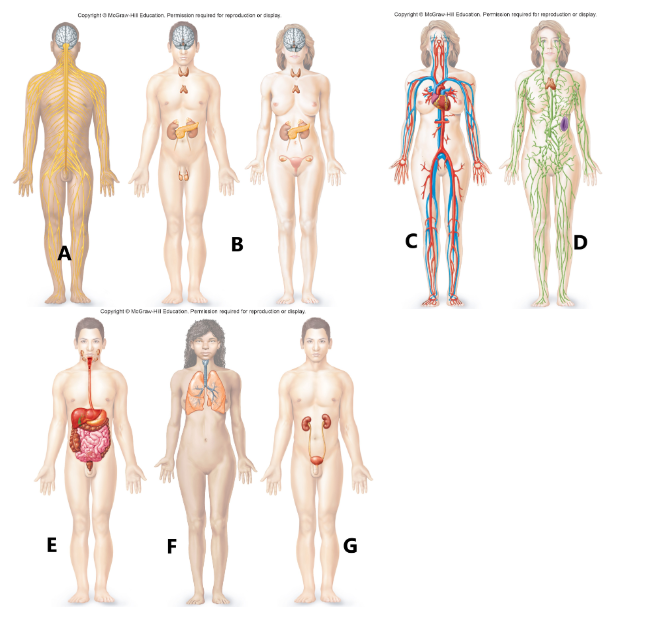
What is system C?
Cardiovascular system
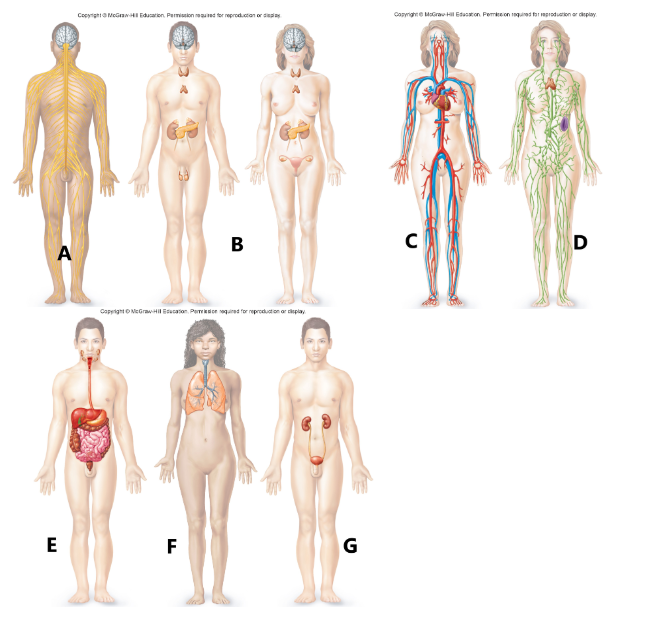
What is system D?
Lymphatic system
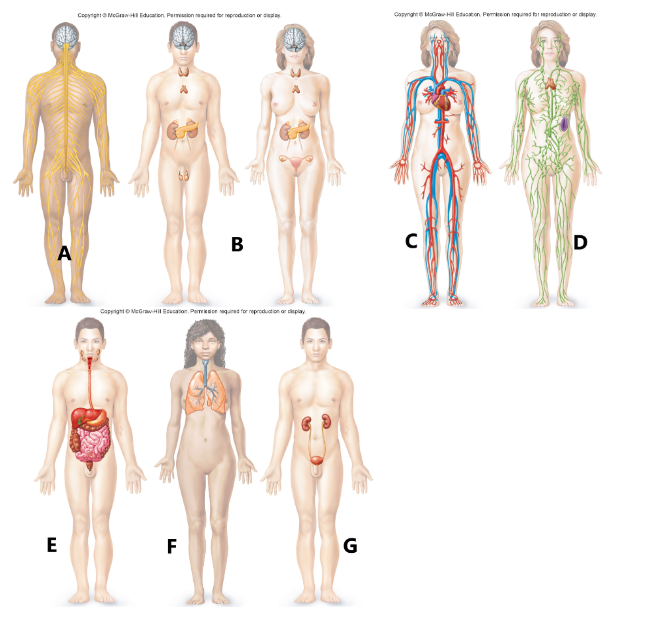
What is system E?
Digestive
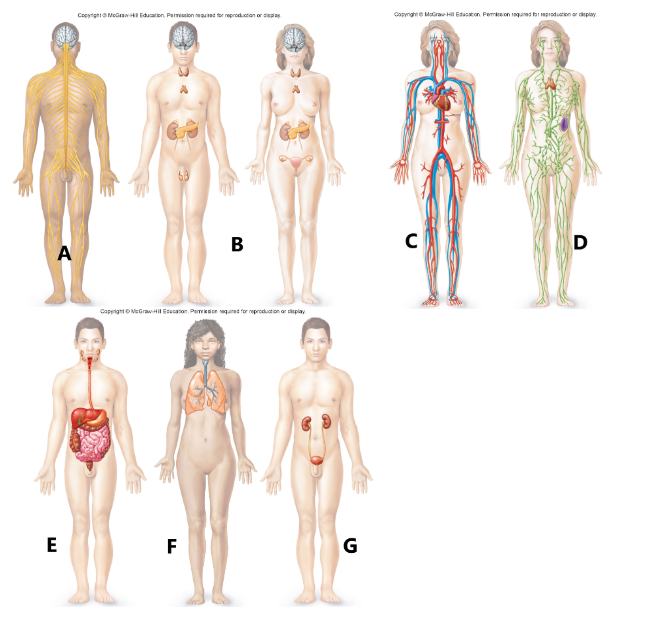
What is system F?
Respiratory system
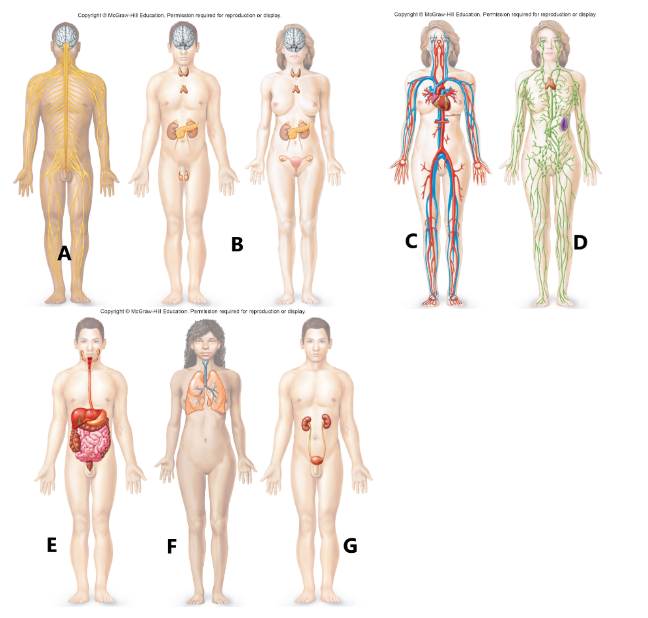
What is system G?
Urinary system
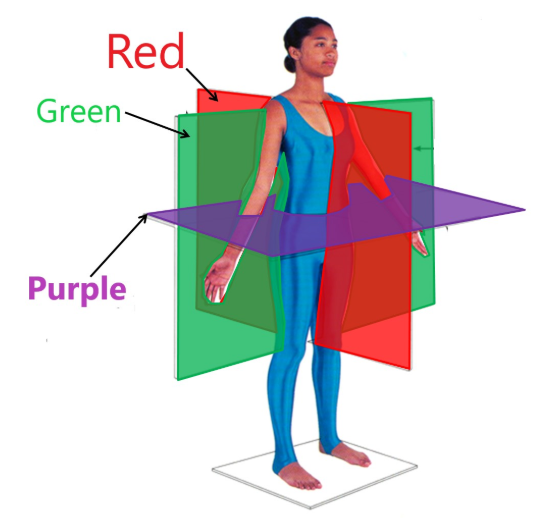
What is Coronal Plane?
Green
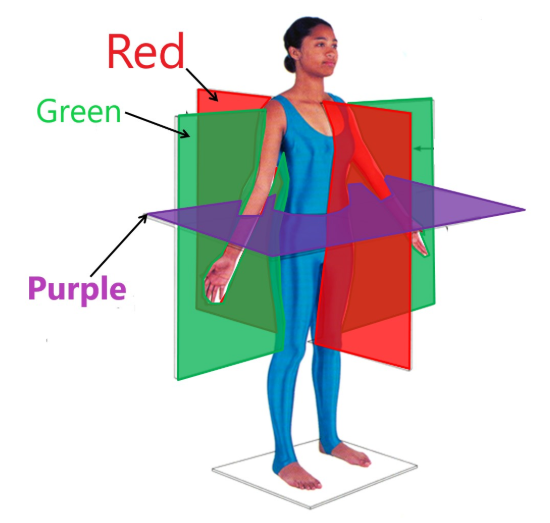
What is Transverse Plane?
Purple
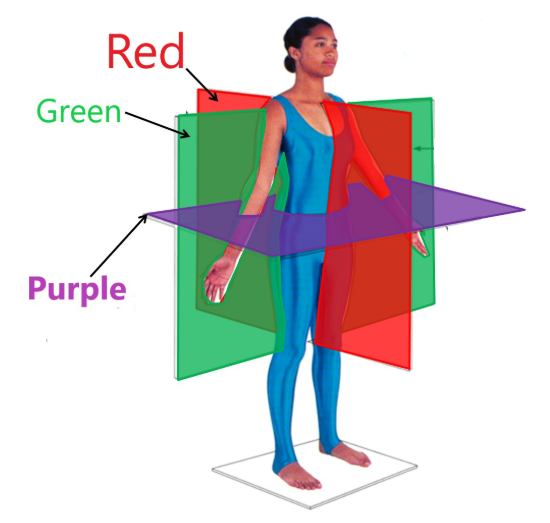
What is Sagittal Plane?
Red
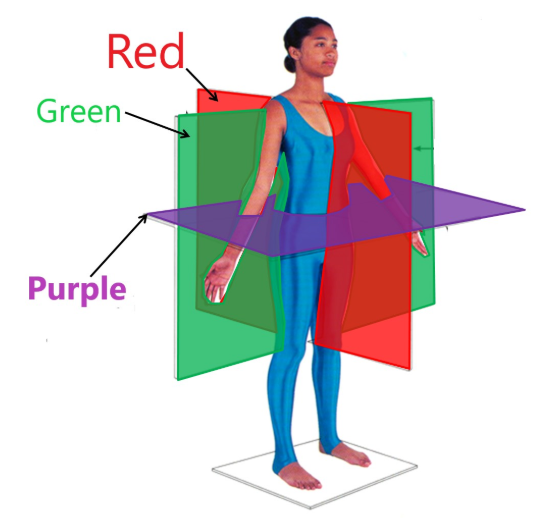
What is Horizontal Plane?
Purple
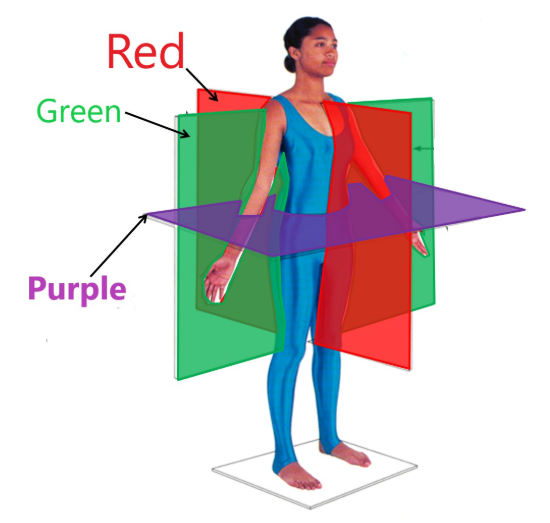
What is Frontal Plane?
Green
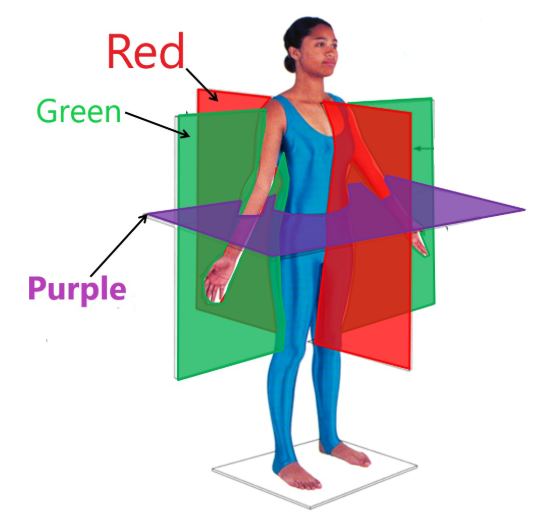
What is Midsagittal Plane?
Red
Histology
the study of tissues
A basement membrane anchors
epithelial tissue to conncective tissue
Epithelial tissue functions in
secretion, absorption, and protection.
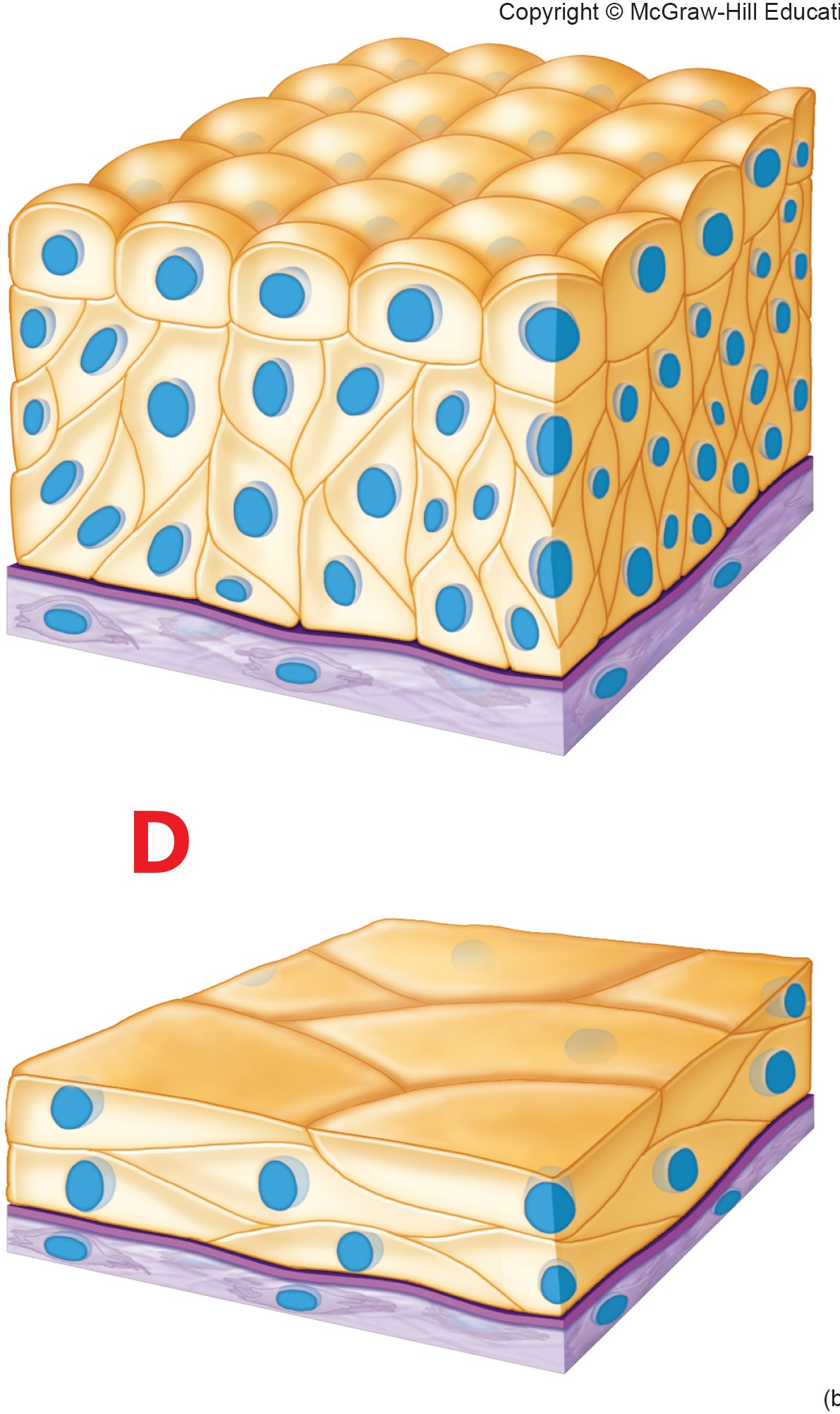
What type of epithelium lines the urinary bladder and many of the urinary passageways?
transitional/uroepithelium
The process of breast feeding involves the use of glandular epithelium. During this process, the exocrine gland secretes small pieces of the epithelial cells that line the duct in the breast. What type of glandular secretion is this?
Apocrine
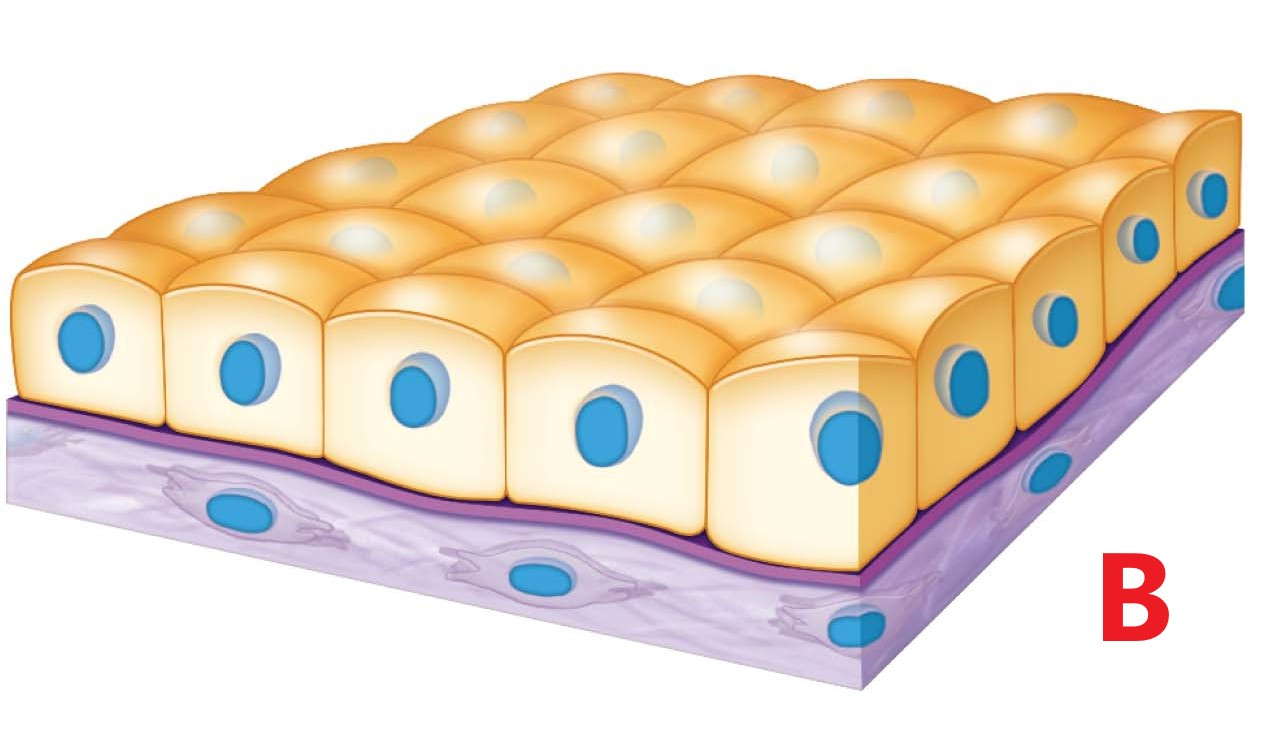
Which type of tissue lines the follicles of the thyroid glands?
Simple cuboidal epithelium
The type of epithelium that secretes into ducts that open onto surfaces like skin or into body fluids is
glandular epitheliulm.
Areolar tissue contains
collagenous fibers, elastic fibers, and gel-like ground substance.
Tendons and ligaments are composed primarily of
dense regular connective tissue.
A general characteristic of connective tissue is that it
consists of cells with much extracellular material.
Adipose tissue is a form of
connective tissue.
A ___________________ membrane lines tube and cavities that open to the outside of the body.
mucous
"Cutaneous membrane" refers to
skin.
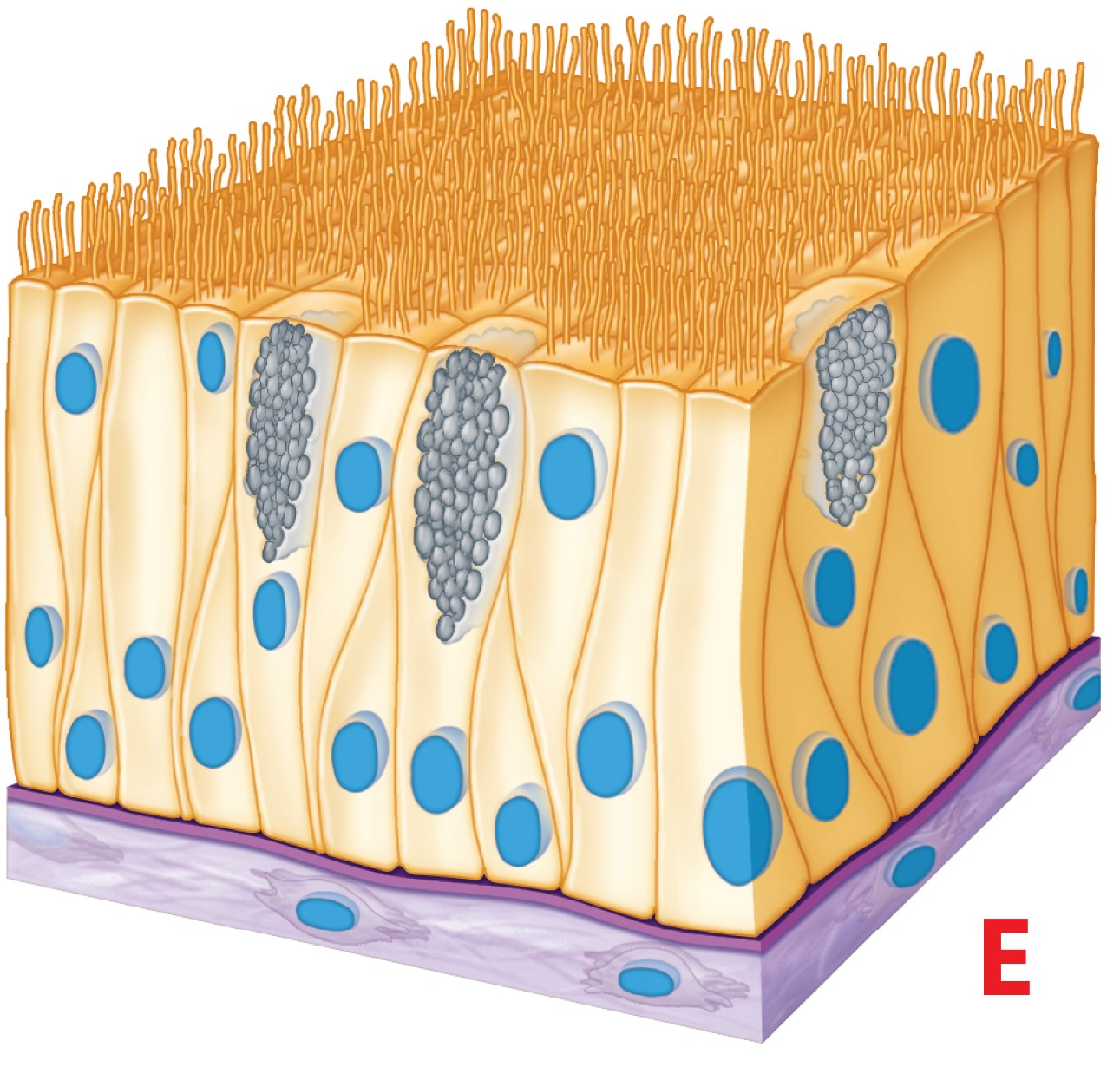
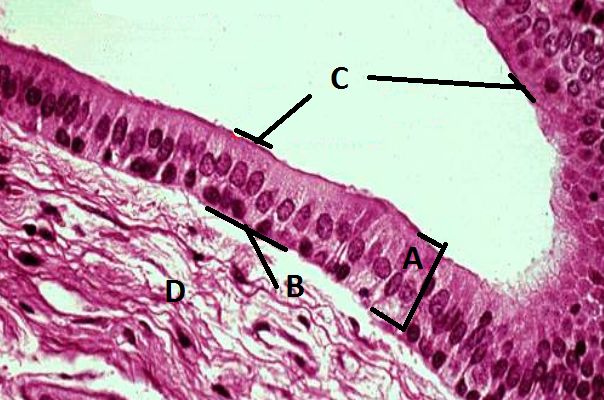
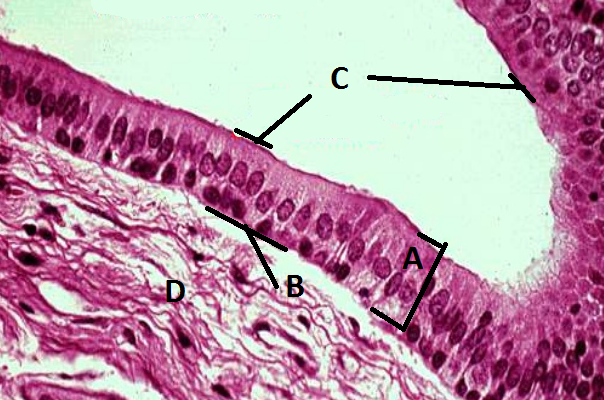
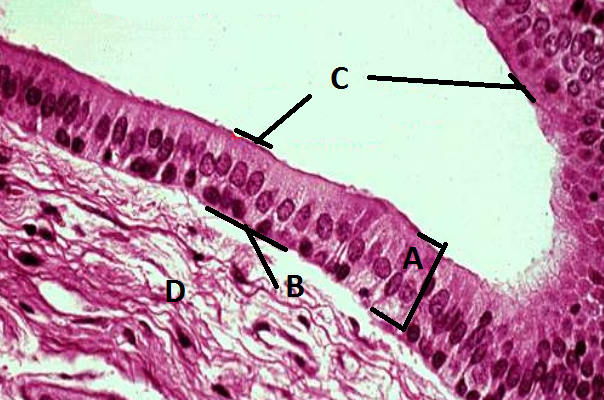
An unlabeled slide of tissue from the respiratory passageways of the human body reveals this Image under the microscope. What do we call this tissue, and which of the four main tissue types does it fall under?
Pseudostratified Columnar; Epithelial
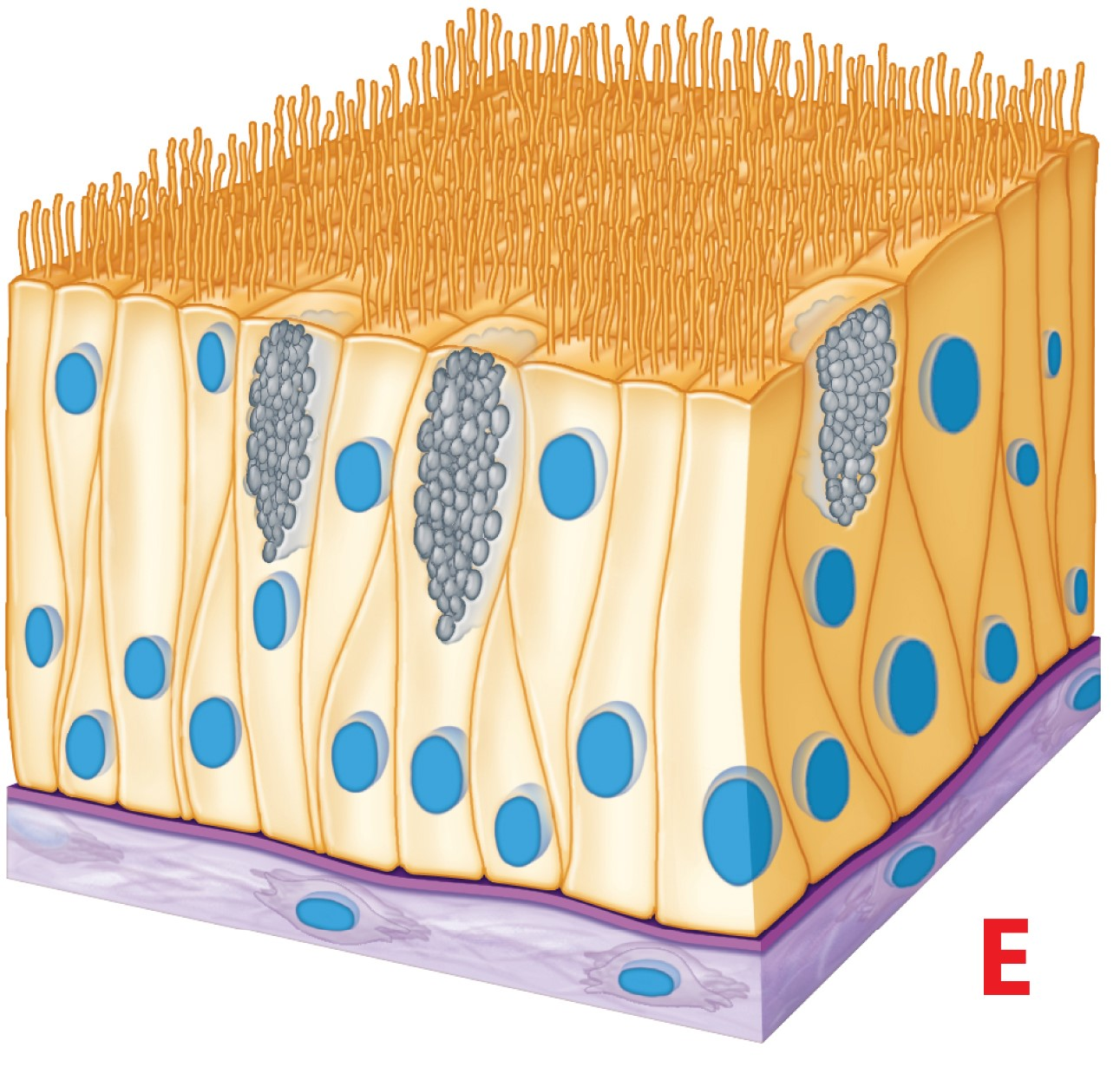
What is the function of the tissue in this image?
Protect against infectious particles
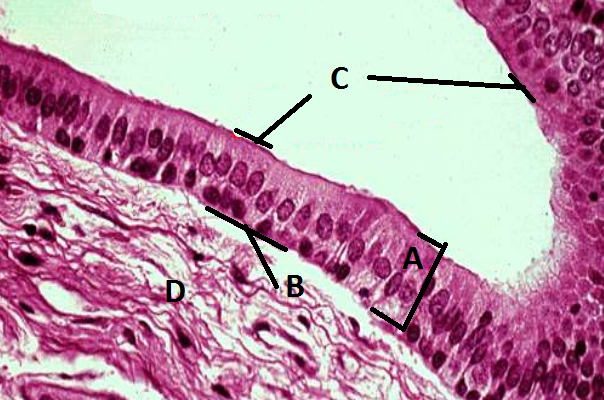
What is A?
Epithelial cell layer
What is B?
Basement membrane
What is C?
Apical surface
What is D?
Connective tissue
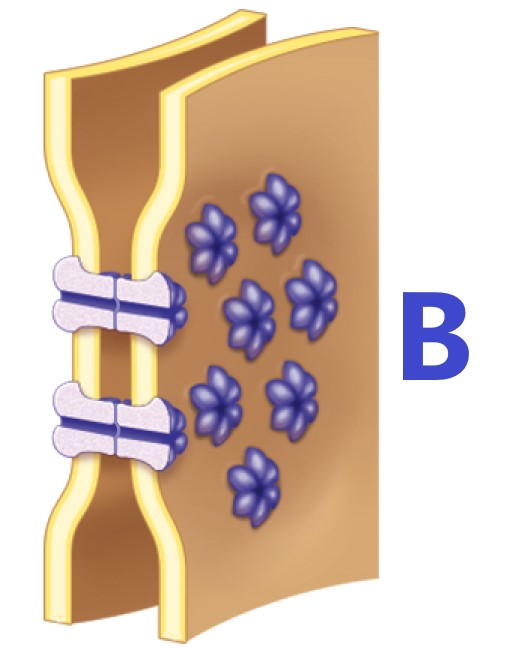
Which is a Desmosome?
C
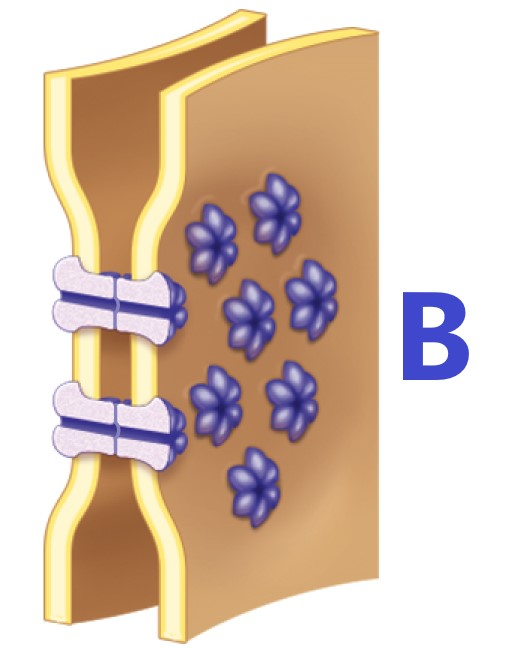
Which is a Gap junction?
B
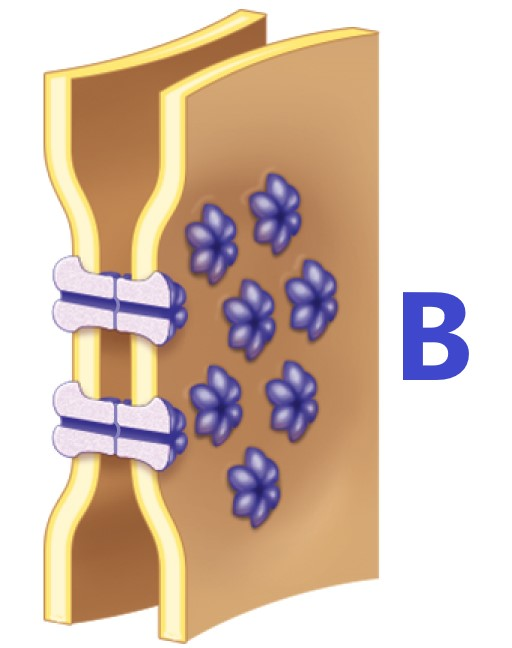
Which is a tight junction?
A
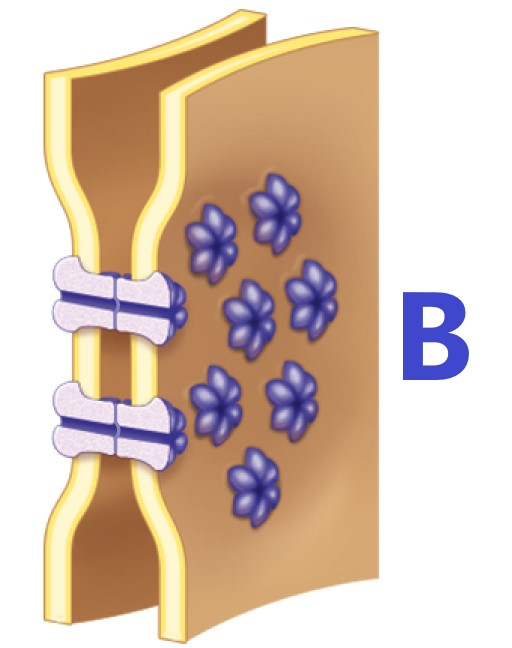
Which acts like a “spot weld”
C (Desmosome)
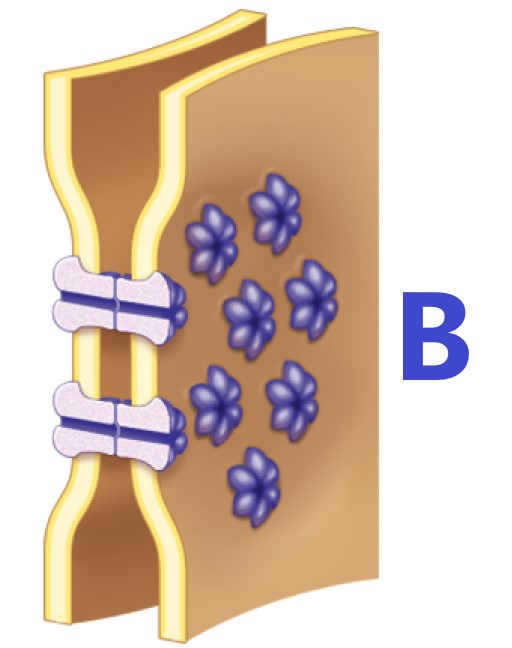
Which allows for molecules to move between cells?
B (Gap junction)
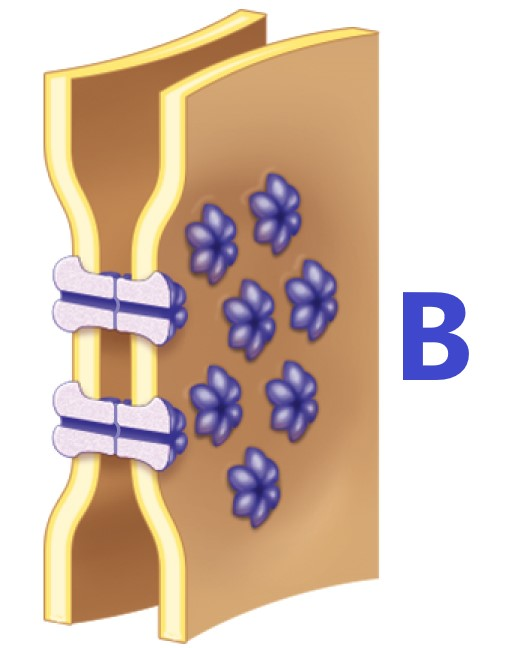
Which allows membranes to merge and fuse?
A (Tight Junction)
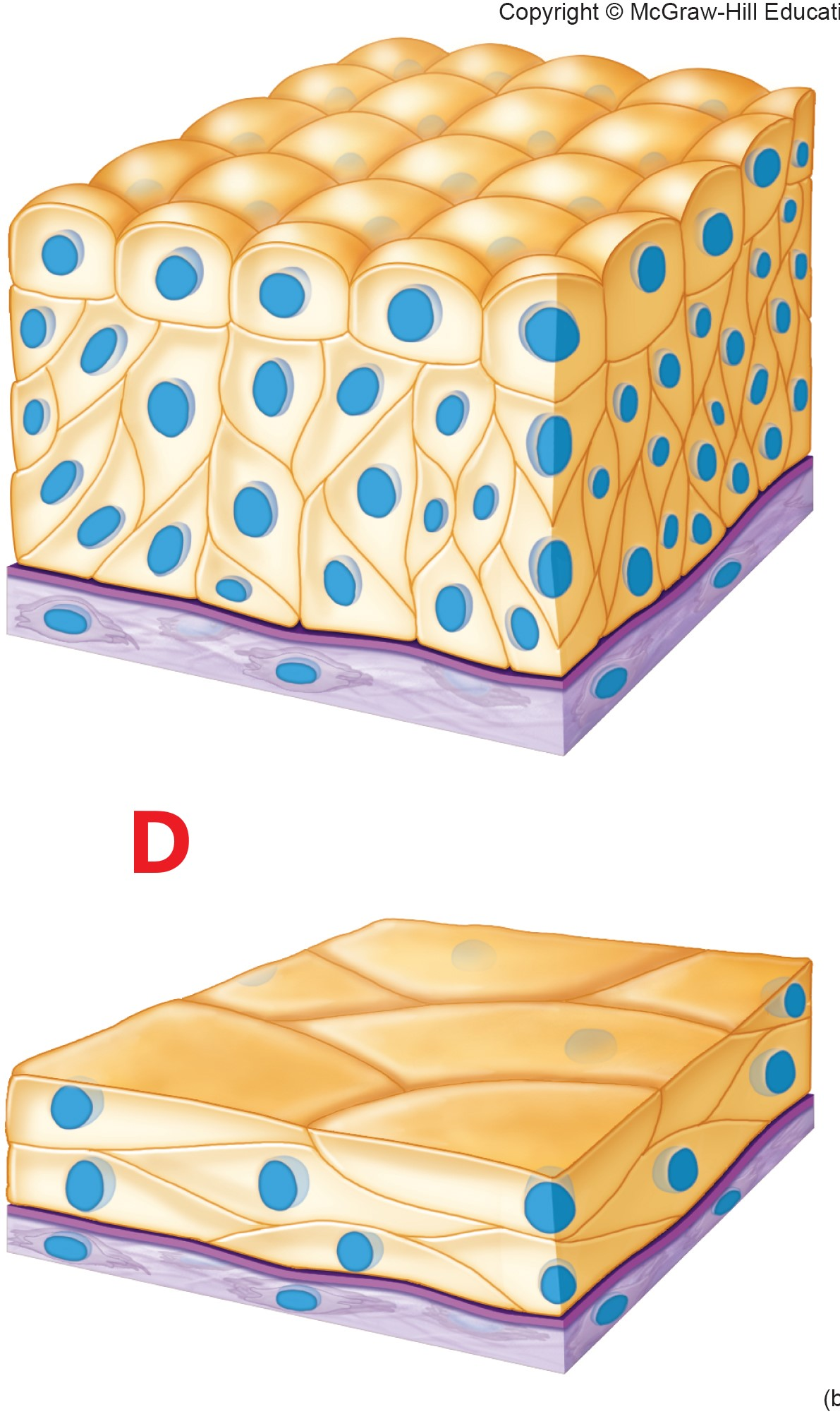
Which is Pseudostratefied Columnar?
E
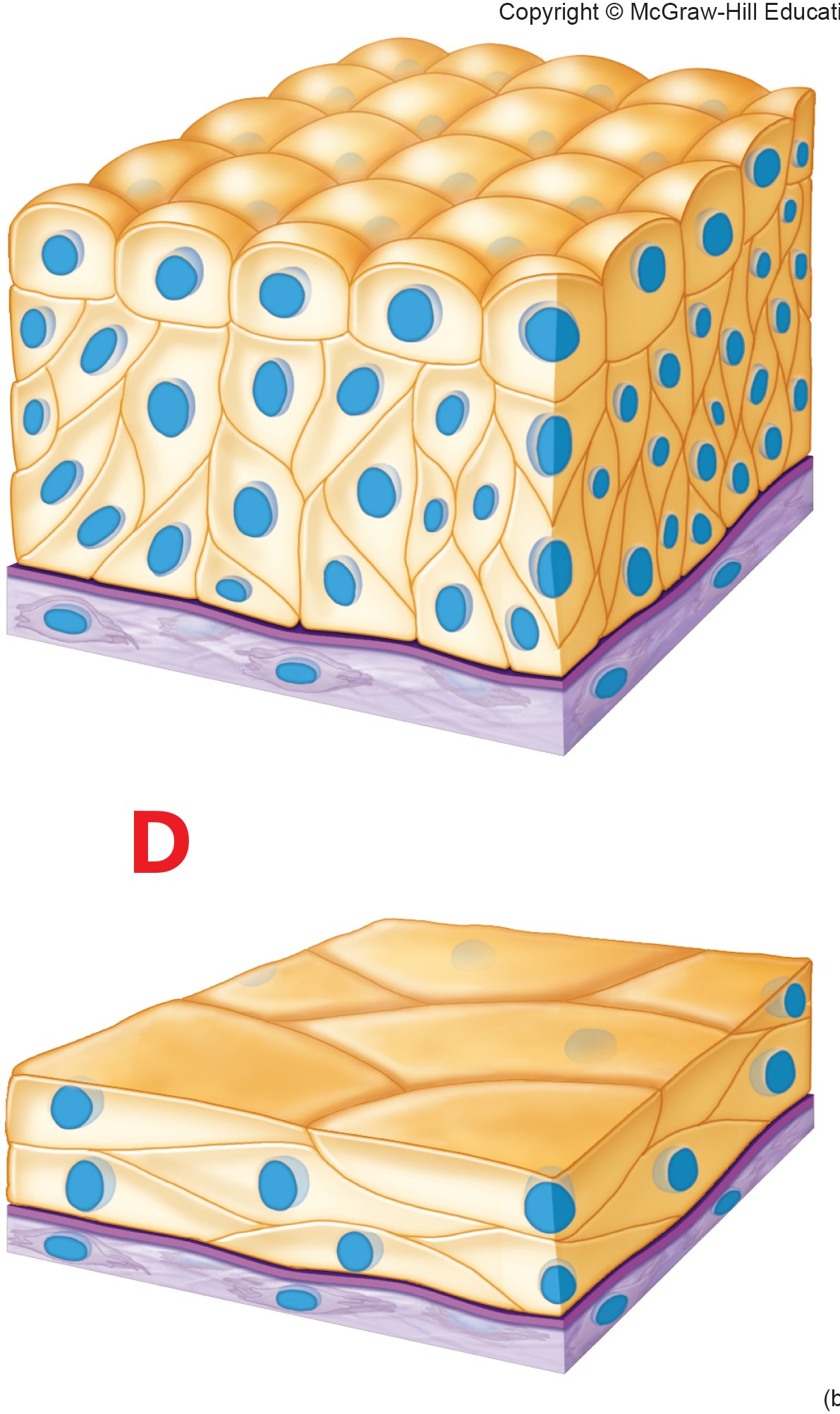
Which is stratified columnar?
G
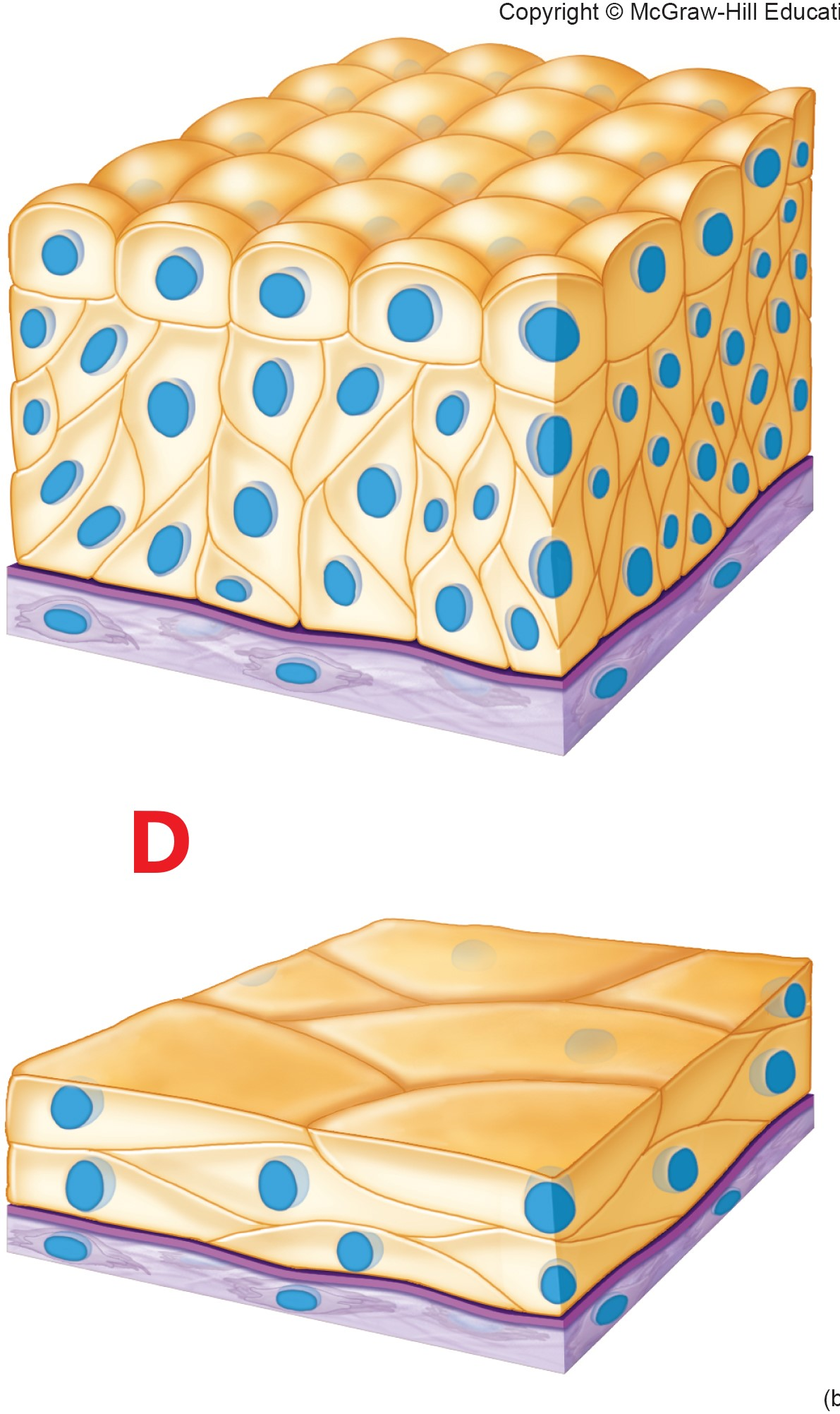
Which is Simple squamous?
A
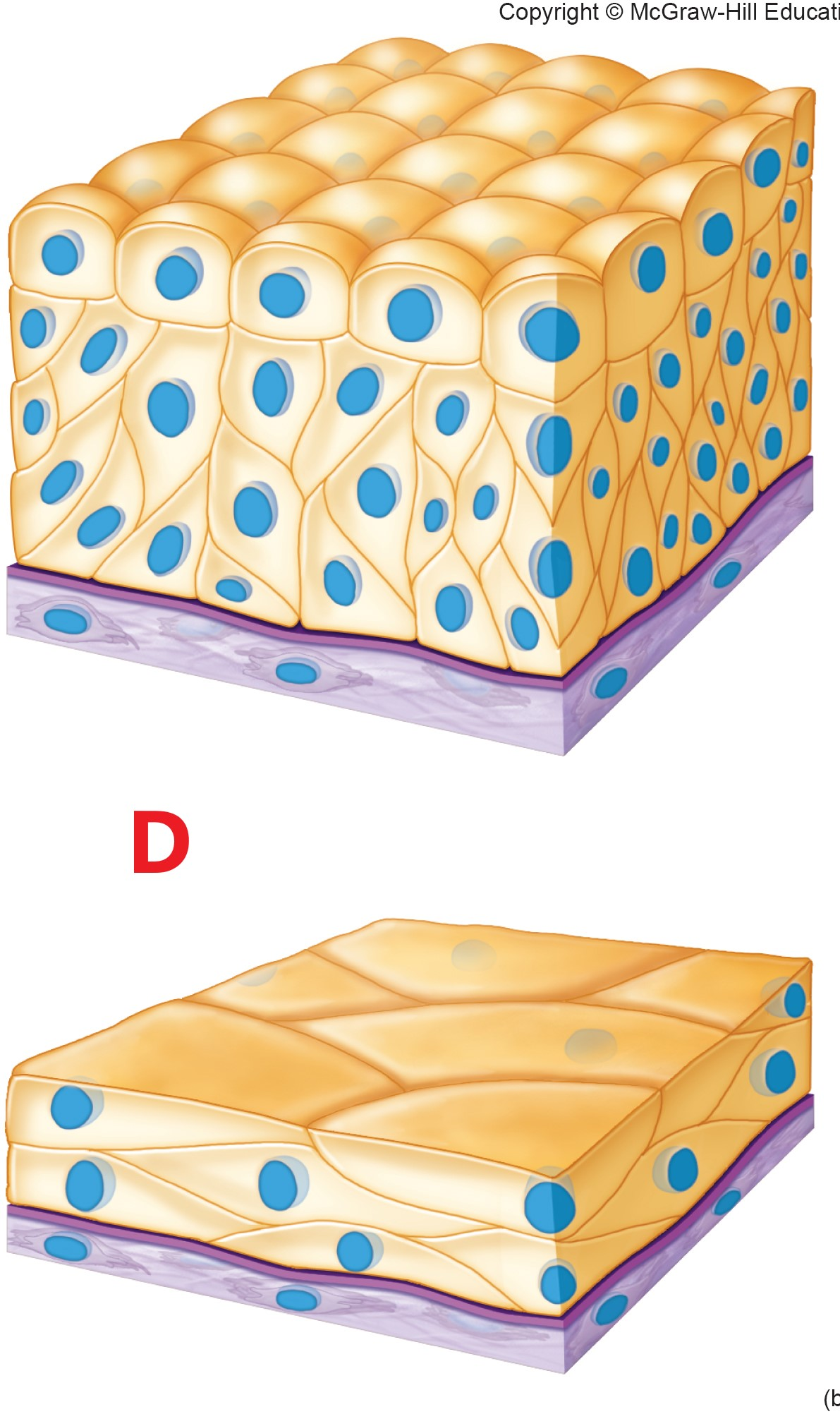
Which is simple columnar?
C
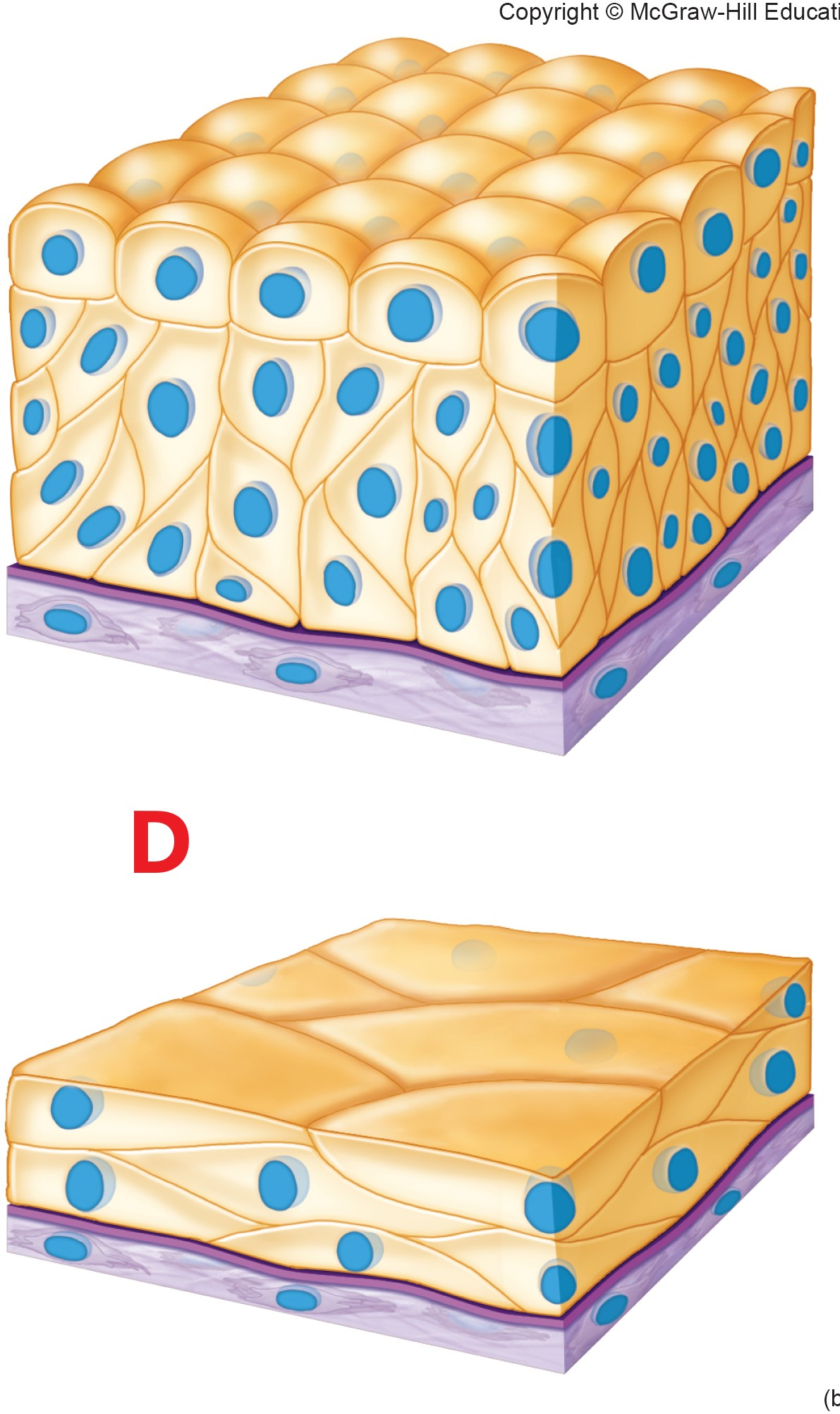
Which is Simple cuboidal?
B
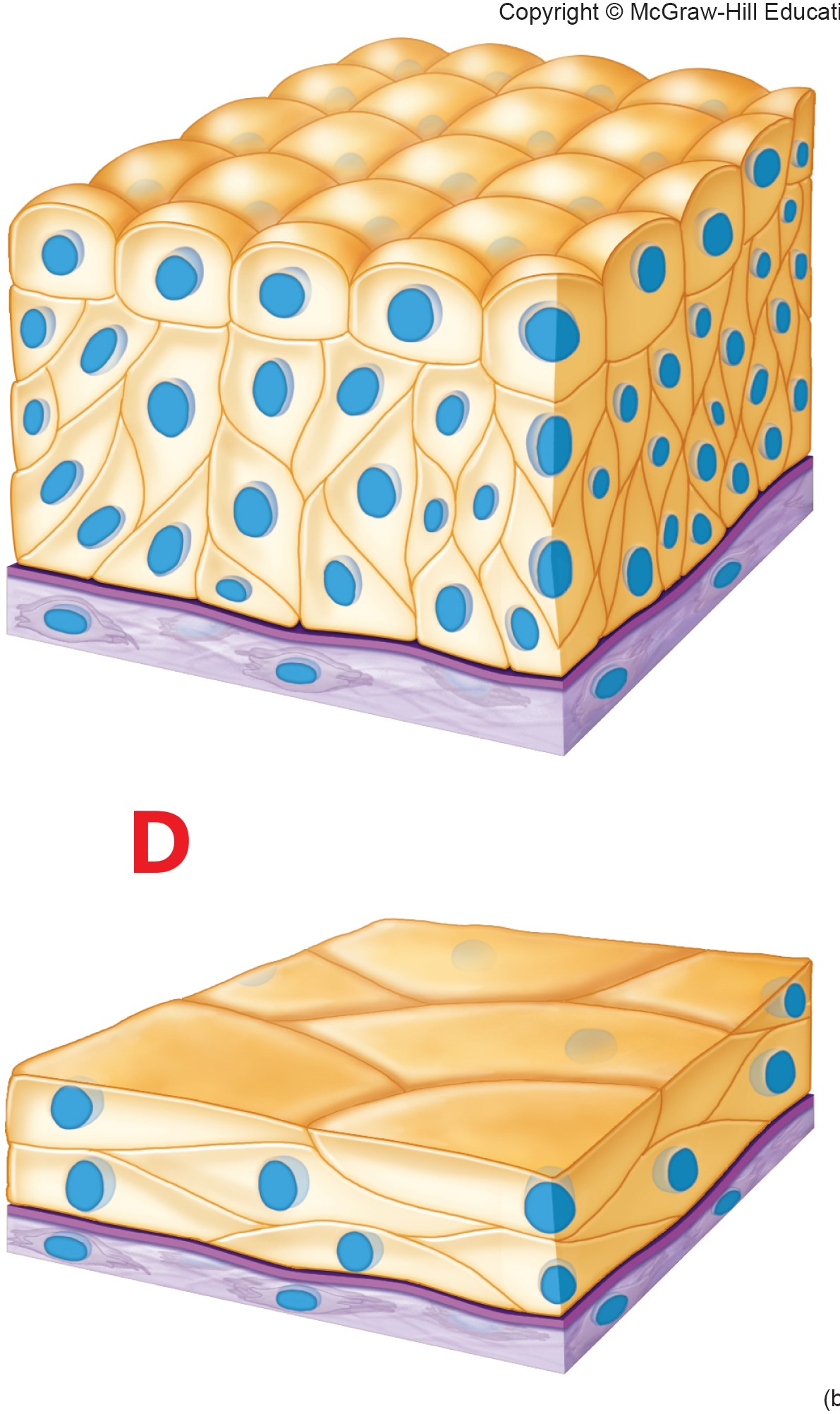
Which is Stratified squamous?
F
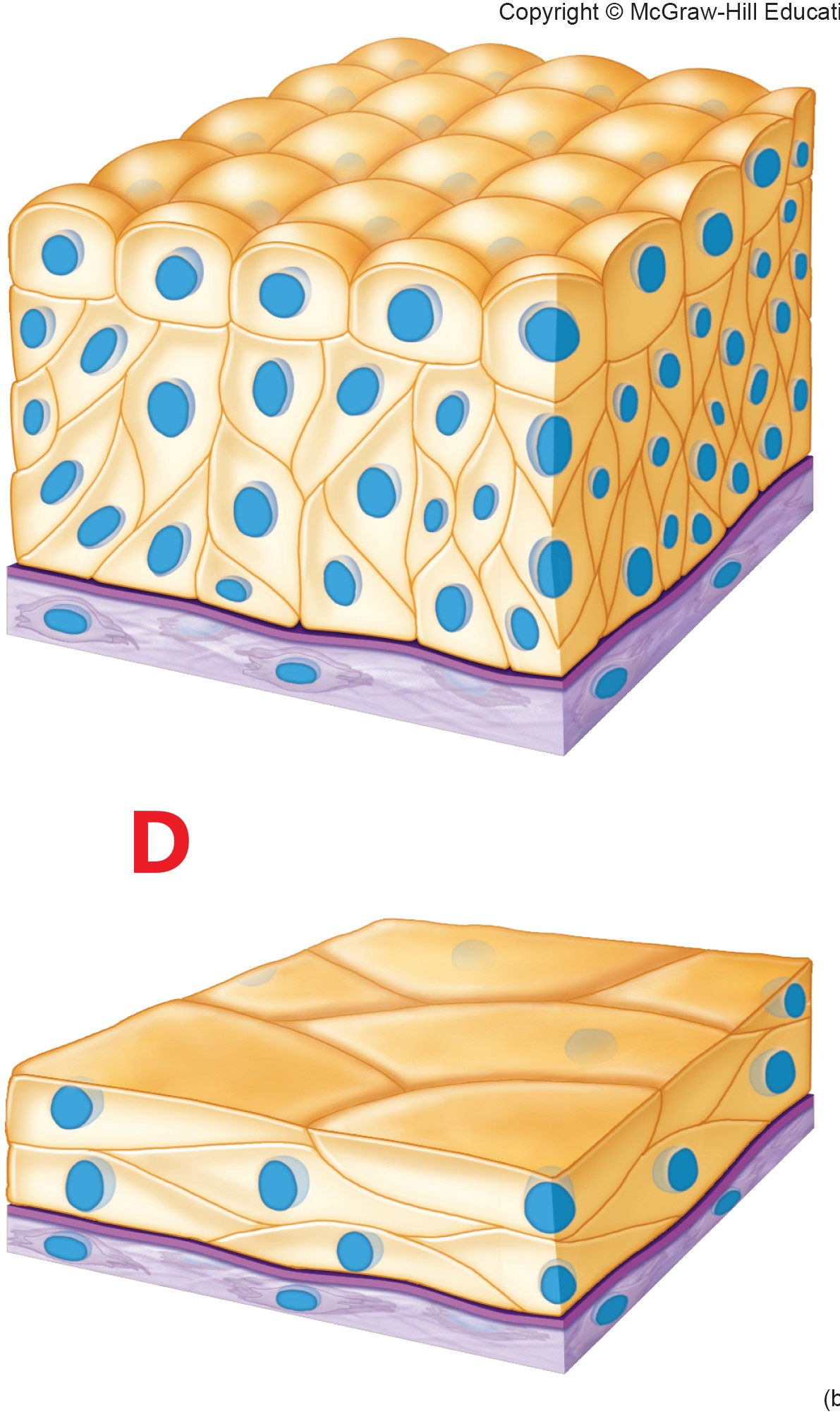
Which is transitional?
D
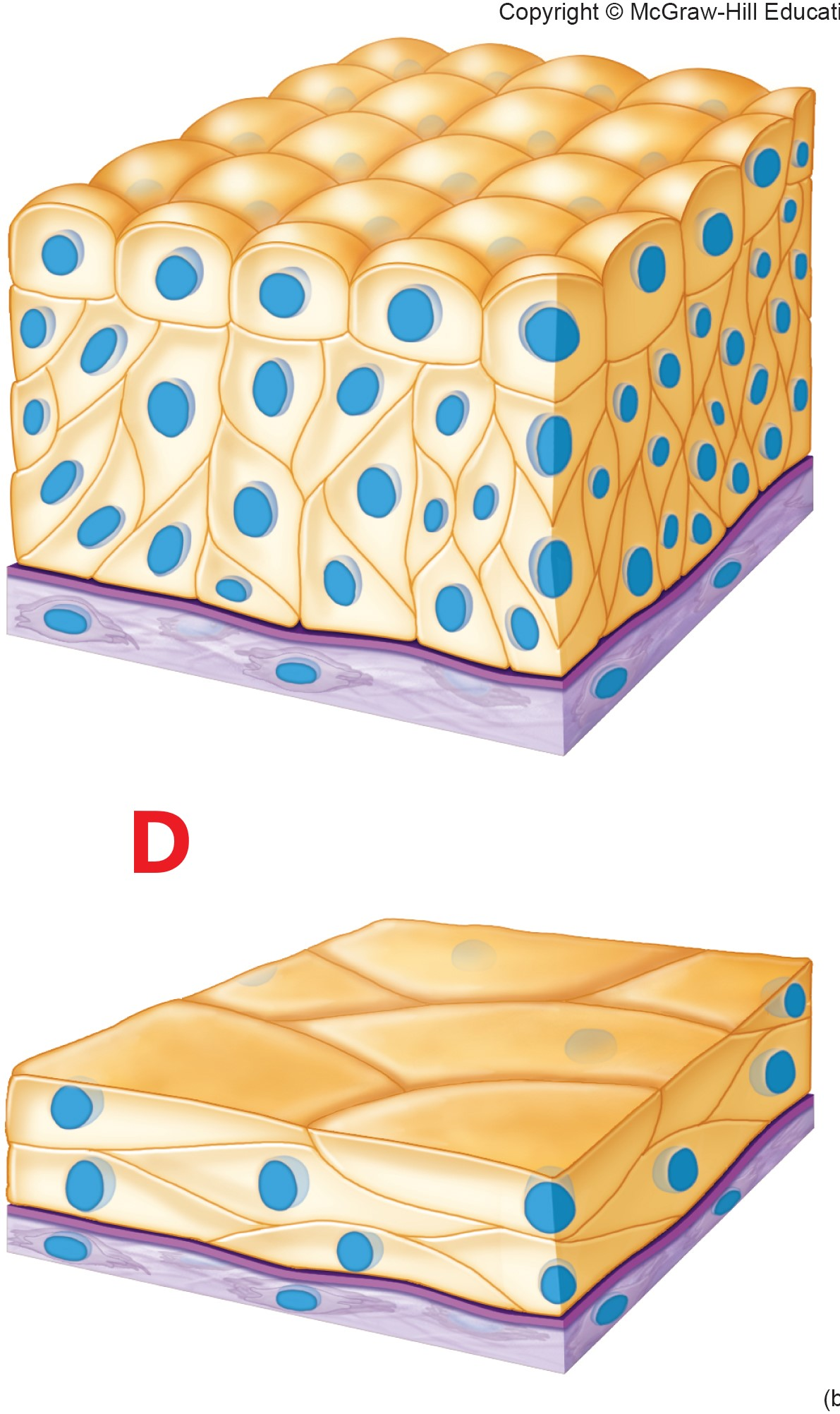
Which is stratified cuboidal?
H
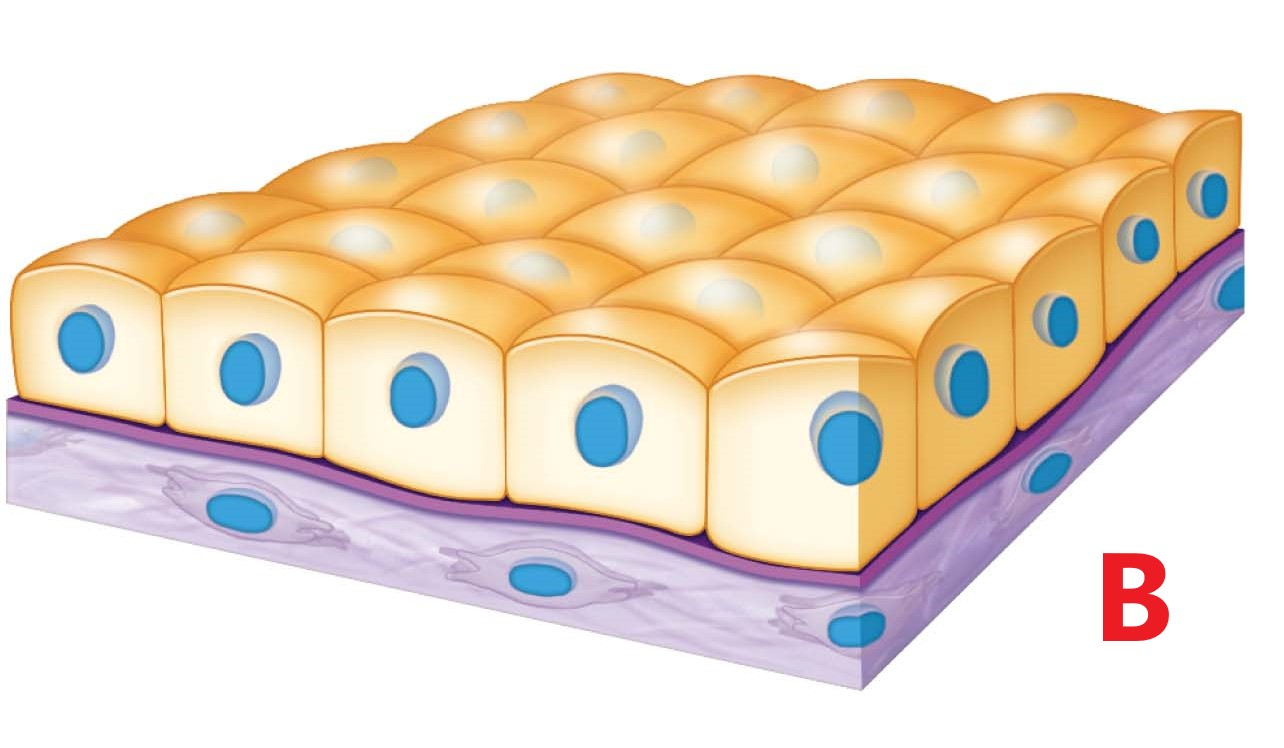
Which is Uroepithelium?
D
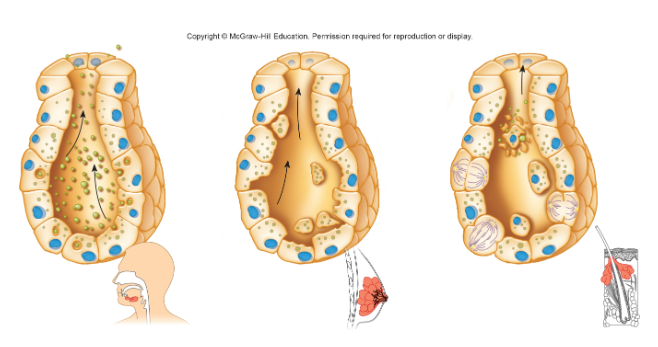
Apocrine
Middle image (A-piece)
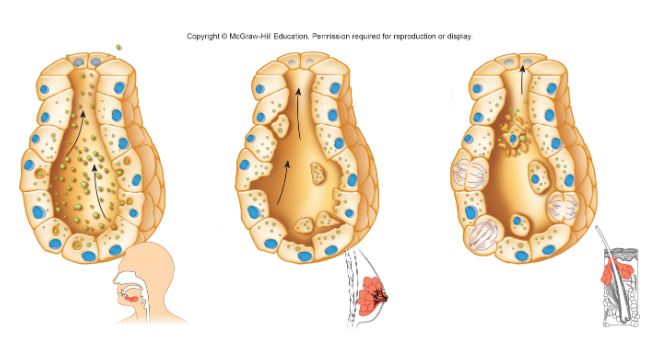
Holocrine
right image (H- think whole piece)
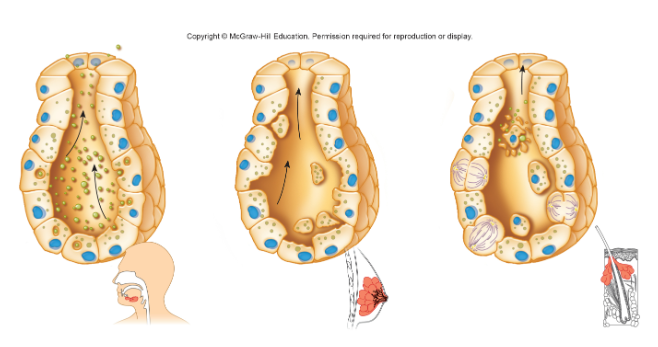
merocrine
left image (M-Many pieces)
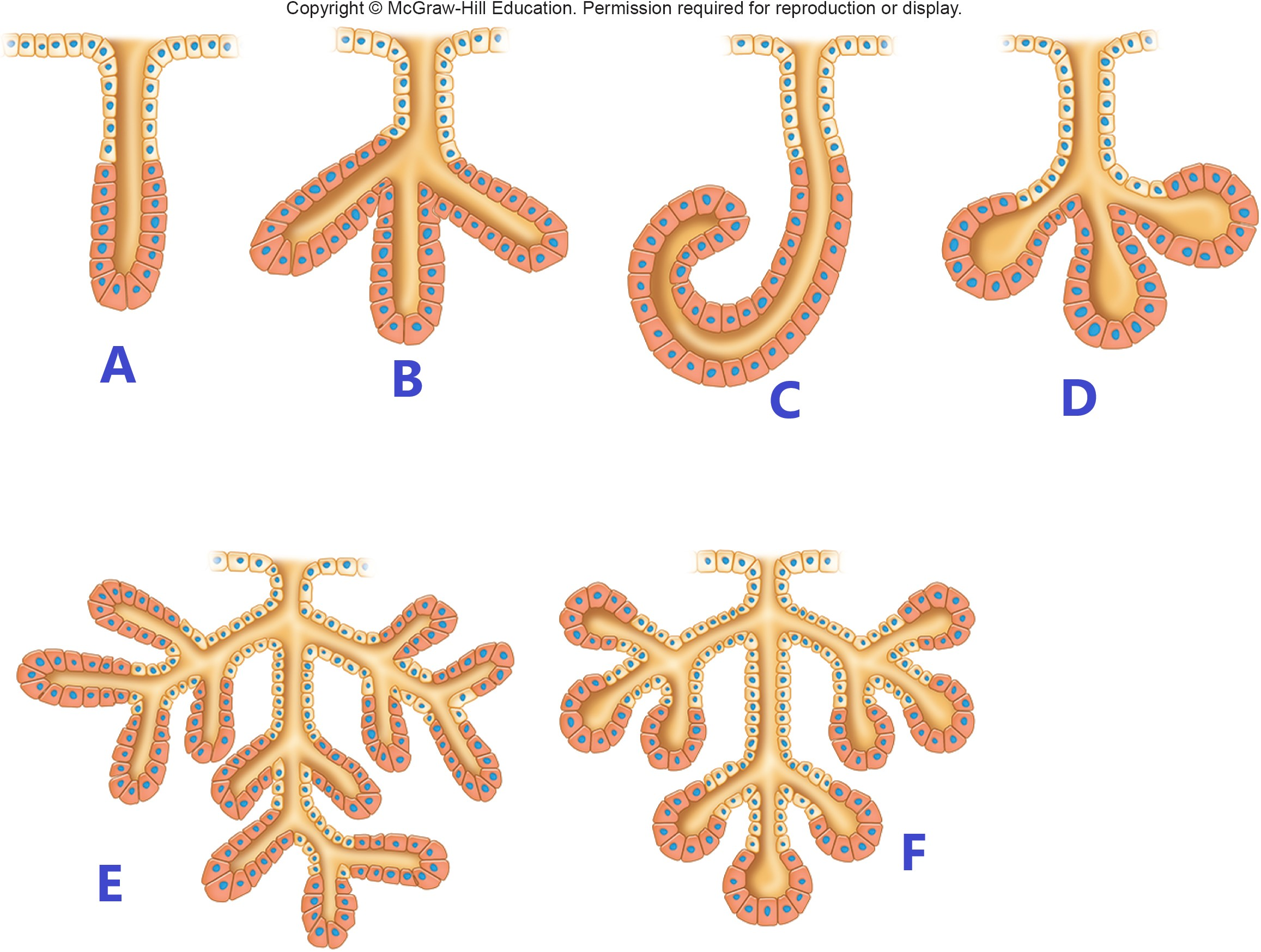
Which is Compound tubular?
E
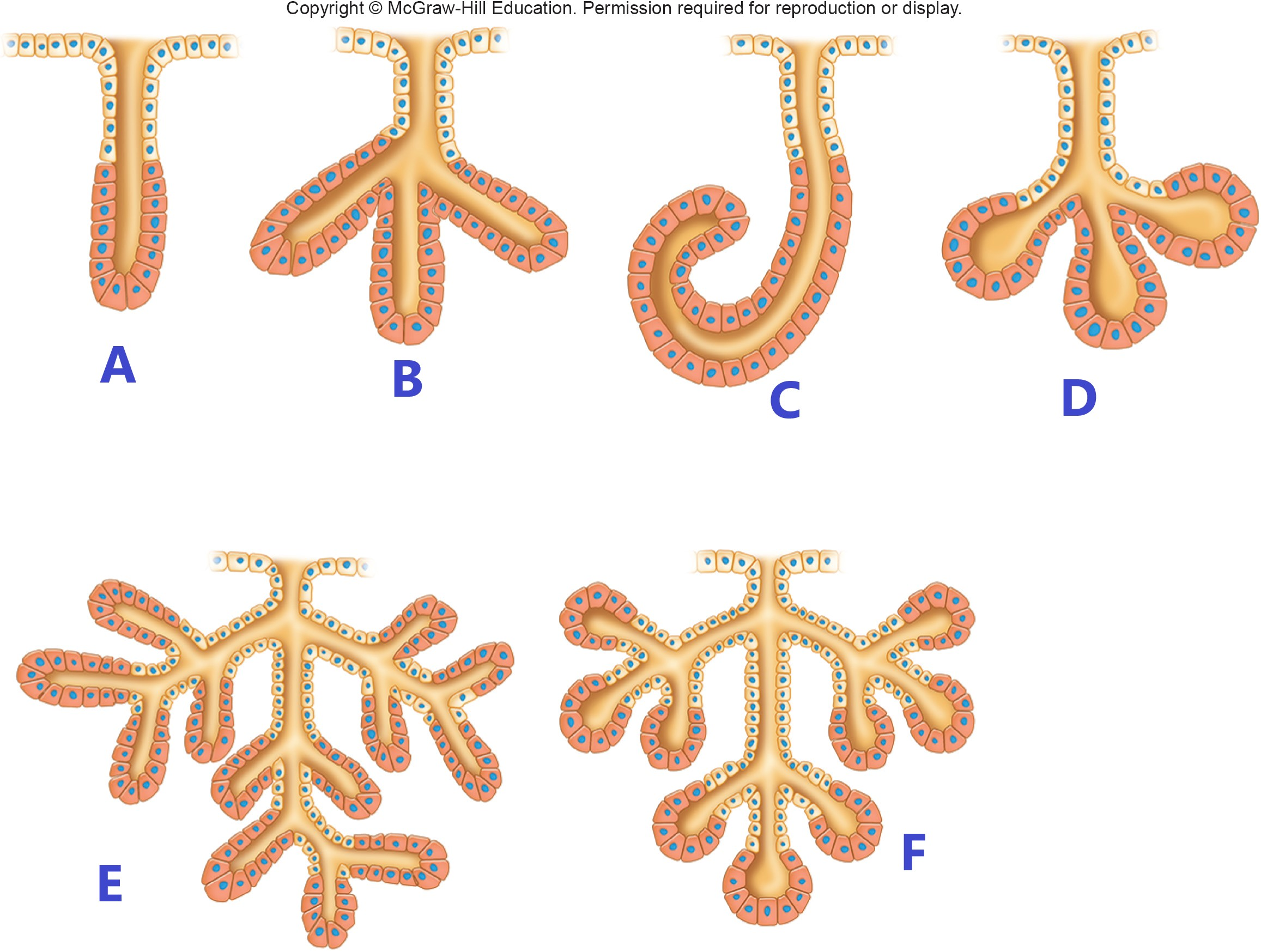
Which is Simple tubular?
A
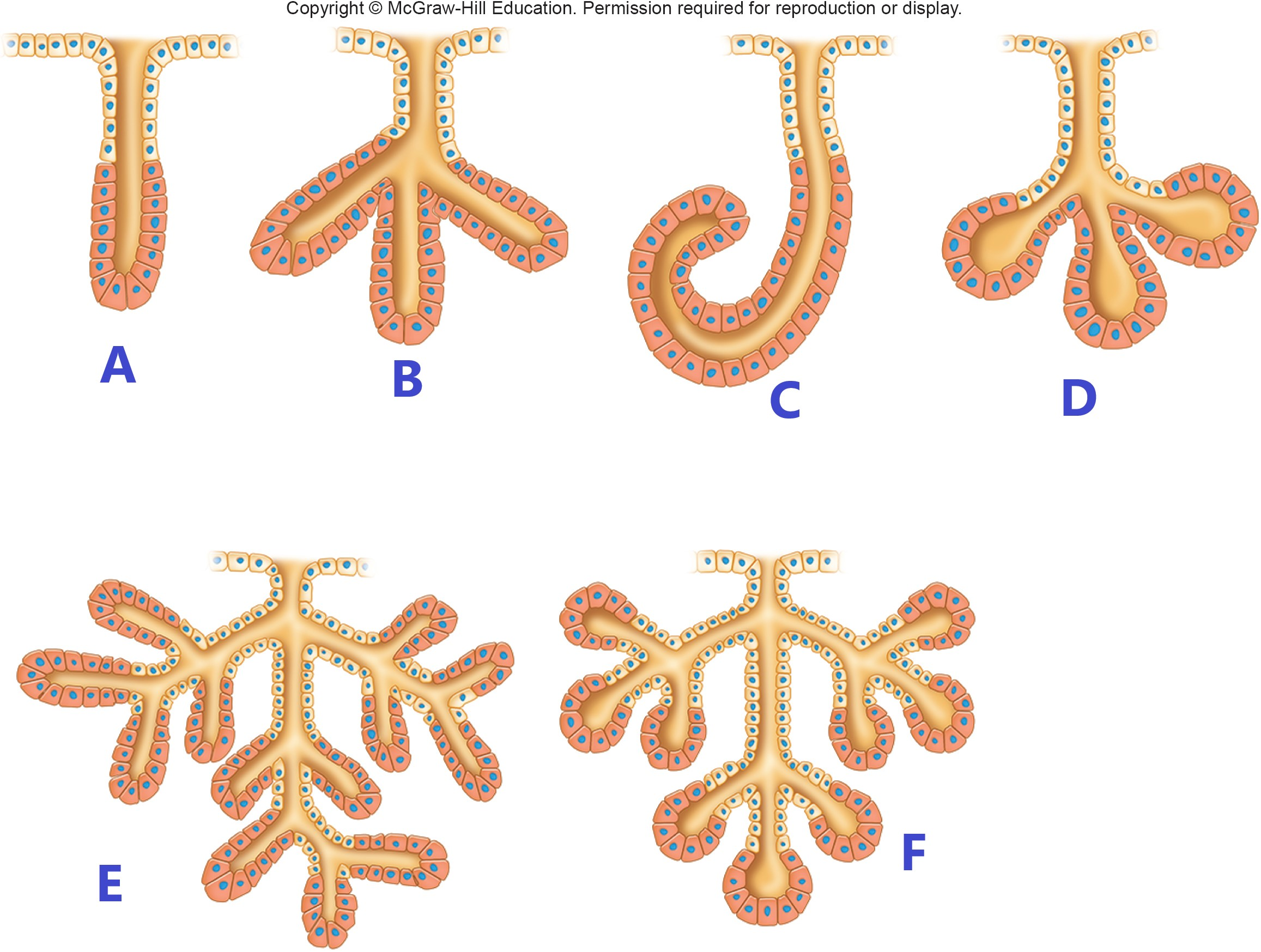
Which is Simple branched tubular?
B
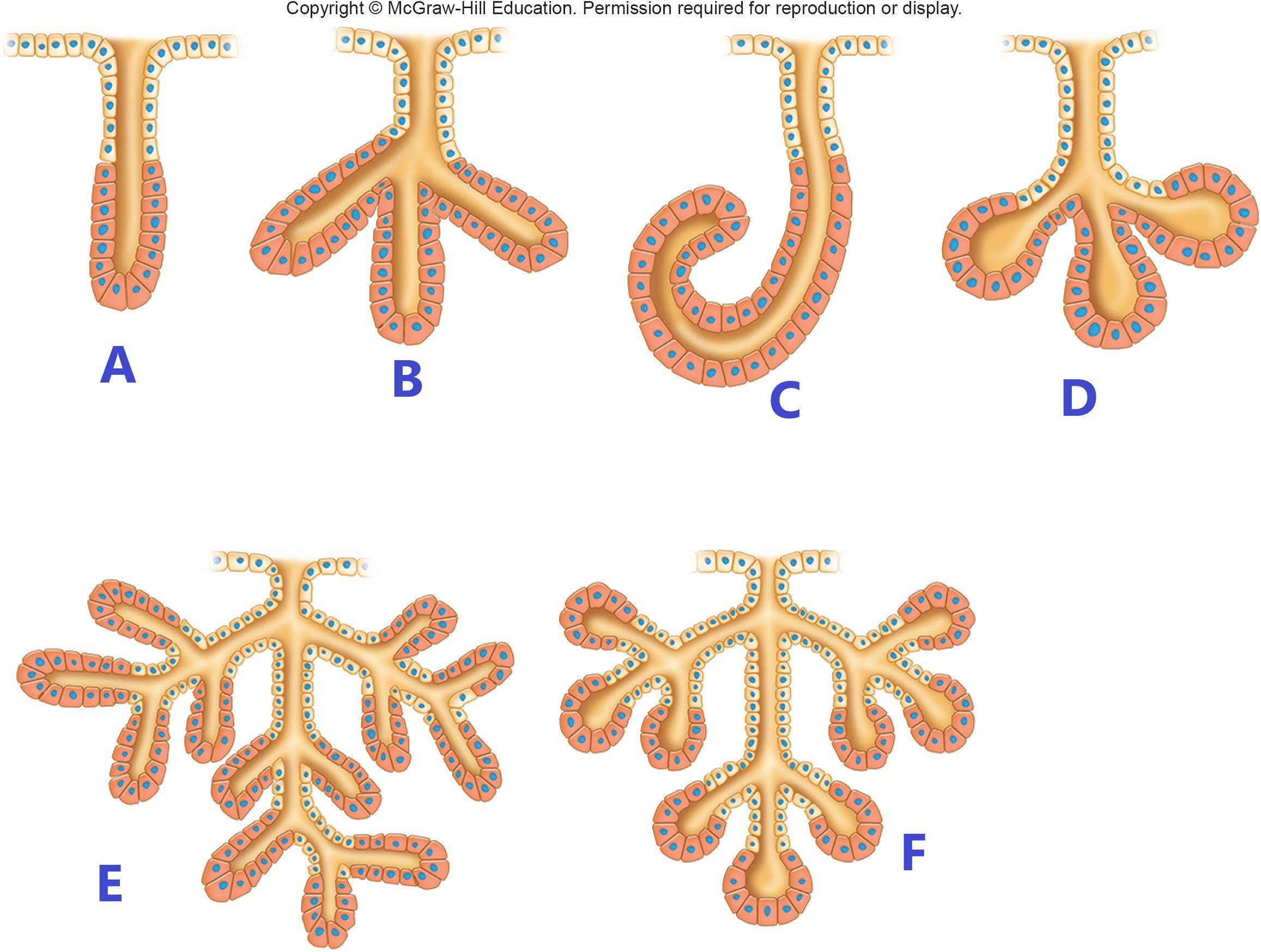
Which is Compound alveolar?
F
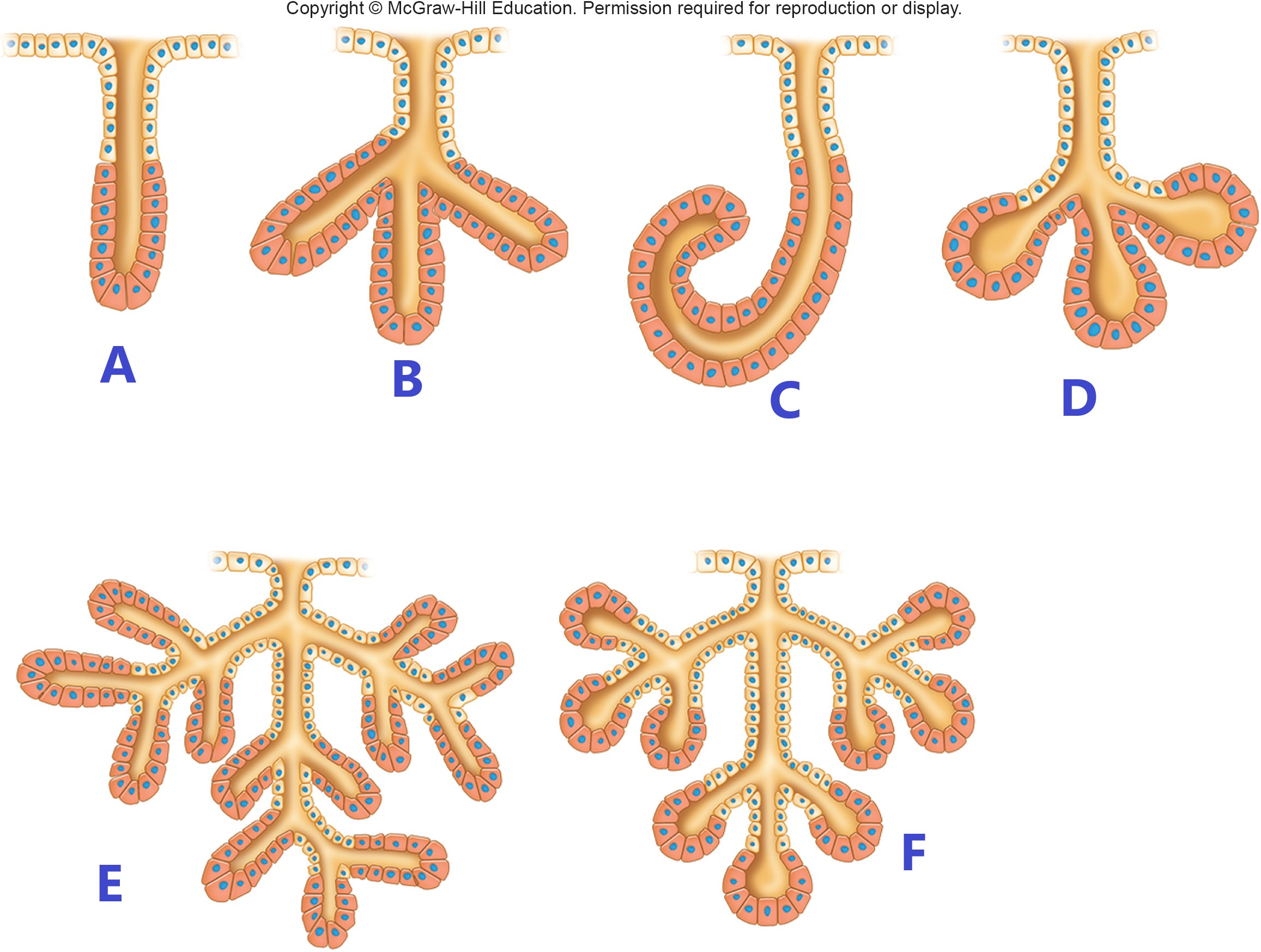
Which is Simple coiled tubular?
C
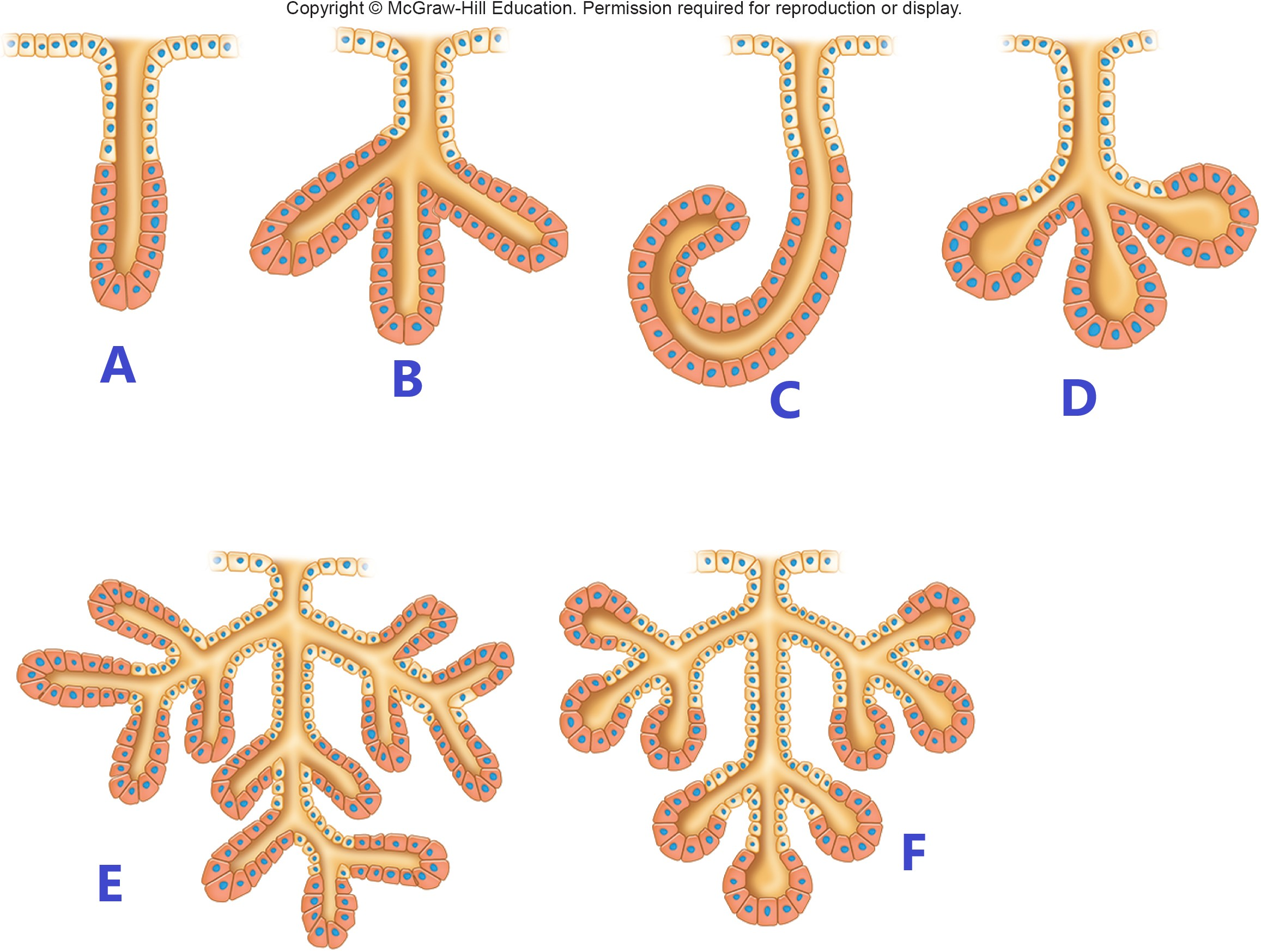
Which is Simple branched alveolar?
D
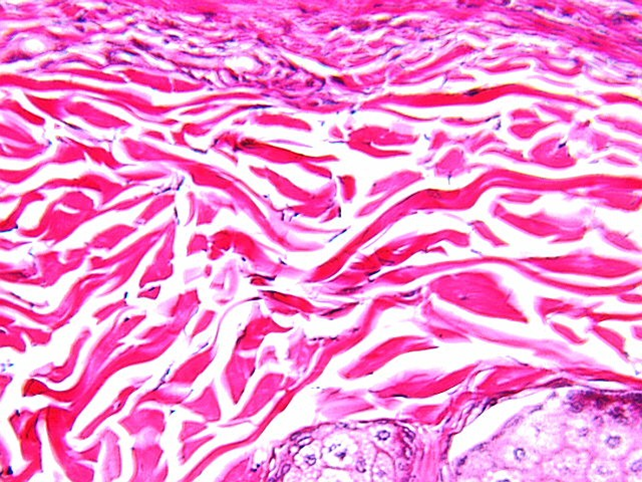
Which is Adipose connective tissue?
D
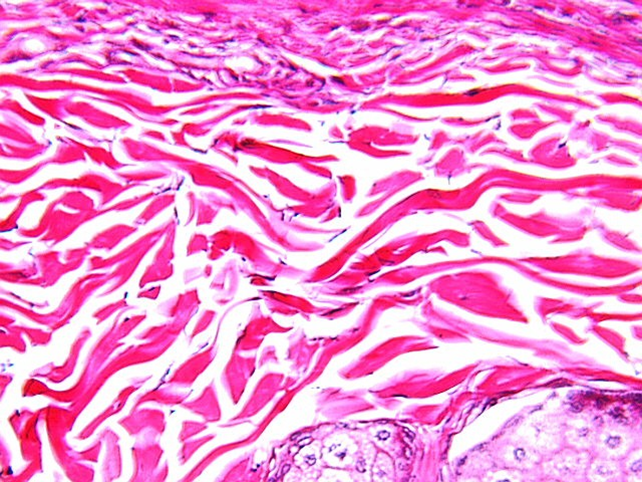
Which is reticular connective tissue?
B
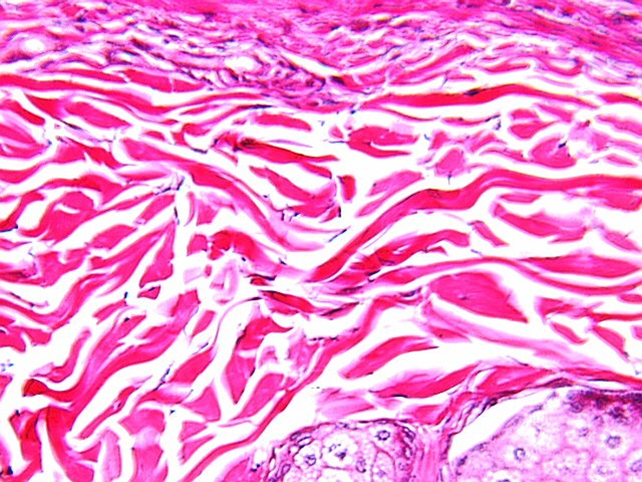
dense irregular connective tissue?
F
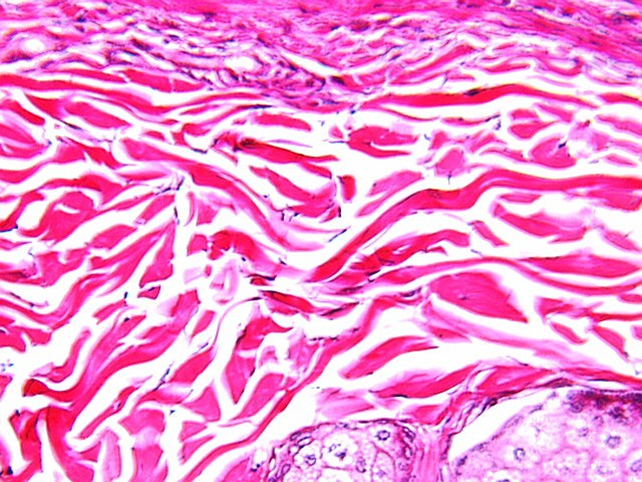
Which is aerolar connective tissue?
A
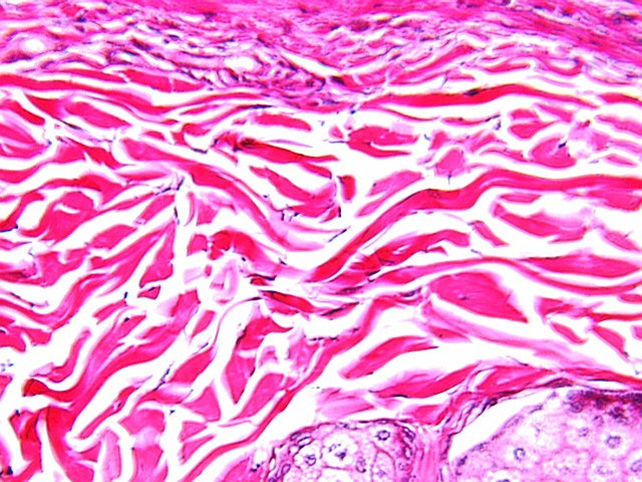
Which is elastic connective tissue?
C
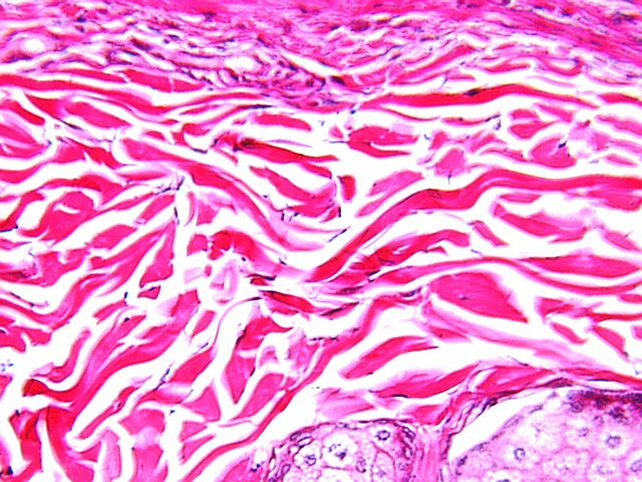
Which is dense Regular connective tissue?
E