Allied health SAC
 Call Kai
 Learn
Learn Practice Test
 Spaced Repetition
 Match
Match Flashcards
 Knowt Play
1/40

There's no tags or description
Looks like no tags are added yet.
Name | Mastery | Learn | Test | Matching | Spaced | Call with Kai |
|---|
No analytics yet
Send a link to your students to track their progress
41 Terms
What is the machine called that takes blood pressure?
Sphygmomanometer, it can be aneroid or digital
What are the parts the machine includes?
An inflatable cuff that is designed to wrap around the upper arm
An inflation mechanism which is either manually or electronically operted bulb or pump
A measuring unit which displays the systolic and dystolic pressure reading during arterial blood flow
Normal blood pressure values
Can vary
A normal blood pressure value as a systolic reading of less than 130 and diastolic pressure of less than 85 is seen to be normal
What temperature measurement would you use for a large group
A non contact infrared thermometer as it doesn’t make contact with the individuals skin, therefore doesn’t require disinfecting between measurements
What are normal temp values
Anything between 36.4 degrees c and 37.5 degrees c is generally acceptable
37 degrees c is average
35 degrees in considered hypothermia
38 degrees c is considered fever
What is a normal pulse/heart rate
60-100bpm
What do you need to measure a pulse
Hand and some sort of measuring device, stopwatch, phone, clock etc
What is the process of taking a pulse
Wash hands
Ensure individual is at rest or relaxed
Find pulse, the most accessible place is usually radical artery (wrist). also one of the inside of the elbow ( brachial artery), behind knee ( popliteal artery) or the neck ( carotid artery)
Use your first and second fingertips and press firmly but gently on the wrist, never use you thumb when measuring
Use a time measuring device and begin counting beats of the pulse over 60 seconds. You can also count for 15 seconds and multiply by 4 but for most accurate use 60 seconds
What is a normal respiratory rate
12-18bpm
What factors effect a individuals RR
agitation
sleep
exercise
illness
age
fever
What do use to measure weight, height and circumference
Weight - Scales
Height - stadiometer
Circumference - tape measure
How to measure BMI
Measure the persons weight in kg
measure the persons height in m
square the height
divide weight by squared height
What does a BMI in the overweight/ obese catergory indicate
You may be high risk of high blood pressure, T2D, cholesterol issues and metabolic syndrome with your combination of BMI and waist circumference measurements
What is peak flow and spirometry
2 main pieces of equipment that are used to diagnose and monitor chronic lung conditions.
What does peak flow and spirometry help doctors see
Help doctors monitor a patients conditions or indicate if they require a change to their medication due to worsening results
What are some sources of light when examining a client
goose neck lamp
pen torch
phone torch
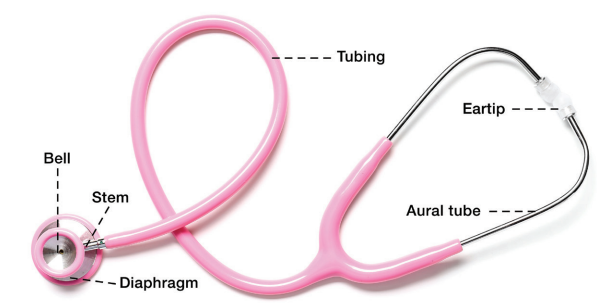
What is each part of the stethoscope
Diaphragm - is the flat piece constructed from metal at the end of the stethoscope. mostly used to capture high pitch sounds
Bell - Smaller cup shaped object found on the back of diaphragm, mainly used to capture low pitched sounds
Tubing - here sounds are transmitted from diaphragm or bell through acoustic tubing that connects to the earpieces via ear tubes
Aural tubes - the short tubes between earpieces and acoustic tubing they are usually constructed of metal allows transmission of low frequency sound
Earpieces - made from soft rubber, the earpieces are used to carry sounds from the diaphragm while blocking out external sounds
Stem - connects the chest piece to the tubes
What is used to test a persons hearing
Audiometer
How do you test their hearing using the audiometer
Get the person to raise their hand or push a button when they hear a sound
with children they are often more interactive and use toys to assist the testing process. they may put a marble in a container each time they hear a noise
What are the 2 main visual acuity tests
Snellen
Random E
What is the snellen test
Uses a chart, made up of letters or symbols of different sizes, arranged into rows and columns. Viewed from specific distance the chart helps to determine how well a patient can see letters and shapes
What is the Random E test
they’ll identify the direction that the letter E is facing, they’ll point in the direction the letter is facing whether it be up, down, left or right.
What is the most common test to measure colour blindness
The ishihara colour test, viewing test plates with number and colours
What is the scoring scale of the ishihara test like
Correctly identifying 12 or 14 test plates shows no colour blindness, whereas scores below twelve indicate colour vision deficiency
Why is it important to have accurate medical records
so there is a thorough history for the patient, and any other healthcare professional who deals with them sees the same information when looking at their record
so that any medication or treatment plans are being based on correct information
What might medical records consist of
Name of test taken, including date and time
Name of supplied used, batch number, lot number and exiry date
results of test
any adverse effects of incidents you have provided the patient
any advice or instruction you provided
any info collected regarding patients current health status
their signature if consent required
Factors to consider when taking clinical measures, as you may need to approach in a different way
Age
culture
gender
religion
Children in the workplace and how should clinical measures be applied
Children in the workplace - Parent or legal guardians are responsible for making healthcare decisions in a child’s best interest. Health workers must ensure the parent fully understand all options. Guardians can seek a second opinion/ access to health records. As children get older they want more involvement in decisions
Application - When taking clinical measures on a child you must gain consent from parent and clearly explain what your doing. You should also support them to understand the procedure. if the child is older you should also involve them in the process.
Informed consent and application to clinical measurements
Informed consent - means a patient or guardian understands the procedure including risks and benefits, and agrees to it before its carried out, they must be given clear info, be able to ask questions and free to accept or refuse treatment.
Application - you must explain what you are doing, why its needed and gain consent before proceeding. this included ensuring the patient understands and feels comfortable, answering questions and respecting their right to refuse
Mandatory reporting and the application of clinical measurements
Mandatory reporting - is a legal requirement for certain professional to report suspected child abuse or neglect to government authorities. laws vary by state or territory and each outlines its own reporting obligations
Application - you must remain alert to any signs of abuse or neglect. if suspect harm, you are legally required tp report it accrding to states guidelines, even if you are only performing routine checks
Records management and application to clinical measurements
Records management - involved accurately documenting, storing and maintaining patient information so its secure and up to date, and accessible to authorised healthcare professionals
Application - you must record results clearly and accurately including date, time and any relevant observations. you must also ensure the patients information is kept confidential, stored securely and only shared with authorised staff
What to do if you receive a non valid result
If you believe you have received a non valid result you should take measurement again
it may be due to error with equipment or may of been used incorrectly
example
taking the temp of a school kid who has been playing out at lunch time on a warm day and it returned warning a fever
what happens when you follow standard sequences, procedures and manufactures instruction when taking clinical measurements
by following these you stand the best chance of obtaining results that are valid, reliable and accurate
what’s the right clinical setting when taking clinical measurments
cleanliness of the area
good storage
adequate room for a desk/bed/chairs and other equipment
privacy
noise levels should be low
Why is important to communicate details and purpose of procedure to client
So they understand the steps of what you’ll be doing, any risks involved, so they have a chance to ask questions and they can give consent to any procedure, follow up or treatment
What do you do if the clinical measure is outside your limitations
If a patient requires a measurement outside your role or that your not confident handling you should refer the situation to your supervisor to assist by referring the patient to a colleague who can do the measure
understanding you limitations is important for the safety of your patient as attempting a task outside of your scope can be dangerous on their health
Appropriate time and place for clinical measures, what to consider
it may not be appropriate if the result is indicating a serious problem
if a child is present and result is upsetting
if the patients file had specifically said not to give results
it may also not be suitable if test was inconclusive
in these cases you should advise patient of a appropriate follow up procedure to discuss results
Things to do at the beginning of your shift to ensure you are organised
Make sure you have access to all equipment or items required
ensure all equipment is in proper working order
check patient list
read any appropriate files or notes that may effect your day
What items might you need to dispose/ sterilize of at the end of your shift
dispose
some PPE such as gloves
cardboard mouthpieces
test stripes for blood glucose
general packaging
sterilize
you general work area
equipment used to take measurements
Things to consider when disposing, cleaning and sterilizing equipment
manufacturers requirements
infection control procedures
organization protocols
How should equipment be stored
safe and accessible
in accordance with clinical guidelines
in accordance to organisation policies and procdures