Art History Test 1 Unit 2
 Call Kai
 Learn
Learn Practice Test
 Spaced Repetition
 Match
Match Flashcards
 Knowt Play
1/25

There's no tags or description
Looks like no tags are added yet.
Name | Mastery | Learn | Test | Matching | Spaced | Call with Kai |
|---|
No analytics yet
Send a link to your students to track their progress
26 Terms
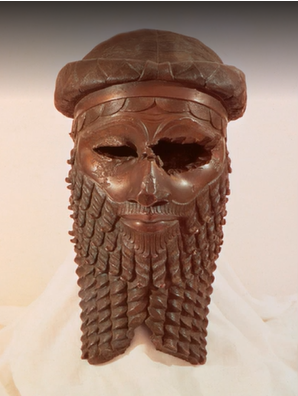
Head of an Akkadian Ruler (Sargon 1)
Ninevah, Iraq
2300 BCE
Bronze, 12” h , made by the lost wax method with naturalism and realism. also used incised lines. The eyes are gouged out as an act of violence.
symbolizes the power of King Sargon 1 and the political and military power
this is a sculpture in the round
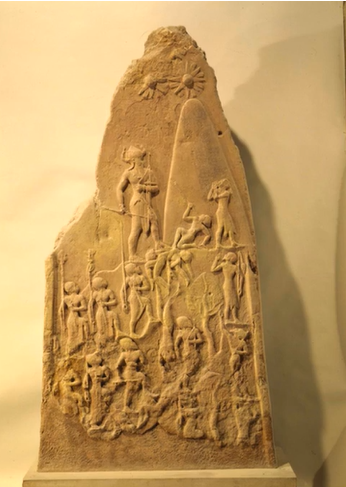
Victory Stele of Naram-Sin
Susa
2254-2218 BCE
Raised Relief, Stele made of Pink sandstone and is 6’6” h
large size with central, elevated position; right side most visible to viewer
Symbolism is the image of king’s power over military, political, religious authority, king is wearing a horned cap, suns shine to show god/s blessing
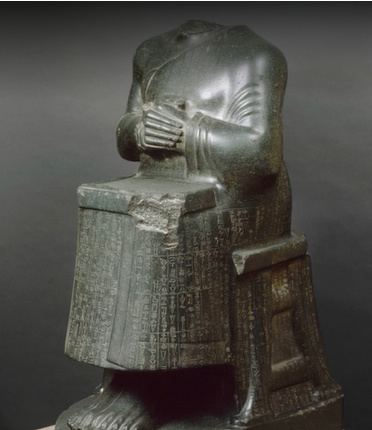
Gudea with a temple plan
Lagesh, Iraq
2100 BCE Neo sumerian era
made of Diorite 29” h
Gudea embodied transition between gods and humans
wears a robe with right shoulder bare
gudea received a vision from god of the temple plan
eyes are big and bug like, incised spirals go around
hands folded in prayerful mode, holy figure - his feet are bare
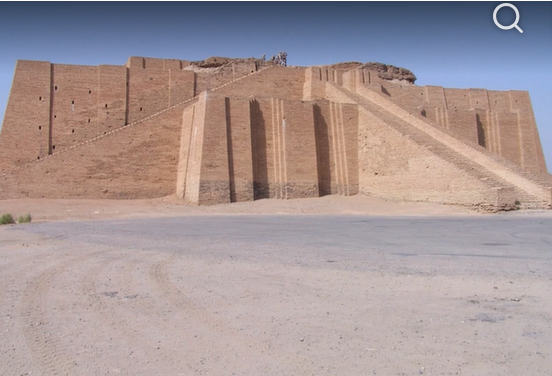
Nanna Ziggurat, Ur
2100-2050 BCE earliest surviving ziggurat
bridge connecting heaven with earth
vertical gate is the only point of entry to upper level
mud-brick - faced with baked brick embedded with mortar
built in 3 stages, around mud brick core, with shrine accessible via stairway.
Stele of Hammurabi
Susa capital of elam (now iran)
1791-1750 BCE , stele is 7’ high and height of relief is 28”
Law code of hammurabi that is inscribed on black basalt stele
meant to protect weak and strong and to maintain traditional class distinctions hierarchical scale
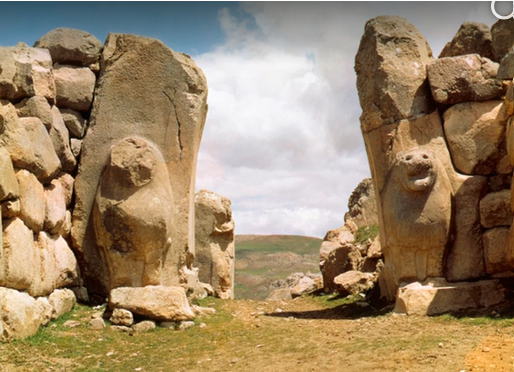
Lion Gate (royal gate)
1400 BCE stone, lions approx 7’ high
guardian lions
cyclopean architecture made of limestone
symbolizes lions that proetective, idea of political power and strength
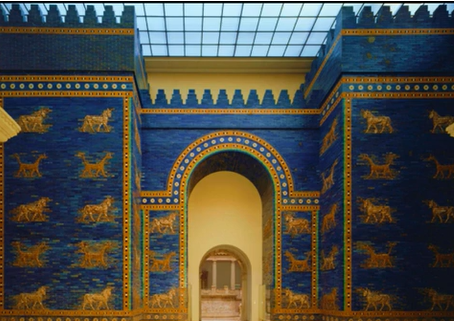
Ishtar Gate
Babylon 575 BCE 48’8” tall
Glazed brick with blue and gold
One of 8 gateways with round arches
bulls and dragons are sacred to marduk, ishtar is babylons patron goddess of fertility, love and war
Royal Guards
Relief on the stairway to the audience hall of darius
persepolis, 500 BCE
Lion bites the back of the bull
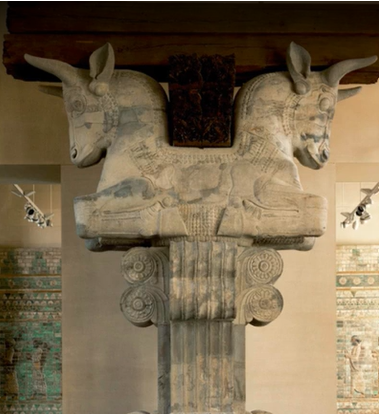
Bull Capitol
Persepolis c. 500 BCE
Paired bulls facing opposite directions set on top of capitals at persepolis
Functions to hold wooden ceiling beams
Bulls symbolize power and virility of the King; metaphor of kings position as head of state.
Modern day Ancient Near East
Iraq, Mesopotamia, Iran, Turkey, Israel, Lebanon, and Syria
Time Period
Mesolithic, Neolithic, and Bronze Age
What was the lifestyle during this time?
Farming and agriculture of the “fertile crescent”.
During the Neolithic period cities and trading emerged.
Kingdoms and empires emerge, kings and priests ruled
temples and palaces were constructed with governments
trades people developed crafts
What was the type of religion during this time?
Polytheism
each city has its own patron gods and goddesses.
success of city depends on gods and goddesses overpowering the next city
Anu-supreme
god of the heavens
Nanna-god
god of the moon
Ianna-goddess
goddess of fertility, love and war
Cultures that share the same goddess of fertility, love and war
Ianna-Sumerian
Ishtar- Babylon
Egypt-Isis
Greek-Aphrodite, athena
Roman-Venus
Themes during this time?
Art is used to show political power
religion and political power are closely linked
ziggurat is bridge between heaven and earth
Stele
An upright stone slab or pillar, usually carved or inscribed for commemorative purposes
Hierarchical scale
The representation of more important figures as larger than less important ones
Registers
A range or row, especially when one of a series. registers are read like stories from top to bottom
Cuneiform
A form of writing consisting of wedge-shaped characters, used in ancient Mesopotamia
Lost wax casting
Technique for casting bronze and other metals.
Object is made from clay and coated with a thin layer of wax, metal shims or pins are inserted to enable mold to be removed later,
object is covered with plaster,
clay is removed and wax is melted out to form a hollow mold. metal is heated to liquid and poured into hollow mold.
metal cools and plaster is chiseled off, shims are removed
Cyclopean
Massive in size and scale
Impost block
An architectural support for a beam
General cultural and technological developments of these cultures as a whole
Cuneiform writing for keeping records in temples and writing events.
Developed techniques like wagon wheel, plow, metalworking, and casting
Political power with big rulers like Nebuchadnezzar, Darius, and Sargon
Ziggurats thought of as the bridge between earth and heaven