M7 | (P1) AIR TRAFFIC CONTROL AND REGULATIONS
 Call Kai
 Learn
Learn Practice Test
 Spaced Repetition
 Match
Match Flashcards
 Knowt Play
1/34

There's no tags or description
Looks like no tags are added yet.
Name | Mastery | Learn | Test | Matching | Spaced | Call with Kai |
|---|
No analytics yet
Send a link to your students to track their progress
35 Terms
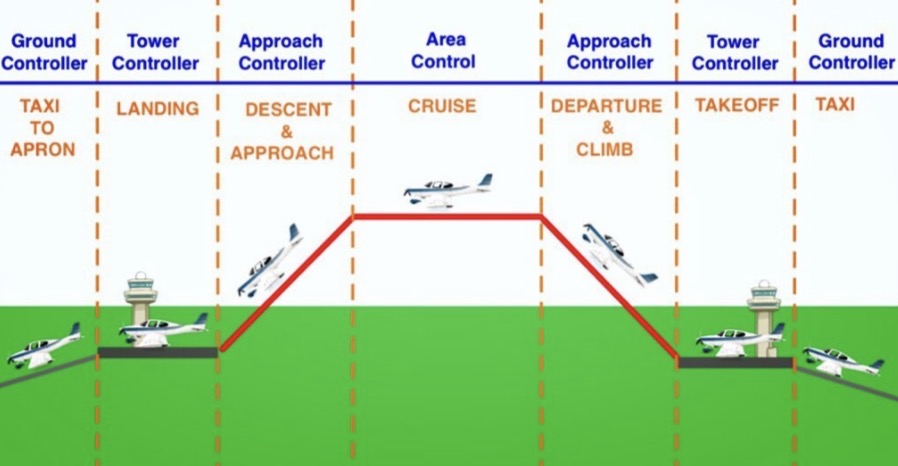
EVERY FLIGHT MOVEMENT IS CONTROLLED (7)
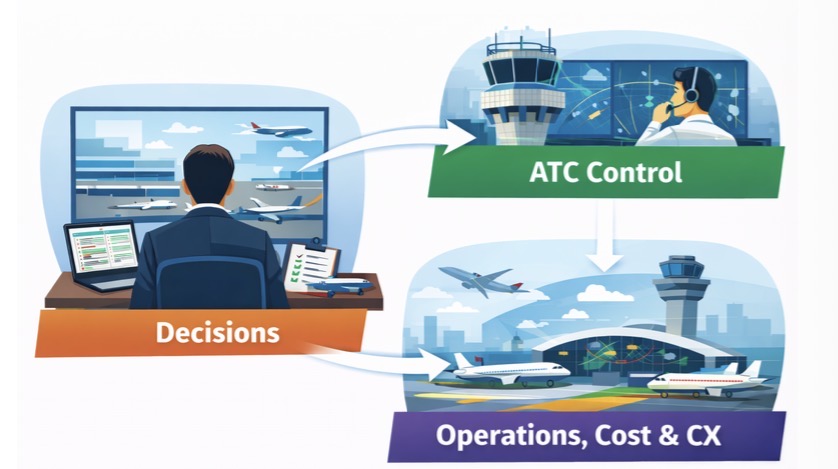
WHY AIR TRAFFIC CONTROL AND REGULATIONS MATTERS TO AVIATION MANAGERS
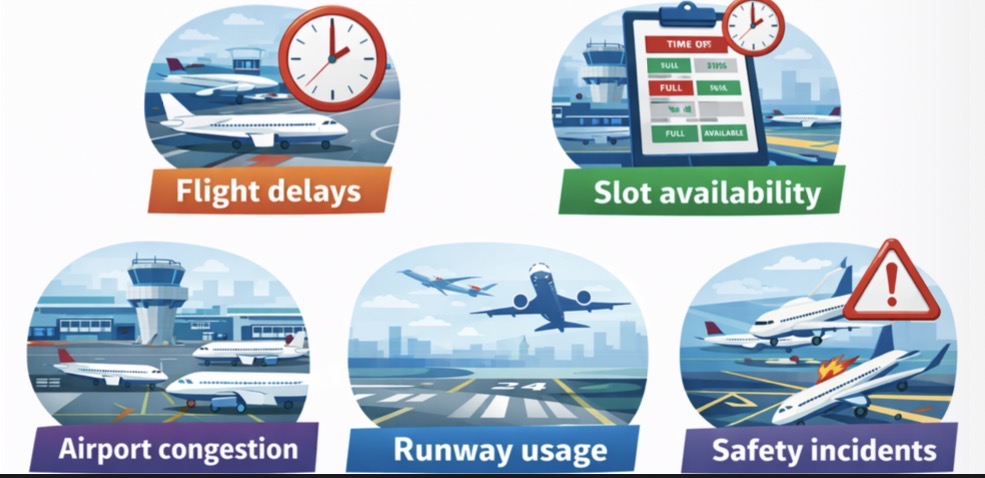
OPERATIONAL AREAS AFFECTED BY ATC (5)
ATC restrictions
Airspace limitations
Regulatory requirements
Capacity constraint
What are the potential factor involved when OPERATIONS GO WRONG
✔ Understand before reacting
✔ Explain before blaming
✔ Safety before schedule
✔ Compliance before convenience
A MANAGEMENT MINDSET should be…
Air Traffic Control (ATC)
is a safety and traffic management service that controls aircraft movement on the ground and in the air to ensure the safe and orderly flow of air traffic
Air Traffic Control (ATC)
It Prevents aircraft collisions, Maintains safe separation, Organizes traffic flow, Provides safety information
Space
Time
Movement
ATC Roles (3)
Ground Control
Tower Control
Approach / Departure Control
Area Control Center (ACC)
Types of ATC (4)
Ground Control
[Types of ATC]
Manages aircraft and vehicles moving on the airport surface, such as taxiways and ramps, except active runways.
Manages taxiways and aprons
Issues taxi clearances
Prevents ground collisions
Prevents runway incursion
Tower Control
[Types of ATC]
Controls aircraft taking off, landing, and flying near the airport, including active runways.
Manages takeoffs and landings
Controls runway operations
Issues takeoff and landing clearances
Approach / Departure Control
[Types of ATC]
Handles aircraft arriving at or departing from an airport, guiding them between the tower area and en-route airspace.
Manages arriving and departing aircraft
Sequences aircraft
Maintains spacing near the airport
Area Control Center (ACC)
[Types of ATC]
Manages aircraft flying at high altitudes over large regions during the en-route phase of flight.
Manages enroute aircraft
Controls cruise altitudes
Handles rerouting
Airspace
is classified to organize traffic and reduce risk. It Separate different traffic types, Control controller workload, Maintain aviation safety
Commercial jets
Separated to maintain high safety standards due to their speed, size, and passenger loads.
General aviation aircraft
Separated to prevent conflicts with faster, larger aircraft.
Military and special operations
Separated because of unique flight profiles and restricted activities.
Training flights
Separated to reduce risk since they involve repeated maneuvers and inexperienced pilots.
CONTROLLING WORKLOAD
Limits number of aircraft per controller; Prevents human error And Improves traffic flow
CONTROLLED AIRSPACE
is a designated airspace in which Air Traffic Control (ATC) provides full control services, requiring aircraft to obtain ATC clearance and comply with specified procedures to ensure safe and orderly flight operations
UNCONTROLLED AIRSPACE
is a designated airspace where Air Traffic Control (ATC) does not provide full control services, and pilots are primarily responsible for maintaining separation and avoiding other aircraft, with ATC offering only limited or advisory services when available
AIRSPACE CLASSES
Different levels of control: More control near busy airports, Simpler structure near smaller airport
BUSY AIRPORTS: COMPLEX AIRSPACE
Type of airport: airspace that has Strict ATC control, Multiple arrival and departure paths, Higher safety requirements
SMALLER AIRPORTS: SIMPLER AIRSPACE
Type of airport: airspace that has Fewer traffic conflicts, Less restrictive control, Lower infrastructure requirement
MANAGEMENT IMPACT OF AIRSPACE DESIGN
Arrival capacity, Airport expansion planning, Training requirements
COMMUNICATION
______ in aviation is the clear, standardized, and accurate exchange of information between pilots, air traffic controllers, and aviation personnel to ensure safe, efficient, and coordinated operations
COMMUNICATION
is a safety tool because It controls risk, Misunderstanding leads to accidents, Standardization saves live
ATC PHRASEOLOGY
is the standardized set of words and expressions used by air traffic controllers and pilots to communicate clearly, precisely, and unambiguously, ensuring safe and efficient aircraft operations
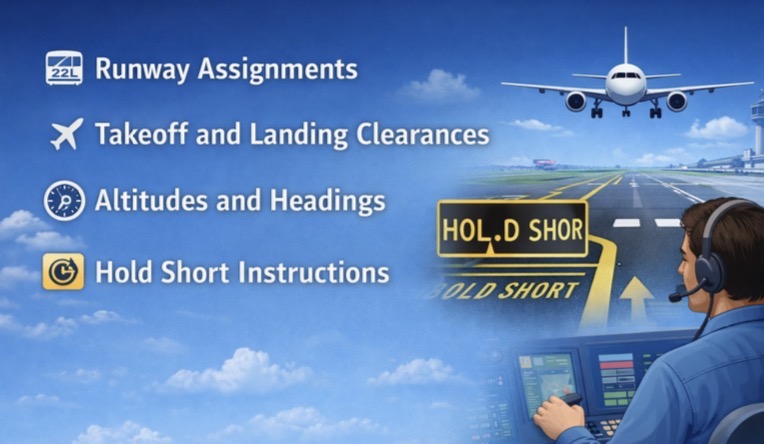
In ATC, what must be read back?
Separation
_______ in aviation refers to the minimum safe distance that Air Traffic Control (ATC) maintains between aircraft, either horizontally or vertically, to prevent collisions and ensure safe, orderly traffic flow. It limits traffic volume; Safety comes before efficiency; Capacity is not unlimited; safety barrier
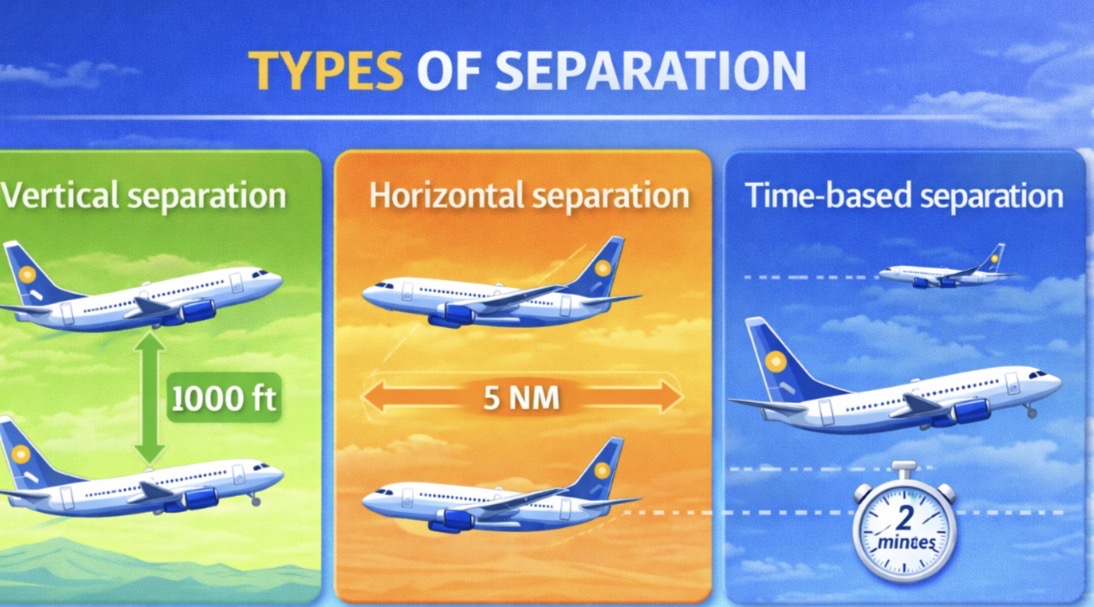
Types of Separation (3)
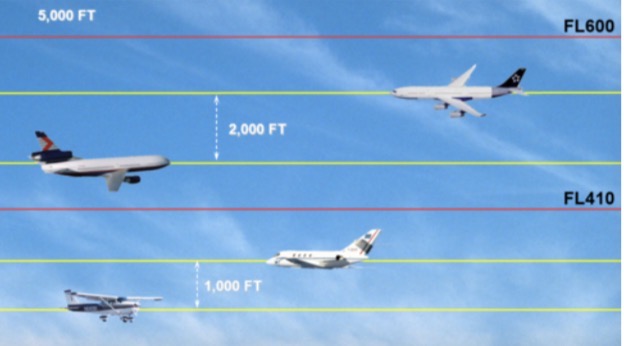
VERTICAL SEPARATION
is the minimum vertical distance in altitude maintained between aircraft by Air Traffic Control (ATC) to prevent conflicts and ensure safe flight operations, especially during climb, cruise, and descend
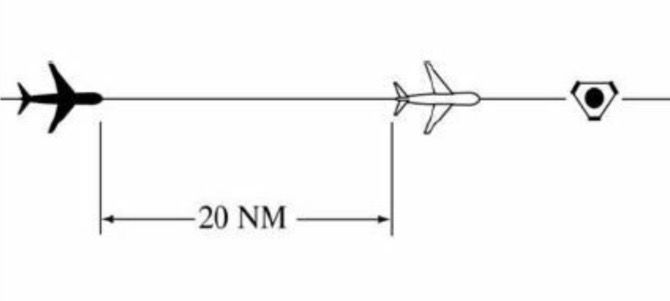
HORIZONTAL SEPARATION
is the minimum lateral distance maintained between aircraft by Air Traffic Control (ATC), usually measured in nautical miles, to prevent conflicts and ensure safe flight operations
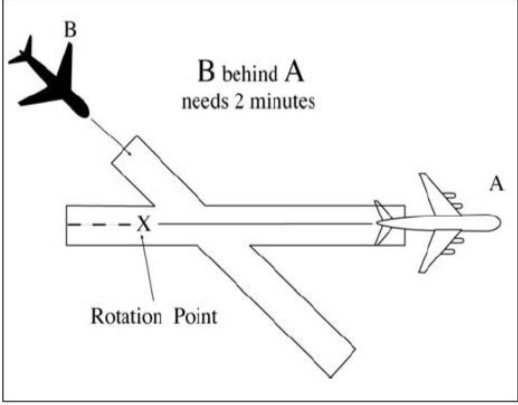
TIME-BASED SEPARATION
is an ATC method where aircraft are kept safely apart by a specified time interval—measured in seconds or minutes—rather than by distance or altitude, commonly used during approach, landing, and takeoff to ensure safety, especially due to wake turbulence consideration
SAFETY VS CAPACITY
More separation = higher safety
More separation = fewer aircraft
Less separation = higher risk
SAFETY VS CAPACITY
More separation = ___________
More separation = fewer aircraft
Less separation = ____________