Marine Inverts Exam 3
 Call Kai
 Learn
Learn Practice Test
 Spaced Repetition
 Match
Match Flashcards
 Knowt Play
1/136

There's no tags or description
Looks like no tags are added yet.
Name | Mastery | Learn | Test | Matching | Spaced | Call with Kai |
|---|
No analytics yet
Send a link to your students to track their progress
137 Terms
Phylum - Mollusca
Mollusks
Class - Gastropoda
class of mollusk, snails and nudibranchs
Class - Scaphopoda
class of mollusk, tusk shells
Class - Bivalvia
class of mollusk, clams
Class - Cephalopoda
class of mollusk, squids and octopus
Class - Monoplacophora
class of mollusk, not in the salish sea, deep-sea cap shells
Superclass - Aplacophora
superclass of worm-like mollusk, not in the salish sea, class solenogastres and caudofoveata
Class - Polyplacophora
class of mollusk, chitons
General Mollusk Architecture
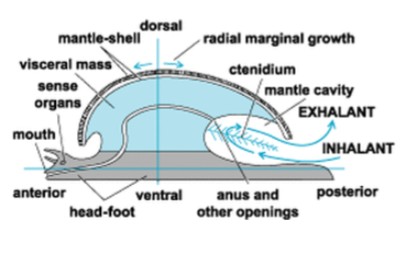
Circumpharyngeal brain
brain surrounds gut, often ring-llike, paired ventral nerve cord
Mantle
secretes shell
open circulatory system
with a heart and dorsal blood vessel, blood diffuses into organs
ctenidium
gills
nephridium
kidney
nephridopore
expels metabolic waste from kidney
gonopore
expels gametes
radula
feeding device, file-like, scapres stuff
one way gut
mouth and anus
Class - Polyplacophora architecture
like general mollusk but with no head, ctenidium are a ring around the foot, 8 plates (valves) instead of a shell
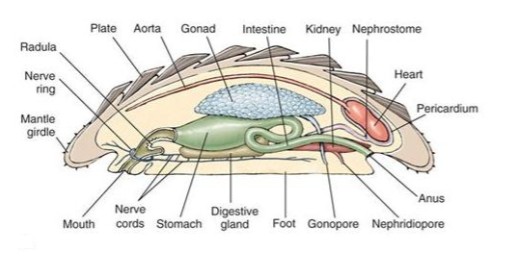
girdle
surround valves on the side
Class - Gastropod architecture
like general mollusk but undergoes torsion → general architecture is flipped 180,
gills, anus, and mantle cavity on the anterior side, + crop
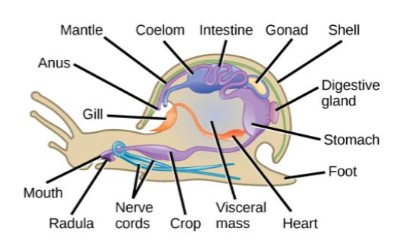
crop
extra digestive organ, mechanical digestion
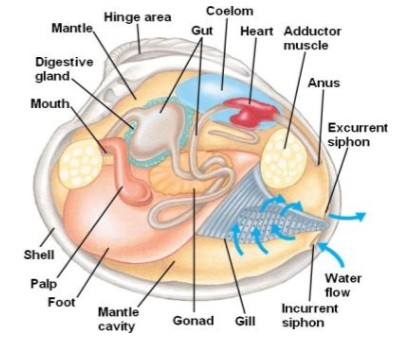
Class - Bivalvia architecture
like general mollusk but, hinged shell, labial palps instead of radula, + siphons
Class - Scaphopoda architecture
like general mollusk but stretched vertically, conical shell, no heart and no gills, captacula for feeding
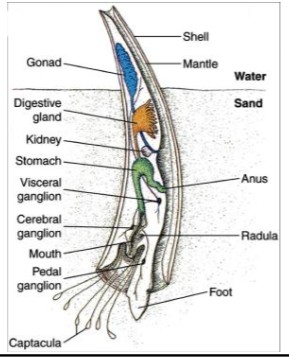
Class - Cephalopoda architecture
like general mollusk + ganglia for complex movement, beak, cecum, 3 hearts (2 branchial 1 systemic), crop, siphon
cecum
digestive sack
branchial hearts
move blood past gills
systemic heart
central heart that pumps oxygenated blood to the body
Class - gastropoda feeding
diverse → herbivore, carnivore, scavengers, deposit feeders, suspension feeders, parasites
Class - Scaphopoda feeding
use captacula to capture food in sediment, very small
Class - Bivalvia feeding
suspension and deposit using labial palps, symbiotic algae
Class - Cephalopoda feeding
carnivores
Class - Polyplacophora feeding
mircophagous graxers (algae and small animals)
Class - Aplacophora feeding
caudofoveata - deep sea deposit feeding, solenogastres - predators on cnidarians
Mollusk Reproduction and Development
generally dioecious (some monoecious nudibranchs), broadcast and free spawning in bivalvia, polyplacophora, scaphopoda, bopulation in gastropoda and cephalopoda, trocophore larva
Gastropoda subclasses
Clade Vetigastropoda*
- primitive
- most with slits or holes, some bilateral symmetry of organs
Clade Patellogastropoda*
- true limpets
Clade Caenogastropoda*
- caen = recent
- 60% of all gastropods (torsion, single auricle, single pair of gill leaflets
Clade Heterobranchia*
- different gills, nudibranchs
- detorsion, pulmonates, opisthobranchs, hermaphroditic
Nudibranch architecture
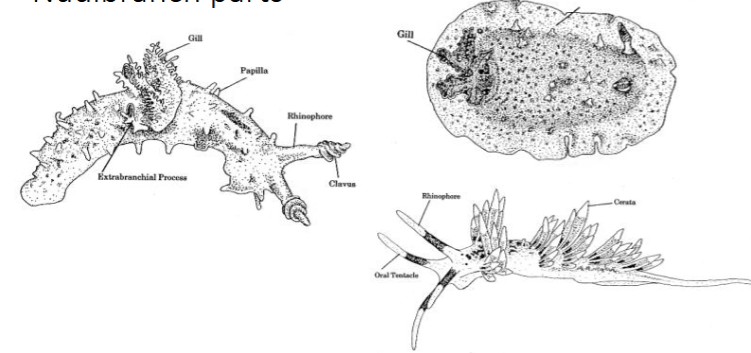
Dorid nudibranchs
anus on midline and surrounded by plumose gills
Aeolid nudibranchs
anus to the side, cerata with branches off digestive gland
Dendronotid nudibranches
cerata or rhinophores branched, rhinophores surrounded by sheath
Arminacean nudibranchs
oral veil, thickened mantle with extended margins and longitudinal ridges
Cephalaspideans
Bubble snails
• Head covered by broad
sheet of tissue (shield)
• No tentacles or
rhinophores
• Sides of foot rolled up
• Shell partially or
completely interna
Anaspidians
sea hares, one ctenidium, eat algae usually off of eelgrass, large mantle cavity on right side
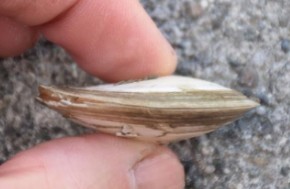
Phylum Mollusca - Class Bivalvia - Macoma nasuta
bent because it burrows and sits horizontally, surface deposit feeder
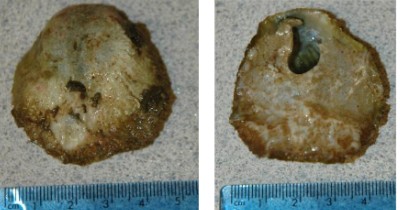
Phylum Mollusca - Class Bivalvia - Pododesmus cepio
jingle shell, asymmetrical valves (1 bigger and 1 smaller)
Phylum Mollusca - Class Bivalvia - Crassostrea gigas
japanese oyster
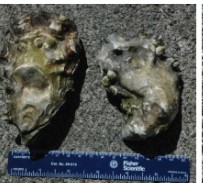
Phylum Mollusca - Class Bivalvia - Chlamys hastata
clam, sometimes covered by sponges, eye spots, byssal threads, can swim, single adductor muscle, rough ridges spread out
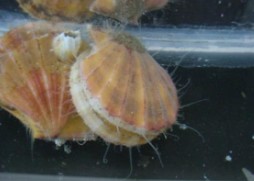
Phylum Mollusca - Class Bivalvia - Chlamys rubida
same as hastata but rudges are smoothers and closer together
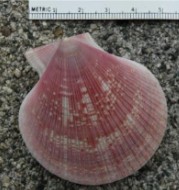
Phylum Mollusca - Class Bivalvia - Clinocardium nuttallii
coggles, live shallow in sediment, use foot to do underwater cartwheels as escape response
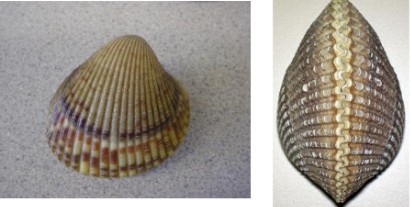
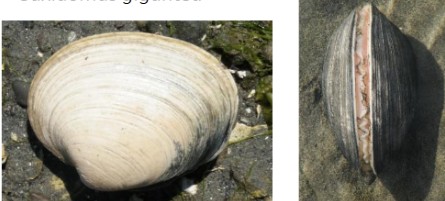
Phylum Mollusca - Class Bivalvia - Saxidomas gigantea
butter clam, circular ridges, can live for 20 yrs
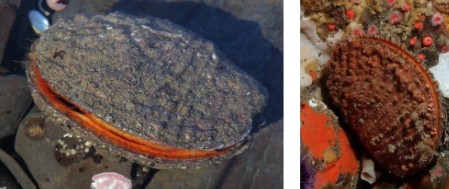
Phylum Mollusca - Class Bivalvia - Hinnites giganteus
scallop, eye spots, attaches to rocks
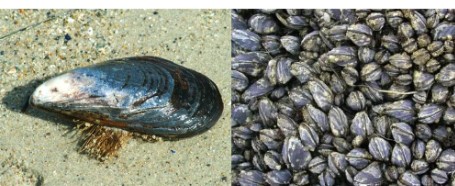
Phylum Mollusca - Class Bivalvia - Mytilus californianus
larger with a rougher shell, mussel
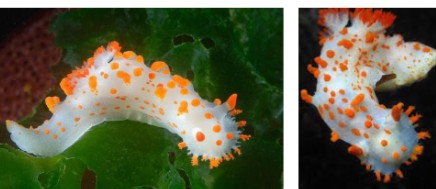
Phylum Mollusca - Class Gastropoda - Triopha catalinae
Phylum Mollusca - Class Gastropoda - Archidoris odhneri
dorid nudibranch, eat sponges
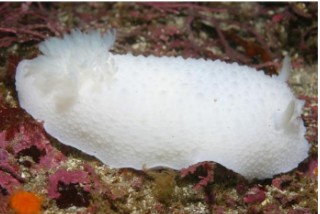
Phylum Mollusca - Class Gastropoda - Onchidoris bilimellata
eats barnacles, vary in color
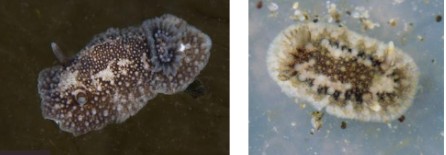
Phylum Mollusca - Class Gastropoda - Calliostona ligatum
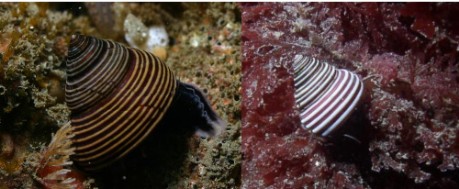
Phylum Mollusca - Class Gastropoda - Diadora aspera
keyhole limpit, not a true limpit because of hole at its apex
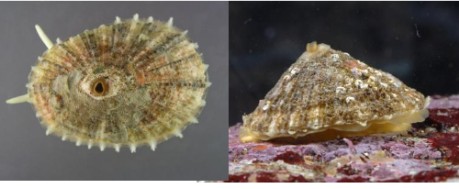
Phylum Mollusca - Class Gastropoda - Haliotis kamtschatkana
algal grazers → red coraline algae
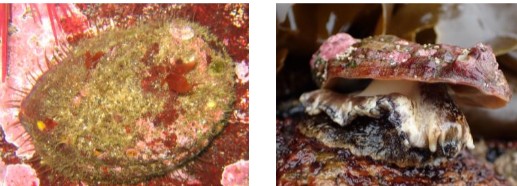
Phylum Mollusca - Class Gastropoda - Nucellaa lamellosa
Eats barnacles and small mussels, creates egg cases after reproducing, direct development, predator, variety of shells based on env.
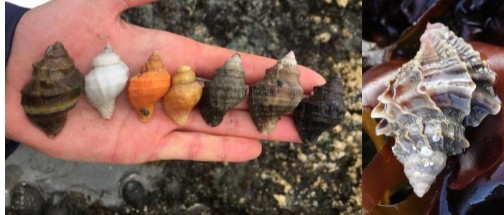
Phylum Mollusca - Class Gastropoda - Hermissenda crassicornis
predatory on many dif things
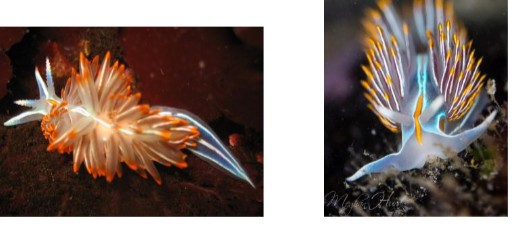
Phylum Mollusca - Class Gastropoda - Ceratostoma foliatum
grazer on algae and invertebrates, pointy tooth near mouth, leafy shell shape
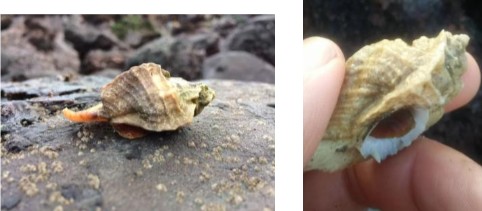
Phylum Mollusca - Class Gastropoda - Lottia persona and Scutum
persona = taller and with a solid band on the bottom, scutum = shorter with a striped band on the bottom
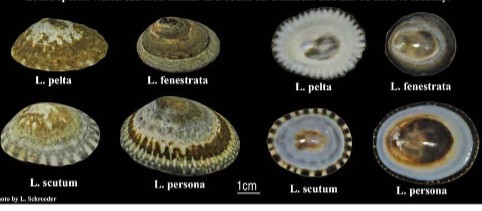
Phylum Mollusca - Class Gastropoda - Littorina sitkana
periwinkle, 1cm across and bulbous, non-checkered shell (scutulata is smaller with a checkered shell), upper intertidal algal grazer
Phylum Mollusca - Class Polyplacophora - Mopalia muscosa
grazes at hightide, hides under rocks at low tide, mossy chiton
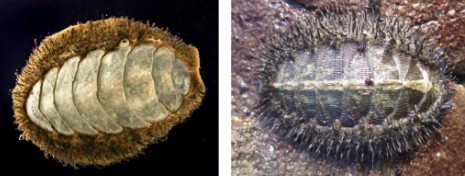
Phylum Mollusca - Class Polyplacophora - Cryptochiton stelleri
gumboot chiton, large, girdle completely covers 8 plates
Vertical zonation of the rocky intertidal
acorn baracles → mussels and goose barnacles → anemones → sea stars and macroalgae
upper intertidal → lower intertidal
Upper intertidal
community composition controlled mostly by physical stress (desiccation, heat, etc.), hosts the most tolerant species
Lower intertidal
Community composition controlled mostly by biological stress (competition and predation). Hosts the best competitors for space, or excludes organisms based on predation, species less tolerant of heat and desiccation
Brachiopoda
Lamp shells with lophophores dominated the Paleozoic (248 to 545 million years ago), used to be very diverse, but declined greatly during extinction events, especially the Permian-Triassic, suspension feed with lophophore
Articulate brachiopods
2 valves and a hinge
Inarticulate brachiopods
2 valves but no hinge
Brachiopoda architecture
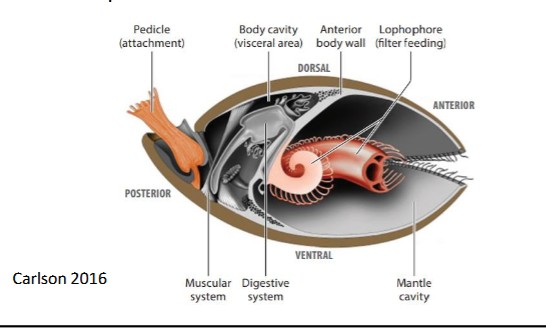
peddicle
attaches brachiopod to substrate
diductor muscle
Keeps valves together
Brachiopod reproduction and development
typically dioecious broadcast spawners (some brooding and viviparous)
inarticulate - long-lived planktonic larva
articulate - short-lived planktonic larva
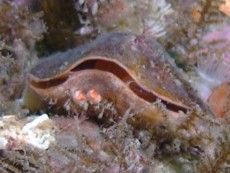
Phylum Brachiopoda - Terebratalia transversa
Phylum - Arthropoda
bilateral symmetry, segmentation (always in embryos, segments often fuse into tagmata (larger body parts)), jointed limbs, exoskeleton (molt to grow), 80% of animal species, open circulatory system with heart
molting
energy intensive, exoskeleton cuticle is secreted by epidermis → epidermis secretes a fluid that separates the epidermis from the exoskeleton → new cuticle/exoskeleton is secreted → an enzyme that breaks down the old exoskeleton is secreted → the arthropod emerges
cuticle
made of a glucosamine polymer
Arthropoda subphyla
Uniramia, Chelicerata, Crustacea
Subphyla - Uniramia
insects, 3 head appendages (antennae, mandibles, maxillae), 3 tagmata (head, thorax, abdomen), unbranched appendages, 1 pair of antennae
Subphyla - Chelicerata
spiders, scorpions, horseshoe crabs, sea spiders (pycnogonids), 2 head appendages (chelicerae (fangs) and pedipalps), 2 tagmata (cephalothorax, abdomen), unbranched appendages, no antennae
Subphyla - Crustacea
crabs, lobsters, shrimp, 5 head appendages (1st and 2nd antennae, 1st and 2nd maxillae, and mandibles), 3 tagmata (head, thorax, abdomen), unbranched appendages, 2 pairs of antennae
Subphyla Chelicerata - Order Xiphosura
horseshoe crabs, 4 species, ~80 fossil species, 2 tagmata, tail called a telson, book gills on abdomen, blood coagulates in the presence of bacteria → used in biomedicine
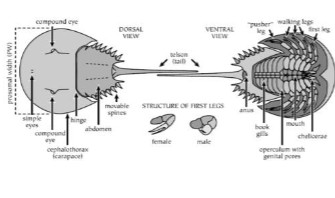
Subphyla Chelicerata - Class Pycnogonida
~1300 species, small, breath through their legs via diffusion, 4-6 pairs of walking legs, males have an oviger (divot on their dorsal side) to carry eggs, have palps and a proboscis
Physical processes afecting subtidal ecology
temperature and currents
Upwelling
winds from the North + the coriolis effect bend water offshore → surface water pushed out → cold deep nutrient rich water moves to the surface along shore
provides nutrients for phytoplankton but can sweep planktonic larva offshore
Currents
Wave action influences food supply and larval recruitment and can influence the bottom community (kelp vs. suspension feeders). Density and diversity of organisms increase with increasing flow → more habitat heterogeneity as features create microenvironments of lower or higher flow, bringing nutrients to filter feeders → more biomass; predation or grazing pressure can be interrupted and relieved
Light
f(water depth) and f(bottom orientation), horizontal orientation = more light vertical = less light, horizontal = macroalgae dominated, vertical = invertebrate dominated. inverts arent outcompeted on vertical walls for space
Herbivory
urchins and chitons → grazers, can create urchin barrens and impact community structure by controlling macroalgae populations
Predation
Top-down controls → sea otter eats urchin → more macroalgae because grazing strain has been relieved, Orca eats sea otter → less sea otter → less predation on urchins → more urchins → more grazing → less marcoalgae
Competition for space
inverts vs. macroalgae → vertical vs. horizontal → inverts lose when there is a lot of light
Positive interactions
foundation species increase diversity (mussels, kelp, etc.) by adding to habitat complexity, species can modify the habitat fascilitating colonization by new species etc. → urchins make kelp biomass available for deposit feeders
Phylum Arthropoda - Subphylum Crustacea
classes: Branchiopoda, Remipedia, Cephalocarida, Thecostraca, Copepoda, Ostracoda, Malacostraca
Subphylum Curstacea - Class Malacostraca
crabs, lobsters, shrimp
Subphylum Curstacea - Class Thecostraca
barnacles
Class Thecostraca life cycle
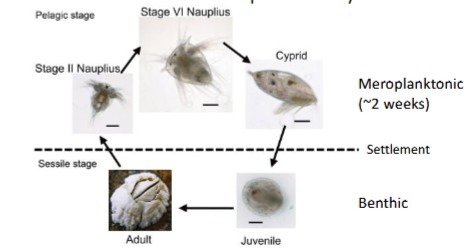
Class Thecostraca architecture
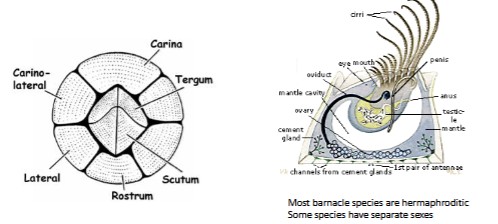
Subphylum Crustacea - Class Copepoda architecture
many eating appendages
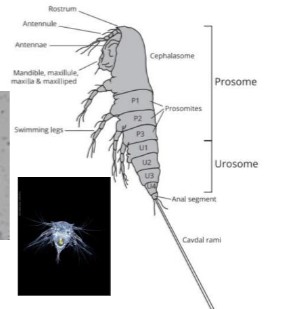
Prosome
portion of the copepod with appendages