APWH Unit 8: Cold War and Decolonization
 Call Kai
 Learn
Learn Practice Test
 Spaced Repetition
 Match
Match Flashcards
 Knowt Play
1/93

There's no tags or description
Looks like no tags are added yet.
Name | Mastery | Learn | Test | Matching | Spaced | Call with Kai |
|---|
No analytics yet
Send a link to your students to track their progress
94 Terms
Big Three
allies during WWII; Soviet Union - Stalin, United Kingdom - Churchill, United States - Roosevelt
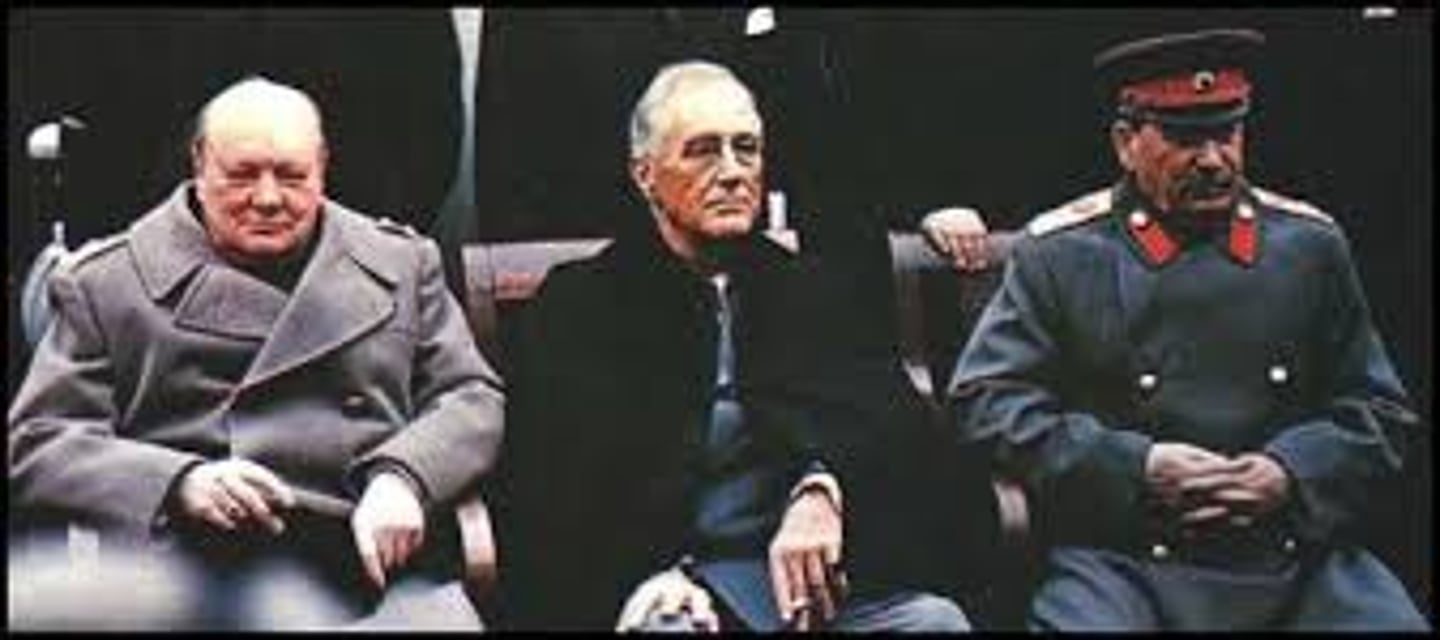
Tehran Conference
First major meeting between the Big Three (United States, Britain, Russia) at which they planned the 1944 assault on France and agreed to divide Germany into zones of occupation after the war
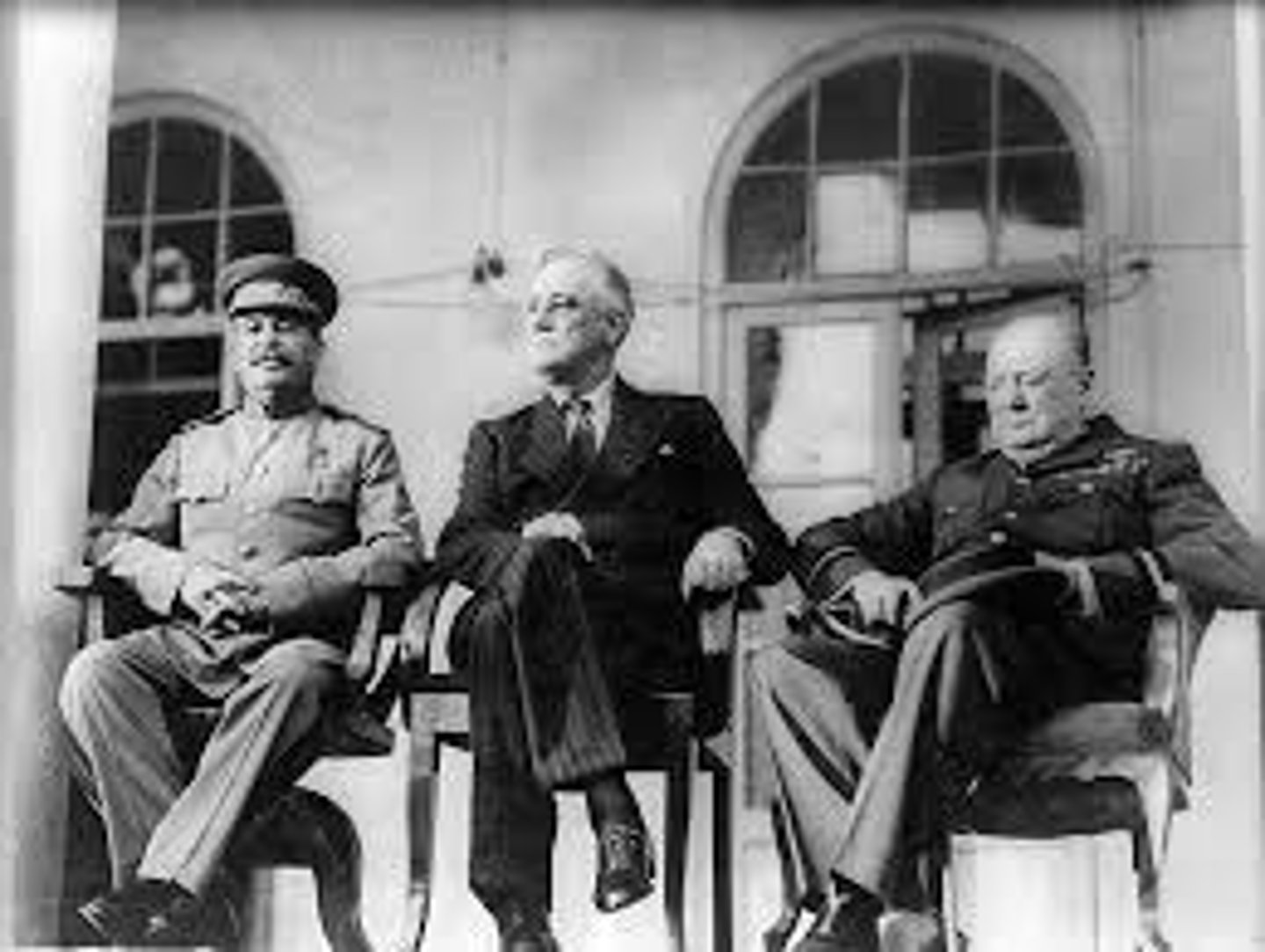
Yalta Conference
1945 Meeting with US president FDR, British Prime Minister(PM) Winston Churchill, and and Soviet Leader Stalin during WWII to plan for post-war
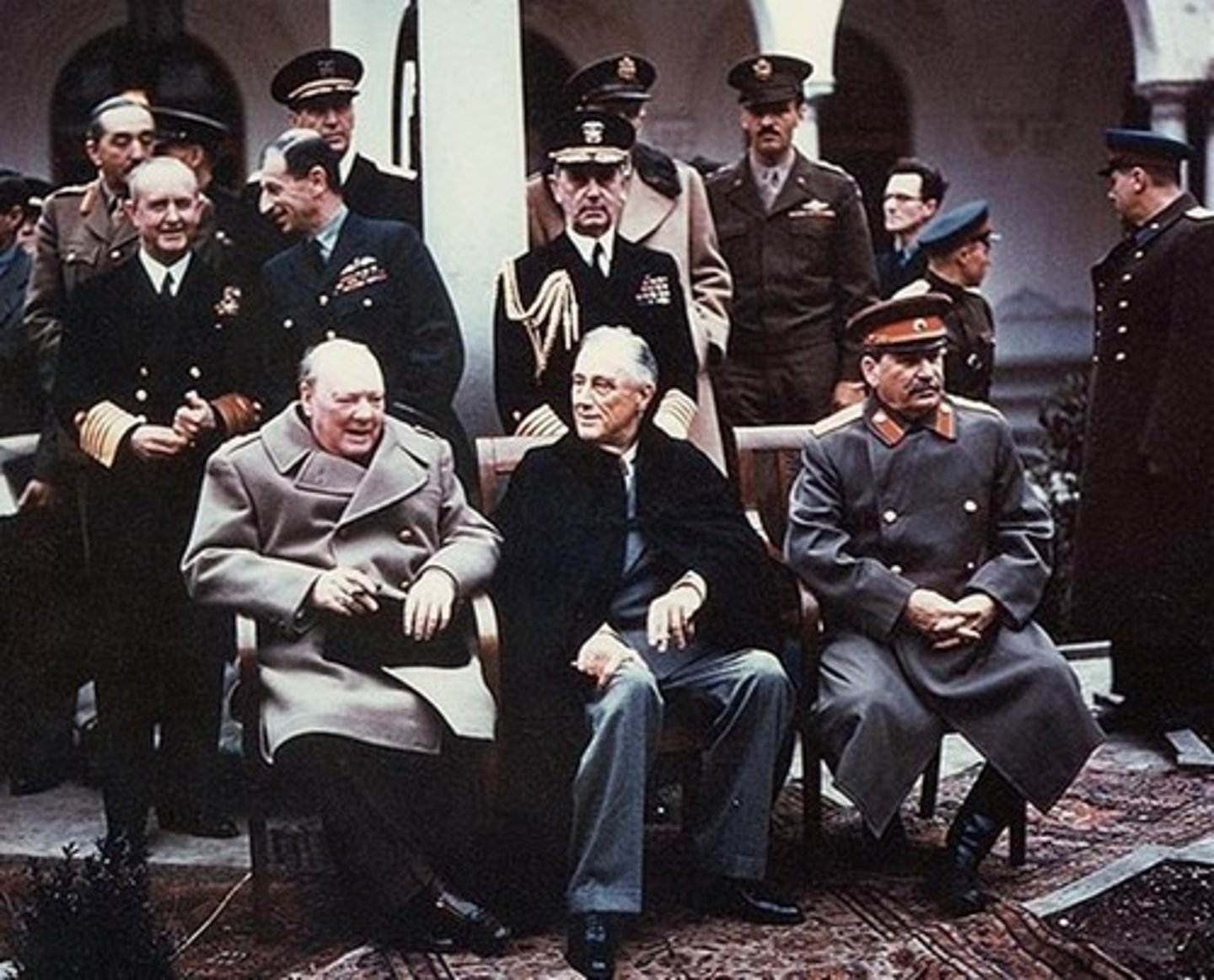
Potsdam Conference
July 26, 1945 - Allied leaders Truman, Stalin and Churchill met in Germany to set up zones of control and to inform the Japanese that if they refused to surrender at once, they would face total destruction.
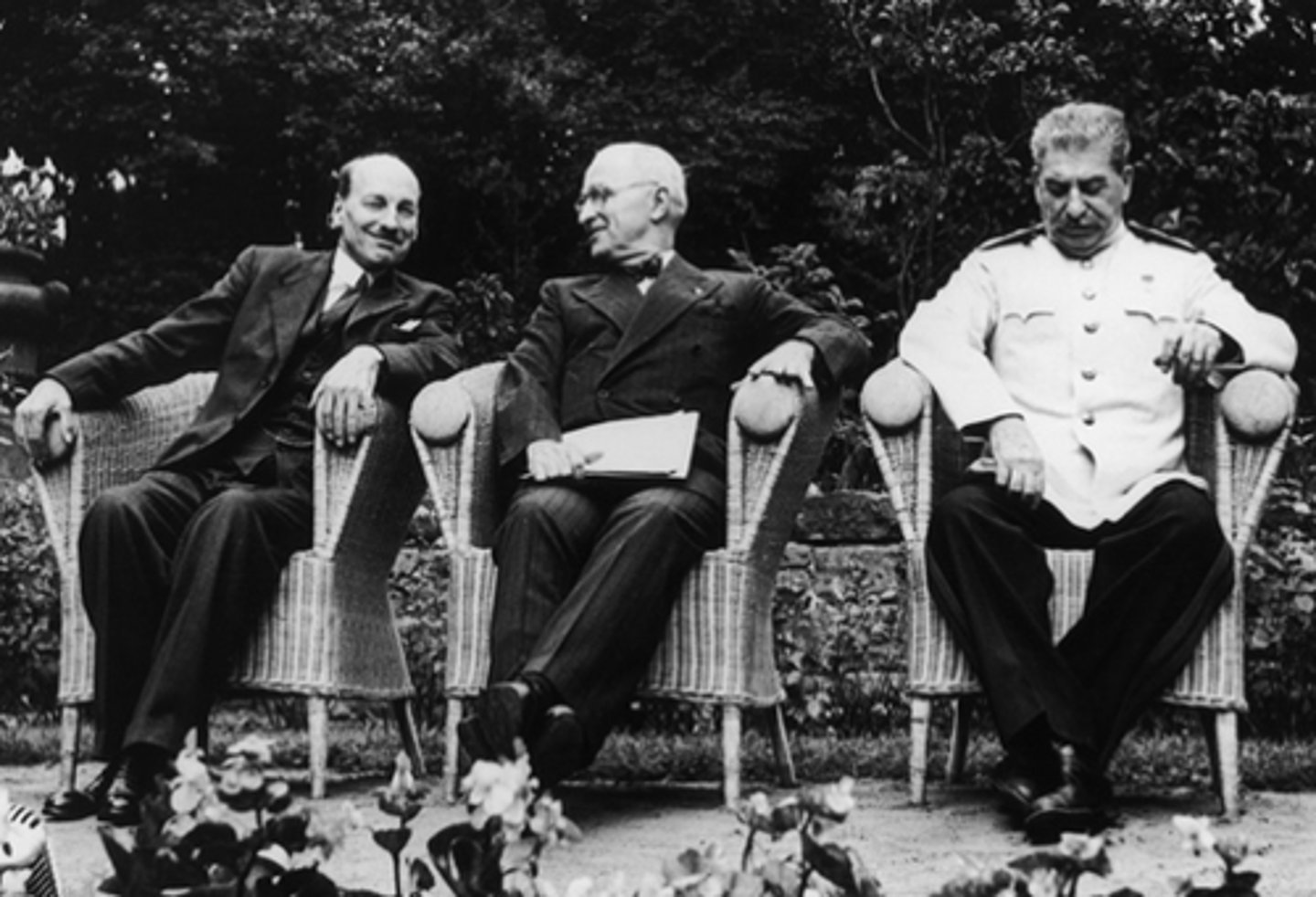
Hydrogen Bomb (H-Bomb)
1,000 times more powerful as an atomic bomb; First tested in 1952 by the U.S.
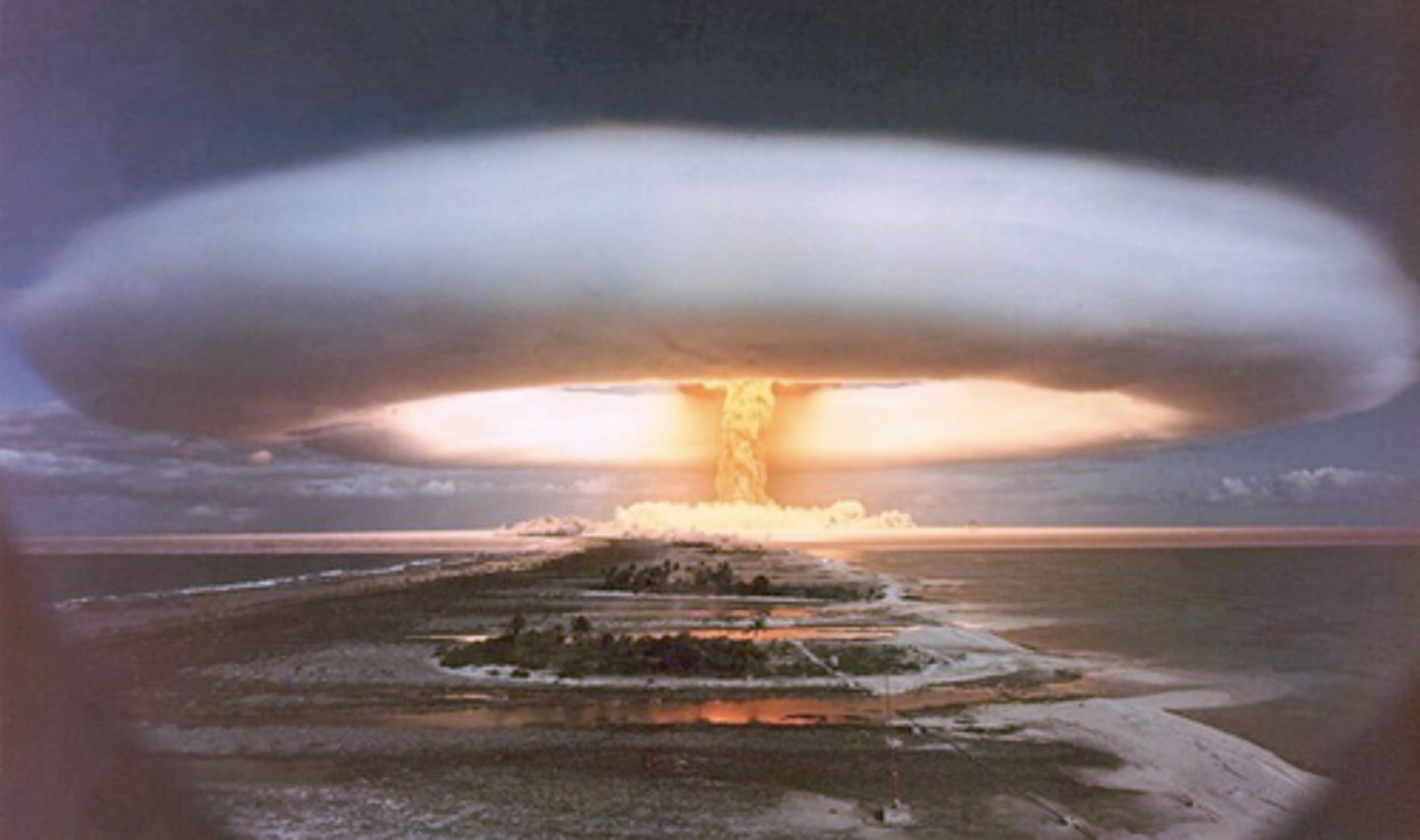
Cold War
A conflict that was between the US and the Soviet Union. The nations never directly confronted each other on the battlefield but deadly threats went on for years.
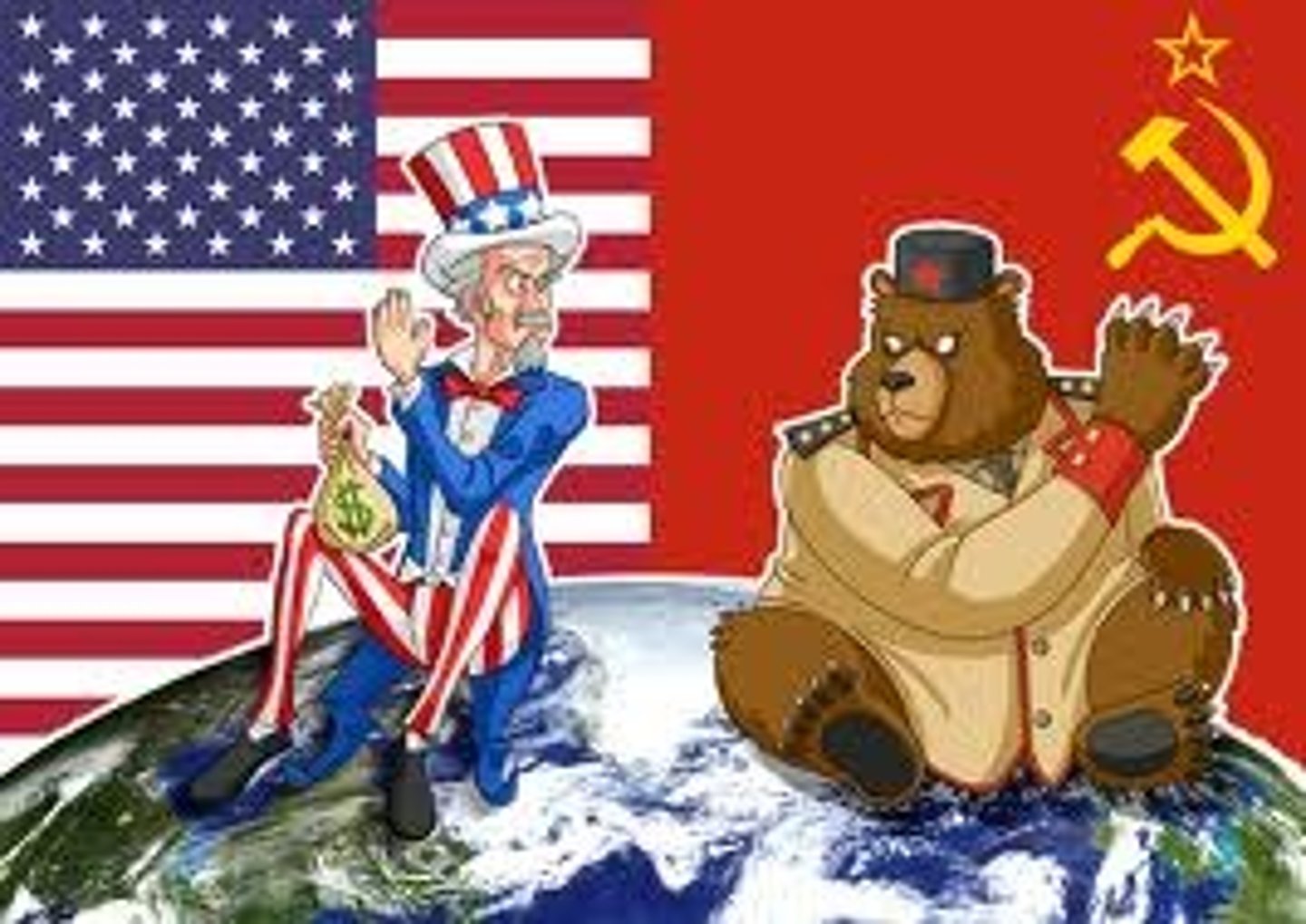
military-industrial complex
Eisenhower first coined this phrase when he warned American against it in his last State of the Union Address. He feared that the combined lobbying efforts of the armed services and industries that contracted with the military would lead to excessive Congressional spending.
United Nations
An international organization formed after WWII to promote international peace, security, and cooperation.
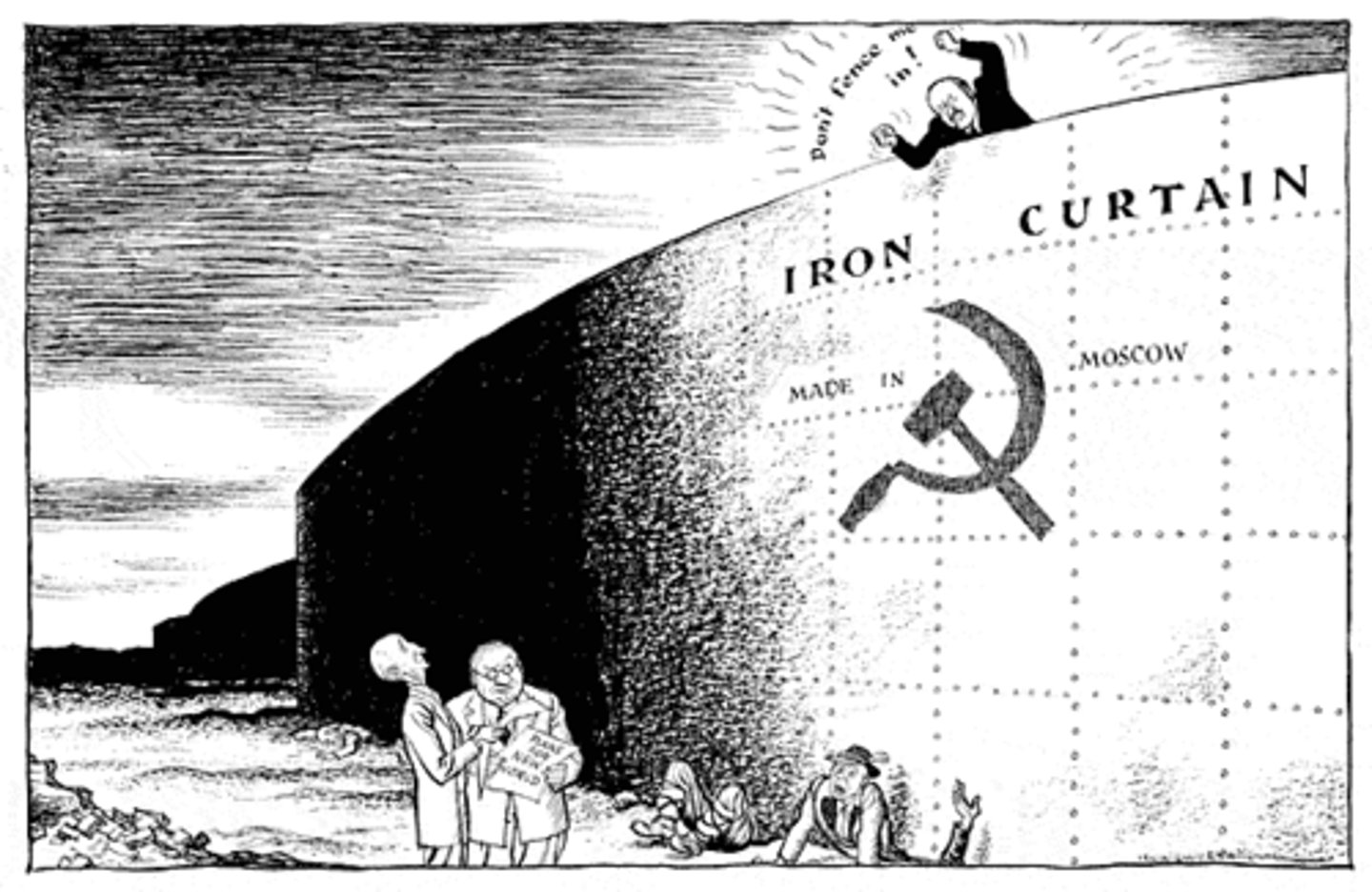
Iron Curtain
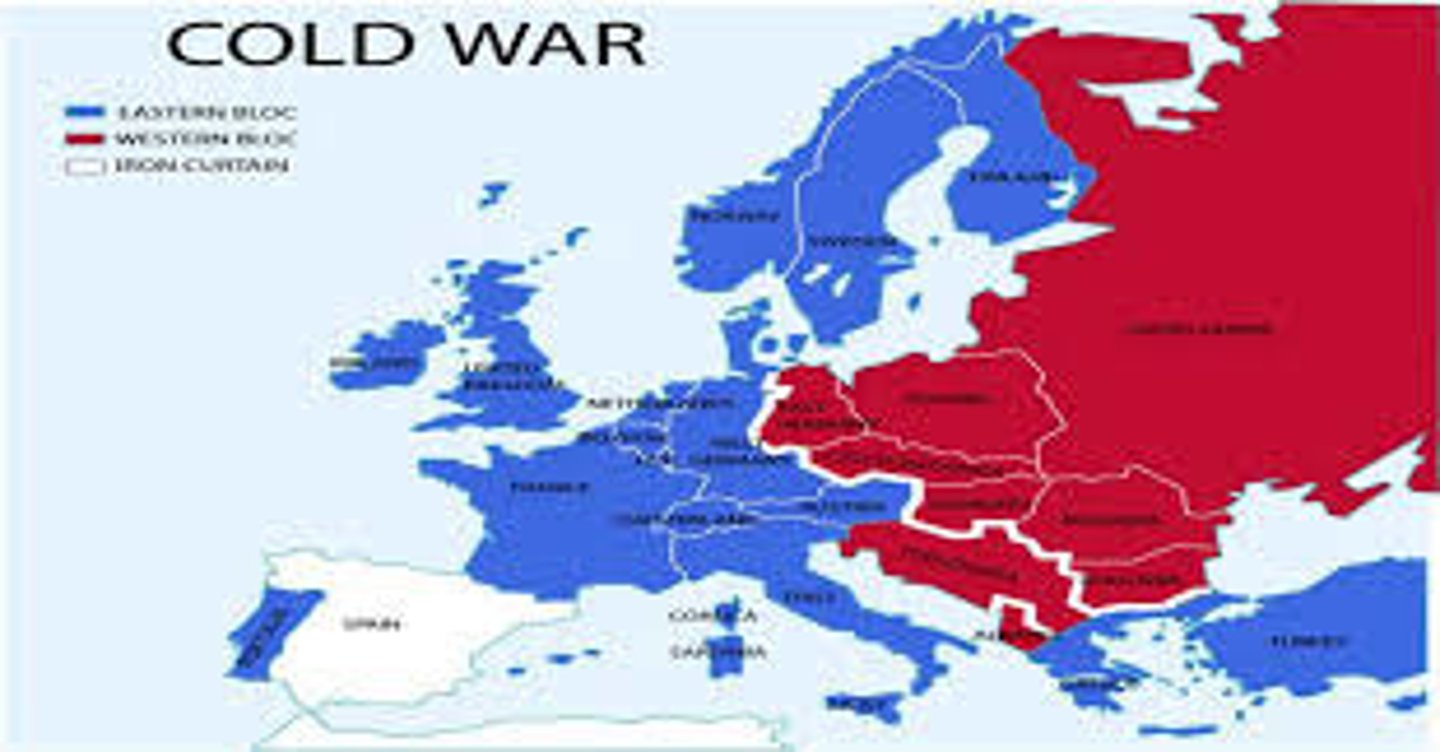
A political barrier that isolated the peoples of Eastern Europe after WWII, restricting their ability to travel outside the region
Capitalism
An economic system based on private ownership of capital
Communism
A theory or system of social organization based on the holding of all property in common, actual ownership being ascribed to the community as a whole or to the state.
Democracy
A political system in which the supreme power lies in a body of citizens who can elect people to represent them
Authoritarianism
A political system in which a small group of individuals exercises power over the state without being constitutionally responsible to the public.
USSR
Union of Soviet Socialist Republics. Created by Lenin in 1922.
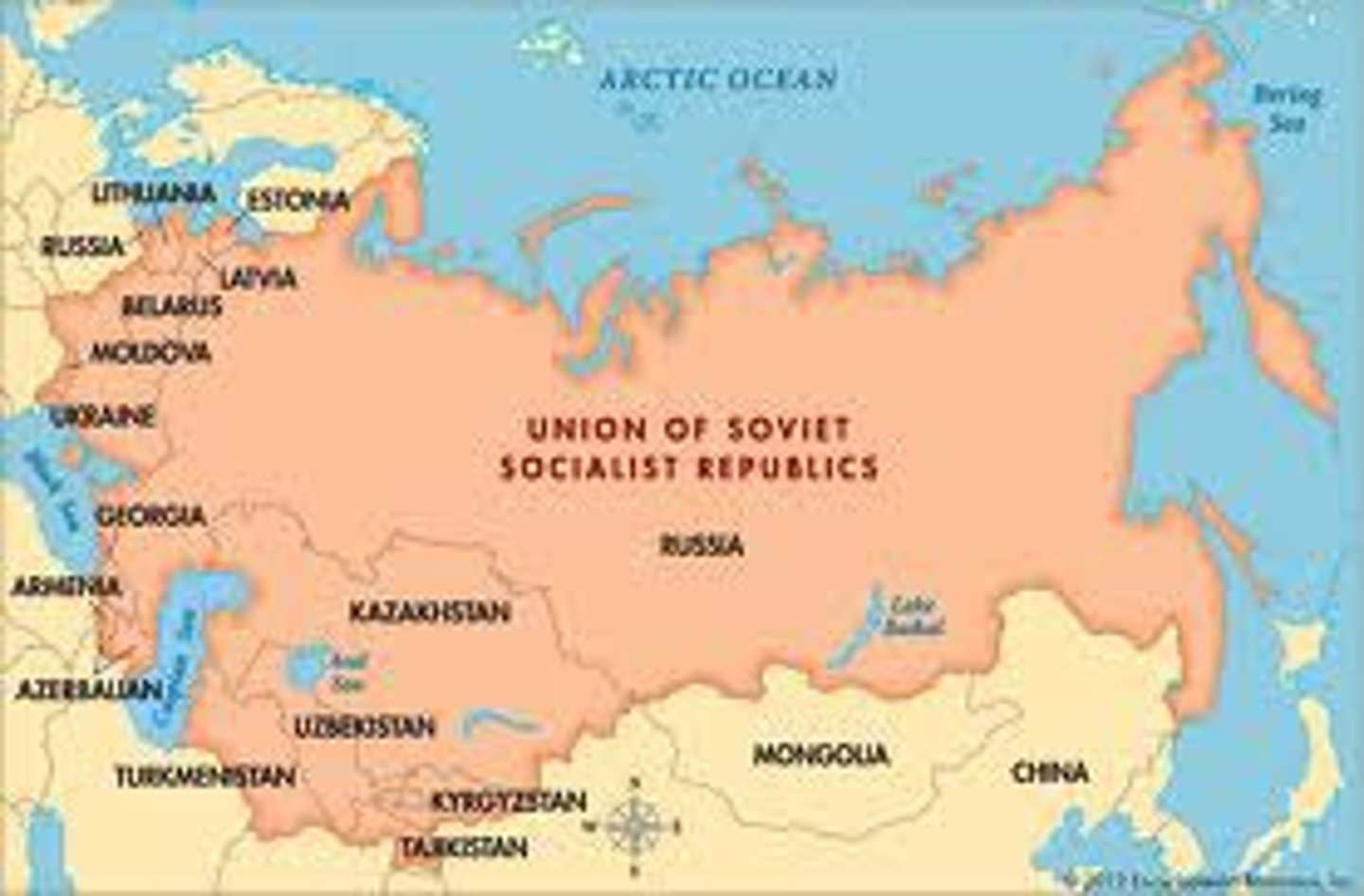
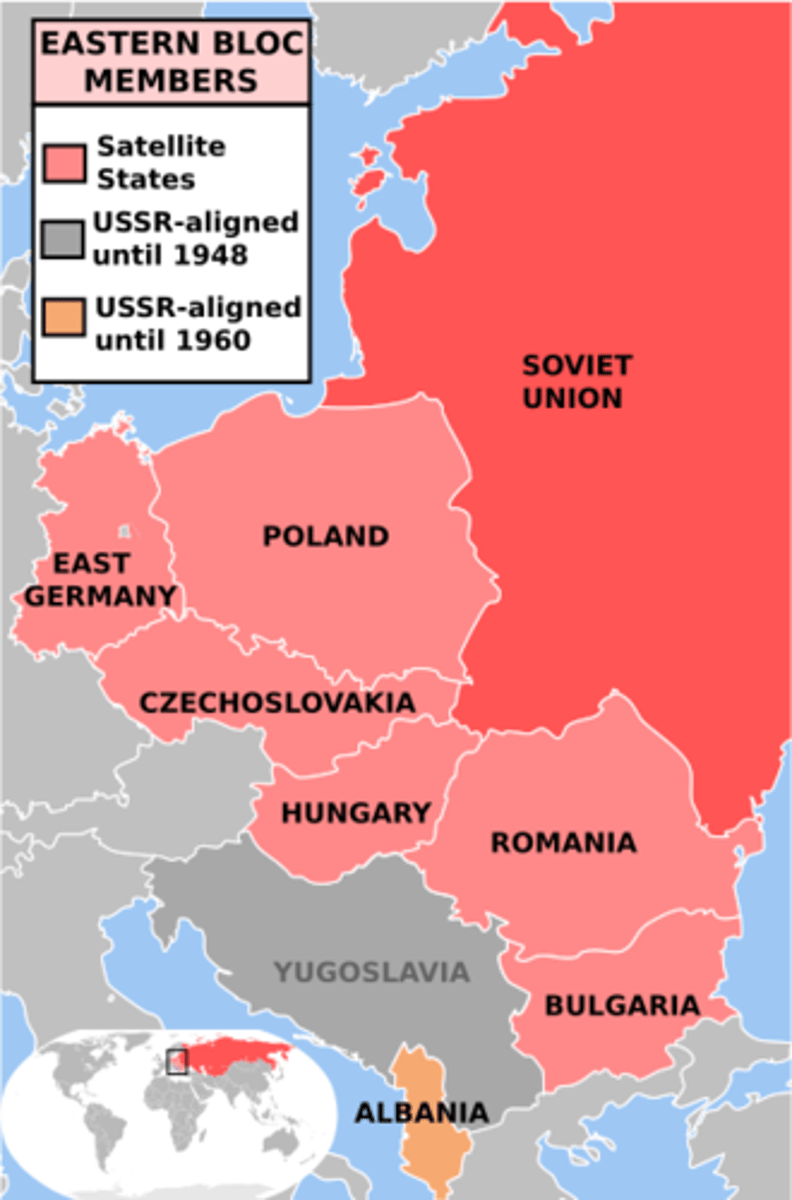
Satellite Countries
Countries bordering USSR that Soviets made Communist to have "friendly ring of countries"
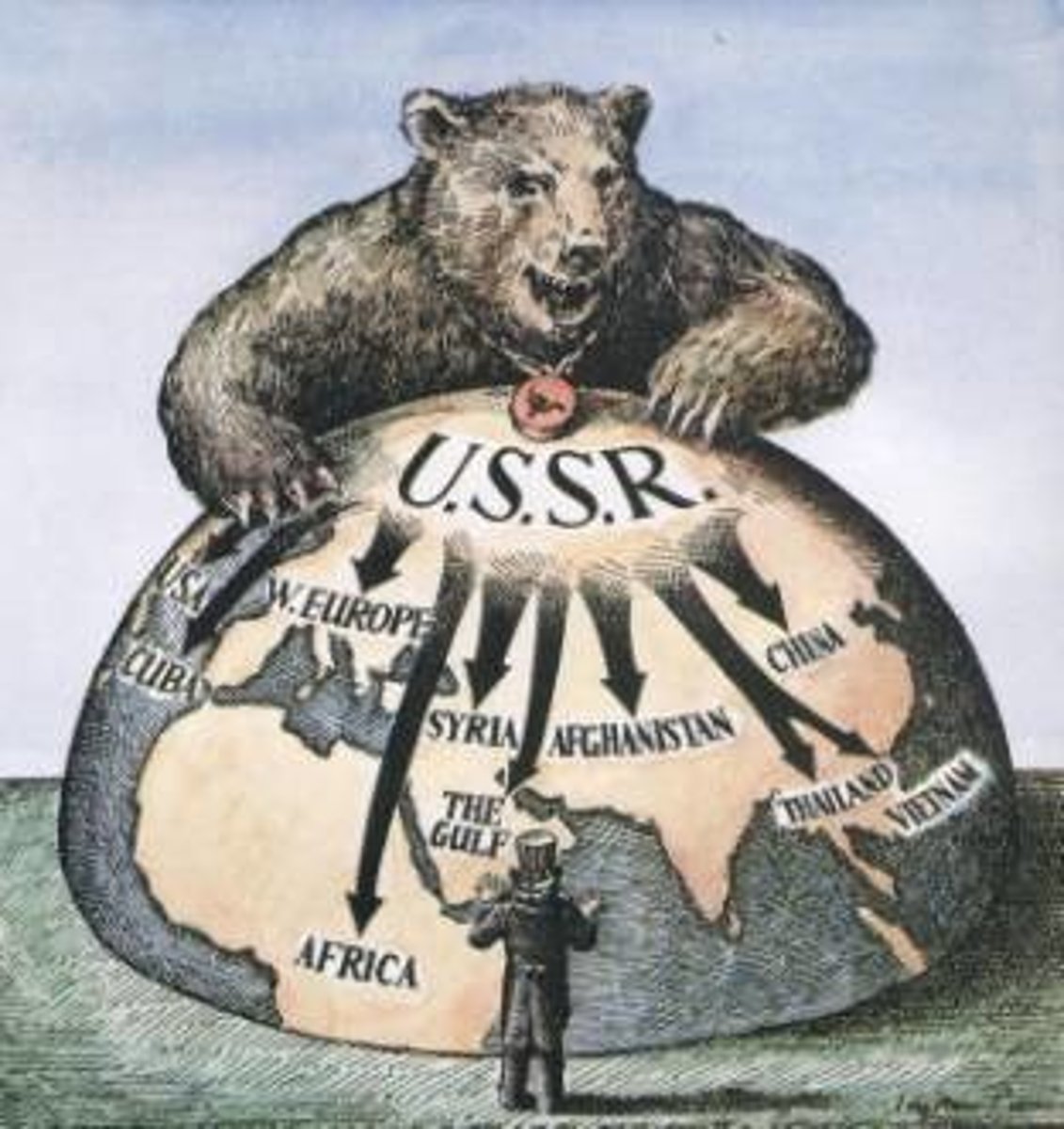
World revolution
Marx believed that communism would come about only through a world wide revolution to end class conflict
Containment
American policy of resisting further expansion of communism around the world
Truman Doctrine
1947, President Truman's policy of providing economic and military aid to any country threatened by communism or totalitarian ideology, mainly helped Greece and Turkey
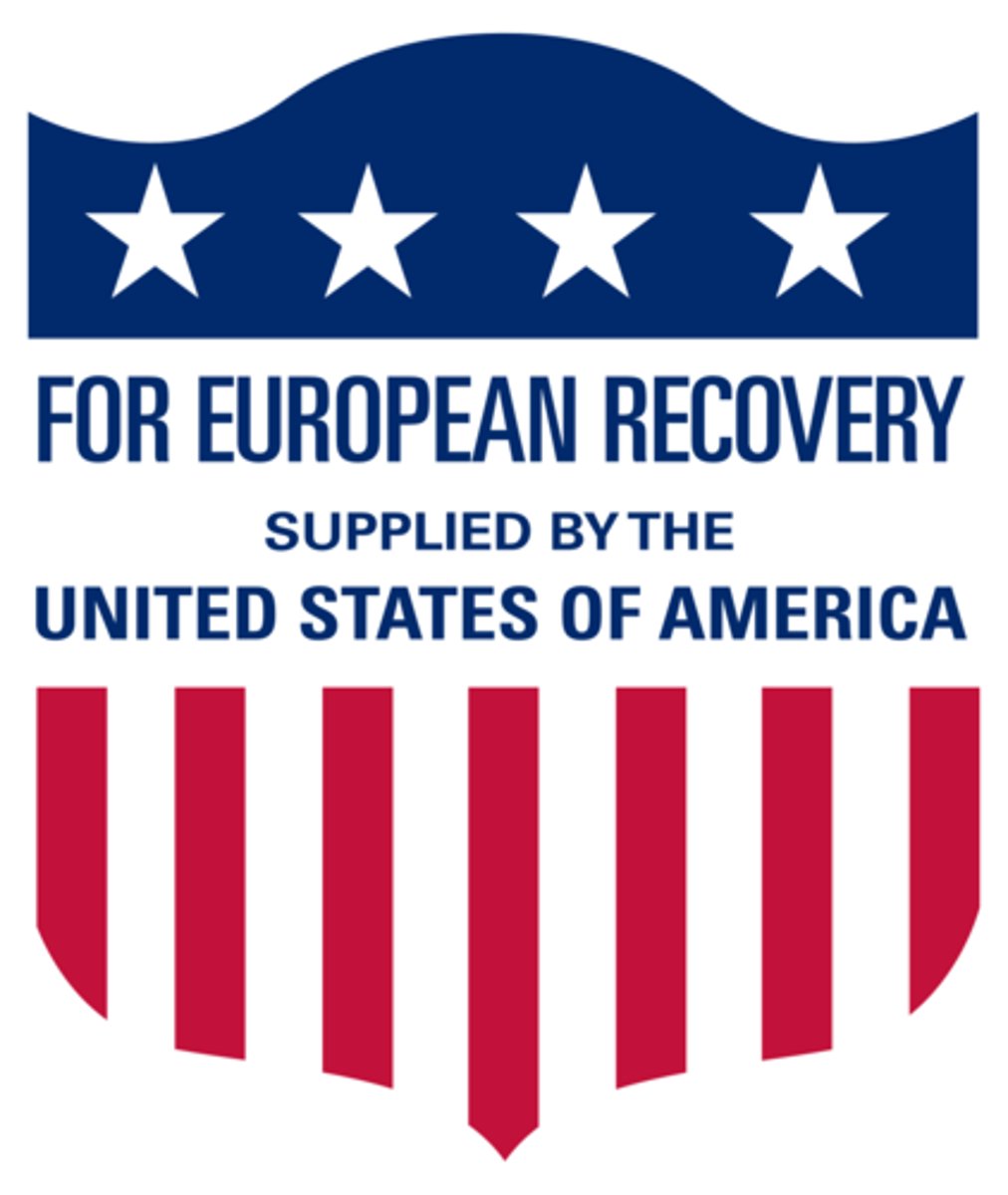
Marshall Plan
A United States program of economic aid for the reconstruction of Europe (1948-1952)
Council for Mutual Economic Assistance (COMECON)
An economic organization of Communist states meant to help rebuild East Bloc countries under Soviet auspices.
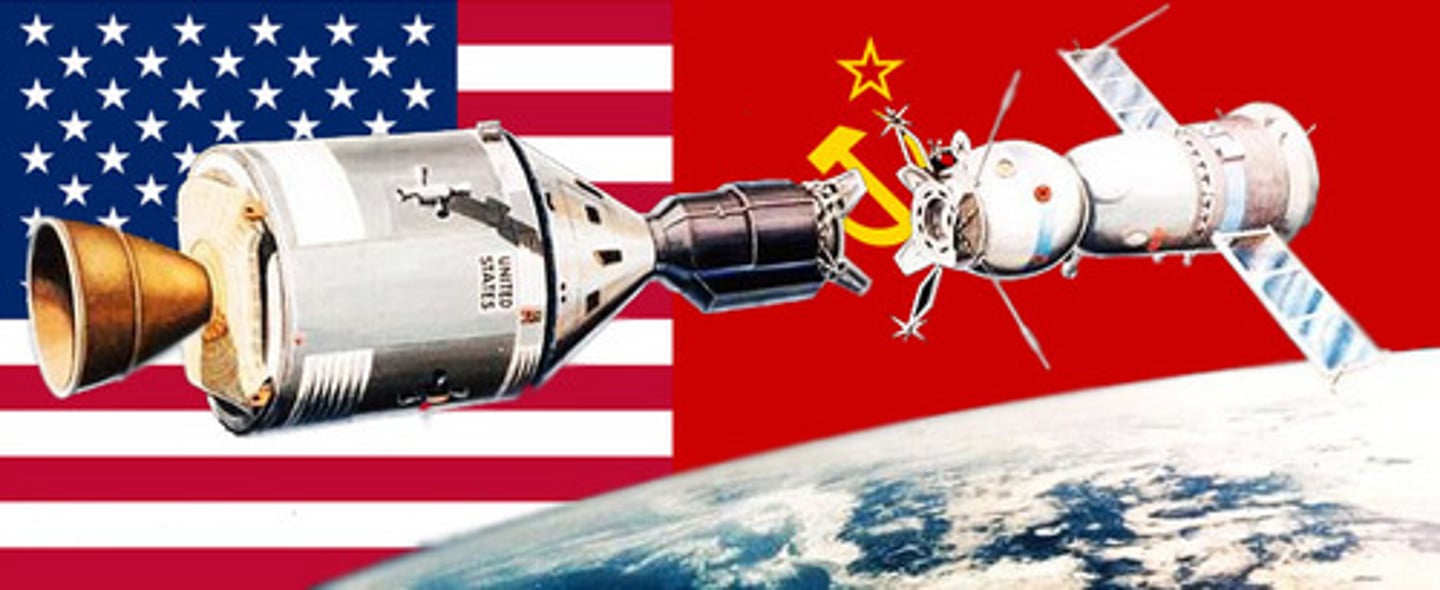
Space Race
A competition of space exploration between the United States and Soviet Union.
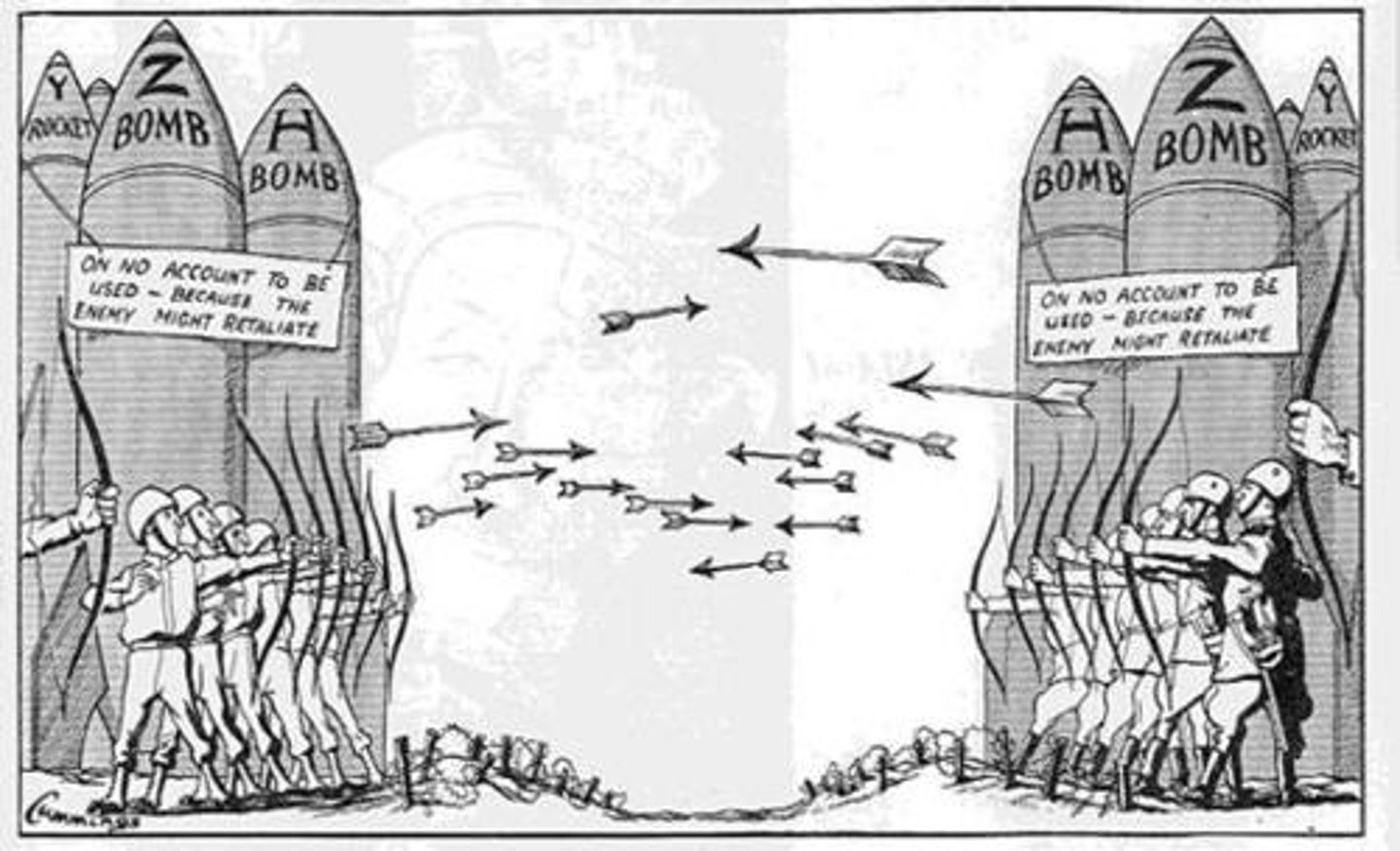
Mutual Assured Destruction (MAD)
idea that both sides would face certain destruction in a nuclear war
Non-Aligned Movement
The group of nations that didn't side with either the US or the USSR during the Cold War.
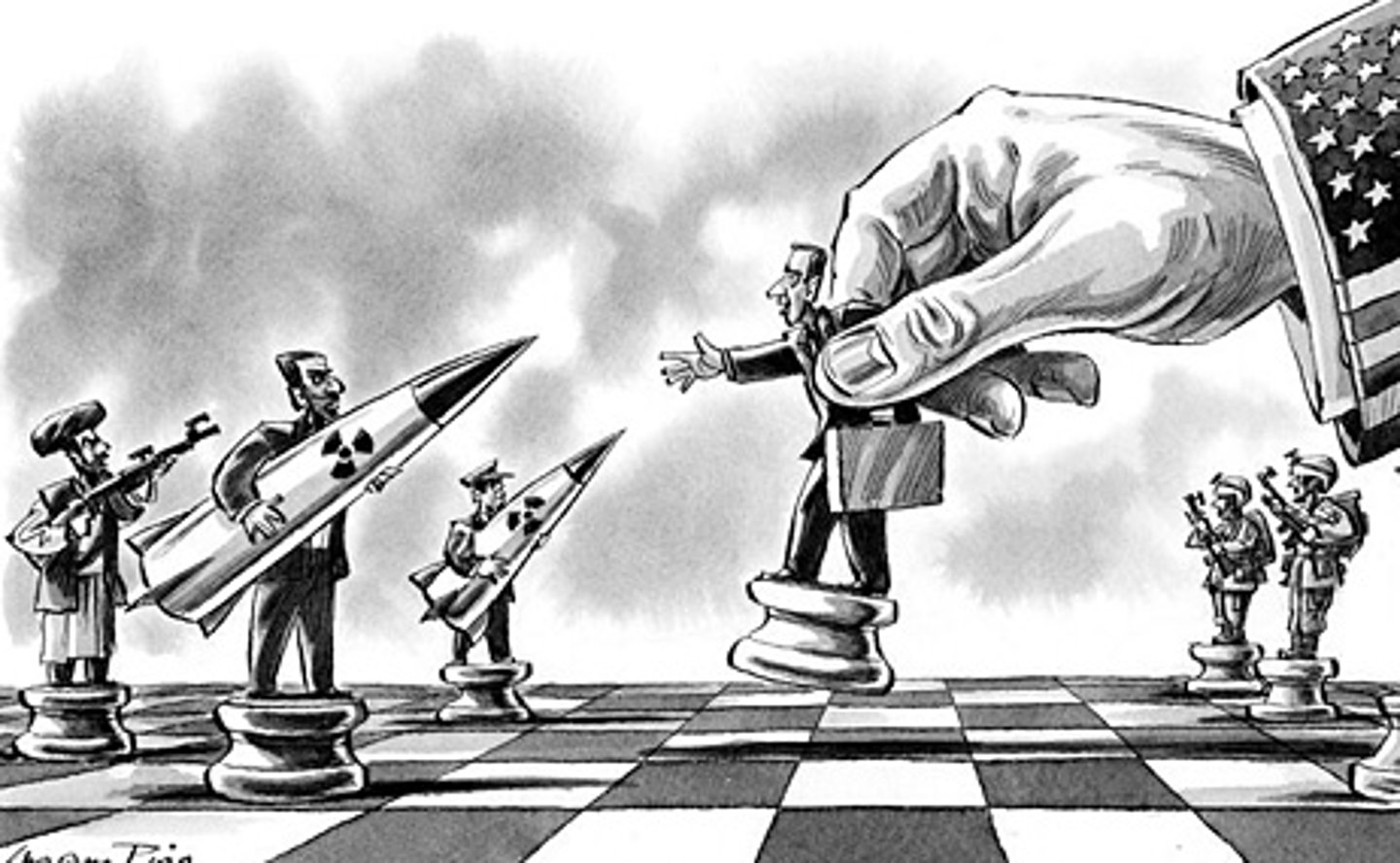
Proxy Wars of the Cold War
A war that results when opposing powers use third parties as substitutes for fighting each other directly. While powers have sometimes used governments as proxies, violent non-state actors, mercenaries, or other third parties are more often employed. It is hoped that these groups can strike an opponent without leading to full-scale war.
Berlin Blockade
The blockade was a Soviet attempt to starve out the allies in Berlin in order to gain supremacy. The blockade was a high point in the Cold War, and it led to the Berlin Airlift.
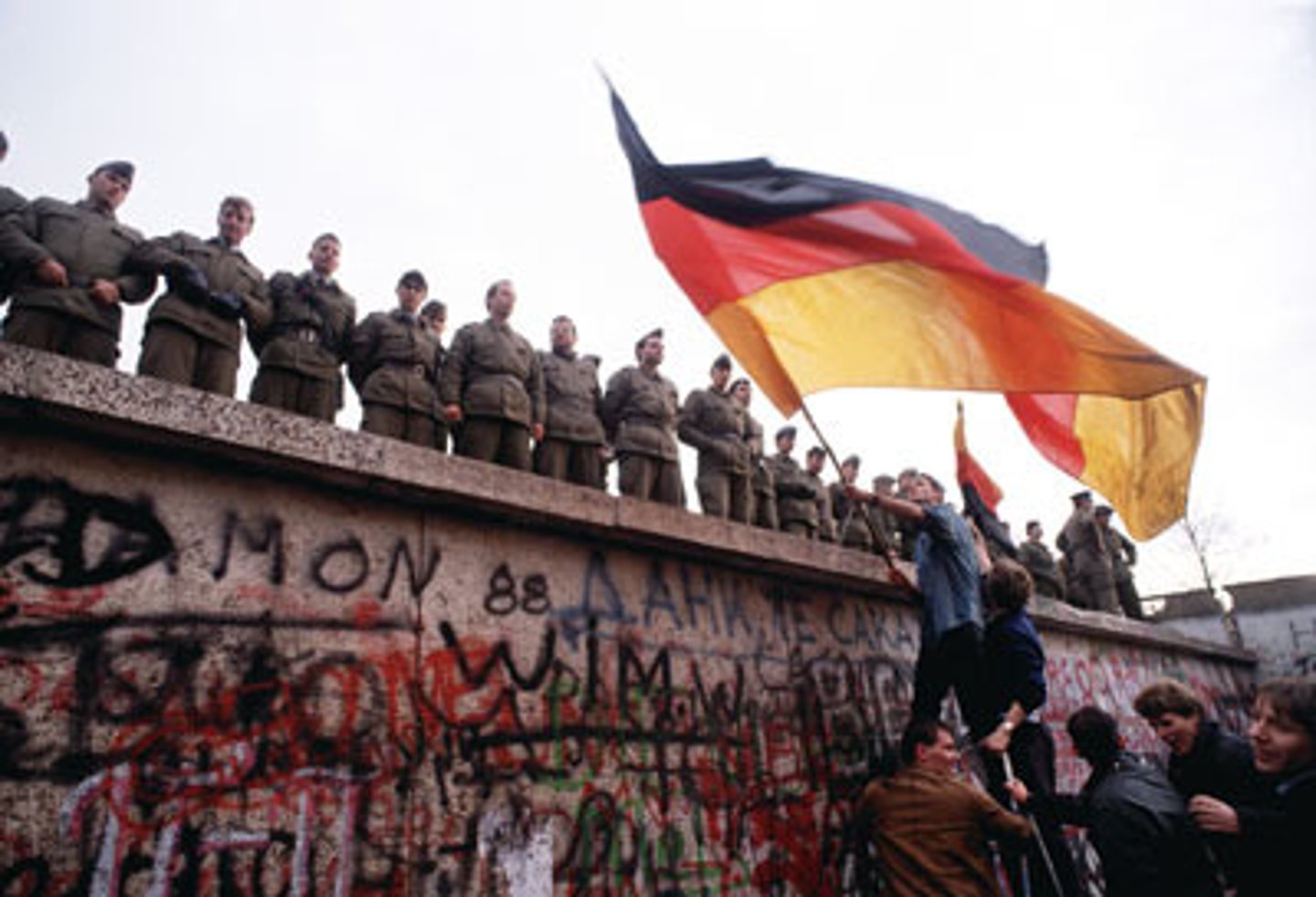
Berlin Wall
A wall separating East and West Berlin built by East Germany in 1961 to keep citizens from escaping to the West
North Atlantic Treaty Organization (NATO)
a group of 28 countries that has agreed to protect each other in case of attack; founded in 1949 after World War 2.
Warsaw Pact
An alliance between the Soviet Union and other Eastern European nations. This was in response to the NATO
Communist Bloc
The group of Eastern European nations that fell under the control of the Soviet Union following World War II.
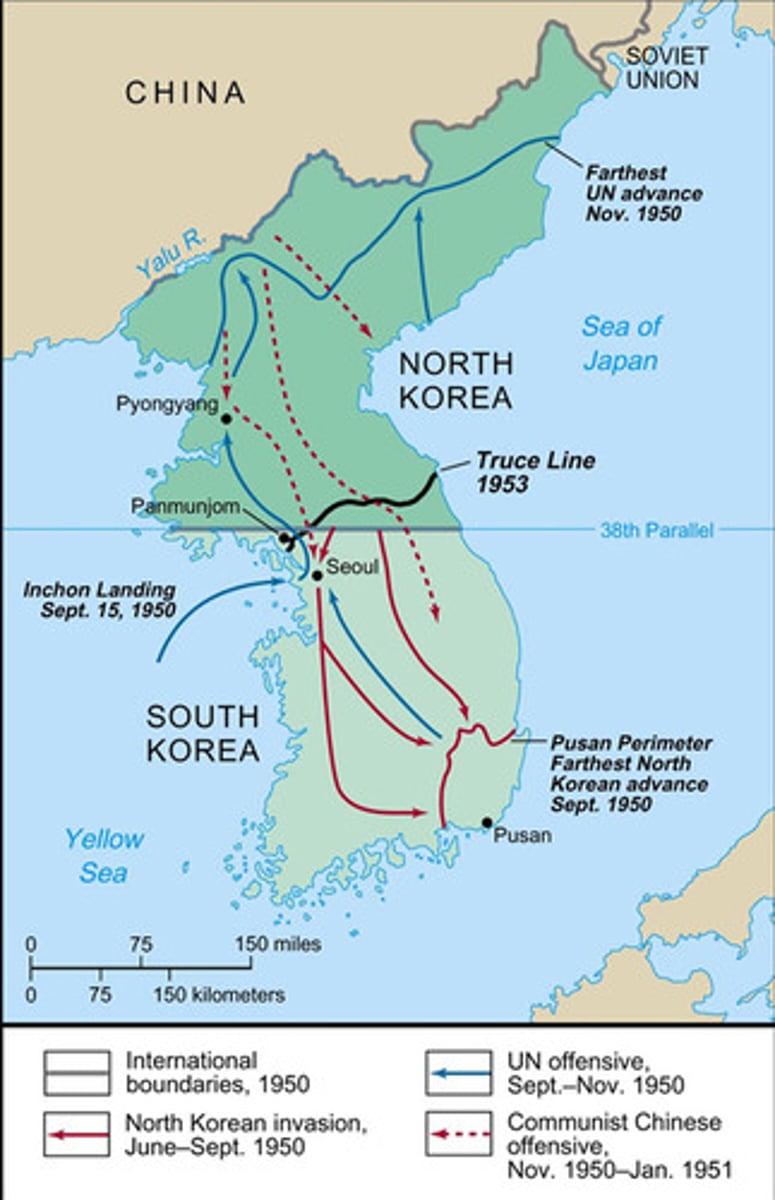
Korean War
A proxy war during the cold War. The conflict between Communist North Korea and Non-Communist South Korea. The United Nations (led by the United States) helped South Korea.
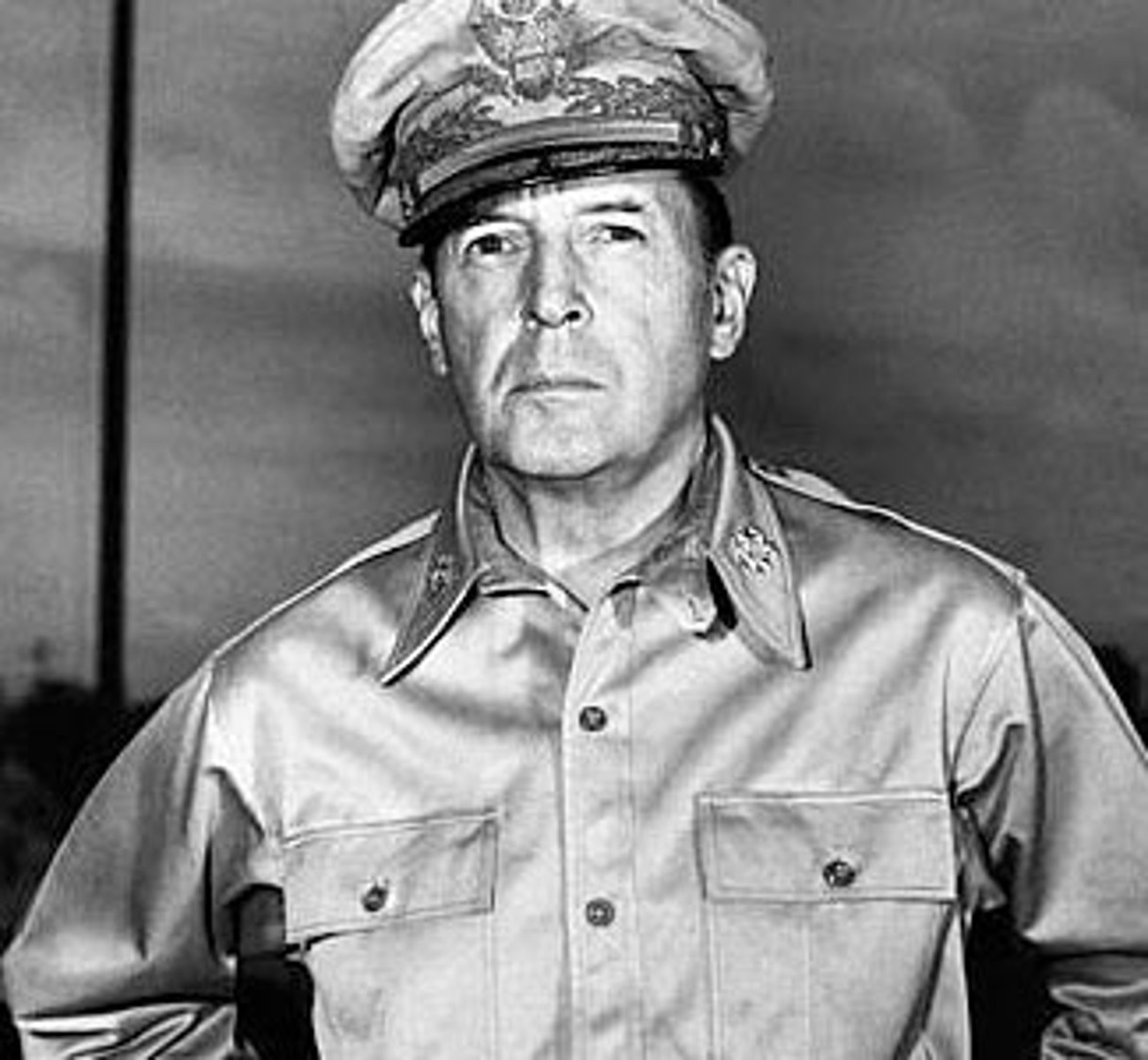
Douglas MacArthur
American general, who commanded allied troops in the Pacific during World War II.
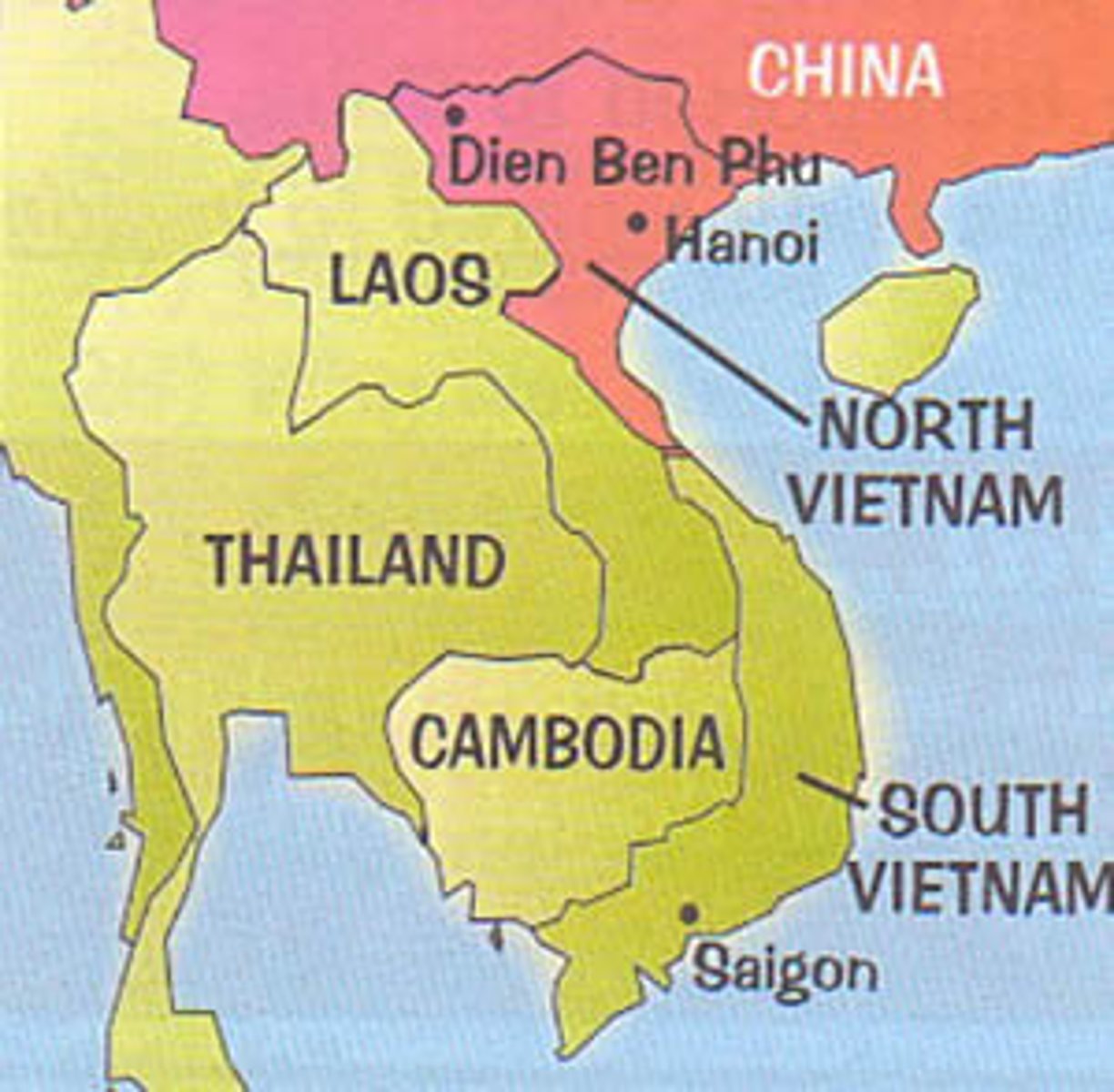
Vietnam War
A prolonged war (1954-1975) between the communist armies of North Vietnam who were supported by the Chinese and the non-communist armies of South Vietnam who were supported by the United States.
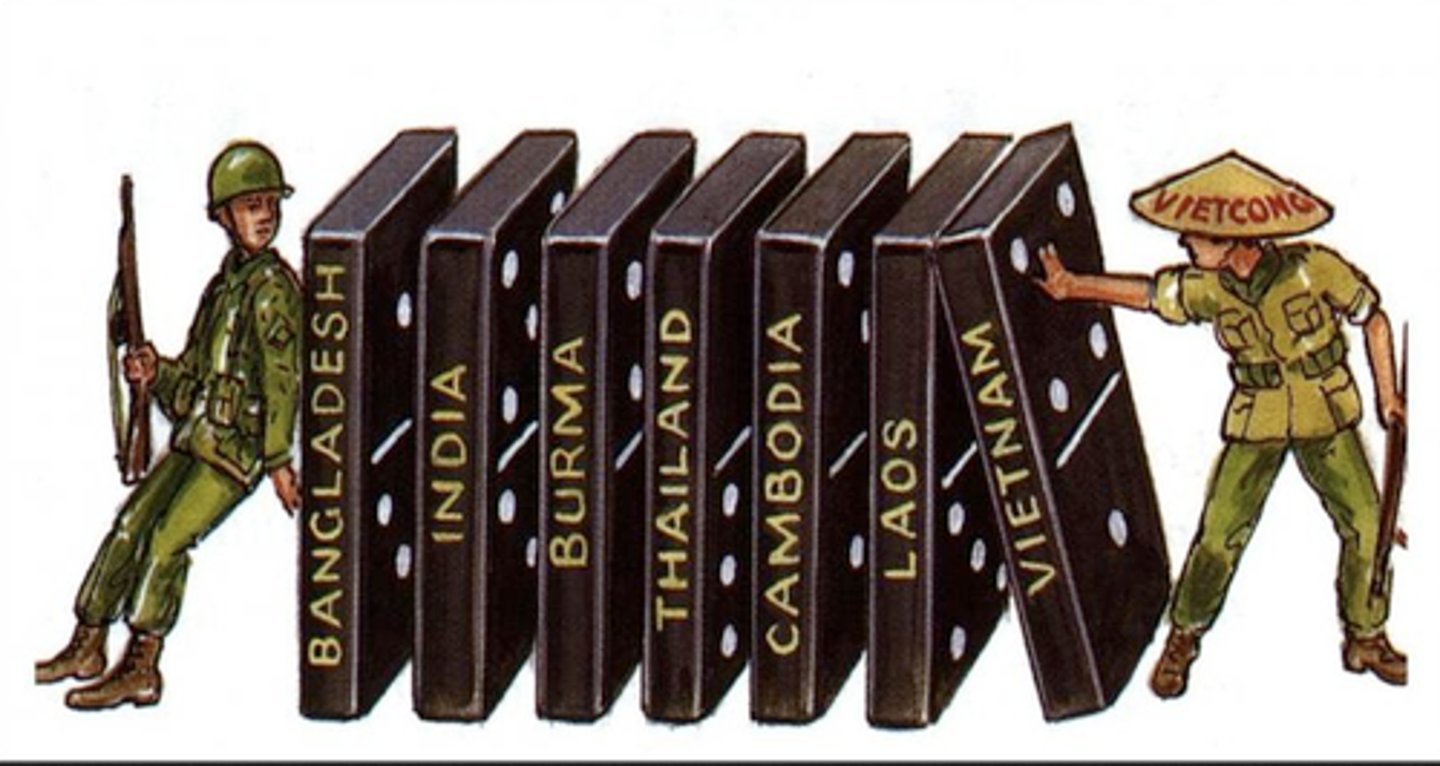
Domino Theory
A theory that if one nation comes under Communist control, then neighboring nations will also come under Communist control.
Bay of Pigs
In April 1961, a group of Cuban exiles organized and supported by the U.S. Central Intelligence Agency landed on the southern coast of Cuba in an effort to overthrow Fidel Castro. When the invasion ended in disaster, President Kennedy took full responsibility for the failure.
Cuban Missile Crisis
The 1962 confrontation between US and the Soviet Union over Soviet missiles in Cuba.
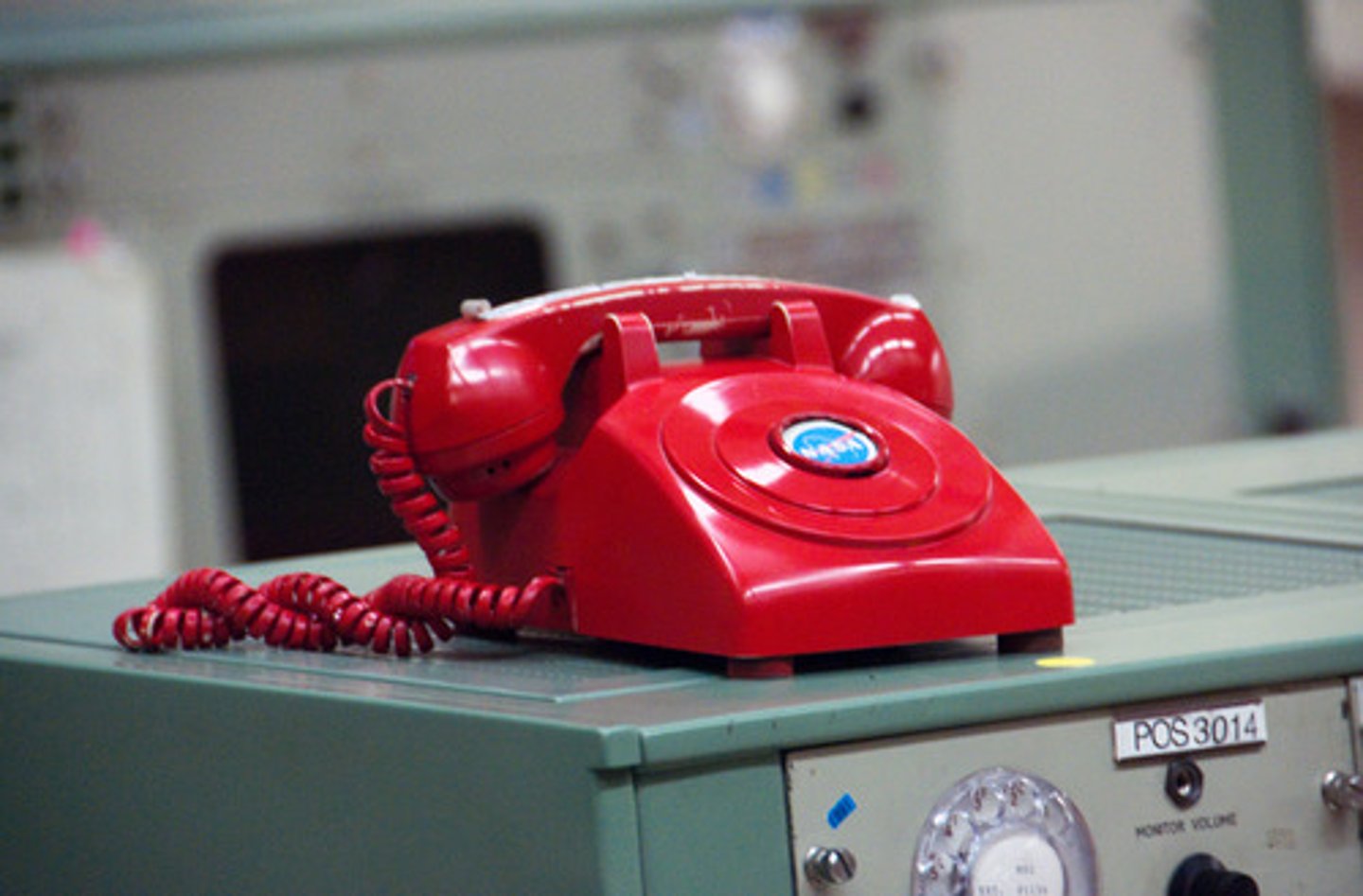
hot line
direct telephone line between the White House and the Kremlin set up after the Cuban missile crisis
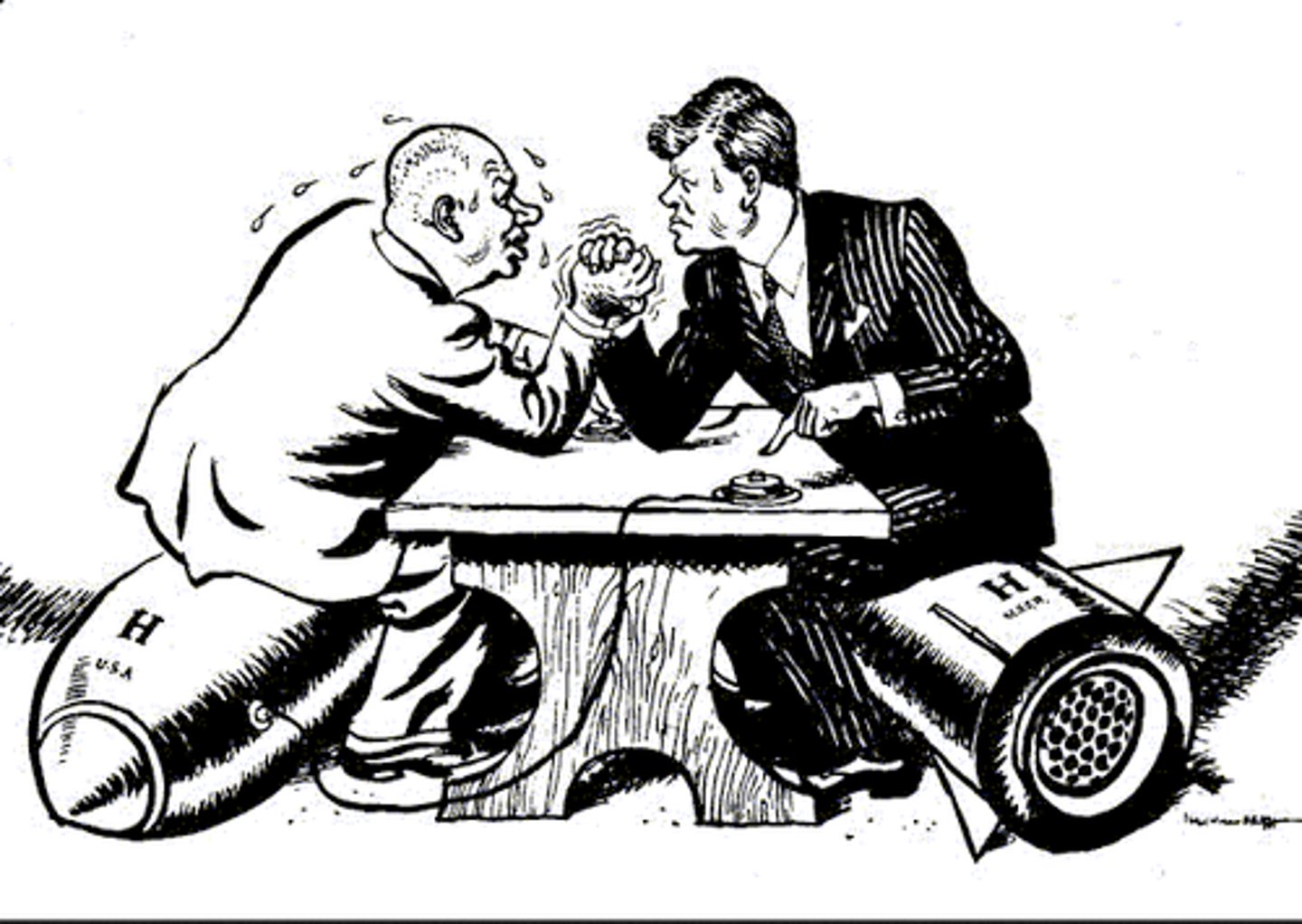
Test Ban Treaty
A treaty that albeit ended the arms race, it prohibited the testing of any nuclear weapons anywhere.
Nuclear Non-Proliferation Treaty
An international treaty, signed in 1968, that aims to prevent the spread of nuclear weapons.
Contra War
The contras is a label given to the various U.S.-backed and funded right-wing rebel groups that were active from 1979 to the early 1990s in opposition to the left-wing, socialist Sandinista Junta of National Reconstruction government in Nicaragua. A Proxy war of the Cold War
Antinuclear Weapons Movement
consists of more than 80 anti-nuclear groups that oppose nuclear power, nuclear weapons, and/or uranium mining.
land reform
Breakup of large agricultural holdings for redistribution among peasants
Mao Zedong
(1893-1976) Leader of the Communist Party in China that overthrew Jiang Jieshi and the Nationalists. Established China as the People's Republic of China and ruled from 1949 until 1976.
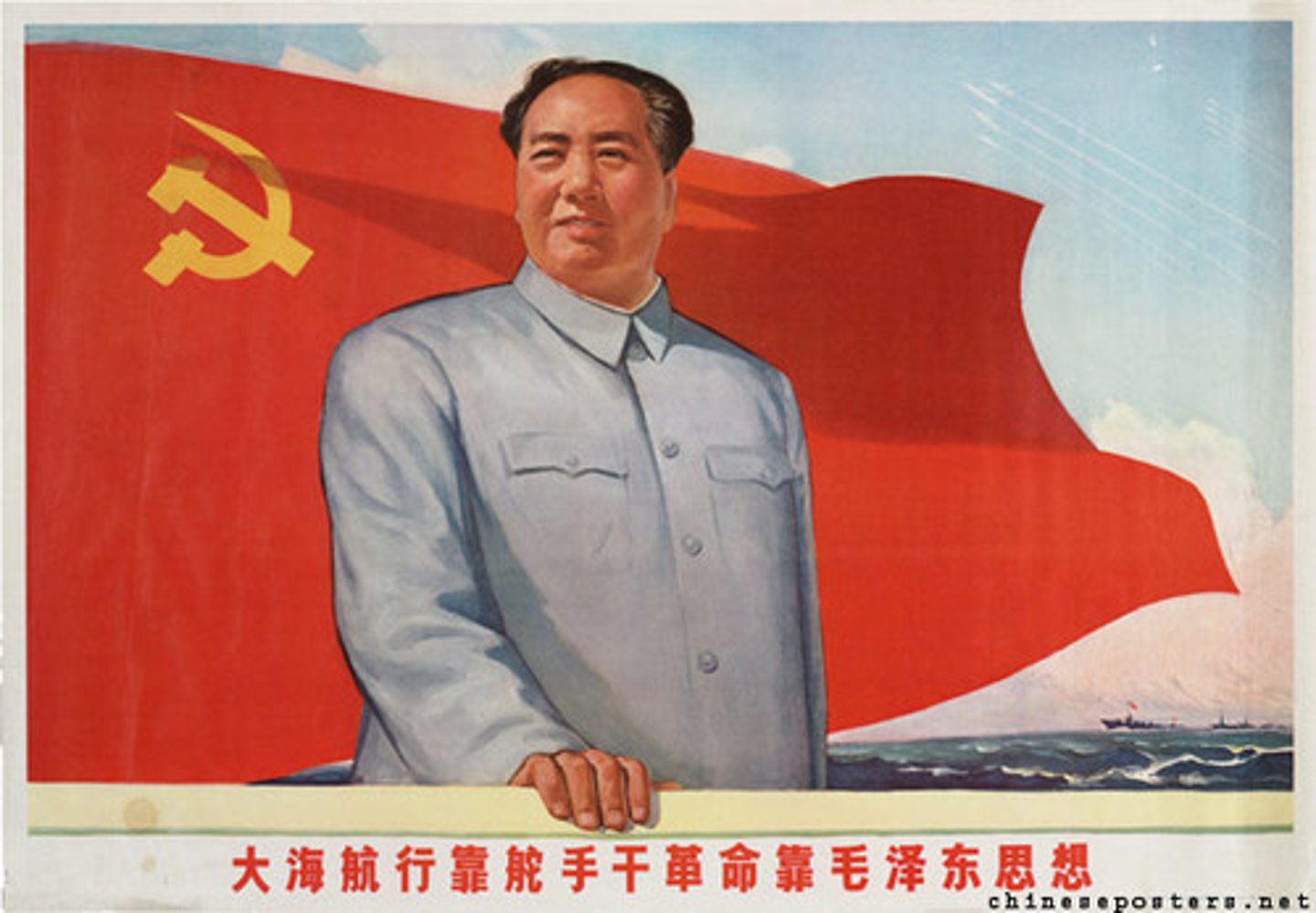
Great Leap Forward
Started by Mao Zedong, a series of repressive policies that combined collective farms into People's Communes. It failed because there was no incentive to work harder, ended after 2 years.
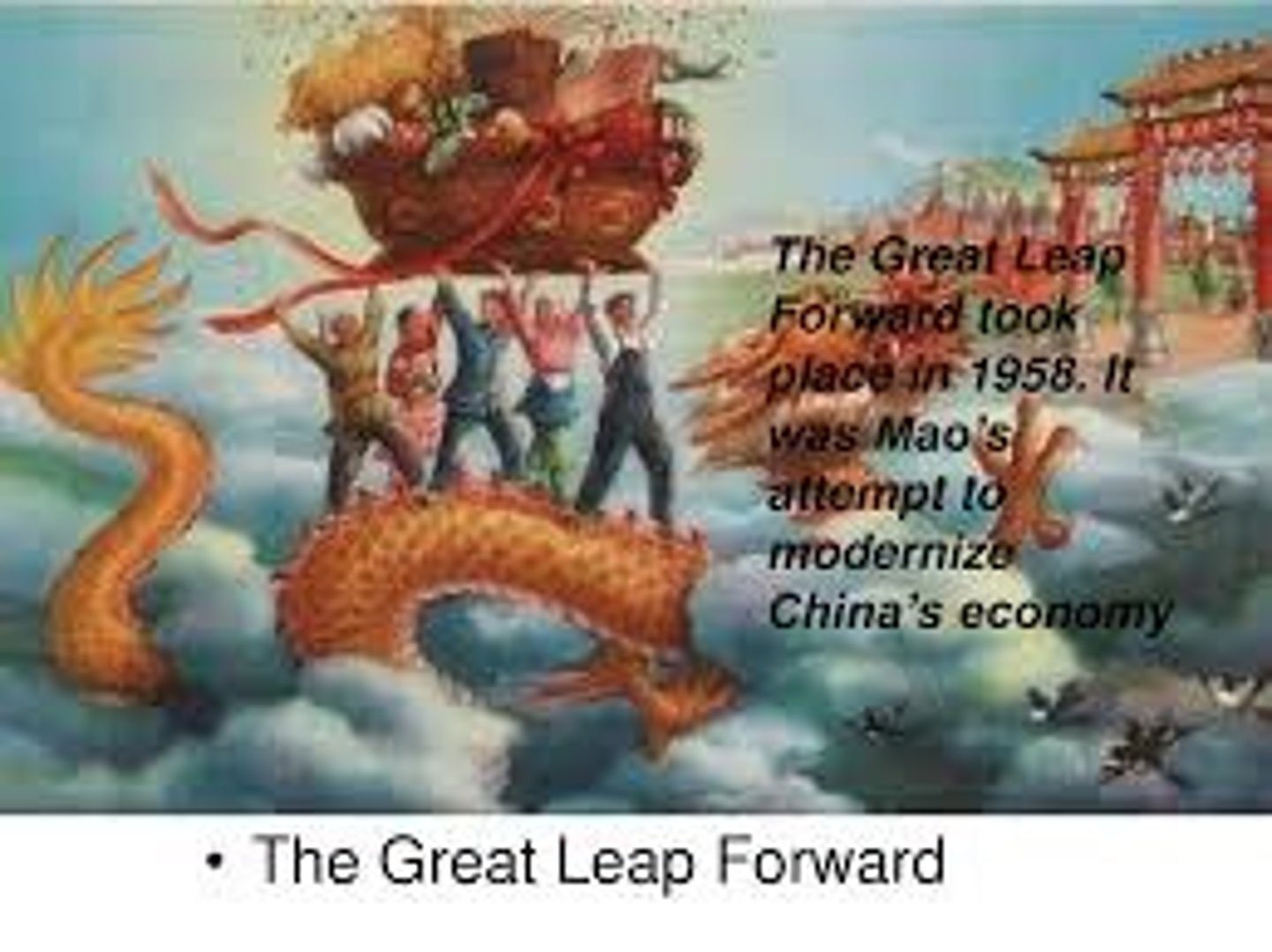
Communes
Collective farms grouped together to organize farming and plan public services in the great leap forward
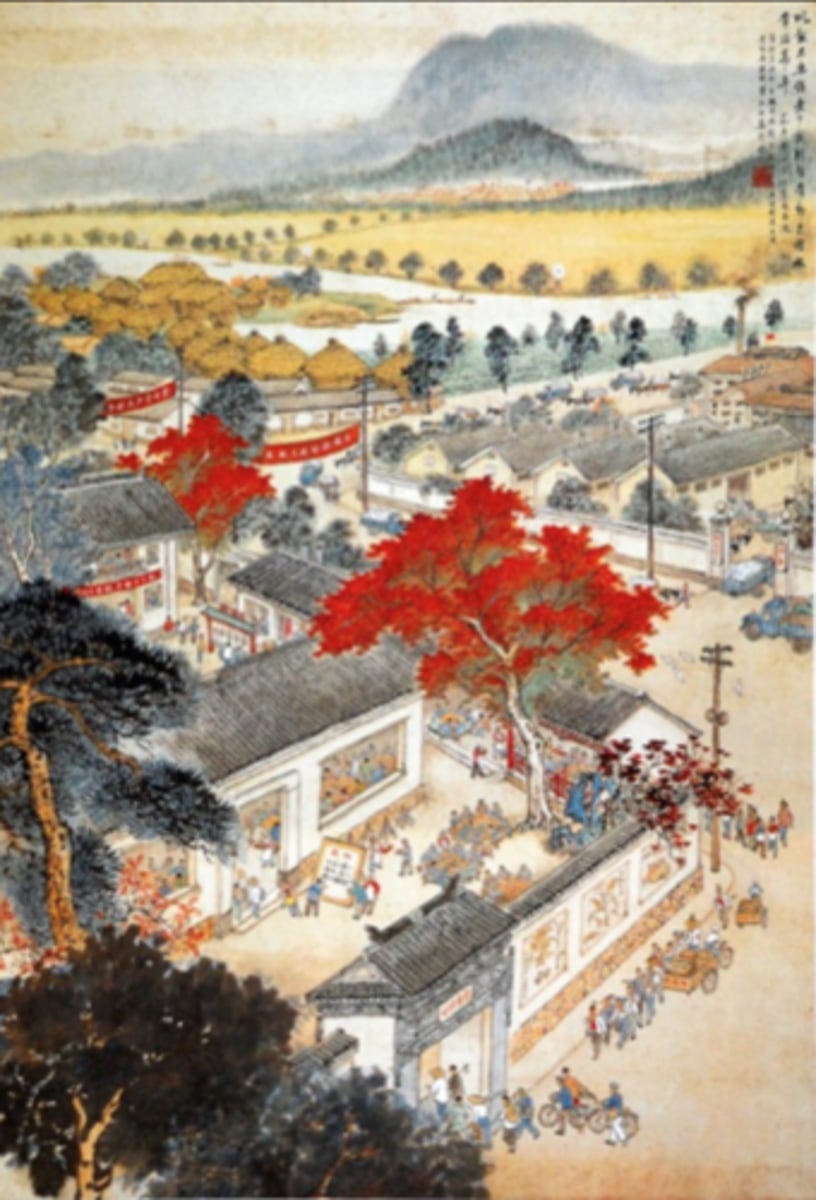
Cultural Revolution
Campaign in China ordered by Mao Zedong to purge the Communist Party of his opponents and instill revolutionary values in the younger generation.
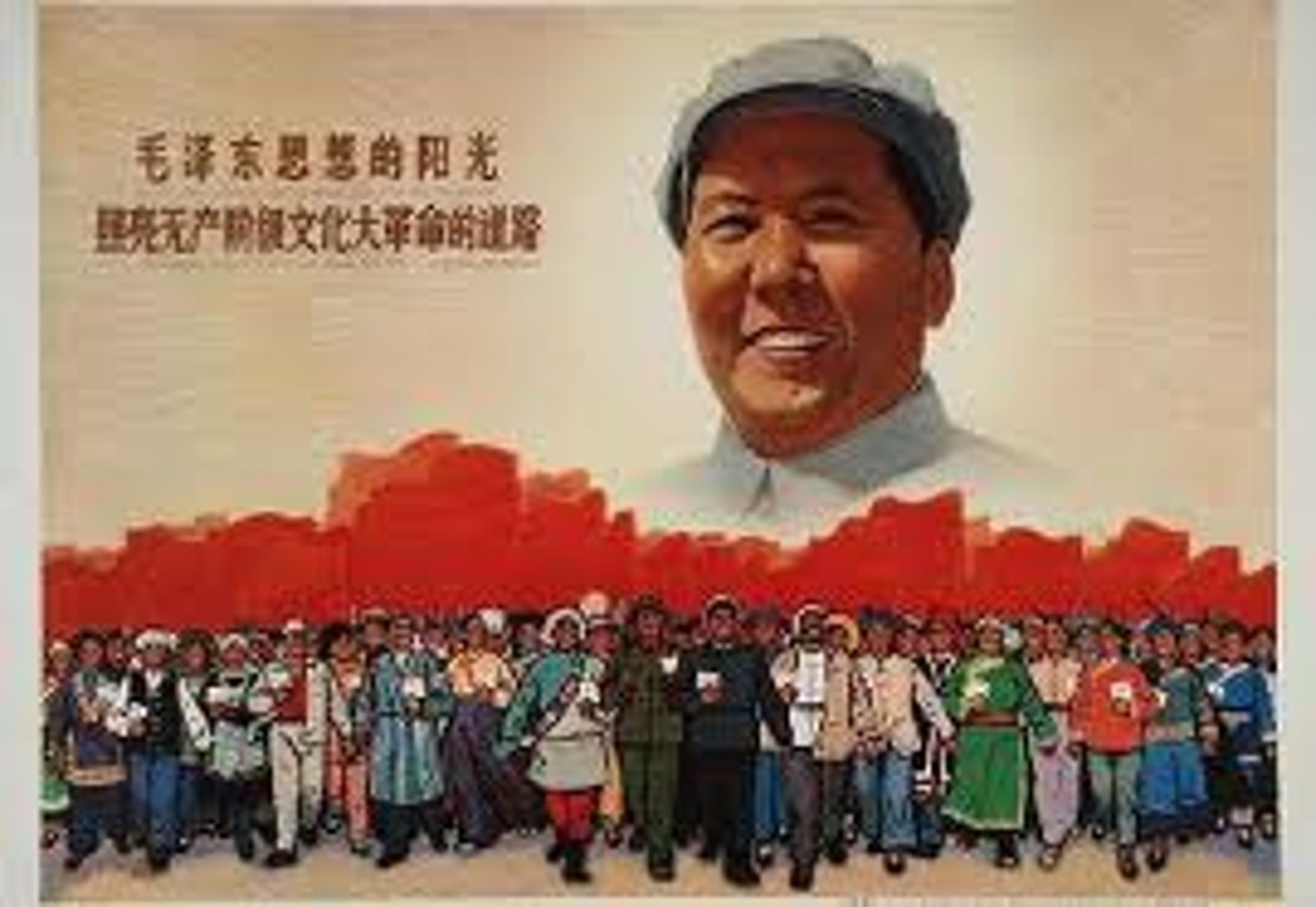
Red Guards
the Radical youth of the Cultural Revolution in China starting in 1966. Often wore red armbands and carried Mao's Little Red Book.
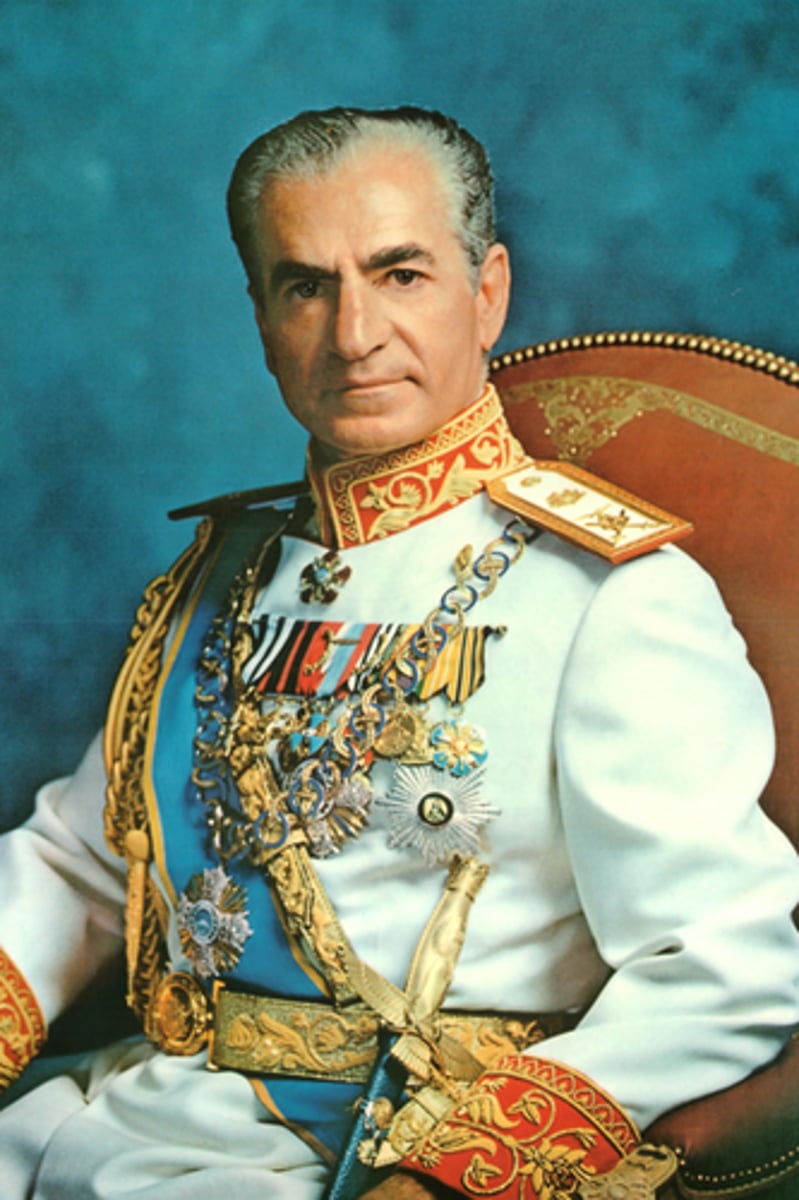
White Revolution
The term used by the shah to describe reforms in Iran between the end of World War II and the downfall of his regime in 1979
Theocracy
A government controlled by religious leaders
Iranian Revolution
(1978-1979) a revolution against the shah of Iran led by the Ayatollah Ruhollah Khomeini, which resulted in Iran becoming an Islamic republic with Khomeini as its leader
Muslim League
A religious organization formed in 1906 to protect the interests of India's Muslims, which later proposed that India be divided into separate Muslim and Hindu nations
one-party state
a political system in which one party controls the government and actively seeks to prevent other parties from contesting for power
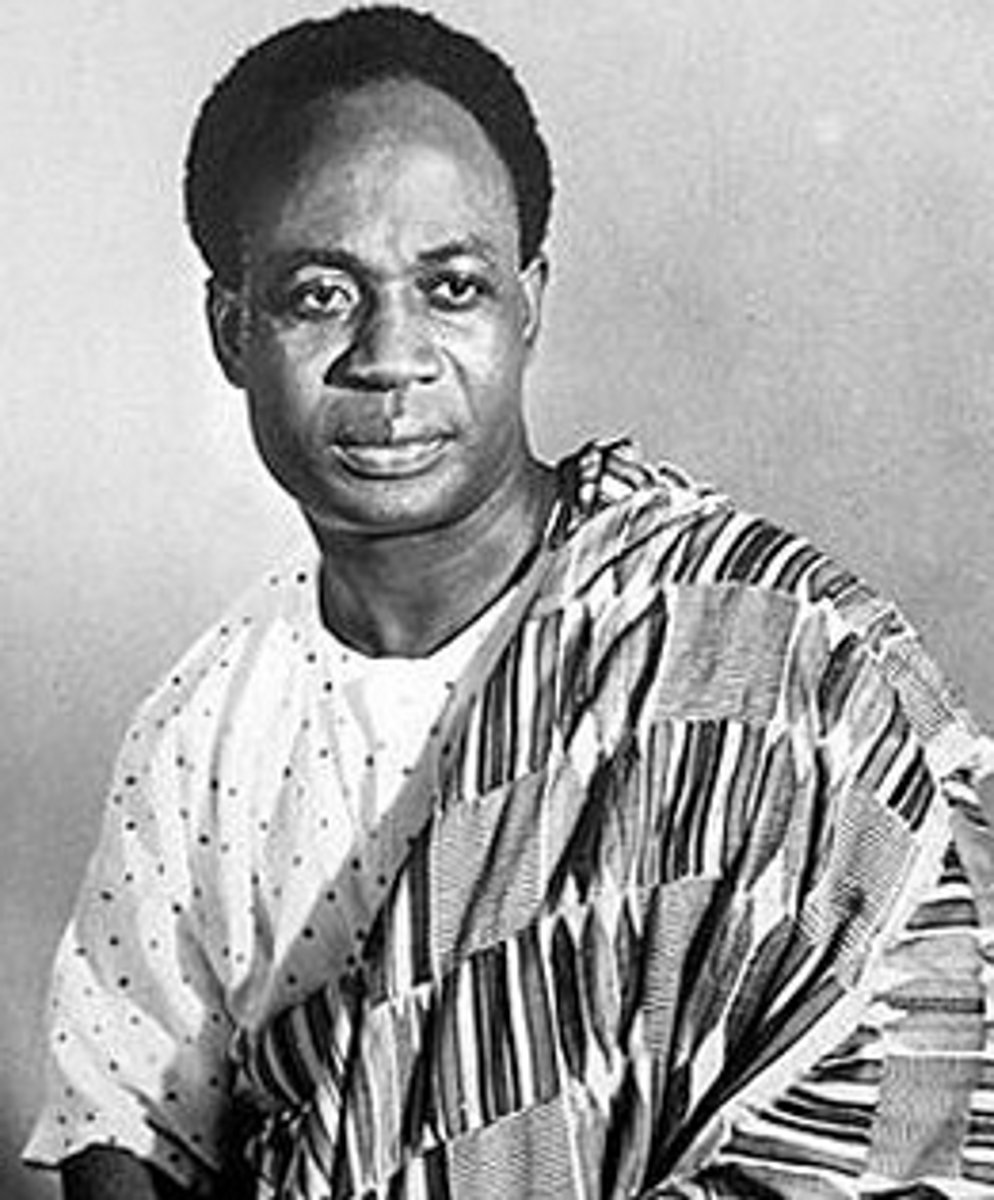
Kwame Nkrumah
founder of Ghana's independence movement, part of the non-aligned movement, and Ghana's first president.
Organization of African Unity (OAU)
An organization started in 1963 by thirty-two newly independent African states and designed to prevent conflict that would lead to intervention by former colonial powers.
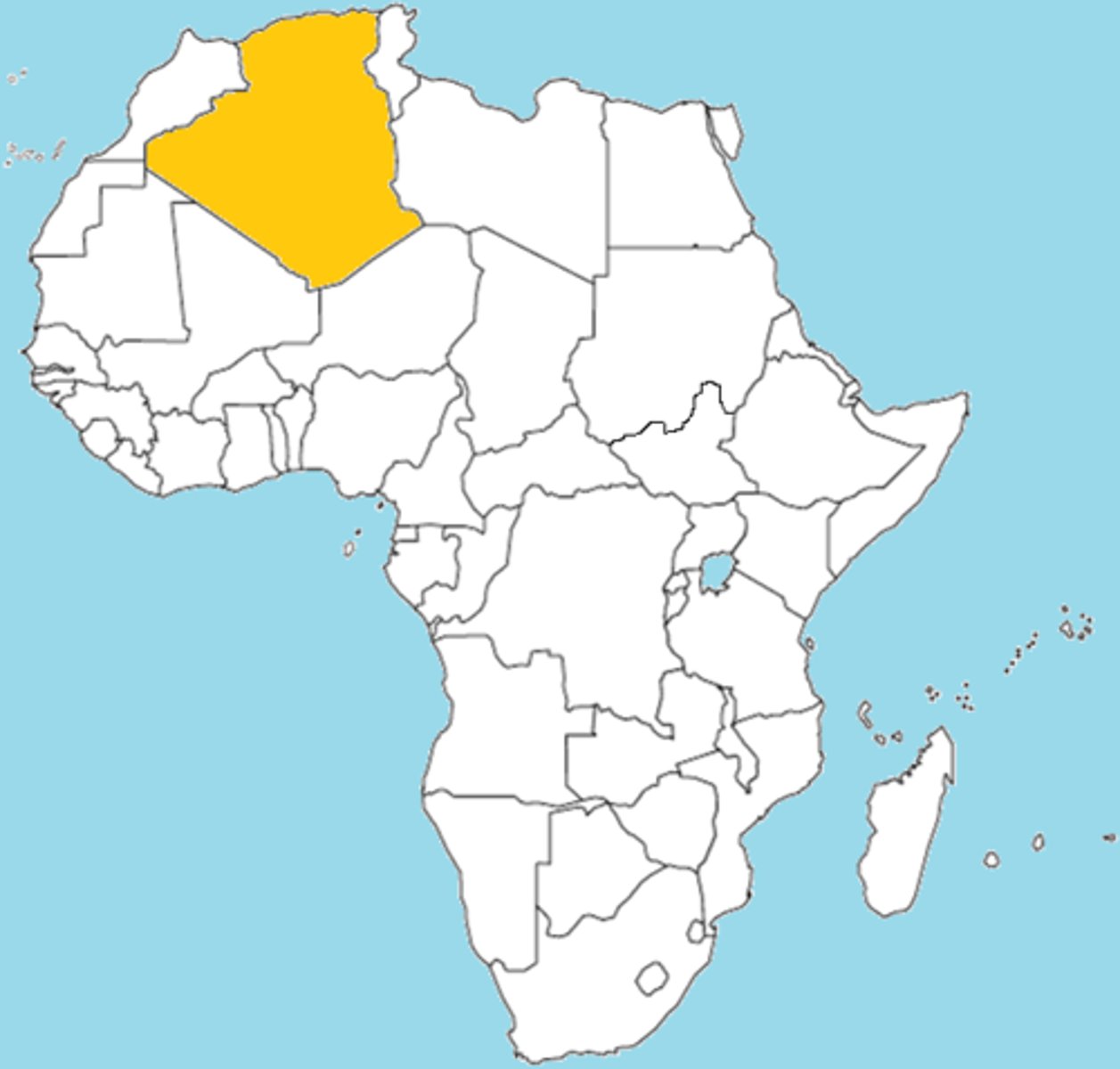
Algerian War for Independence
Began in 1954 with Algerians campaigning for independence from France.
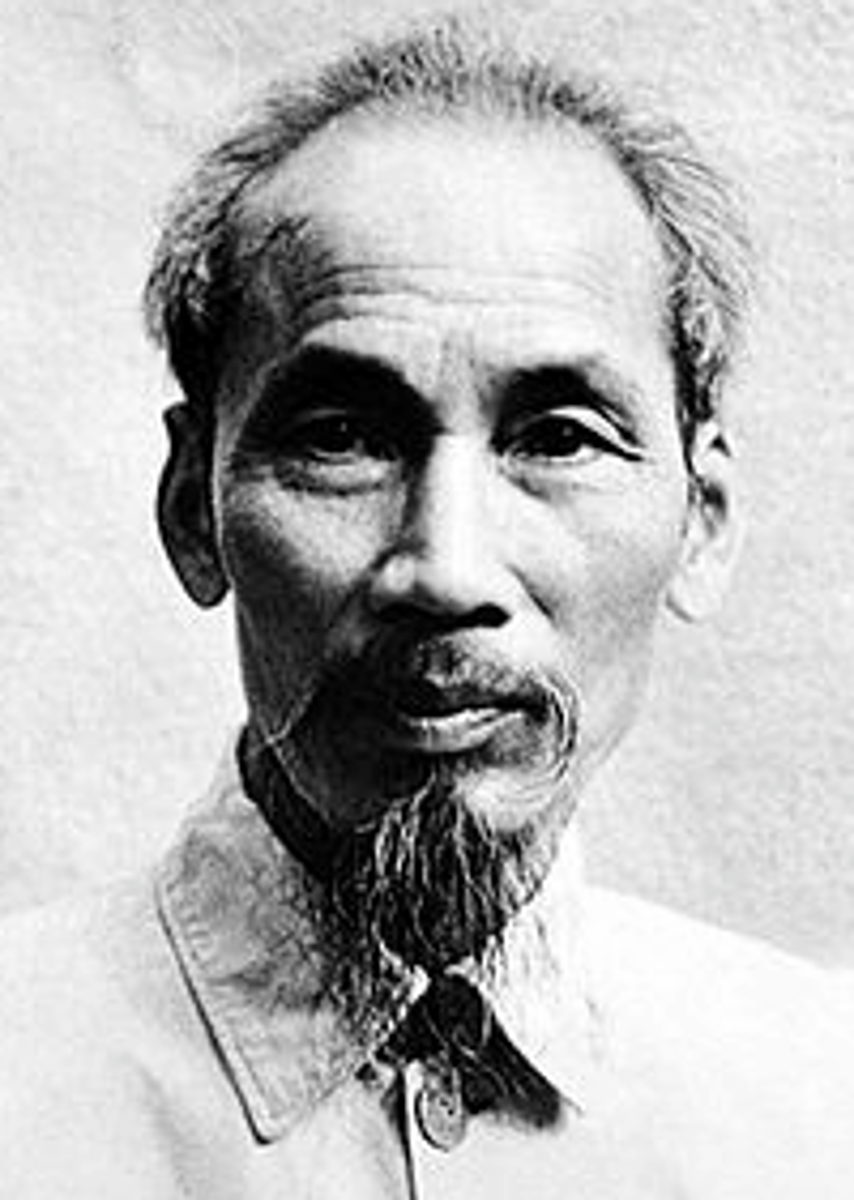
Ho Chi Minh
1950s and 60s; communist leader of North Vietnam; used guerilla warfare to fight anti-communist, American-funded attacks under the Truman Doctrine; brilliant strategy drew out war and made it unwinnable.
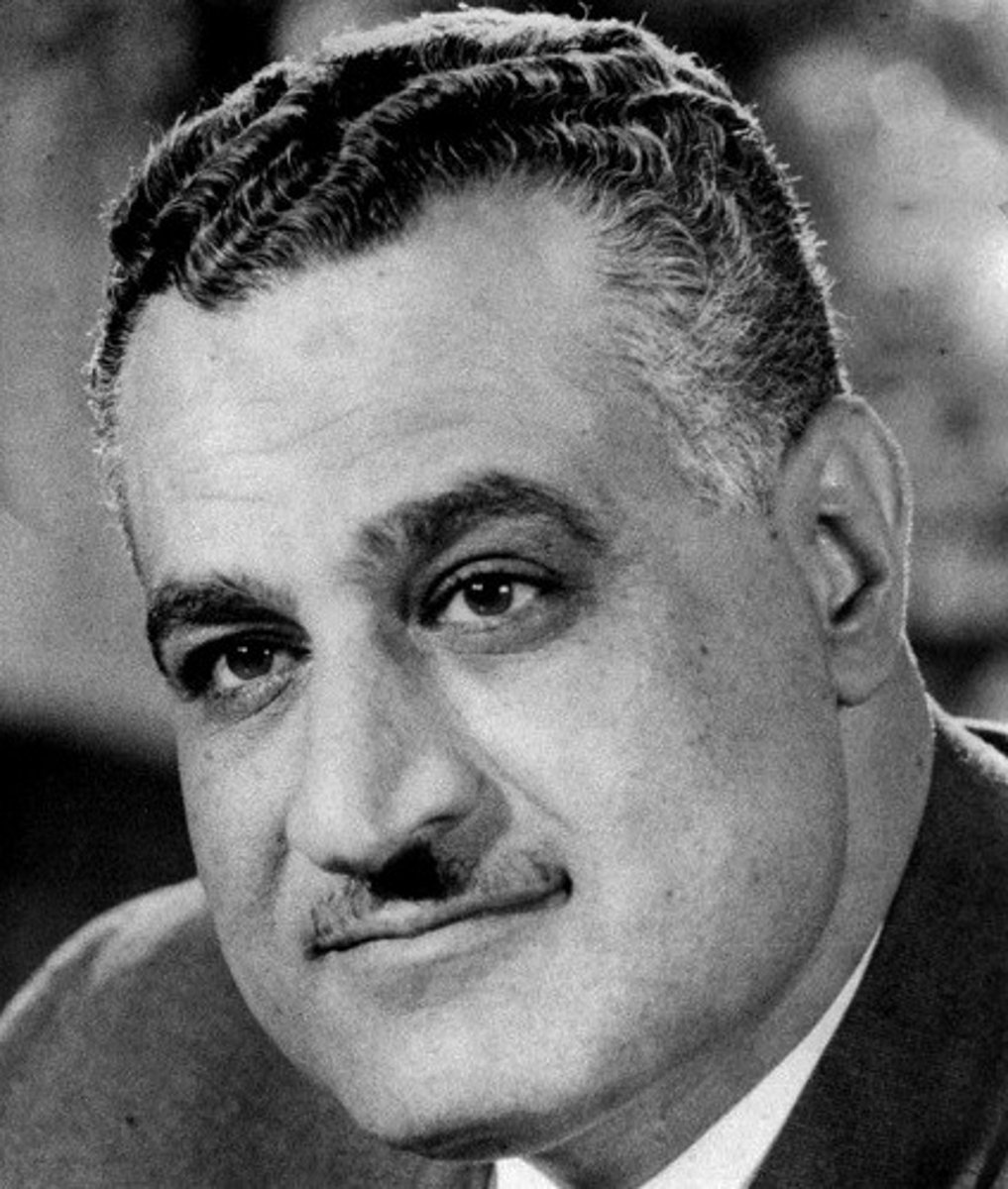
Gamal Abdel Nasser
A nationalist leader he led the coup which toppled the monarchy of King Farouk and started a new period of modernization and socialist reform in Egypt
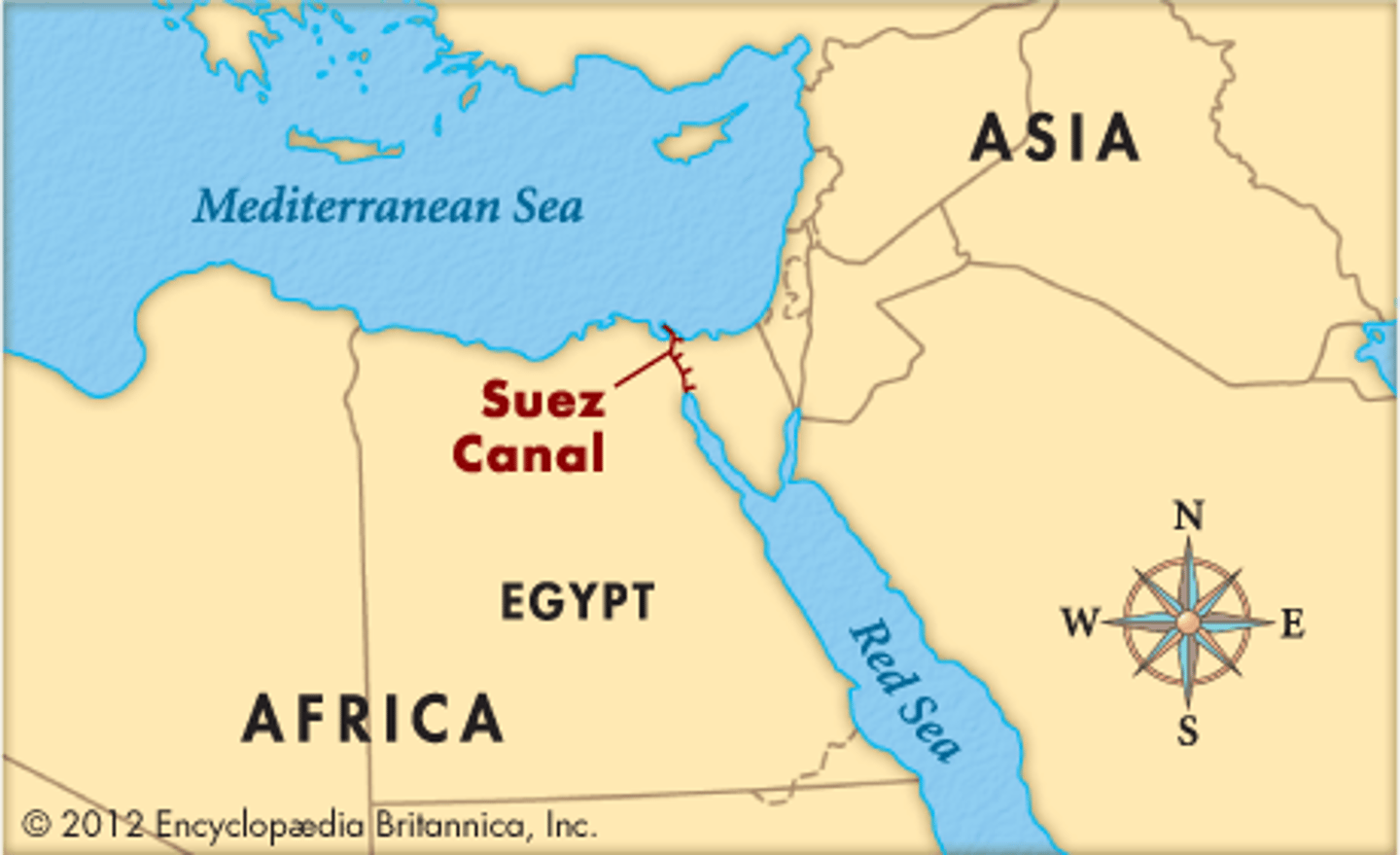
Suez Crisis
July 26, 1956, Nasser (leader of Egypt) nationalized the Suez Canal, Oct. 29, British, French and Israeli forces attacked Egypt. UN forced British to withdraw; made it clear Britain was no longer a world power
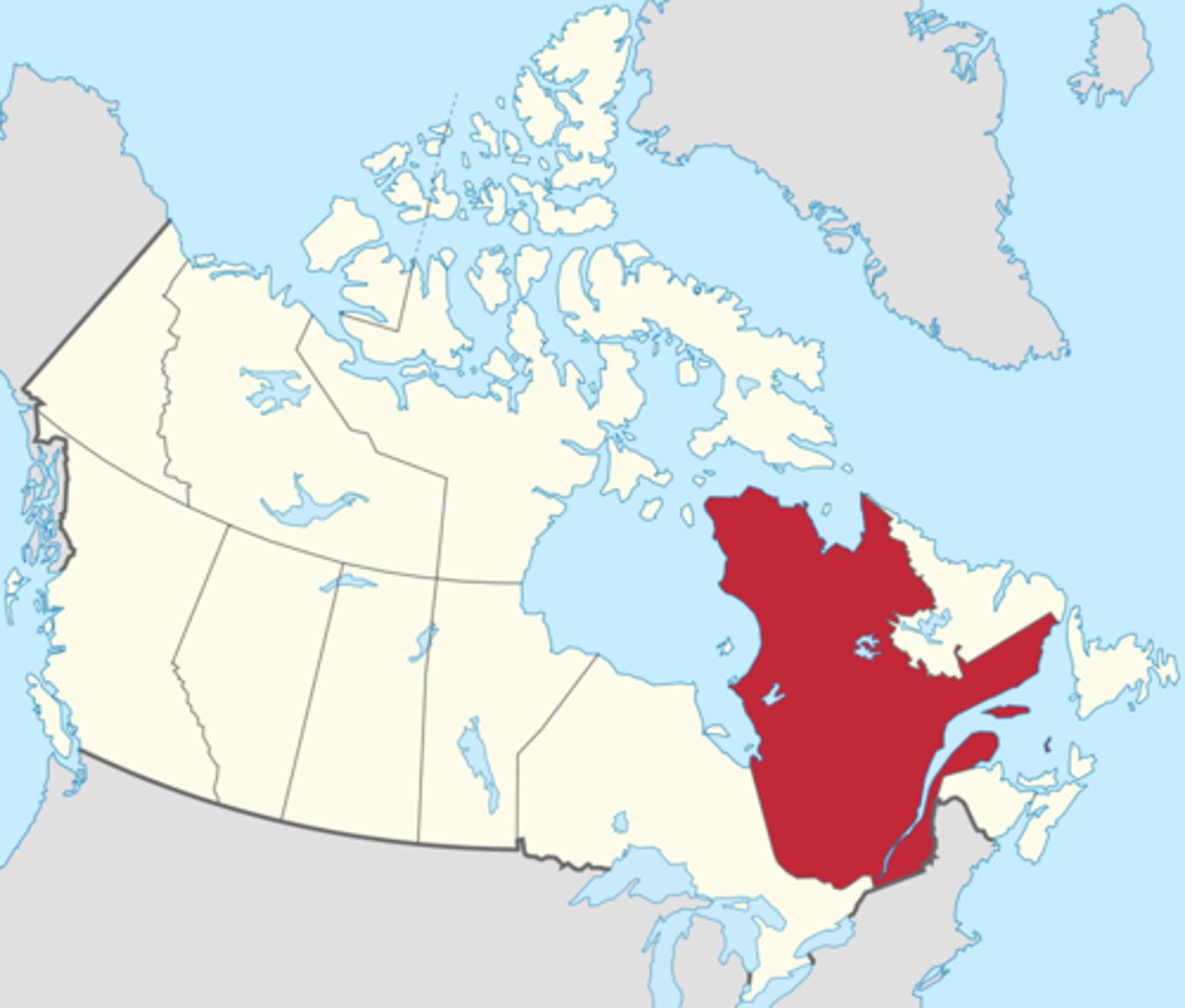
Quiet Revolution
A period of rapid change experienced in Québec from 1960 to 1966 where Quebecois sought to create a separate independent state that ultimately failed. Some violence was used
Zionist Movement
a nationalist movement among the Jews to establish a home land in Palestine
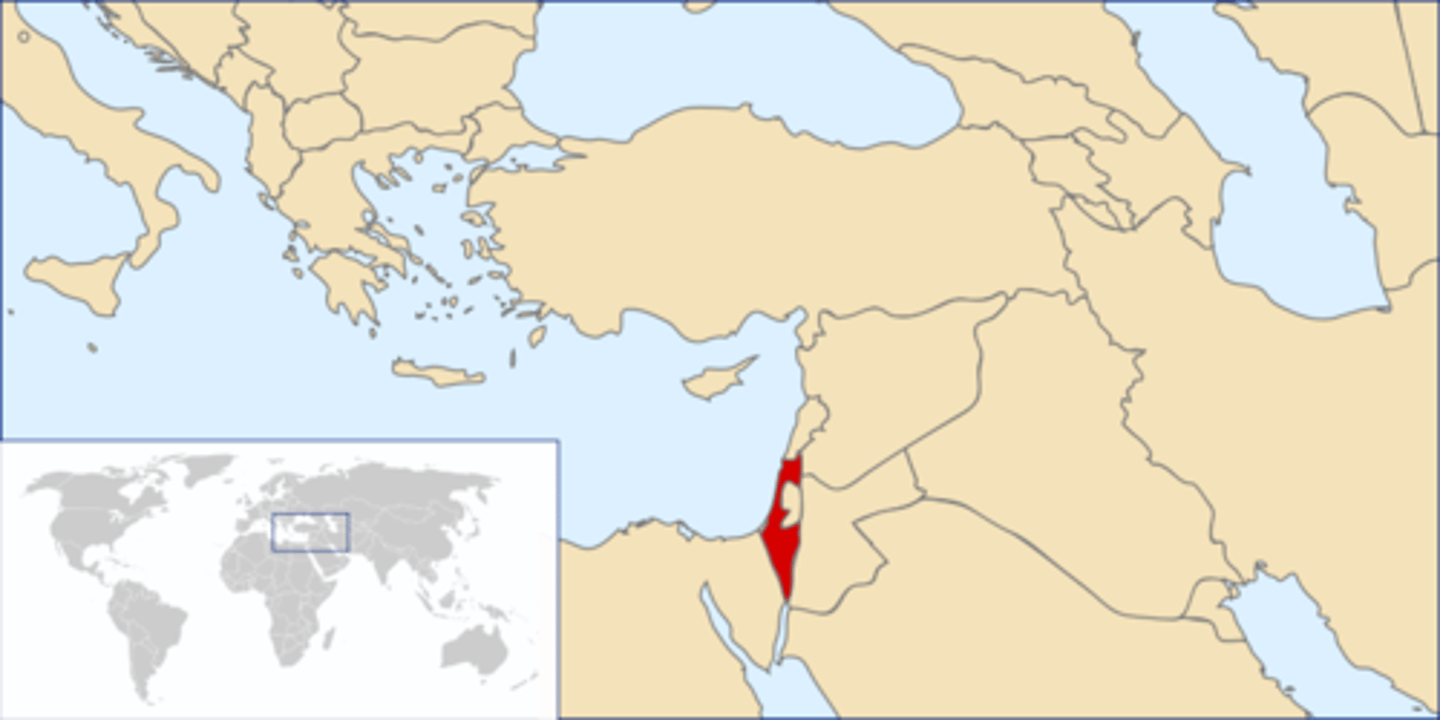
Israel
A Jewish state on the eastern shore of the Mediterranean, both in antiquity and again founded in 1948 after centuries of Jewish diaspora.
Yom Kippur War
Egypt and Syria attacked Israel in October 1973 (on Yom Kippur)
Khmer Rouge
A group of Communist rebels who seized power in Cambodia in 1975.
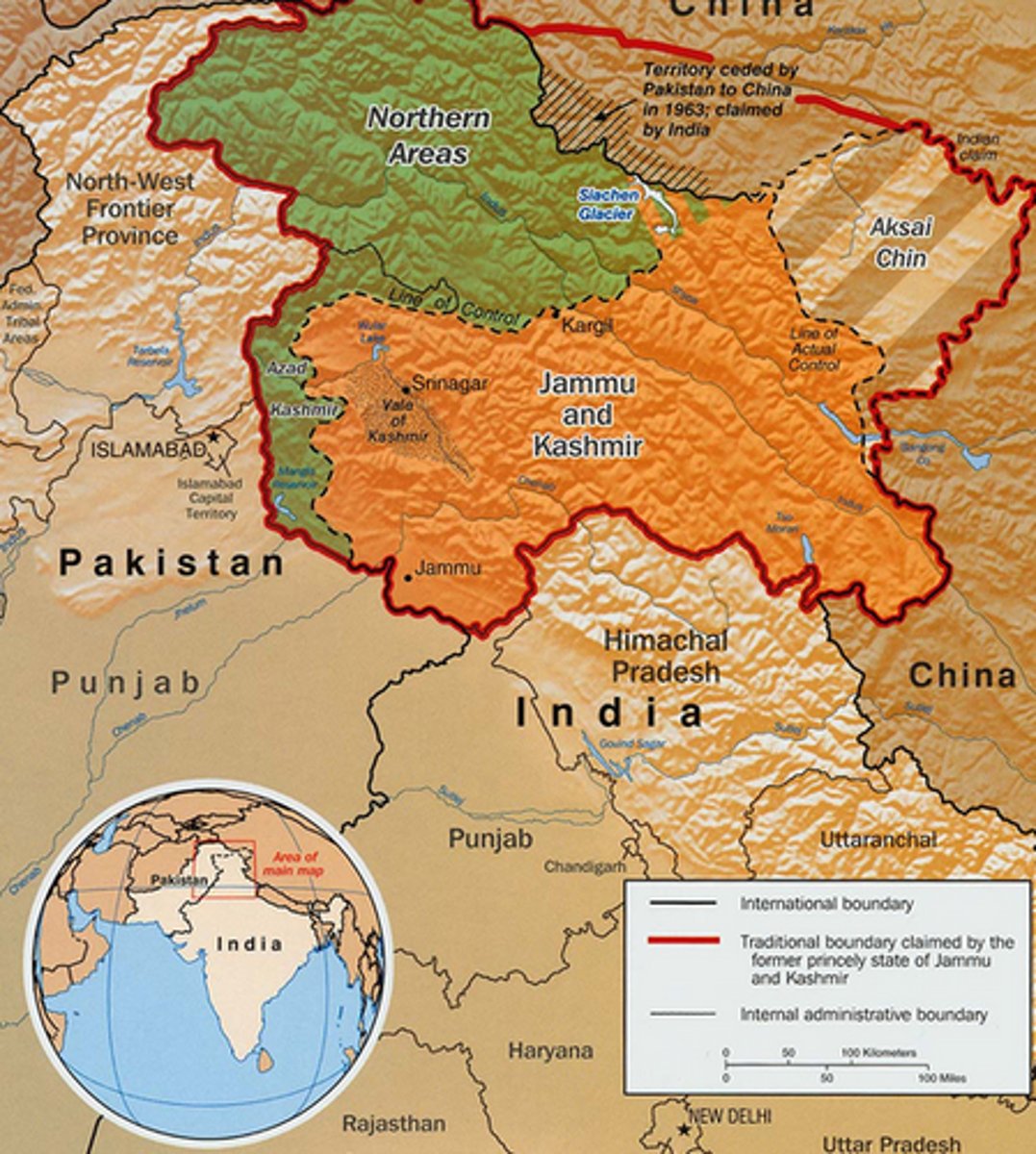
Kashmir Conflict
conflict between India and Pakistan
both want land/water
religious differences
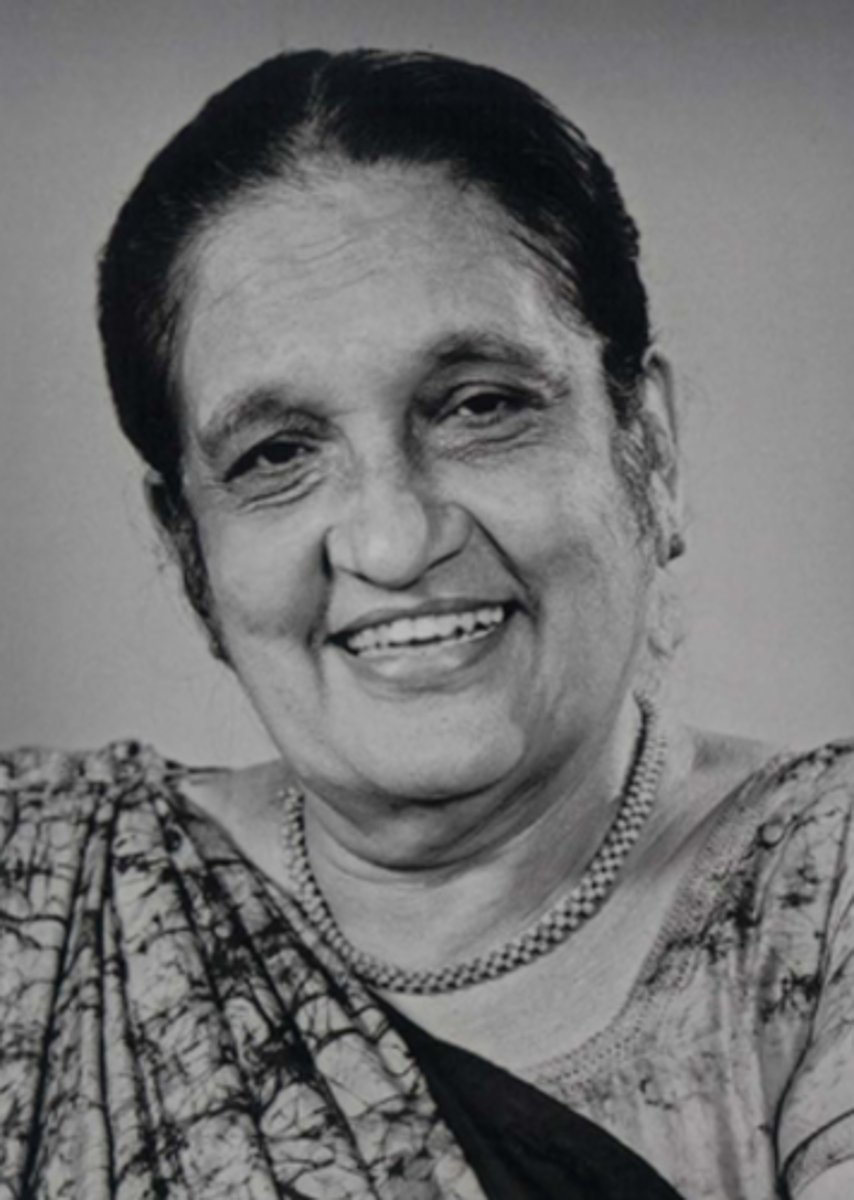
Sirimavo Bandaranaike
Sirima Ratwatte Dias Bandaranaike, commonly known as Sirimavo Bandaranaike, was a Sri Lankan stateswoman and politician and the modern world's first female head of government
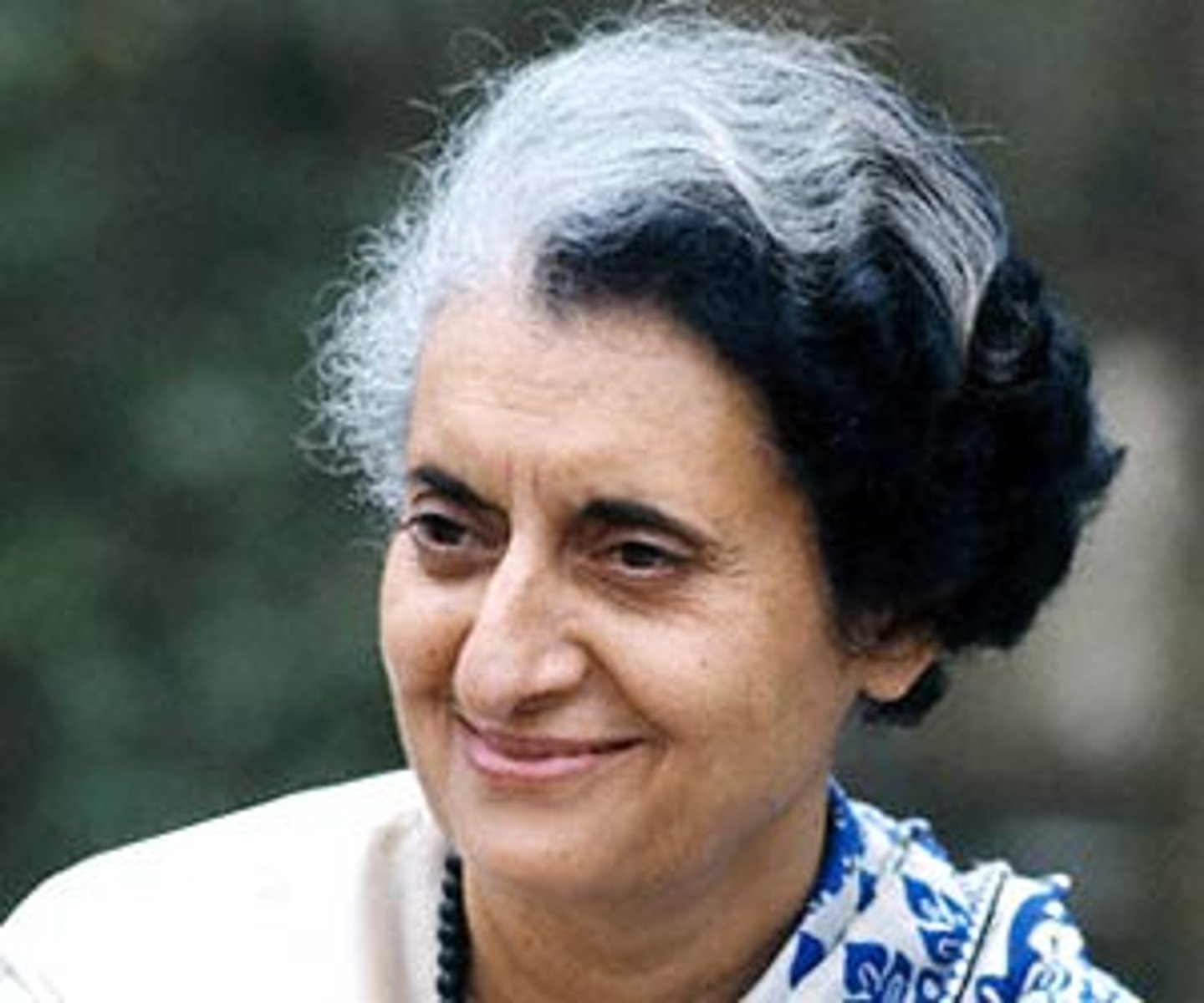
Indira Gandhi
Daughter of Jawaharlal Nehru, India's first prime minister. She was also prime minister of India from 1966 to 1977.
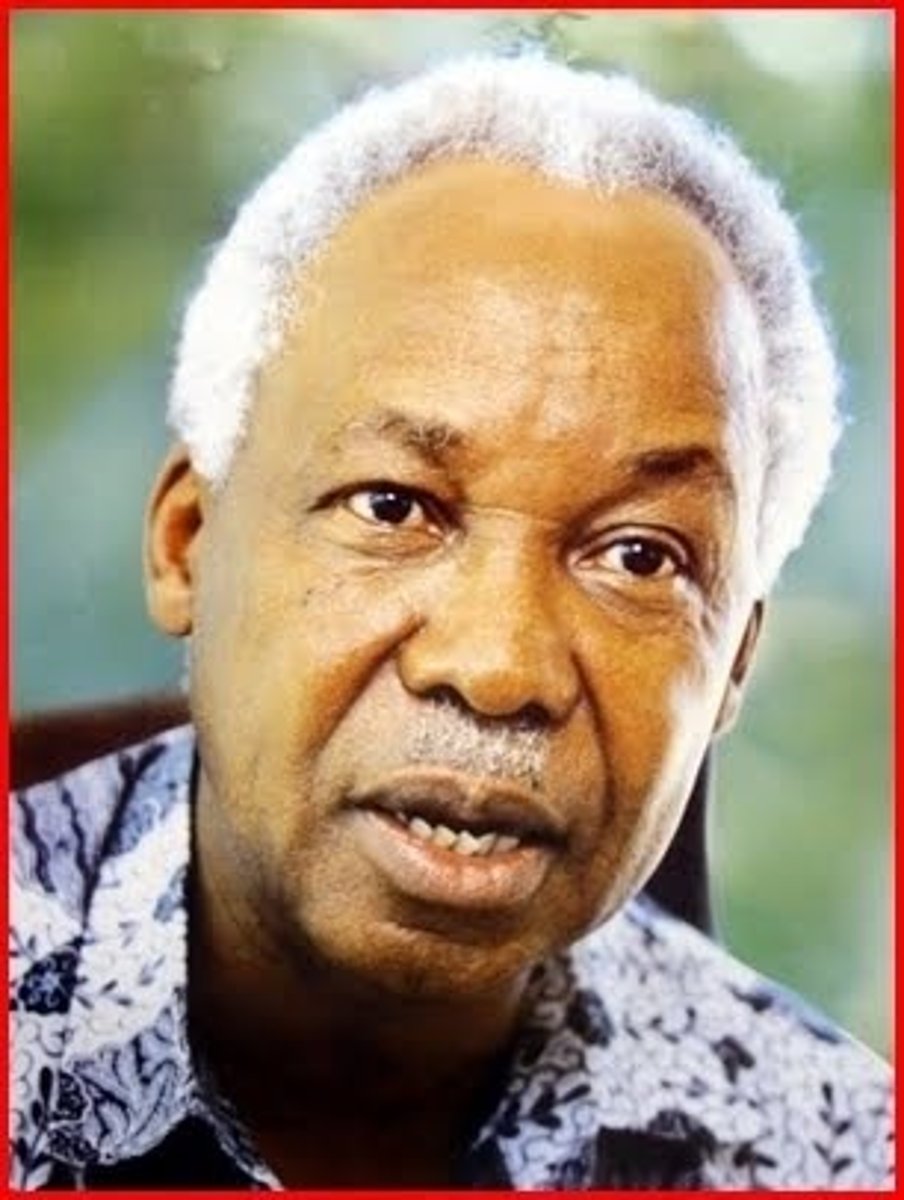
Julius Nyerere
President of Tanzania who advocated an African form of socialism
Metropole
the dominant part of an empire, distinguished from the subordinate colonies, which is normally the state that initiated colonization
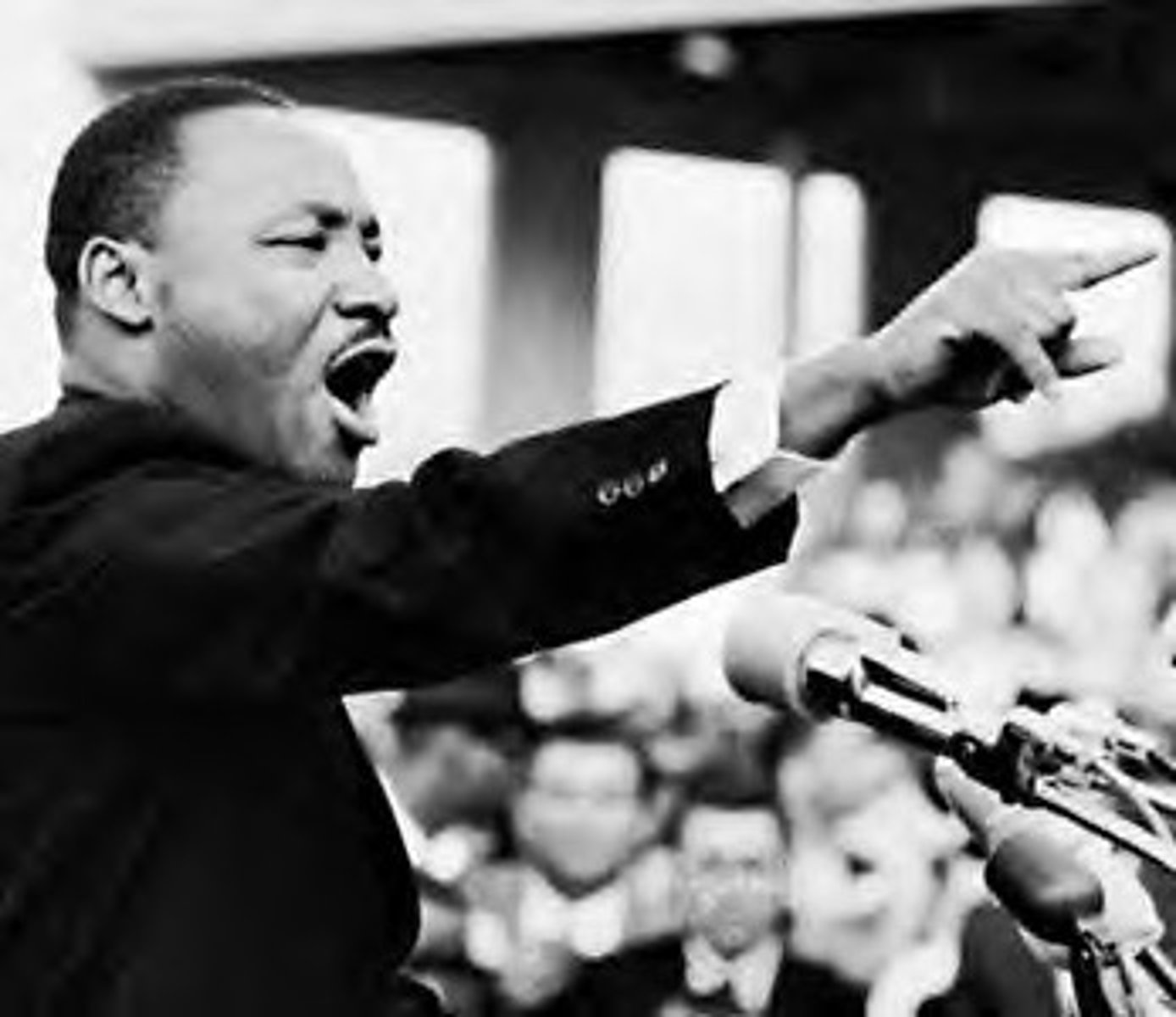
Martin Luther King Jr.
U.S. Baptist minister and civil rights leader. A noted orator, he opposed discrimination against blacks by organizing nonviolent resistance and peaceful mass demonstrations. He was assassinated in Memphis, Tennessee. Nobel Peace Prize (1964)
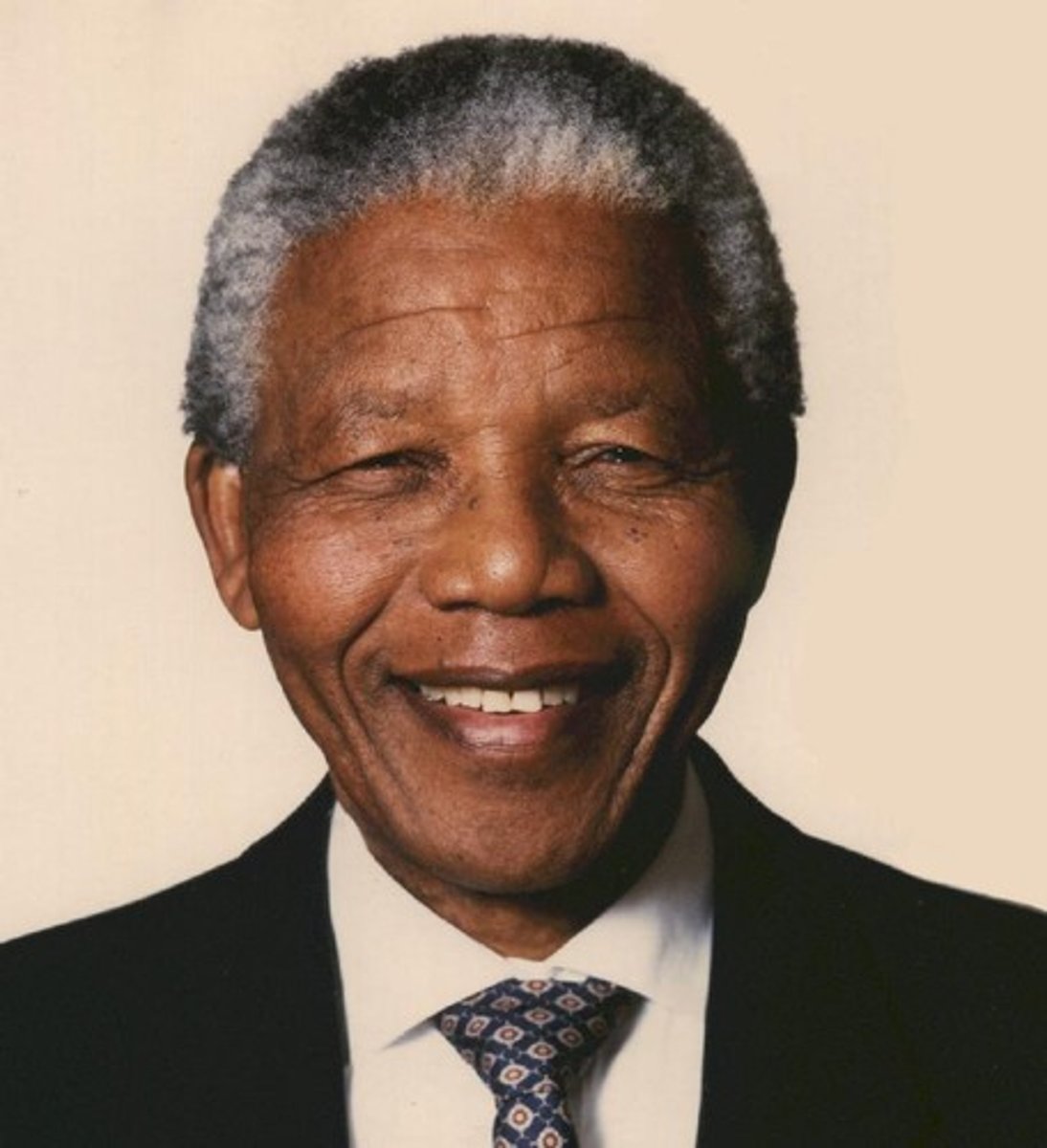
Nelson Mandela
ANC leader imprisoned by Afrikaner regime; released in 1990 and elected as president of South Africa in 1994.
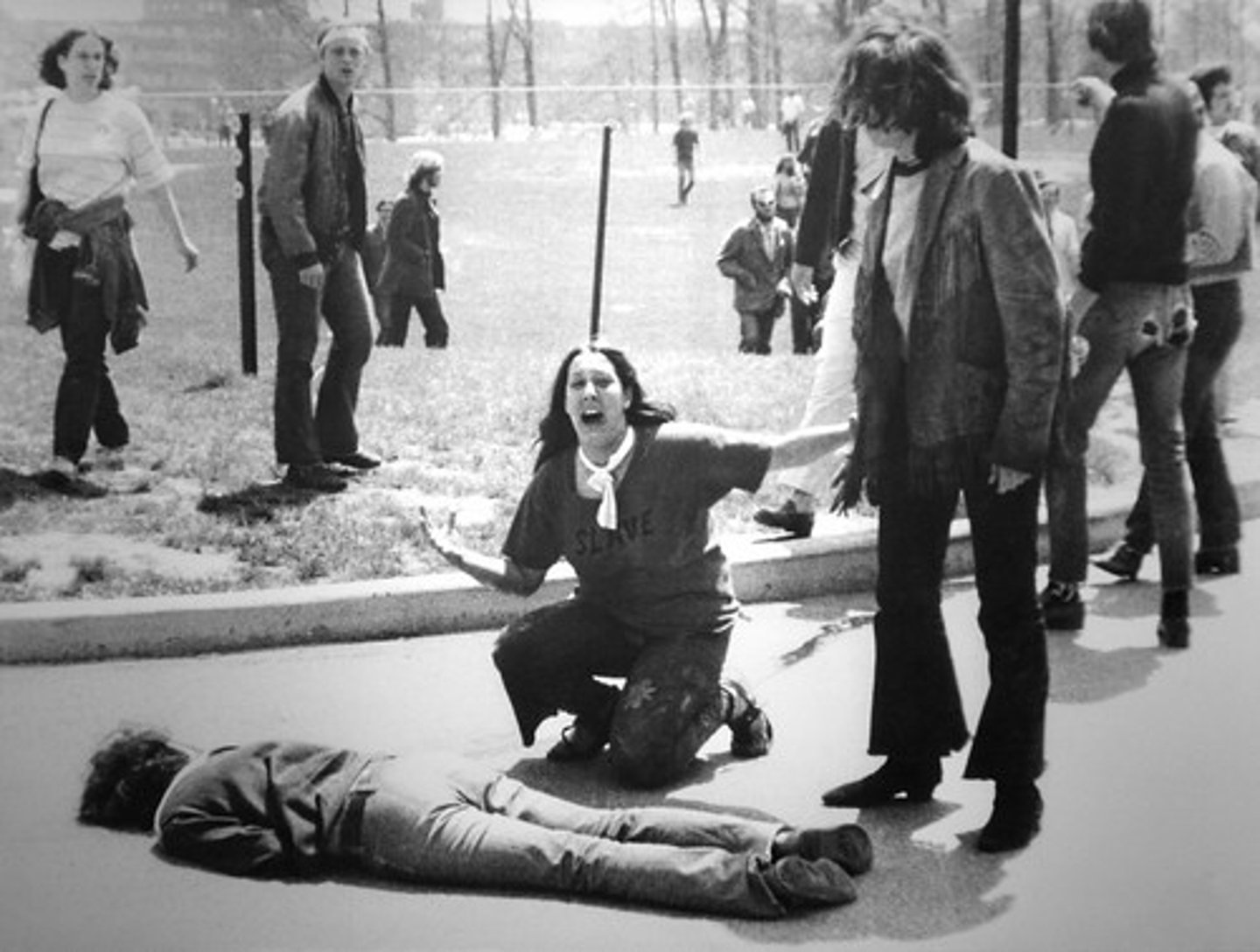
Kent State University
An Ohio university where National Guardsmen opened fire on students protesting the Vietnam War on May 4, 1970, wounding nine and killing four
Ulster Defense Association
A protestant organization in Ireland that bombed Catholics that were a part of the IRA (Irish Republican Army)
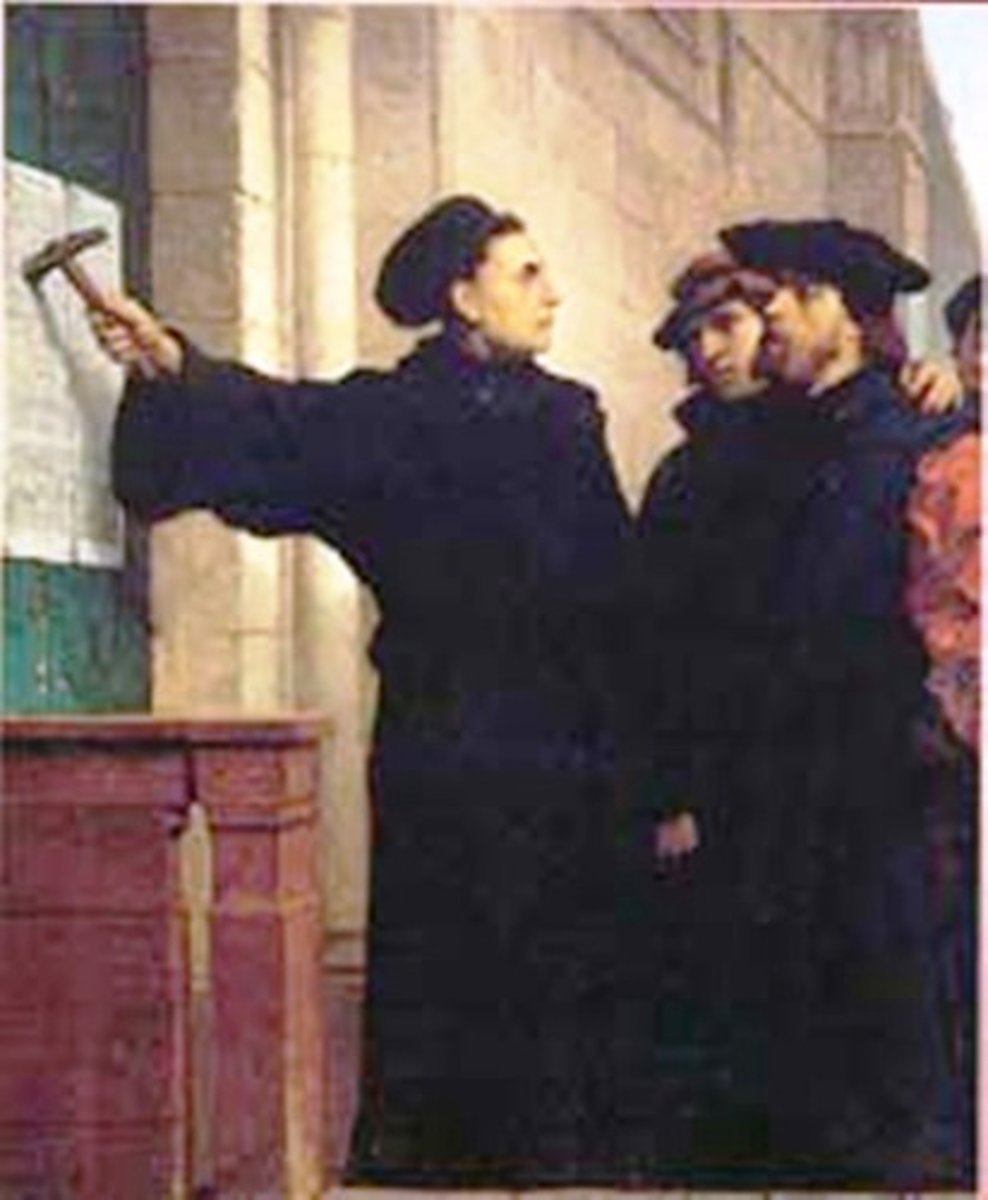
Basque Homeland and Freedom (ETA)
A revolutionary group of northern Spain who used terrorist attacks to force the government to grant territorial independence.
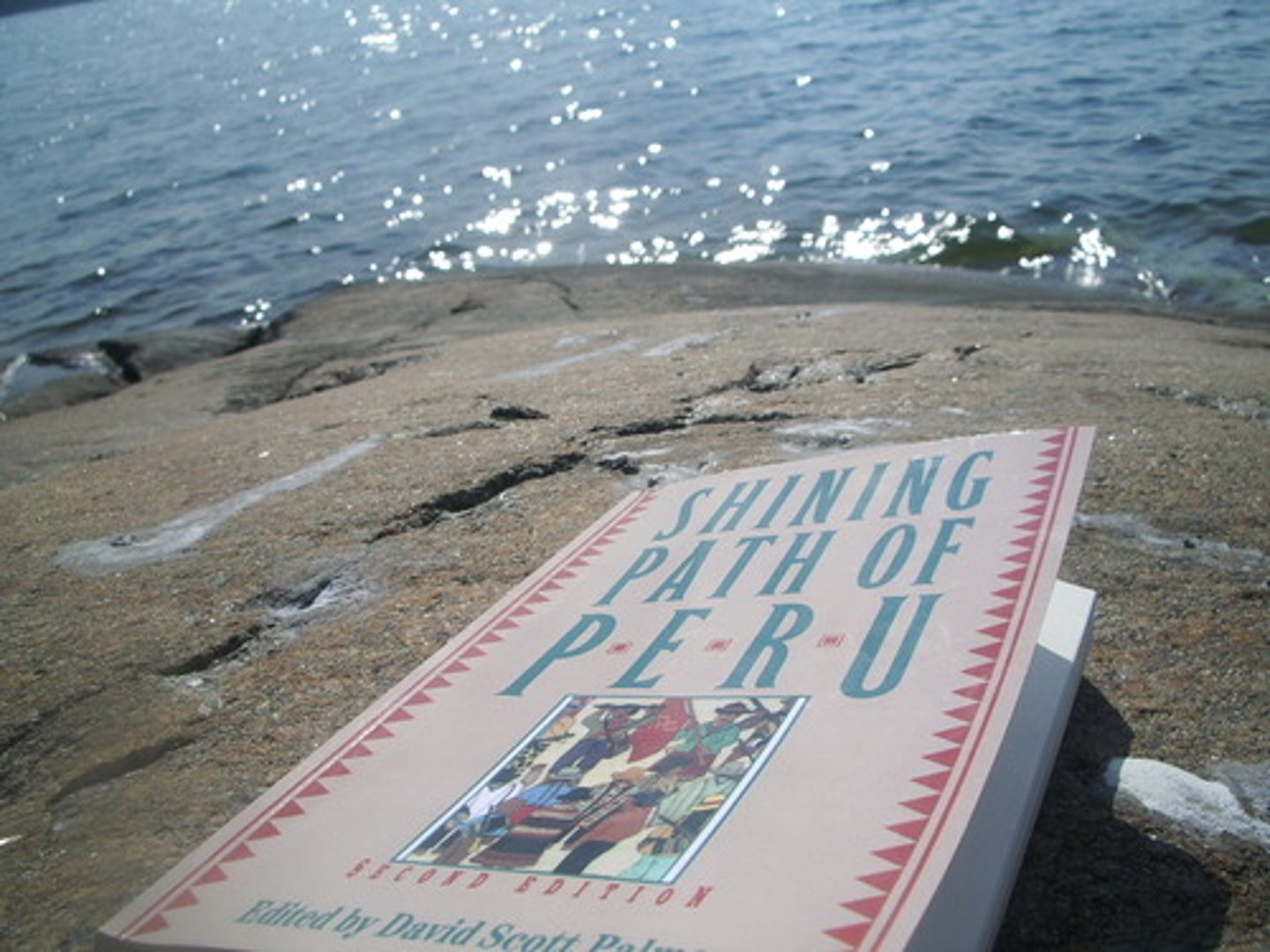
Shining Path
a terrorist group formed in Peru in the late 1960s as a splinter group from the communist party of Peru
Detente
A policy of reducing Cold War tensions that was adopted by the United States during the presidency of Richard Nixon.
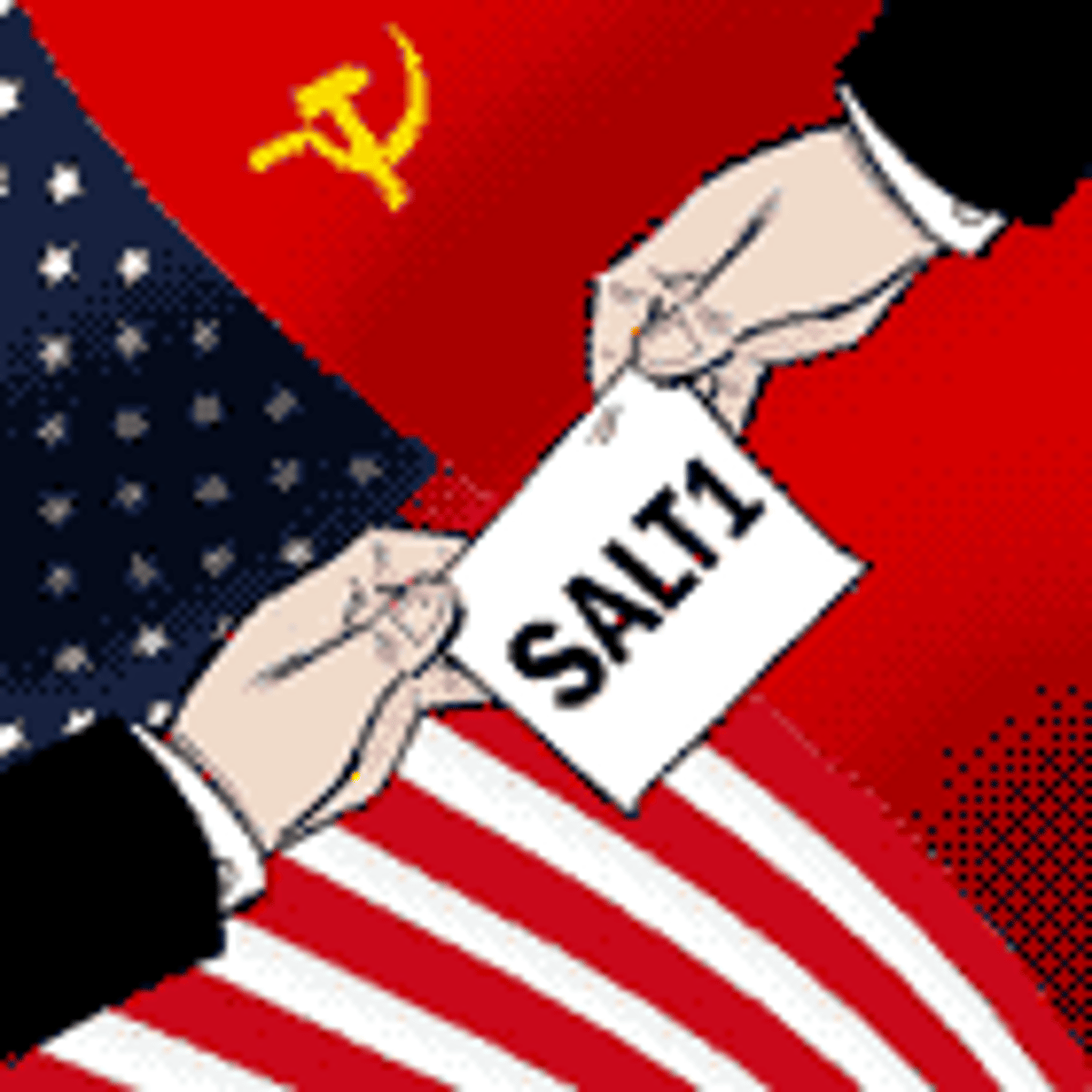
Strategic Arms Limitation Talks (SALT)
Part of the policy of detente, attempted to reduce the weapons each country contains
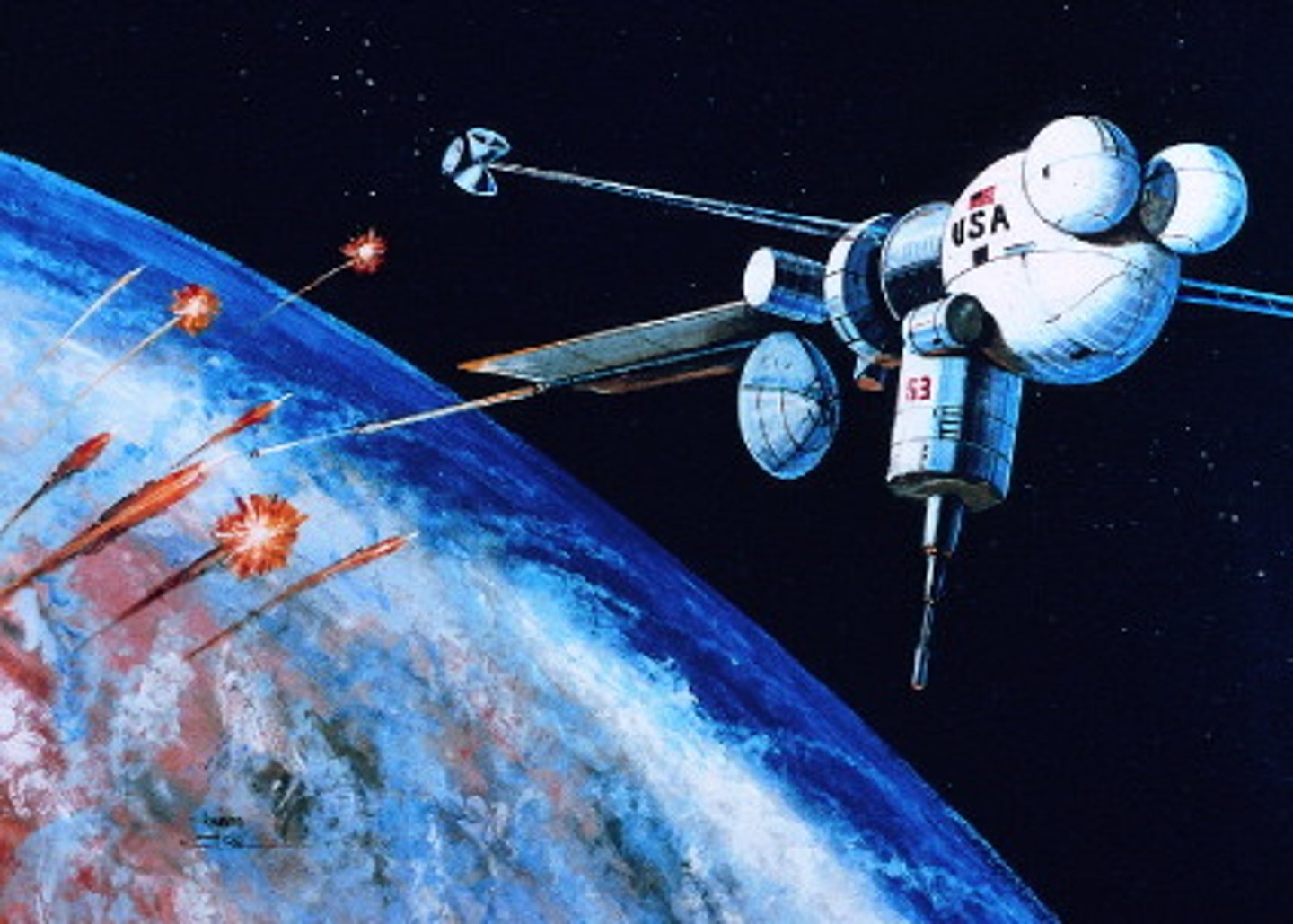
Strategic Defense Initiative (SDI)
Popularly known as "Star Wars," President Reagan's SDI proposed the construction of an elaborate computer-controlled, anti-missile defense system capable of destroying enemy missiles in outer spaced. Critics claimed that SDI could never be perfected.
Bandung Conference (1955)
held in Bandung, Indonesia; height of Cold War; newly independent nations gathered and asked how to live in a world led by superpowers; one solution was staying unaligned and condemning colonialism
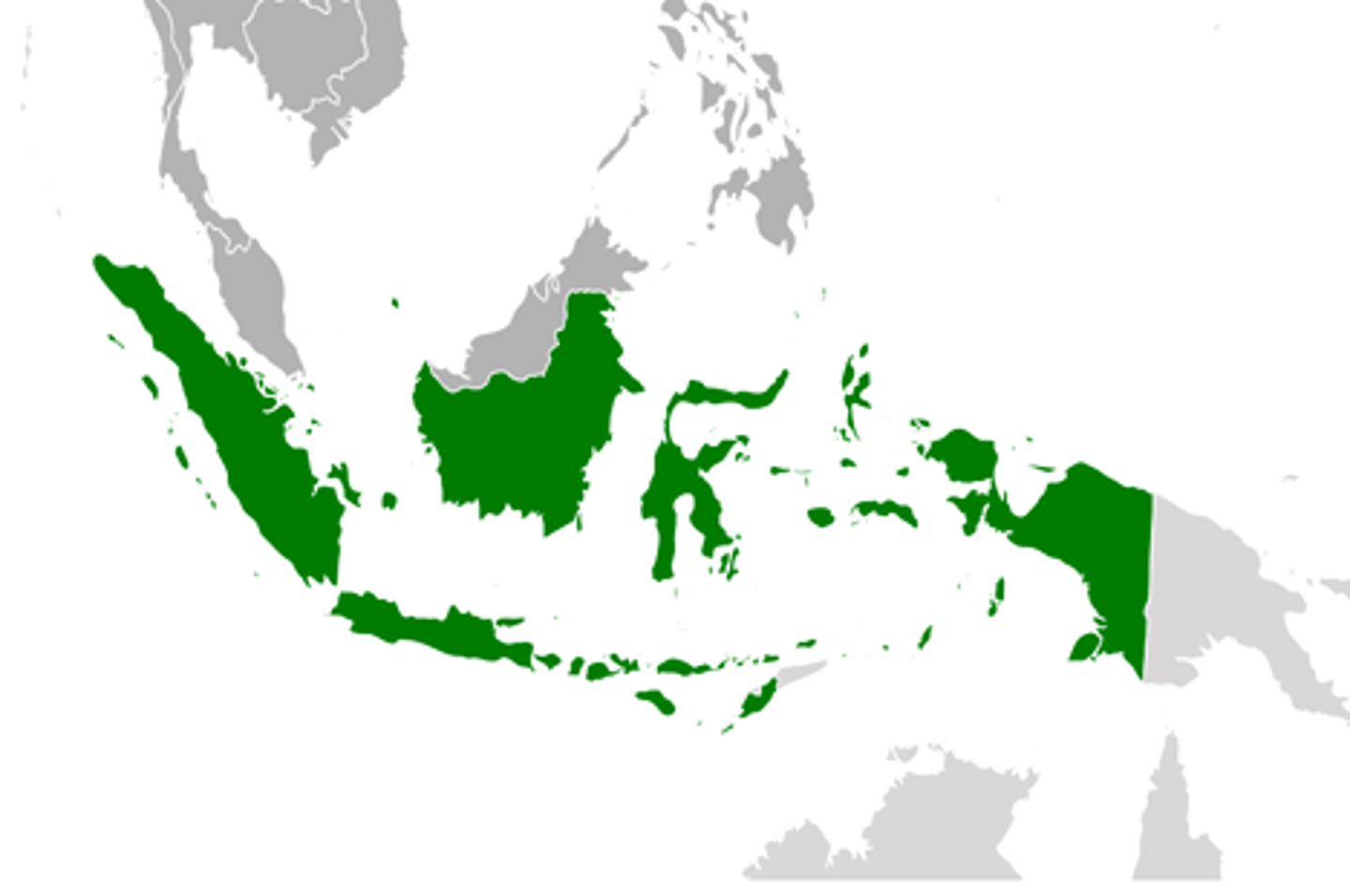
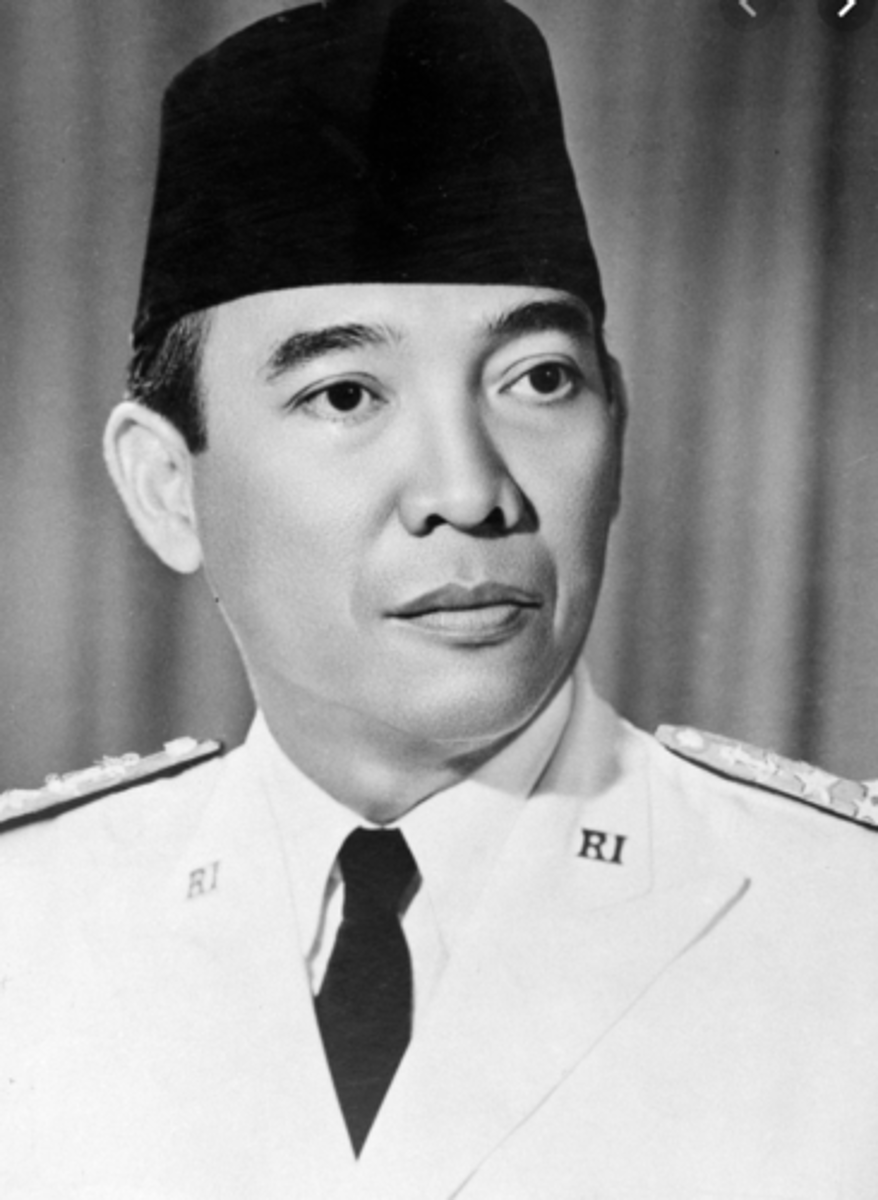
Sukarno in Indonesia
Sukarno was the first President of Indonesia. Sukarno was the leader of his country's struggle for Independence from the Netherlands.Organized and hosted Bandung Conference. Criticized both the US and USSR while still accepting aid from both
Angolan Civil War (1975-2002)
A proxy war where each of the 3 ethnic groups were supported by different countries
- Mundu ->USSR
- Ovimbundu -> South Africa
- Bankongo -> United States
Land Reform in Ethiopia
Haile Selasie aligned with western powers which led to western political and cultural reforms but wasn't able to implement land reforms.
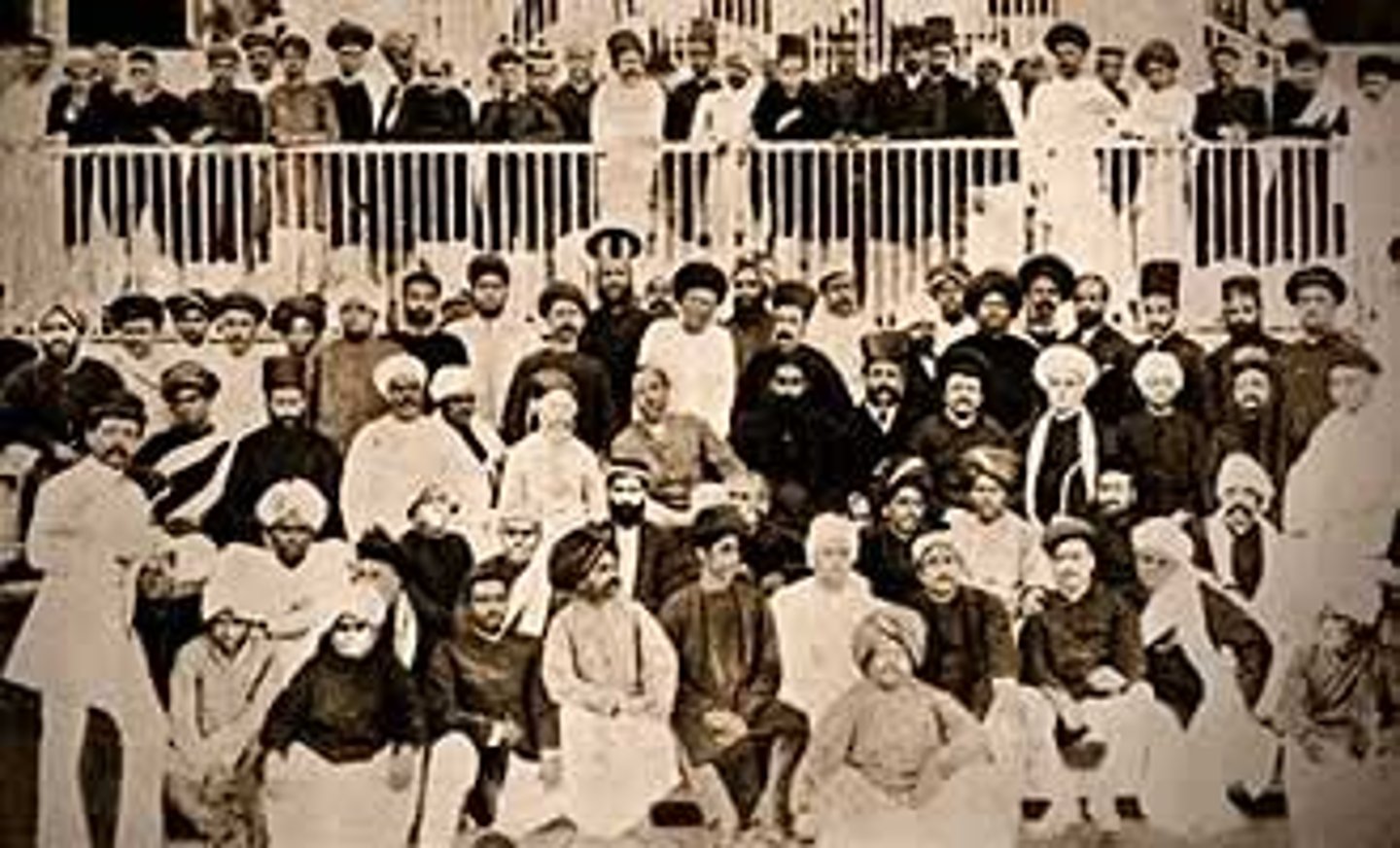
Indian National Congress
A movement and political party founded in 1885 to demand greater Indian participation in government. Its membership was middle class, and its demands were modest until World War I. Led after 1920 by Mohandas K. Gandhi, appealing to the poor.
Colonies that Negotiated Peace after WW2
- India from the British Empire
- The Gold Coast from the British Empire
- French West Africa
Colonies that Earned Independence Through Armed Struggle
- Algeria and Vietnam from the French Empire
- Angola from the Portuguese Empire
- Vietnam from the French Empire
Imperial metropoles
home country, like a base for imperialism. Like how London is for Great Britian.
Even after the dissolution of empires, former colonial subjects maintained cultural and economic ties to these major cities.
Examples of Migrations to Imperial Metropoles
-South Asians to Britain
-Algerians to France
-Filipinos to the United States
Groups or Individuals that intensified conflict in the Period
- Chile under Augusto Pinochet
- Spain under Francisco Franco
- Uganada under Idi Amin
- military-industrial complex and weapons trading
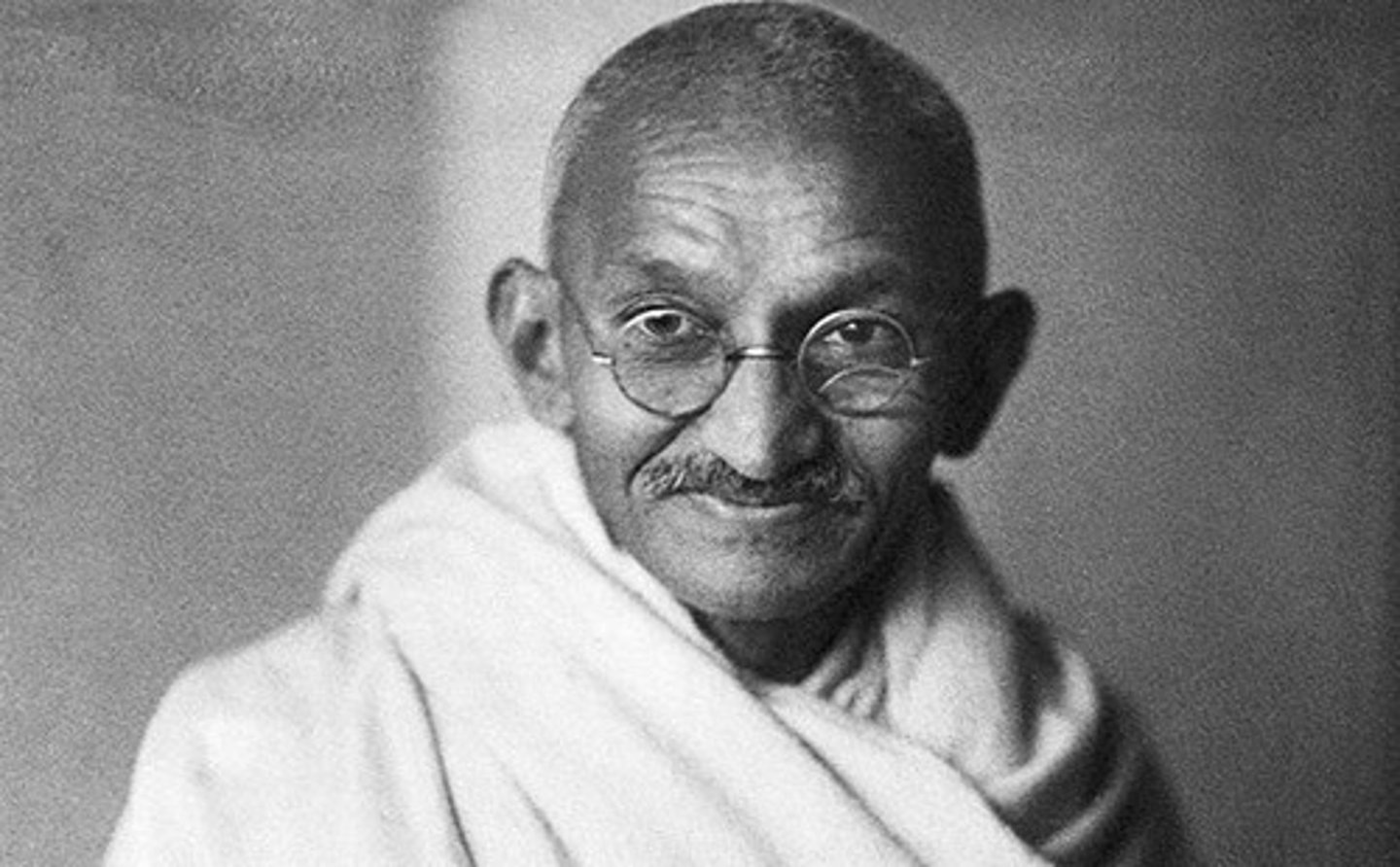
Mohandas Gandhi
A philosopher from India favoring India's independence from Great Britain. He practiced passive resistance, civil disobedience and boycotts to generate social and political change.
Al Qaeda
Islamist terrorist organization that launched a series of attacks against U.S.
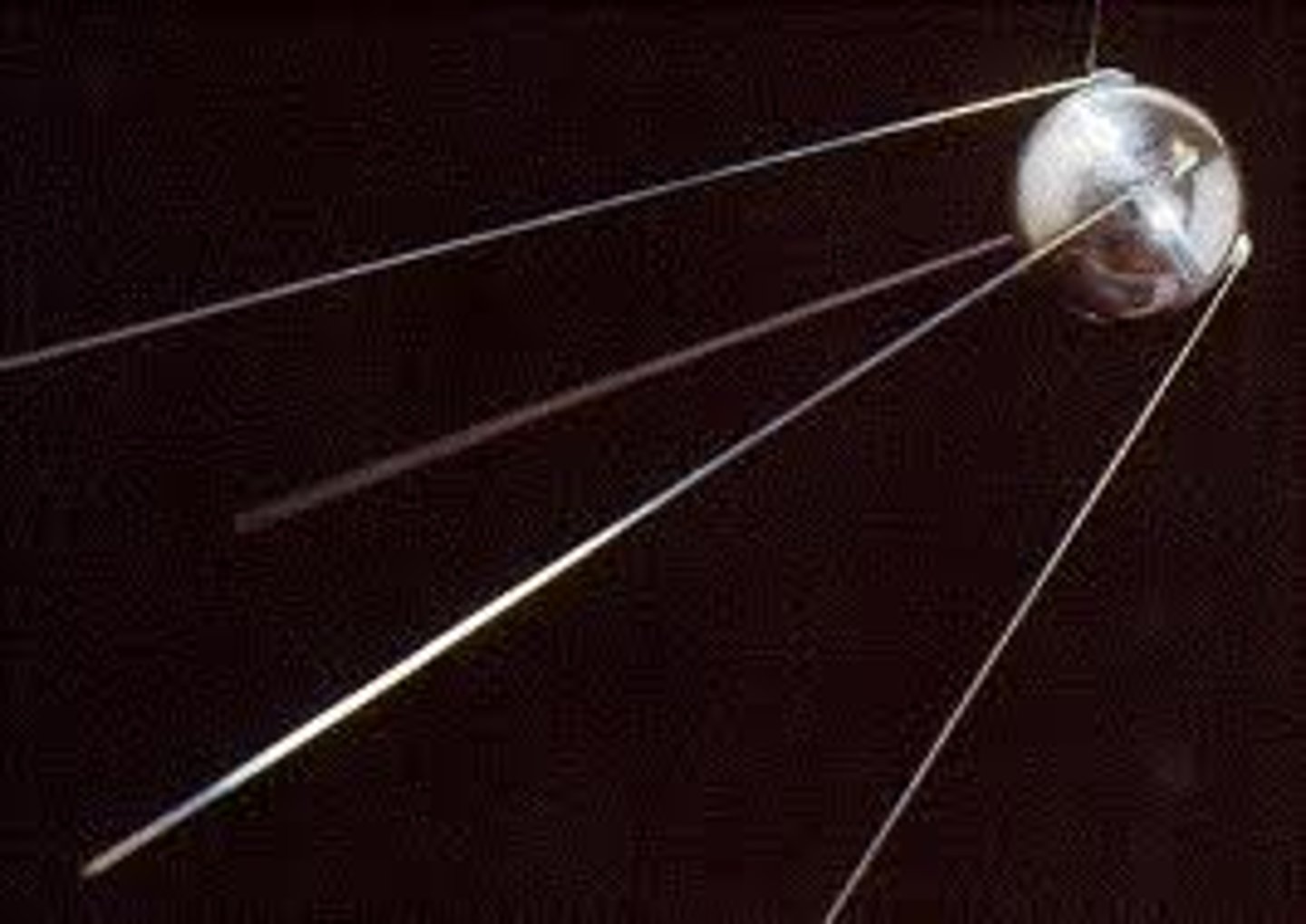
Sputnik
The world's first space satellite. This meant the Soviet Union had a missile powerful enough to reach the US.
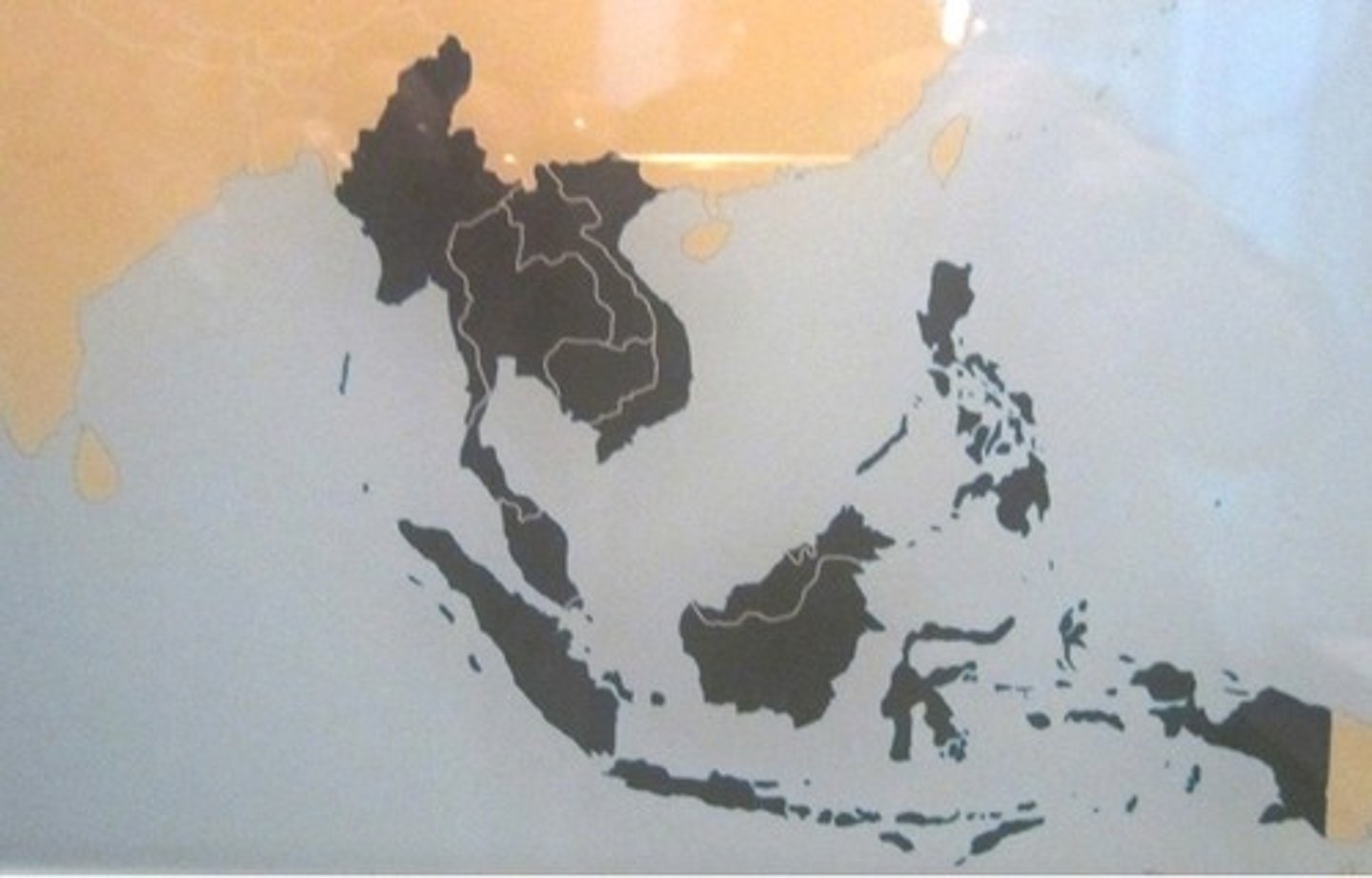
SEATO (Southeast Asia Treaty Organization)
Organization that formed in 1954. The organization was made up of the United States and many Asian nations like South Korea, Japan, India, and Australia. Its goal was to stop the spread of communism in Southeast Asia.
CENTO (Central Treaty Organization)
Defensive alliance between Turkey, Iraq, Iran, Pakistan, Great Britain, and the US; intended to prevent the Soviet Union from expanding southward.
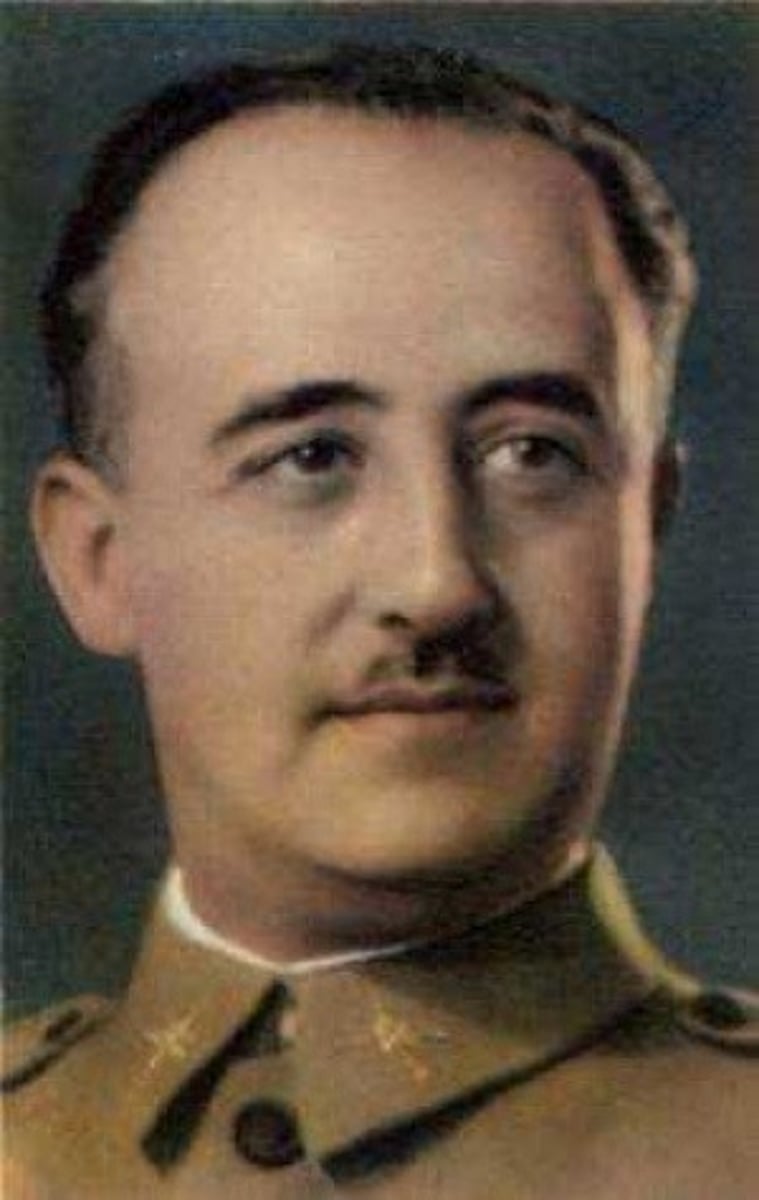
Francisco Franco
Fascist leader of the Spanish revolution, helped by Hitler and Mussolini but was strongly anti-communist and became an ally of the US after WW2. After his death, Spain moved towards democracy. He represents a response of militarized states
Uganda under Idi Amin
The response of the militzrized state of Uganda. Backed by USSR, declared himself presented and denied basic human rights and targted various ethnic groups
Mikhail Gorbachev; glasnost, perestroika
New Soviet leader who impletmented changes in their domestic politics with these reforms: 1) glasnost: an openness to end political repression and move toward greater political freedom for Soviet citizens. 2) perestroika: reconstruction of the Soviet economy by introducing some free-market practices.