Bio 2 Lab 2 Quiz
 Call Kai
 Learn
Learn Practice Test
 Spaced Repetition
 Match
Match Flashcards
 Knowt Play
1/19

Earn XP
Description and Tags
From the slides
Name | Mastery | Learn | Test | Matching | Spaced | Call with Kai |
|---|
No analytics yet
Send a link to your students to track their progress
20 Terms
Chlorophytes/Phylum Chlorophyta
Not “true” plants but share many traits
Shared traits: produce chlorphylls a and b and carotenoids, store starch, have cell wall made of cellulose, have plastids similar to chloroplasts
Outgroups to plant phylogeny
Green Algae and Stoneworts
Mostly freshwater but some are marine
About 7k species with a wide diversity of forms
Sexual and asexual reproduction
Found in freshwater or brackish water
Unicellular to multicellular
Bears a greater resemblance to true plants
Anthophyta
Largest and omst diverse division of plants as it includes all flowering plants
Defined by their reproduction via flowers and production of seeds in an enclosed ovary/fruit
Double fertilization as one sperm fertilizes the egg to make a zygote while the other fuses with a polar nuclei to form a triploid endosperm which is a nutrient-rich tissue to feed the developing embryo
Includes the monocots (single cotyledon which is the first embryonic leaves to emerge from a germinating seed) and dicots (two cotyledons)
Includes the magnolia which lack flagellated gametes ad microphyll leaves but have everything else (cuticle, stomata, sporophyte leaves, megaphyll leaves, xylem/phloem, tracheids, sporophyte dominance, xylem vessels, pollen tube, seed, and flowers)
Also includes the gladiolus which has the same characteristics
Both magnolia and gladiolus are angiosperms
Embryophytes
The true plants
Bryophytes are non-vascular plants
Lycophytes and monilophytes are non-seeded vascular plants
Gymnosperms are naked seeds but vascular plants
Angiosperms are covered seeds that are flowering vascular
Earth Before Land Plants
Before 500mya, plants were entirely aquatic and were adapted to this environment
Water contains dissolved gasses and nutrients that can easily diffuse into cells
Water has a high heat capacity which helps reduce temperature fluctuations
Water protects from solar radiation
Buoyancy helps counteract gravitational forces
Water can be a medium for gamete transmission
Plants colonized land around 500 million years ago
Before this time, Earth’s surface would have been barren, dry, and rocky
The Earth was warmer than today so UV radiation was intense
Challenges of Living on Land and Adaptations
Need a system of absorption — roots/rhizoids
Prevent desiccation — waxy cuticle
Gas exchange other than diffusion — stomata aka openings in the cuticle
Gamete transmission that didn’t need water — pollen
Conduction aka movement of materials — xylem for water and minerals from roots to leaves vs phloem to transport sugars from leaves to roots
Support since air lacks buoyancy — woody/fibrous structures
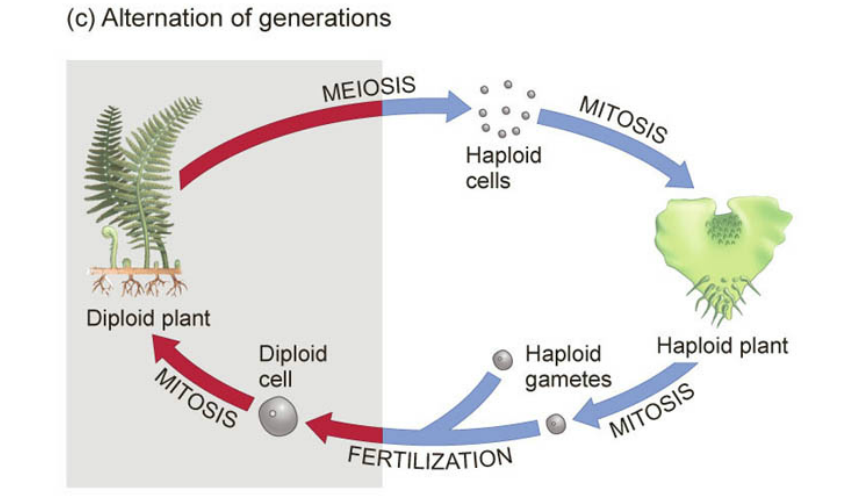
Alternation of Generations
“The oscillation between haploid (gametophyte) and diploid (sporophyte) phases”
Fertilization and meiosis are the transitions between generations
Sporophyte is 2n which produces spores whilst gametophyte is n which produces gametes
All plants do this
Bryophytes (mosses/liverworts) are gametophyte dominant
All other land plants clades are sporophyte dominant
Bryophytes
Gametophyte dominant — sporophyte parasitic
Often with separate sexes aka are dioecious
Antheridia produce flagellated sperm while archegonia produce eggs whilst also housing the developing embryos (sporophytes)
Antheridia and archegonia or modifications thereof are found in all early plant groups through ferns
Water is required for sperm transfer where sperm are flagellated and swim on a film of water
Tracheophytes
Named for the vascular tissue cells called tracheids
Xylem transport water and dissolved minerals which also provides support
Phloem which transports sugars produces by photosynthesis
Sporophyte dominant meaning that the gametophytes in vascular plants is much smaller than sporophytes
Lycopodiophyta
First true stems, roots, and leaves
Microphylls are simple elaves that only contain a single vein
Strobilus is a cluster of sporophylls which are specialized leaves bearing sporangia at trips of branches (lycopodium) or along branches (selanginella)
Free-living gametophyte
Monilophyta
Horsetails (equistetum): Equisetum is the only living genus, ribbed/jointed stems with silica crystals = “scouring rushes”, non-photosynthetic microphylll, have terminal strobili, and free-living gametophyte
Whisk ferns: Psilotum, well-developed xylem and phloem in stem, no true roots or leaves - secondarily lost, rhizome (underground stem - absorptive), sporangia fused into synangia and borne on shoots which is a unique character, free-living gametophytes (non-photosynthetic)
Ferns: Have true roots and stems (underground rhizomes) and leaves (megaphylls called fronds), sporangia are clustered in sori which are protected by indusium, free-living gametophytes
Seed Plants
A seed is a plant embryo protected by integument (seed coat)
Two major clades are the gymnosperms (naked seeds aka seeds without protective ovary surrounding) and angiosperms (the covered seeds with hard or fleshy layer developed from the ovary)
Sporophyte dominant meaning the gametophyte is reduced to a small size
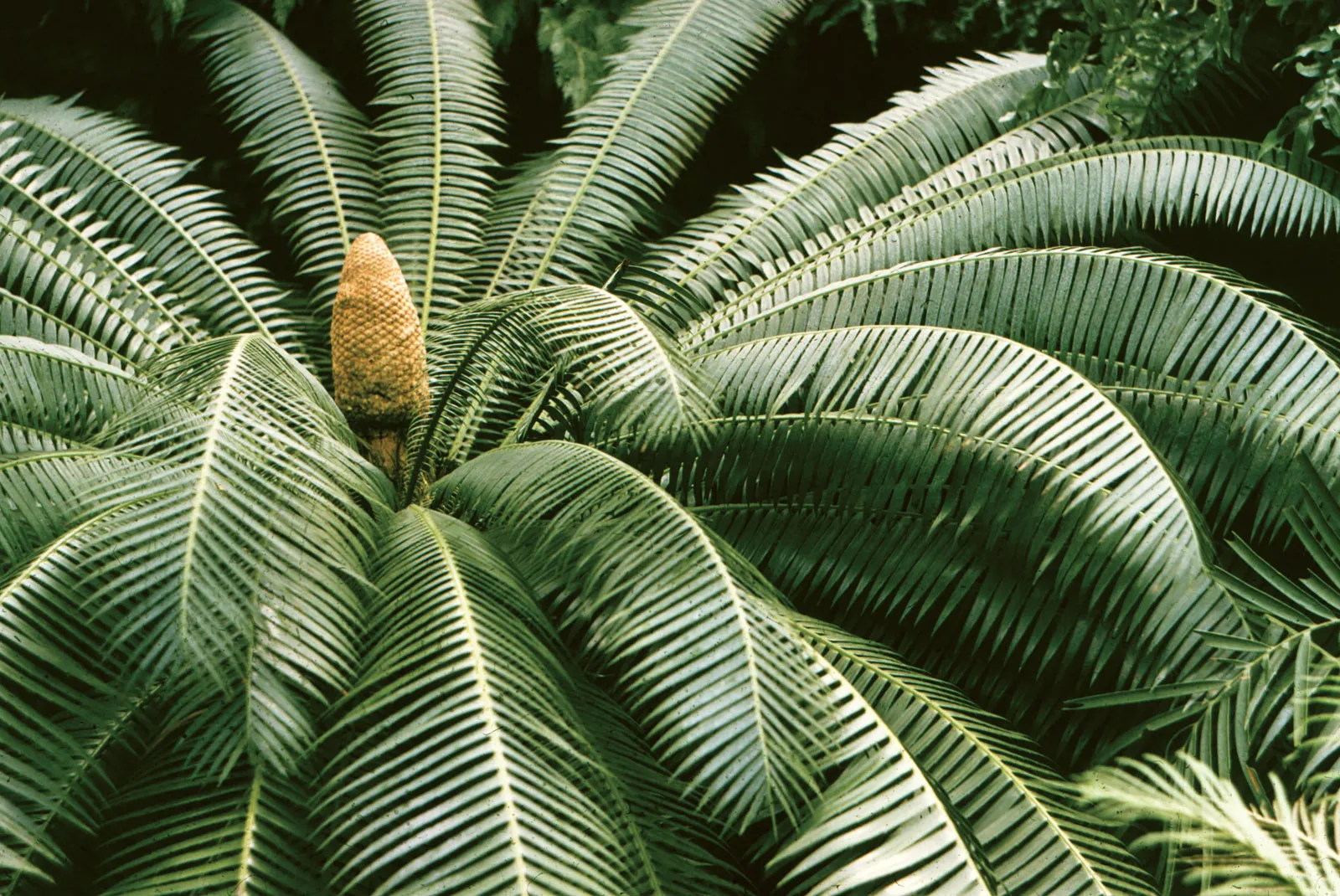
Cycadophyta
Tropical or subtropical seed plants
Palm-like with large, pinnate leaves
Terminal cones (strobili) — plants are dioecious
Strobili and seeds might take 10 years to mature
Pollination is by insects, primarily beetles and have flagellated sperm
Ginkophyta
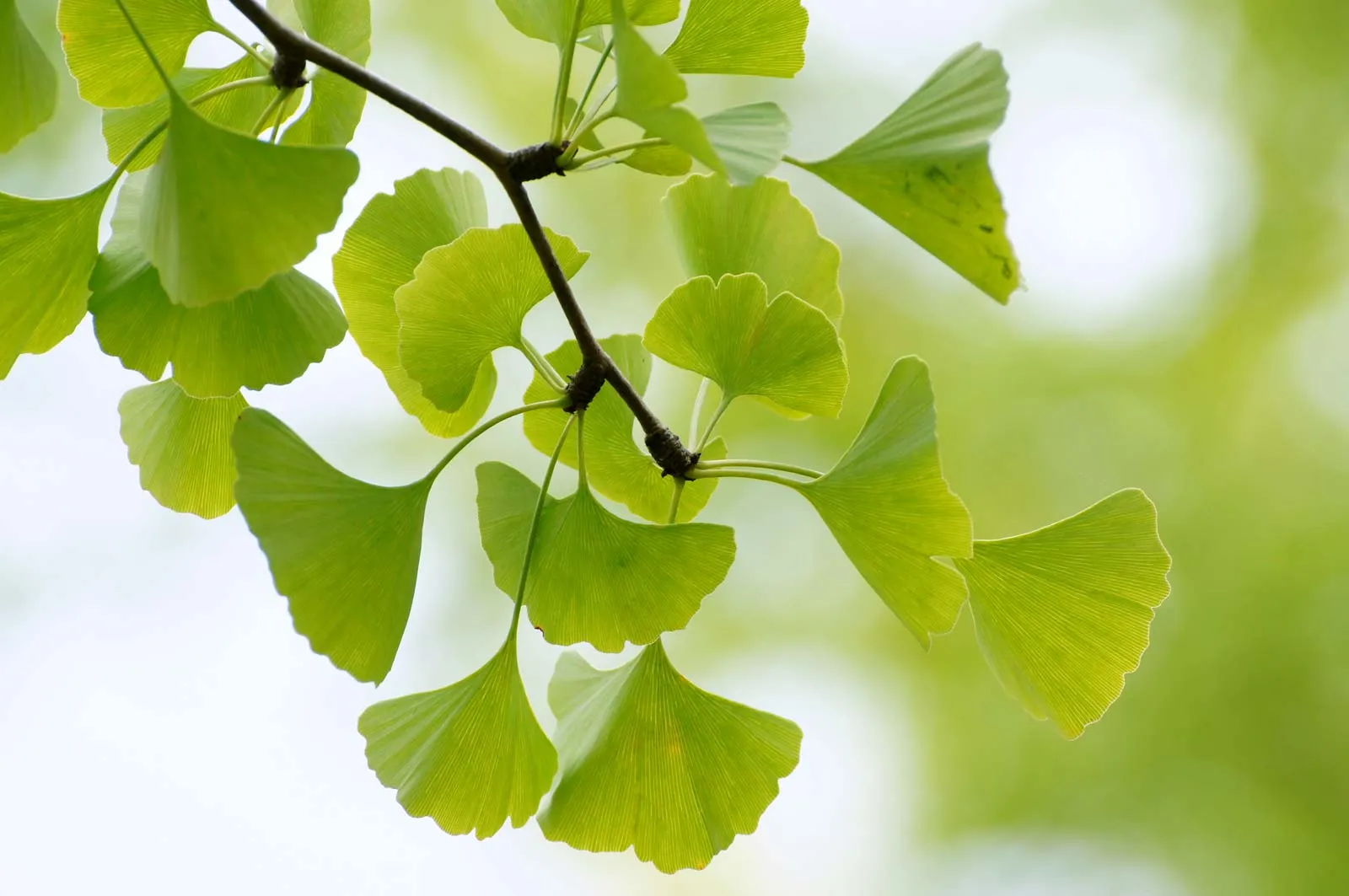
Only one species living is the ginko biloba (common ornamental and tolerant of pollution)
Fan-shaped elaves
Dioecious (plants are male or female) and have foul smelling female seeds so usually male seeds are planted
Ginkgos are wind pollinated and have flagellated sperm
Non-flowering seed plants that are gymnosperms
Coniferophyta
500-600 of “evergreens” like pines, fires, larches, spruce, etc.
Tallest = redwood around 372 feet
Oldest = bristlecone pine around 4,900 years
Most massive = sequoia around 102.6 feet circumference at the base
Characteristics are: cuticles, stomata, sporophyte leaves, megaphyll leaves, xylem/phloem, tracheids, sporophyte dominance, pollen tubes, and seeds
Pine Reproduction
Monoecious meaning both male and female on one plant
Strobili are cones where staminate cones are male and female cones are ovulate
Wind-blown pollen enters the ovulate cones where two sperm nuclei in pollen tube but only one is functional and the other degenerates and sperm in pines are not flagellated
Charophyta
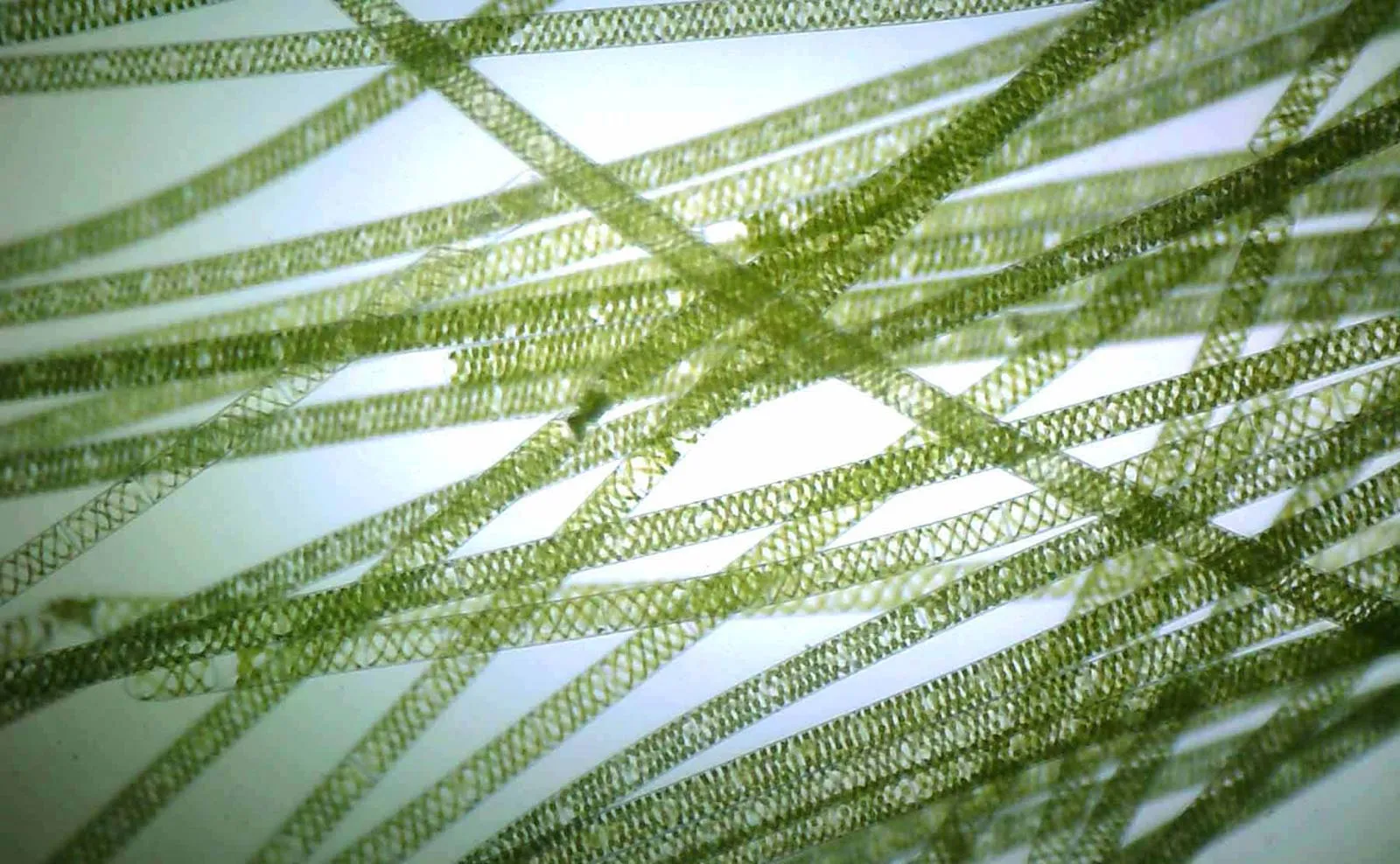
One type is the spirogyra which lacks the following: flagellated sperm, cutcile, stomata, sporophyte leaves, microphyll leaves, megaphyll leaves, xylem/phloem, tracheids, sporophyte dominance, xylem vessels, pollen tubes, seeds, and flowers
Another type is a chara which lacks everything above except for flagellated gametes which it has
Freshwater green algae that is terrestrial
Spirogyra is long and unbranched filaments with cylindrical cells and spiral-shaped chloroplasts
Chara has a main central axis with nodes from which whorls of smaller branches extend and it anchored by root-like structures called rhizoids
Bryophyta
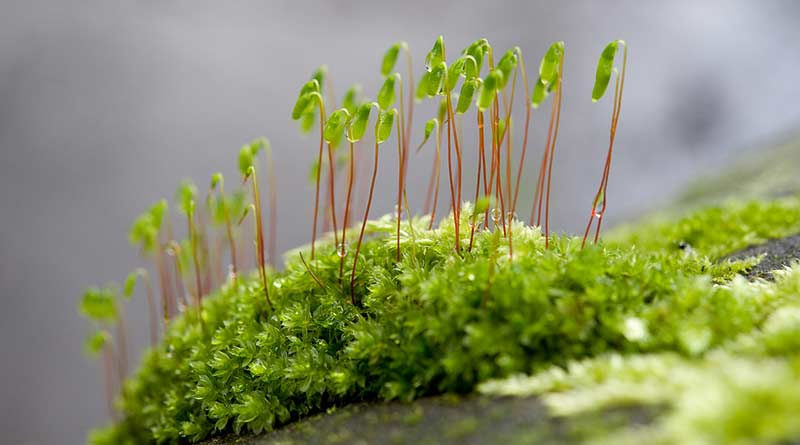
A type of non-vascular land plants commonly known as the mosses which along with liverworts and hornworts makes up “bryophytes”
Small, flowerless plants that absorb water from their leaves due to lack of true roots or complex vascular tissue
The dominant/visible form i the haploid gametophyte and the spore-bearing structures grow directly out of the gametophyte
Has these characteristics: flagellated sperm, cuticles, and stomata
Lacks: sporophyte leaves, microphyll leaves, megaphyll leaves, xylem/phloem, tracheids, sporophyte dominance, xylem vessels, pollen tube, seeds, and flowers
Hepatophyta
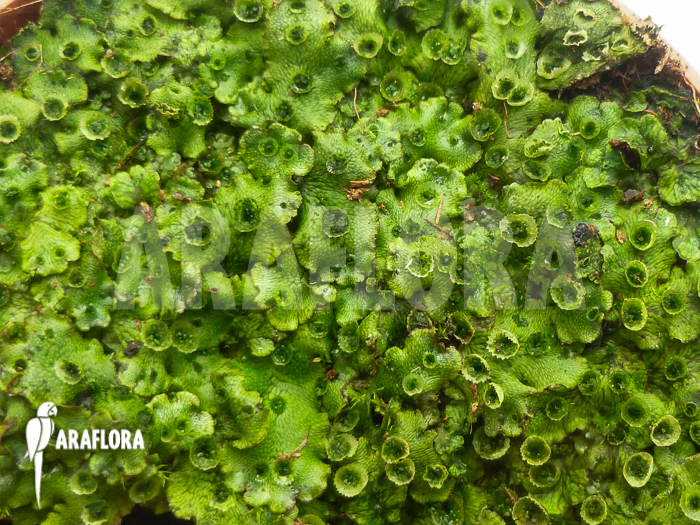
Often called the liverworts
Non-vascular land plant that has a gametophyte-dominant life cycle where the plant carries only one set of genetic information
Characteristics include flagellated gametes and cutcicle only
Construct a character matrix
Across: flagellated sperm, cuticle, stomata, sporophyte leaves, microphyll leves, megaphyll leaves, xylem/phloem, tracheids, sporophyte dominance, xylem vessels, pollen tube, seeds, flower
Down: spirogyra (charophyta), chara (charophyta), marchantia (hepatophyta), polytrichum (bryophyta), lycopodium (lycopodiophyta), pinus (coniferophyta), magnolia (anthophyta), gladiolus (anthophyta)
When presented with an image of a plant structure, be able to identify the name or function of that structure. Important structures: antheridia, archegonia, gametophyte, sporophyte, gemmae cups, stomata, cuticle, vascular tissue, microphyll, megaphyll, strobilus, sporangia, sori, spore, seed, pollen. Terms related to structures: dioecious, monoecious.
Antheridia: Male reproductive organ in non-flowering plants that produces and holds sperm cells
Archegonia: Multi-cellular, flask-shaped female reproductive organs in bryophytes, ferns, and gymnosperms that produce and house the egg
Gametophyte: Sexual phase in the life cycle of plants and algae that is a multicellular organism that is haploid and response for producing haploid gametes
Sporophyte: Diploid, spore-producing phase in the life cycle of plants and algae that develops from a fertilized egg and produces haploid spores via meiosis which then grows into the next generation being the gametophyte
Gemmae cups: Cup-shaped structures on the upper surface of some liverworts and mosses that are used for asexual reproduction
Stomata: Microscopic pores on the surfaces of plant leaves/stems that act as the breathing system
Cuticle: Waxy layer that helps prevent desiccation (excessive water loss) and is an armor against environmental factors like heat, UV, pathogens, and pests
Vascular tissue: Transport system that moves fluids/nutrients/waste and can be either xylem for water/minerals or phloem for sugars/organic products from photosynthesis
Microphyll: Type of leaf with a single, unbranched vein and lacks a “leaf gap” in the stem
Megaphyll: A type of plant leaf that features a complex, branching system of veins with a leaf gap (separation of vascular tissue from stem to which it connects)
Strobilus: Reproductive structure in land plants with sporangia-bearing structures densely aggregated along a central stem aka a cone which is spirally arranged
Sporangia: Specialized sac/receptable in which reproductive spores are formed and stored
Sori: A cluster of sporangia on the bottom side of a fern leaf that appear as rows of dots
Spore: Dust-like particle that is usually single celled that germinates once released and can spread over long distances easily
Seed: Contains a complete embryonic plant, stored food, and protective outer seed coat which allows it to remain dormant until conditions are perfect for growth
Pollen: Pollen grains are male reproductive microspores produced by seed plants that carry male genetic material to female structures of plants to facilitate fertilization