Microbiology Exam 1- Ch. 1,3,4,5,7
 Call Kai
 Learn
Learn Practice Test
 Spaced Repetition
 Match
Match Flashcards
 Knowt Play
1/186

There's no tags or description
Looks like no tags are added yet.
Name | Mastery | Learn | Test | Matching | Spaced | Call with Kai |
|---|
No analytics yet
Send a link to your students to track their progress
187 Terms
decomposer
an organism (usually bacteria or fungi) that breaks down dead organic matter into simpler substances, recycling nutrients back into the environment
pathogen
a microorganism capable of causing disease in a host
sterile
completely free of all living microorganisms, including bacteria, viruses, fungi and spores
eukaryotes
-organisms whose cells contain a membrane-bound nucleus and other membrane-bound organelles
-fungi, protozoa, plants, animals
biotechnology
the use of living organisms, cells, or biological systems to develop products or processes for medical, industrial, or environmental applications
media (culture media)
nutrient substances used to grow, culture and maintain microorganisms in a lab
prokaryotes
-organisms whose cells lack a nucleus and organelles
-bacteria, archaea
bioremediation
the use of microorganisms to break down or remove environmental pollutants, such as oil spills or toxic chemicals
endospore
highly resistant, dormant structure formed by certain bacteria to survive extreme environmental conditions
fermenter
a vessel or system used to grow microorganisms under controlled conditions to produce fermentation products such as alcohols, acids, or antibiotics
prion
-an infectious, misfolded protein that causes disease by inducing abnormal folding of normal proteins
-contains no DNA or RNA
plasmid
-a small, circular, double-stranded DNA molecule found in bacteria that replicates independently of the chromosome and often carries beneficial genes, such as antibiotic resistance
capsomere
protein subunit that assembles to form the capsid (outer protein coat) of a virus
microorganism
microscopic living organism, including bacteria, archaea, protozoa, fungi, and microscopic algae
chemotaxis
directed movement of a cell or organism toward or away from a chemical stimulus
epidemiology
study of the distribution, causes and spread of diseases within populations
reverse transcriptase
enzyme that synthesizes DNA from RNA template; commonly found in retroviruses
lysogeny
viral reproductive cycle in which viral DNA integrates into the host cell's genome and replicates with it without immediately destroying the host
Bergey's Manual of Determinative Bacteriology
organizes bacteria according to phenotypic traits commonly used in lab identification
mitochondria
Powerhouse of the cell, organelle that is the site of ATP (energy) production
Have their own DNA and double membrane
Involved in apoptosis (programmed cell death)
fungi
Which group contributes significantly to decomposition and nutrient recycling?
cytoskeleton
Which part of the cell is responsible for anchoring organelles and enabling cell shape changes?
smooth ER
involved in lipid synthesis and detoxification.
It produces phospholipids and steroids used to build cell membranes, detoxifies drugs and harmful chemicals (especially in liver cells), and stores calcium ions, which are important for cell signaling and muscle contraction.
algae
Which group is responsible for producing around 70% of the Earth's oxygen?
cell wall
Which structure is present in fungi and algae but absent in protozoa and animals?
diplococci
cocci arranged in pairs
biofilm
mixed microbial communities living cooperatively
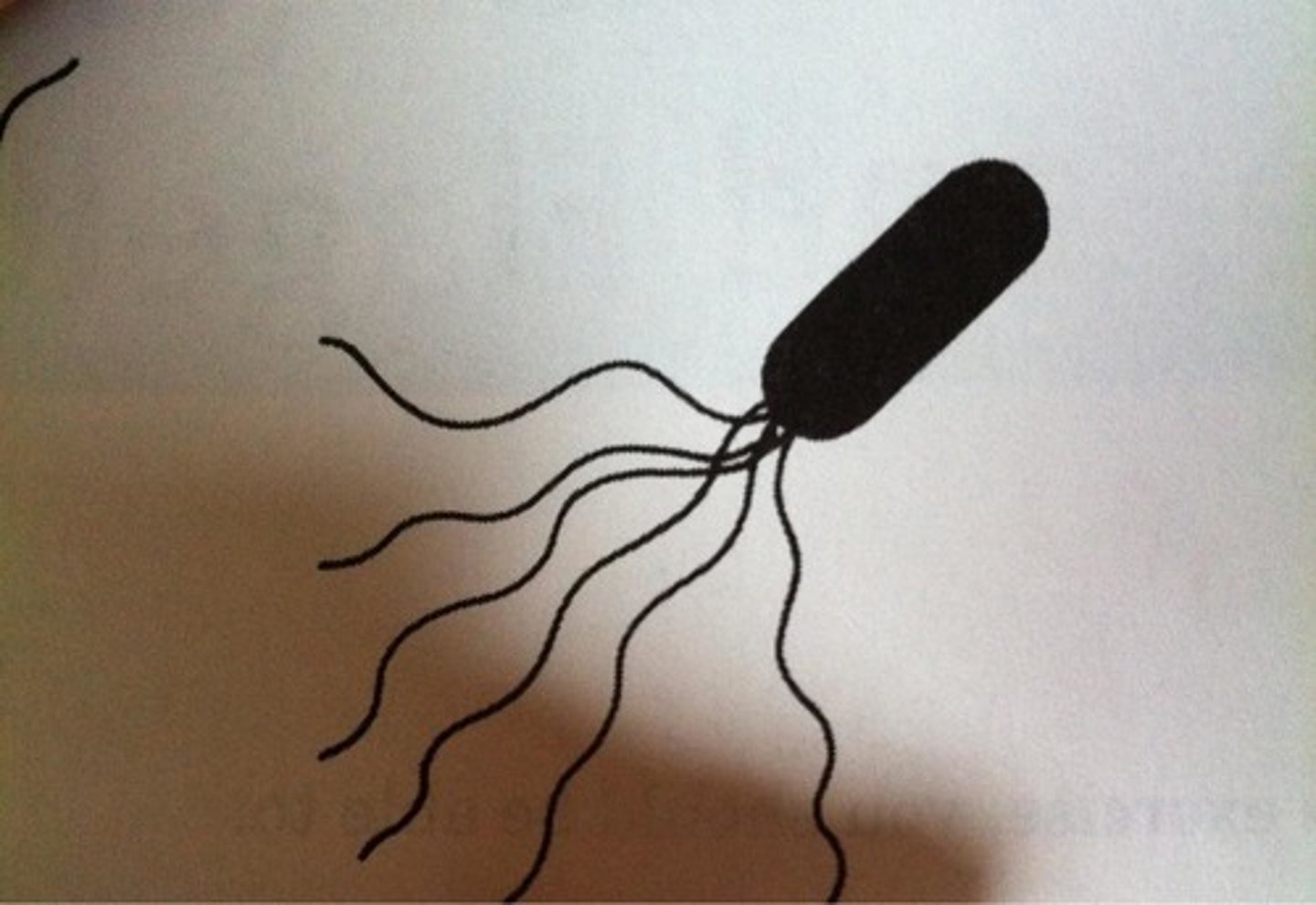
flagella
appendage used for motility in bacteria
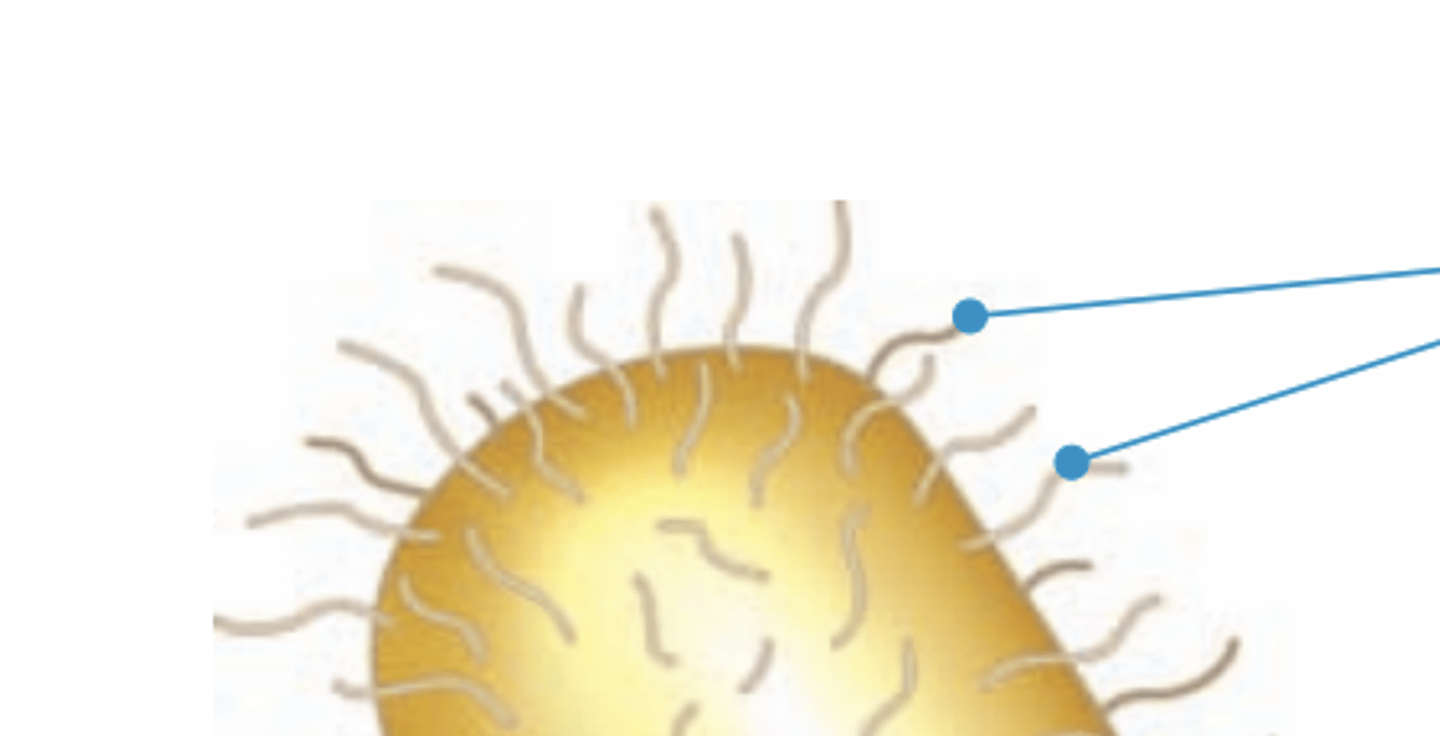
attachment
A bacteria's fimbriae are primarily used for:
gram positive bacteria
-bacteria with a thick peptidoglycan layer
-stain purple in a gram stain
gram negative bacteria
-bacteria with a thin peptidoglycan layer
-stain pink/red in a gram stain
-have an outer membrane
obligate
Viruses are _______ intracellular parasites.
They are dependent on a host cell to replicate their genetic material.
virion
a fully formed virus that is able to establish an infection in a host cell
capsid
Protein shell surrounding viral genome.
naked viruses
viruses that lack an envelope around the capsid
glycoproteins
Viral spikes are made of _______
bacteriophage
virus that infects bacteria
either RNA or DNA, but never both
What does the viral genome consist of?
positive sense RNA
-Negative sense RNA is complementary to mRNA and not directly recognized by ribosomes.
-Negative sense RNA must first be converted into _________
-It can then be translated into proteins by the host cell.
nucleus
cytoplasm
DNA viruses replicate in the _______
RNA viruses replicate in the ________
plaque
A clear zone in a bacterial lawn caused by a viral lysis is called a _______
-spikes
-they bind to specific receptors on the host cells
Which viral structure determines host specificity?
capsomeres- assemble to form the capsid
Which viral component is composed of identical protein subunits?
budding
Enveloped viruses typically exit the host cell by _______.
They acquire their outer lipid envelope by pushing through a host membrane without immediately causing cell lysis.
they lack nucleic acids entirely
Why do prions differ from viruses?
incubation
Which of the 5 I's allows microbes to multiply?
lysogenic cycle
-virus infects a bacterium but doesn't destroy it right away
-virus injects its DNA into bacterial cell and the viral DNA joins the bacterium's DNA
-the bacterium then goes on living and dividing normally, copying the viral DNA each time it reproduces
lysogenic
lytic
cycle where the virus invades the cell is _______
cycle where the virus hijacks and kills the cell is ________
lytic cycle
-virus infects a bacterium and quickly destroys it
-virus injects its DNA into bacterial cell, takes over the cell's machinery, and uses it to make many new viruses
-once enough new viruses are made, the bacterial cell bursts open (lyses), releasing the viruses to infect other bacteria
ribosomes
bacterial structure responsible for protein synthesis
alcohol decolorizer
During the Gram stain, which step removes crystal violet from the Gram negative cells?
lophotrichous
a tuft of flagella coming from one pole
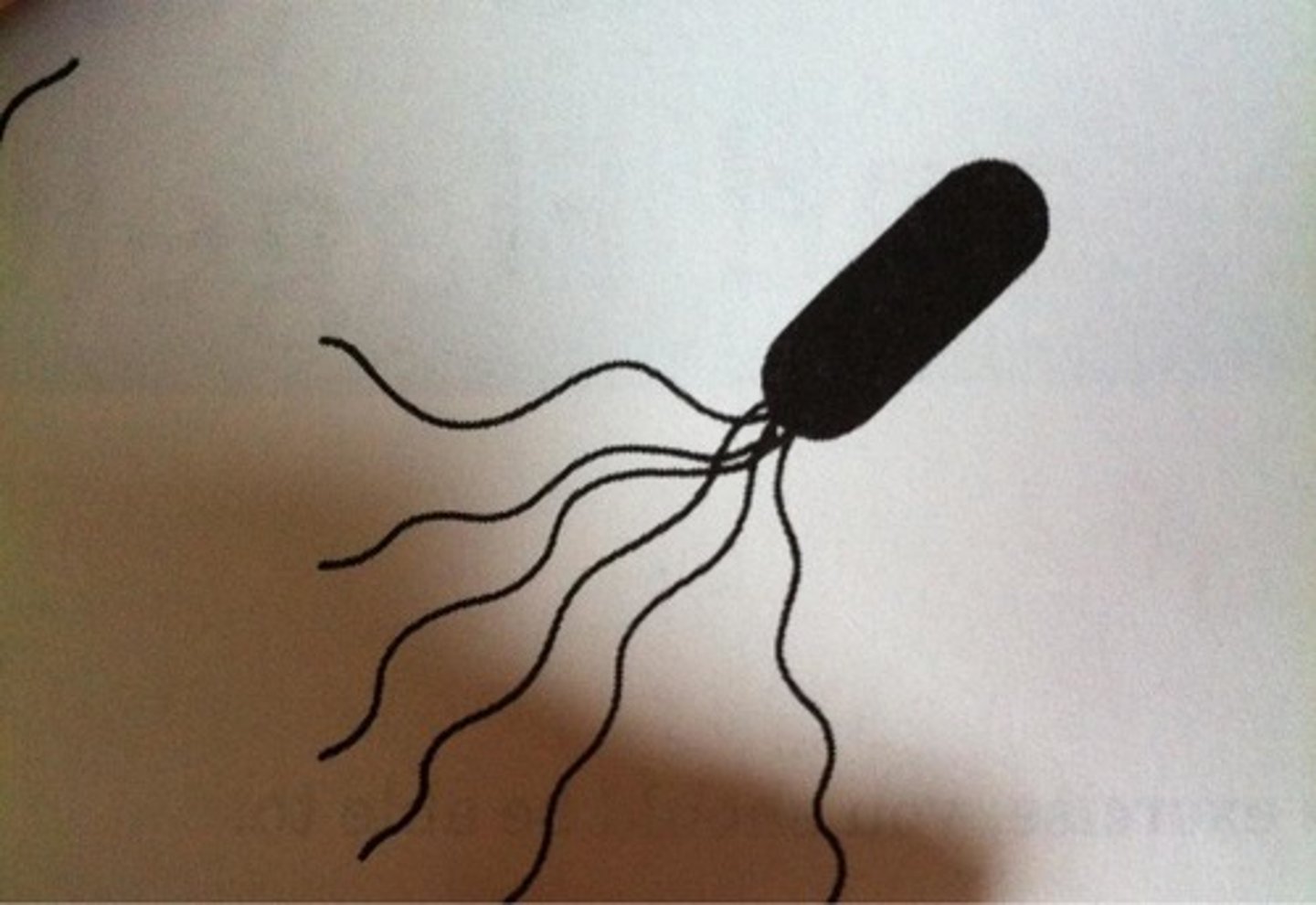
peritrichous
flagella distributed over the entire cell
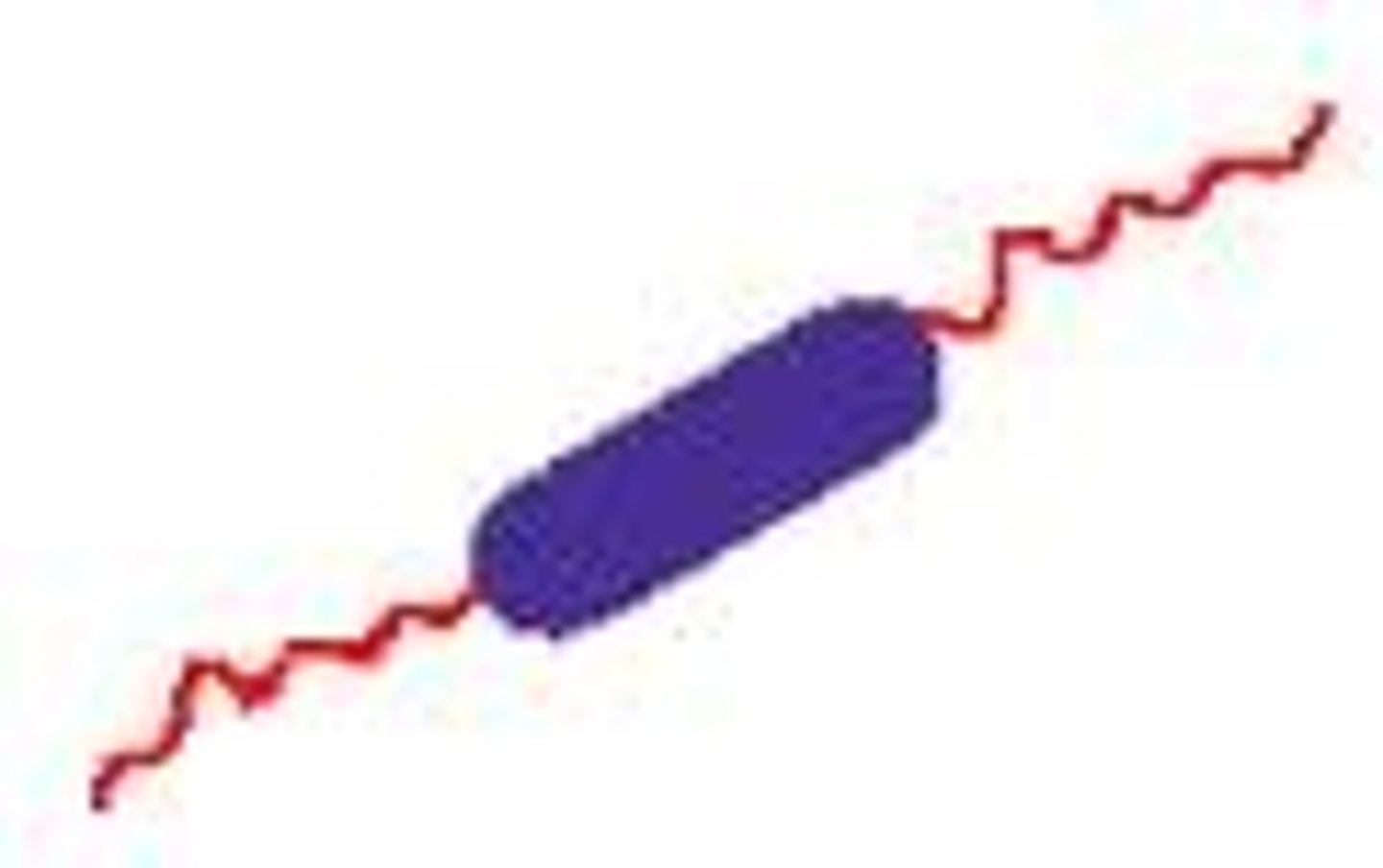
amphitrichous
flagella at both ends of cell
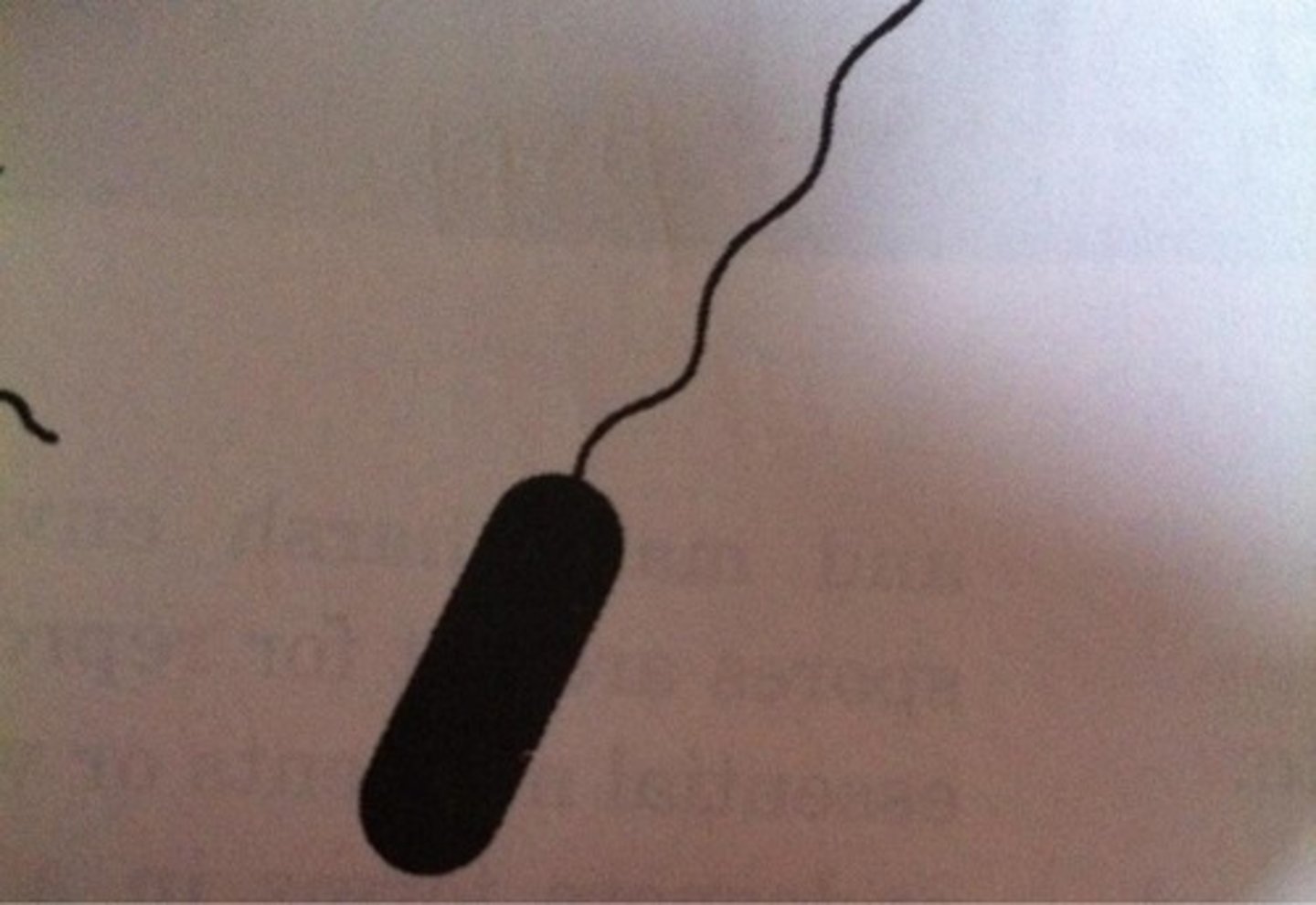
monotrichous
single flagellum at one end
actin-like filaments
cytoskeletal component responsible for maintaining cell shape in bacteria
streptococci
chains of cocci
fastidious microorganisms
organisms that require specific, complex nutrients that must be applied in enriched media
lytic infection (fast)
Which type of viral infection leads to rapid host cell lysis?
latent infection
infection in which the infectious agent is present but not causing symptoms (persistent)
assembly
Which viral replication step involves the assembly of capsomeres around nucleic acids?
lysosome
organelle responsible for digesting engulfed particles in eukaryotic cells
cytoplasm
bacterial structure that is the site of most metabolic reactions
streak plate
lab technique that spreads bacteria across a plate to isolate
uncoating
viral replication step that involves removal of the capsid (surrounds the genome)
Robert Koch
Who first determined that Bacillus anthracis and Mycobacterium tuberculosis were the causes of anthrax and tuberculosis?
peptidoglycan
-compound that makes up the bacterial cell wall
-made of NAG and NAM subunits
1. crystal violet
2. iodine
3. alcohol
4. safranin
What are the steps of a Gram Stain in order?
positive chemotaxis
If an organism with flagella is near a chemoattractant, what is the process of directing movement towards a chemical signal called?
they lack the machinery necessary for protein synthesis (obligate intracellular parasites)
smaller than bacteria
only active inside host cells
can have dsDNA, ssDNA, or dsRNA
What are some fundamental properties of viruses?
Koch's Postulate
a set of criteria that establishes a relationship between a microbe and a disease
sterilization
cleaning method that removes all microbes
basal body
hook
filament
What are the 3 components of a flagella?
lysogenic cycle
A prophage is associated with which viral process?
prophage
-viral DNA from a bacteriophage that is inserted into a bacterium's DNA
-stays inactive inside the cell during the lysogenic cycle and is copied along with bacterial DNA until it becomes active and enters the lytic cycle
bacteria
Which domain includes organisms with peptidoglycan in their cell walls?
it lyses and releases newly assembled phages
In the lytic cycle, what happens to the host cell at the end of infection?
Antonie van Leeuwenhoek
In the 1670s, who was the first to see and describe bacteria and protozoa using handcrafted microscopes?
Edward Jenner
In 1796, who developed the first vaccine?
Used cowpox to protect against smallpox
Louis Pasteur
In the 1860s, who established Germ Theory?
Demonstrated that microorganisms cause fermentation and disease; developed pasteurization
John Tyndall
In the 1870s, who confirmed Germ Theory?
Showed that dust carries microorganisms and developed Tyndallization (a method to sterilize using intermittent boiling)
Joseph Lister
In 1867, who introduced antiseptic surgery?
Used carbolic acid (phenol) to sterilize surgical tools and wounds, dramatically reducing infections
Robert Koch
In 1876, who identified Bacillus anthracis?
Introduced Koch's postulates for linking microbes to certain diseases
the bacteria responsible for TB, cholera and the plague were discovered, isolated and studied
What major contribution happened in the 1880s-1890s?
Alexander Fleming
In 1928, who discovered penicillin?
Marks the beginning of the antibiotic era
-discovered that DNA is hereditary material
-found that DNA, not protein, carries genetic info
In 1944, what did Avery, MacLeod and McCarty discover?
Watson and Crick
In 1953, who described DNA's double helix structure?
archaea
In 1977, what did Carl Woese discover?
Reclassified the tree of life using RNA sequencing
PCR (polymerase chain reaction)
allowed scientists to amplify DNA rapidly and revolutionized molecular biology and diagnostics
In 1983, what did Kary Mullis invent?
HIV- the virus responsible for AIDS
What was discovered in 1983?
first bacterial genome sequenced- Haemophilus influenzae
What major contribution happened in 1995?
CRISPR- gene editing and microbiome research
derived from bacterial immune systems
expanded understanding of human health through gut biome research
What major contribution arose in the 2000s and is still developing today?
COVID epidemic
microbiologists led the way to rapid identification, genome sequencing, testing and vaccine development for SARS-CoV-2
What major event happened in 2020 that microbiologists led a global response to?
adsorption
Which step of the multiplication cycle of RNA animal viruses is this?
The virus attaches to its host cell by specific binding of its spikes to cell receptors.
penetration
Which step of the multiplication cycle of RNA animal viruses is this?
The virus is engulfed into a vesicle
uncoating
Which step of the multiplication cycle of RNA animal viruses is this?
The envelope of the virus is opened, which frees the viral RNA into the cell cytoplasm.
synthesis
Which step of the multiplication cycle of RNA animal viruses is this?
Replication and Protein Production: under the control of viral genes, the cell synthesizes the basic components of new viruses (RNA molecules, capsomeres, spikes)
assembly
Which step of the multiplication cycle of RNA animal viruses is this?
Viral spike proteins are inserted into the cell membrane for the viral envelope; nucleocapsid is formed from RNA and capsomeres
release
Which step of the multiplication cycle of RNA animal viruses is this?
Enveloped viruses bud off of the membrane, carrying away an envelope with the spikes. This complete virus, or virion, is ready to infect another cell.
gram negative
What type of bacteria are E coli and salmonella?