O level Biology-Cell structure and Organisation
 Call Kai
 Learn
Learn Practice Test
 Spaced Repetition
 Match
Match Flashcards
 Knowt Play
1/20

There's no tags or description
Looks like no tags are added yet.
Name | Mastery | Learn | Test | Matching | Spaced | Call with Kai |
|---|
No analytics yet
Send a link to your students to track their progress
21 Terms
What are cells?
A cell is a basic unit of life as it is the simplest unit which makes up a living thing
Cells take in raw materials and process them to make new molecules. They either use these new molecules or transport them to other parts of the body
Most cells are too small to be seen with our eyes alone
Light and electron microscope allows us to see cells and their parts
Light microscope
A light microscope magnifies an object up to 1000 times its original size and produces coloured light micrographs
Cell wall, cytoplasm, chloroplasts, mitochondria, vacuoles can be seen with light microscope
Electron microscope
An electron microscope magnifies an object up to 200000 times its original size and produces
Electron micrographs can be artificially colourised
Cell membrane and ribosomes can be seen with electron microscope
What is protoplasm?
Protoplasm [ complex jelly-like substance ] is the living material found in a cell. The protoplasm of a cell is made up of the cell membrane, nucleus, cytoplasm and vacuole.
Cell wall ( present only in plant cells )
Description:
Outermost part of the cell
Made up of cellulose
Fully permeable to small molecules
Function:
Protects the cell from injury
Gives the cell its shape
Cell membrane
Description:
Partially permeable membrane that surrounds the cytoplasm
Made up of lipids and proteins
Function:
Controls substances leaving or entering the cell
Cytoplasm
Description:
Jelly-like substance embedded with special structure called organelles
Function:
Each organelle is specialised for a specific function
Site where most cellular activities occur
Nucleus
Description:
Surrounded by a membrane called the nuclear membrane
Contains genetic material in the form of chromosomes
Function:
Controls cell activities such as growth and repair
Important for cell division
Mitochondrion ( Many: Mitochondria ) (Powerhouse)
Description:
Small oval/ sausage shaped structure
Enclosed by a double membrane
Inner membrane is highly folded
Function:
Site where most aerobic respiration occurs
Provides energy for cell activities like growth and reproduction ( when glucose is broken down in the presence of oxygen during aerobic respiration )
Ribosomes ( the tiny dots )
Description:
Small round structures
Found freely throughout the cytoplasm or attached to organelles in the cell
Function:
Synthesise proteins in the cell
Vacuole
Description:
Fluid-filled space
Large and central in plant cell; enclosed by a partially permeable membrane and contains cell sap
Small and numerous in animal cells: enclosed by a membrane and exist temporarily
Function:
Cell sap in plant vacuoles contain dissolved sugars, mineral salts and amino acids
Vacuoles in animal cell store water and food substances
Chloroplast
Description:
Oval structure
Contains a green pigment called chlorophyll which is contained in stacks of membranes
Function:
Site for photosynthesis ( process by which plants make food )
Chlorophyll is essential for photosynthesis
What are specialised cells?
Specialised cells are cells that have gone through differentiation. They develop special structures or lose certain structures to enable them to carry out specific functions
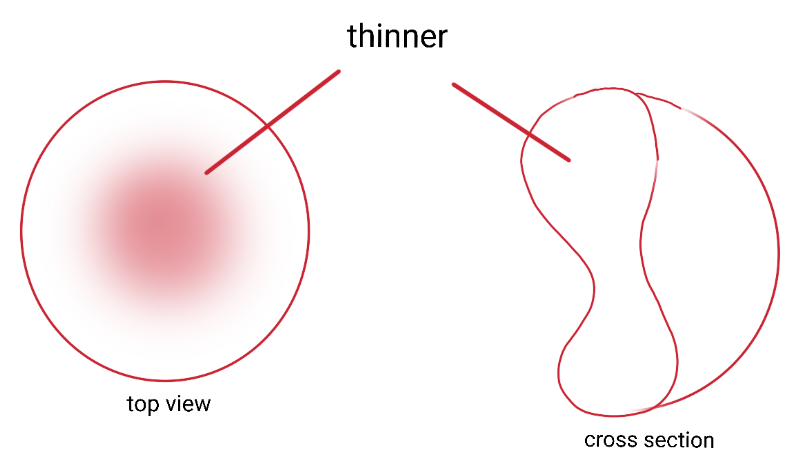
Red blood cells
Cell structure and function:
Transports oxygen to all parts of the body
Adaptation to function:
Contains haemoglobin ( a red pigment )
Transports oxygen
Circular bioconcave shape
Increases surface area- to- volume ratio which increases the rate of oxygen diffusion
Flexible and can squeeze through small blood vessels
Nucleus is absent
increases amount of haemoglobin carried
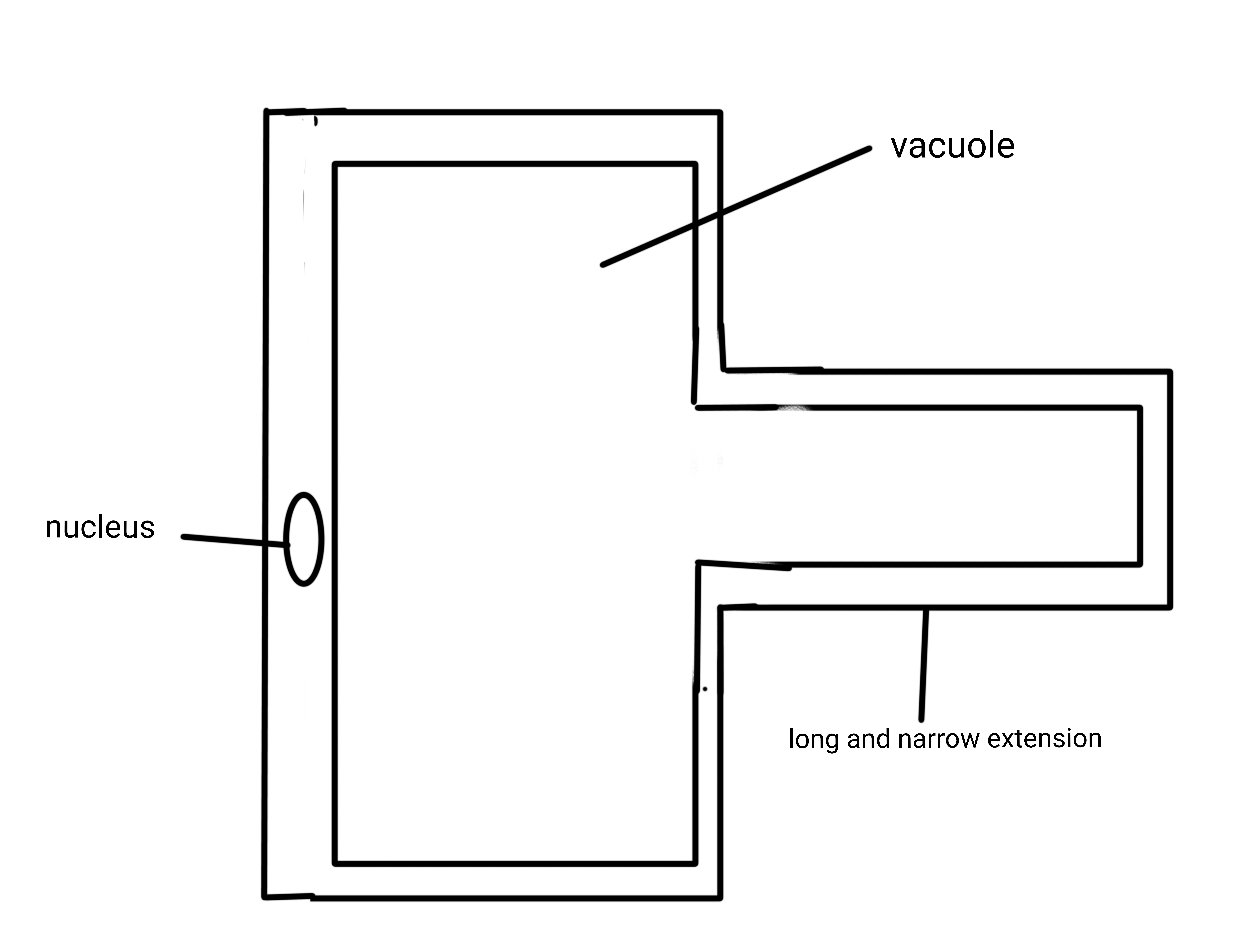
Root hair cell
Cell structure and function:
Absorbs water and mineral salts from the soil
Adaptation to function:
Long and narrow root hair extension
Increases surface area- to- volume ratio which increases rate of absorption or water and mineral salts
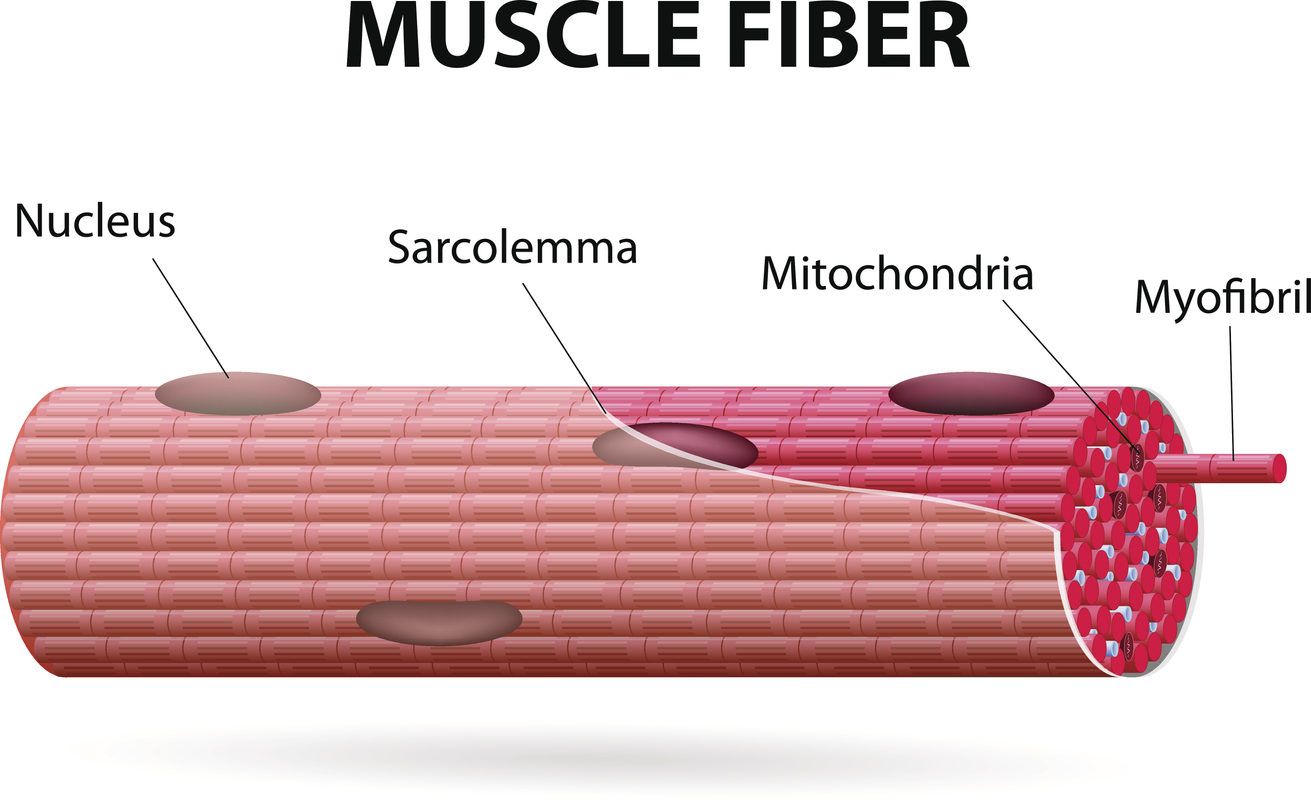
Muscle cell
Cell structure and function:
Causes muscle contractions to produce movement
Adaptation to function:
Contains many mitochondria which provide energy for muscle contractions
What is a tissue?
A tissue is a group of similar cells working together to perform a specific function
Simple tissue
A simple tissue consists of cells of the same type
Complex tissue
A complex tissue consists of more than one type of cell
Others…
Different tissues may combine together to form an organ
Organs work together in organ systems. The digestive system is an example of an organ system which involves organs such as mouth, oesophagus, stomach, small intestine, large intestine working together to digest food
A multicellular organism is made up of many organ systems working together
Levels of organisation in a multicellular organism
cells→tissue→organ→organ system→organism