Interactions
 Call Kai
 Learn
Learn Practice Test
 Spaced Repetition
 Match
Match Flashcards
 Knowt Play
1/13

There's no tags or description
Looks like no tags are added yet.
Name | Mastery | Learn | Test | Matching | Spaced | Call with Kai |
|---|
No analytics yet
Send a link to your students to track their progress
14 Terms
What is pharmacokinetics and pharmacodynamics?
Pharmacokinetics - processes that affect the drugs stay in the body. Everything that happens from administration to the target
Pharmacodynamics - drug-target or drug-drug-target interactions. Effect of drug at the receptor/cell/tissue
What is the physiology to control processes?
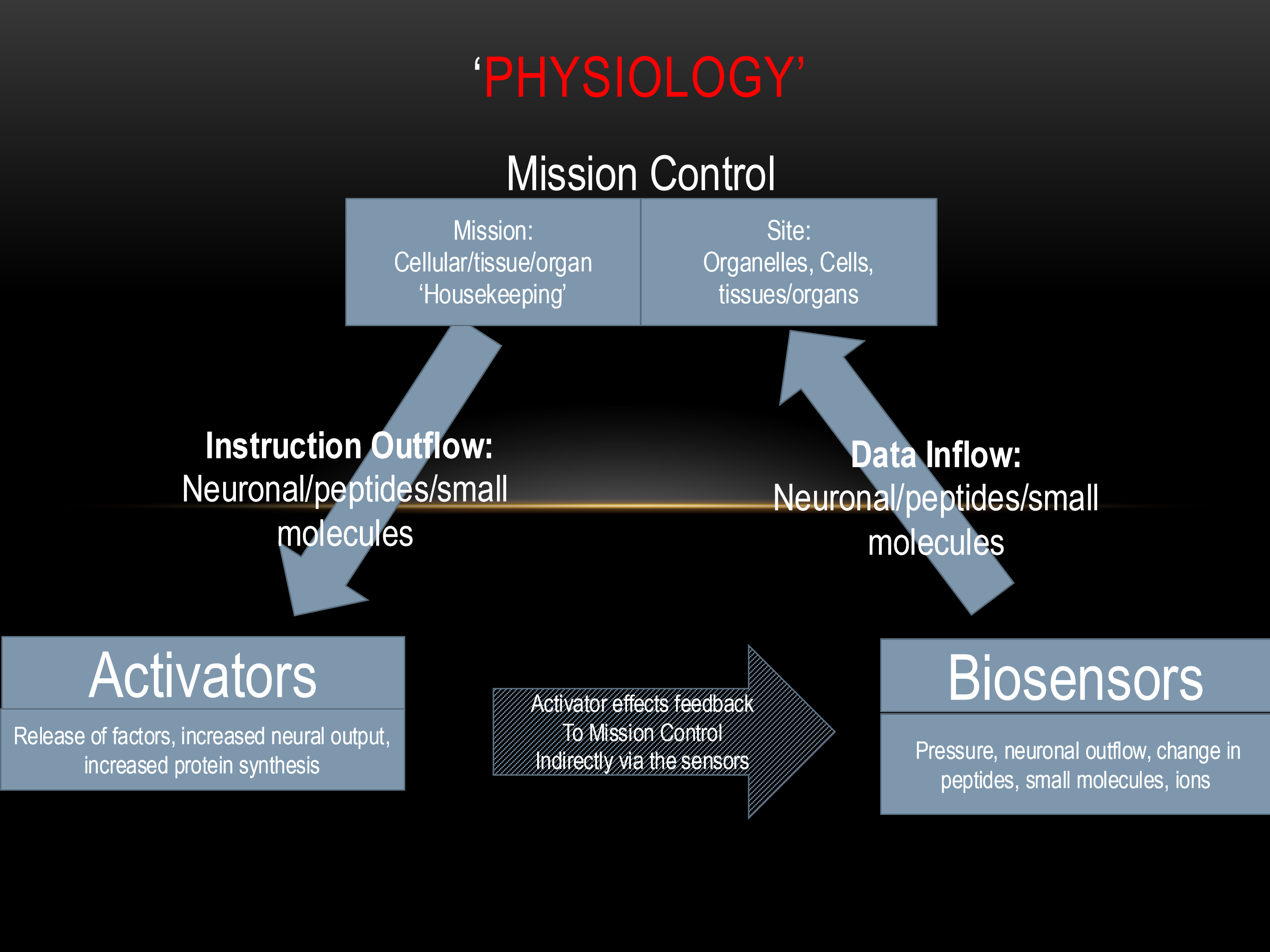
What is the physiology of the medulla oblongata?
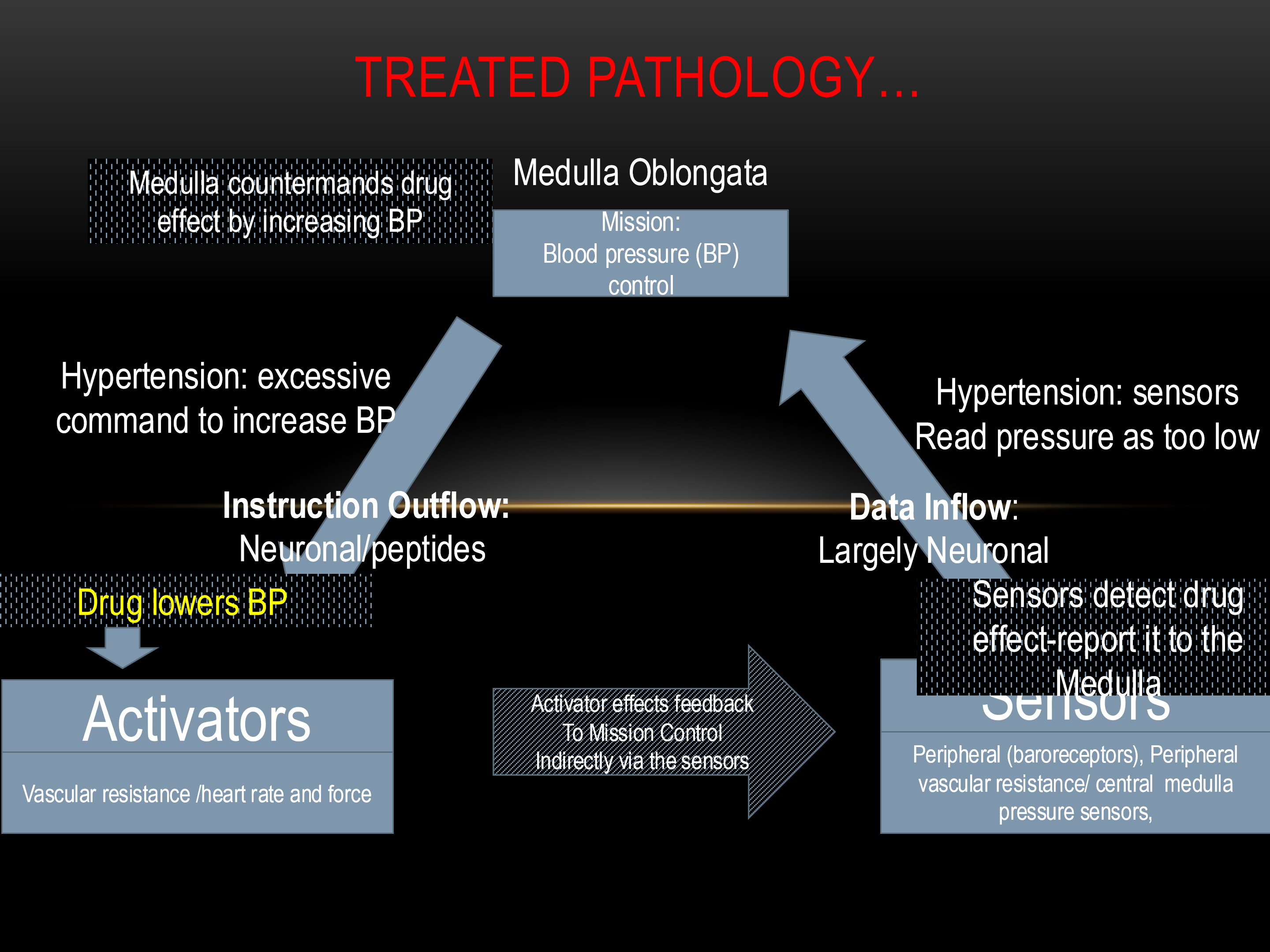
What do drugs interact with?
Endogenous proteins
Changing their structure or function (ir)reversibly
What are key features of drugs to be effective?
Selective
Specific
Affinity and potency
What is affinity and potency and which combo is agonistic or antagonistic?
Affinity - the attraction between drug/receptor or enzyme
Potency - if the interaction operates the receptor system
Affinity and potency - agonist (mimics action)
Affinity and no potency - antagonist (blocks action)
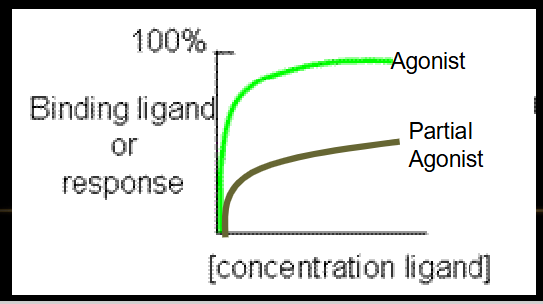
How do agonists work?
Endogenous function: controlled by endogenous agent which stimulates/is a substrate of a receptor/enzyme.
Effect is proportional to the concentration of the agent.
Agonist does the same thing, but may be more potent
Drug conc is proportional to its pharmacological effect based on a certain affinity and maximal response
How do antagonists work?
Endogenous agent which stimulates/is a substrate of a
receptor/enzyme.Effect is proportional to the concentration of the agent.
Antagonist prevents the endogenous agent’s effect
Antagonist has a similar affinity for the receptor/enzyme
It has no potency so prevents function
What are the 4 ways agonists and antagonists interact?
Competitively - agonist/antagonist have similar affinities, bind at the receptor/enzyme active site
Tamiflu, azoles, Viagra
Non-competitively - antagonist binds at a different site,
prevents function.Miraviroc (anti-HIV)
Uncompetitively - inhibitor binds to receptor/enzyme/agonist complex
Irreversibly - drug destroys enzyme or receptor
Fluoxetine
How can competitive inhibition be overcome?
Add enough agonist
Lower affinity but max potency
Why is grapefruit juice not allowed with some medication?
Blocking the enzyme CYP3A4 in the intestines, which normally breaks down medications
More drug enters the bloodstream instead of being metabolised → overdose and SEs
What medications cannot be taken while drinking grapefruit juice?
Statins - Atorvastatin and simvastatin.
BP meds - Ca channel blockers, felodipine and nifedipine.
Immunosuppressants - cyclosporine.
Anti-Anxiety/Psychiatric Drugs - Valium (diazepam) and Zoloft (sertraline).
Heart Rhythm Meds - Amiodarone.
Antihistamines - Fexofenadine
What is the therapeutic index?
Wide - toxic concs to be high and normal to be low
Narrow - levels are close together. High risk of toxicity

What drugs have a wide or narrow therapeutic indexes?
Wide TI drugs: SSRI’s like fluoxetine, sertraline, citalopram or penicillin
Narrow TI drugs: Tricyclic antidepressants like amitriptyline or warfarin, digoxin, levothyroxine