ACCIDENTS
 Call Kai
 Learn
Learn Practice Test
 Spaced Repetition
 Match
Match Flashcards
 Knowt Play
1/34

There's no tags or description
Looks like no tags are added yet.
Name | Mastery | Learn | Test | Matching | Spaced | Call with Kai |
|---|
No analytics yet
Send a link to your students to track their progress
35 Terms
- left hand area of the motorway
- what it's used for
- hard shoulder
- used for emergencies e.g. accidents & breakdowns
who also uses it and why
emergency services to get thru heavy traffic
when driving on the motorway & object from your or another vehicle falls, WHEN SAFE TO DO SO...
1) pull over
2) use emergency telephone to report the incident
3) NEVER attempt to retrieve the object yourself
flat tyre - what to do
1) grip steering wheel tightly
2) turn on hazard warning lights (all indicators are flashing)
3) DO NOT BRAKE!
4) pull over to hard shoulder and let car roll to stop
use hazard warning lights when you...
- have broken down
- are causing an obstruction
- need to warn drivers of hazard ahead of you
vehicle on the hard shoulder with help pennant means
the driver is most likely disabled
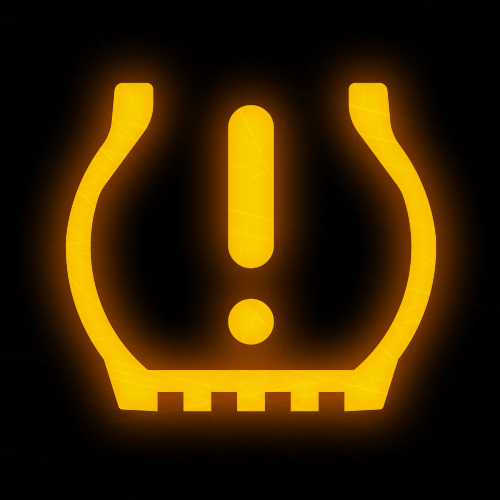
tyre pressure light
what to do when you have your warning light on
1) pull over when safe to do so
2) use vehicle handbook to check meaning of symbol + what actions to take
who do you speak to on the telephone
High ways England
what will they do
send out emergency services to deal with the objects on road
phone breakdown company (they’ll come to help)
what do they ask you on the phone
number on side of telephone to know where you are
what happened
details about you, the car, your breakdown company
what to do when the accident is NOT on the motorway
put warning traingle 45 metres behind car to warn other traffic of hazard
what is recommended to be carried in your car
warning traingle
first aid kit
fire extinguisher
details of all drivers involved in the accidents:
name
address
phone number
make + model of vehicle
registration number
insurance company
company details (if company vehicle)
if police are at the scene, what will they ask you for?
driving license
MOT test certificate
insurance certificate
if you hit property and owner isn’t in?
report to police within 24 hours of incident happening
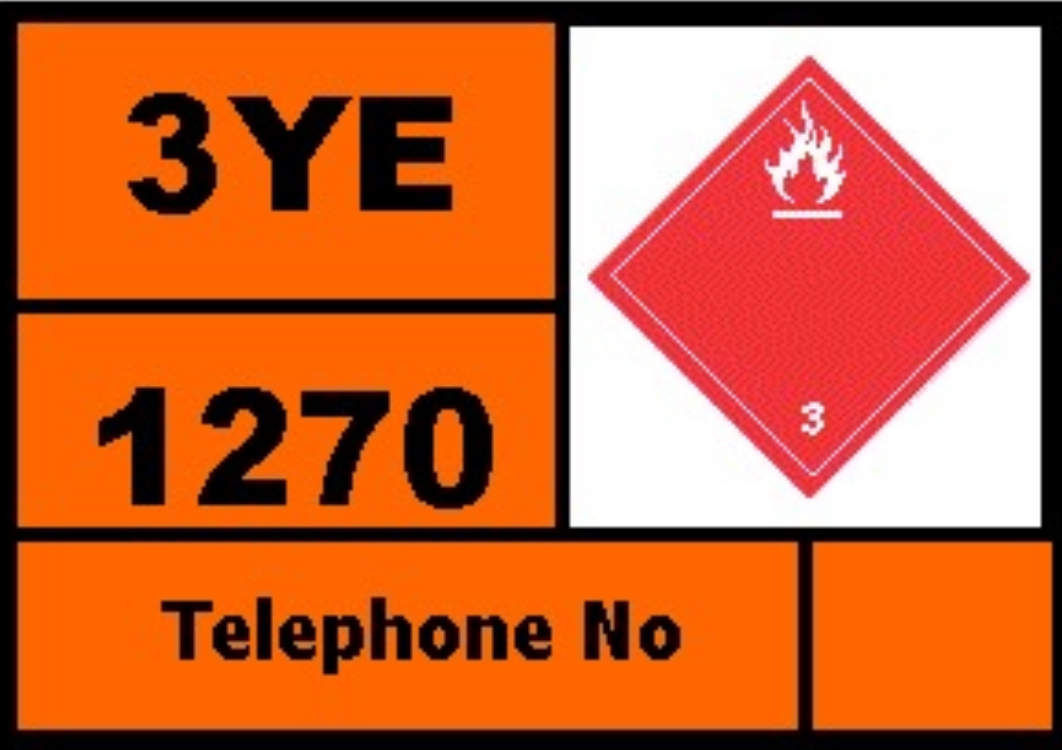
ALL vehicles carrying dangerous loads must display this sign
purpose of dangerous load sign
indicates what’s being carried + how dangerous it is + helps emergency services in accidents
breakdown in level crossing and warning lights start flashing…
get everyone out the car clear the crossing
use emergency contact phone to contact SIGNAL OPERATOR
push car off crossing ONLY IF INSTRUCTED BY SIGNAL OPERATOR
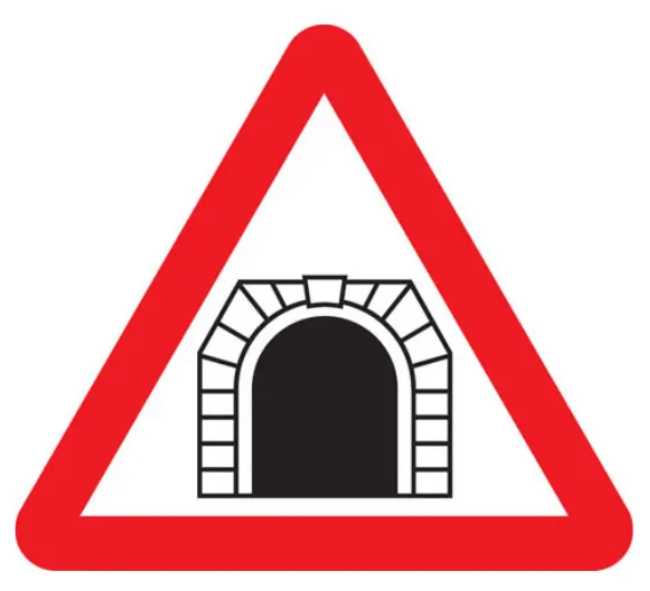
tunnel
sunglasses off
tune radio (gives updates on any accidents or fires in tunnel)
dipped headlights on to improve ur view
stopping in tunnels
leave safe distance between you and vehicle in front
should be able to see tires + tarmac infront
safeguard against risk of fire
don’t carry a can of fuel in the car
carry fire extinguisher
check any smell of fuel
if fire started inside tunnel…
…drive out
if unable to do so?
hazard warning lights on
turn engine off
use fire extinguisher
use emergency telephone box to call for help (as there’s no signal)
if urs or another car catches fire and it’s not able to drive out…
…use emergency exit to get out
breakdown and collision?
1) hazard lights on
2) turn off engine
3) use emergency phone
collision whilst moving? MUST STOP AT THE SCENE OF INCIDENT
what to do when u think someone’s not breathing?
1) check if mouth is blocked
2) tilt head back to clear airways and check breathing for at least 10 seconds (hold hand close to nose/mouth
what to do if they’re ACTUALLY not breathing?
chest compressions
place heel of your hand in centre of persons chest
place other hand on top interlocking your fingers
push down by 5-6cm
repeat at rate of 120 compressions per minute/ 2 per second
repeat compressions 30 times
do CPR (head tilted back still) - pinch nostrils together + blow into mouth until chest rises and repeat until they start breathing OR help arrives
be gentle if it’s a child
burns
douse burn in NON-TOXIC liquid e.g. water
cool burn for AT LEAST 10 minutes so heat doesn’t burn them
DONT REMOVE ANYTHING STICKING TO THE BURN!
bleeding
check there’s nothing in the wound
if there is, LEAVE IT IN for medical professionals
raise would above heart level and apply pressure to wound to reduce blood flow
shock - signs
rapid pulse
pale skin
sweating
shallow rapid breathing
shock - what to do
reassure them
don’t leave them alone
keep them warm
don’t move them
what to not offer them
food
drinks
cigarette
if injured person lies on the road…
…warn other traffic
what NOT to do in motorcyclist accident
don’t remove their helmet