CHEM 122 Lab Final
 Call Kai
 Learn
Learn Practice Test
 Spaced Repetition
 Match
Match Flashcards
 Knowt Play
1/109

There's no tags or description
Looks like no tags are added yet.
Name | Mastery | Learn | Test | Matching | Spaced | Call with Kai |
|---|
No analytics yet
Send a link to your students to track their progress
110 Terms
Objectives of Lab 2 (Colligative Properties: Freezing Point Depression)
-Define colligative properties
-Use the freezing point depression constant of cyclohexane to determine the concentration and identity of an unknown solution
What do colligative properties depend on?
Only the ratio of the number of solute particles to the number of solvent particles, and not the identity of the solute
What properties are considered colligative
Boiling point, osmotic pressure. vapor pressure. and freezing point
What reagents were used in lab 2?
Cyclohexane and NaCl (solid)
True or False: Kf depends on the identity of the solute
False, its dependent on the solvent
Adding a solute to a solvent wil:
Elevate boiling point, decrease vapor pressure, increase osmotic pressure, and depress the freezing point
Objectives of Lab 3 (Titration Antacid Analysis)
-Set up and perform a neutralization titration
-Describe how antacids function to neutralize stomach acid
-Calculate the amount of acid neutralized by an antacid tablet
Why is acid needed in the digestive process?
To activate the enzyme, pepsin, which helps with breaking down food
What color will the phenolphthalein indicator turn in basic solutions (high pH)?
Pink
What causes someone to feel heartburn?
Overeating or eating specific foods, which causes the stomach to secrete more HCl than is needed
Antacids provide relief from:
Gastric hyperacidity
Why are HCl and NaOH considered safety hazards in the lab?
They are corrosive to the skin and eyes
What reagents were used in lab 3?
-Antacid (tums, aka-seltzer, gaviscon)
-HCl
-NaOH
-Phenolphthalein indicator
Objectives of Lab 4 (The Iodine Clock: Reaction Kinetics)
-Describe the factors that influence reaction kinetics
-Calculate the molarity of a solution
-Discuss how increasing the concentration of a reactant influences the rate of the reaction
Define kinetics
The study of reaction rates
True or False: In general, increasing temperature increases the reaction rate
True
Reaction Mechanism
The step or series of steps (pathway) by which the reactants form products
Chemical nature of the reacting species
The chemical structure and composition of the reacting substances govern how fast a reaction takes place
Concentration of reacting species
Can be molarity for liquids or partial pressure for gases. Any increase in the number of reacting species in a given volume results in an increase in collisions, increasing the odds of a collision with sufficient energy and correct orientation. This increases the rate
Surface area in heterogeneous reactions
Species involved in heterogeneous reactions can react only where the two phases touch; small particles have a larger surface area than larger particles
Catalysts
Alter the mechanism of the reaction by interacting with the reactants to provide a new pathway with lower activation energy (meaning a high percentage of the reacting species has sufficient energy to react)
What reagents were used in lab 4?
-KIO3
-Bisulfite
Rate Law
The relationship between the rate of a chemical reaction and the concentration of the reactants, if all other factors are held constant
Objectives of Lab 5 (Le Châteliers Principle)
-Explain Le Chǎteliers principle
-Predict the direction of equilibrium shift when a stress is applied to the system
-Describe qualitative changes observed when a system experiences stress
What is Le Chǎteliers principle?
When a stress is applied to a system at equilibrium, the system will adjust so as to relieve that stress
If you spill concentrated HCl, you need to flush the spill with plenty of water followed by a solution of sodium bicarbonate. Why is it necessary to flush with a solution of sodium bicarbonate?
Because sodium bicarbonate is a neutralizer which is necessary to neutralize the reaction of HCl
Adding a reactant
Right shift
Adding a product
Left shift
Removing a product
Right shift
Removing a reactant
Left shift
Decrease in volume
Shifts towards the lower ratio of moles
Increase in volume
Shifts towards the higher ratio of moles
For an endothermic reaction, increasing heat will shift the reaction:
Right
For an endothermic reaction, decreasing heat will shift the reaction:
Left
For an exothermic reaction, increasing heat will shift the reaction:
Left
For an exothermic reaction, decreasing heat will shift the reaction:
Right
Objectives of Lab 6 (Buffers and Salt Hydrolysis)
-Explain how chemists use buffer systems to control pH
-Calculate hydronium and hydroxide ion concentrations
-Explain the process of hydrolysis
What does a buffer do?
It resists large changes in pH upon dilution or addition of small amounts of acid or base
_____ acids have a larger value Ka
Stronger acids
_____ acids have a smaller Ka
Weaker acids
_____ bases have a larger Kb
Stronger bases
____ bases have a smaller Kb
Weaker bases
Blood buffer
Bicarbonate system
What happens if the bicarbonate system is disrupted?
-Acidosis or alkalosis (too much acid or base)
-Symptoms: nausea, migraine, cramps, fainting, coma, death
True or False: Proteins act as buffers
True
Objectives of Lab 7 (Finding Equilibrium Constants: The Solubility of Borax)
-Calculate the solubility constant of Ksp
-Perform a titration
Define Ksp
Ksp is the solubility product constant, which indicates how soluble a solid is in water
Objectives of Lab 8 (Qualitative Analysis: Cations, Anions, and Complex Ions)
-Become acquainted with the chemistry of several elements
-Understand the principles of qualitative analysis
-Identify unknown cations/anions
Qualitative Analysis
Determines presence of substance based on its reactivity
What is qualitative analysis used for?
Speed and mobility
Anode
What's being oxidized
Cathode
What's being reduced
Objectives of Lab 9 (Oxidation-Reduction Reactions)
-Describe the transfer of electrons in an oxidation-reduction reaction
-Illustrate an electrochemical cell and describe the system in terms of half-cells
Calculate the free energy of a given system and state whether the reaction is spontaneous or non spontaneous
A solution contains 0.119 moles of an unknown compound and 200g of acetic acid. The Kf of acetic acid is 3.90 ℃/𝓂 and the normal freezing point of acetic acid is 16.6 ℃. Calculate the freezing point of the solution
~14.26℃
A solution contains 233 g of an unknown compound in 1000 g of cyclohexane. The molality of this solution is 3.6 𝓂. What is the molar mass of the unknown compound?
~65 g/mol
Is NaCl neutral, basic, or acidic?
Neutral
Is ZnBr2 neutral, basic, or acidic?
Acidic
Calculate the Ka of HCH3CO2 (acetic acid) if the Kb of CH3COO- (acetate ion) is 5.6E-10
~1.8E-5
What is the pH of a buffer that contains 0.800 M acetic acid and 1.000 M sodium acetate? The Ka of acetic acid is 1.8E-5
4.84
What is the pH of a 0.25 M NaOH solution?
13.40
The rate law for a reaction rate is rate=k[A][B]. What is the reaction order with respect to reactant A
The reaction order with respect to A is 1
You mix 40 mL of 0.02 M KIO3 with 10 mL of 0.01 M sulfite-starch solution in 70 mL of water. What is the initial concentration of KIO3 in the reaction mixture?
0.0067
Complete the following neutralization reaction: CaCO3 + HCl
CaCO3 + 2HCl -> CaCl2 + H2O + CO2
A titration is performed. 13.2 mL of 2.7 M HCl was required to titrate 25.0 mL of NaOh to the equivalence point. What is the molarity of NaOh at the equivalence point?
1.4 M NaOH
Is a solution of sodium acetate acidic, neutral, or basic?
Basic
Is a solution of ammonium chloride acidic, basic, or neutral?
acidic
Calculate the pH of a 0.100 M KCN solution. The Ka of HCN is 6.2E-10
11.11
What us the Ksp expression for the following equilibrium: AgBr (s) ⇌ Ag+ (aq) + Br- (aq)
Ksp=[Ag+][Br-]
Solid BaF2 is added to pure water, and some of the solid remains undissolved. Analysis of the equilibrium solution indicates that the fluoride ion concentration is 1.5E-2 M
a) Write the chemical equation for the dissociation of the solid into its ions
b) What is the Ksp expression
c) Calculate the Ksp
a) BaF2 (s) ⇌ Ba 2+ (aq) + 2F- (aq)
b) Ksp=[Ba2+][F-]^2
c) 1.7E-6
True or False: For qualitative analysis, ions are grouped according to their reactivity to known specific compounds
True
Barium (Ba 2+) is a Group IV cation. K2CrO4 will precipitate any barium present as a bright yellow precipitate. Write the balanced net ionic equation for the reaction between Ba 2+ and K2CrO4.
Ba^2+ (aq) + CrO4^2- (aq) ⇌ BaCrO4 (s)
Addition of AgNO3 will precipitate any chloride (Cl-) present as a white precipitate. Write the balanced net ionic equation for the reaction between AgNO3 and Cl-
Ag+ (aq) + Cl- (aq) ⇌ AgCl (s)
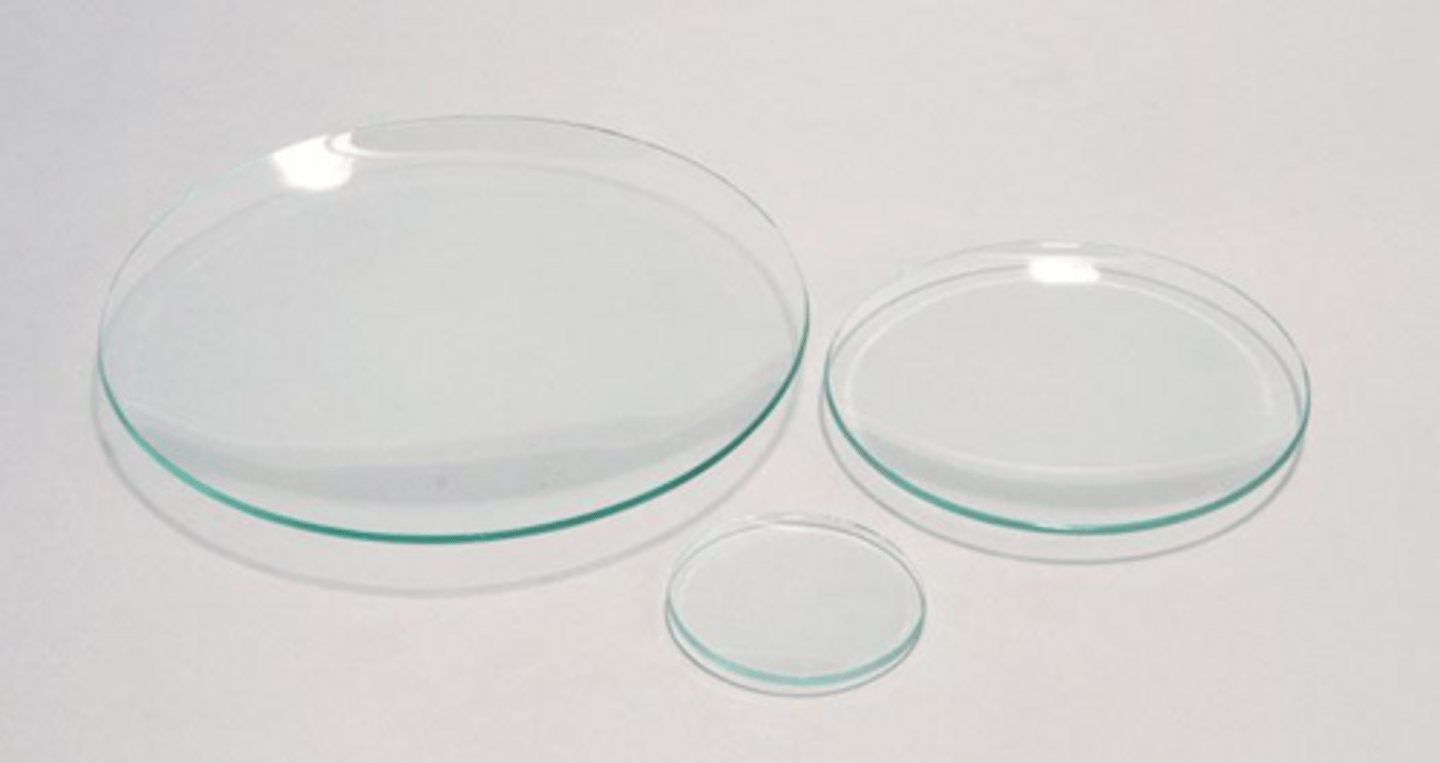
Watch glass
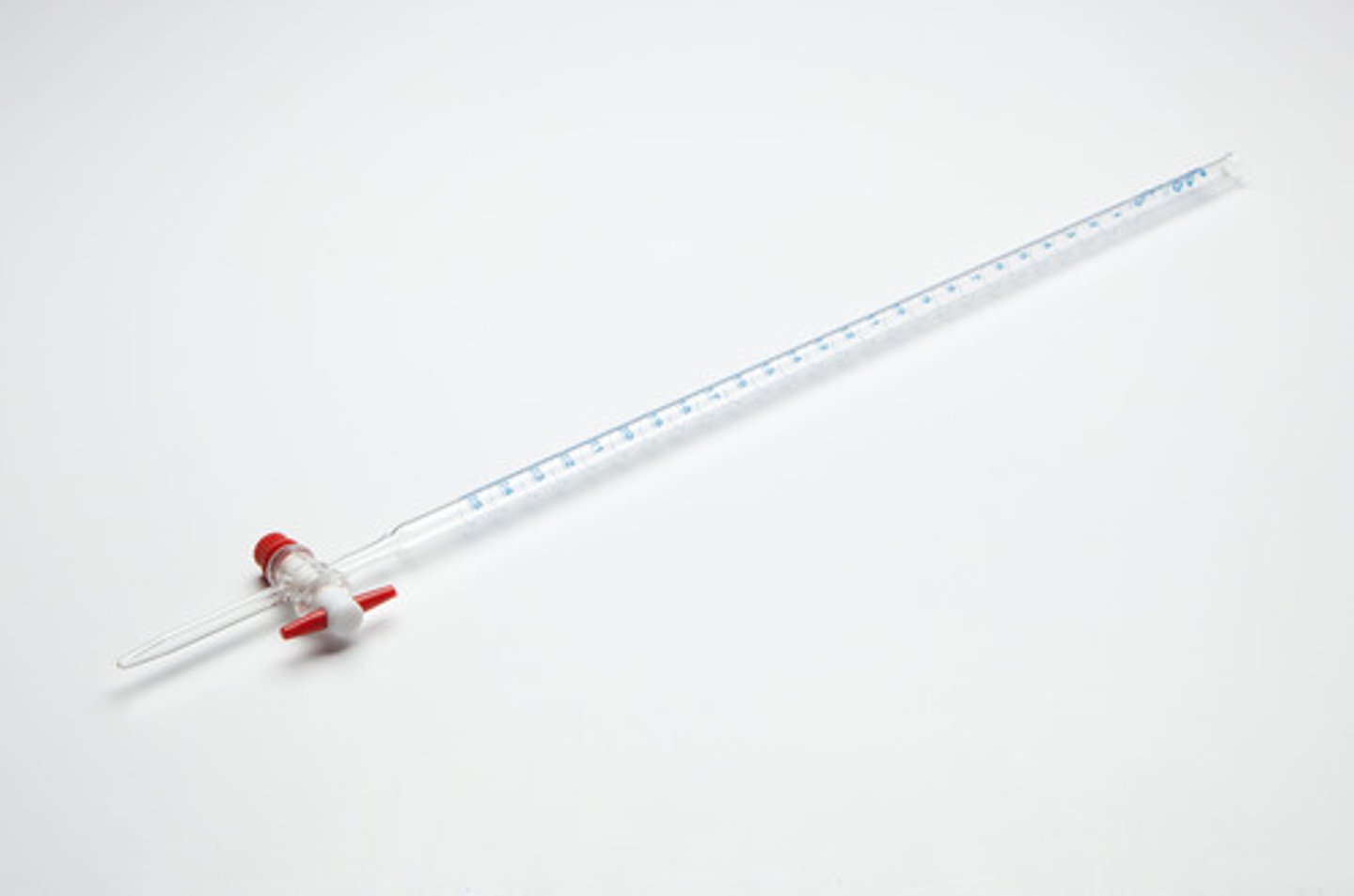
Buret
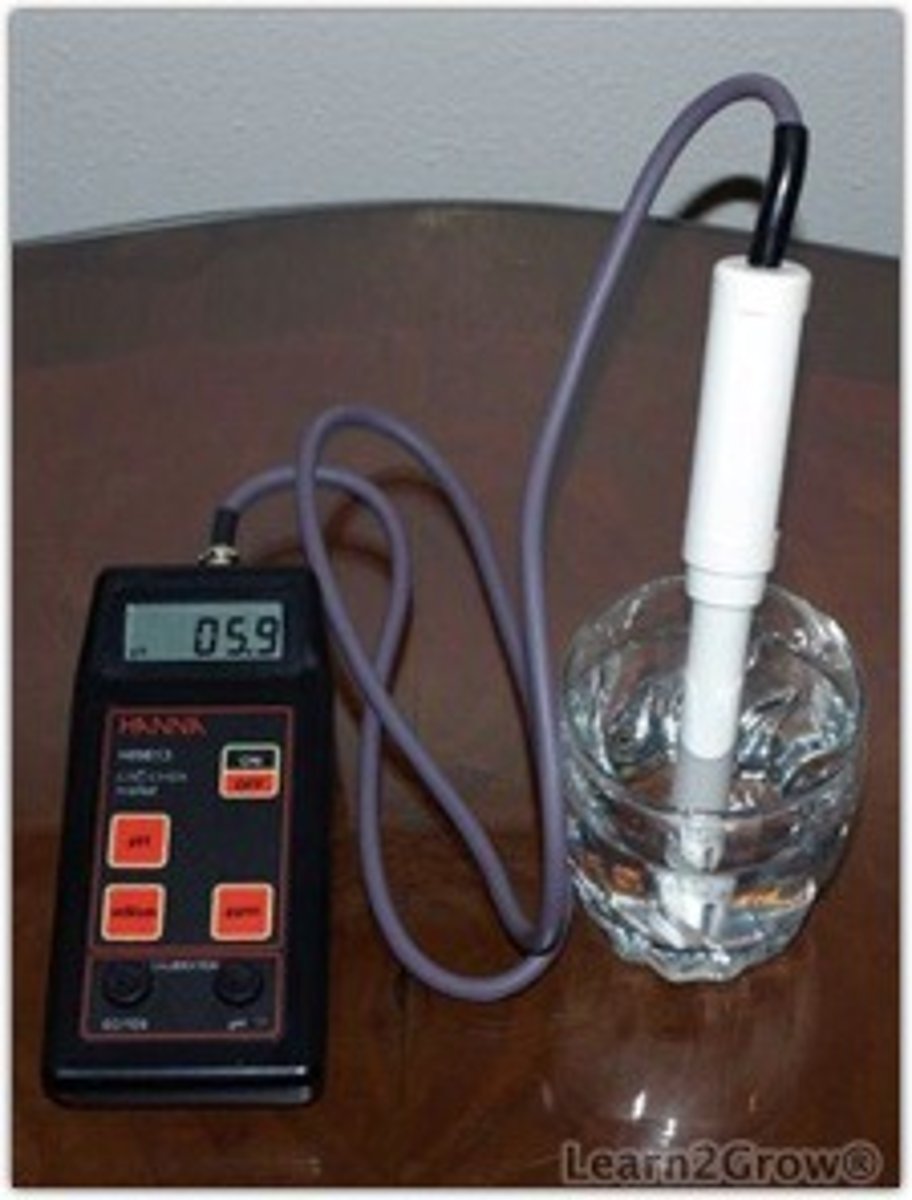
pH meter
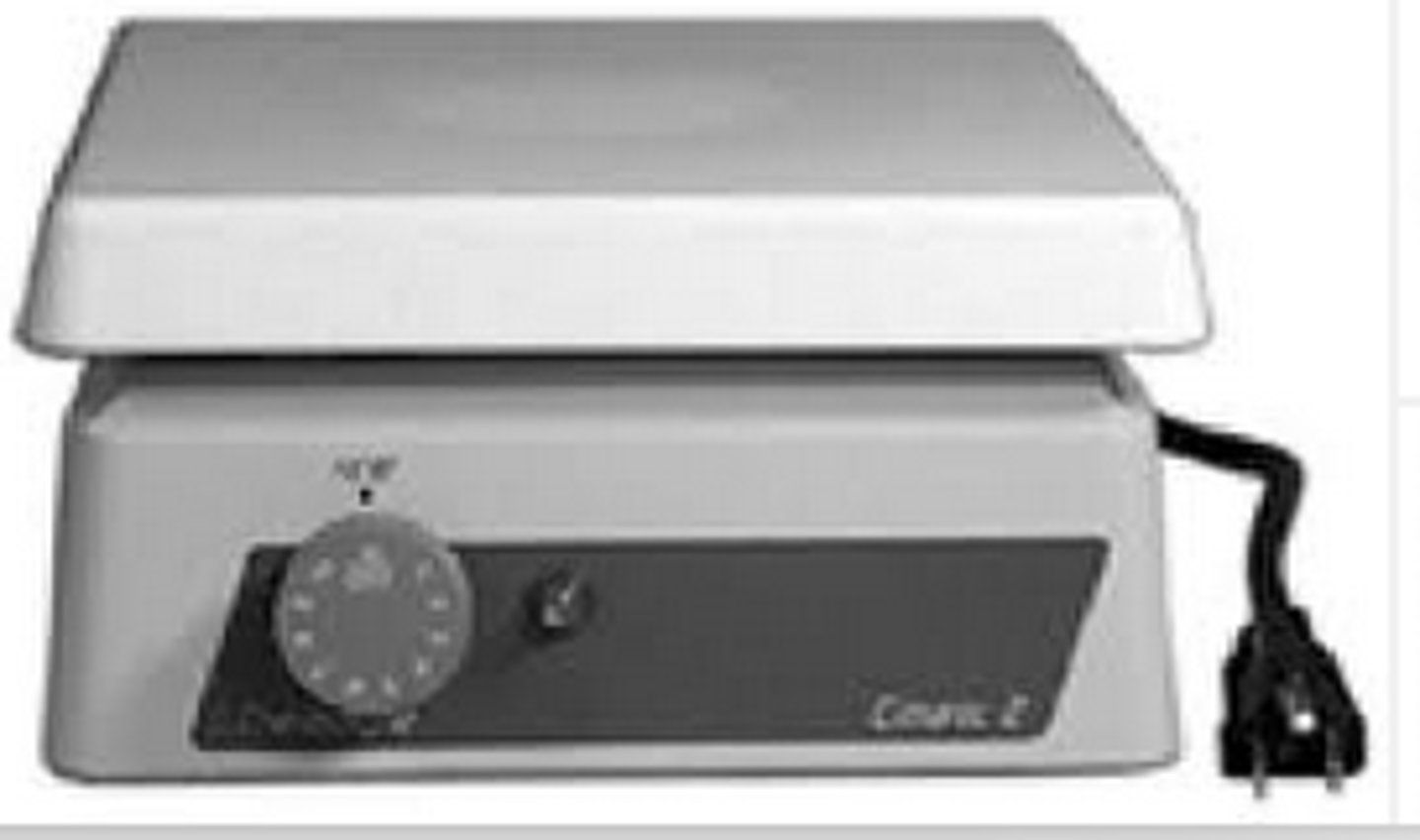
Hot plate
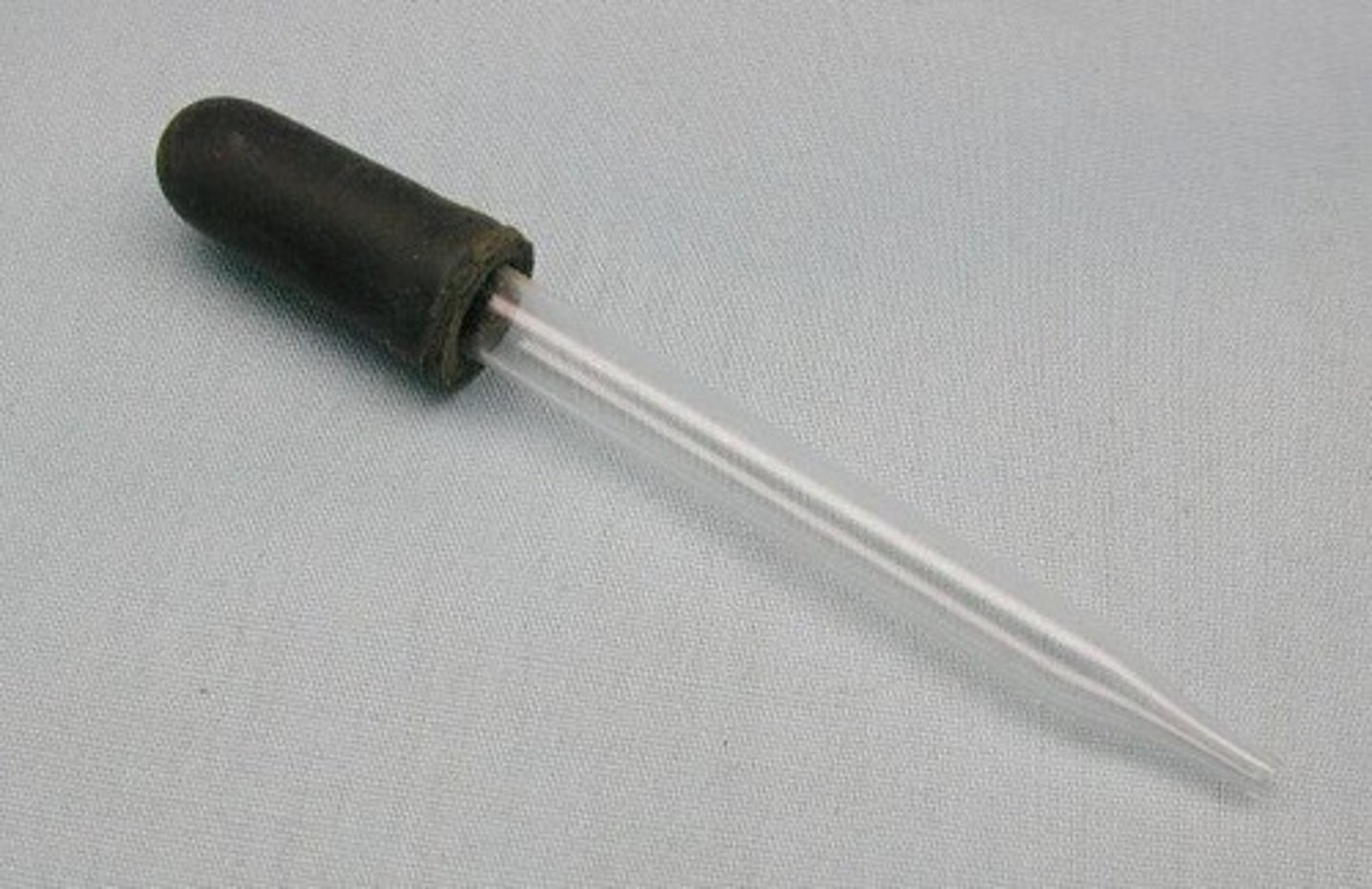
Pipet
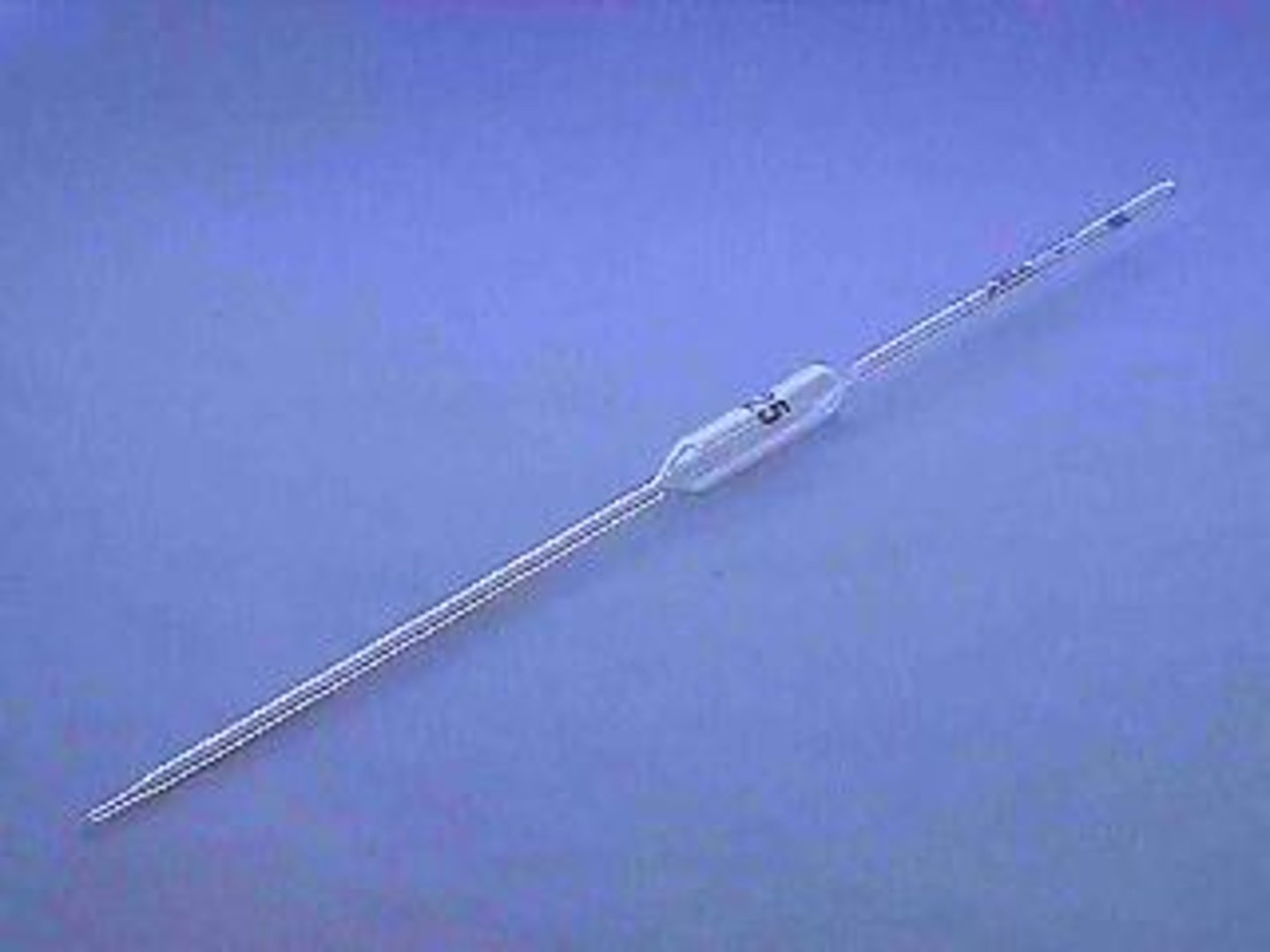
Volumetric pipet
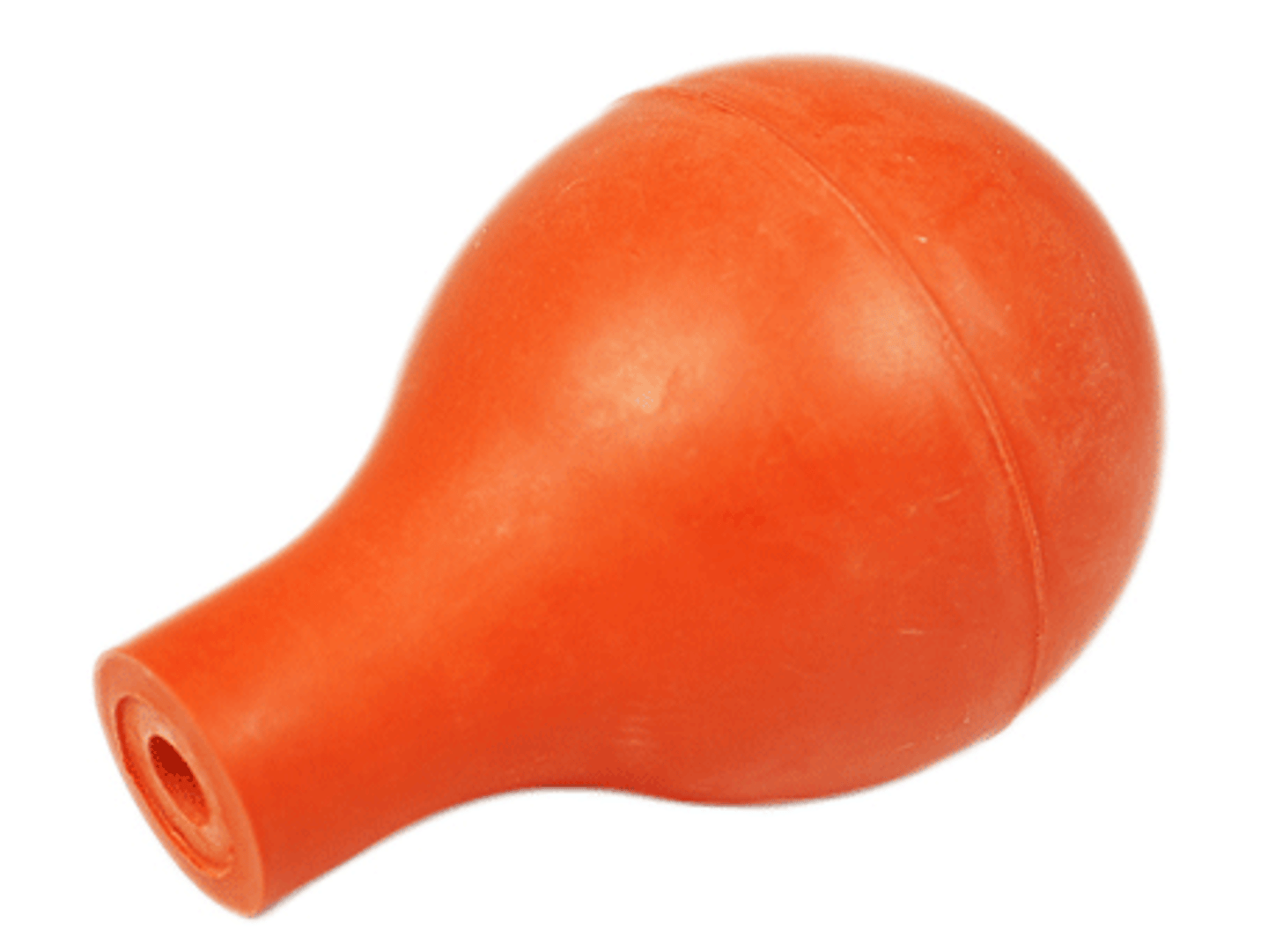
Pipet bulb
Stir Bar

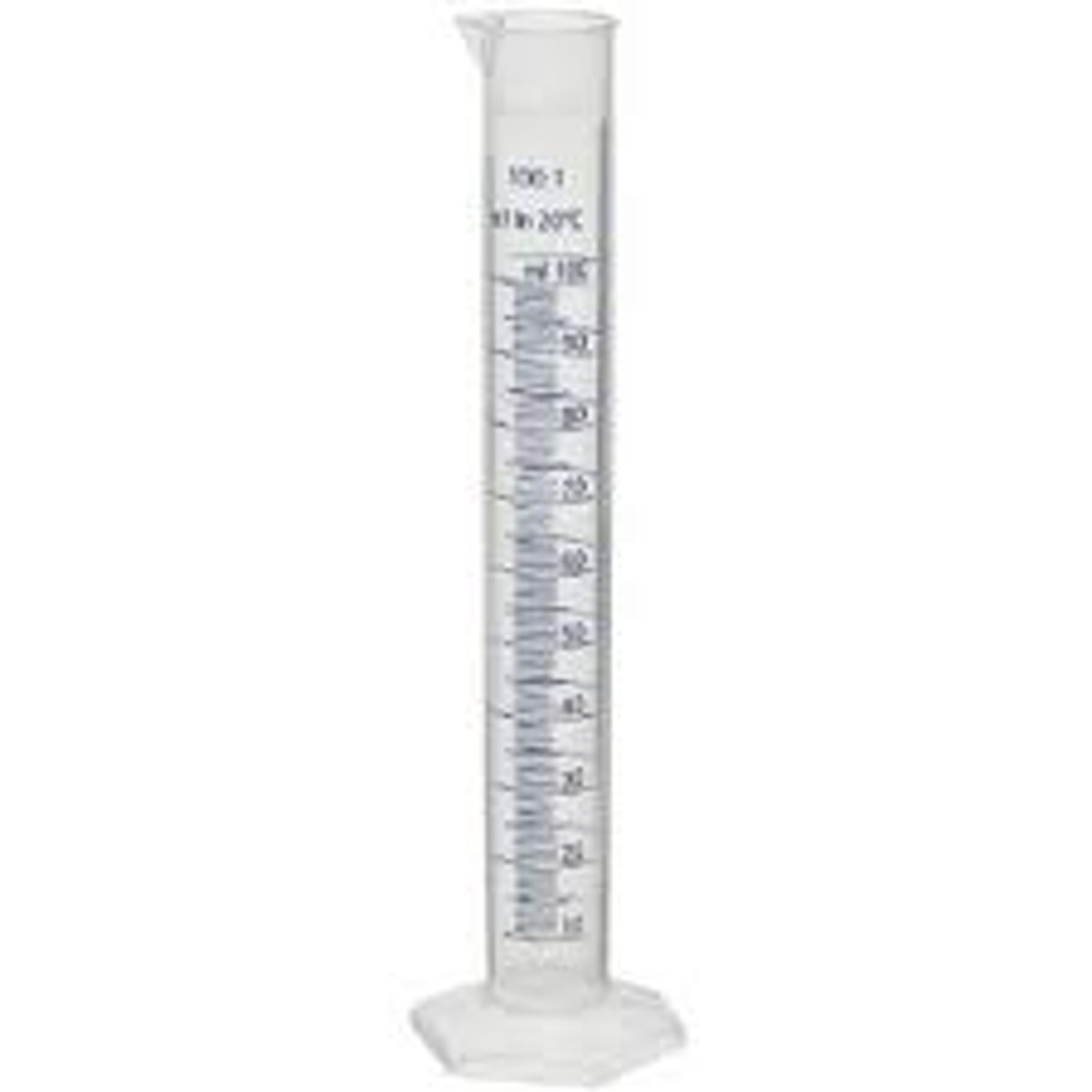
Gradulated cylinder
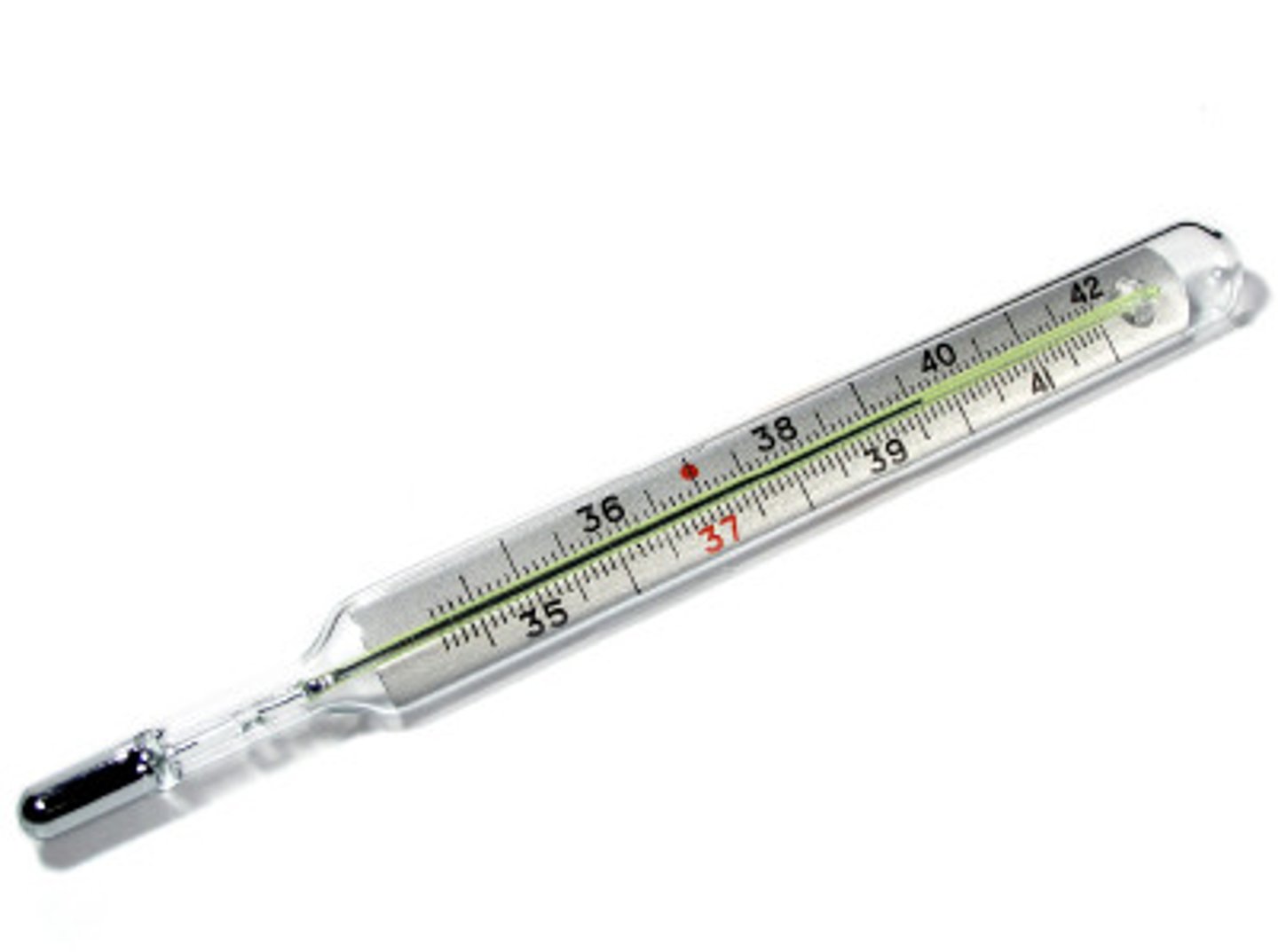
Thermometer
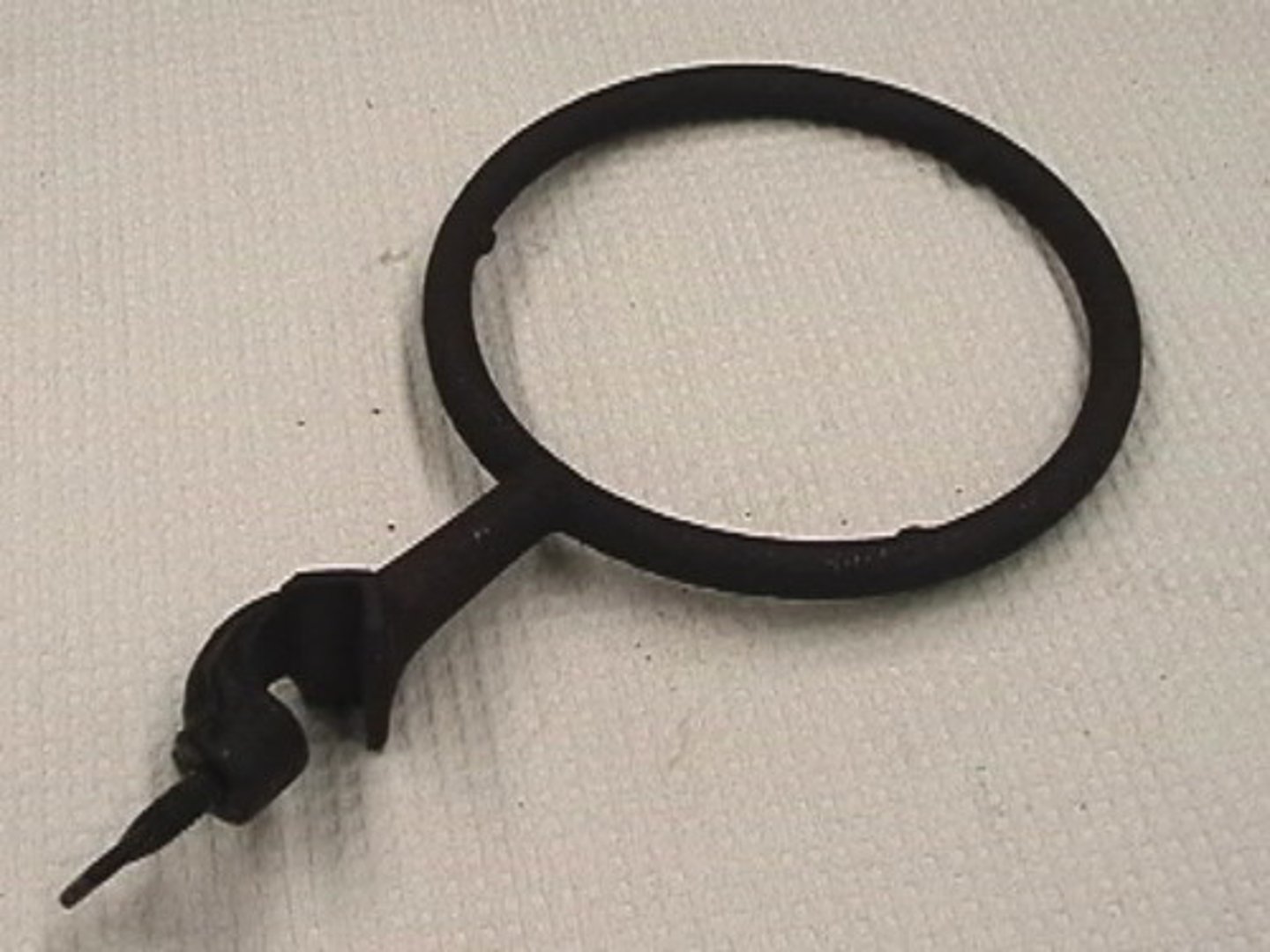
Clamp
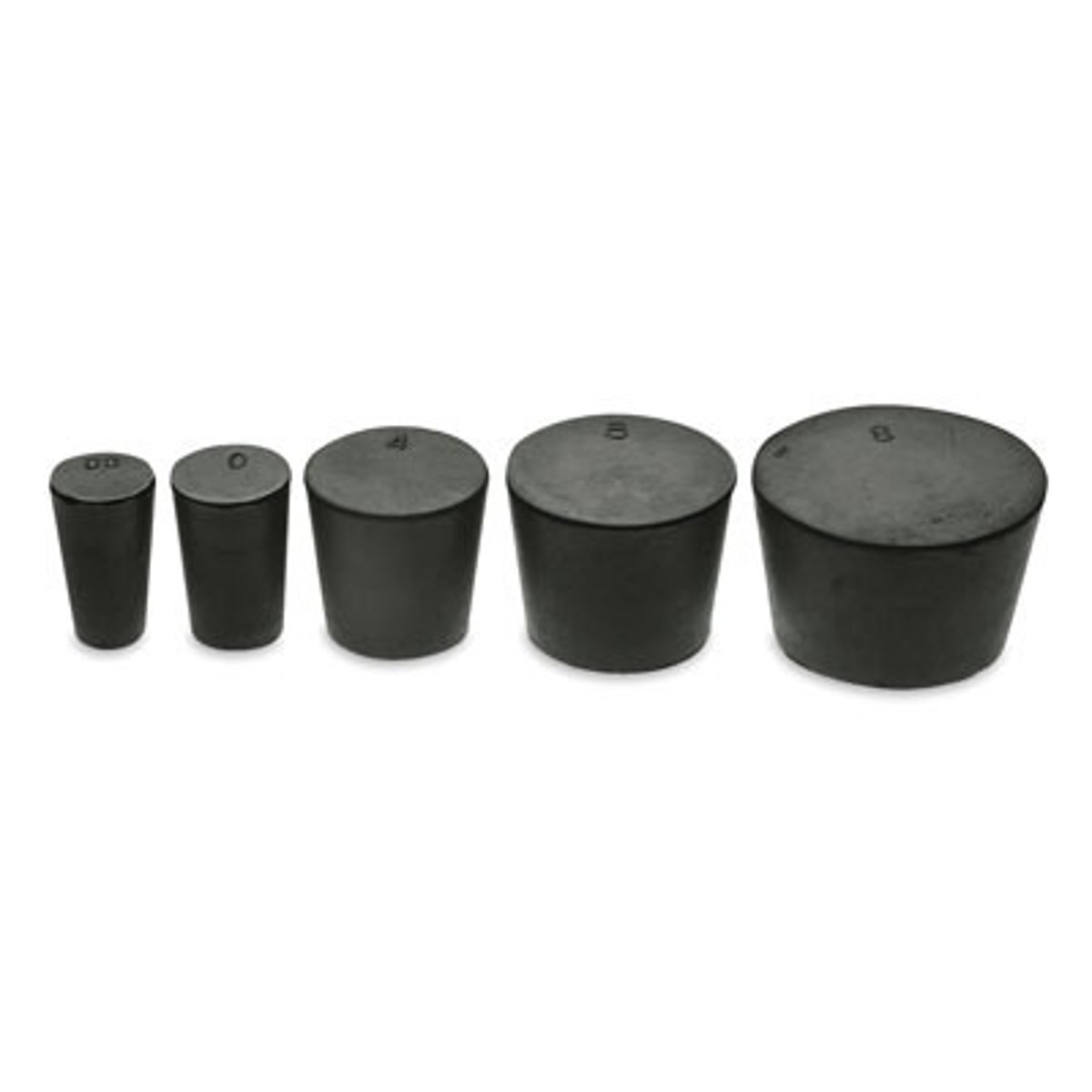
Rubber stopper
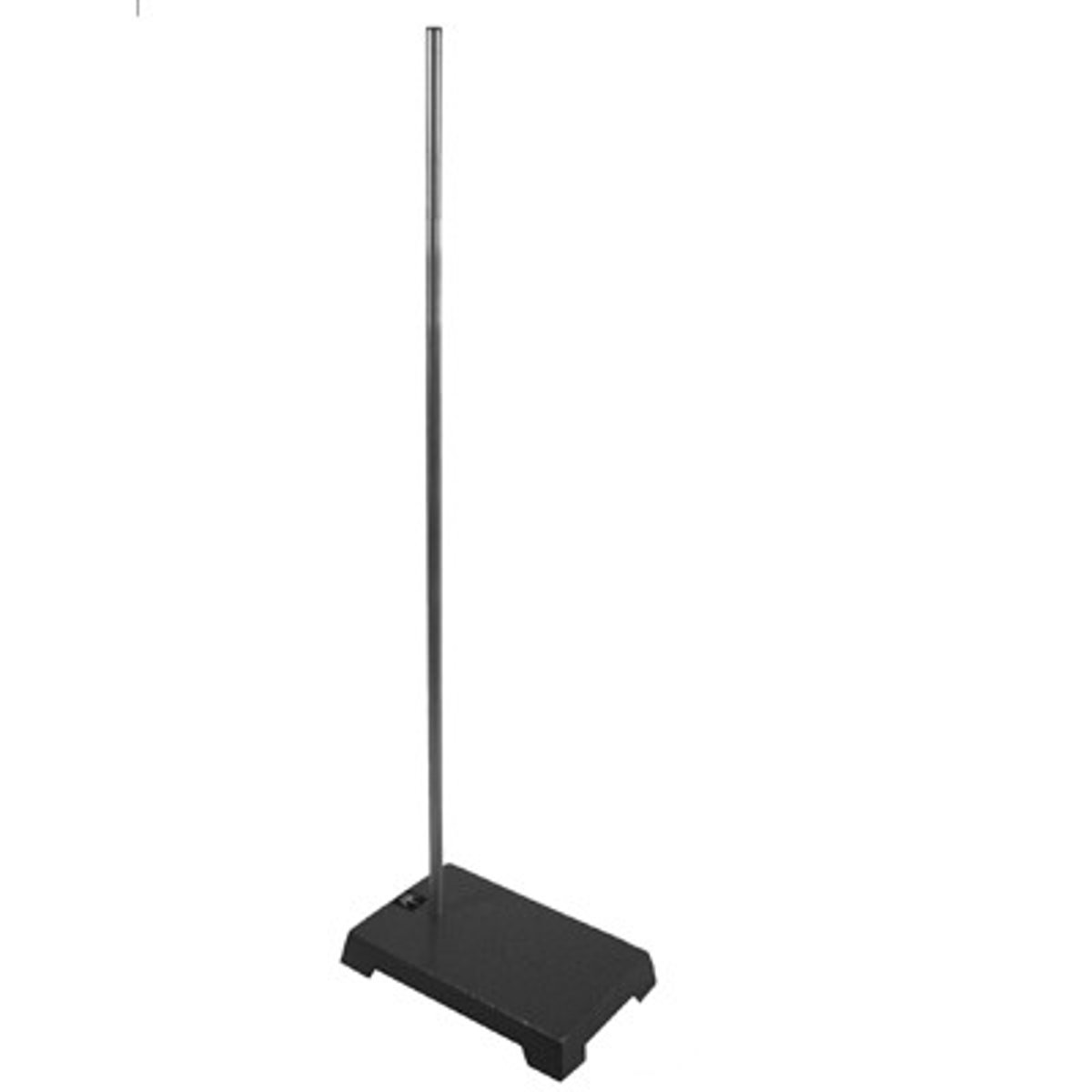
Ring stand
Sn^2+ -> Sn^4+ + 2e-
Fe^3+ + e- -> Fe^2+
The standard cell potential for the overall redox reaction is +0.617 V. Calculate Delta G knot for the redox reaction.
-1.191E5 J or -119.06 kj
Calcium (Ca^2+) is a Group IV cation, K2C2O4 will precipitate any calcium present as a white solid. White the balanced net ionic equation for the reaction between Ca^2+ and K2C2O4
Ca^2+ (aq) + C2O4^2- (aq) -> CaC2O4 (s)
Addition of dilute acid (H+) causes vigorous bubbling/fizzing with carbonates. Write the balanced net ionic equation for the reaction between H+ and CO3^2-
2H+ (aq) + CO3^2- (aq) -> H2O + CO2
Complete the following neutralization reaction:
NaHCO3 + HCl ->
NaHCO3 + HCl -> NaCl + H2O + CO2
Complete the following neutralization reaction:
Mg(OH)2 + HCl ->
Mg(OH)2 + 2HCl -> MgCl2 + 2H2O
Complete the following neutralization reaction:
Al(OH)3 + HCl ->
Al(OH)3 + 3HCl -> AlCl3 + 3H2O
rate of reaction
the change in concentration of a reactant or product per unit time
Given the following rate law, how does the rate of reaction change if the concentration of X is doubled?Rate = k[X][Y]4
The rate of reaction will increase by a factor of 2.
Which rate law is [A] vs time? What slope does it have?
Zero order and it has a slope of -k
Which rate law is ln[A] vs time? What slope does it have?
First order and it has a slope of -k
Which rate law is 1/[A] vs time? What slope does it have?
Second order and it has a slope of +k
In experiment 4, how were you able to evaluate temperature change in reaction rates?
performed ice bath at room temp, cold and warm temp
barium
bright yellow precipitate
calcium
white precipitate
Na
bright yellow flame