Bennett Biology - Meiosis
 Call Kai
 Learn
Learn Practice Test
 Spaced Repetition
 Match
Match Flashcards
1/28

There's no tags or description
Looks like no tags are added yet.
Name | Mastery | Learn | Test | Matching | Spaced | Call with Kai |
|---|
No analytics yet
Send a link to your students to track their progress
29 Terms
asexual reproduction
Has the advantage of producing offspring in greater numbers, with no partner required. (cloning)
sexual reproduction
Reproduction that results from combining genetic material from two individuals.

mitosis
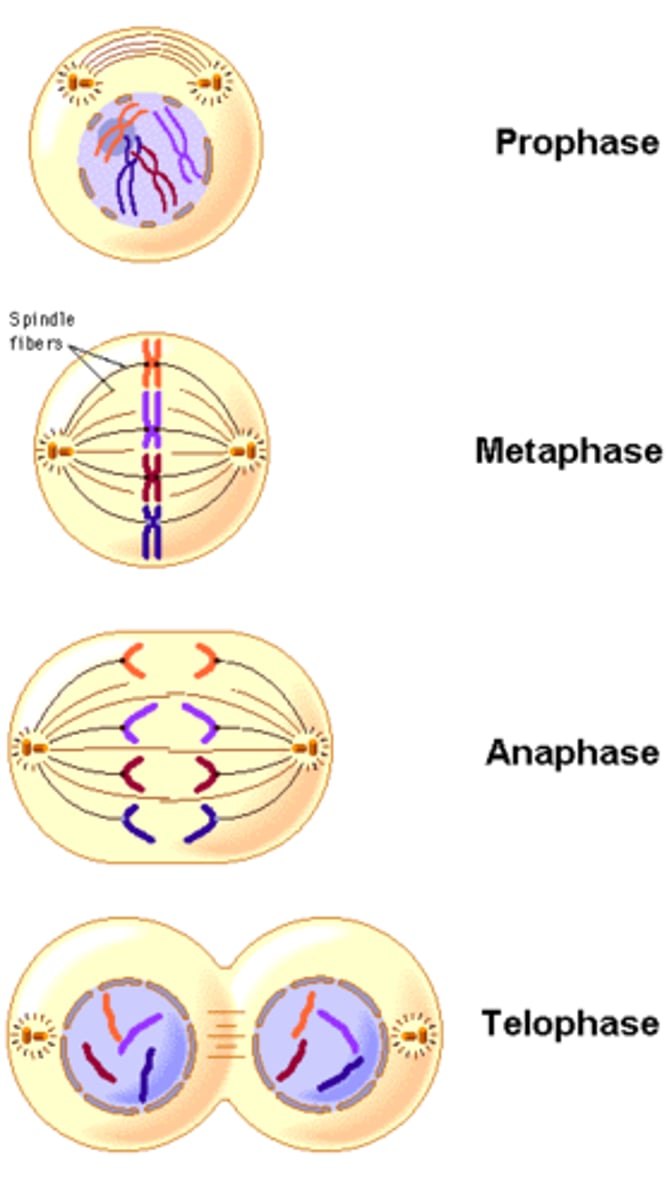
Produces cells almost genetically identical. Cell division for growth, repair or maintenance. Occurs in somatic cells. PMAT
meiosis
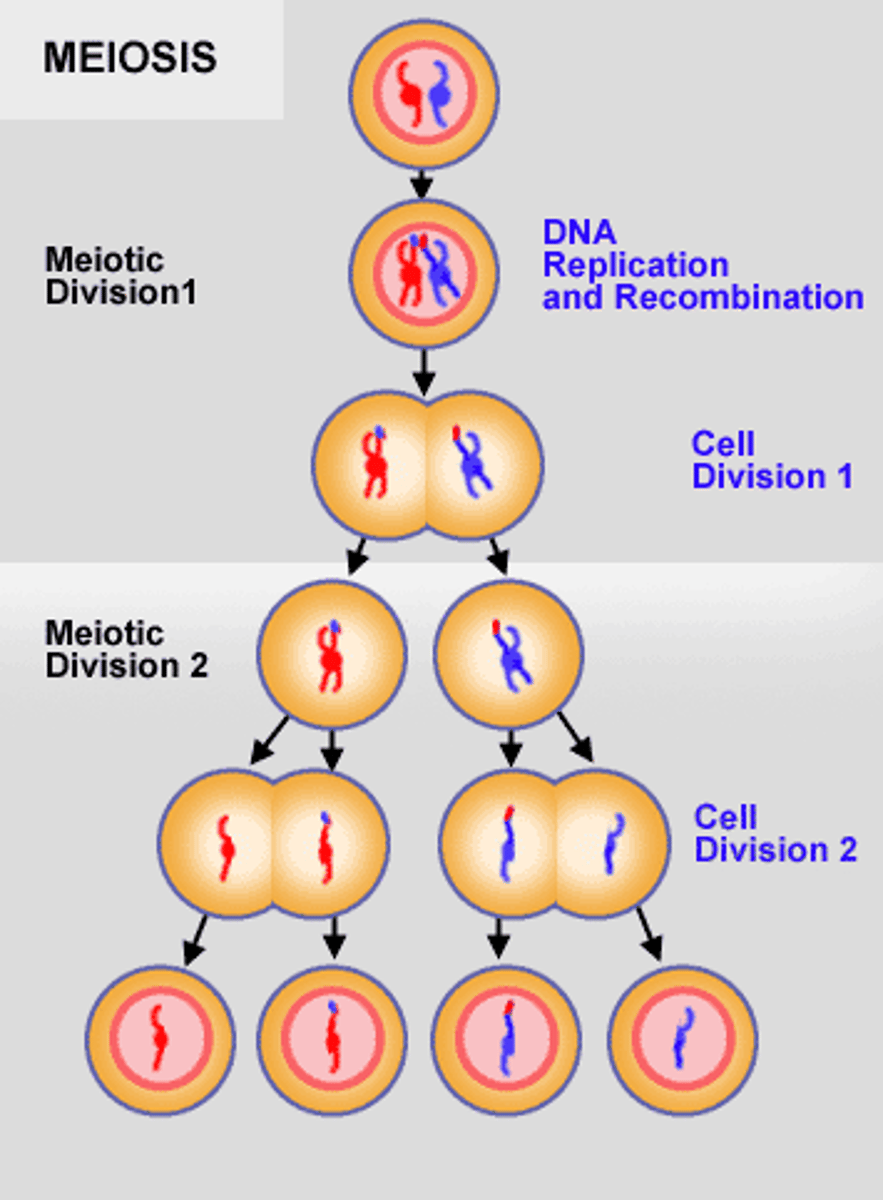
Type of cell division that results in 4 daughter cells that each have half the number of chromosomes as the parent cell. Cell division for gamete production (sperm and eggs). PMATPMAT
meiosis I
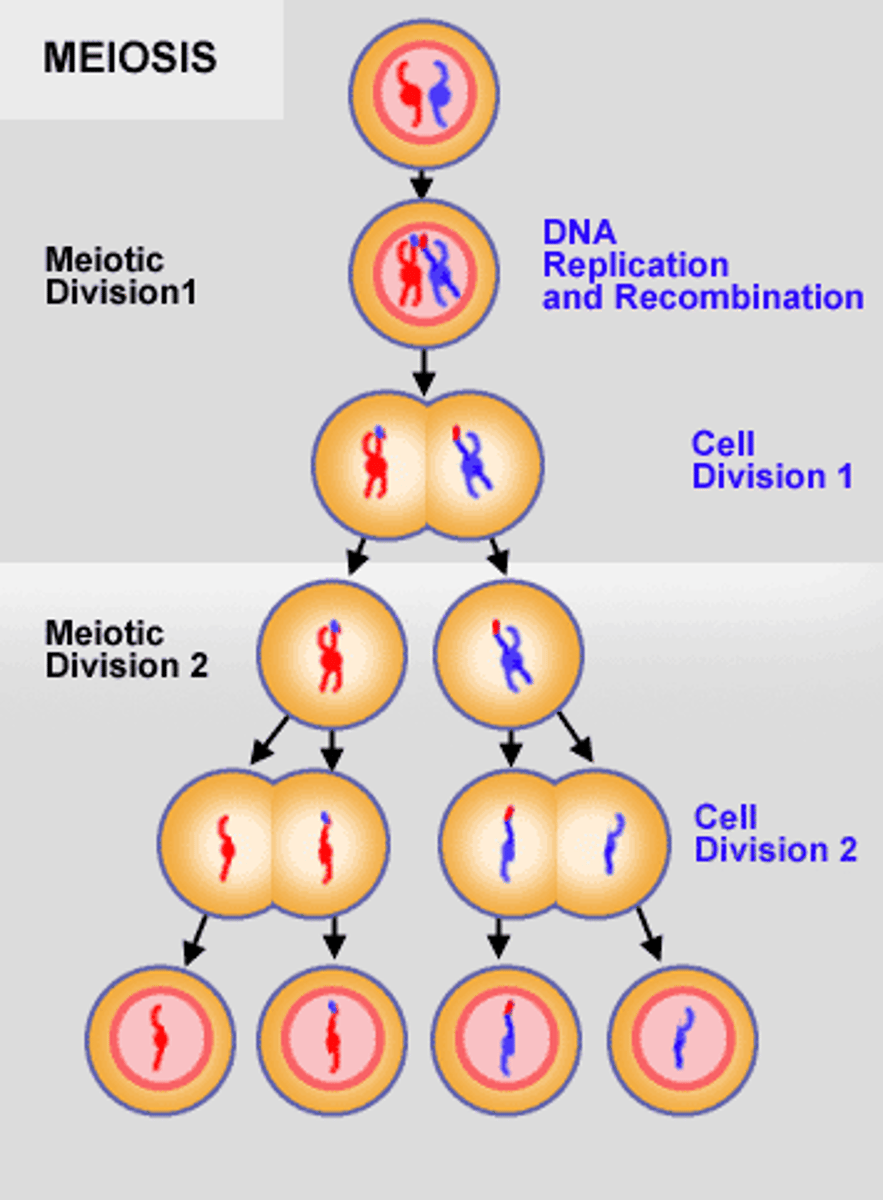
PMAT I: The first cell division of meiosis when the homologous pairs are split up into two separate cells.
meiosis II
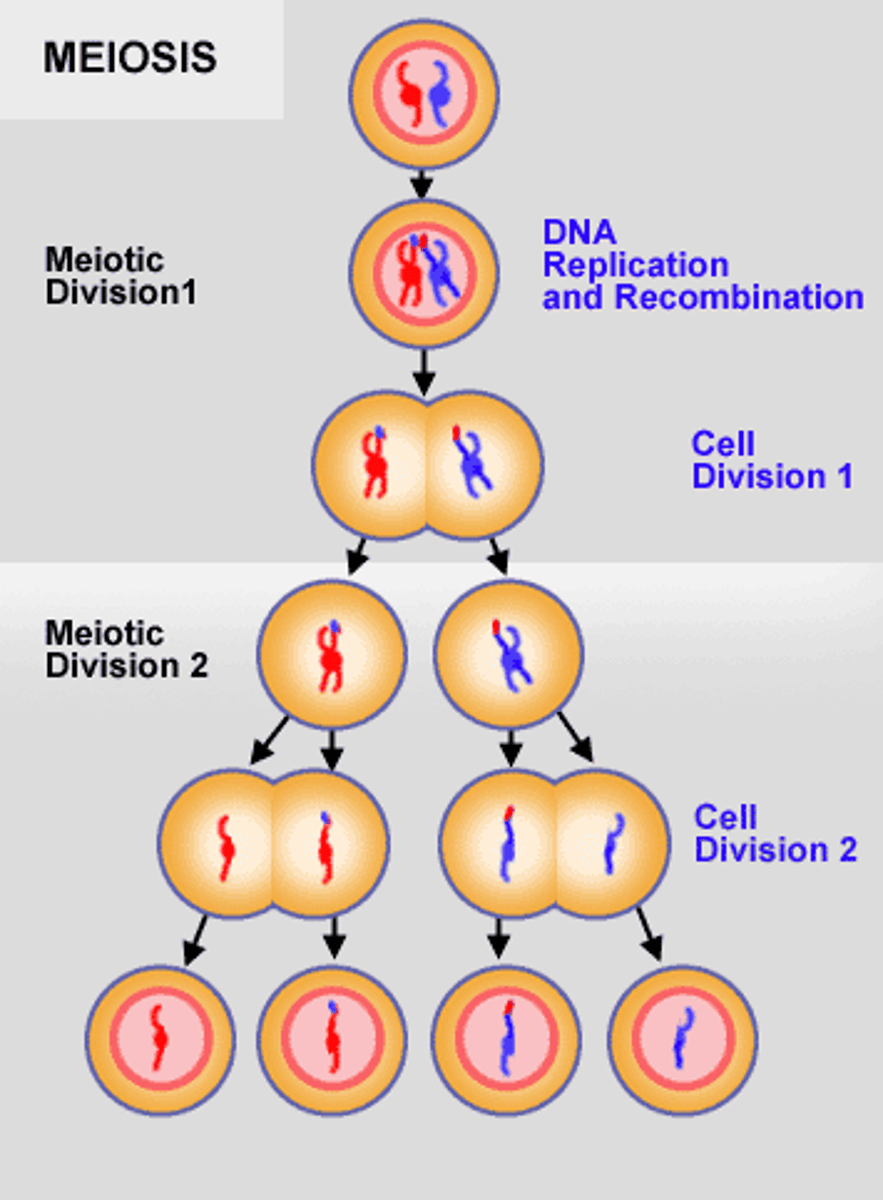
PMAT II: The second cell division of meiosis. This is when the sister chromatids are split up into two separate cells.
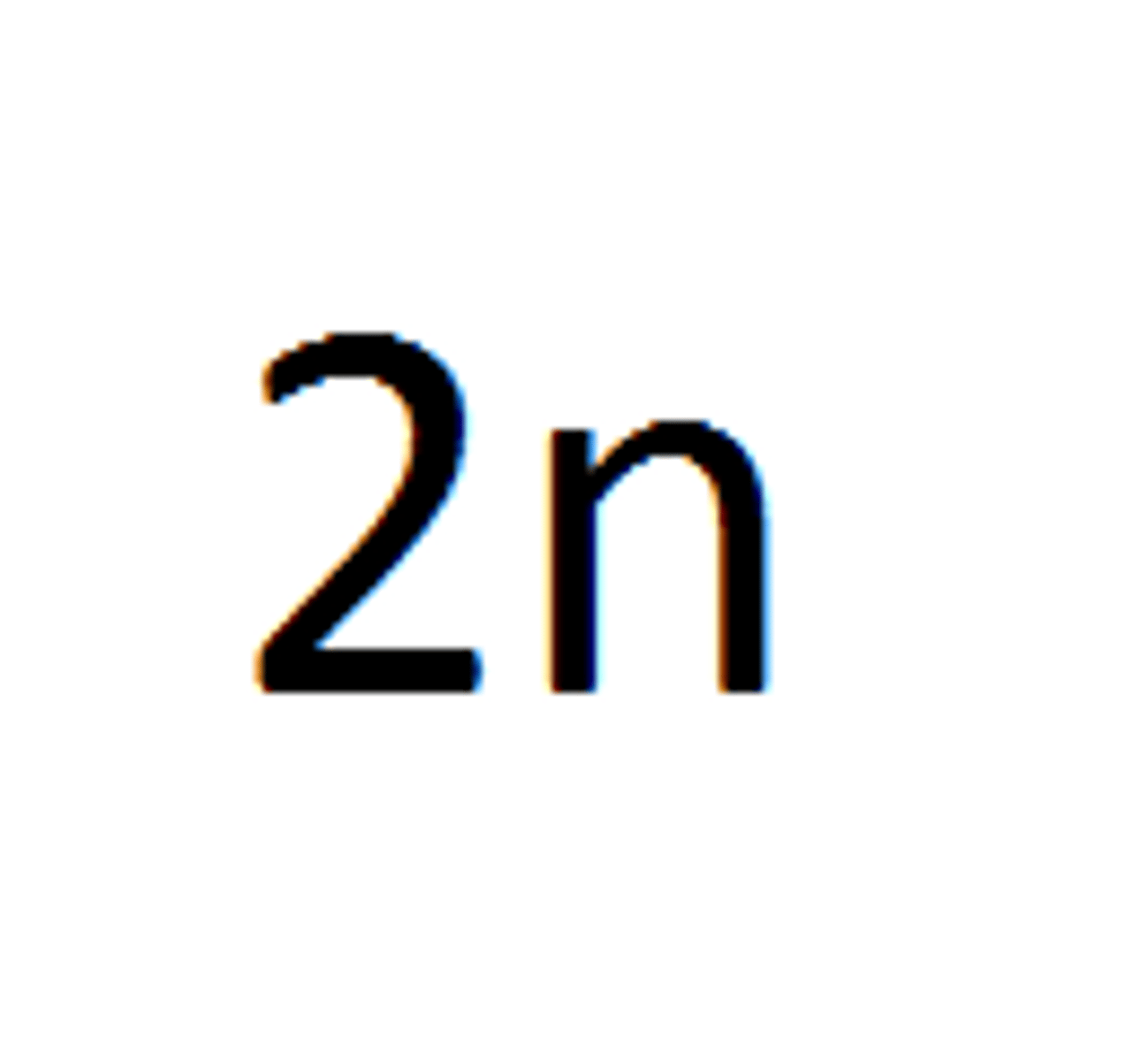
diploid
A cell containing two full sets of chromosomes 2n=46. (autosomal cell)
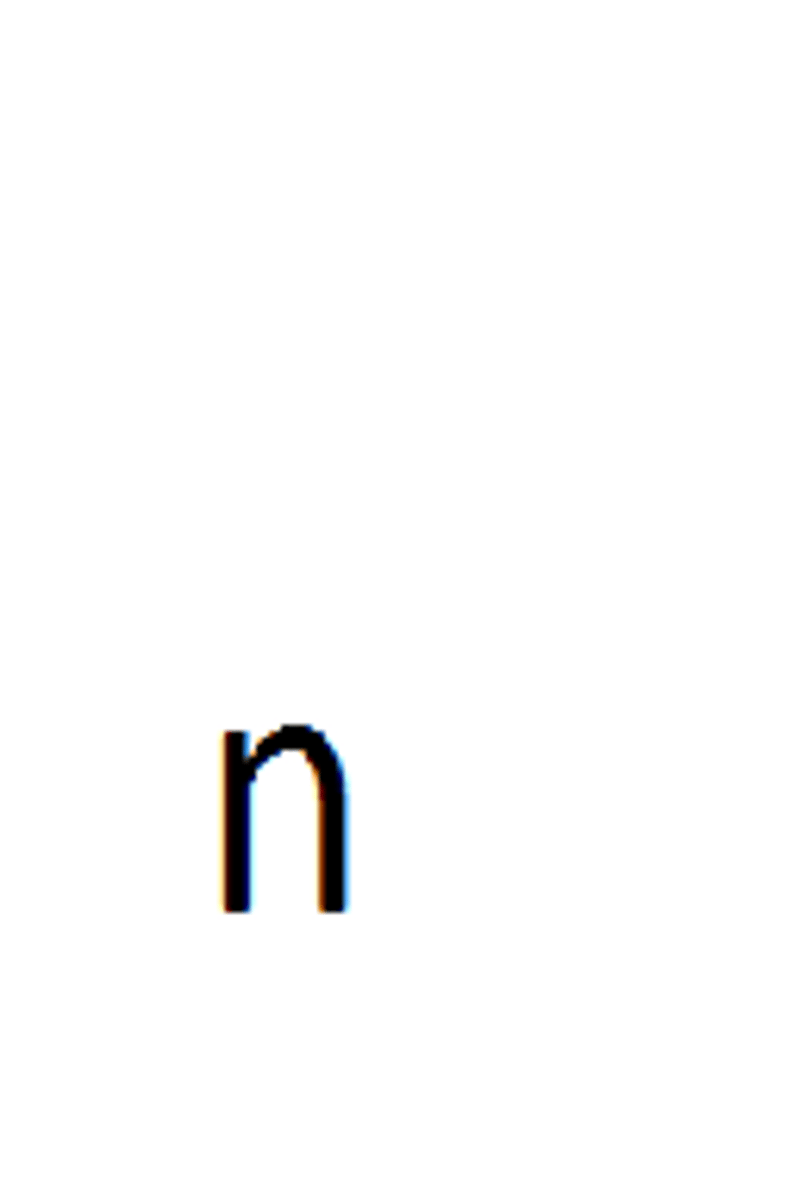
haploid
A cell containing a single/ half set of chromosomes n=23. (sex cell)
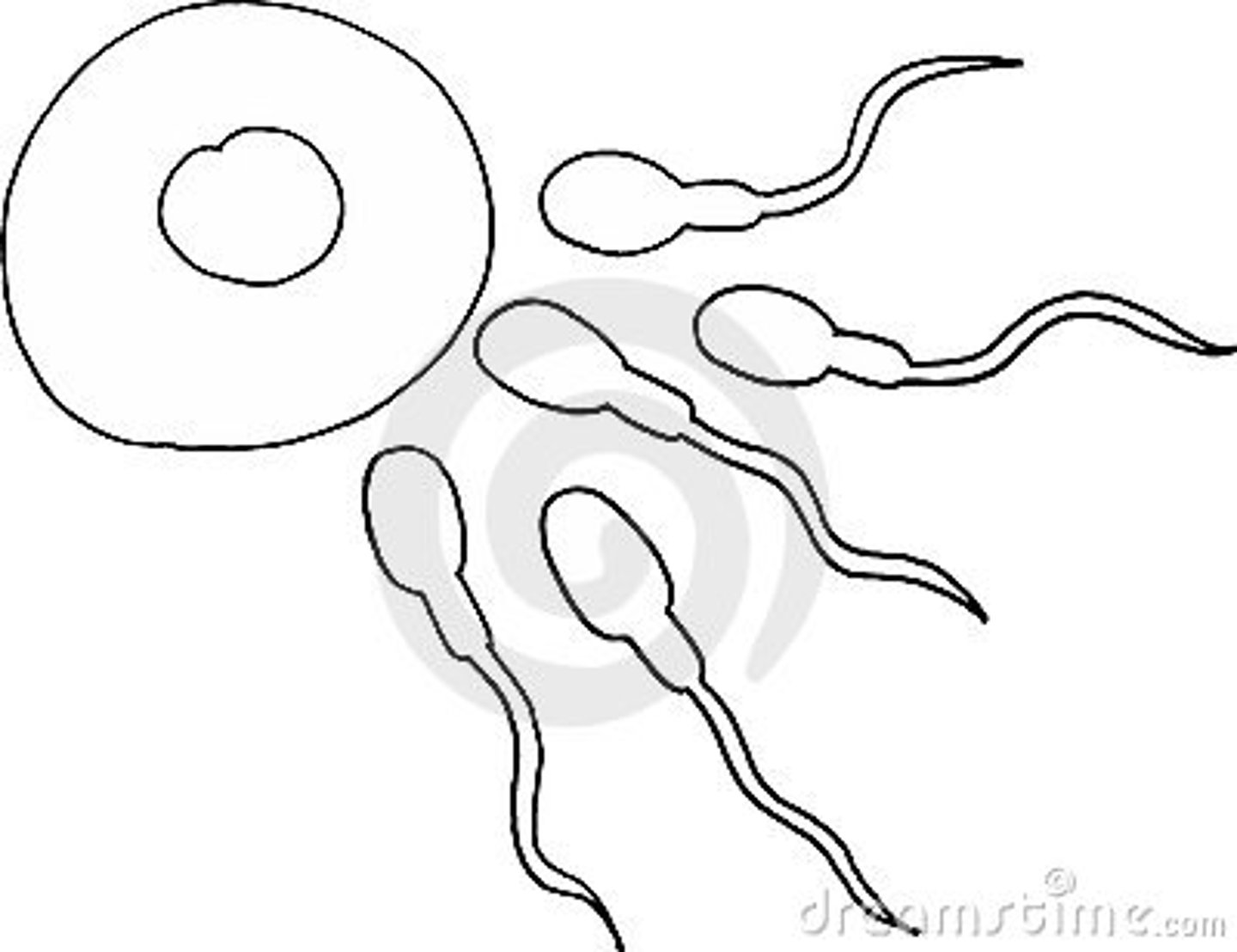
gametes
A haploid male or female cell (e.g. sperm and egg)
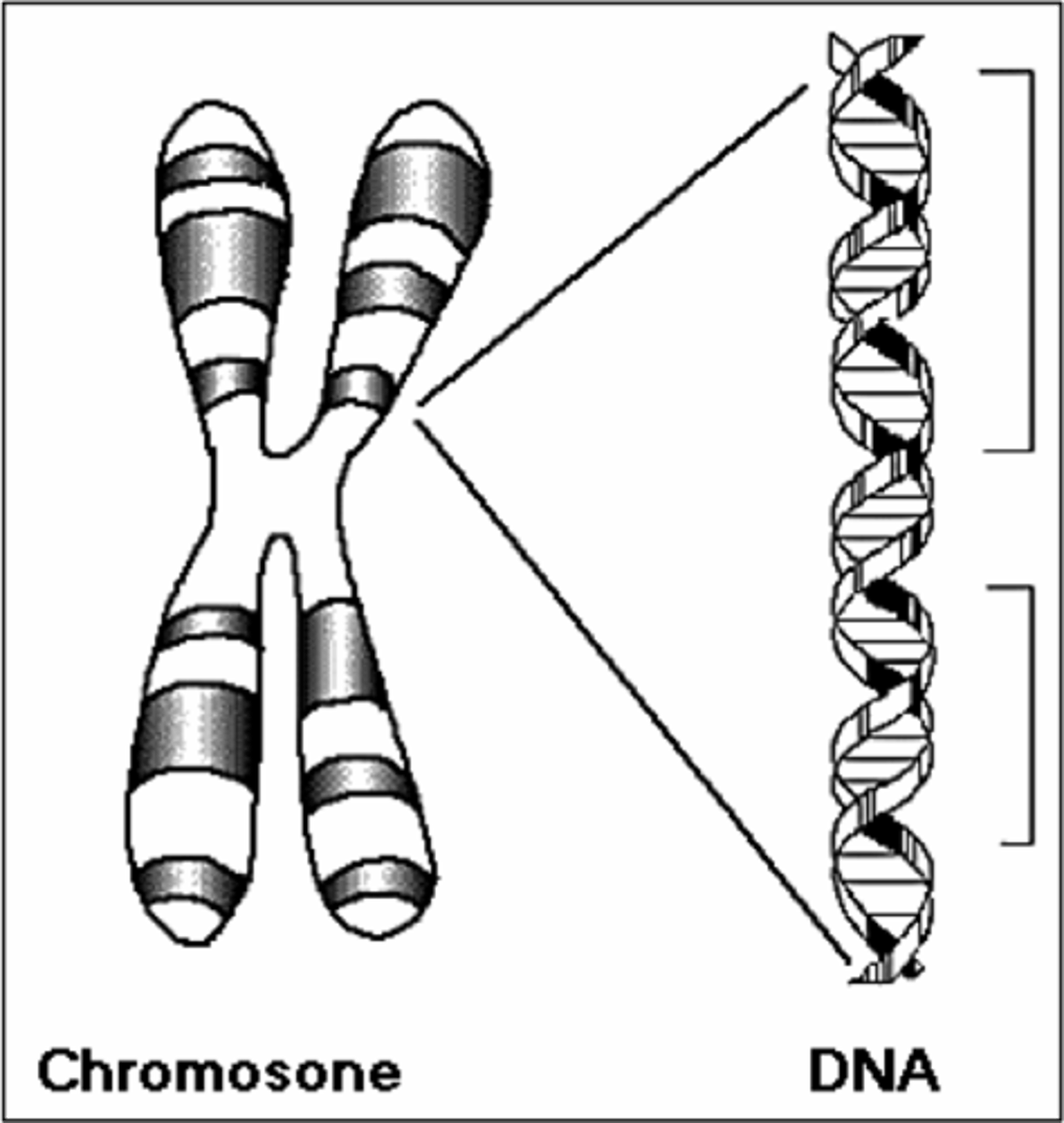
gene
A section of the DNA (chromosome) that codes for a specific trait (e.g. eye color or hair color).
23
Number of paired chromosomes present in humans
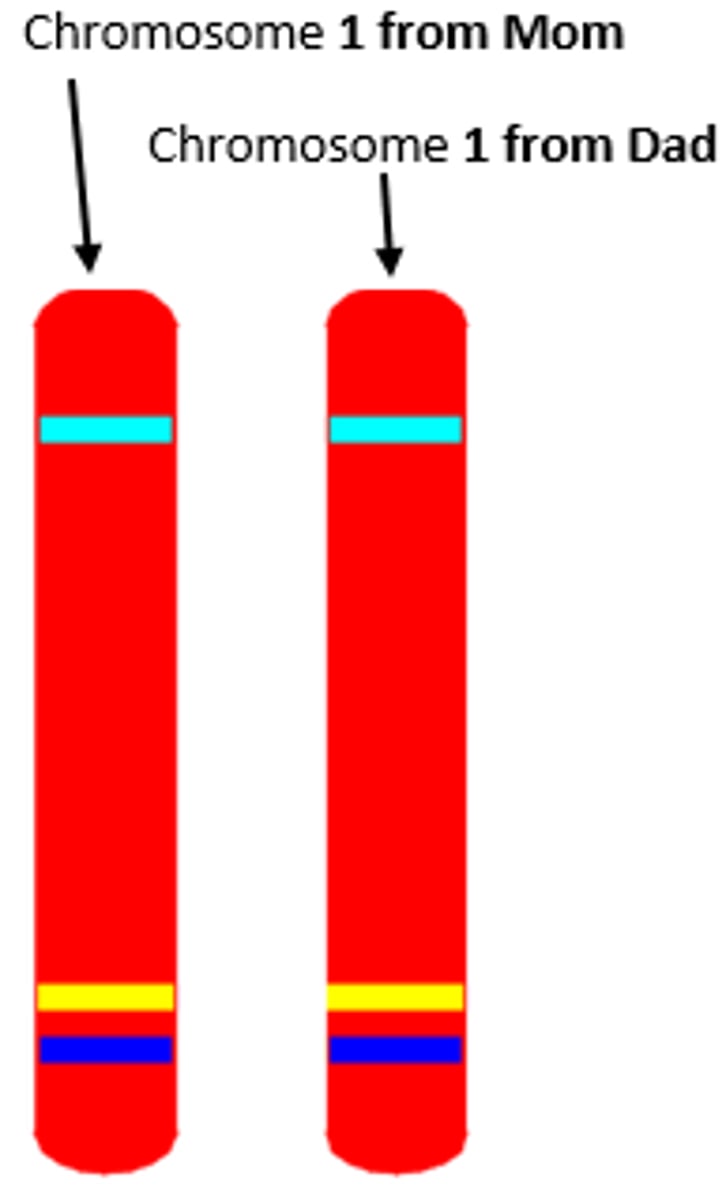
chromosome
Coiled up DNA
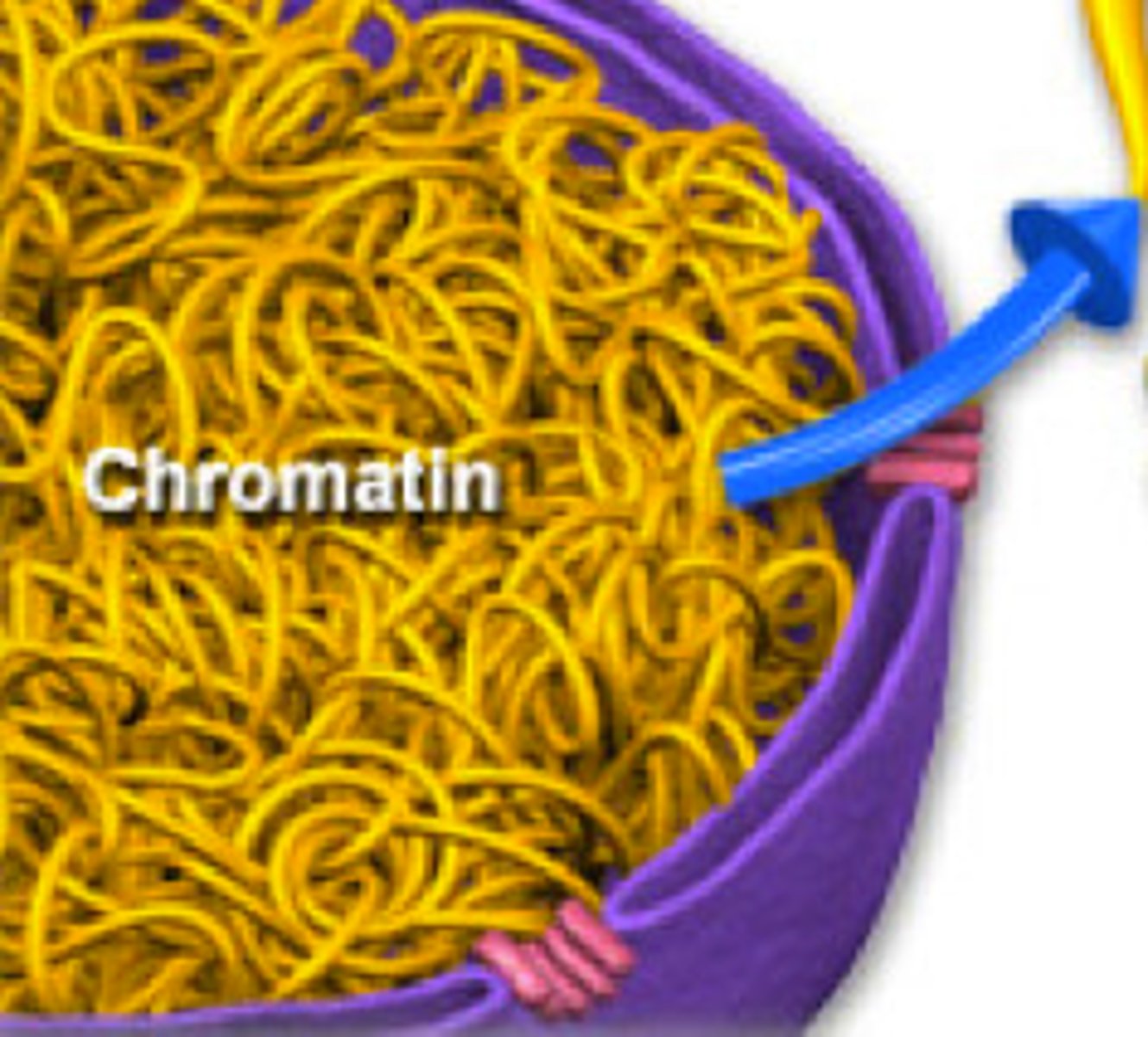
chromatin
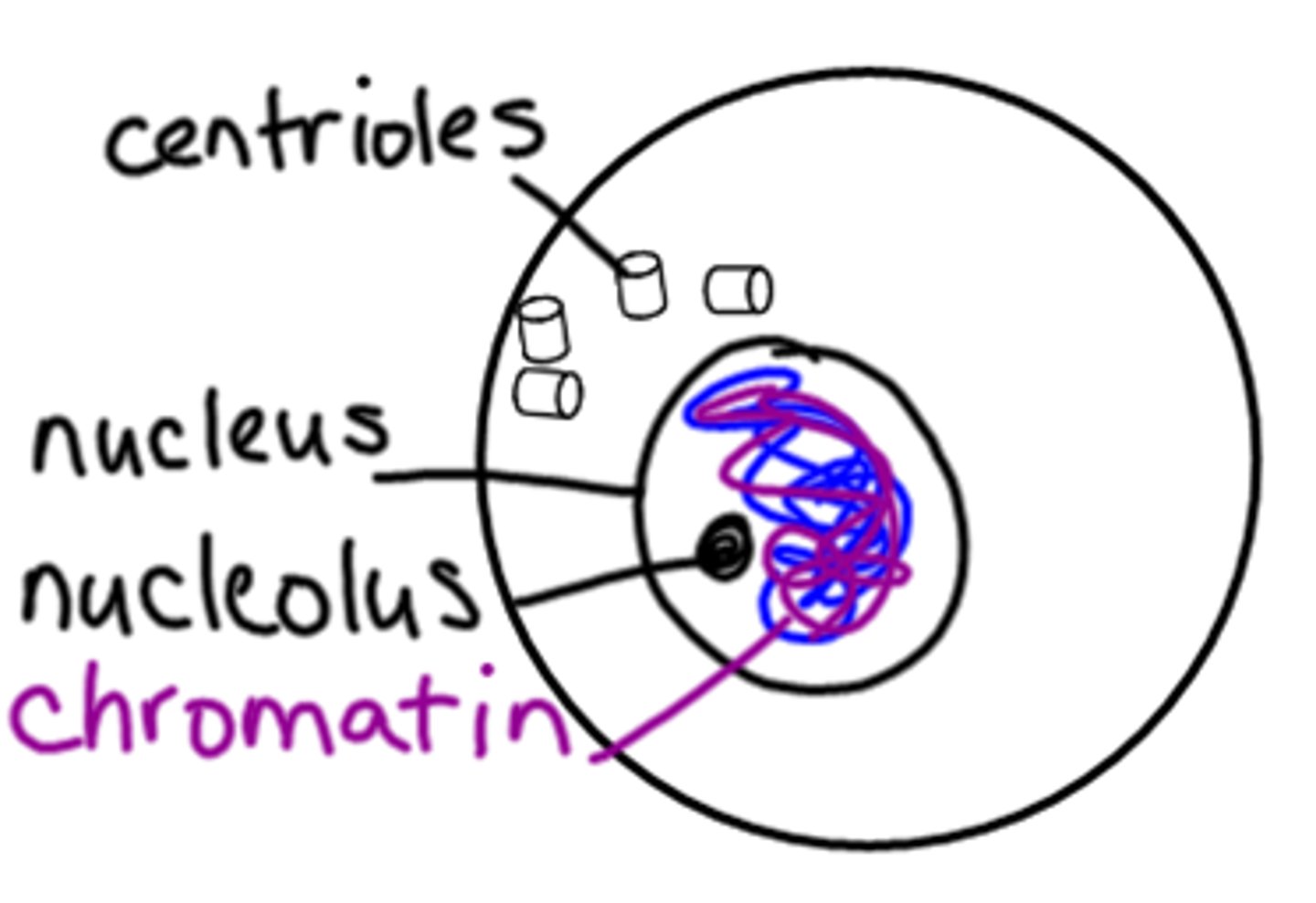
Uncoiled DNA. Present in interphase.
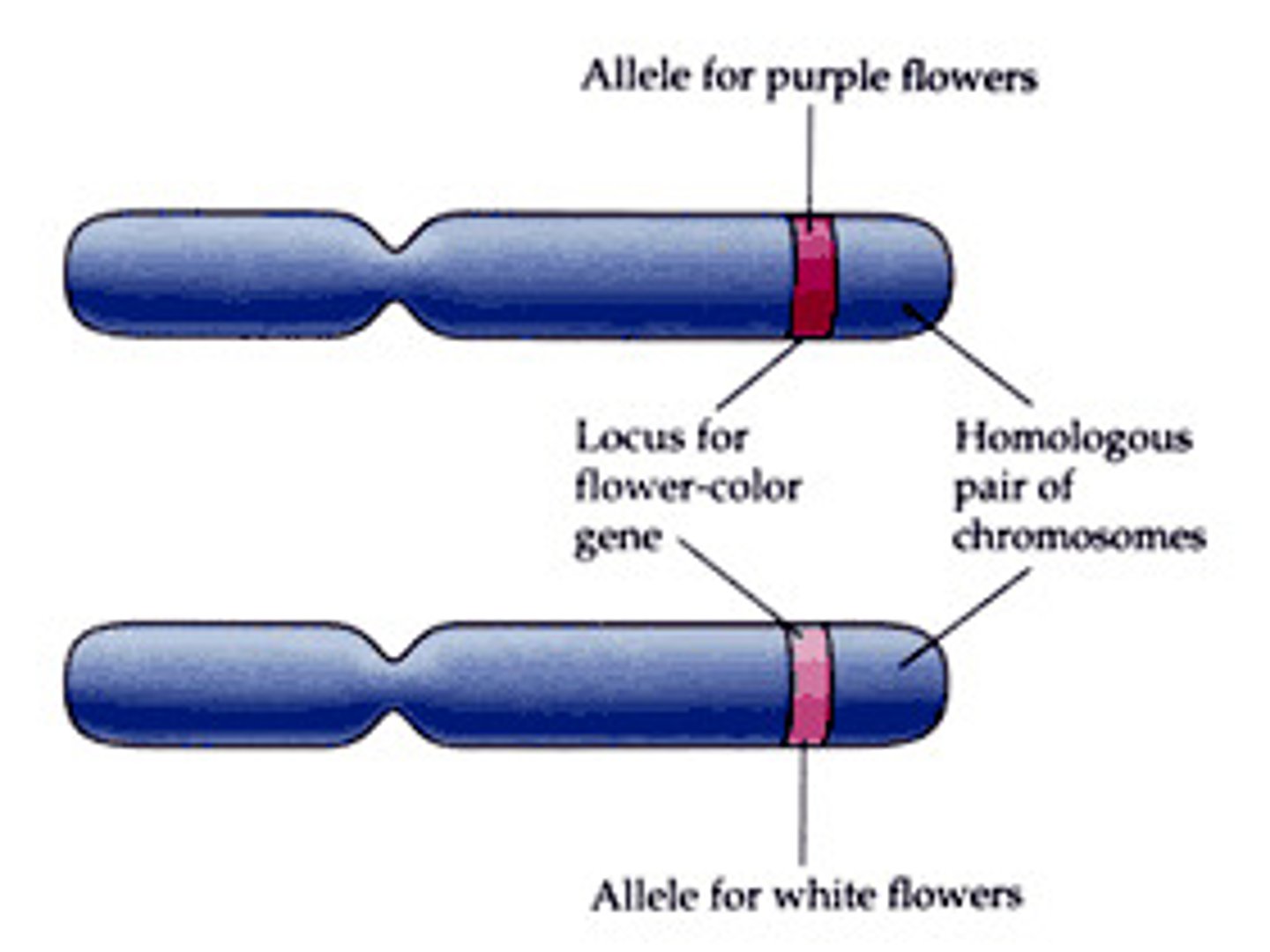
homologous chromosomes
contain the same genes at the same locus (location).
somatic
Of the body
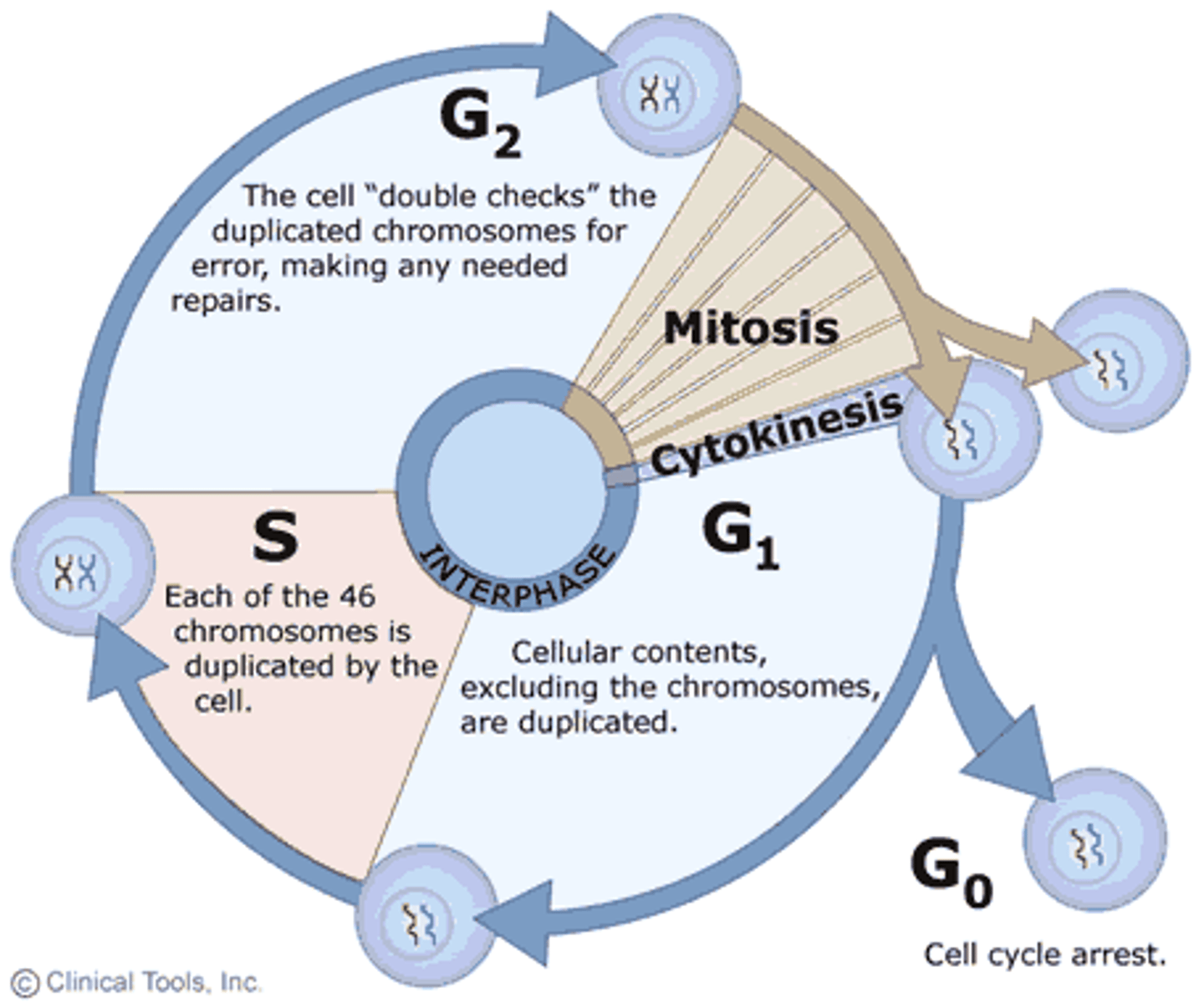
cell cycle
1. Interphase (G1, S, G2)
2. Mitosis (PMAT)
3. Cytokinesis (cell division)
prophase
Chromatin coils up into chromosomes. Centrioles move to poles. Spindle fibers form. Nucleus and nucleolus disappear.
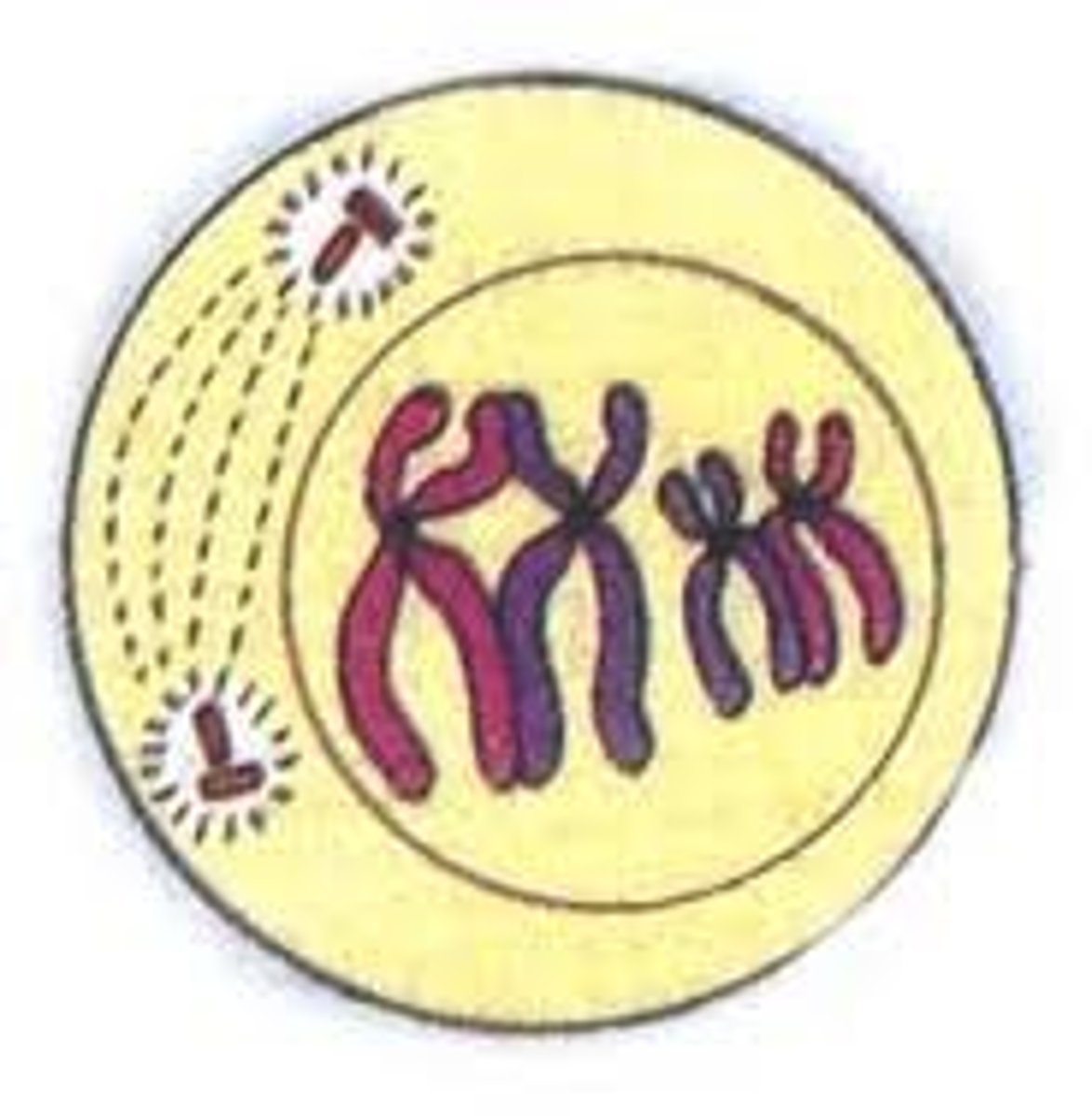
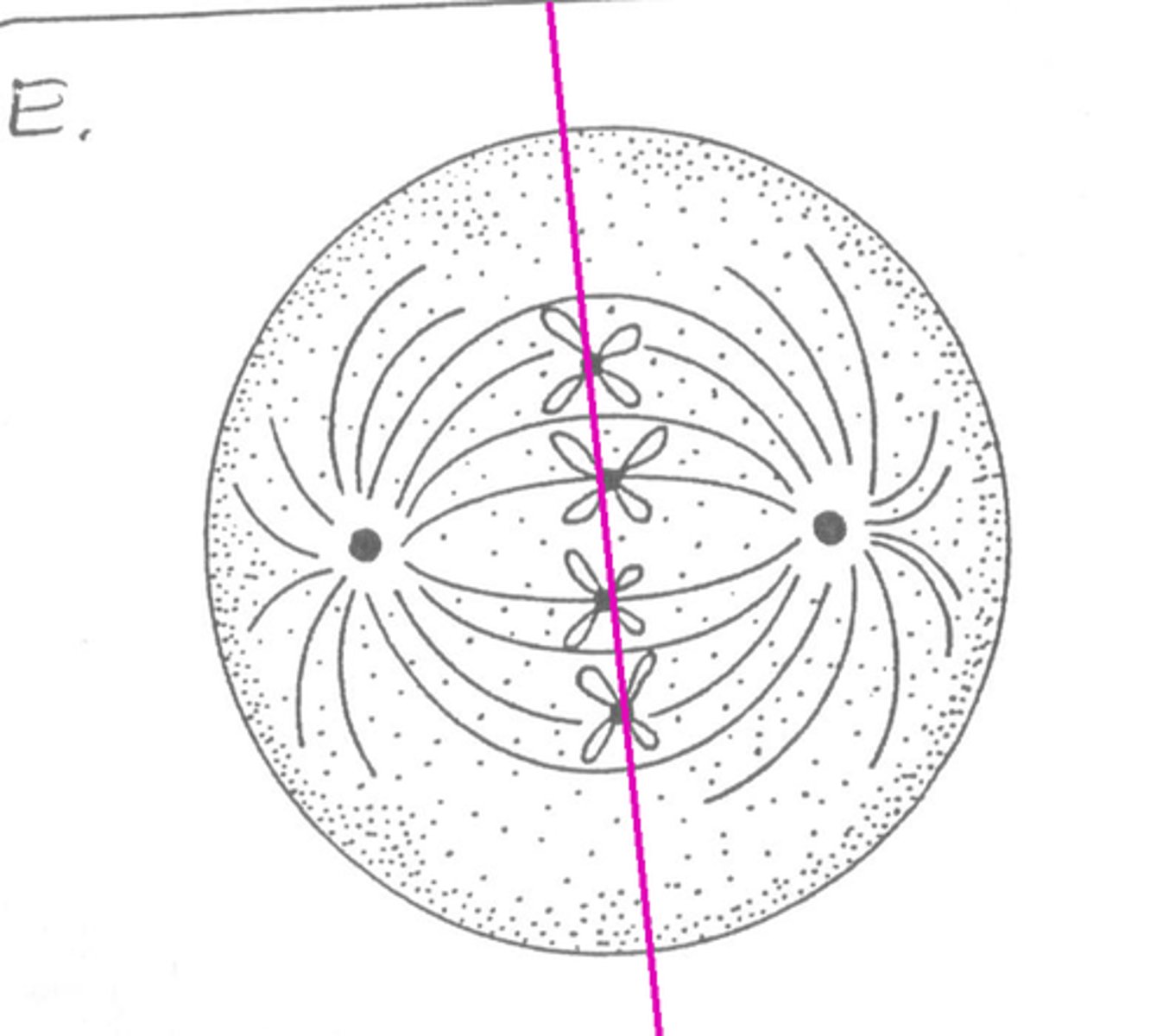
metaphase
Chromosomes line up at the equatorial plate.
MIDDLE
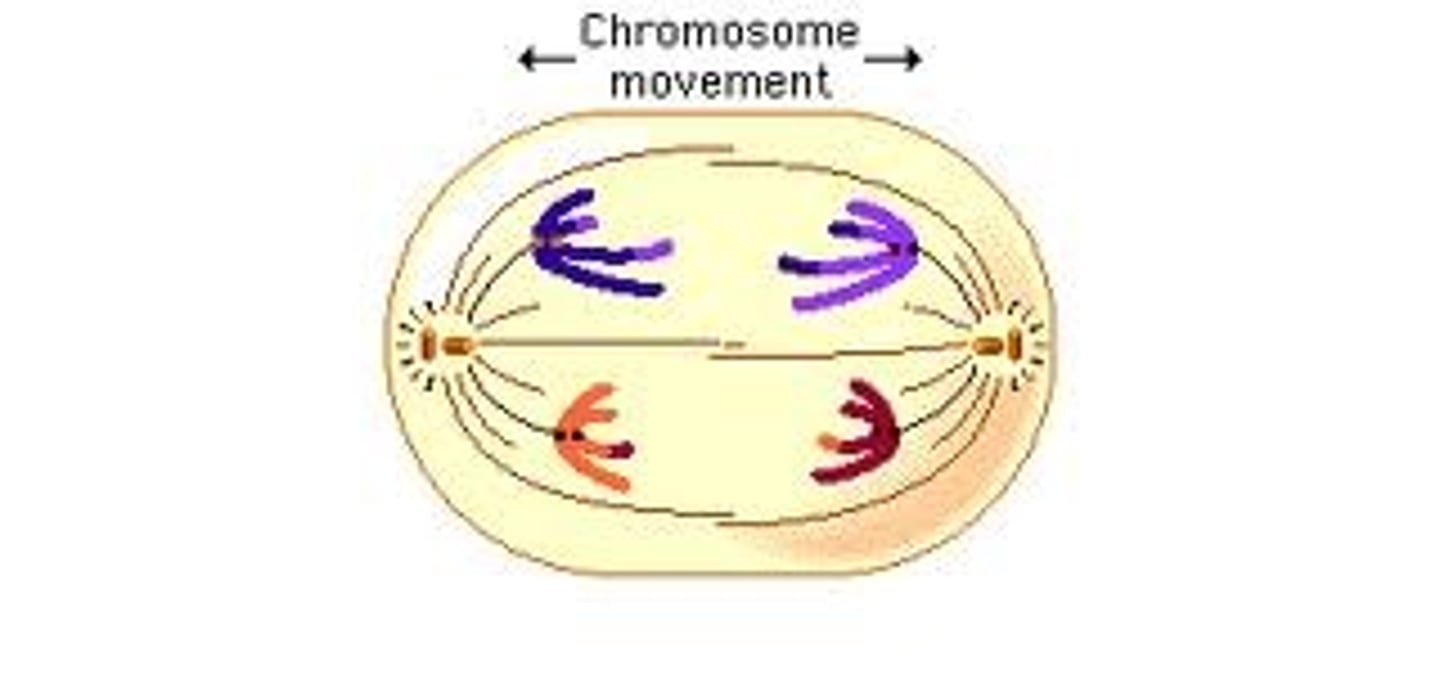
anaphase
Centromeres divide. APART
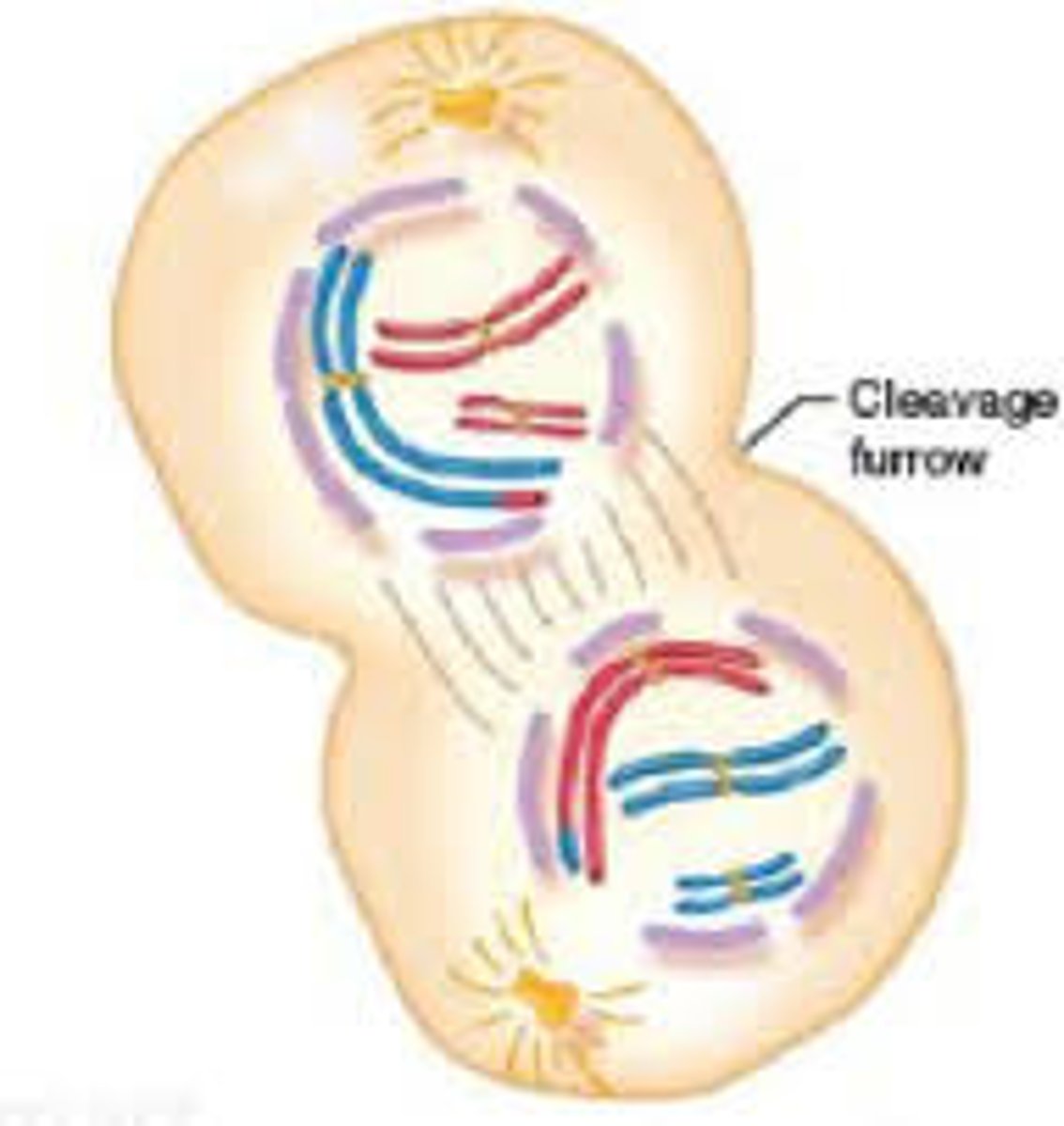
telophase
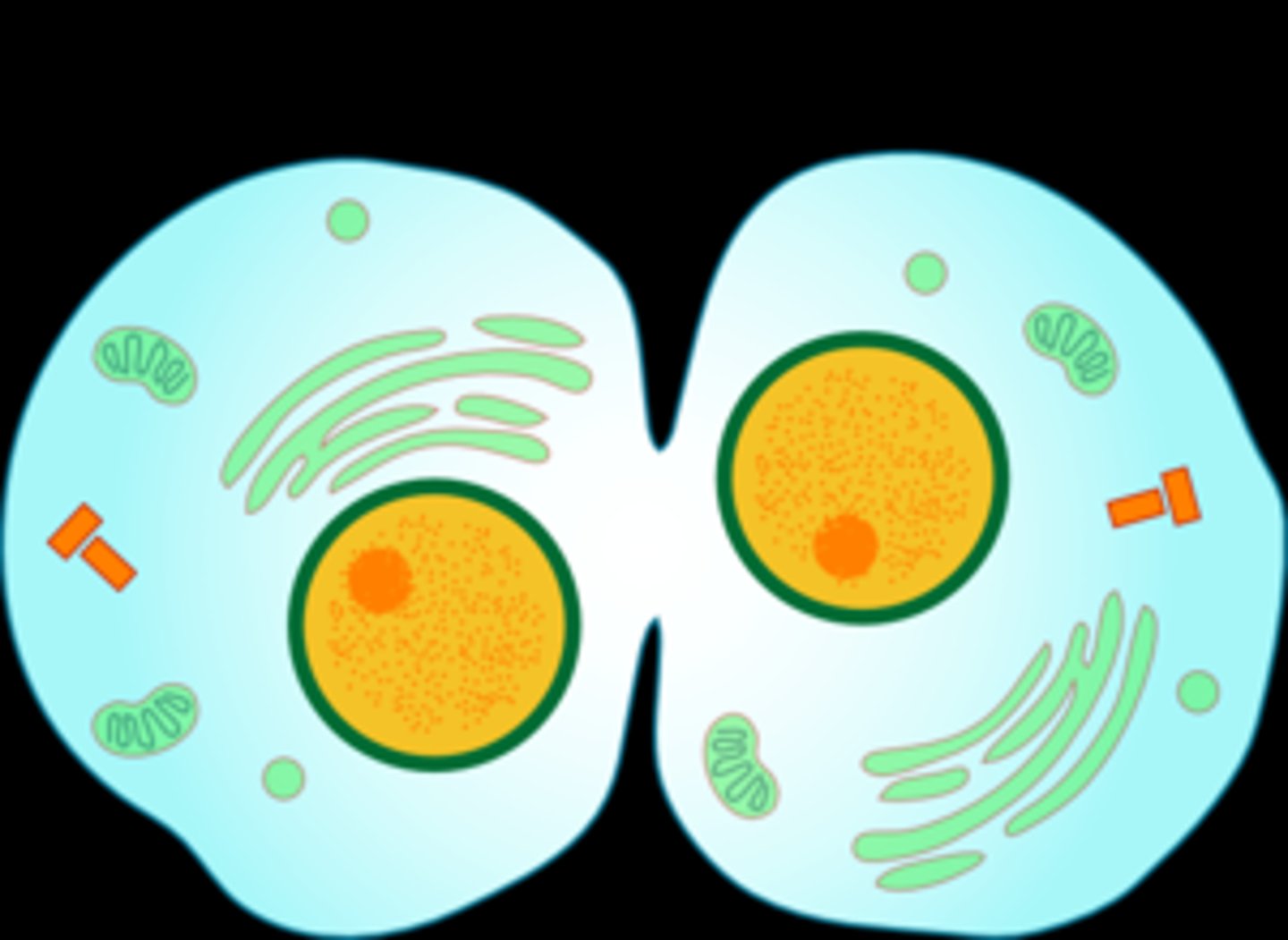
Cleavage furrow forms.
cytokinesis
Cell divides into two. Cell plate forms in plant cells.
cancer cells
Cells that reproduce out of control. Can move and grow in another part of the body - metastasis
cloning
Producing identical offspring from a single parent cell; asexual reproduction.
interphase
G1 - growth, protein synthesis
S - DNA replicates
G2 - growth, protein synthesis
fertilization
When a sperm enters an egg. It doubles the chromosome number.
zygote
sperm + egg (2n)
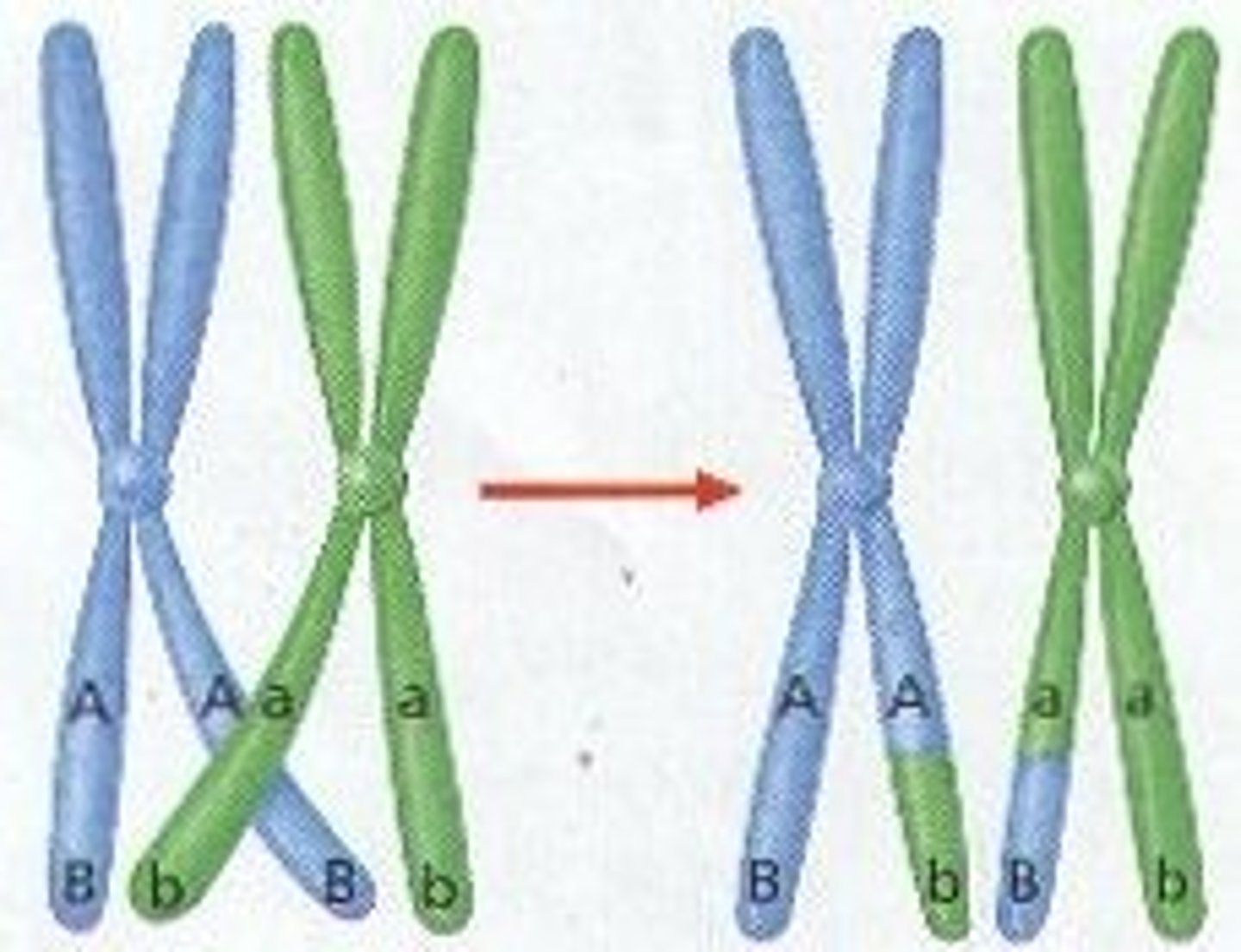
crossing over
homologous chromosomes exchanging genes; creates genetic variation
independent assortment
The way the homologous pairs line up in Metaphase I is random; creates genetic variation
46
Number of chromatids present in a human somatic cell.