Roman Archaeology 3
 Call Kai
 Learn
Learn Practice Test
 Spaced Repetition
 Match
Match Flashcards
 Knowt Play
1/21

There's no tags or description
Looks like no tags are added yet.
Name | Mastery | Learn | Test | Matching | Spaced | Call with Kai |
|---|
No analytics yet
Send a link to your students to track their progress
22 Terms
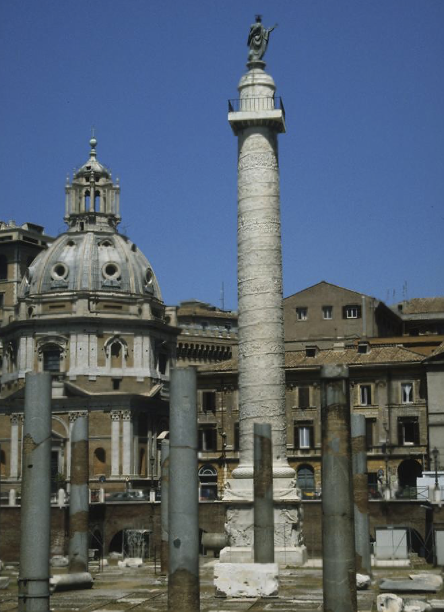
Name, Location, Date, Significance
Column of Trajan, Rome—>Forum of Trajan
Early 2nd c. CE
Had an inscription that said “this is the original terrain where we started the project”
There is a spiral staircase inside of it
survived the fall of Rome
made of marble
decorated by a frieze all the way up that depicts the two successful campaigns the emperors waged against the Dacians
at the top there was a bronze statue of Trajan
meant to be a memorial of Trajan and his ashes would be placed in a chamber created within the base of the column
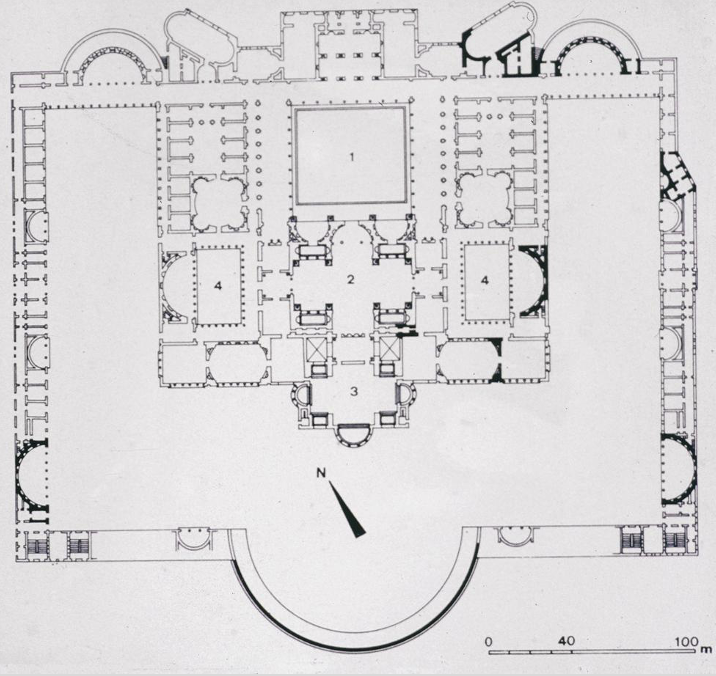
Name, Location, Date, Significance
Baths of Trajan, Rome
Early 2nd c. CE
Built over part of Nero’s Golden House
Swimming pool, tepidarium, caldarium, frigidarium, apodyterium, palaestra, gardens
Underground passageways for slaves and workers
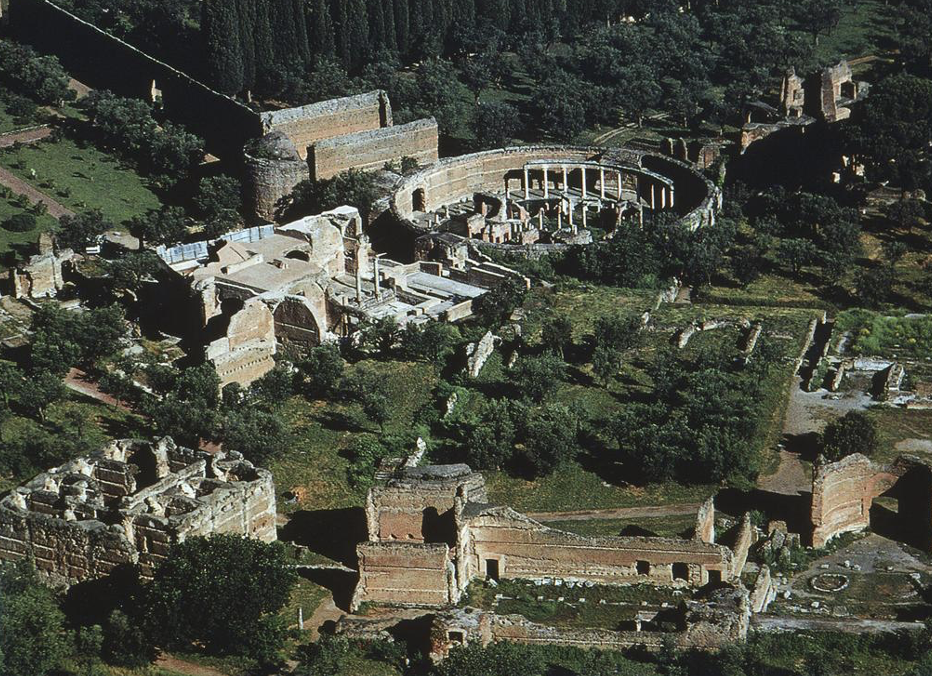
Name, Location, Date, Significance
Hadrian’s Villa, Tibur
Early 2nd c. CE
has greek and Egyptian architectural elements
has baths, residential areas, pavilions, and gardens
private retreat and administrative center
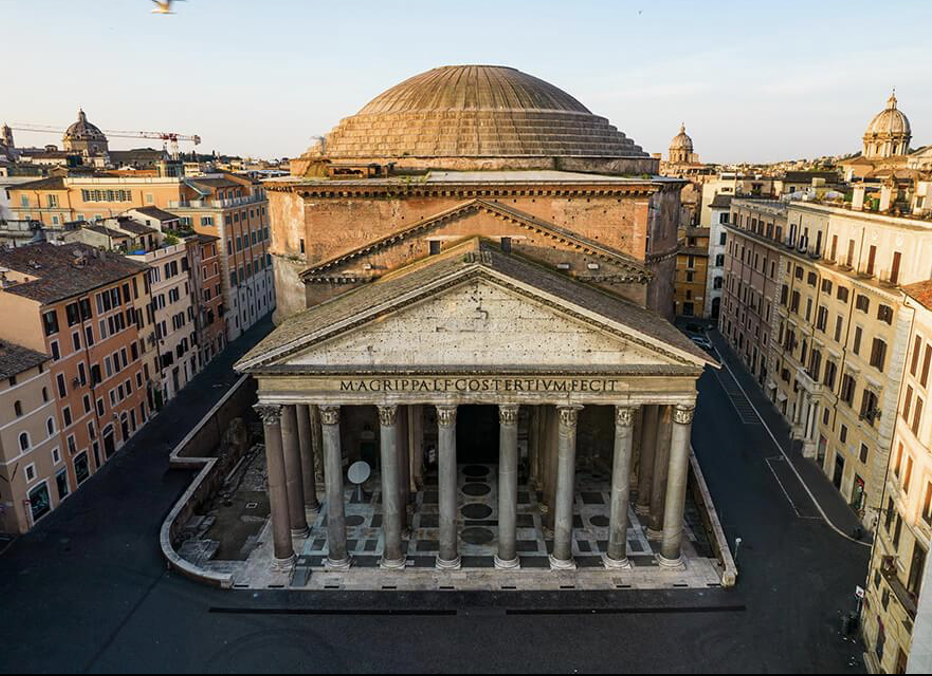
Name, Location, Date, Significance
Pantheon, Rome
Early 2nd c. CE
built by Hadrian
Best preserved Roman building
Hadrian’s name is not on it
“Marcus Agrippa, the son of Lucius, three times consul, built this.”
Have to get a foot away from it and climb on it to see that it says that hadrian fixed it
not true—>Hadrian commissioned it
Temple to all the gods
Pantheon = all the gods collectively
There have been many earthquakes that have taken down other buildings but the Pantheon has stood
The dome gets thinner as it gets to the top
90% of the decoration is the same
Any christian art is what is different
The squares make it lighter and stronger
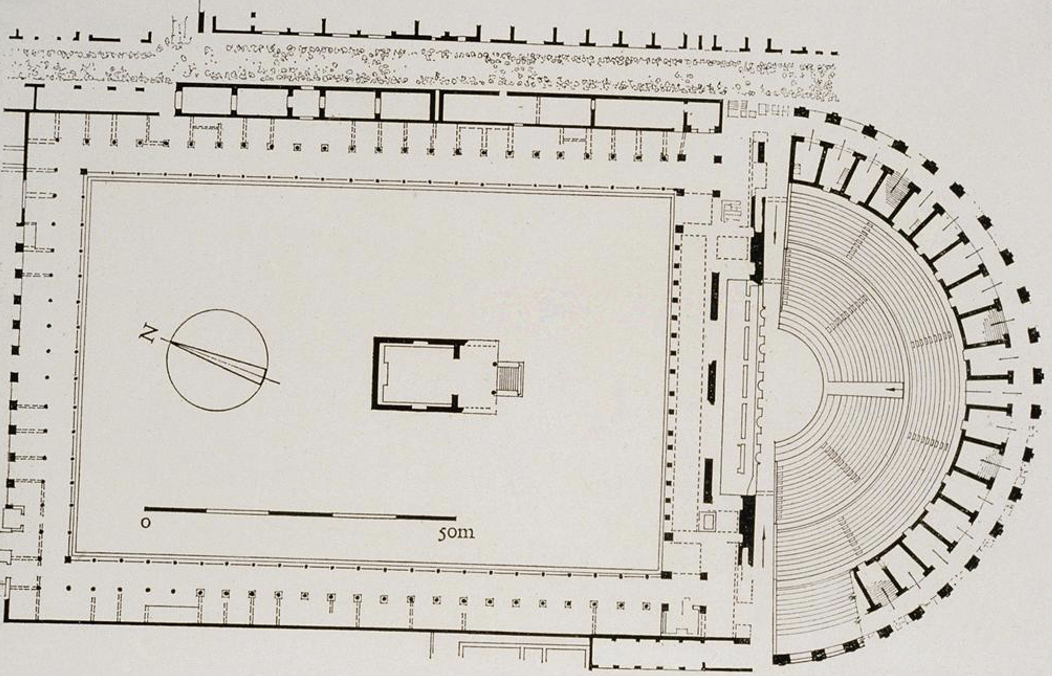
Name, Location, Date, Significance
Theater and Piazzale of the Corporations, Ostia
1st c. BCE
quadriporticus (columns on all 4 sides)
floor mosaics
subjects focus on maritime trade and mention guilds of traders from around the Mediterranean
served as offices and bases for traders as well as spaces for guilds
Atrium
Area with a shallow pool in a Roman house that was a gathering place
center of the house
most decorative parts of the house
source of light and water
Insulae
The apartments
top floors are cheapest
most in Ostia (biggest Port city and very condensed)
Domus
House
Order of the reigns of the Roman Emperors
Julius Caesar
Augustus
Tiberius
Caligula
Claudius
Nero
Vespasian
Titus
Domitian
Nerva
Trajan
Hadrian
Julio-Claudian Dynasty
Augustus
Tiberius
Caligula
Claudius
Nero
Flavian Dynasty
Vespasian
Titus
Domitian
Five Good Emperors
Nerva
Trajan
Hadrian
Nero
54 - 68 CE
Apparently a well behaved young man by the reports of the philosopher Seneca
Unfortunately, he falls to the same fate as Caligula (“I can do whatever I want”)
There is a great fire for 3 days during his reign which destroys most of Rome
decides not to do anything for future fires so people believe he started the fire (most likely not true but he probably didn’t try very hard to fight the fire)
there had been many fires before but they had been rebuilt (NOT THIS TIME)
He thought he was the greatest actor and singer of his generation and it was a waste of his talents to be an emperor
decides to instate eminent domain and take over 60% of monumental center of Rome
elites are kicked off their land
there is a revolt and he commits suicide
Year of the Four Emperors
68CE - 69CE
after Nero’s suicide in 68 CE
Galba
Otho
Vitellius
Vespasian
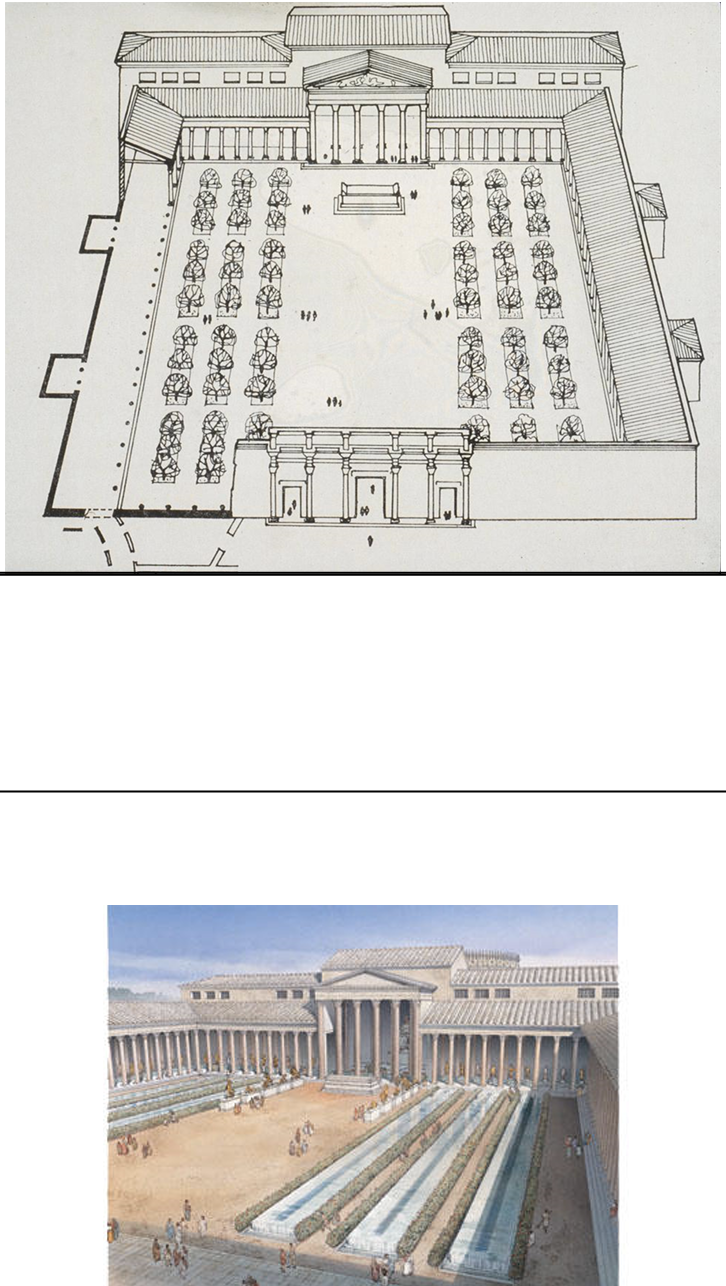
Name, Location, Date, Significance
The Forum of Peace
Rome
Late 1st c. CE
Gives a sense of relaxation
They care about their gardens
Isn’t it nice that they aren’t fighting each other
Take some time to worship the goddess Peace
She is at the same level as the the other gods but not as scary as one like Mars the Avenger
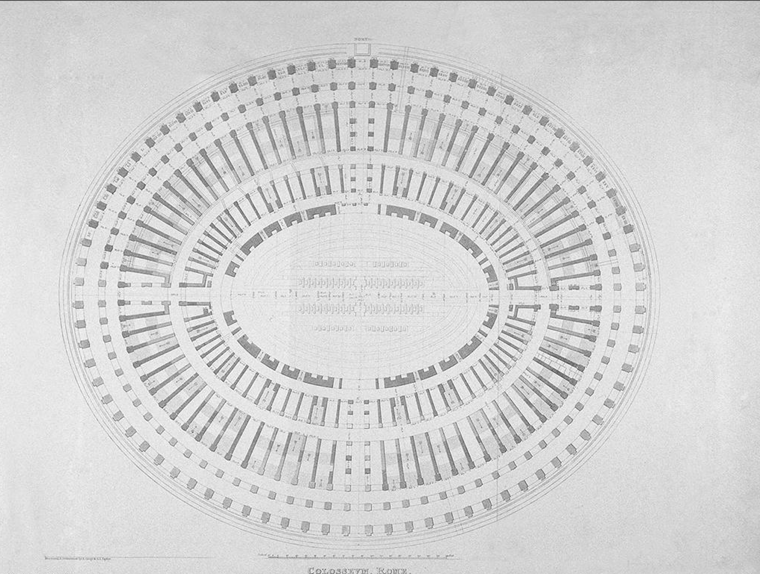
Name, Location, Date, Significance
Colosseum/Flavian Amphitheatre
Rome
Late 1st. c. CE
They drained the artificial lake and built the colosseum
Goes from being the private lake of the emperor, to being for the public
Anyone can go for free and get some food
Bread
The meat from the animal that was in the gladitorial fight (ancient societies like Rome were protein starved)
People are very grateful for this
Public use
Food
Private land from people that were displaced wasn’t changed
They were still displaced
Probably took about 5 years to build
Concrete and slave labor
The bleachers are sitting on arches and planks
Planks were covered in sand
Shows had anything to do with gore
Gladiators fighting animals
People condemned to death fighting animals
Gladiators fighting gladiators
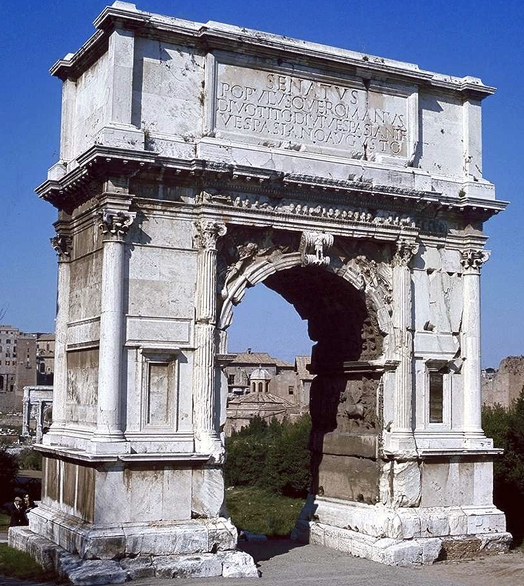
Name, Location, Date, Significance
Arch of Titus
Rome
Late 1st c. CE
Not common to have rebellions in the Roman Empire
Vespasian leaves so that he can set up his son Titus for rule
Triumph
People celebrate your accomplishments
Some of the triumphs get memorialized
Armies would go under the arch
He was a good emperor
He was therefore considered a god after he died and they wrote that he was one on the arch
There would have been paintings on it
Most decorations are on the inside
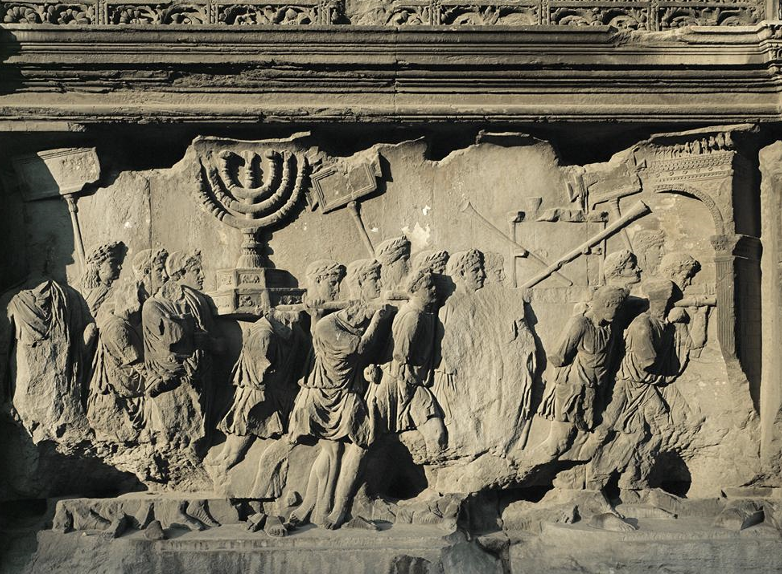
Name, Location, Date, Significance
Arch of Titus, Spoils of Jerusalem
Rome
Late 1st c. CE
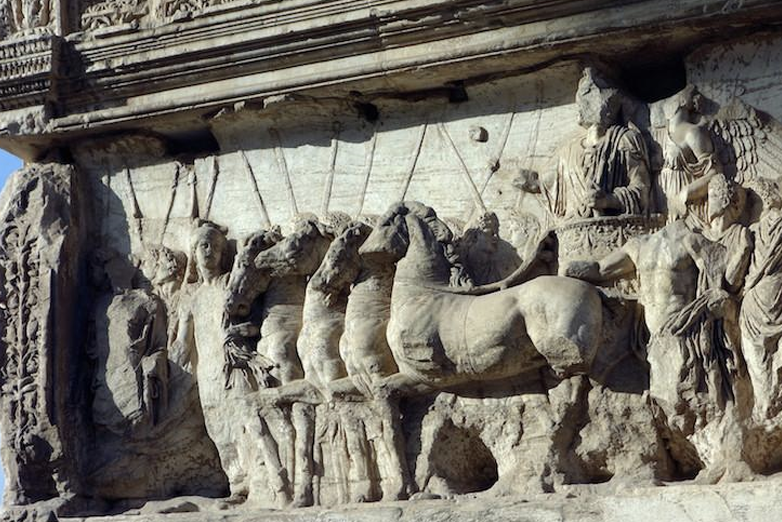
Name, Location, Date, Significance
Arch of Titus decoration, Triumph of Titus
Rome
Late 1st c. CE
he is with the goddess victory
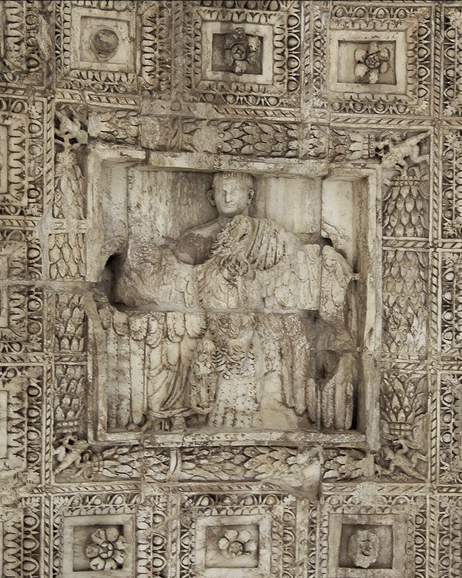
Name, Location, Date, Significance
Arch of Titus, vault with apotheosis of Titus
Rome
after 81 CE
on the top of the Arch
he is on an Eagle
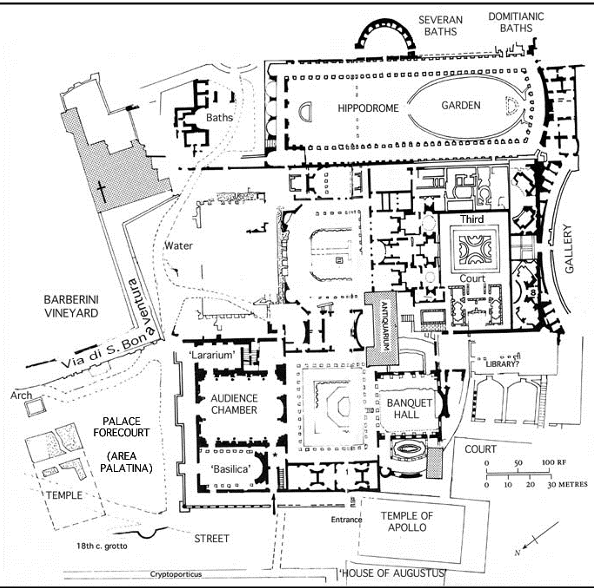
Name, Location, Date, Significance
Imperial Palace on the Palatine
Rome
Late 1st c. CE
Only on a small area that Nero was building
Nero lowered expectations so people didn’t care that it was still really big
many different shaped rooms
circle
oval
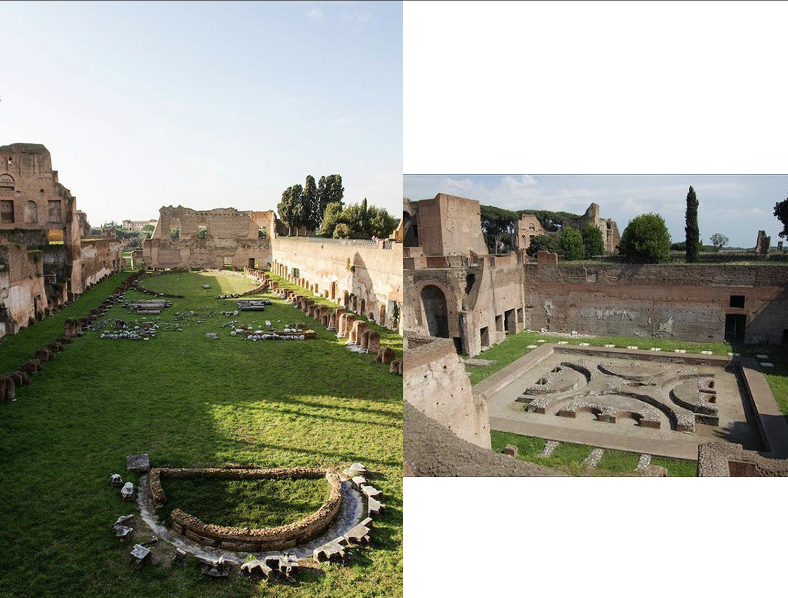
Name, Location, Date, Significance
Left: “Stadium”/ “Hippodrome” of Domitian at the Imperial Palace
Right: Sunken garden of Third Court at the Imperial PalacePalatine Hill, Rome
late 1st c. CE
private areas
horse racing becomes popular (more than gladiatorial fights)
especially with the rise of Christianity