Chapter 2-Part 1: Intestinal, Commensal, and Free-living Pathogenic Amebae

0.0(0)
Studied by 5 people
call kaiCall Kai
learnLearn
examPractice Test
spaced repetitionSpaced Repetition
heart puzzleMatch
flashcardsFlashcards
GameKnowt Play
Card Sorting

1/39

flashcard set

Earn XP

Description and Tags

This is the first part of Chapter 2. Study well.

Last updated 7:14 PM on 6/19/26
Name
Mastery
Learn
Test
Matching
Spaced
Call with Kai

No analytics yet

Send a link to your students to track their progress

40 Terms
1
New cards
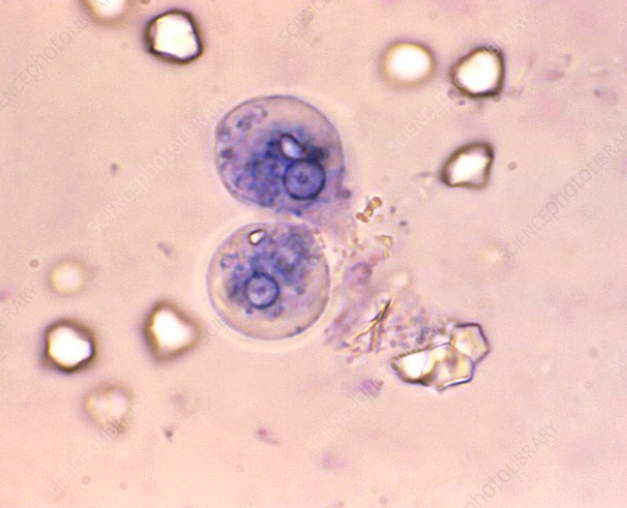
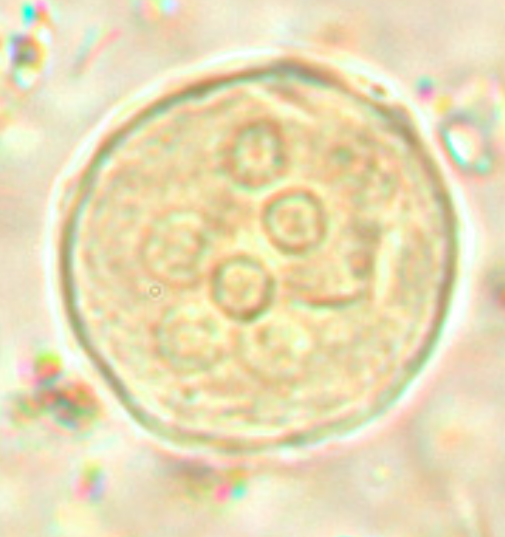
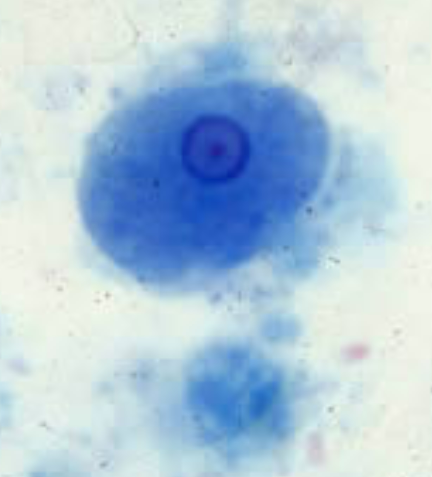
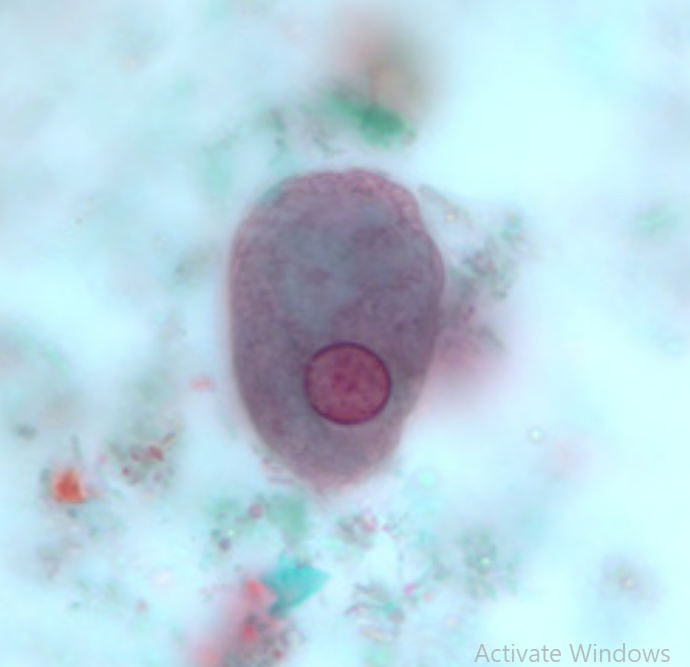
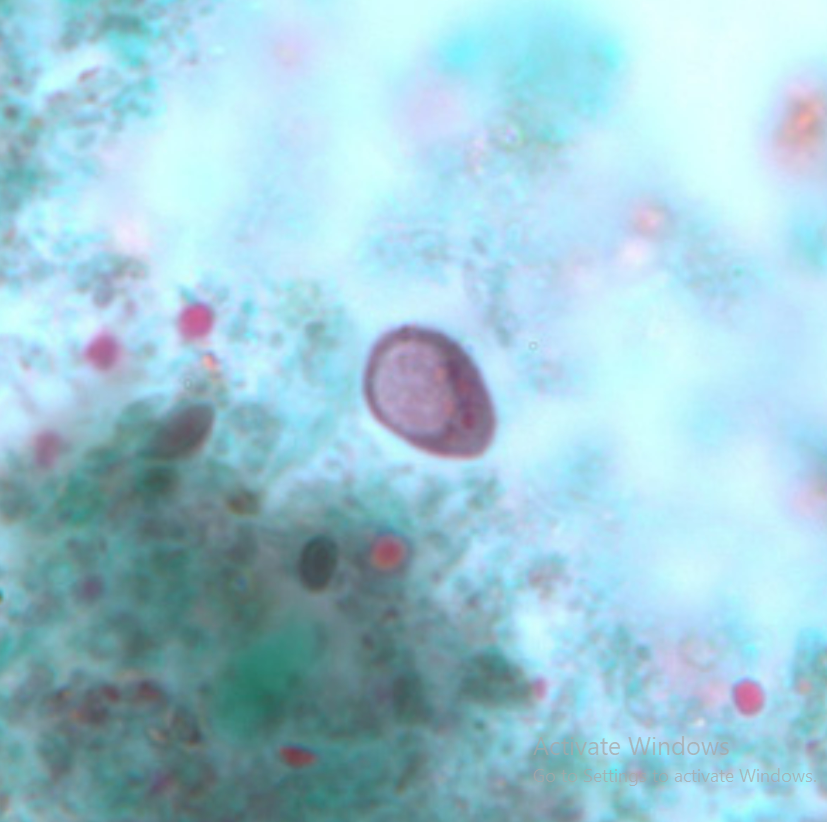
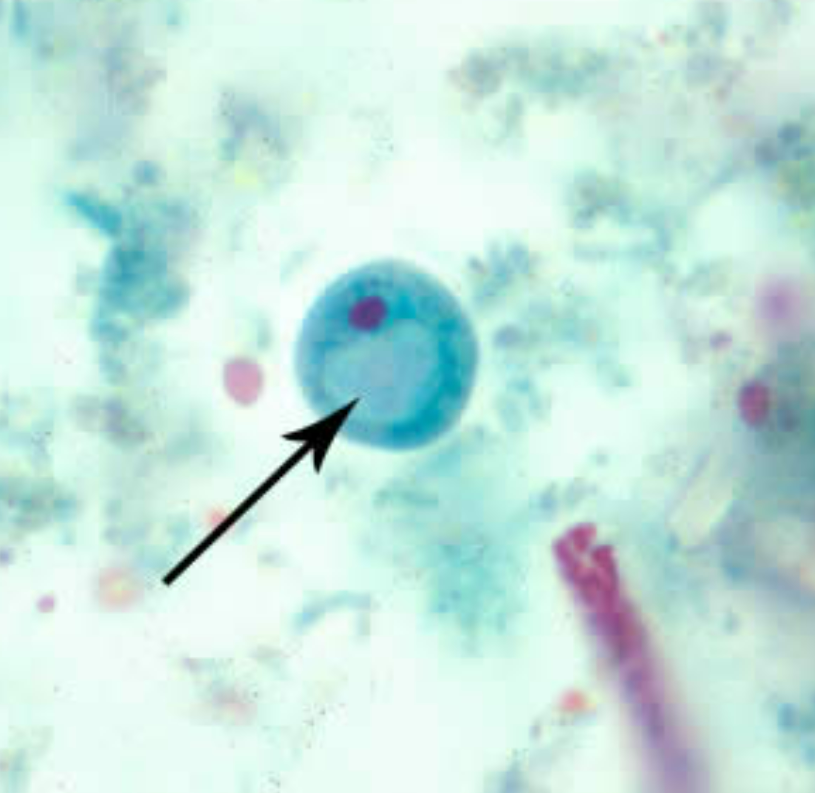
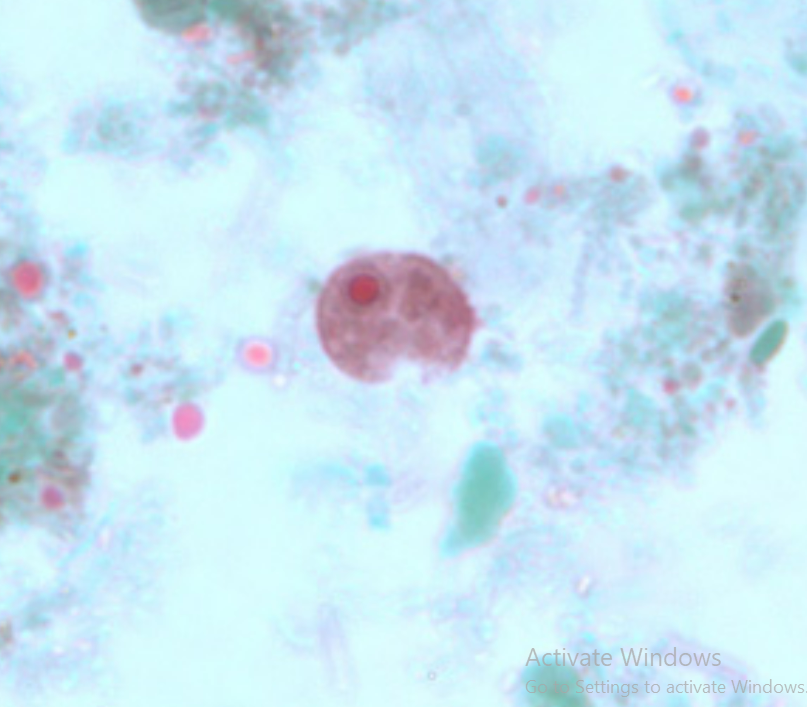
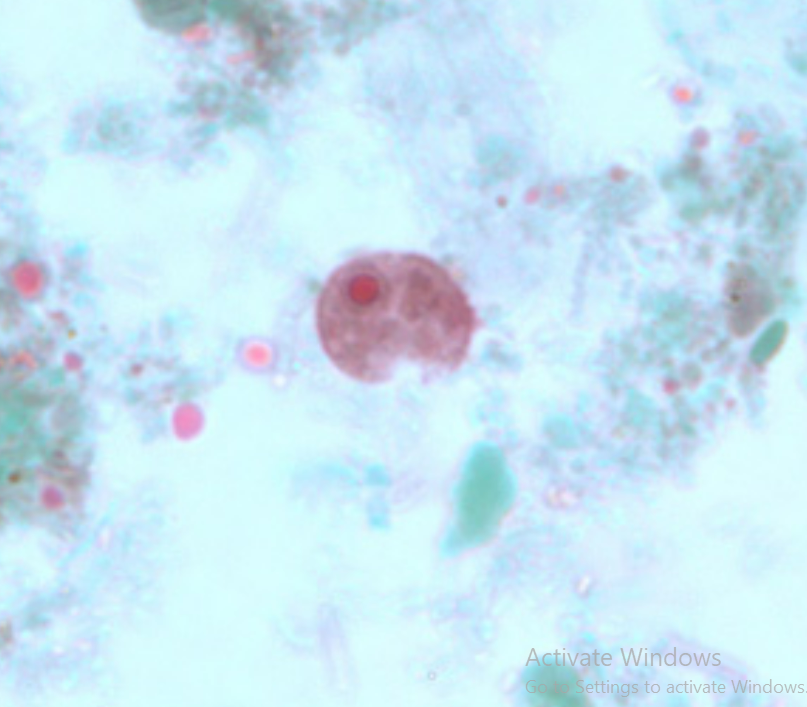
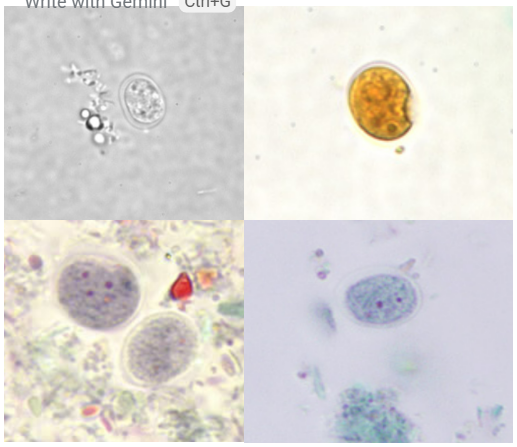
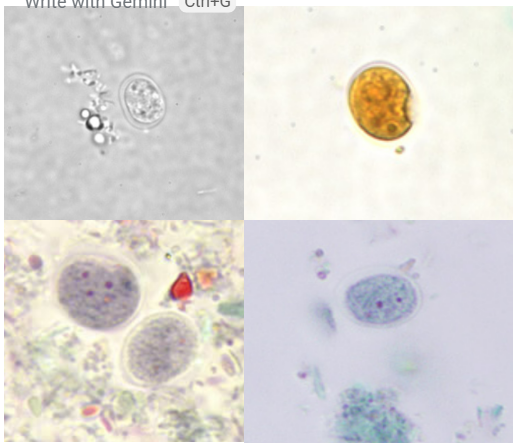
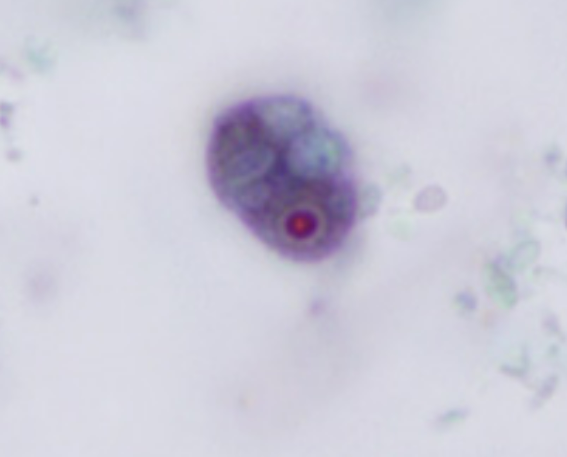
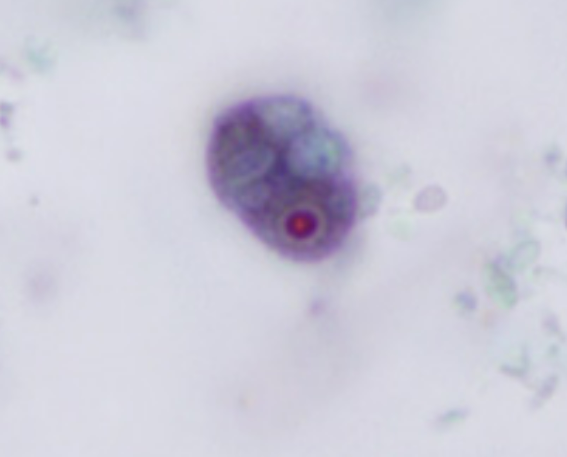
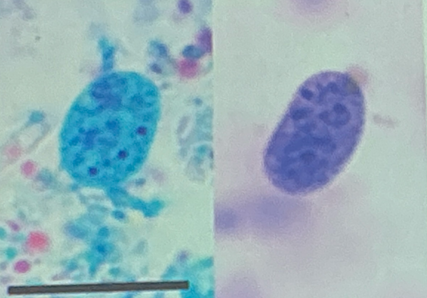
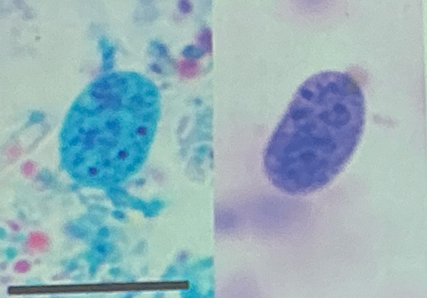
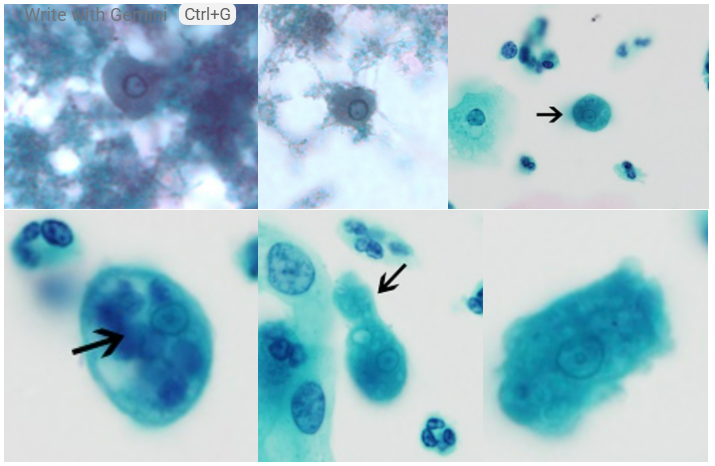
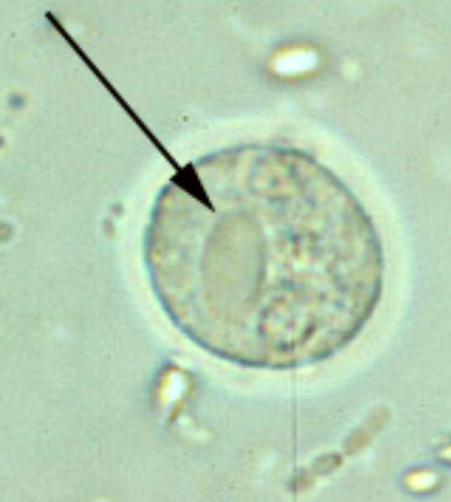
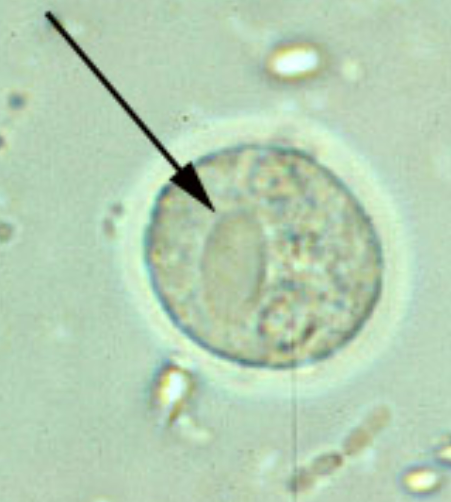
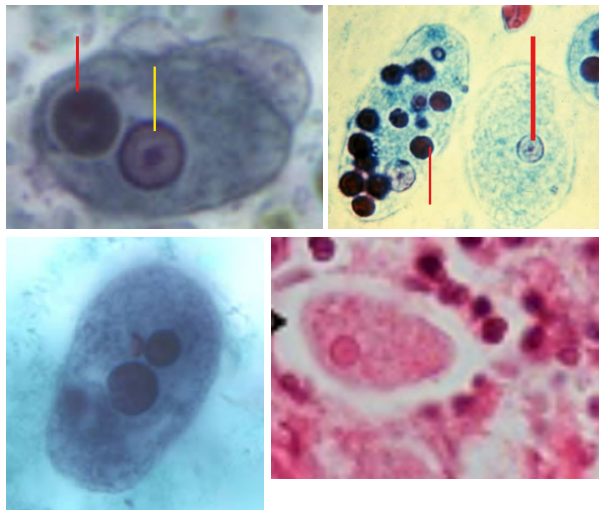
<p>Species Name:<br>Group:<br>Pointed in Arrow: <br>Stage:<br>Life Cycle Stages of this species:<br>How many nuclei does it have:</p>

Species Name:
Group:
Pointed in Arrow:
Stage:
Life Cycle Stages of this species:
How many nuclei does it have:

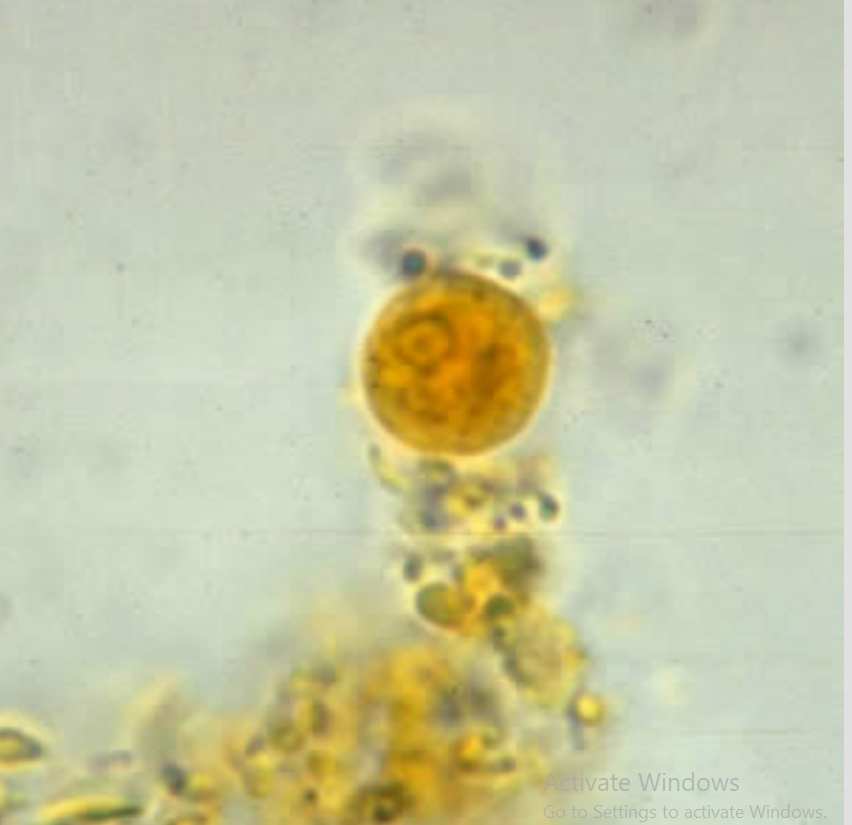
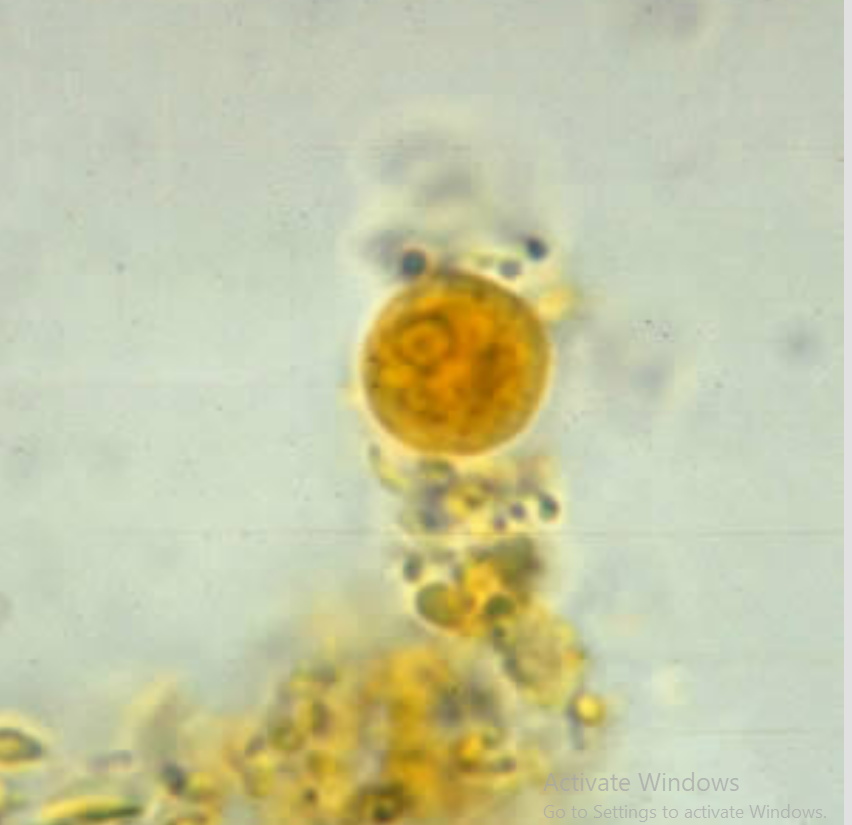
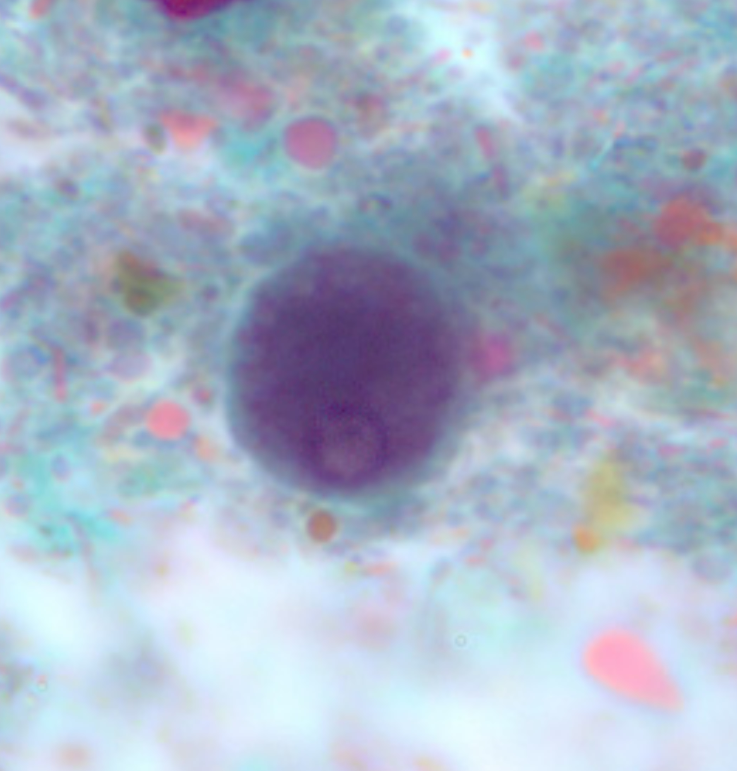
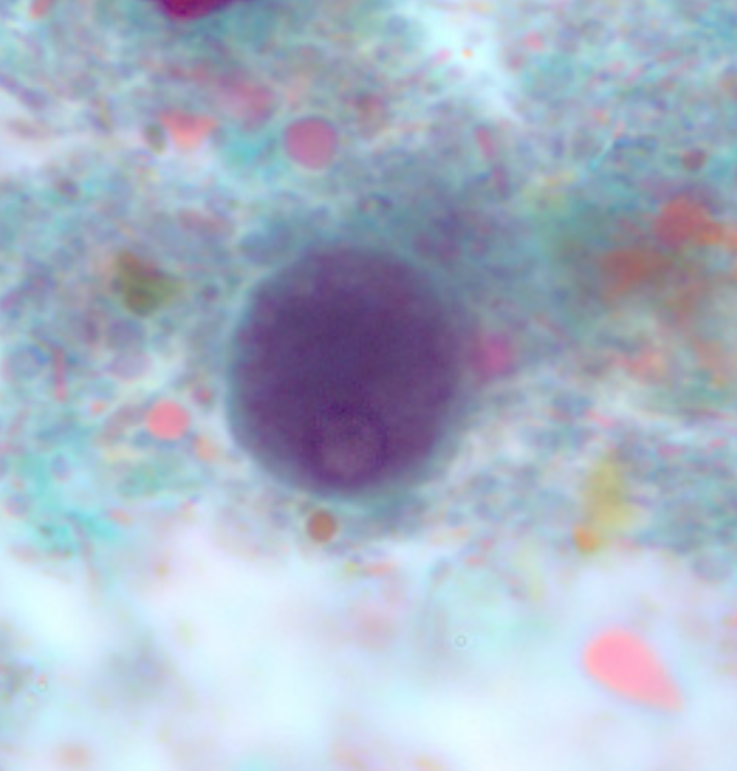
Species Name: E. histolytica
Group: Amoeba (Sarcodina)
Pointed in Arrow: Chromatoid body
Stage: Cyst
Life Cycle Stages of this species: Cyst and Trophozoite
How many nuclei does it have: 4
<p>Species Name: E. histolytica<br>Group: Amoeba (Sarcodina)<br>Pointed in Arrow: Chromatoid body<br>Stage: Cyst<br>Life Cycle Stages of this species: Cyst and Trophozoite<br>How many nuclei does it have: 4</p>
2
New cards
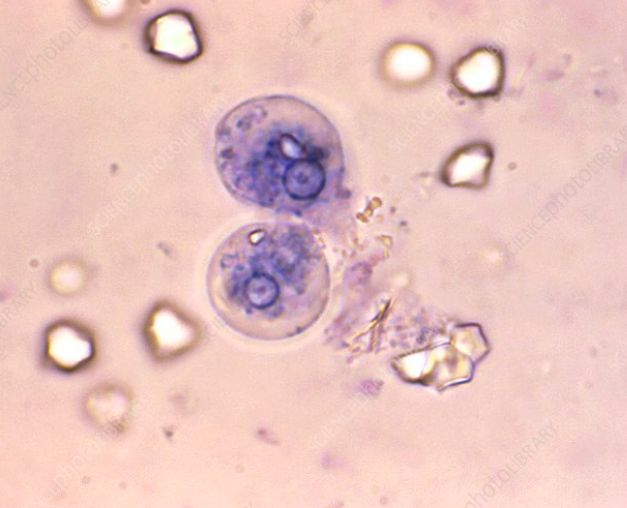
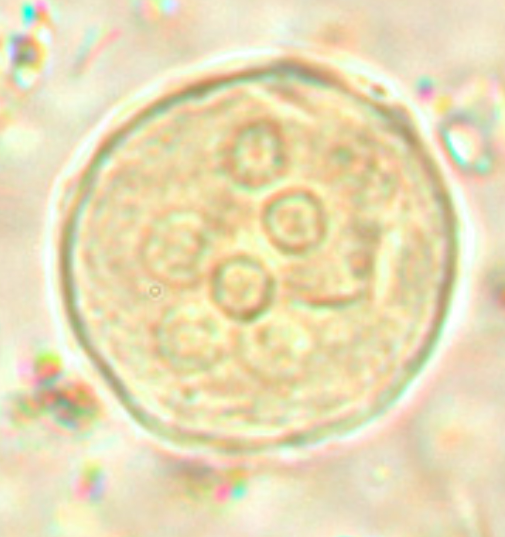
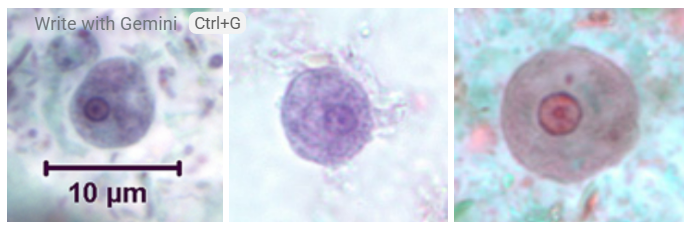
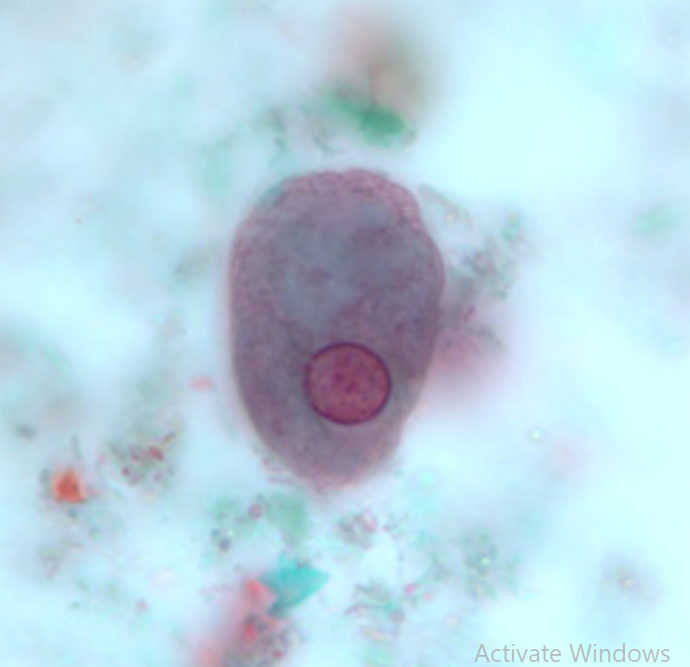
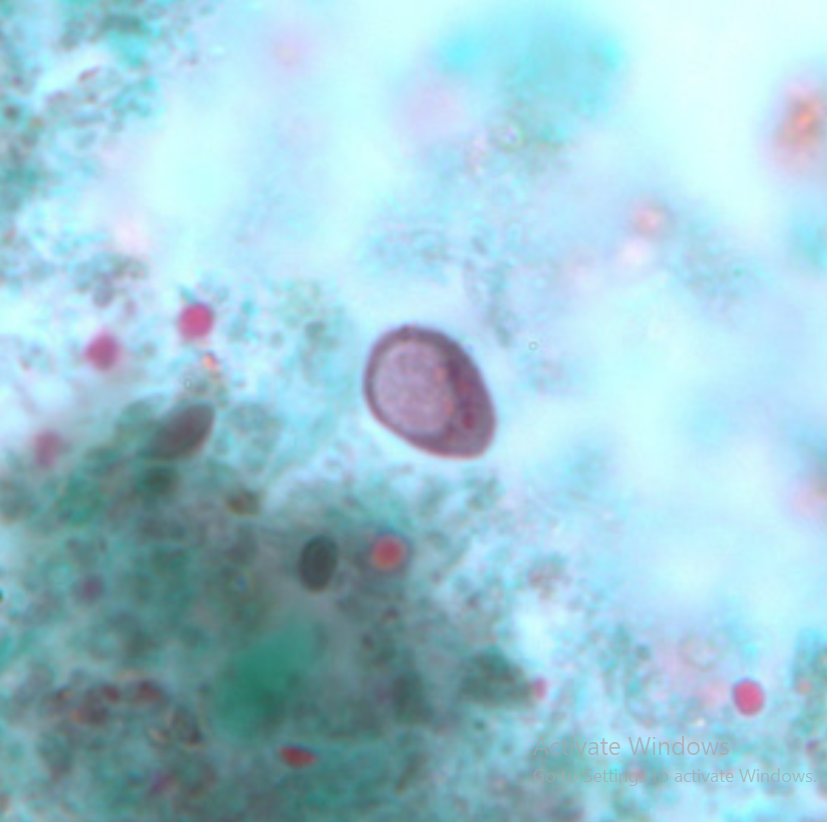
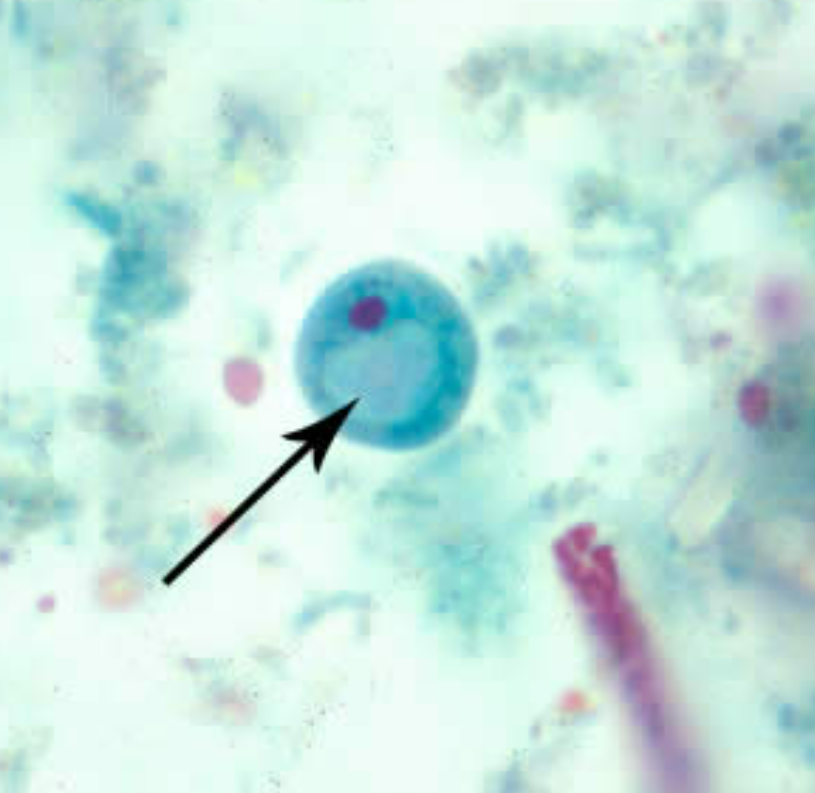
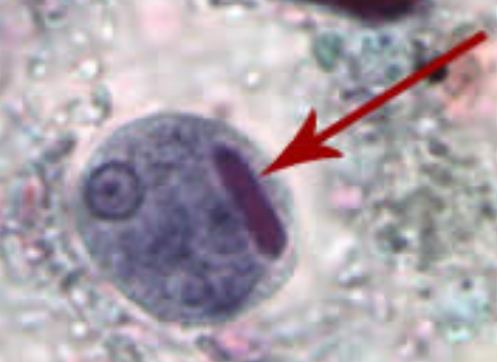
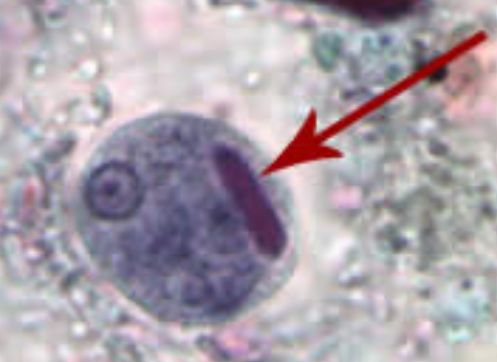
<p>Species Name:<br>Pointed in Arrow: <br>Stage:<br>Infective and Invasive stage:<br>Primary Host and Reservoir:</p>

Species Name:
Pointed in Arrow:
Stage:
Infective and Invasive stage:
Primary Host and Reservoir:

Species Name: E. histolytica
Pointed in Arrow: Chromatoid body
Stage: Cyst
Infective and Invasive stage: Cyst and Trophozoite
Primary Host and Reservoir: Humans
<p>Species Name: E. histolytica<br>Pointed in Arrow: Chromatoid body<br>Stage: Cyst<br>Infective and Invasive stage: Cyst and Trophozoite<br>Primary Host and Reservoir: Humans</p>
3
New cards

7 Species of Intestinal Amebae in Humans

  1. Pathogenic:

  2. Commensals:

7 Species of Intestinal Amebae in Humans

  1. Pathogenic: Entamoeba histolytica

  2. Commensals: E. dispar, E. moshkovskii, E. hartmanni. E. coli, Endolimax nana, Iodamoeba butschlii
    Mnemonic: (HMDCNB - Hugaw Man Diay Ca Na Bata)
4
New cards
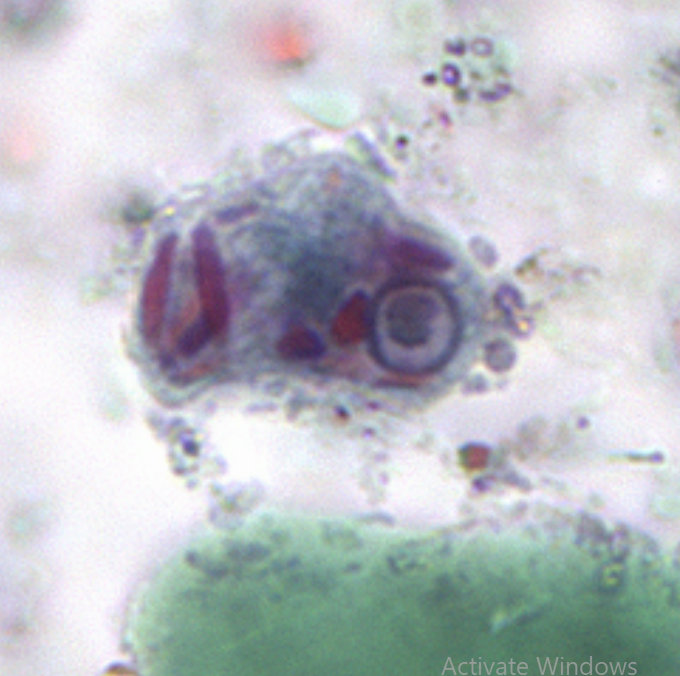
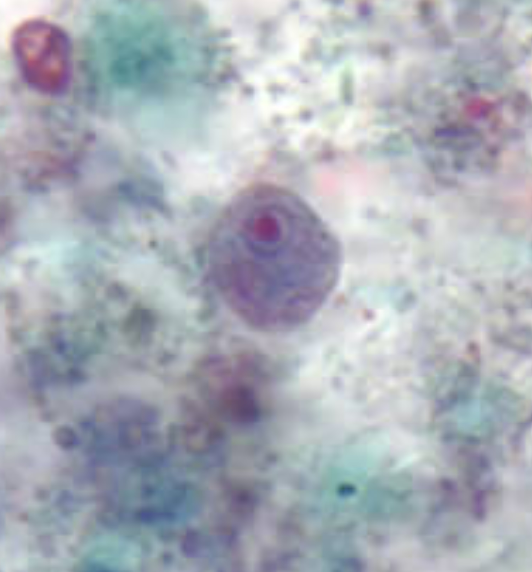
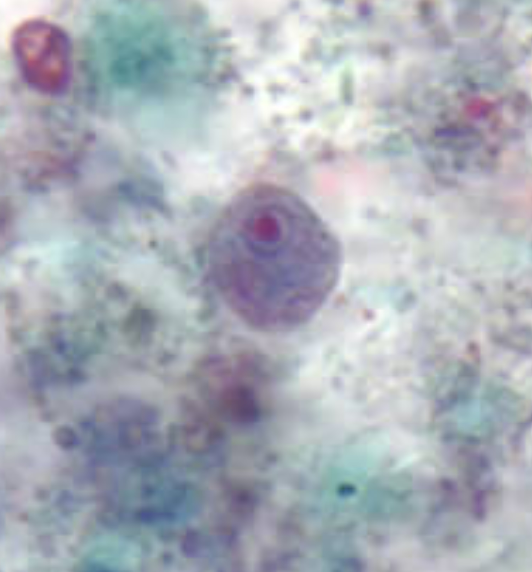
<p>Species and what stage:<br>Infective Stage:<br>Diagnostic Stage: <br>Pathognomonic finding: <br>MOT: <br>Lab Diagnosis:<br>Pathogenicity:<br>Treatment:<br>Red Line:<br>Yellow Line:</p>

Species and what stage:
Infective Stage:
Diagnostic Stage:
Pathognomonic finding:
MOT:
Lab Diagnosis:
Pathogenicity:
Treatment:
Red Line:
Yellow Line:

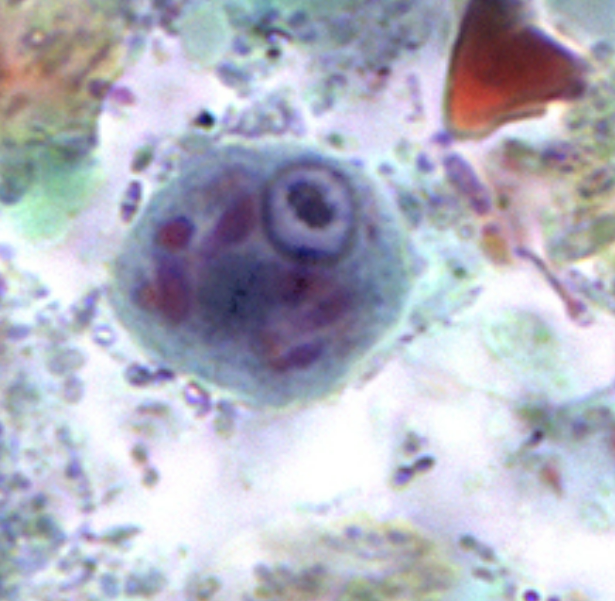
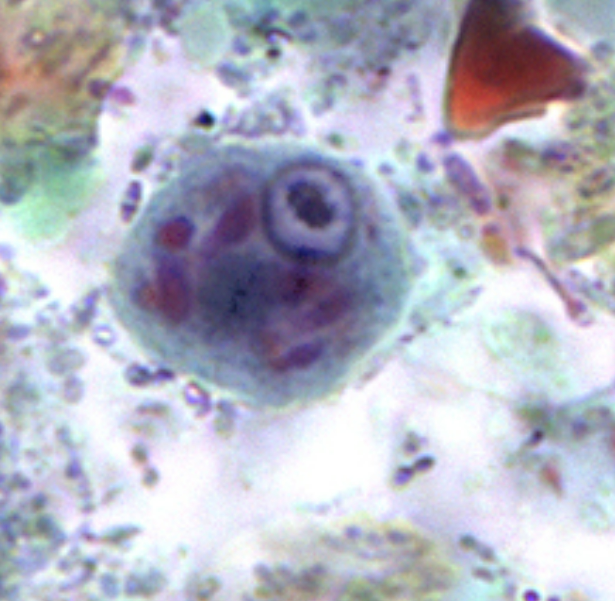
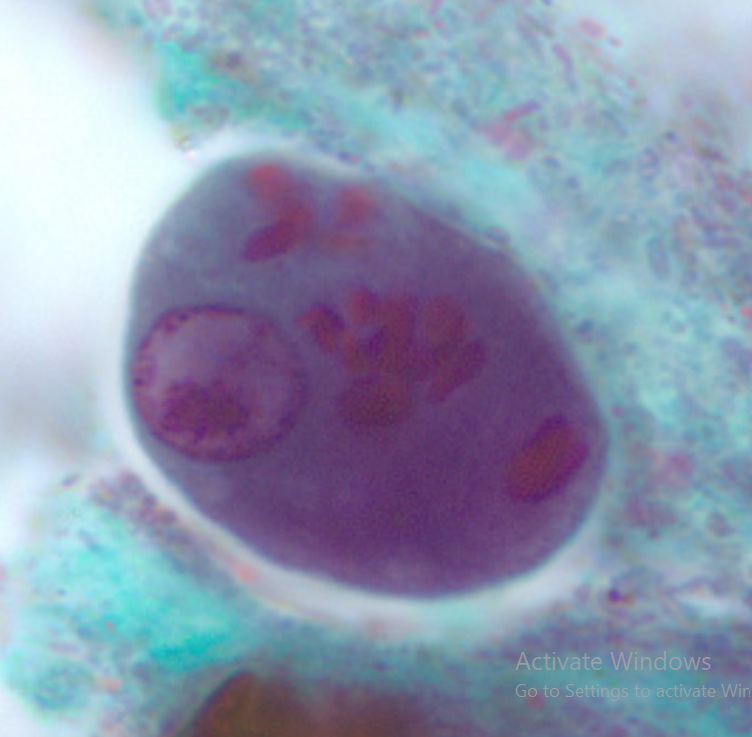
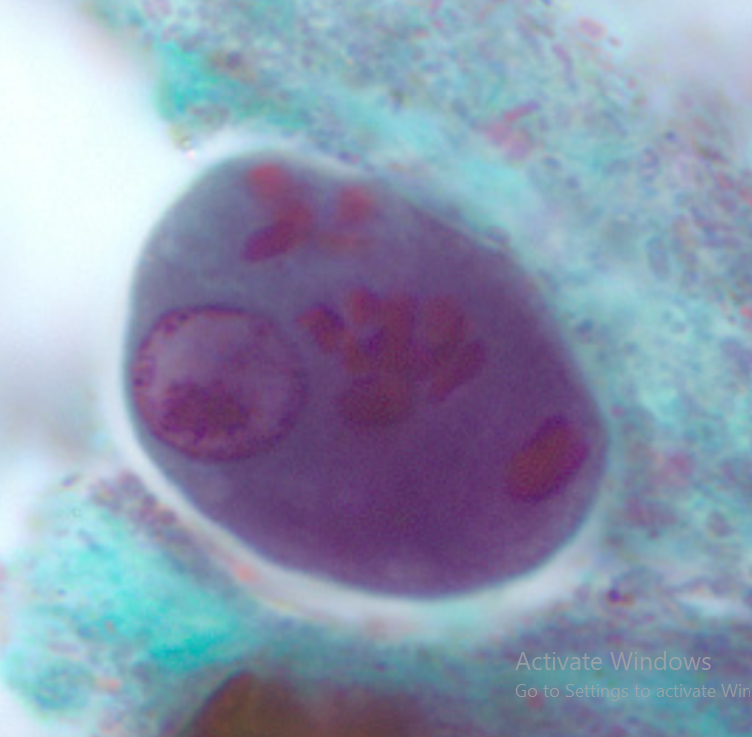
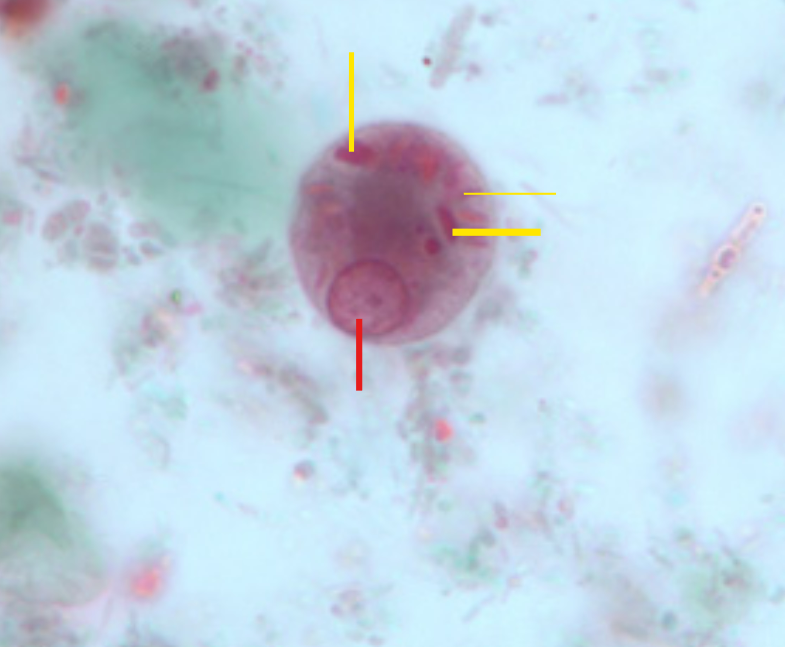
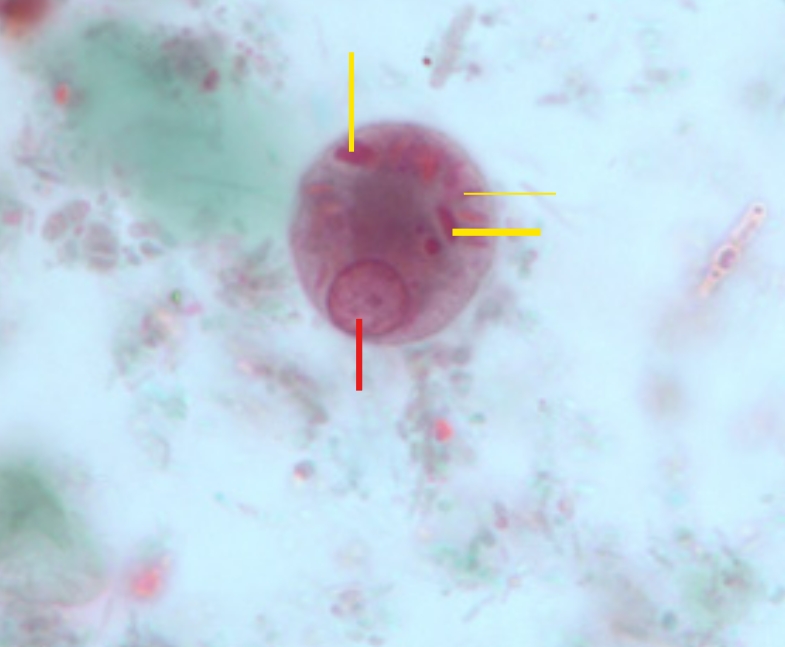
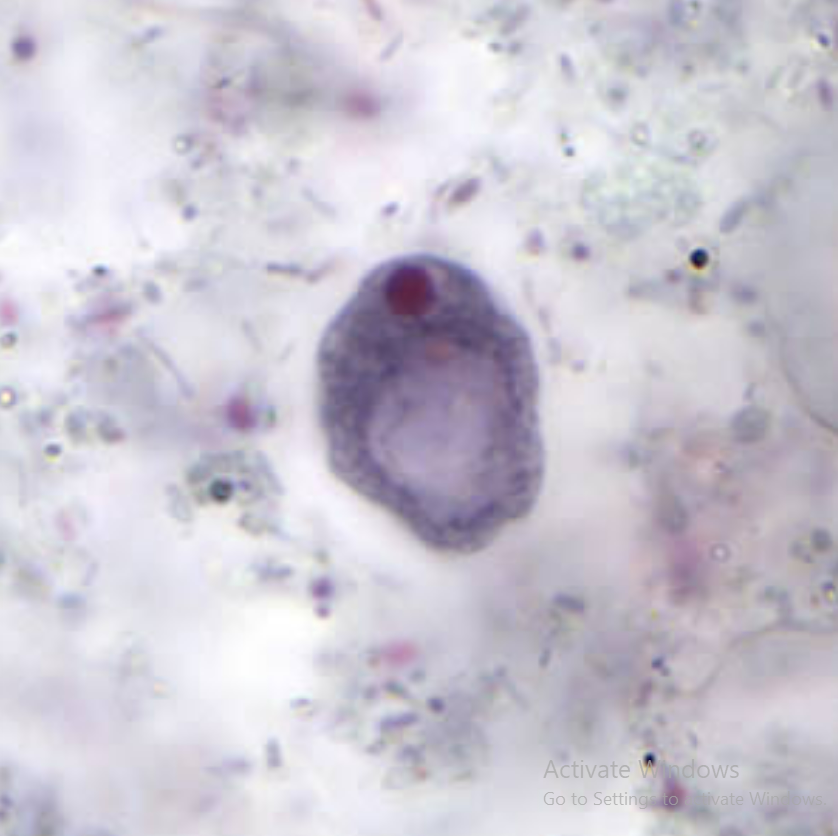
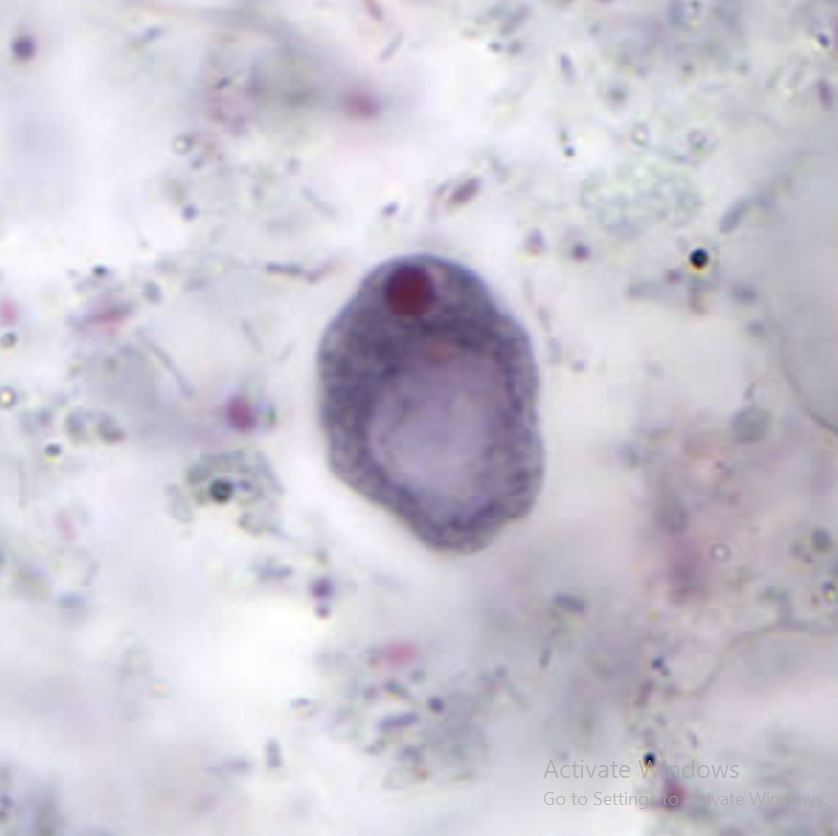
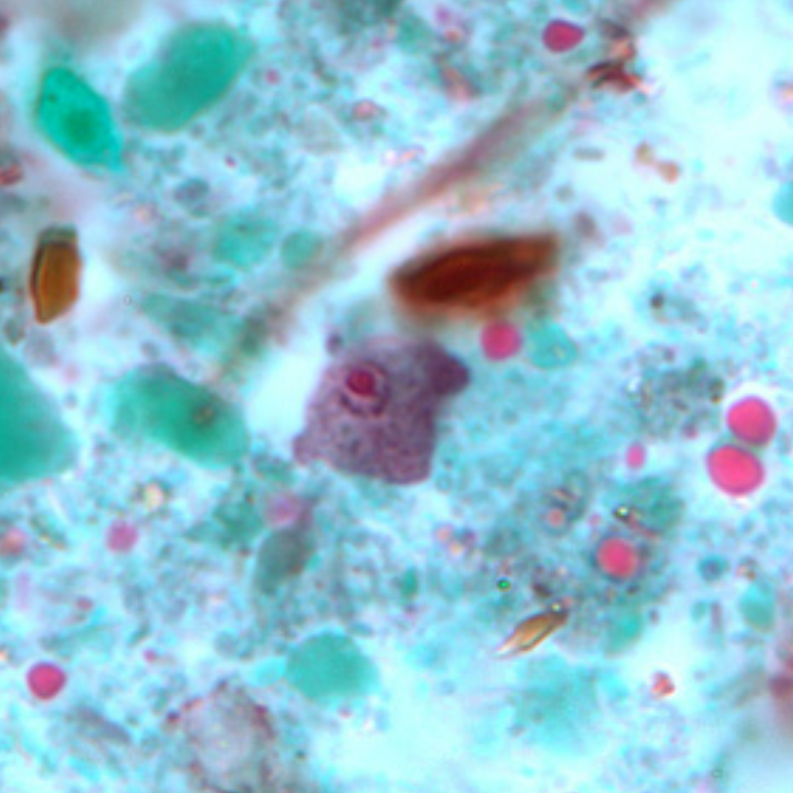
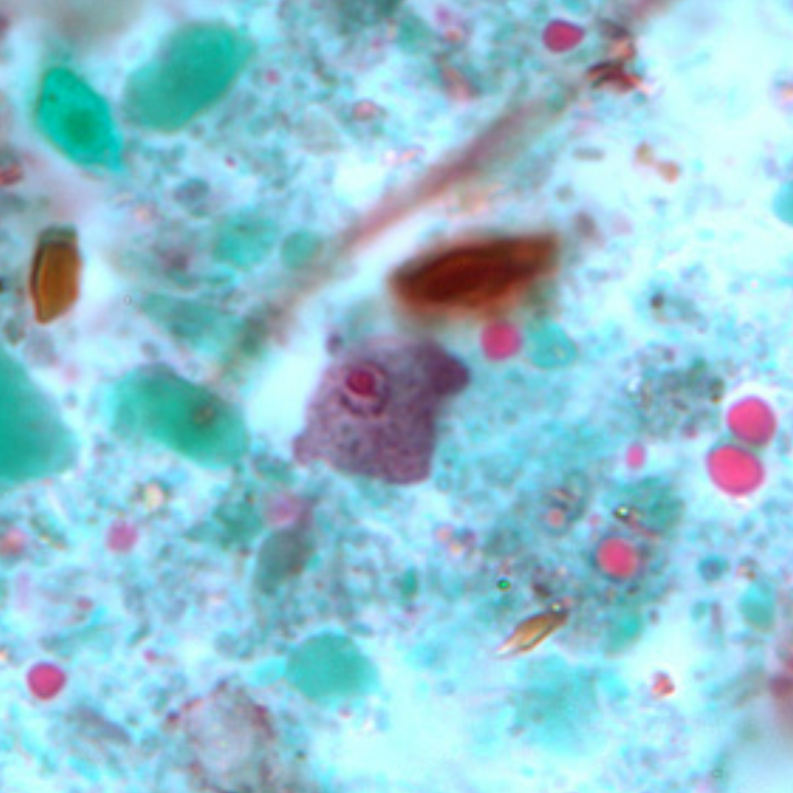
Species: E. histolytica, Trophozoite
Infective Stage: Mature Quadrinucleate Cyst
Diagnostic Stage: Cyst and Trophozoite in Stool
Pathognomonic finding: Trophozoite with ingested RBCs
MOT: Fecal-Oral Route, Mechanical Vectors, Sexual contact
Lab Diagnosis: Stool Microscopy, ELISA, PCR, Isoenzyme analysis
Pathogenicity: Amoebic colitis, Amoebic Liver Abscess (ALA)
Treatment: Metronidazole, Tinidazole
Red Line: Nucleus
Yellow Line: Ingested RBC
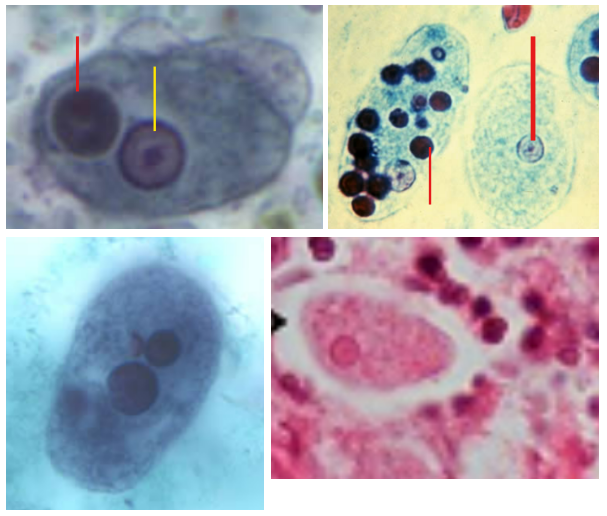
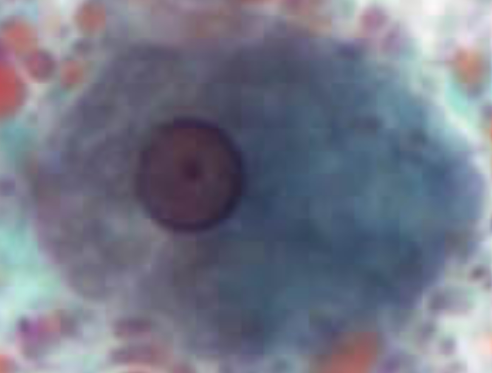
<p>Species: E. histolytica, Trophozoite<br>Infective Stage: Mature Quadrinucleate Cyst<br>Diagnostic Stage: Cyst and Trophozoite in Stool<br>Pathognomonic finding: Trophozoite with ingested RBCs<br>MOT: Fecal-Oral Route, Mechanical Vectors, Sexual contact<br>Lab Diagnosis: Stool Microscopy, ELISA, PCR, Isoenzyme analysis<br>Pathogenicity: Amoebic colitis, Amoebic Liver Abscess (ALA)<br>Treatment: Metronidazole, Tinidazole<br>Red Line: Nucleus<br>Yellow Line: Ingested RBC</p>
5
New cards
<p>Species and Stage:<br>Locomotion:</p>

Species and Stage:
Locomotion:

Species and Stage: E. histolytica, Trophozoite
Locomotion: Pseudopodia
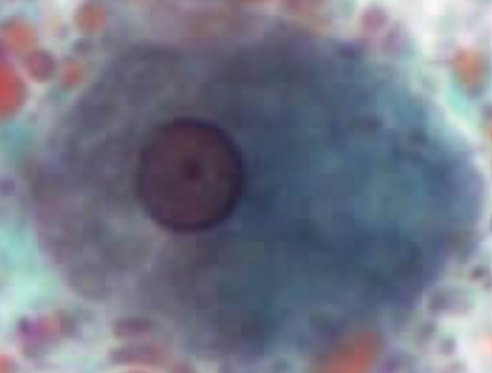
<p>Species and Stage: E. histolytica, Trophozoite<br>Locomotion: Pseudopodia</p>
6
New cards
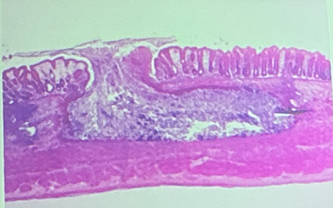
<p>What type of ulcer is this?<br>What parasite is the cause?</p>

What type of ulcer is this?
What parasite is the cause?

Flask-shaped Ulcer
E. histolytica
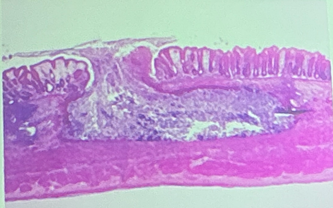
<p>Flask-shaped Ulcer<br>E. histolytica</p>
7
New cards
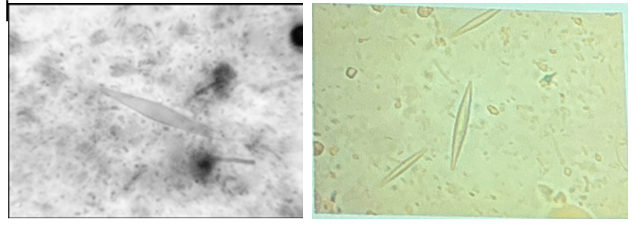
<ol><li><p>What is this?</p></li><li><p>If you have this, you suffer from?</p></li><li><p>What species is responsible for this?</p></li><li><p>Drug of choice. Give the alternative DOC.</p></li></ol><p></p>
  1. What is this?

  2. If you have this, you suffer from?

  3. What species is responsible for this?

  4. Drug of choice. Give the alternative DOC.

  1. Charcot-Leyden Crystal

  2. Amebiasis

  3. E. histolytica

  4. Metronidazole. Tinidazole, Secnidazole
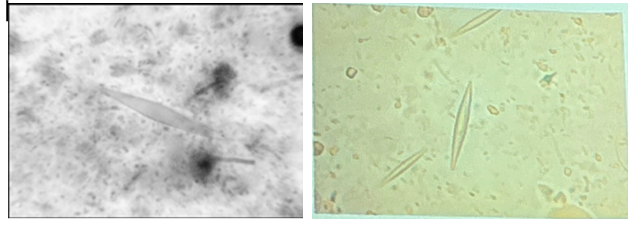
<ol><li><p>Charcot-Leyden Crystal</p></li><li><p>Amebiasis</p></li><li><p>E. histolytica</p></li><li><p>Metronidazole. Tinidazole, Secnidazole</p></li></ol><p></p>
8
New cards
<ol><li><p>Species</p></li><li><p>Describe it’s survival ability.</p></li><li><p>What species is it morphologically identical with?</p></li></ol><p></p>
  1. Species

  2. Describe it’s survival ability.

  3. What species is it morphologically identical with?

  1. Entamoeba moshkovskii

  2. Osmotolerant, Survives 0-41 C

  3. E. histolytica

<ol><li><p>Entamoeba moshkovskii</p></li><li><p>Osmotolerant, Survives 0-41 C</p></li><li><p>E. histolytica</p></li></ol><p></p>
9
New cards
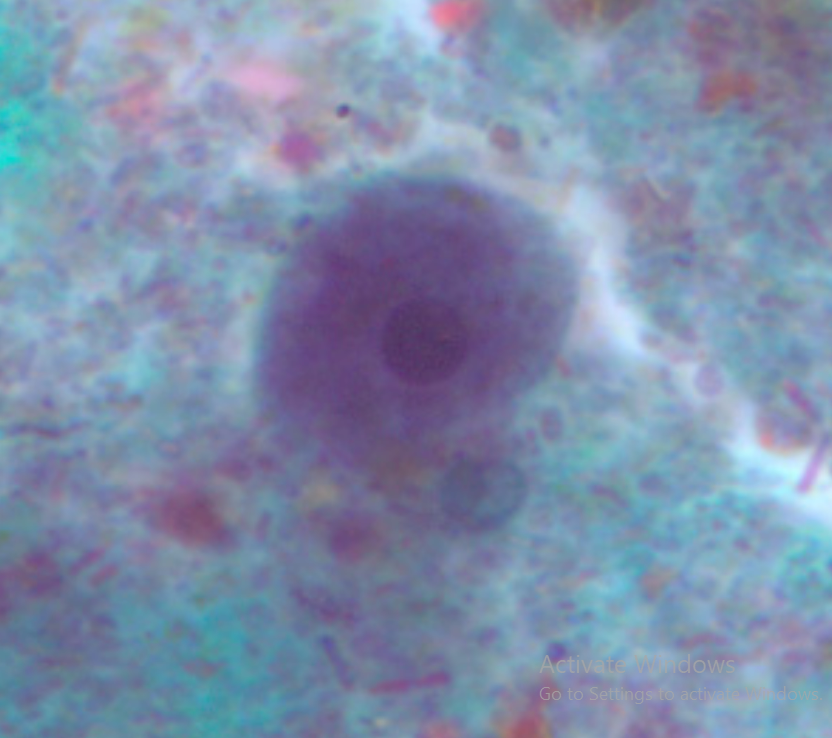
<ol><li><p>Species</p></li><li><p>Stage</p></li><li><p>Movement</p></li><li><p>Number of Nuclei</p></li></ol><p></p>
  1. Species

  2. Stage

  3. Movement

  4. Number of Nuclei

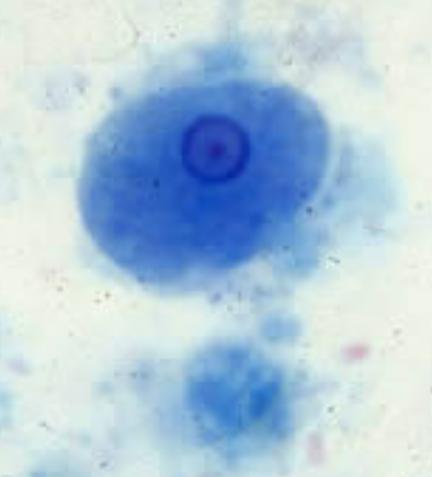
  1. Entamoeba coli

  2. Cyst

  3. Sluggish Movement

  4. 8

<ol><li><p>Entamoeba coli</p></li><li><p>Cyst</p></li><li><p>Sluggish Movement</p></li><li><p>8</p></li></ol><p></p>
10
New cards
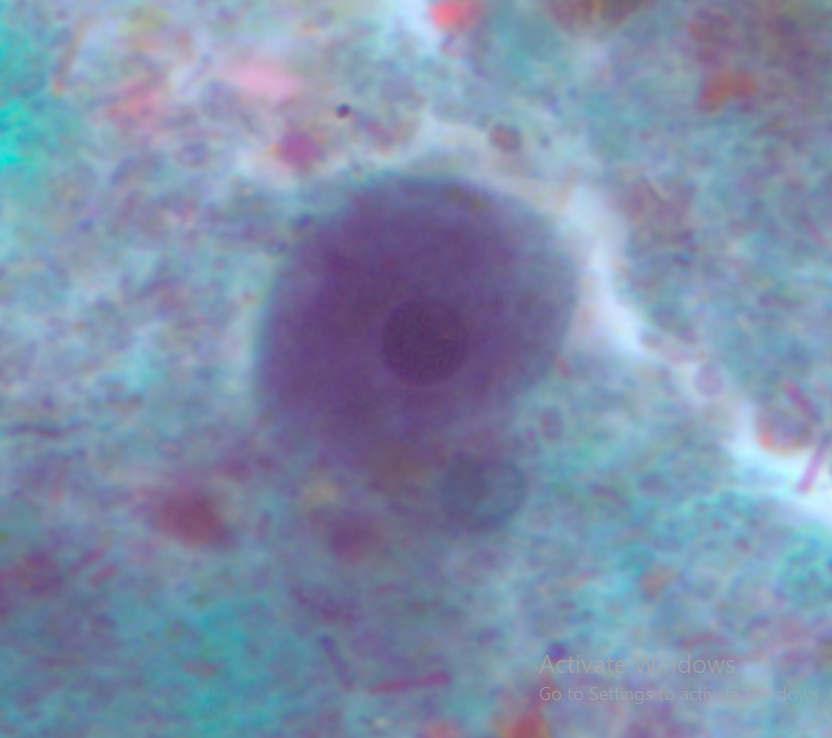
<ol><li><p>Species</p></li><li><p>Stage</p></li><li><p>Movement</p></li><li><p>Number of Nuclei</p></li></ol><p></p>
  1. Species

  2. Stage

  3. Movement

  4. Number of Nuclei

  1. Entamoeba coli

  2. Cyst

  3. Sluggish Movement

  4. 8

<ol><li><p>Entamoeba coli</p></li><li><p>Cyst</p></li><li><p>Sluggish Movement</p></li><li><p>8</p></li></ol><p></p>
11
New cards
<ol><li><p>Species</p></li><li><p>Stage</p></li></ol><p></p>
  1. Species

  2. Stage

  1. Entamoeba coli

  2. Trophozoite

12
New cards
<ol><li><p>Species</p></li><li><p>Also known as:</p></li><li><p>Stage</p></li></ol><p></p>
  1. Species

  2. Also known as:

  3. Stage

  1. Entamoeba hartmanni

  2. Small race of E. histolytica

  3. Cyst

<ol><li><p>Entamoeba hartmanni</p></li><li><p>Small race of E. histolytica</p></li><li><p>Cyst</p></li></ol><p></p>
13
New cards
<ol><li><p>Species</p></li><li><p>Stage</p></li></ol><p></p>
  1. Species

  2. Stage

  1. Entamoeba hartmanni

  2. Trophozoite

<ol><li><p>Entamoeba hartmanni</p></li><li><p>Trophozoite</p></li></ol><p></p>
14
New cards
<ol><li><p>Species</p></li><li><p>Stage</p></li></ol><p></p>
  1. Species

  2. Stage

  1. Entamoeba hartmanni

  2. Trophozoite

<ol><li><p>Entamoeba hartmanni</p></li><li><p>Trophozoite</p></li></ol><p></p>
15
New cards
<ol><li><p>Species</p></li><li><p>Stage</p></li></ol><p></p>
  1. Species

  2. Stage

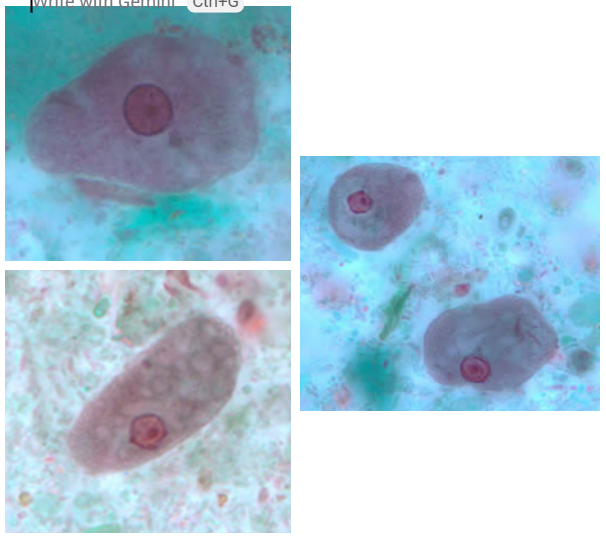
  1. Entamoeba polecki

  2. Cyst

16
New cards
<ol><li><p>Species</p></li><li><p>Stage</p></li></ol><p></p>
  1. Species

  2. Stage

  1. Entamoeba polecki

  2. Cyst

<ol><li><p>Entamoeba polecki</p></li><li><p>Cyst</p></li></ol><p></p>
17
New cards
<ol><li><p>Species</p></li><li><p>Stage</p></li></ol><p></p>
  1. Species

  2. Stage

  1. Entamoeba polecki

  2. Cyst

<ol><li><p>Entamoeba polecki</p></li><li><p>Cyst</p></li></ol><p></p>
18
New cards
<ol><li><p>Species</p></li><li><p>Stage</p></li><li><p>Red:</p></li><li><p>Yellow:</p></li></ol><p></p>
  1. Species

  2. Stage

  3. Red:

  4. Yellow:

  1. Entamoeba polecki

  2. Cyst

  3. Large nucleus with pleomorphic karyosome

  4. Chromatoid bodies

<ol><li><p>Entamoeba polecki</p></li><li><p>Cyst</p></li><li><p>Large nucleus with pleomorphic karyosome</p></li><li><p>Chromatoid bodies</p></li></ol><p></p>
19
New cards
<ol><li><p>Species</p></li><li><p>Stage</p></li></ol><p></p>
  1. Species

  2. Stage

  1. Entamoeba polecki

  2. Trophozoite

<ol><li><p>Entamoeba polecki</p></li><li><p>Trophozoite</p></li></ol><p></p>
20
New cards
<ol><li><p>Species</p></li><li><p>Stage</p></li></ol><p></p>
  1. Species

  2. Stage

  1. Entamoeba polecki

  2. Trophozoite

<ol><li><p>Entamoeba polecki</p></li><li><p>Trophozoite</p></li></ol><p></p>
21
New cards
<ol><li><p>Species</p></li><li><p>Stage</p></li></ol><p></p>
  1. Species

  2. Stage

  1. Entamoeba polecki

  2. Trophozoite

<ol><li><p>Entamoeba polecki</p></li><li><p>Trophozoite</p></li></ol><p></p>
22
New cards
<ol><li><p>Species</p></li><li><p>Stage</p></li><li><p>Distinguishing feature</p></li><li><p>Source of infection</p></li></ol><p></p>
  1. Species

  2. Stage

  3. Distinguishing feature

  4. Source of infection

  1. Iodamoeba buetschlii

  2. Cyst

  3. Glycogen vauole

  4. Contaminated hog feces

<ol><li><p>Iodamoeba buetschlii</p></li><li><p>Cyst</p></li><li><p>Glycogen vauole</p></li><li><p>Contaminated hog feces</p></li></ol><p></p>
23
New cards
<ol><li><p>Species</p></li><li><p>Stage</p></li><li><p>Black Arrow</p></li><li><p>Sources of infection</p></li></ol><p></p>
  1. Species

  2. Stage

  3. Black Arrow

  4. Sources of infection

  1. Iodamoeba buetschlii

  2. Cyst

  3. Glycogen vauole

  4. Contaminated hog feces

<ol><li><p>Iodamoeba buetschlii</p></li><li><p>Cyst</p></li><li><p>Glycogen vauole</p></li><li><p>Contaminated hog feces</p></li></ol><p></p>
24
New cards
<ol><li><p>Species</p></li><li><p>Stage</p></li><li><p>Black Arrow</p></li><li><p>Source of infection</p></li></ol><p></p>
  1. Species

  2. Stage

  3. Black Arrow

  4. Source of infection

  1. Iodamoeba buetschlii

  2. Cyst

  3. Glycogen vauole

  4. Contaminated hog feces

<ol><li><p>Iodamoeba buetschlii</p></li><li><p>Cyst</p></li><li><p>Glycogen vauole</p></li><li><p>Contaminated hog feces</p></li></ol><p></p>
25
New cards
<ol><li><p>Species</p></li><li><p>Stage</p></li></ol><p></p>
  1. Species

  2. Stage

  1. Iodamoeba buetschlii

  2. Trophozoite

<ol><li><p>Iodamoeba buetschlii</p></li><li><p>Trophozoite</p></li></ol><p></p>
26
New cards
<ol><li><p>Species</p></li><li><p>Stage</p></li></ol><p></p>
  1. Species

  2. Stage

  1. Iodamoeba buetschlii

  2. Trophozoite

<ol><li><p>Iodamoeba buetschlii</p></li><li><p>Trophozoite</p></li></ol><p></p>
27
New cards
<ol><li><p>Species</p></li><li><p>Stage</p></li></ol><p></p>
  1. Species

  2. Stage

  1. Iodamoeba buetschlii

  2. Trophozoite

<ol><li><p>Iodamoeba buetschlii</p></li><li><p>Trophozoite</p></li></ol><p></p>
28
New cards
<ol><li><p>Species</p></li><li><p>Stage</p></li></ol><p></p>
  1. Species

  2. Stage

  1. Endolimax nana

  2. Cyst

<ol><li><p>Endolimax nana</p></li><li><p>Cyst</p></li></ol><p></p>
29
New cards
<ol><li><p>Species</p></li><li><p>Stage</p></li></ol><p></p>
  1. Species

  2. Stage

  1. Endolimax nana

  2. Trophozoite

<ol><li><p>Endolimax nana</p></li><li><p>Trophozoite</p></li></ol><p></p>
30
New cards
<ol><li><p>Species</p></li><li><p>Stage</p></li></ol><p></p>
  1. Species

  2. Stage

  1. Endolimax nana

  2. Trophozoite

<ol><li><p>Endolimax nana</p></li><li><p>Trophozoite</p></li></ol><p></p>
31
New cards
<ol><li><p>Species</p></li><li><p>Stage</p></li></ol><p></p>
  1. Species

  2. Stage

  1. Endolimax nana

  2. Cyst

<ol><li><p>Endolimax nana</p></li><li><p>Cyst</p></li></ol><p></p>
32
New cards
<ol><li><p>Species</p></li><li><p>Stage</p></li><li><p>Transmission</p></li><li><p>Feeds on</p></li><li><p>Unique Characteristic</p></li><li><p>Treatment</p></li></ol><p></p>
  1. Species

  2. Stage

  3. Transmission

  4. Feeds on

  5. Unique Characteristic

  6. Treatment

  1. Entamoeba gingivalis

  2. Trophozoite

  3. Kissing, Droplet spray, shared utensil

  4. Feeds on leukocytes and bacteria

  5. Unique characteristic: No cyst stage

  6. No treatment required (non-pathogenic)
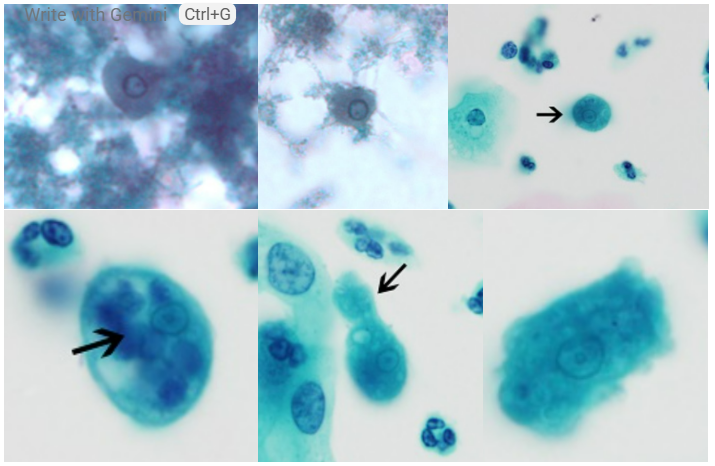
<ol><li><p>Entamoeba gingivalis</p></li><li><p>Trophozoite</p></li><li><p>Kissing, Droplet spray, shared utensil</p></li><li><p>Feeds on leukocytes and bacteria</p></li><li><p>Unique characteristic: No cyst stage</p></li><li><p>No treatment required (non-pathogenic)</p></li></ol><p></p>
33
New cards
<ol><li><p>Species</p></li><li><p>Stage</p></li><li><p>Causes what diseases:</p></li><li><p>Prominent Characteristic</p></li><li><p>Give at least two entry pathway to the body</p></li><li><p>This is a possible reservoir hosts form medically important bacteria such as… give at least two</p></li></ol><p></p>
  1. Species

  2. Stage

  3. Causes what diseases:

  4. Prominent Characteristic

  5. Give at least two entry pathway to the body

  6. This is a possible reservoir hosts form medically important bacteria such as… give at least two

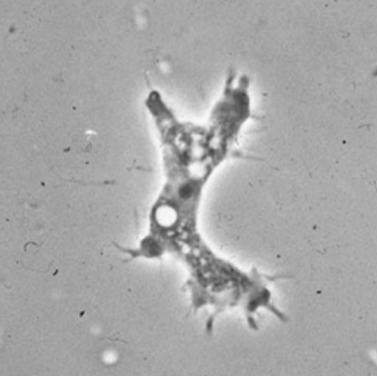
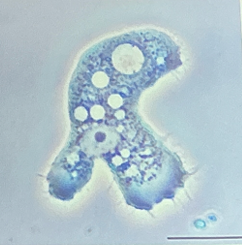
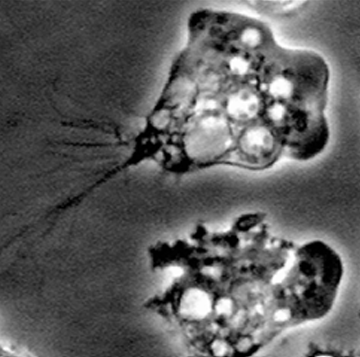
  1. Acanthamoeba spp.

  2. Trophozoite

  3. Acanthamoeba Keratitis (AK), Granulomatous Amebic Encephalitis (GAE)

  4. Acanthopodia (thorn-like projections)

  5. Eye, Nasal Passages, Broken skin

  6. Legionella spp., mycobacteria, E. coli
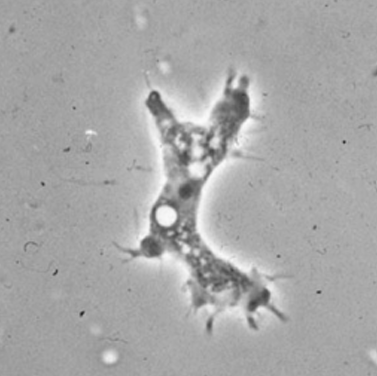
<ol><li><p>Acanthamoeba spp.</p></li><li><p>Trophozoite</p></li><li><p>Acanthamoeba Keratitis (AK), Granulomatous Amebic Encephalitis (GAE)</p></li><li><p>Acanthopodia (thorn-like projections)</p></li><li><p>Eye, Nasal Passages, Broken skin</p></li><li><p>Legionella spp., mycobacteria, E. coli</p></li></ol><p></p>
34
New cards
<ol><li><p>Species</p></li><li><p>Stage</p></li><li><p>Found in… give at least two</p></li></ol><p></p>
  1. Species

  2. Stage

  3. Found in… give at least two

  1. Acanthamoeba spp.

  2. Trophozoite

  3. Freshwater and seawater, soil, sewage, hospital equipment, contact lenses and lens solutions
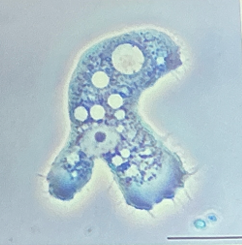
<ol><li><p>Acanthamoeba spp.</p></li><li><p>Trophozoite</p></li><li><p>Freshwater and seawater, soil, sewage, hospital equipment, contact lenses and lens solutions</p></li></ol><p></p>
35
New cards
  1. Species that causes Acanthamoeba keratitis

  2. Diagnosis of the disease?

  3. Treatment of the disease?

  4. What medication to avoid?

  1. Acanthamoeba spp.

  2. Epithelial biopsy, corneal scrapings, culture, PCR

  3. Clotrimazole combined with pentamidine, isethionate, neosporin

  4. Topical coticosteroids (retards immune repsonse)

36
New cards
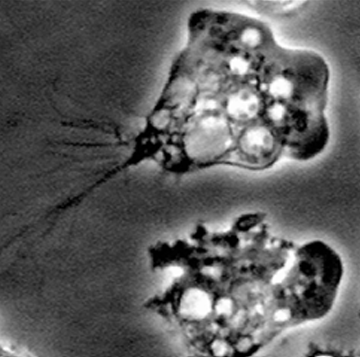
  1. Species that causes Granulomatous Amebic Encephalitis (GAE)

  2. Treatment

  1. Acanthamoeba spp.

  2. Amphotericin B, Penamidine, Sulfadiazine, Flucytosine, Fluconazole, Itraconazole
37
New cards
<ol><li><p>Species</p></li><li><p>Stage</p></li><li><p>Three stages of life cycle</p></li><li><p>Vegetative forms</p></li><li><p>This species has two forms of trophozoites</p></li><li><p>What are these forms, and which one is found in humans.</p></li><li><p>Environment where they thrive best</p></li><li><p>Entry pathway to the body </p></li></ol><p></p>
  1. Species

  2. Stage

  3. Three stages of life cycle

  4. Vegetative forms

  5. This species has two forms of trophozoites

  6. What are these forms, and which one is found in humans.

  7. Environment where they thrive best

  8. Entry pathway to the body

  1. Naegleria spp.

  2. Trophozoites in ameboid

  3. Cysts, trophozoites, flagellated forms.

  4. Ameba (trophozoite form) and flagellate (swimming form)

  5. Naegleria fowleri

  6. Ameboid and Ameboflagellate. Ameboid is found in humans.

  7. Hot springs and other warm environment (thermophilic)

  8. Nasal mucos

<ol><li><p>Naegleria spp.</p></li><li><p>Trophozoites in ameboid</p></li><li><p>Cysts, trophozoites, flagellated forms.</p></li><li><p>Ameba (trophozoite form) and flagellate (swimming form)</p></li><li><p>Naegleria fowleri</p></li><li><p>Ameboid and Ameboflagellate. Ameboid is found in humans.</p></li><li><p>Hot springs and other warm environment (thermophilic)</p></li><li><p>Nasal mucos</p></li></ol><p></p>
38
New cards
  1. Also know as the brain-eating amoeba.

  2. What disease does it cause?

  1. Naegleria fowleri

  2. Primary Amebic Meningoencephalitis (PAM)

39
New cards
  1. Species

  2. Infective stage

  3. Diagnostic stage

  4. Location in this infective stage

  1. Naegleria fowleri

  2. Trophozoite

  3. Trophozoites in CSF and brain tissue

  4. Human tissues and CSF

40
New cards
  1. Species that causes Primary Amebic Meningoencephalitis (PAM)

  2. Diagnosis

  3. Treatment

  1. Naegleria fowleri

  2. Aspirates from suspected infection and introduced into bacteria-seeded agar culture medium

  3. Amphotericin B (Blood-Brain Barrier)